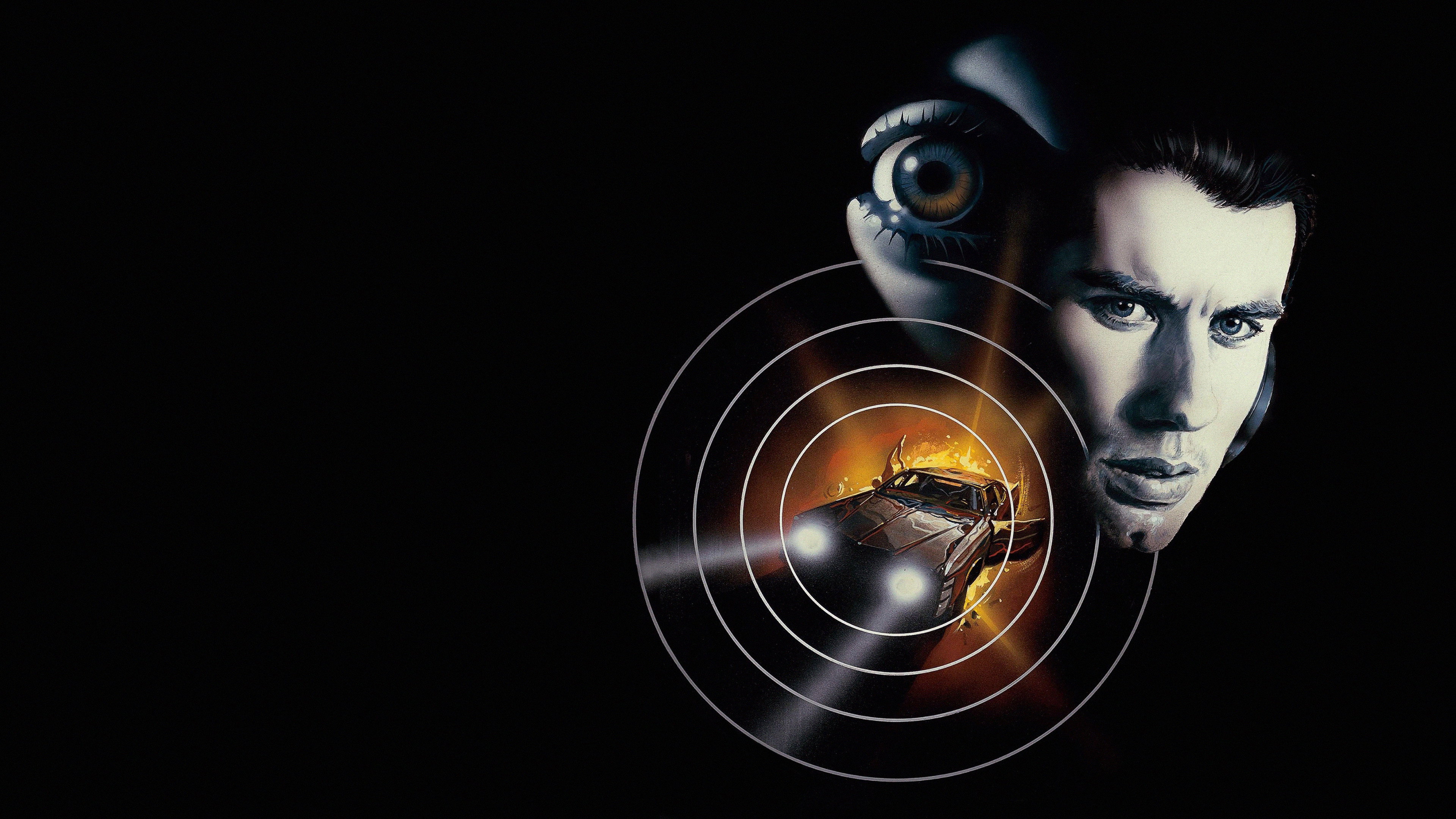
Blow Out is the clearest presentation of Brian De Palma’s entire raison d’etre, cloaking a deeply cynical heart inside of incredibly sincere filmmaking.
For him, filmmaking is simply using a set of tools to accomplish a goal, hence his “master craftsman” reputation among the New Hollywood bunch. What’s missing from that common assessment is that the goals of these films are not meaningless thrills but instead the most personal of admissions, particularly regarding De Palma’s identity as a filmmaker. After all, Blow Out is a thriller about a contemplative thriller filmmaker.
This simultaneous layering of creation and reflection within the same work creates an ouroboros effect, giving De Palma’s output an adult sense of honesty that is difficult to describe but undeniable to feel. It’s what makes him more humanistically appealing to me than many of his descendants, Fincher being a prime example. He's cooler too.
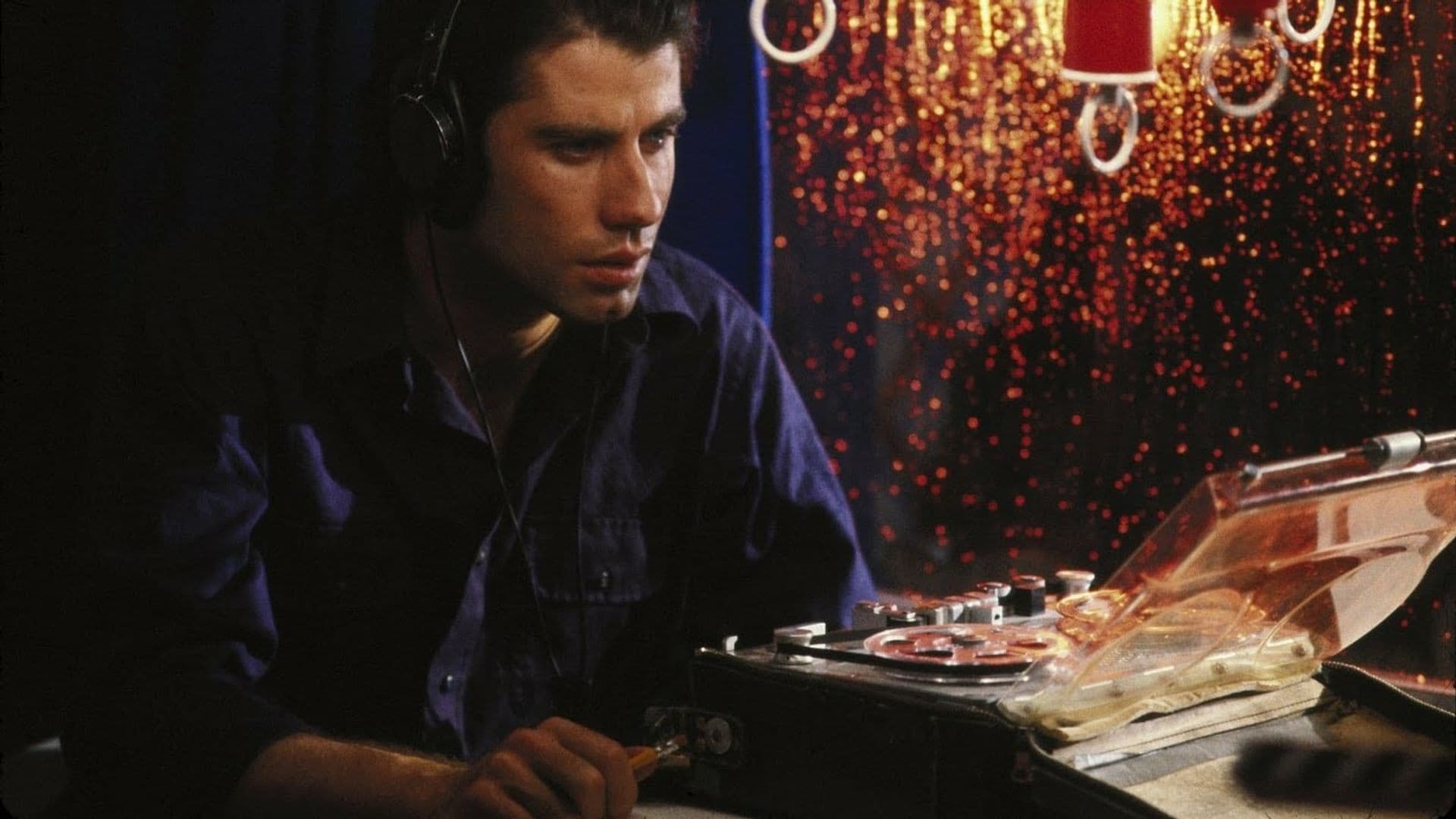
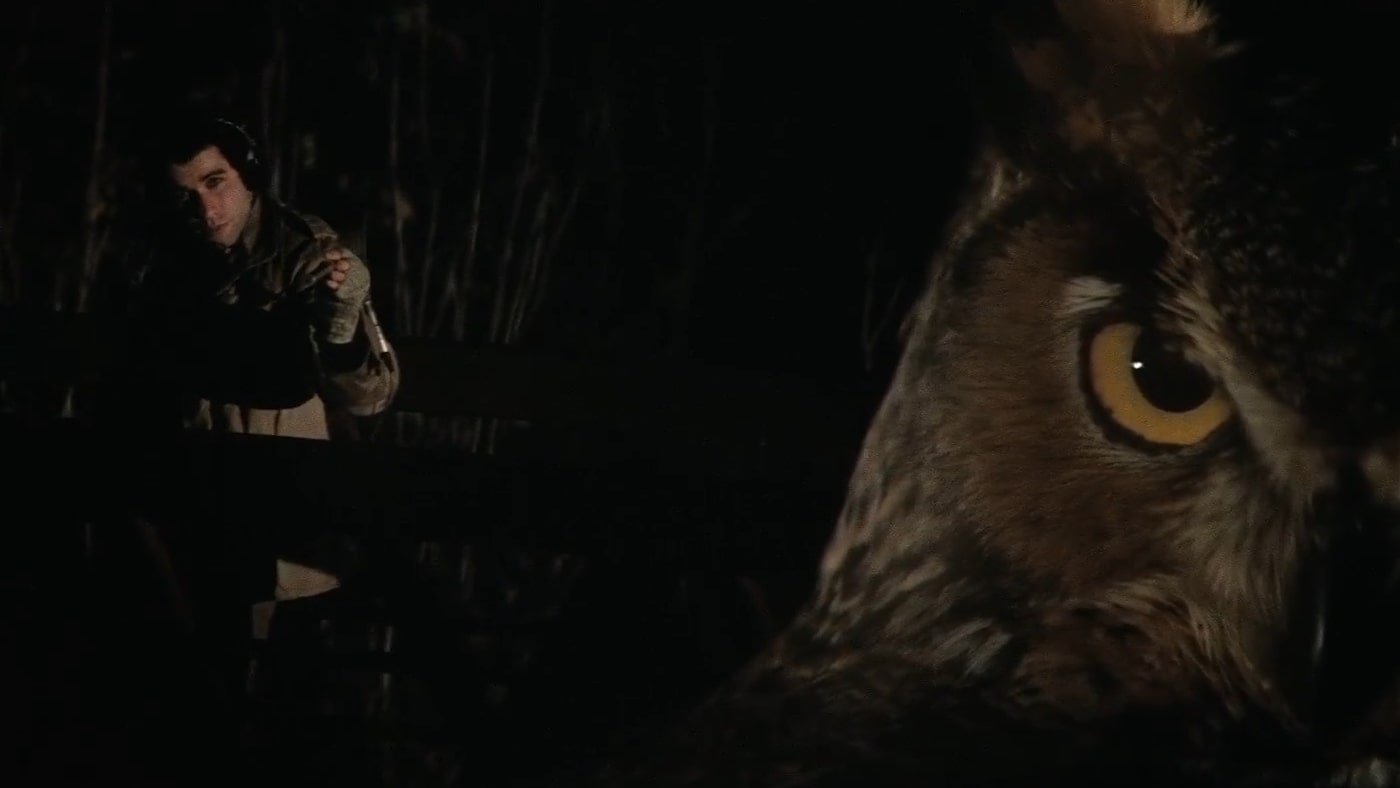
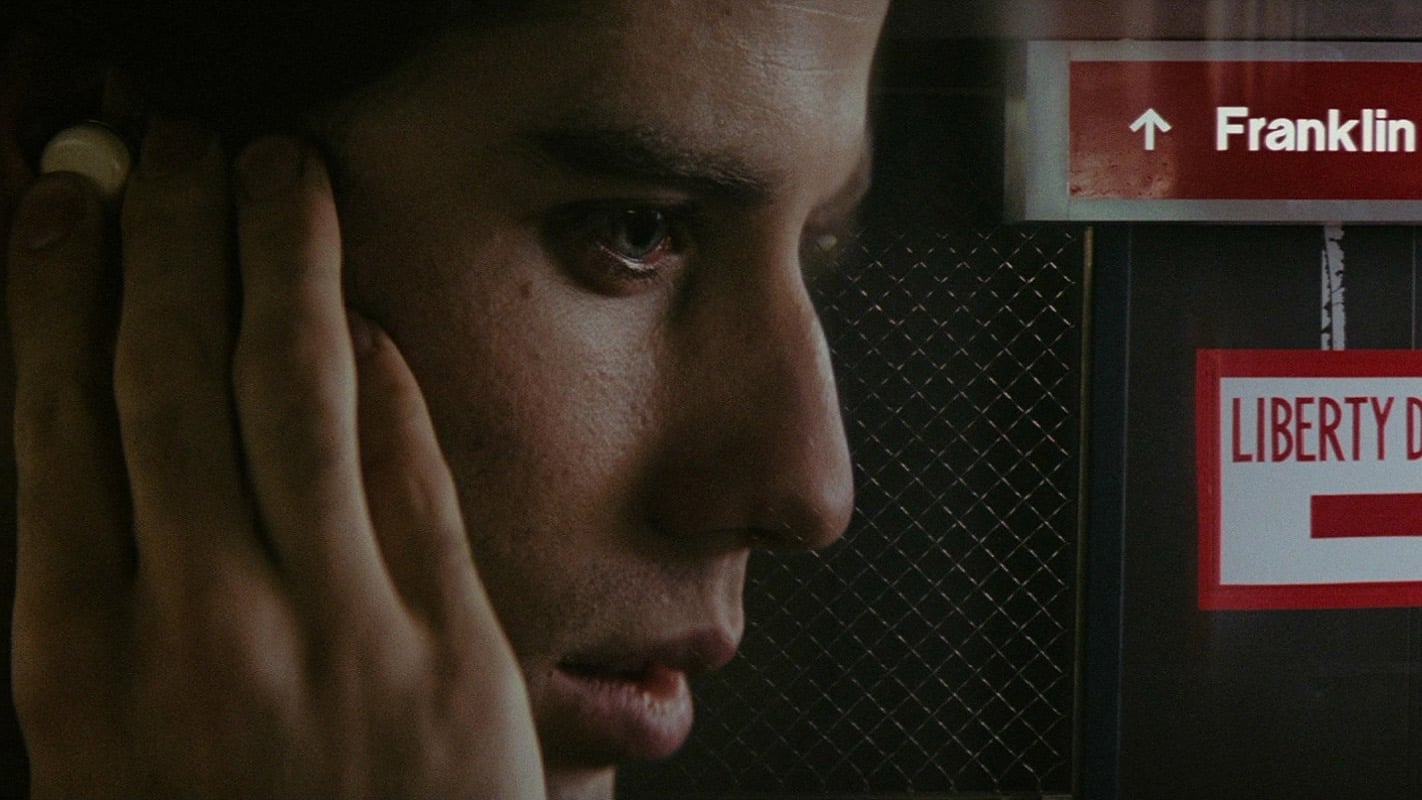
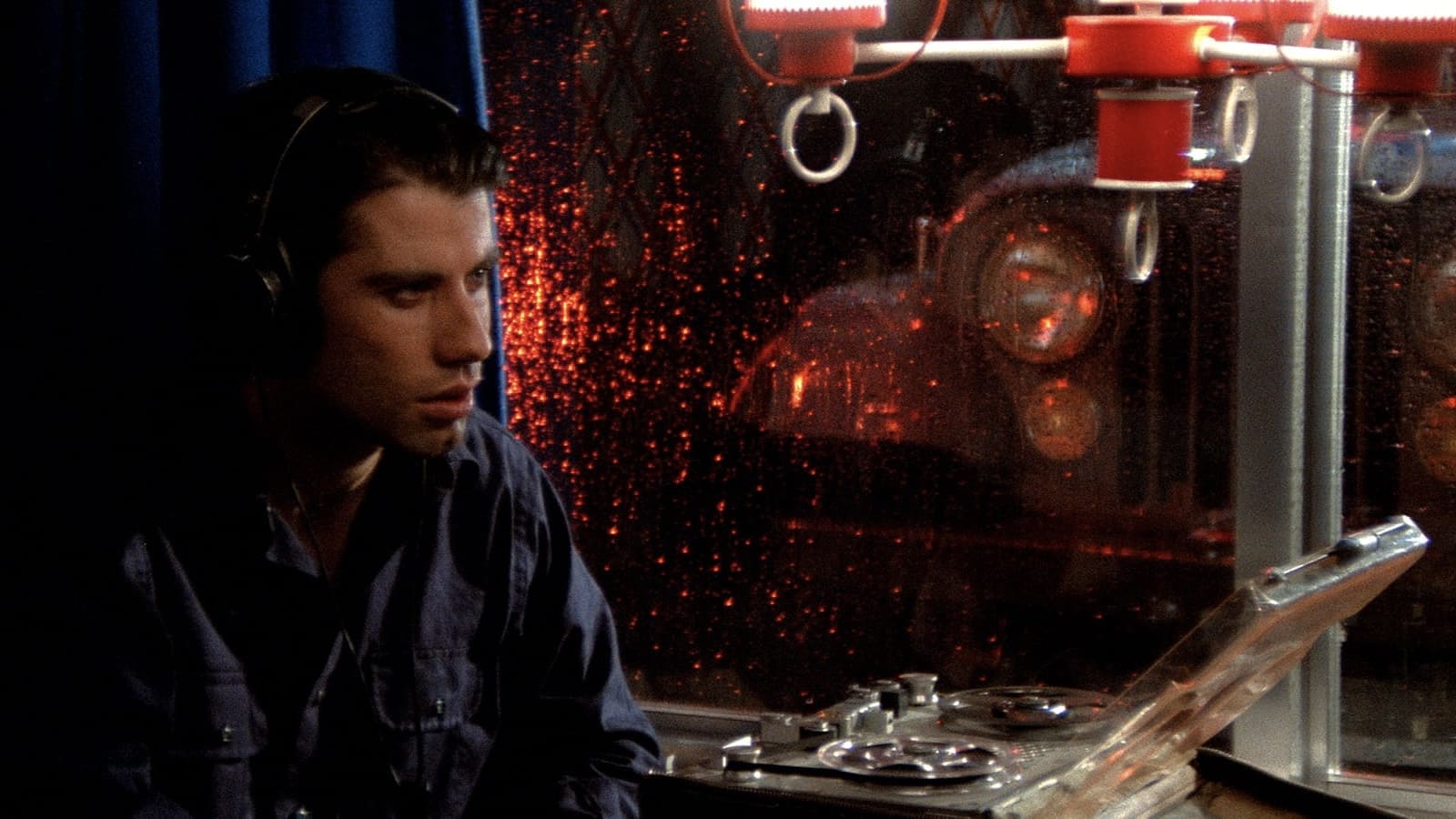
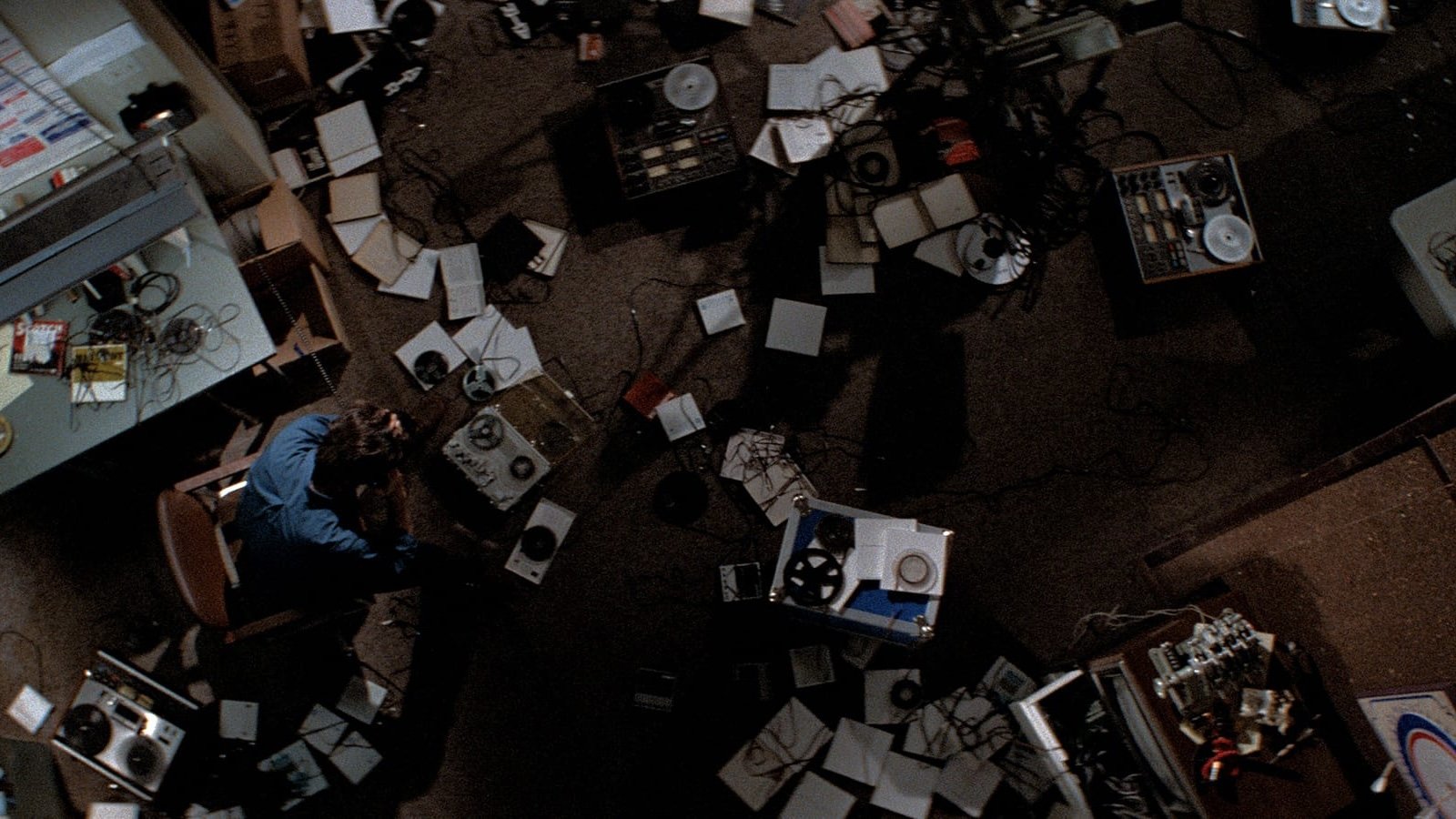
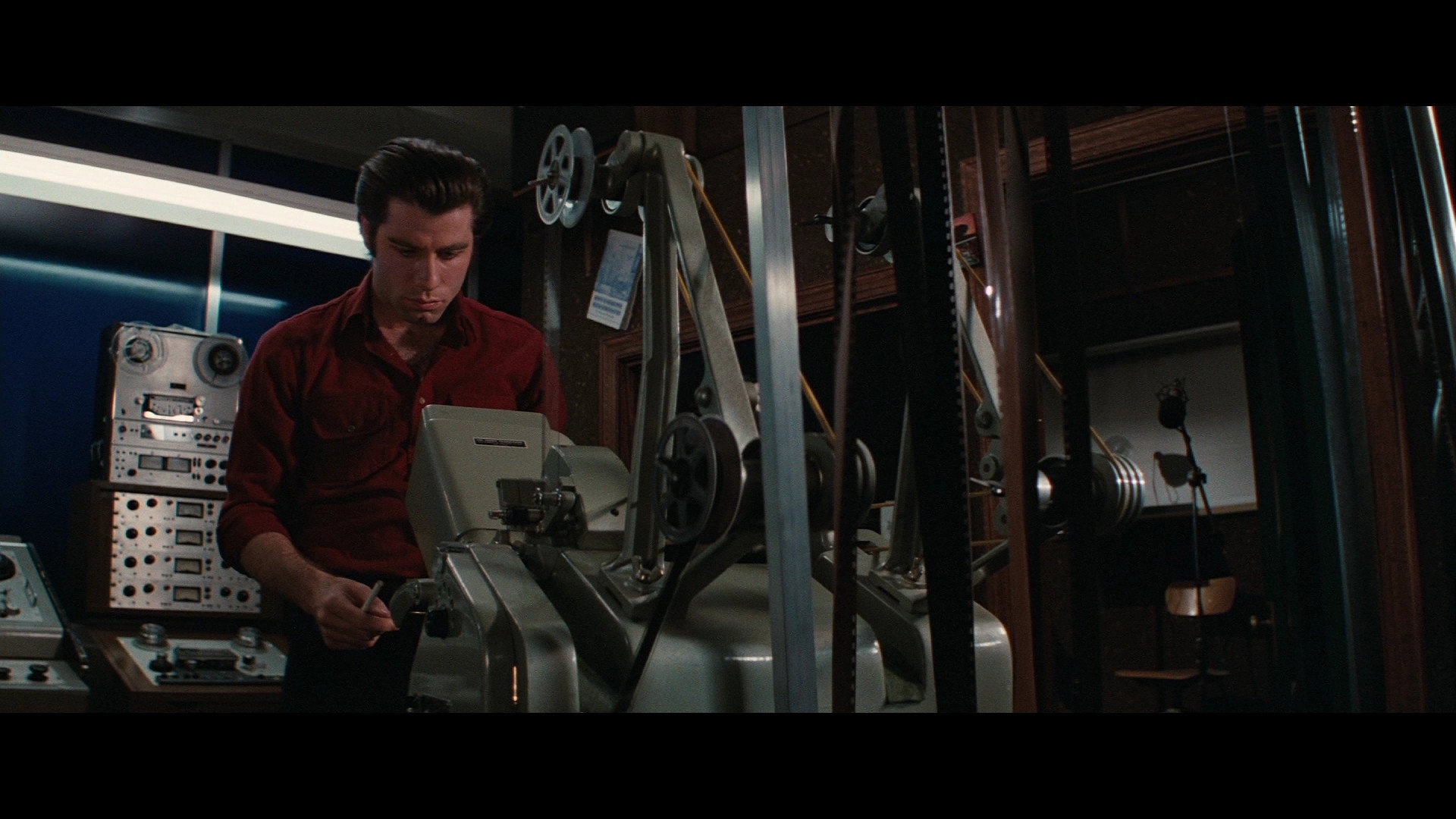
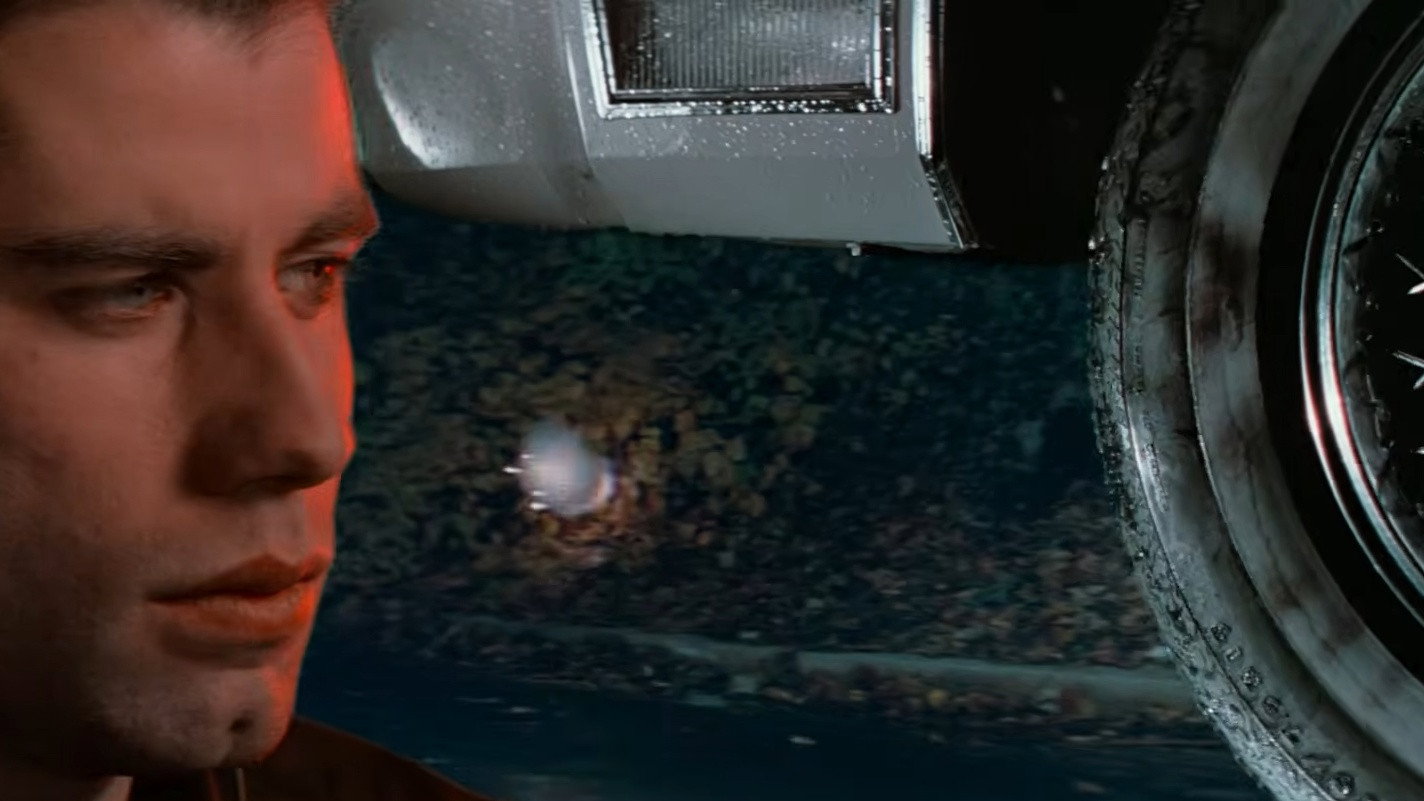
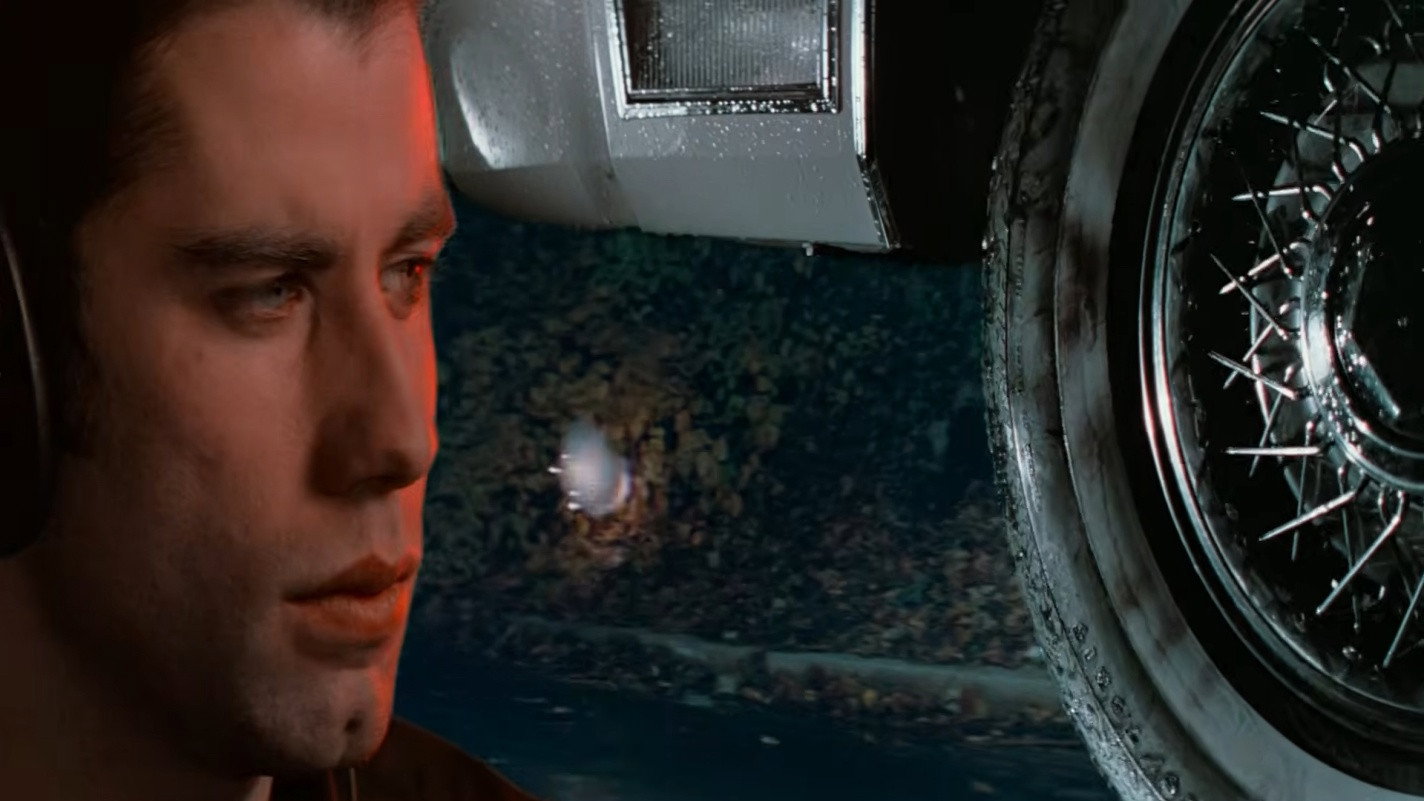
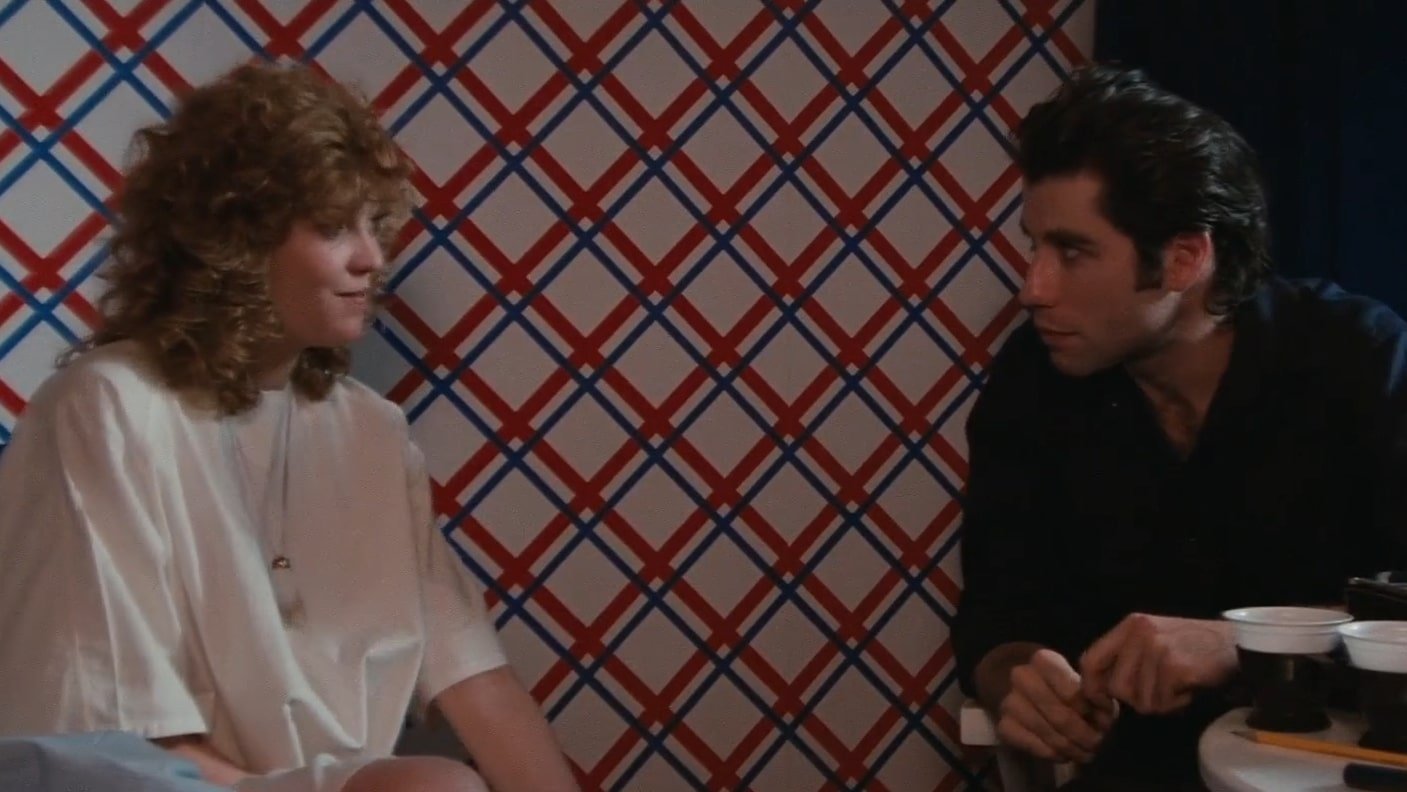
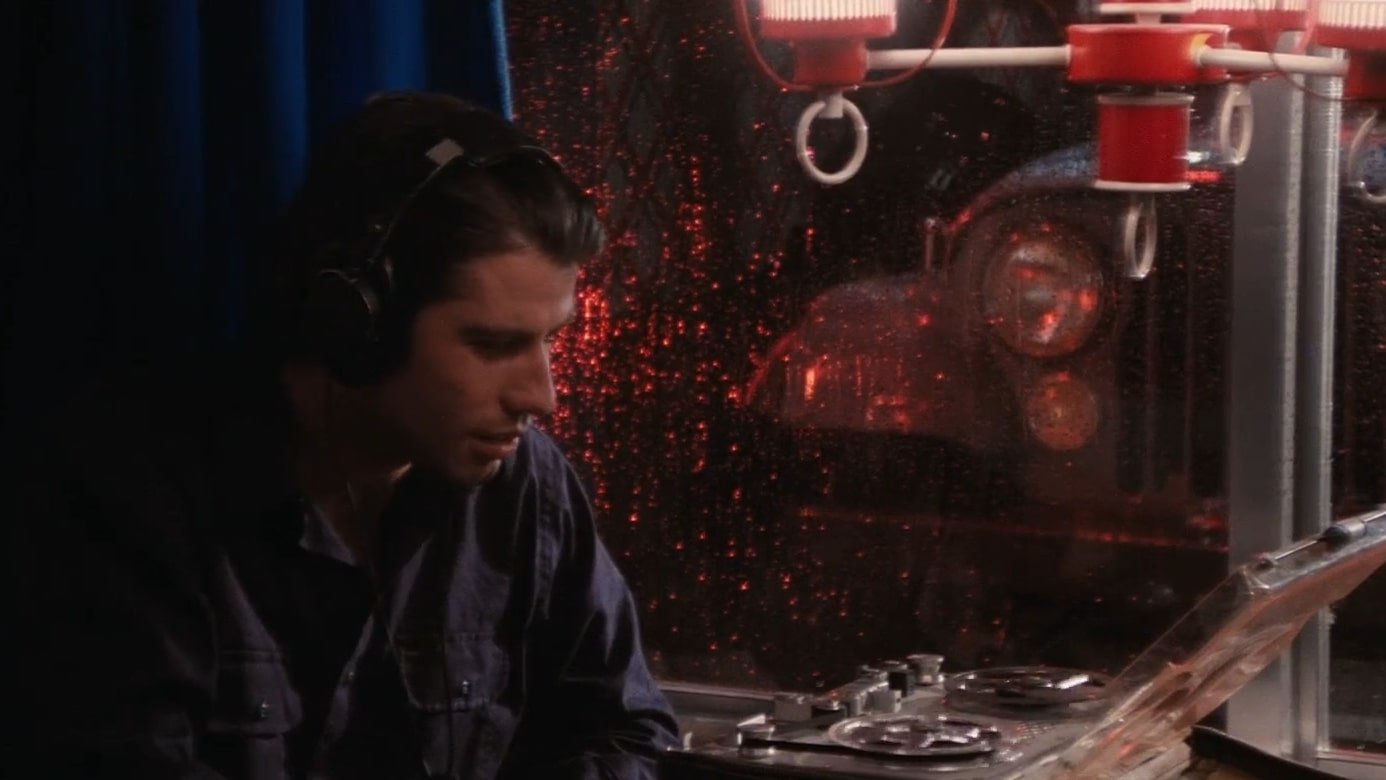
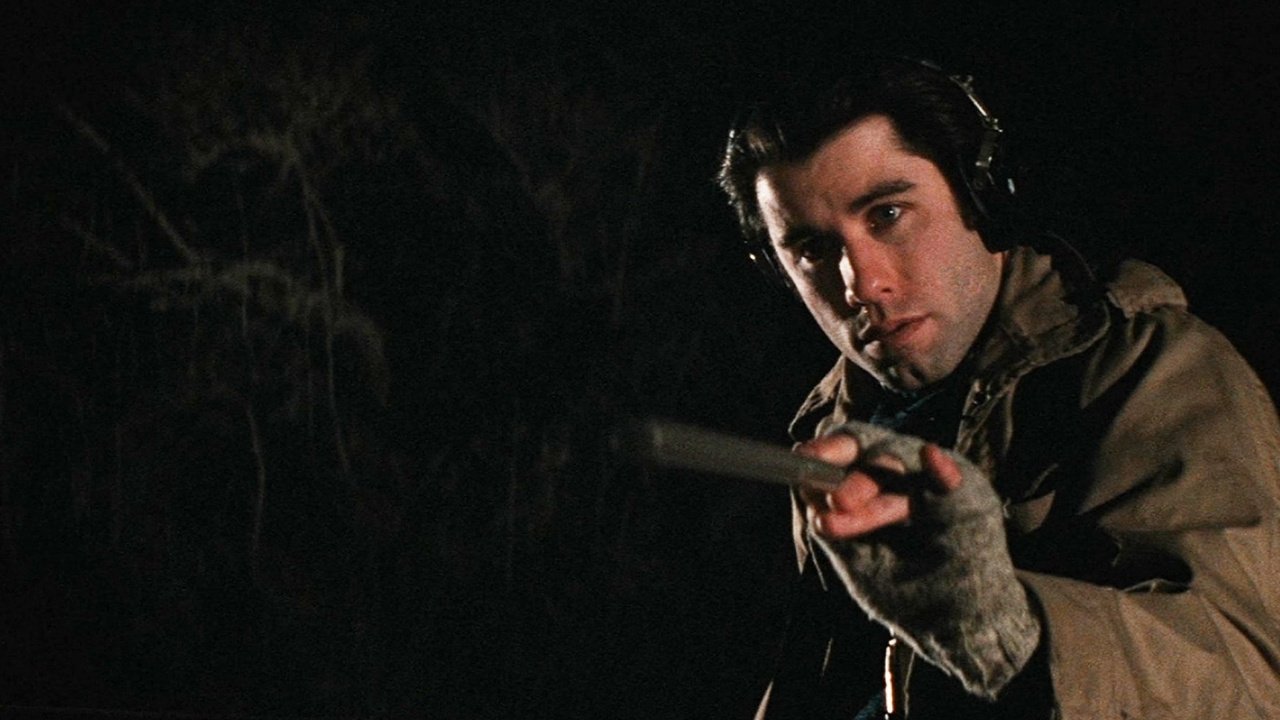
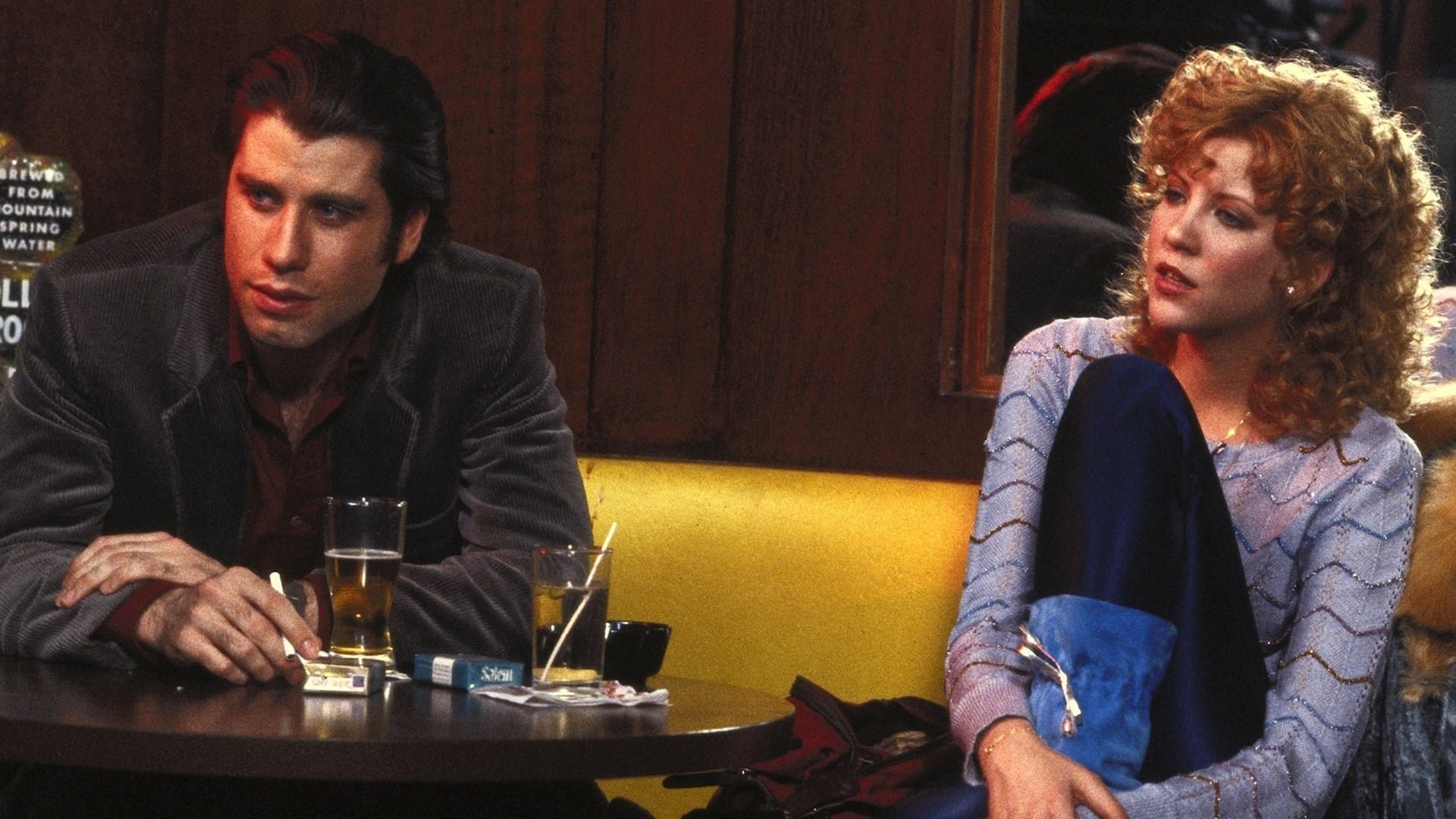
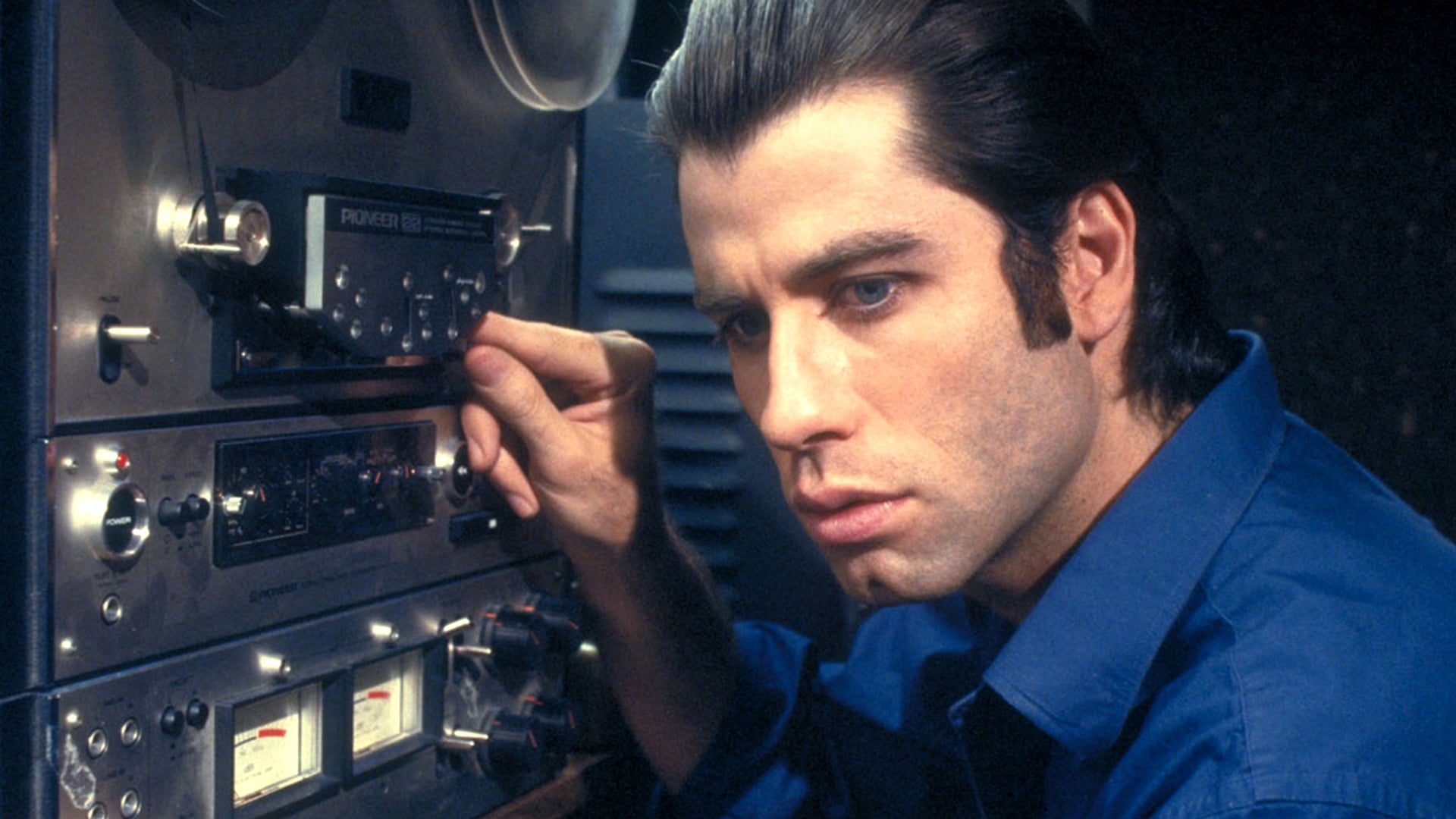
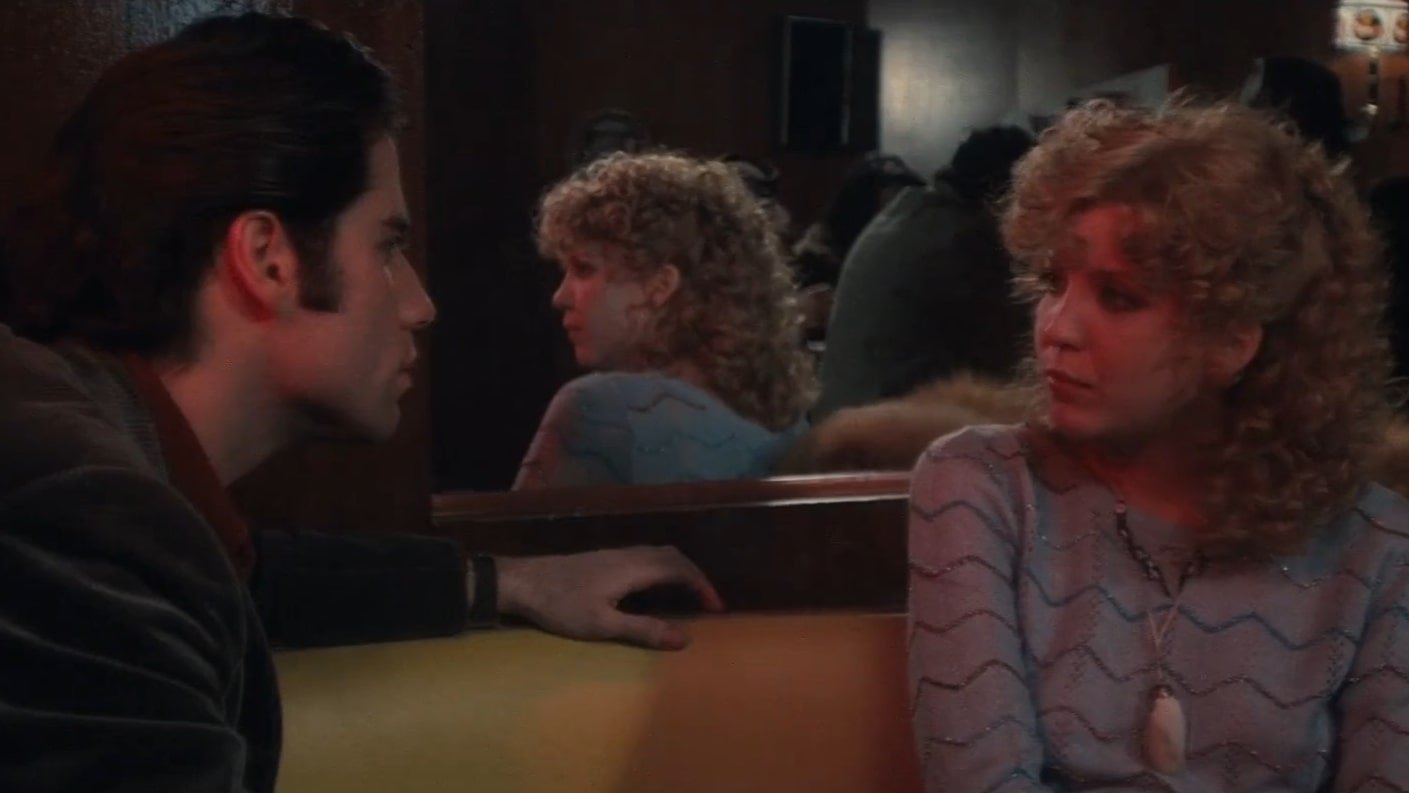
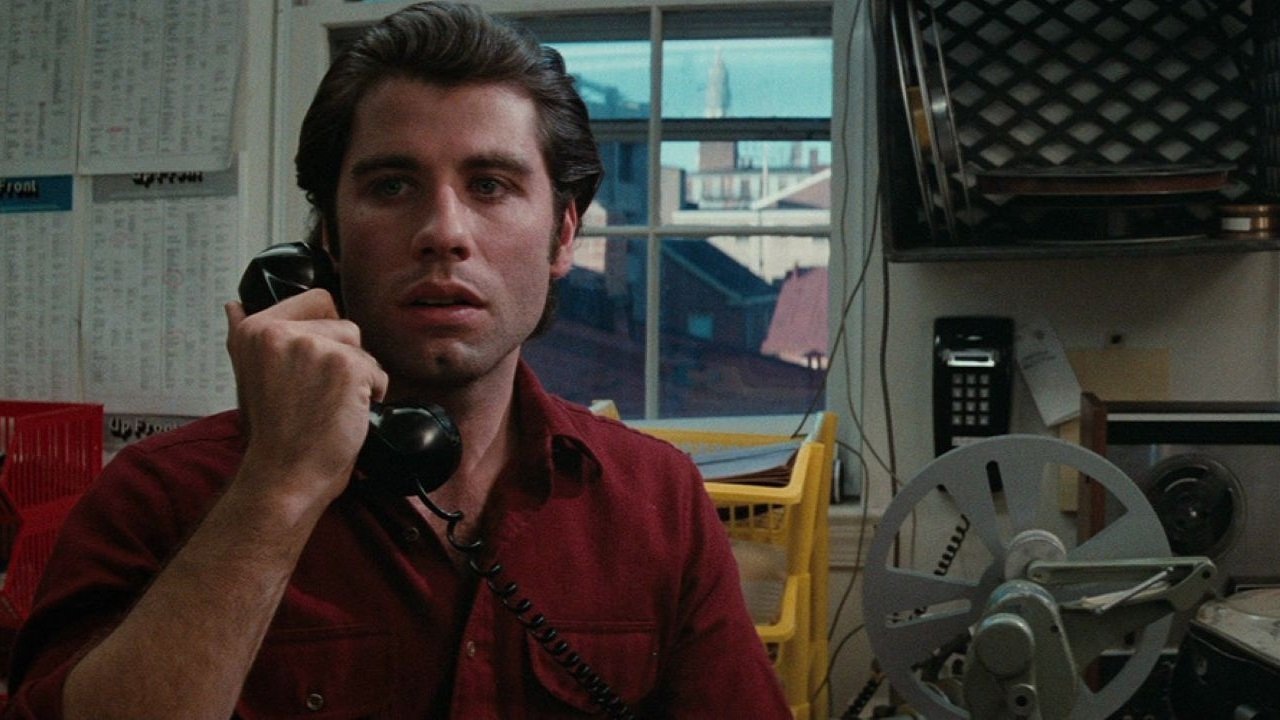
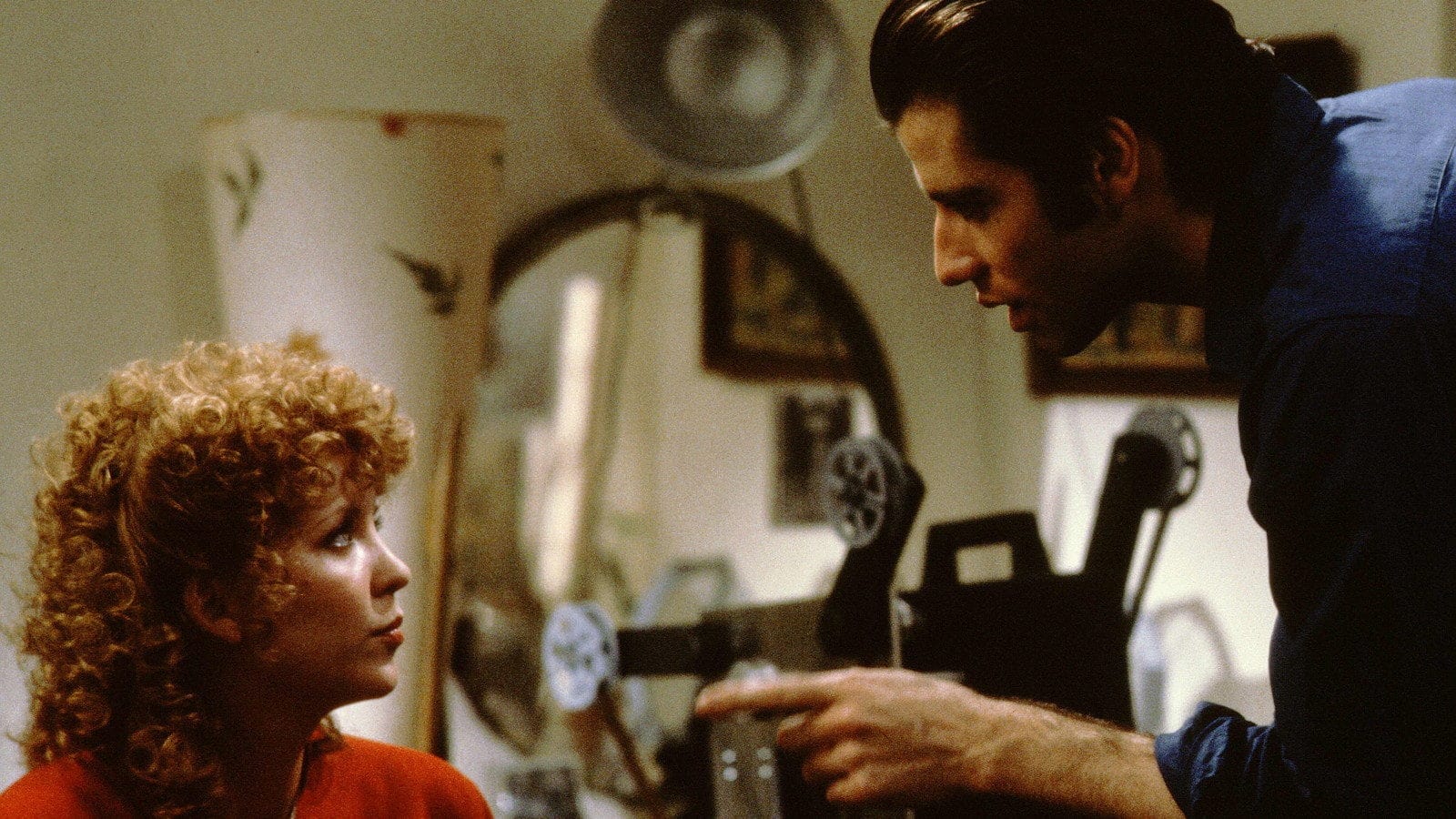
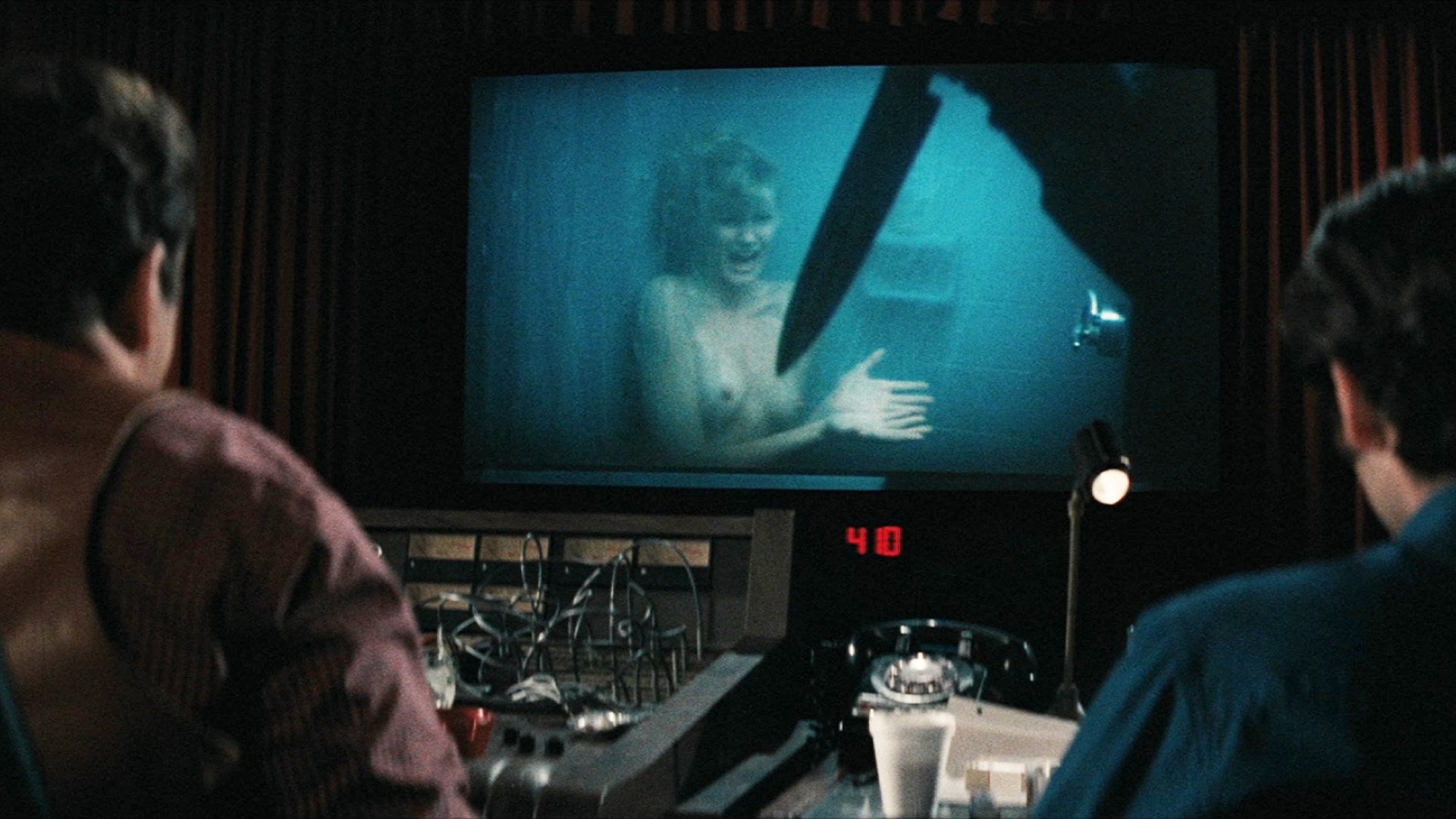
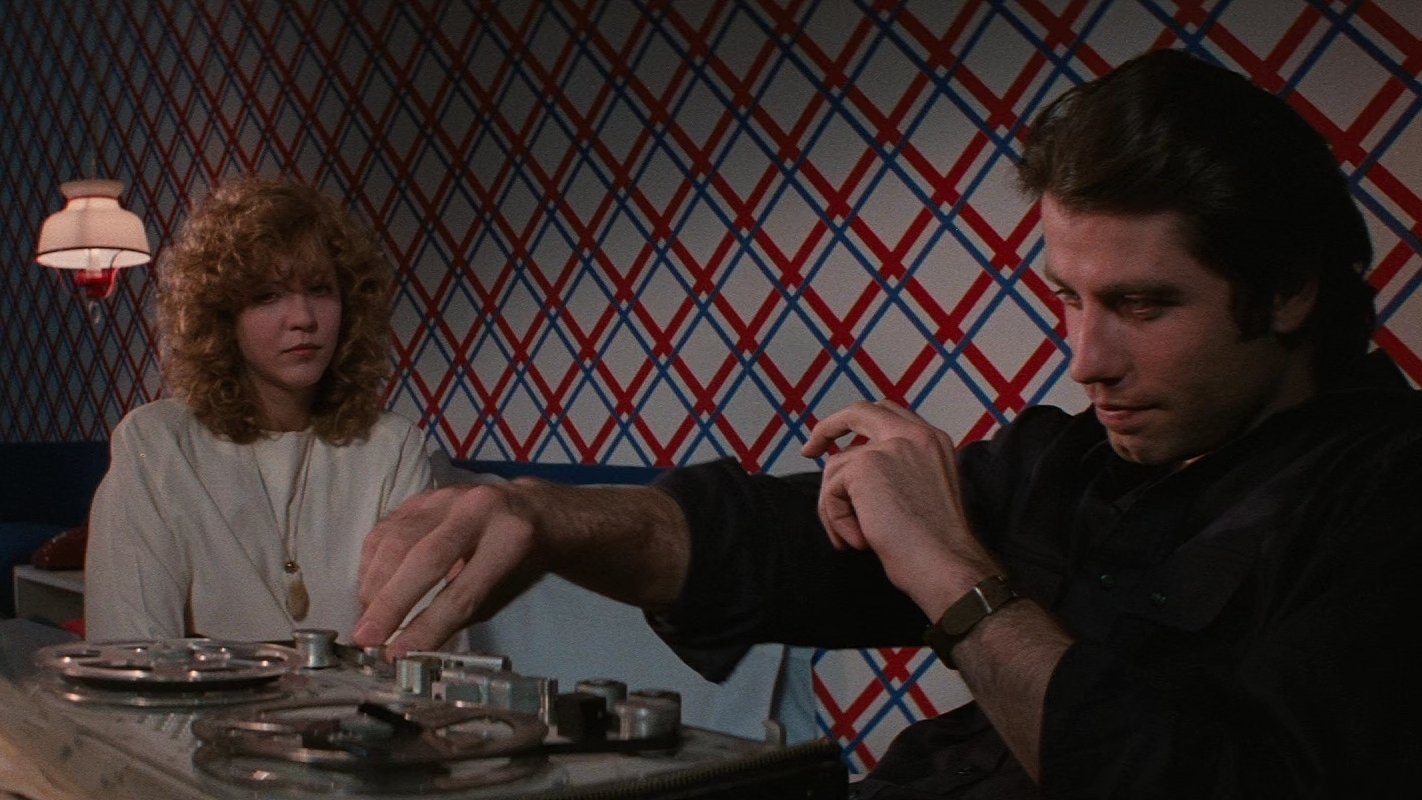
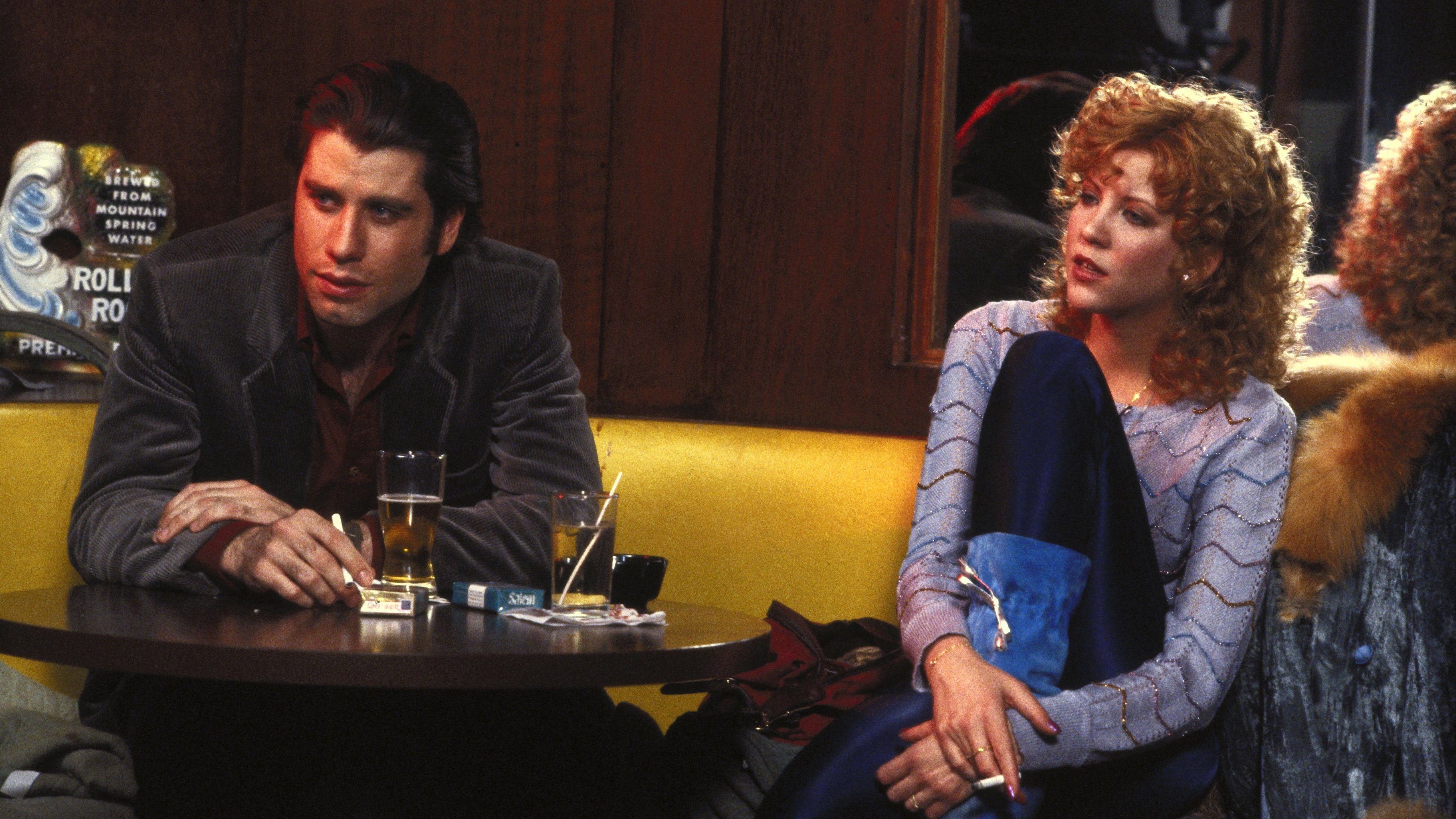
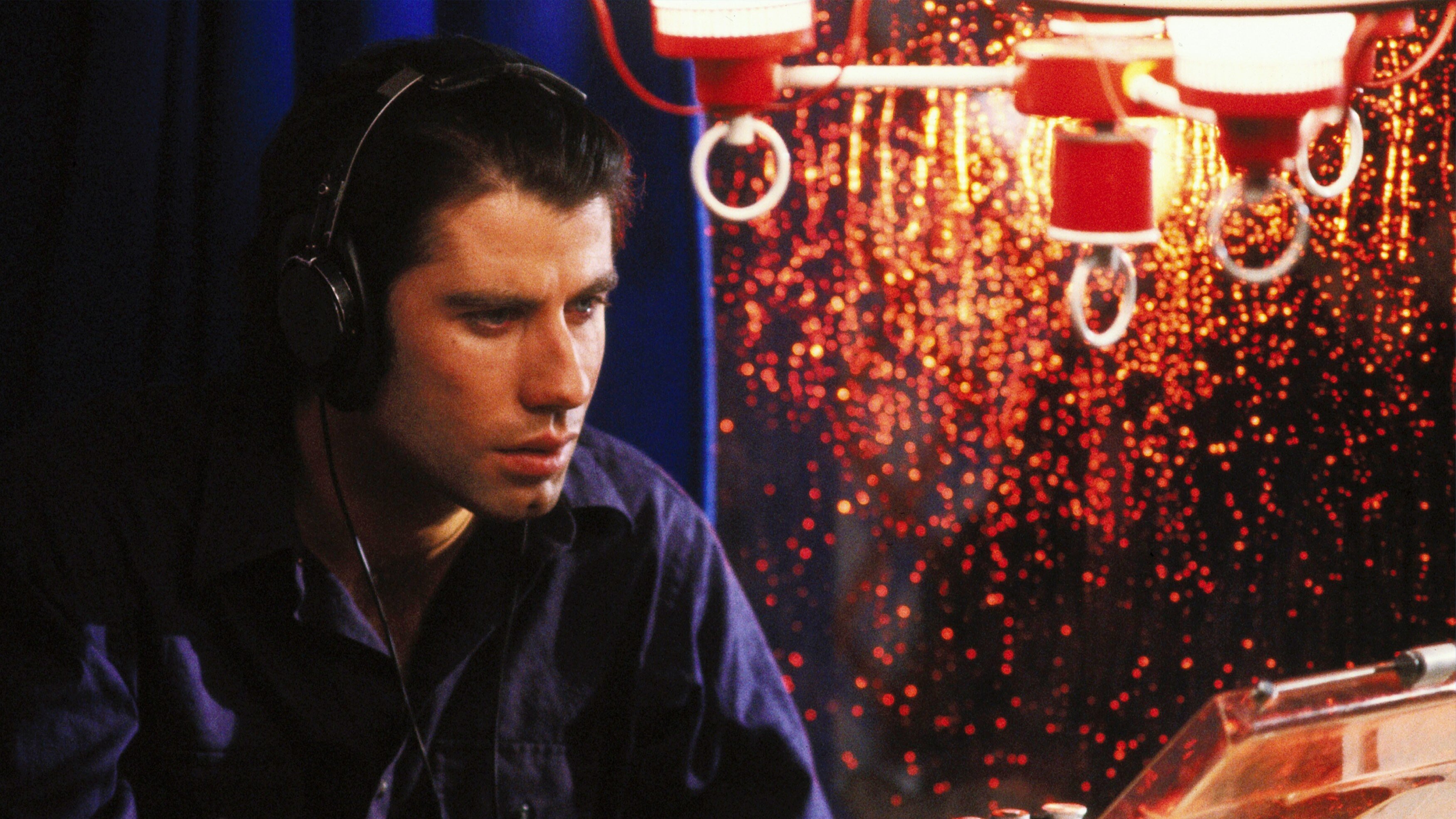
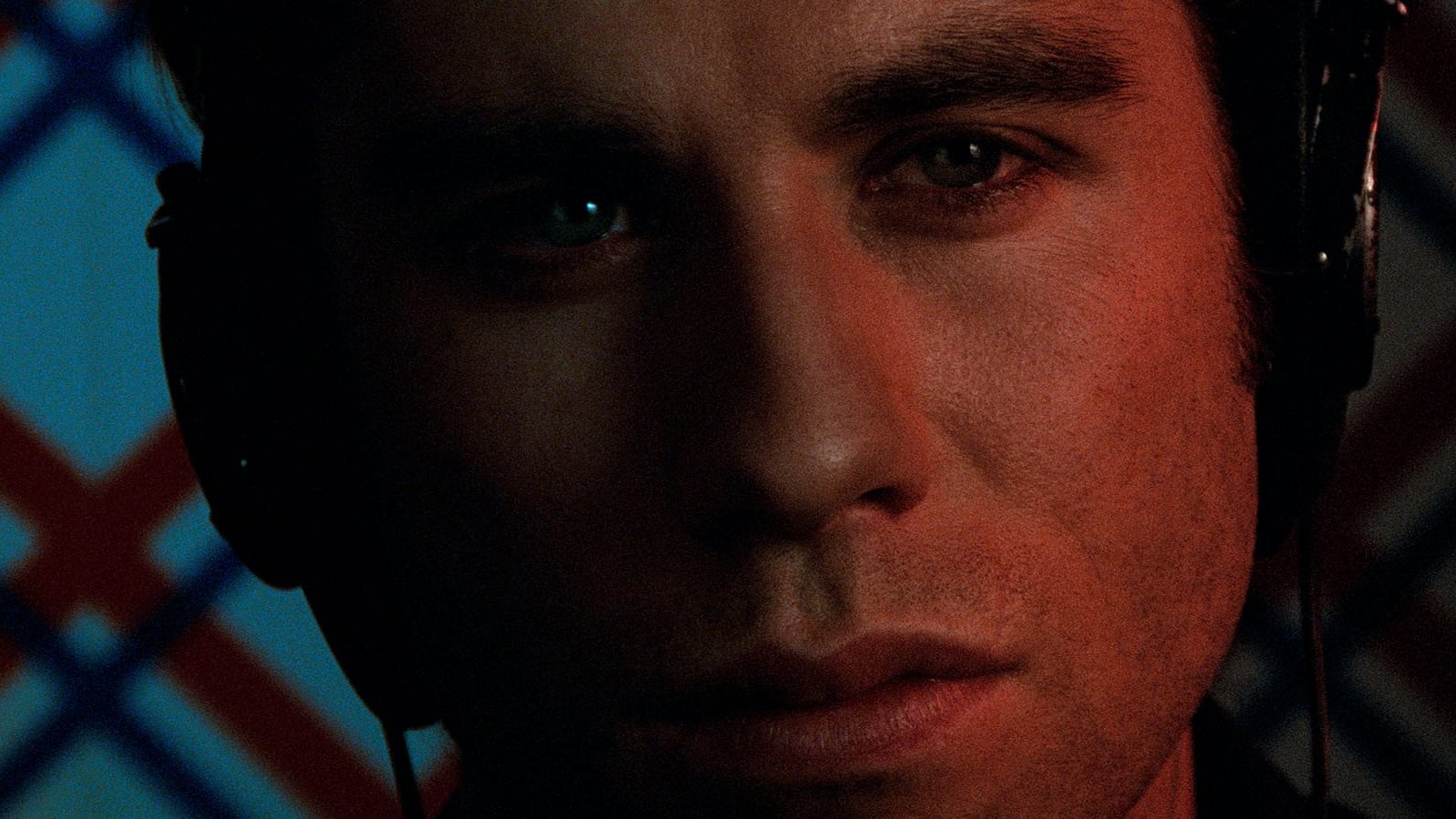
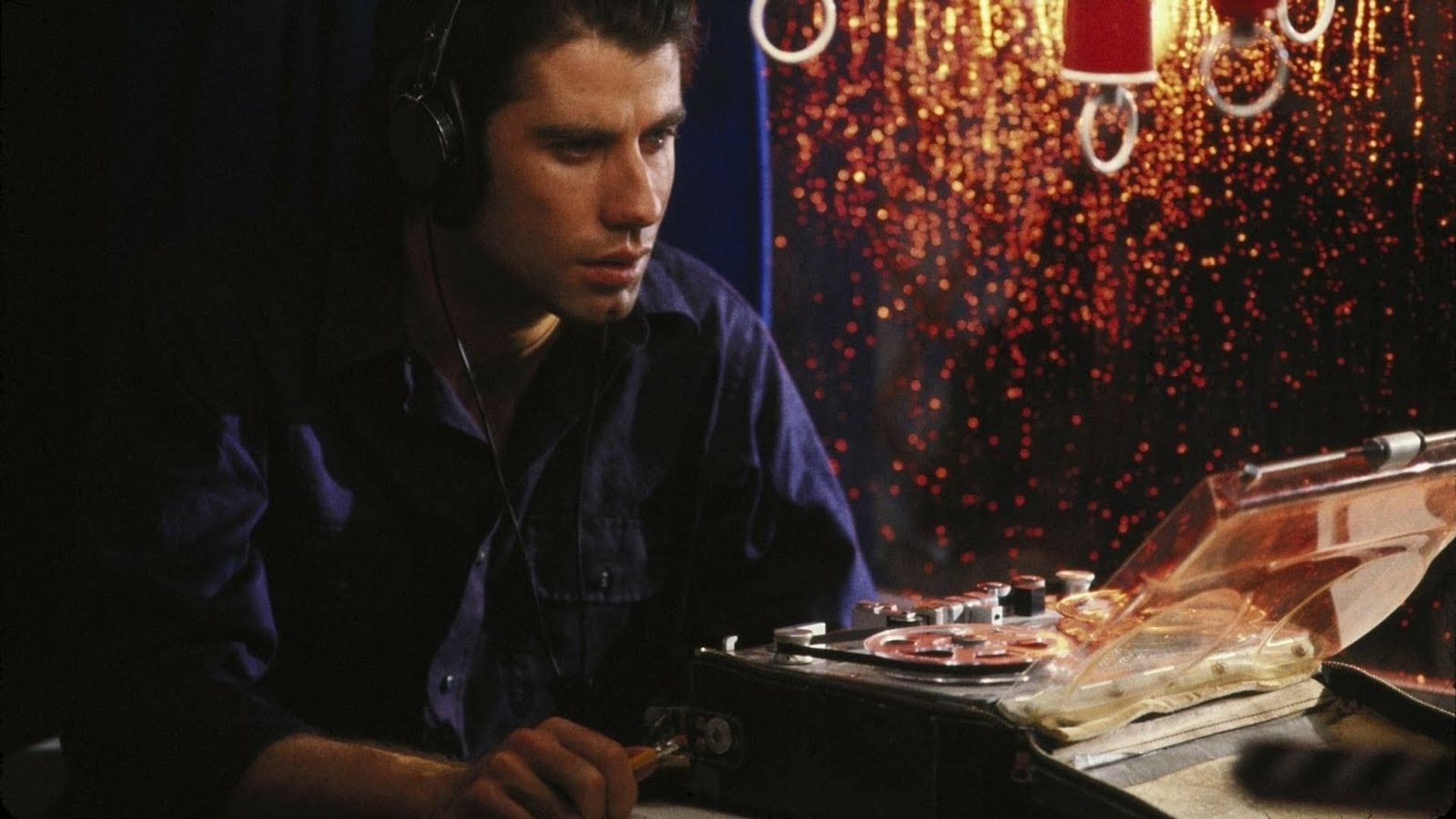
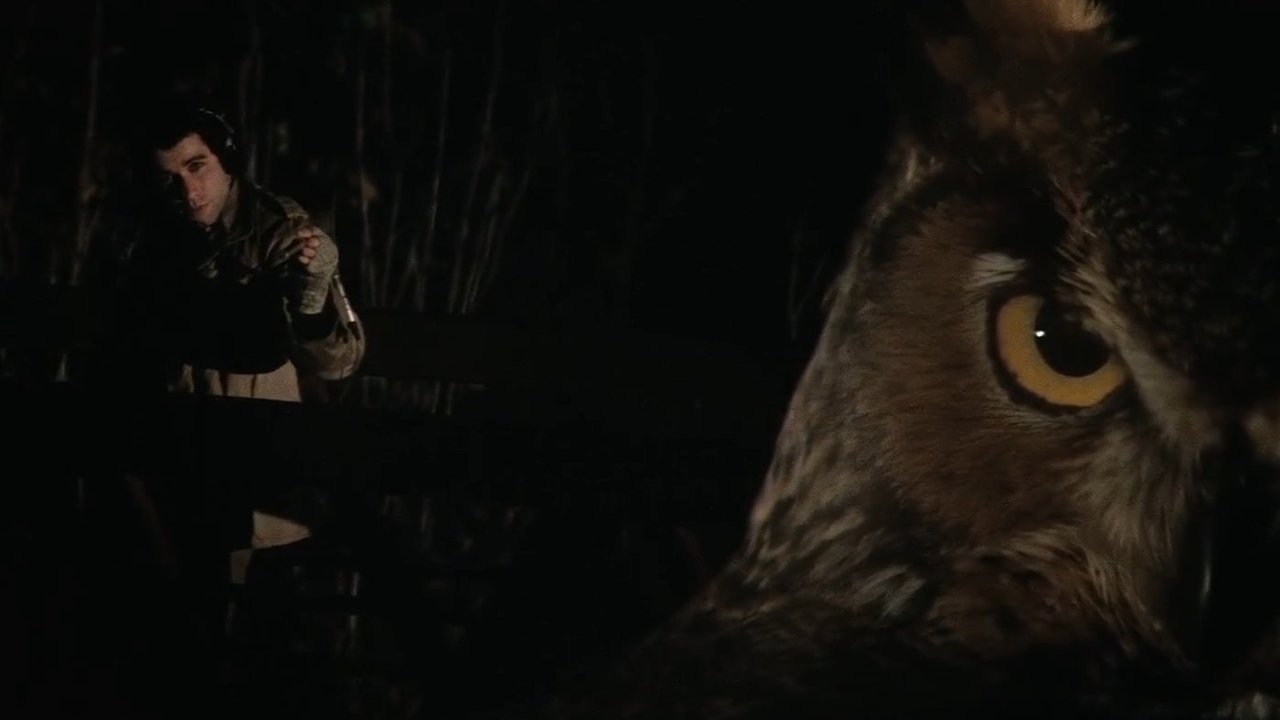
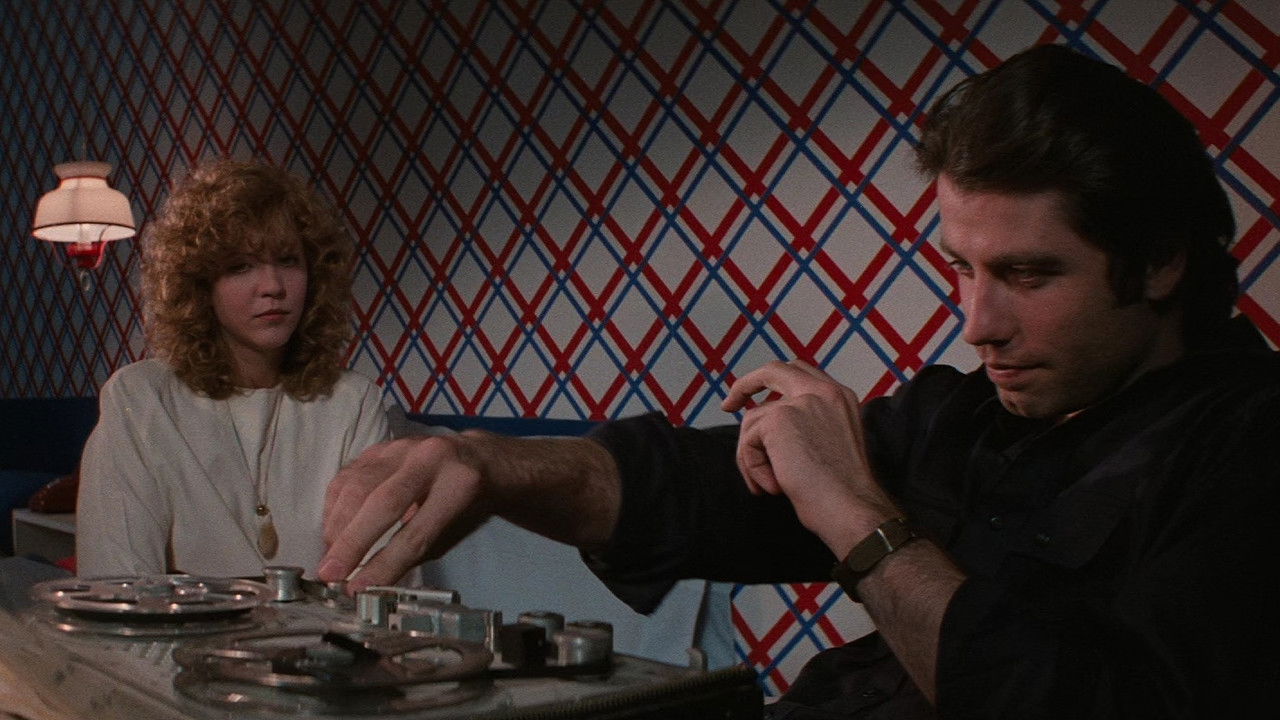
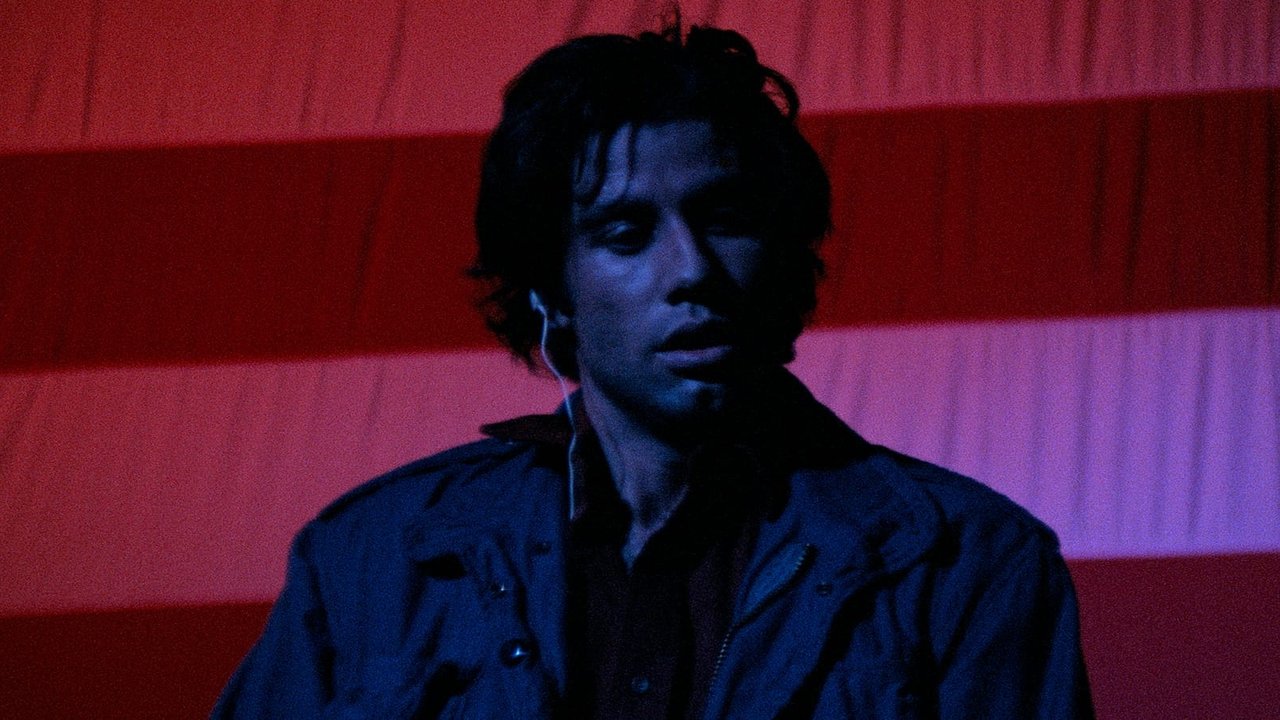
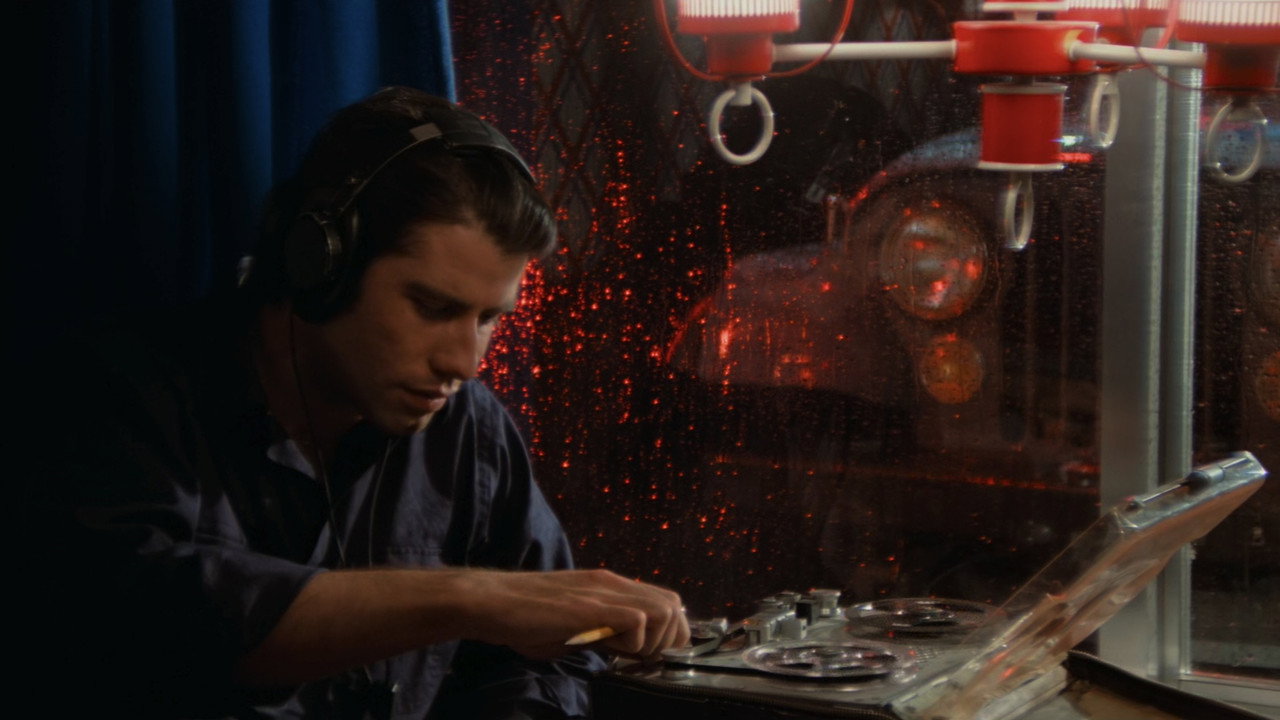
In Blow Out, these tools are hardly new for him: John Travolta, Nancy Allen, Dennis Franz, lurid material, voyeuristic sensibilities and themes, all set among further trappings of a “genre exercise”. Travolta plays a shlocky horror film foley artist (sound guy) who believes he’s captured evidence of a political assassination.
Being a film of ‘81, the American history comparisons were going to be present intentionally or not, but De Palma nakedly leans into them at several turns. A small yet powerful sub-theme emerges in the utility of “footage” in the search for truth, from the Zapruder film to today. I was frightfully reminded that we seem to be exiting that phase of history in 2024, leaving it as but a sliver of time in the long arc of “objectivity”.
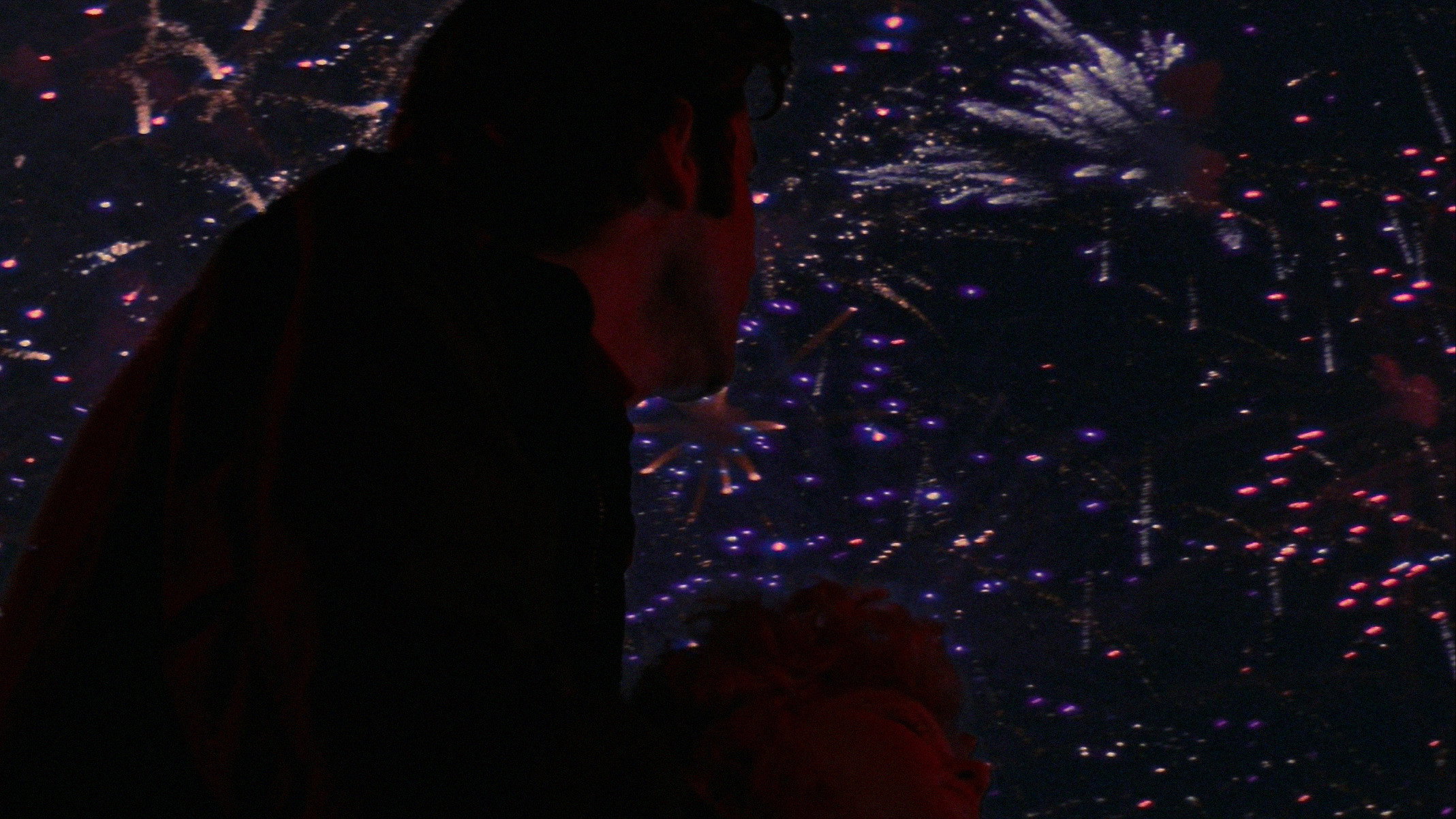
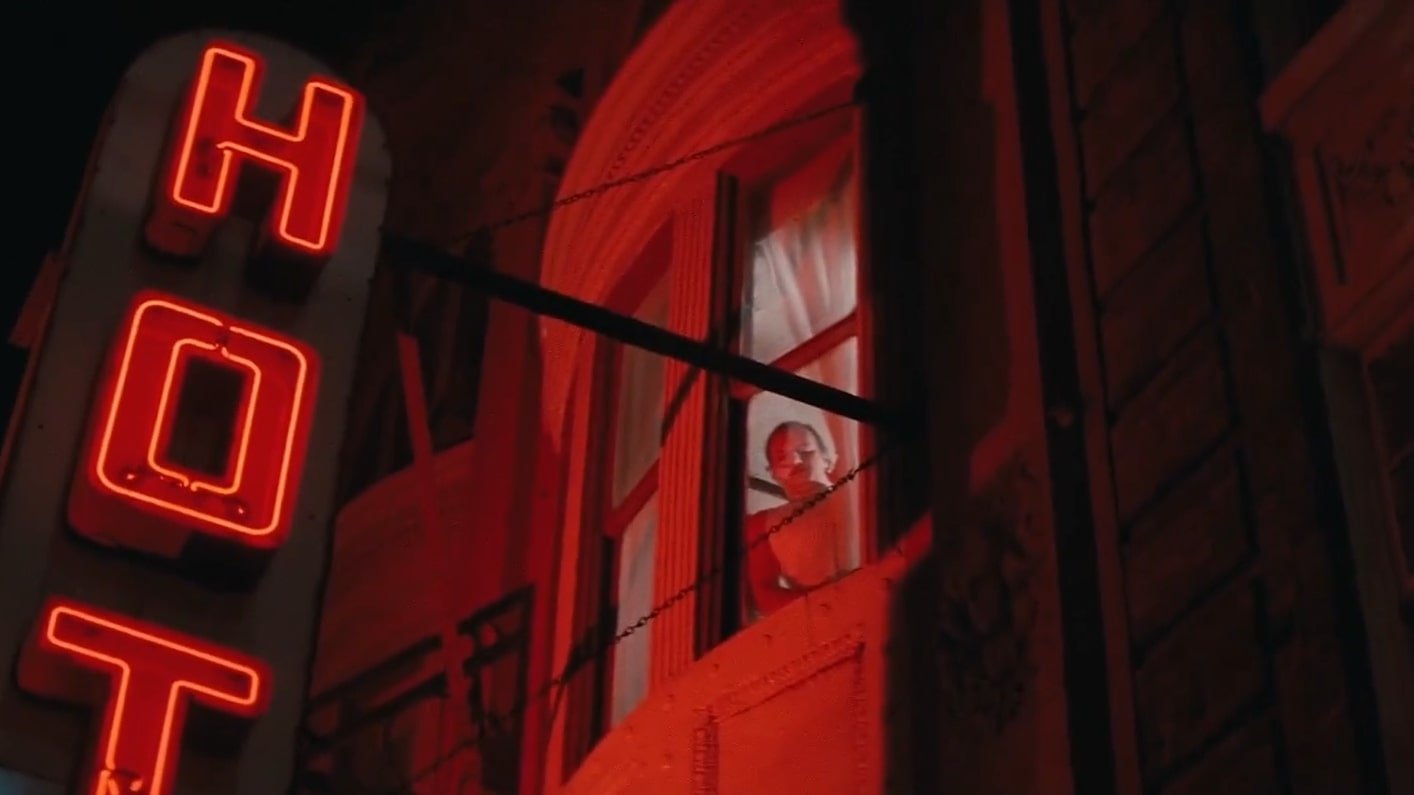
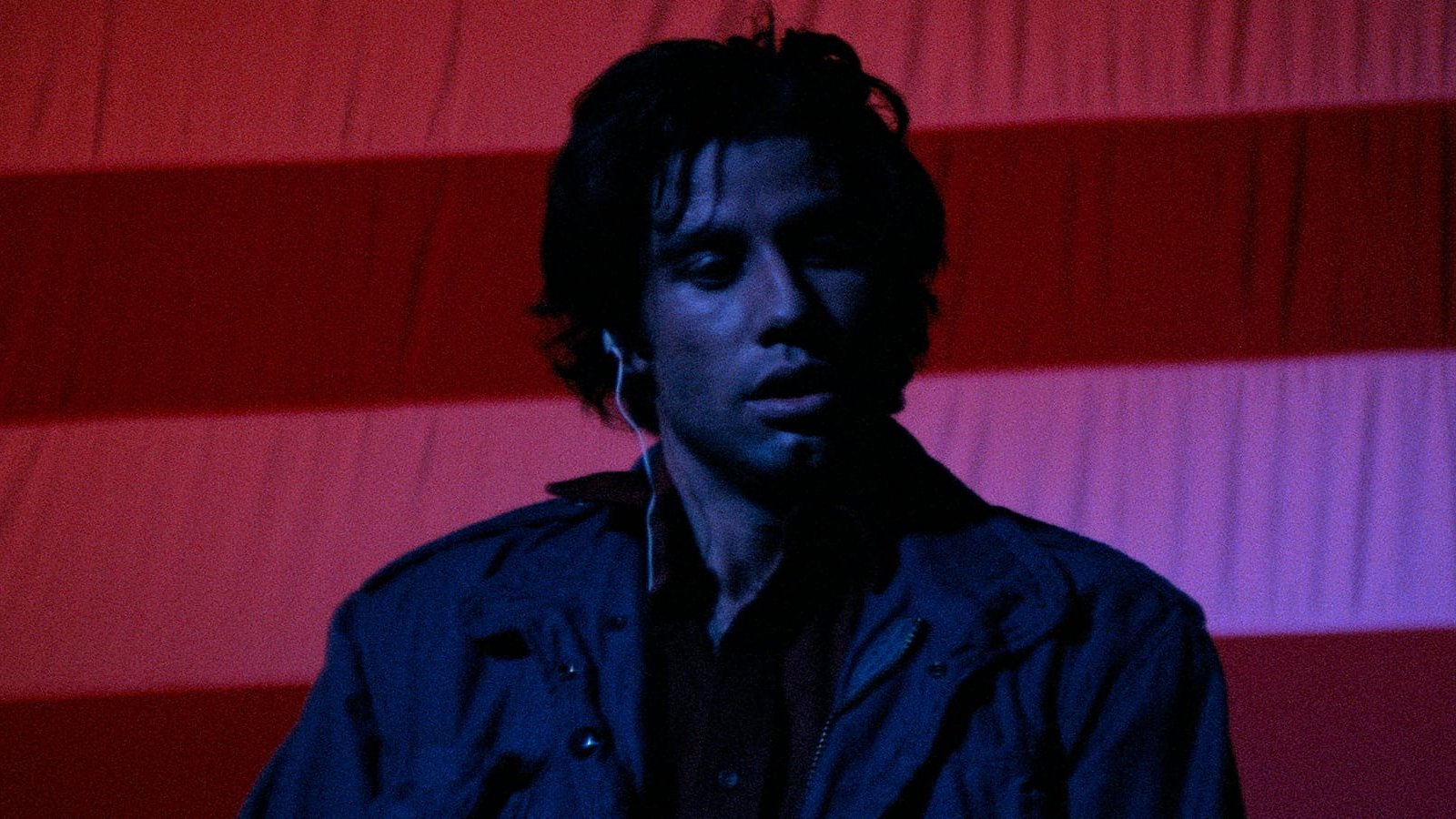
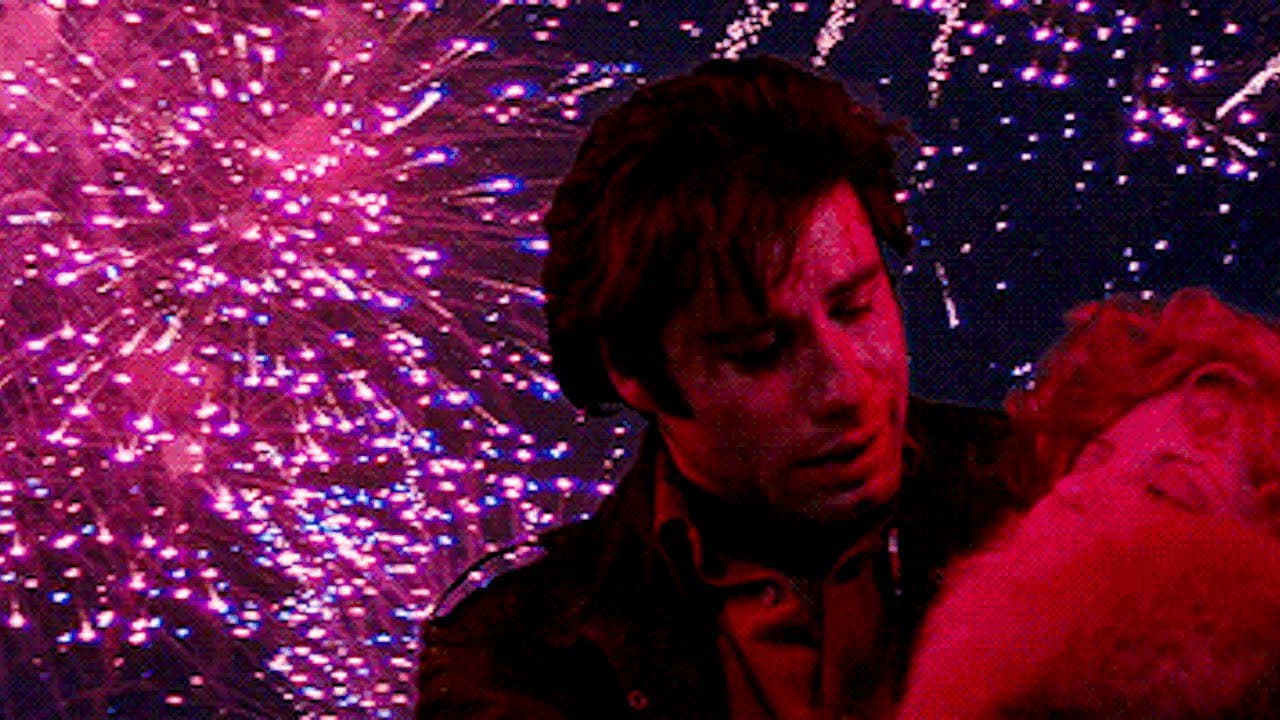
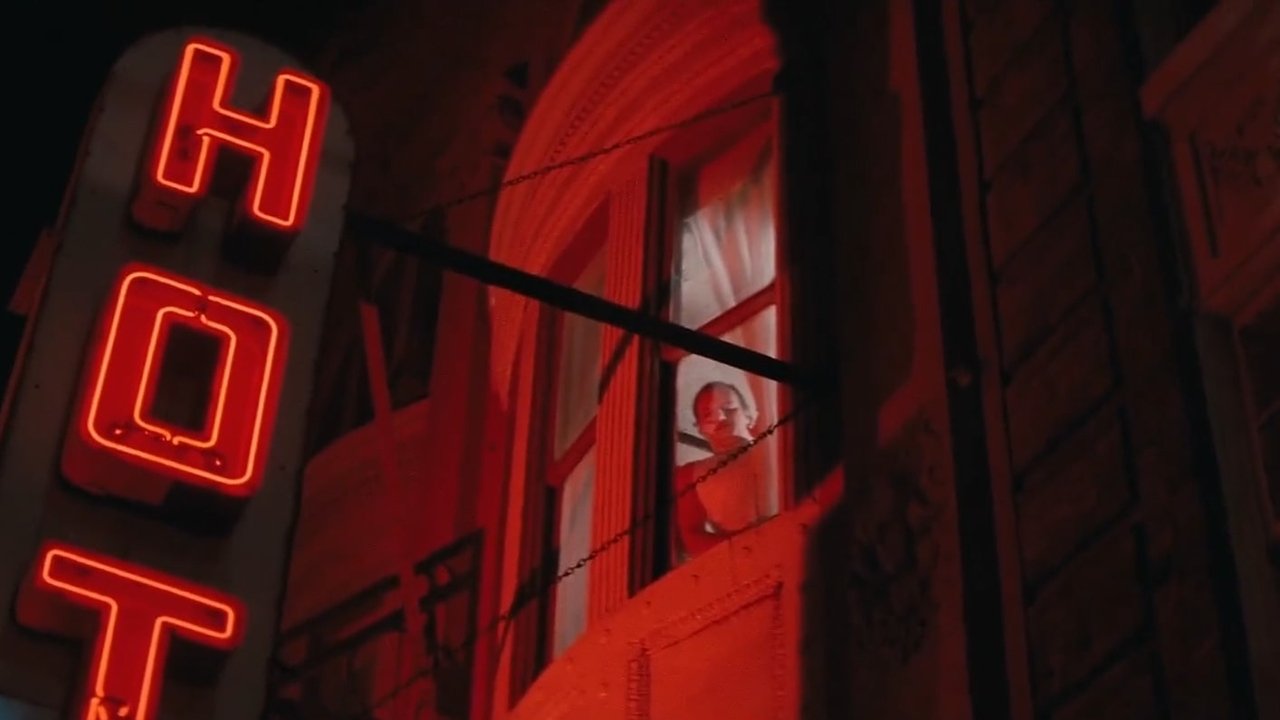
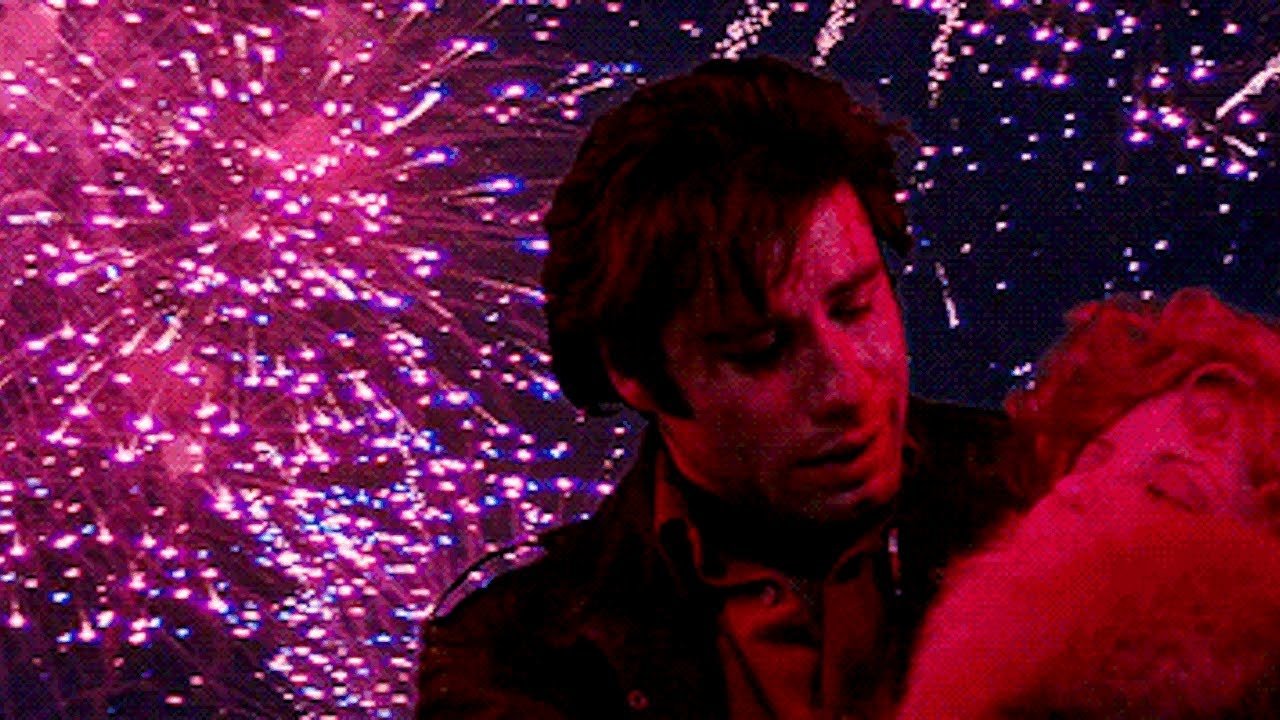
The political admissions of the film were unexpected, but eventually became what I was drawn to the most upon reflection. The finale includes a long set piece that might seem weirdly arbitrary on first watch, but eventually stands out as the biggest statement of the film, a bitter jab at our country’s political culture and the bullshit we wade through.
In the arrangement of a film’s values, De Palma places the text at the bottom, a distant third behind subtext and filmmaking style. You will arrive at the end knowing that the plot wasn’t all that worth remembering - it’s not going to stick with you. But then, days pass, and the craftsmanship panache and smoldering ideas continue to pop up in your mind without consent.
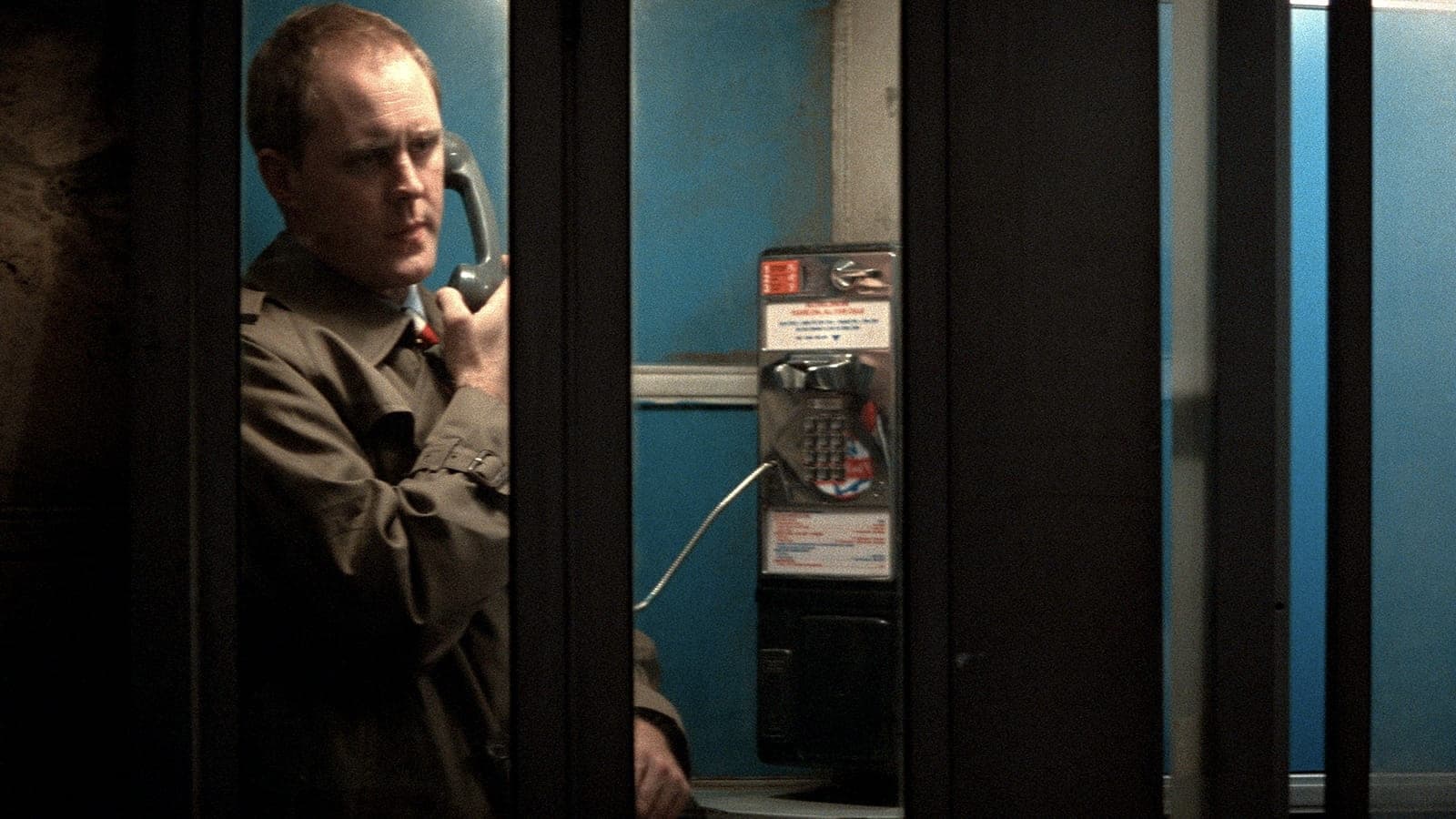
While watching, however, I couldn’t shake the thought that Dennis Franz must have come out of the womb like that: scuzzy mustache, stained wife beater, unbearably shady energy. He’s a perfectly sharpened knife to make the specific cut required in many ‘70s and ‘80s crime films. He looks like he smells like a New York City alley.
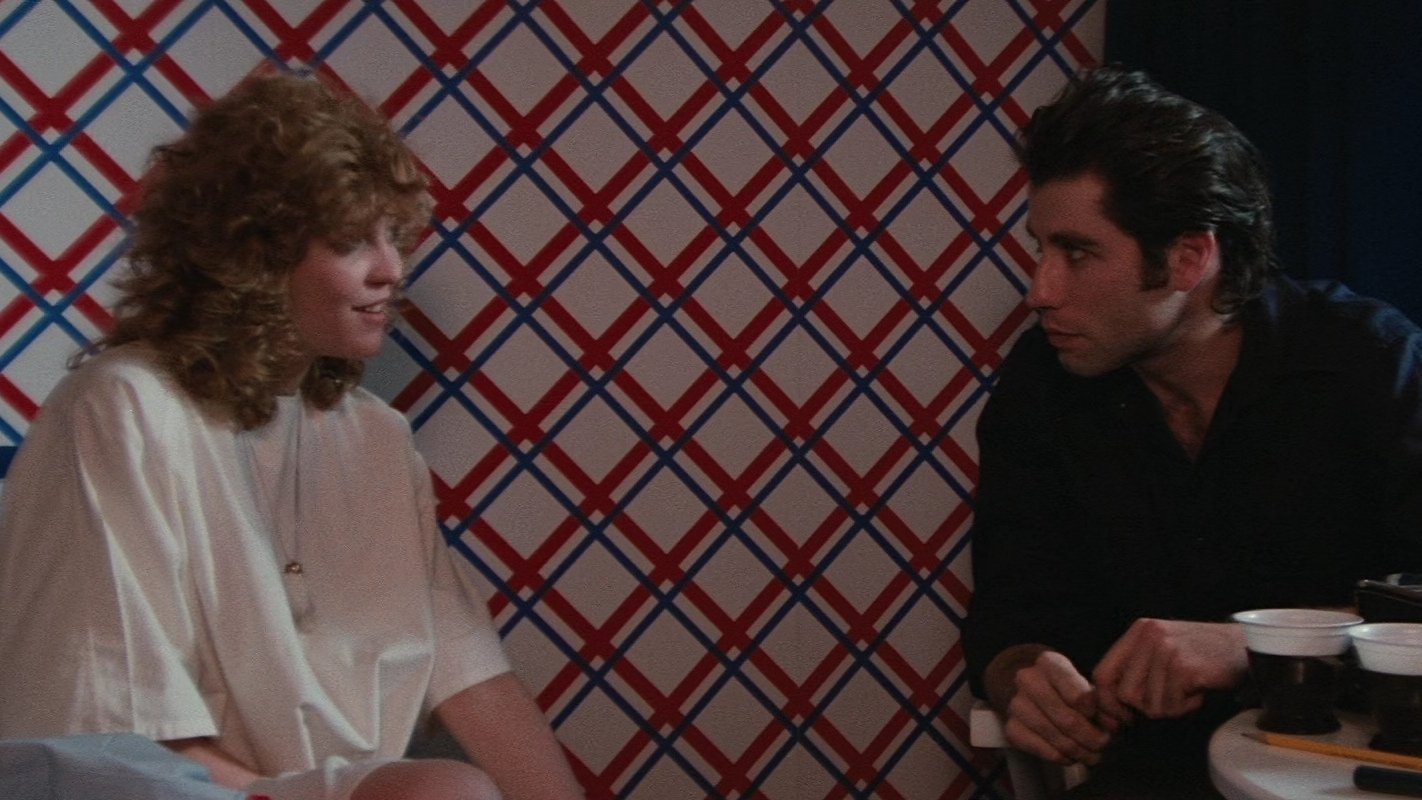
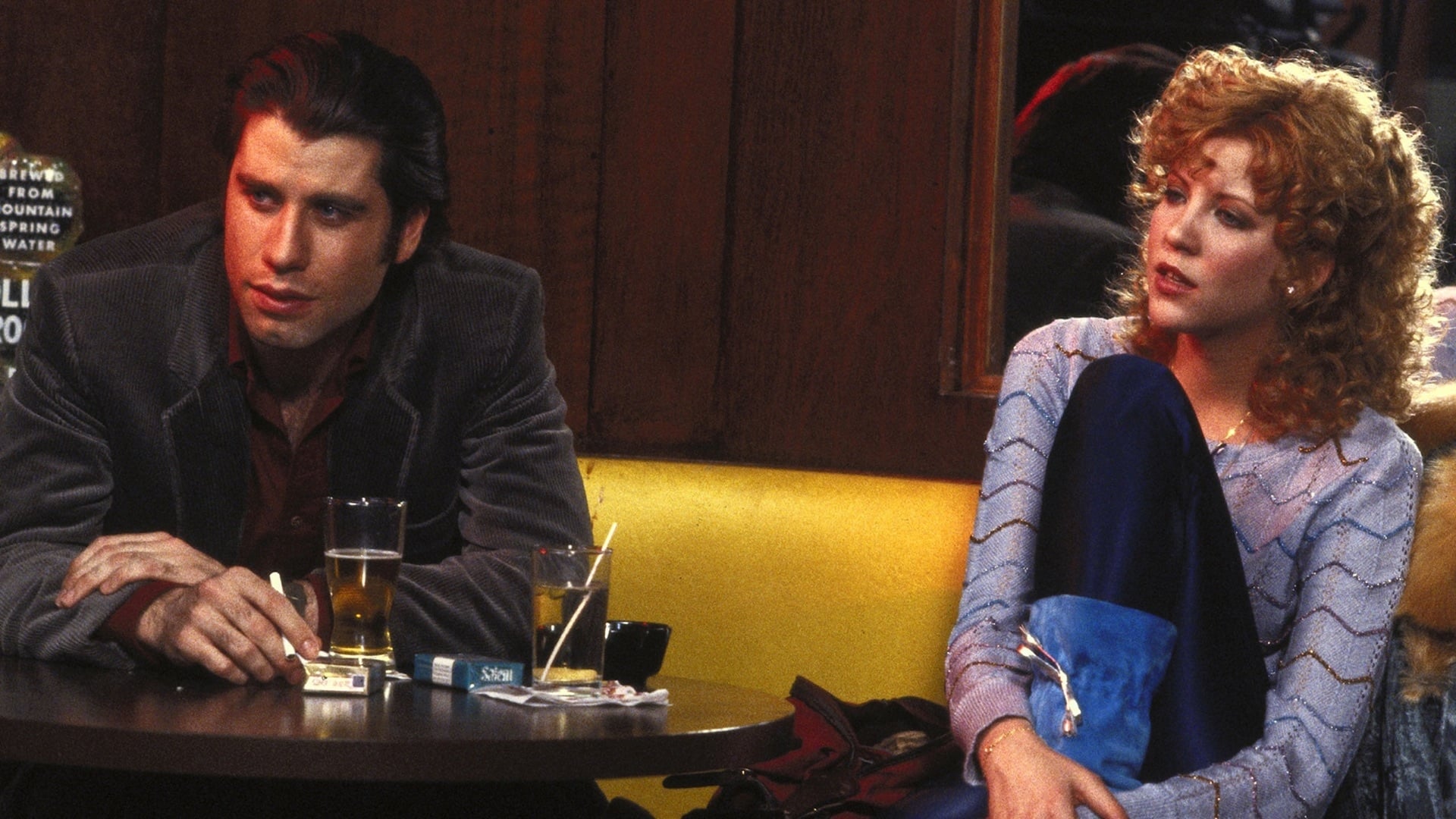
Travolta has never been more relatable. I could never be JFK’s Jack Garrison, a district attorney at the vanguard of an investigation, but I could be Jack Terry. Nancy Allen is normally a welcome ingredient in any ‘80s soiree, but here she struggles to make the on-the-page ditziness of her character endearing.
The sincerity is heavily felt once again in the score, which sadly has not aged entirely well. Despite my affinity for De Palma’s classical braveries, even I have my boundaries, and the score became suffocating by the end, a tidal wave of maudlin orchestration. I can't deny, though, that it was a choice. It was an idea. It was a meal.
De Palma is always making movies about ideas. In his ‘70s and ‘80s run of indecent thrillers that I've recently seen, the ideas often intersect with his relationship to movies and moviemaking, that while B movies are shamelessly lurid fun and a necessary form of expression, they are, as expressed in Blow Out’s haunting final moments, assembled piece by piece from the tragedies of our own lives.
Blow Out is the clearest presentation of Brian De Palma’s entire raison d’etre, cloaking a deeply cynical heart inside of incredibly sincere filmmaking.
For him, filmmaking is simply using a set of tools to accomplish a goal, hence his “master craftsman” reputation among the New Hollywood bunch. What’s missing from that common assessment is that the goals of these films are not meaningless thrills but instead the most personal of admissions, particularly regarding De Palma’s identity as a filmmaker. After all, Blow Out is a thriller about a contemplative thriller filmmaker.
This simultaneous layering of creation and reflection within the same work creates an ouroboros effect, giving De Palma’s output an adult sense of honesty that is difficult to describe but undeniable to feel. It’s what makes him more humanistically appealing to me than many of his descendants, Fincher being a prime example. He's cooler too.
In Blow Out, these tools are hardly new for him: John Travolta, Nancy Allen, Dennis Franz, lurid material, voyeuristic sensibilities and themes, all set among further trappings of a “genre exercise”. Travolta plays a shlocky horror film foley artist (sound guy) who believes he’s captured evidence of a political assassination.
Being a film of ‘81, the American history comparisons were going to be present intentionally or not, but De Palma nakedly leans into them at several turns. A small yet powerful sub-theme emerges in the utility of “footage” in the search for truth, from the Zapruder film to today. I was frightfully reminded that we seem to be exiting that phase of history in 2024, leaving it as but a sliver of time in the long arc of “objectivity”.
The political admissions of the film were unexpected, but eventually became what I was drawn to the most upon reflection. The finale includes a long set piece that might seem weirdly arbitrary on first watch, but eventually stands out as the biggest statement of the film, a bitter jab at our country’s political culture and the bullshit we wade through.
In the arrangement of a film’s values, De Palma places the text at the bottom, a distant third behind subtext and filmmaking style. You will arrive at the end knowing that the plot wasn’t all that worth remembering - it’s not going to stick with you. But then, days pass, and the craftsmanship panache and smoldering ideas continue to pop up in your mind without consent.
While watching, however, I couldn’t shake the thought that Dennis Franz must have come out of the womb like that: scuzzy mustache, stained wife beater, unbearably shady energy. He’s a perfectly sharpened knife to make the specific cut required in many ‘70s and ‘80s crime films. He looks like he smells like a New York City alley.
Travolta has never been more relatable. I could never be JFK’s Jack Garrison, a district attorney at the vanguard of an investigation, but I could be Jack Terry. Nancy Allen is normally a welcome ingredient in any ‘80s soiree, but here she struggles to make the on-the-page ditziness of her character endearing.
The sincerity is heavily felt once again in the score, which sadly has not aged entirely well. Despite my affinity for De Palma’s classical braveries, even I have my boundaries, and the score became suffocating by the end, a tidal wave of maudlin orchestration. I can't deny, though, that it was a choice. It was an idea. It was a meal.
De Palma is always making movies about ideas. In his ‘70s and ‘80s run of indecent thrillers that I've recently seen, the ideas often intersect with his relationship to movies and moviemaking, that while B movies are shamelessly lurid fun and a necessary form of expression, they are, as expressed in Blow Out’s haunting final moments, assembled piece by piece from the tragedies of our own lives.