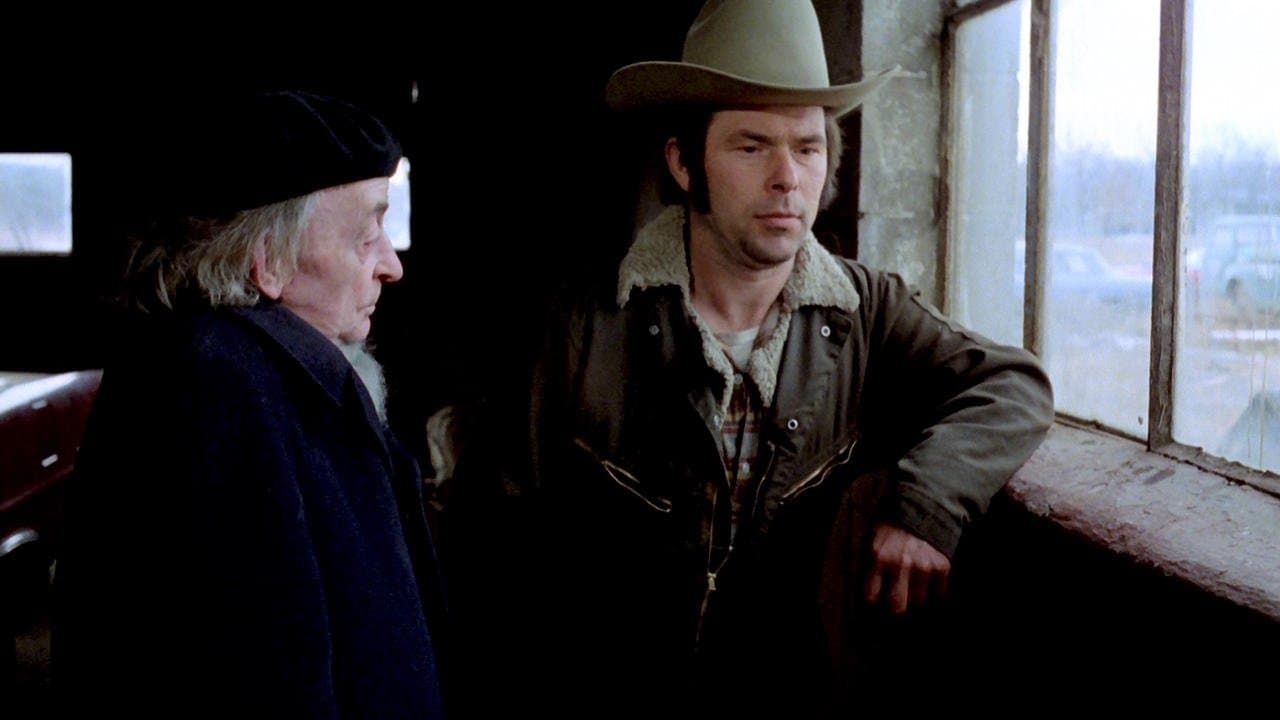
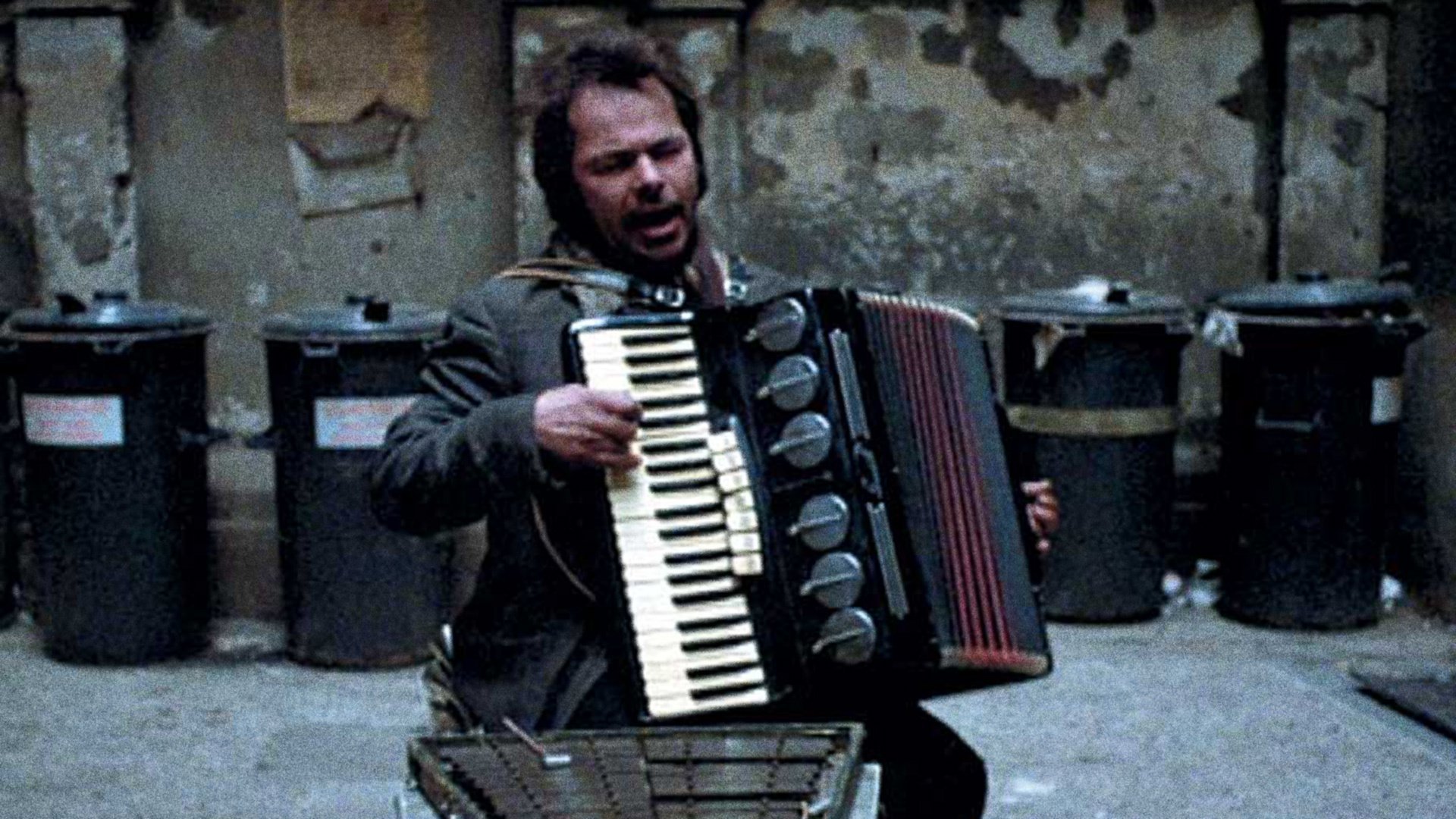
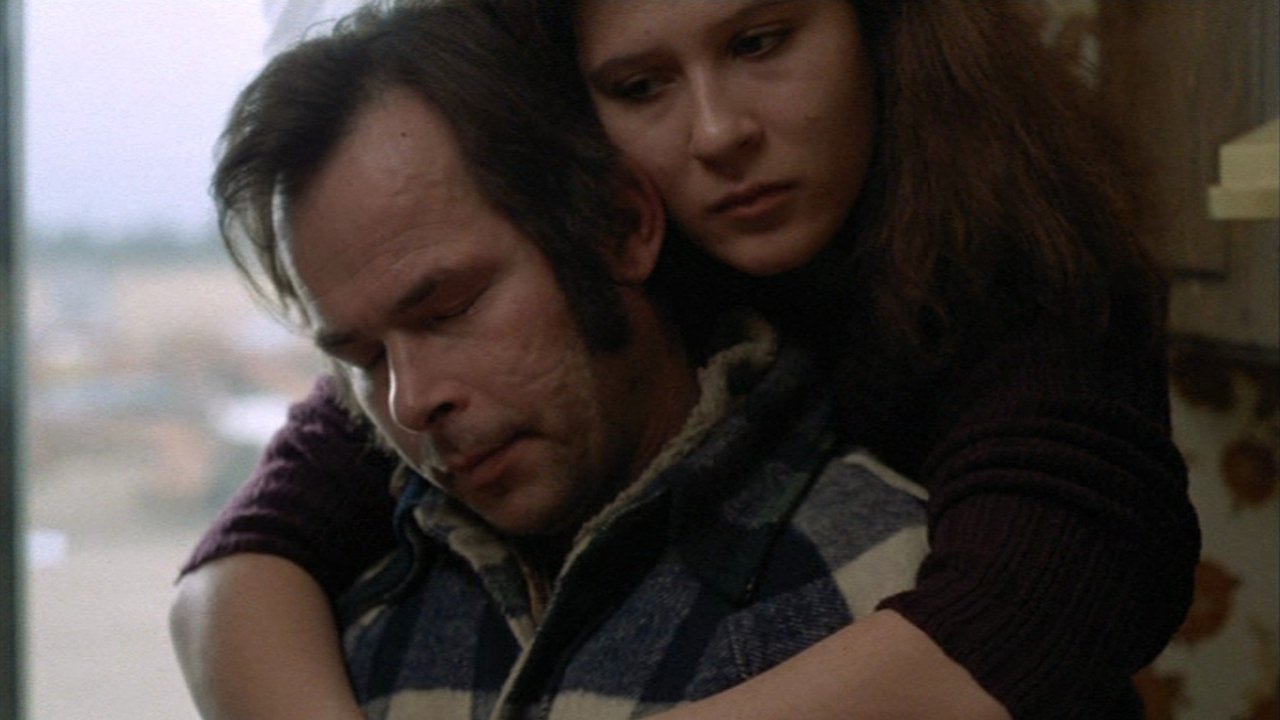
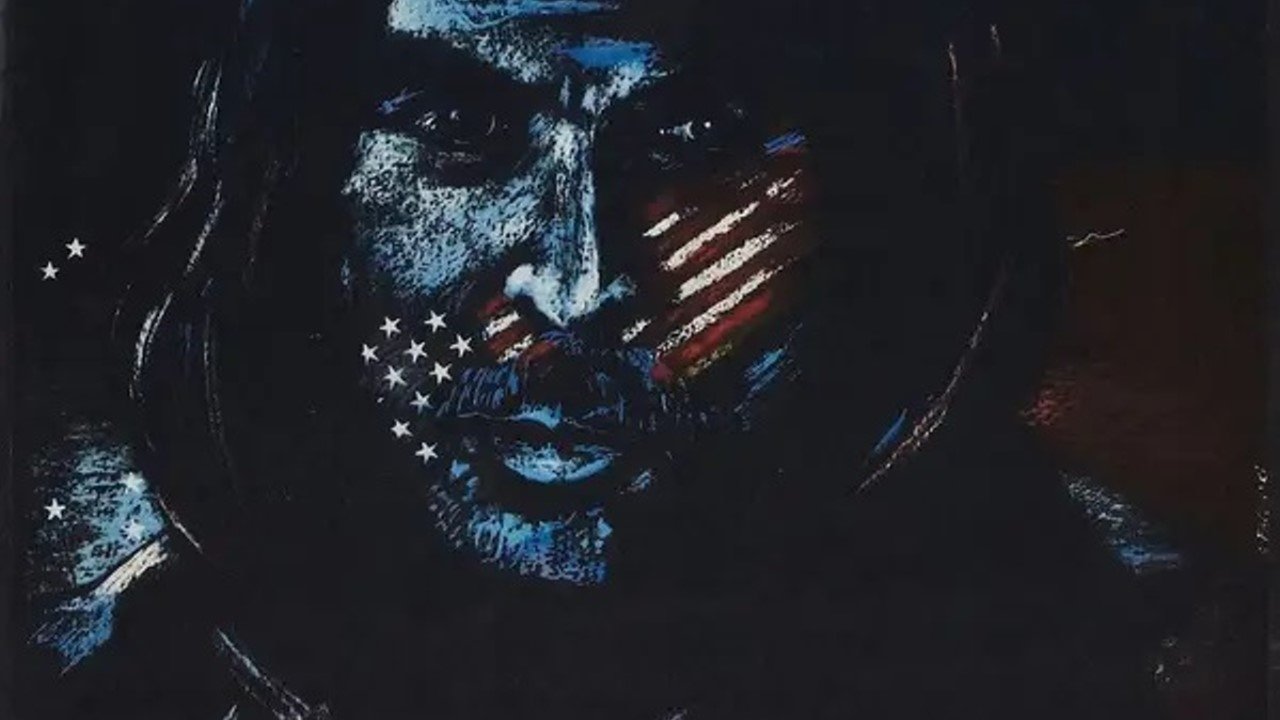
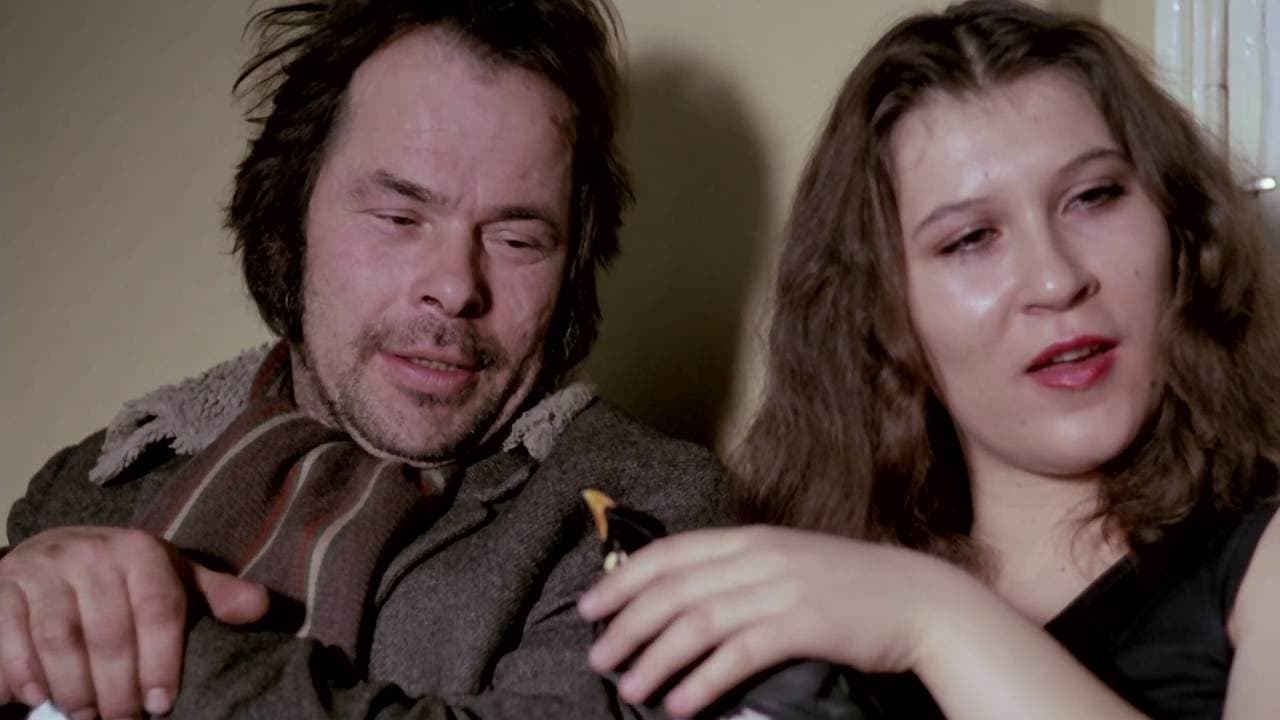
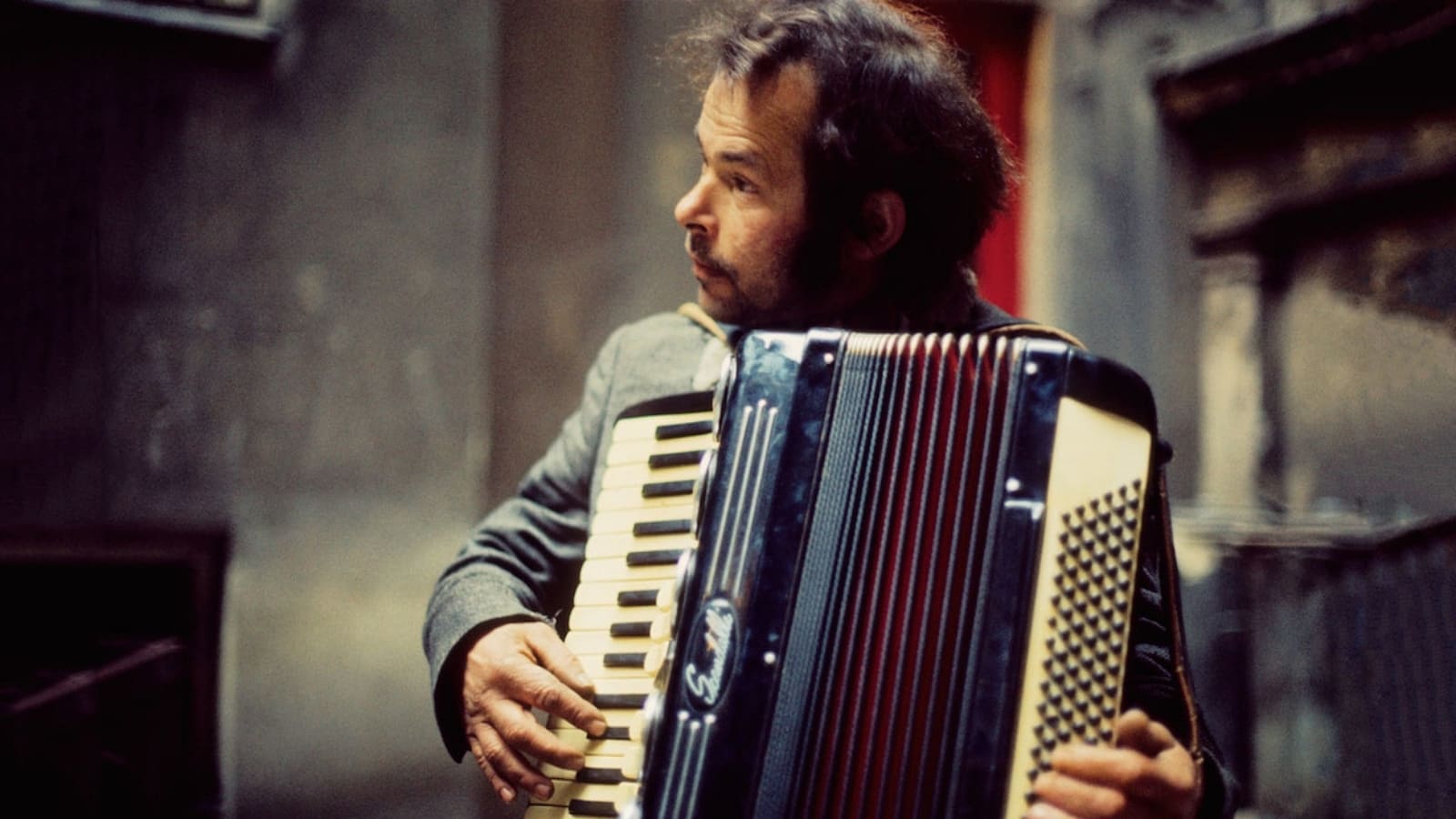
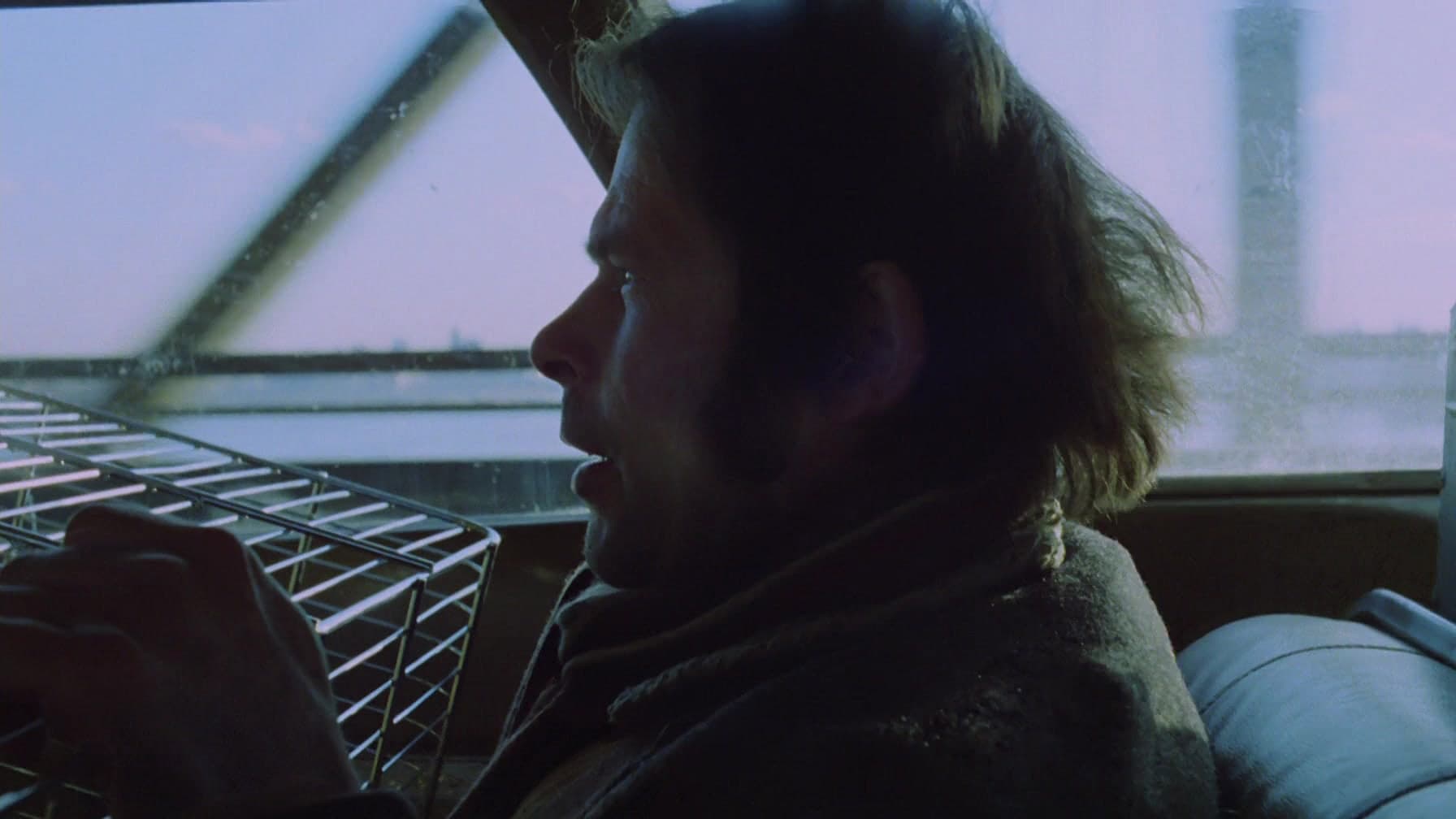
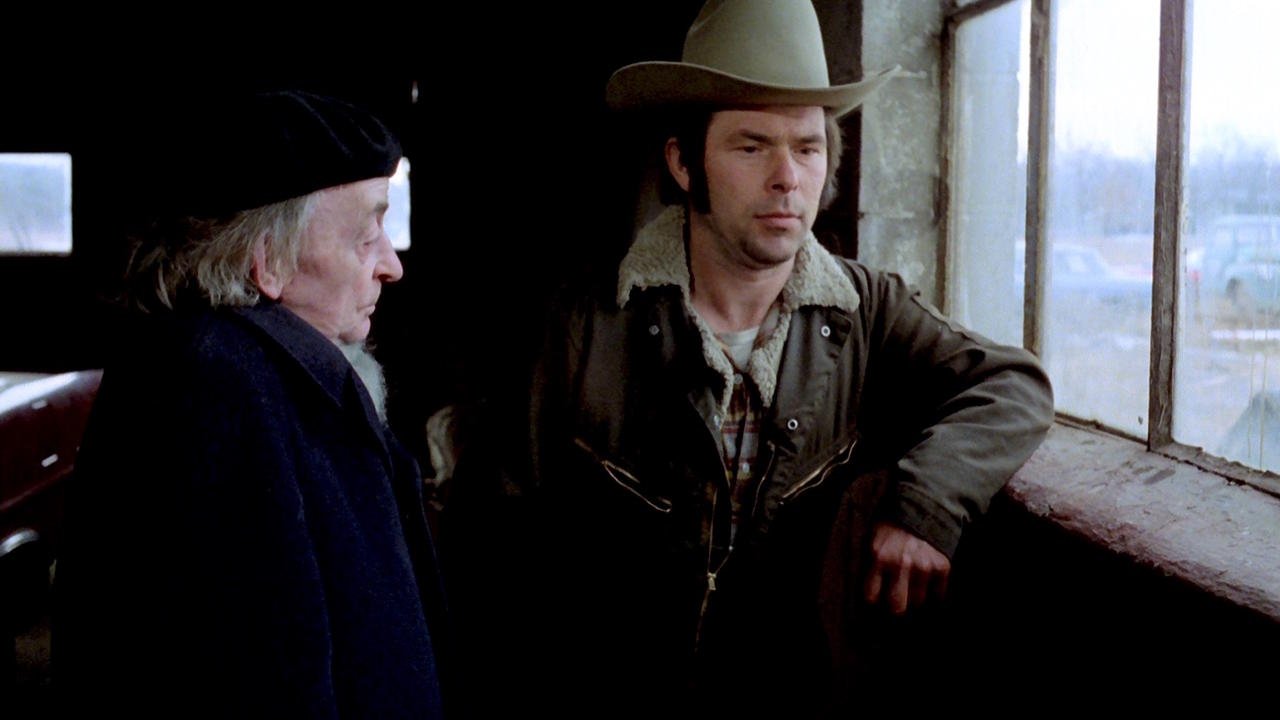
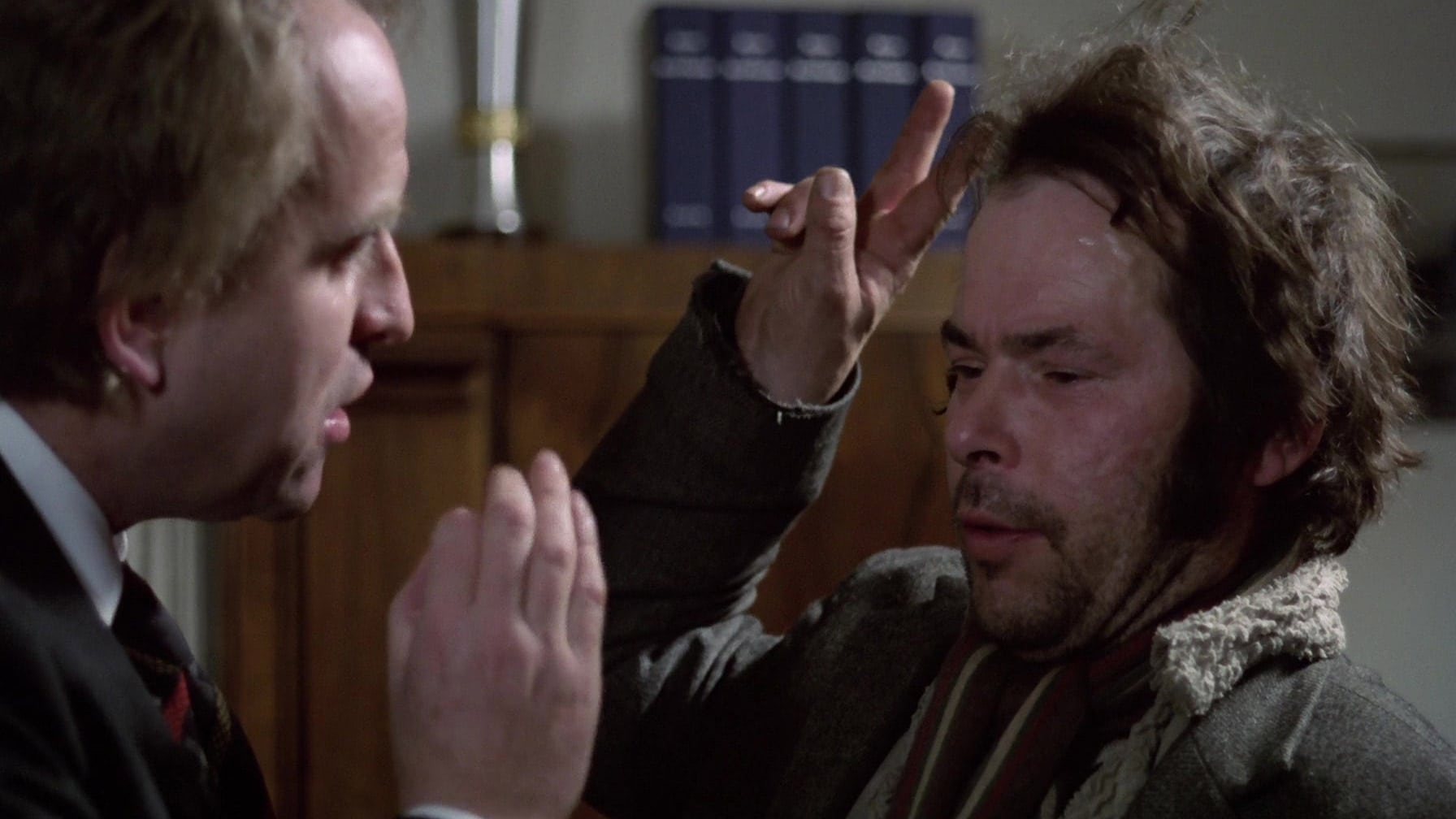
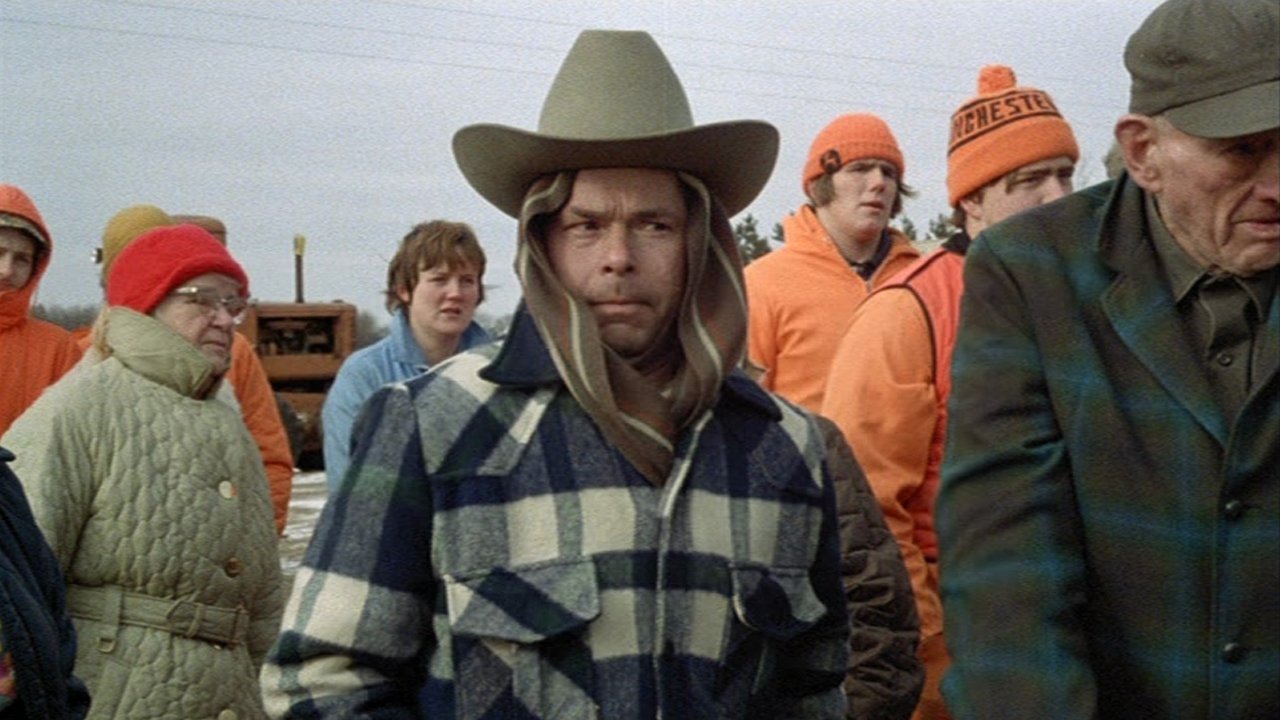
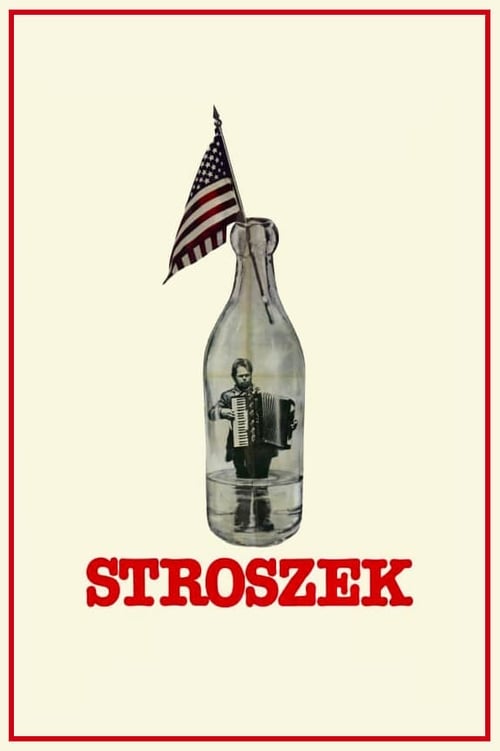
Stroszek ridicules the American Dream, exposing capitalism as an absurd system that dispossesses people while masquerading as freedom. Herzog dwells on awkward rhythms in an episodic structure, with each humiliation piling onto the last until fate itself presses down. The film grants aching dignity to Bruno, Eva, and Scheitz, three souls society might label disposable, eccentric, or embarrassing. Bruno, once imprisoned and now a street performer; Eva, a prostitute fleeing abuse; and Scheitz, an aging eccentric. Yet Herzog refuses to make them caricatures.
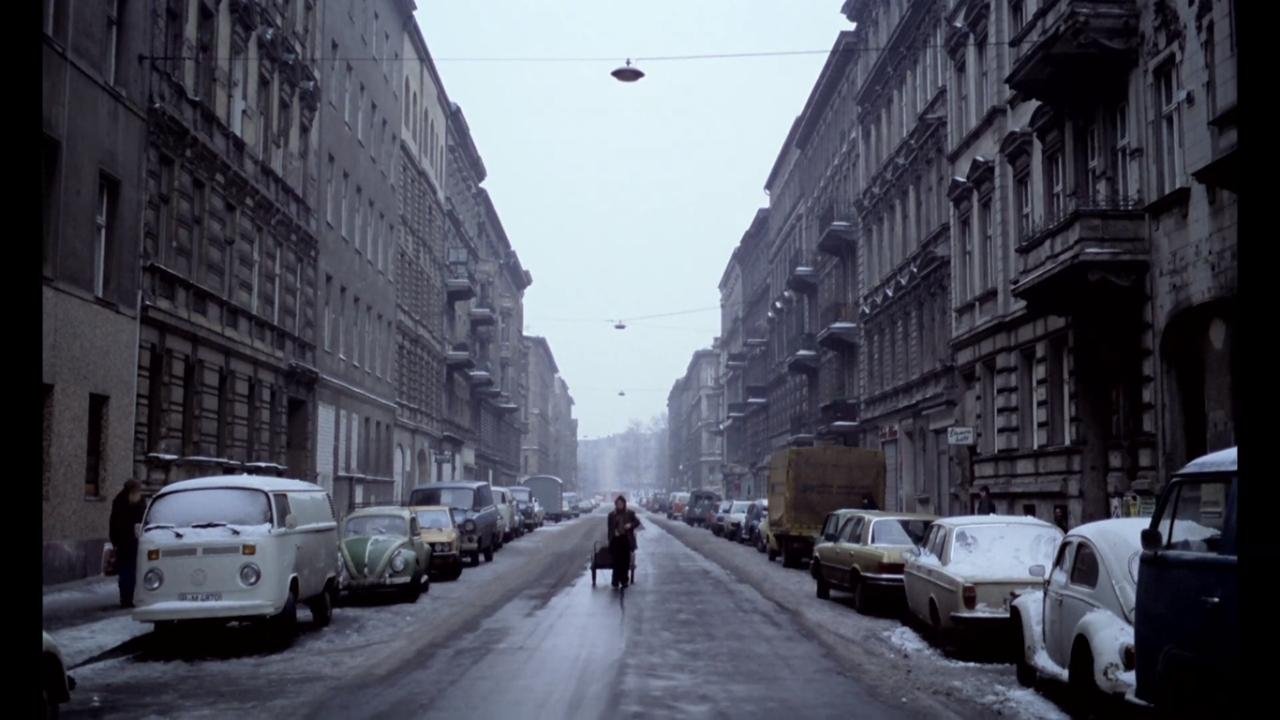
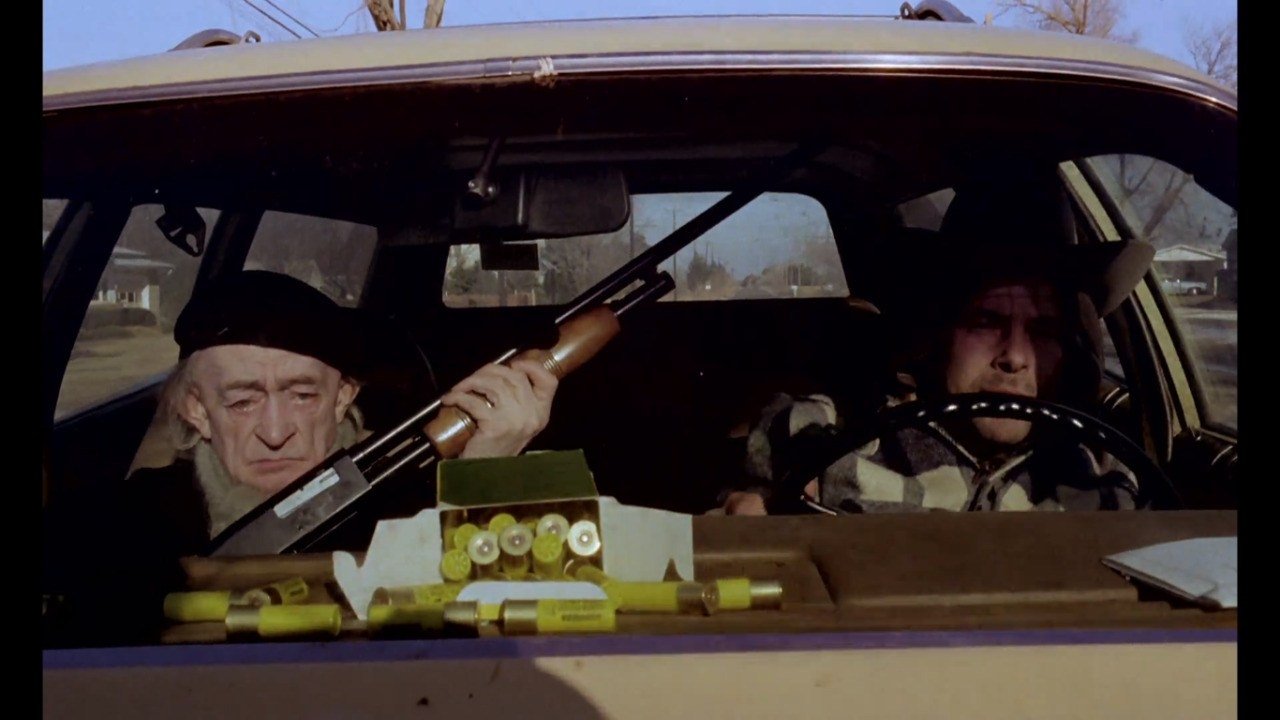
One of the film’s grimmest jokes is that Berlin’s violence appears crude and blunt. Wisconsin’s violence, in contrast, arrives dressed in politeness and a smile of repossession. The film does not say America is uniquely evil and Germany uniquely corrupt, or vice versa. Instead, it insists everywhere that modern life renders domination into a routine. Bruno might rescue Eva from domestic violence and chase the American Dream, but the system is always a step ahead, and with striking clarity. Buy a house. Drown in debt. Watch the house get auctioned off because the debt is too expensive. Survival here is just a series of humiliations, each one rubber-stamped by invisible hands.
Herzog creates an atmosphere of detritus: sex work, drunken stupors, circus acts, and fractured conversations to show the hollow spectacle of American consumerism. The conversation exposes the absurdity of a life sold as freedom. Bruno’s suffering dominates, shaping the film’s tone. Scheitz’s fragility meets real tenderness. Eva’s suffering, however, flickers and shifts. Early on, the film sharply registers the violence she endures from her pimps. Later, she grows elusive, almost fading from view as Bruno’s spiral tightens. This imbalance is telling. Herzog is attuned to the anguish of male outsiders, less so to Eva’s tragic intelligence. Still, the film never romanticizes Bruno’s suffering. That restraint is crucial. Stroszek is compassionate but never sentimental.
If earlier social orders promised dignity through work, nation, religion, or family, Stroszek shows those pillars as already broken. What tries to replace them is not a new moral vision but consumer fantasy and hollow entertainment. That is why the ending is so annihilating. It does not ask us to mourn only one man. It asks us to see a civilization whose surviving rituals are animal tricks and automated loops. This also explains why the film became lauded in some circles. Stroszek condenses so many of the things critics and institutions value in Herzog and in New German Cinema more broadly: the collision of documentary grit and allegorical heft, the anti-romantic treatment of the American Dream, the focus on those stranded at the margins, and an ending so bizarre that it feels permanently branded into film history.
Stroszek ridicules the American Dream, exposing capitalism as an absurd system that dispossesses people while masquerading as freedom. Herzog dwells on awkward rhythms in an episodic structure, with each humiliation piling onto the last until fate itself presses down. The film grants aching dignity to Bruno, Eva, and Scheitz, three souls society might label disposable, eccentric, or embarrassing. Bruno, once imprisoned and now a street performer; Eva, a prostitute fleeing abuse; and Scheitz, an aging eccentric. Yet Herzog refuses to make them caricatures.
One of the film’s grimmest jokes is that Berlin’s violence appears crude and blunt. Wisconsin’s violence, in contrast, arrives dressed in politeness and a smile of repossession. The film does not say America is uniquely evil and Germany uniquely corrupt, or vice versa. Instead, it insists everywhere that modern life renders domination into a routine. Bruno might rescue Eva from domestic violence and chase the American Dream, but the system is always a step ahead, and with striking clarity. Buy a house. Drown in debt. Watch the house get auctioned off because the debt is too expensive. Survival here is just a series of humiliations, each one rubber-stamped by invisible hands.
Herzog creates an atmosphere of detritus: sex work, drunken stupors, circus acts, and fractured conversations to show the hollow spectacle of American consumerism. The conversation exposes the absurdity of a life sold as freedom. Bruno’s suffering dominates, shaping the film’s tone. Scheitz’s fragility meets real tenderness. Eva’s suffering, however, flickers and shifts. Early on, the film sharply registers the violence she endures from her pimps. Later, she grows elusive, almost fading from view as Bruno’s spiral tightens. This imbalance is telling. Herzog is attuned to the anguish of male outsiders, less so to Eva’s tragic intelligence. Still, the film never romanticizes Bruno’s suffering. That restraint is crucial. Stroszek is compassionate but never sentimental.
If earlier social orders promised dignity through work, nation, religion, or family, Stroszek shows those pillars as already broken. What tries to replace them is not a new moral vision but consumer fantasy and hollow entertainment. That is why the ending is so annihilating. It does not ask us to mourn only one man. It asks us to see a civilization whose surviving rituals are animal tricks and automated loops. This also explains why the film became lauded in some circles. Stroszek condenses so many of the things critics and institutions value in Herzog and in New German Cinema more broadly: the collision of documentary grit and allegorical heft, the anti-romantic treatment of the American Dream, the focus on those stranded at the margins, and an ending so bizarre that it feels permanently branded into film history.