
Canoa: A Shameful Memory
1976·History·1h 56m
7.3
★
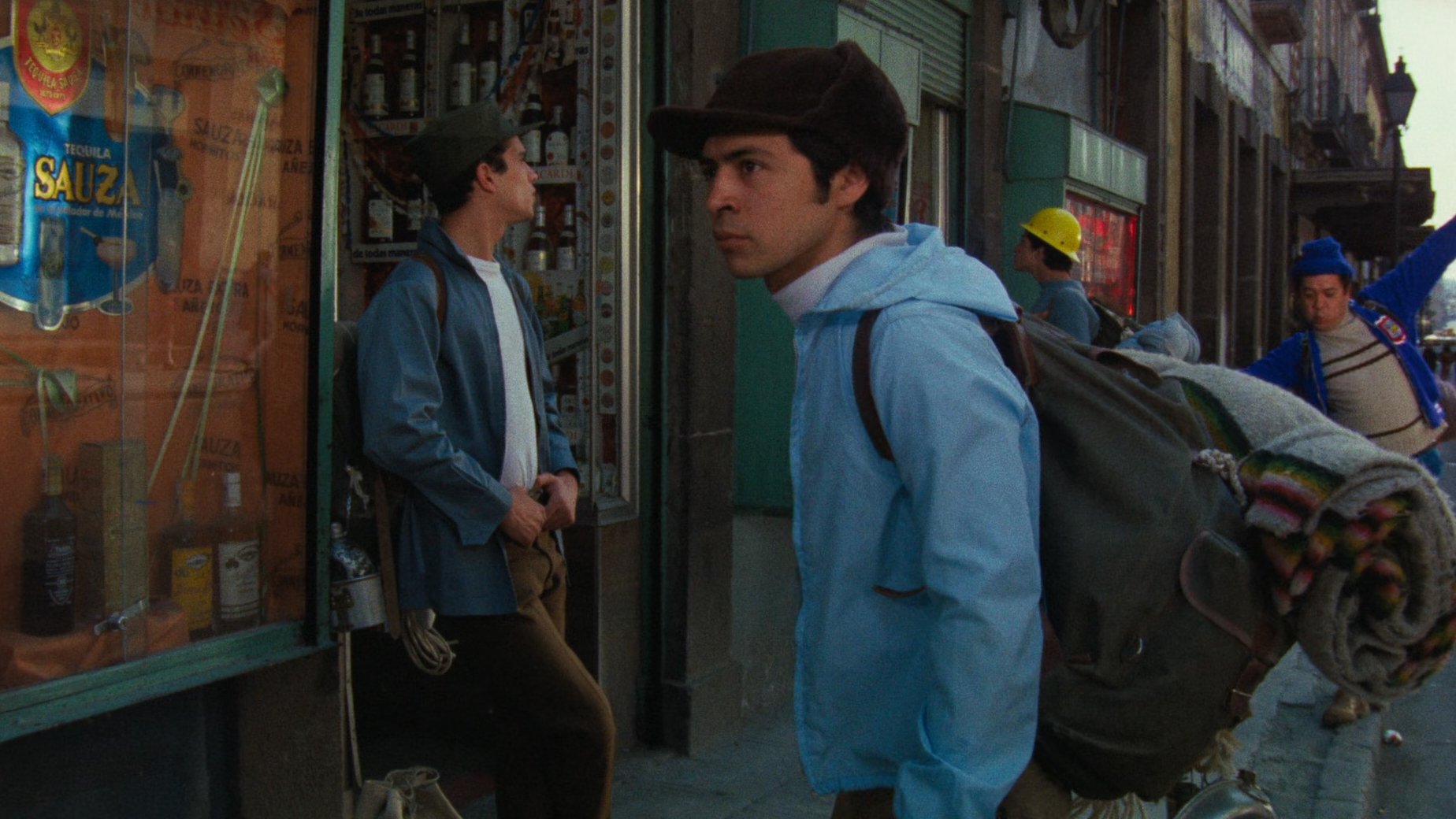
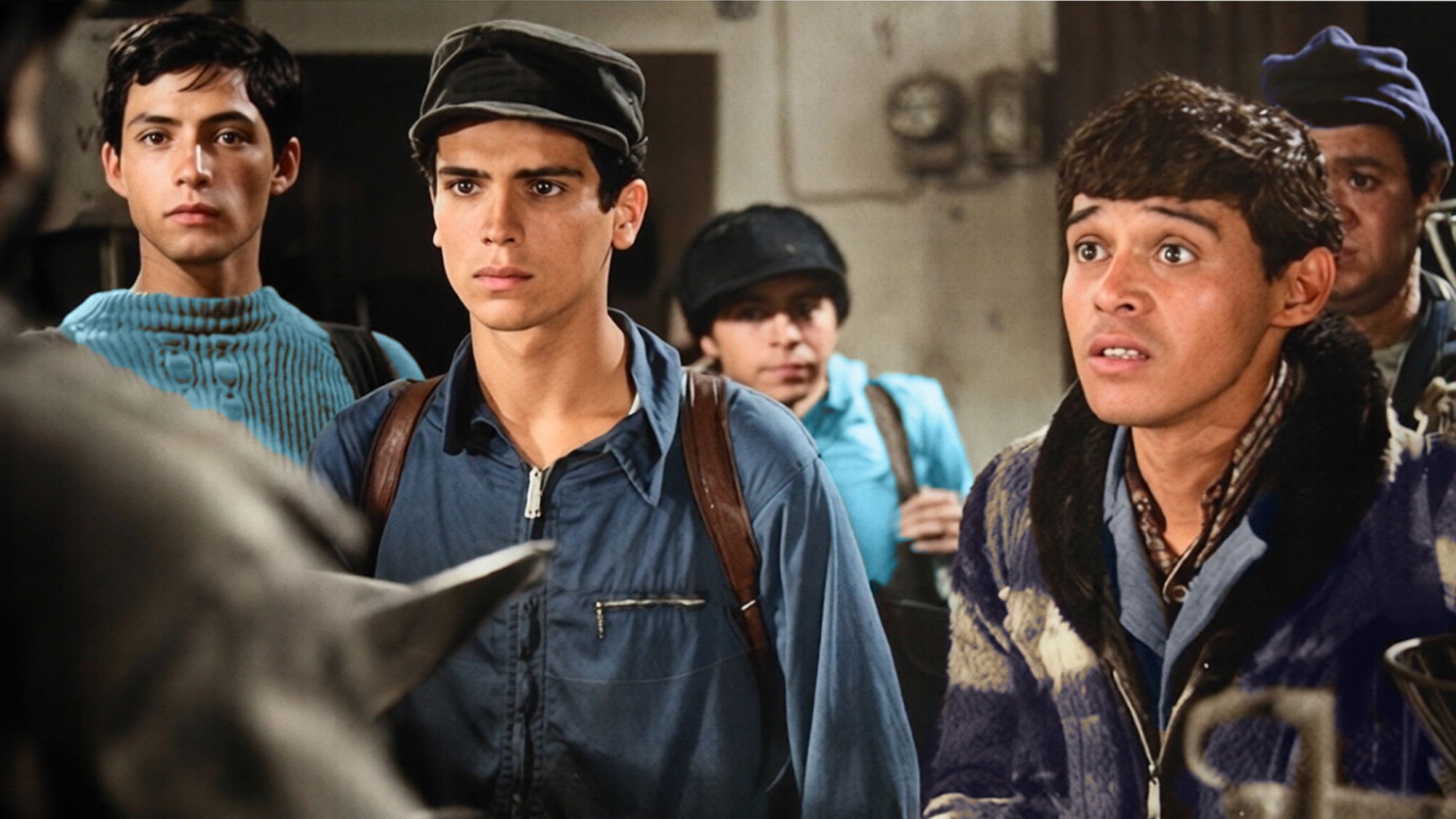
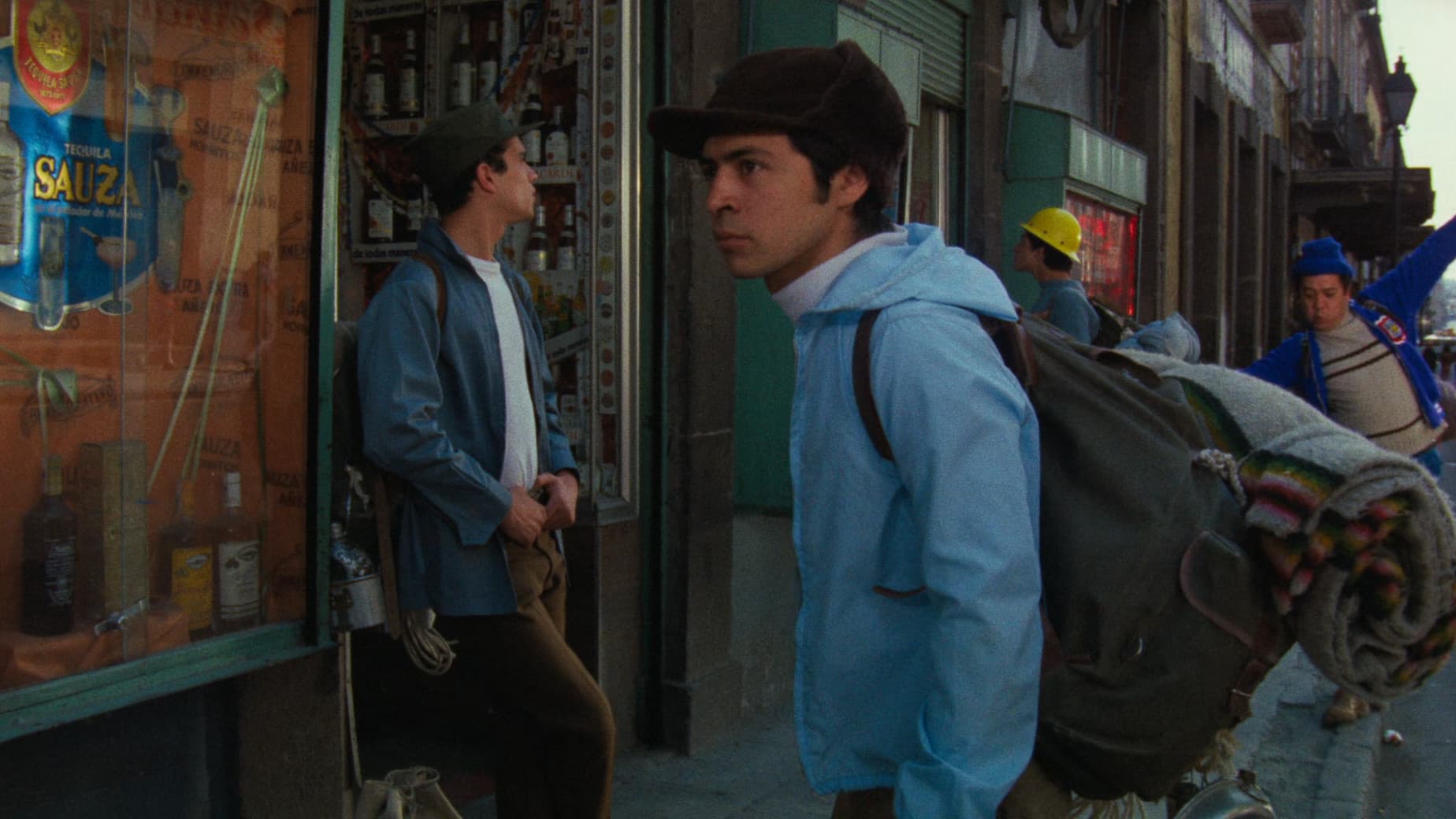
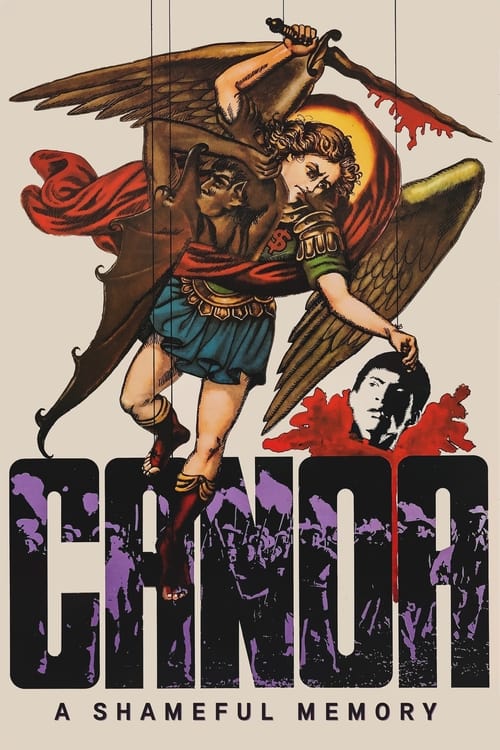
A group of students arrives in a small town during a hiking expedition. Once there, the local priest accuses them of being communist agitators on the run from an army crack-down against student demonstrations in nearby Mexico City and rallies the townsfolk to lynch them. Based on a true story.
Directed by Felipe Cazals
small town
suspicion
based on true story
murder
priest
anger
lynching
mountain climbing
college student

Trailer

IMDB
N/A
Where to Watch



Cast
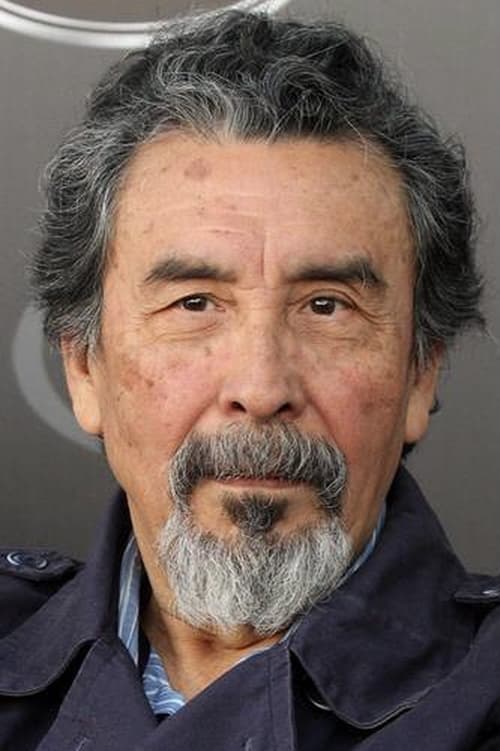
Salvador Sánchez
Witness
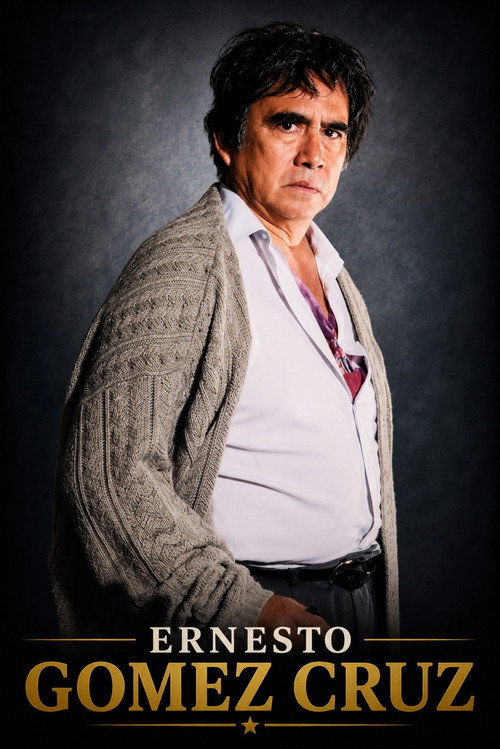
Ernesto Gómez Cruz
Lucas
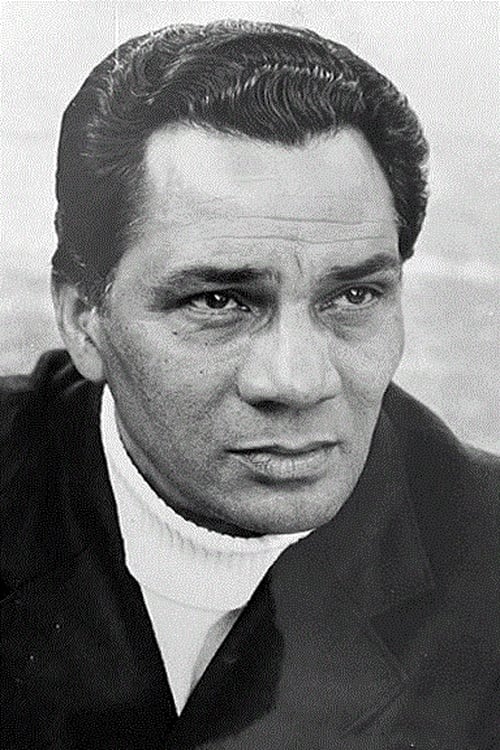
Enrique Lucero
Cura
Carlos Chávez
Miguel
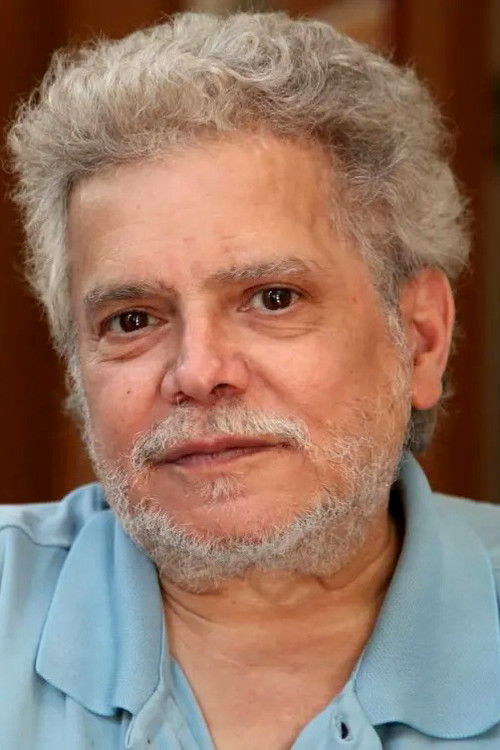
Jaime Garza
Roberto
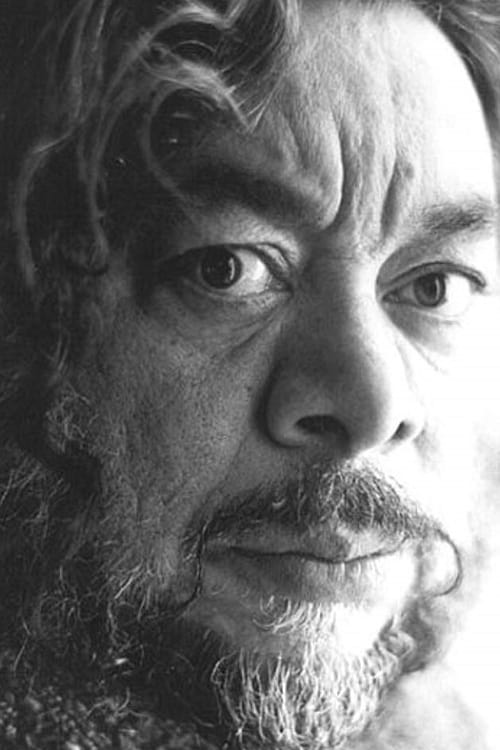
Sergio Calderón
Presidente Municipal
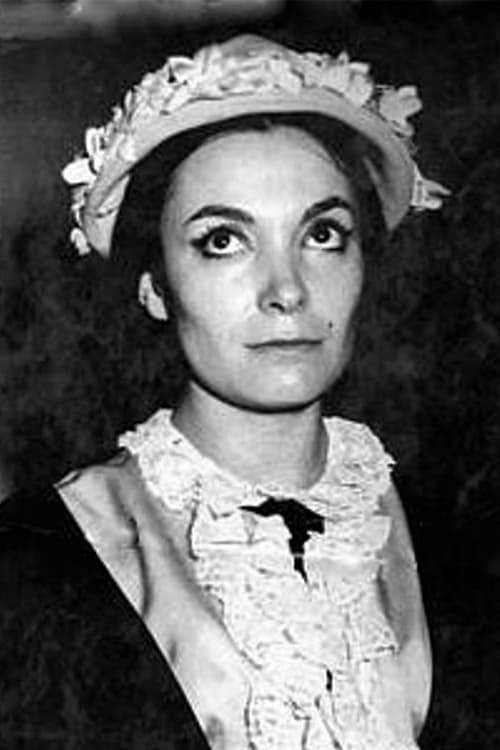
Malena Doria
Ama de llaves del cura

Jorge Fegán
Comandante
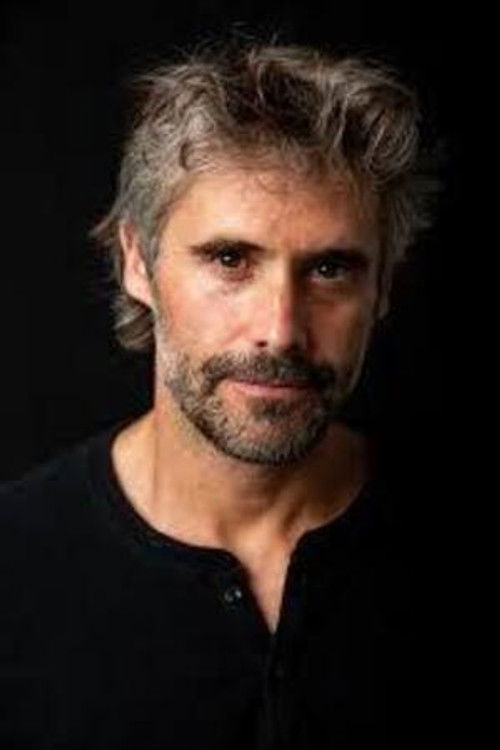
Guillermo Gil
Policia del ejercito
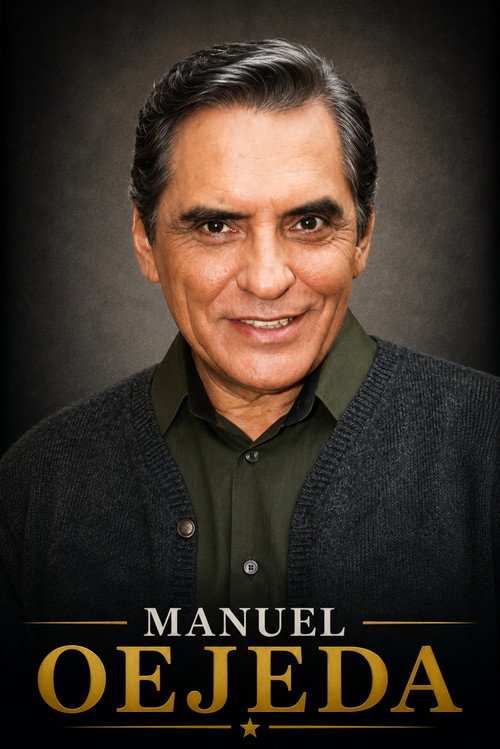
Manuel Ojeda
Hombre del pueblo
Crew
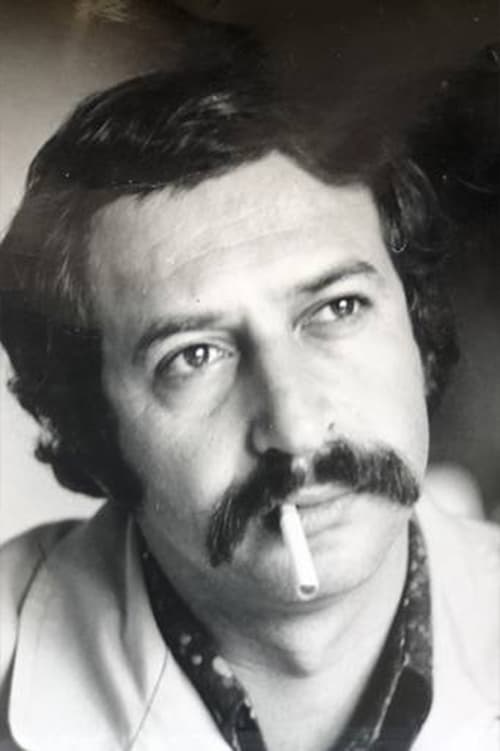
Felipe Cazals
Director
Popular Reviews
70 reviews
Natalia Gaytan
10.0★ · 03/09/26
i think this is one of those times that i lack the words to explain how i felt but my heart feels heavy and this was incredible and i love my country so deeply so this was so heartbreaking
i think this is one of those times that i lack the words to explain how i felt but my heart feels heavy and this was incredible and i love my country so deeply so this was so heartbreaking


Alex Brookes
8.0★ · 02/04/26
So incredibly well done but I’m going to have nightmares
So incredibly well done but I’m going to have nightmares
luma
8.0★ · 01/26/26
it really is a shame this even happened. religious psychosis is terrifying. el sacerdote is fucked up for even justifying this as gods plan.
it really is a shame this even happened. religious psychosis is terrifying. el sacerdote is fucked up for even justifying this as gods plan.
Welldunn
8.0★ · 12/02/25
They just wanted to climb with the boys😞
They just wanted to climb with the boys😞
hQ0105
8.0★ · 10/17/25
It might sound dramatic, but no “based on real events” horror flick comes close to the primal, absolute terror of the raging mob in Canoa: A Shameful Memory for me. The director took a bold step by structuring the story in a way that mimics a documentary, adding a raw and authentic feeling to the final result.
Although a bit slow at the beginning, the first half masterfully builds tension and a sense of looming dread. The second one? Hell breaks loose – that’s all I can say.
While the film depicts events that happened in a distinctive sociocultural context, the character of the priest works as a universal embodiment of mundane evil. Not only is he corrupt, but his ideologically charged speeches are a kind of mind poison for the gullible masses. He makes them work for his gain, against their own interests. Sounds familiar, doesn’t it? The priest’s screen time is limited, but it’s crystal clear who calls the shots in the village.
The final scene is chilling. After the shock of a medieval-style assault, we return to a seemingly normal, but harsh reality – one where virtually no one reflects on their actions, and life continues as usual.
One of the reasons this film is so effective for me is its incredible editing, which makes the two-hour runtime flow almost seamlessly.
A great film from all standpoints – and in my opinion, its relevance is only going to increase in the years to come.
Although a bit slow at the beginning, the first half masterfully builds tension and a sense of looming dread. The second one? Hell breaks loose – that’s all I can say.
While the film depicts events that happened in a distinctive sociocultural context, the character of the priest works as a universal embodiment of mundane evil. Not only is he corrupt, but his ideologically charged speeches are a kind of mind poison for the gullible masses. He makes them work for his gain, against their own interests. Sounds familiar, doesn’t it? The priest’s screen time is limited, but it’s crystal clear who calls the shots in the village.
The final scene is chilling. After the shock of a medieval-style assault, we return to a seemingly normal, but harsh reality – one where virtually no one reflects on their actions, and life continues as usual.
One of the reasons this film is so effective for me is its incredible editing, which makes the two-hour runtime flow almost seamlessly.
A great film from all standpoints – and in my opinion, its relevance is only going to increase in the years to come.
It might sound dramatic, but no “based on real events” horror flick comes close to the primal, absolute terror of the raging mob in Canoa: A Shameful Memory for me. The director took a bold step by structuring the story in a way that mimics a documentary, adding a raw and authentic feeling to the final result.
Although a bit slow at the beginning, the first half masterfully builds tension and a sense of looming dread. The second one? Hell breaks loose – that’s all I can say.
While the film depicts events that happened in a distinctive sociocultural context, the character of the priest works as a universal embodiment of mundane evil. Not only is he corrupt, but his ideologically charged speeches are a kind of mind poison for the gullible masses. He makes them work for his gain, against their own interests. Sounds familiar, doesn’t it? The priest’s screen time is limited, but it’s crystal clear who calls the shots in the village.
The final scene is chilling. After the shock of a medieval-style assault, we return to a seemingly normal, but harsh reality – one where virtually no one reflects on their actions, and life continues as usual.
One of the reasons this film is so effective for me is its incredible editing, which makes the two-hour runtime flow almost seamlessly.
A great film from all standpoints – and in my opinion, its relevance is only going to increase in the years to come.
Although a bit slow at the beginning, the first half masterfully builds tension and a sense of looming dread. The second one? Hell breaks loose – that’s all I can say.
While the film depicts events that happened in a distinctive sociocultural context, the character of the priest works as a universal embodiment of mundane evil. Not only is he corrupt, but his ideologically charged speeches are a kind of mind poison for the gullible masses. He makes them work for his gain, against their own interests. Sounds familiar, doesn’t it? The priest’s screen time is limited, but it’s crystal clear who calls the shots in the village.
The final scene is chilling. After the shock of a medieval-style assault, we return to a seemingly normal, but harsh reality – one where virtually no one reflects on their actions, and life continues as usual.
One of the reasons this film is so effective for me is its incredible editing, which makes the two-hour runtime flow almost seamlessly.
A great film from all standpoints – and in my opinion, its relevance is only going to increase in the years to come.