In
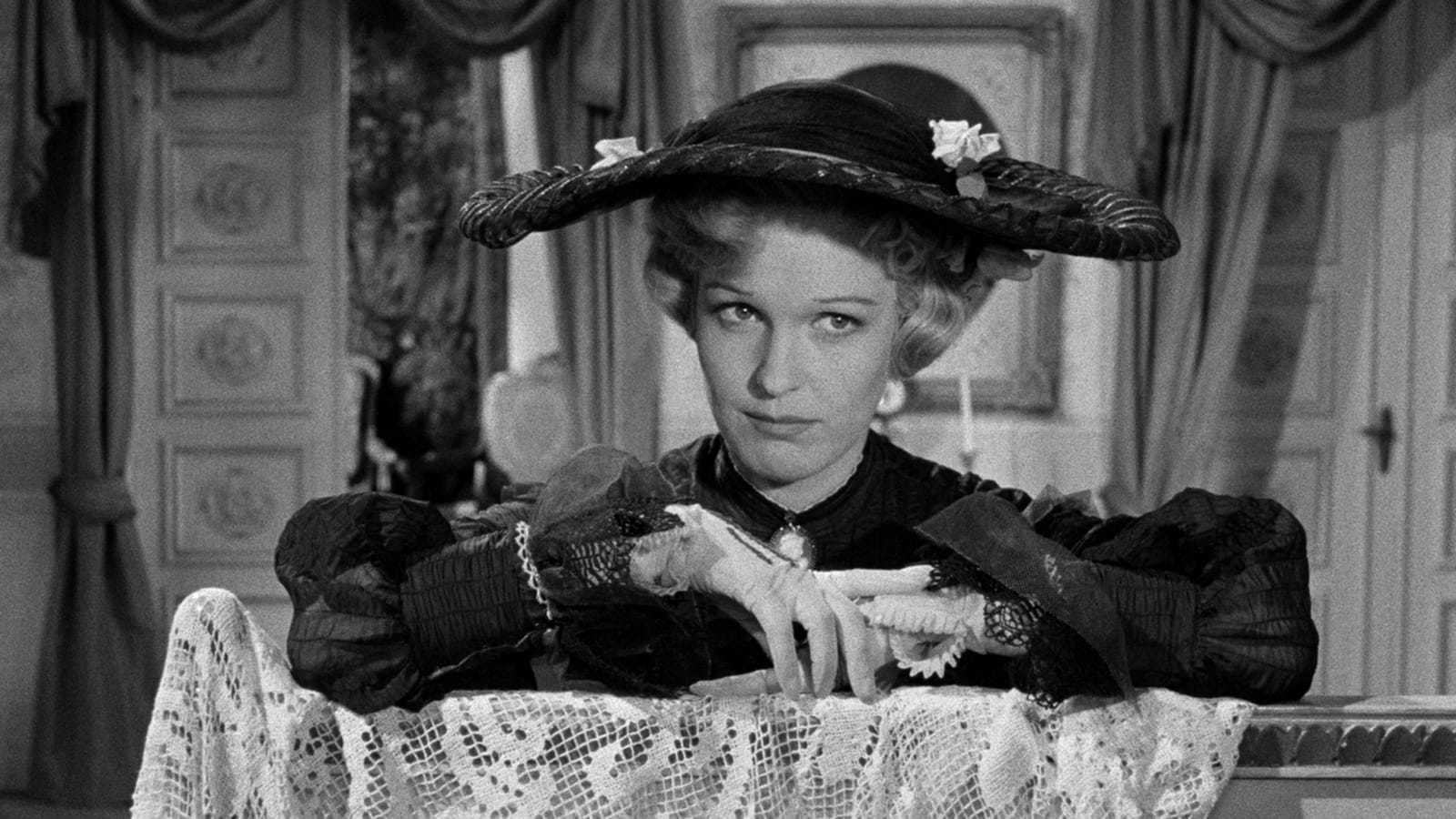
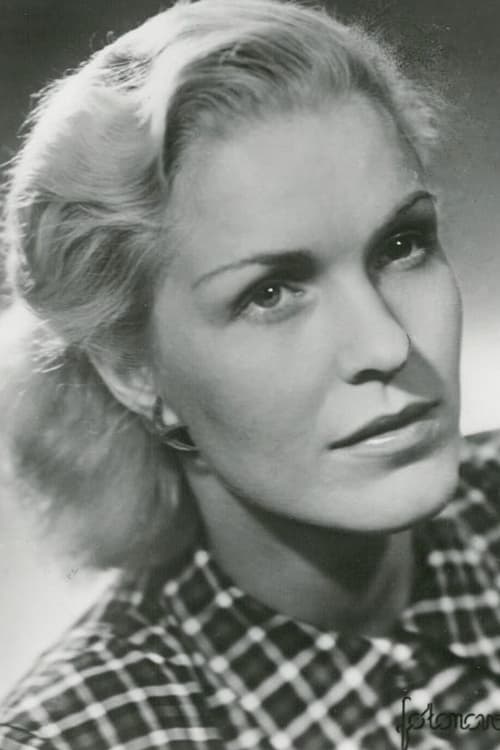
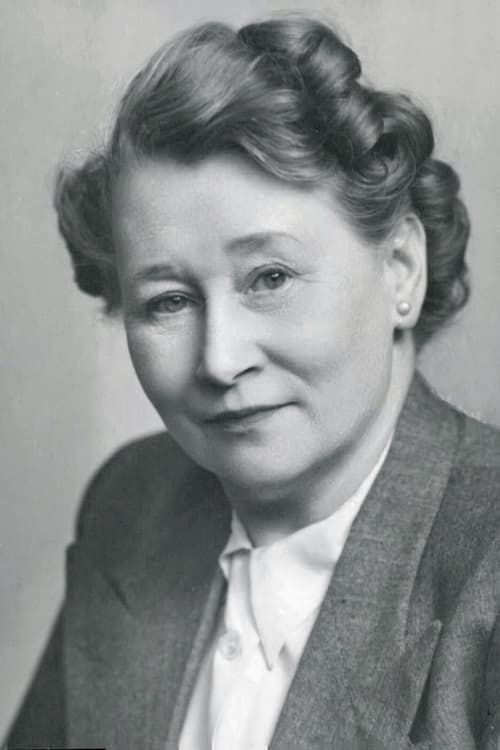
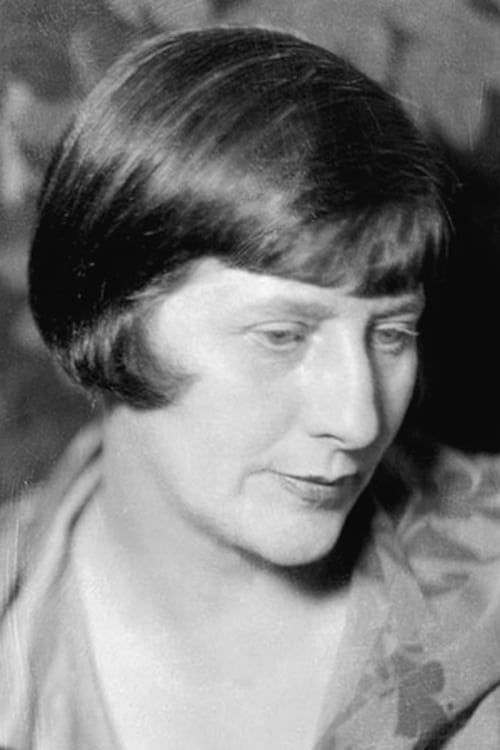
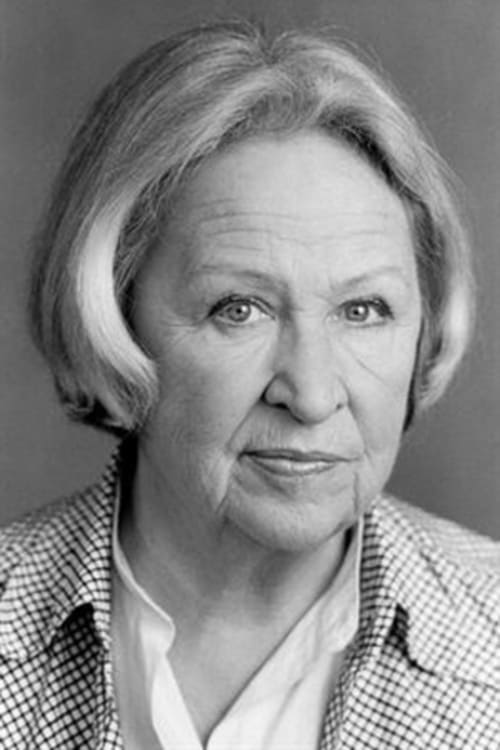
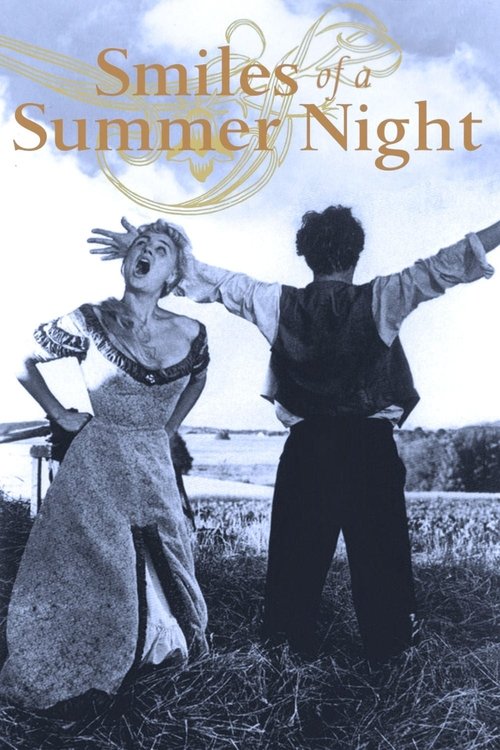
Ingmar Bergman’s Cinema, the book accompanying Criterion’s Bergman boxset, John Simmon describes the four women as four respective types:
Desiree – comforter of men – mature, experienced, maternal
Anne – arouser of paternal instincts – pretty, cosseted girl-child, womanhood in bud
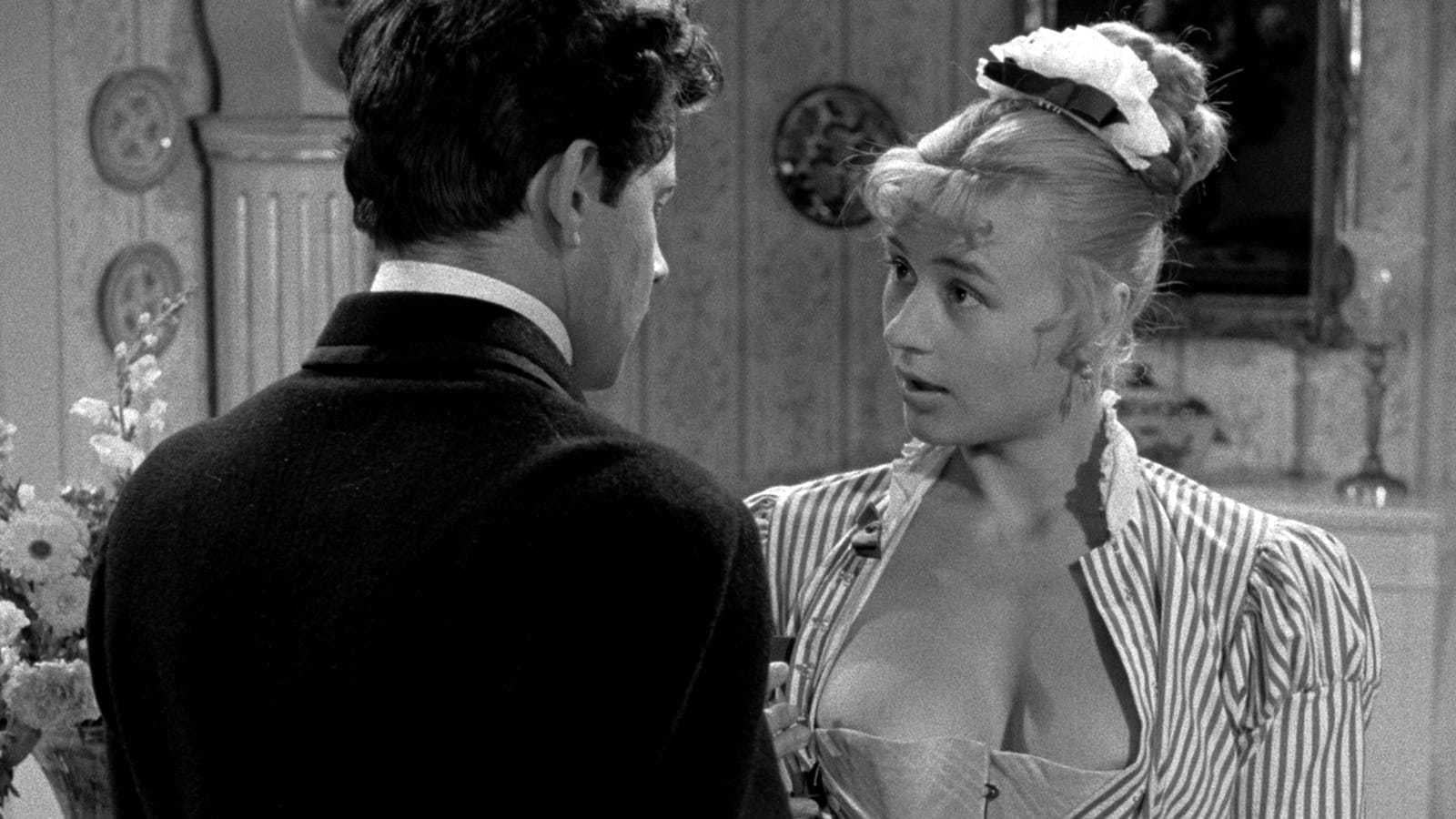
Petra – good-humoured object of lust – saucy, sexy, flirtatious
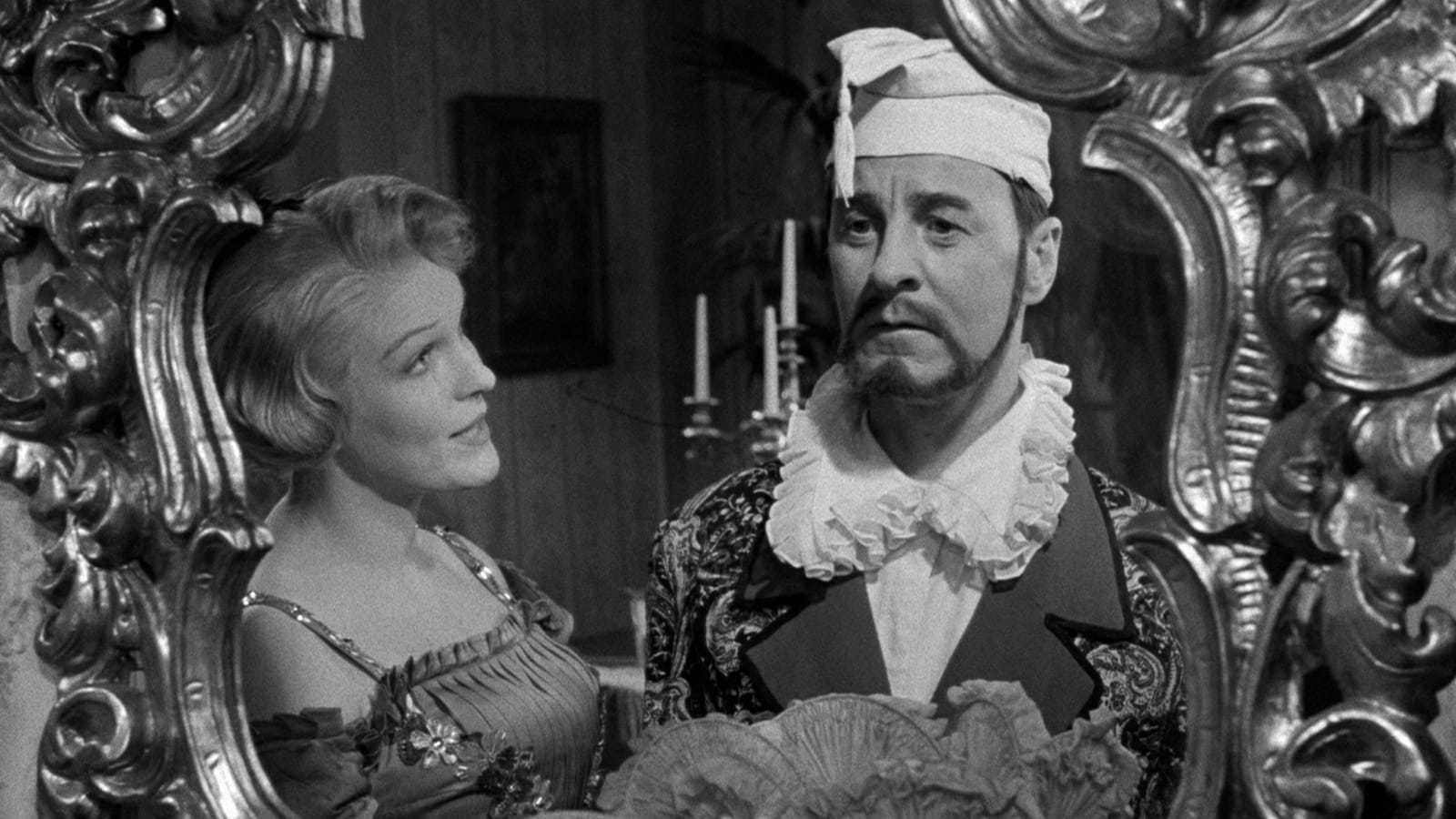
Charlotte – tortured and tormenting, the dangerous woman – neglected young wife, seething with anger at her philandering husband yet also loving him
While these descriptions are apt, a more encompassing paradigm, the
Madonna–whore complex, seems to characterize the bifurcation of each entangled relationship.
Missing from Simmon’s entry is the attention to an important conversation between Desiree and her mother, Mrs. Armfeldt. In the scene where Desiree asks her mother to host a party, the catalyst of Desiree’s planned scheme, her mother describes her “two” fathers. In Mrs. Armfeldt we glean a role-reversal of the complex. The matriarch describes a relatively autonomous control over her lovers. While her descriptions are paired with a comedically casual description of violence, her matter-of-factness implies a sense of self-awareness and control. Mrs. Armfeldt’s matriarchal role paired with her casual disinterest in her surroundings suggest objectivity and aged wisdom.
The reflections of the Madonna–whore complex intersect each woman. The reverberations of said complex are orchestrated by Desiree’s hand. Bergman’s insight shines in what is left unsaid, the tragic eventualities which lie ahead for each couple after the conclusion of the film. I often point to
Summer with Monika as the summative answer to all ambiguous relationship endings in film; I would recall such a sentiment here, too.
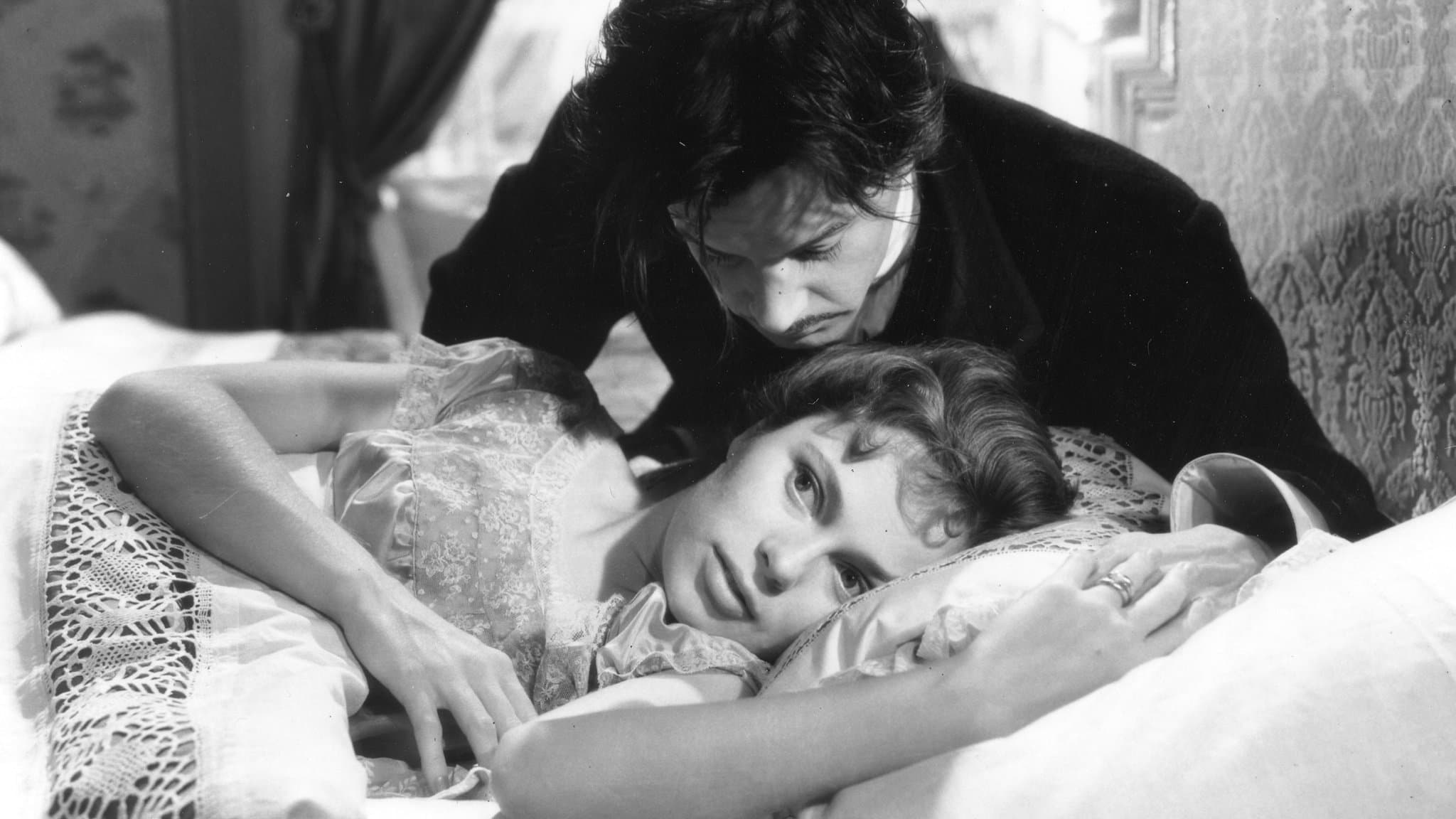
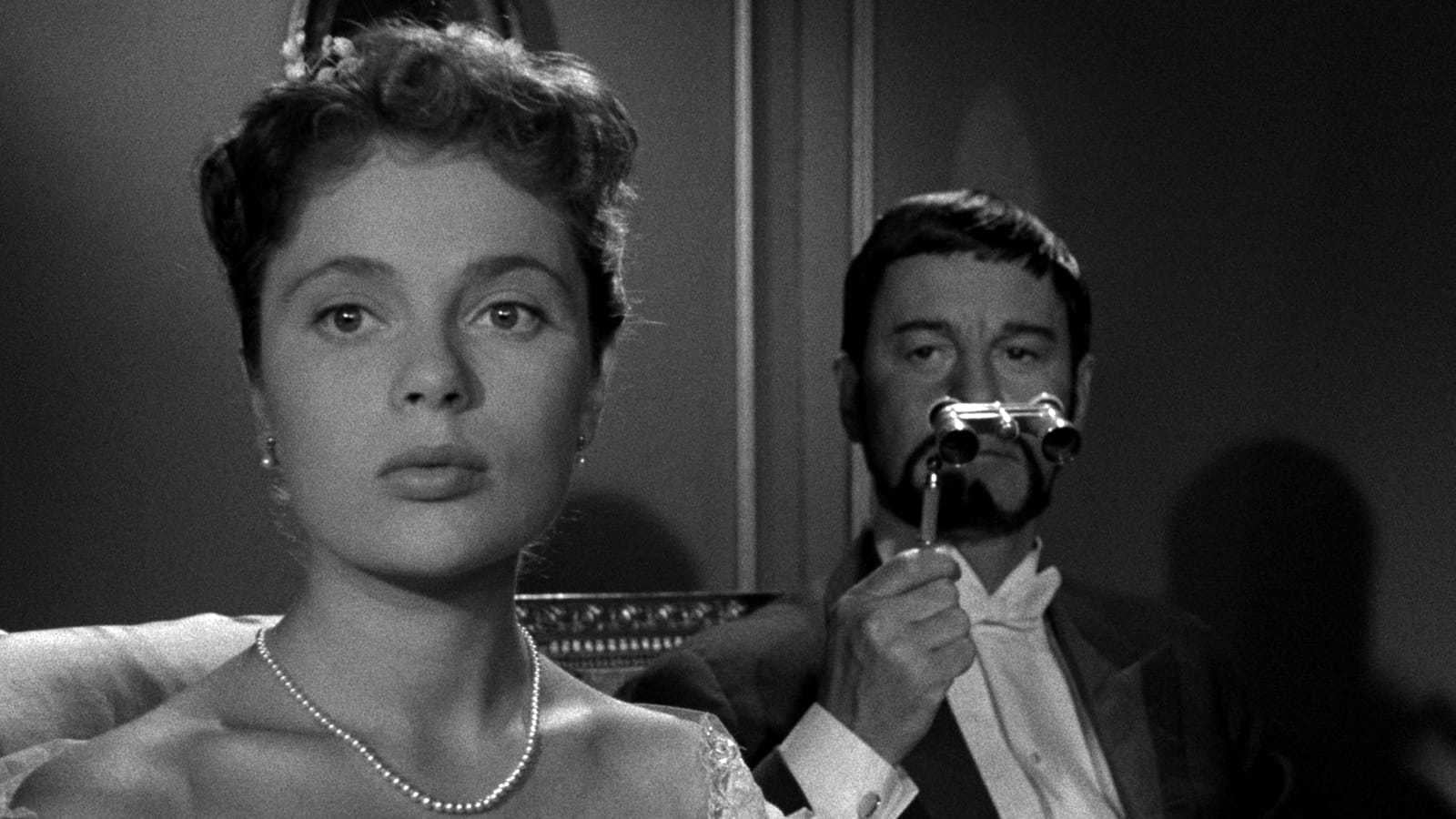
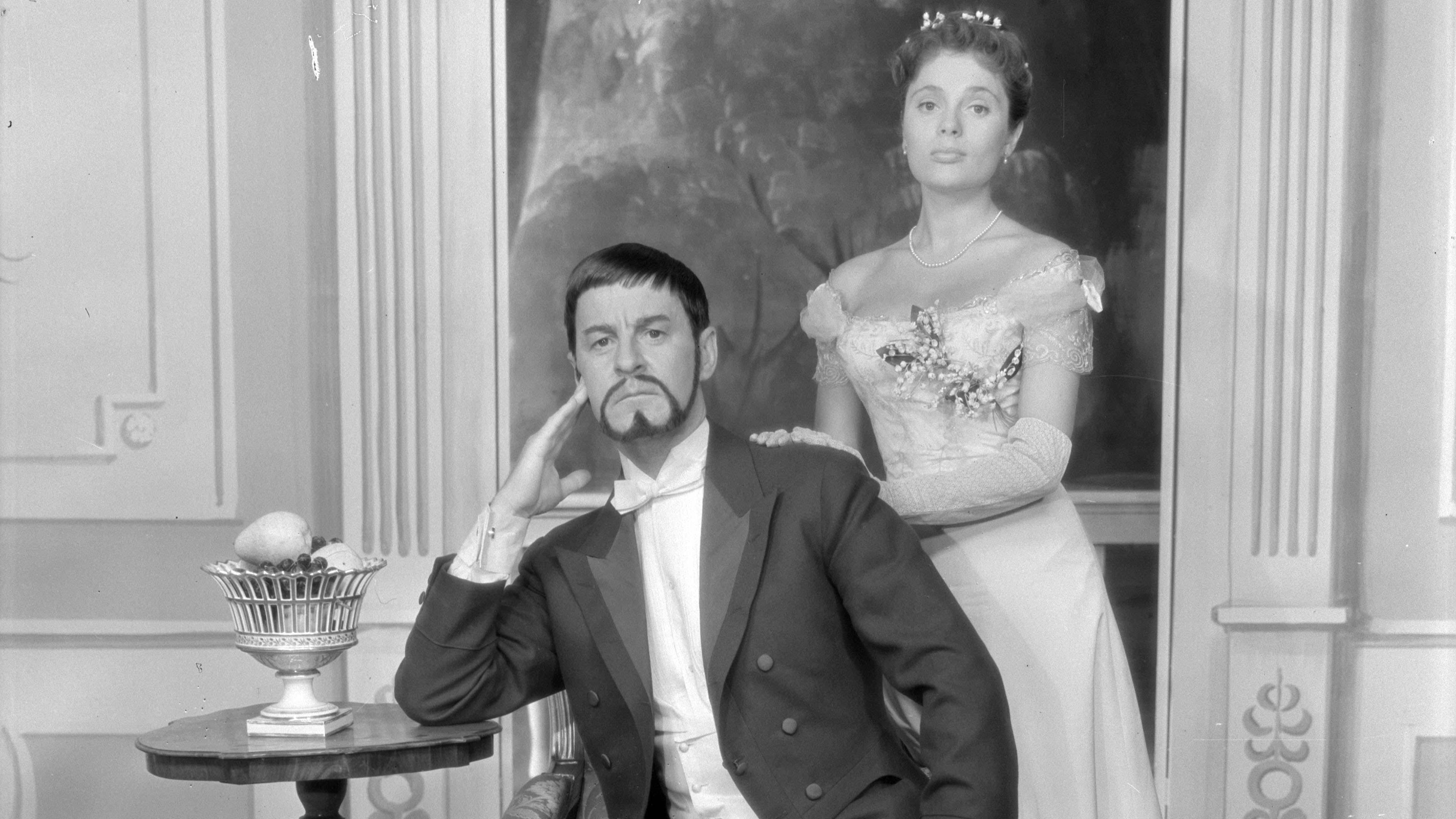
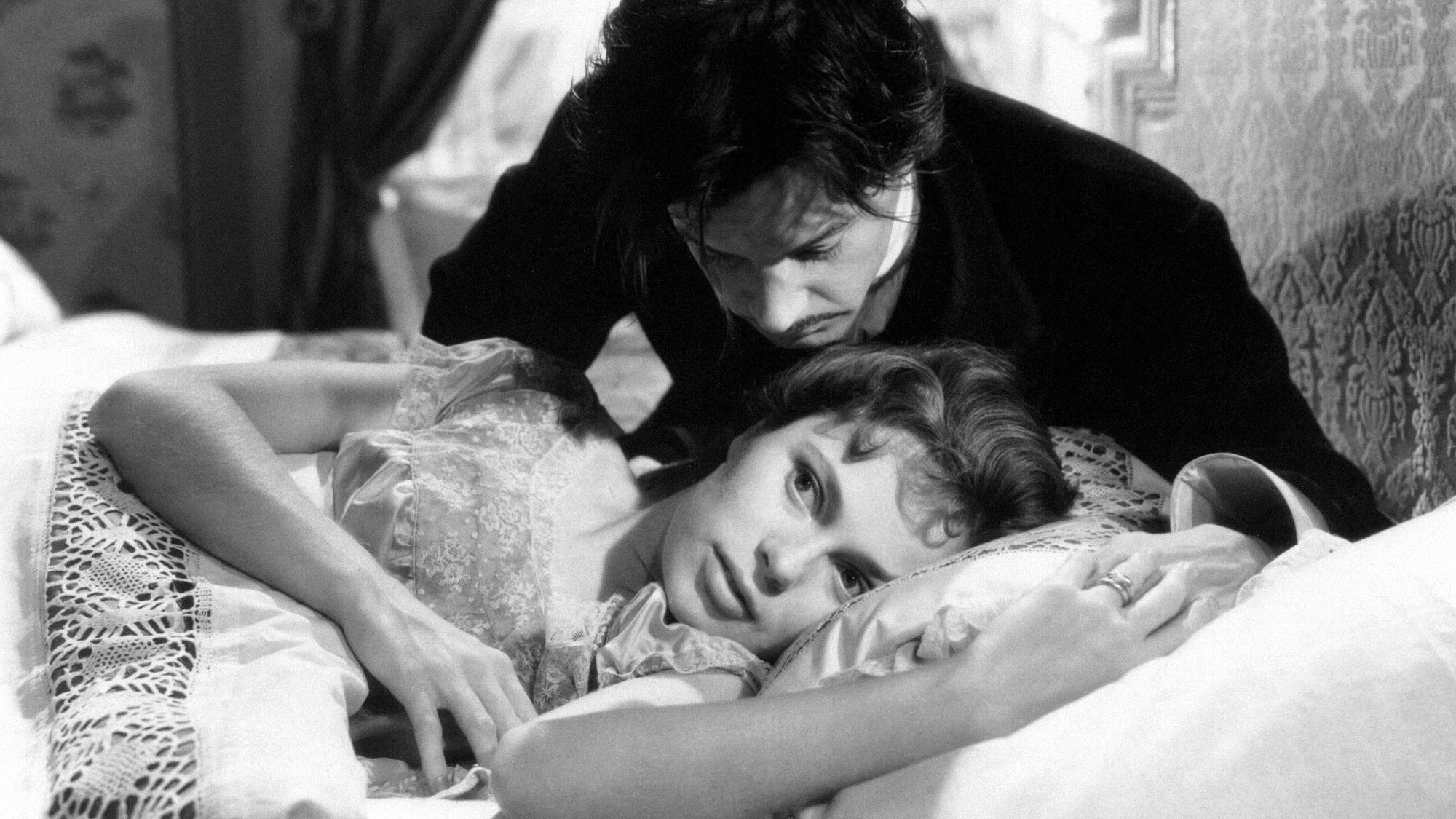
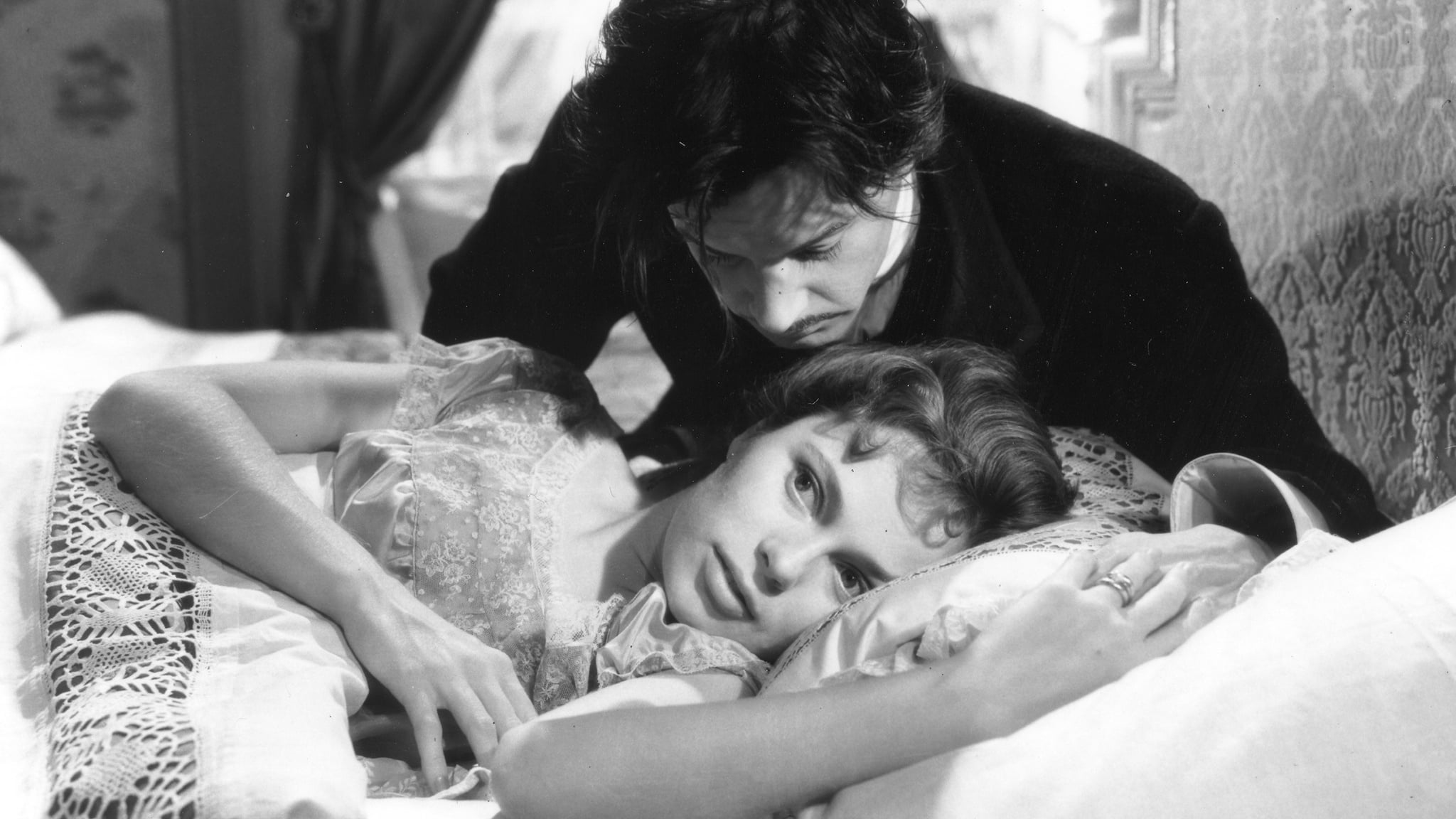
Fredrik is caught between his virginal wife, Anne, and old mistress, Desiree. The disconnect between Fredrik and Anne lies less in Fredrik’s inability to consummate and more in his self-acknowledgement of age. Through Fredrik’s acquiescence in not forcing consummation with Anne, I think Bergman self-acknowledges the inherent awkwardness in such an agedly disparate relationship. Through Fredrik, Desiree attempts to pursue a reclamation of lost love in a man who seems a better fit.
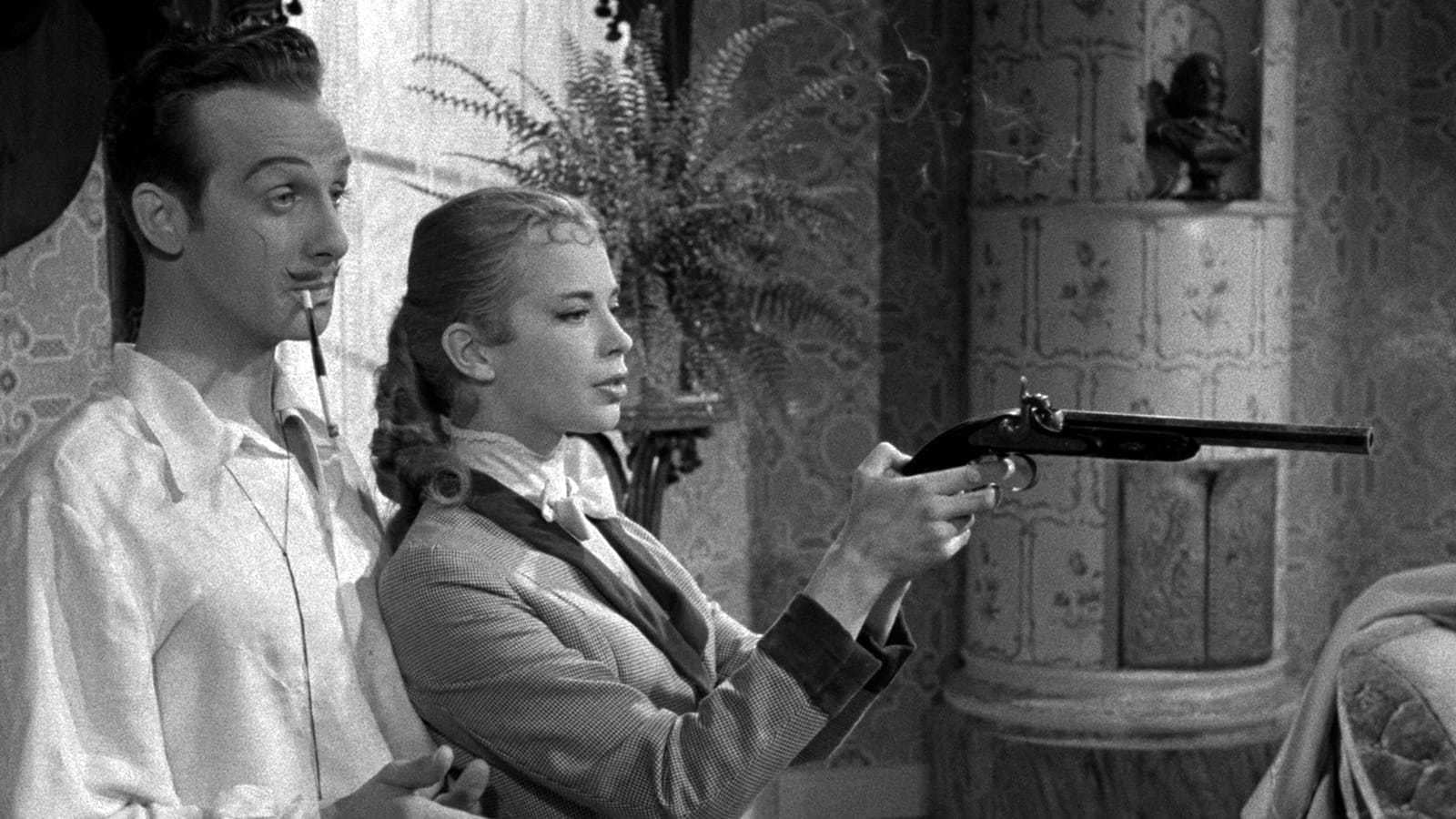
Fredrik’s son, Henrik, faces the dilemma of Petra, the young seductress, and Anne, the unobtainable virgin. His dilemma is compounded internally due to his path to priesthood and devotion to virtue. A comedic juxtaposition is drawn in his reading identical lines about virtue and Martin Luther’s writing to both Anne and Petra and their respective reactions. Anne listens attentively and engages Henrik in his reading. Petra doesn’t pay attention.
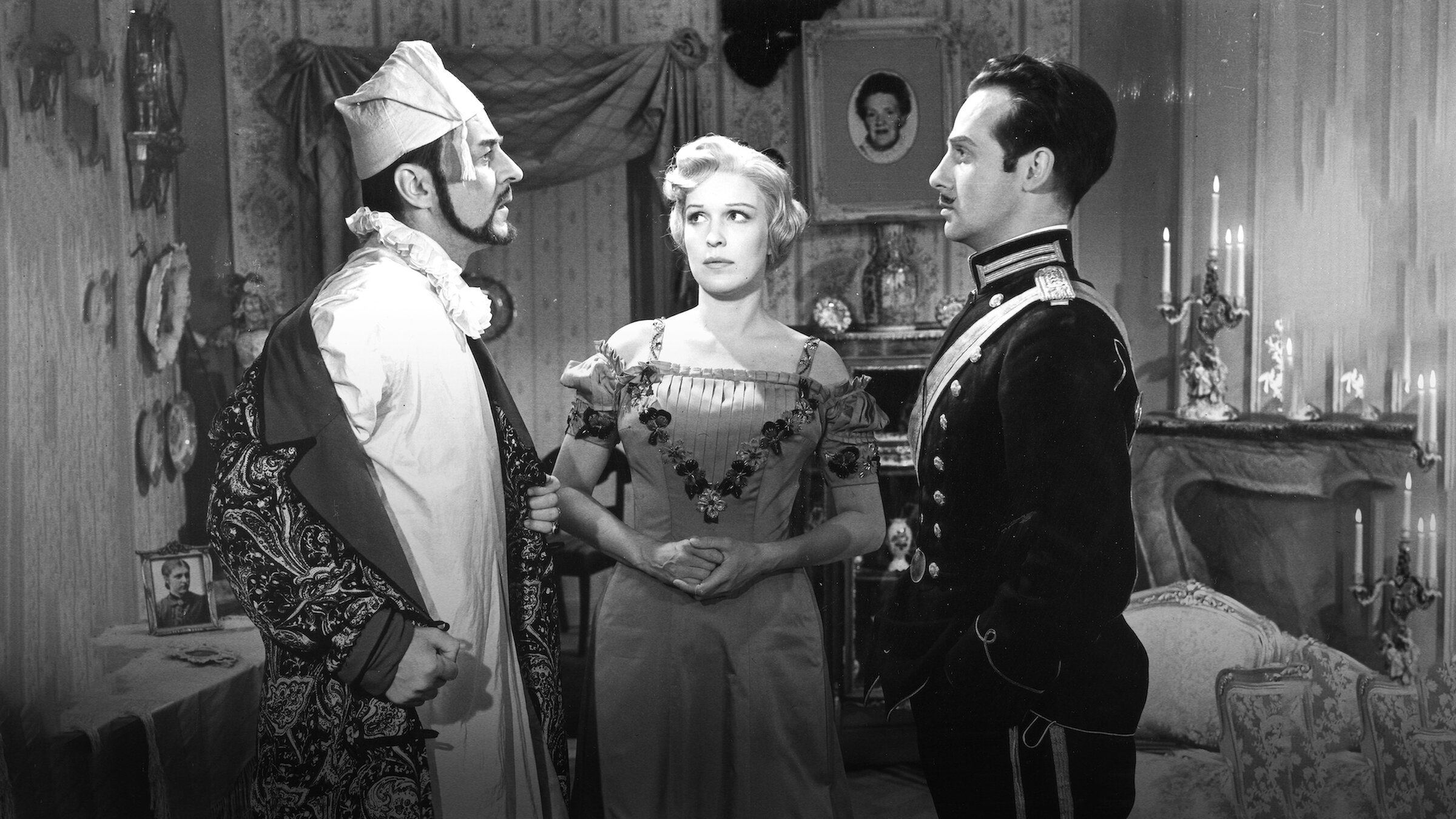
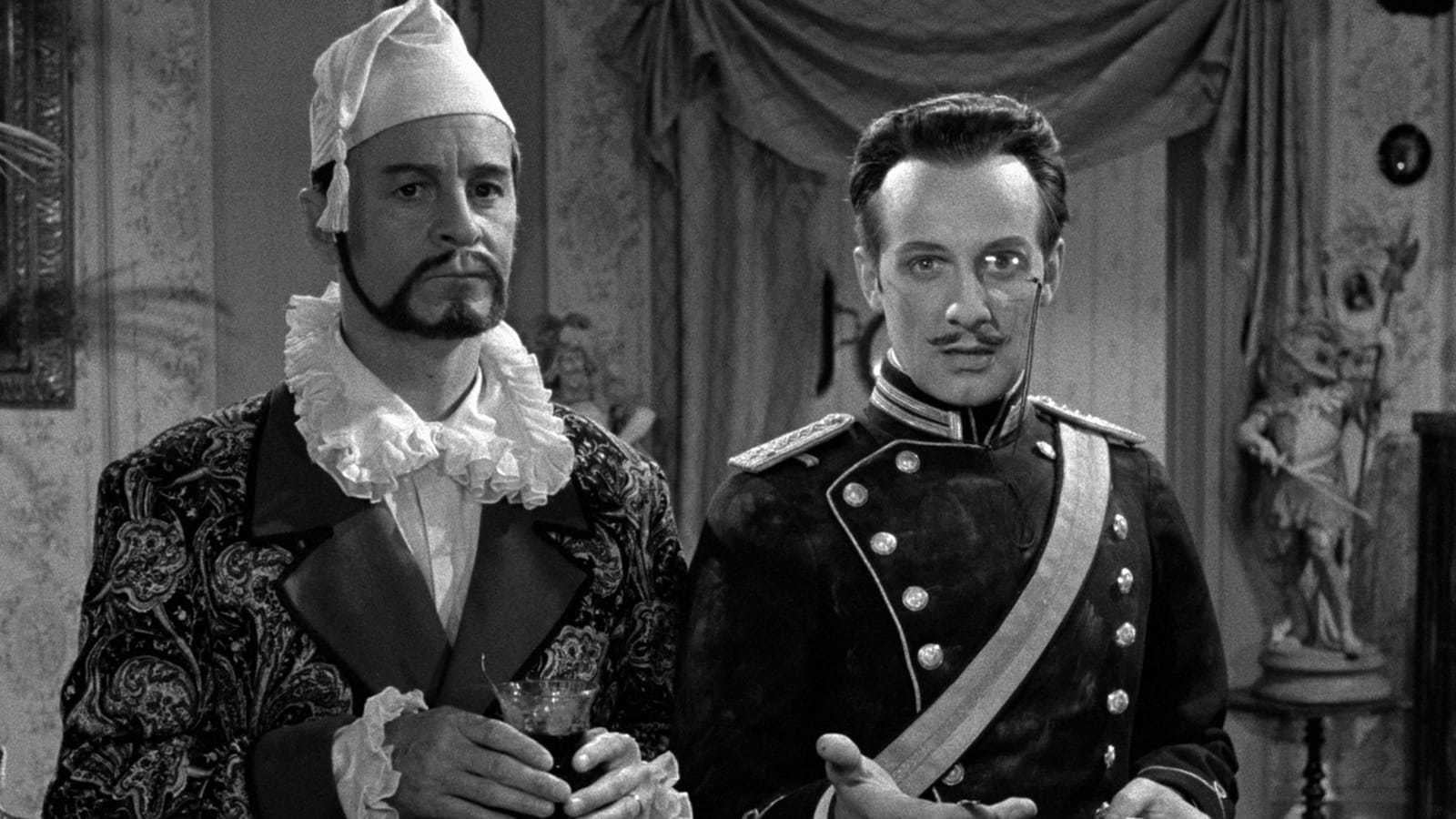
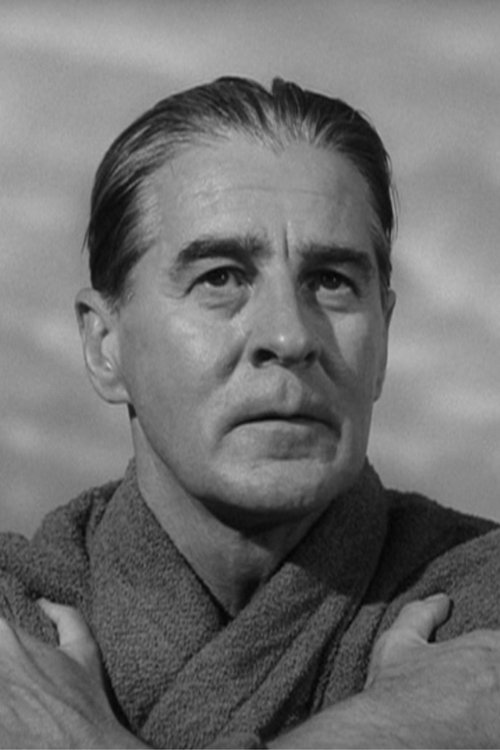
Count Malcom’s position between Desiree and his wife, Charlotte, is one less of conflict and more one of pride and imperial masculinity. His line about becoming a tiger is interchangeable in response to potentially losing his mistress or wife. It’s simply a matter of losing which prompts such reaction.
Even young Petra becomes involved in a potentially tragically bound romance. She ultimately wants to end up with aged Frid, someone who likely represents stability with a flit of a poetic soul. But she only coerces a proposal out of Frid using force, her twisting his ears so hard.
While the ending of the film feels happy and optimistic, what lies in store for each couple after the credits roll feels doomed. Henrik has run away with Anne, his father’s wife. What family schism awaits? Fredrik has Anne to care for him post humiliation. But he already left her once. His future dedication seems in doubt. Charlotte seems the most tragic character, Count Malcom’s future fidelity almost assuredly a farce. And even Petra and Frid, what future awaits them? If Frid knew what was good for him, he’d certainly cherish Petra, but considering the flippancy with which he flirted and proposed, it’s hardly a solid foundation to start.