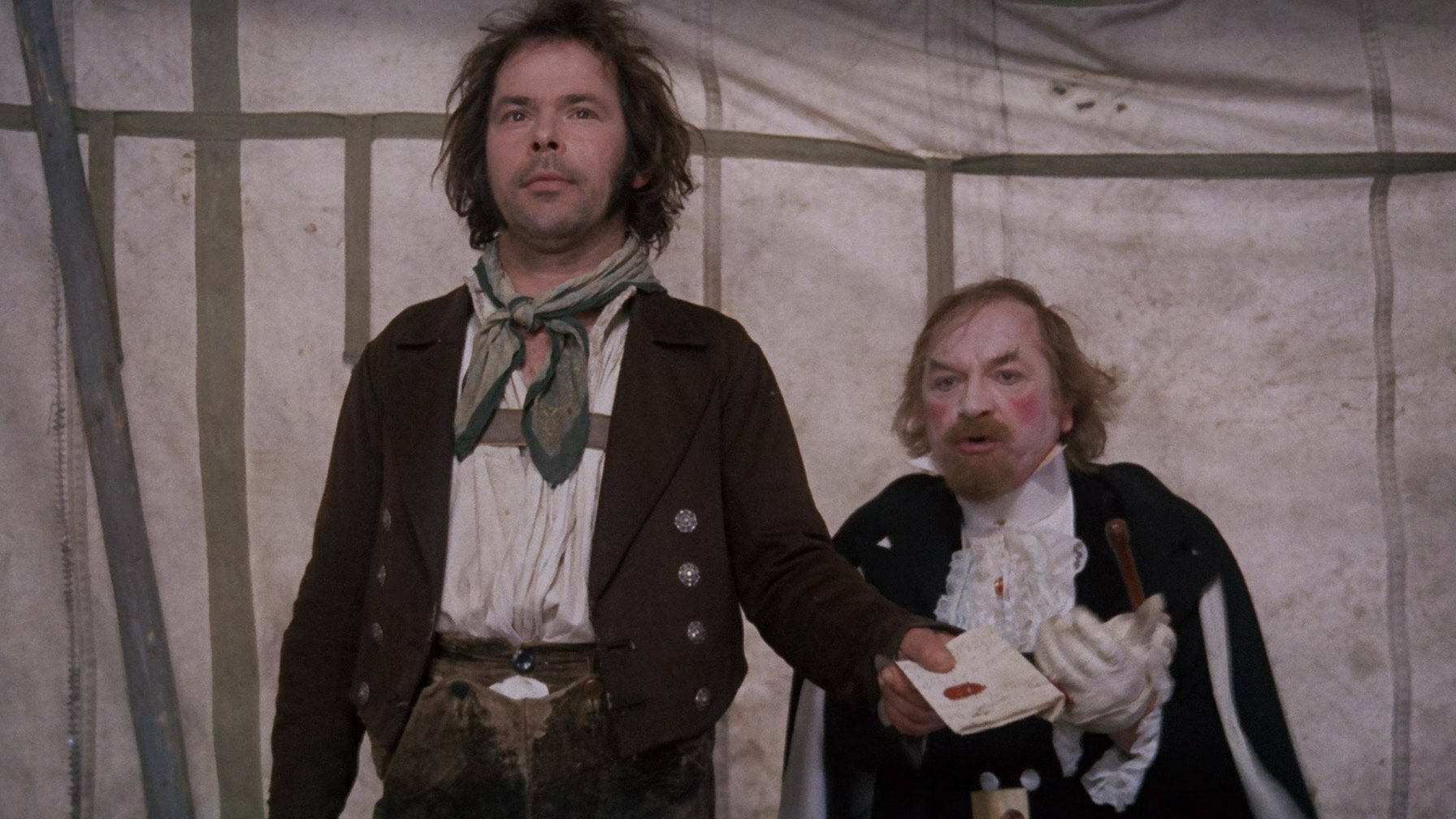
“The level of inner peace you need to achieve not to get ragebaited by your mom.”
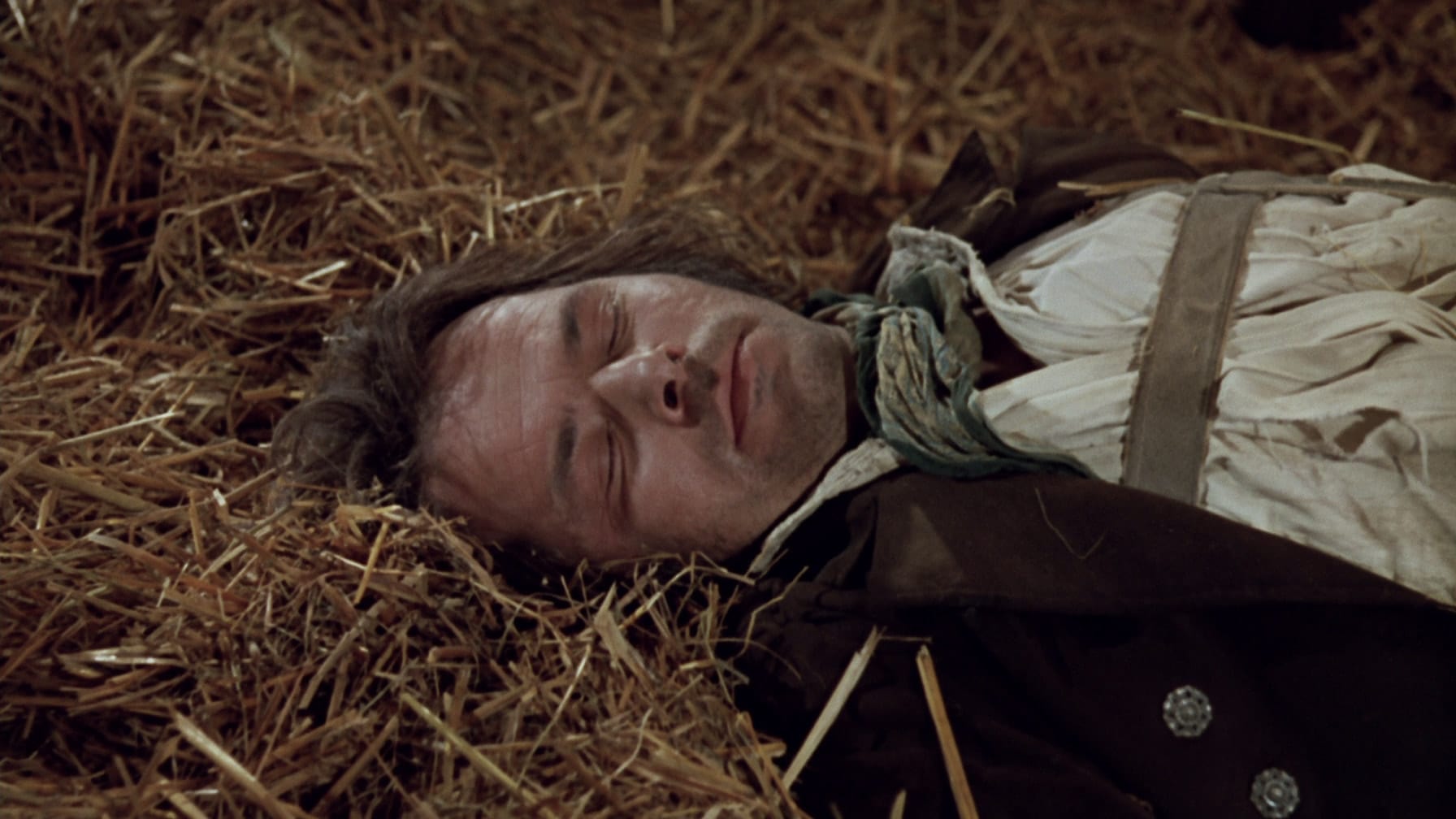
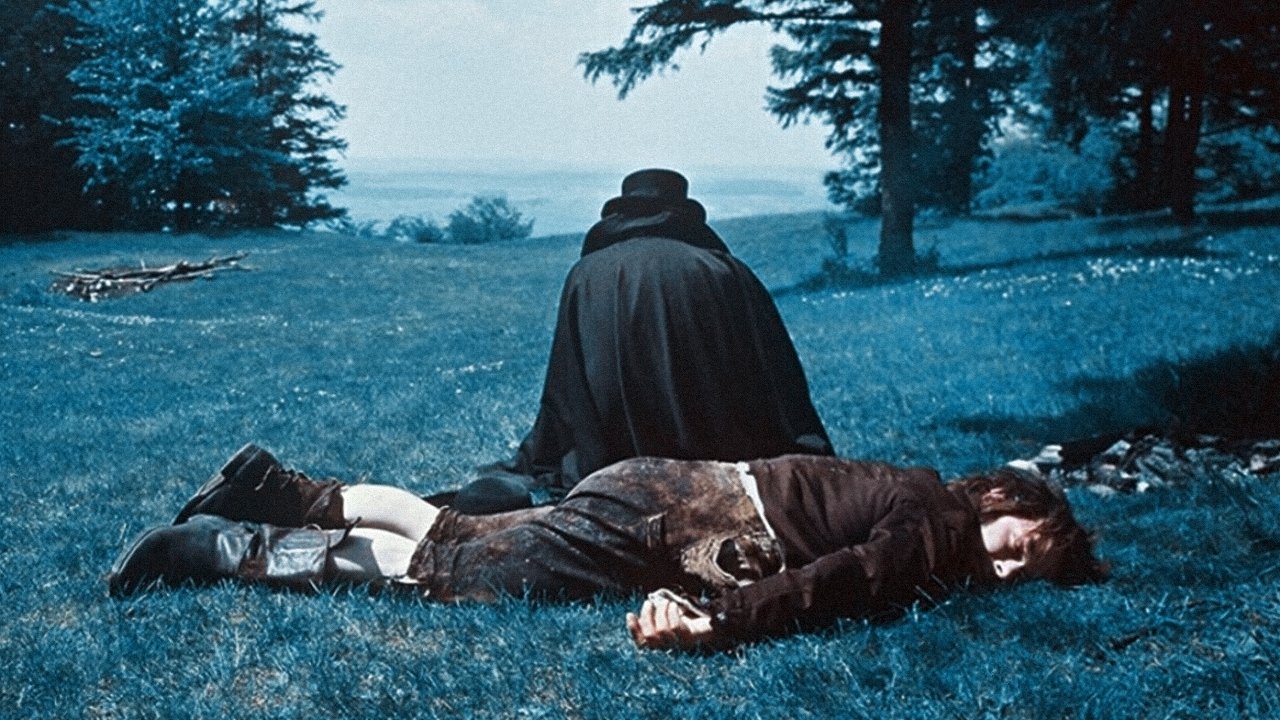
Herzog’s vision cuts deeper than a simple story of innocence lost to society. Kaspar is not morally perfect, but a soul whose raw encounter with the world lets him sense truths civilized people have forgotten how to feel. He becomes almost Christ-like, not because he redeems anyone, but because his innocence exposes the artificial boundaries others mistake for reality. Every Man for Himself and God Against All sharpens that tragedy. The title evokes a world where divine order has withdrawn, community has collapsed into self-interest, and the one person capable of seeing beyond ordinary scripts gets absorbed, misunderstood, and finally annihilated.
Returning to Plato clarifies everything. Put simply, Plato’s Cave explains Kaspar’s relation to knowledge, while the Symposium illuminates his relation to love. In the Cave, most people mistake habit, ritual, and social custom for reality itself. Kaspar appears naive only because he has not yet learned to bow before those shadows. The educated believe they are unveiling the world for him, but Herzog shows that they are only inducting him into a theater of rehearsed answers. Society calls itself enlightened, yet Herzog reveals it as a hall of shadows dressed up as truth.
Love gets the same treatment. Plato’s Symposium wants love to transcend possession, to become a recognition of beauty for its own sake. Kaspar gets that, but only because he’s been starved of every fake version on offer. Nearly everyone who encounters him wants to study, display, educate, diagnose, or claim him. They do not love him; they interpret him, and Herzog makes that feel like a violation. The rare moments of tenderness come through simple acts of care, not abstraction. Kaspar comes to understand love through its absence, and that absence teaches him what it should be: not mastery, not correction, not display, but the quiet recognition of another being without pressing them into service.
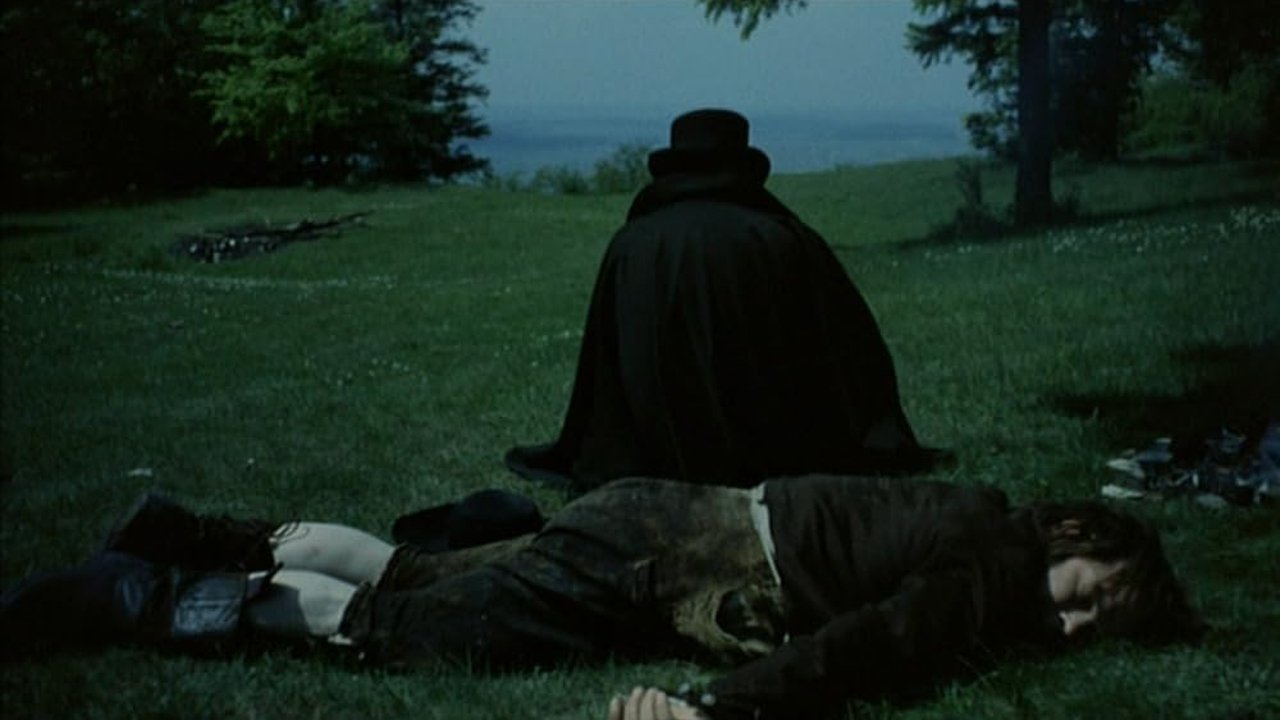
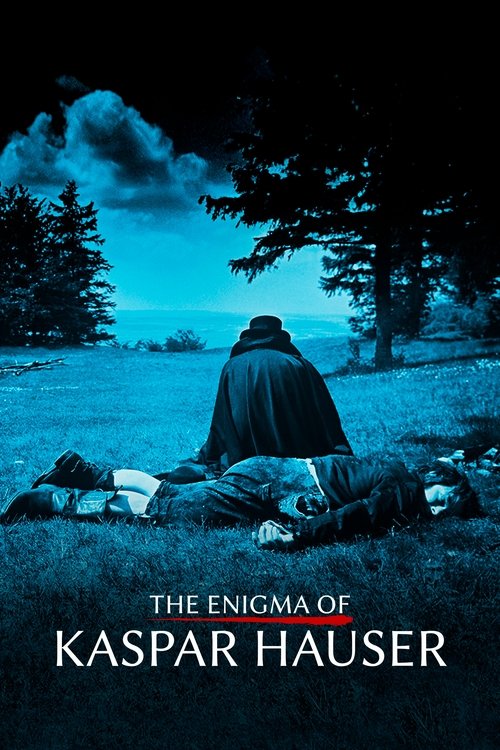
That is why the ending cuts so deeply. Civilization gives Kaspar language, but distorts his experience. It offers community, but demands assimilation. It promises understanding, only to end by dissecting him and reducing his soul to anatomy. The autopsy becomes the final insult of the cave world. Instead of learning from Kaspar’s radiant way of seeing, society translates him into defects and explanations. Mystery solved. In the end, The Enigma of Kaspar Hauser suggests that truth and love disappear the moment civilization confuses control with understanding. Kaspar does not fail to join society. Society fails to rise to the level of his innocence.
“The level of inner peace you need to achieve not to get ragebaited by your mom.”
Herzog’s vision cuts deeper than a simple story of innocence lost to society. Kaspar is not morally perfect, but a soul whose raw encounter with the world lets him sense truths civilized people have forgotten how to feel. He becomes almost Christ-like, not because he redeems anyone, but because his innocence exposes the artificial boundaries others mistake for reality. Every Man for Himself and God Against All sharpens that tragedy. The title evokes a world where divine order has withdrawn, community has collapsed into self-interest, and the one person capable of seeing beyond ordinary scripts gets absorbed, misunderstood, and finally annihilated.
Returning to Plato clarifies everything. Put simply, Plato’s Cave explains Kaspar’s relation to knowledge, while the Symposium illuminates his relation to love. In the Cave, most people mistake habit, ritual, and social custom for reality itself. Kaspar appears naive only because he has not yet learned to bow before those shadows. The educated believe they are unveiling the world for him, but Herzog shows that they are only inducting him into a theater of rehearsed answers. Society calls itself enlightened, yet Herzog reveals it as a hall of shadows dressed up as truth.
Love gets the same treatment. Plato’s Symposium wants love to transcend possession, to become a recognition of beauty for its own sake. Kaspar gets that, but only because he’s been starved of every fake version on offer. Nearly everyone who encounters him wants to study, display, educate, diagnose, or claim him. They do not love him; they interpret him, and Herzog makes that feel like a violation. The rare moments of tenderness come through simple acts of care, not abstraction. Kaspar comes to understand love through its absence, and that absence teaches him what it should be: not mastery, not correction, not display, but the quiet recognition of another being without pressing them into service.
That is why the ending cuts so deeply. Civilization gives Kaspar language, but distorts his experience. It offers community, but demands assimilation. It promises understanding, only to end by dissecting him and reducing his soul to anatomy. The autopsy becomes the final insult of the cave world. Instead of learning from Kaspar’s radiant way of seeing, society translates him into defects and explanations. Mystery solved. In the end, The Enigma of Kaspar Hauser suggests that truth and love disappear the moment civilization confuses control with understanding. Kaspar does not fail to join society. Society fails to rise to the level of his innocence.