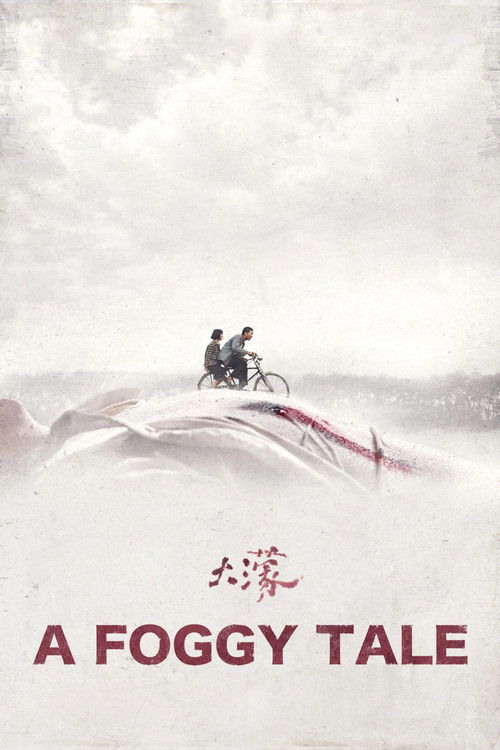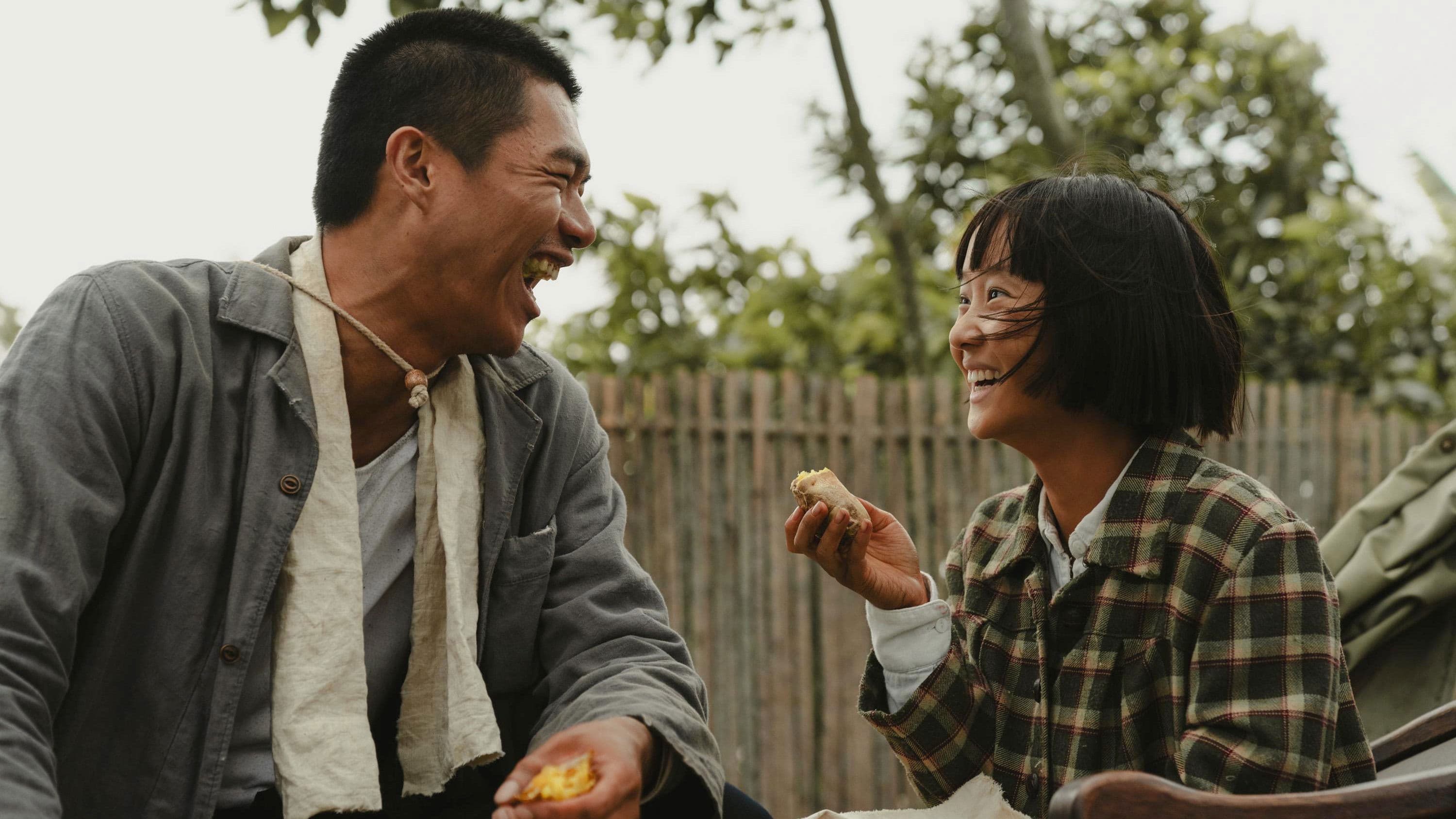
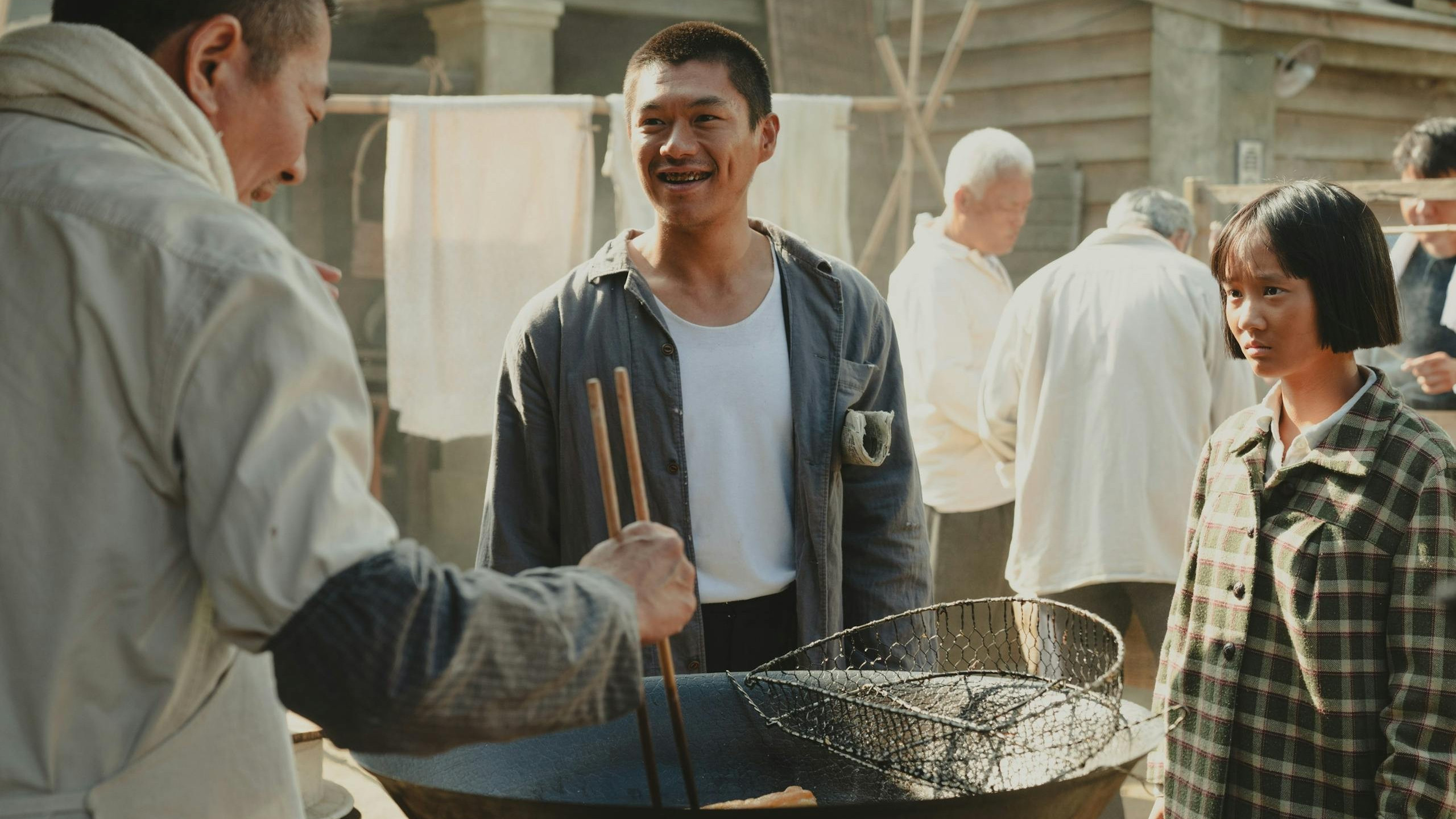
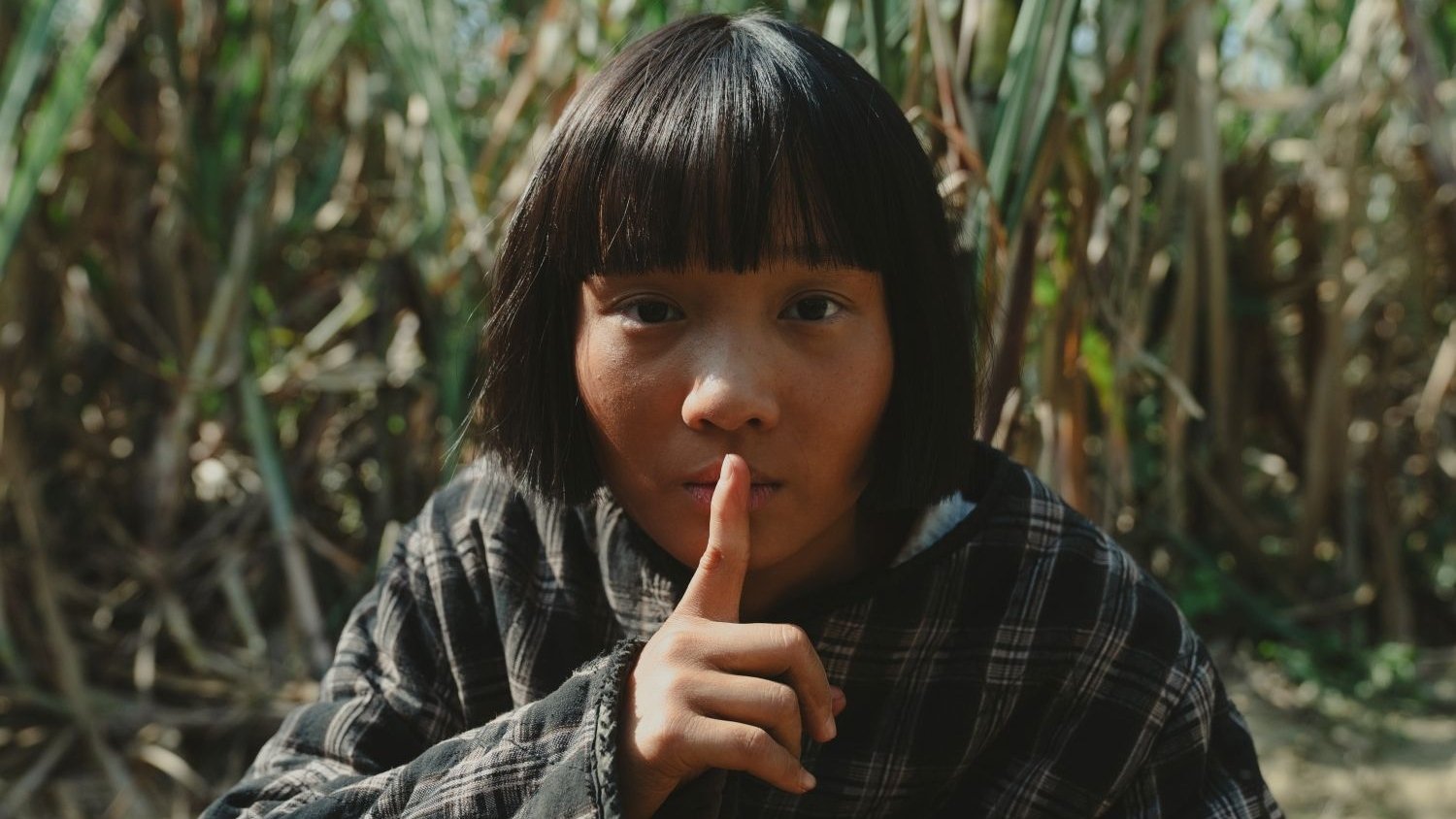
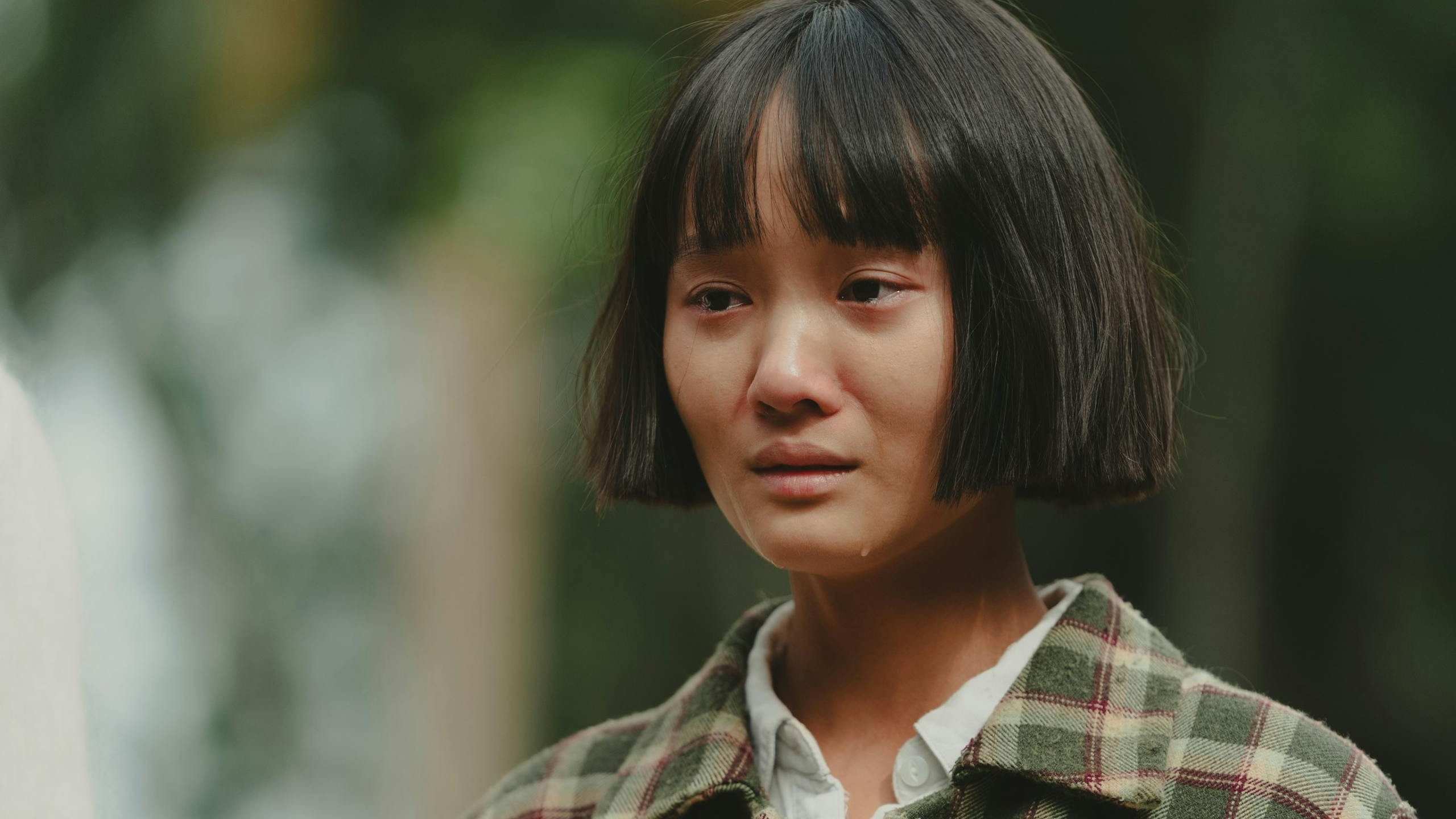
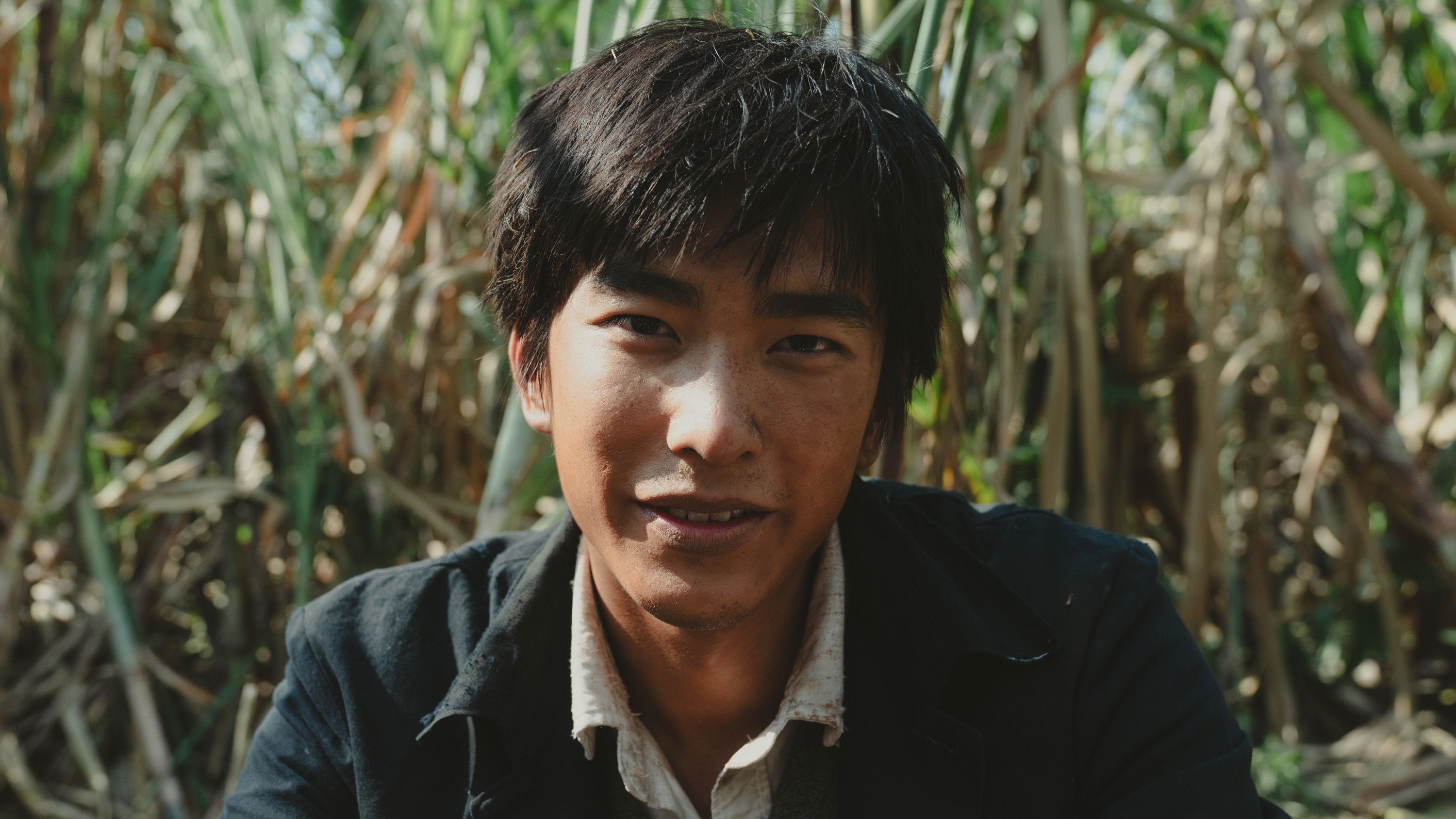
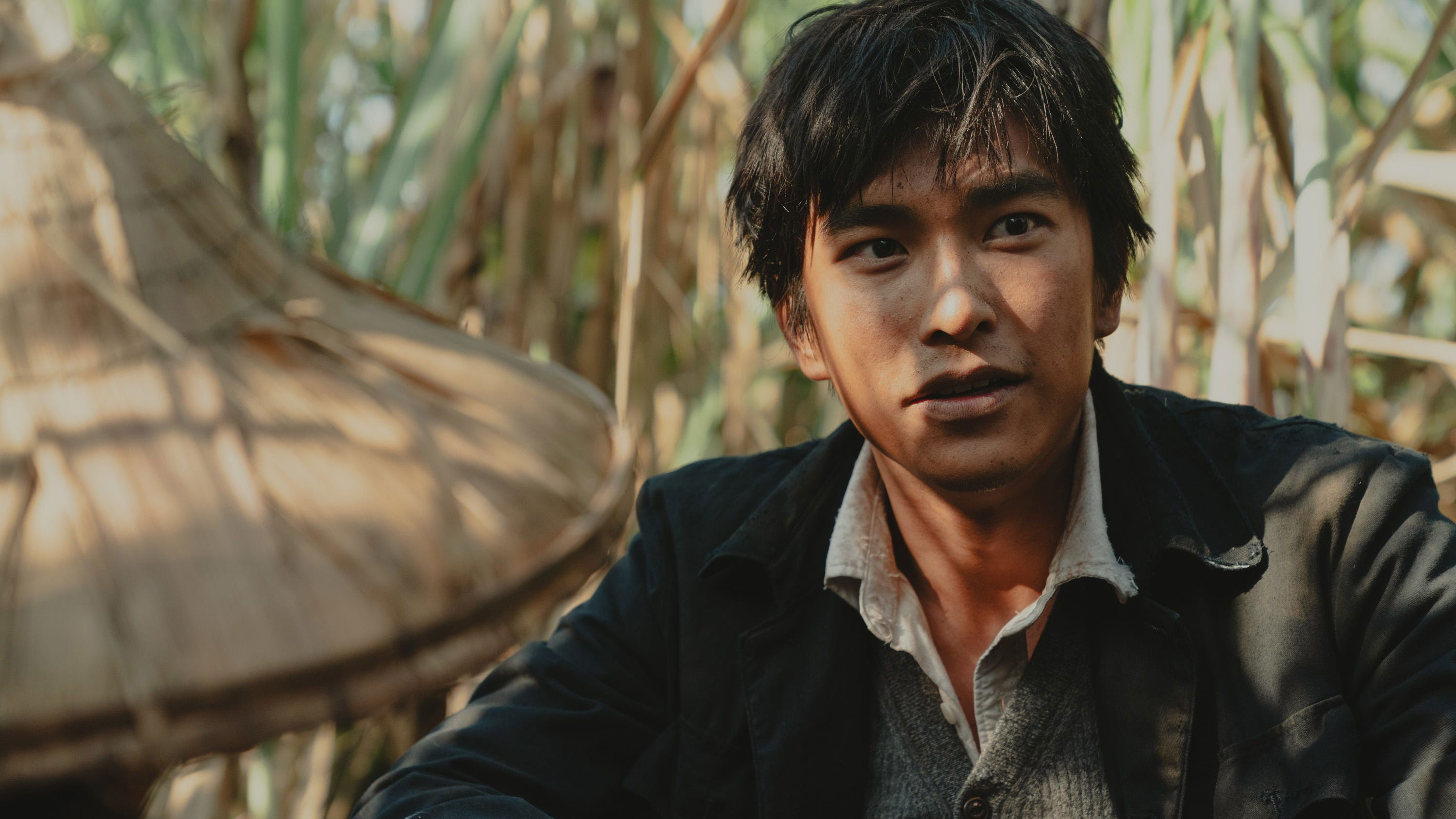
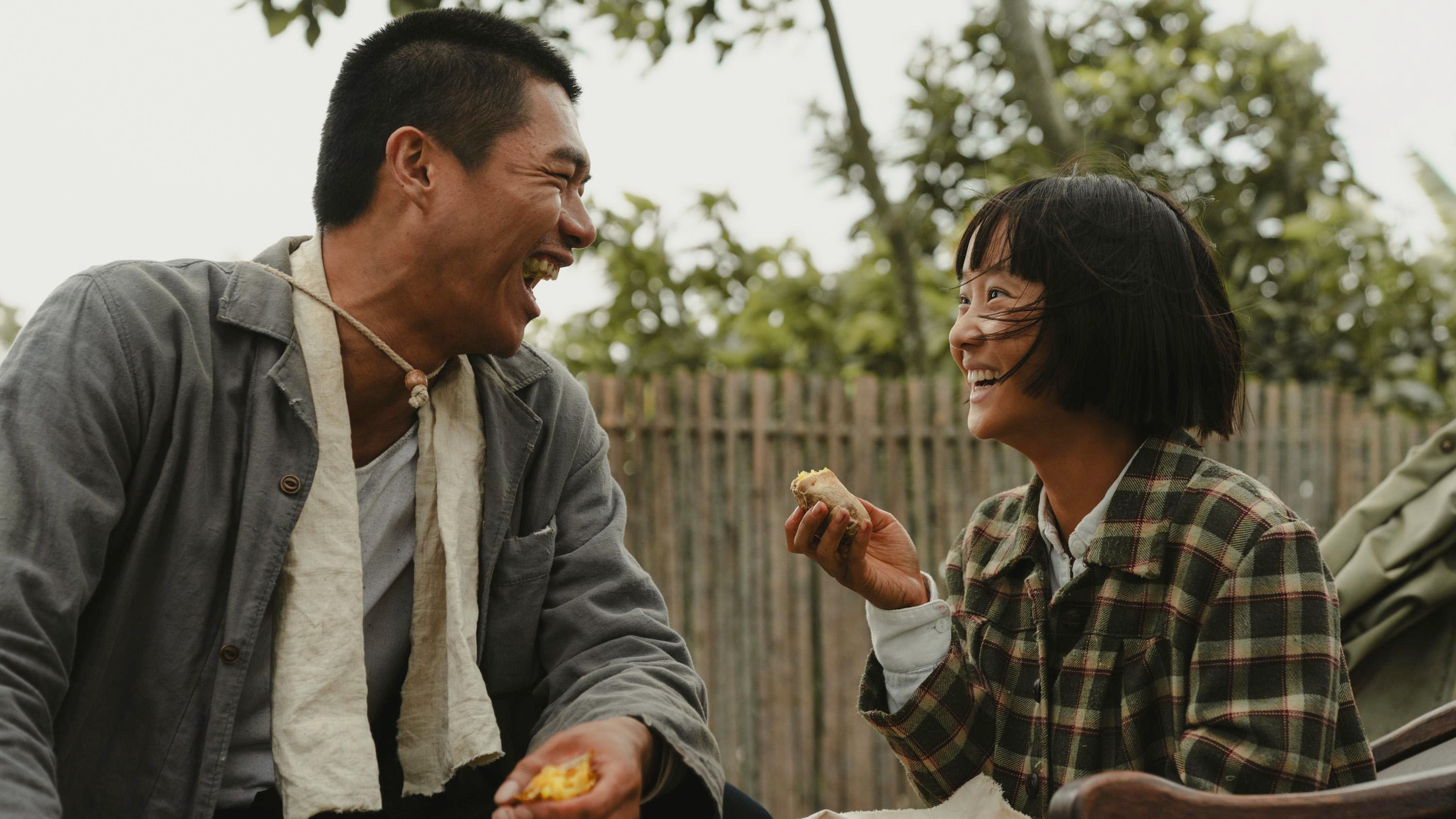
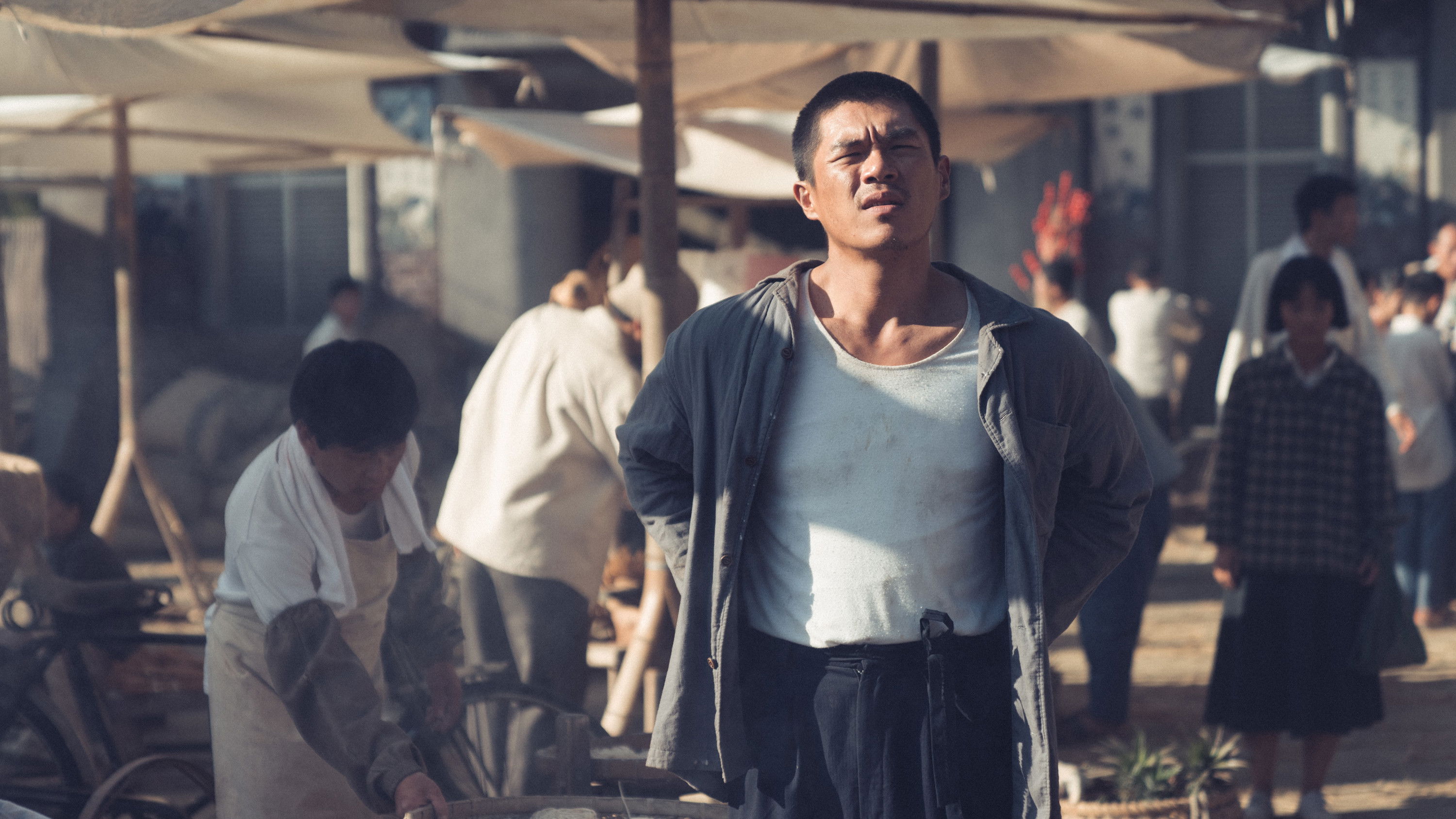
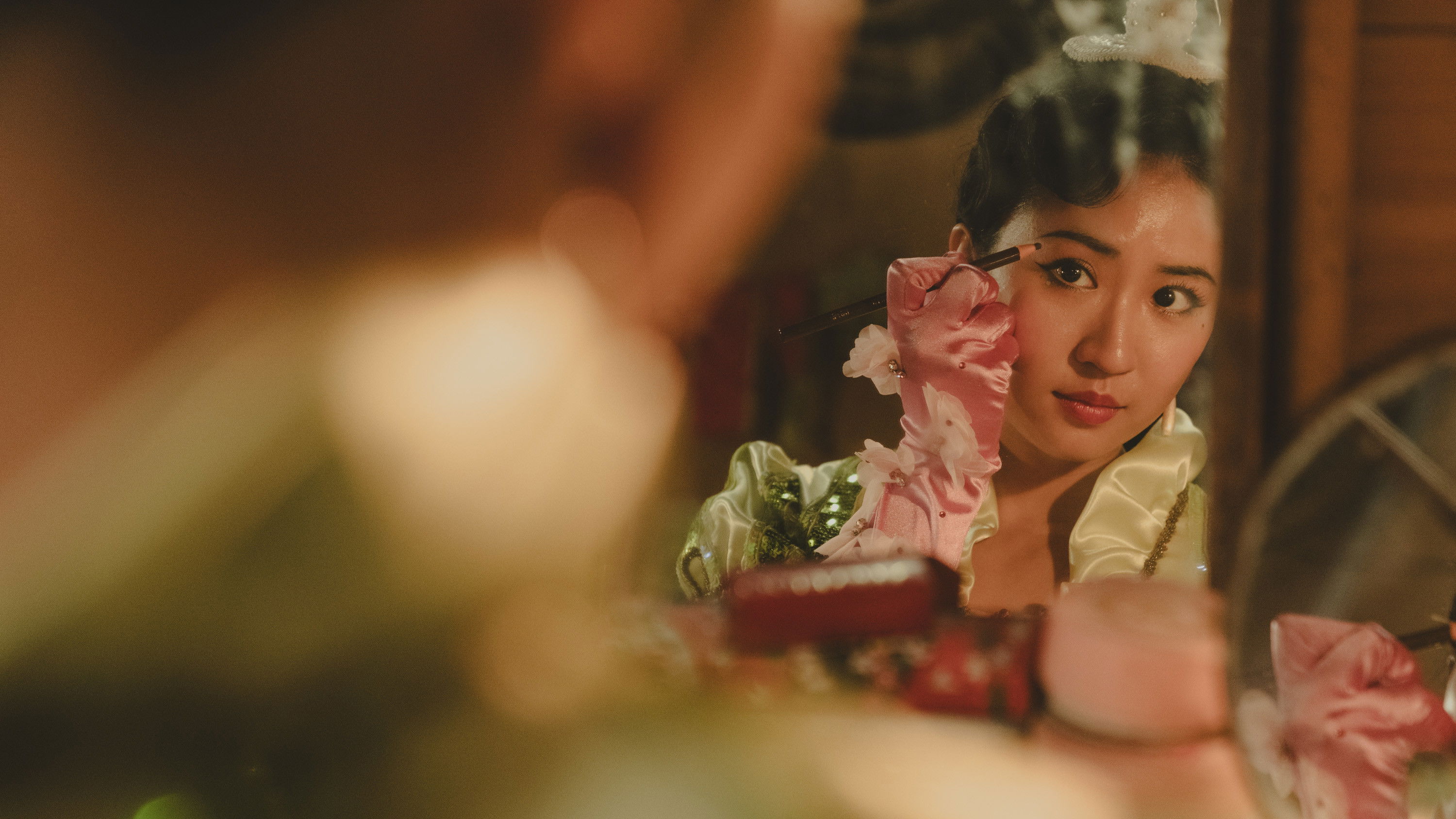
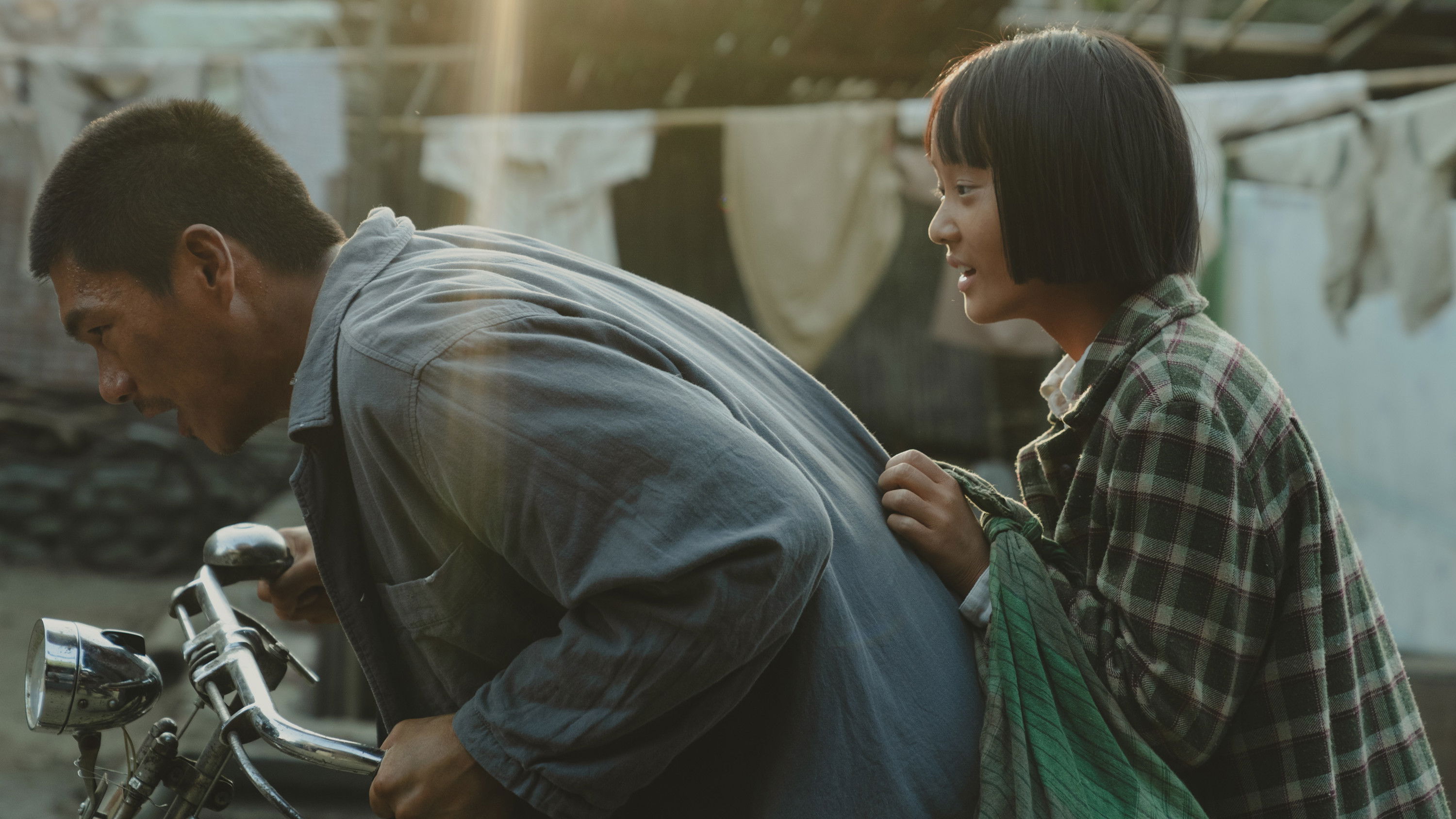
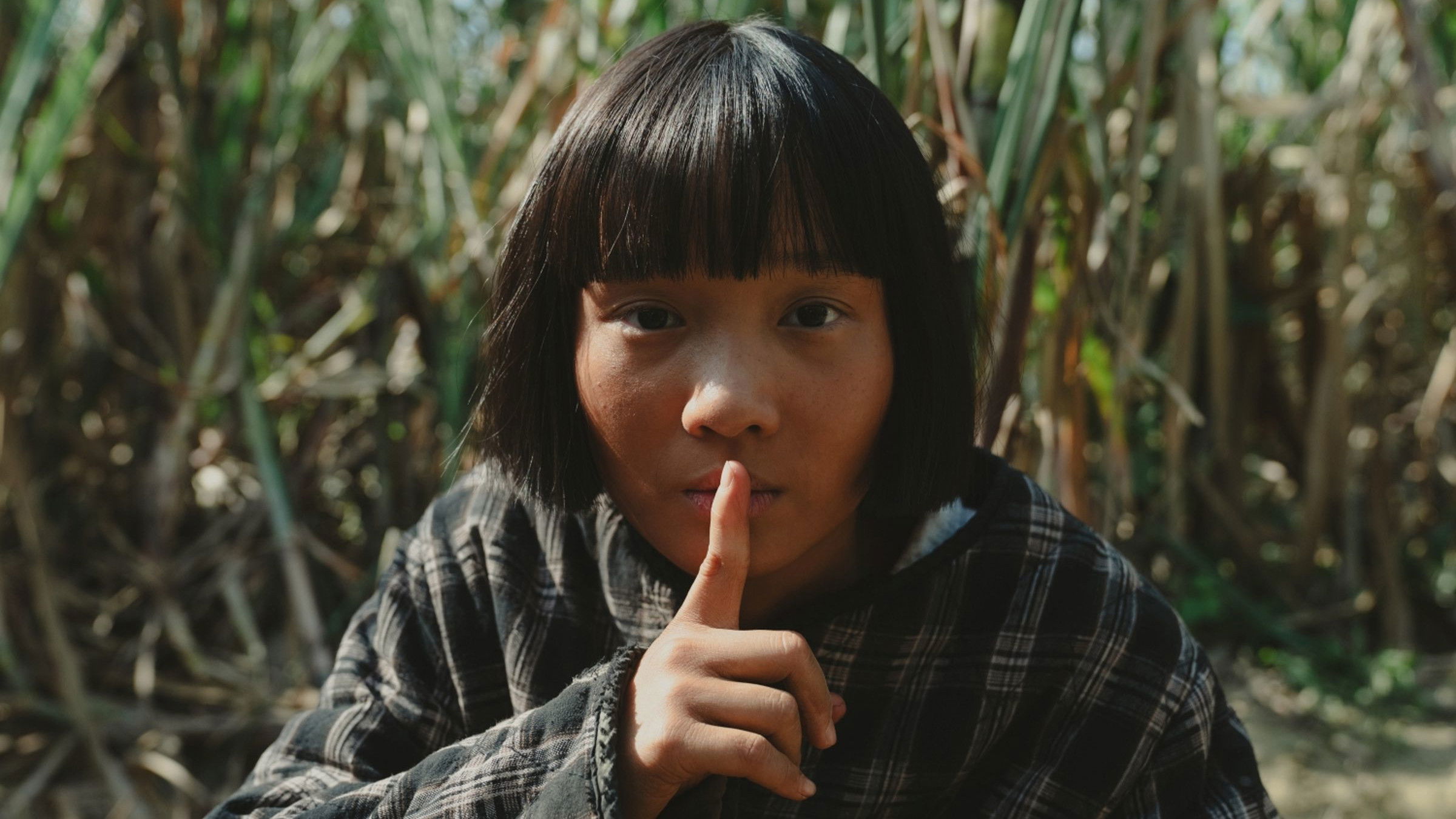
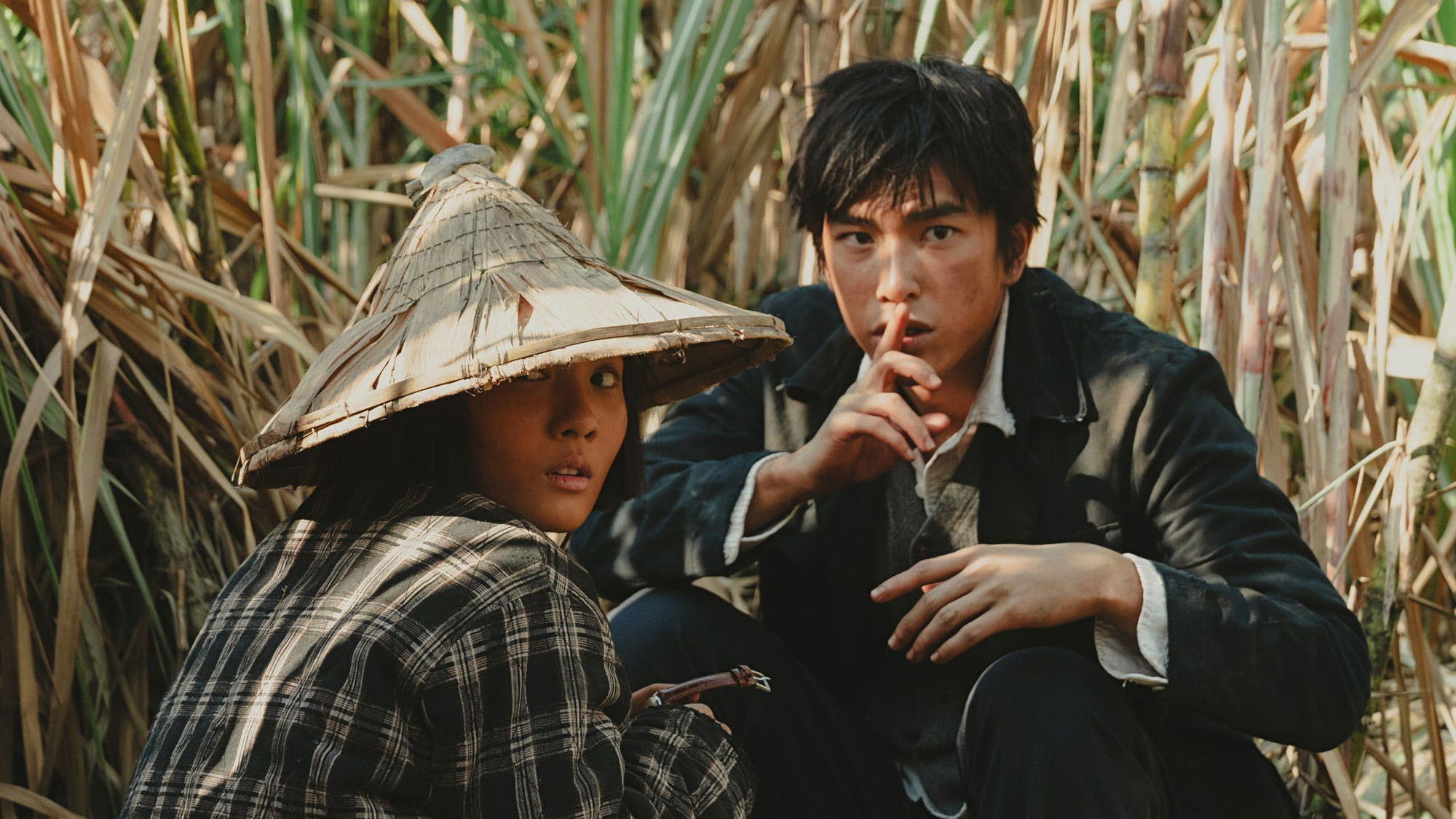
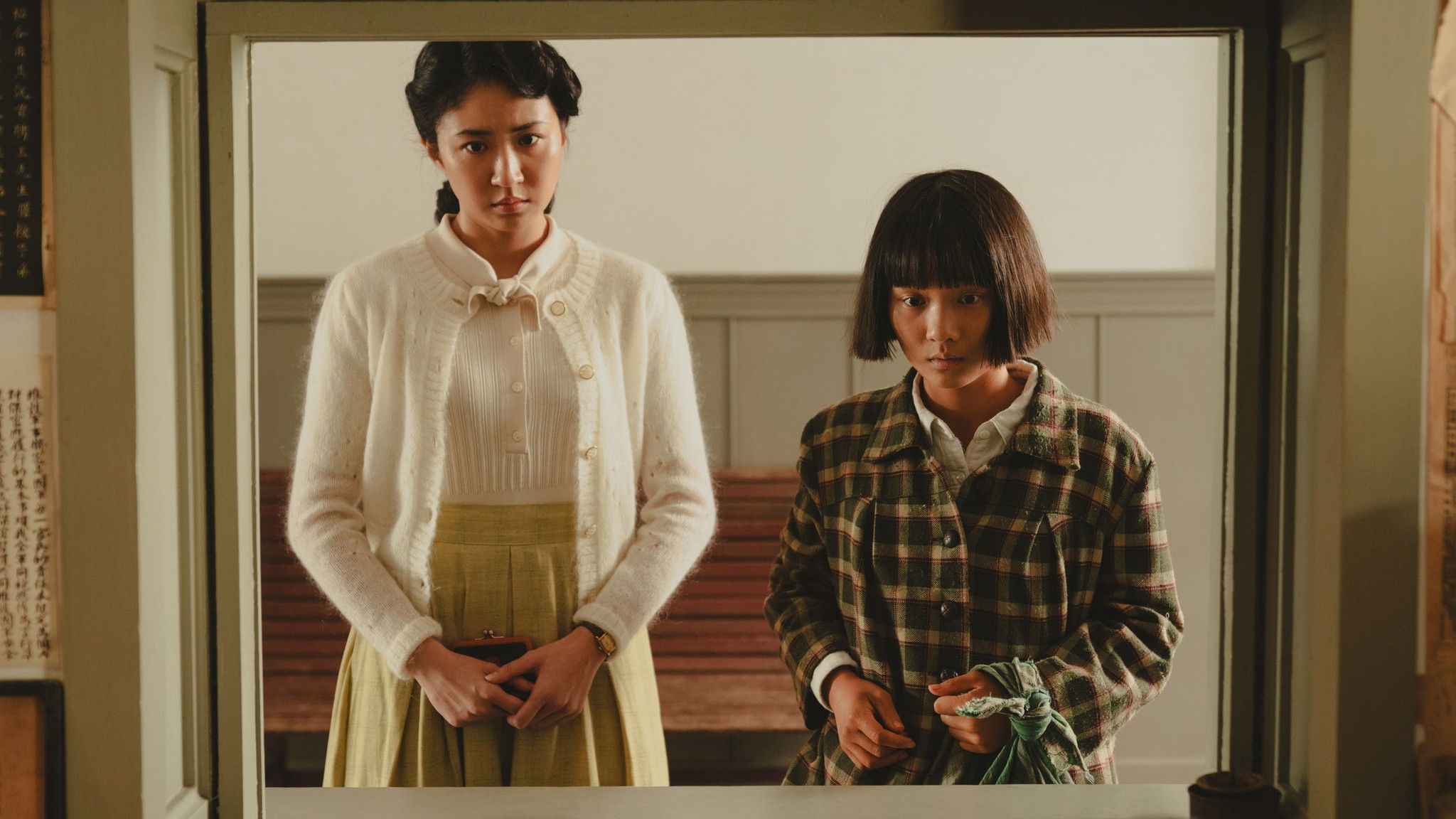
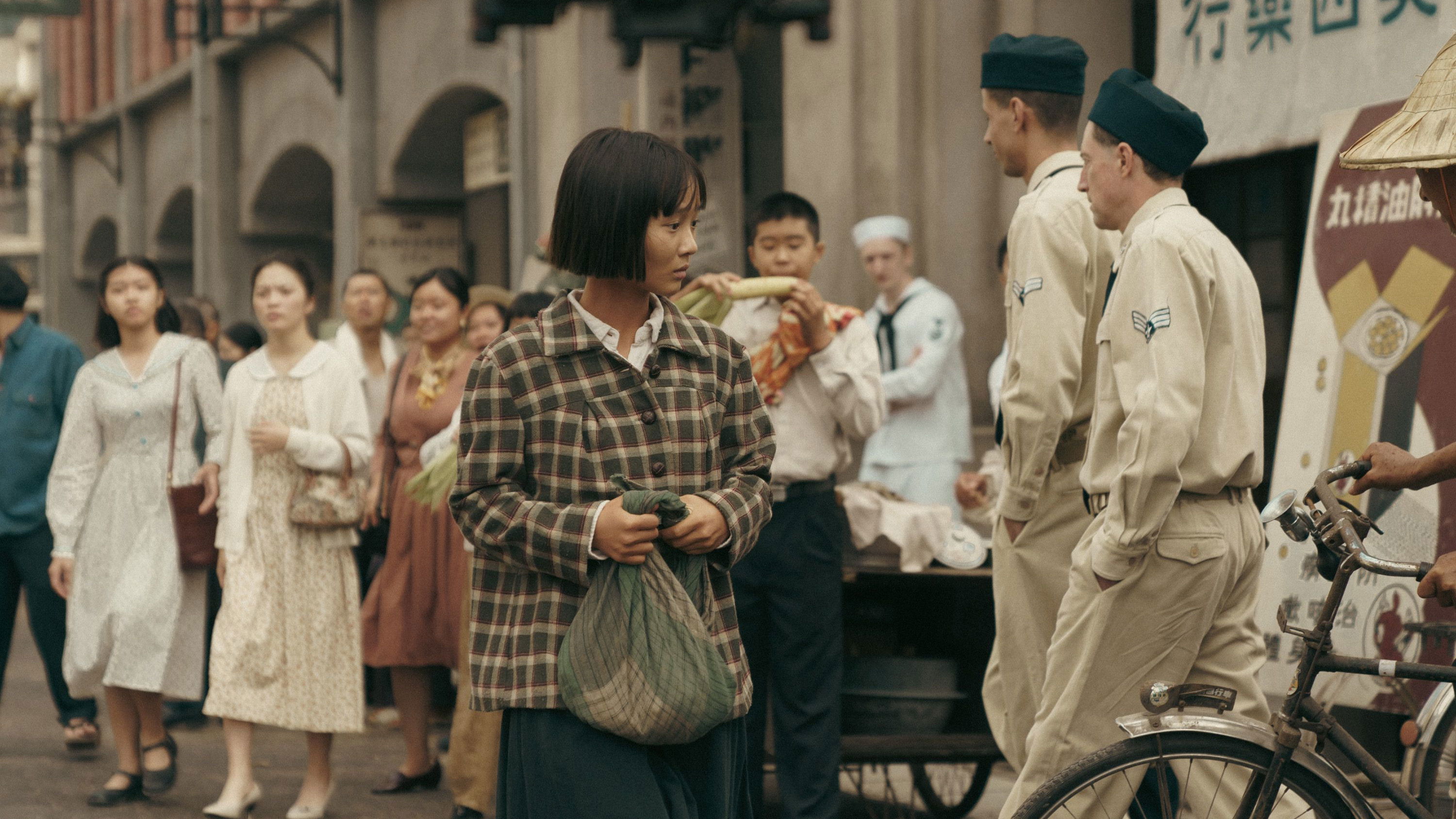
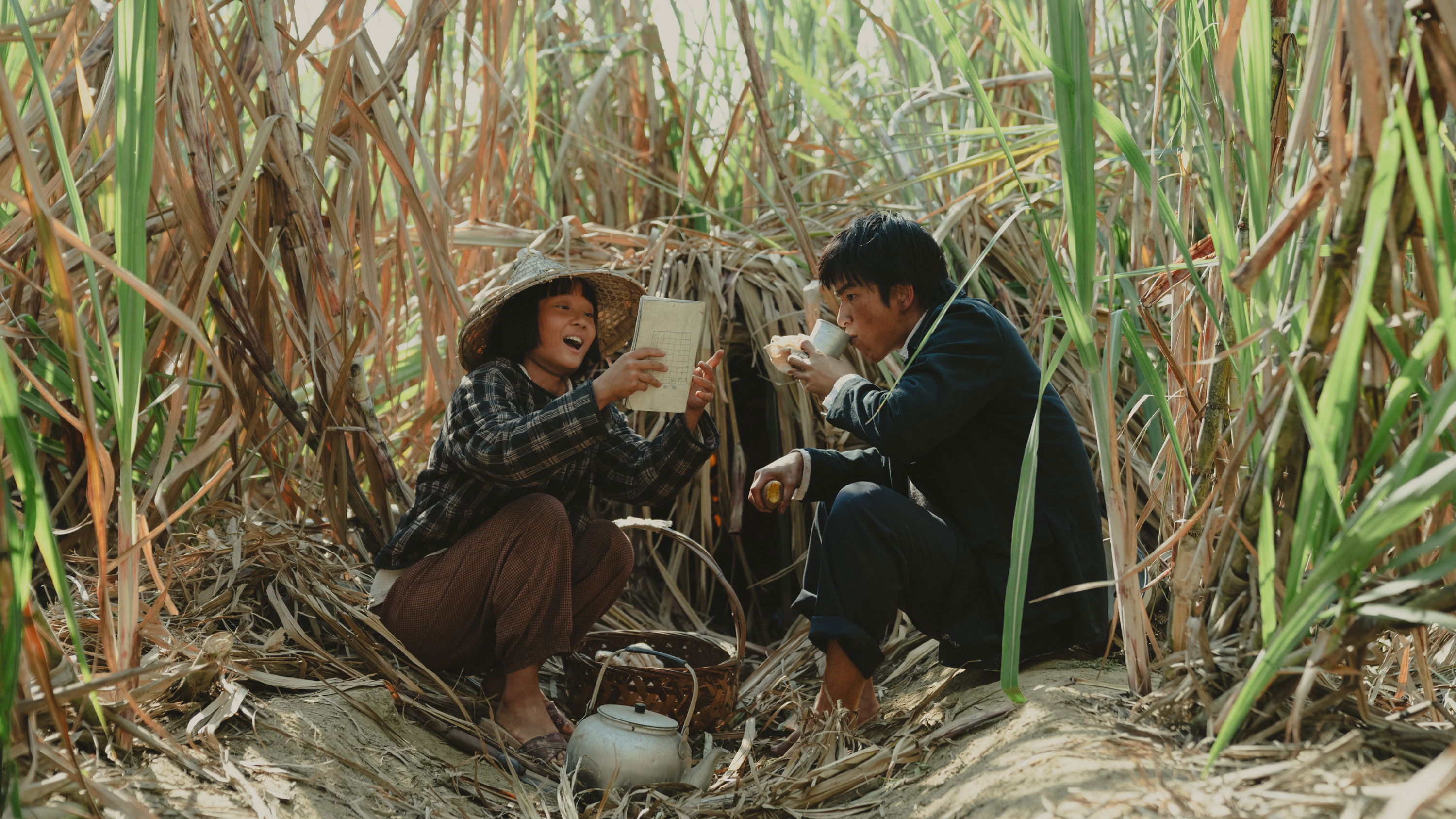
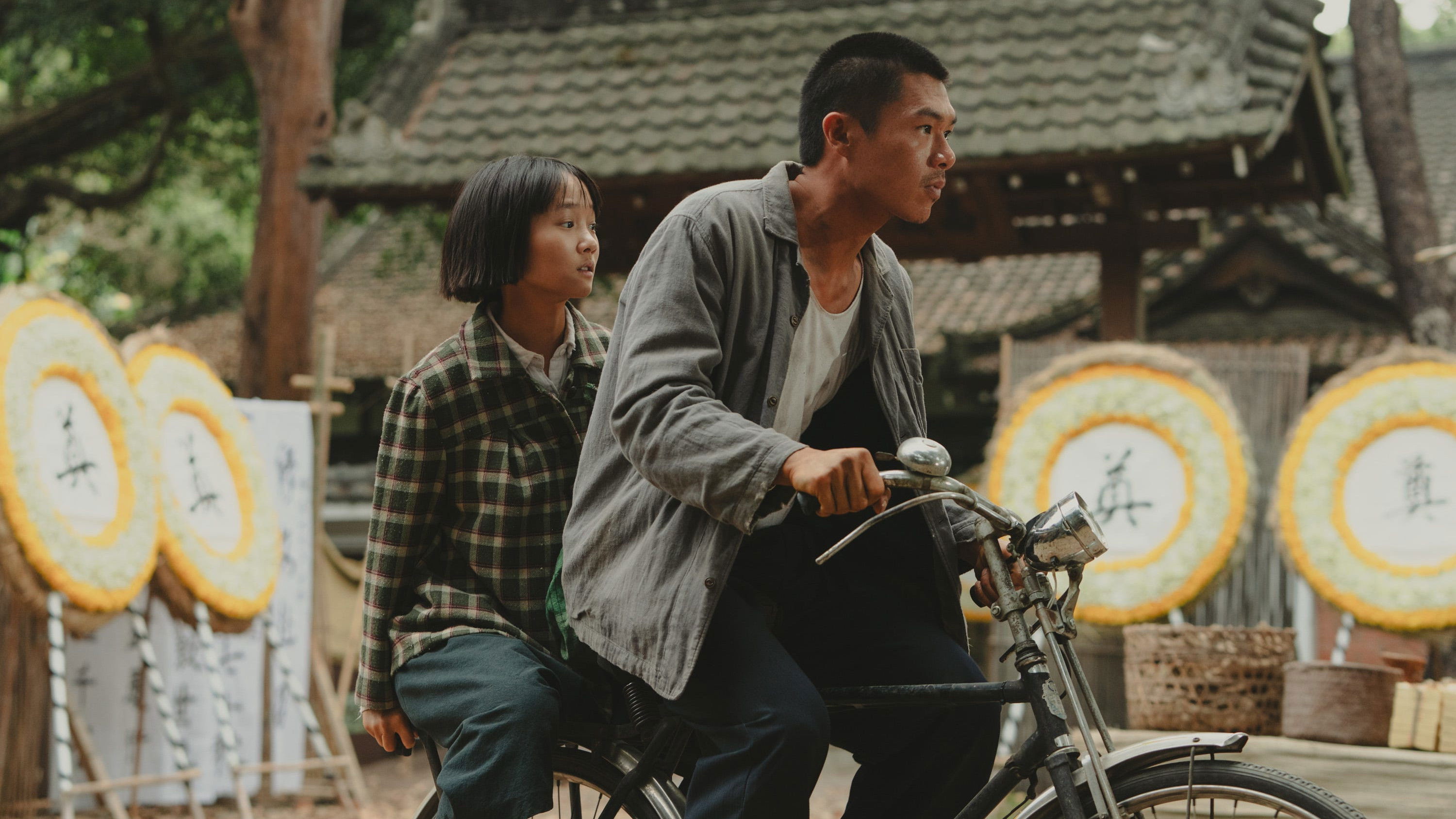
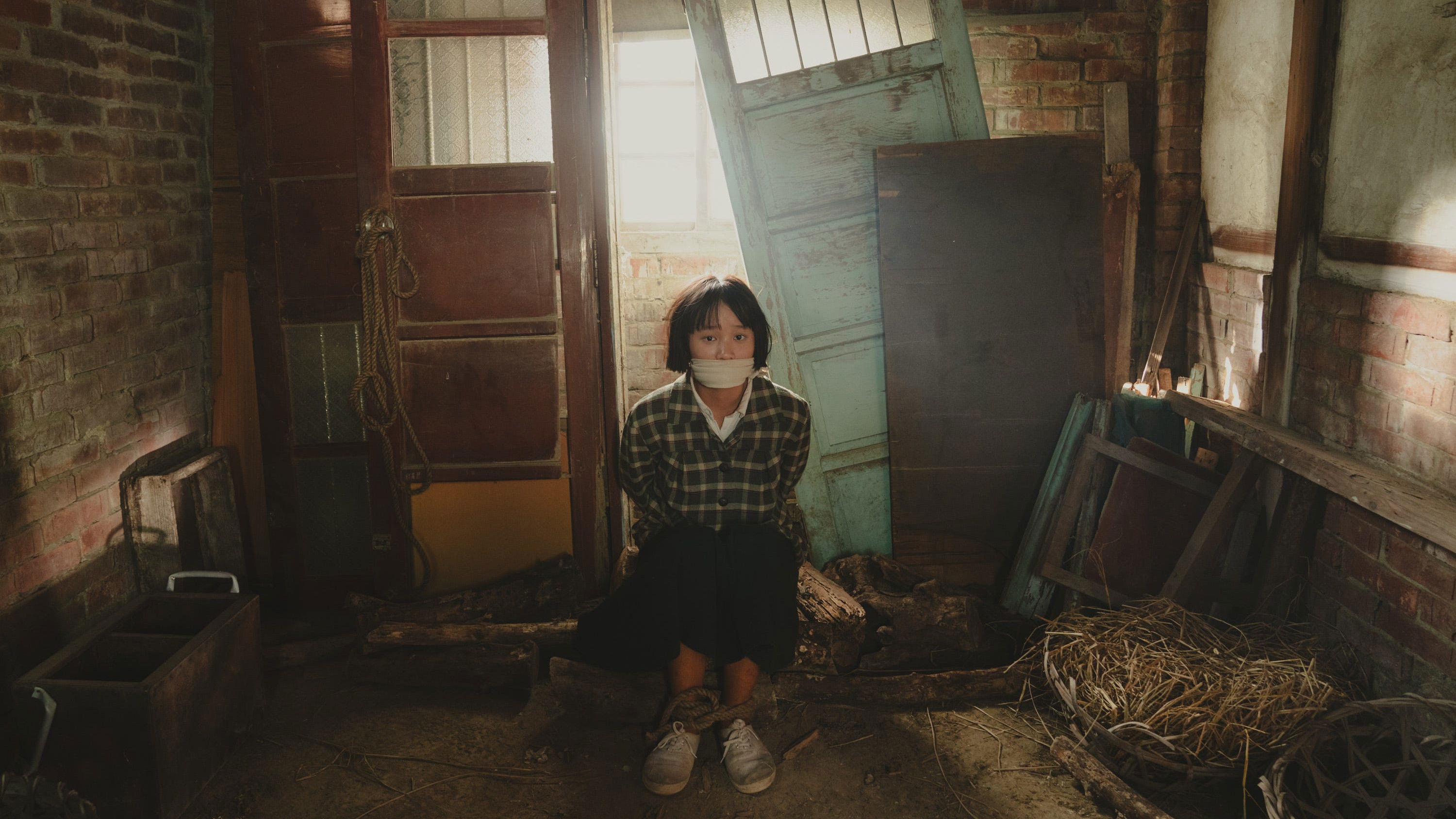
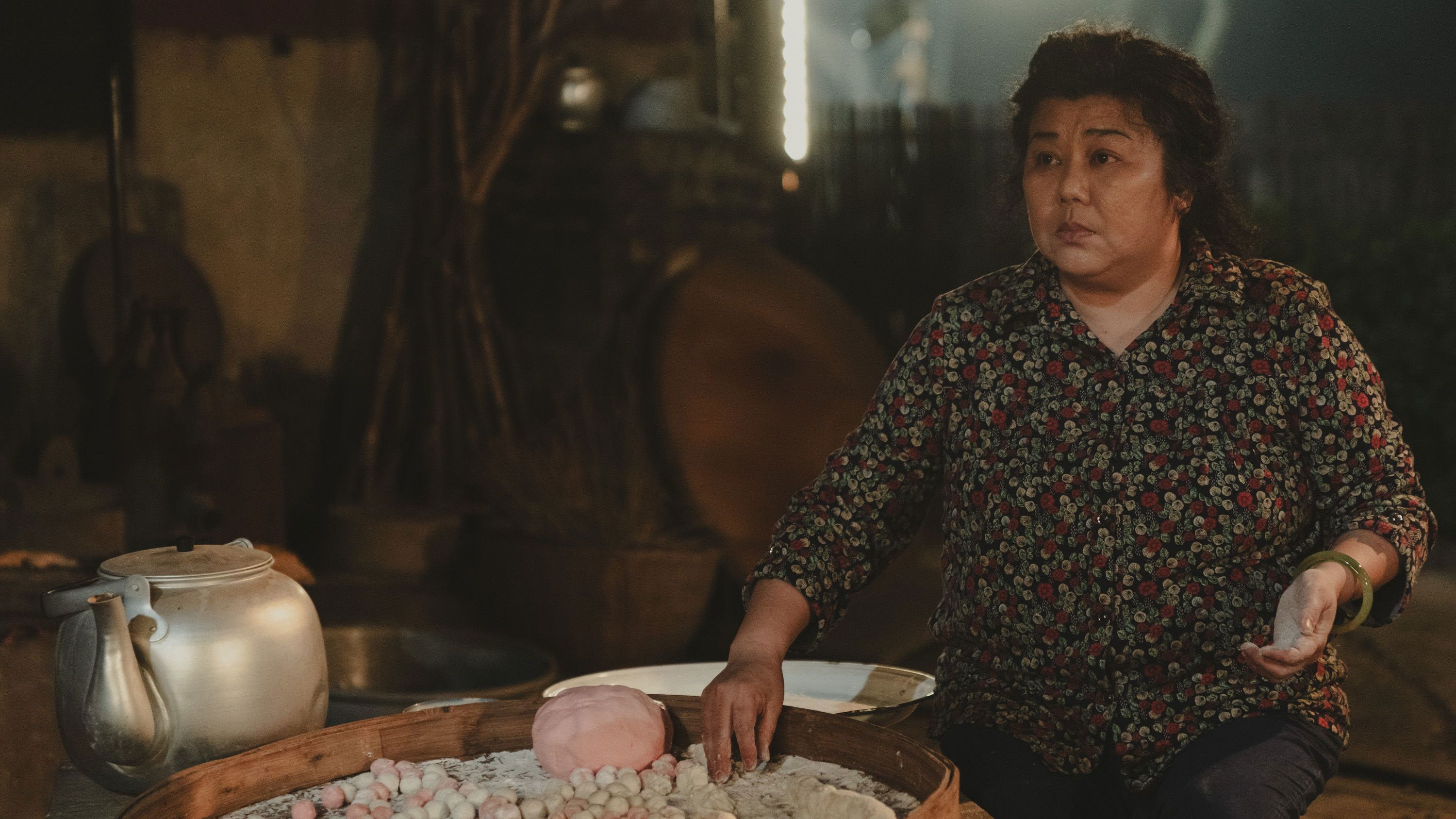
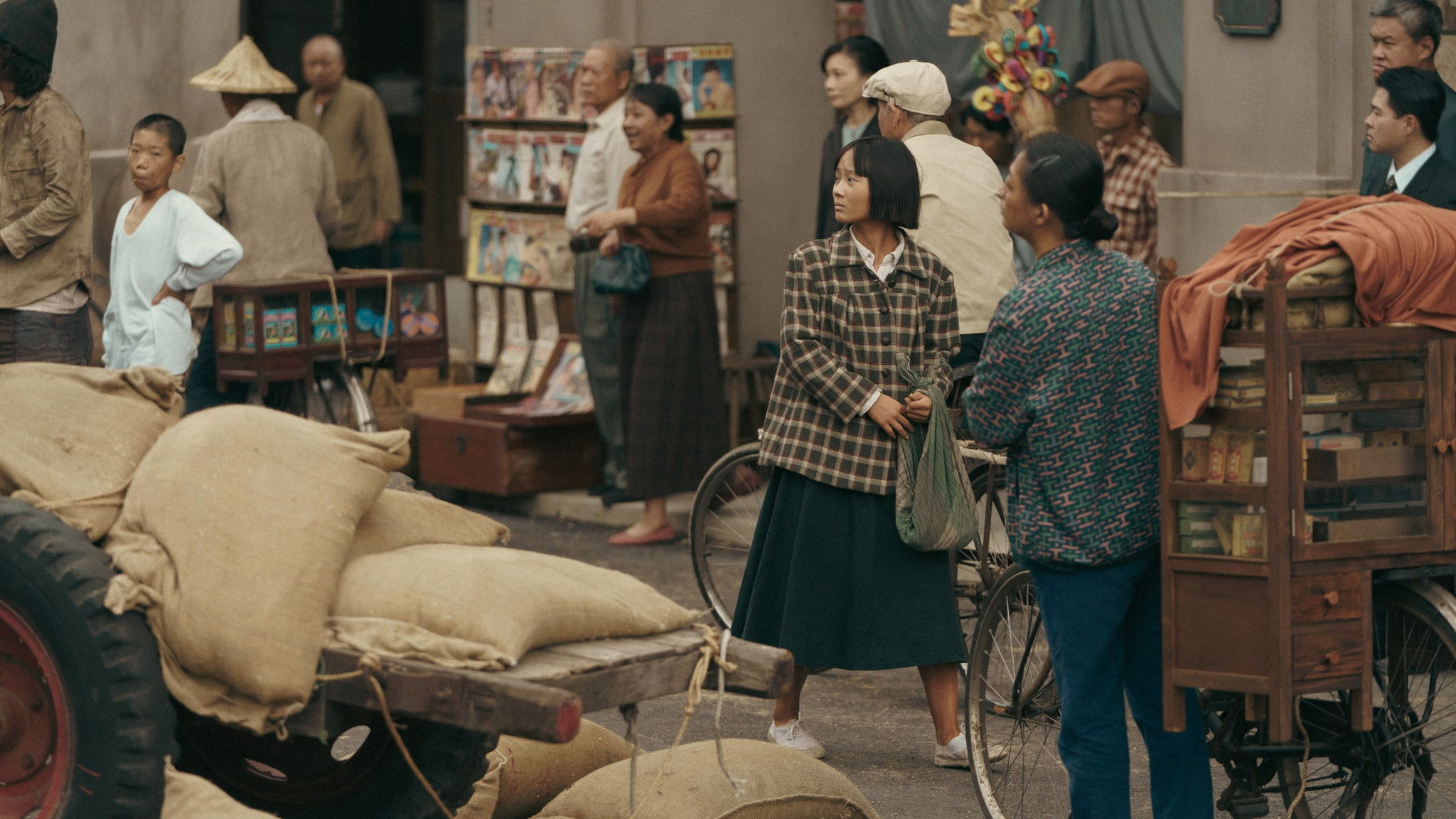
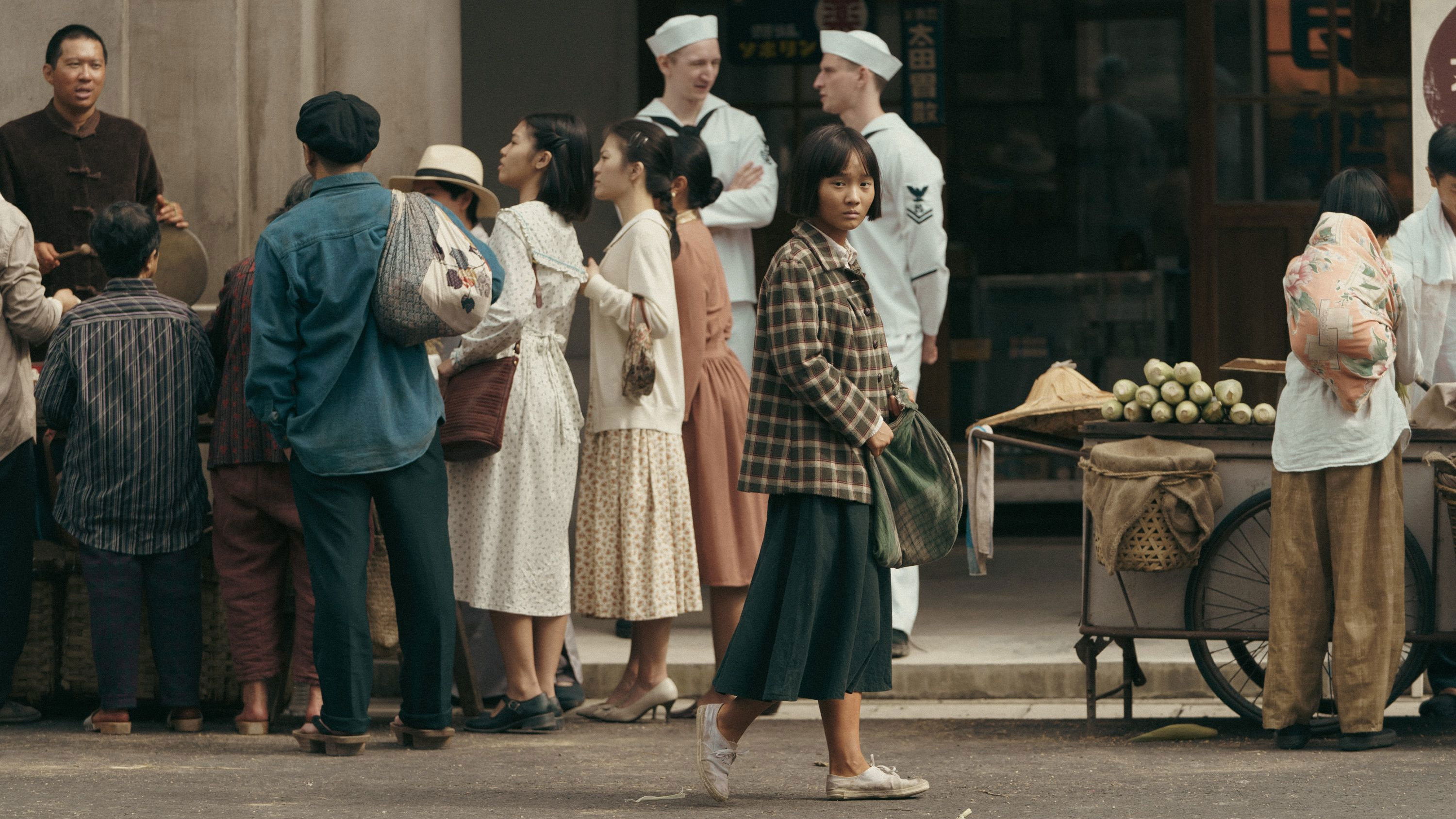
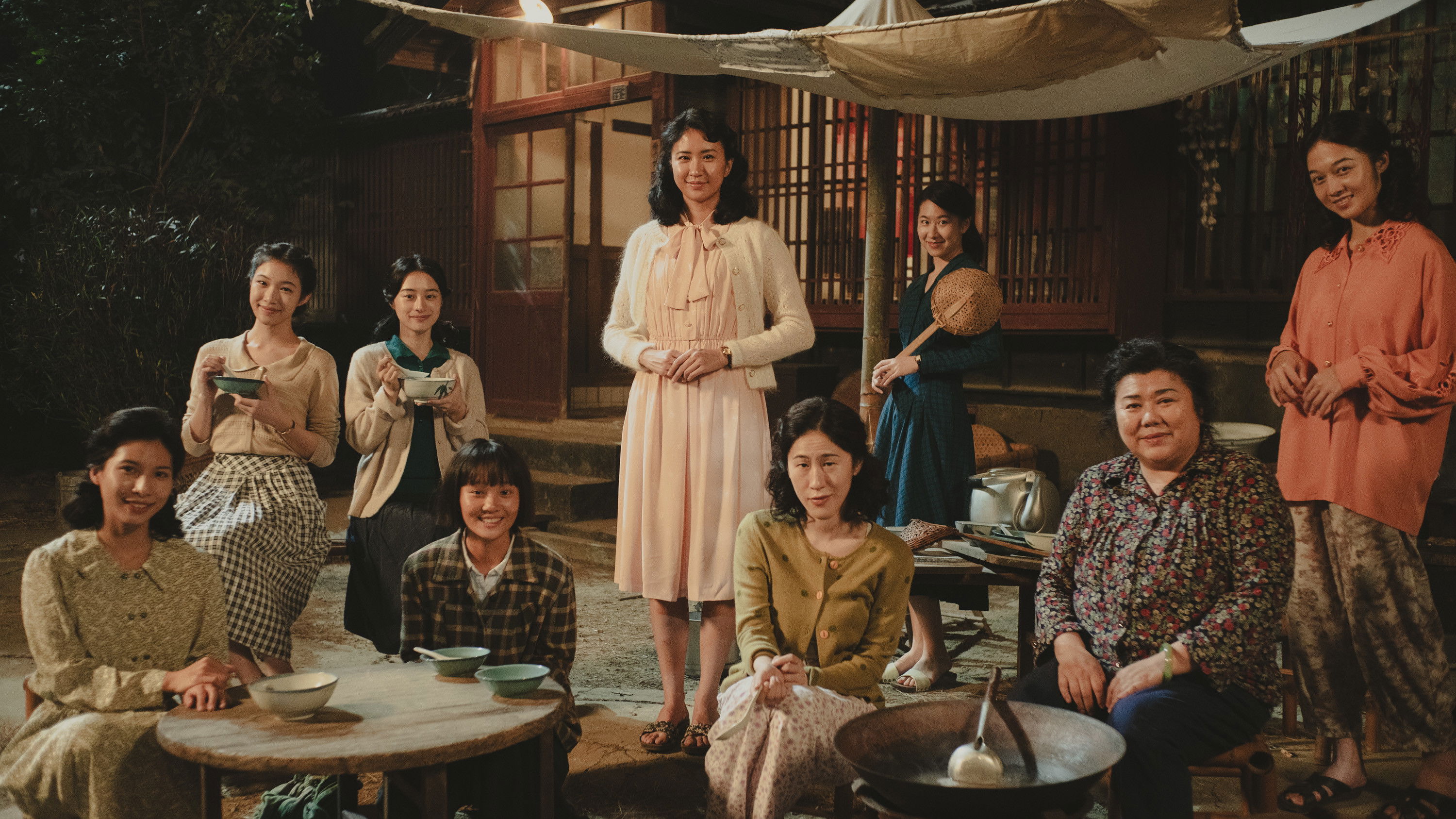

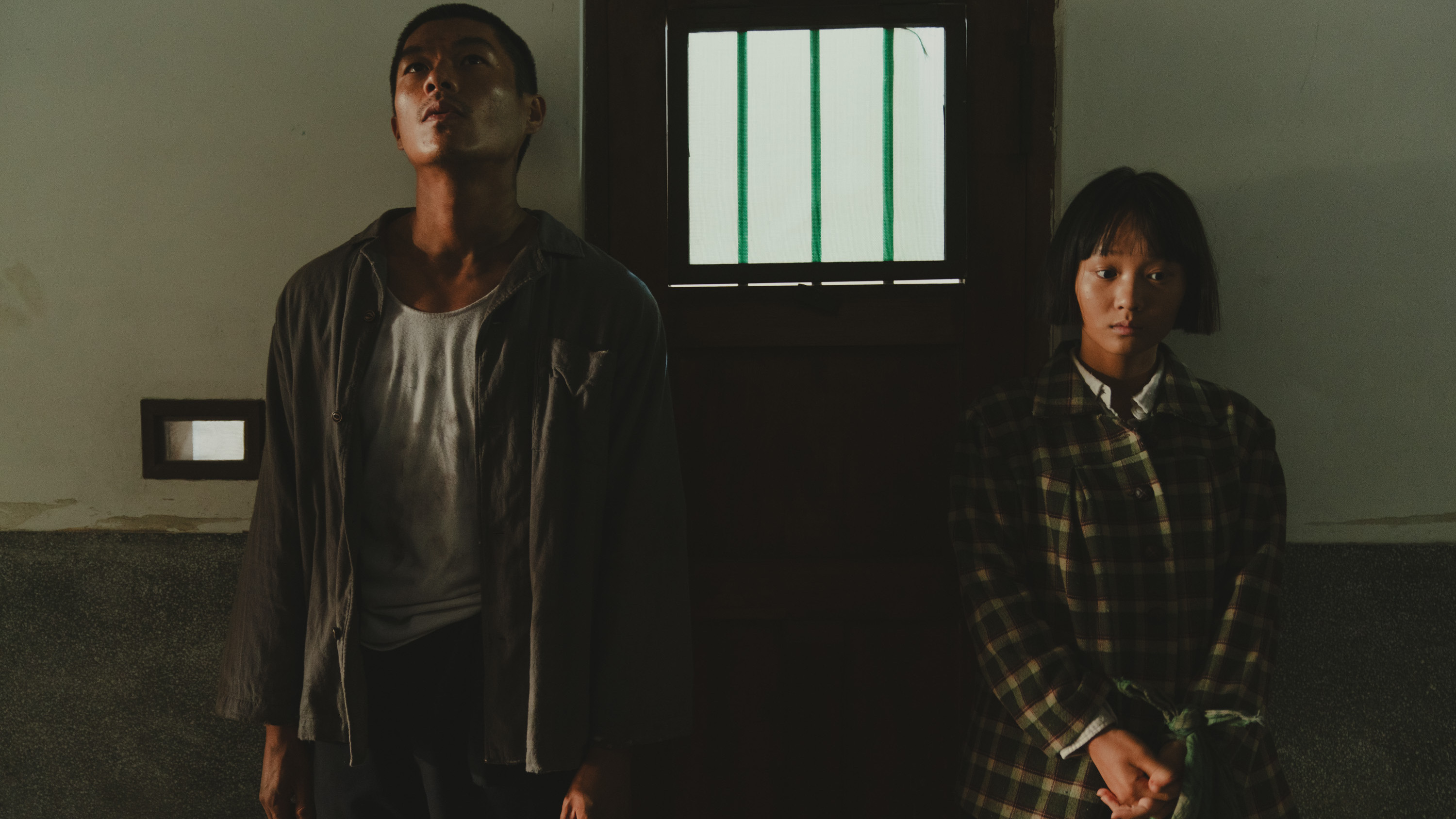
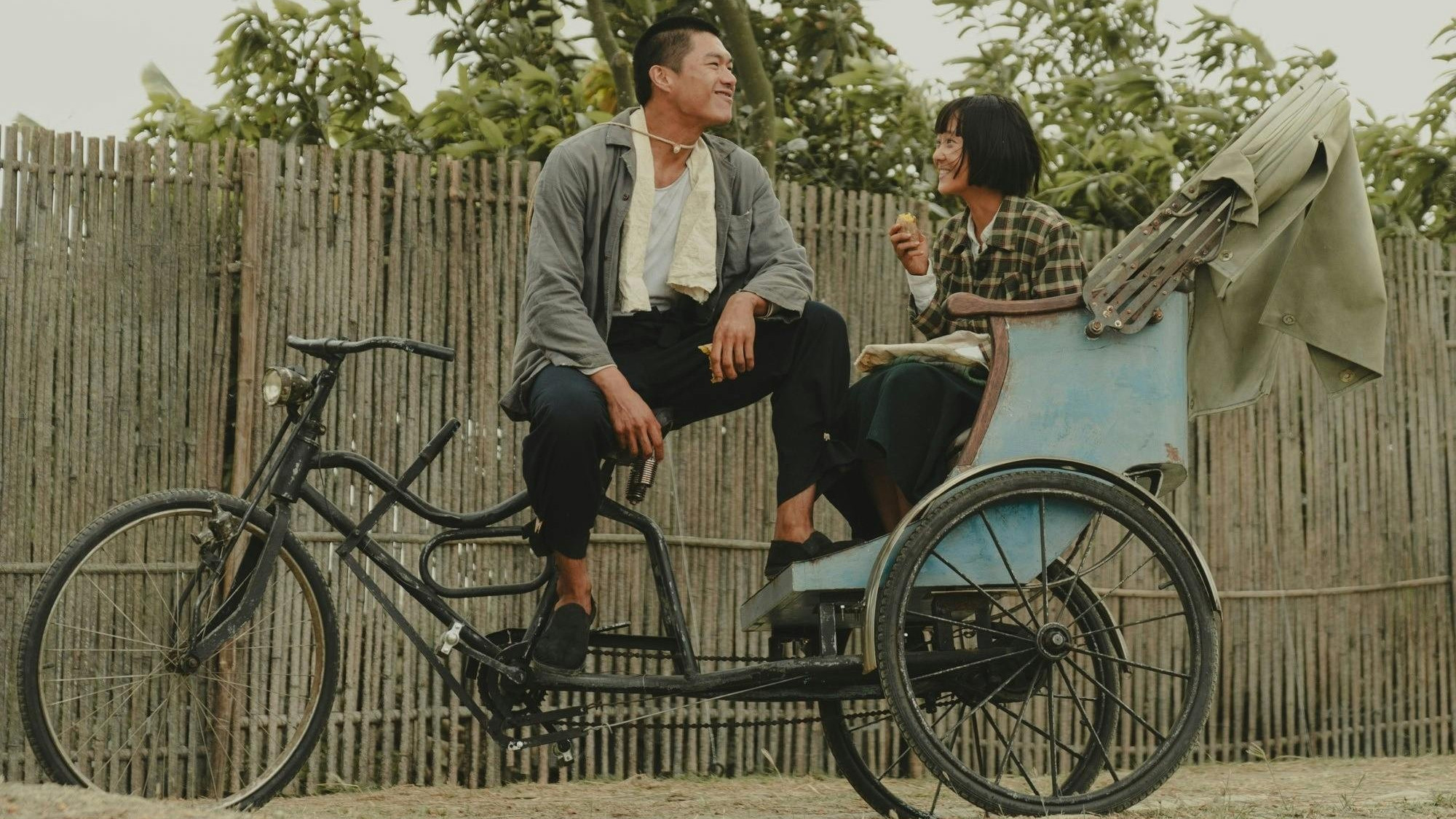
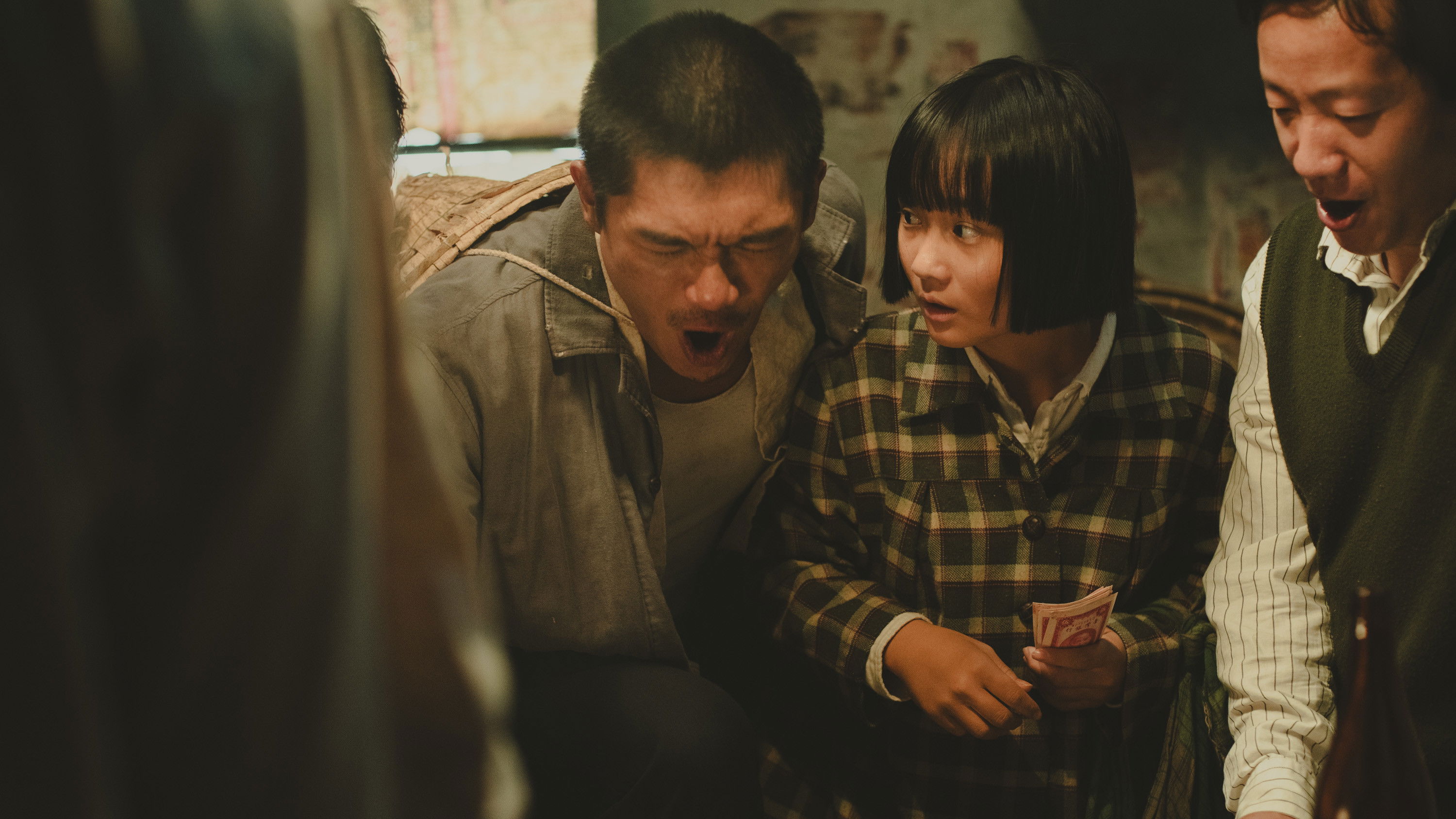
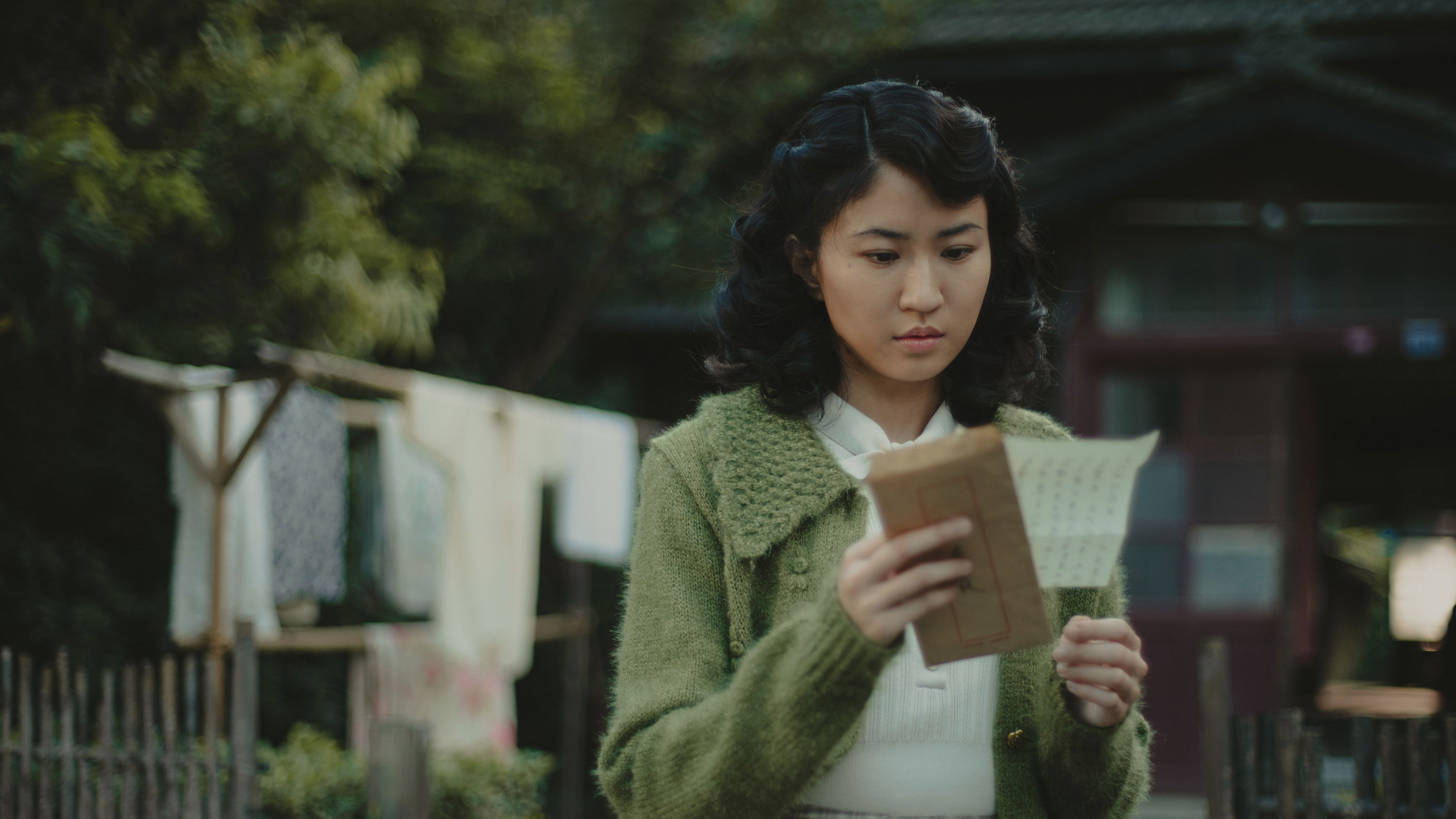

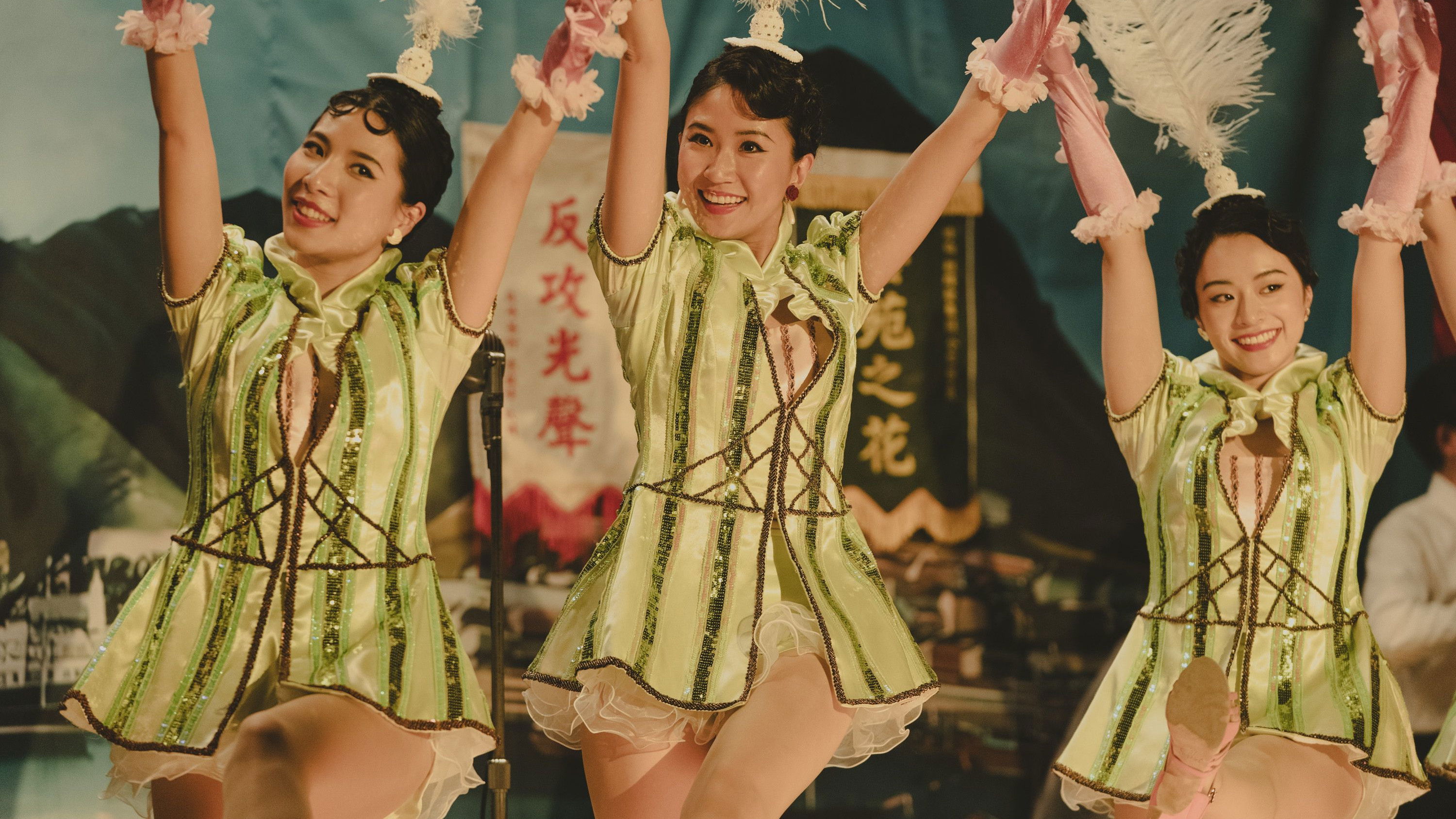
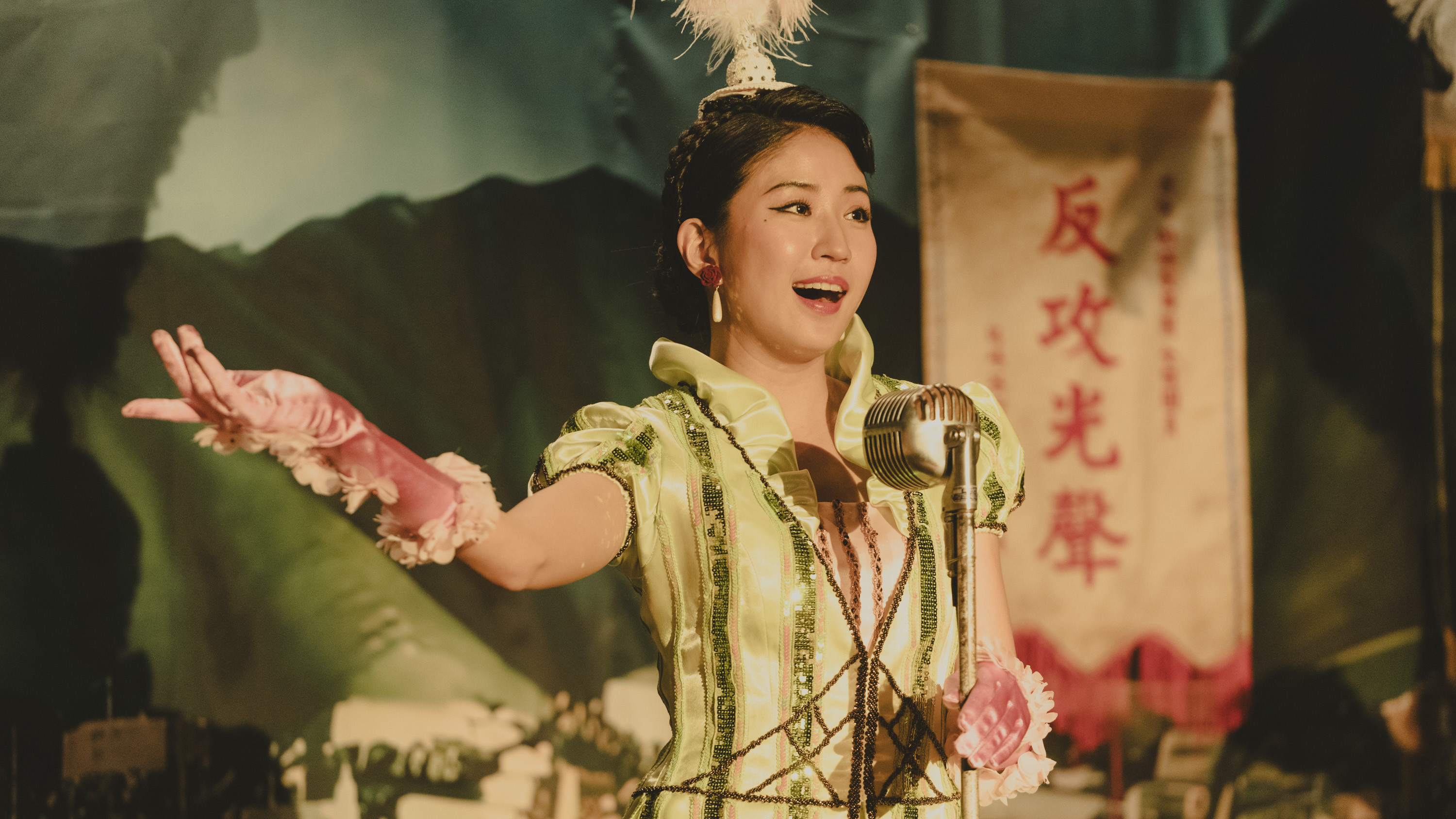
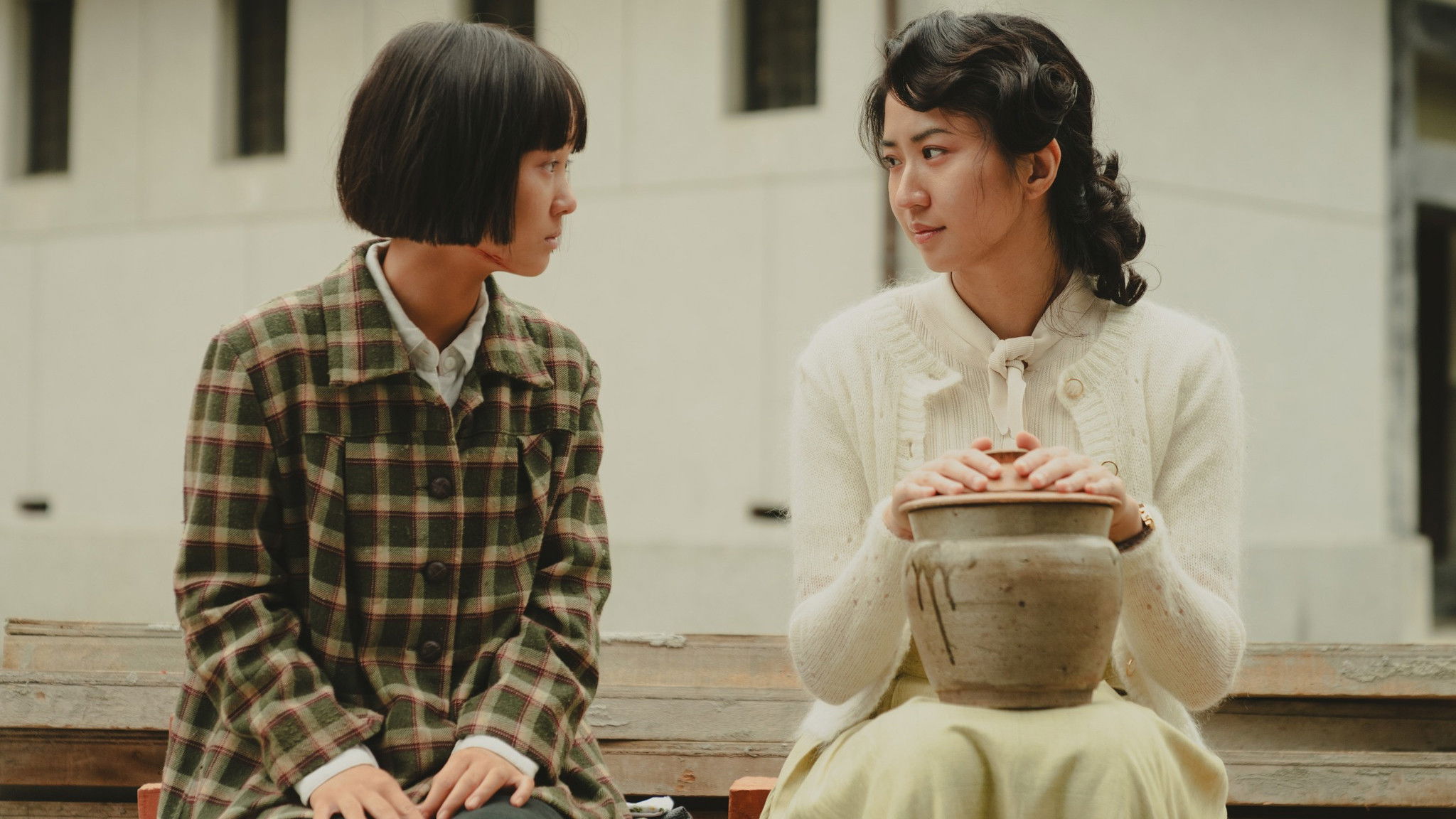
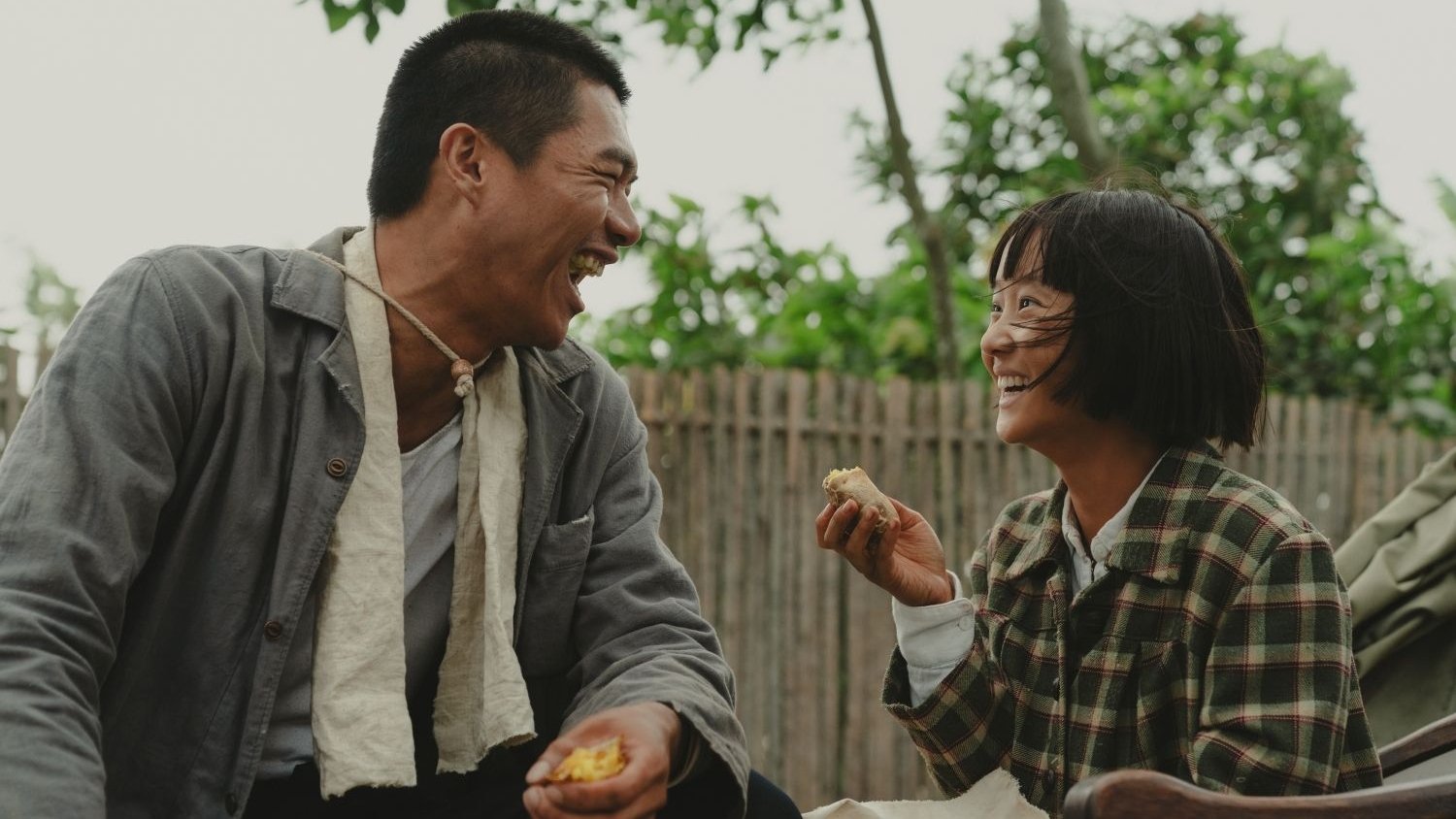
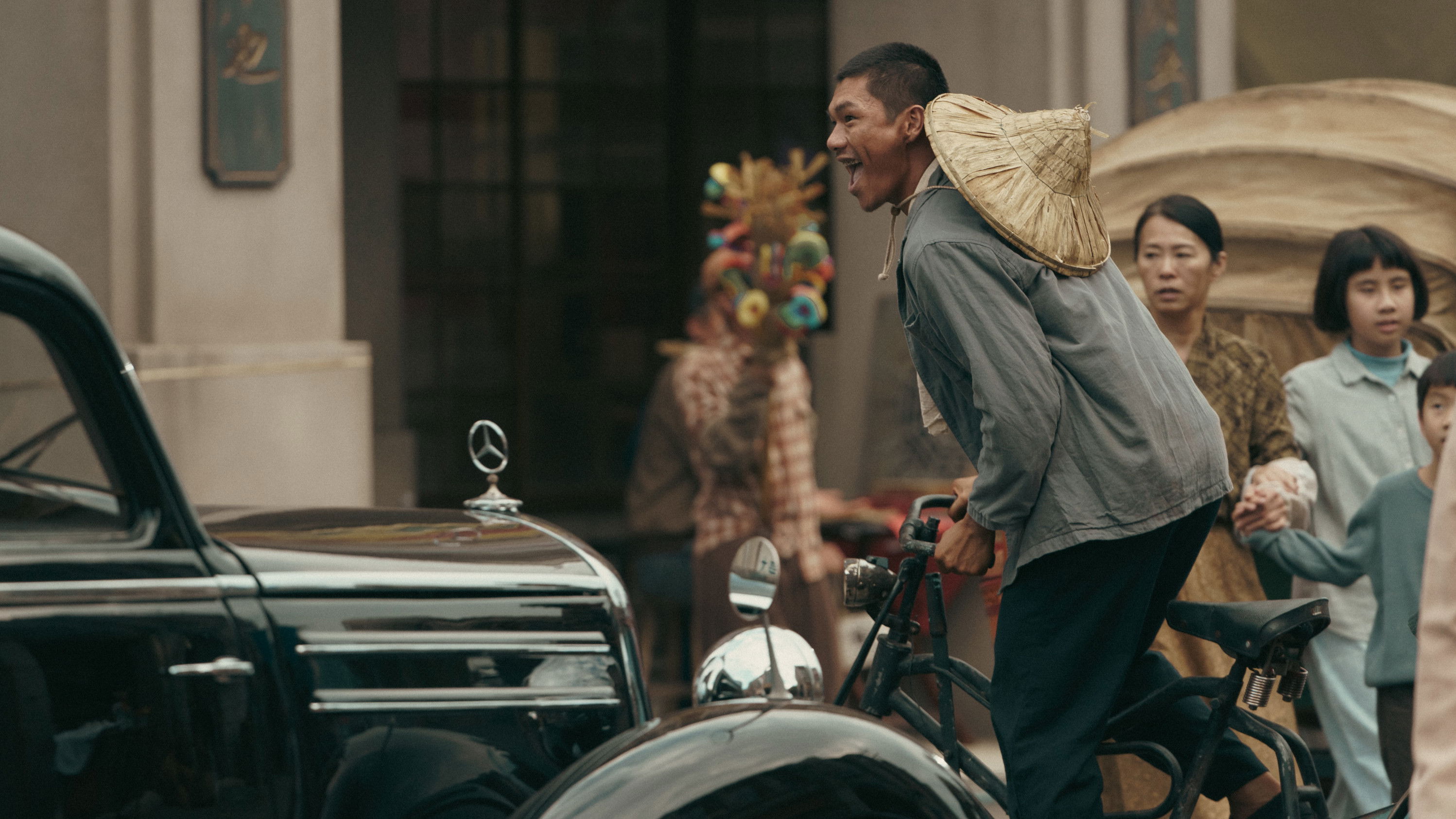
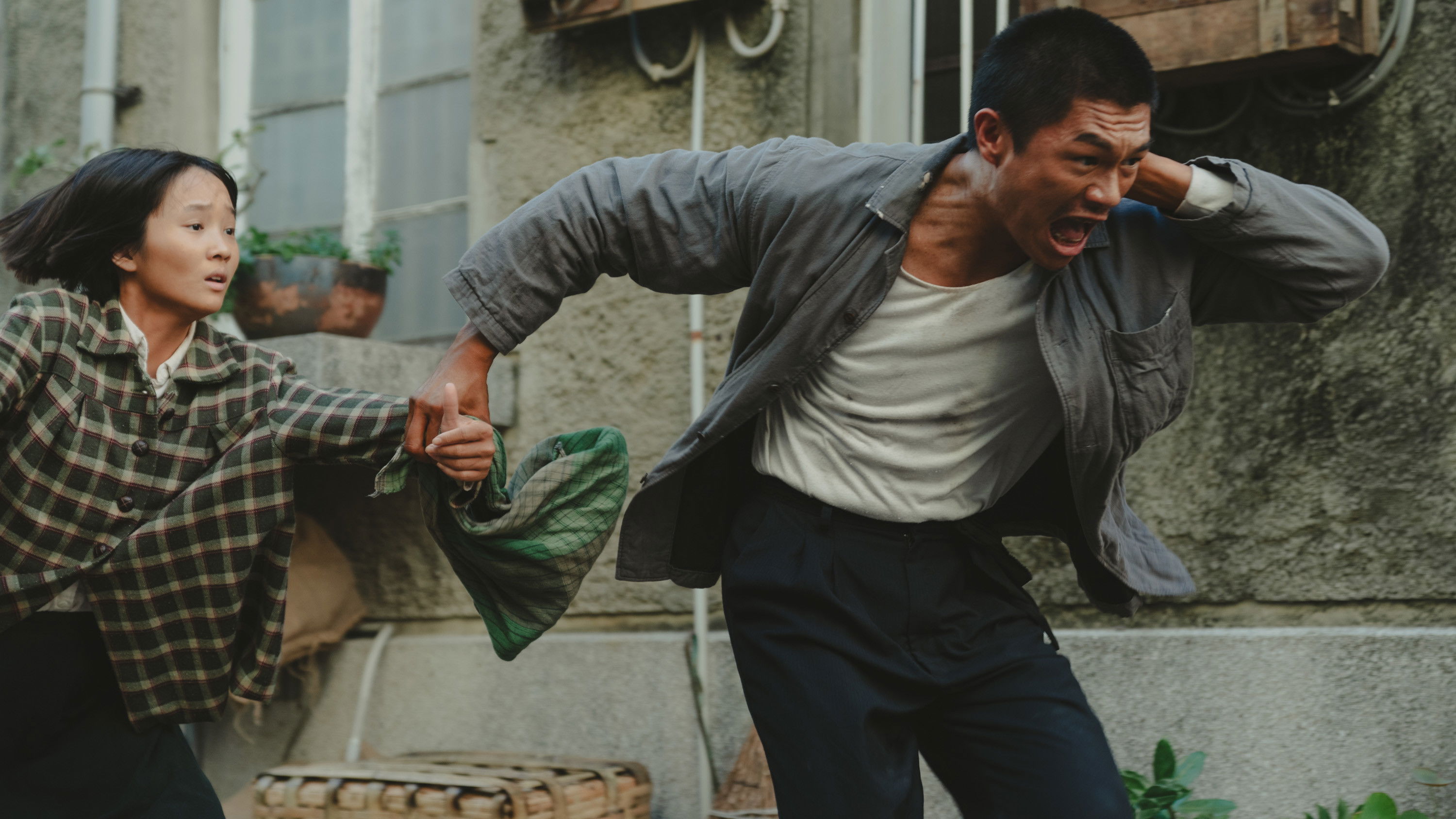
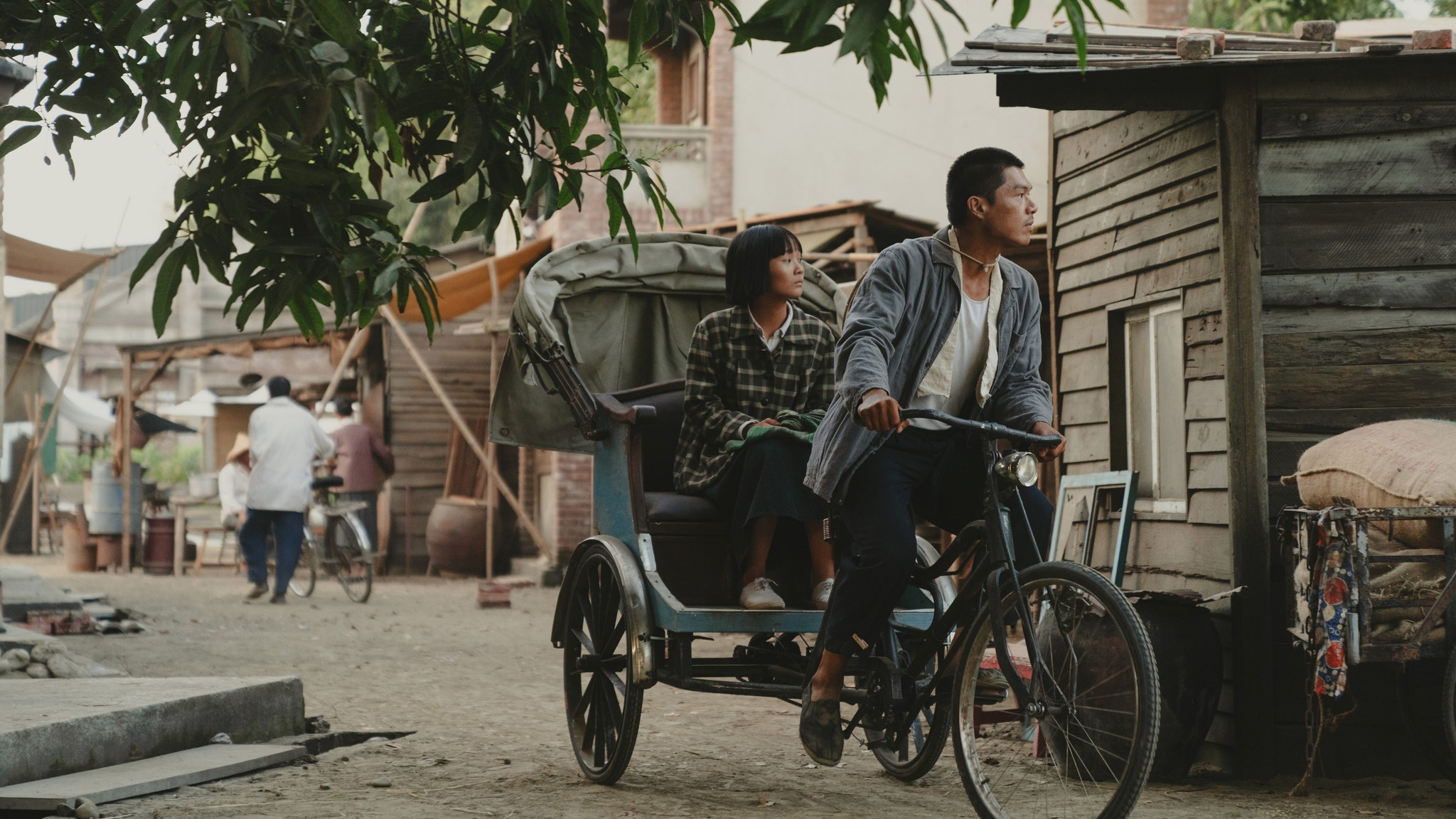
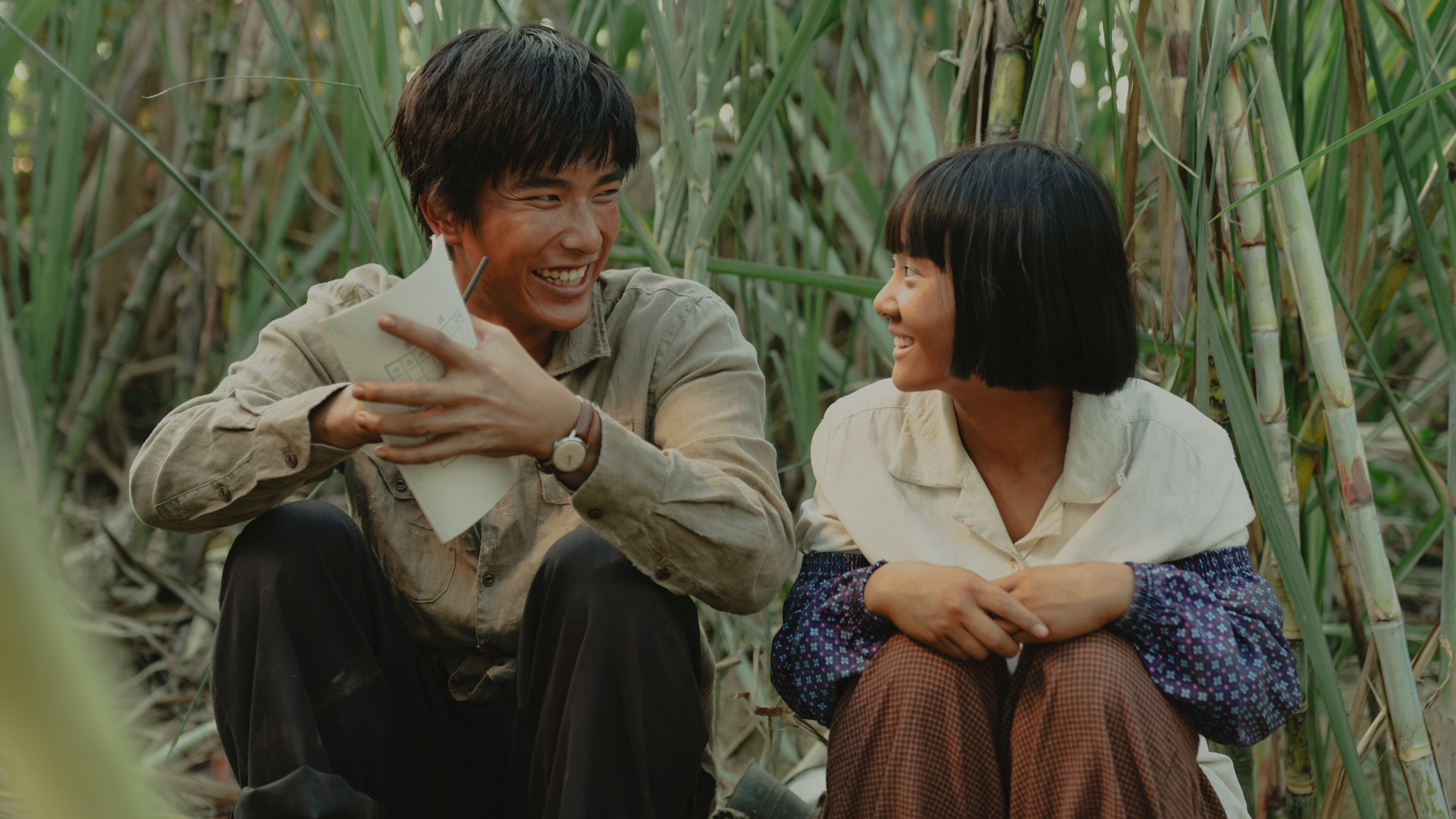
Admittedly, I come at A Foggy Tale from a bit of an outsider’s perspective. It was still great to watch this in a theater full of Taiwanese folks, and I feel conflicted in my response. The film attempts to construct a lived-in world of 1950s Taipei, then sends a country girl named A Yue from rural Chiayi through it on a quest to retrieve her brother’s body. While I liked the film’s texture, especially the sets, costumes, and sound, I gradually began to chafe at its structure and mechanics. For much of it's run-time it's content to put our protagonist through a series of side quests in order to instruct us on what life was like in this era. The tone of these “quests” often varies dramatically, lurching from wacky to sad to serious in ways that felt jarring. A Yue often feels more like a cipher, or an audience surrogate, than a fully realized character, serving mostly as a witness to events with little in the way of opinions of her own. Just as my patience began to wear thin, the movie comes alive in its last 30 minutes, with A-Yue finally completing her quest and the film fully confronting the legacy of this painful period in Taiwanese history. This is the strongest and most emotionally powerful stretch of the film, and I only wish it had drawn more consistently from that energy instead of holding it back until the final quarter.