
Elisabeth
1992·Drama·2h 7m
7.1
★
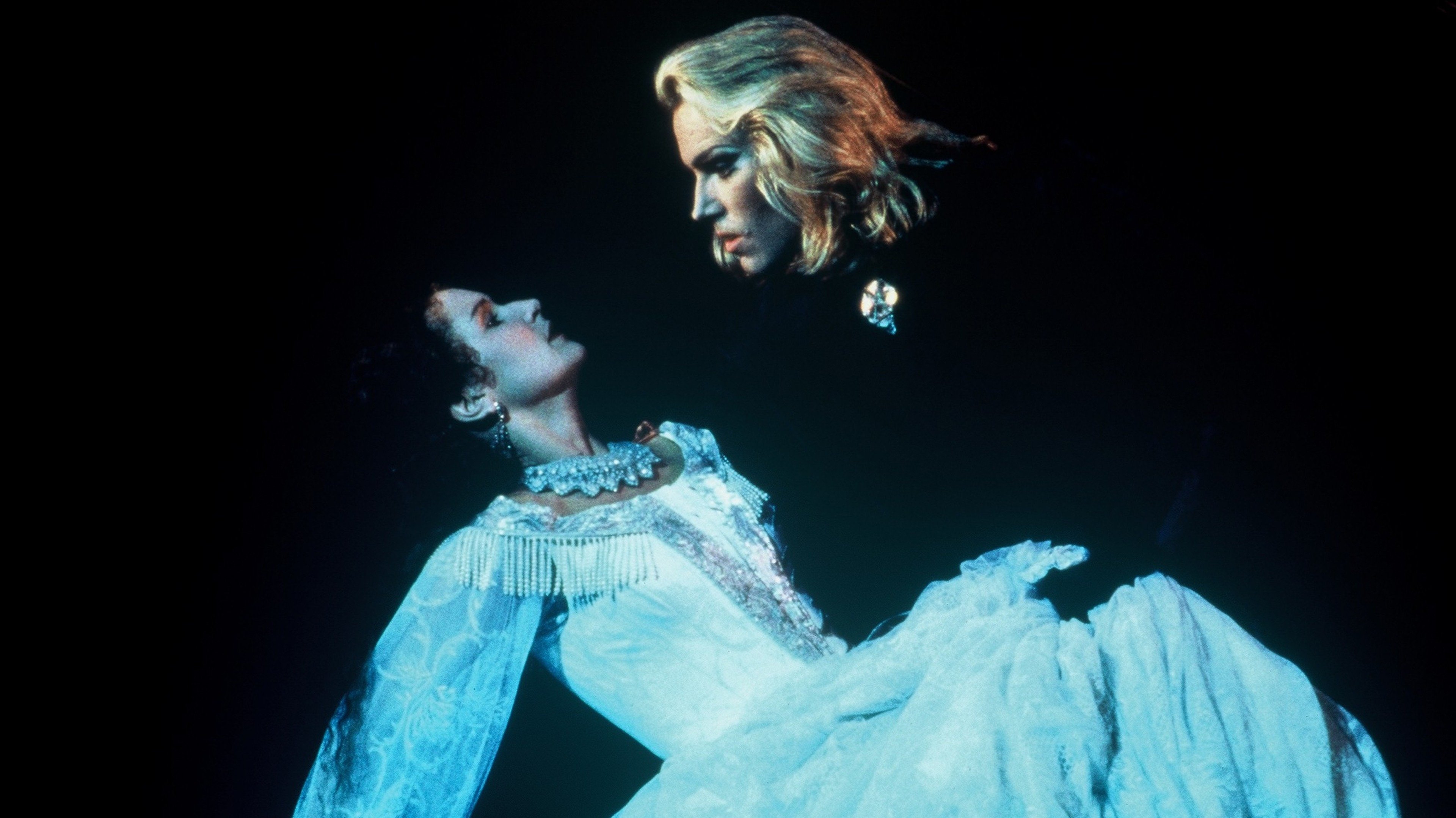
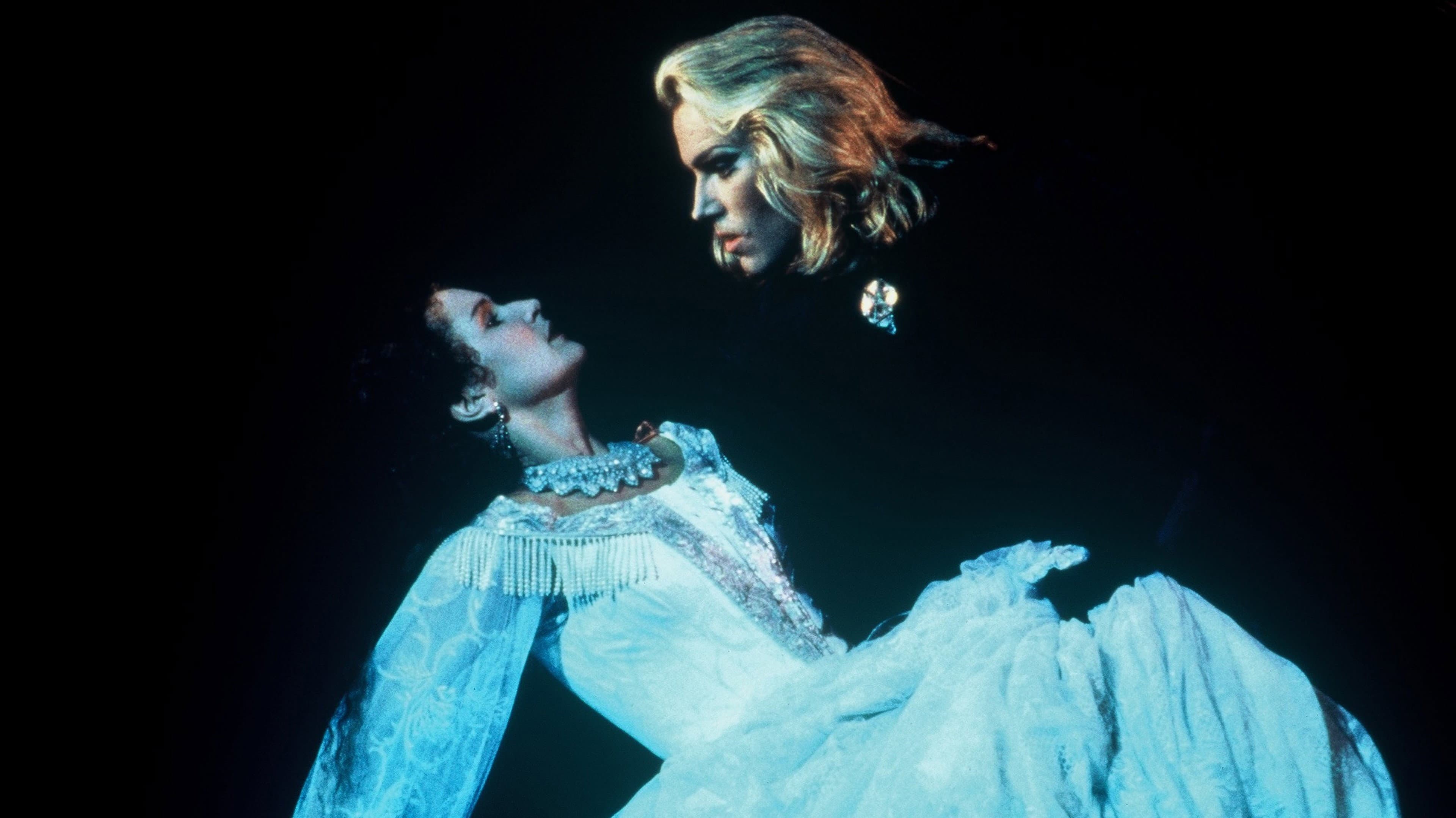
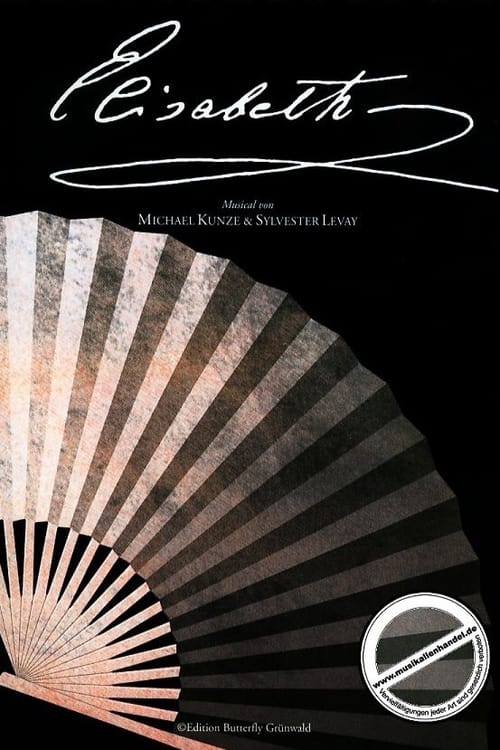
The show opens in the "world of the dead", where Luigi Lucheni is being interrogated by a Judge as to why he has murdered the Empress Elisabeth. Lucheni claims that he did no more than what Elisabeth herself wanted, since all her life Elisabeth has been in love with Death himself – and vice versa. As his witnesses, Lucheni brings back the dead aristocracy of the bygone era and takes us to the past, where he serves as a sarcastic narrator of the events that lead to the transformation of the sweet and innocent Sisi to the revered and infamous Elisabeth, Empress of Austria and Queen of Hungary, and her decline through later years until her assassination.
Directed by Harry Kupfer
Cast
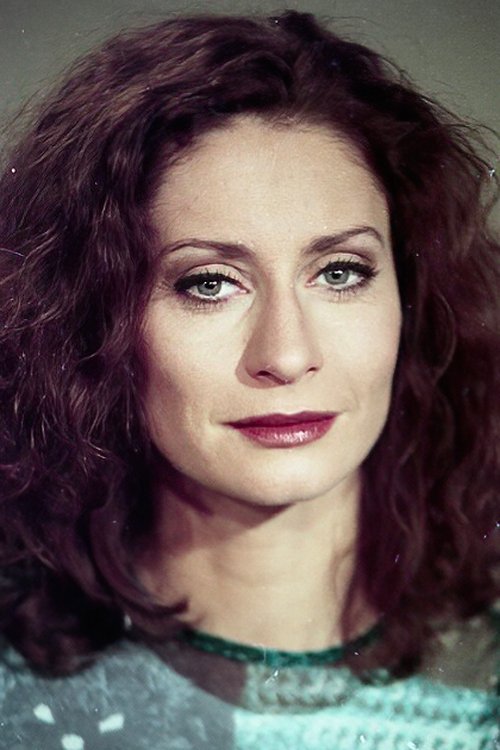
Pia Douwes
Elisabeth (Sisi)
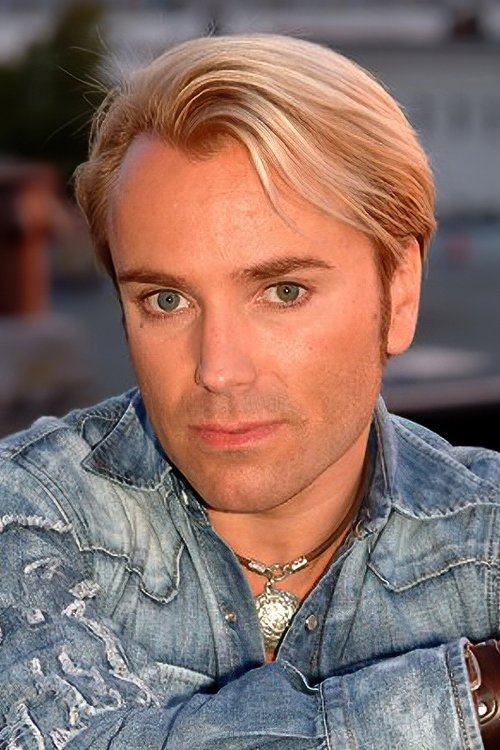
Uwe Kröger
Der Tod
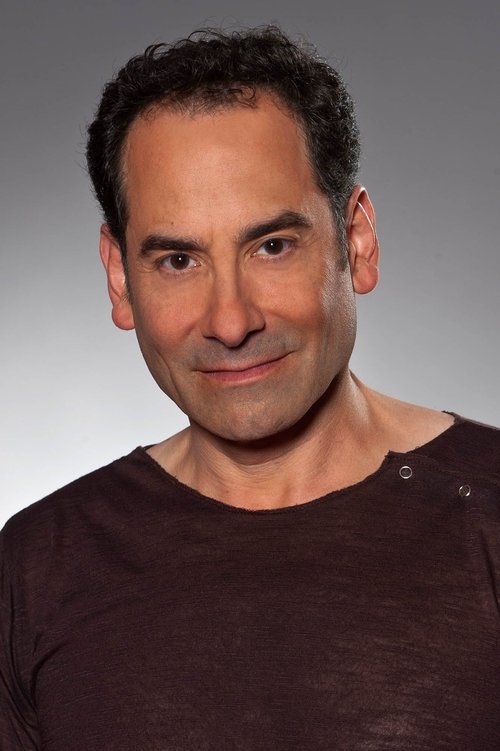
Ethan Freeman
Luigi Lucheni
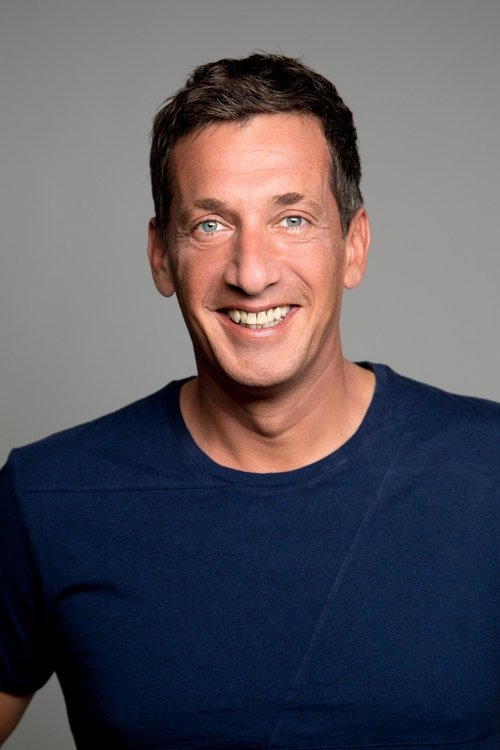
Viktor Gernot
Kaiser Franz Joseph I.
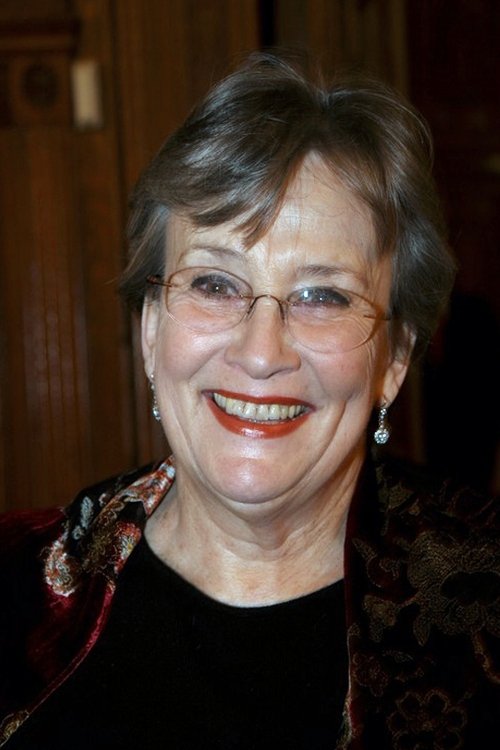
Else Ludwig
Erzhherzogin Sophie
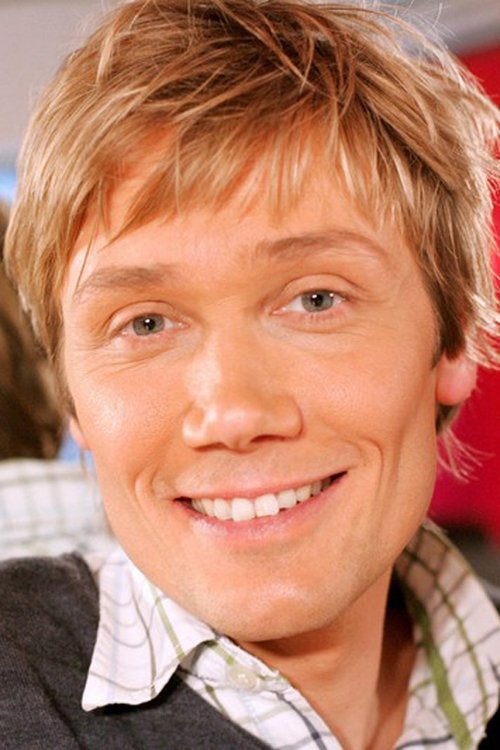
Andreas Bieber
Kronprinz Rudolf
Crew
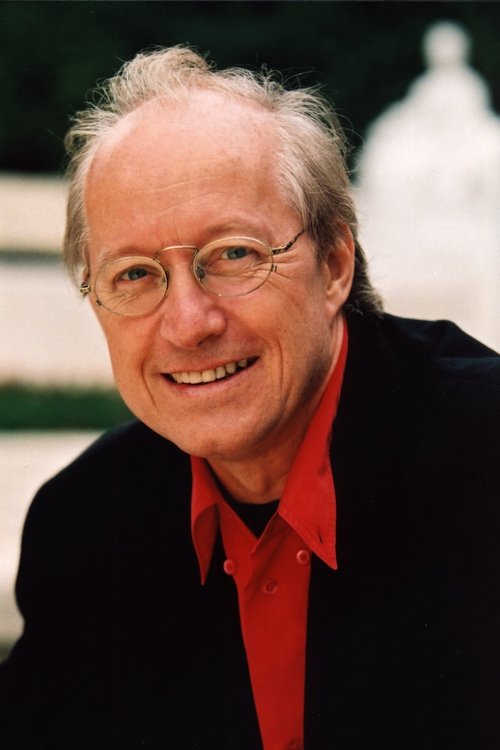
Michael Kunze
Writer
Michael Kunze
Lyricist

Sylvester Levay
Music
Popular Reviews
2 reviews
dolunay
9.0★ · 03/30/23
"Die Schatten werden länger. Es wird Abend, eh’ dein Tag begann. Die Schatten werden länger. Mit dir stirbt die Welt. Halt dich nicht fest daran." (affectionate)
One of the most bittersweet watches of my life because I am fully aware that we are never getting to see any of the German productions come close to the greatness of the original 1992 Vienna production. The newer revivals' insistence on using the popular parts of the Takarazuka productions while completely lacking the context that Takarazuka put them in and the removal of the Mayerling kiss because of what I can only attribute to the growing threat of conservatism in Europe (and a large part of the world in general) has caused what I will crassly call the bastardization of Elisabeth das Musical. Takarazuka productions are great because they take the source material and change it to suit the culture of Takarazuka. It functions more like a great localization than an adaptation, and when you take a song like Ai to Shi no Rondo out of that context, it doesn't fit; it feels off, to put it lightly. I fear that with more German revivals following this direction, we are forgetting the roots of Elisabeth, a profoundly political musical about Empress Elisabeth of Austria, her journey as the empress, and her relationship with death from the perspective of the man who killed her, pleading his case against God to get the divine judgment. Open to interpretation and mocking the kitschy narratives surrounding her life. It is so saddening to see that this character of the musical is getting buried under people trying to emulate what Takarazuka has already perfected. With more revivals like this, people will stop referring to the original one for direction, and the state of German productions will get worse if a new creative aware of these doesn't take the reigns for a recent revival, and all we have will be a 1992 pro-shot of the dress rehearsal on Youtube, translated by fans.
With the negative out of the way, this is a once-in-a-lifetime experience, such a well-put-together production in every sense of the word. Since I have watched this show a couple of times now, it amazes me how much I don't get bored even for a single second and continue to find new parts to pay attention to. This watch made me think about the "his mother's son and her father's daughter failmarriage" theme of Franz-Joseph and Elisabeth's relationship; Elisabeth hearing her dead dad's voice in one of the lowest times in her life definitely didn't make me wanna kill myself.
I also love the fact that in this production, the lyrics, especially for Der Tod, tend to be more concrete, mechanical, and tangible descriptions, while the Takarazuka version has much more intangible descriptions and broader themes with an ominous undertone. The differences between "What does it mean: this old story which ever since warms my breast. Angels call it joy, devils call it pain. Humans think it must be love." and "The angel's song is pleasure. The devil's song is suffering. Mortals sing, too... and that song is the love that burns me." makes me a little crazy.
Pia and Uwe are incredible, as you would expect, though my favorite Lucheni from the German production has got to be Serkan Kaya; just watch the 2003-2005 production versions of Milch/Marktplatz in Wien and Kitsch, he's a fucking superstar, the best advertisement that Folkwang Universität der Künste's acting and musical theatre departments can have. My favorite Turkish dude playing an Italian anarchist in an Austrian play.
One of the most bittersweet watches of my life because I am fully aware that we are never getting to see any of the German productions come close to the greatness of the original 1992 Vienna production. The newer revivals' insistence on using the popular parts of the Takarazuka productions while completely lacking the context that Takarazuka put them in and the removal of the Mayerling kiss because of what I can only attribute to the growing threat of conservatism in Europe (and a large part of the world in general) has caused what I will crassly call the bastardization of Elisabeth das Musical. Takarazuka productions are great because they take the source material and change it to suit the culture of Takarazuka. It functions more like a great localization than an adaptation, and when you take a song like Ai to Shi no Rondo out of that context, it doesn't fit; it feels off, to put it lightly. I fear that with more German revivals following this direction, we are forgetting the roots of Elisabeth, a profoundly political musical about Empress Elisabeth of Austria, her journey as the empress, and her relationship with death from the perspective of the man who killed her, pleading his case against God to get the divine judgment. Open to interpretation and mocking the kitschy narratives surrounding her life. It is so saddening to see that this character of the musical is getting buried under people trying to emulate what Takarazuka has already perfected. With more revivals like this, people will stop referring to the original one for direction, and the state of German productions will get worse if a new creative aware of these doesn't take the reigns for a recent revival, and all we have will be a 1992 pro-shot of the dress rehearsal on Youtube, translated by fans.
With the negative out of the way, this is a once-in-a-lifetime experience, such a well-put-together production in every sense of the word. Since I have watched this show a couple of times now, it amazes me how much I don't get bored even for a single second and continue to find new parts to pay attention to. This watch made me think about the "his mother's son and her father's daughter failmarriage" theme of Franz-Joseph and Elisabeth's relationship; Elisabeth hearing her dead dad's voice in one of the lowest times in her life definitely didn't make me wanna kill myself.
I also love the fact that in this production, the lyrics, especially for Der Tod, tend to be more concrete, mechanical, and tangible descriptions, while the Takarazuka version has much more intangible descriptions and broader themes with an ominous undertone. The differences between "What does it mean: this old story which ever since warms my breast. Angels call it joy, devils call it pain. Humans think it must be love." and "The angel's song is pleasure. The devil's song is suffering. Mortals sing, too... and that song is the love that burns me." makes me a little crazy.
Pia and Uwe are incredible, as you would expect, though my favorite Lucheni from the German production has got to be Serkan Kaya; just watch the 2003-2005 production versions of Milch/Marktplatz in Wien and Kitsch, he's a fucking superstar, the best advertisement that Folkwang Universität der Künste's acting and musical theatre departments can have. My favorite Turkish dude playing an Italian anarchist in an Austrian play.
"Die Schatten werden länger. Es wird Abend, eh’ dein Tag begann. Die Schatten werden länger. Mit dir stirbt die Welt. Halt dich nicht fest daran." (affectionate)
One of the most bittersweet watches of my life because I am fully aware that we are never getting to see any of the German productions come close to the greatness of the original 1992 Vienna production. The newer revivals' insistence on using the popular parts of the Takarazuka productions while completely lacking the context that Takarazuka put them in and the removal of the Mayerling kiss because of what I can only attribute to the growing threat of conservatism in Europe (and a large part of the world in general) has caused what I will crassly call the bastardization of Elisabeth das Musical. Takarazuka productions are great because they take the source material and change it to suit the culture of Takarazuka. It functions more like a great localization than an adaptation, and when you take a song like Ai to Shi no Rondo out of that context, it doesn't fit; it feels off, to put it lightly. I fear that with more German revivals following this direction, we are forgetting the roots of Elisabeth, a profoundly political musical about Empress Elisabeth of Austria, her journey as the empress, and her relationship with death from the perspective of the man who killed her, pleading his case against God to get the divine judgment. Open to interpretation and mocking the kitschy narratives surrounding her life. It is so saddening to see that this character of the musical is getting buried under people trying to emulate what Takarazuka has already perfected. With more revivals like this, people will stop referring to the original one for direction, and the state of German productions will get worse if a new creative aware of these doesn't take the reigns for a recent revival, and all we have will be a 1992 pro-shot of the dress rehearsal on Youtube, translated by fans.
With the negative out of the way, this is a once-in-a-lifetime experience, such a well-put-together production in every sense of the word. Since I have watched this show a couple of times now, it amazes me how much I don't get bored even for a single second and continue to find new parts to pay attention to. This watch made me think about the "his mother's son and her father's daughter failmarriage" theme of Franz-Joseph and Elisabeth's relationship; Elisabeth hearing her dead dad's voice in one of the lowest times in her life definitely didn't make me wanna kill myself.
I also love the fact that in this production, the lyrics, especially for Der Tod, tend to be more concrete, mechanical, and tangible descriptions, while the Takarazuka version has much more intangible descriptions and broader themes with an ominous undertone. The differences between "What does it mean: this old story which ever since warms my breast. Angels call it joy, devils call it pain. Humans think it must be love." and "The angel's song is pleasure. The devil's song is suffering. Mortals sing, too... and that song is the love that burns me." makes me a little crazy.
Pia and Uwe are incredible, as you would expect, though my favorite Lucheni from the German production has got to be Serkan Kaya; just watch the 2003-2005 production versions of Milch/Marktplatz in Wien and Kitsch, he's a fucking superstar, the best advertisement that Folkwang Universität der Künste's acting and musical theatre departments can have. My favorite Turkish dude playing an Italian anarchist in an Austrian play.
One of the most bittersweet watches of my life because I am fully aware that we are never getting to see any of the German productions come close to the greatness of the original 1992 Vienna production. The newer revivals' insistence on using the popular parts of the Takarazuka productions while completely lacking the context that Takarazuka put them in and the removal of the Mayerling kiss because of what I can only attribute to the growing threat of conservatism in Europe (and a large part of the world in general) has caused what I will crassly call the bastardization of Elisabeth das Musical. Takarazuka productions are great because they take the source material and change it to suit the culture of Takarazuka. It functions more like a great localization than an adaptation, and when you take a song like Ai to Shi no Rondo out of that context, it doesn't fit; it feels off, to put it lightly. I fear that with more German revivals following this direction, we are forgetting the roots of Elisabeth, a profoundly political musical about Empress Elisabeth of Austria, her journey as the empress, and her relationship with death from the perspective of the man who killed her, pleading his case against God to get the divine judgment. Open to interpretation and mocking the kitschy narratives surrounding her life. It is so saddening to see that this character of the musical is getting buried under people trying to emulate what Takarazuka has already perfected. With more revivals like this, people will stop referring to the original one for direction, and the state of German productions will get worse if a new creative aware of these doesn't take the reigns for a recent revival, and all we have will be a 1992 pro-shot of the dress rehearsal on Youtube, translated by fans.
With the negative out of the way, this is a once-in-a-lifetime experience, such a well-put-together production in every sense of the word. Since I have watched this show a couple of times now, it amazes me how much I don't get bored even for a single second and continue to find new parts to pay attention to. This watch made me think about the "his mother's son and her father's daughter failmarriage" theme of Franz-Joseph and Elisabeth's relationship; Elisabeth hearing her dead dad's voice in one of the lowest times in her life definitely didn't make me wanna kill myself.
I also love the fact that in this production, the lyrics, especially for Der Tod, tend to be more concrete, mechanical, and tangible descriptions, while the Takarazuka version has much more intangible descriptions and broader themes with an ominous undertone. The differences between "What does it mean: this old story which ever since warms my breast. Angels call it joy, devils call it pain. Humans think it must be love." and "The angel's song is pleasure. The devil's song is suffering. Mortals sing, too... and that song is the love that burns me." makes me a little crazy.
Pia and Uwe are incredible, as you would expect, though my favorite Lucheni from the German production has got to be Serkan Kaya; just watch the 2003-2005 production versions of Milch/Marktplatz in Wien and Kitsch, he's a fucking superstar, the best advertisement that Folkwang Universität der Künste's acting and musical theatre departments can have. My favorite Turkish dude playing an Italian anarchist in an Austrian play.


ada
10.0★ · 07/05/25