Probably best not to google this one at work, but despite its double entendre title (and copious amounts of pubic hair and tea bagging), Pecker captures the good nature of bad taste.
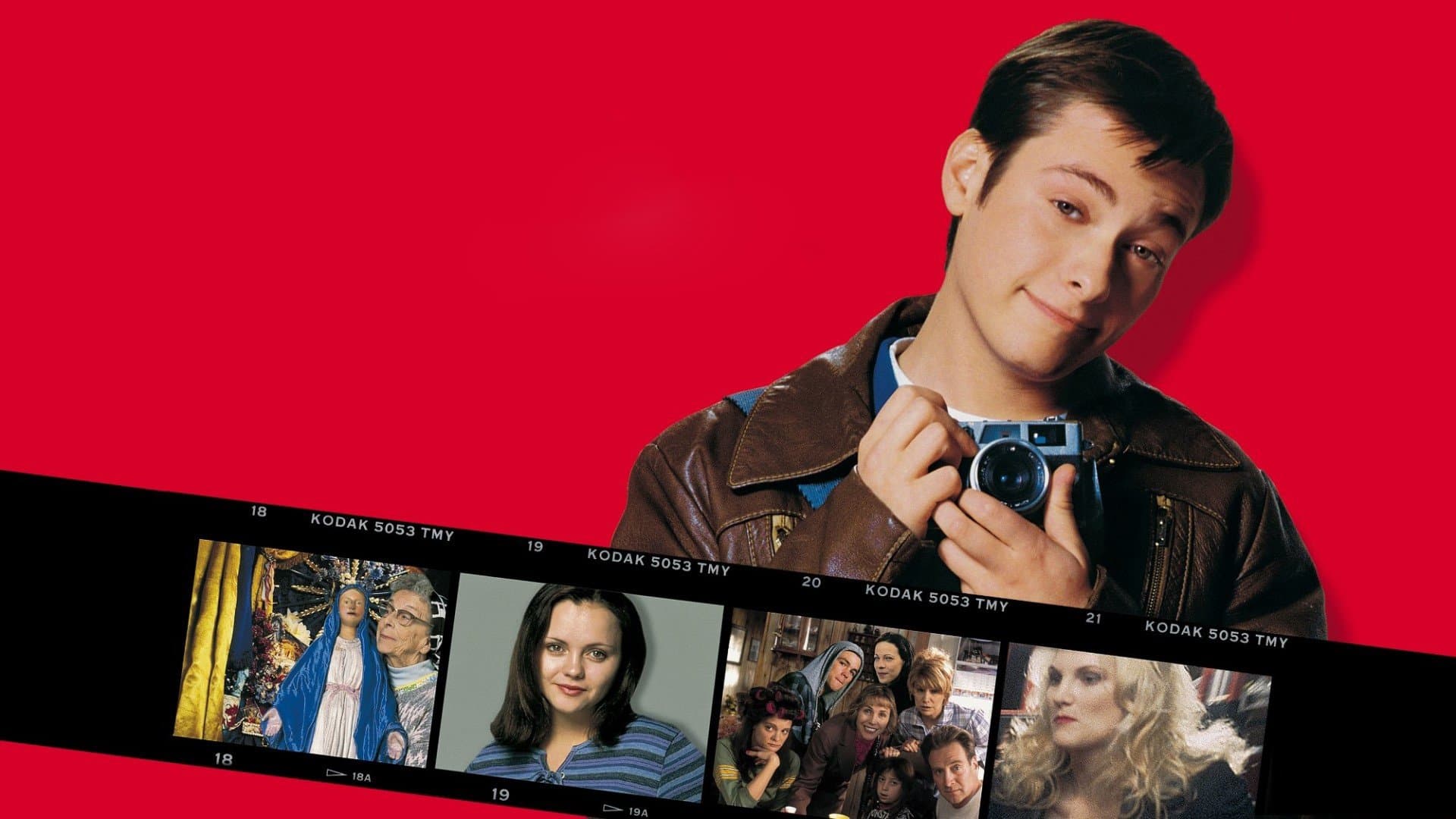
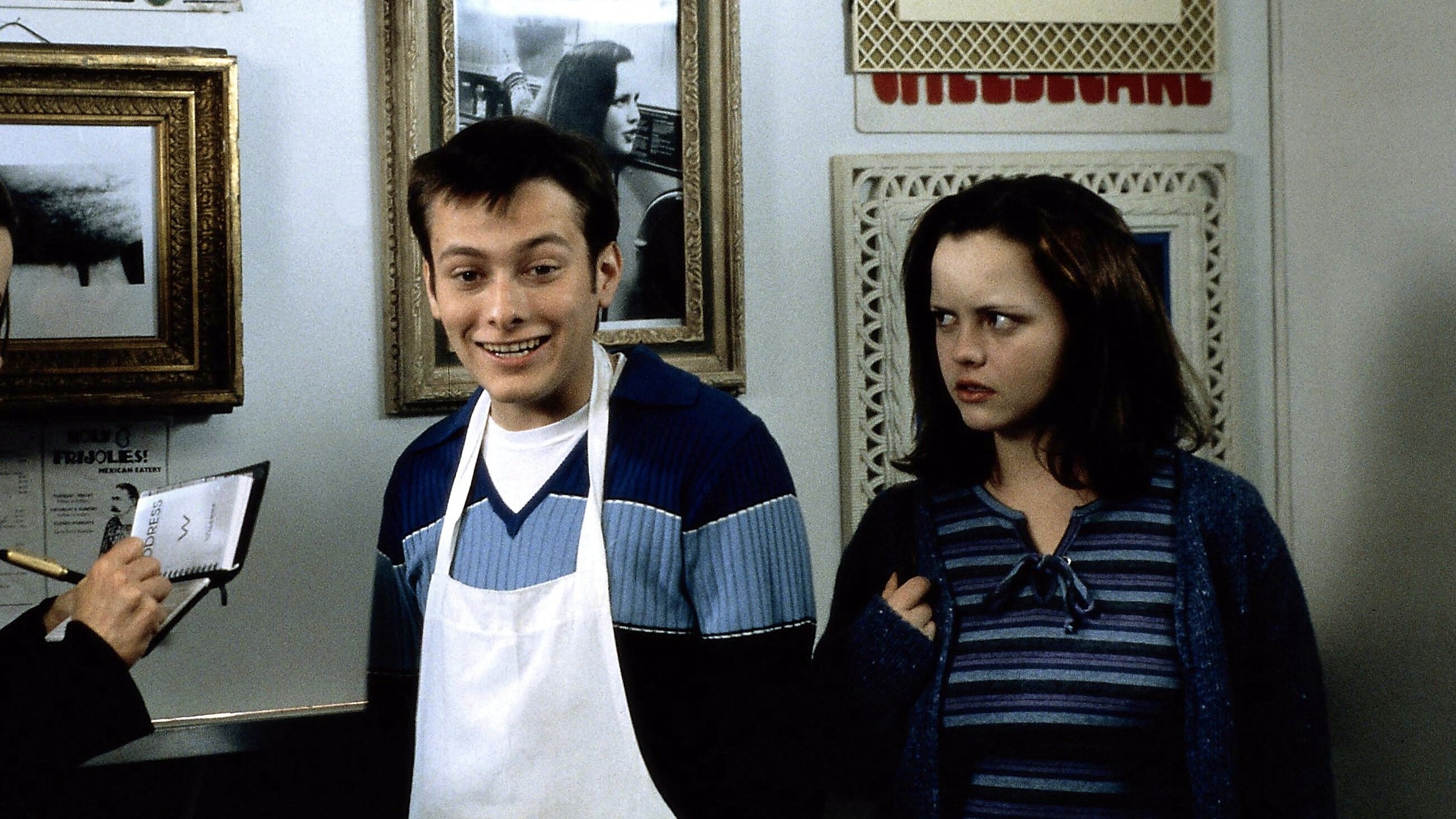
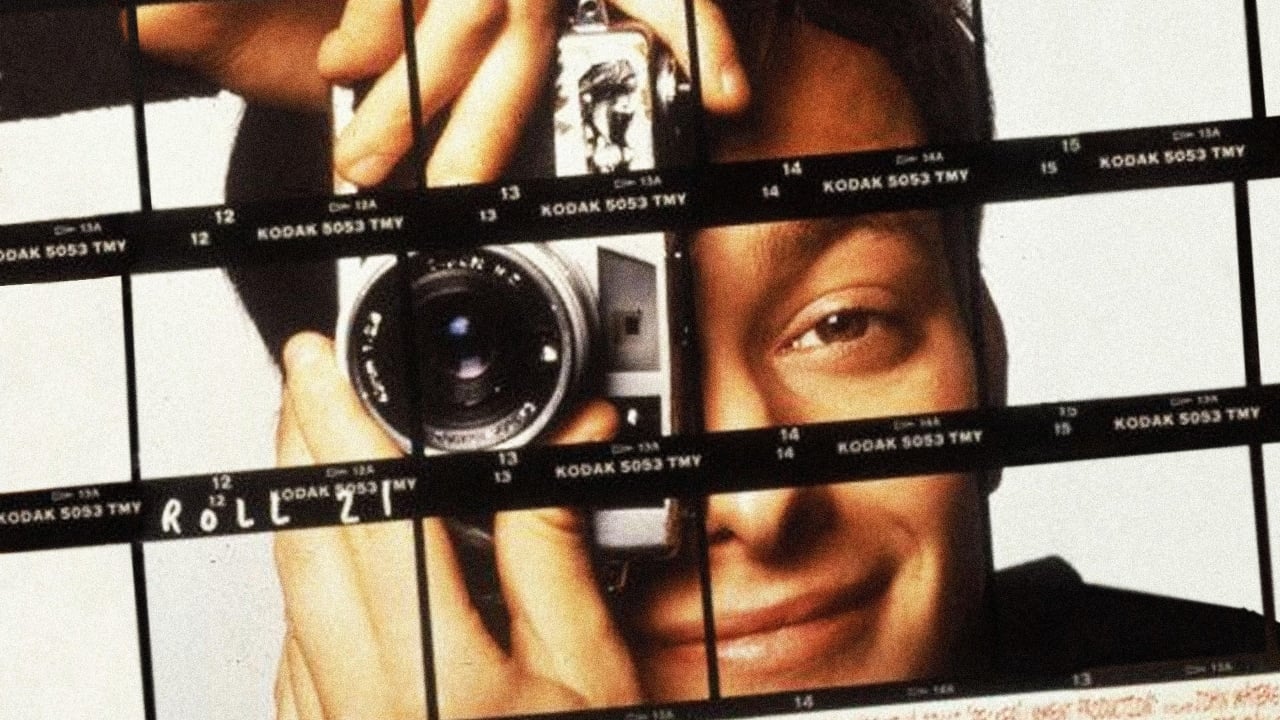
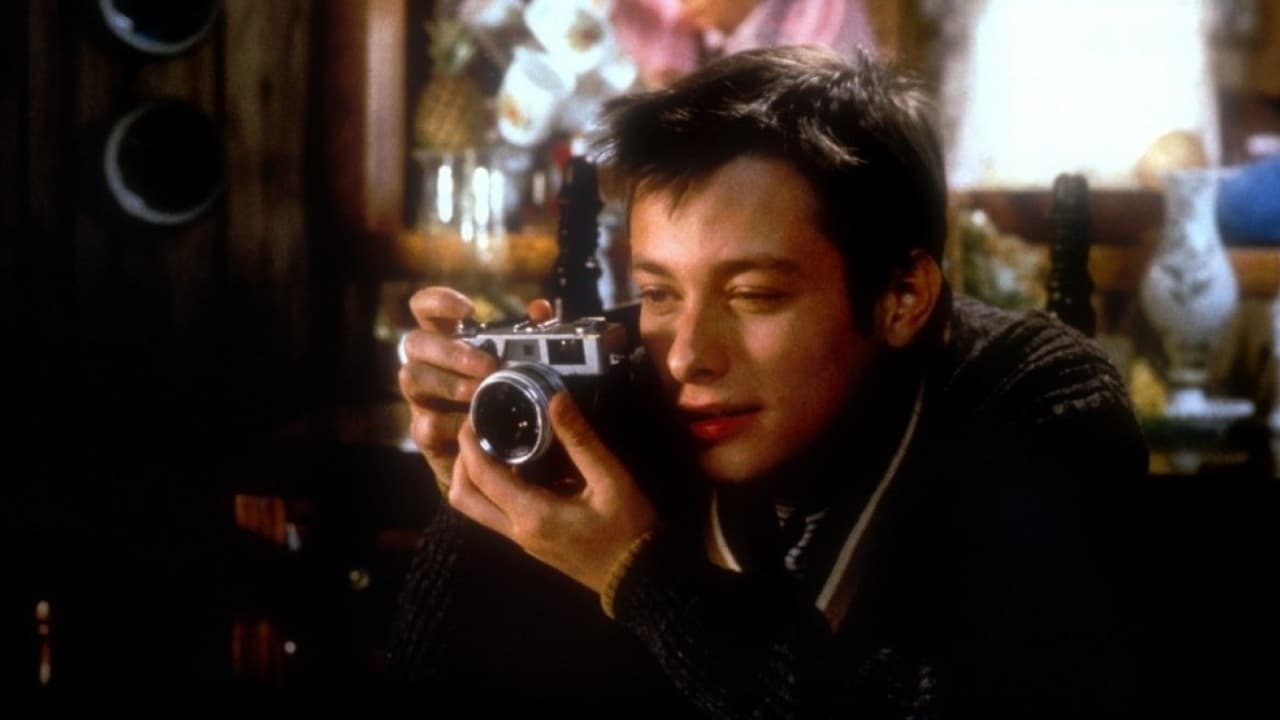
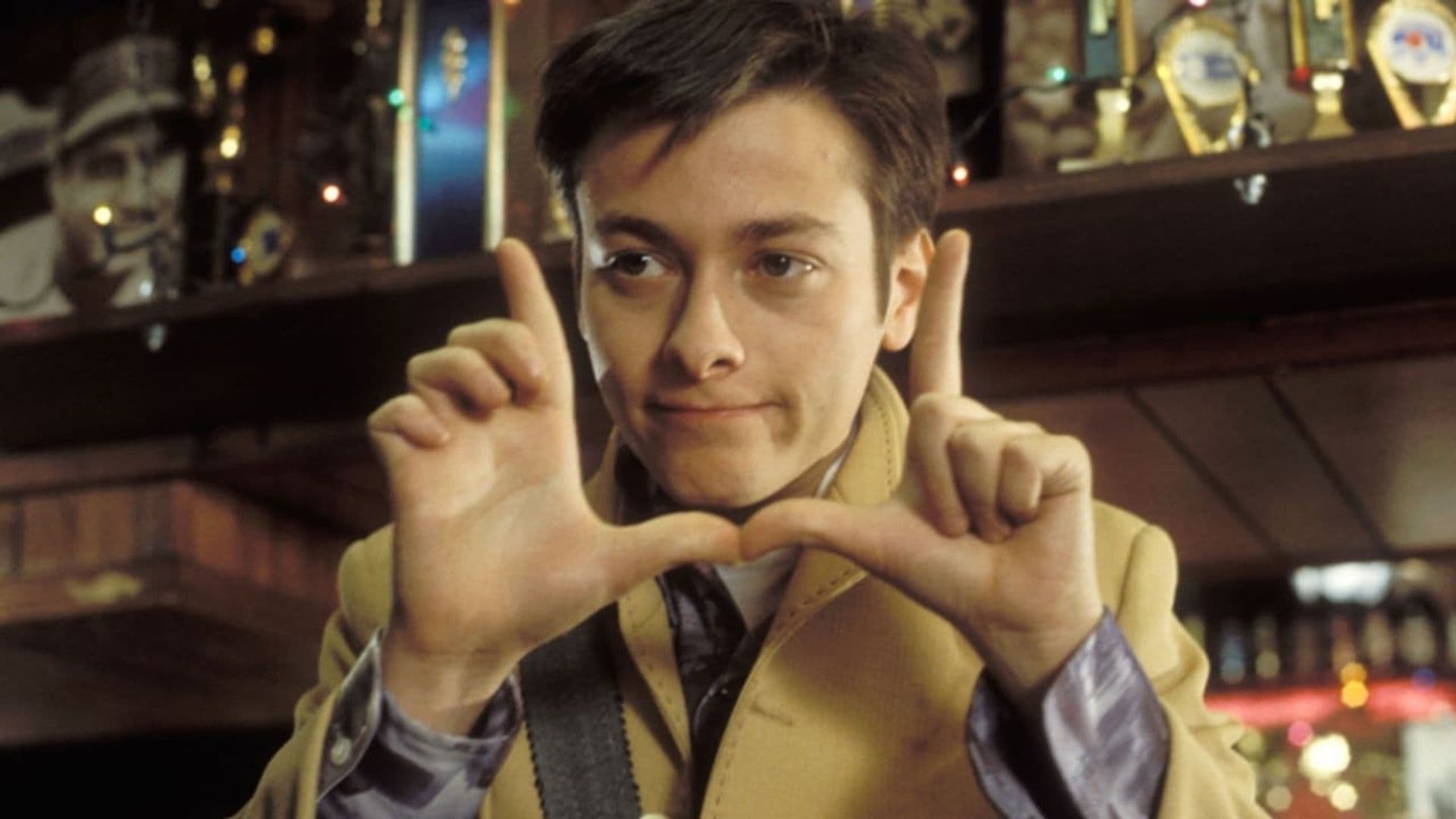
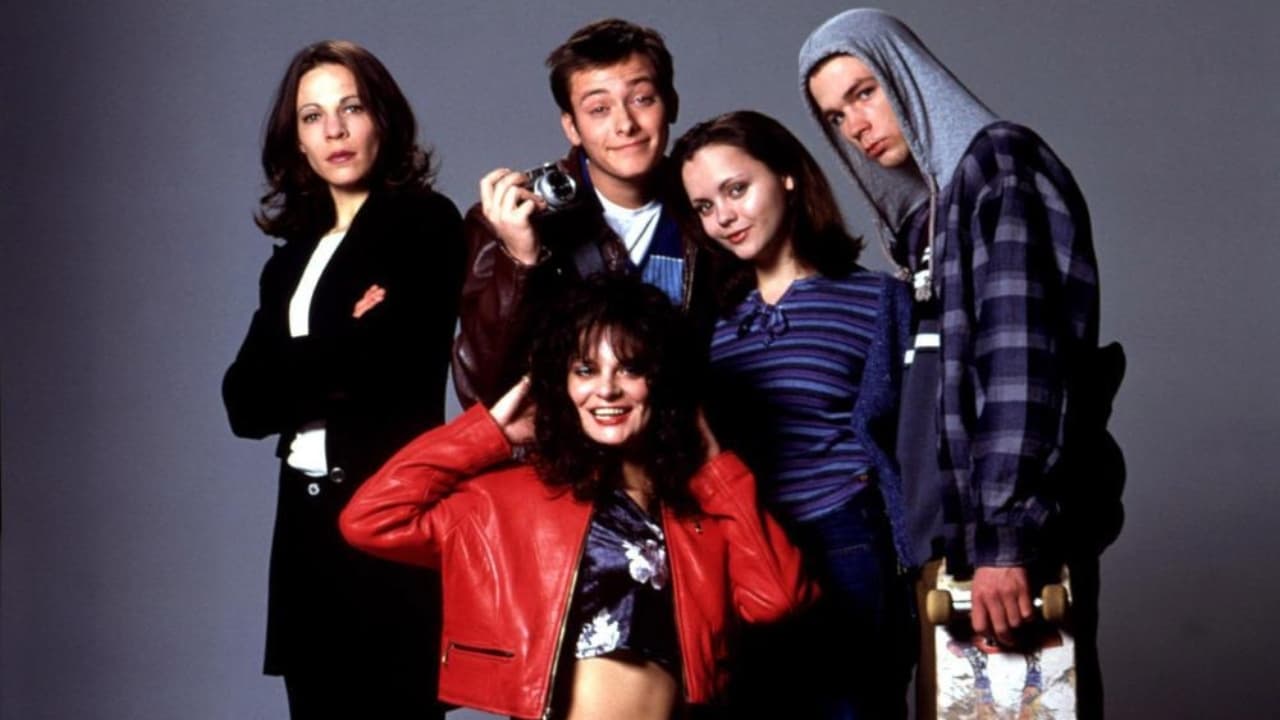
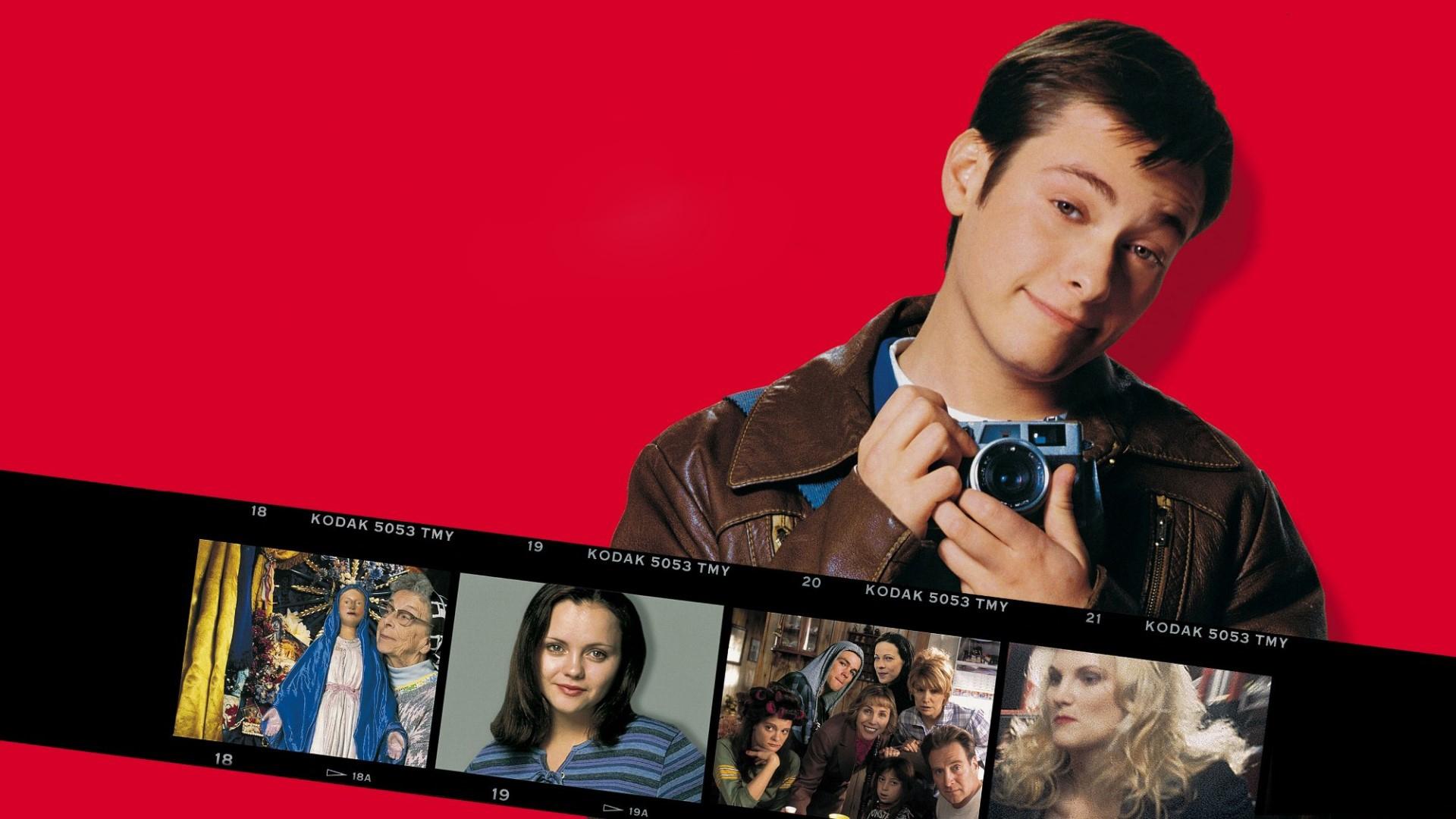
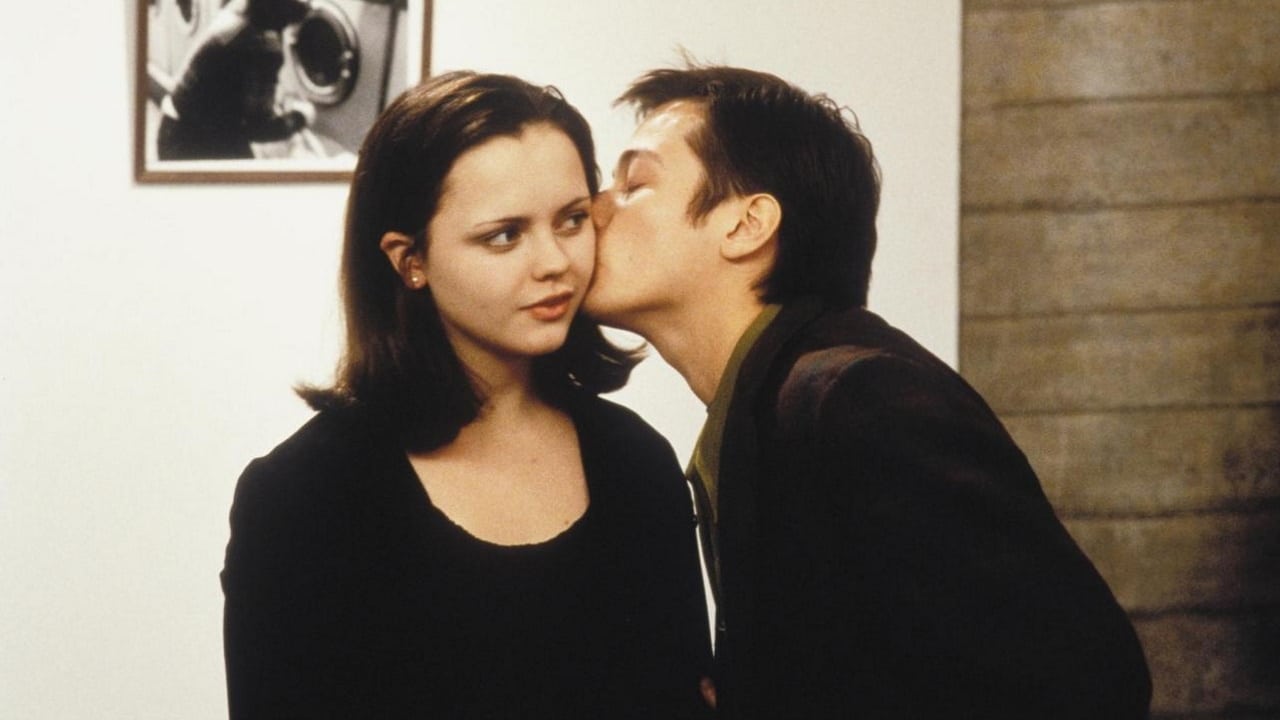
Pecker (Edward Furlong) is a Baltimore based photographer who sees beauty and art within the every day common folk and scenarios around him, be it his Laundromat owning girlfriend Shelly (Cristina Ricci), his shoplifting best mate Matt (Brendan Sexton III), his hag sister Tina (Martha Plimpton) working the bar (and the trade) at a local gay strip joint and the homeless folk who regularly shop at his Mom’s discount thrift store.
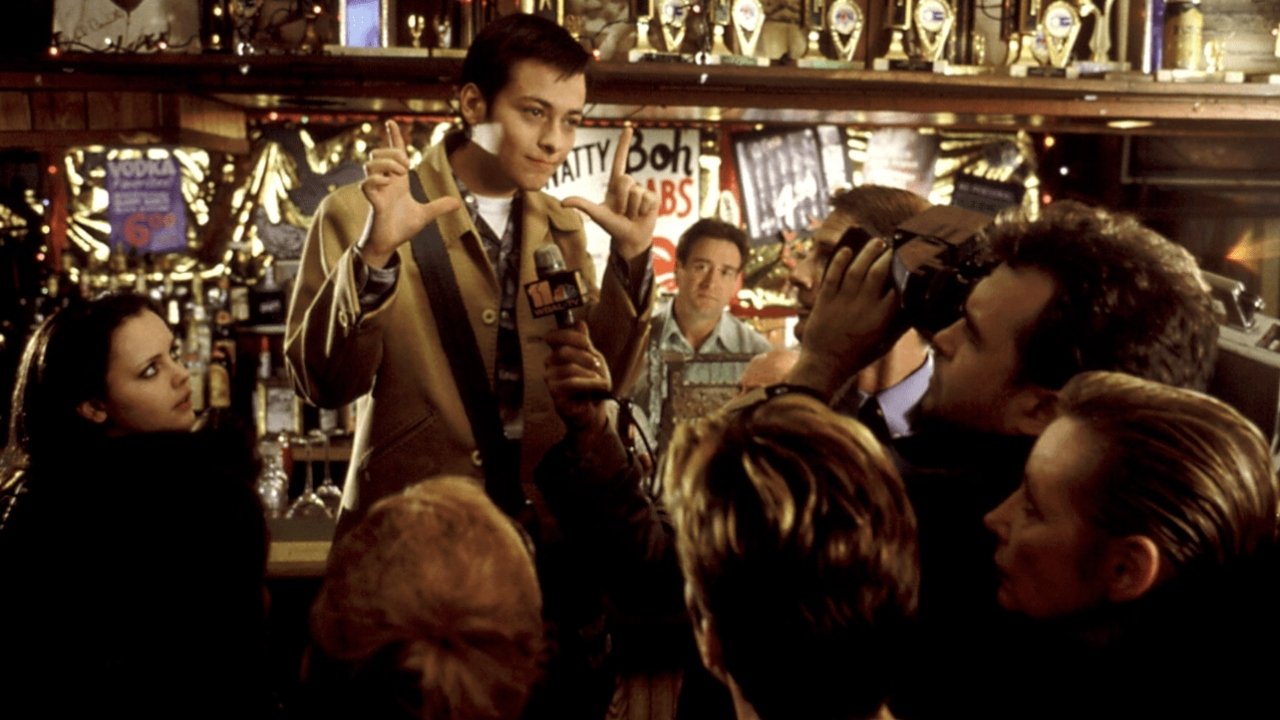
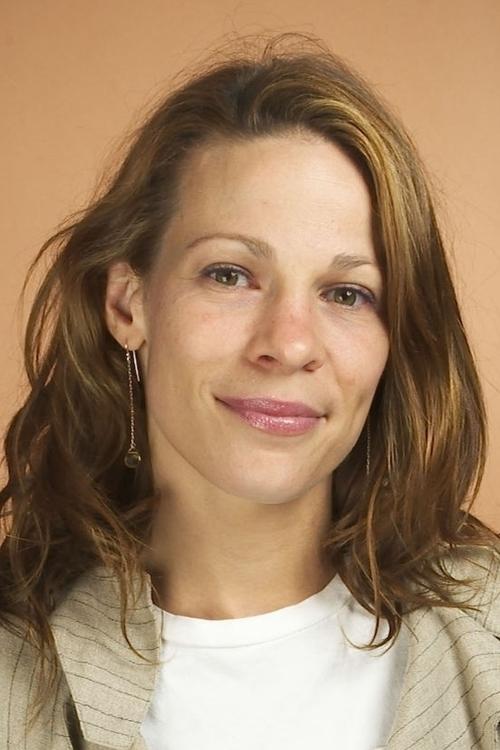
When fancy NYC art world agent Rorey (Lili Taylor) signs him up, Pecker struggles with the impact his new found fame and fortune have on his family, friends and art.
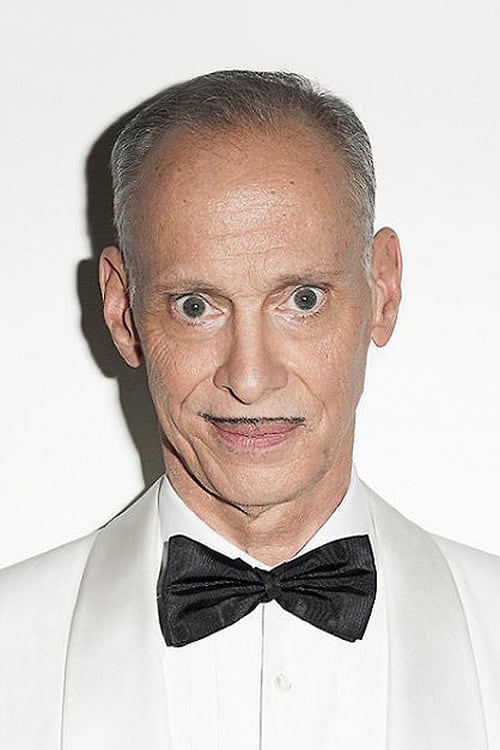
As evidenced by the final line this is clearly the most autobiographical of Waters work and offers commentary via humour on some of the criticism of exploitation that have been leveled at the filmmaker. Waters does love to showcase the more extreme and eccentric side of society and often those from a lower socioeconomic background, but I’ve always felt a respect, interest and affection in the way he captures such stories, coupled with a contempt of pretence and critical wankery.
His loyalty to his home city of Baltimore and his Dreamlanders many of whom who cameo here, is testament to his genuine nature.
Probably best not to google this one at work, but despite its double entendre title (and copious amounts of pubic hair and tea bagging), Pecker captures the good nature of bad taste.
Pecker (Edward Furlong) is a Baltimore based photographer who sees beauty and art within the every day common folk and scenarios around him, be it his Laundromat owning girlfriend Shelly (Cristina Ricci), his shoplifting best mate Matt (Brendan Sexton III), his hag sister Tina (Martha Plimpton) working the bar (and the trade) at a local gay strip joint and the homeless folk who regularly shop at his Mom’s discount thrift store.
When fancy NYC art world agent Rorey (Lili Taylor) signs him up, Pecker struggles with the impact his new found fame and fortune have on his family, friends and art.
As evidenced by the final line this is clearly the most autobiographical of Waters work and offers commentary via humour on some of the criticism of exploitation that have been leveled at the filmmaker. Waters does love to showcase the more extreme and eccentric side of society and often those from a lower socioeconomic background, but I’ve always felt a respect, interest and affection in the way he captures such stories, coupled with a contempt of pretence and critical wankery.
His loyalty to his home city of Baltimore and his Dreamlanders many of whom who cameo here, is testament to his genuine nature.