
Palms
1994·Documentary·2h 20m
7.1
★
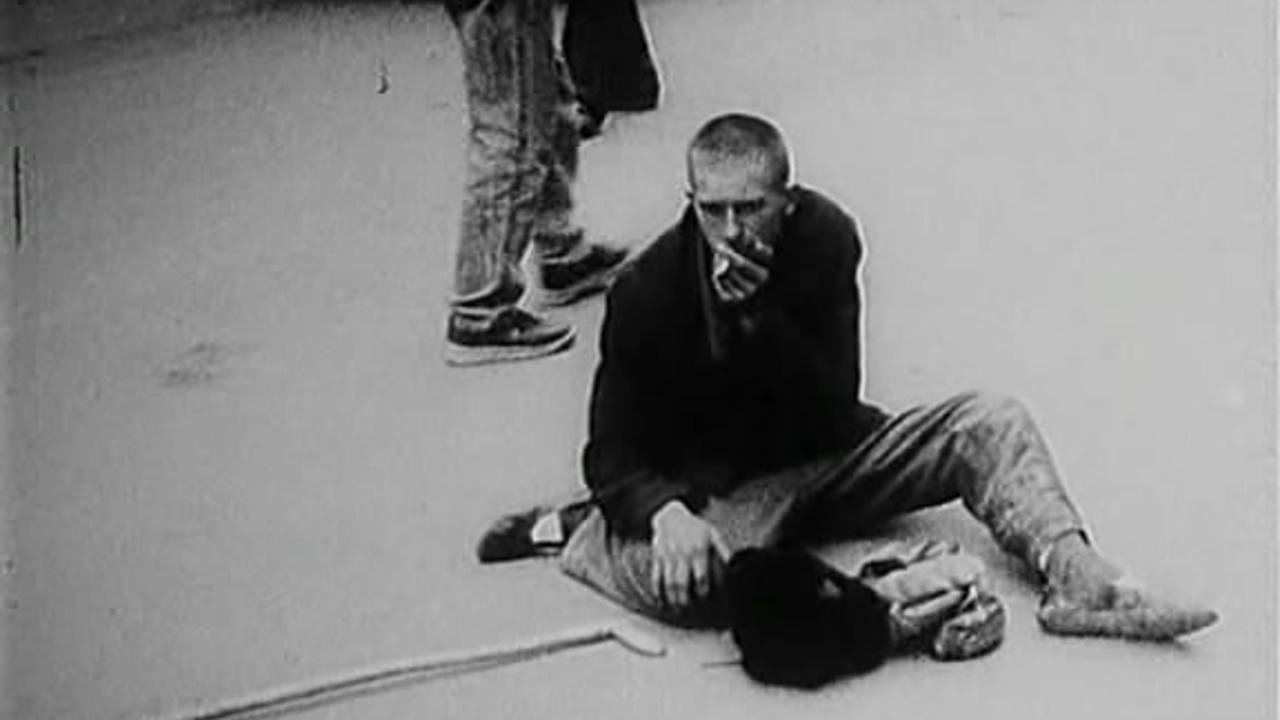
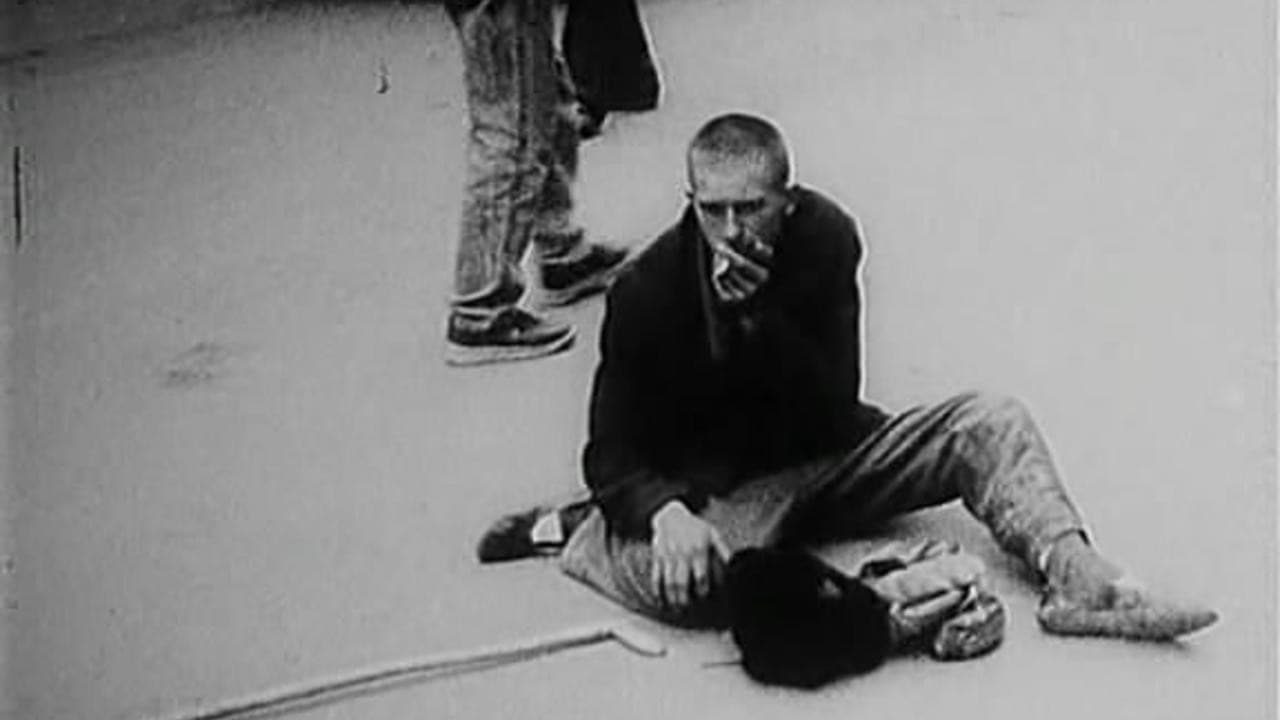
A portrait of people who live on the margins of life and exist outside normal society.
Directed by Artur Aristakisyan
parent child relationship

IMDB
N/A
Cast
Artur Aristakisyan
Narrator (voice)
Crew
Artur Aristakisyan
Director
Artur Aristakisyan
Writer
Artur Aristakisyan
Cinematography
Popular Reviews
6 reviews
adalbert
9.0★ · 04/15/26
zdecydowanie najbardziej porażający obraz świata przedstawiont na ekranie kiedykolwiek, obraz Kiszyniowa poł. Lat 90
krytyka systemu i uzaleznienia ludzi od niego, ktory po upadku pozostawia skrzywdzonych ludzi
Poczatki modelu homo sovieticus, obojetnosc na bol
powtarzajac sie przerazajacy poprzez swoja forme i swiadomosc niewyobrazalnego ludzkim umyslem cierpienia
genialna, jesli wgl mozna uzyc taliego okreslenia, forma opowiadania/przestrogi nienarodzonego syna przed zyciem i istnieniem
krytyka systemu i uzaleznienia ludzi od niego, ktory po upadku pozostawia skrzywdzonych ludzi
Poczatki modelu homo sovieticus, obojetnosc na bol
powtarzajac sie przerazajacy poprzez swoja forme i swiadomosc niewyobrazalnego ludzkim umyslem cierpienia
genialna, jesli wgl mozna uzyc taliego okreslenia, forma opowiadania/przestrogi nienarodzonego syna przed zyciem i istnieniem
zdecydowanie najbardziej porażający obraz świata przedstawiont na ekranie kiedykolwiek, obraz Kiszyniowa poł. Lat 90
krytyka systemu i uzaleznienia ludzi od niego, ktory po upadku pozostawia skrzywdzonych ludzi
Poczatki modelu homo sovieticus, obojetnosc na bol
powtarzajac sie przerazajacy poprzez swoja forme i swiadomosc niewyobrazalnego ludzkim umyslem cierpienia
genialna, jesli wgl mozna uzyc taliego okreslenia, forma opowiadania/przestrogi nienarodzonego syna przed zyciem i istnieniem
krytyka systemu i uzaleznienia ludzi od niego, ktory po upadku pozostawia skrzywdzonych ludzi
Poczatki modelu homo sovieticus, obojetnosc na bol
powtarzajac sie przerazajacy poprzez swoja forme i swiadomosc niewyobrazalnego ludzkim umyslem cierpienia
genialna, jesli wgl mozna uzyc taliego okreslenia, forma opowiadania/przestrogi nienarodzonego syna przed zyciem i istnieniem


Nick
7.0★ · 08/05/25
A Dostoevskian narration a la News From Home set among a world akin to The House is Black. It’s deeply philosophical, probing the depths of existential poverty. Director Aristakisyan embodies his impoverished through Jesus Christ, beginning with Nero’s persecution. Unlike most other Christian works, this exclusively focuses on the lowest rungs of society, where Jesus was known to frequent. Throughout the film, an unknown father narrates a letter to an unborn child he will never meet. Along the way, he espouses the experience of absolute poverty by way of introducing different “characters” in this destitute world. Each comes with a backstory and humanized tale. The film is quite expansive and continuous in its philosophical musings. It feels dense but is probably a bit too long. There is a great undeniable humanity at the heart of the film though.
A Dostoevskian narration a la News From Home set among a world akin to The House is Black. It’s deeply philosophical, probing the depths of existential poverty. Director Aristakisyan embodies his impoverished through Jesus Christ, beginning with Nero’s persecution. Unlike most other Christian works, this exclusively focuses on the lowest rungs of society, where Jesus was known to frequent. Throughout the film, an unknown father narrates a letter to an unborn child he will never meet. Along the way, he espouses the experience of absolute poverty by way of introducing different “characters” in this destitute world. Each comes with a backstory and humanized tale. The film is quite expansive and continuous in its philosophical musings. It feels dense but is probably a bit too long. There is a great undeniable humanity at the heart of the film though.
RustyMarui
9.0★ · 08/27/21
Kazuistyczny film-esej. Humanistyczno-poetycki manifest filozoficzny, odchodzący od znanych form, spojrzeń. „If you look at people through the eyes of a pauper, you'll see that their unhappiness comes from their fear of poverty, their fear of being excluded from society, while their salvation can only happen if they are excluded”.
Niełatwy, pełen autentyczności dokument o ludziach wykluczonych, czy raczej o istotności bycia wykluczonym, próbie ucieczki z systemowej pułapki. Sporo piękna wrażliwości, piękna słów – złośliwie niewinnych, bez grama niepotrzebnej ingerencji. Dies iræ.
Niełatwy, pełen autentyczności dokument o ludziach wykluczonych, czy raczej o istotności bycia wykluczonym, próbie ucieczki z systemowej pułapki. Sporo piękna wrażliwości, piękna słów – złośliwie niewinnych, bez grama niepotrzebnej ingerencji. Dies iræ.
Kazuistyczny film-esej. Humanistyczno-poetycki manifest filozoficzny, odchodzący od znanych form, spojrzeń. „If you look at people through the eyes of a pauper, you'll see that their unhappiness comes from their fear of poverty, their fear of being excluded from society, while their salvation can only happen if they are excluded”.
Niełatwy, pełen autentyczności dokument o ludziach wykluczonych, czy raczej o istotności bycia wykluczonym, próbie ucieczki z systemowej pułapki. Sporo piękna wrażliwości, piękna słów – złośliwie niewinnych, bez grama niepotrzebnej ingerencji. Dies iræ.
Niełatwy, pełen autentyczności dokument o ludziach wykluczonych, czy raczej o istotności bycia wykluczonym, próbie ucieczki z systemowej pułapki. Sporo piękna wrażliwości, piękna słów – złośliwie niewinnych, bez grama niepotrzebnej ingerencji. Dies iræ.
michael
2.3★ · 06/10/25
Sultan
6.5★ · 04/01/25