
The Heart
1955·Drama·2h
7.1
★
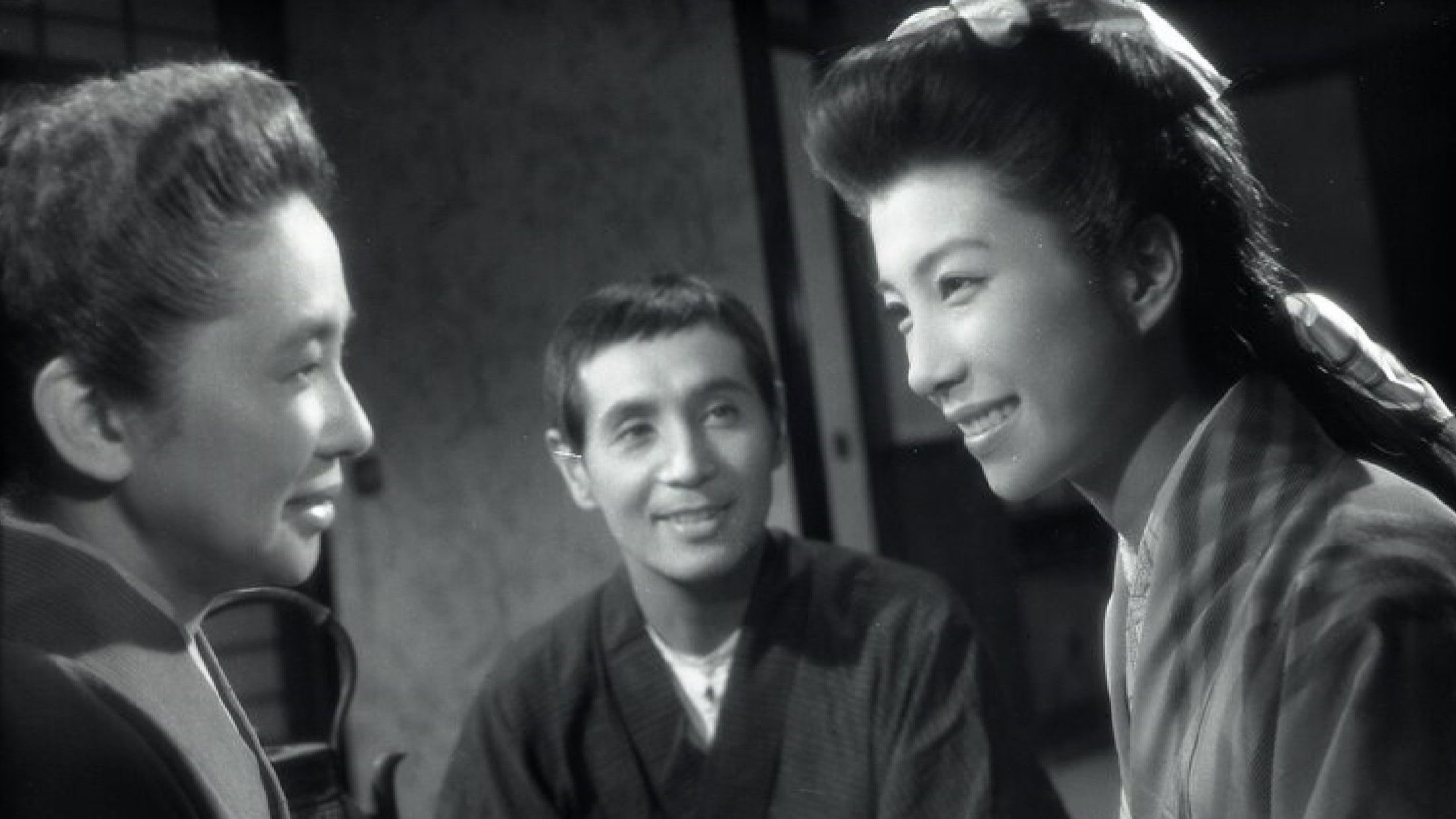
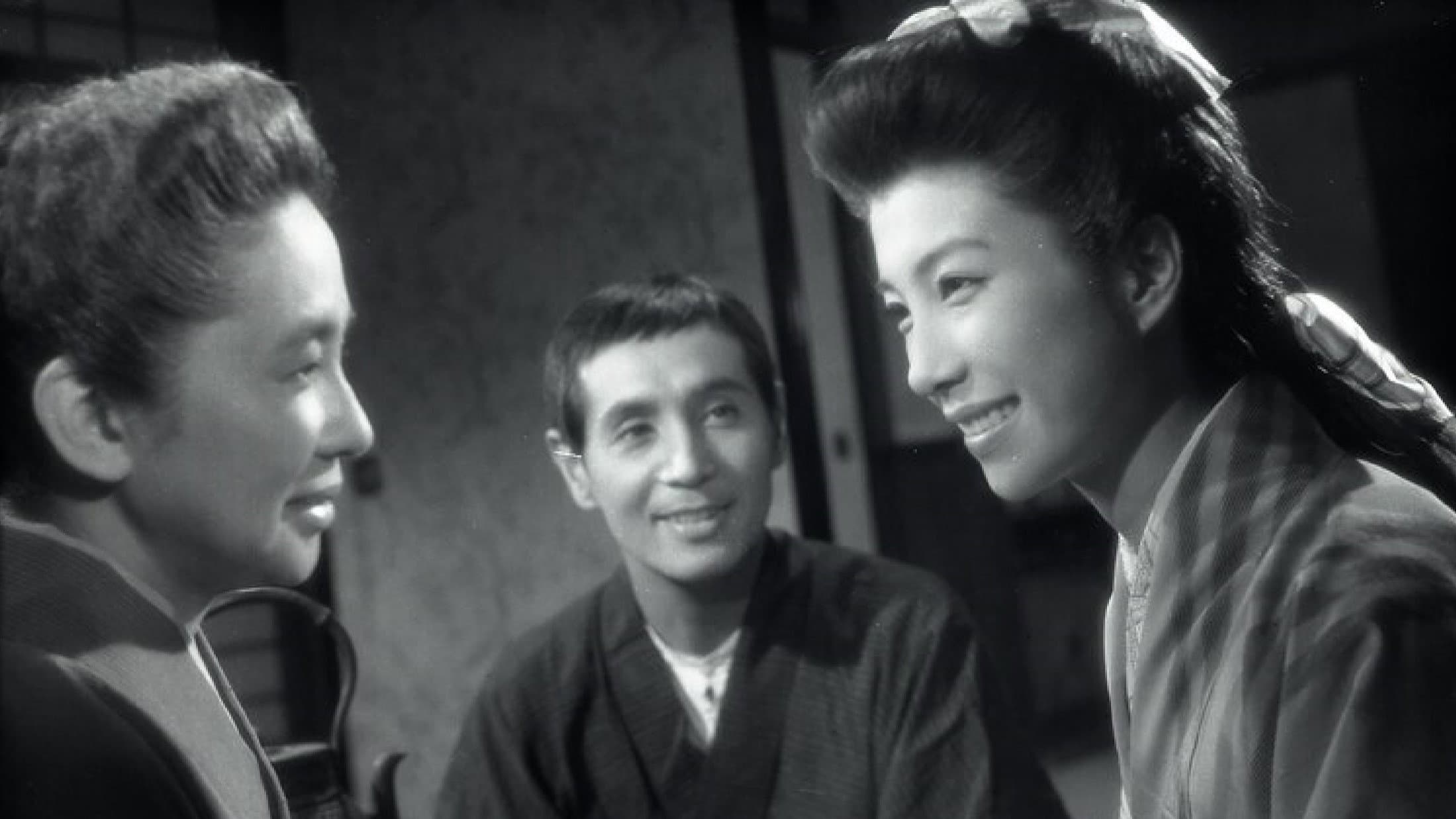
In the dying months of the Meiji era, a sympathetic student befriends a married couple, but soon realizes they share a curiously strained relationship stemming from an unknown incident in their past.
Directed by Kon Ichikawa

IMDB
N/A
Cast
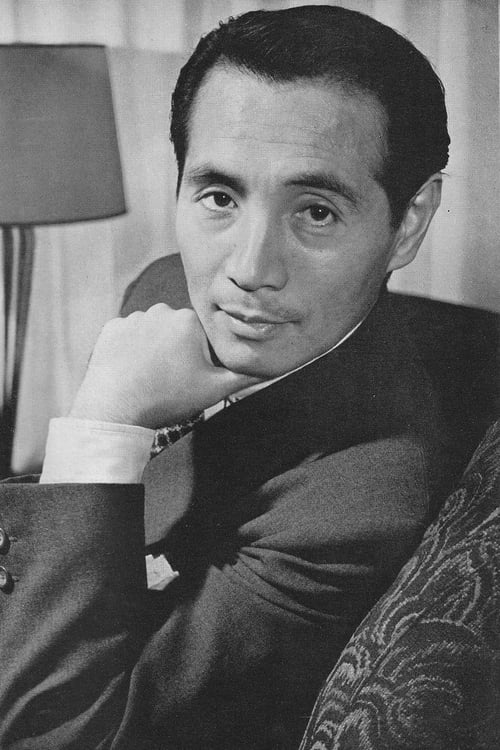
Masayuki Mori
Nobuchi
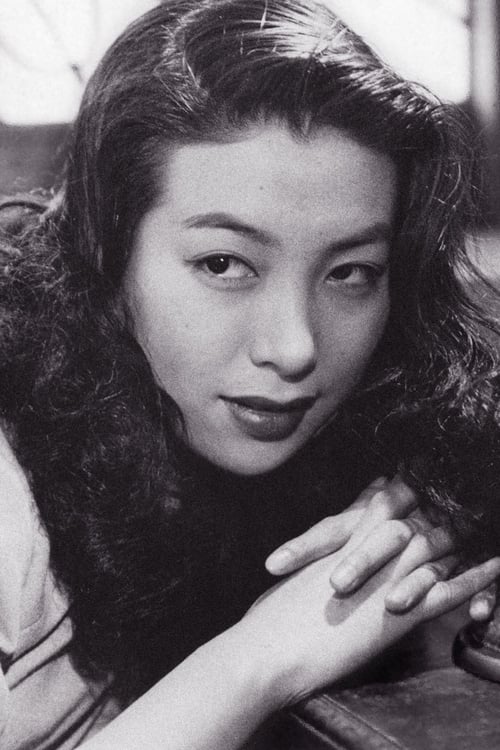
Michiyo Aratama
Shizu, Nobuchi's wife
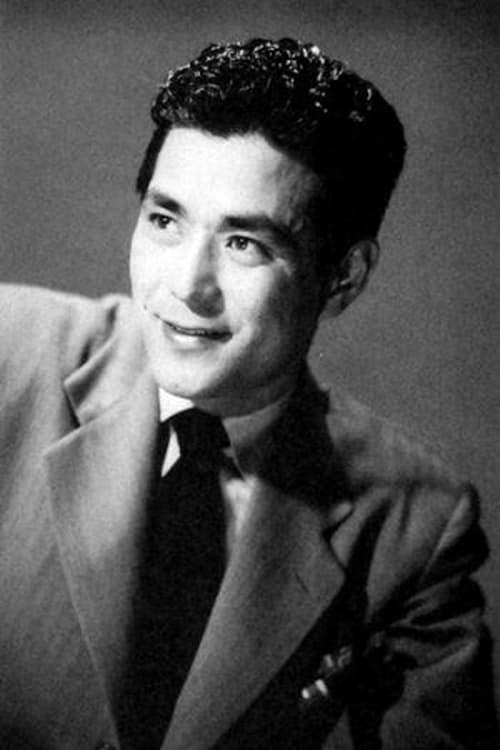
Tatsuya Mihashi
Kaji
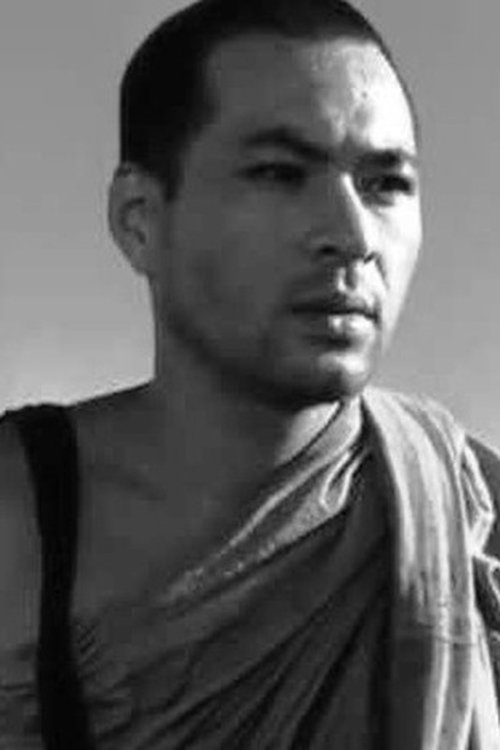
Shōji Yasui
Hioki Jiro
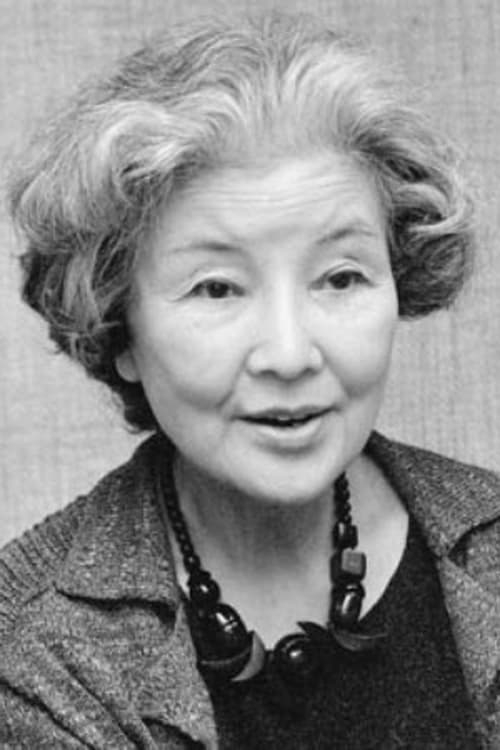
Tanie Kitabayashi
Hioki's mother
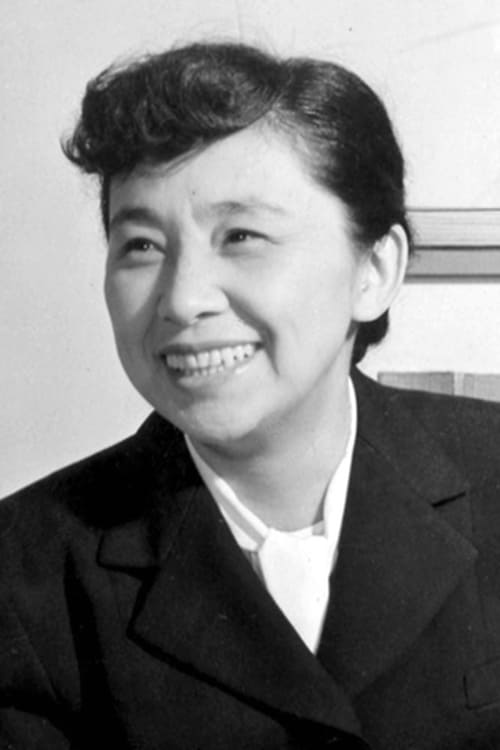
Akiko Tamura
Shizu's mother
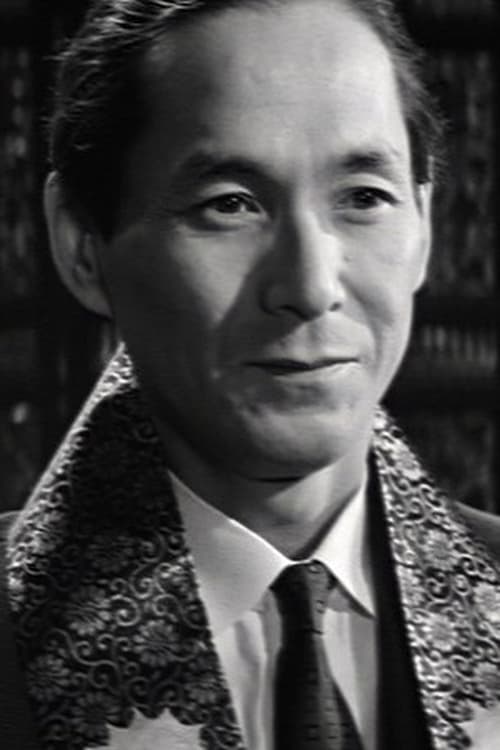
Tsutomu Shimomoto
Hioki's elder brother
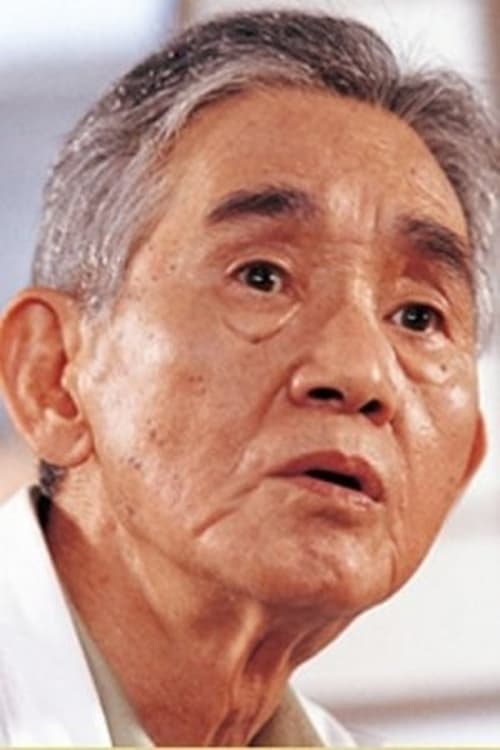
Masami Shimojō
Employment agent
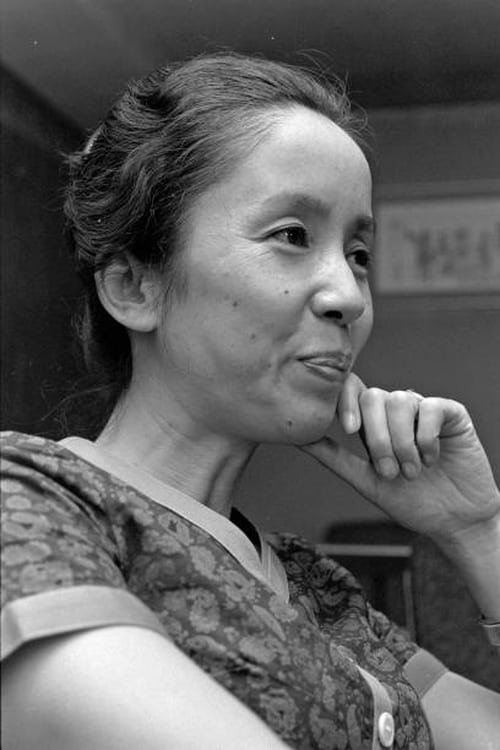
Tomoko Naraoka
Kume, the maid
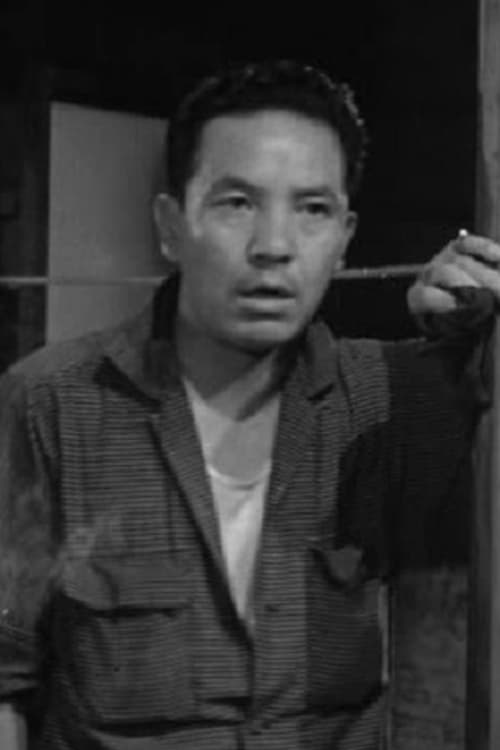
Zenji Yamada
Nobuchi's uncle
Nobuo Kawakami
Undertaker
Crew
Kon Ichikawa
Director
Yasushi Akutagawa
Original Music Composer

Natsume Sōseki
Novel
Toshio Masuda
Assistant Director
Popular Reviews
1 review
Yuko ImadaPRO
9.0★ · 11/10/24
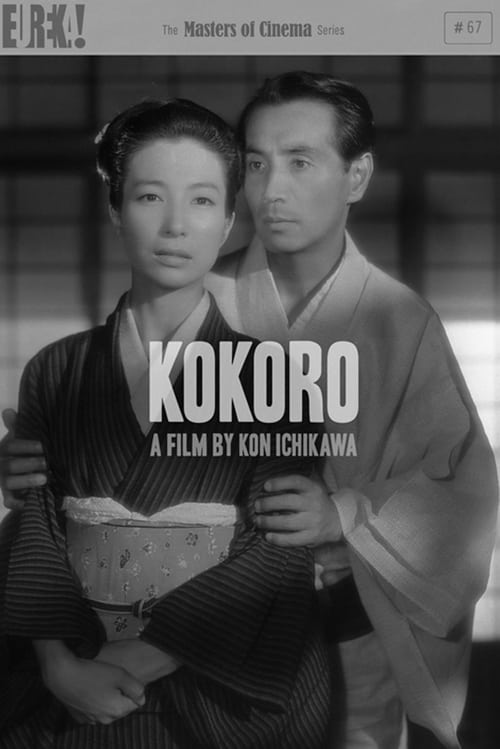
Kon Ichikawa’s Kokoro (1955) is a visually rich, quietly haunting adaptation that embodies the essence of Natsume Soseki’s novel with its reflective, somber tone. Rather than leaning on overt drama, Ichikawa constructs the story around silences, unspoken regrets, and the weight of loneliness, crafting a deeply introspective viewing experience. Every frame feels intentional, carrying the melancholic air that permeates Sensei’s life, and Ichikawa uses space, shadows, and muted colors to bring out the story’s themes of isolation and moral conflict.
Ichikawa’s choice to adapt Kokoro at a slow, meditative pace allows the film to truly linger on the inner worlds of its characters. There’s a deliberate patience in the storytelling, which mirrors Sensei’s own contemplative nature. The atmosphere is heavy, the cinematography often somber, with scenes bathed in soft, dim light that reflects the inner shadows Sensei carries. The scenes are set up almost like a series of still-life paintings, where each setting—a quiet garden, a shadowy room—tells its own part of the story. This attention to visual and atmospheric detail brings the novel’s internalized themes to life in a way that’s accessible without needing much dialogue.
The film is also a reflection of the historical and cultural context of the time, capturing the tension between Japan’s traditional values and its transition into modernity. While this context isn’t explicitly addressed, it’s woven into the film’s core through Sensei’s personal struggle and his disconnectedness from the world around him. It’s this sense of disorientation, of a person who no longer feels anchored, that Ichikawa emphasizes with sensitivity and restraint, showing how personal and societal changes can leave people feeling stranded in their own lives.
Music in Kokoro plays a subtle yet impactful role, accentuating moments of silence and contemplation without overpowering them. The score, like the rest of the film, is understated, almost as if it’s whispering rather than speaking. This complements Ichikawa’s careful focus on atmosphere, with the music amplifying the sense of unspoken longing and unresolved tension that define Sensei’s life.
The final revelation of Sensei’s past brings a quiet catharsis, one that feels earned through the film’s slow buildup. Ichikawa doesn’t rush this moment but lets it settle, allowing viewers to fully absorb the emotional weight of Sensei’s guilt and the haunting legacy it leaves. It’s not just a confession but an unburdening, a final opening of a heart that has been shut for years.
In the end, Kokoro isn’t merely a story about characters but about the universal human experience of loneliness, regret, and the yearning for connection. It’s a film that encourages viewers to reflect on their own lives, on the parts of themselves they may keep hidden, and on the weight of the heart’s secrets. Ichikawa’s Kokoro resonates deeply, leaving behind an emotional footprint that lingers long after the screen fades to black.
With all of this said, go read the book!
Ichikawa’s choice to adapt Kokoro at a slow, meditative pace allows the film to truly linger on the inner worlds of its characters. There’s a deliberate patience in the storytelling, which mirrors Sensei’s own contemplative nature. The atmosphere is heavy, the cinematography often somber, with scenes bathed in soft, dim light that reflects the inner shadows Sensei carries. The scenes are set up almost like a series of still-life paintings, where each setting—a quiet garden, a shadowy room—tells its own part of the story. This attention to visual and atmospheric detail brings the novel’s internalized themes to life in a way that’s accessible without needing much dialogue.
The film is also a reflection of the historical and cultural context of the time, capturing the tension between Japan’s traditional values and its transition into modernity. While this context isn’t explicitly addressed, it’s woven into the film’s core through Sensei’s personal struggle and his disconnectedness from the world around him. It’s this sense of disorientation, of a person who no longer feels anchored, that Ichikawa emphasizes with sensitivity and restraint, showing how personal and societal changes can leave people feeling stranded in their own lives.
Music in Kokoro plays a subtle yet impactful role, accentuating moments of silence and contemplation without overpowering them. The score, like the rest of the film, is understated, almost as if it’s whispering rather than speaking. This complements Ichikawa’s careful focus on atmosphere, with the music amplifying the sense of unspoken longing and unresolved tension that define Sensei’s life.
The final revelation of Sensei’s past brings a quiet catharsis, one that feels earned through the film’s slow buildup. Ichikawa doesn’t rush this moment but lets it settle, allowing viewers to fully absorb the emotional weight of Sensei’s guilt and the haunting legacy it leaves. It’s not just a confession but an unburdening, a final opening of a heart that has been shut for years.
In the end, Kokoro isn’t merely a story about characters but about the universal human experience of loneliness, regret, and the yearning for connection. It’s a film that encourages viewers to reflect on their own lives, on the parts of themselves they may keep hidden, and on the weight of the heart’s secrets. Ichikawa’s Kokoro resonates deeply, leaving behind an emotional footprint that lingers long after the screen fades to black.
With all of this said, go read the book!
Kon Ichikawa’s Kokoro (1955) is a visually rich, quietly haunting adaptation that embodies the essence of Natsume Soseki’s novel with its reflective, somber tone. Rather than leaning on overt drama, Ichikawa constructs the story around silences, unspoken regrets, and the weight of loneliness, crafting a deeply introspective viewing experience. Every frame feels intentional, carrying the melancholic air that permeates Sensei’s life, and Ichikawa uses space, shadows, and muted colors to bring out the story’s themes of isolation and moral conflict.
Ichikawa’s choice to adapt Kokoro at a slow, meditative pace allows the film to truly linger on the inner worlds of its characters. There’s a deliberate patience in the storytelling, which mirrors Sensei’s own contemplative nature. The atmosphere is heavy, the cinematography often somber, with scenes bathed in soft, dim light that reflects the inner shadows Sensei carries. The scenes are set up almost like a series of still-life paintings, where each setting—a quiet garden, a shadowy room—tells its own part of the story. This attention to visual and atmospheric detail brings the novel’s internalized themes to life in a way that’s accessible without needing much dialogue.
The film is also a reflection of the historical and cultural context of the time, capturing the tension between Japan’s traditional values and its transition into modernity. While this context isn’t explicitly addressed, it’s woven into the film’s core through Sensei’s personal struggle and his disconnectedness from the world around him. It’s this sense of disorientation, of a person who no longer feels anchored, that Ichikawa emphasizes with sensitivity and restraint, showing how personal and societal changes can leave people feeling stranded in their own lives.
Music in Kokoro plays a subtle yet impactful role, accentuating moments of silence and contemplation without overpowering them. The score, like the rest of the film, is understated, almost as if it’s whispering rather than speaking. This complements Ichikawa’s careful focus on atmosphere, with the music amplifying the sense of unspoken longing and unresolved tension that define Sensei’s life.
The final revelation of Sensei’s past brings a quiet catharsis, one that feels earned through the film’s slow buildup. Ichikawa doesn’t rush this moment but lets it settle, allowing viewers to fully absorb the emotional weight of Sensei’s guilt and the haunting legacy it leaves. It’s not just a confession but an unburdening, a final opening of a heart that has been shut for years.
In the end, Kokoro isn’t merely a story about characters but about the universal human experience of loneliness, regret, and the yearning for connection. It’s a film that encourages viewers to reflect on their own lives, on the parts of themselves they may keep hidden, and on the weight of the heart’s secrets. Ichikawa’s Kokoro resonates deeply, leaving behind an emotional footprint that lingers long after the screen fades to black.
With all of this said, go read the book!
Ichikawa’s choice to adapt Kokoro at a slow, meditative pace allows the film to truly linger on the inner worlds of its characters. There’s a deliberate patience in the storytelling, which mirrors Sensei’s own contemplative nature. The atmosphere is heavy, the cinematography often somber, with scenes bathed in soft, dim light that reflects the inner shadows Sensei carries. The scenes are set up almost like a series of still-life paintings, where each setting—a quiet garden, a shadowy room—tells its own part of the story. This attention to visual and atmospheric detail brings the novel’s internalized themes to life in a way that’s accessible without needing much dialogue.
The film is also a reflection of the historical and cultural context of the time, capturing the tension between Japan’s traditional values and its transition into modernity. While this context isn’t explicitly addressed, it’s woven into the film’s core through Sensei’s personal struggle and his disconnectedness from the world around him. It’s this sense of disorientation, of a person who no longer feels anchored, that Ichikawa emphasizes with sensitivity and restraint, showing how personal and societal changes can leave people feeling stranded in their own lives.
Music in Kokoro plays a subtle yet impactful role, accentuating moments of silence and contemplation without overpowering them. The score, like the rest of the film, is understated, almost as if it’s whispering rather than speaking. This complements Ichikawa’s careful focus on atmosphere, with the music amplifying the sense of unspoken longing and unresolved tension that define Sensei’s life.
The final revelation of Sensei’s past brings a quiet catharsis, one that feels earned through the film’s slow buildup. Ichikawa doesn’t rush this moment but lets it settle, allowing viewers to fully absorb the emotional weight of Sensei’s guilt and the haunting legacy it leaves. It’s not just a confession but an unburdening, a final opening of a heart that has been shut for years.
In the end, Kokoro isn’t merely a story about characters but about the universal human experience of loneliness, regret, and the yearning for connection. It’s a film that encourages viewers to reflect on their own lives, on the parts of themselves they may keep hidden, and on the weight of the heart’s secrets. Ichikawa’s Kokoro resonates deeply, leaving behind an emotional footprint that lingers long after the screen fades to black.
With all of this said, go read the book!

