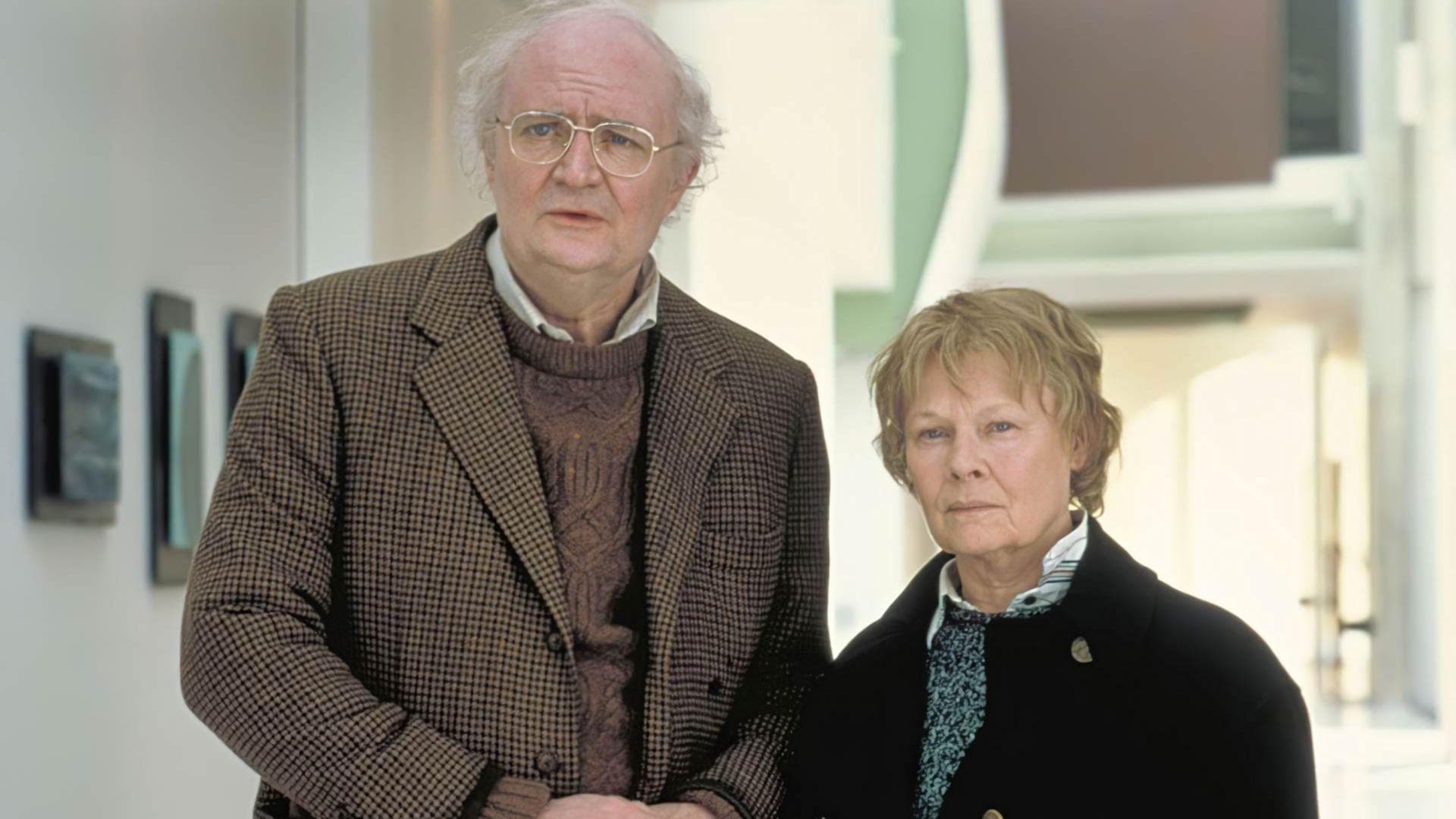
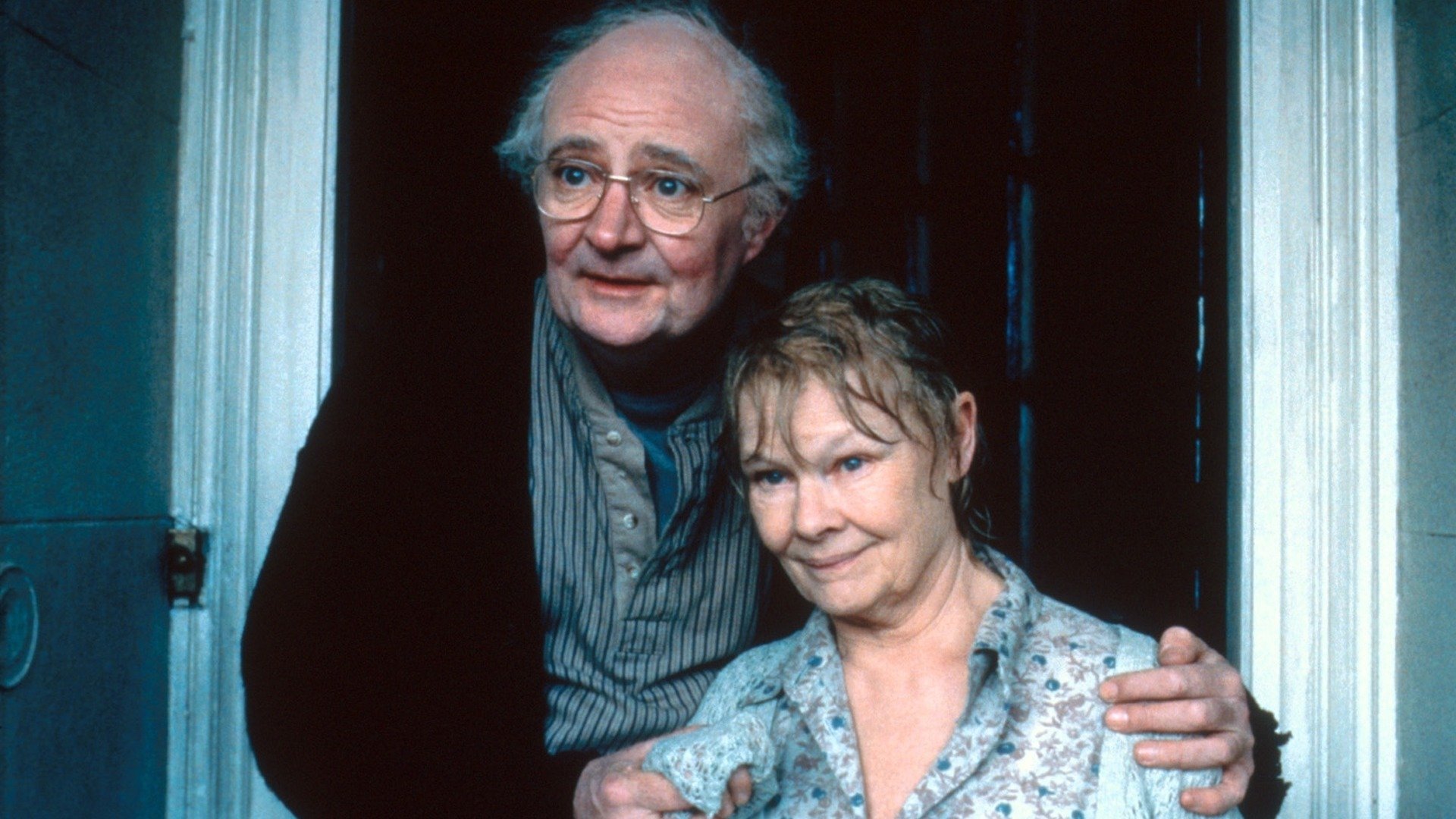
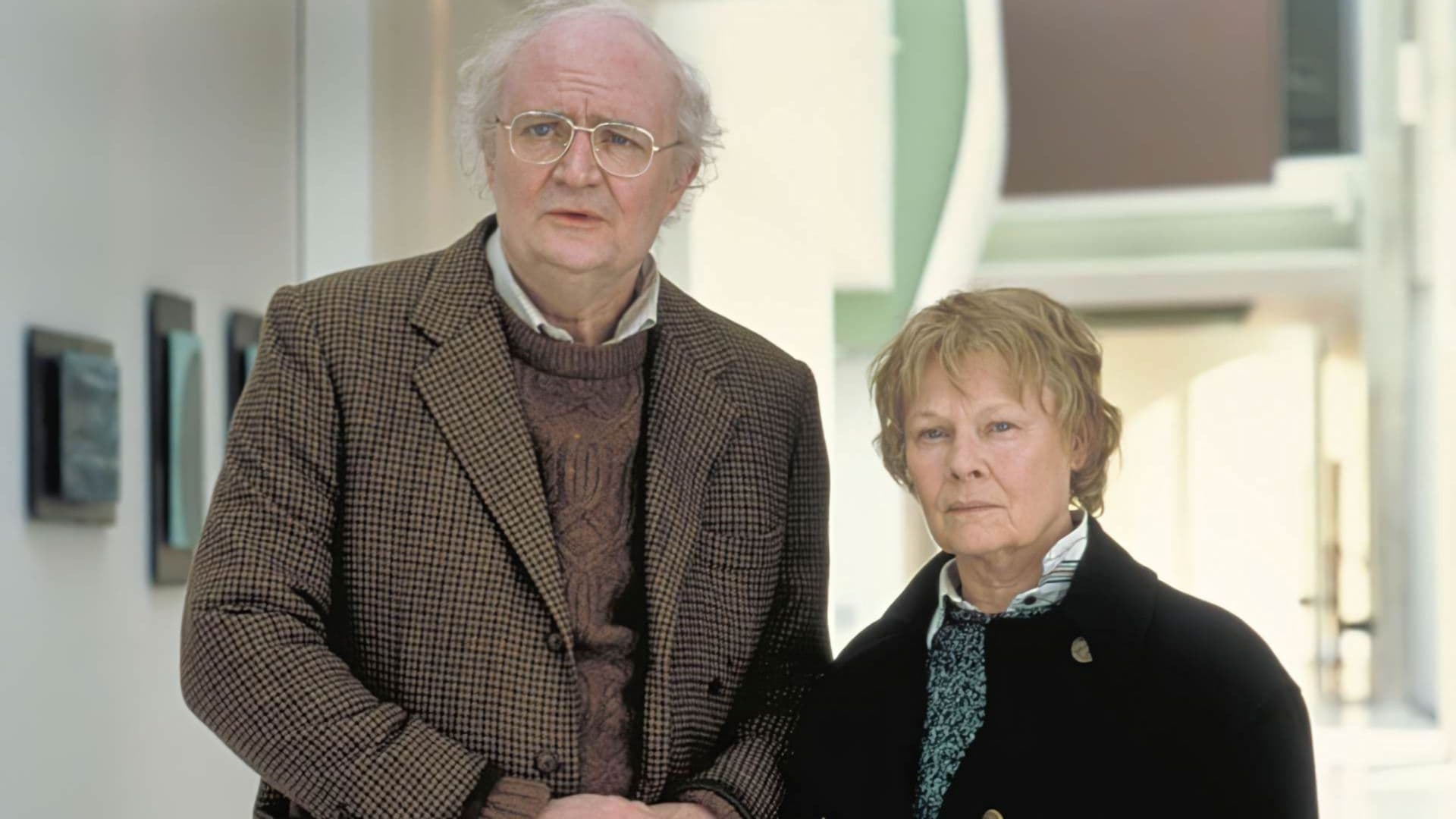
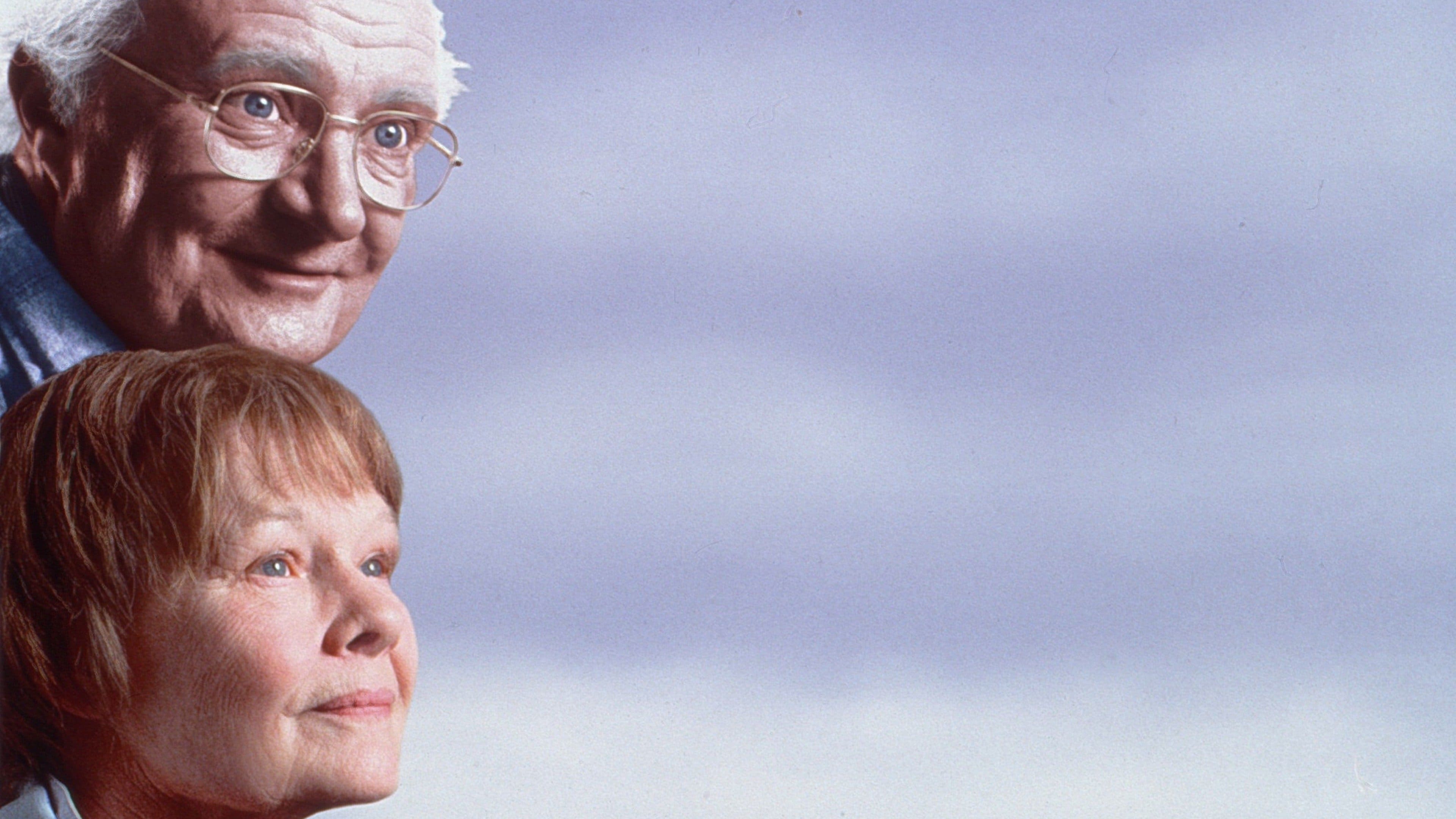
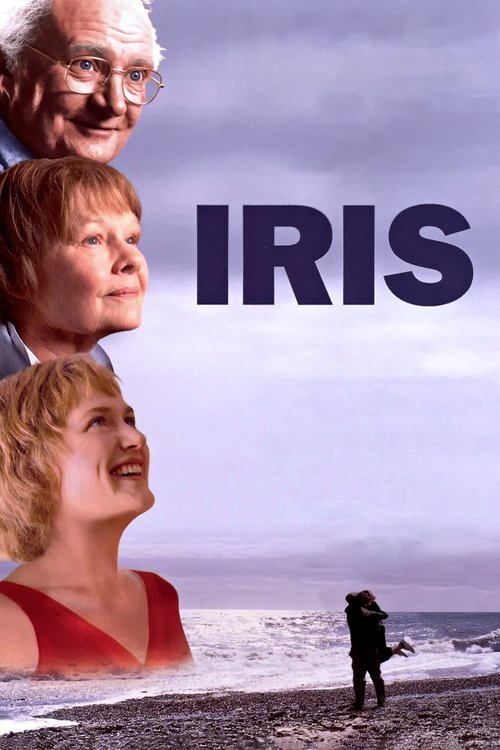
Watching this film, I felt myself drawn into its quiet intensity, the way it refuses to turn away from the fragility of memory and the devastation of watching someone you love slowly slip away. What struck me most was how personal it felt—not just as a biopic of Iris Murdoch, but as an intimate portrait of the lives entangled with hers. The tenderness between Iris and John carries the story, and I couldn’t help but feel that ache in my chest as I watched their relationship shift from playful intellectual sparring to heartbreaking caretaking.
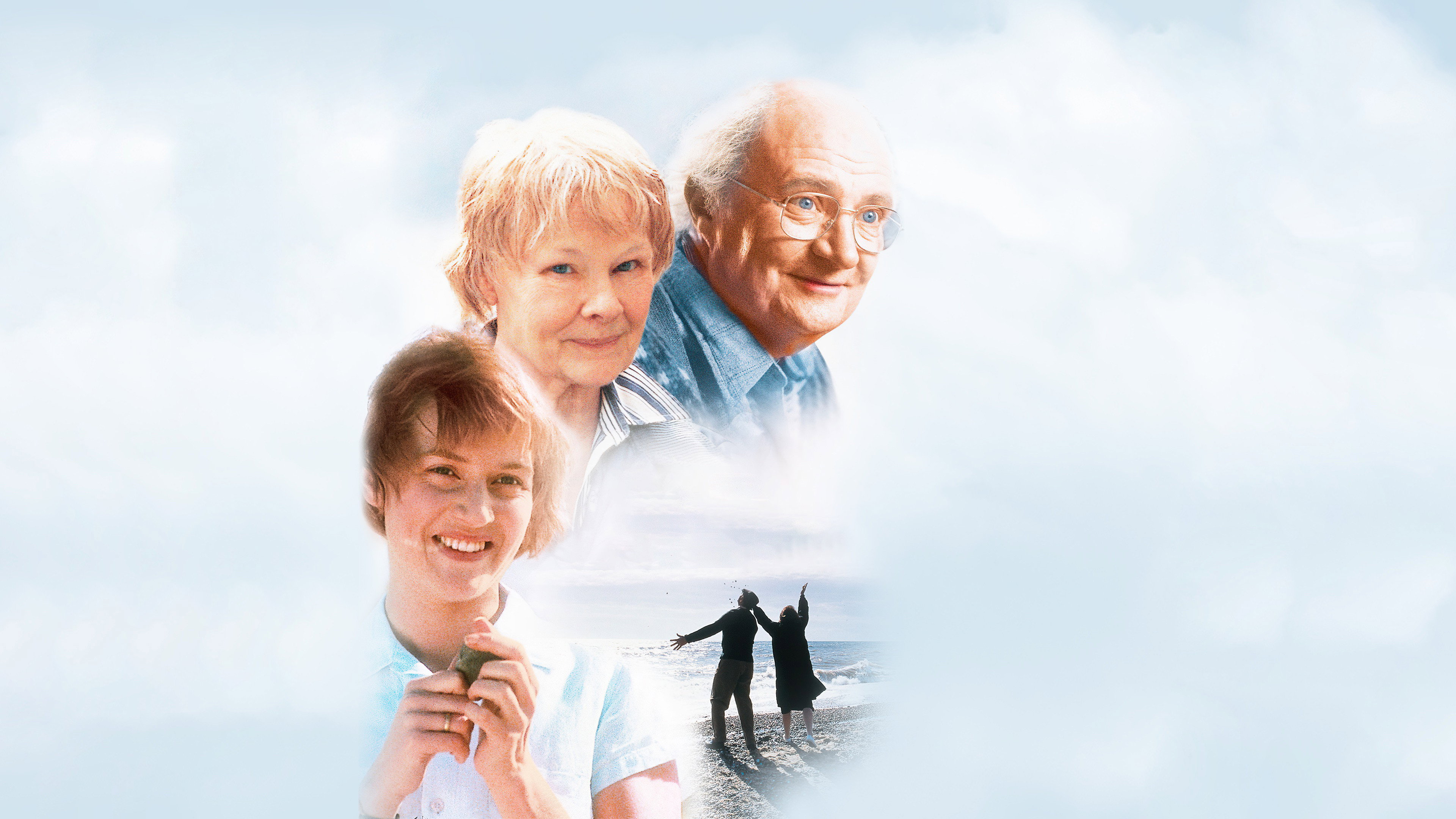
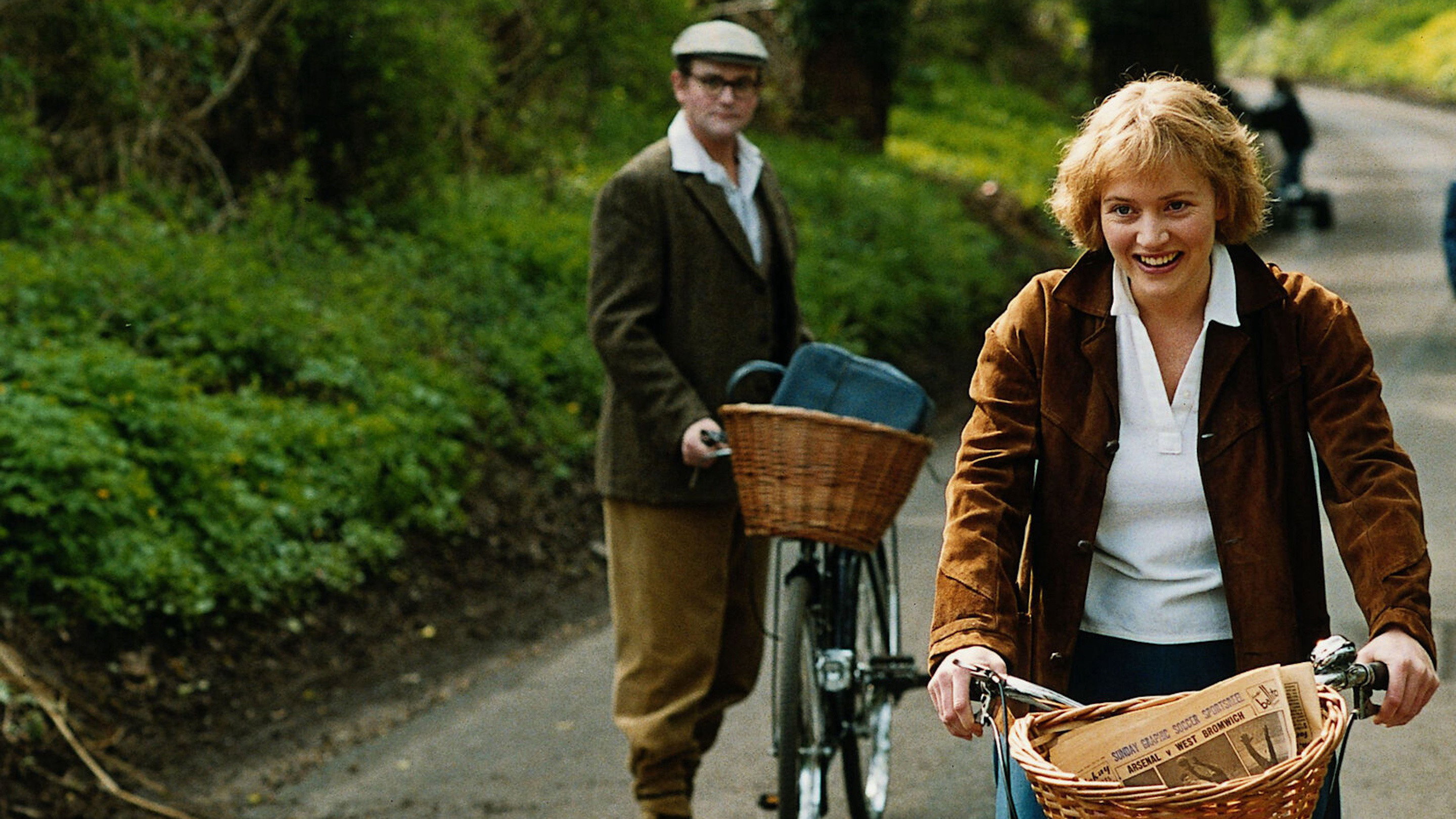
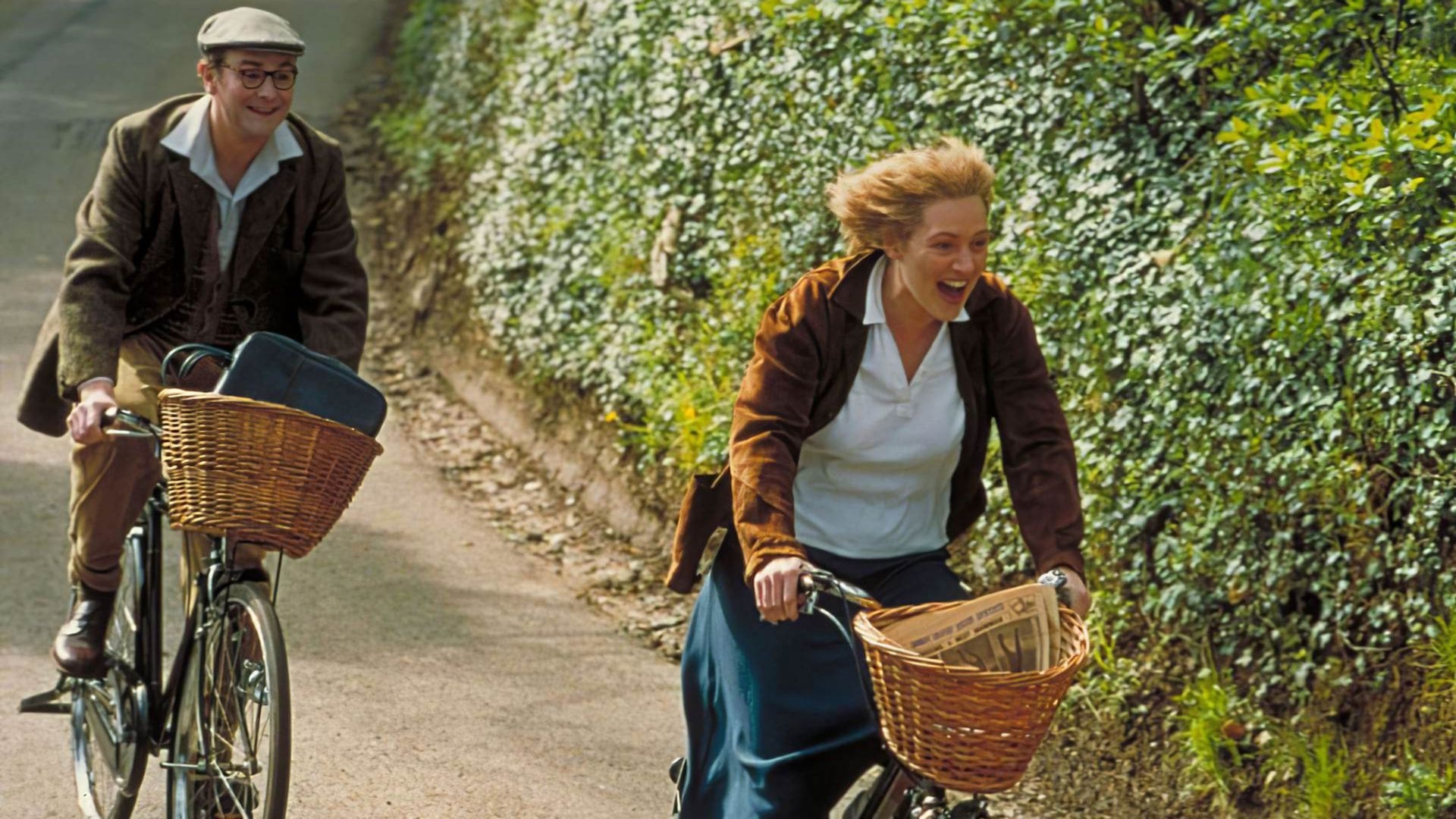
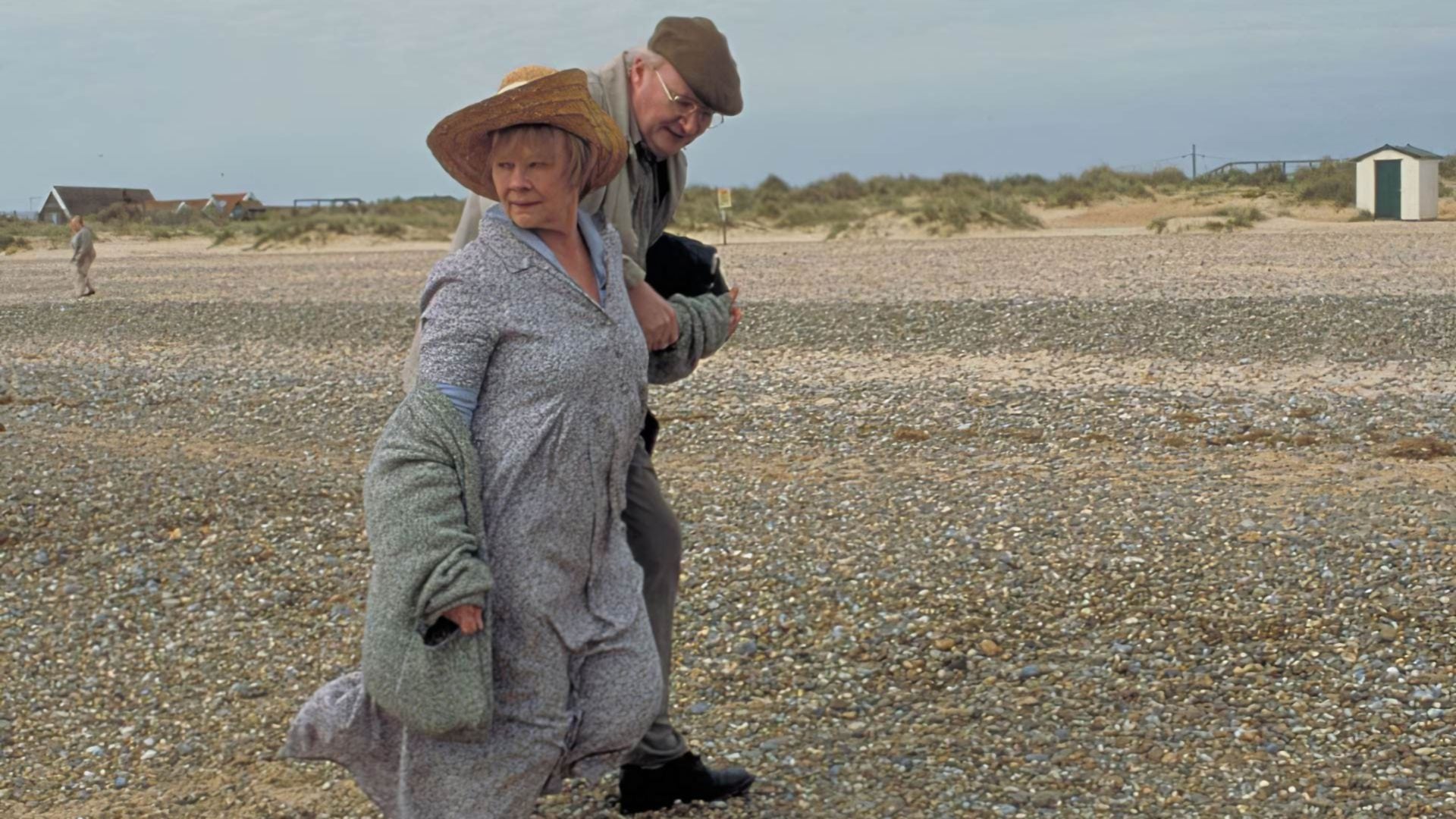
I found myself particularly absorbed by the dual performances—the younger Iris, full of wit, life, and curiosity, contrasted with the older Iris, whose brilliance is fading. The juxtaposition made me think about how memory defines identity, and how terrifying it must be to feel that identity slowly unravel. I couldn’t shake the thought that in many ways, the movie wasn’t just about Iris but also about John’s journey—his patience, his fear, and his devotion in the face of unimaginable loss.
The film’s pacing is deliberate, and I appreciated how it mirrored the gradual unraveling of memory itself. At times, I did feel like certain moments were stretched thin, but I realized that this slowness forced me to sit with the discomfort and not rush past it. That choice made the emotional core hit harder for me.
Ultimately, I walked away from Iris not so much devastated as quietly shaken. It’s a reminder of the impermanence of intellect and passion, and of the strength it takes to love someone through decline. For me, it was less about Iris as the celebrated writer and more about the shared vulnerability between two people, which is why it stayed with me long after the credits rolled.
Watching this film, I felt myself drawn into its quiet intensity, the way it refuses to turn away from the fragility of memory and the devastation of watching someone you love slowly slip away. What struck me most was how personal it felt—not just as a biopic of Iris Murdoch, but as an intimate portrait of the lives entangled with hers. The tenderness between Iris and John carries the story, and I couldn’t help but feel that ache in my chest as I watched their relationship shift from playful intellectual sparring to heartbreaking caretaking.
I found myself particularly absorbed by the dual performances—the younger Iris, full of wit, life, and curiosity, contrasted with the older Iris, whose brilliance is fading. The juxtaposition made me think about how memory defines identity, and how terrifying it must be to feel that identity slowly unravel. I couldn’t shake the thought that in many ways, the movie wasn’t just about Iris but also about John’s journey—his patience, his fear, and his devotion in the face of unimaginable loss.
The film’s pacing is deliberate, and I appreciated how it mirrored the gradual unraveling of memory itself. At times, I did feel like certain moments were stretched thin, but I realized that this slowness forced me to sit with the discomfort and not rush past it. That choice made the emotional core hit harder for me.
Ultimately, I walked away from Iris not so much devastated as quietly shaken. It’s a reminder of the impermanence of intellect and passion, and of the strength it takes to love someone through decline. For me, it was less about Iris as the celebrated writer and more about the shared vulnerability between two people, which is why it stayed with me long after the credits rolled.