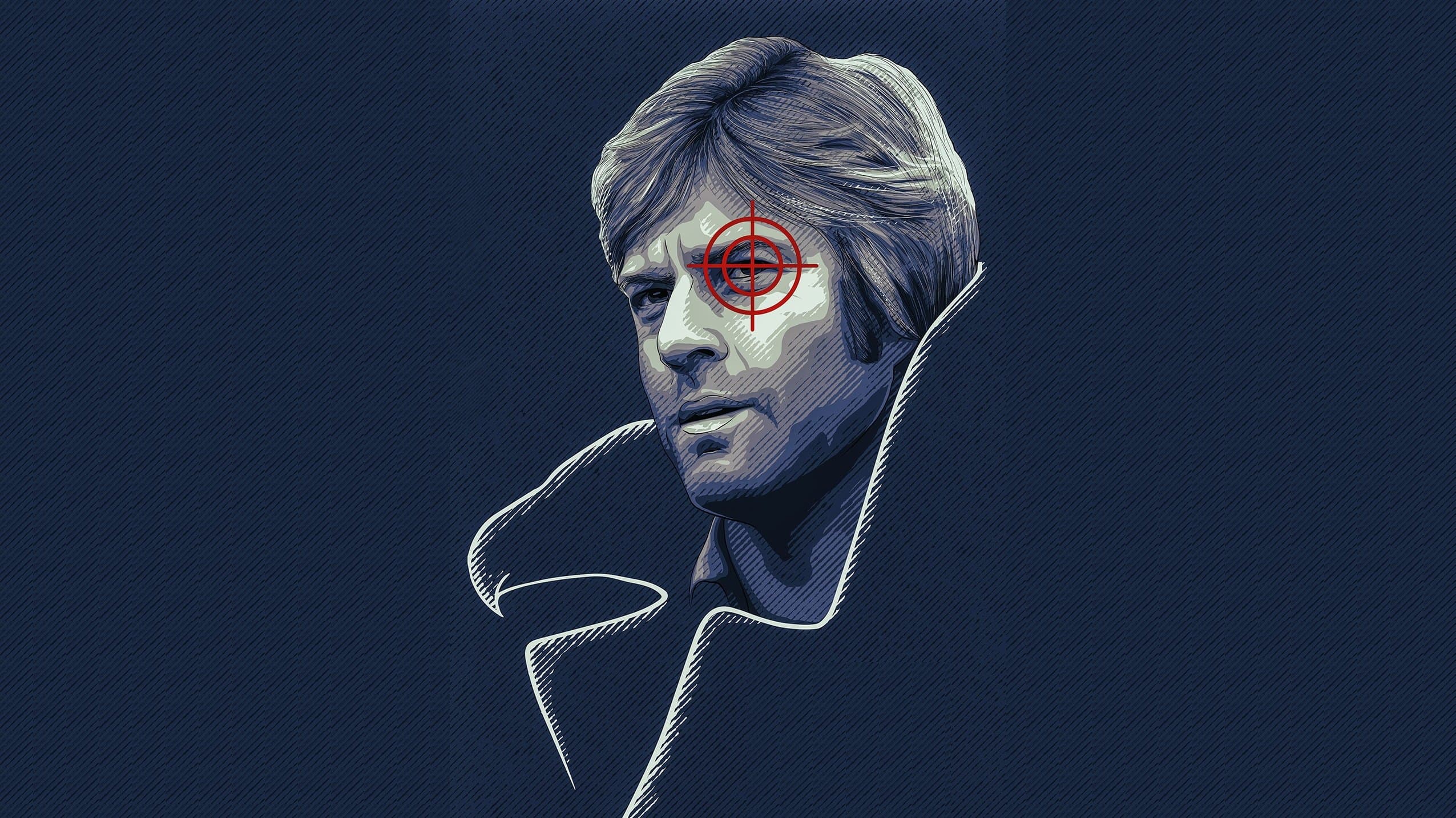
“you can always depend on the ol’ spyfucker”
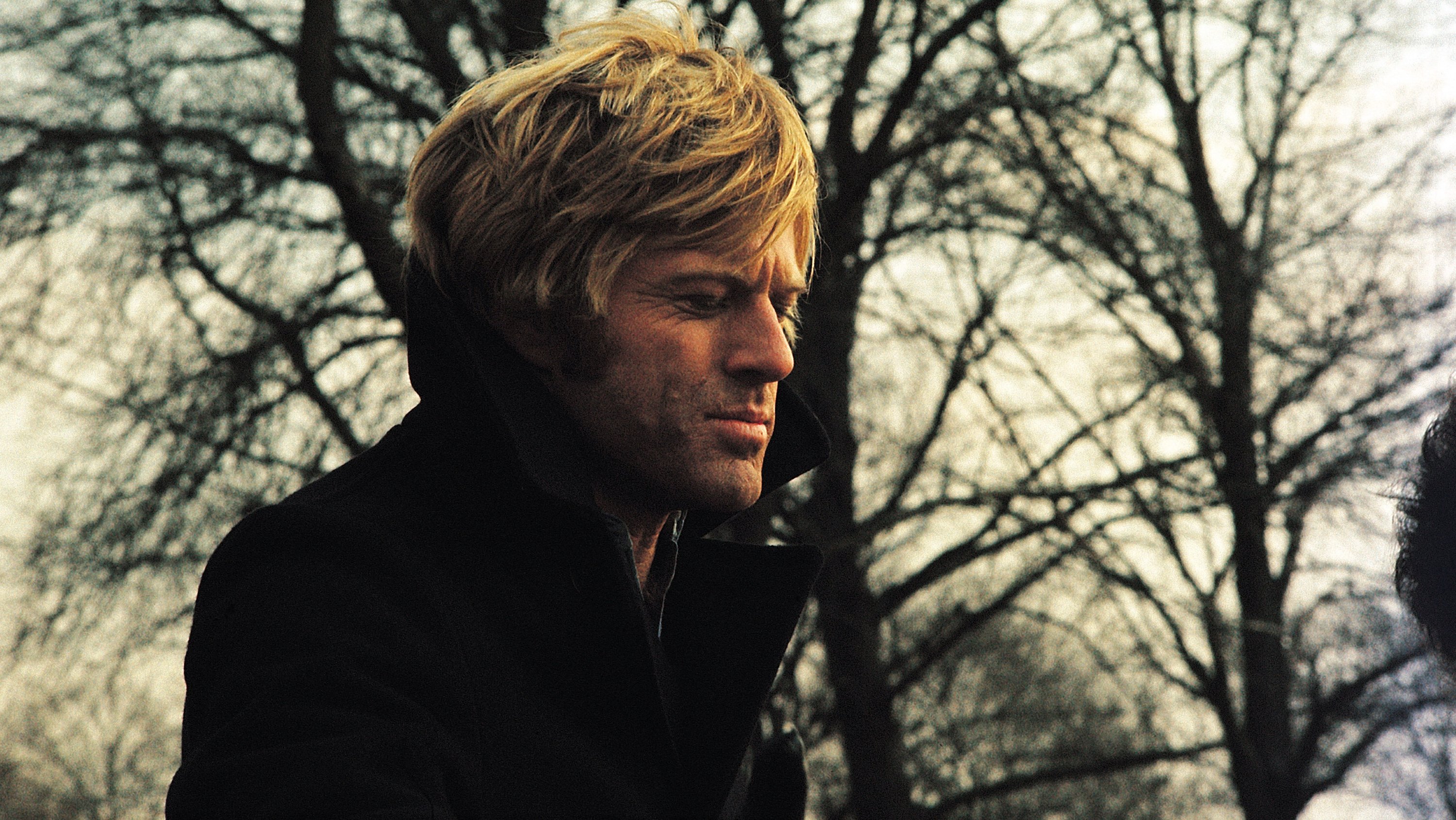
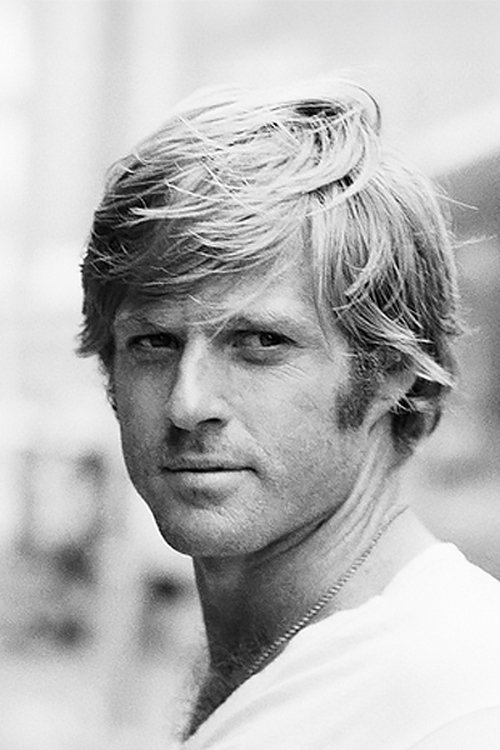
**I preface my following thoughts w/ the fact that I love Robert Redford, spy movies, & the 70s so there is an incredible amount of bias at play here.
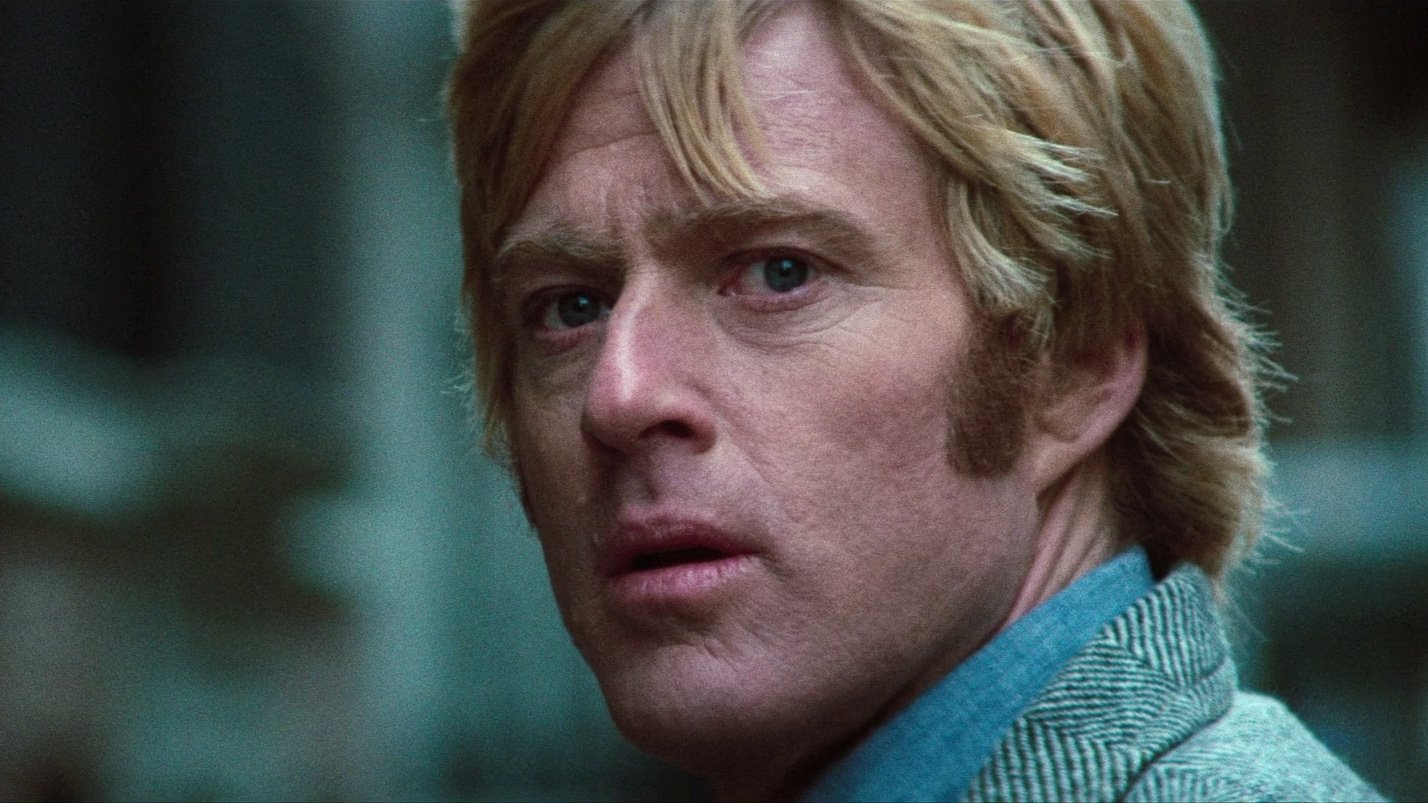
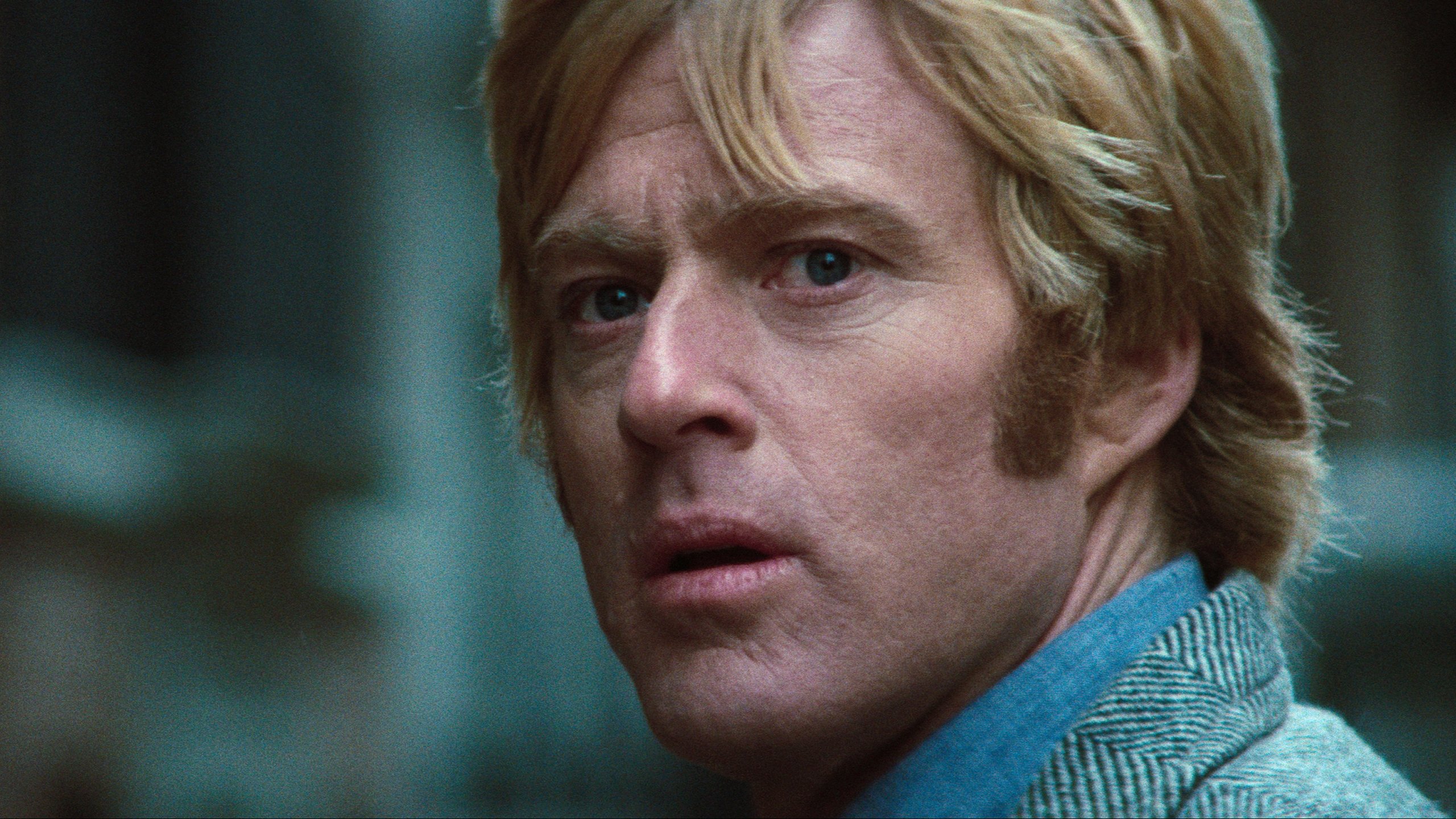
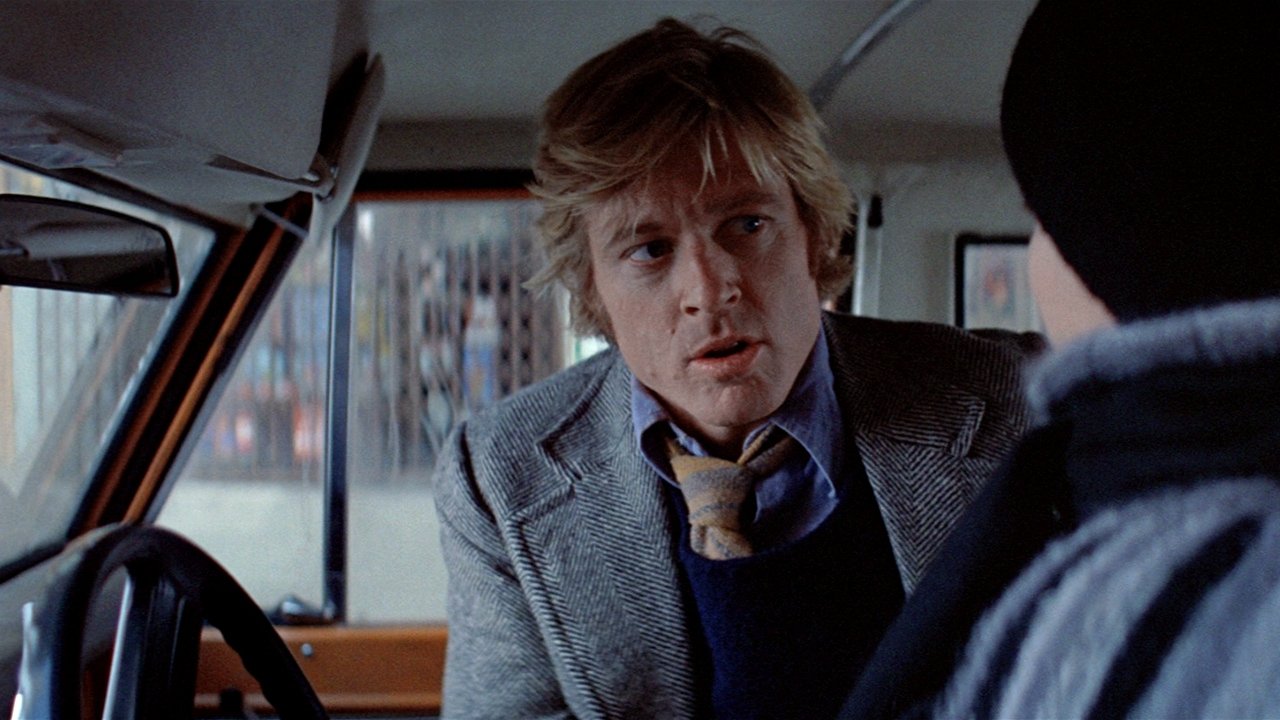
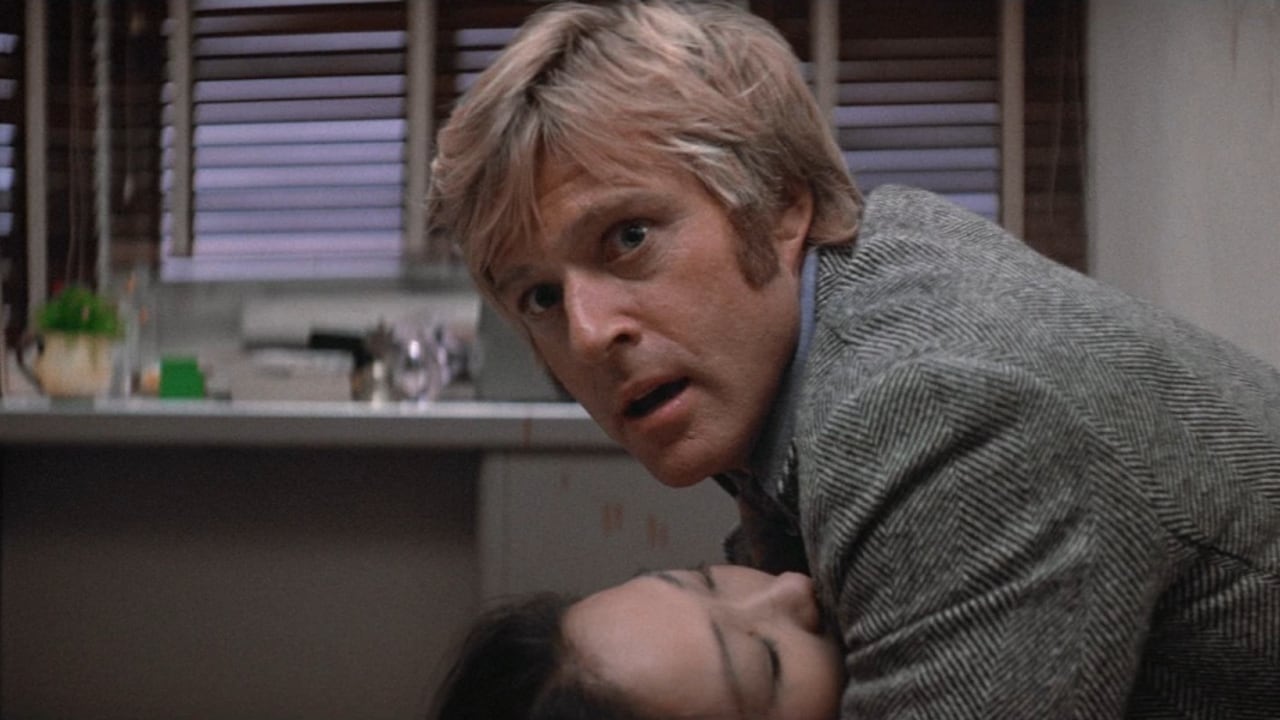
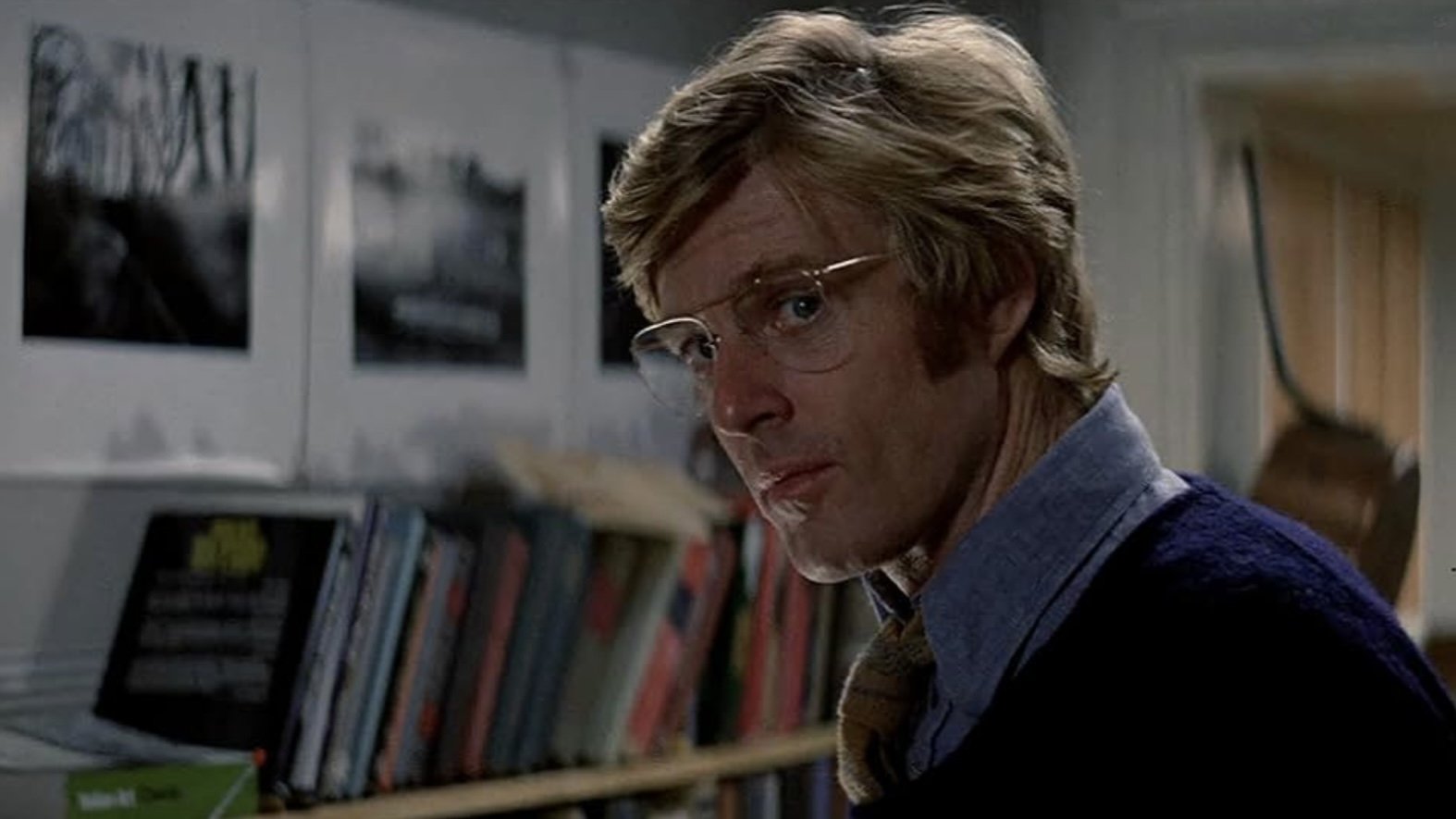
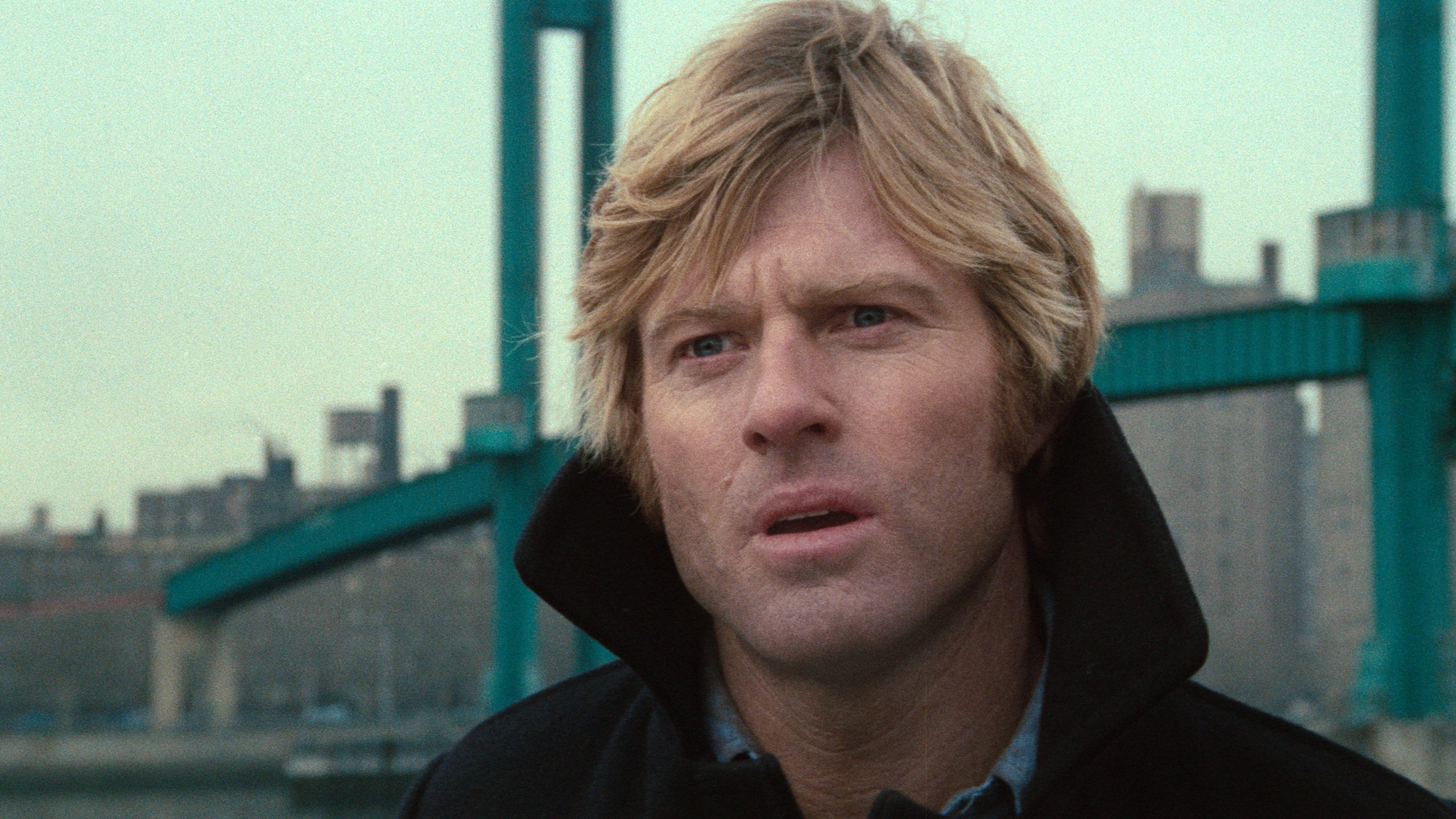
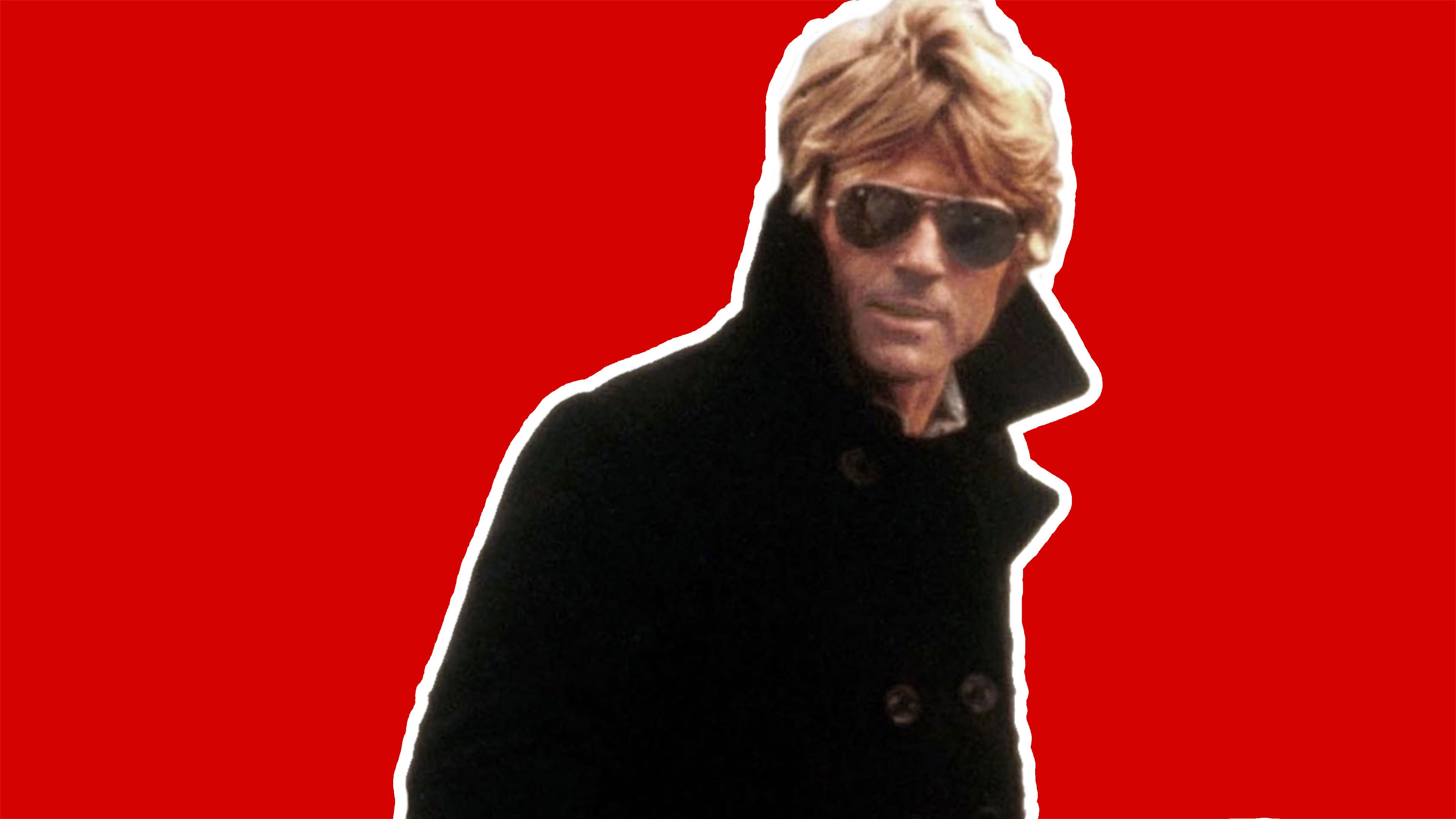
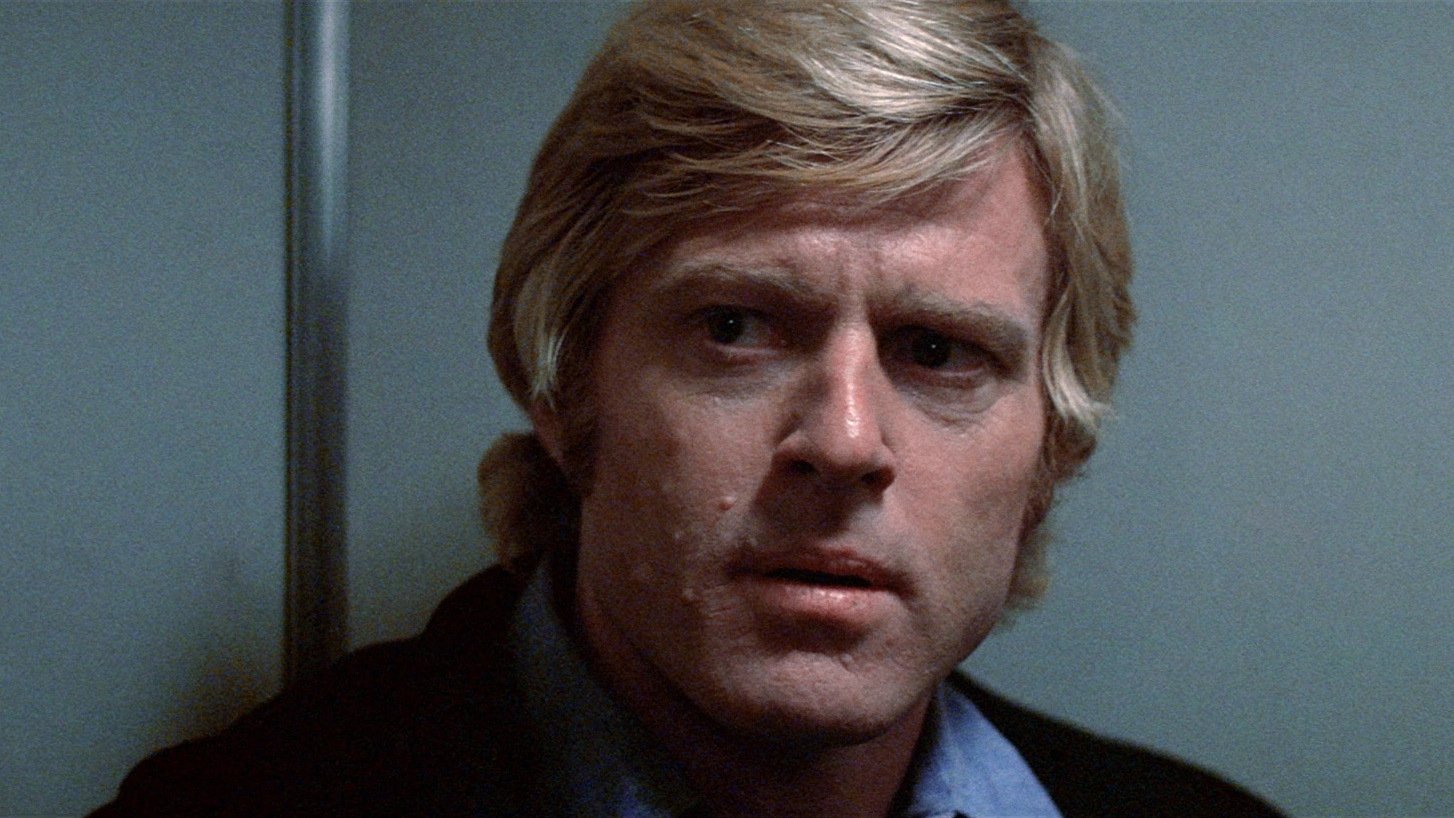
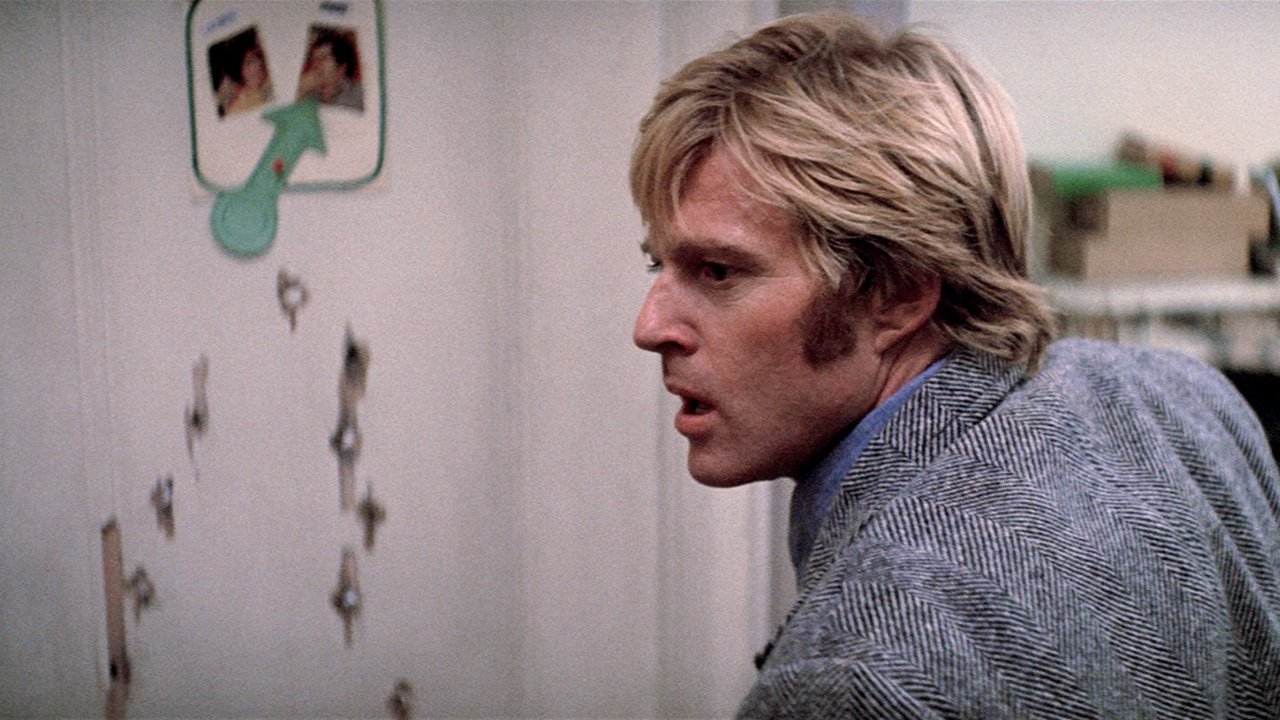
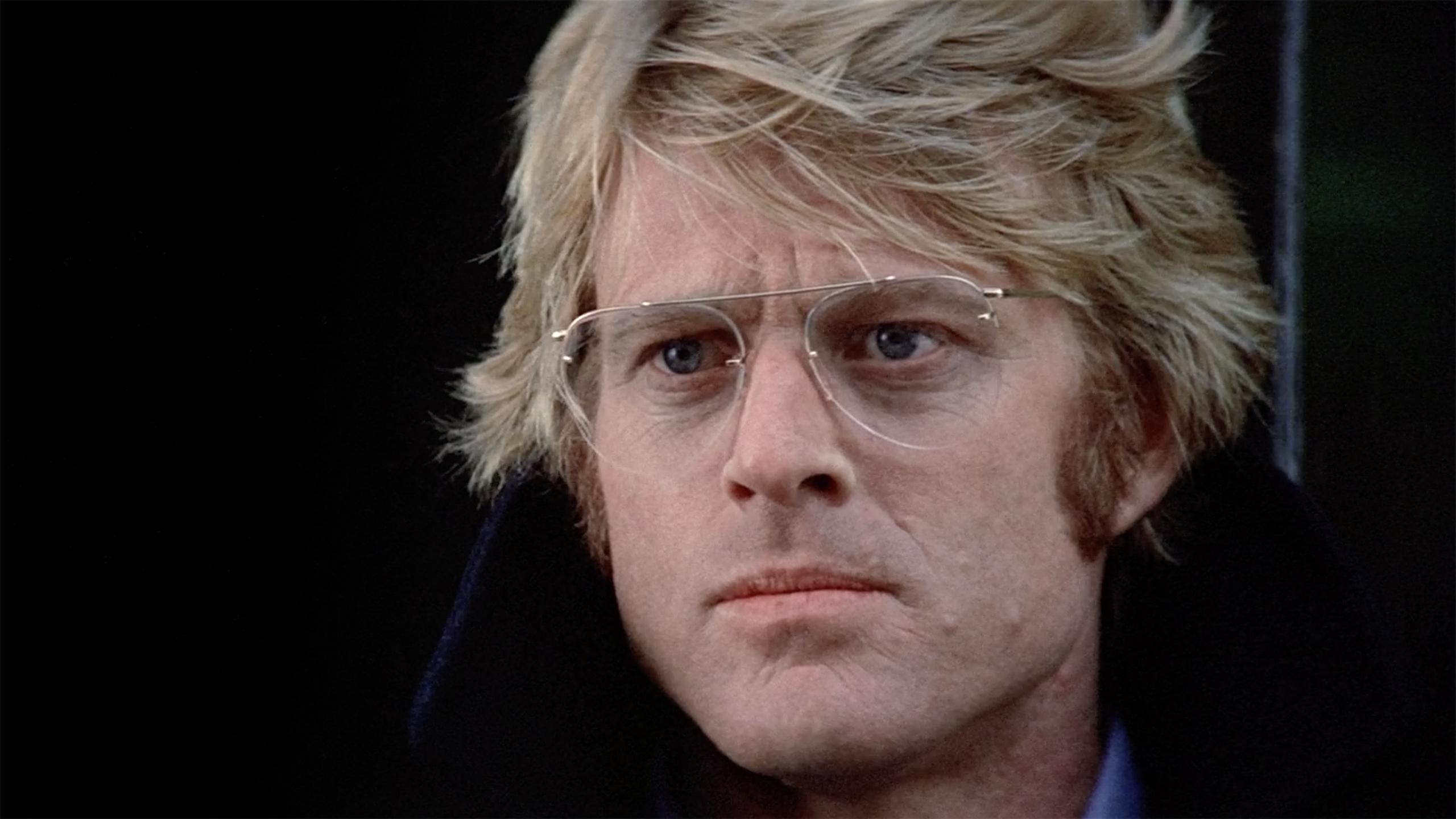
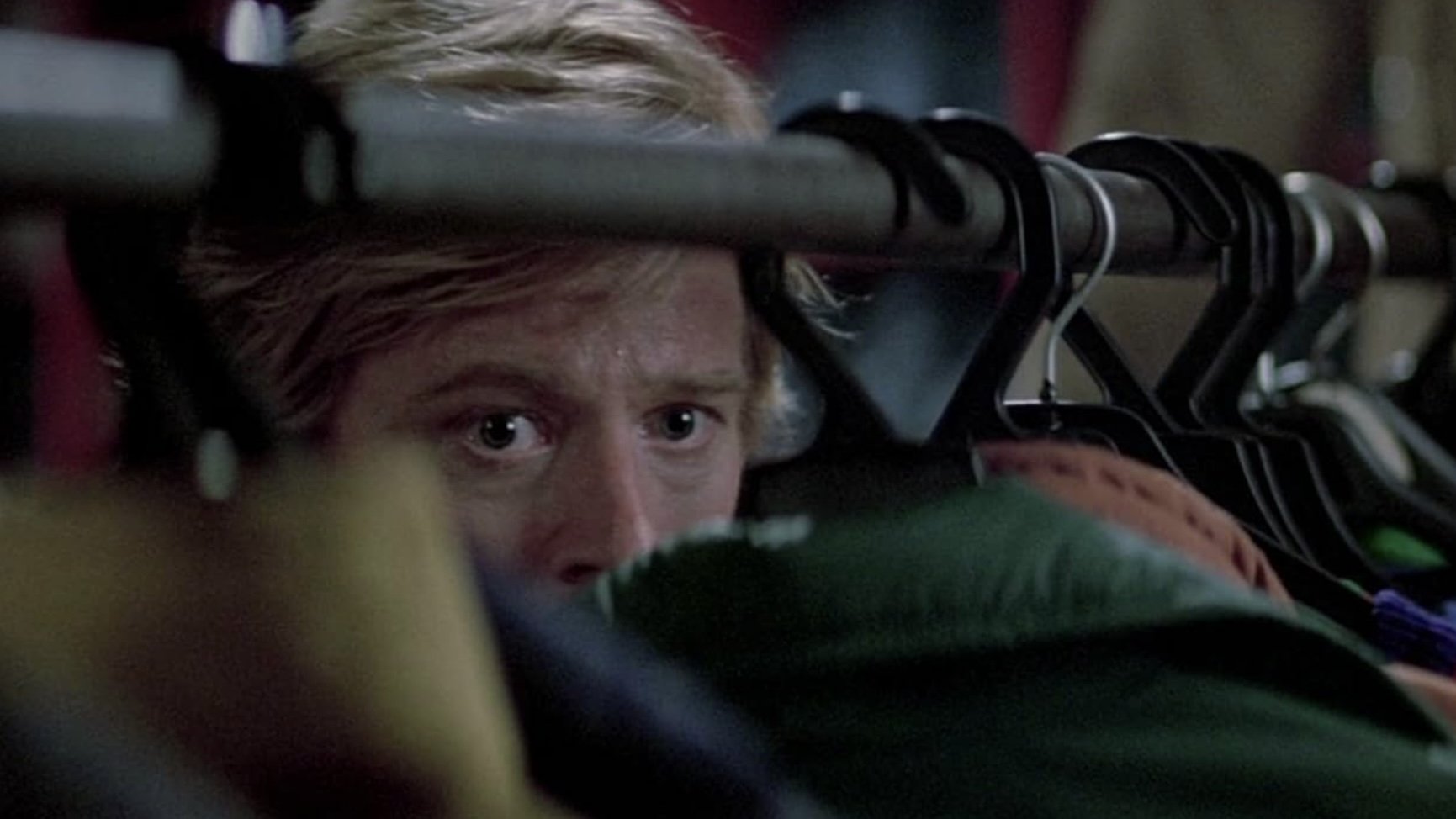
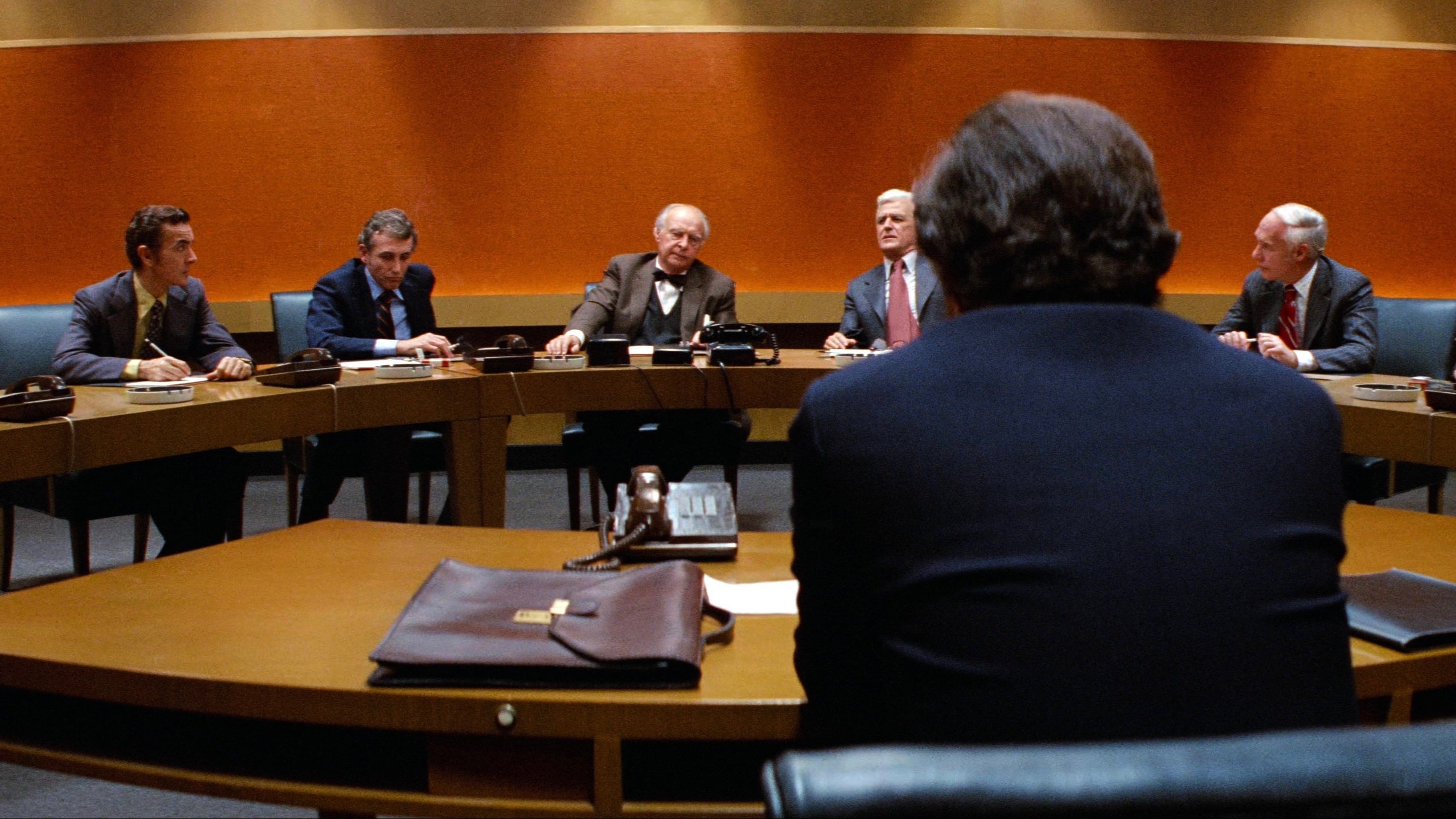
This film didn't need to win me over, but if I were to be skeptical, it would have had me from the first turn. While it isn't clear what is going on, and that holds for almost the entire runtime, you are lured into a sense of security in the first ten minutes by warm characters and Turner's classic male protagonist wit before that is ripped away and you are put into a state of "wtf is going on" for the remainder of the movie (just like Turner).
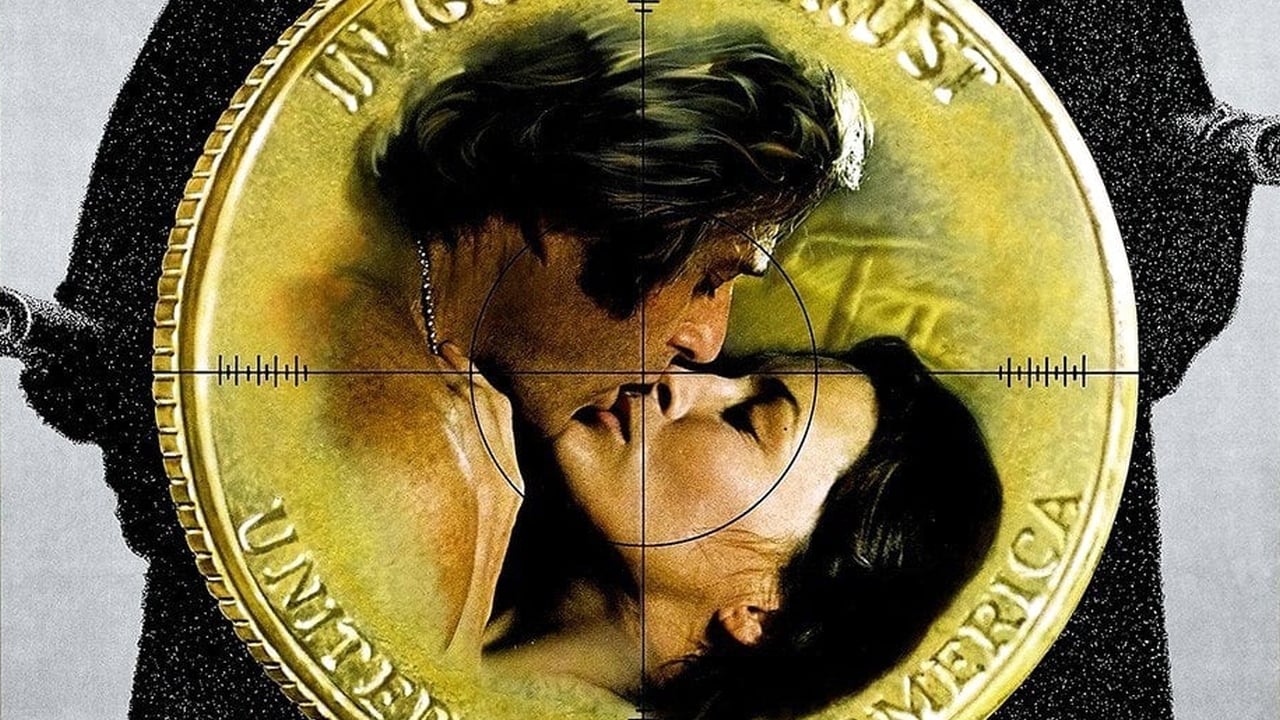
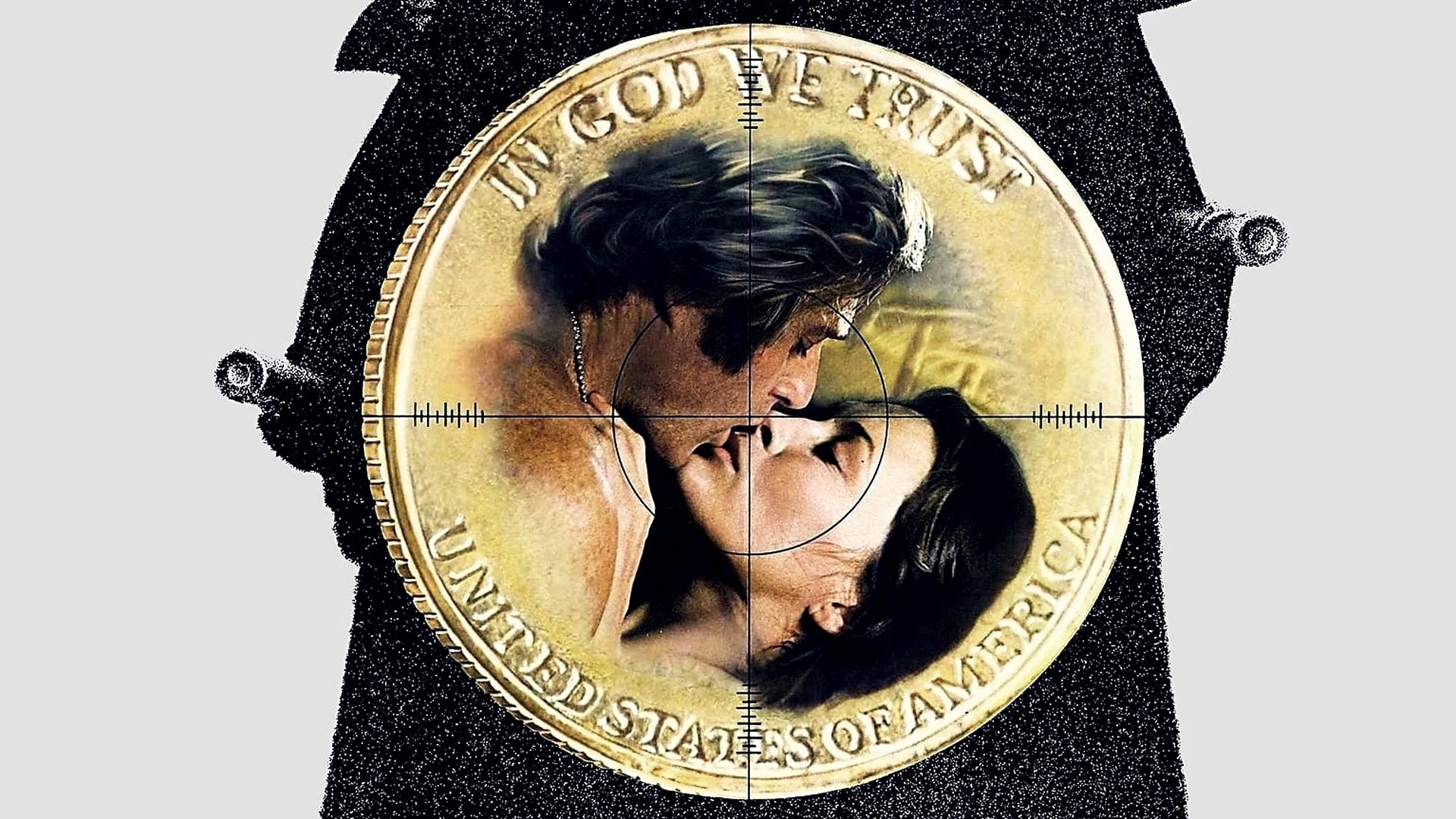
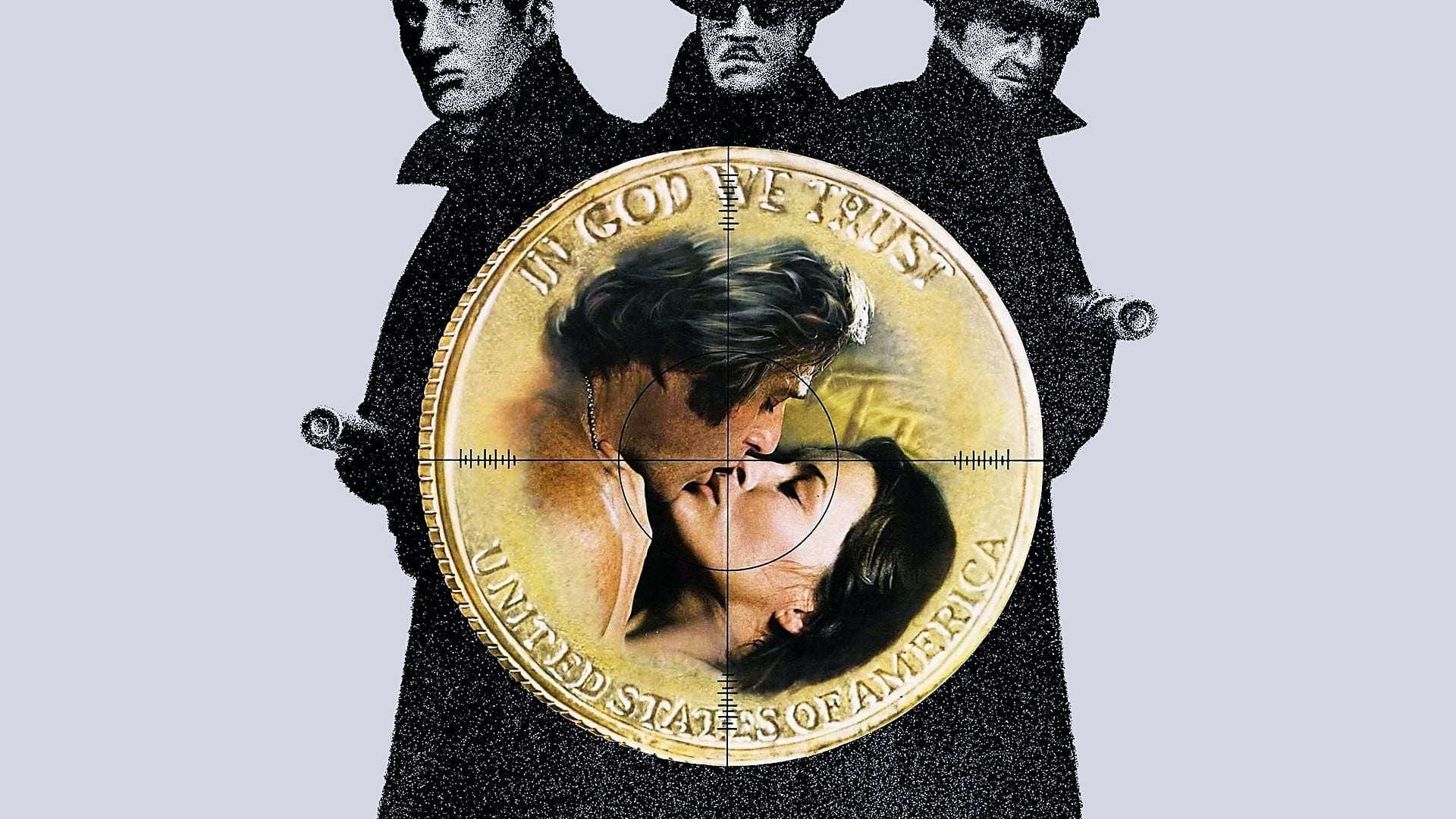
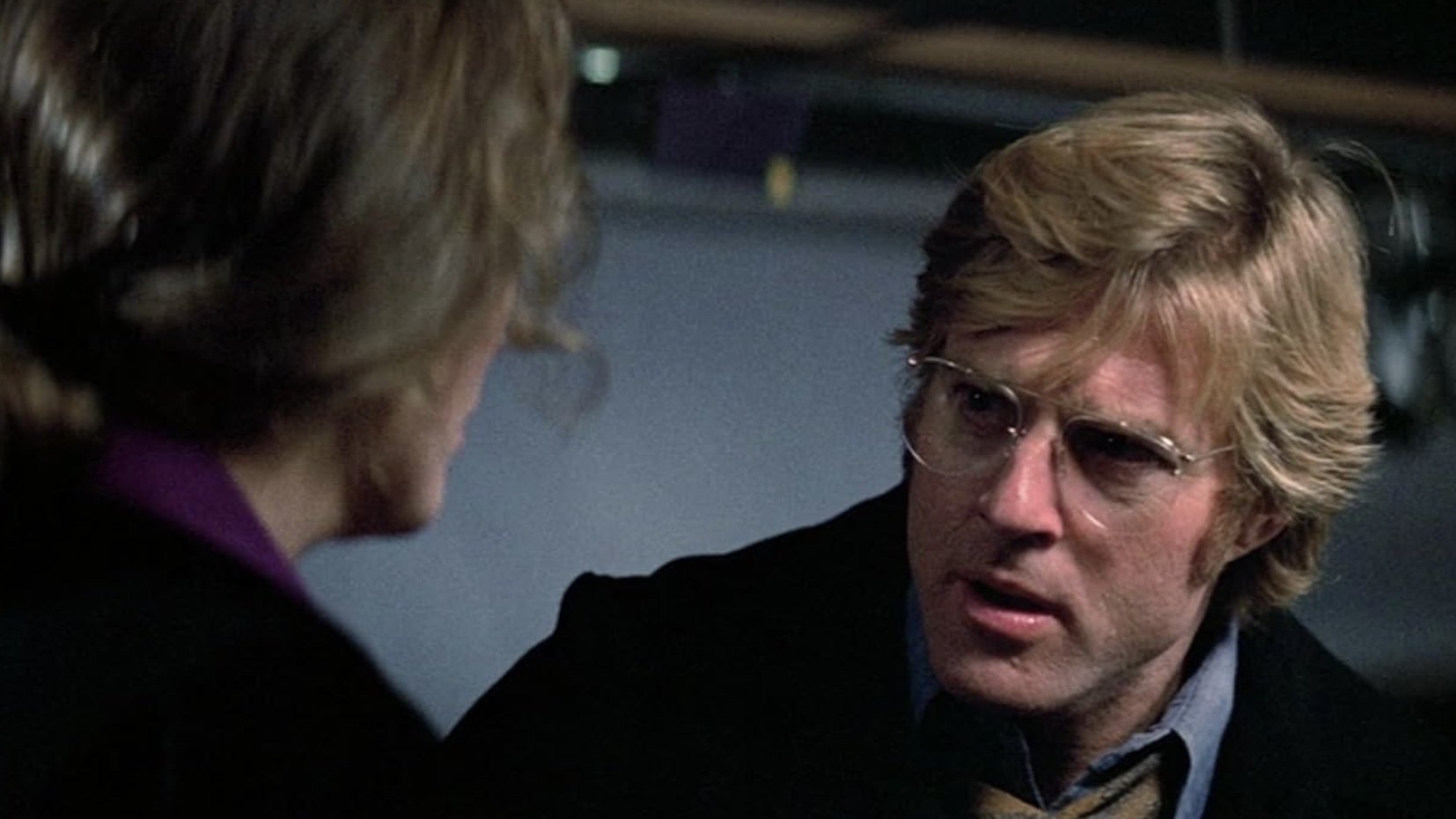
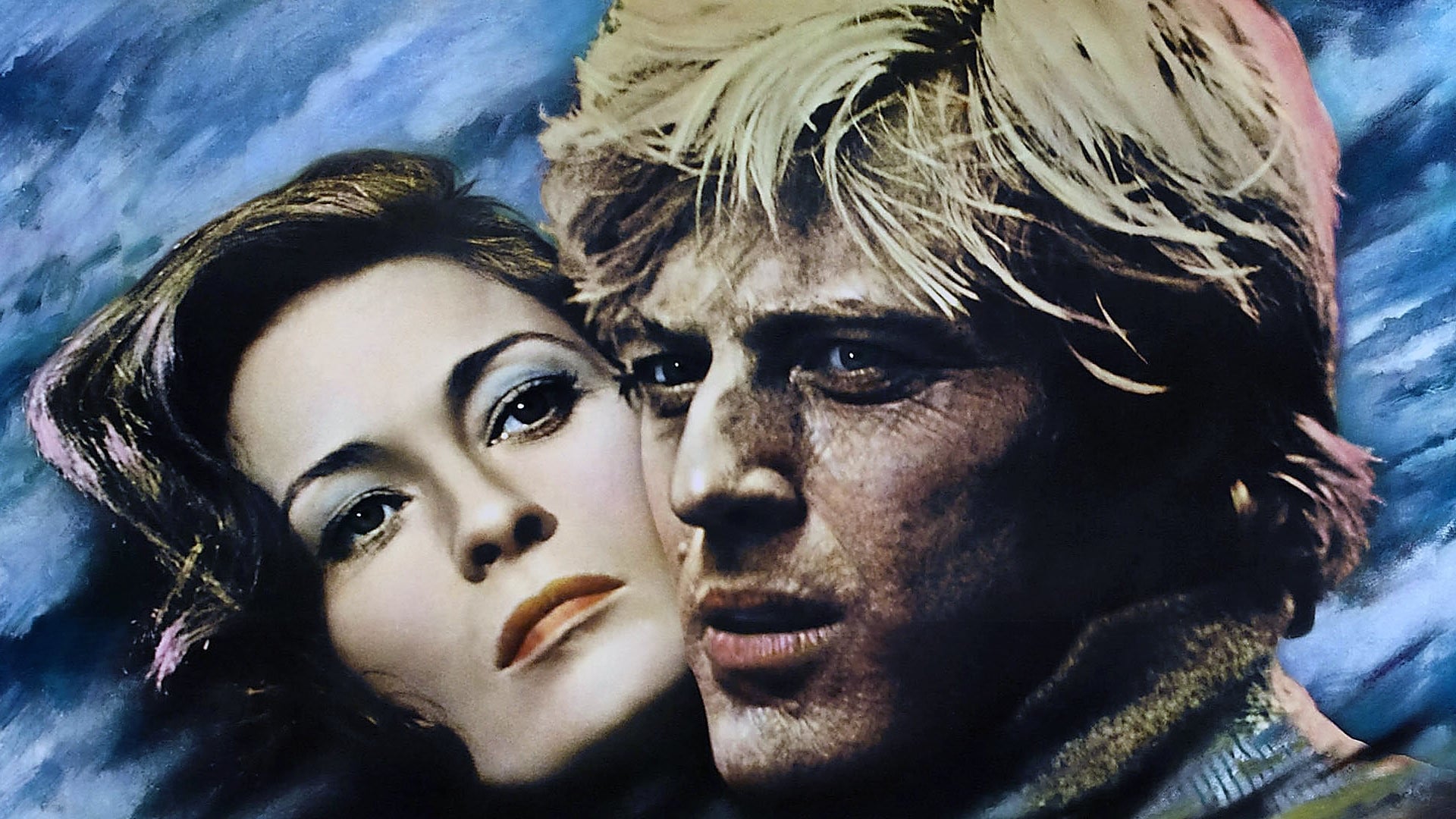
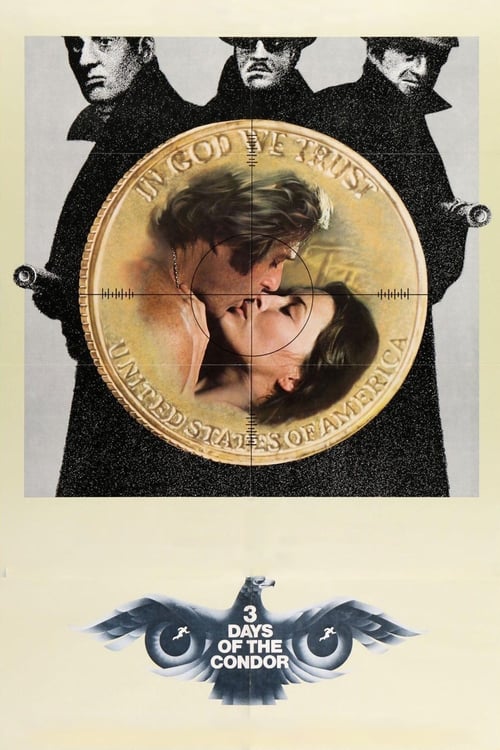
For me, the age and how painfully 70s this movie is is half of the allure, and it won't let you forget it. The score is almost comically stereotypical for a spy movie, with dramatic saxophones scoring nearly every dramatic sequence. The only moment I found it unwelcome was during the uncomfortable backlit romance scene between Redford and Dunaway. I could have personally done without it and everyone else reviewing seems to agree.
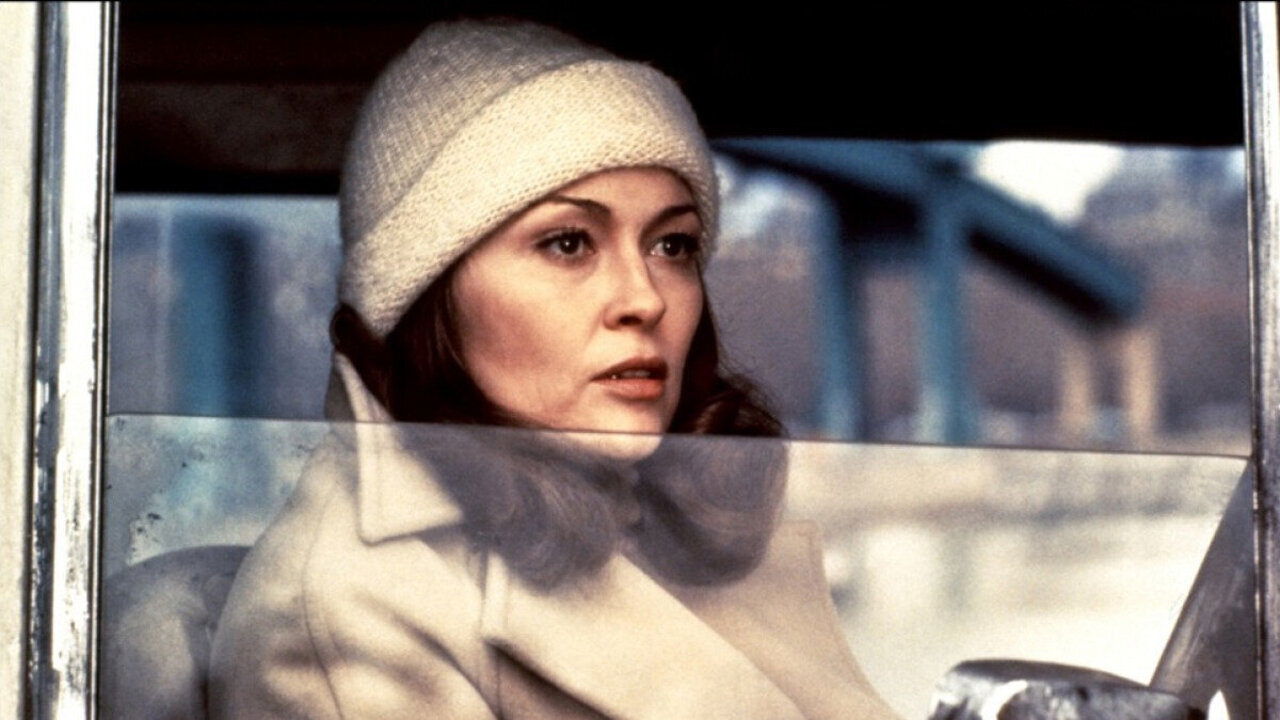
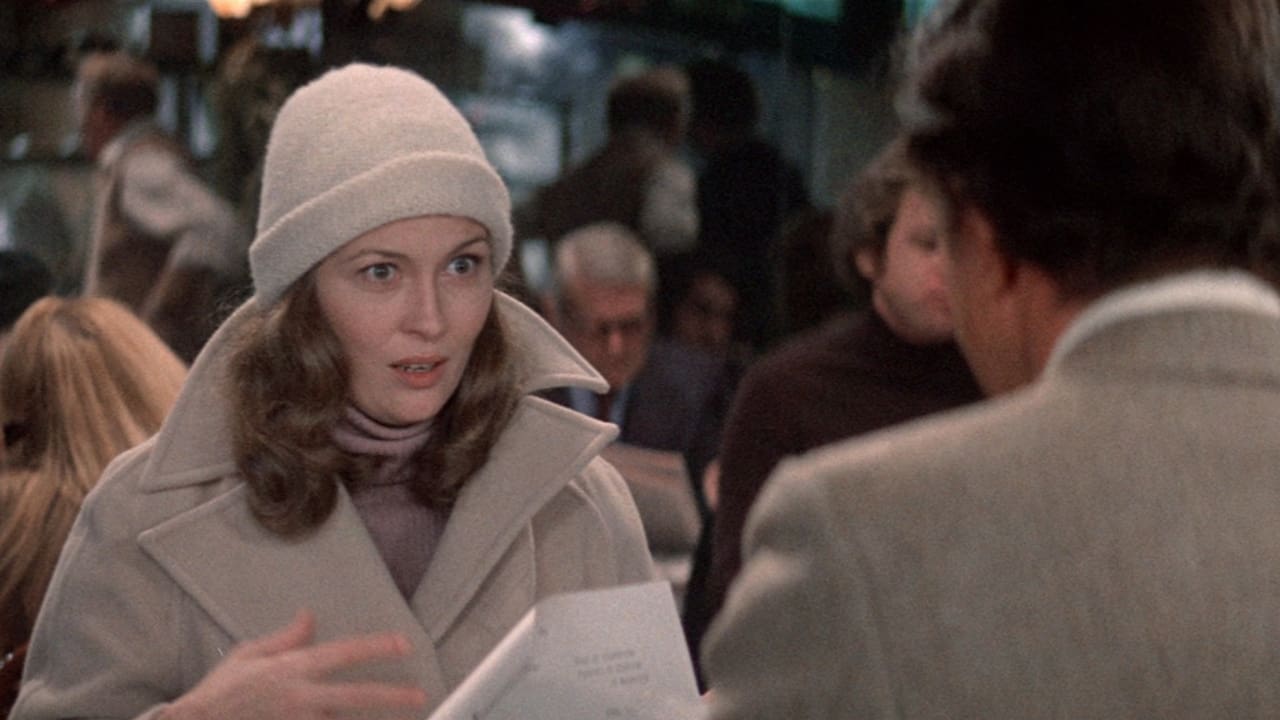
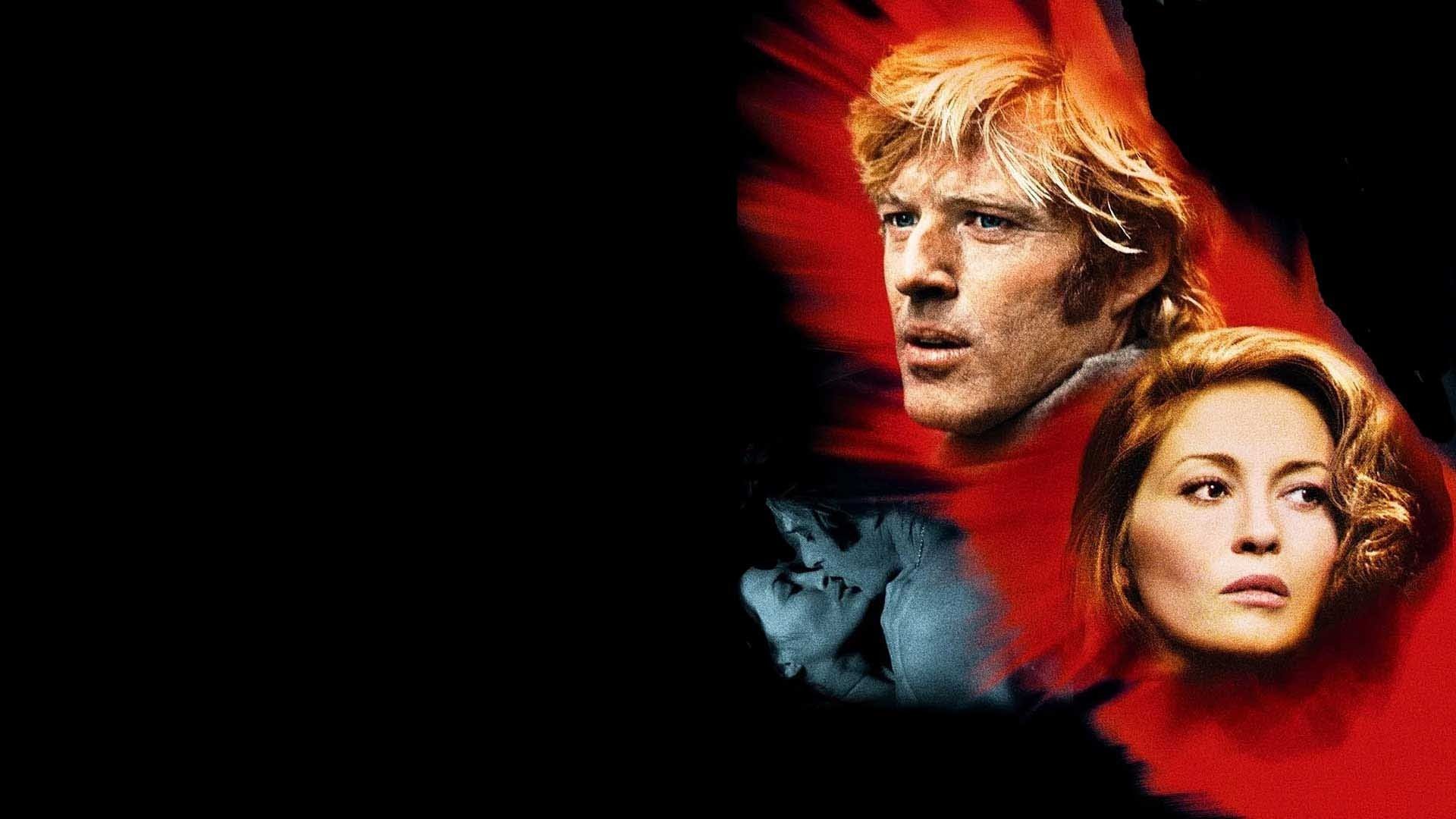
The motivation for Turner to be involved with Kathy is flimsy at best (especially considering Janice’s death- I don’t care that he says “he wants to escape” that’s dumb and cliche), and Kathy's motivation appears to be nonexistent, though maybe I was missing something in her weird photography metaphors. The relationship pulled me off the adrenaline ride, plunged me into confusion, and made me wish the writers had opted for a “will they won't they” dynamic instead of writing a sex scene into an otherwise mounting plot. It’s only purpose seemed to advertise the sex appeal between Dunaway and Redford to audiences.
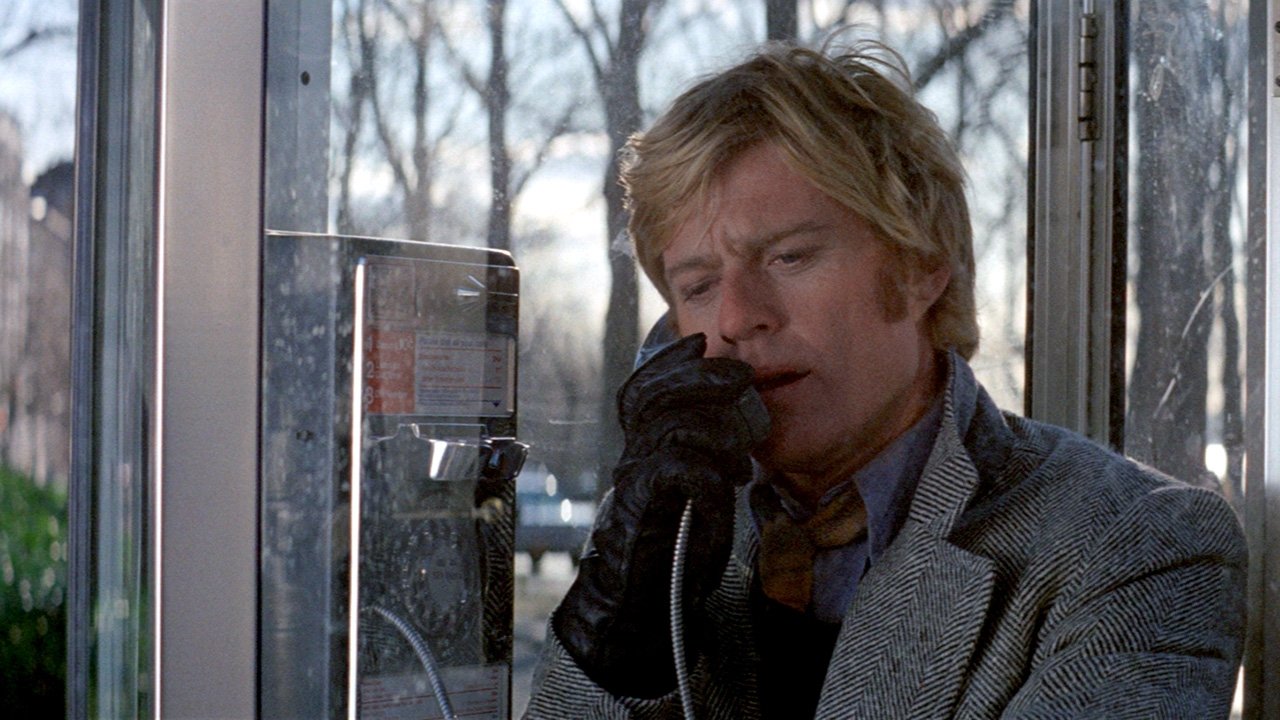
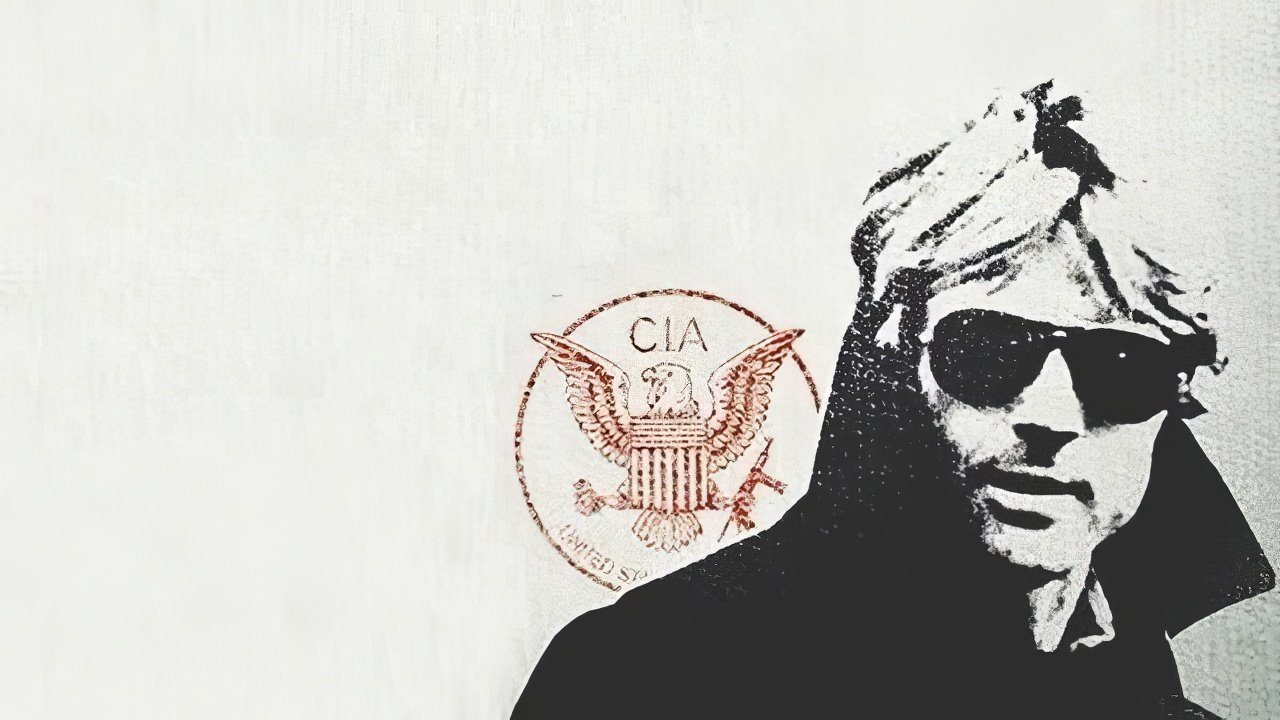
This movie is situated within an interesting time in Hollywood. It's one of Robert Redford's more well known collaborations with Sydney Pollack, and really is a representation of the public's skepticism of the government post Watergate scandal. I can't help but wonder if the first phone booth scene, full of cool guy spy lingo, inspired PTA’s writing of One Battle After Another. That was the main contemporary reference that came to mind.
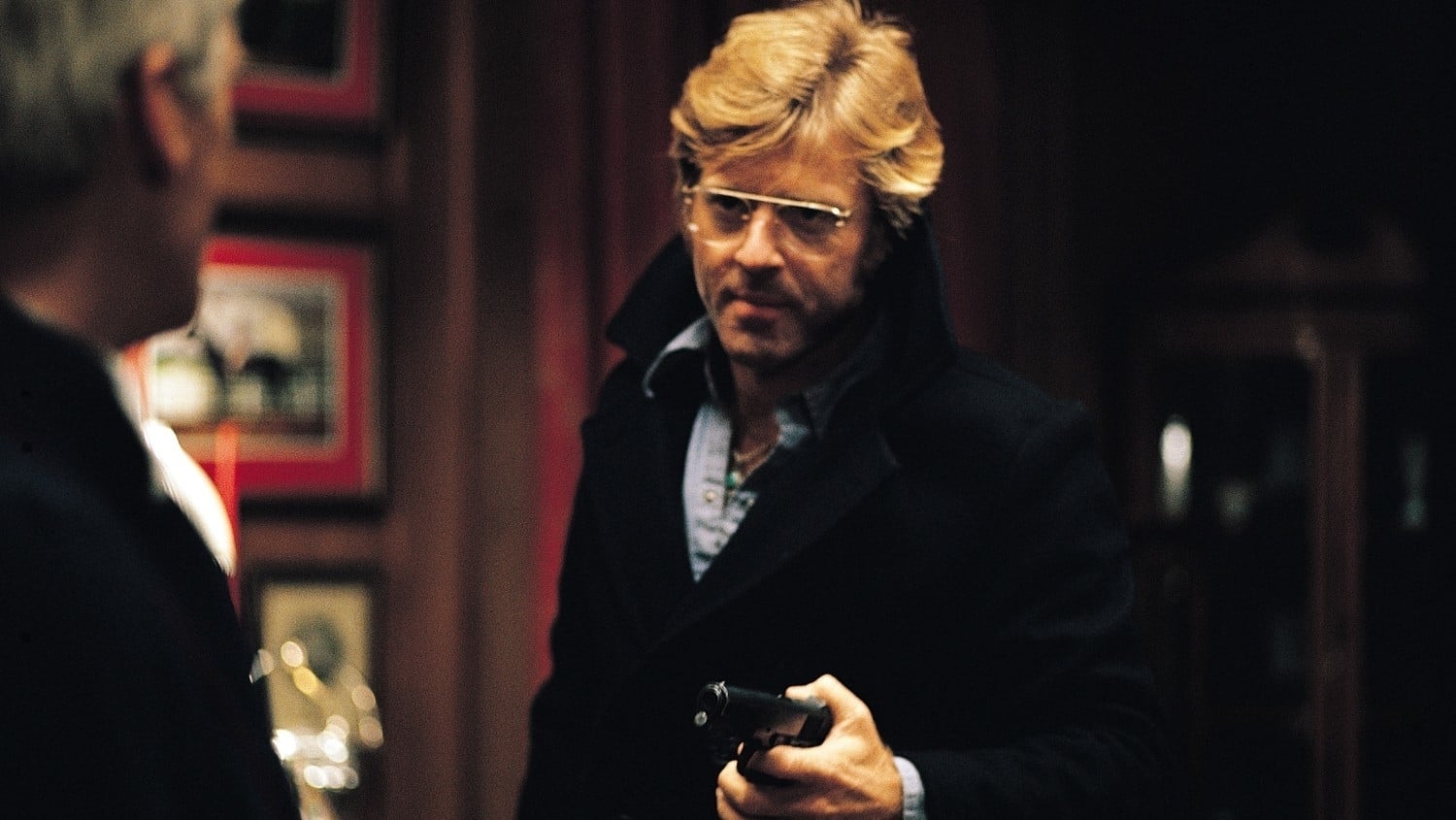
Within the complex web of allegiances and betrayals at play here there is definitely some flimsy logic and motivations here as I alluded too. This felt especially present in the end when Turner and Joubert had a prolonged conversation outside of Atwood’s home.
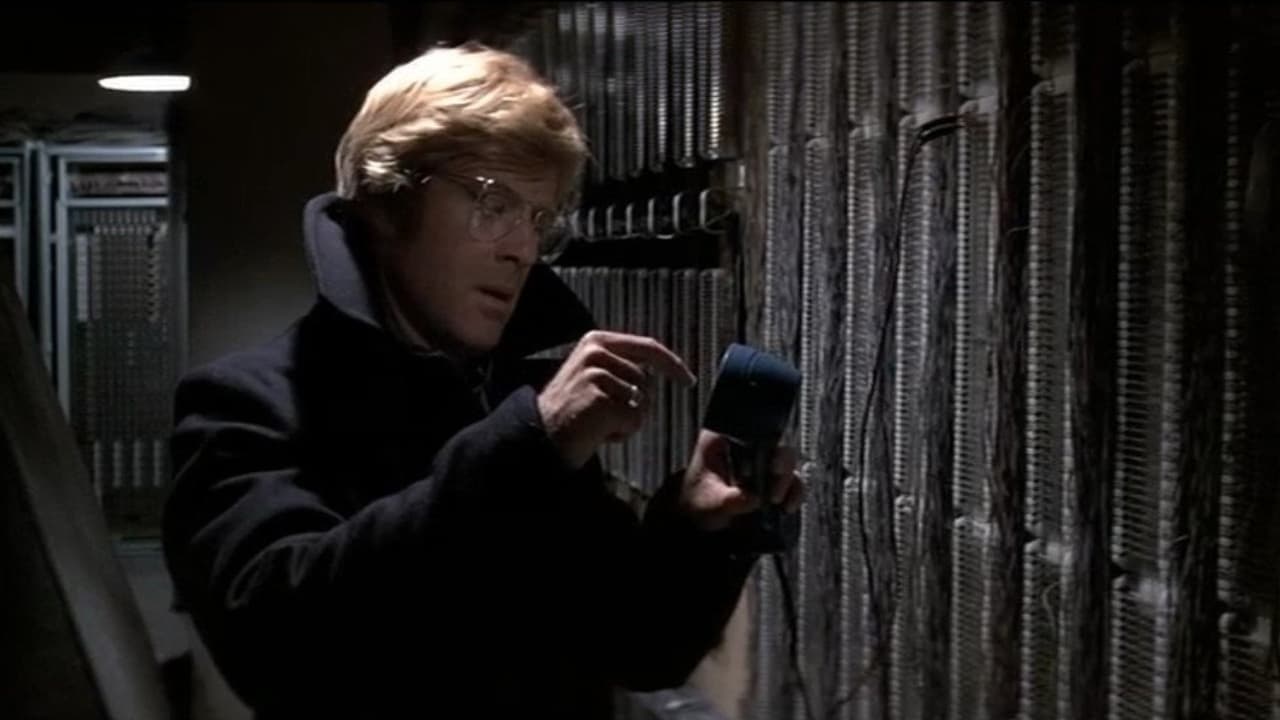
Like don’t you need to get out of there before someone sees you? There are some loose ends with Sam’s wife (or maybe I just wanted to see that resolved- the scene where Turner visits their apartment is fantastic), the unsatisfying question you are left with on the NYT, and the entire premise that Turner knows immediately how to be a spy because his reads is perfectly laughable. But as I keep repeating I was completely bought in and happily disregard these holes because at the end of the day this is a Hollywood political thriller blockbuster starring two of the biggest actors of the 70s, and that’s enough for me 🥰
“you can always depend on the ol’ spyfucker”
**I preface my following thoughts w/ the fact that I love Robert Redford, spy movies, & the 70s so there is an incredible amount of bias at play here.
This film didn't need to win me over, but if I were to be skeptical, it would have had me from the first turn. While it isn't clear what is going on, and that holds for almost the entire runtime, you are lured into a sense of security in the first ten minutes by warm characters and Turner's classic male protagonist wit before that is ripped away and you are put into a state of "wtf is going on" for the remainder of the movie (just like Turner).
For me, the age and how painfully 70s this movie is is half of the allure, and it won't let you forget it. The score is almost comically stereotypical for a spy movie, with dramatic saxophones scoring nearly every dramatic sequence. The only moment I found it unwelcome was during the uncomfortable backlit romance scene between Redford and Dunaway. I could have personally done without it and everyone else reviewing seems to agree.
The motivation for Turner to be involved with Kathy is flimsy at best (especially considering Janice’s death- I don’t care that he says “he wants to escape” that’s dumb and cliche), and Kathy's motivation appears to be nonexistent, though maybe I was missing something in her weird photography metaphors. The relationship pulled me off the adrenaline ride, plunged me into confusion, and made me wish the writers had opted for a “will they won't they” dynamic instead of writing a sex scene into an otherwise mounting plot. It’s only purpose seemed to advertise the sex appeal between Dunaway and Redford to audiences.
This movie is situated within an interesting time in Hollywood. It's one of Robert Redford's more well known collaborations with Sydney Pollack, and really is a representation of the public's skepticism of the government post Watergate scandal. I can't help but wonder if the first phone booth scene, full of cool guy spy lingo, inspired PTA’s writing of One Battle After Another. That was the main contemporary reference that came to mind.
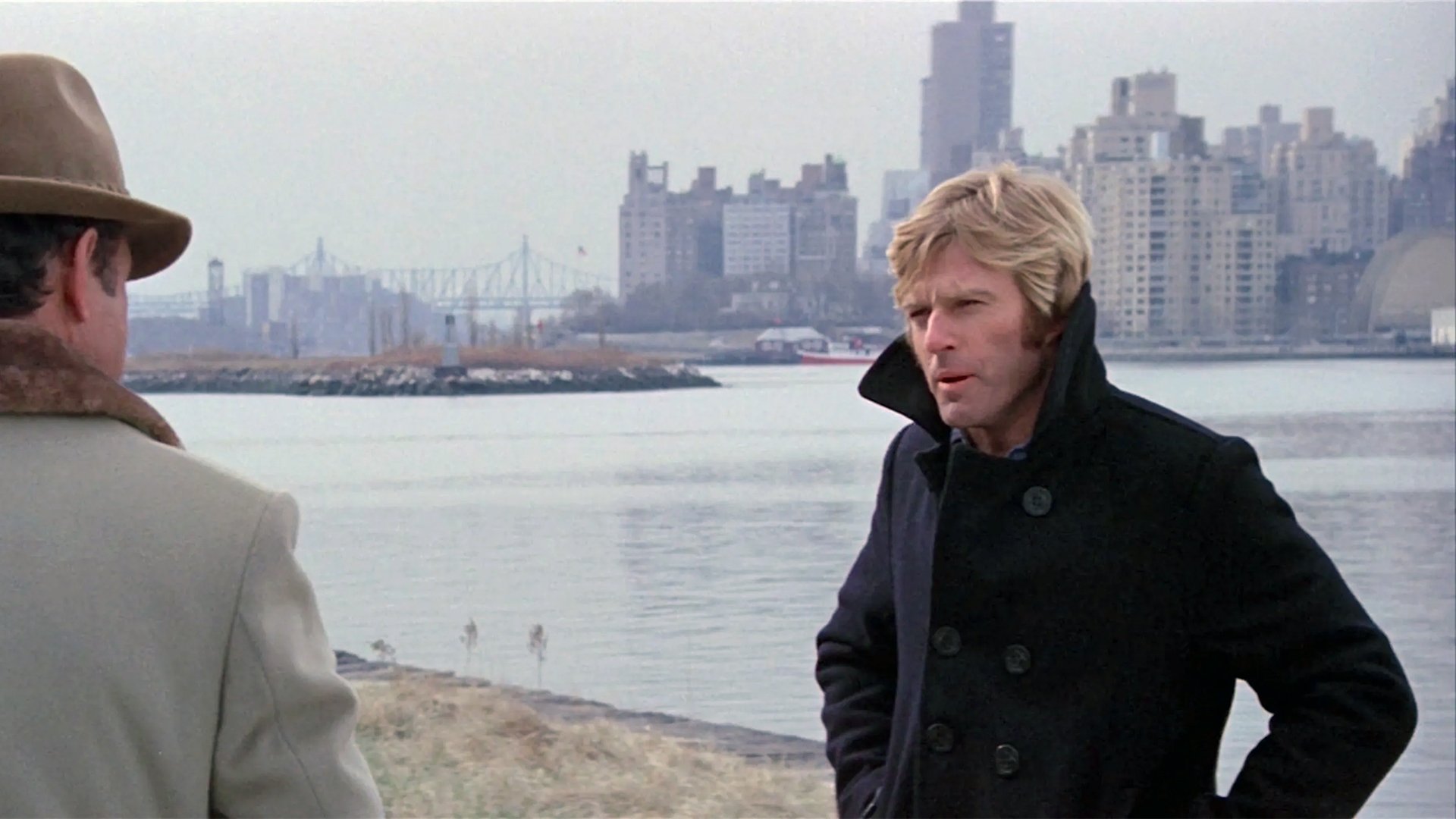
Within the complex web of allegiances and betrayals at play here there is definitely some flimsy logic and motivations here as I alluded too. This felt especially present in the end when Turner and Joubert had a prolonged conversation outside of Atwood’s home.
Like don’t you need to get out of there before someone sees you? There are some loose ends with Sam’s wife (or maybe I just wanted to see that resolved- the scene where Turner visits their apartment is fantastic), the unsatisfying question you are left with on the NYT, and the entire premise that Turner knows immediately how to be a spy because his reads is perfectly laughable. But as I keep repeating I was completely bought in and happily disregard these holes because at the end of the day this is a Hollywood political thriller blockbuster starring two of the biggest actors of the 70s, and that’s enough for me 🥰