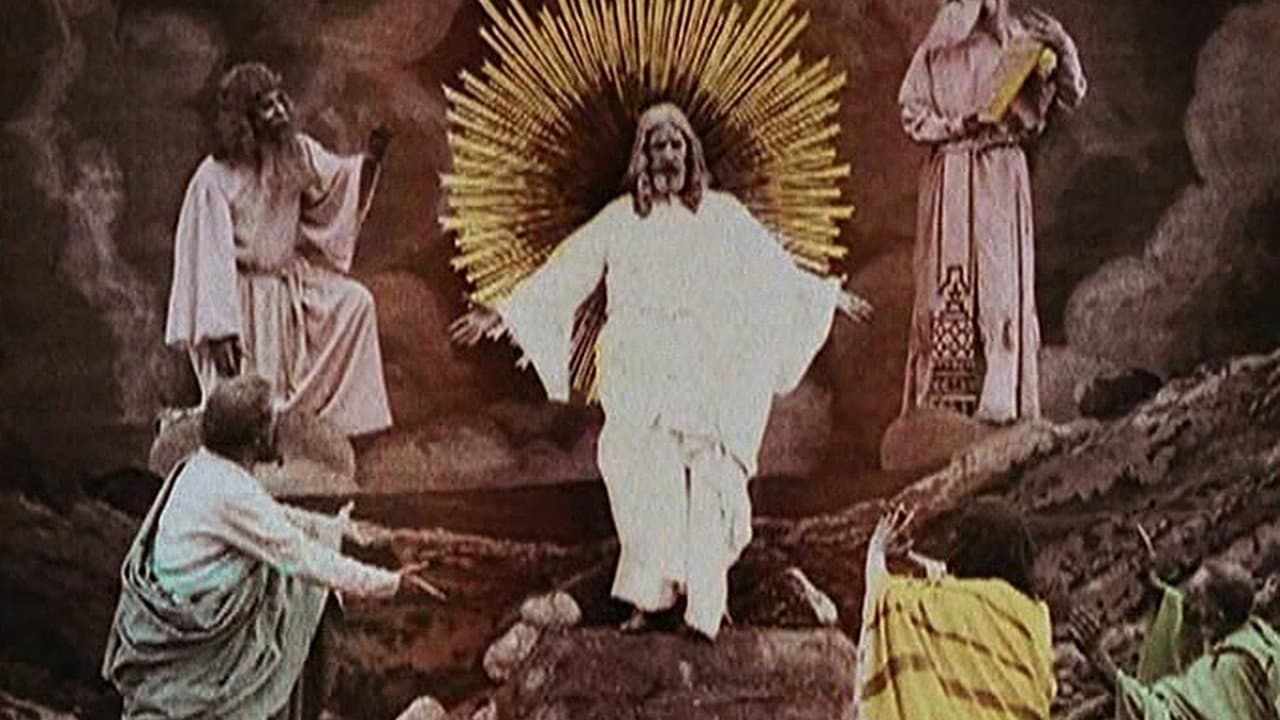
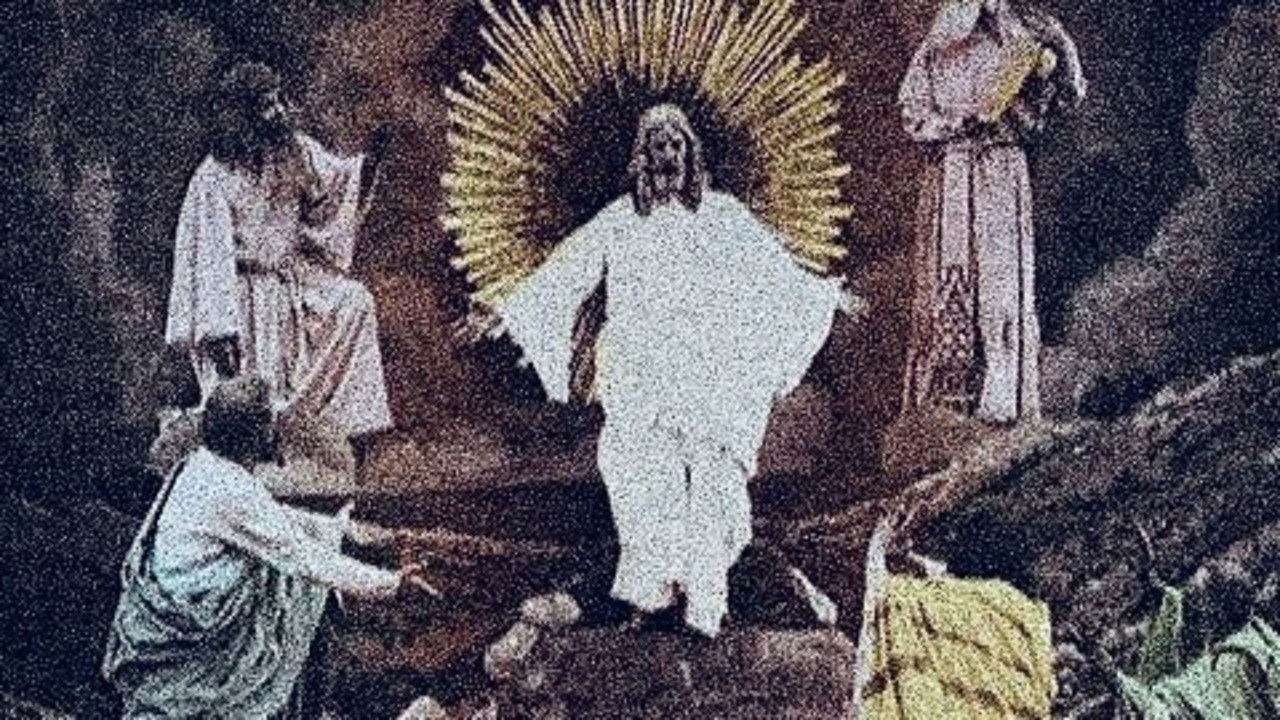
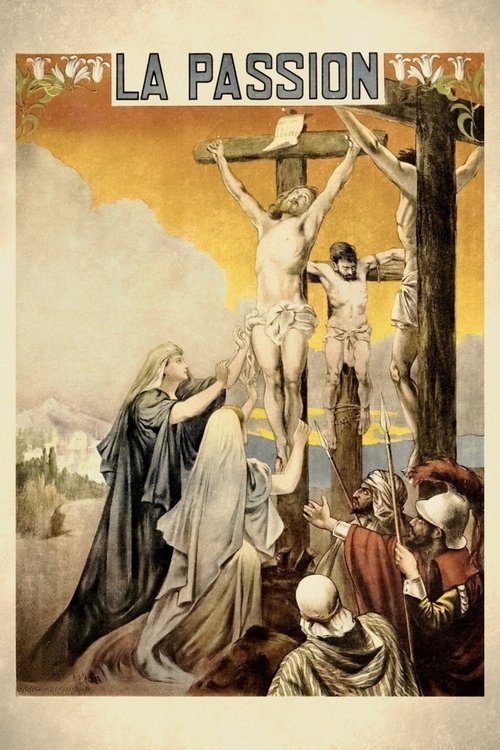
Wow, that was a grand film. Like seriously, the artistry that went into this project depicting the entire life of Jesus is insane for the time. Mainly, I want to highlight the composition of these shots, especially during the scenes leading up to and after the crucifixion scenes. Not only are they grand in scale, but they establish geography with the Mount of Skull and its crosses being viewed from different vantage points. For a film released in the 1900s-1910s (like the top review here claims, there's almost no way this came out in 1903, one year after A Trip to the Moon), that is one of, if not the best, examples of visual world building/storytelling for its time.
Also, it would be criminal not to talk about the use of camera panning and visual effects. These are the main giveaways that this film almost certainly didn't release in 1903, but regardless of exactly when this film was released, you just know it was state-of-the-art for its time. The use of the camera panning gave the scenes in which it was used an even greater scale and scope, one which not even films like "A Trip to the Moon" could offer in terms of camera work. And the visual effects perfectly complement the scenes, with the use of angels in the sky looking as if Michelangelo da Vinci himself was directing the scenes, not even kidding.
All these elements come together to make for a very impressive interpretation of the life of Christ. The only real critiques I have are a) if you are unfamiliar with the events in the New Testament, the film isn't really going to hold your hand (watch "The Chosen" if you have that problem), and b) the film's narrative is simply acting out the events as recorded in the bible. Now, as a Christian, the life and story of Christ to me is absolutely beautiful, but the way the film tackles it is very non-personal, in my opinion. It feels very safe and by the numbers, very much "I am Christ, I am that I am" sort of schtick. I think it's mainly due to the time it was made, but some of us tend to forget that Jesus was as human as the rest of us; he walked, ate, slept, and breathed the same air we did. It's ok to depict Jesus with humanity, and as film and TV progressed, I'm glad we saw more of that.
That was my main criticism that puts this film on the fence, teetering back and forth between a 3.5 and a 4 out of 5 stars. I'll give it a 4 as of right now for the technological aspects of this film for its time, but don't be too shocked if it gets bumped down to a 3.5. This was a great watch, and I would highly recommend it if you're interested in early film or are binge-watching early films to log on Letterboxd.
Wow, that was a grand film. Like seriously, the artistry that went into this project depicting the entire life of Jesus is insane for the time. Mainly, I want to highlight the composition of these shots, especially during the scenes leading up to and after the crucifixion scenes. Not only are they grand in scale, but they establish geography with the Mount of Skull and its crosses being viewed from different vantage points. For a film released in the 1900s-1910s (like the top review here claims, there's almost no way this came out in 1903, one year after A Trip to the Moon), that is one of, if not the best, examples of visual world building/storytelling for its time.
Also, it would be criminal not to talk about the use of camera panning and visual effects. These are the main giveaways that this film almost certainly didn't release in 1903, but regardless of exactly when this film was released, you just know it was state-of-the-art for its time. The use of the camera panning gave the scenes in which it was used an even greater scale and scope, one which not even films like "A Trip to the Moon" could offer in terms of camera work. And the visual effects perfectly complement the scenes, with the use of angels in the sky looking as if Michelangelo da Vinci himself was directing the scenes, not even kidding.
All these elements come together to make for a very impressive interpretation of the life of Christ. The only real critiques I have are a) if you are unfamiliar with the events in the New Testament, the film isn't really going to hold your hand (watch "The Chosen" if you have that problem), and b) the film's narrative is simply acting out the events as recorded in the bible. Now, as a Christian, the life and story of Christ to me is absolutely beautiful, but the way the film tackles it is very non-personal, in my opinion. It feels very safe and by the numbers, very much "I am Christ, I am that I am" sort of schtick. I think it's mainly due to the time it was made, but some of us tend to forget that Jesus was as human as the rest of us; he walked, ate, slept, and breathed the same air we did. It's ok to depict Jesus with humanity, and as film and TV progressed, I'm glad we saw more of that.
That was my main criticism that puts this film on the fence, teetering back and forth between a 3.5 and a 4 out of 5 stars. I'll give it a 4 as of right now for the technological aspects of this film for its time, but don't be too shocked if it gets bumped down to a 3.5. This was a great watch, and I would highly recommend it if you're interested in early film or are binge-watching early films to log on Letterboxd.