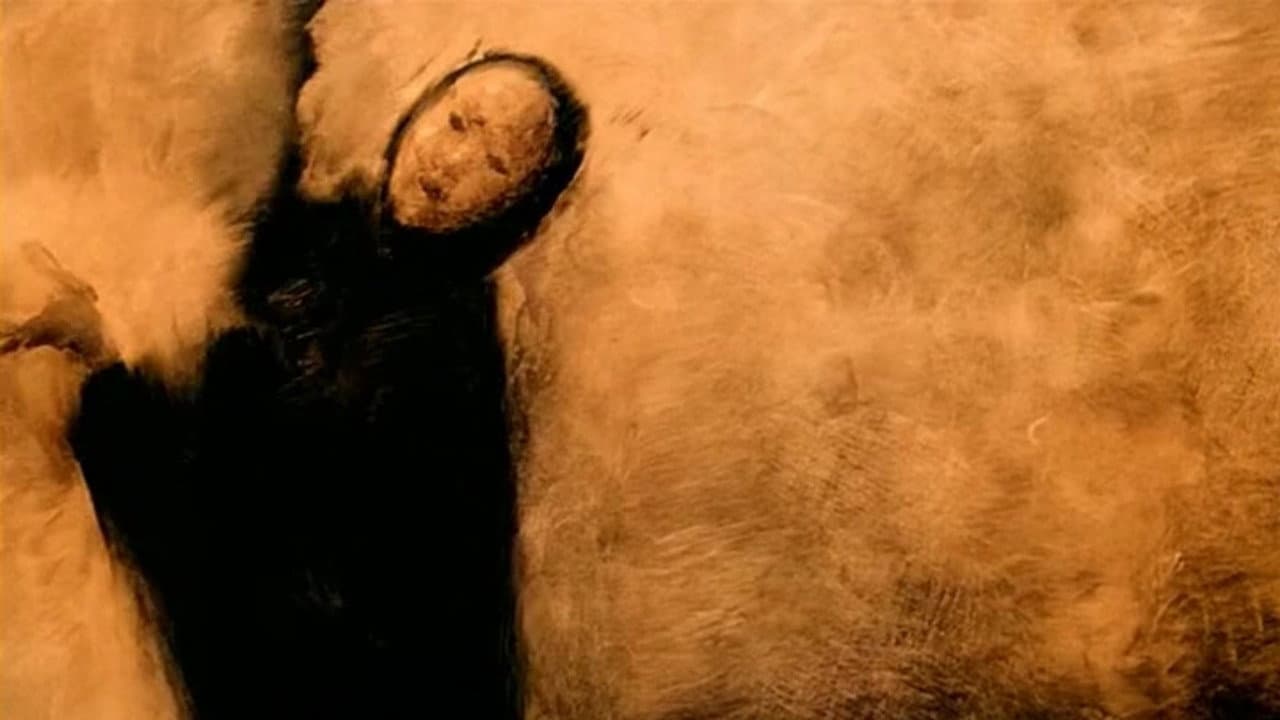
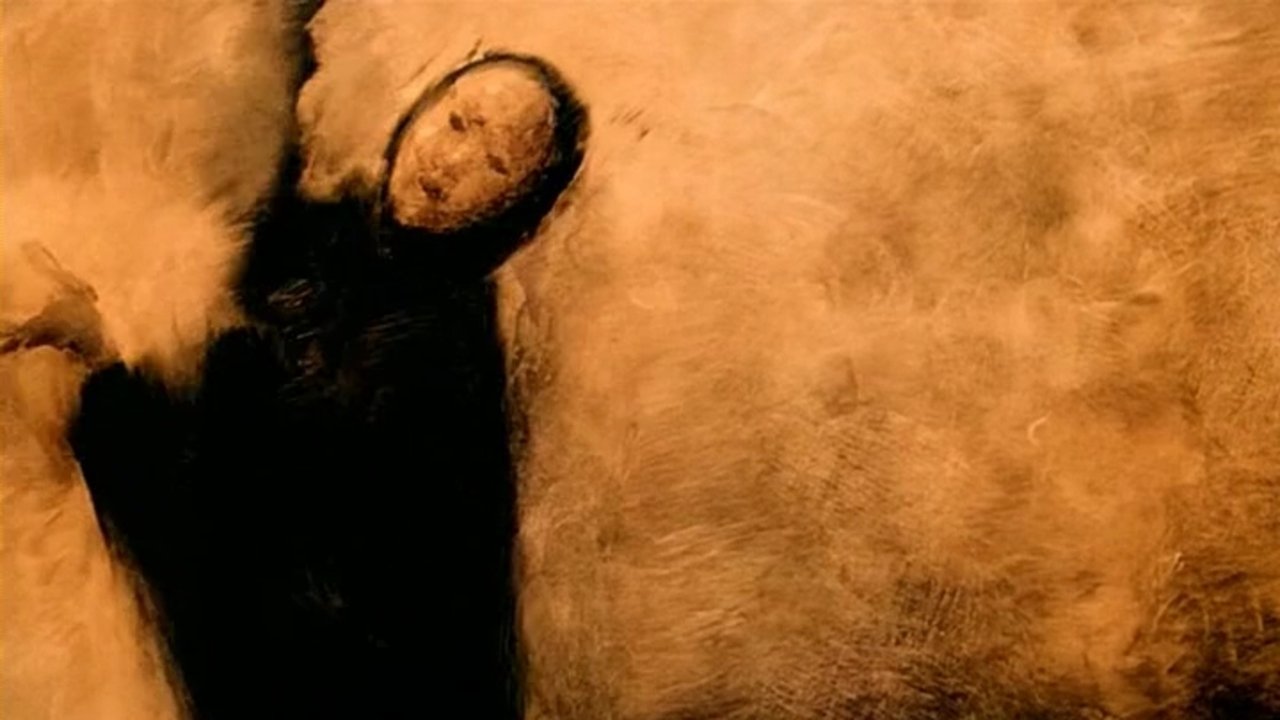
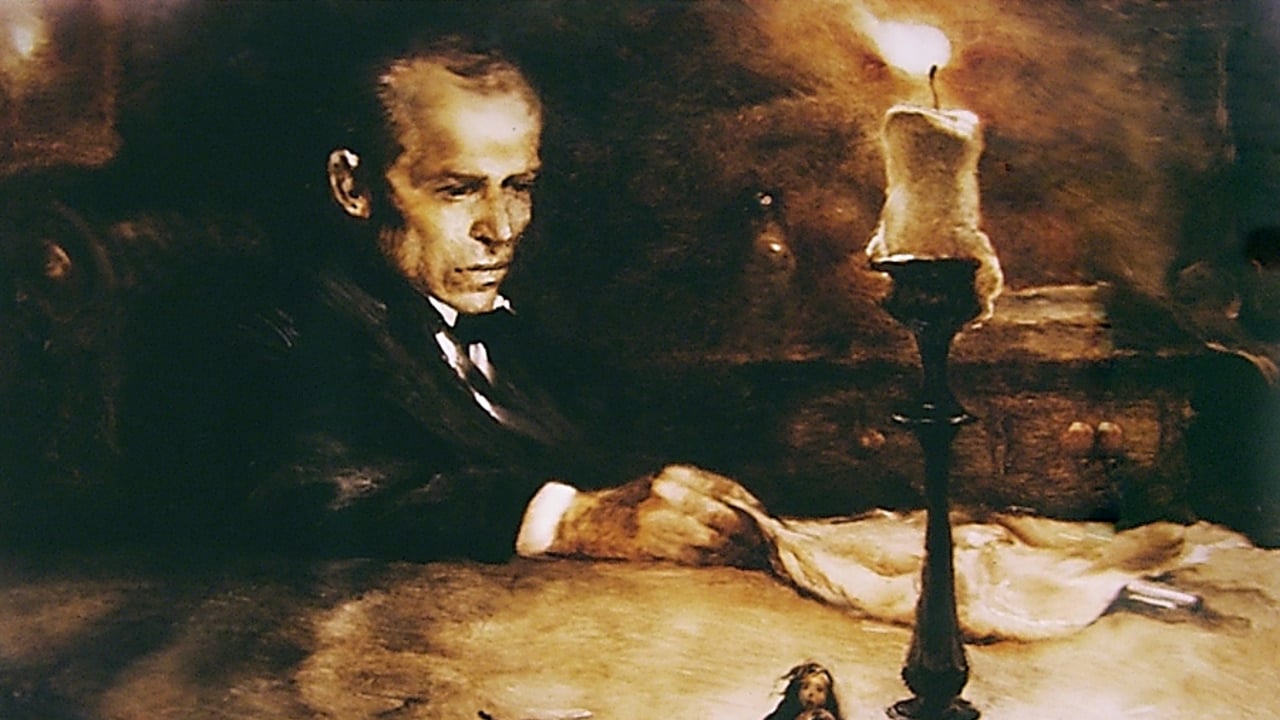
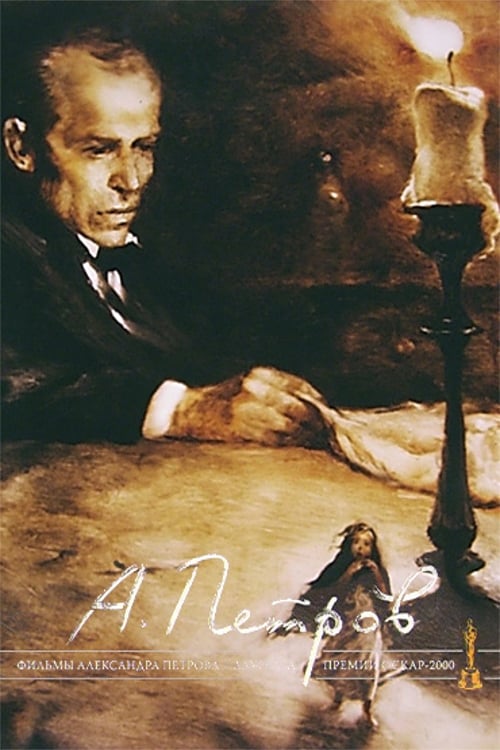
What a remarkable style, what an exquisite execution — this animated film is a true gem. With minimal dialogue, it masterfully conveys the profound ideas of Fyodor Dostoevsky. The visual storytelling and haunting soundscape immerse the viewer in a deeply emotional and philosophical experience. The film is a testament to the transformative power of the human soul. Even the darkest heart harbors the potential for change, for enlightenment, for redemption. It illustrates how human thought, when corrupted, can destroy innocence and purity yet it also suggests that this is not an inevitable fate. This duality reflects the essence of our world and the nature of humanity itself. Petrov’s adaptation stands as one of the finest cinematic interpretations of Dostoevsky’s work. The paint-on-glass animation technique creates a dreamlike atmosphere that perfectly complements the narrative’s exploration of existential themes. The film’s visual poetry and emotional depth make it a standout piece in the realm of animated cinema. At its core, the story delves into the concept of the false self — the deceptive ego that distorts our perception of reality and poisons our relationships with others. The protagonist brings this corrupted self into an untainted world, contaminating it with his own misconceptions and moral failings. This allegory serves as a powerful commentary on the human condition and the consequences of living inauthentically. In just 20 minutes, this film encapsulates the depth and complexity of Dostoevsky’s philosophical inquiries. It’s a profound meditation on morality, identity, and the possibility of redemption — a cinematic experience that resonates long after the final frame.
What a remarkable style, what an exquisite execution — this animated film is a true gem. With minimal dialogue, it masterfully conveys the profound ideas of Fyodor Dostoevsky. The visual storytelling and haunting soundscape immerse the viewer in a deeply emotional and philosophical experience. The film is a testament to the transformative power of the human soul. Even the darkest heart harbors the potential for change, for enlightenment, for redemption. It illustrates how human thought, when corrupted, can destroy innocence and purity yet it also suggests that this is not an inevitable fate. This duality reflects the essence of our world and the nature of humanity itself. Petrov’s adaptation stands as one of the finest cinematic interpretations of Dostoevsky’s work. The paint-on-glass animation technique creates a dreamlike atmosphere that perfectly complements the narrative’s exploration of existential themes. The film’s visual poetry and emotional depth make it a standout piece in the realm of animated cinema. At its core, the story delves into the concept of the false self — the deceptive ego that distorts our perception of reality and poisons our relationships with others. The protagonist brings this corrupted self into an untainted world, contaminating it with his own misconceptions and moral failings. This allegory serves as a powerful commentary on the human condition and the consequences of living inauthentically. In just 20 minutes, this film encapsulates the depth and complexity of Dostoevsky’s philosophical inquiries. It’s a profound meditation on morality, identity, and the possibility of redemption — a cinematic experience that resonates long after the final frame.