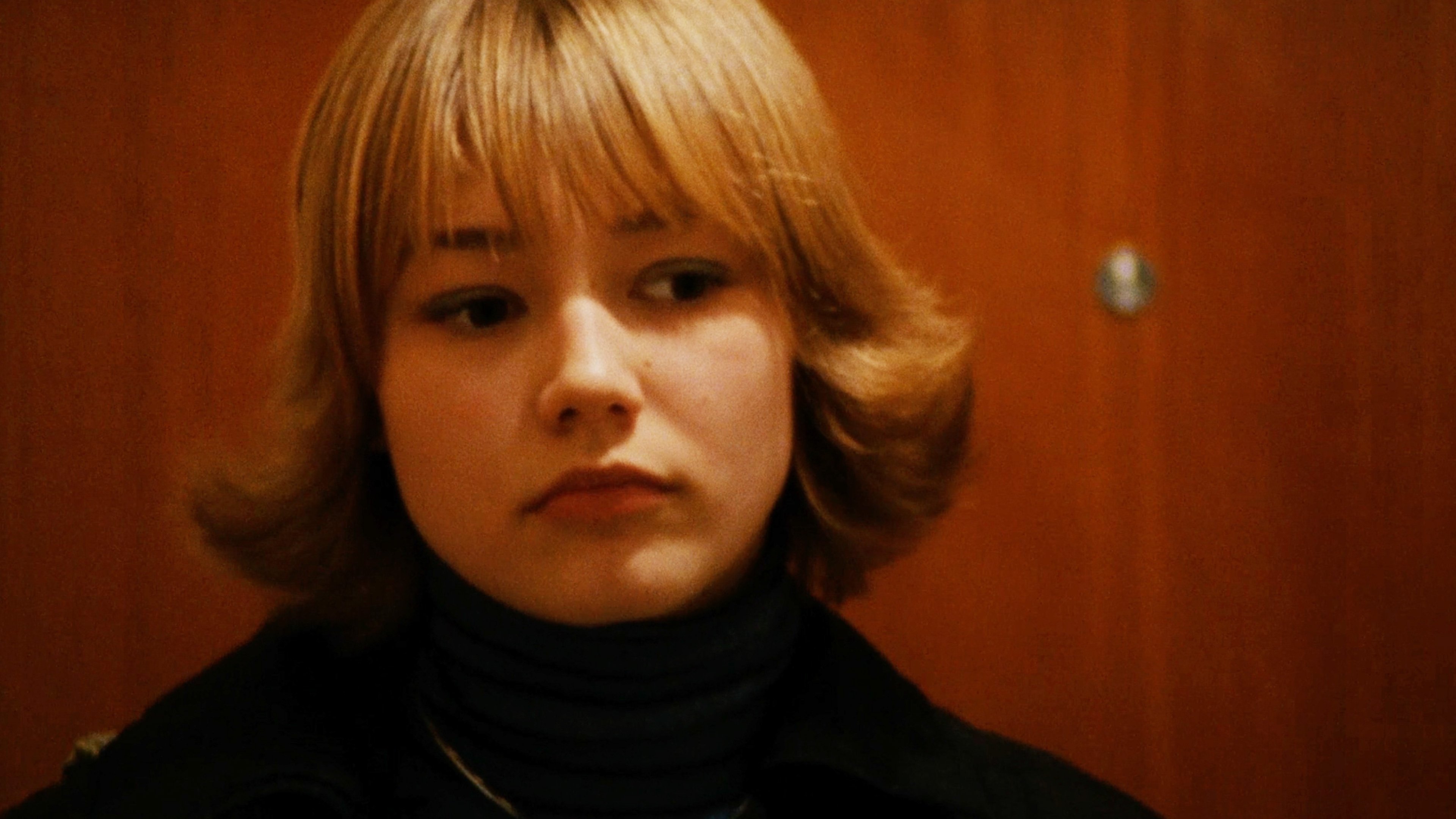
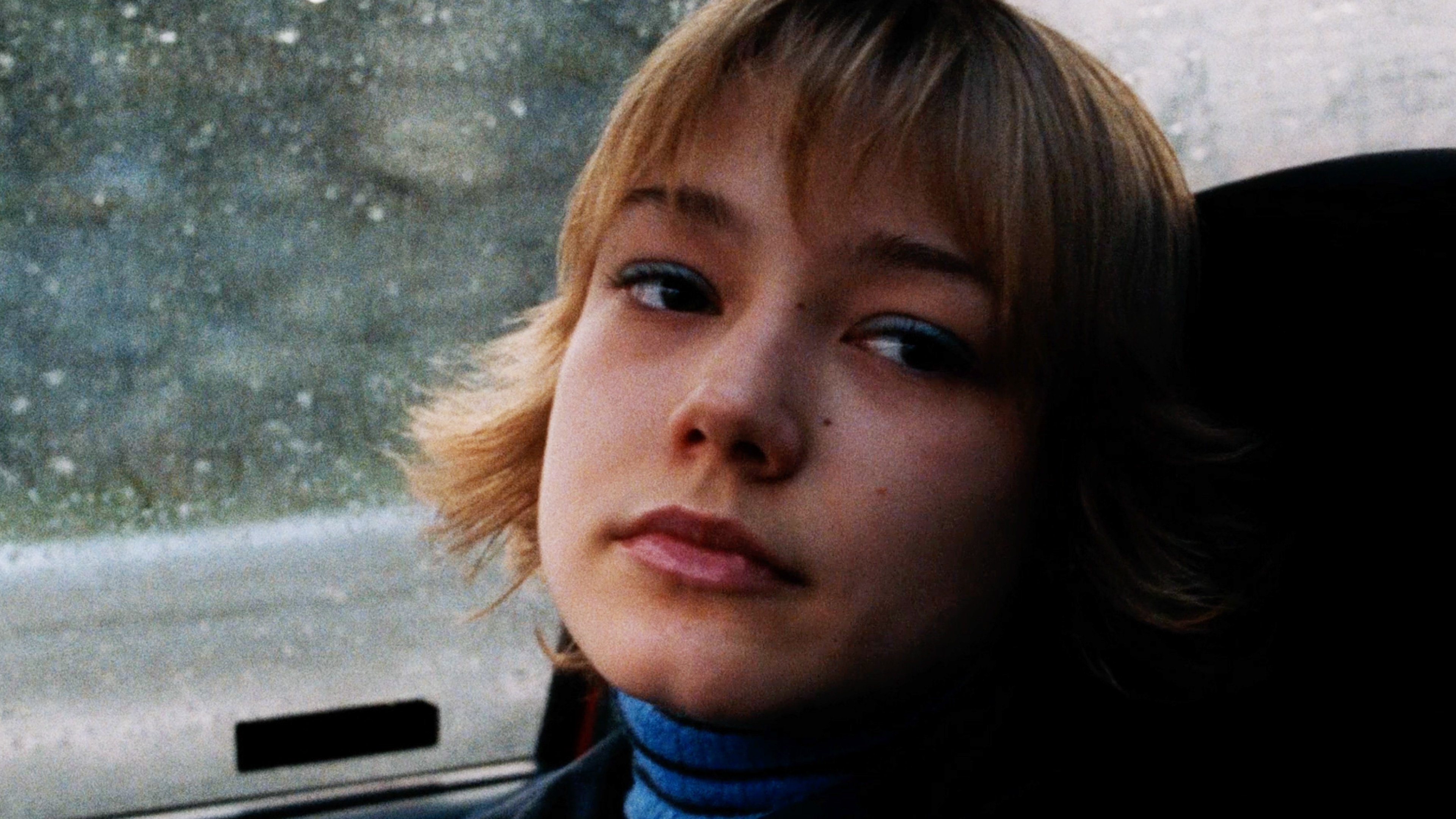
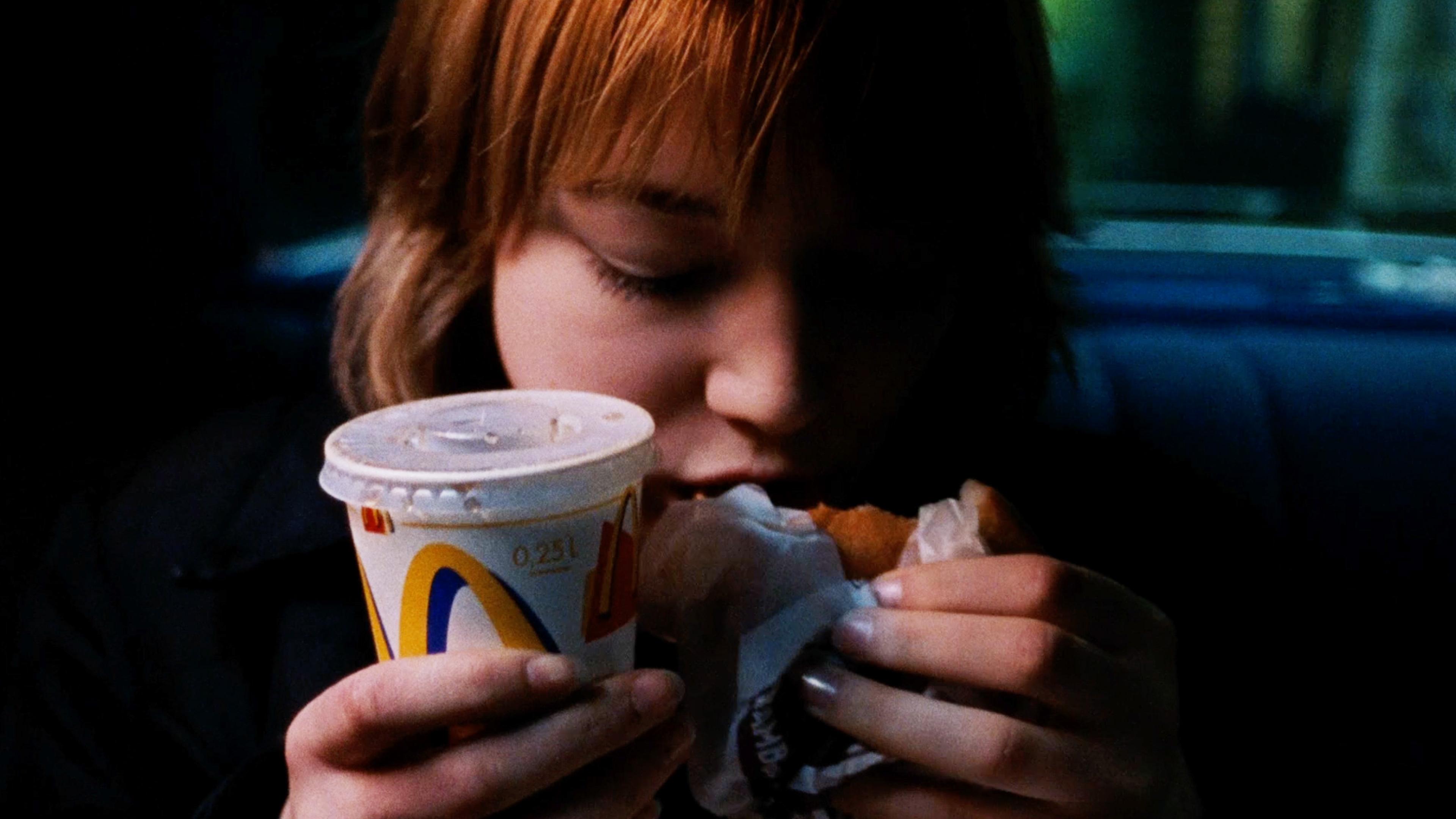
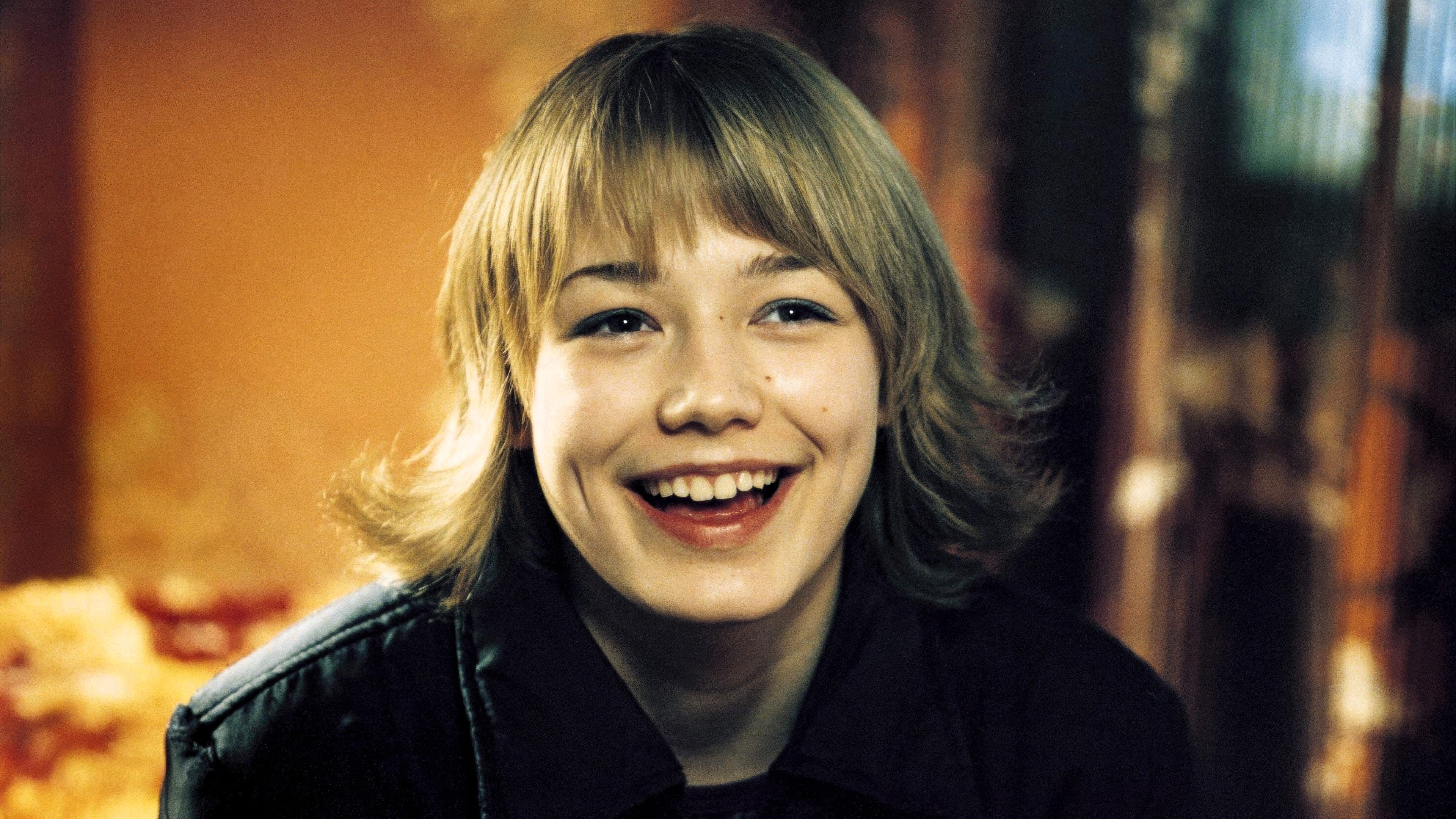
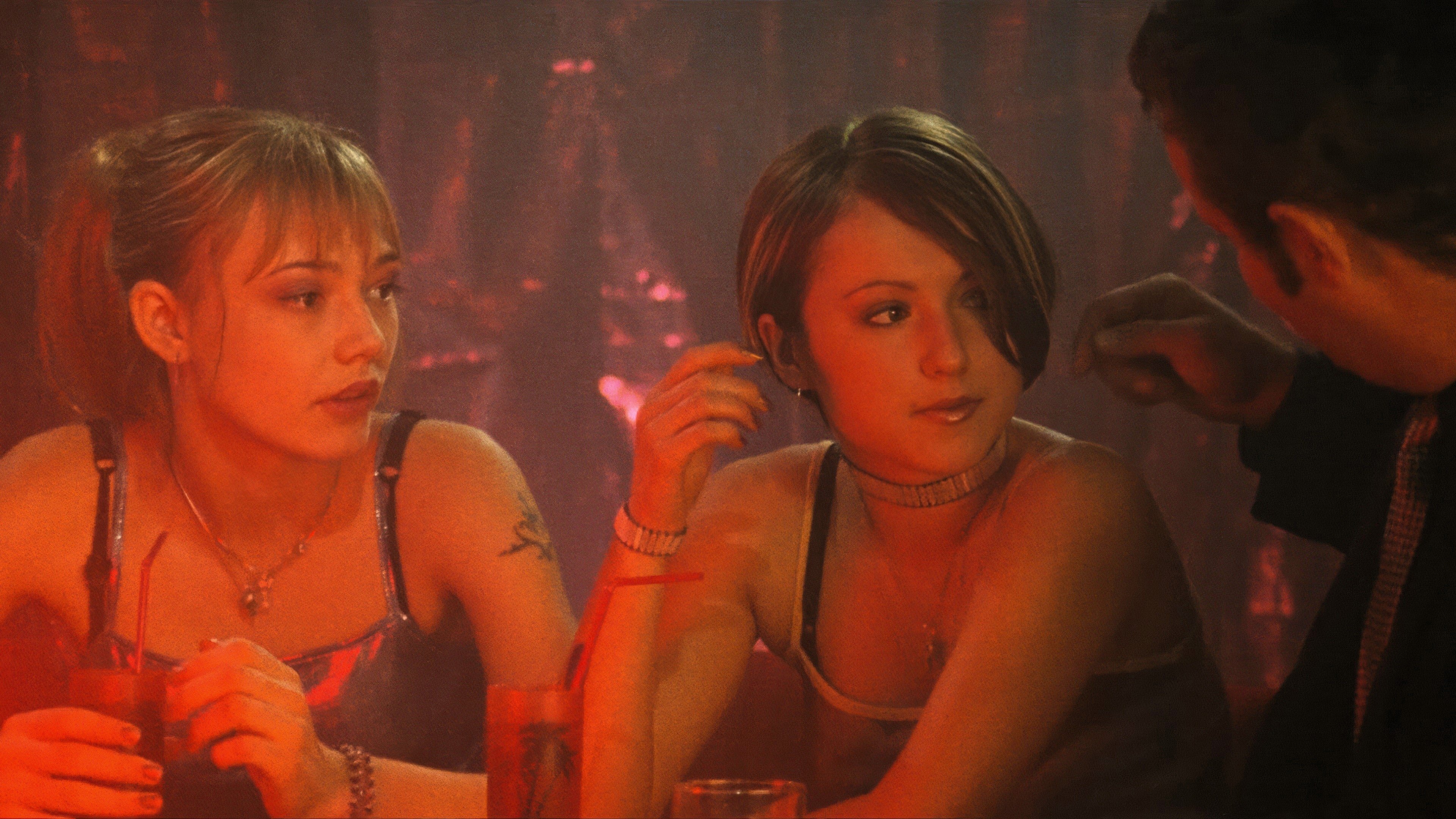
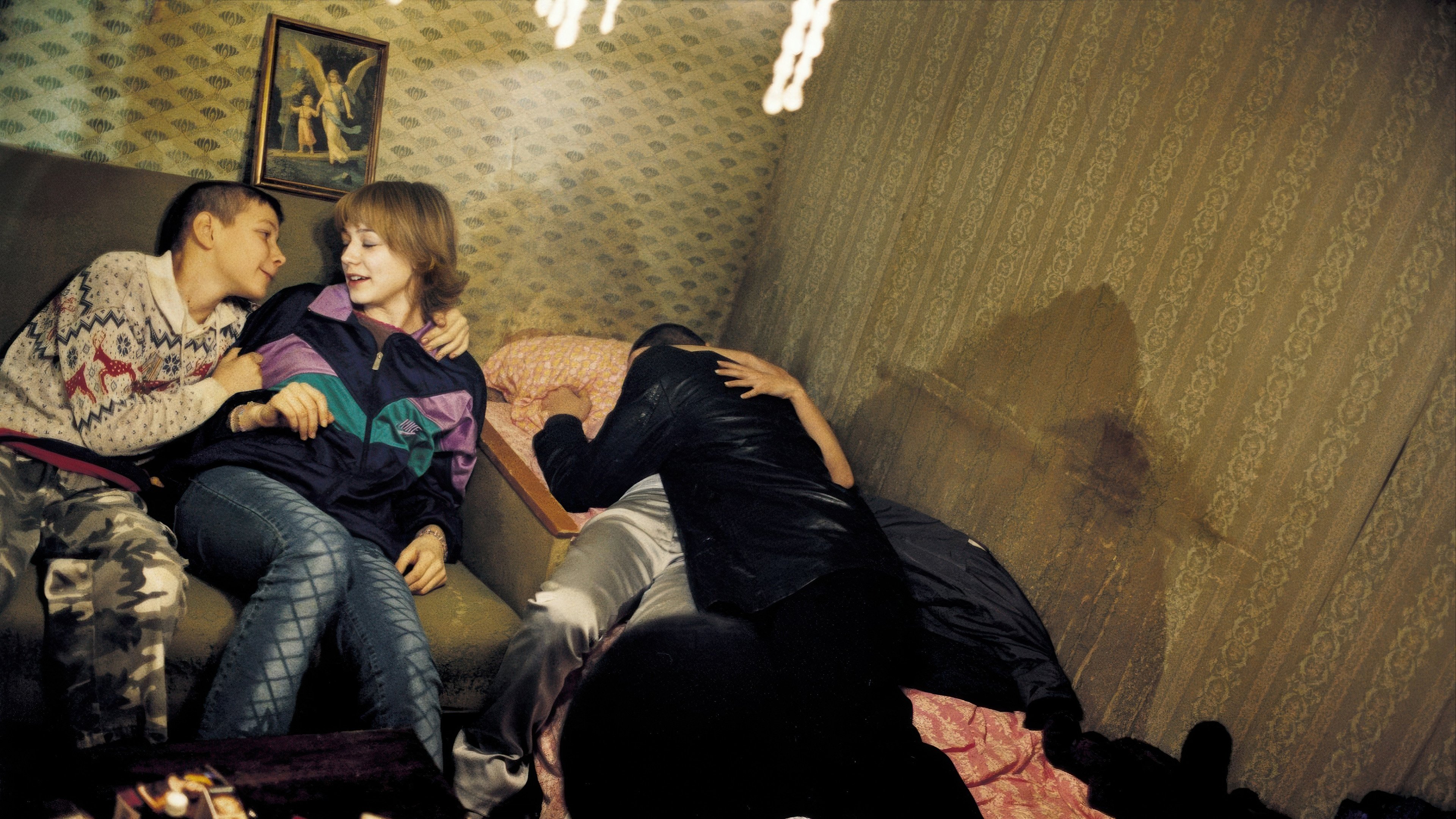
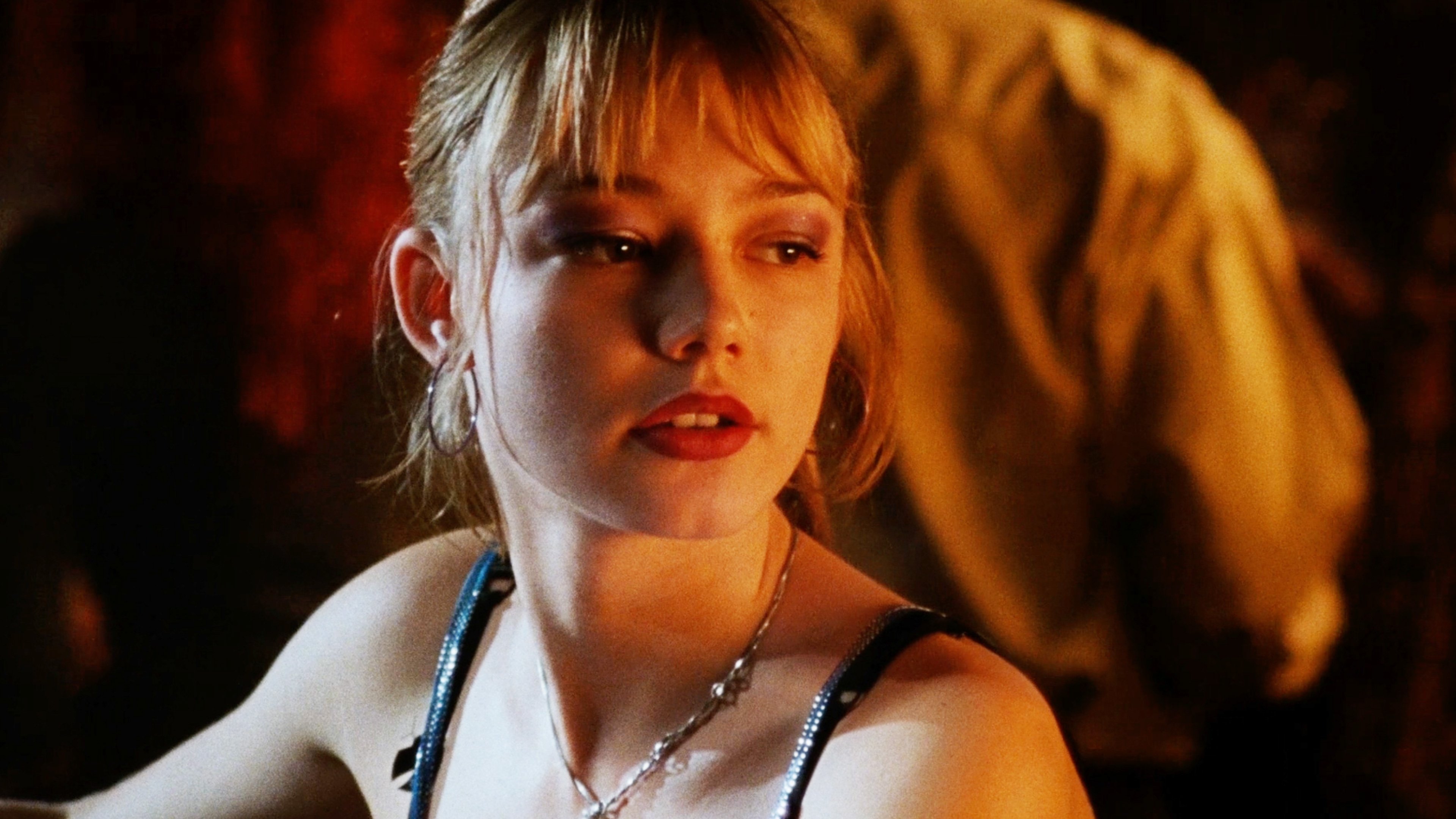
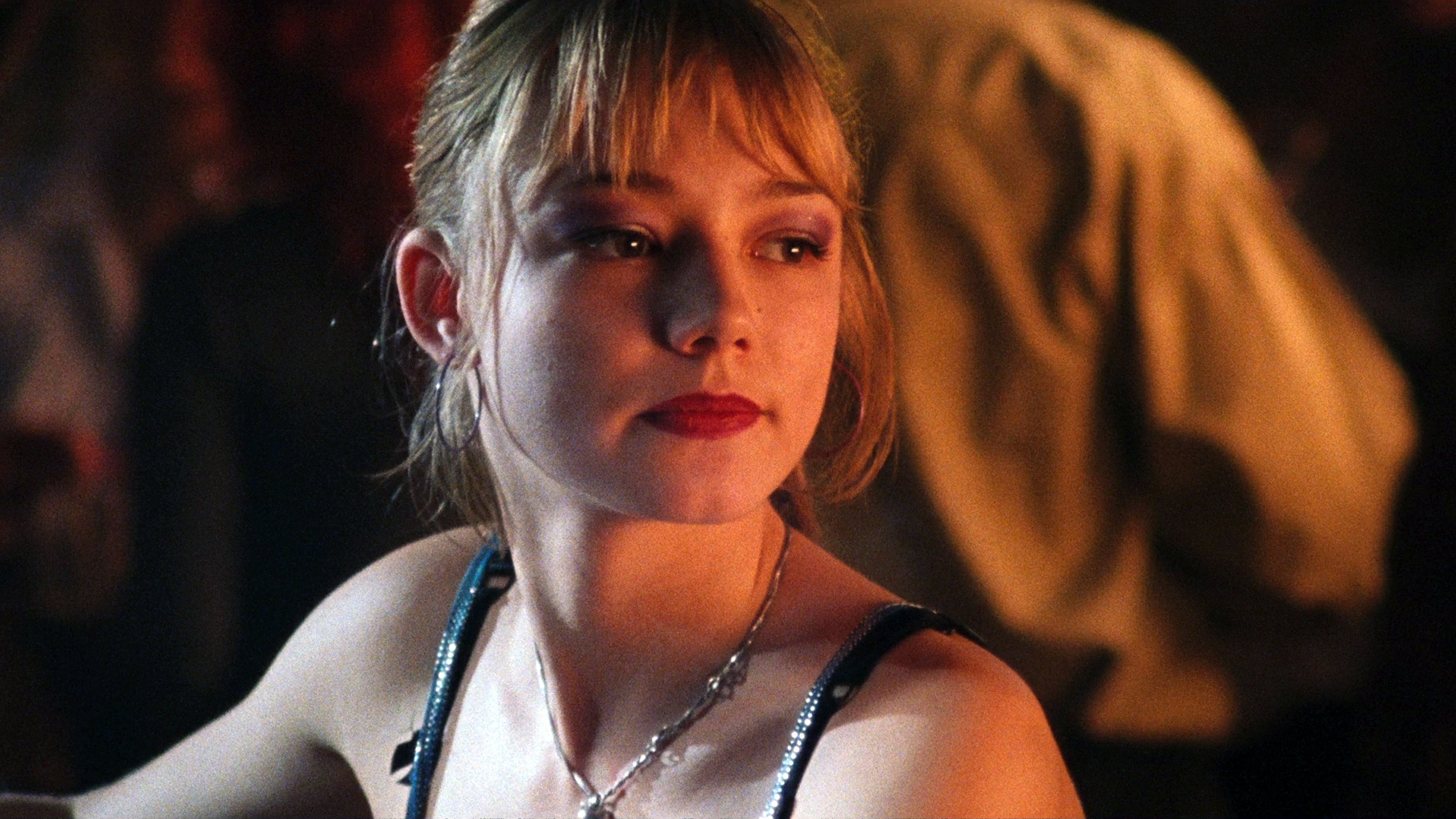
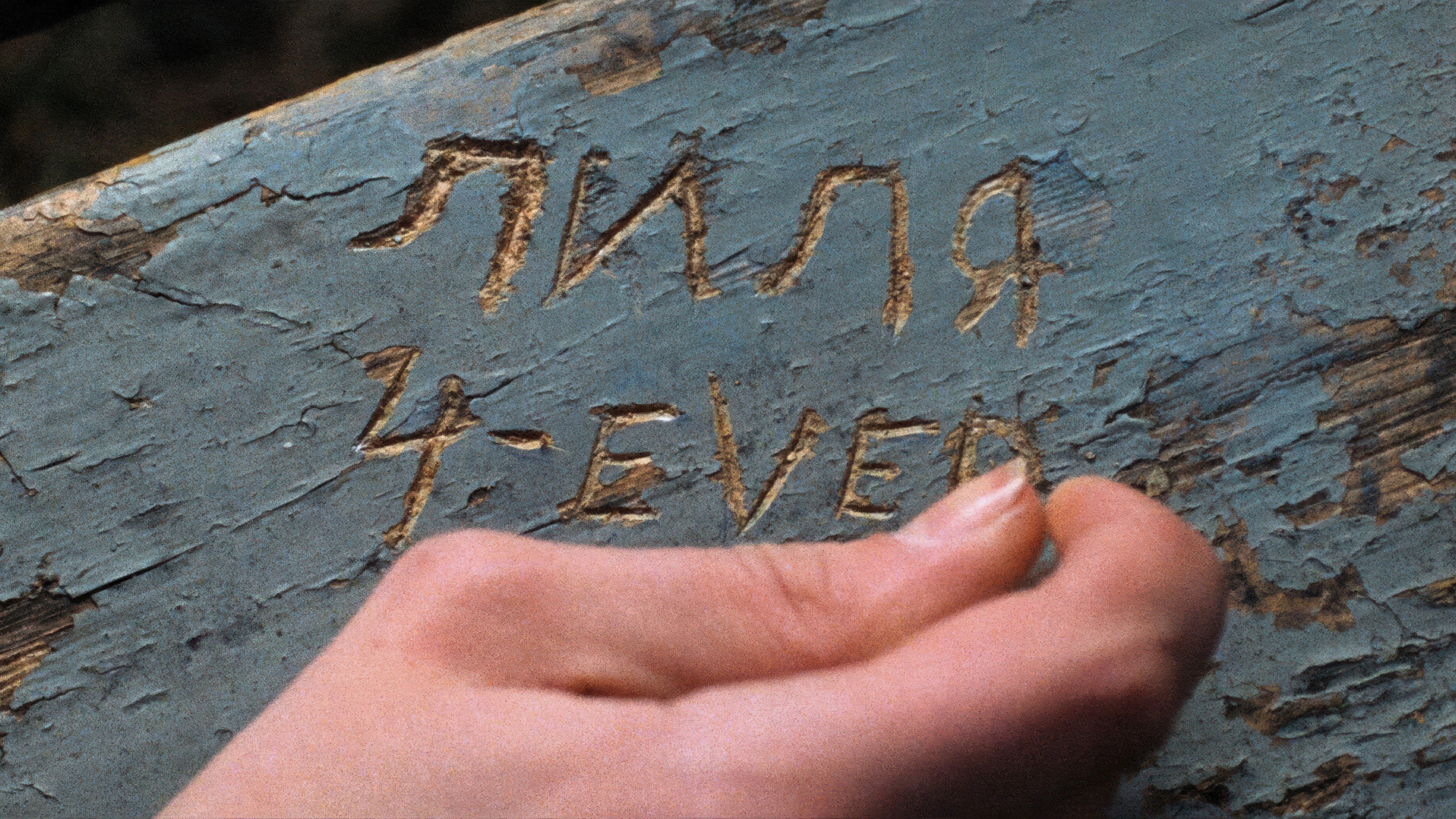
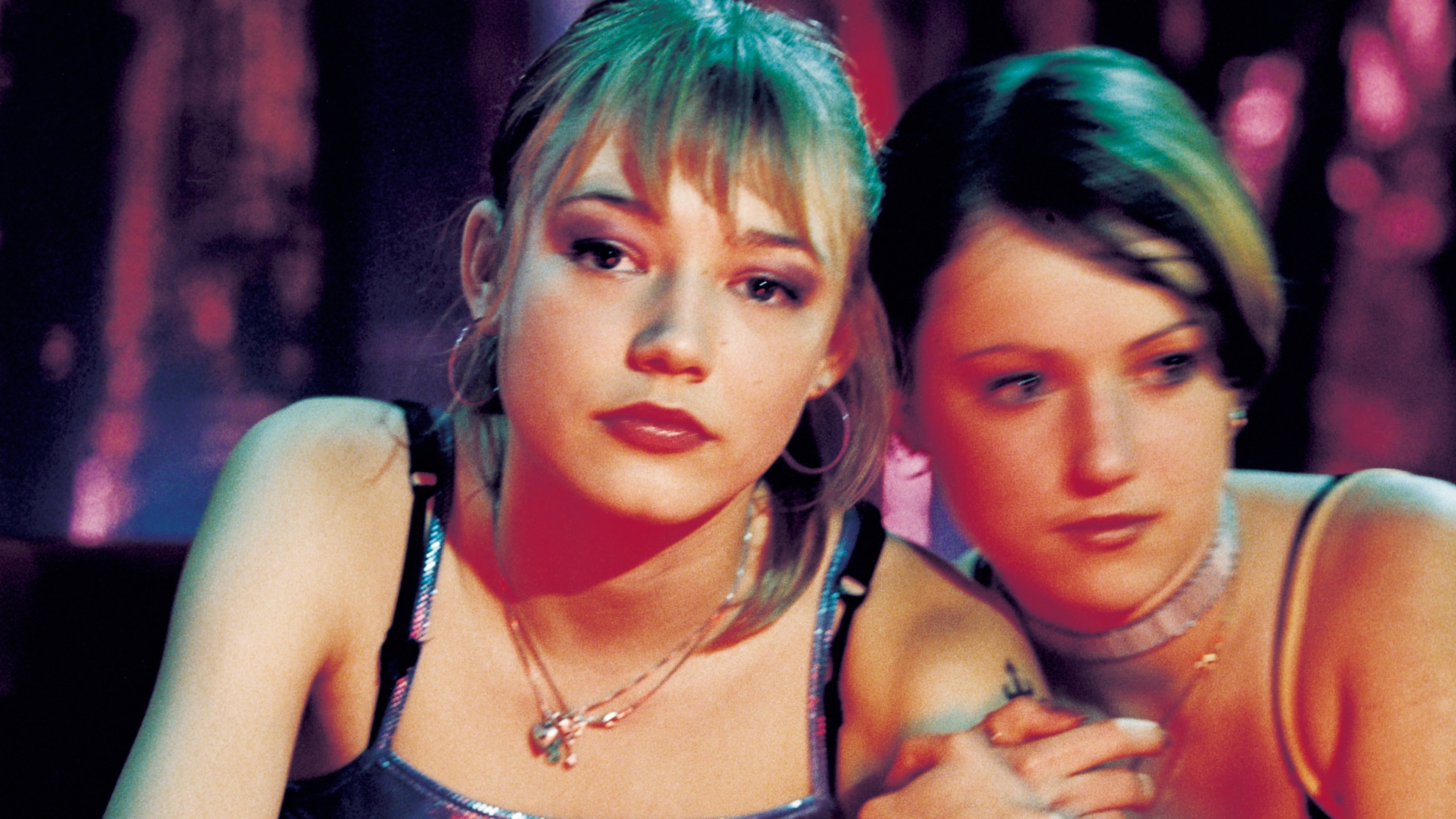
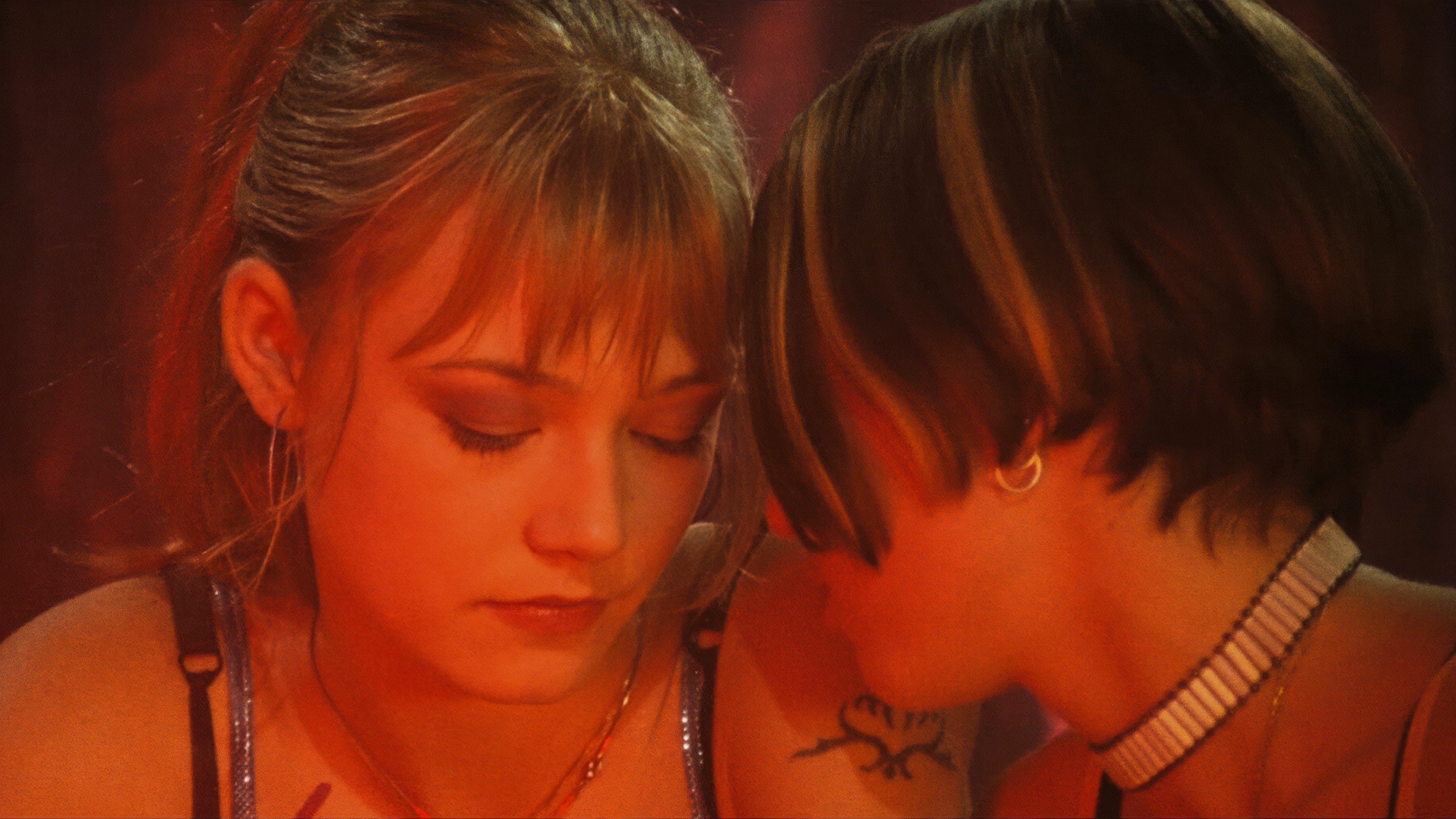
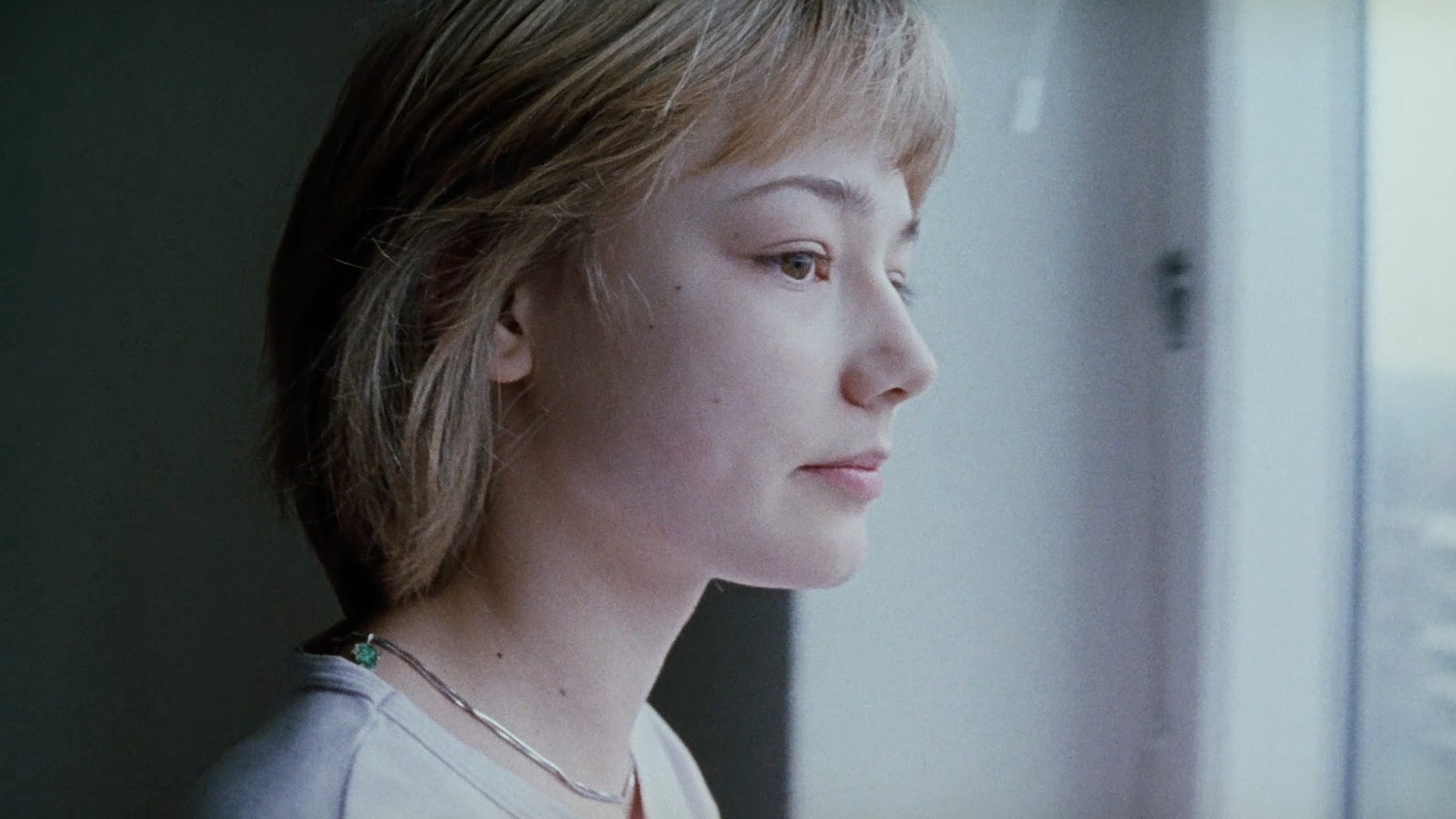
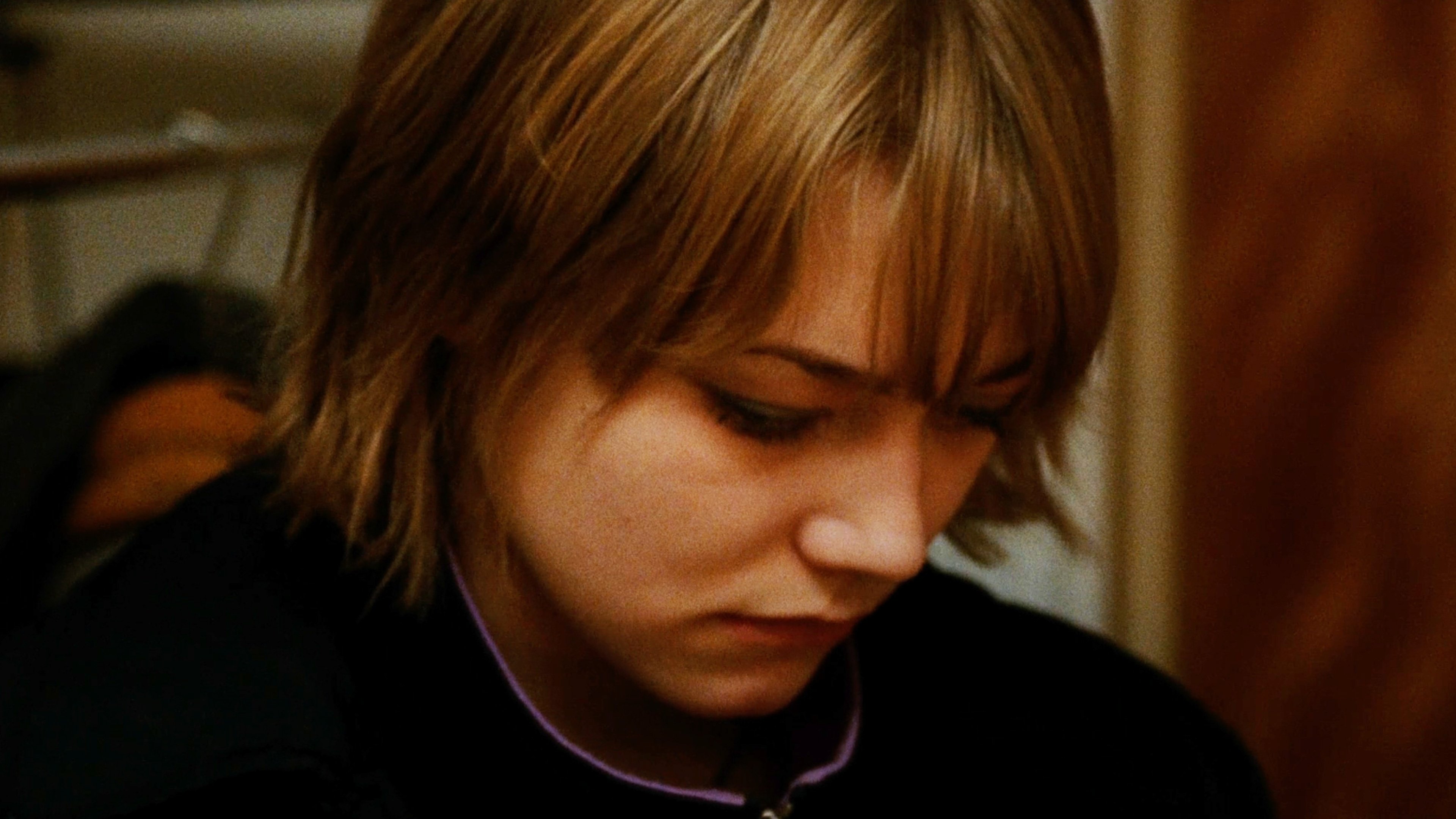
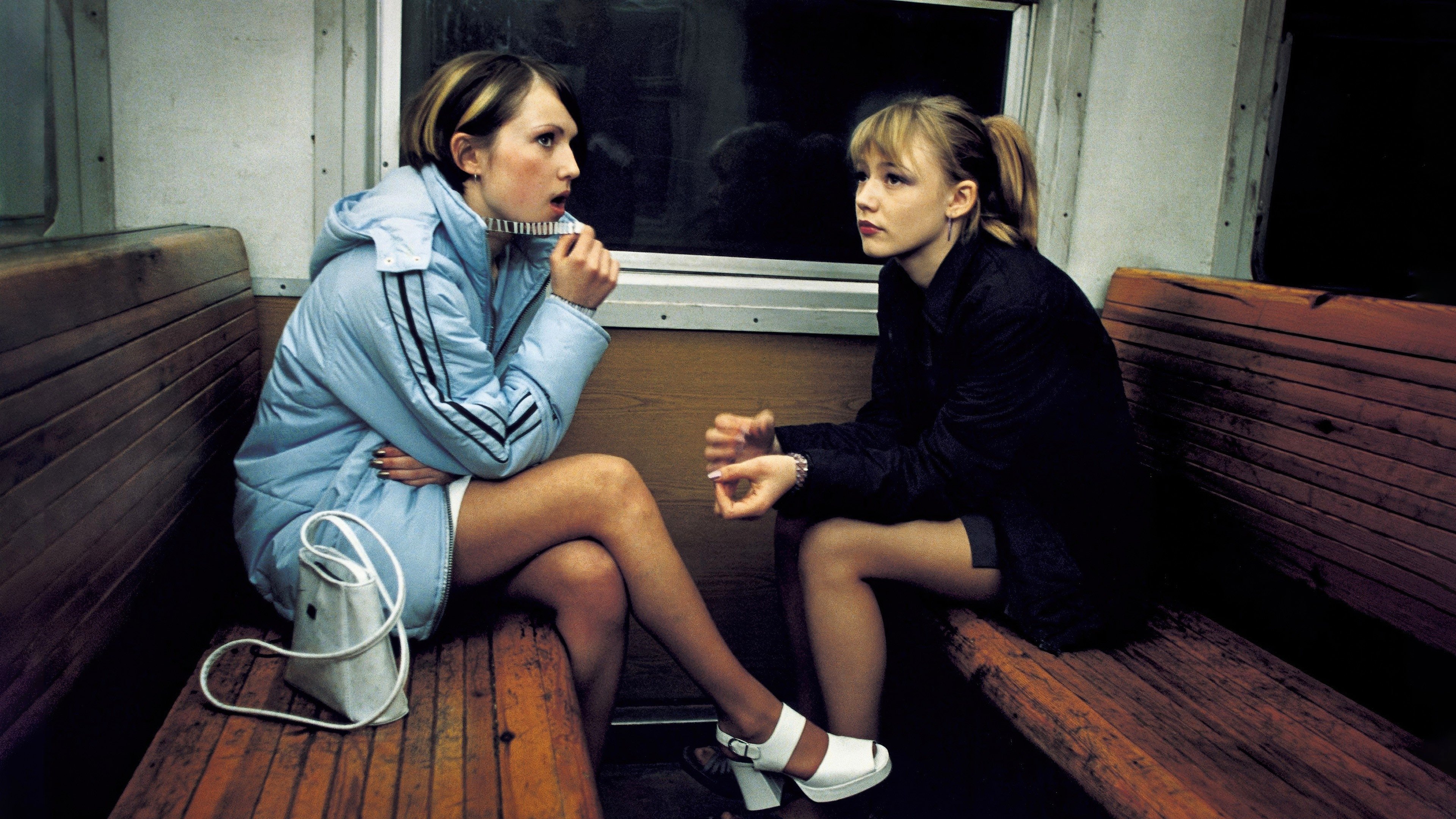
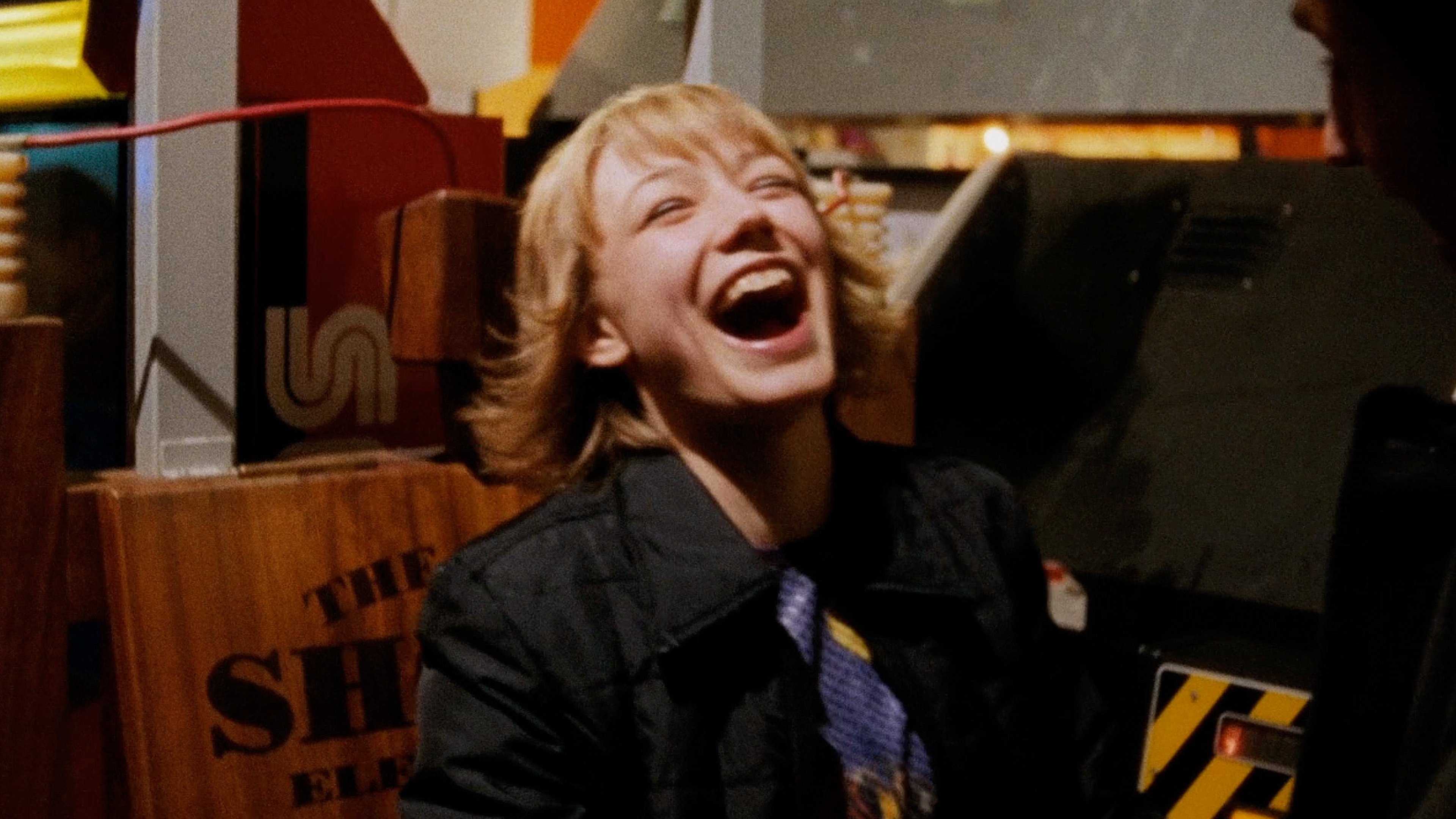
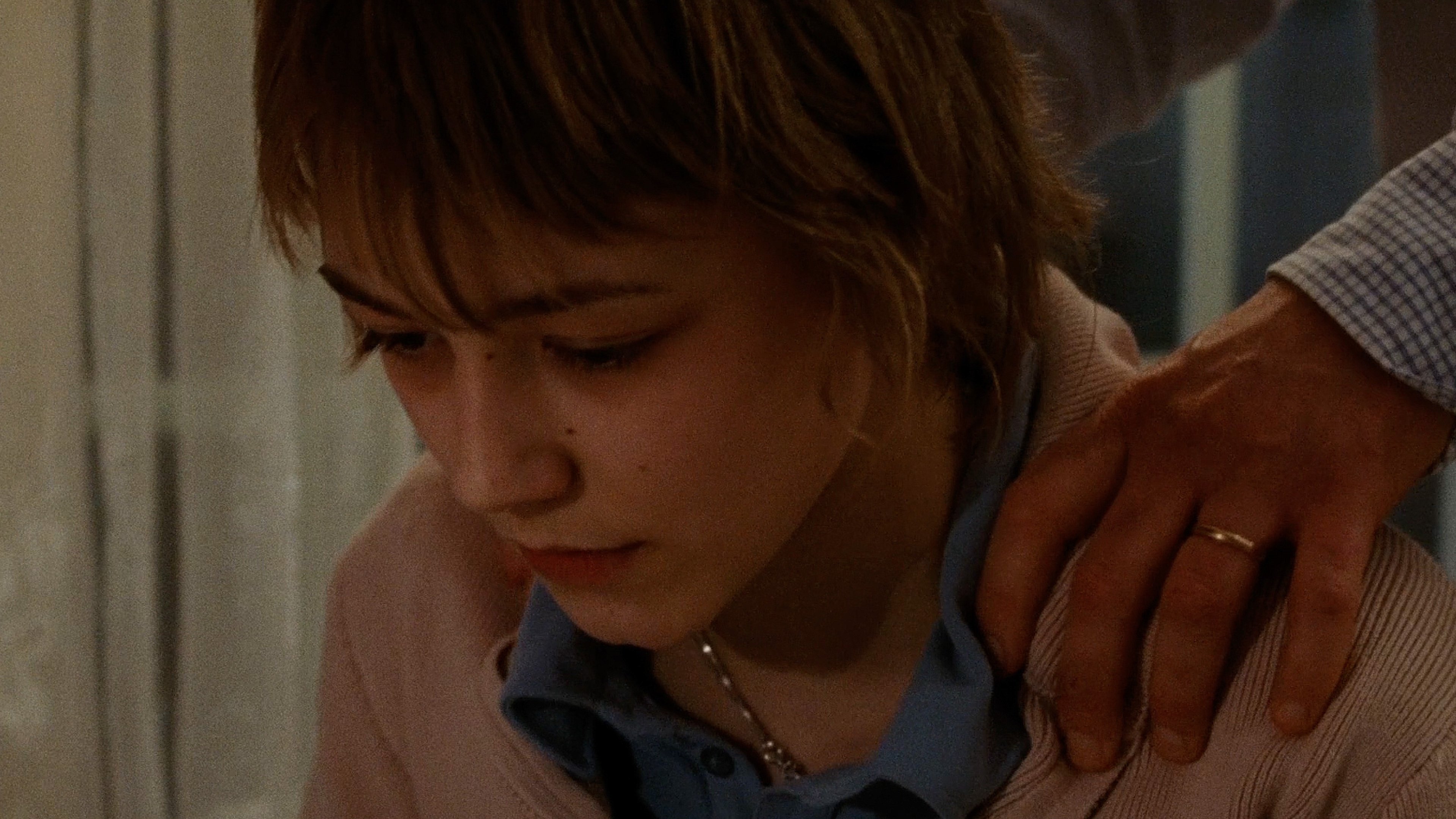
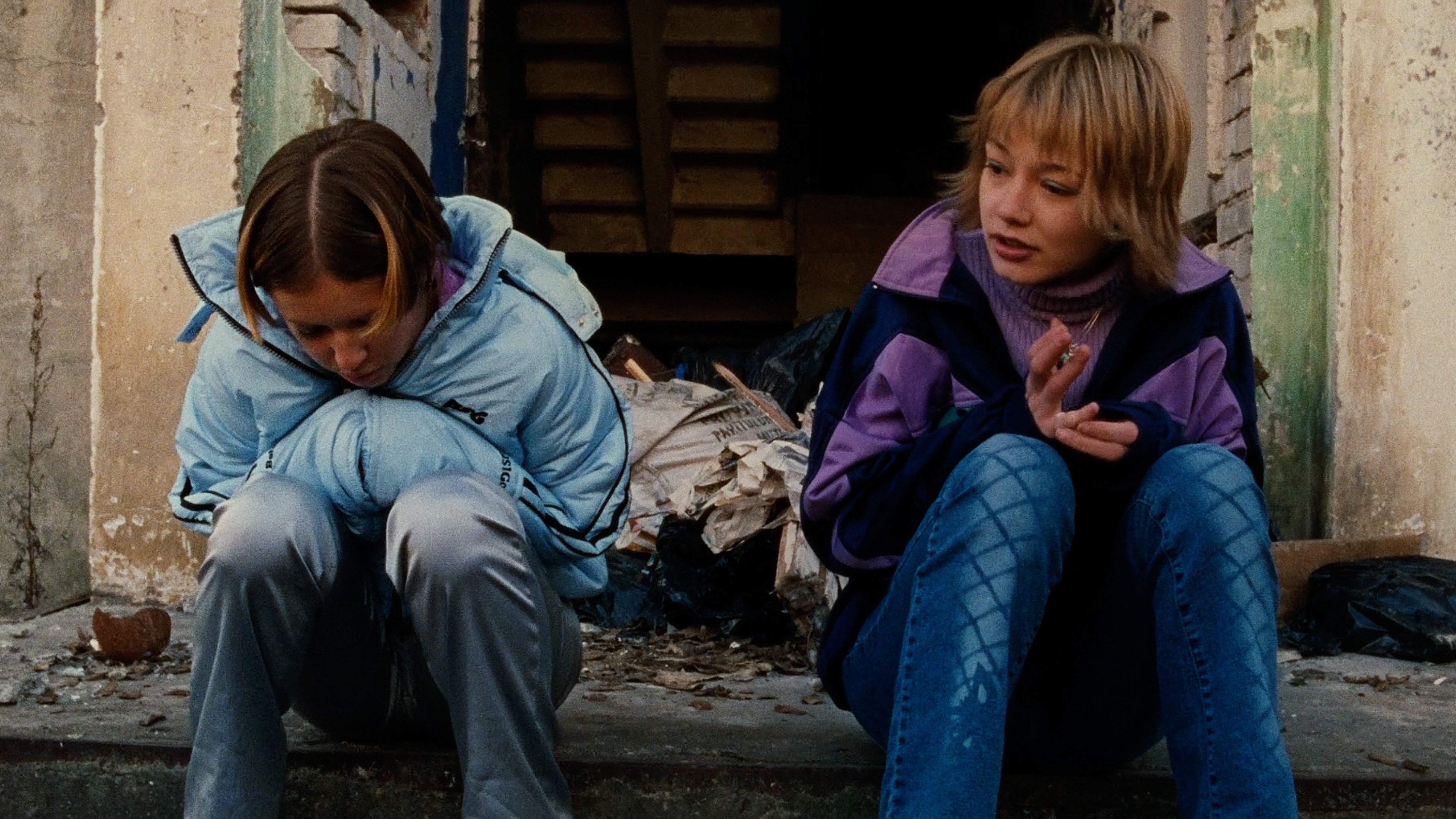
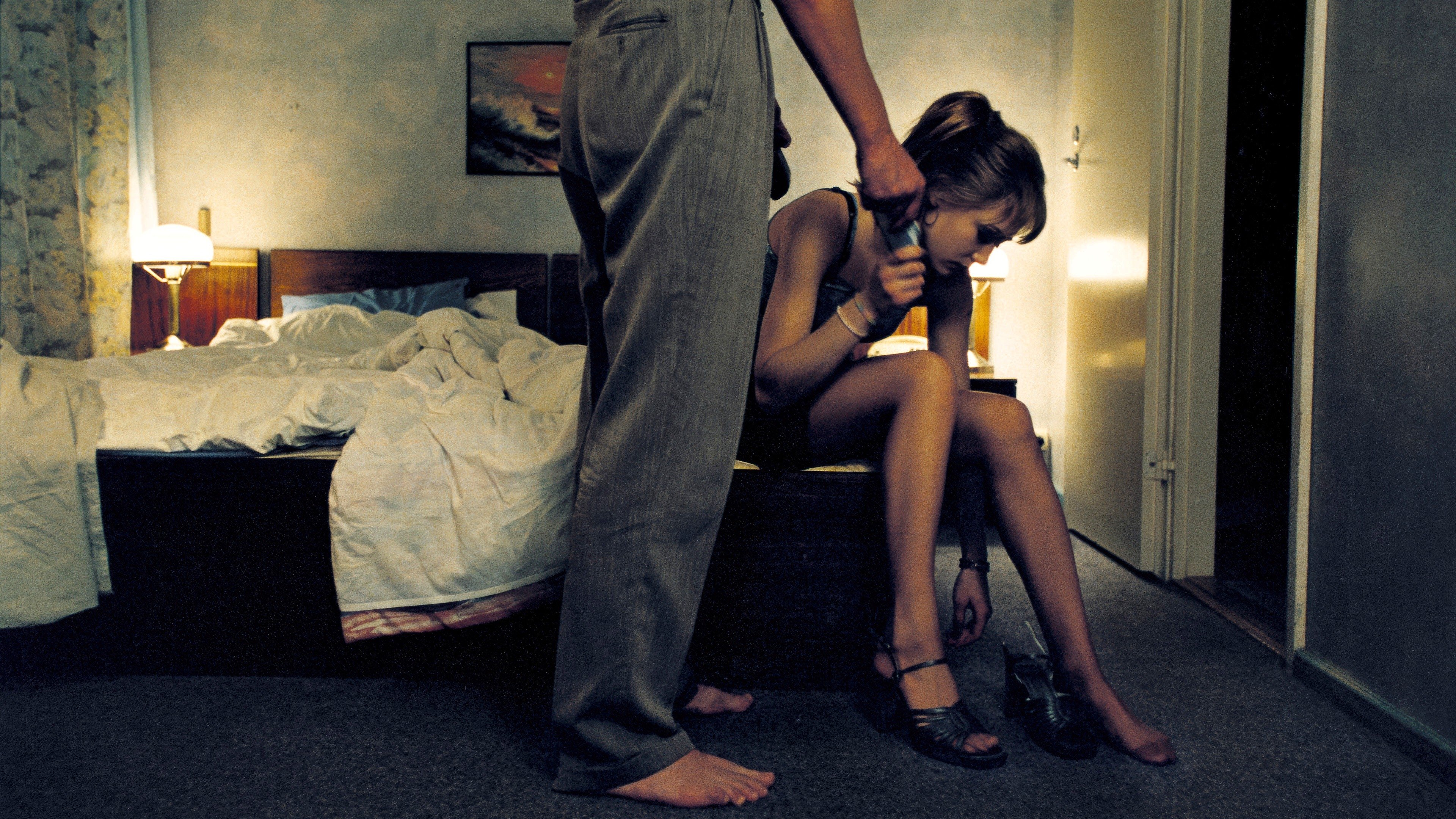
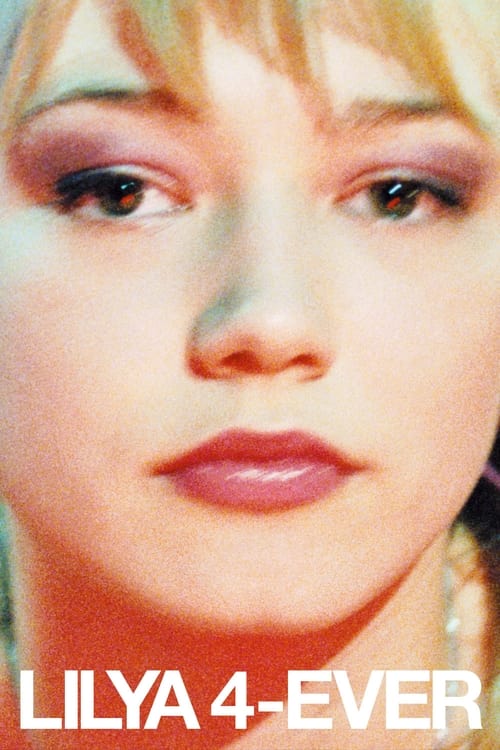
Lukas Moodyson’s Lilya 4 Ever (2002) is an extremely dark and controversial film about a teenager sold into prostitution and sex trafficking. It is set in an unspecified location in the former Soviet Union and is loosely based on a true story of a Lithuanian girl in the 1990’s.
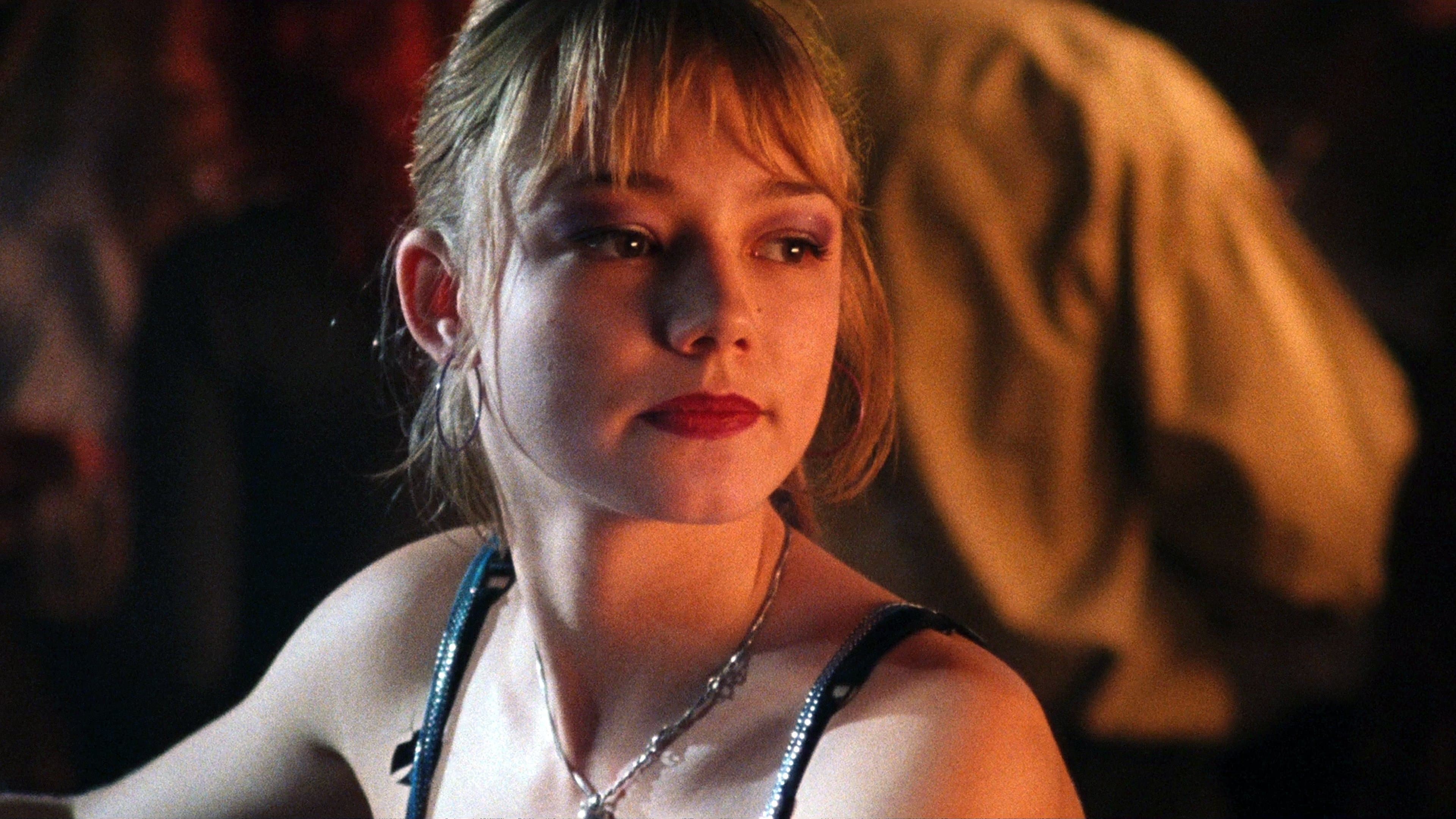
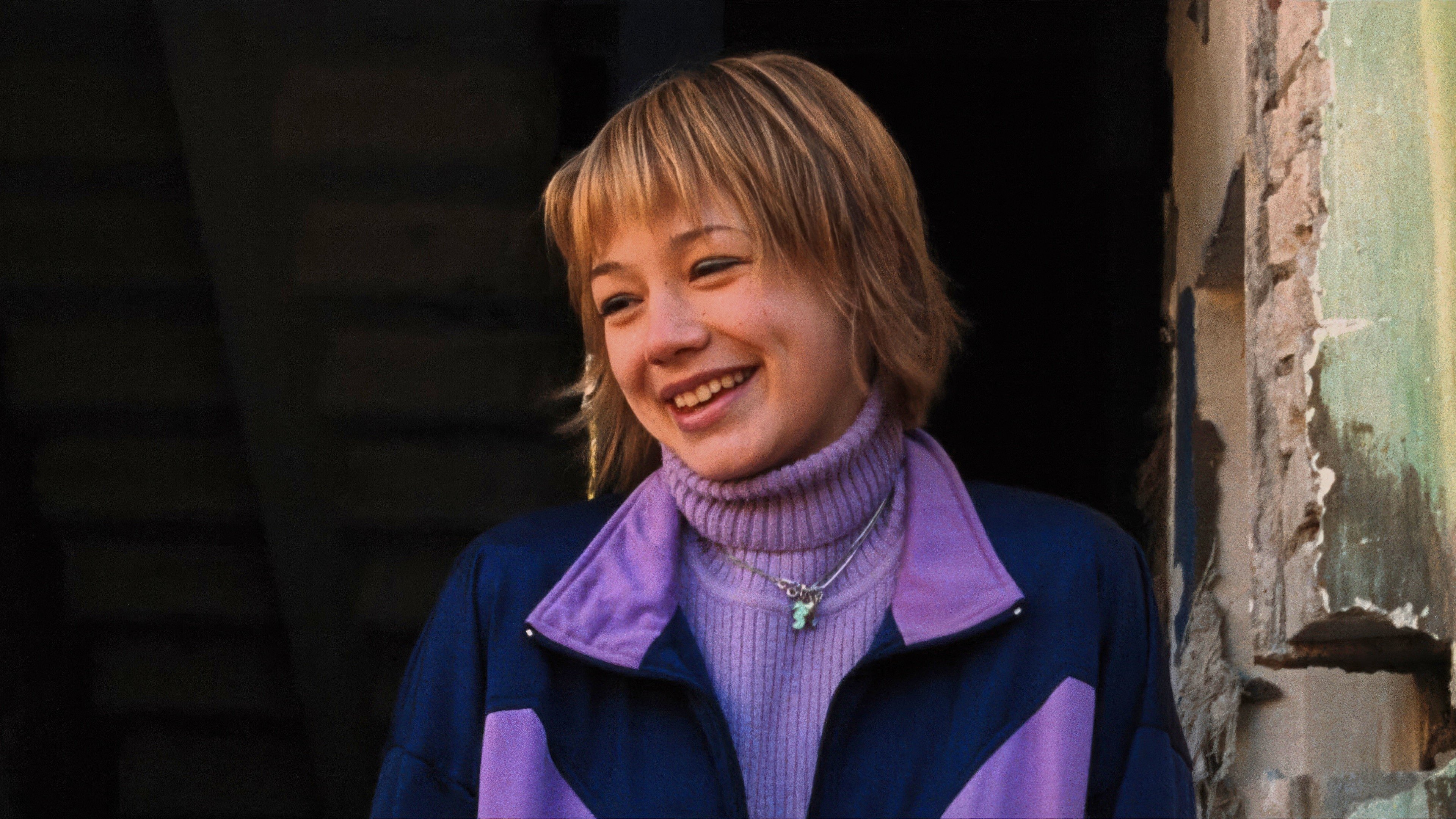
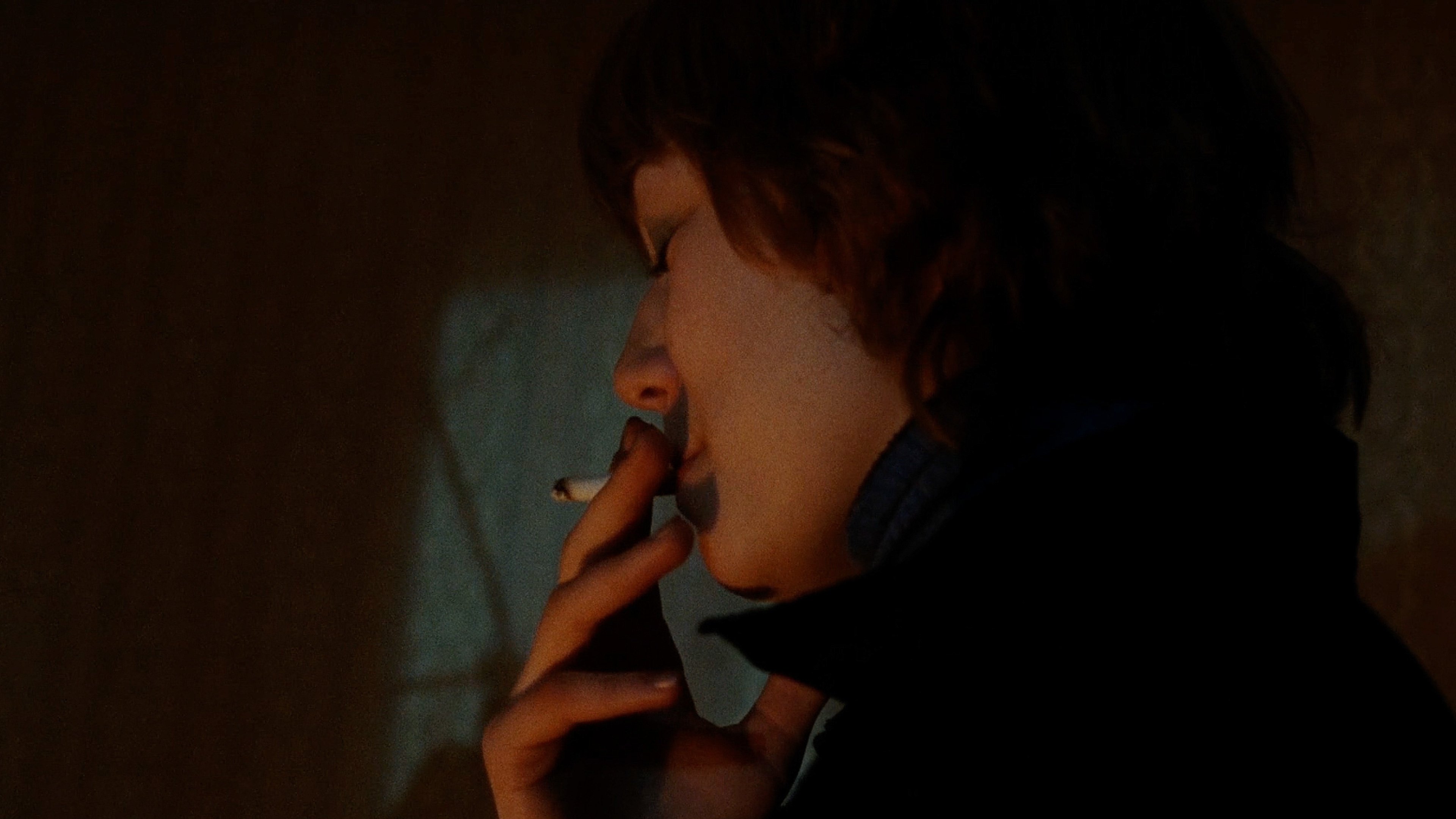
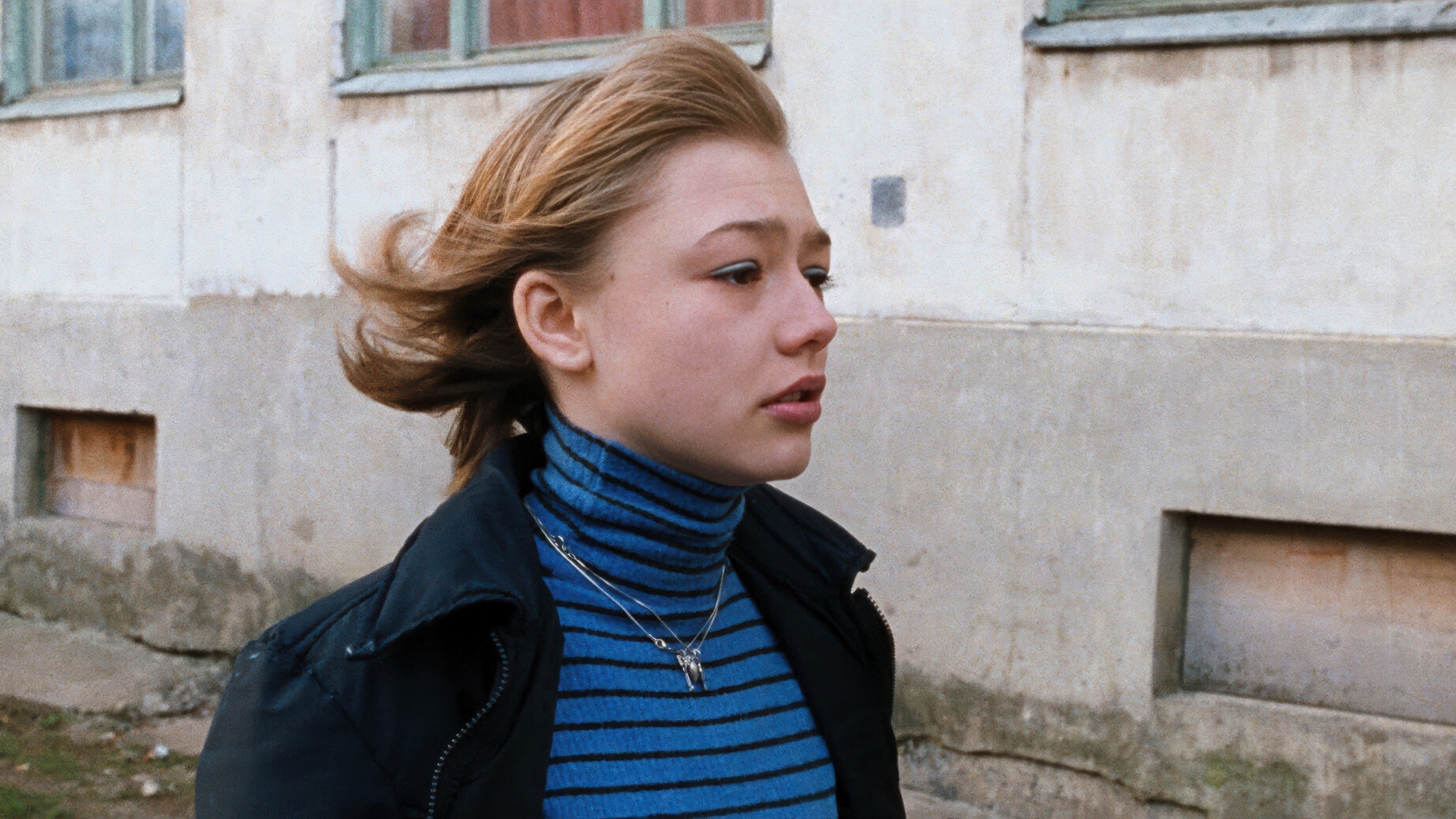
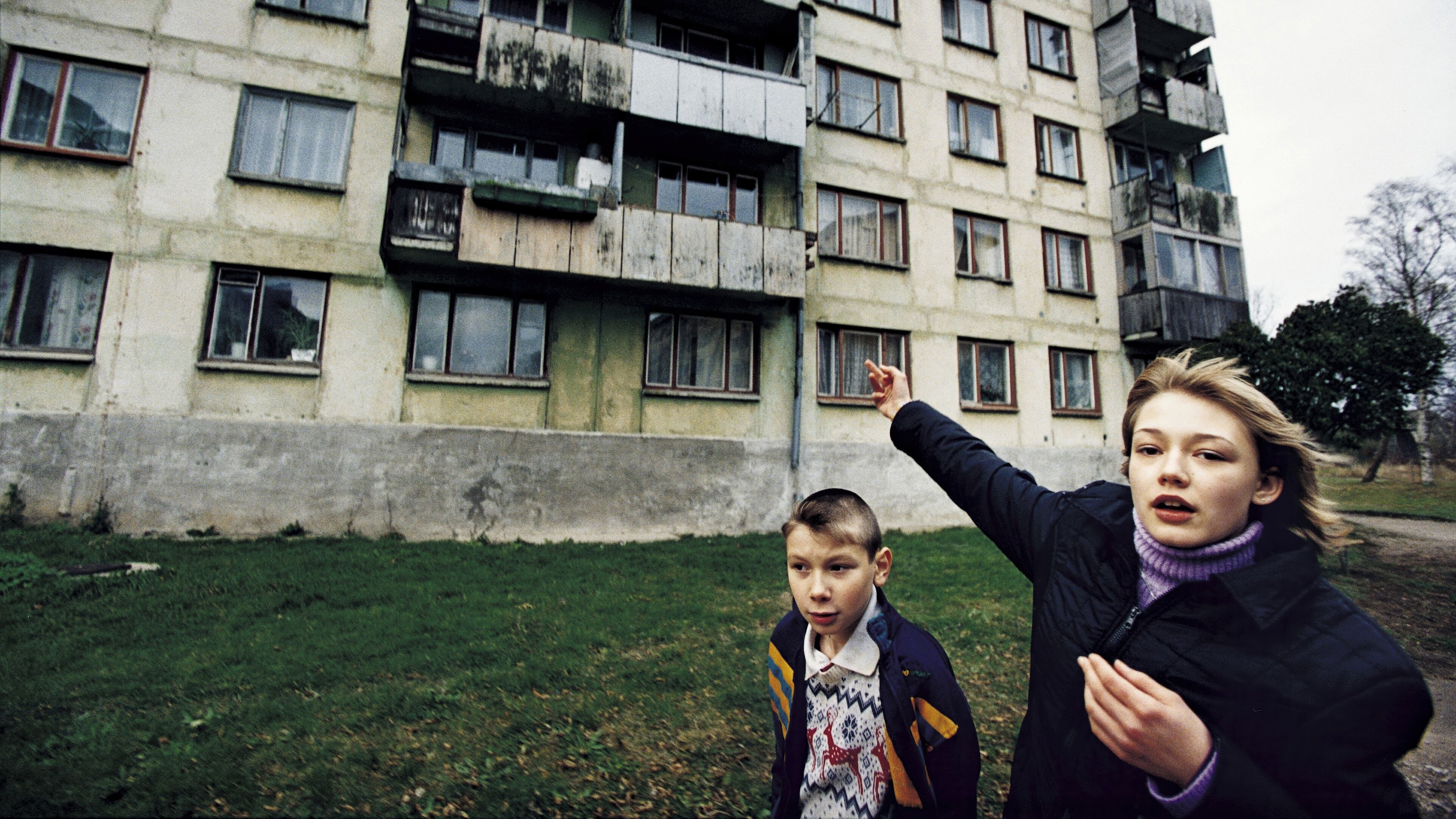
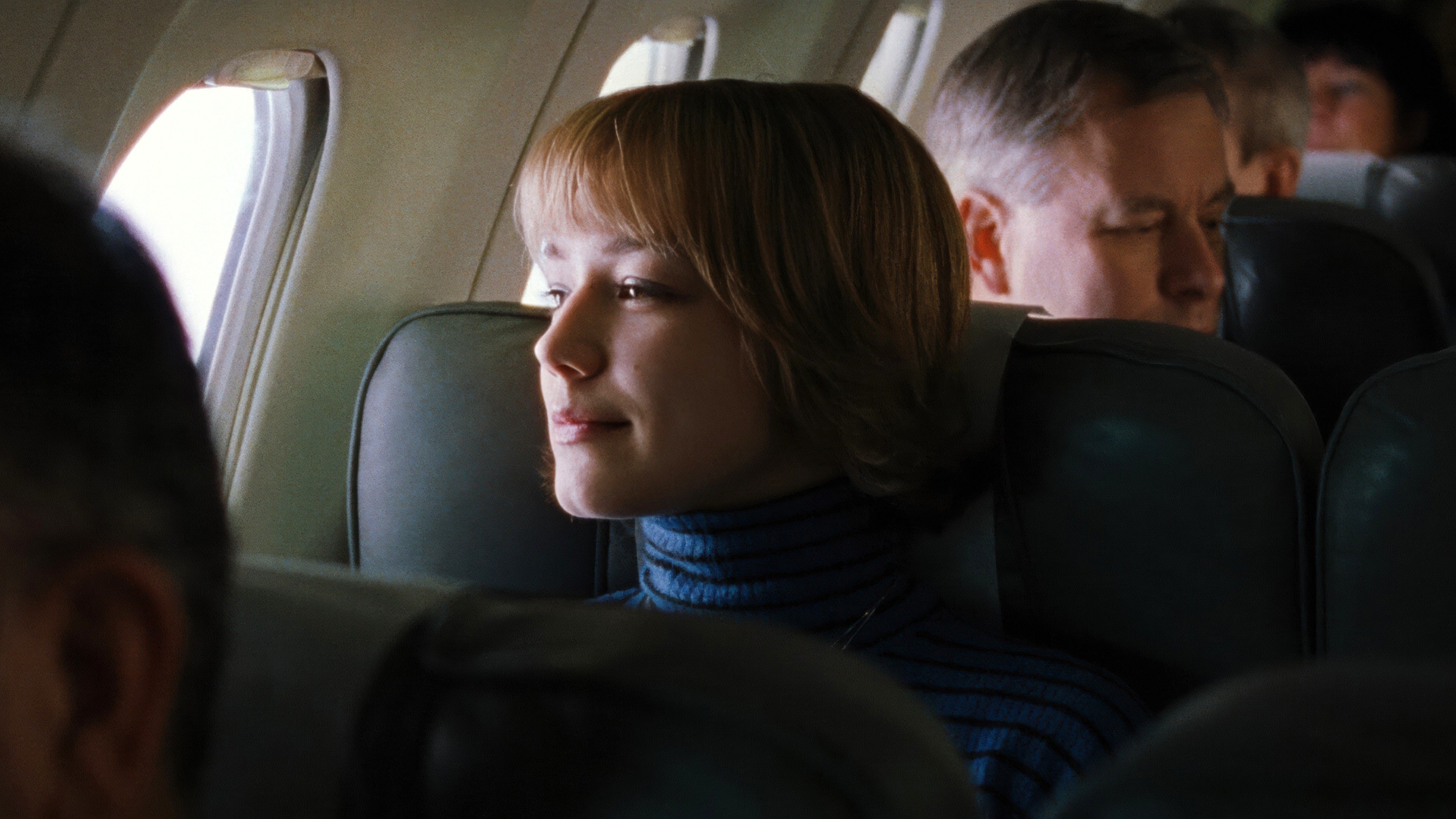
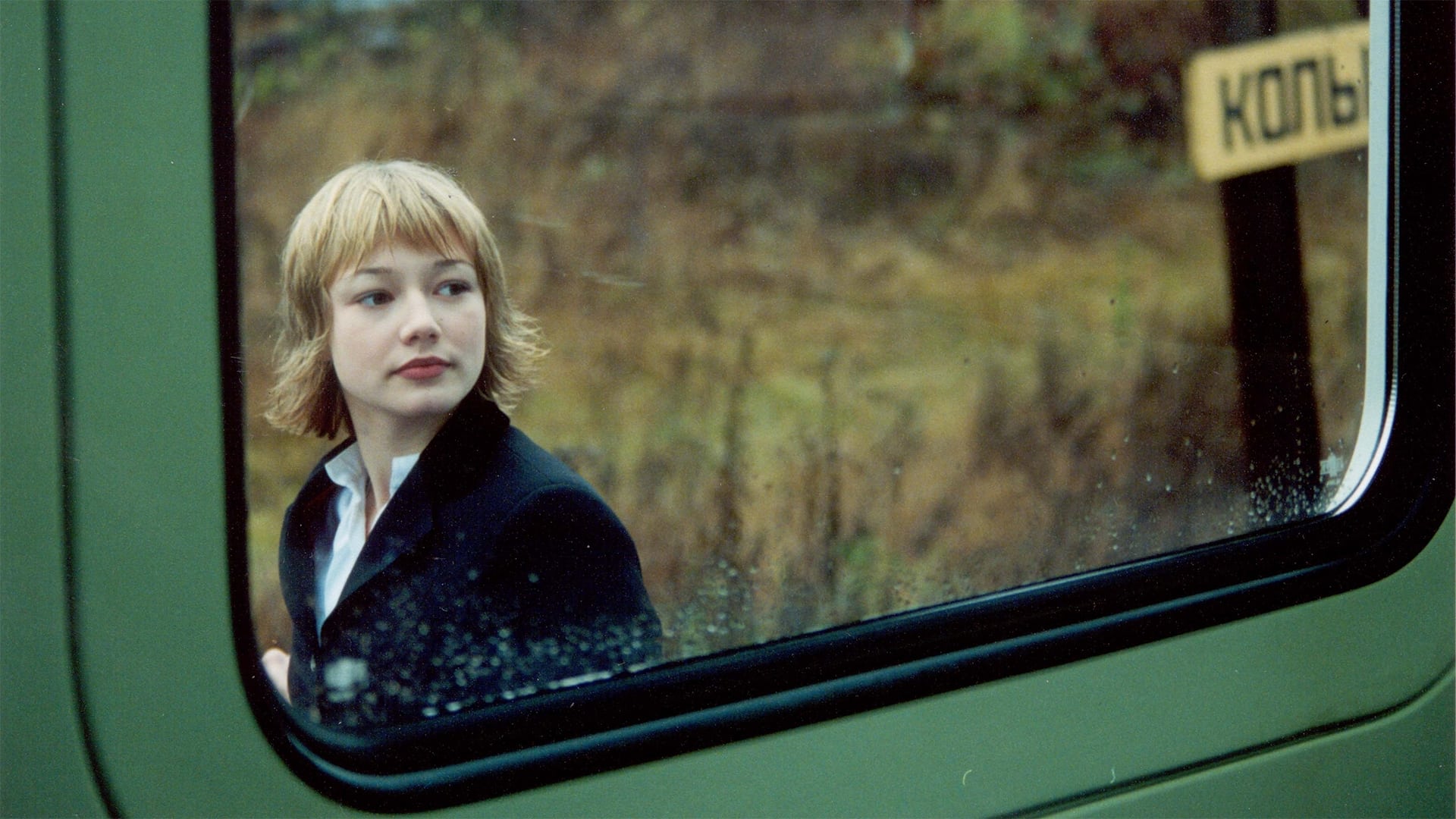
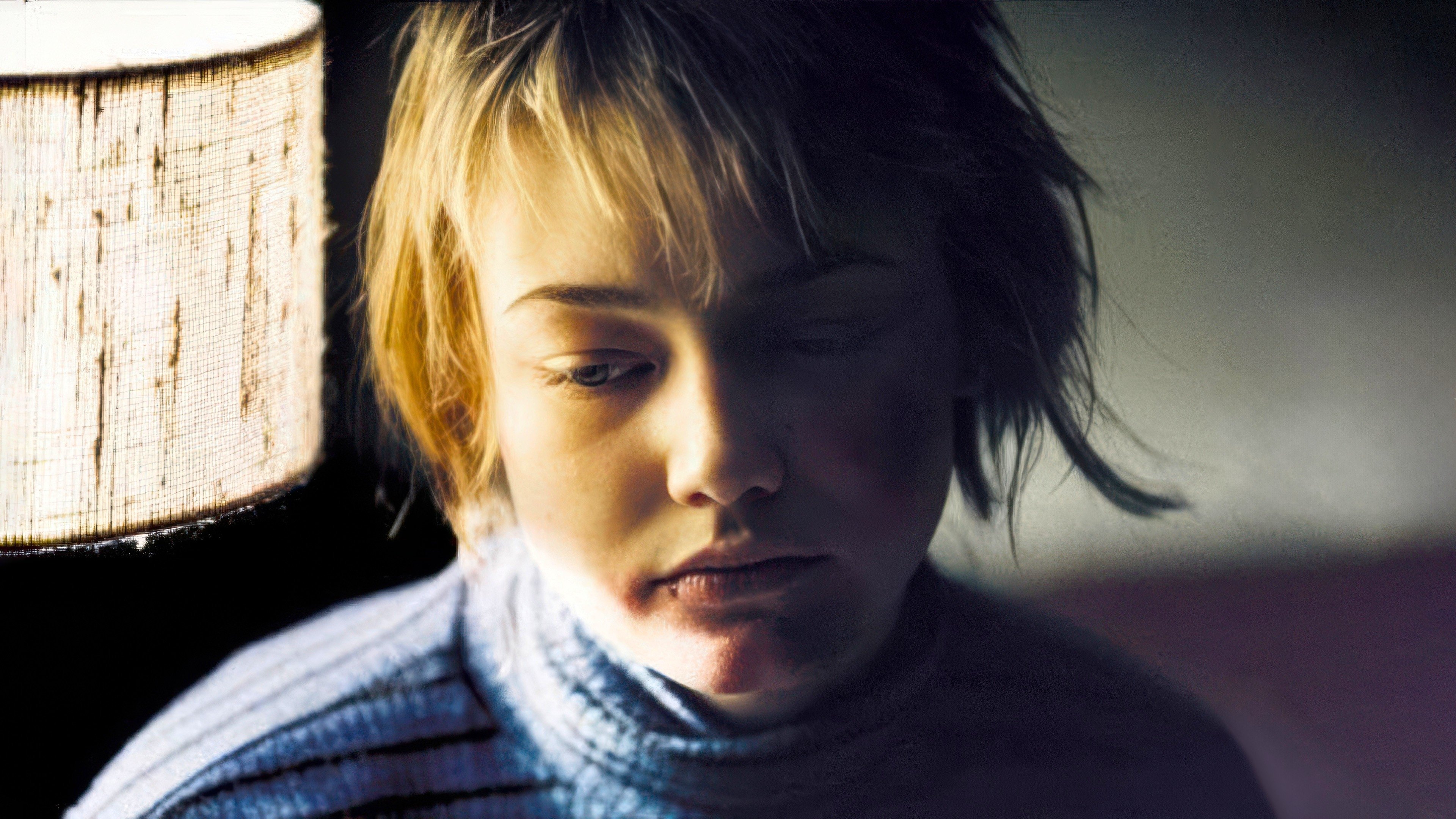
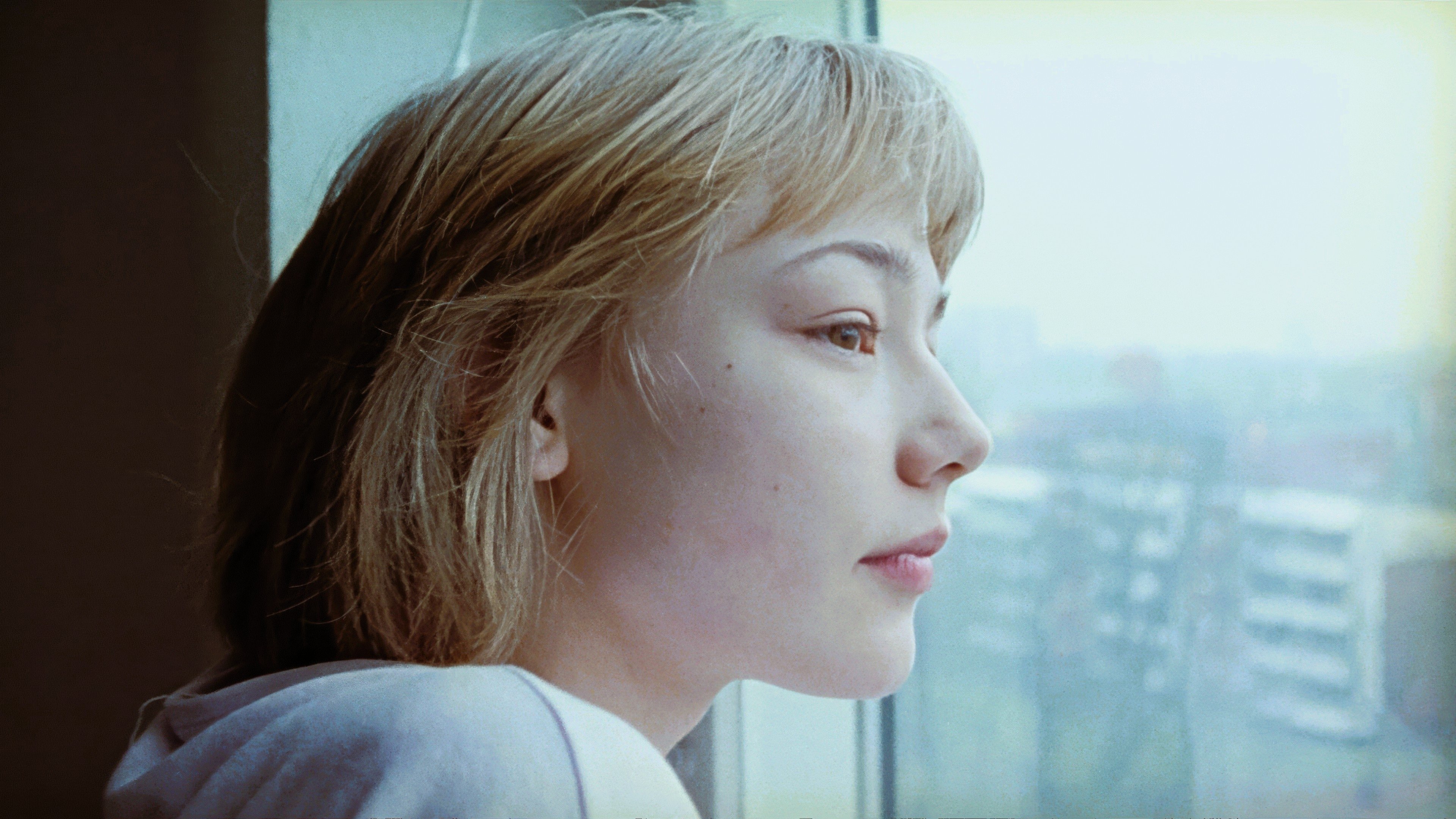
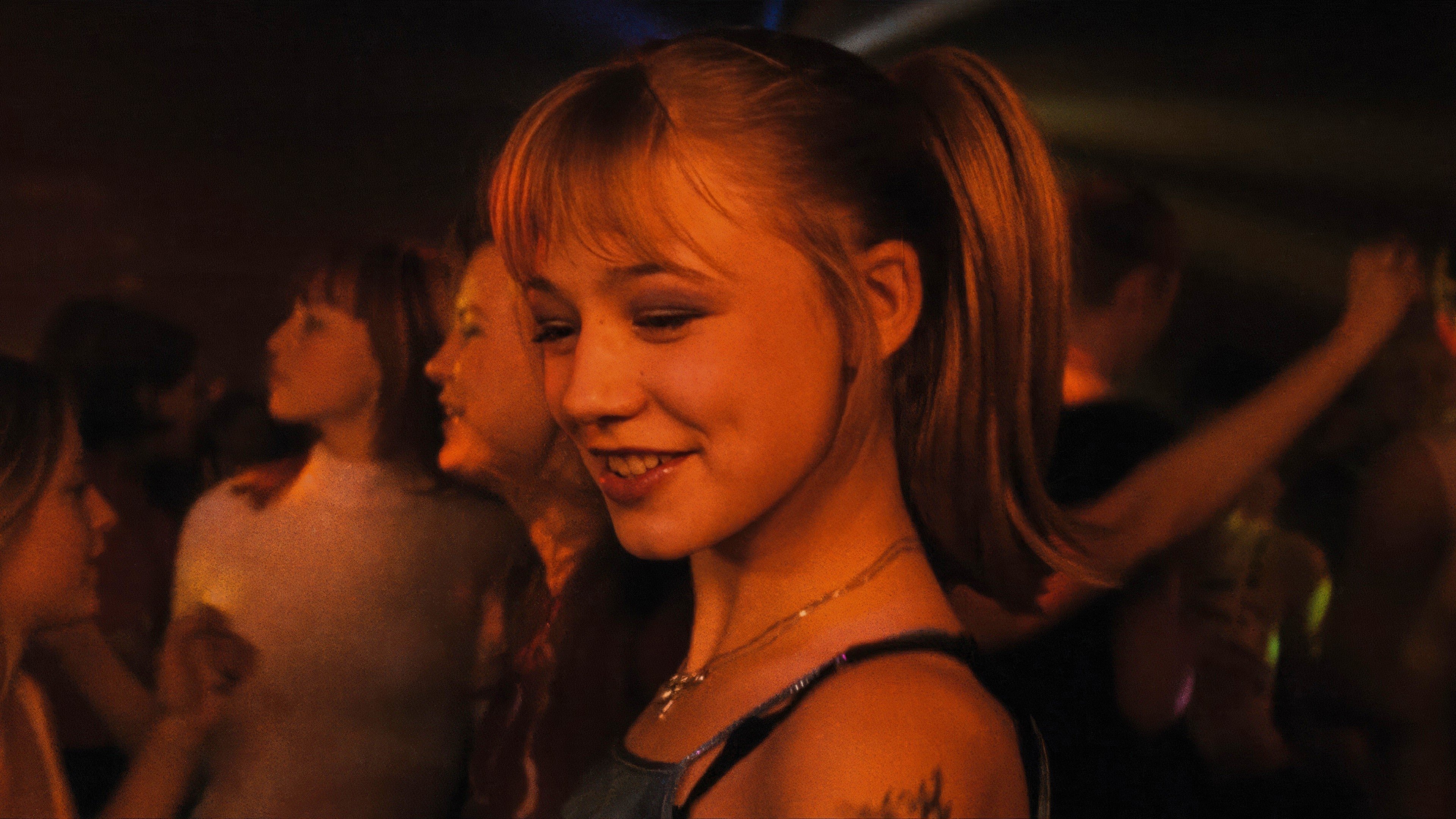
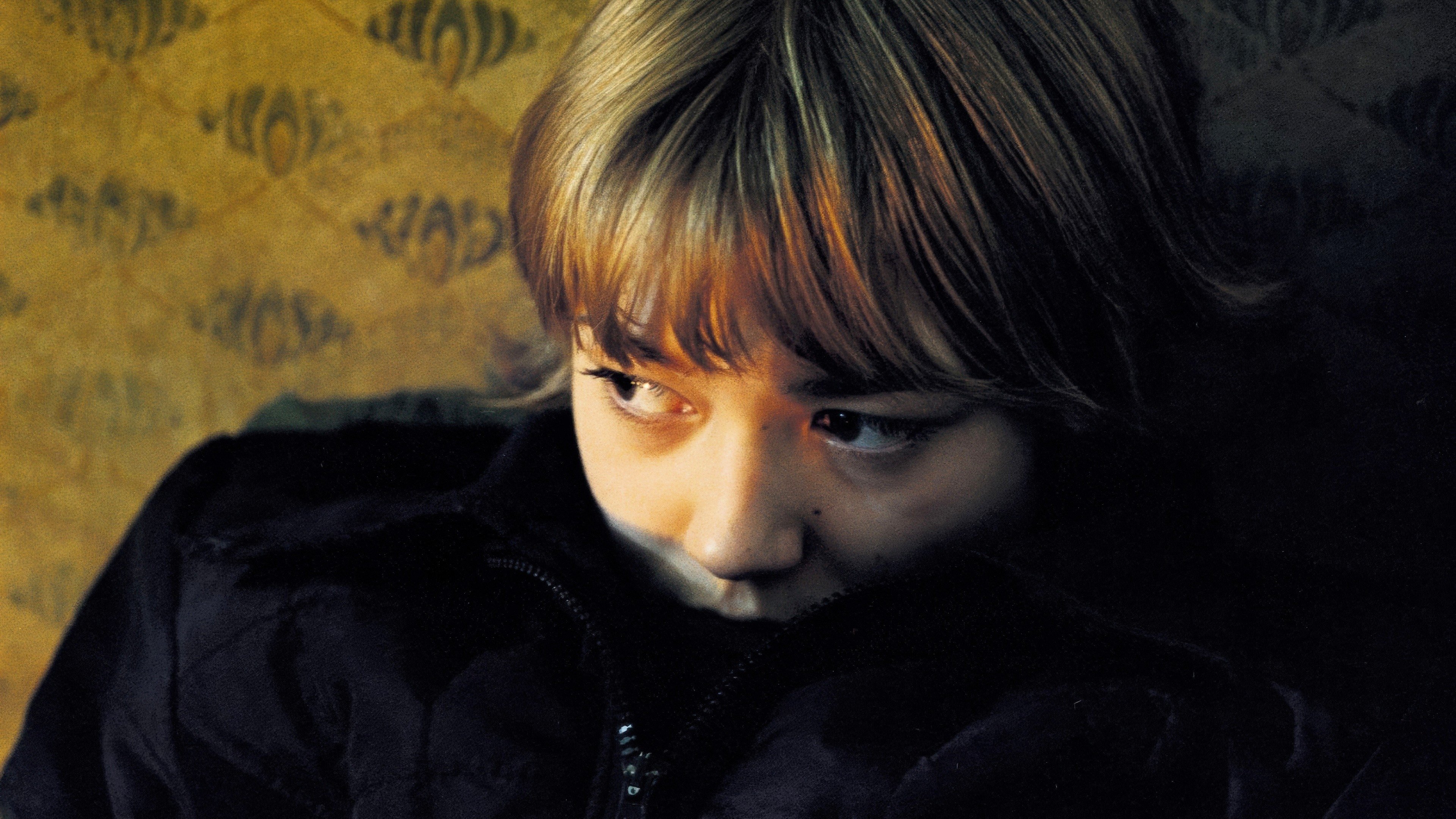
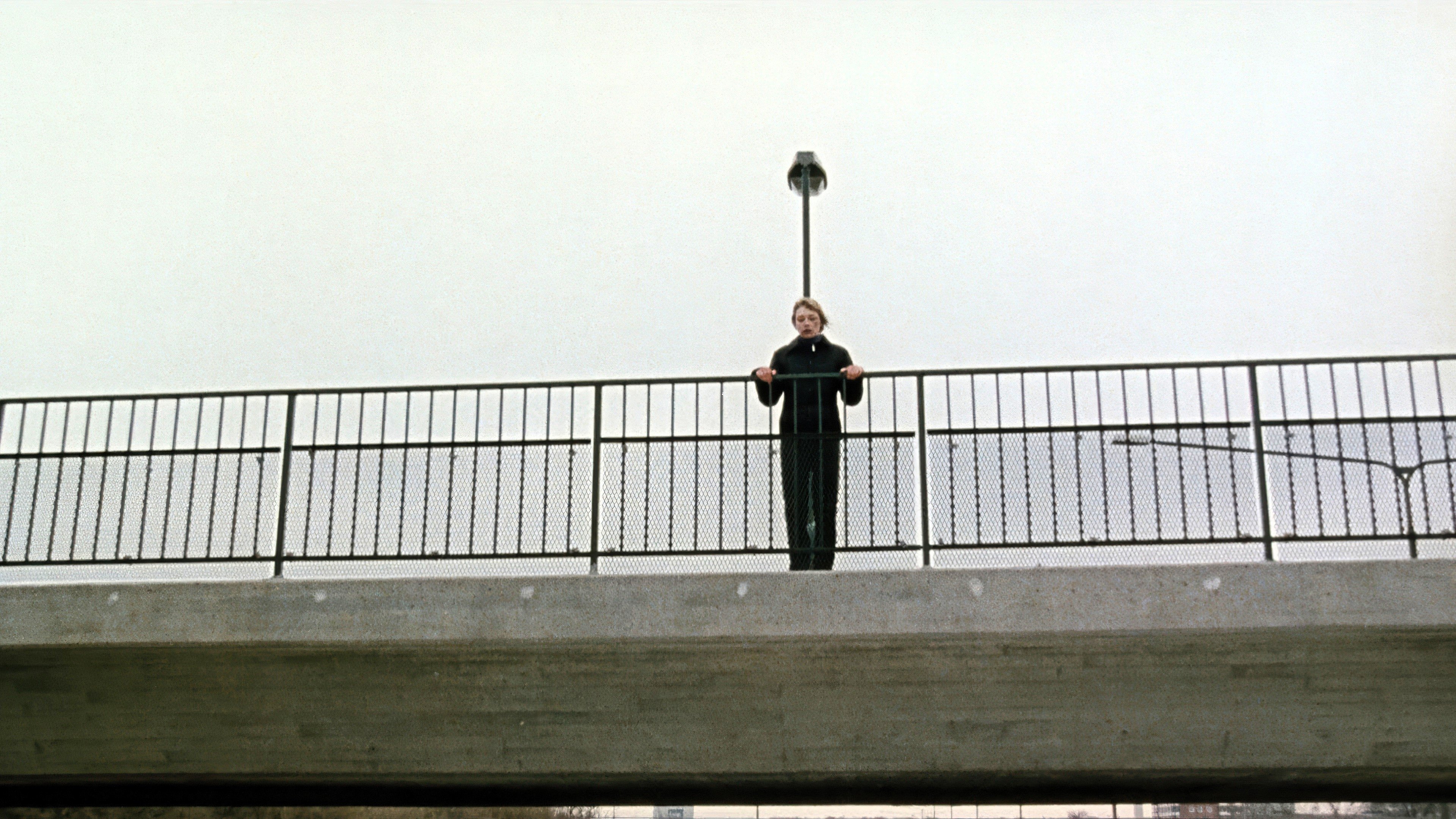
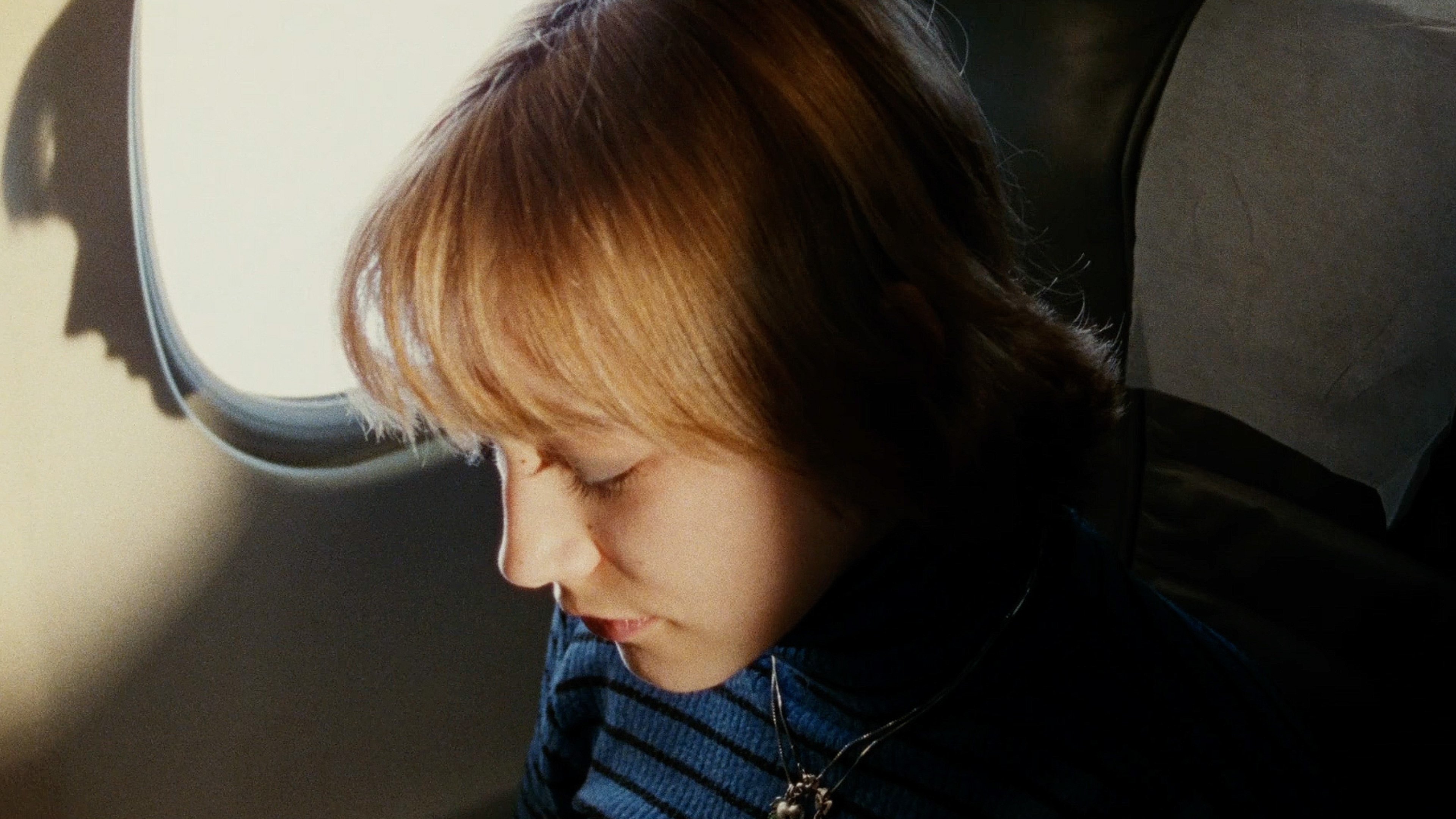
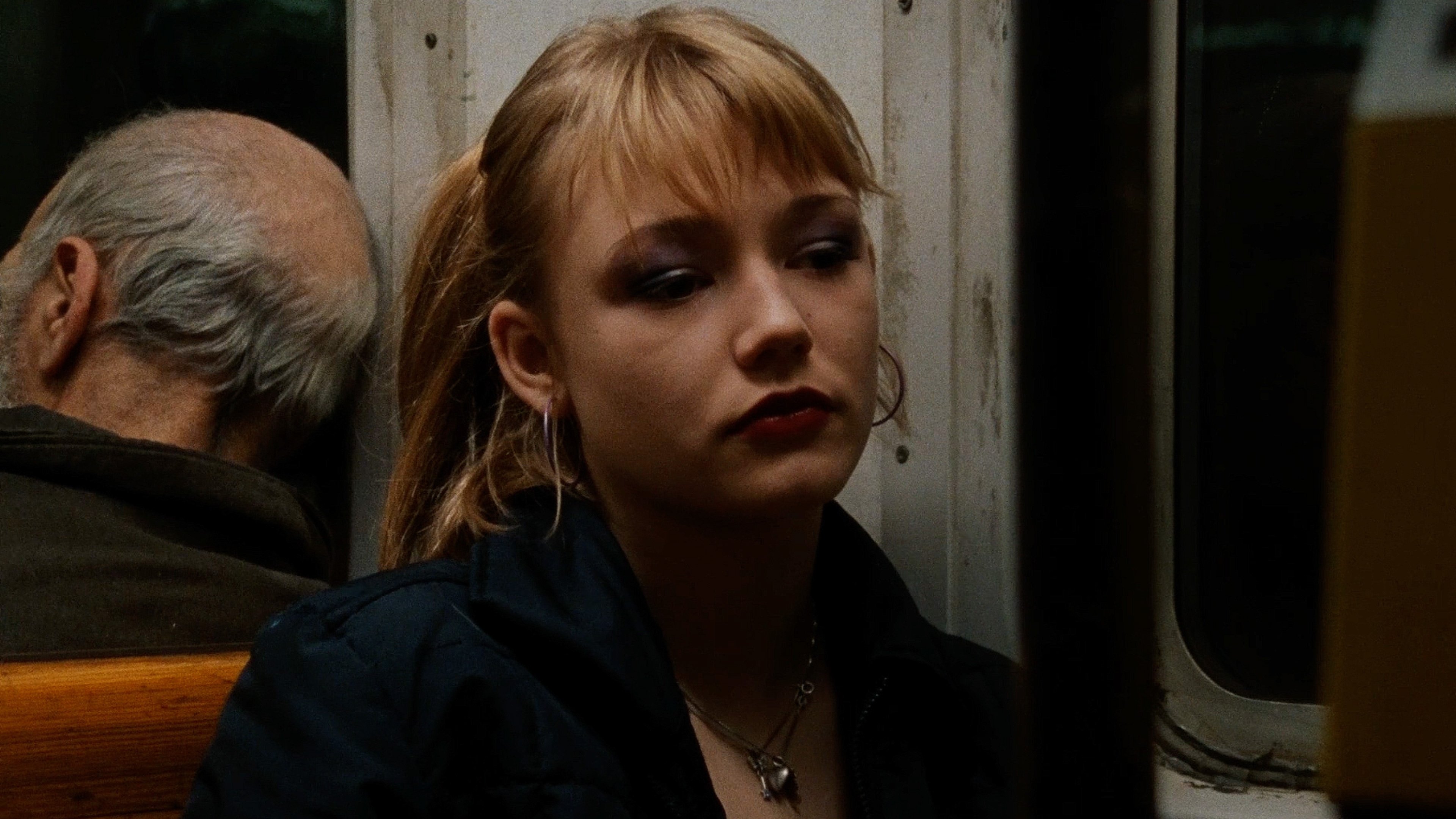
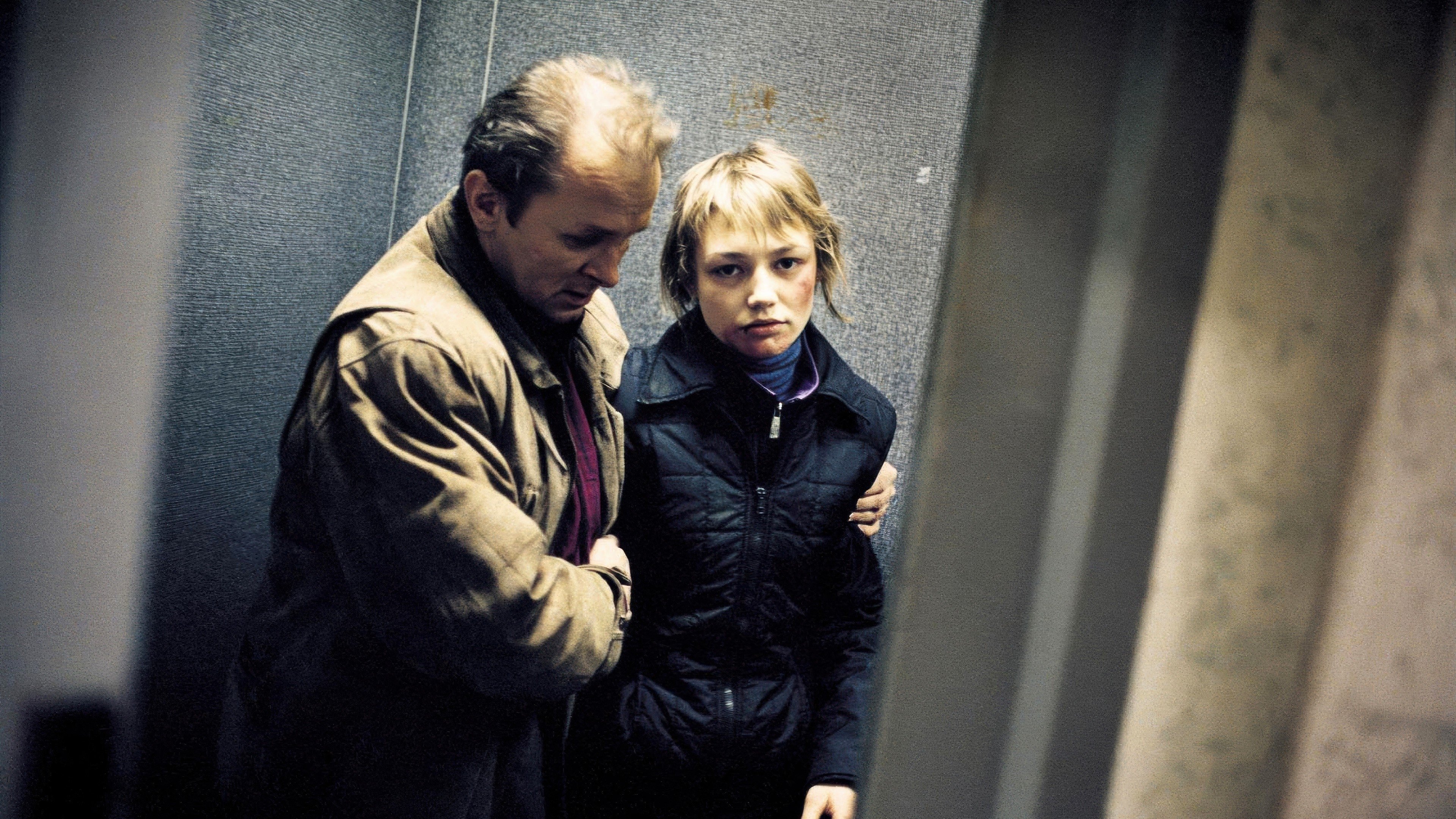
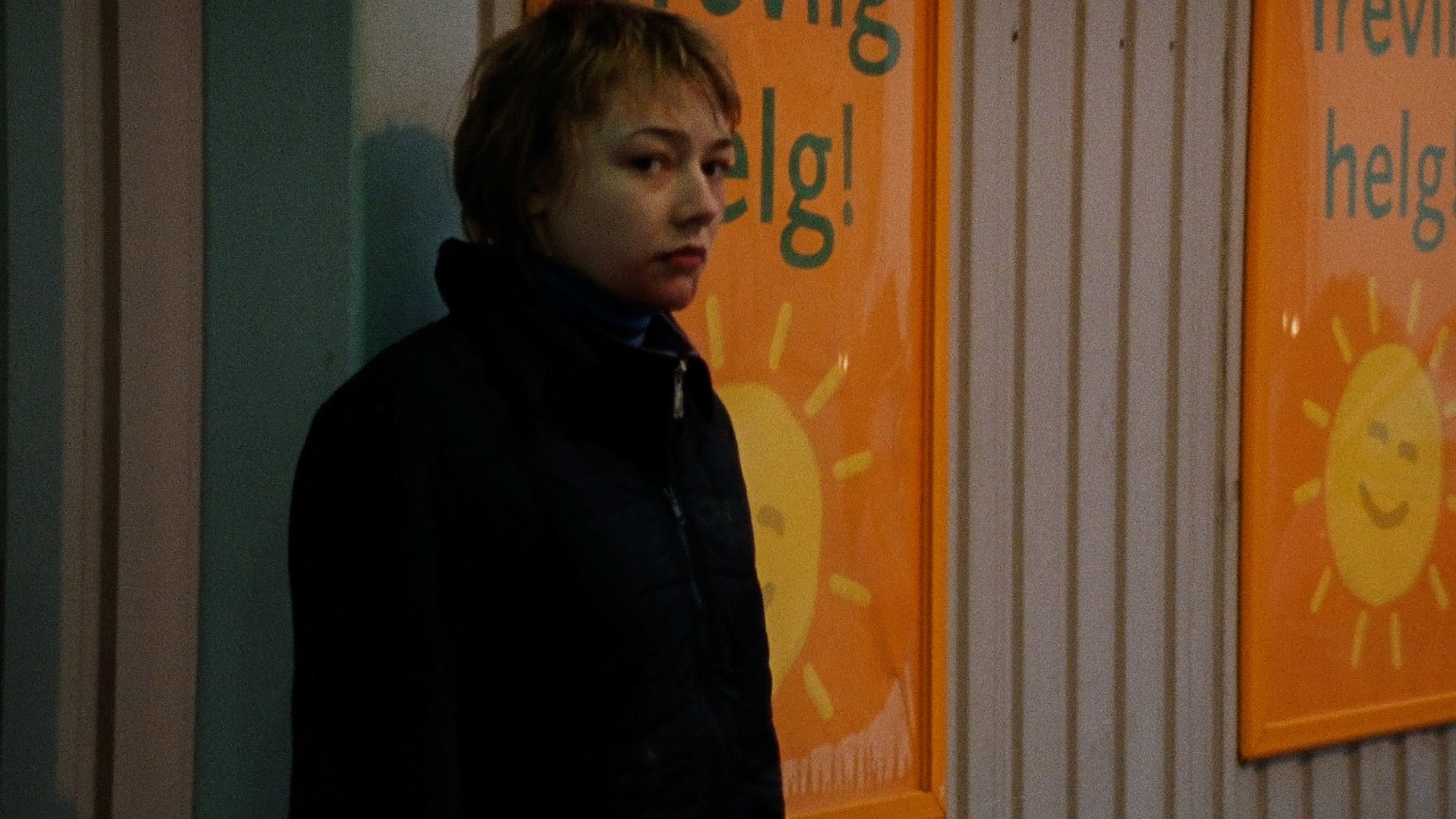
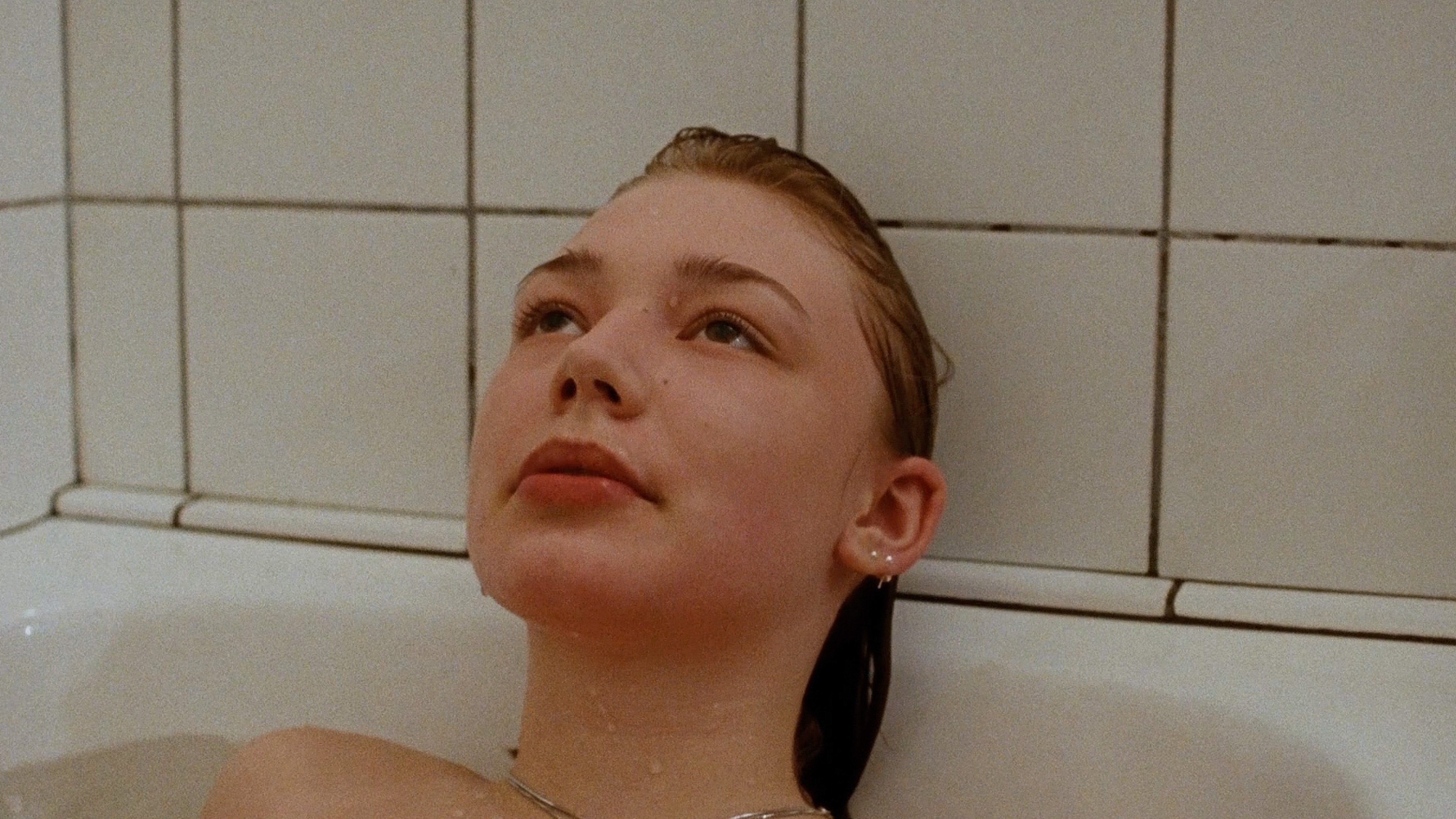
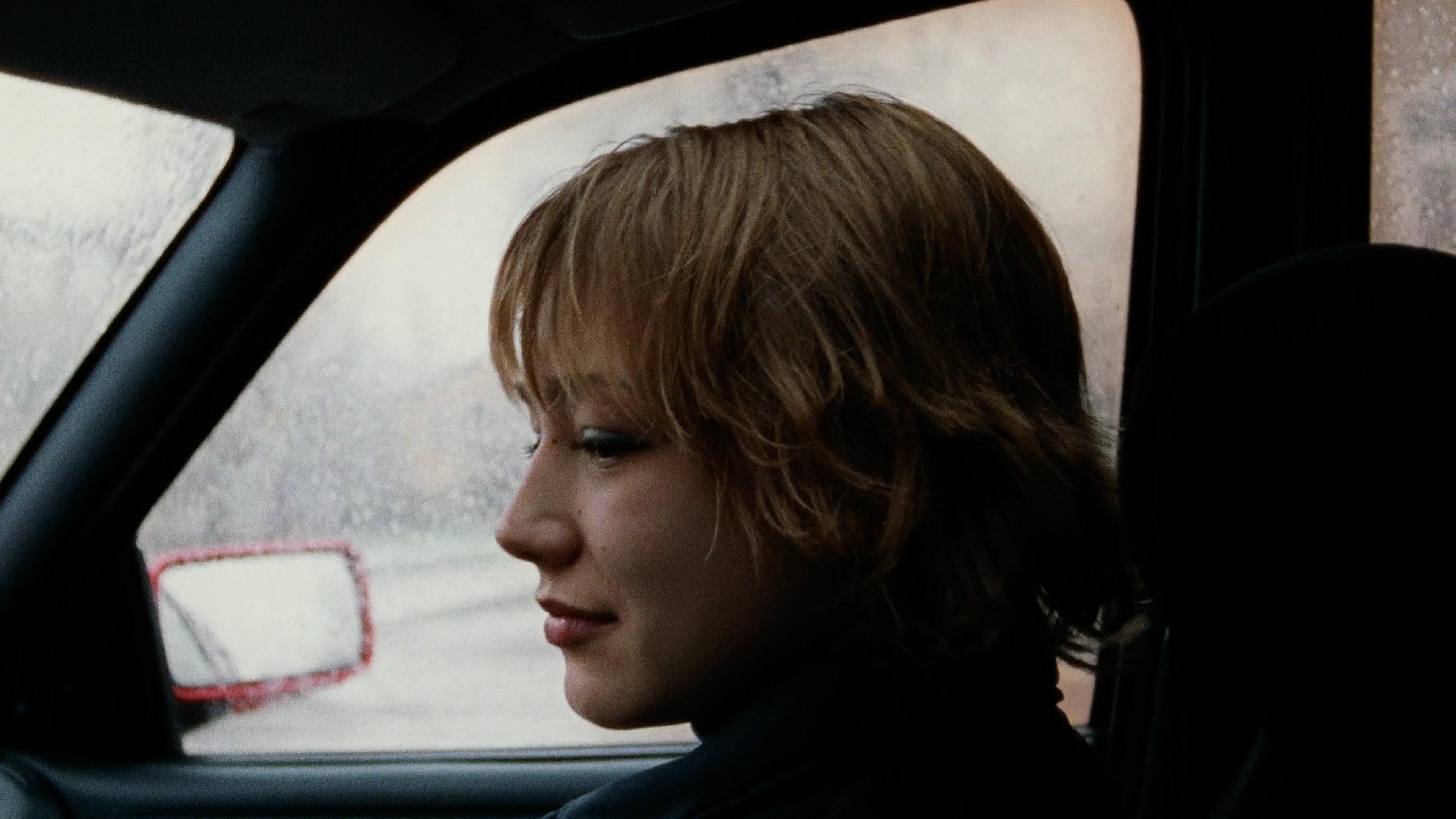
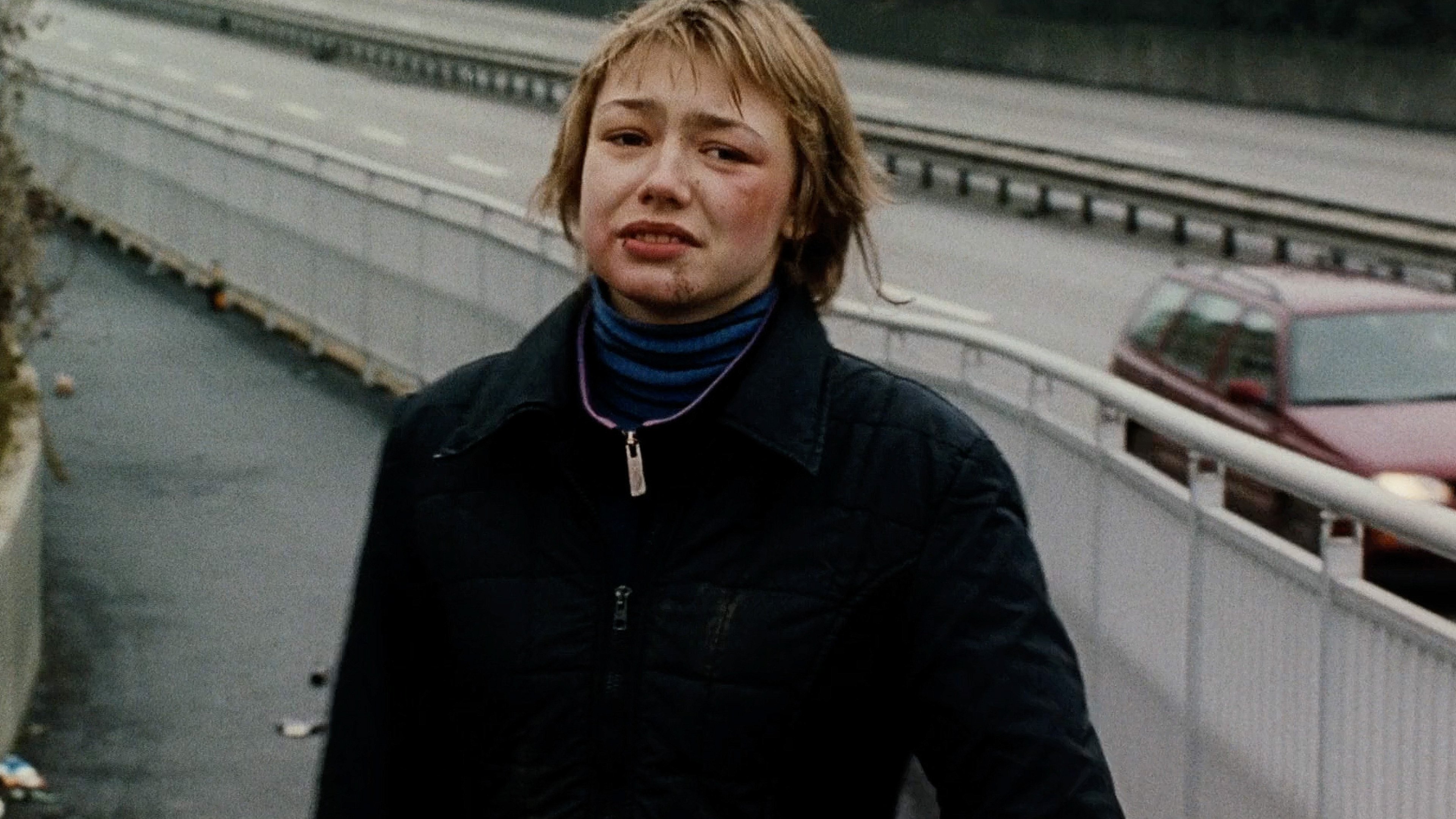
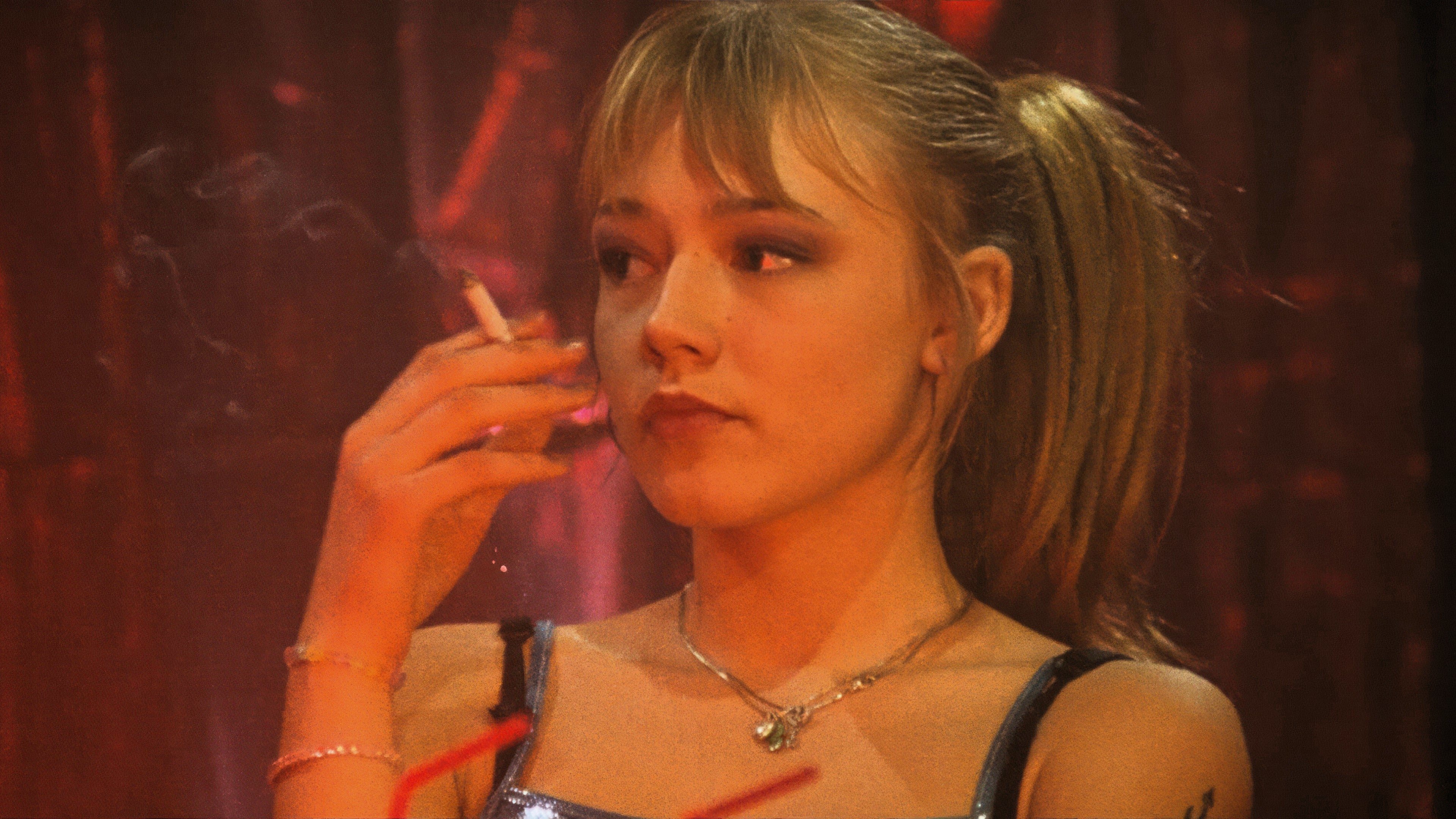
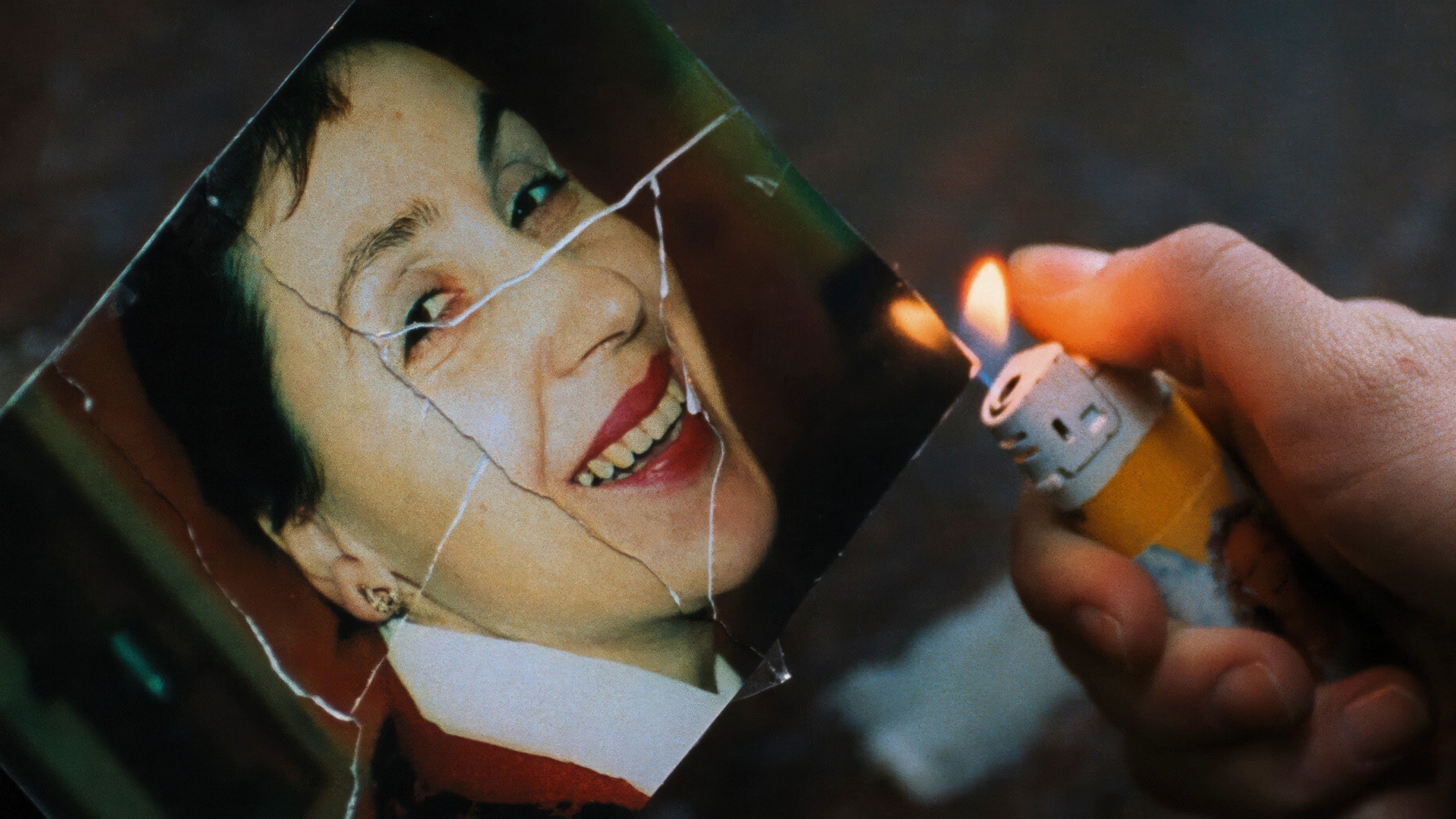
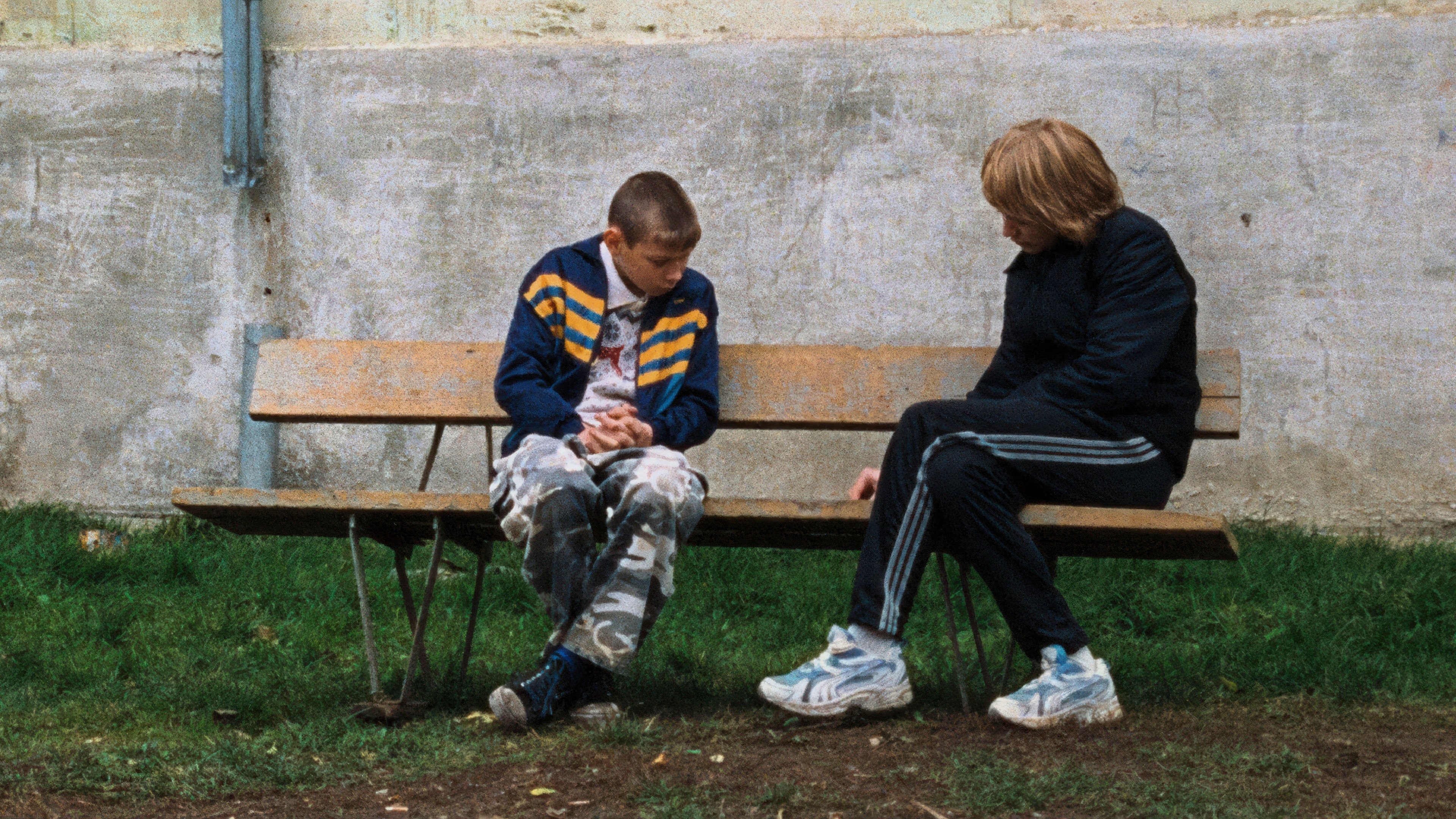
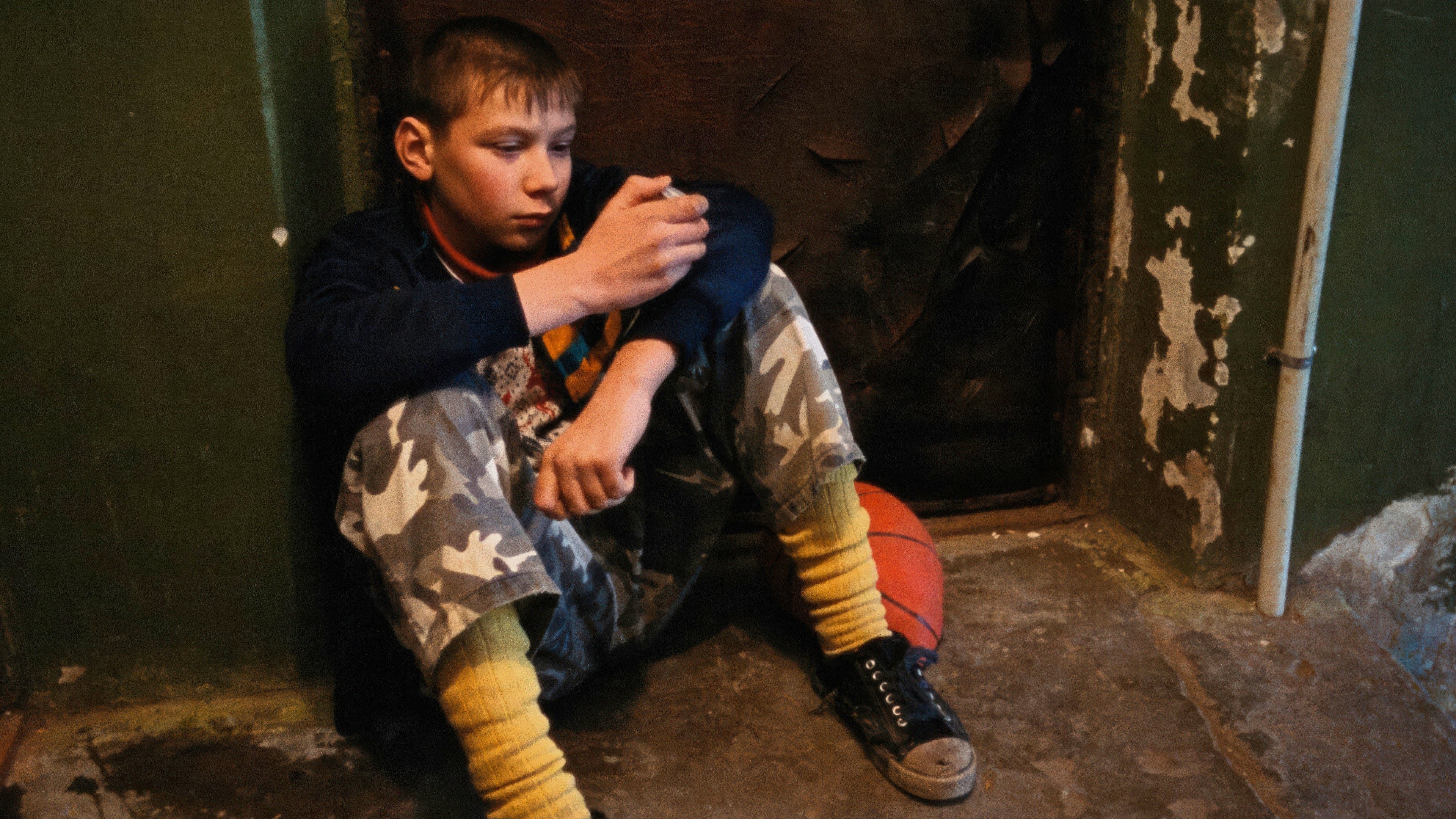
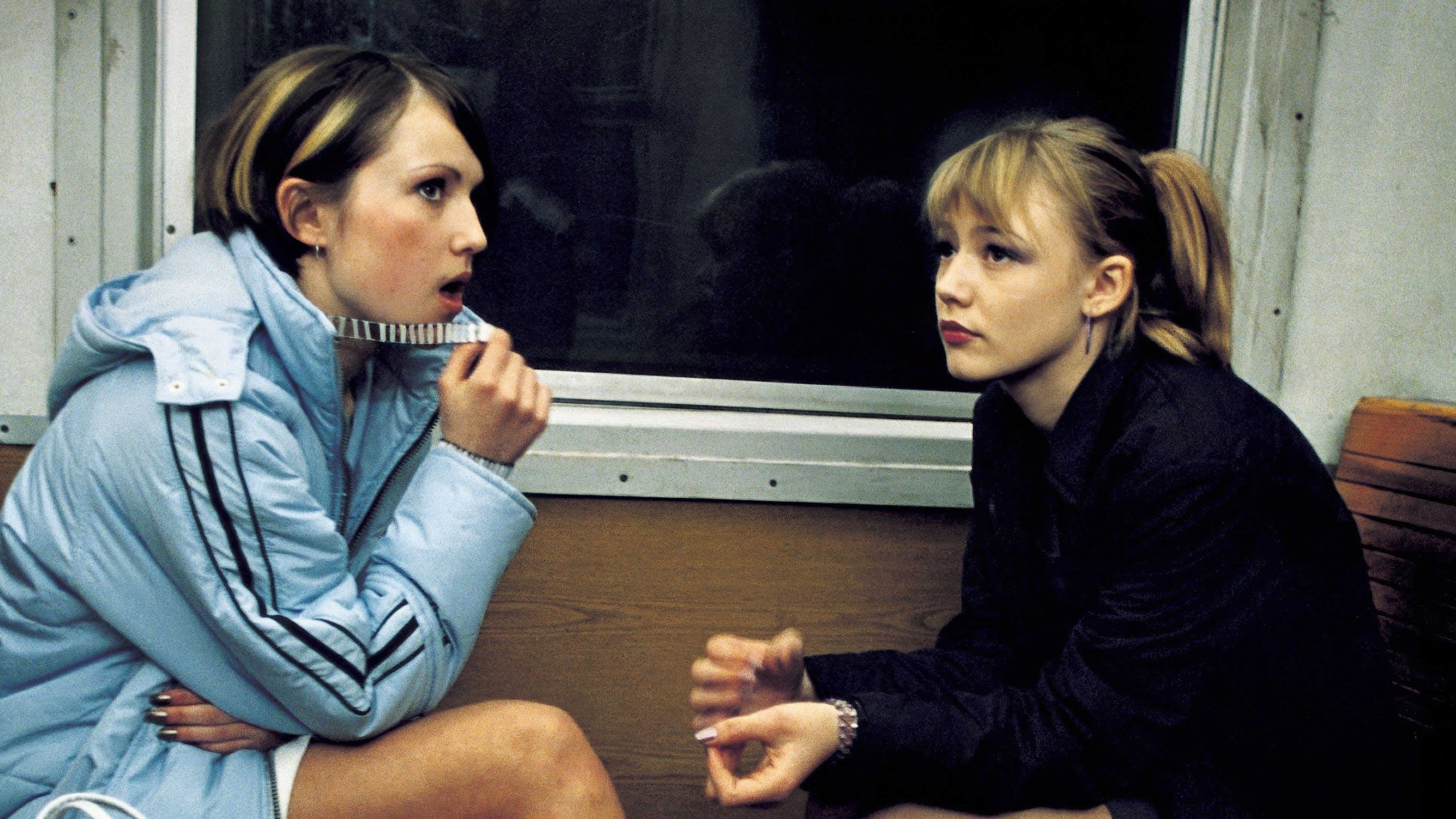
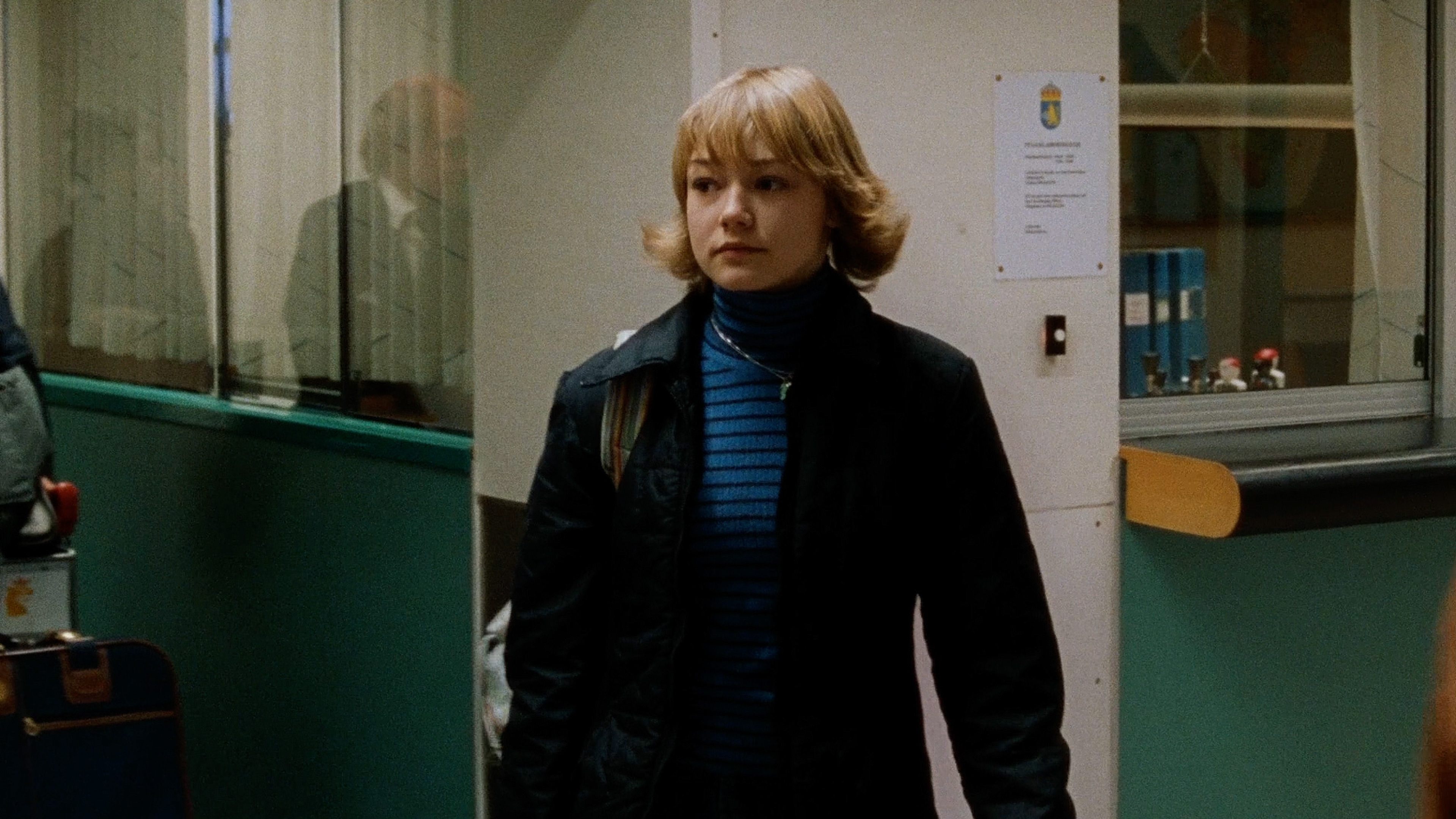
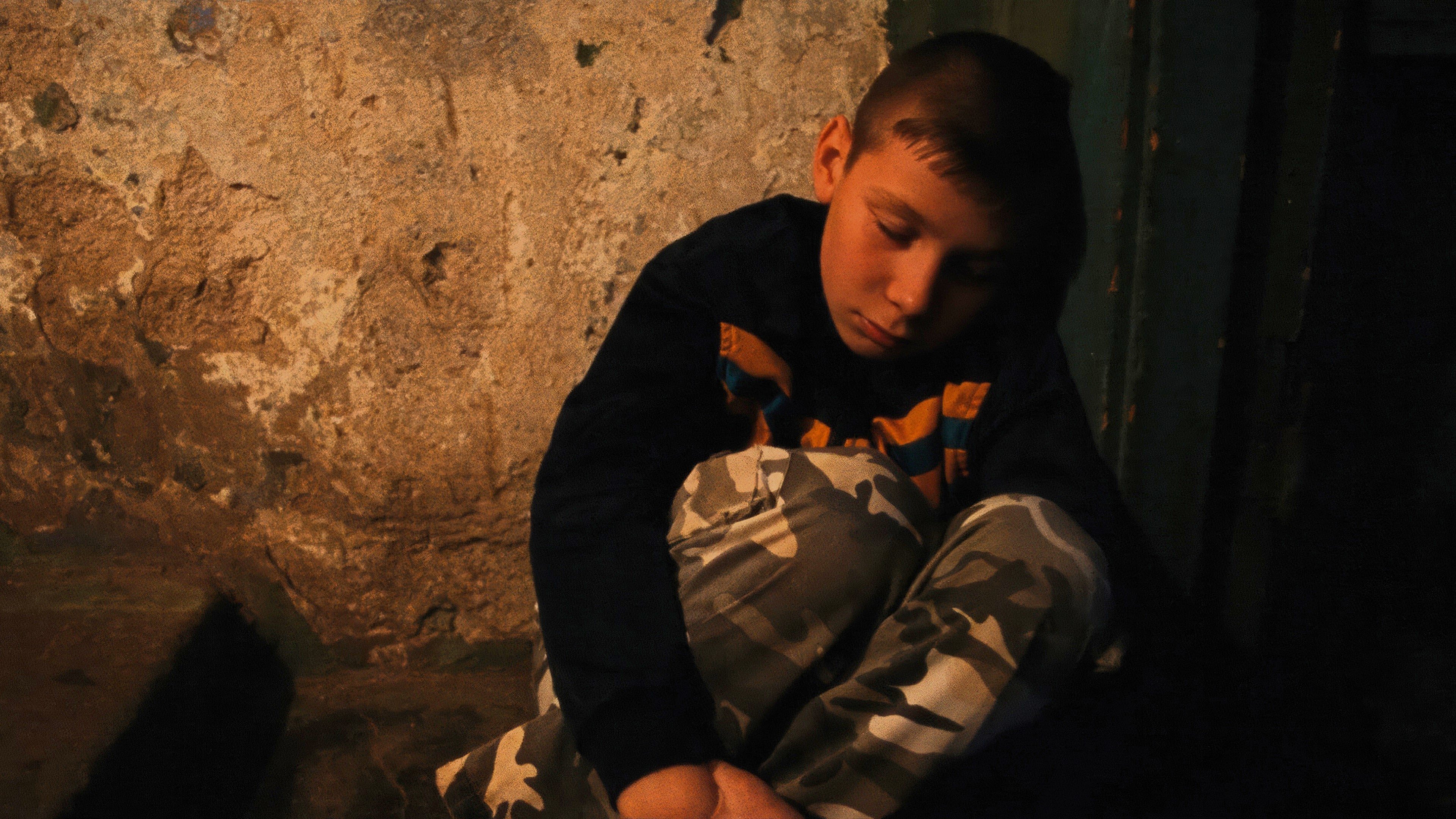
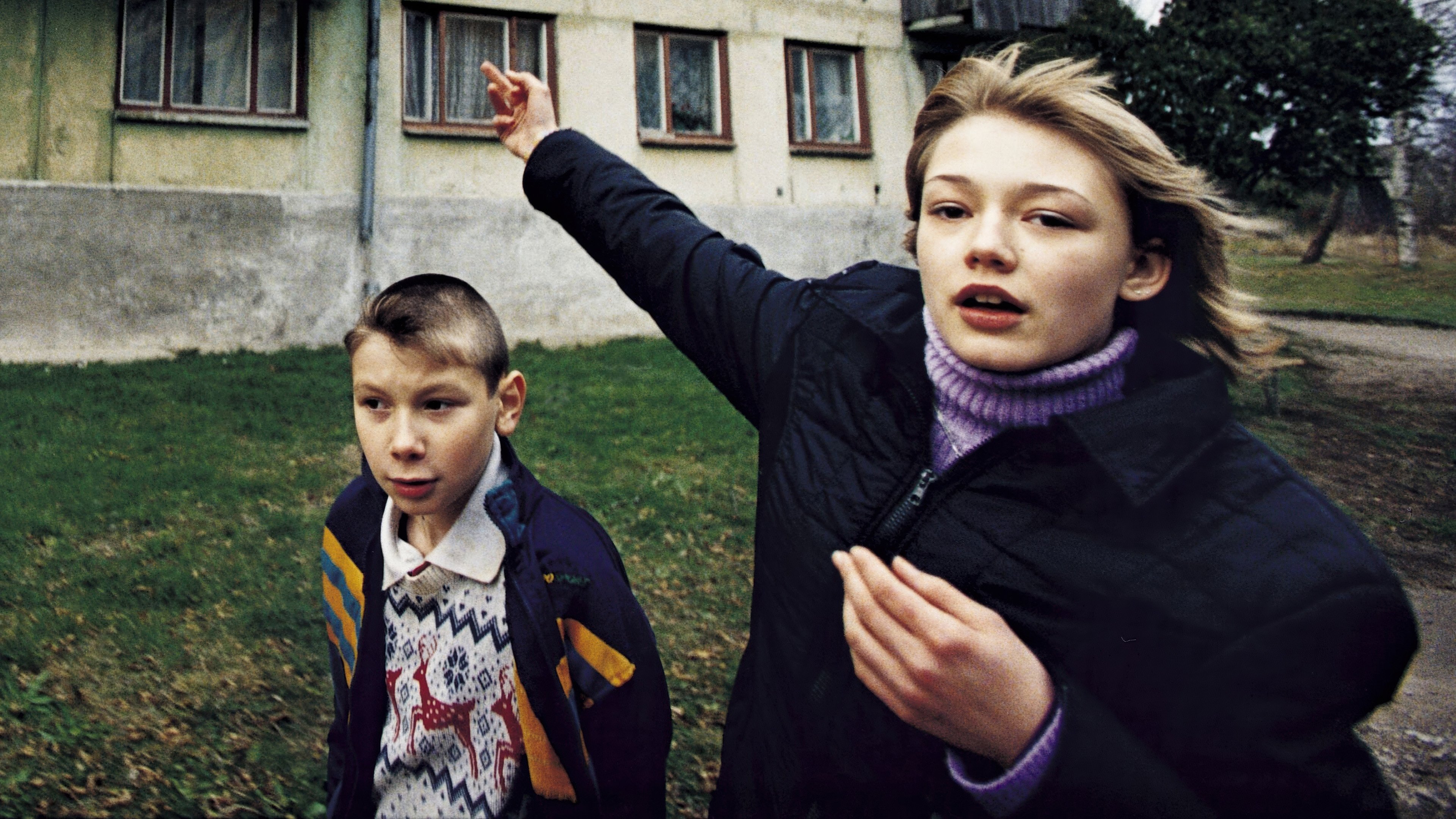
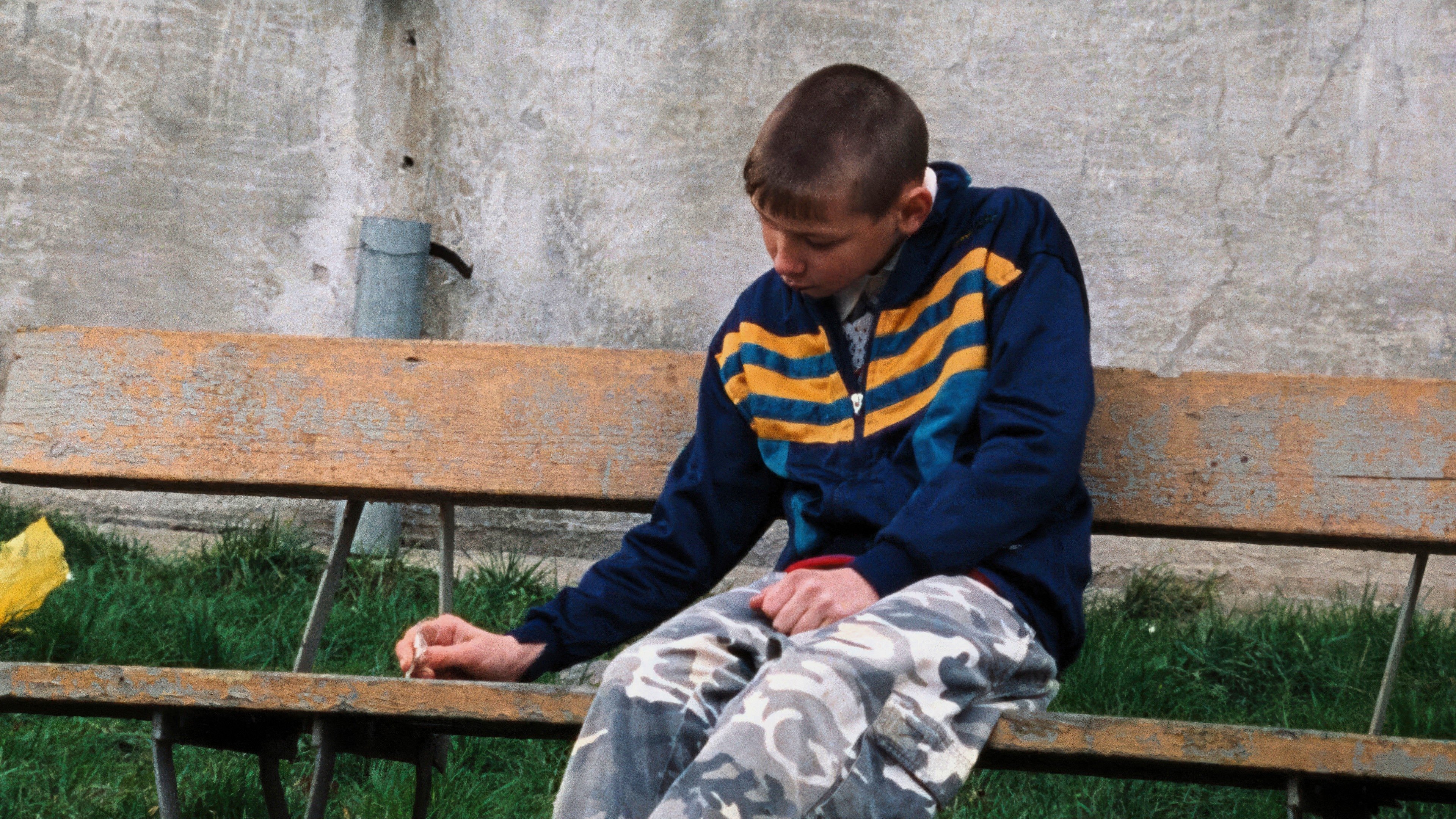
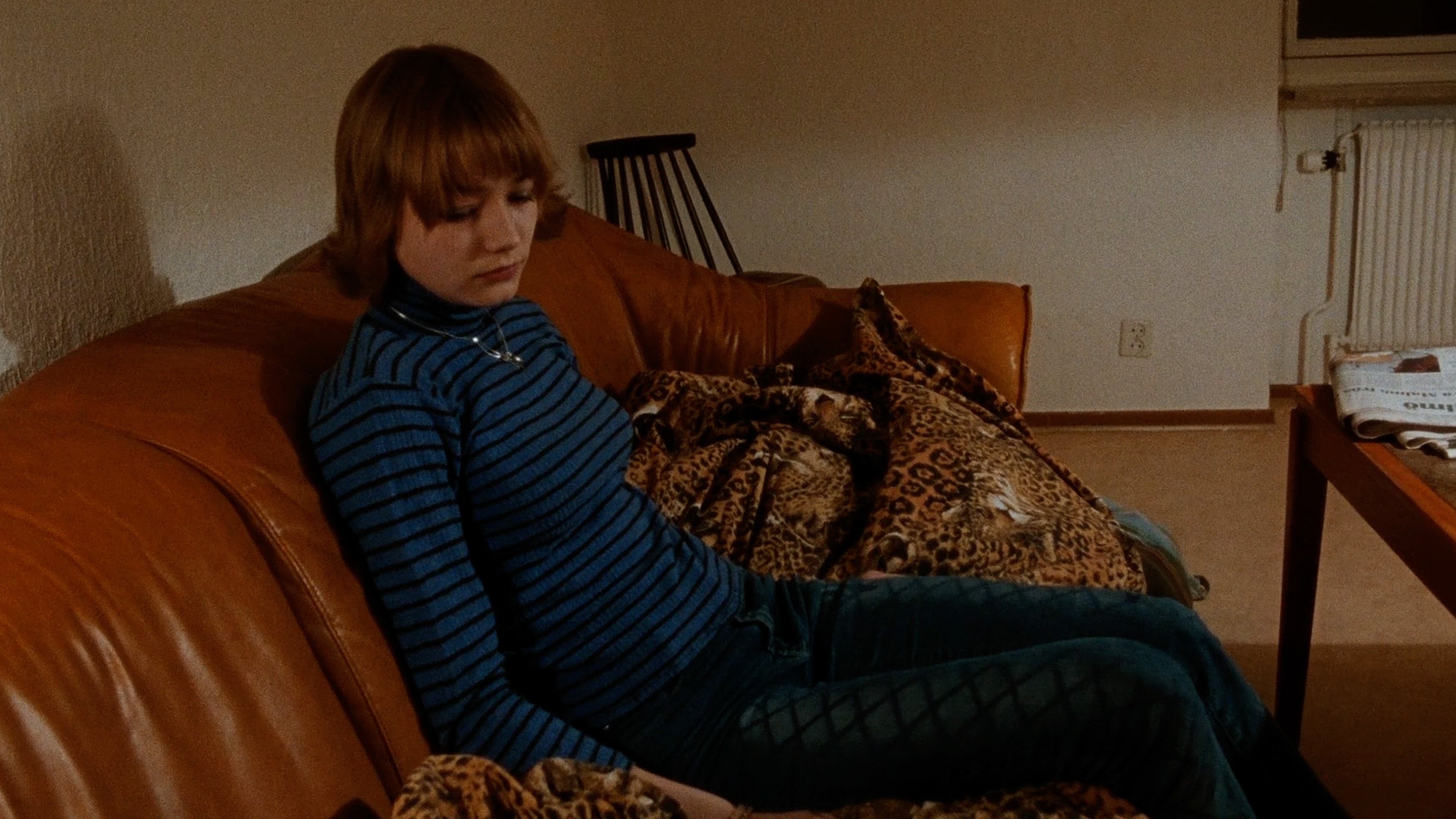
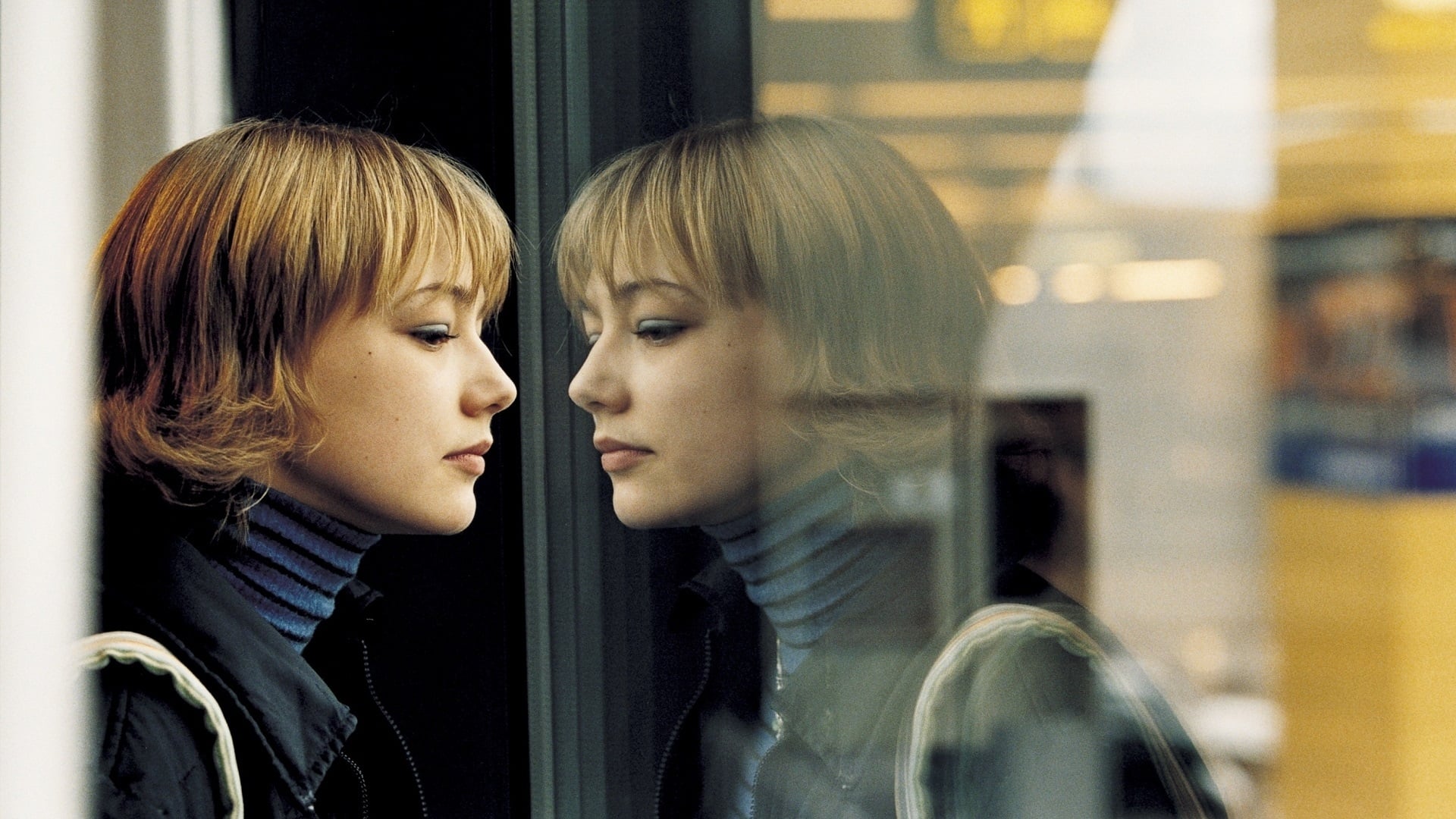
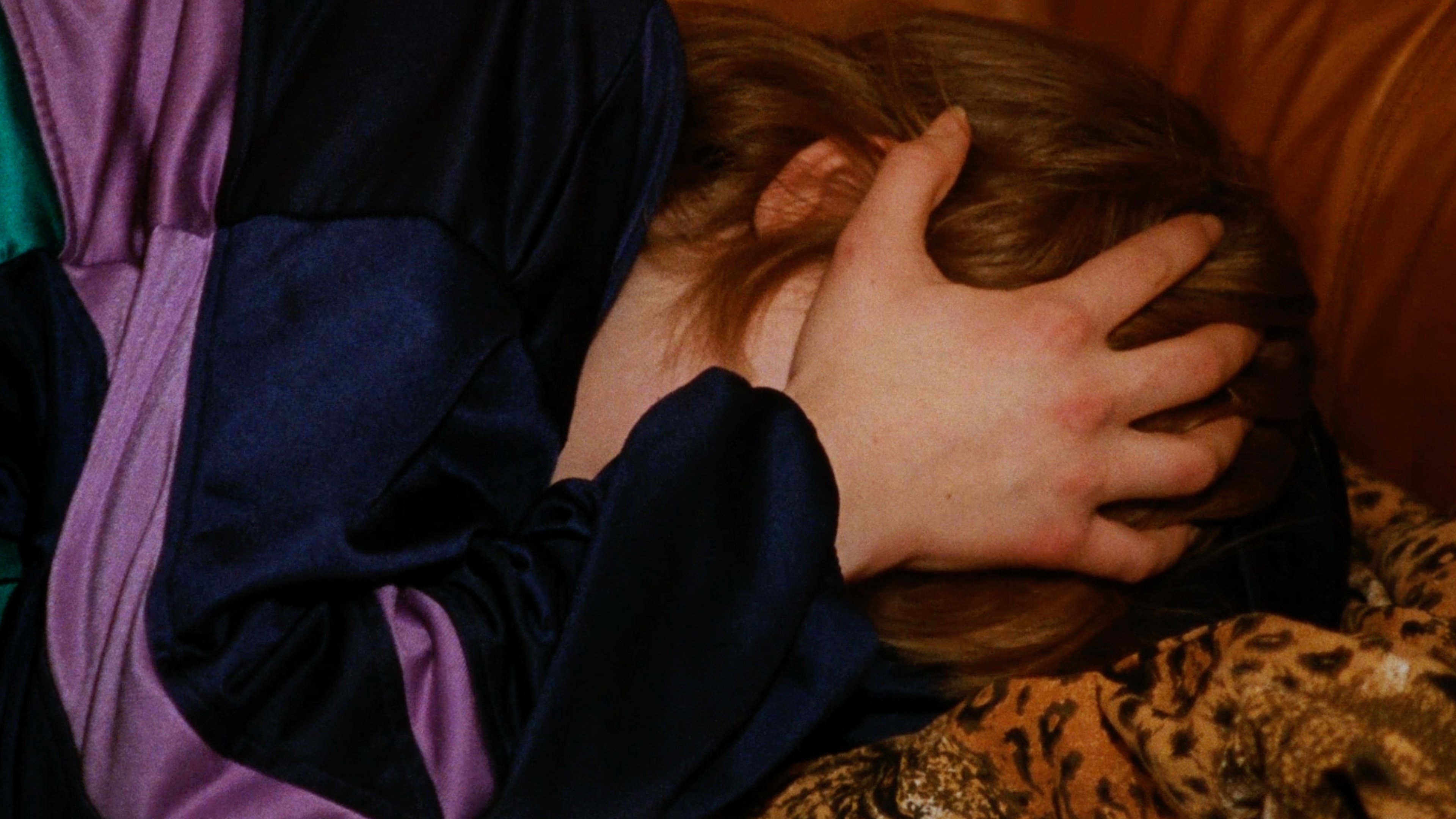
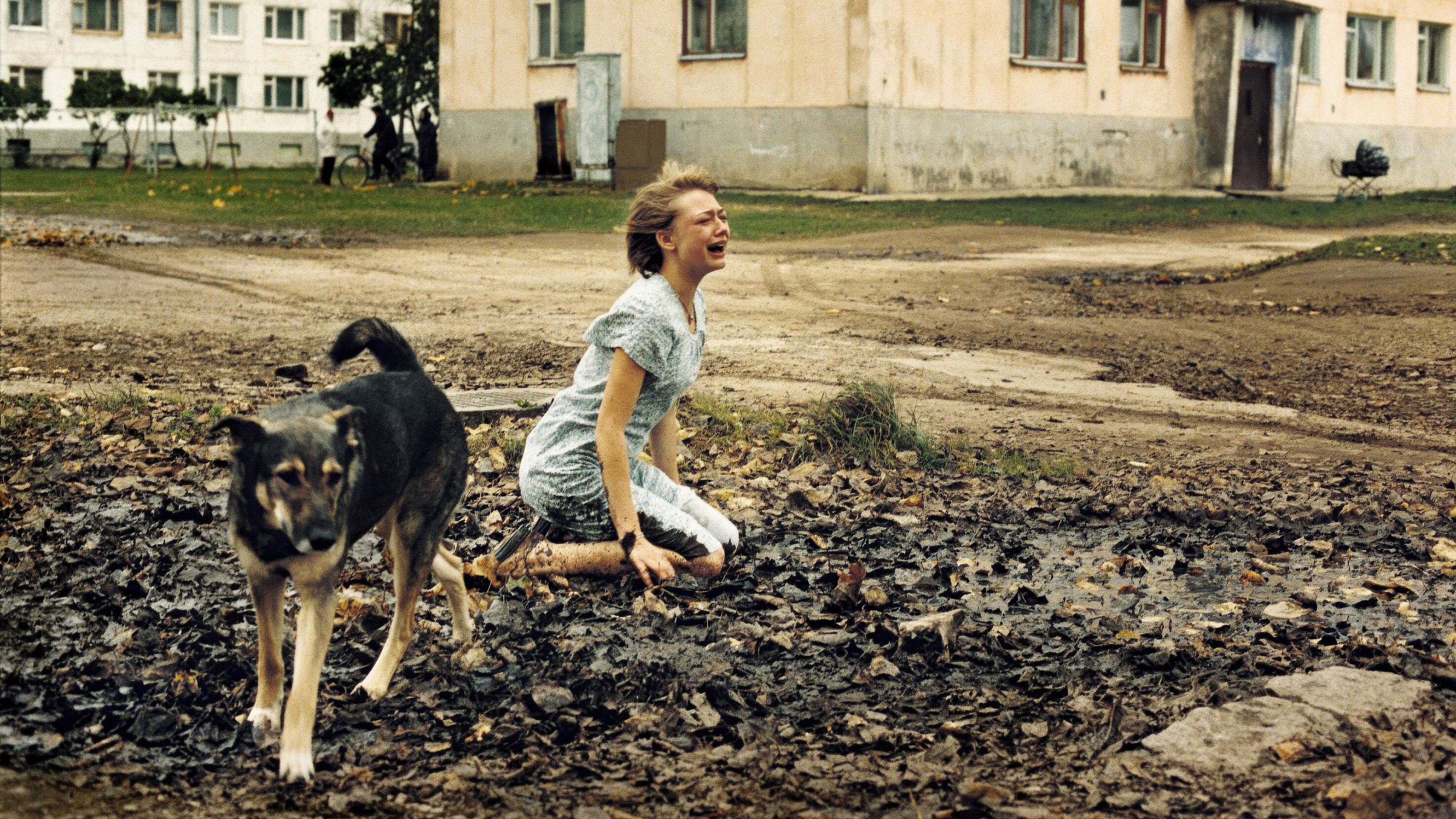
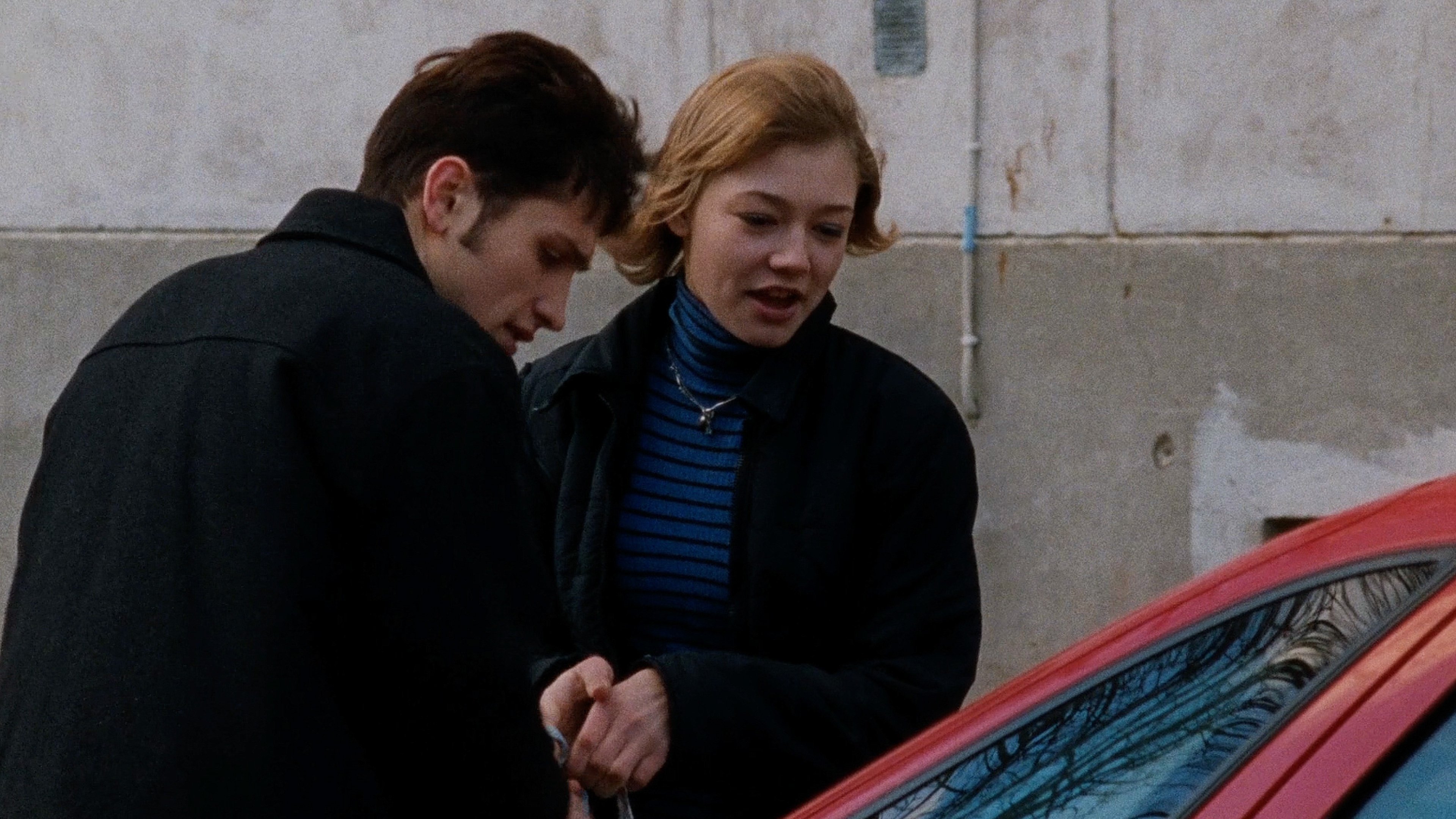
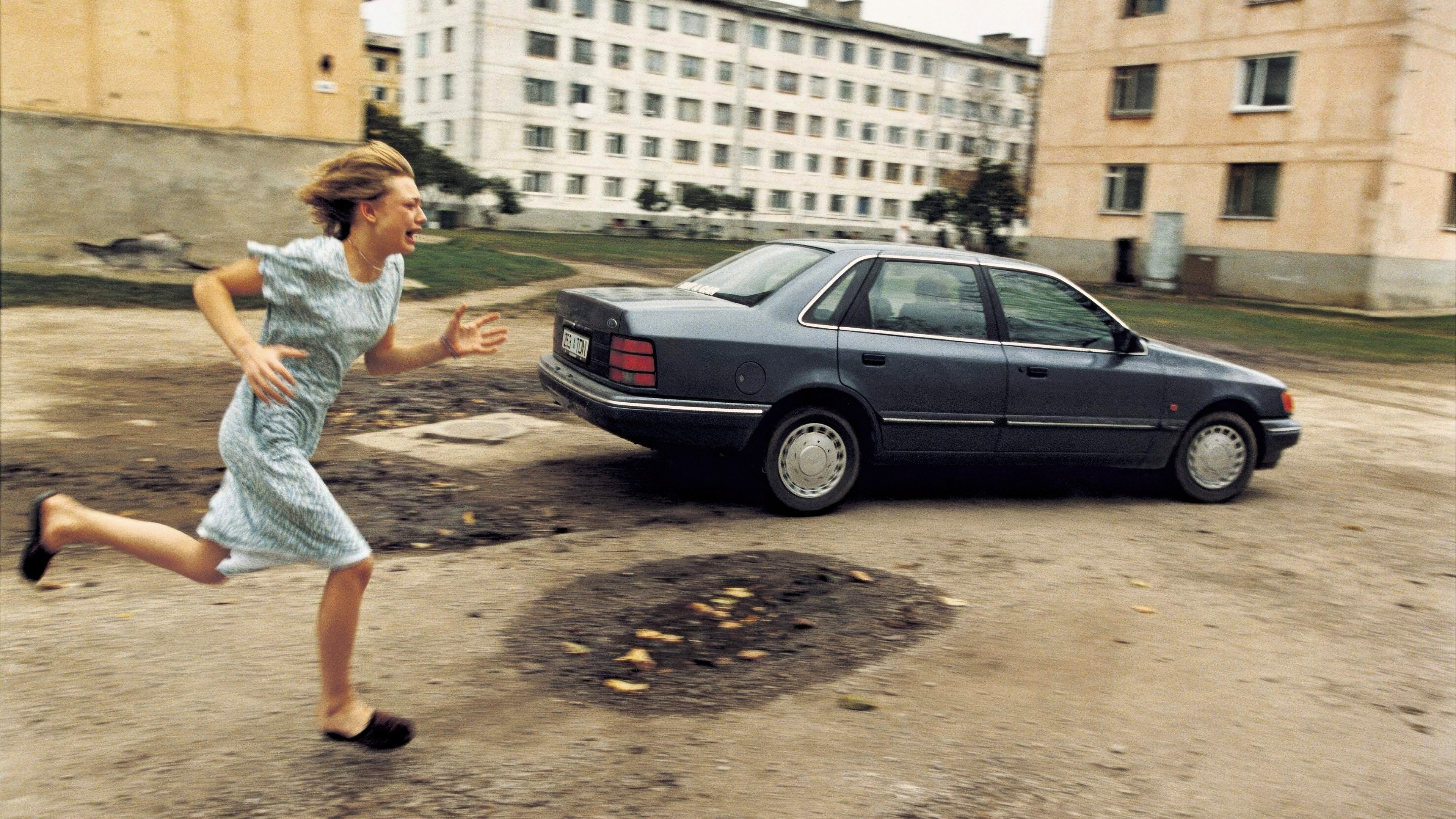
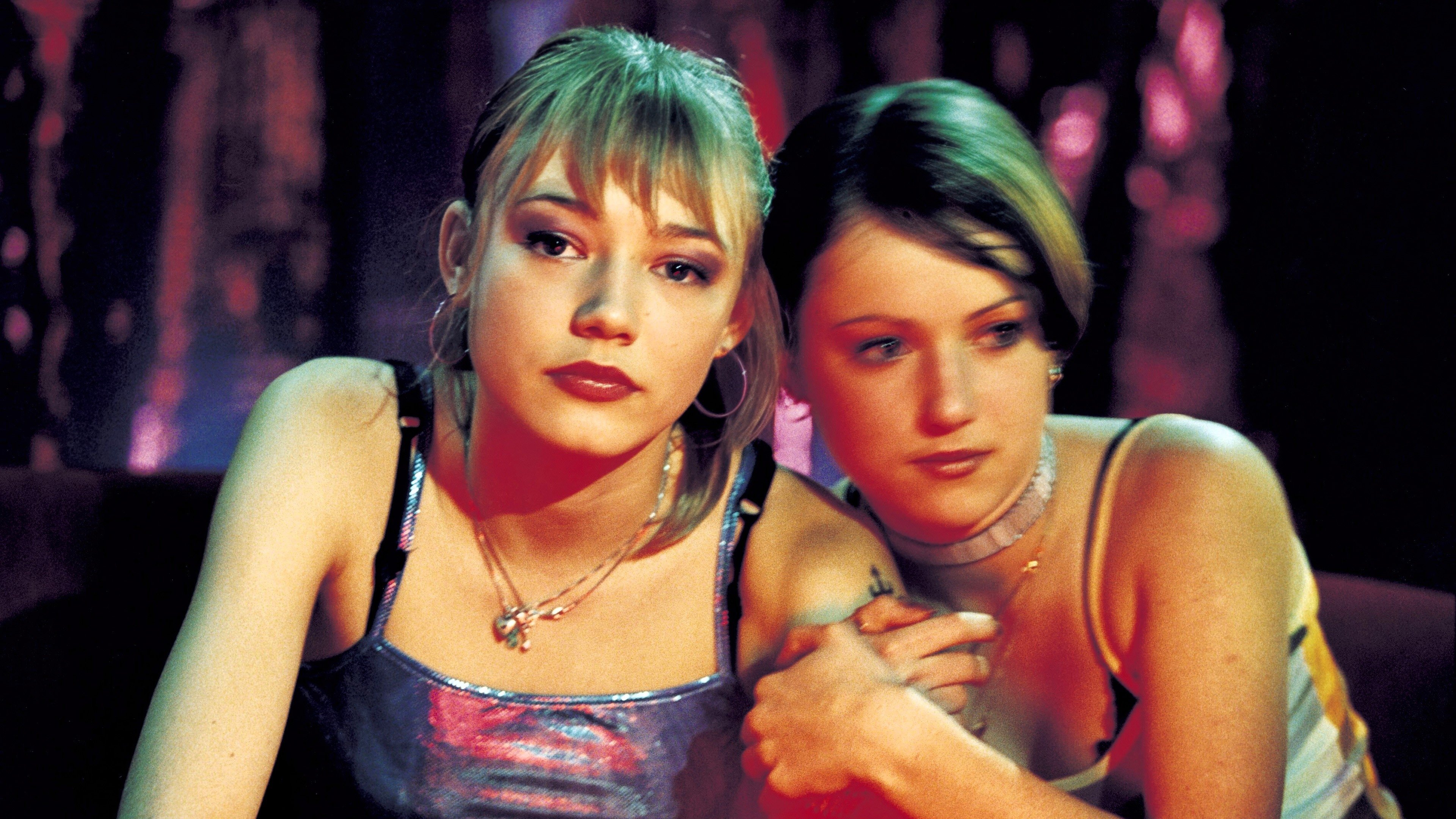
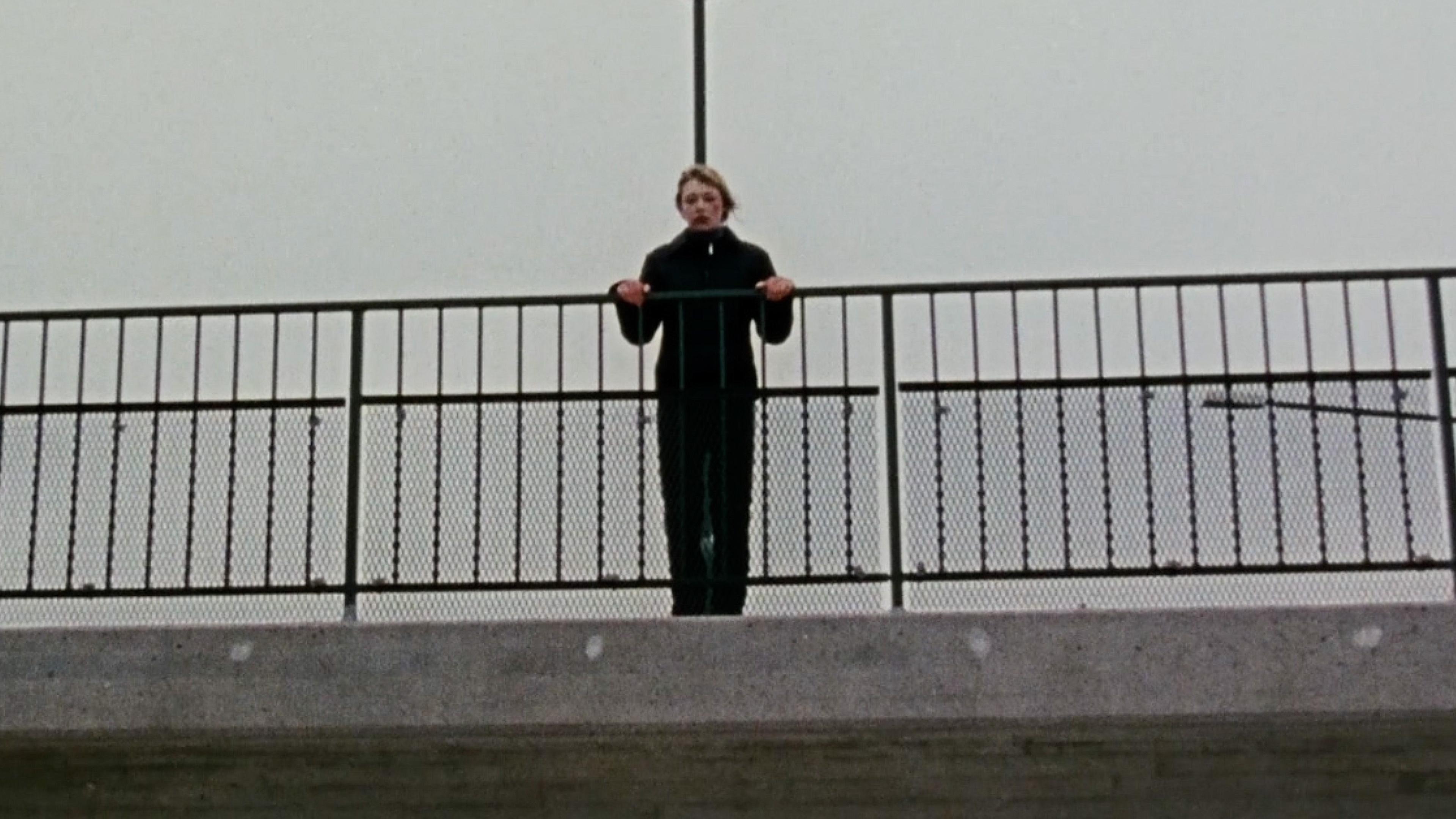
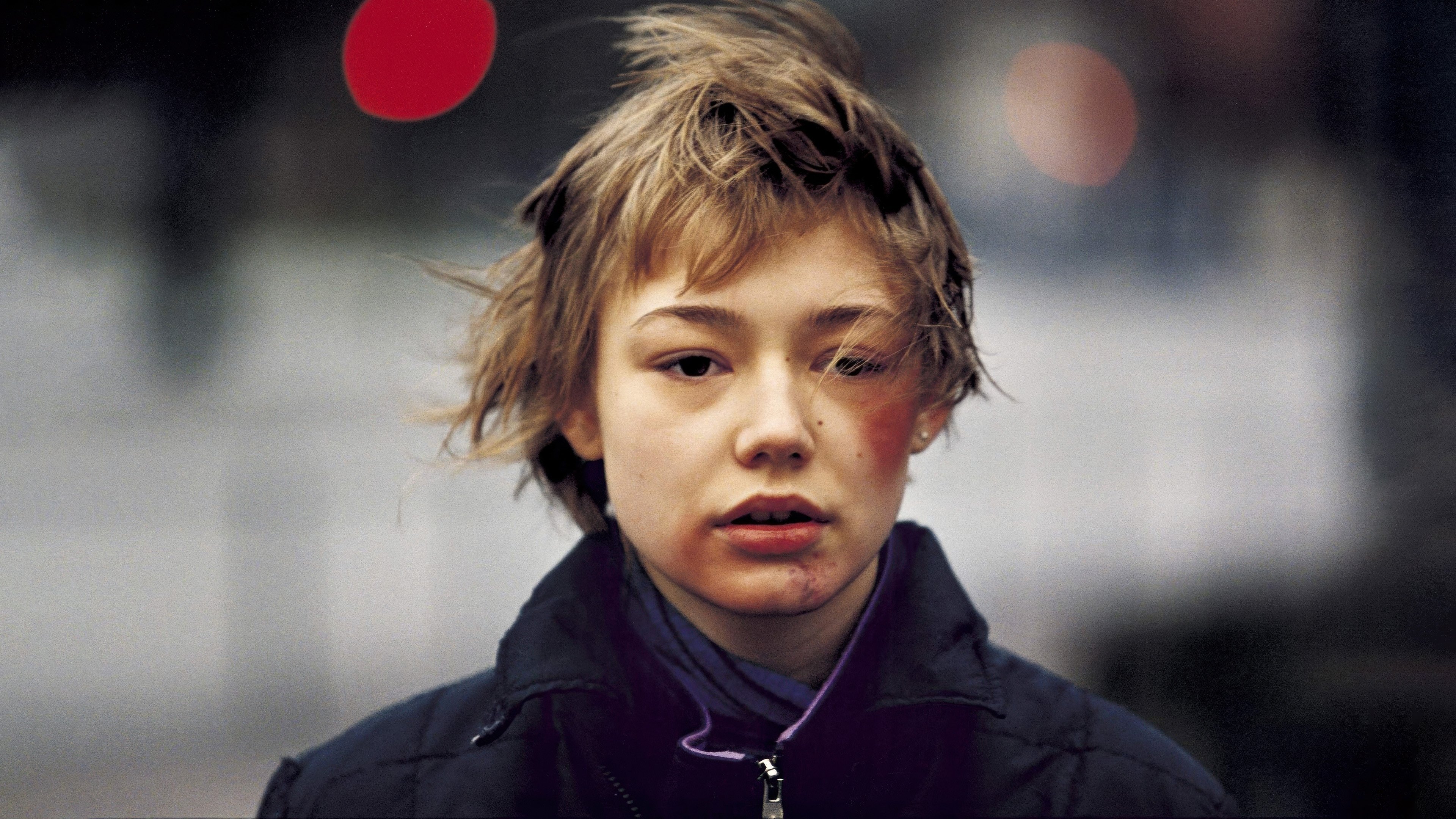
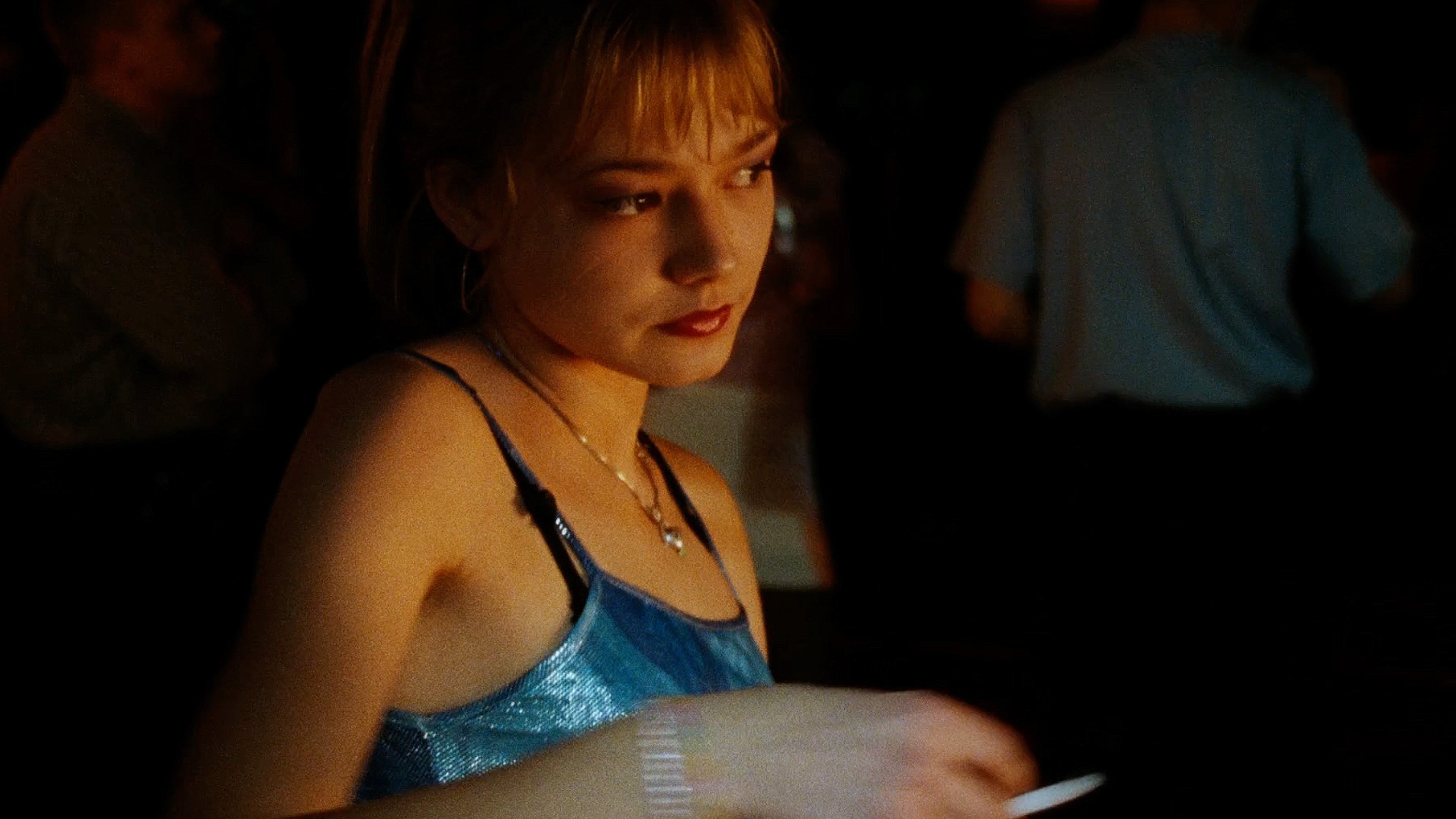
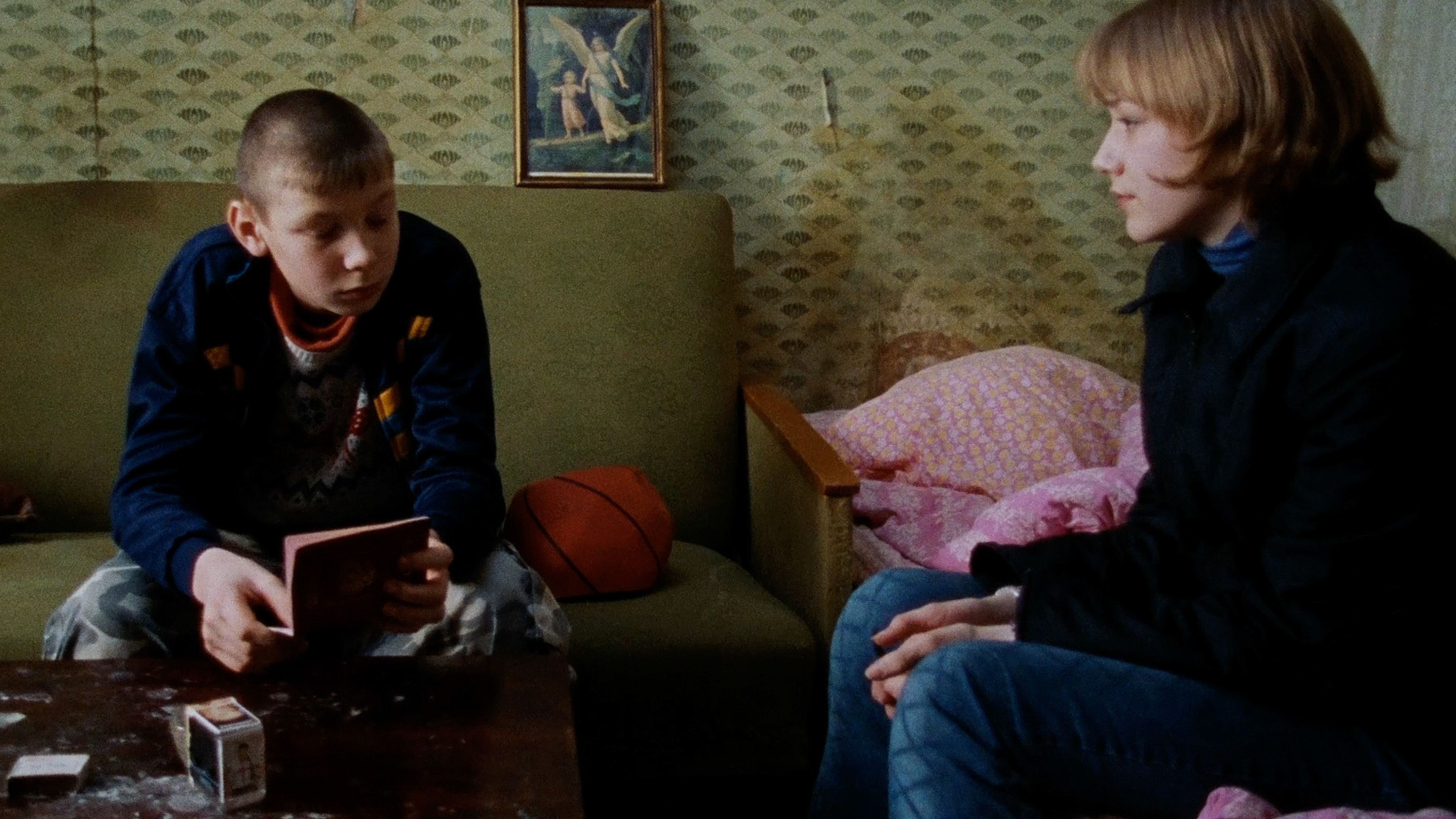
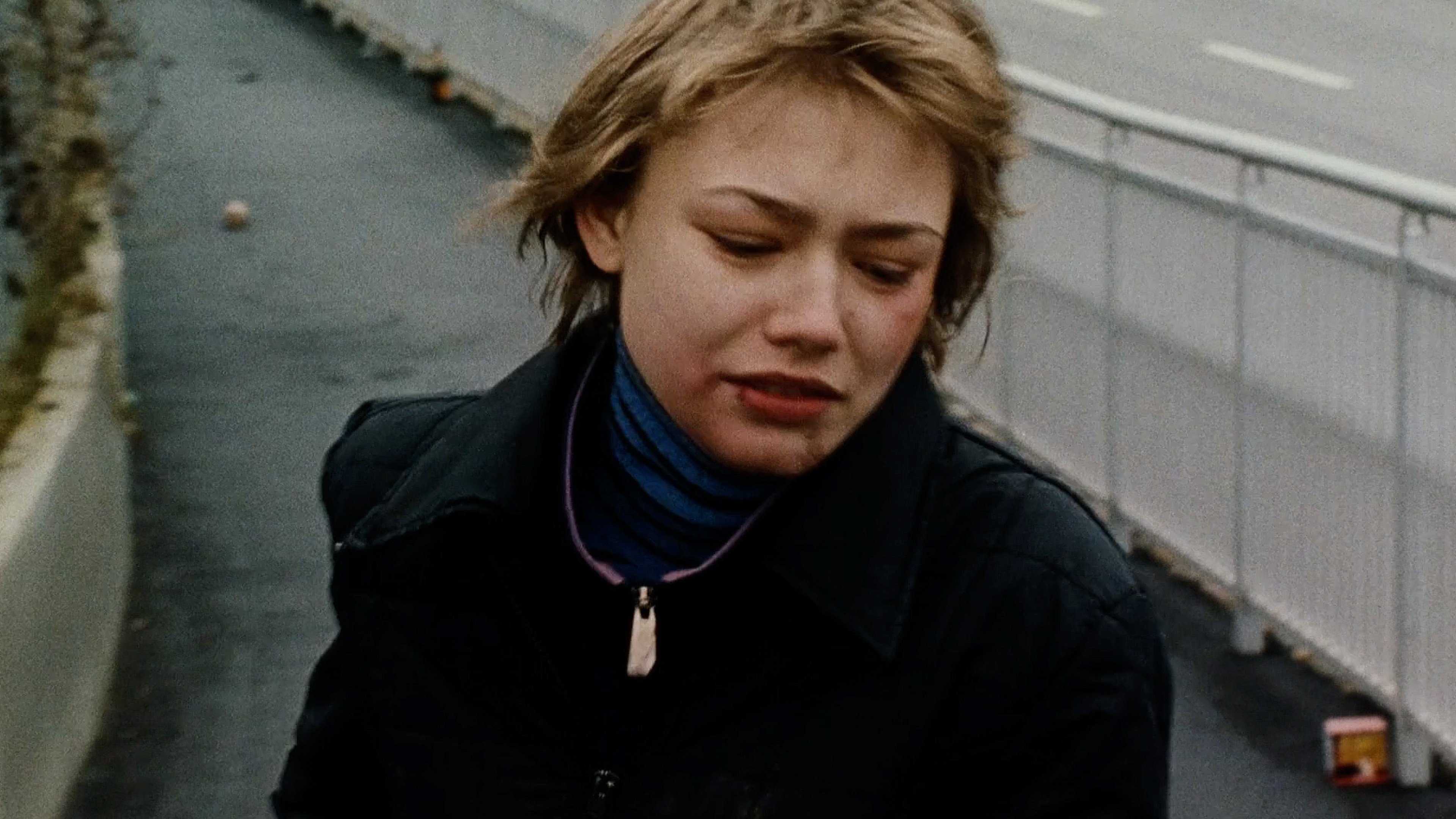
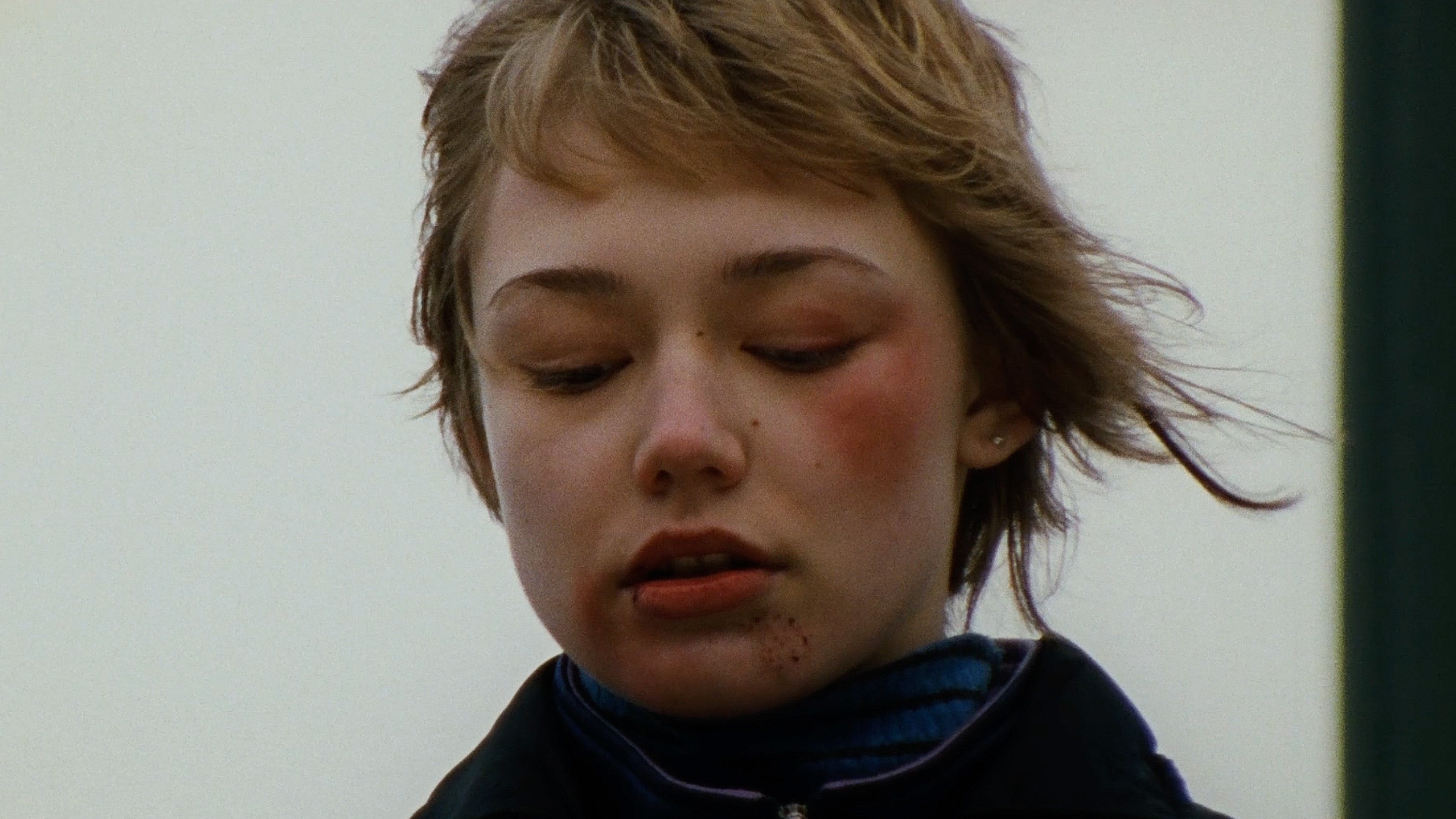
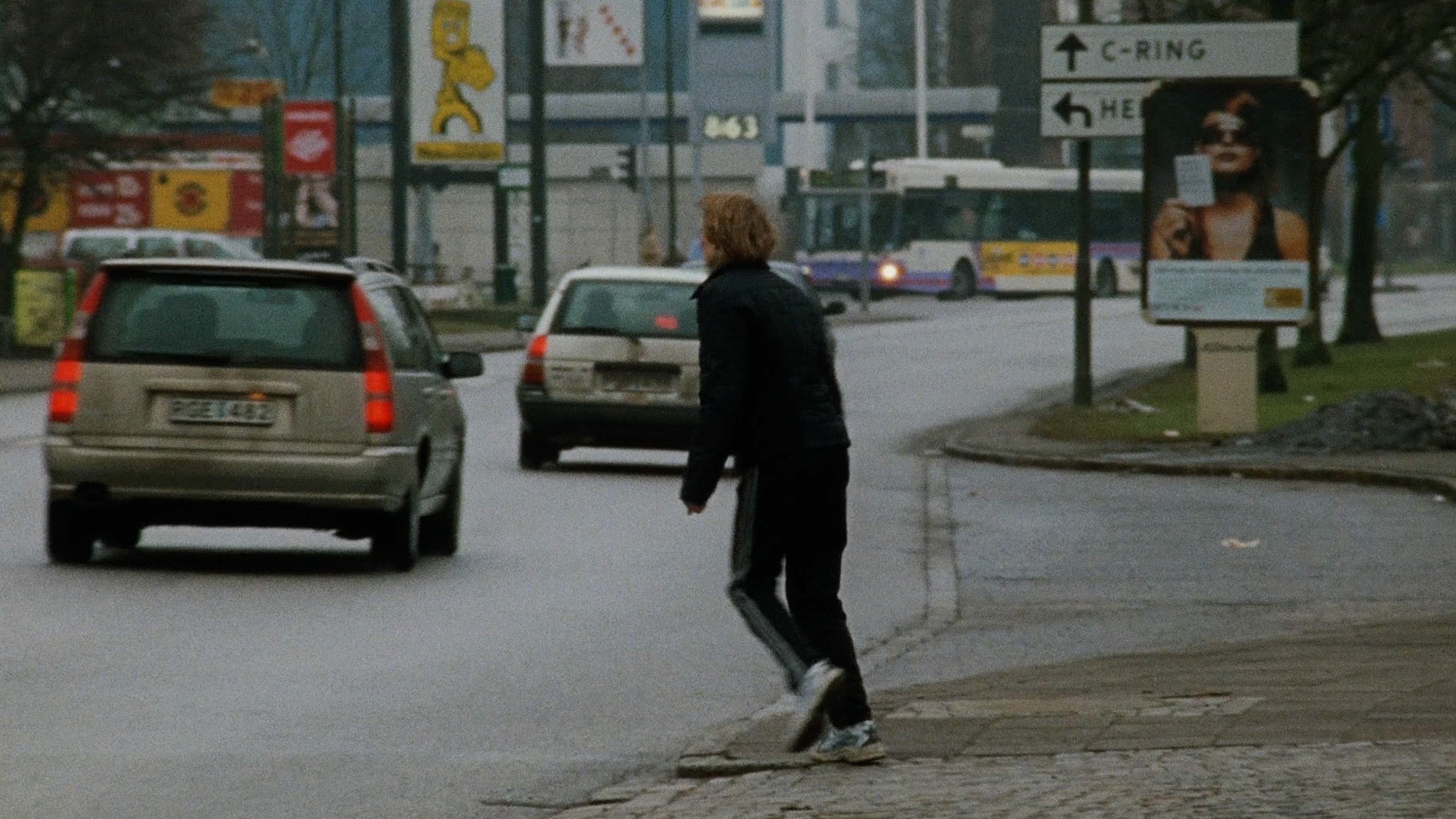
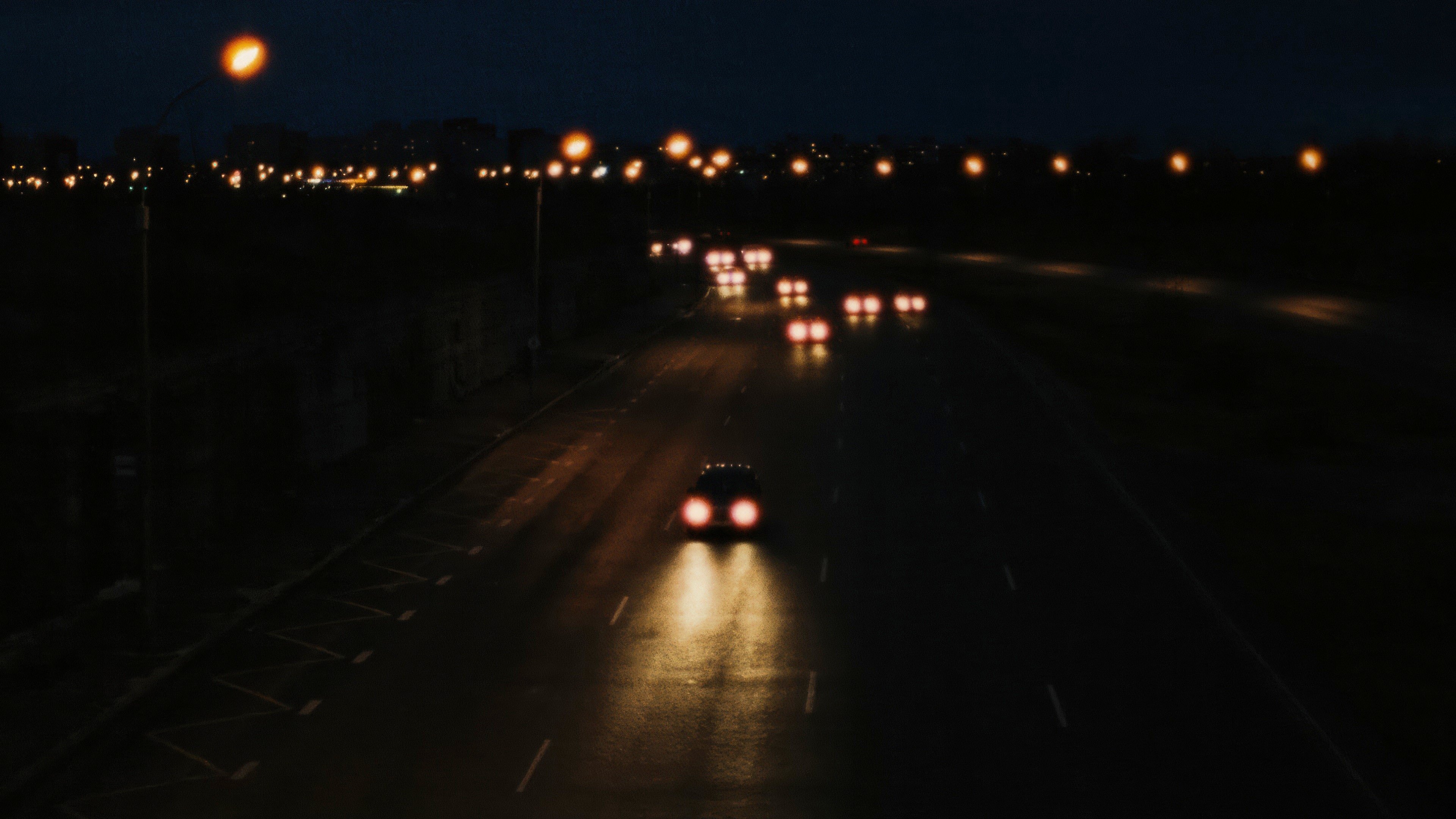
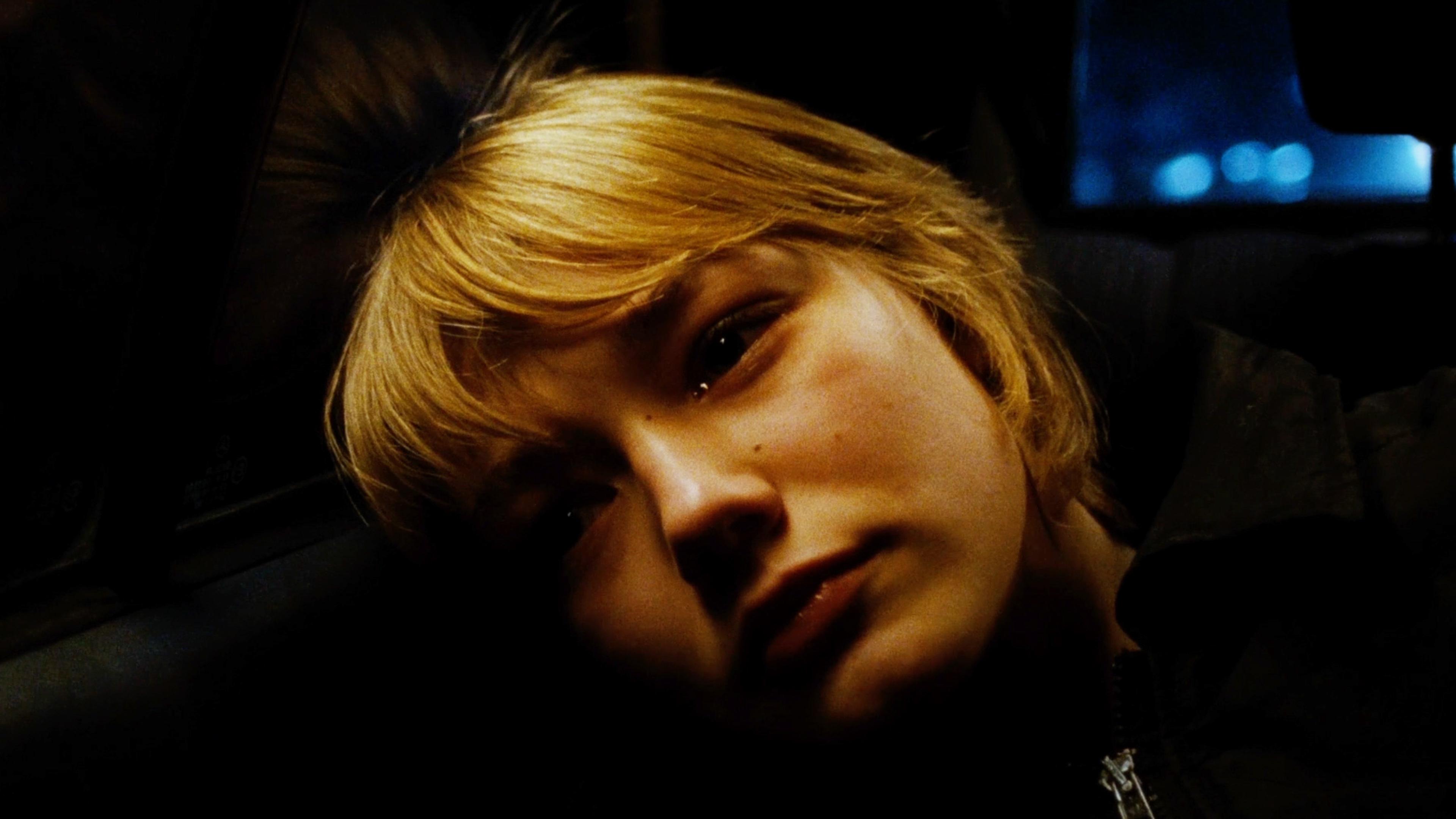
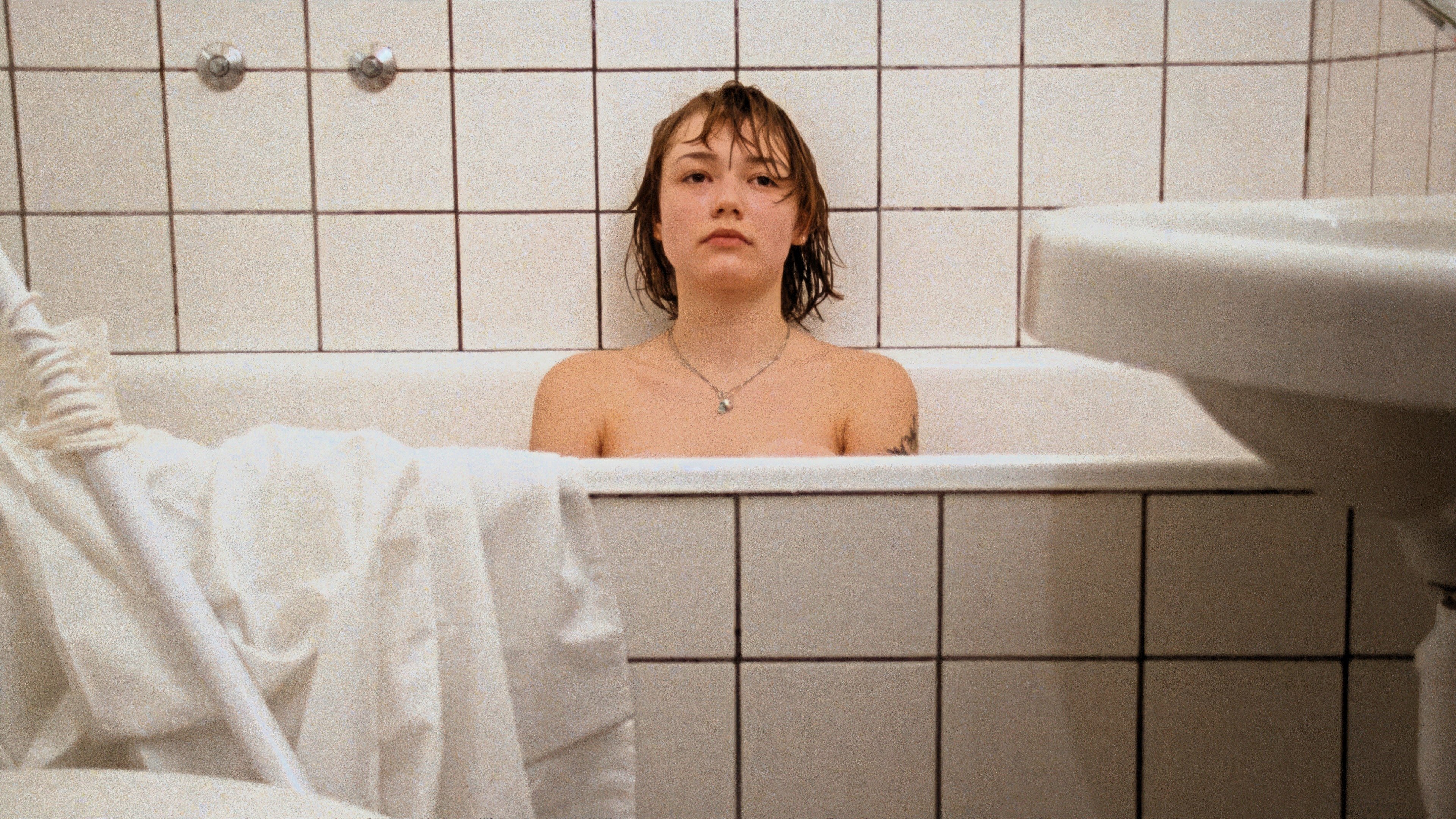
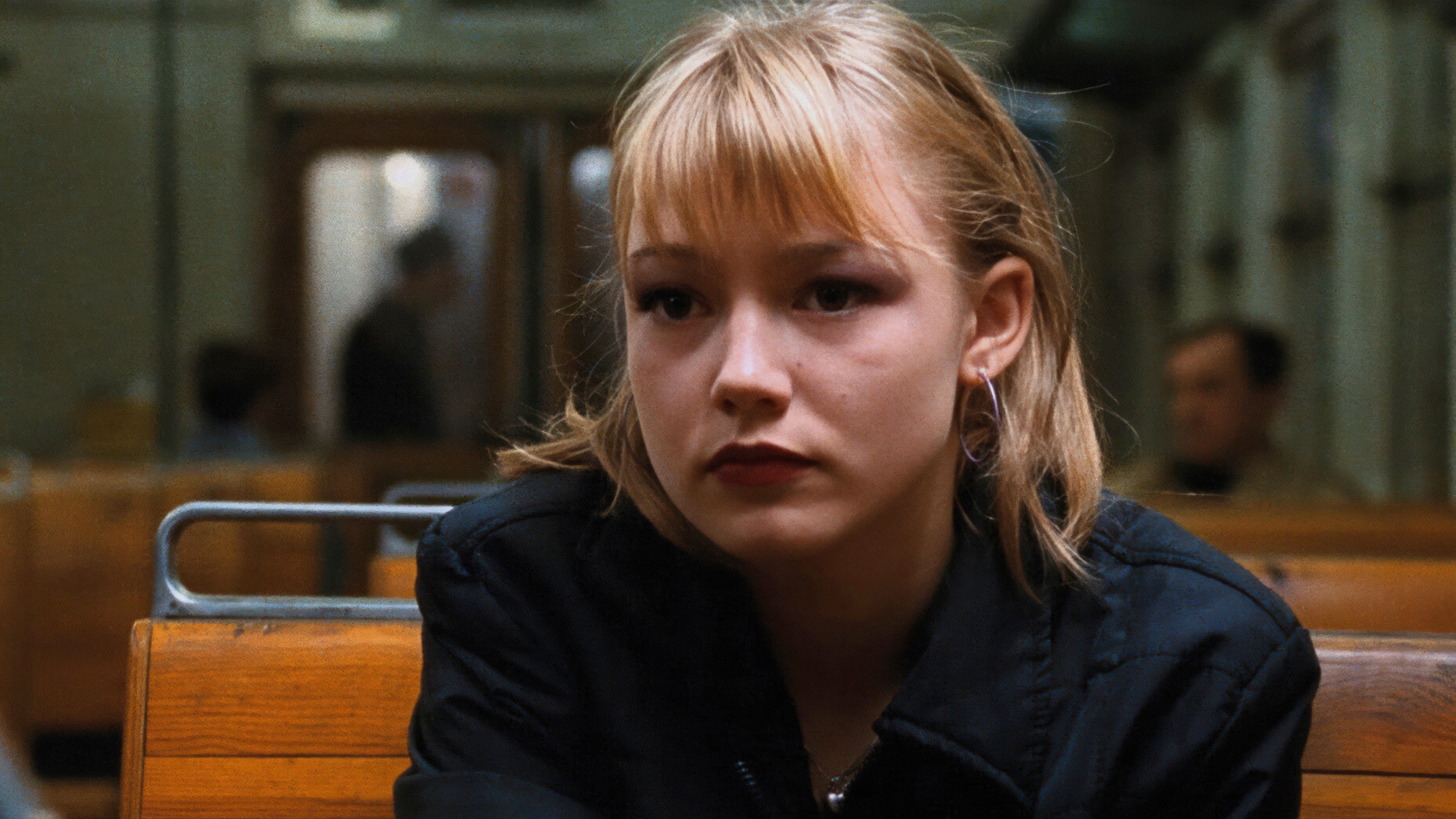
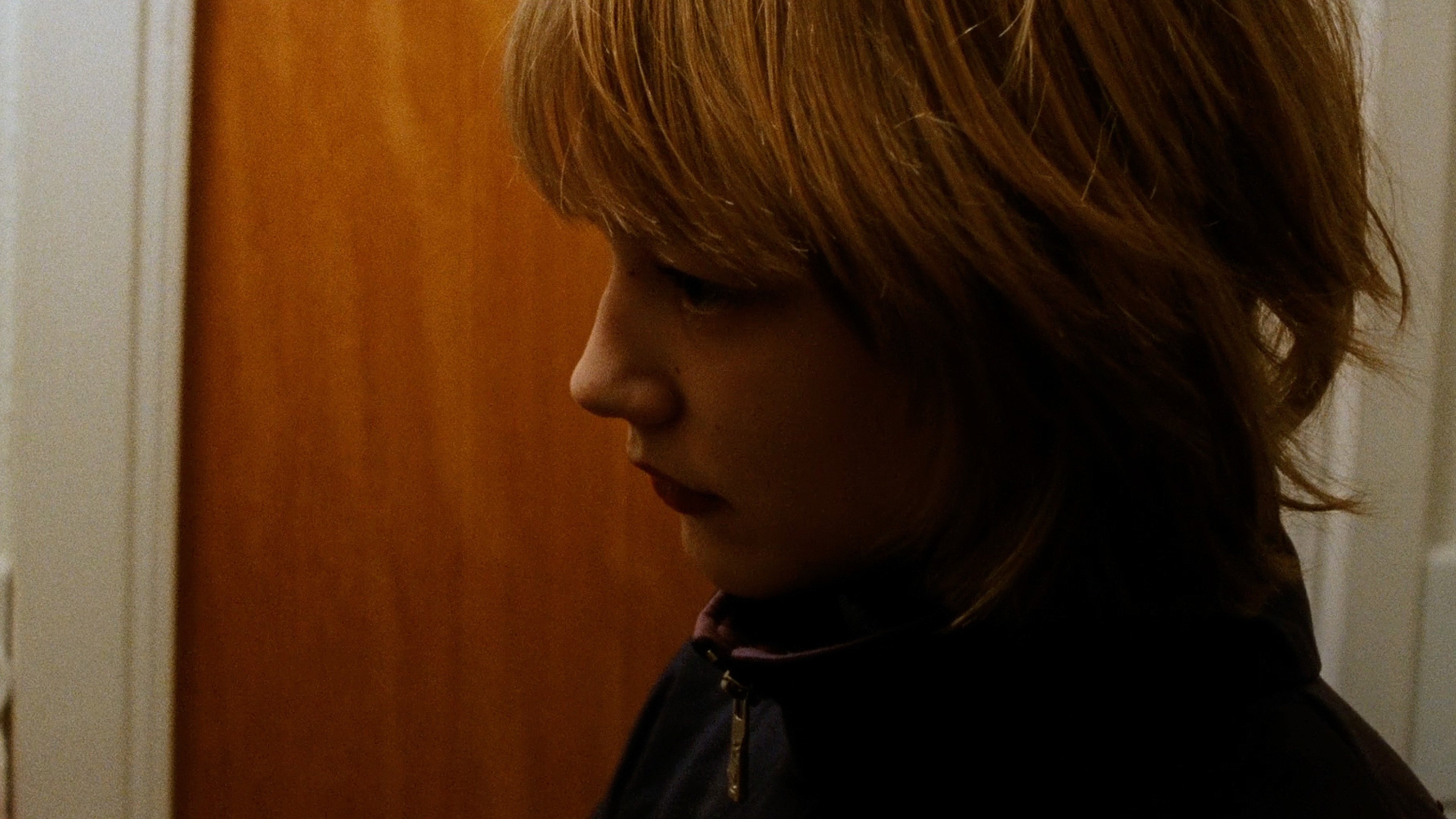
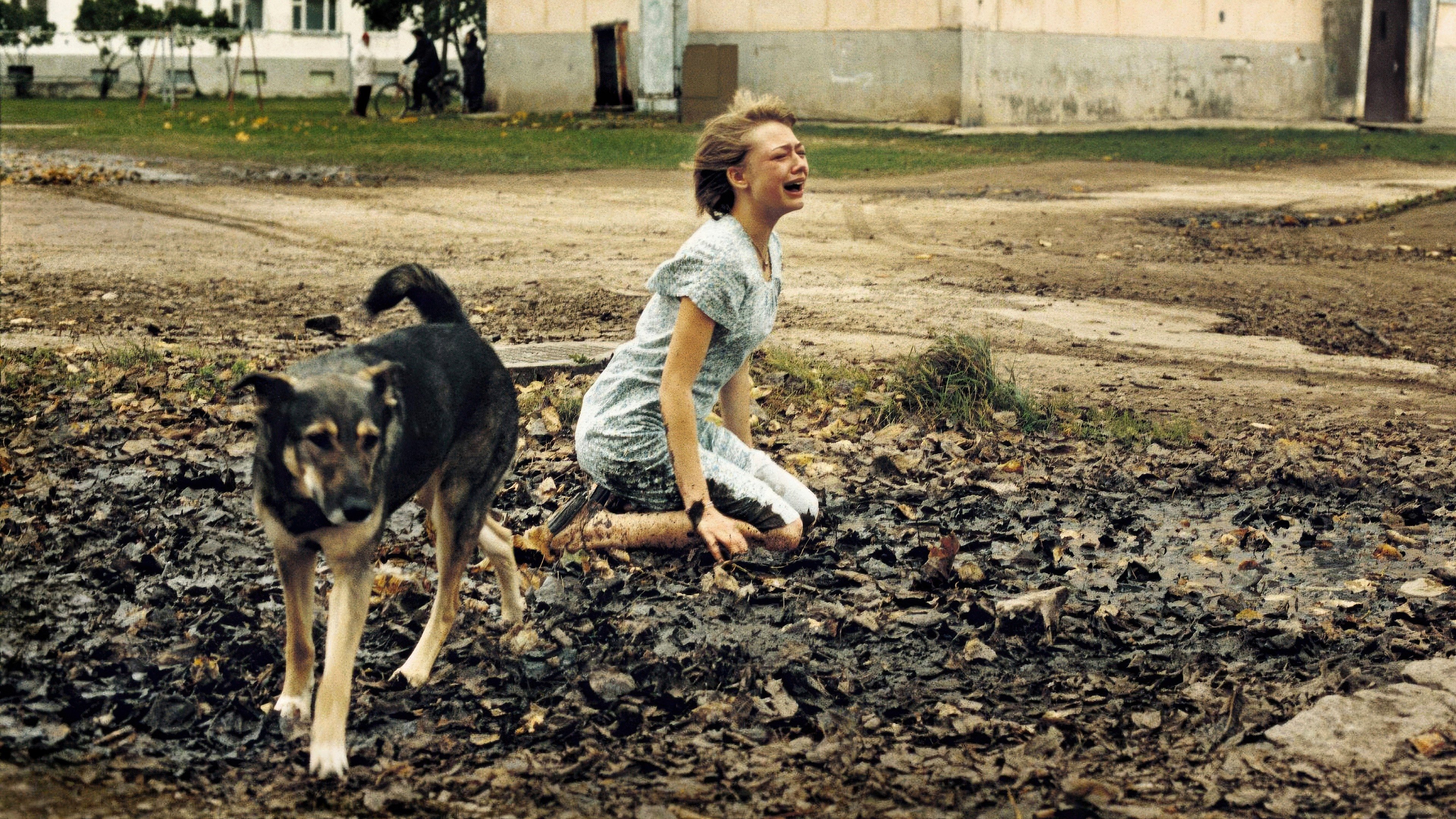
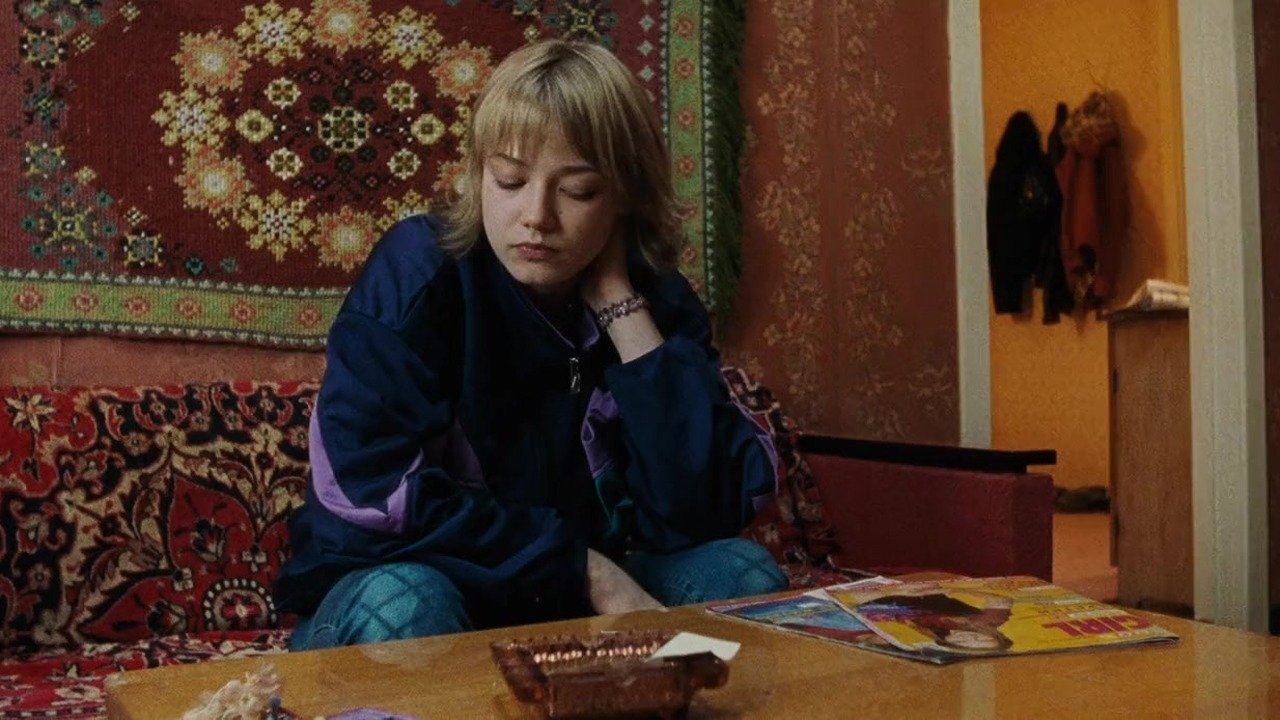
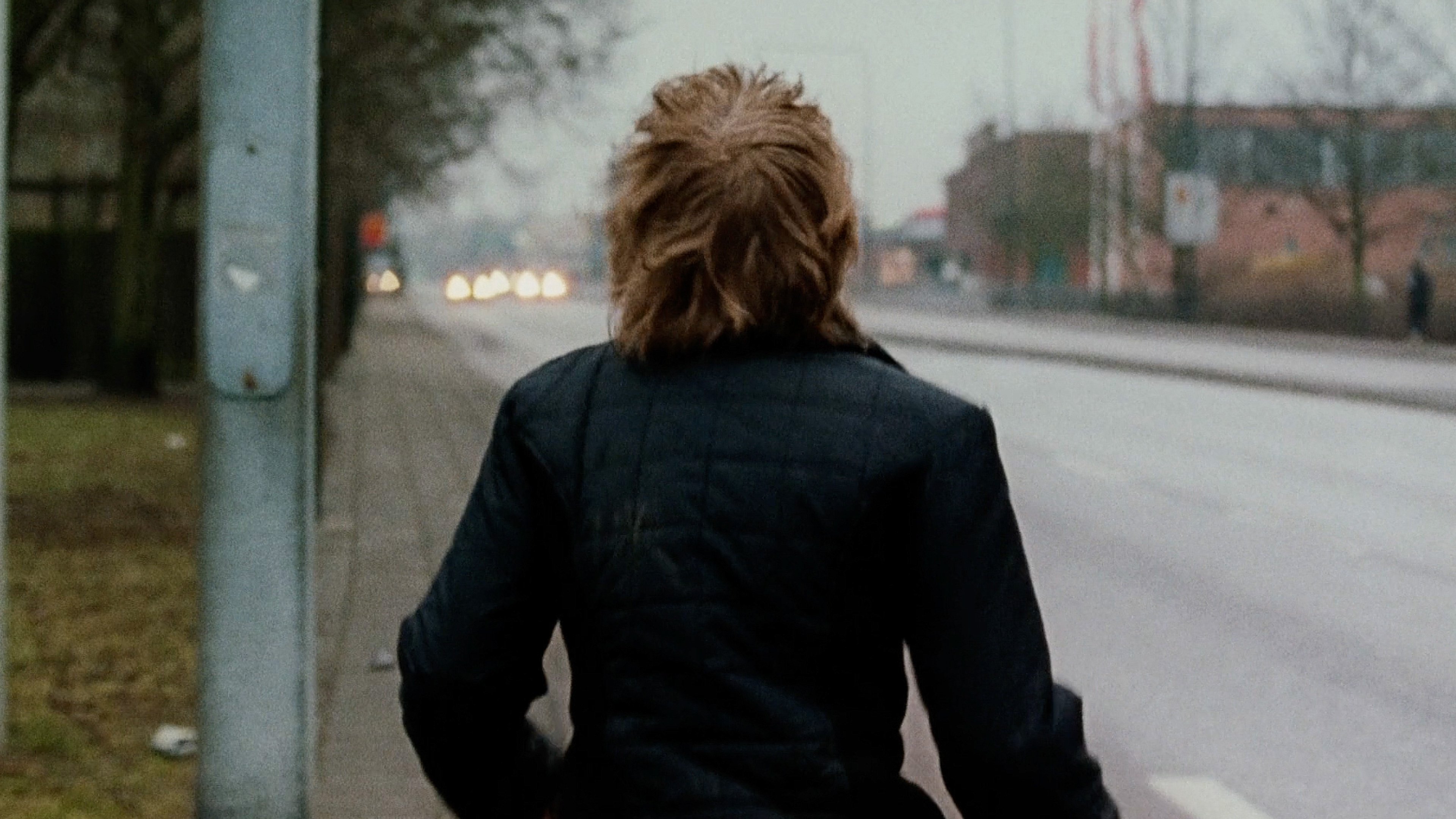
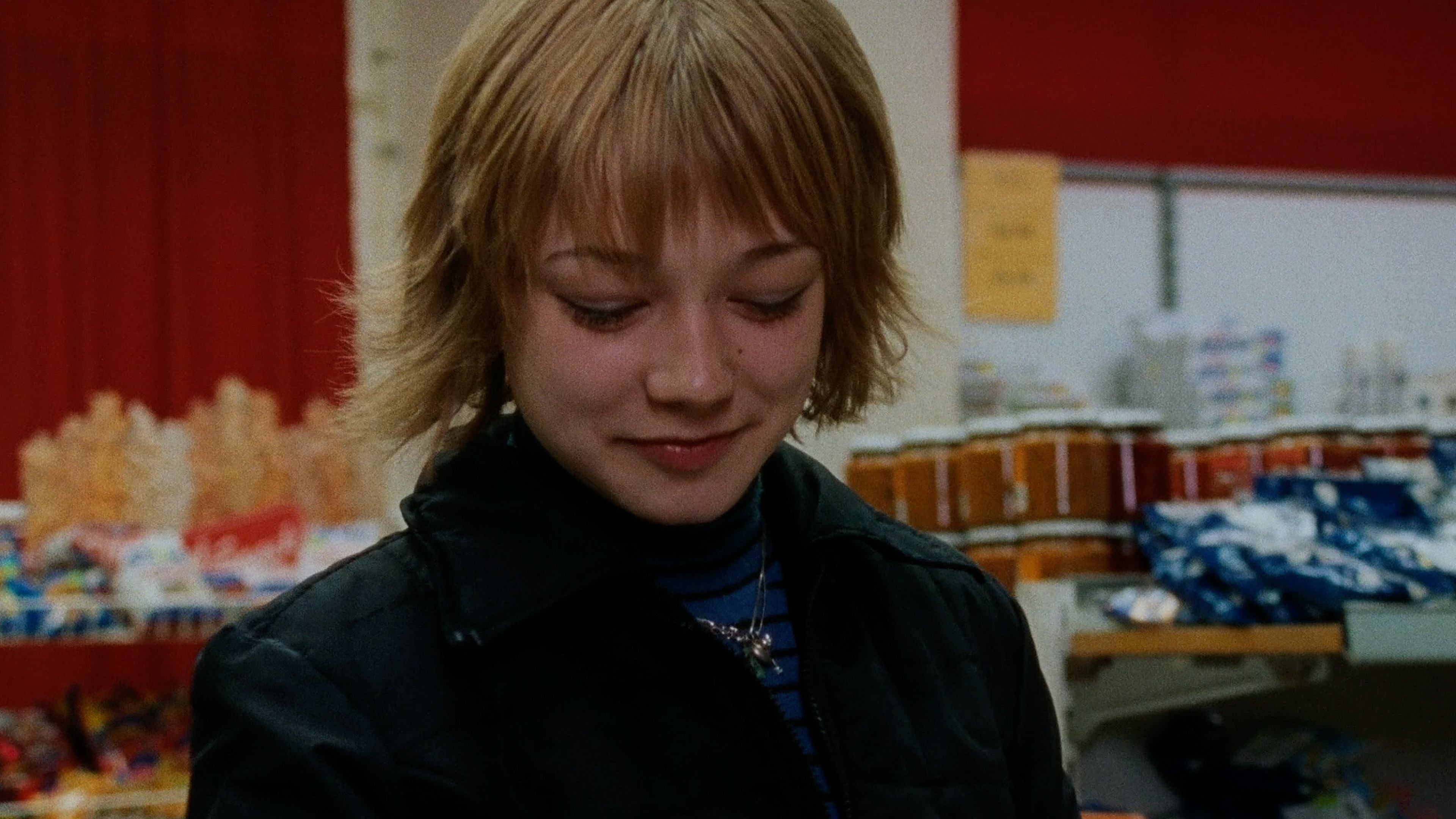
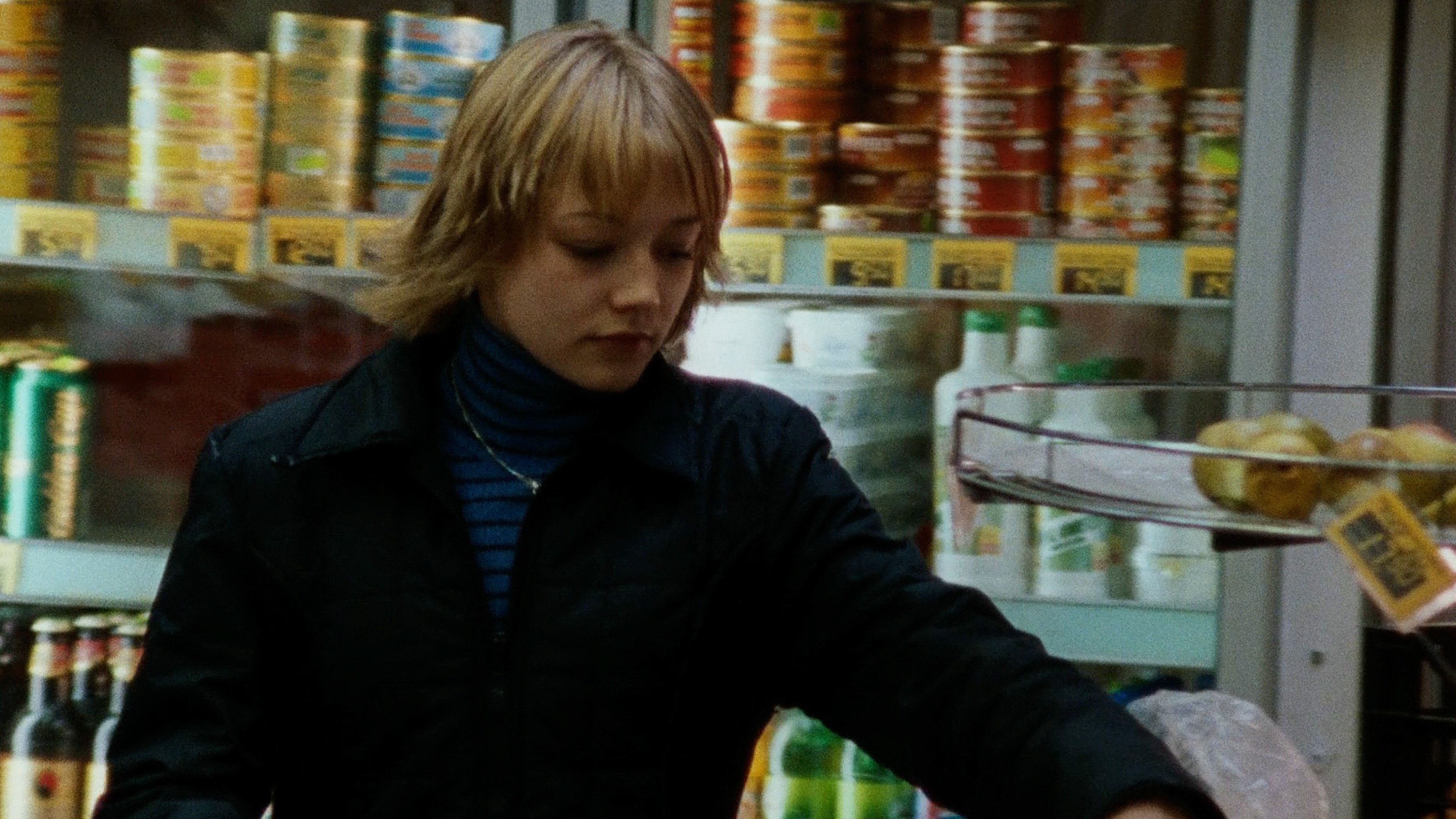
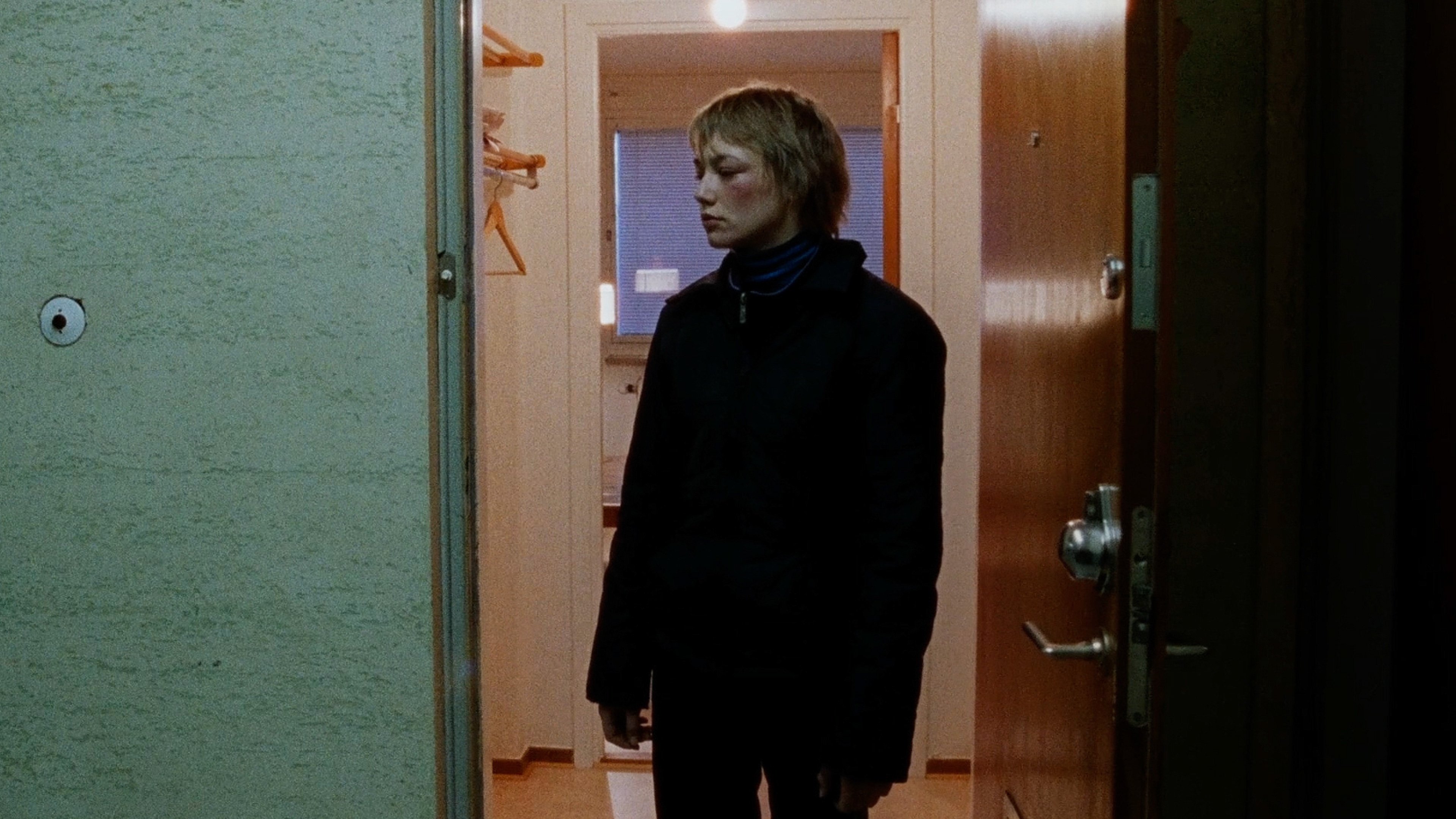
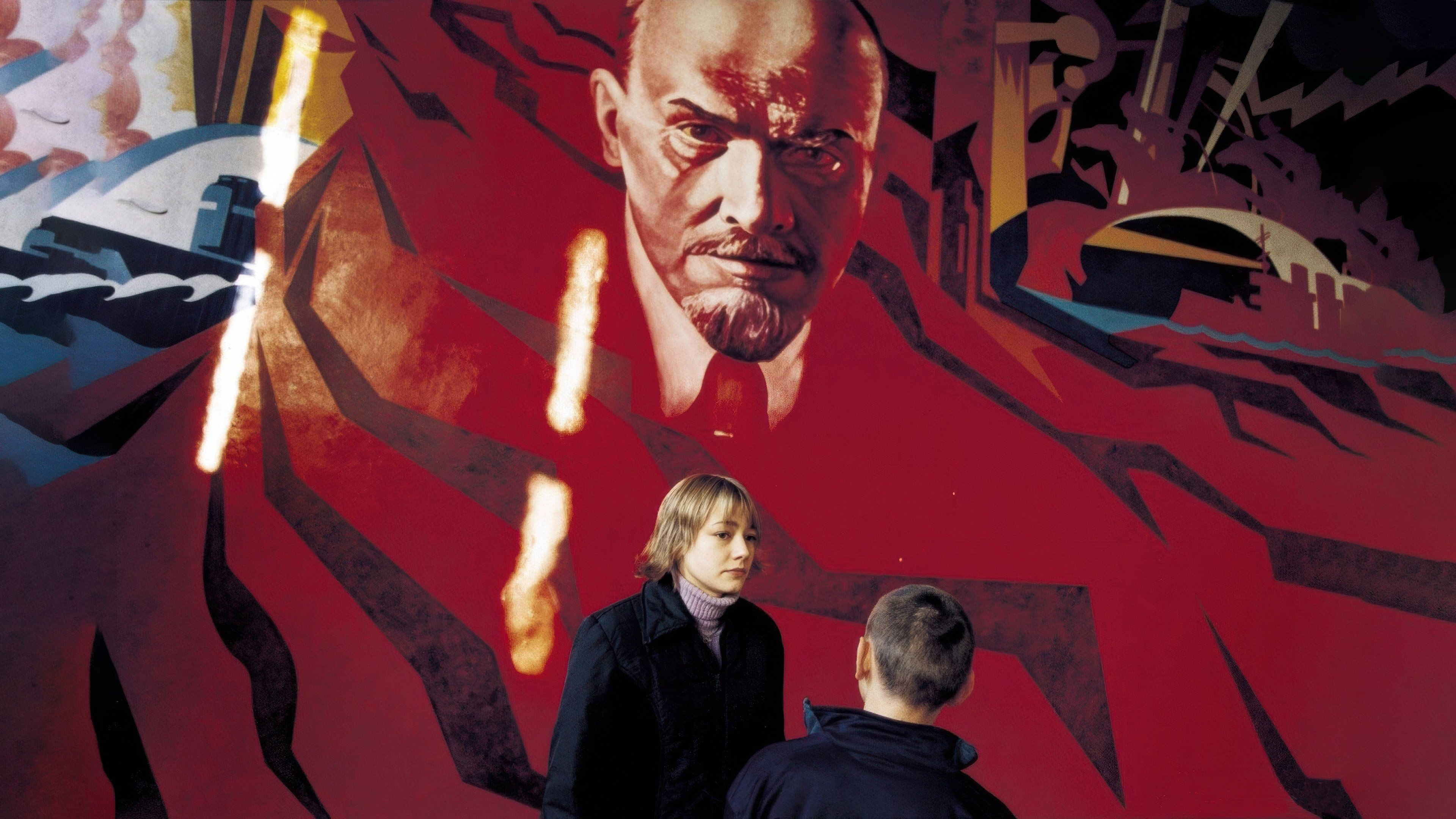
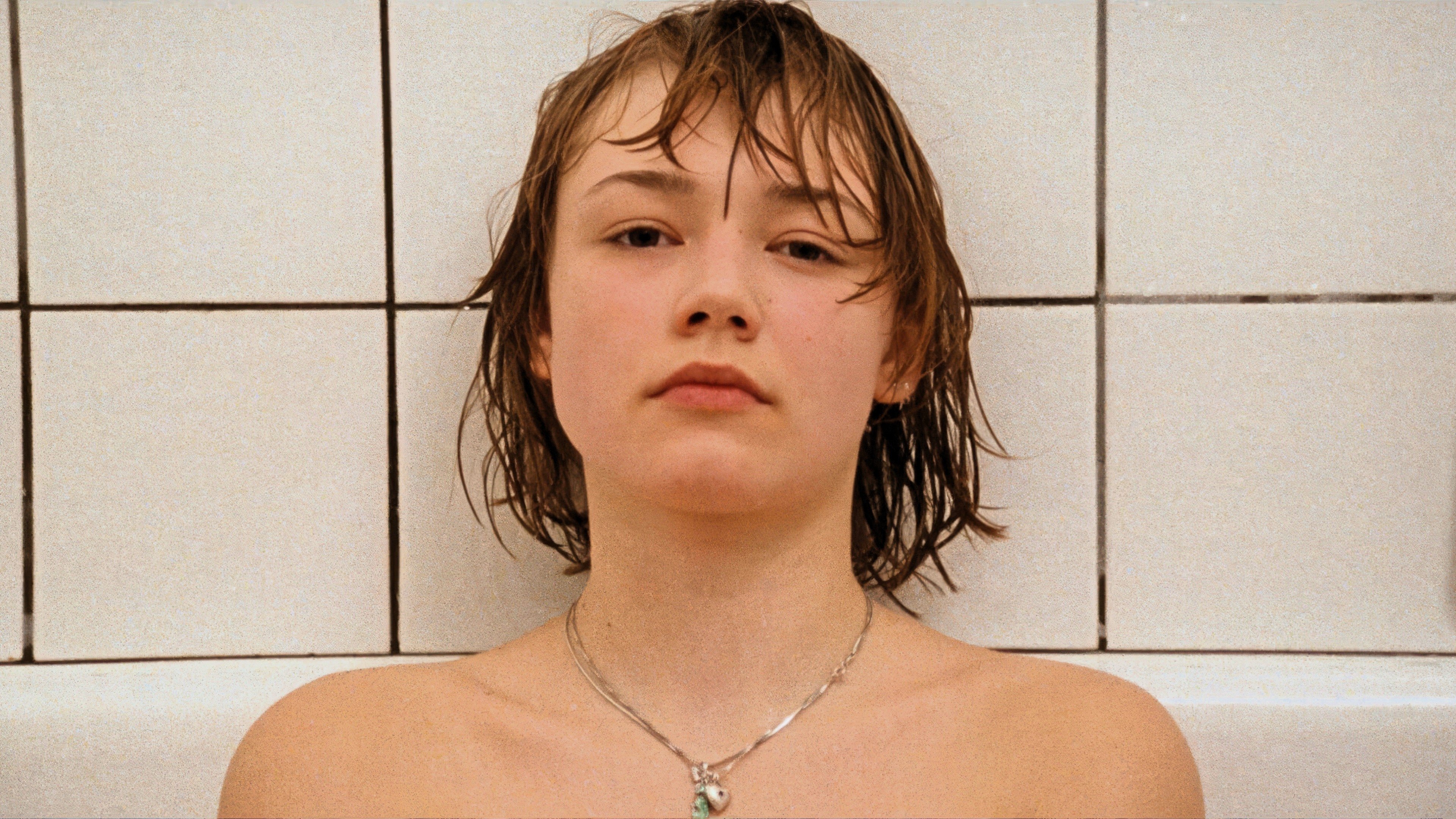
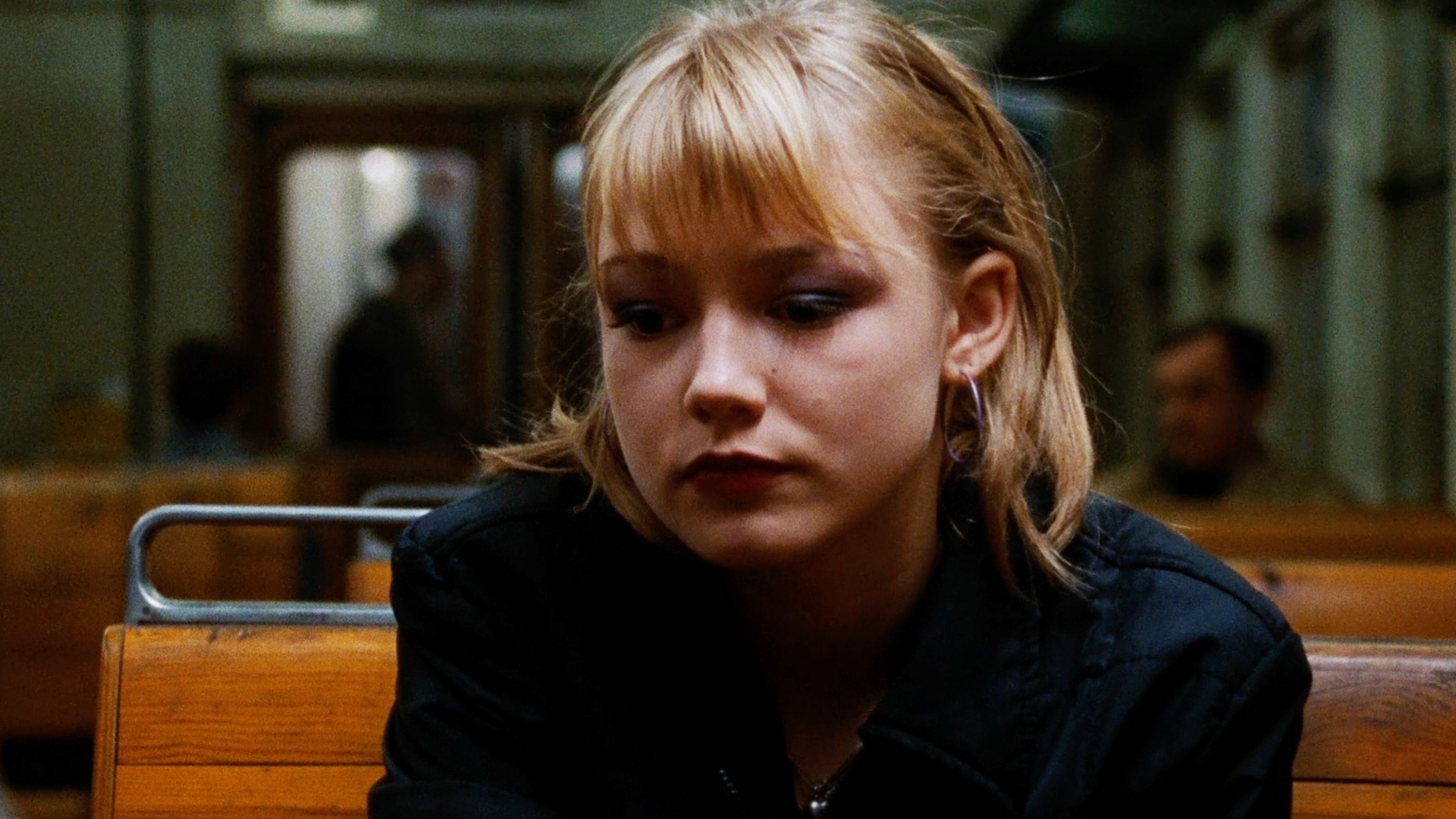
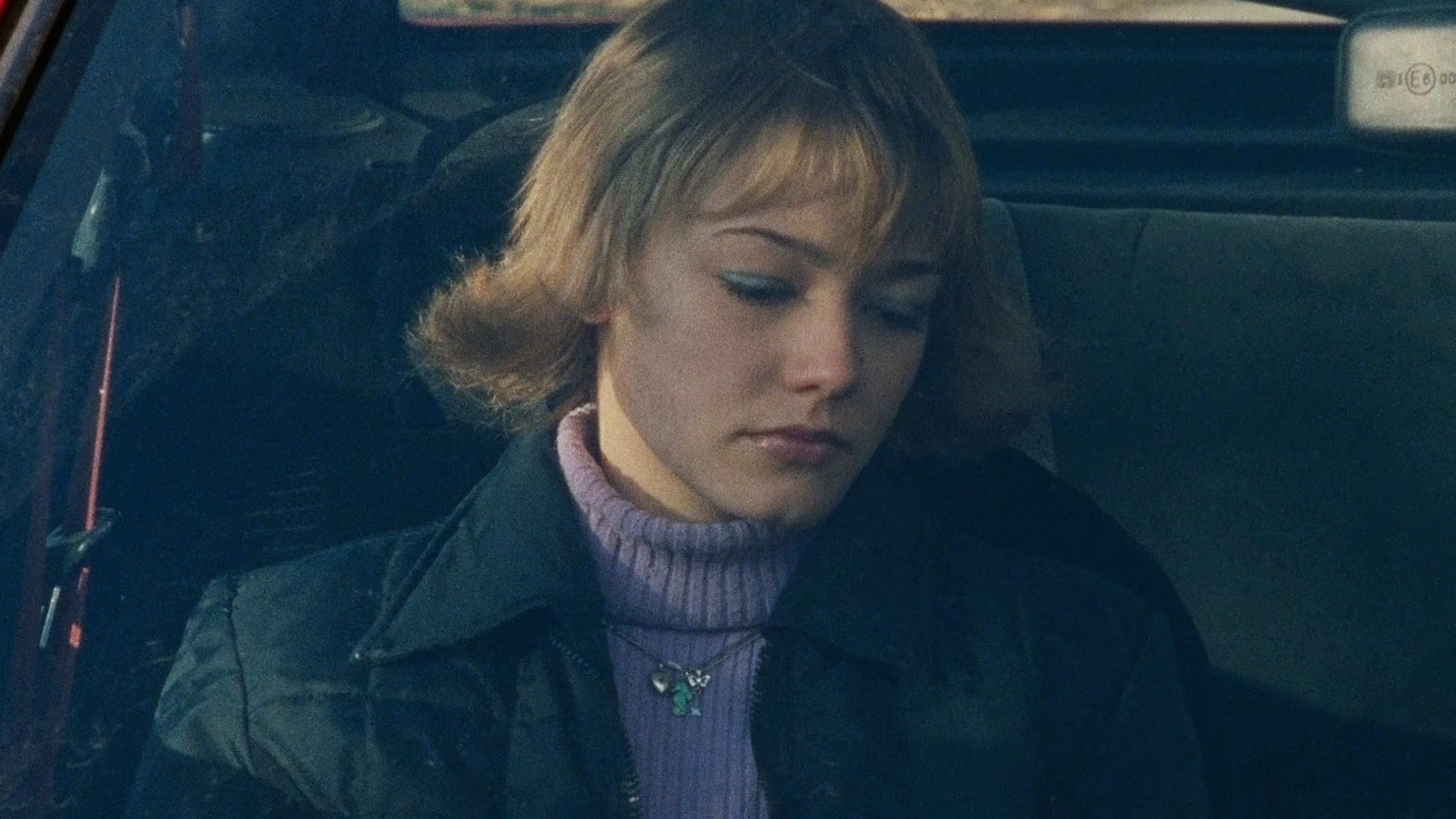
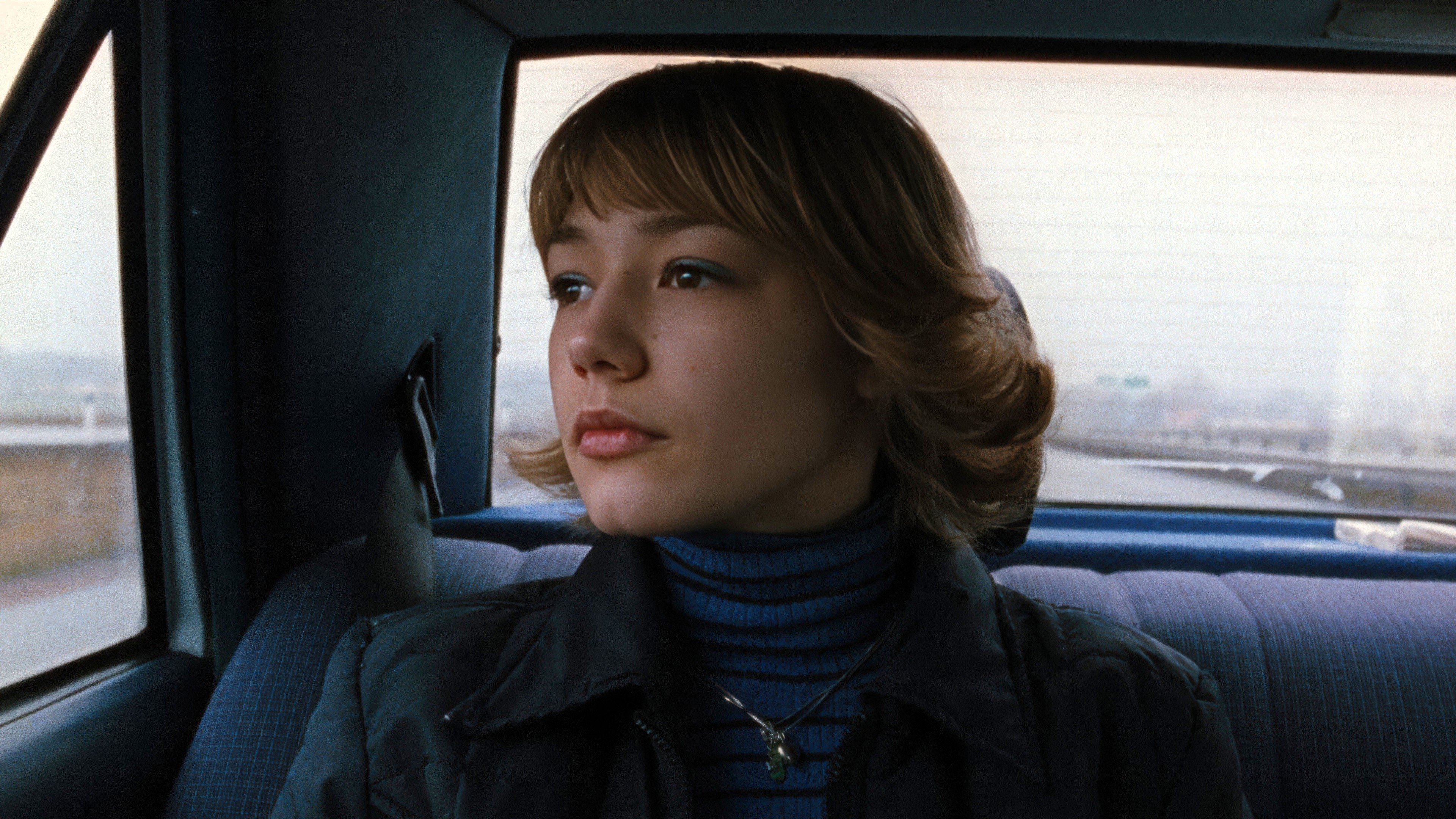
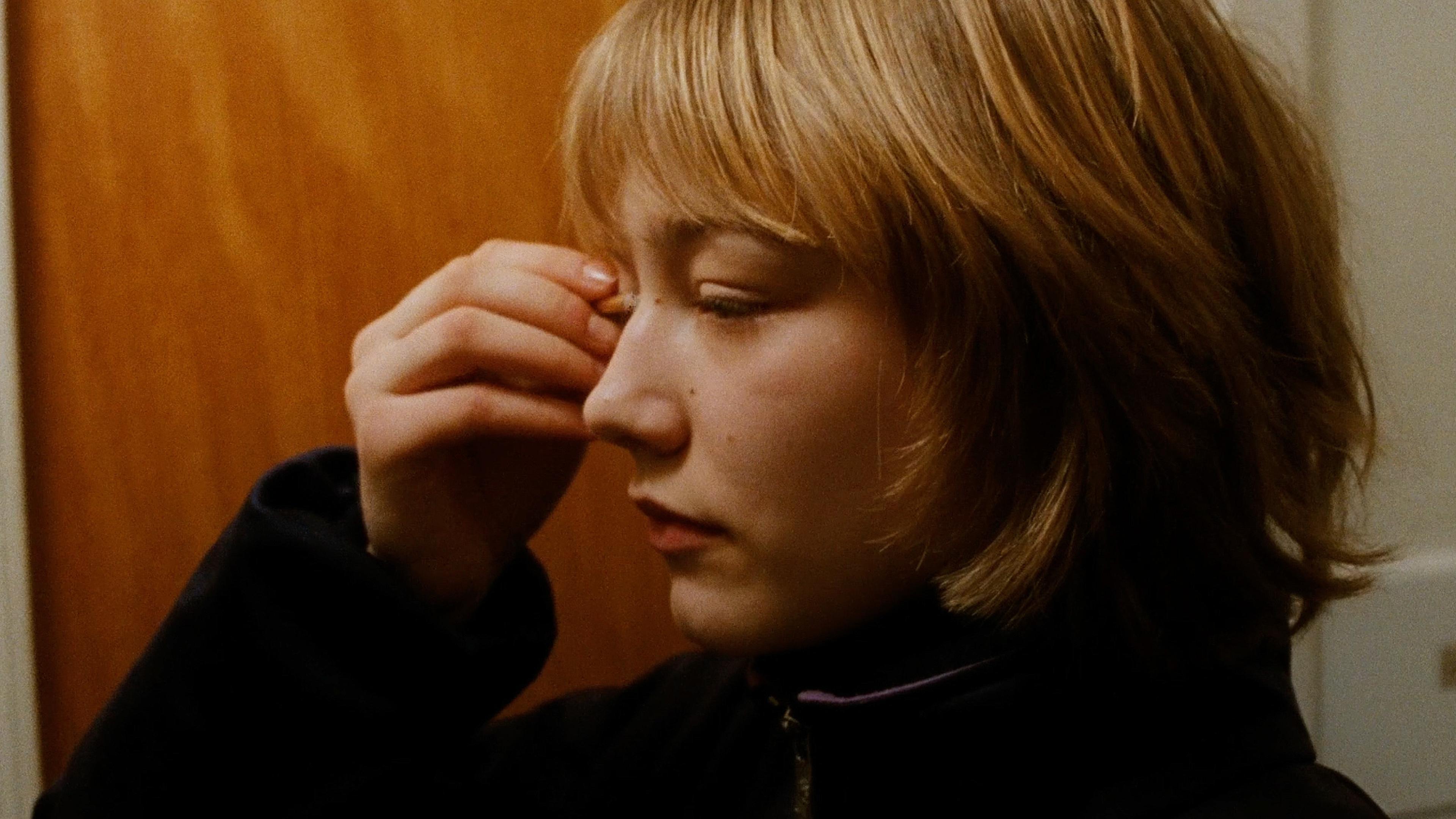
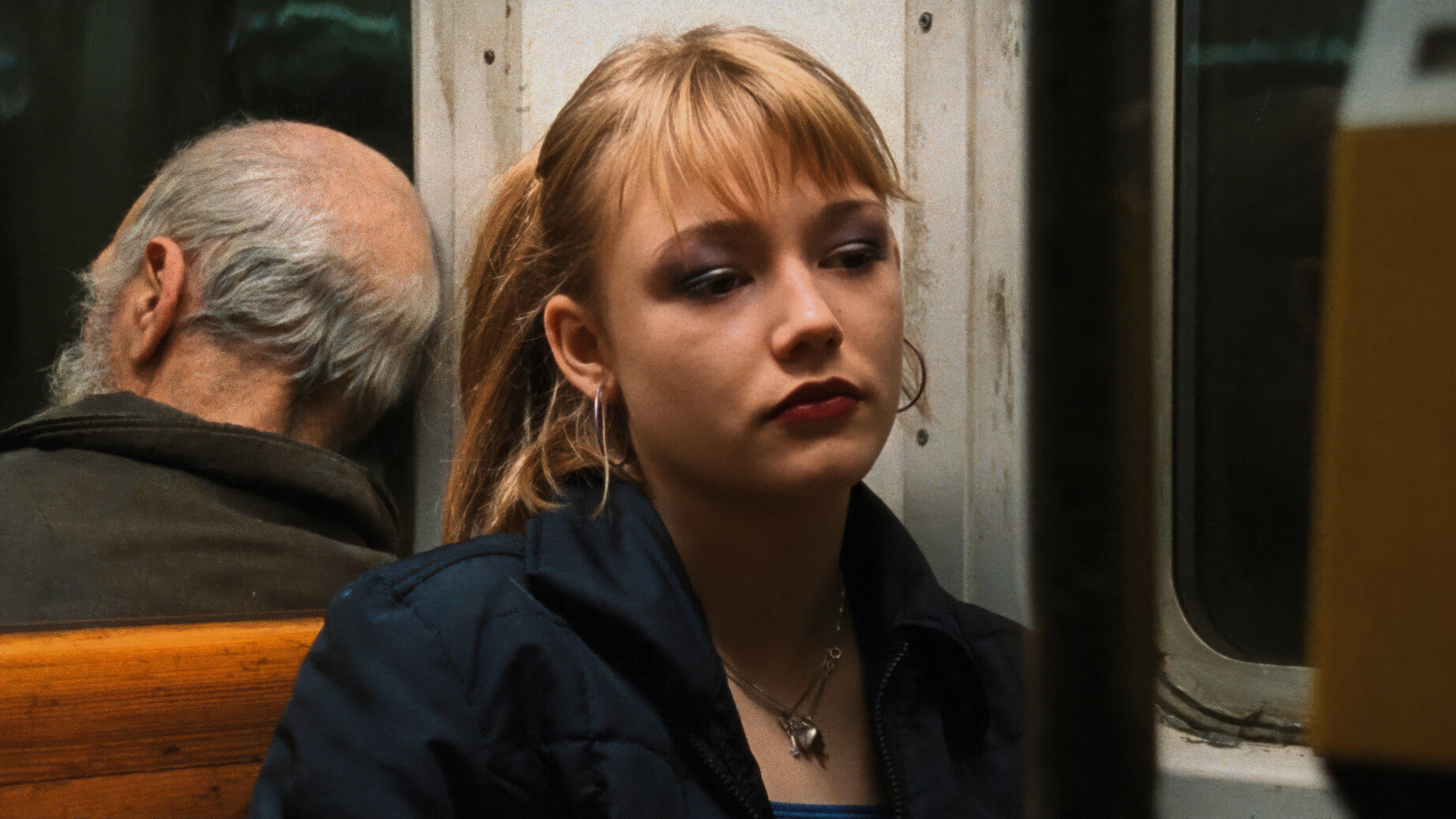
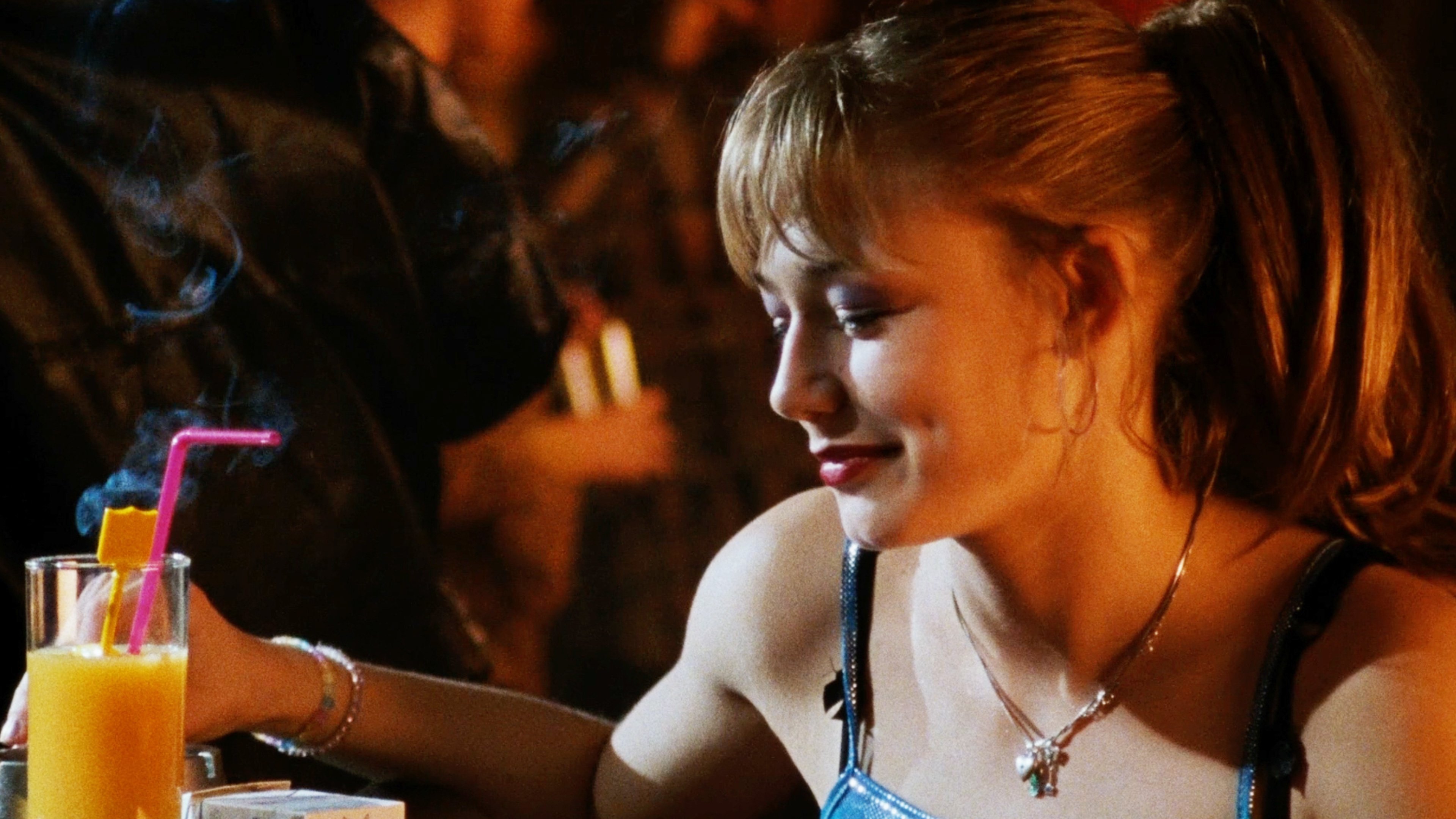
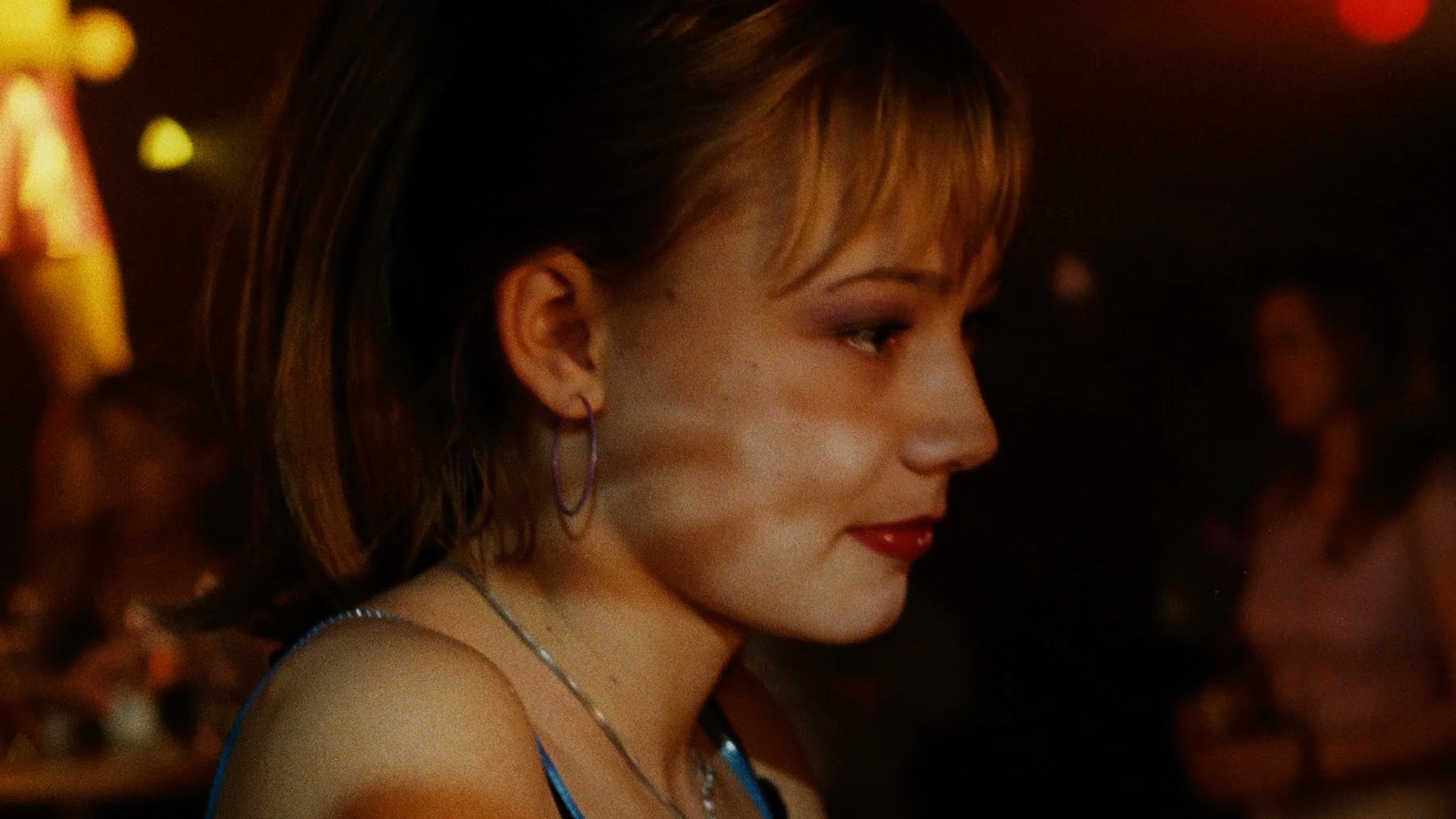
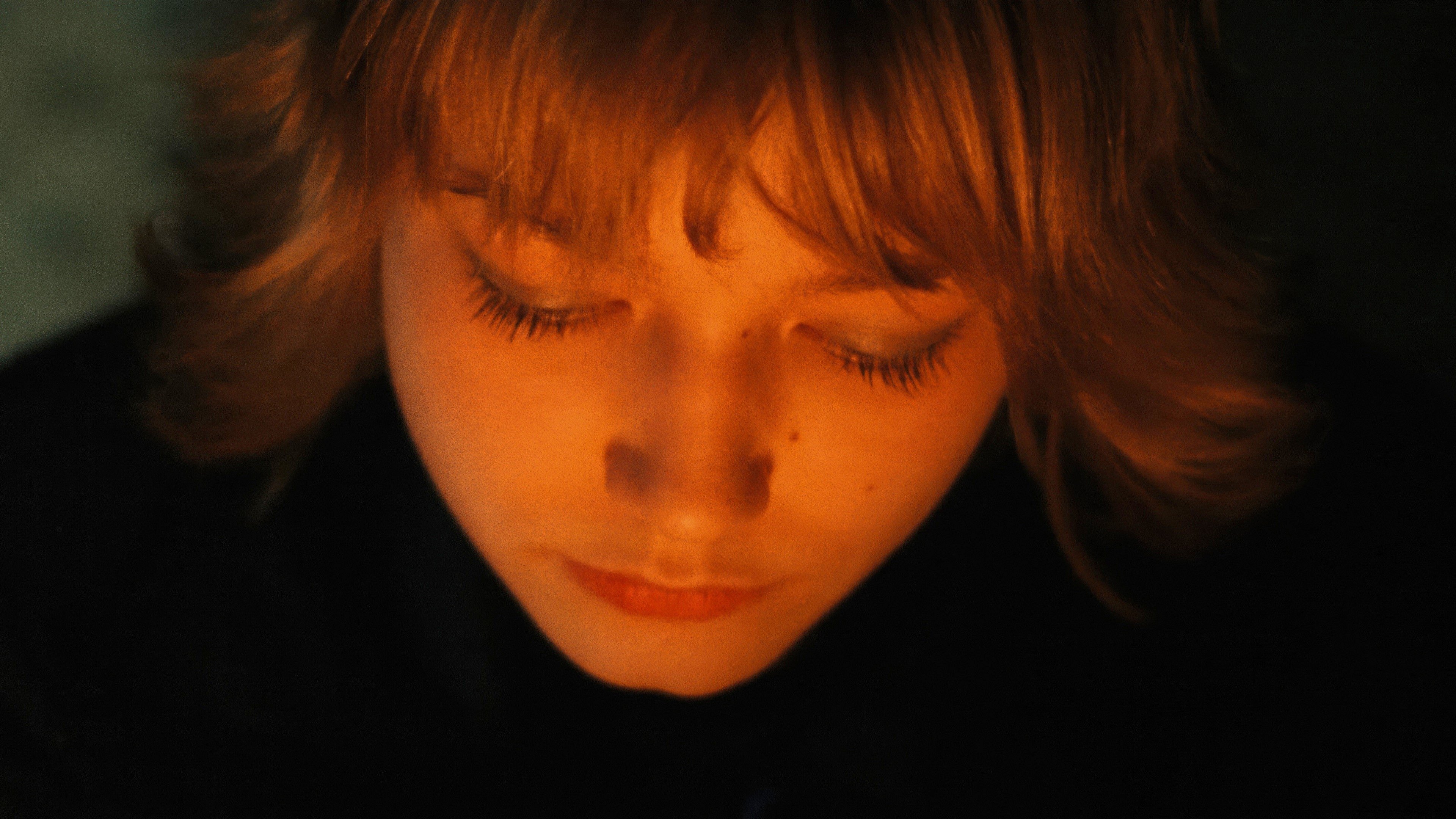
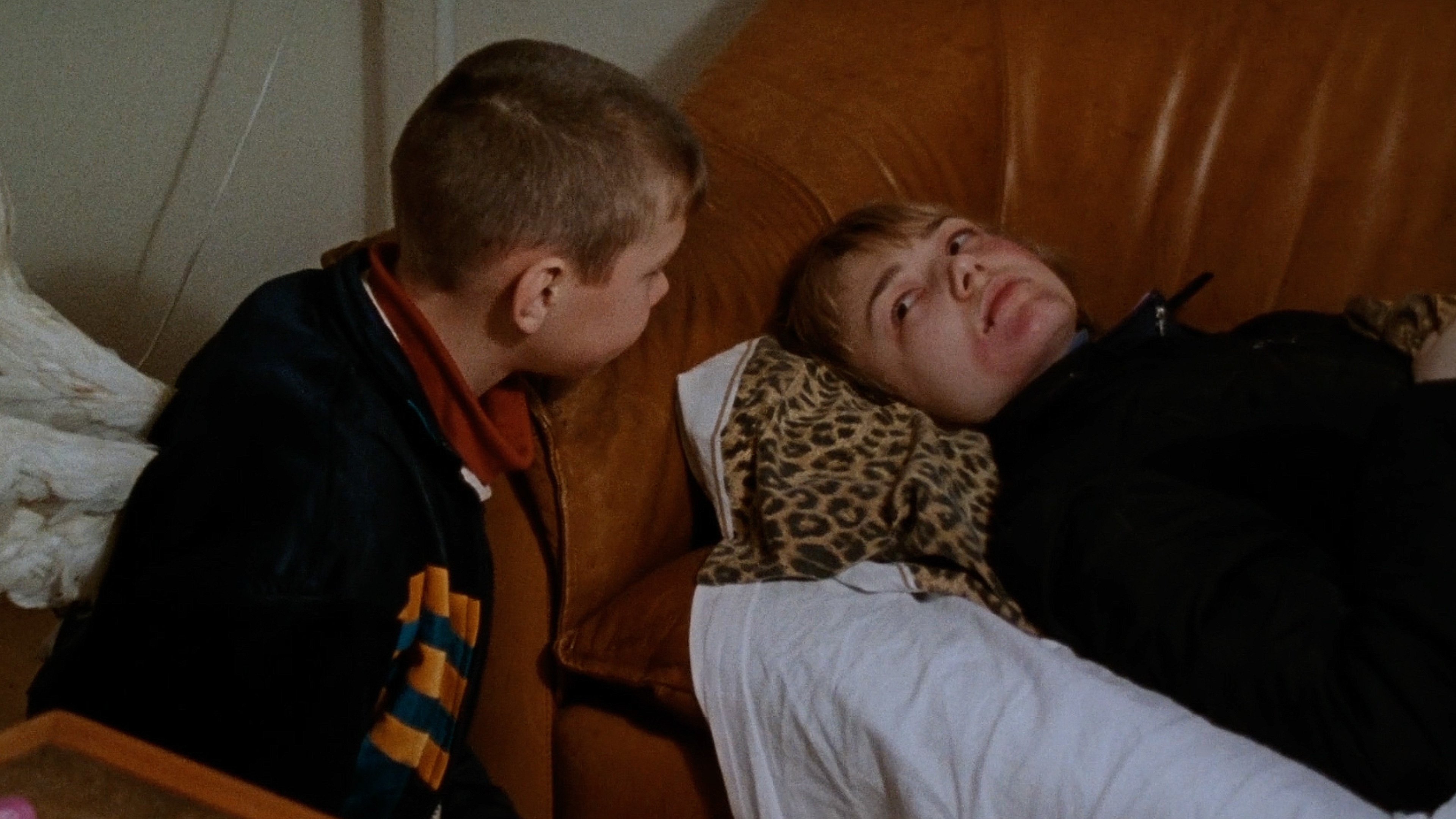
Moodyson was inspired by European social realism and manages to create a bleak uncompromising world for Lilya (Oksana Akinshina) to live in. The film uses hand held camera work, and grey colour palettes with very light or warmth. It lacks a soundtrack and has long passages without music or dialogue which adds a real heaviness. Very quickly, there is a sense of ominous inevitability towards Lilya’s situation. This creates a feeling of helplessness as a viewer, forced to confront the reality and consider the social implications.
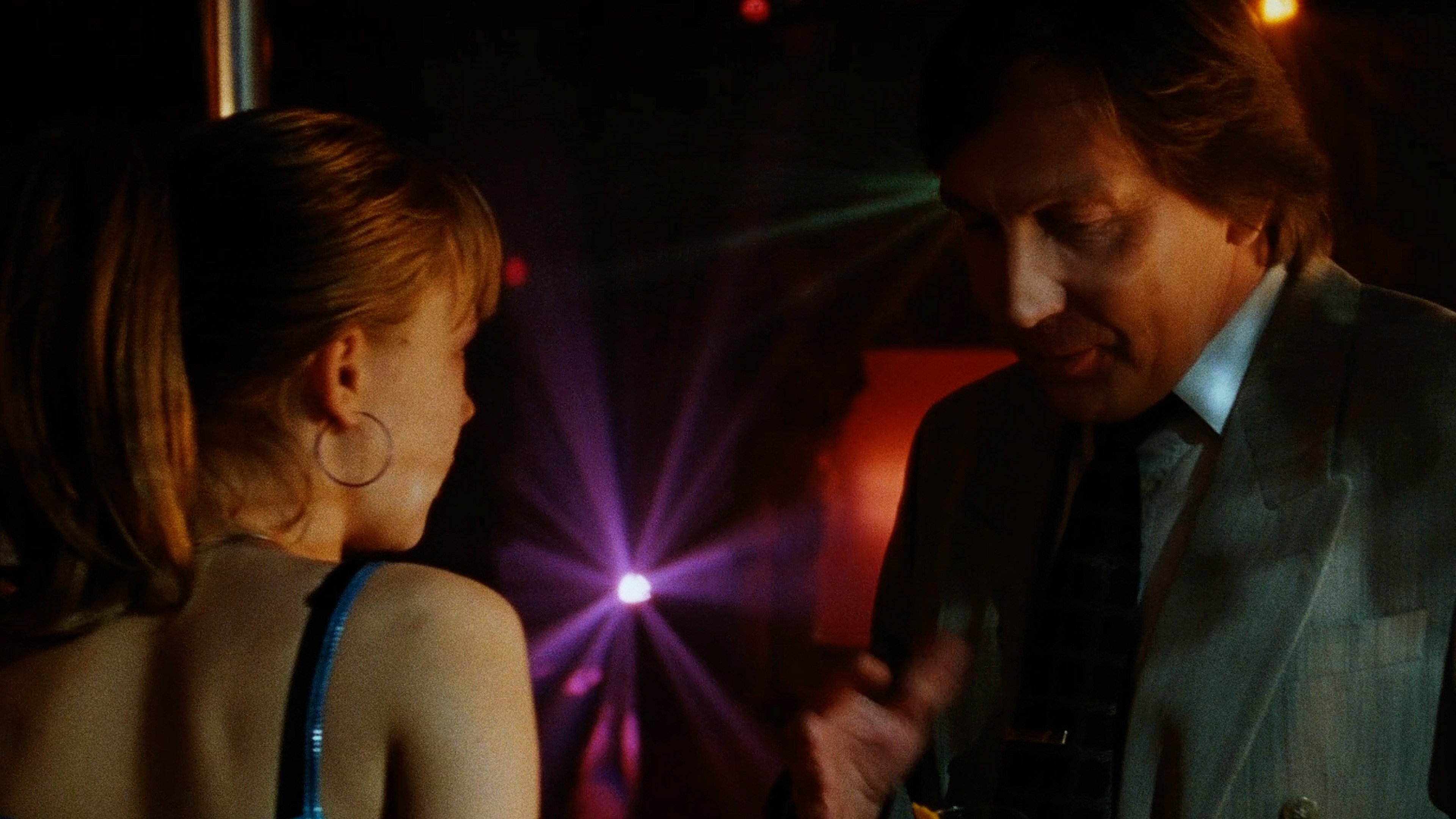
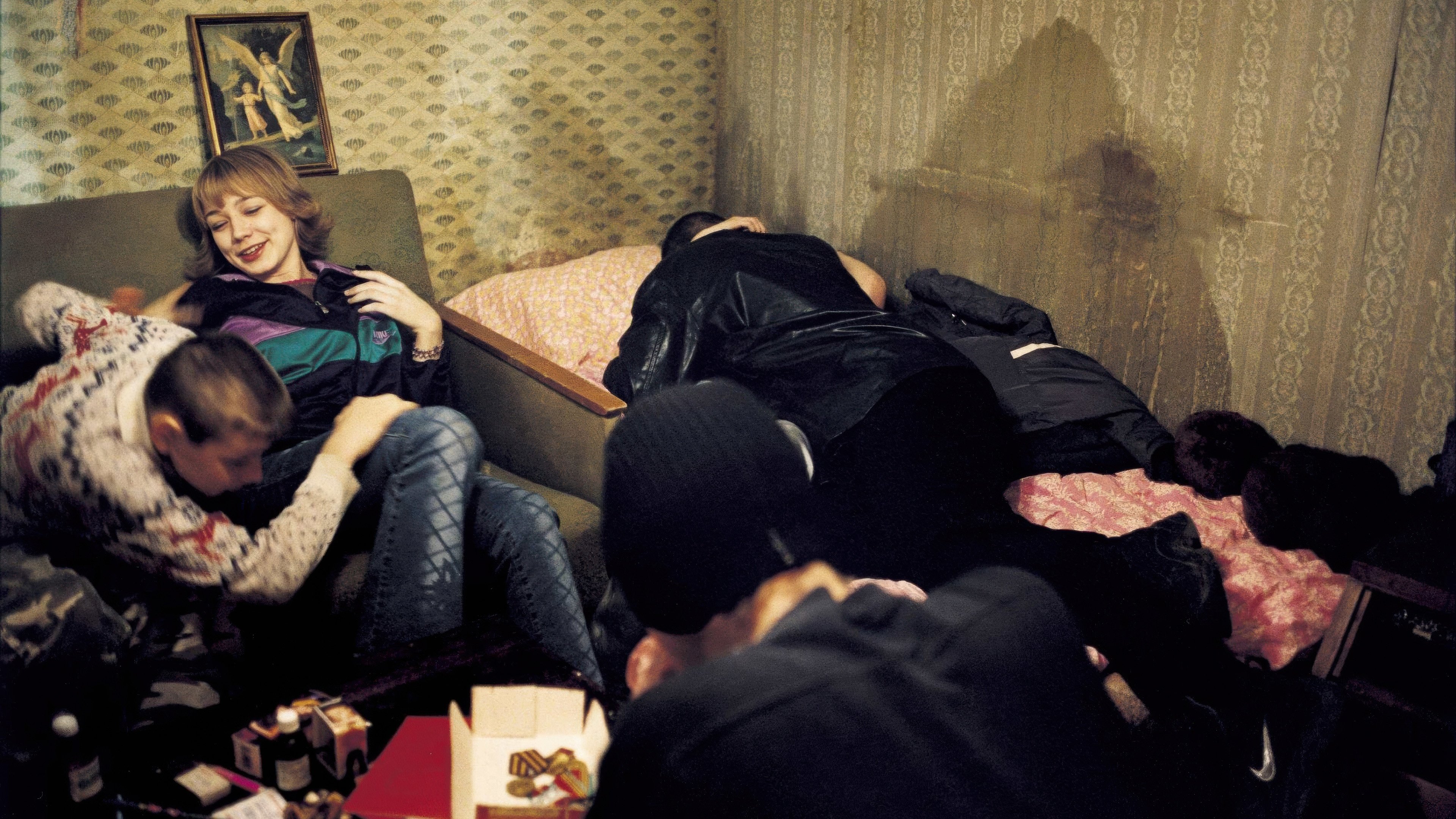
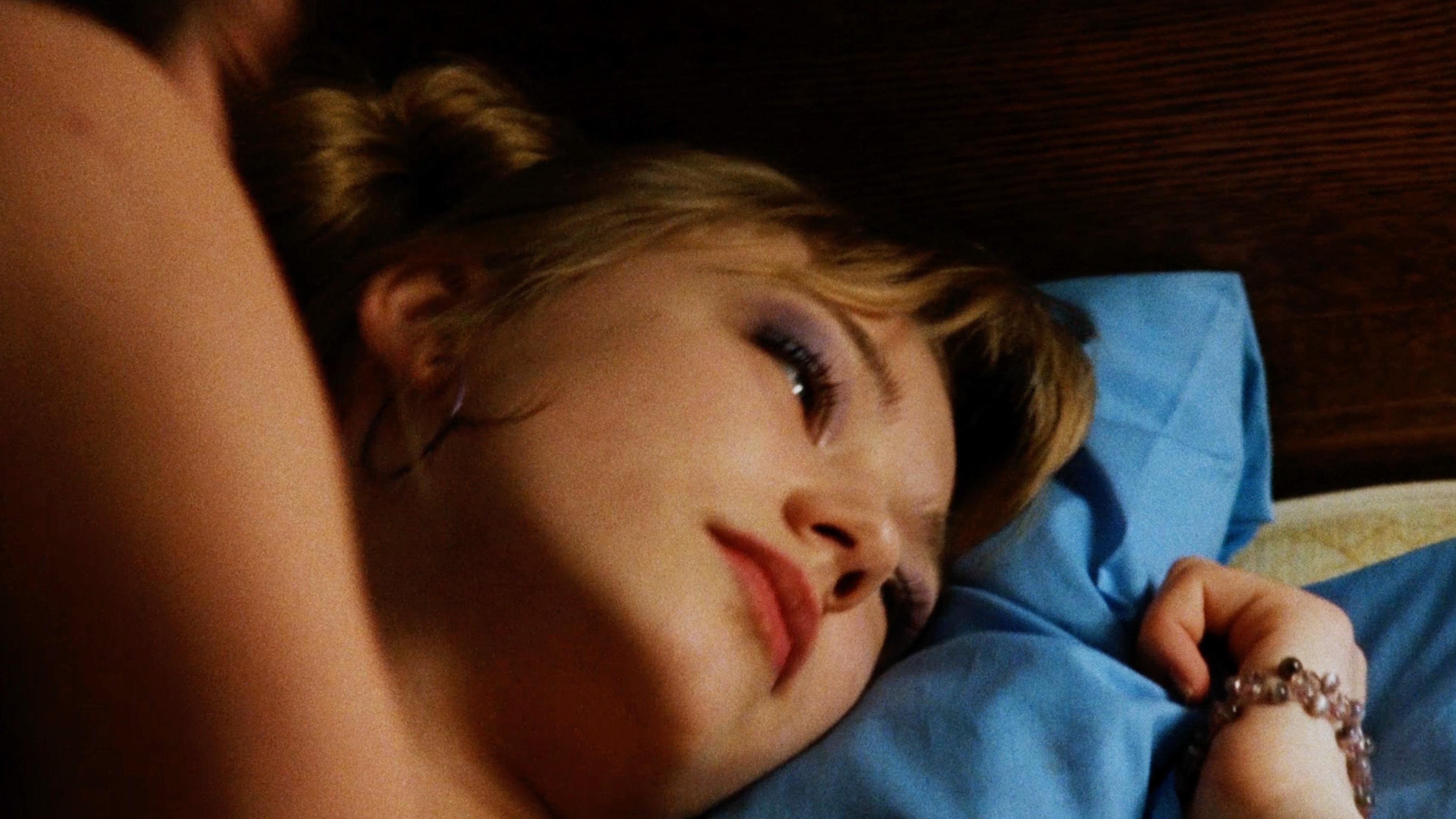
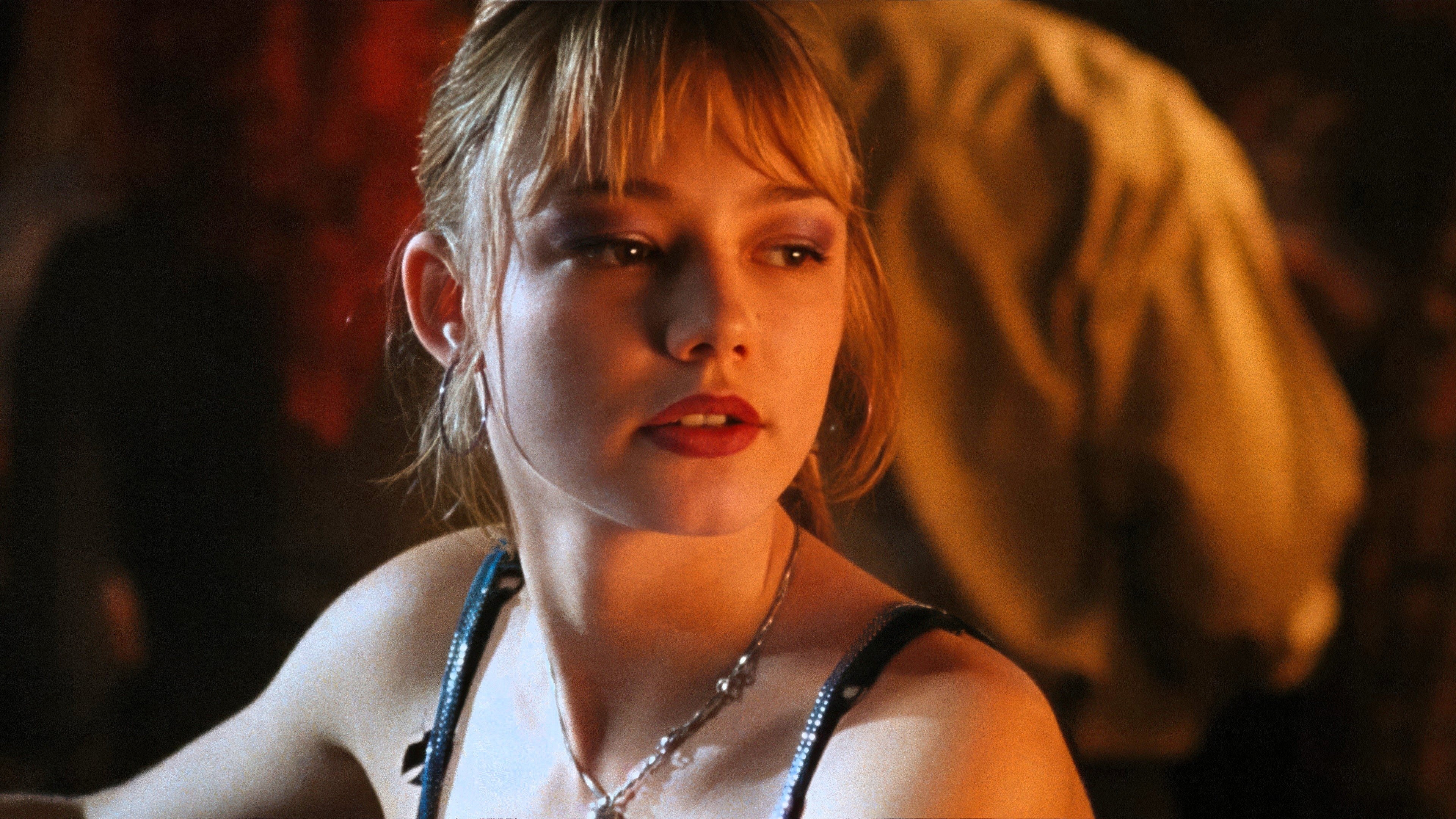
The controversy comes from how graphic the subject matter is, particularly with an underage actor. There is no nudity, but instead horrible hand held close ups of men all shown from her POV.
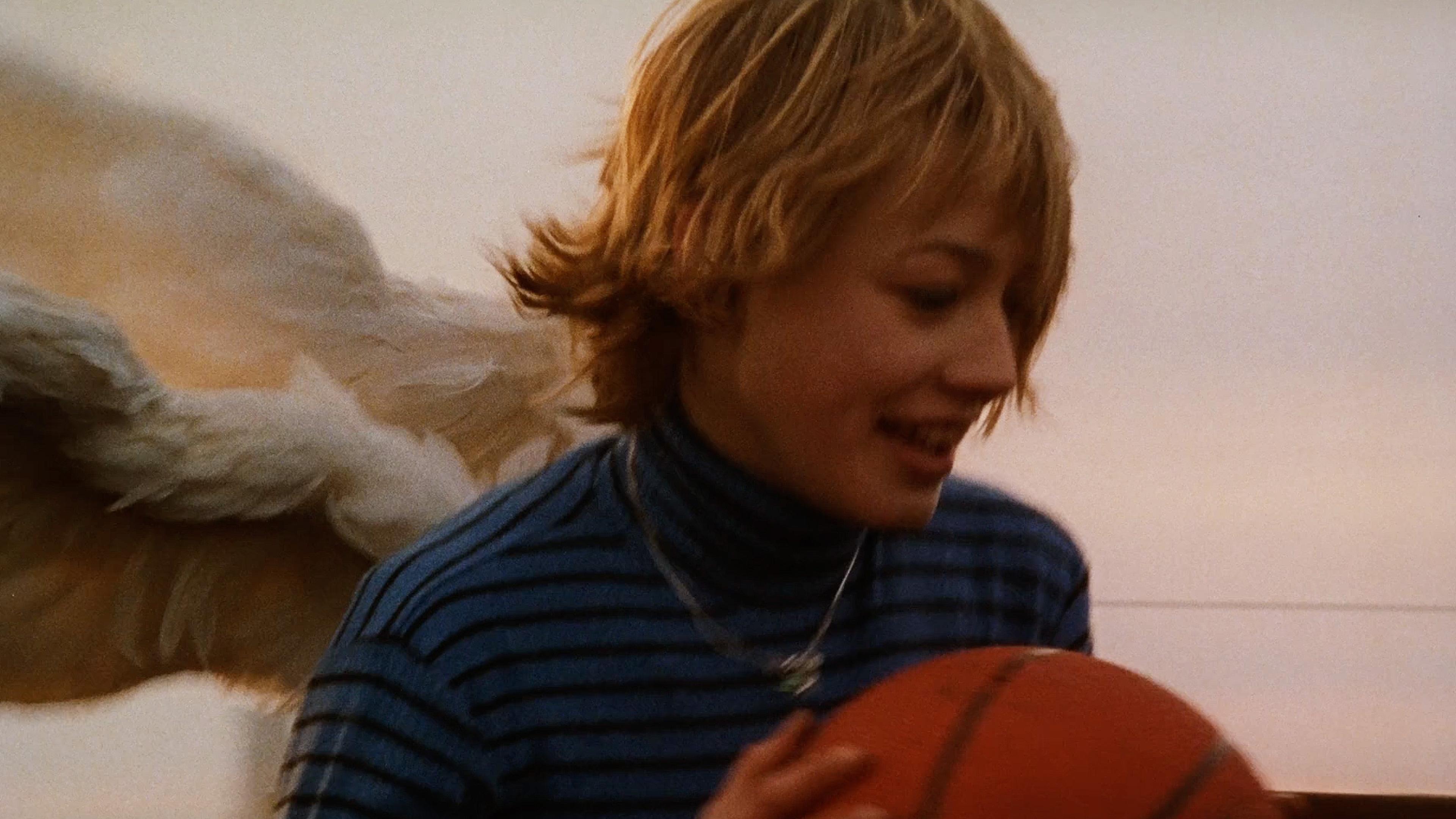
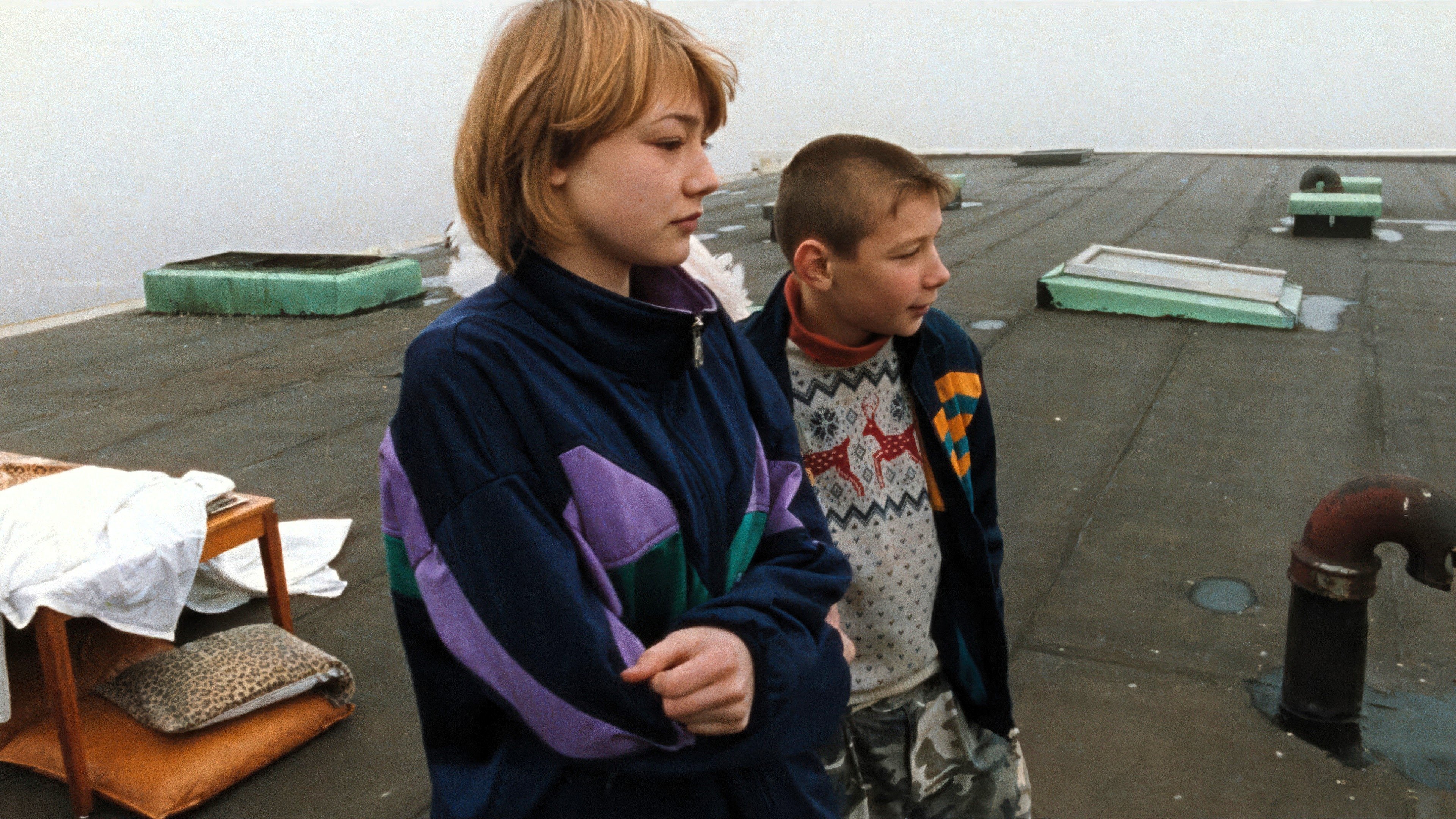
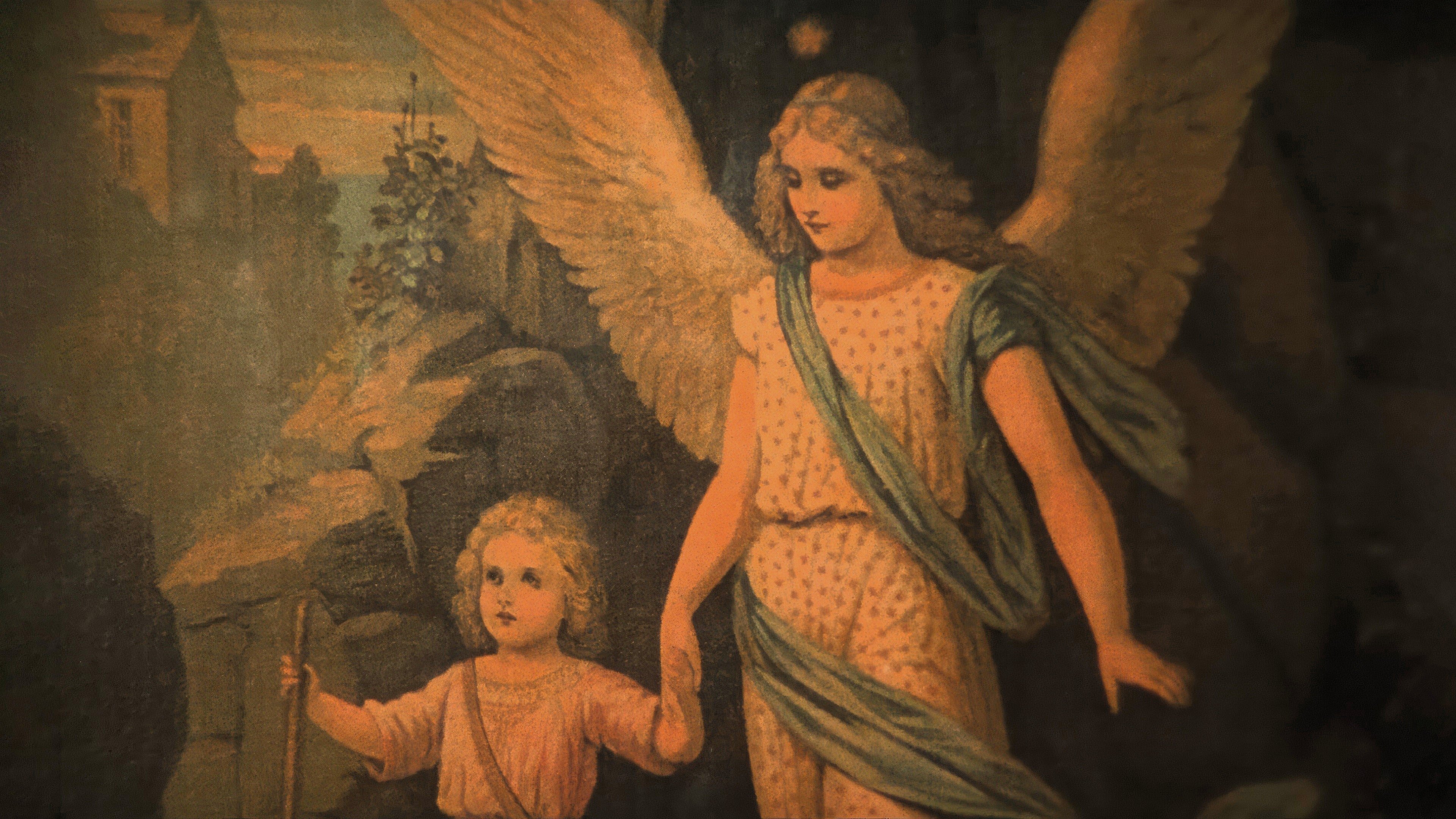
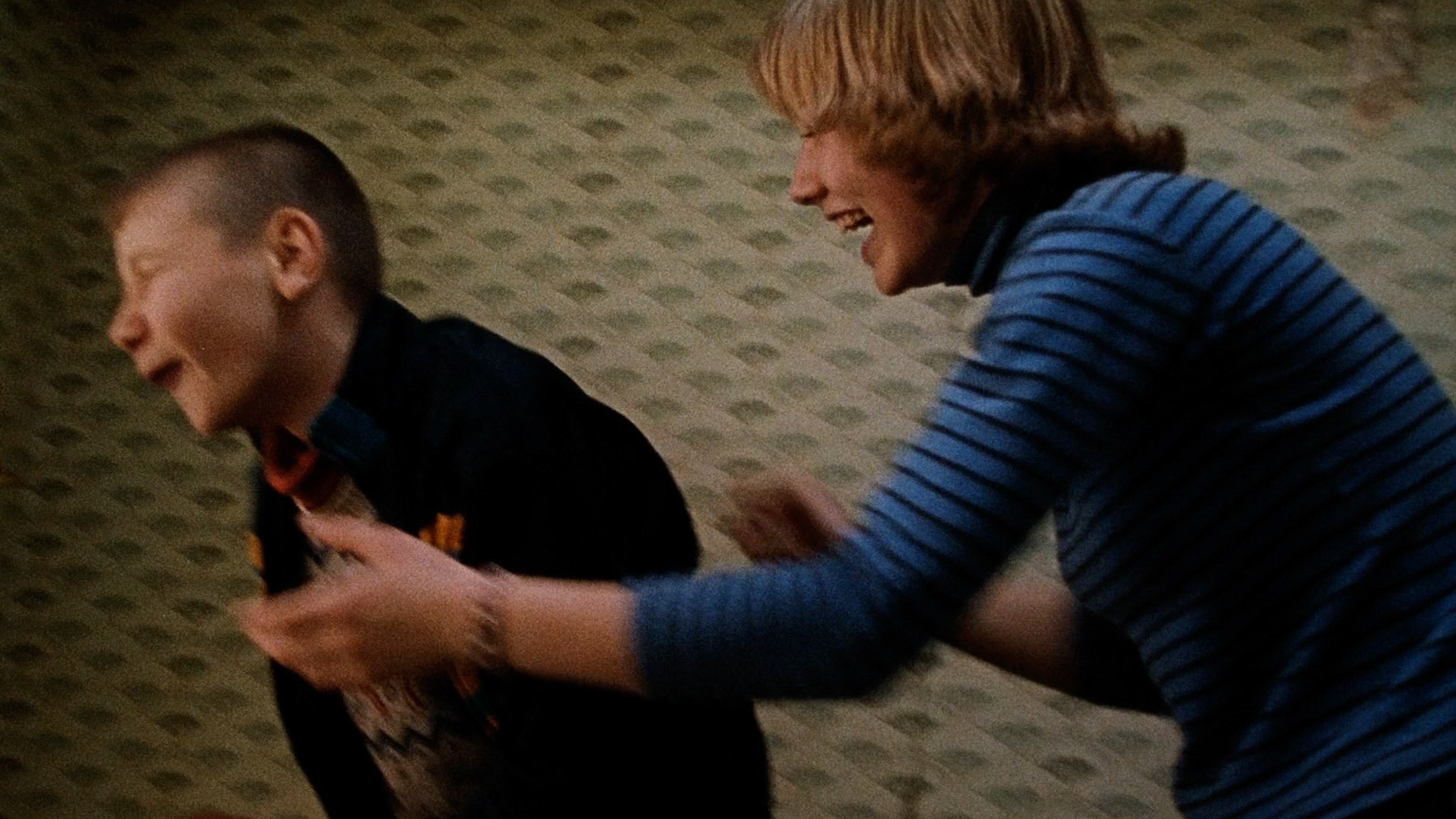
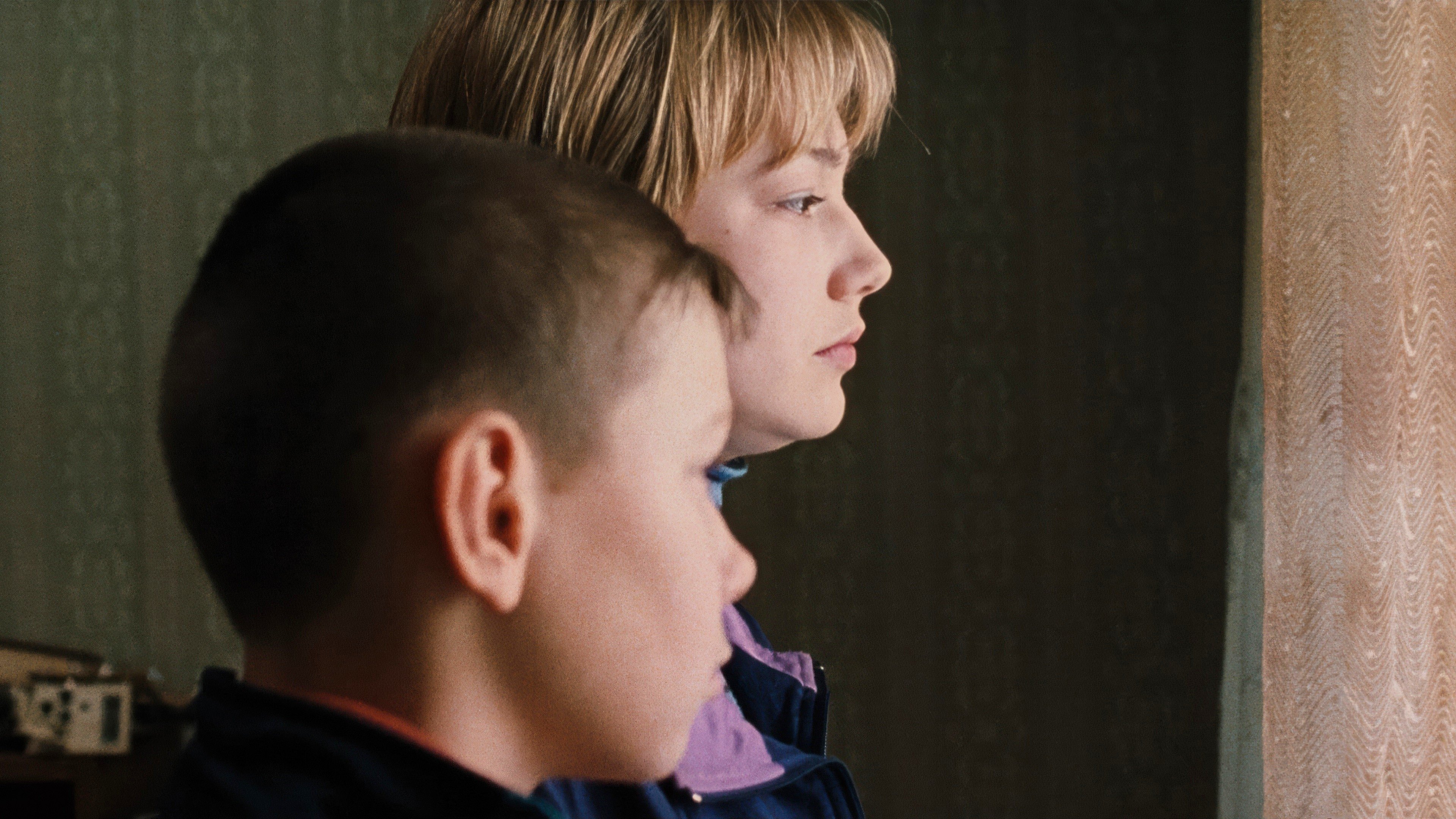
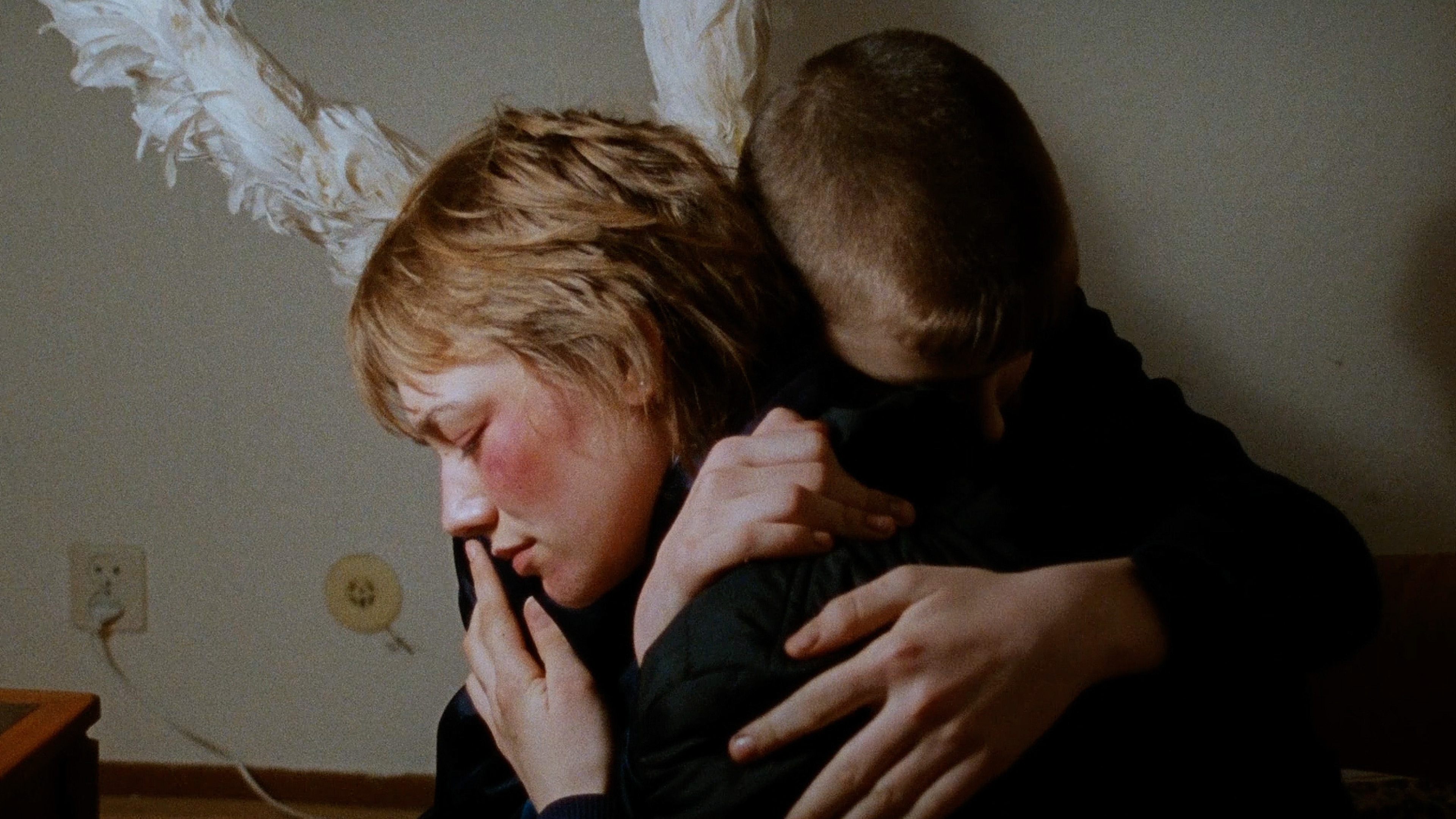
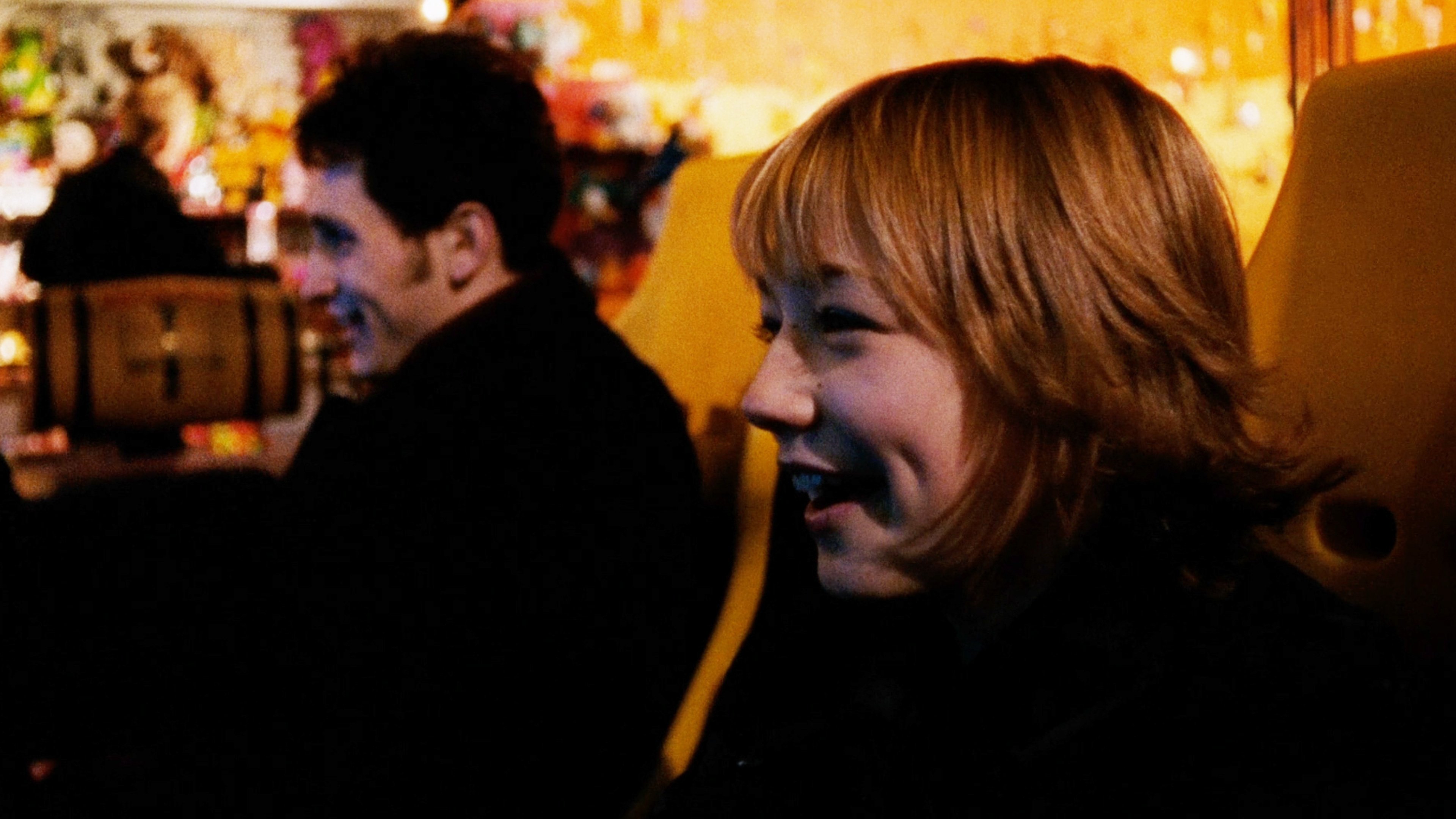
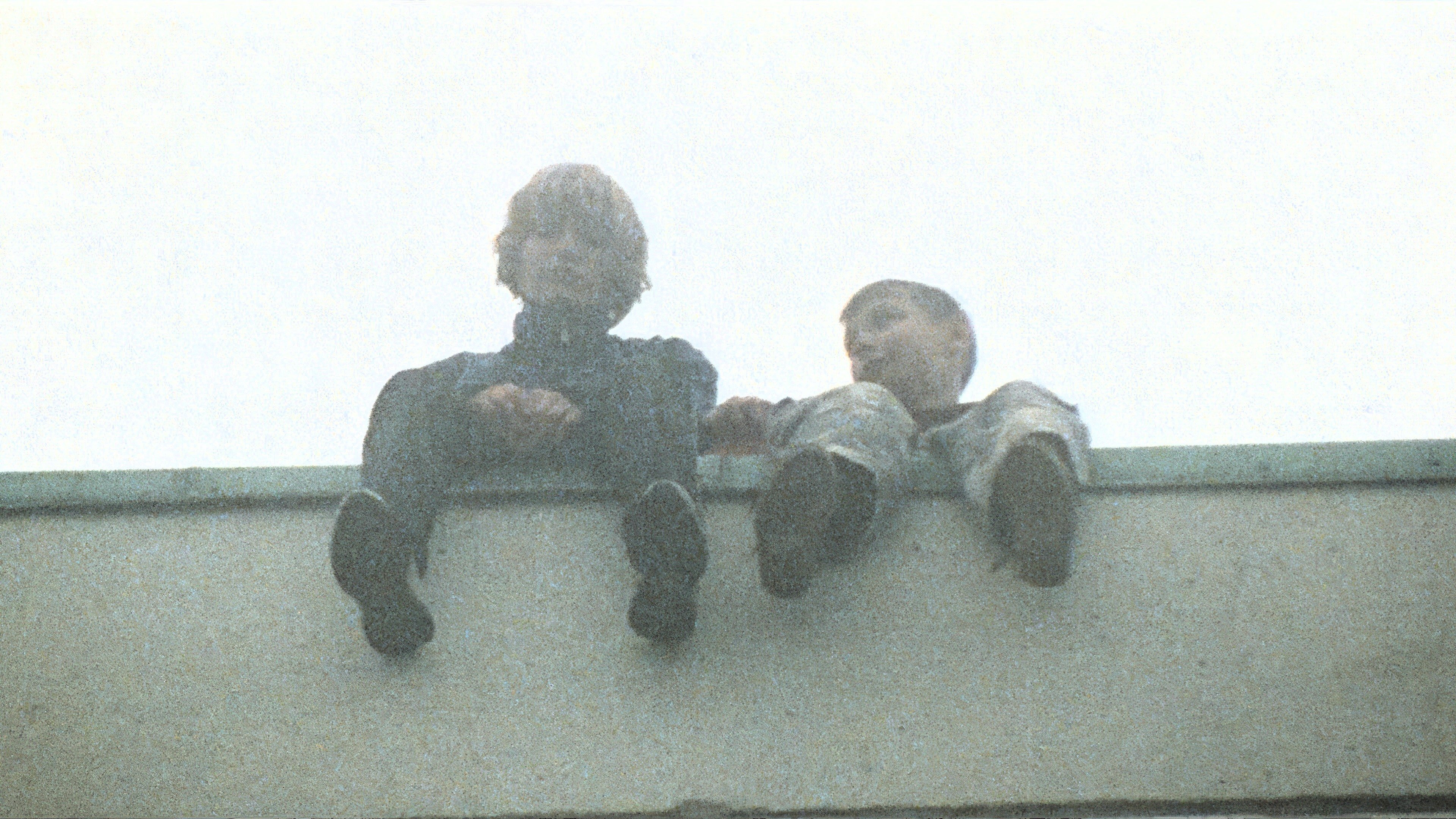
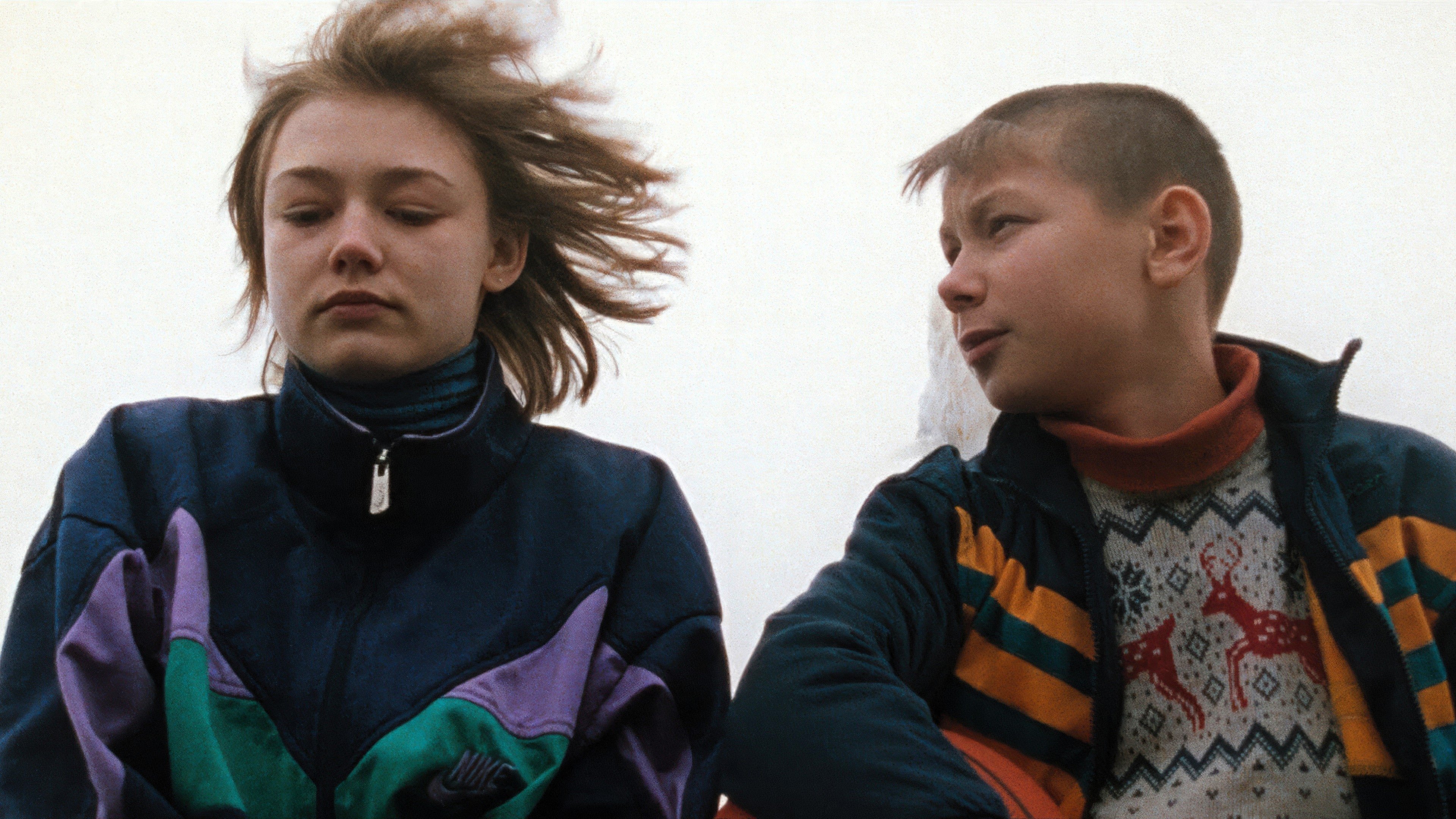
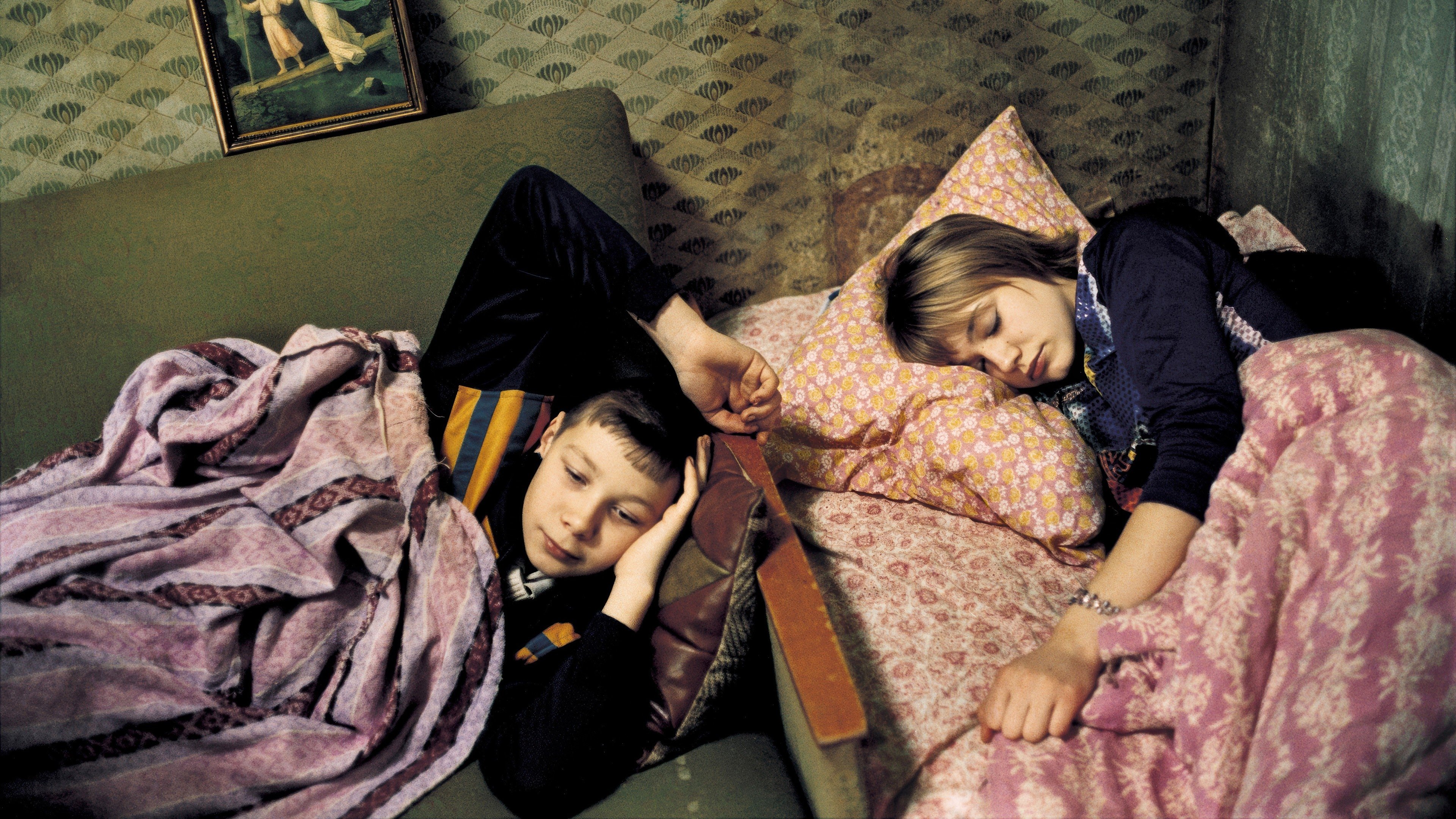
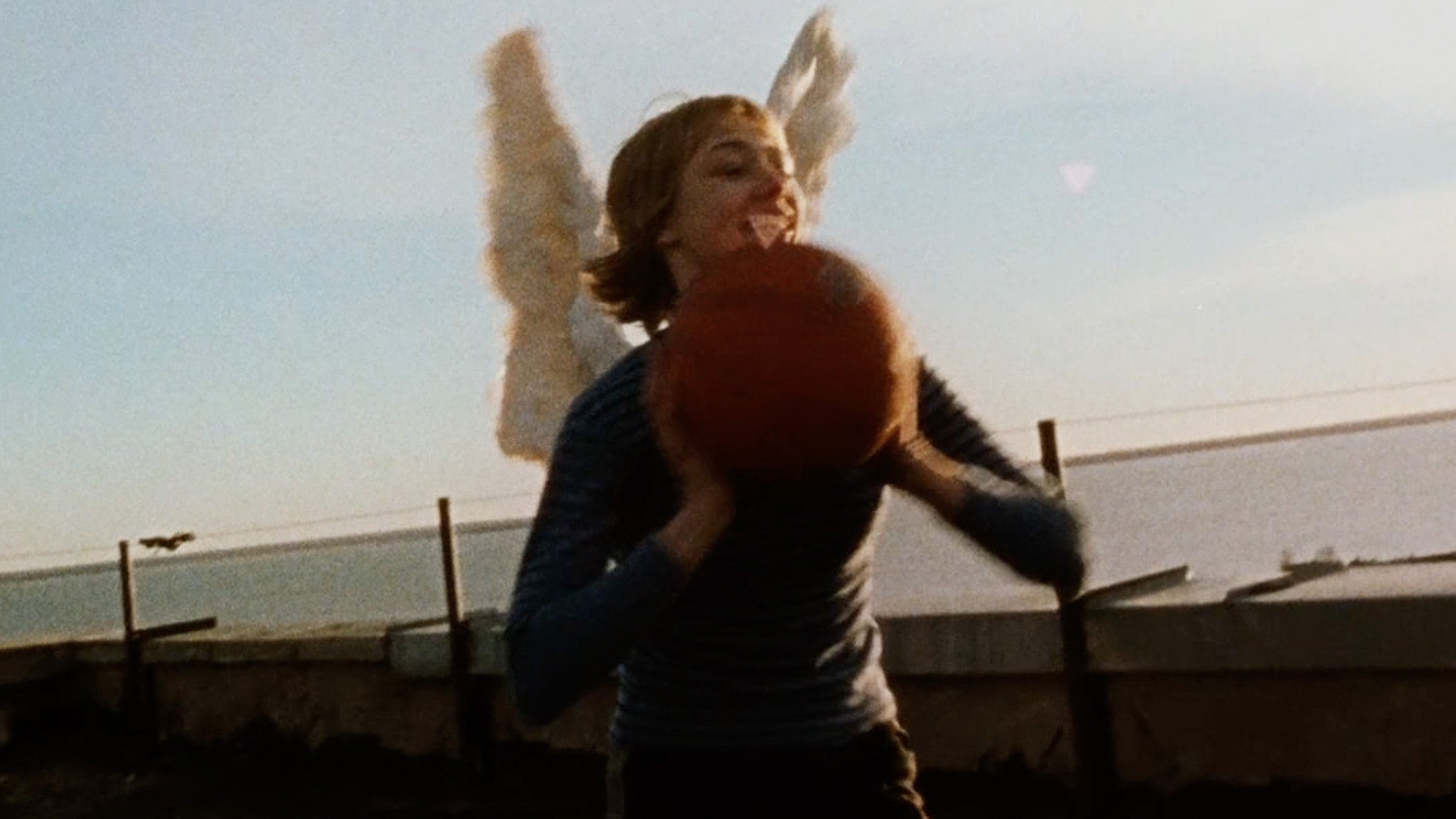
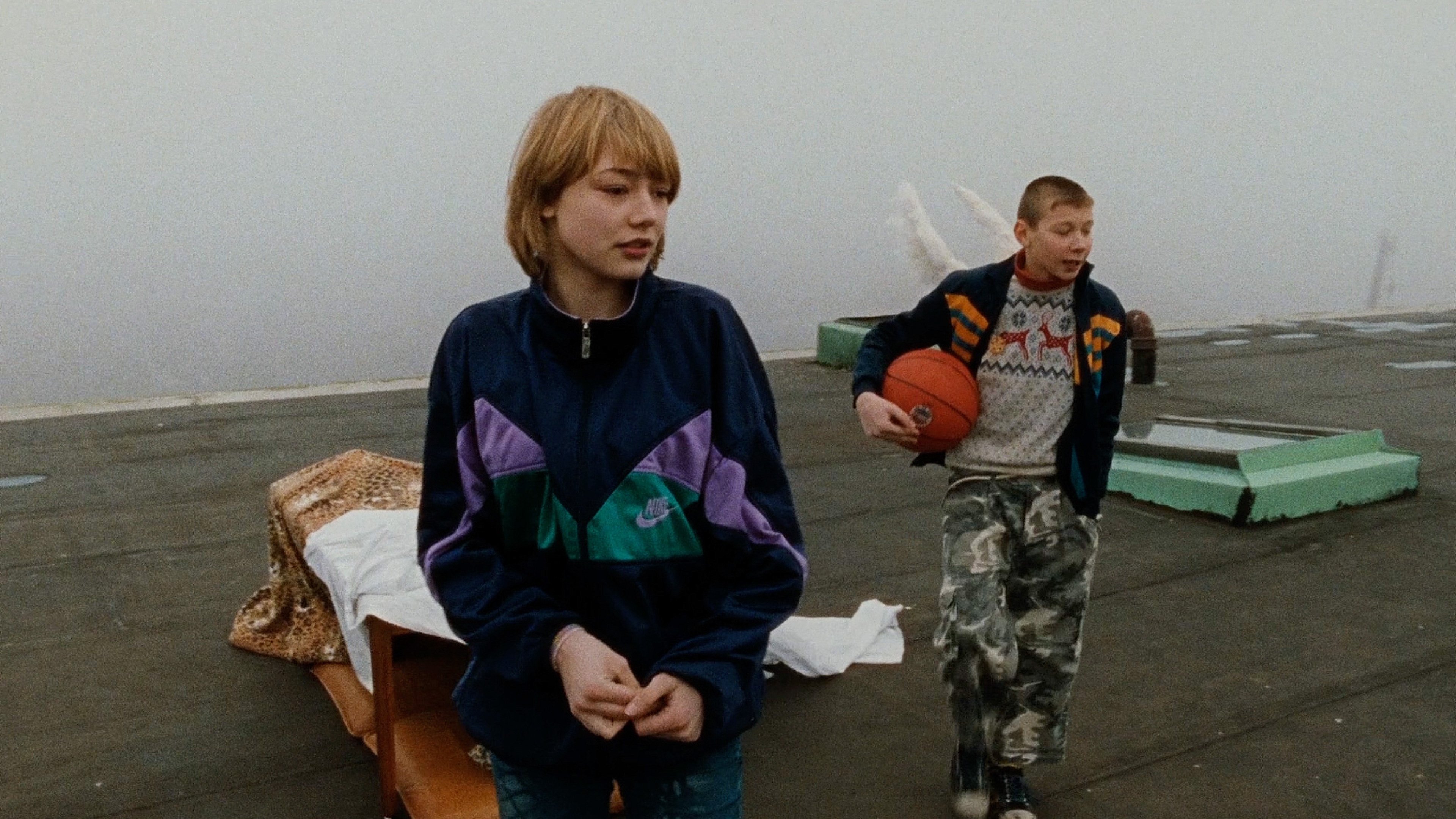
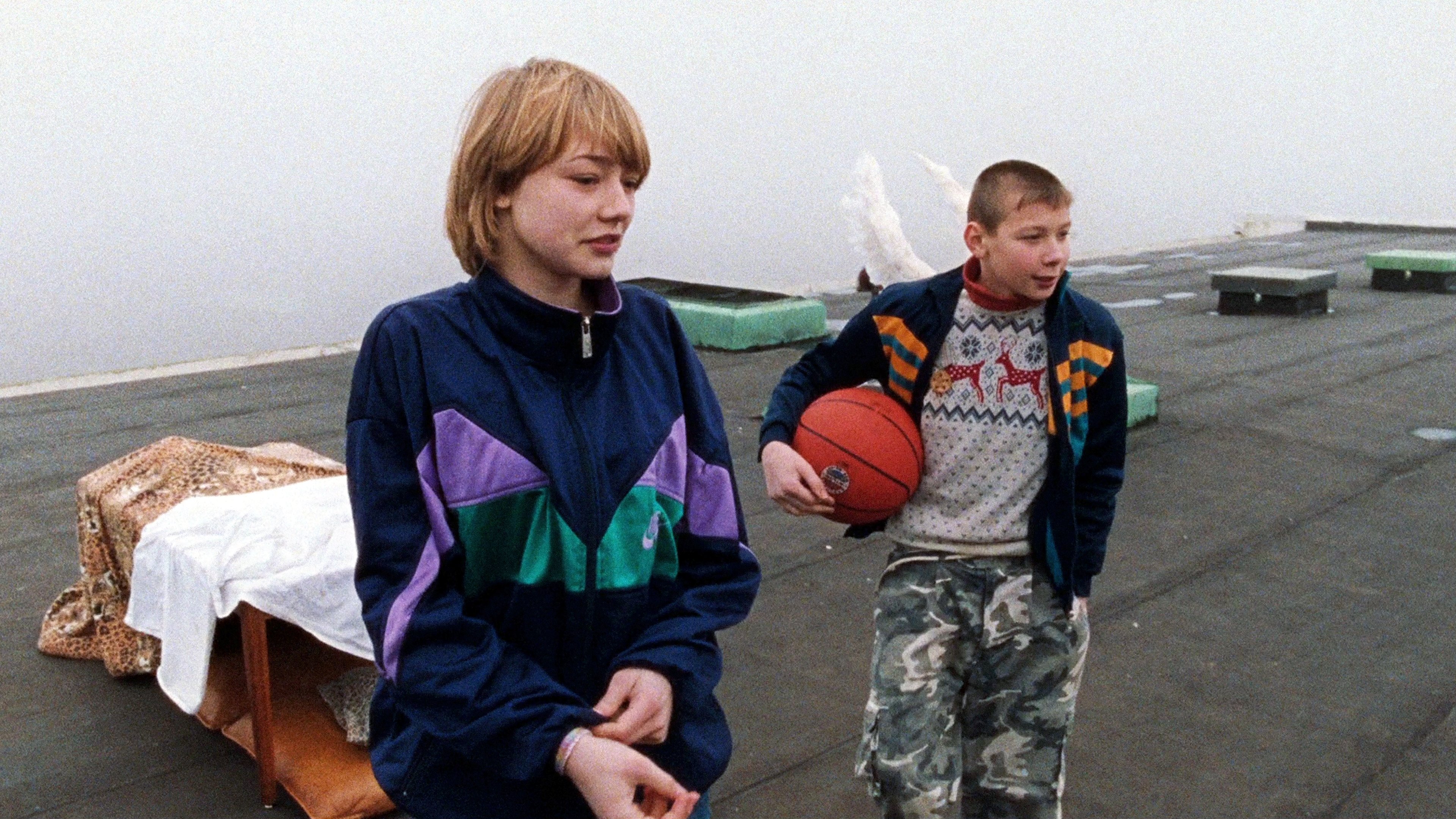
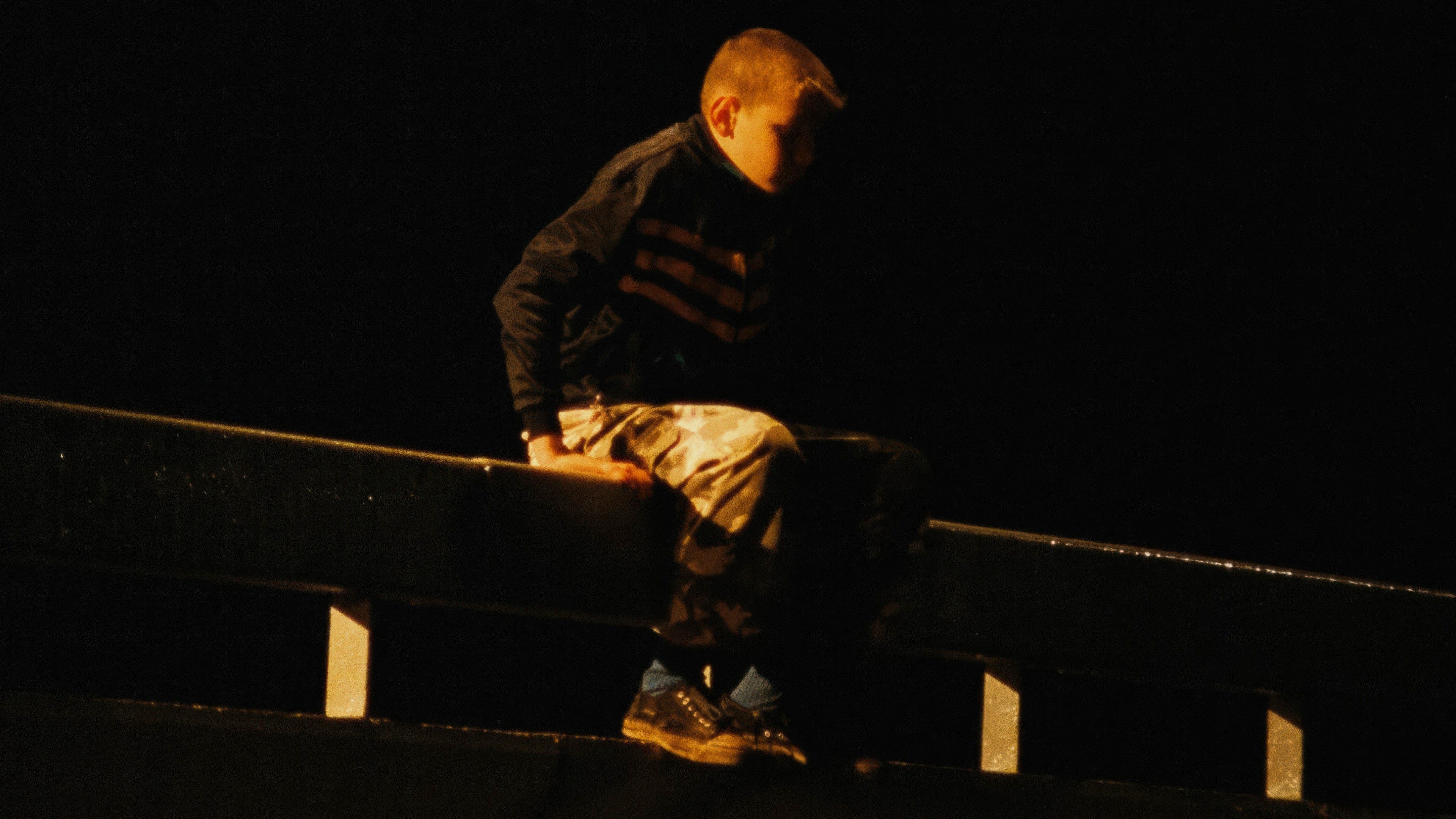
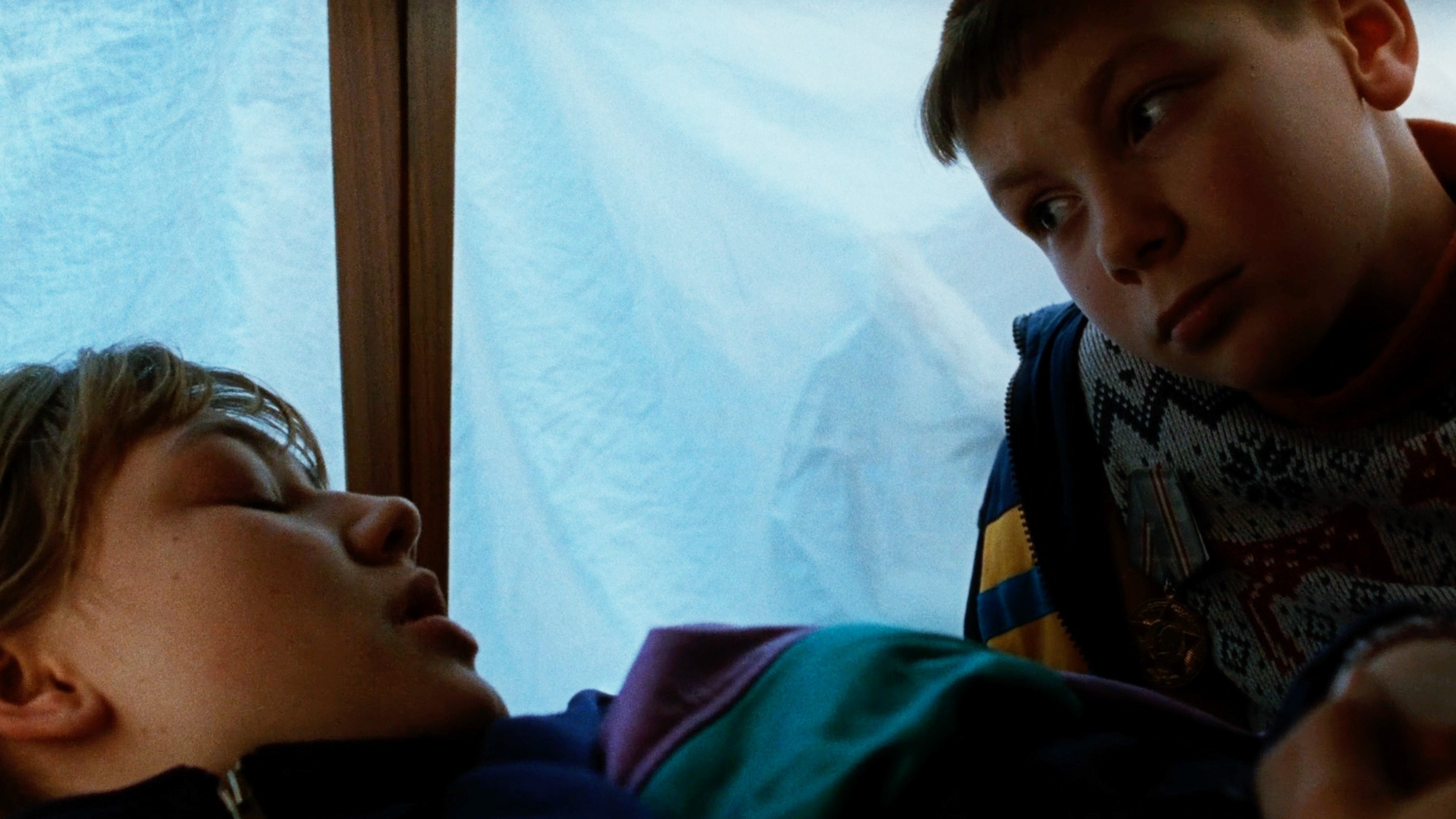
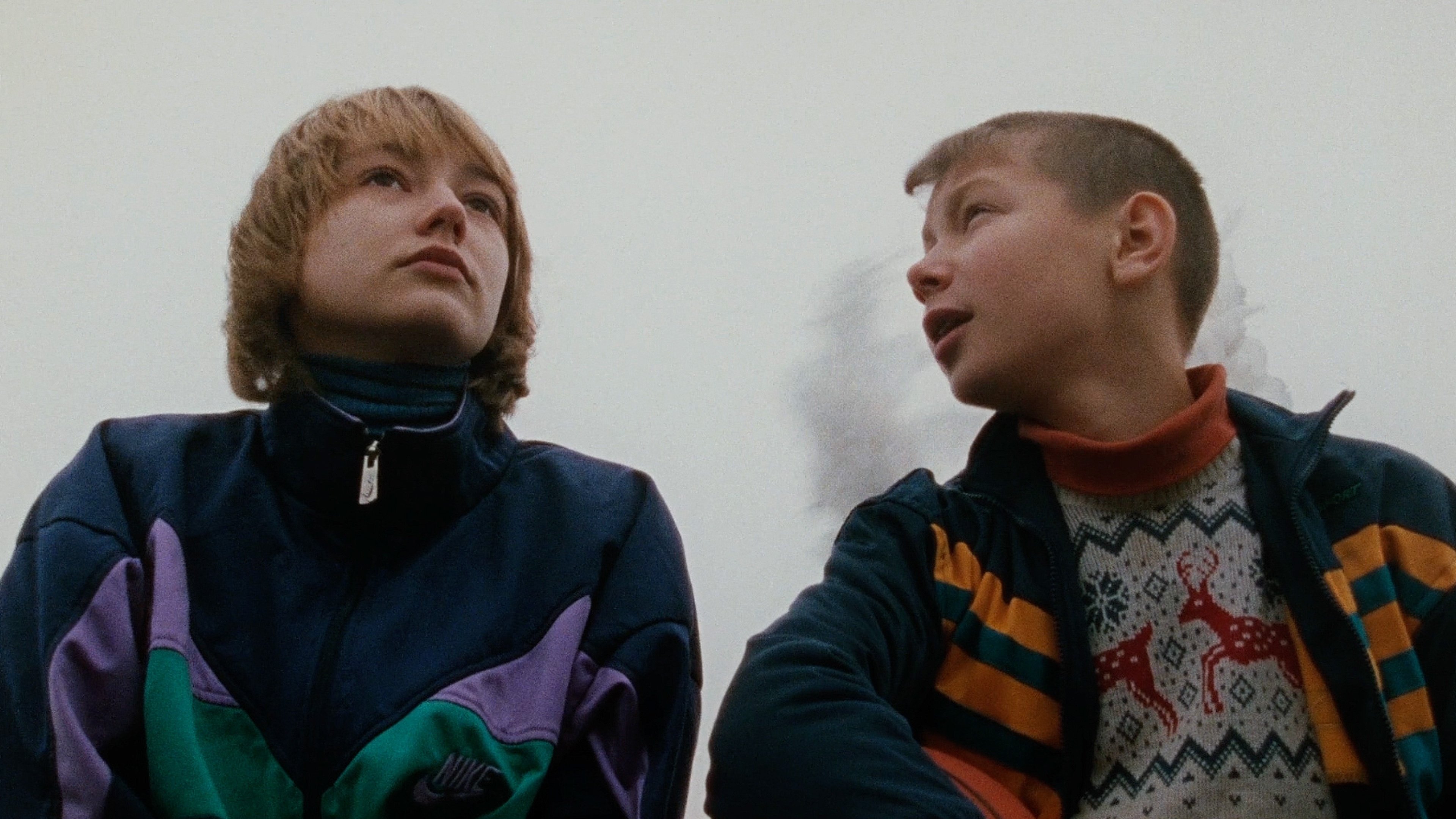
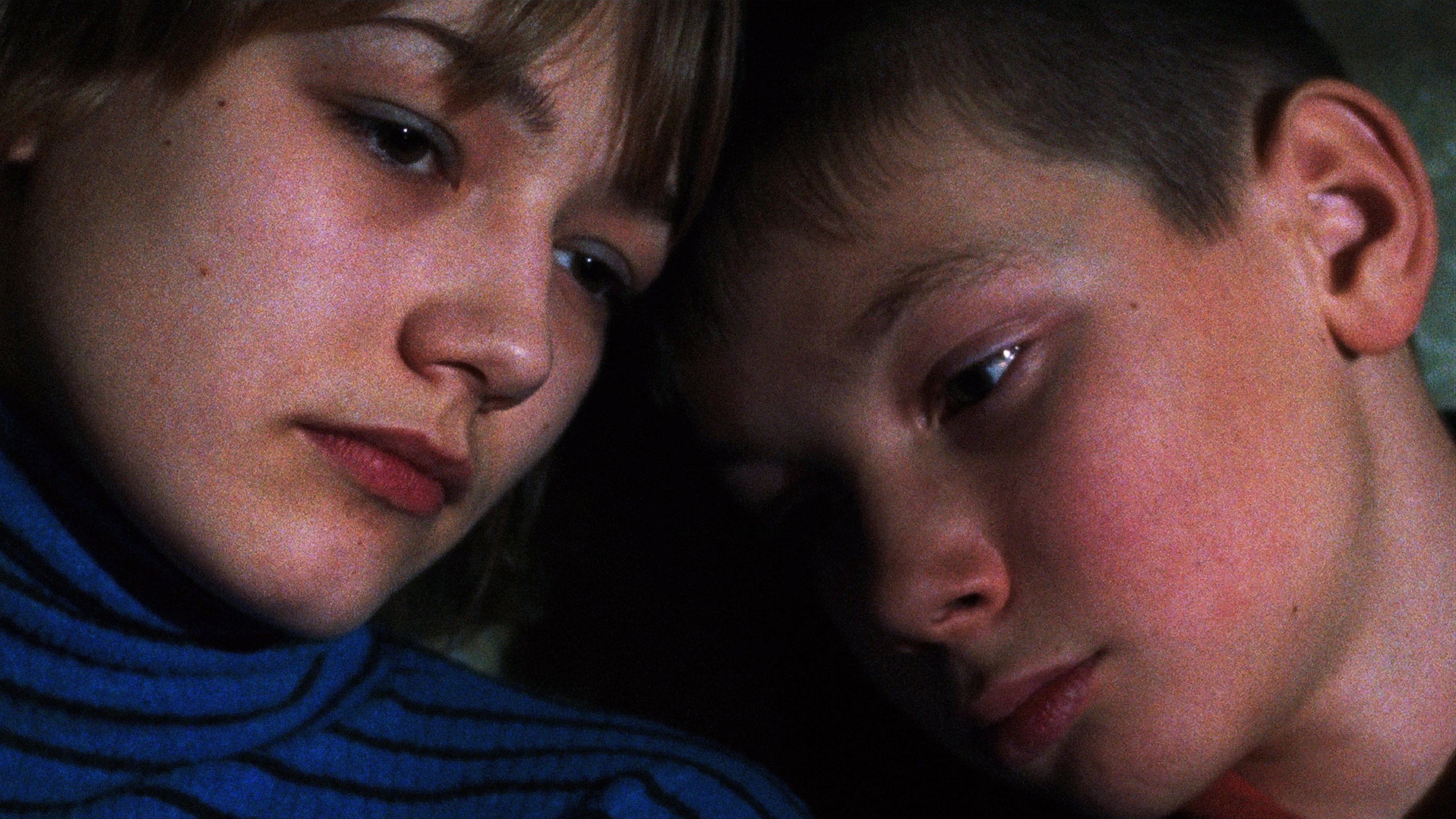
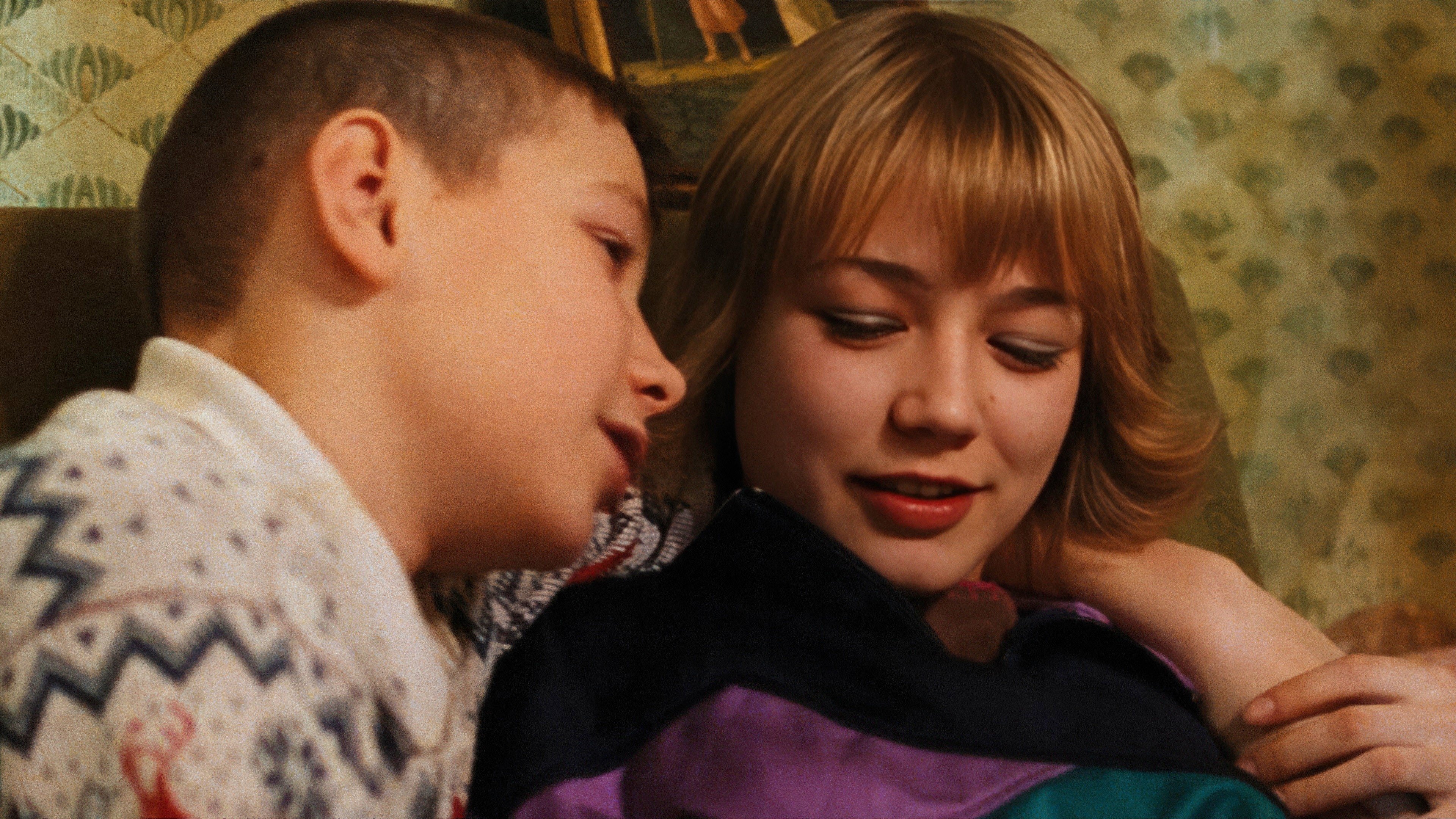
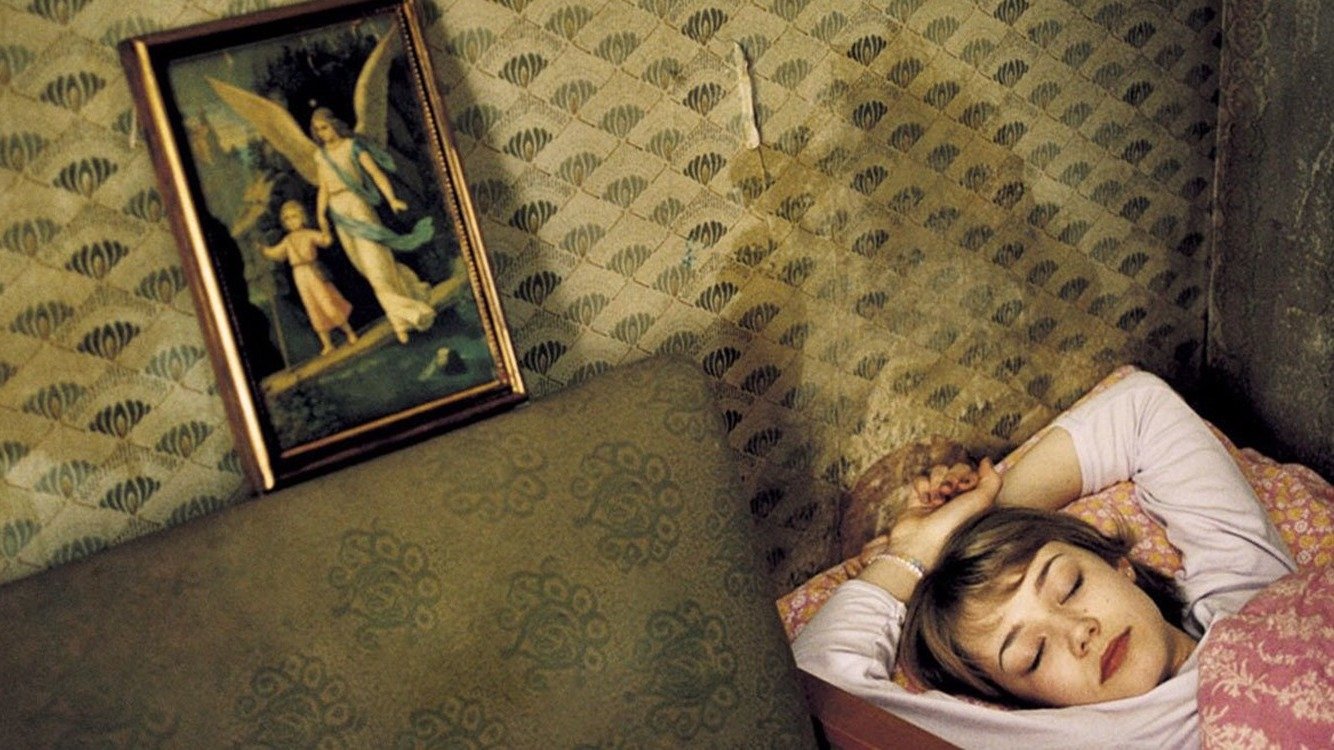
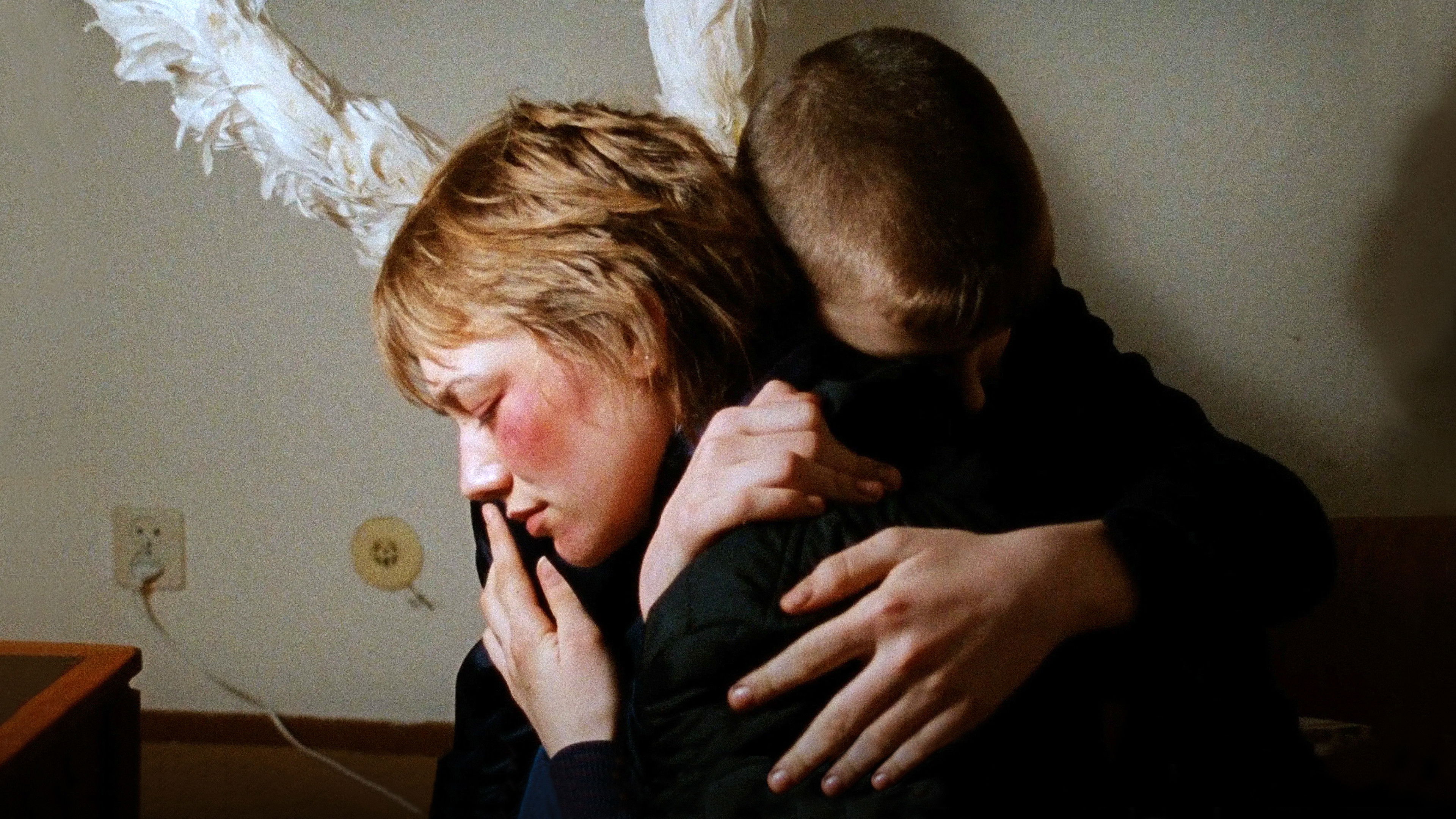
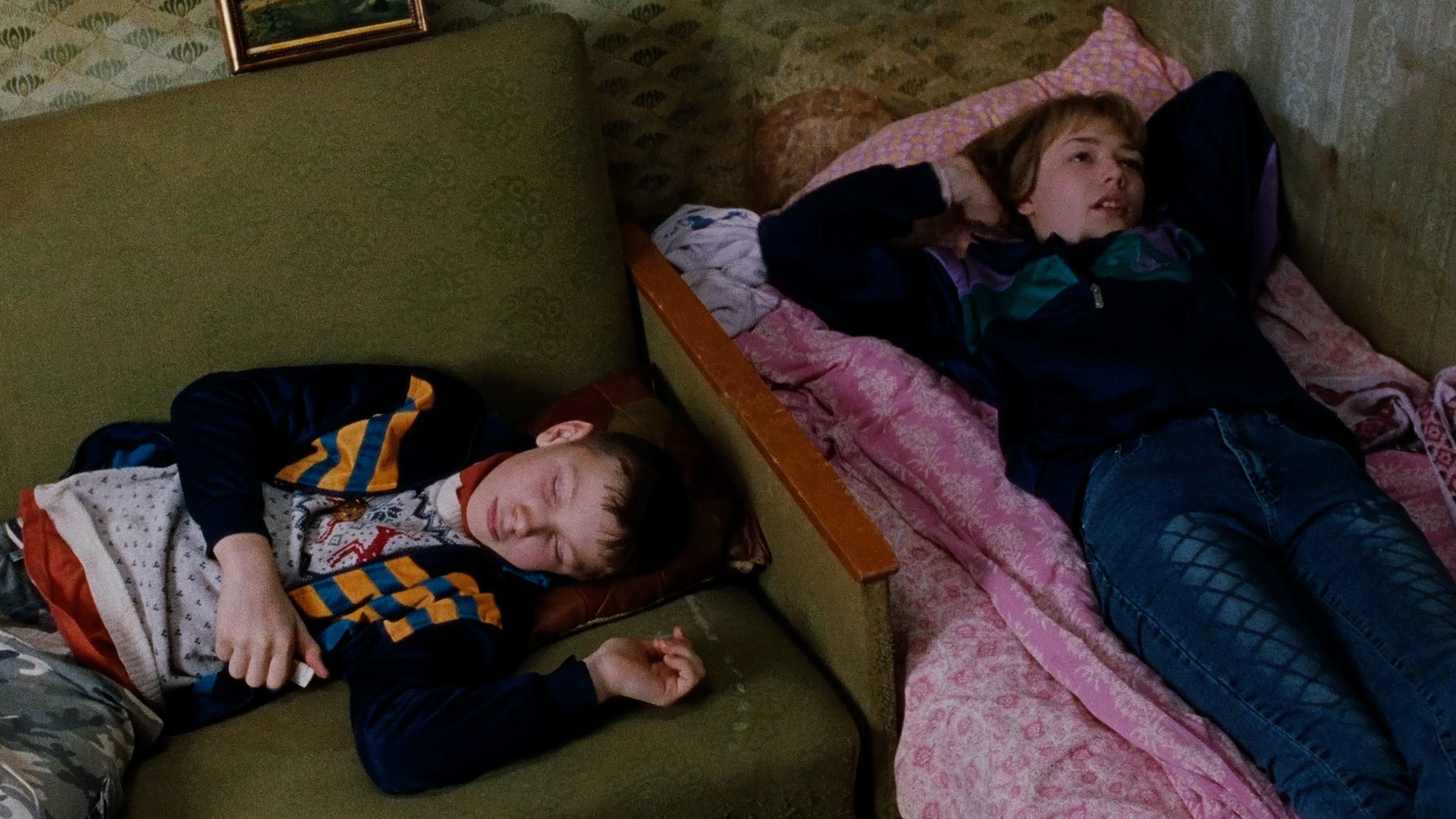
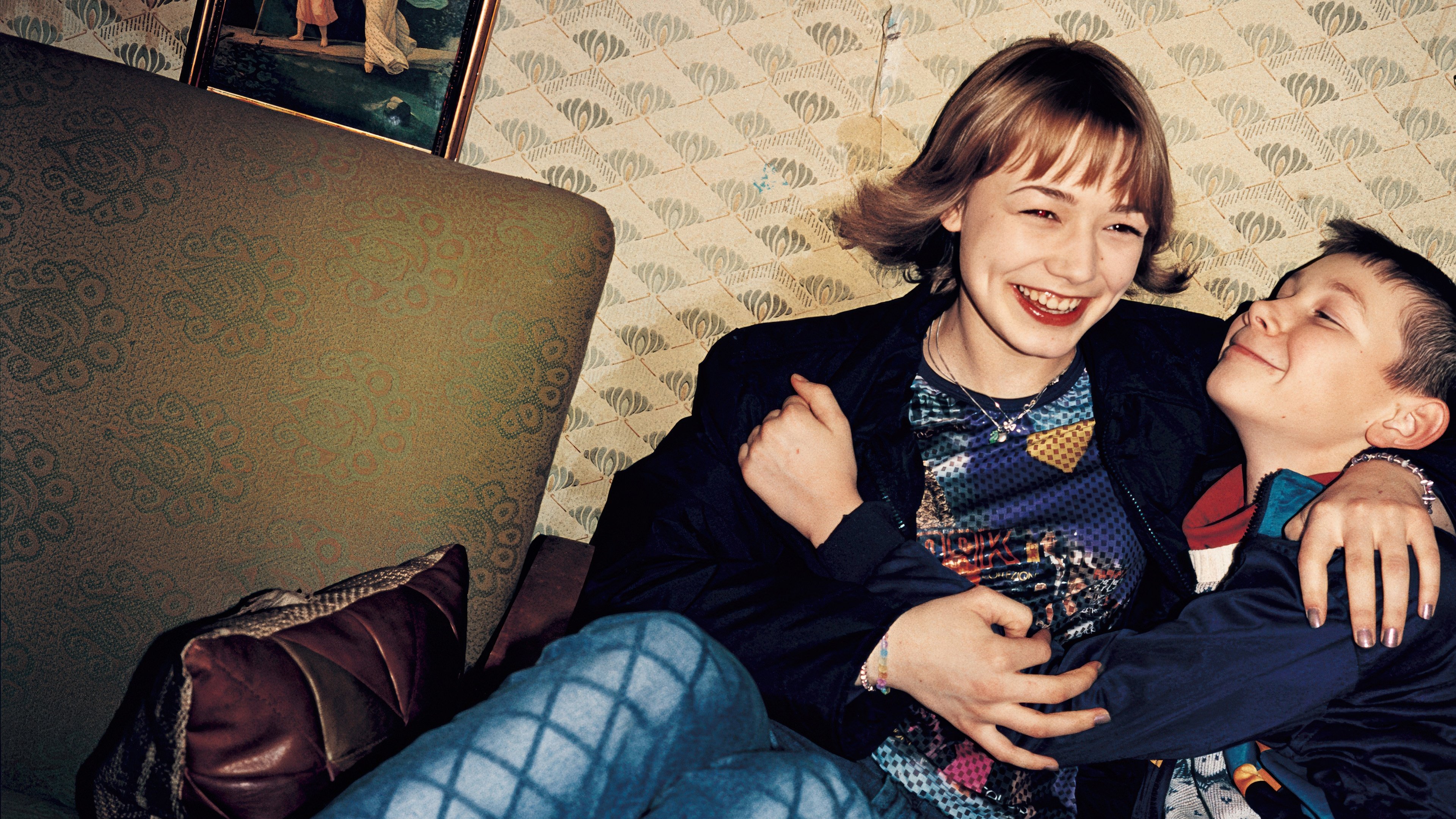
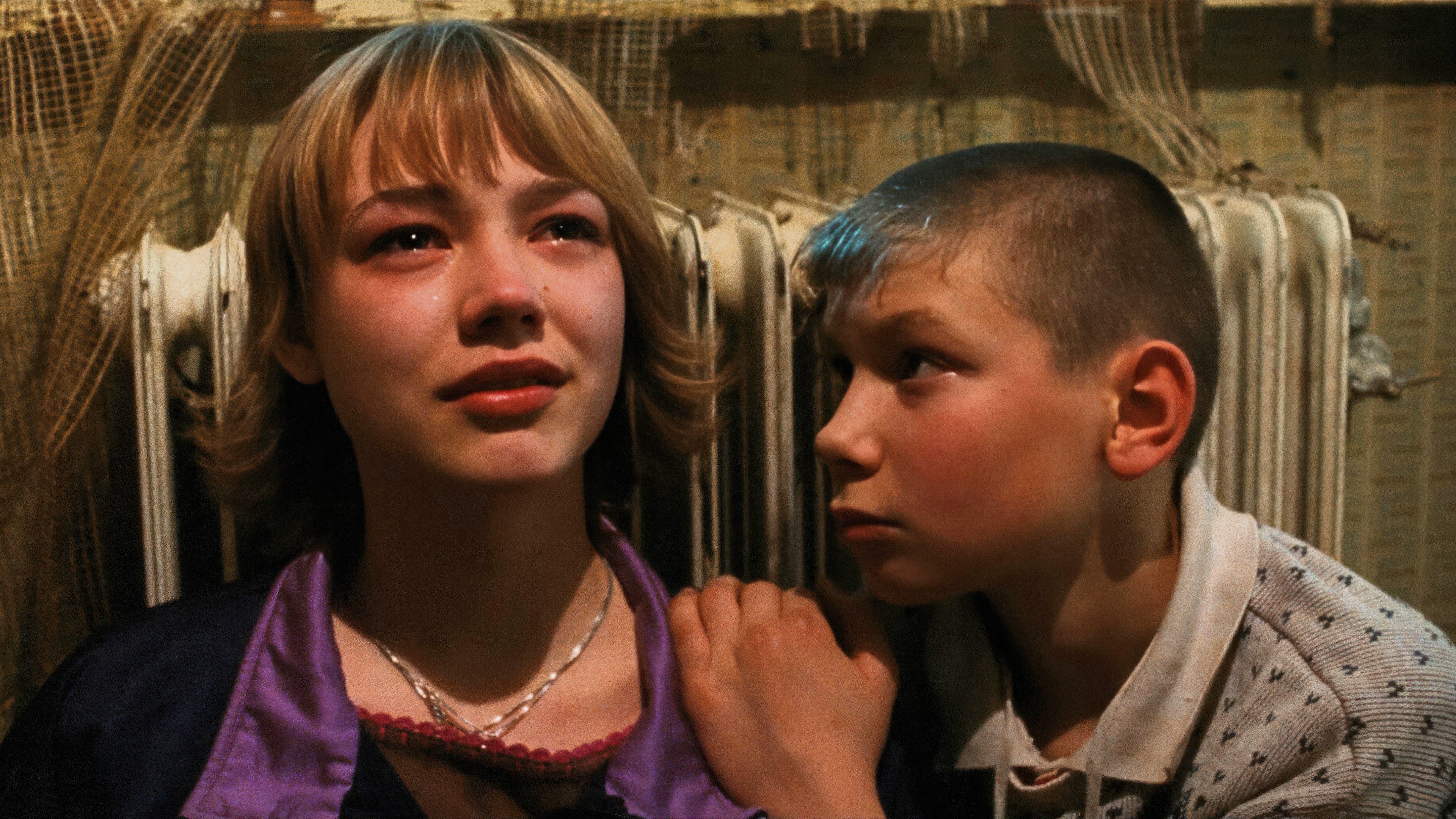
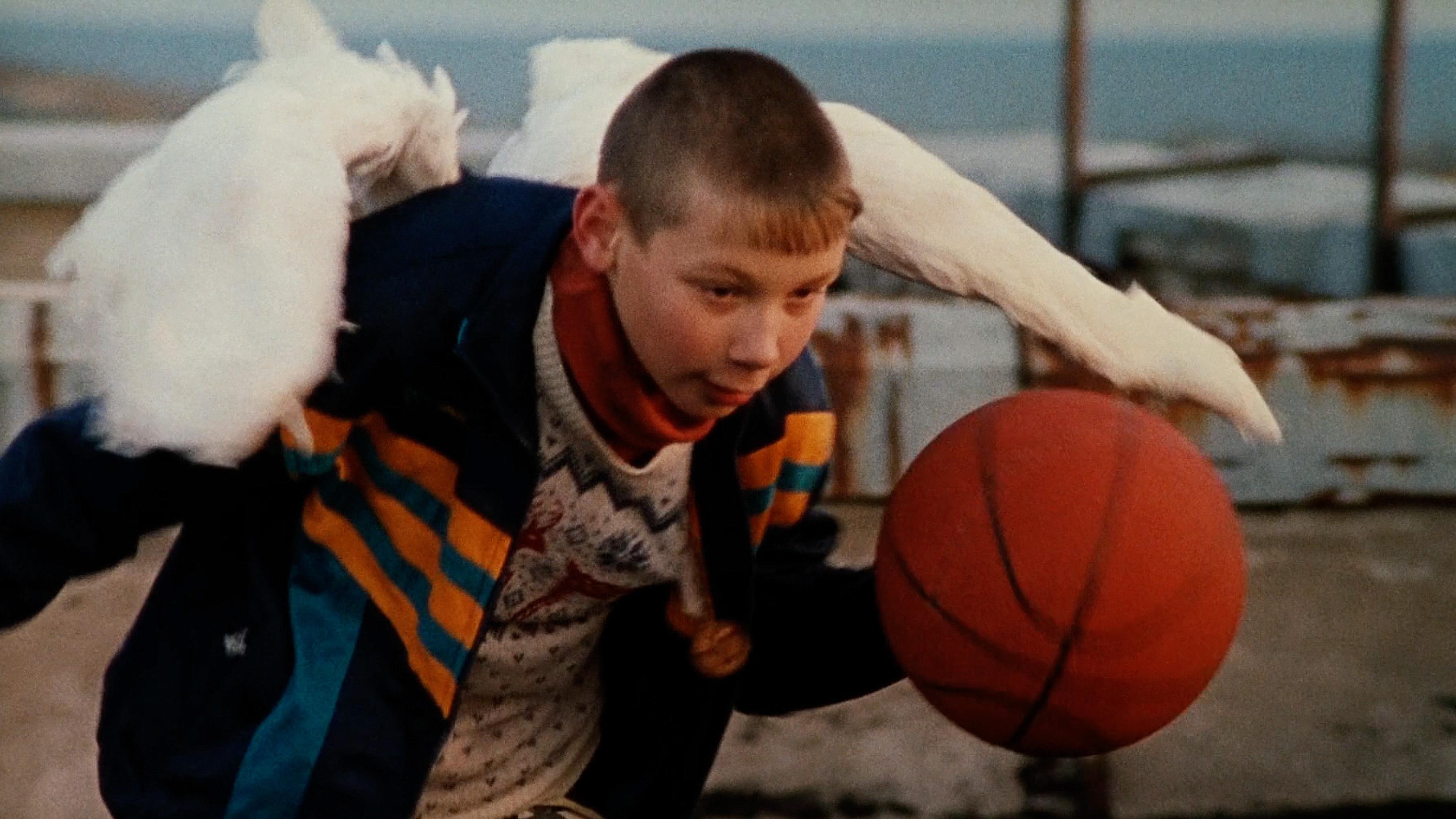
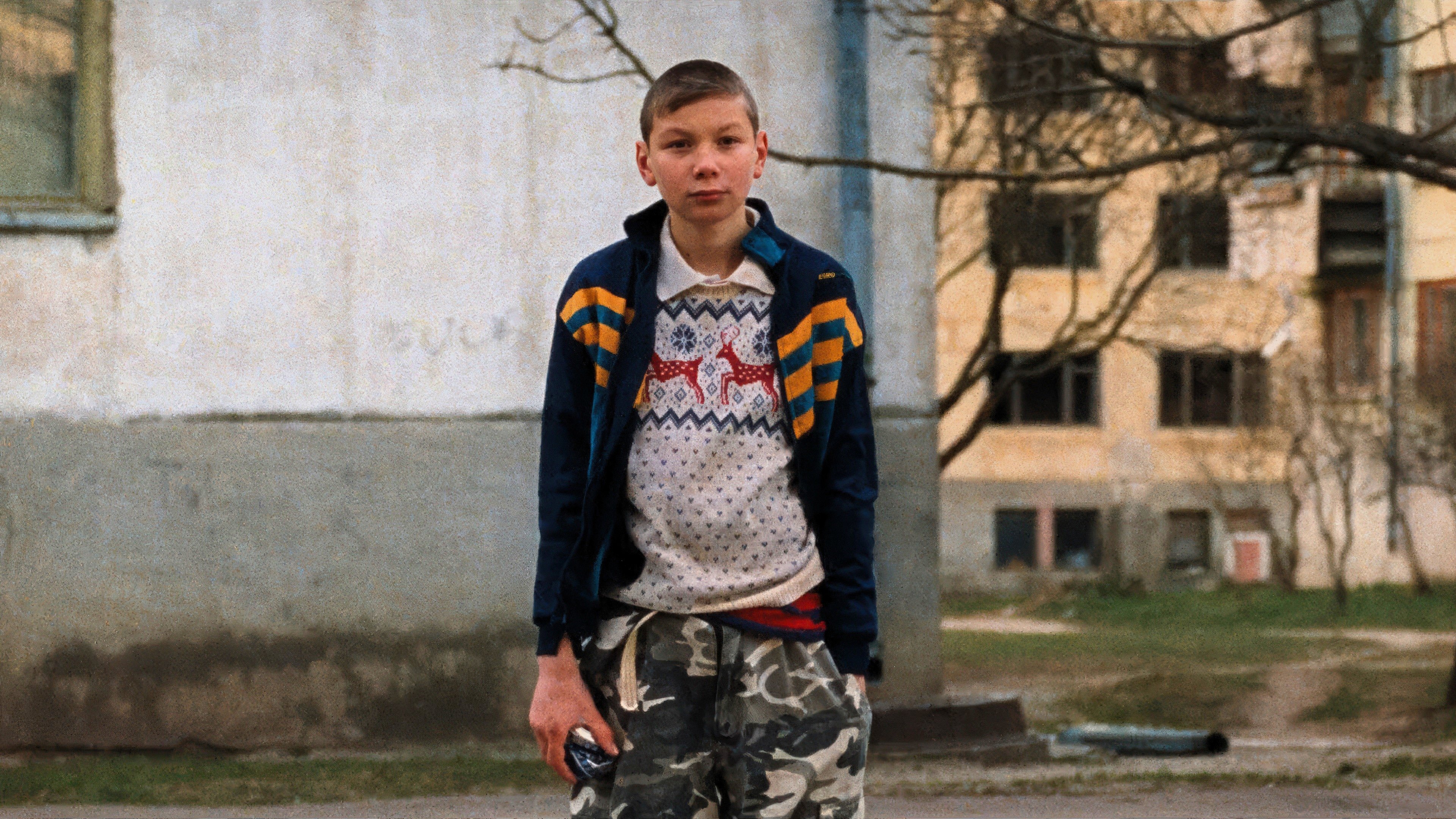
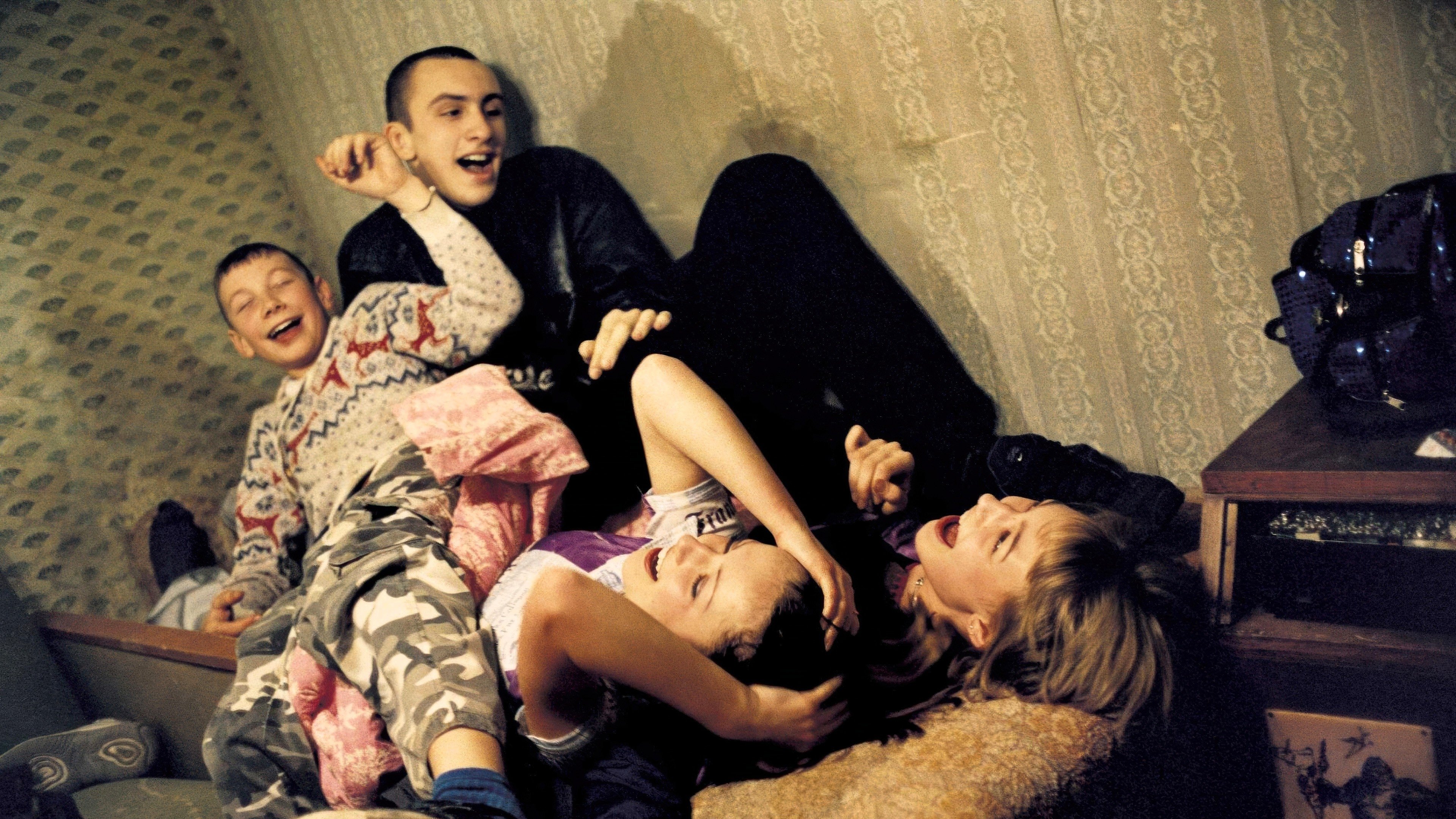
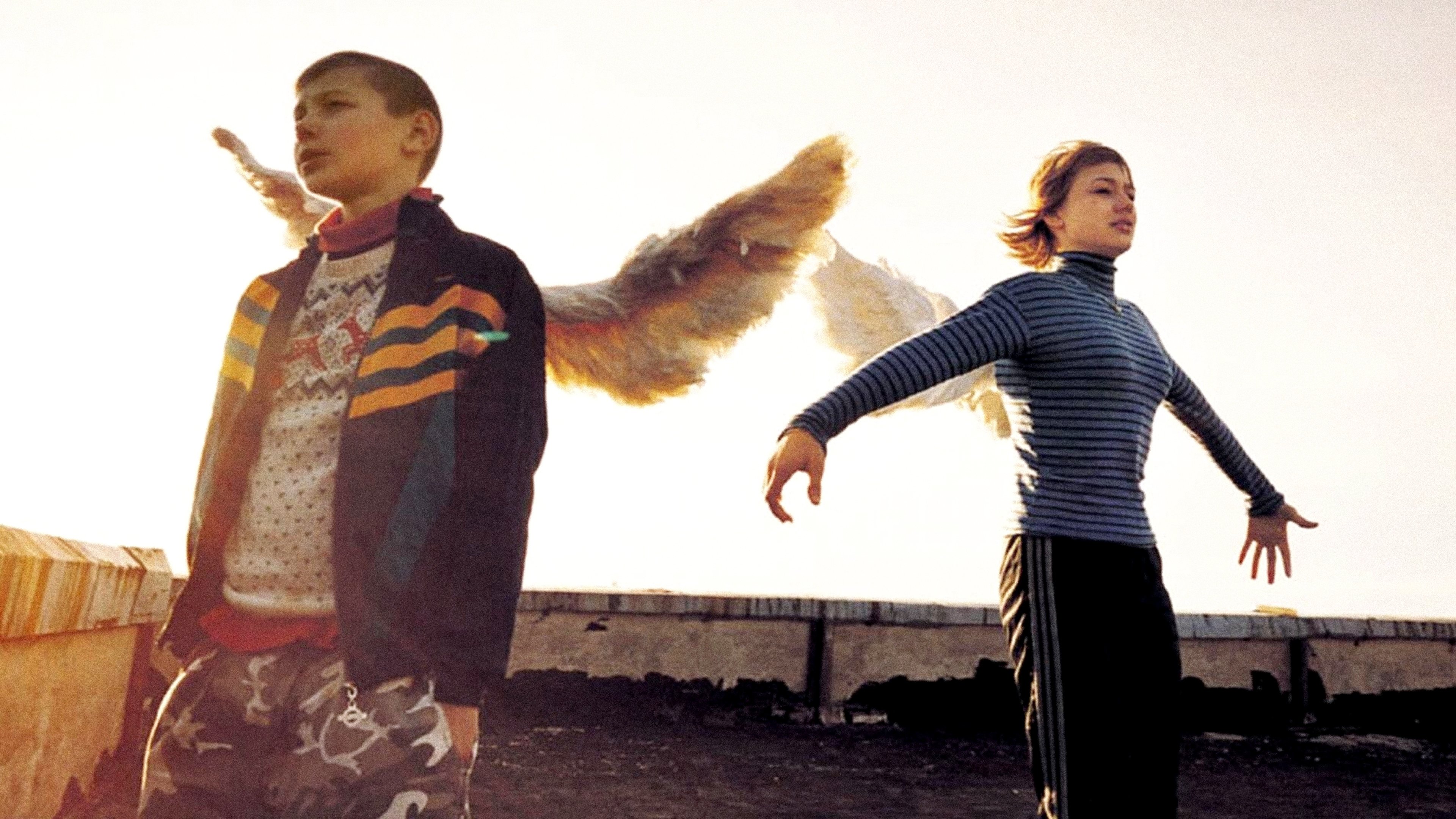
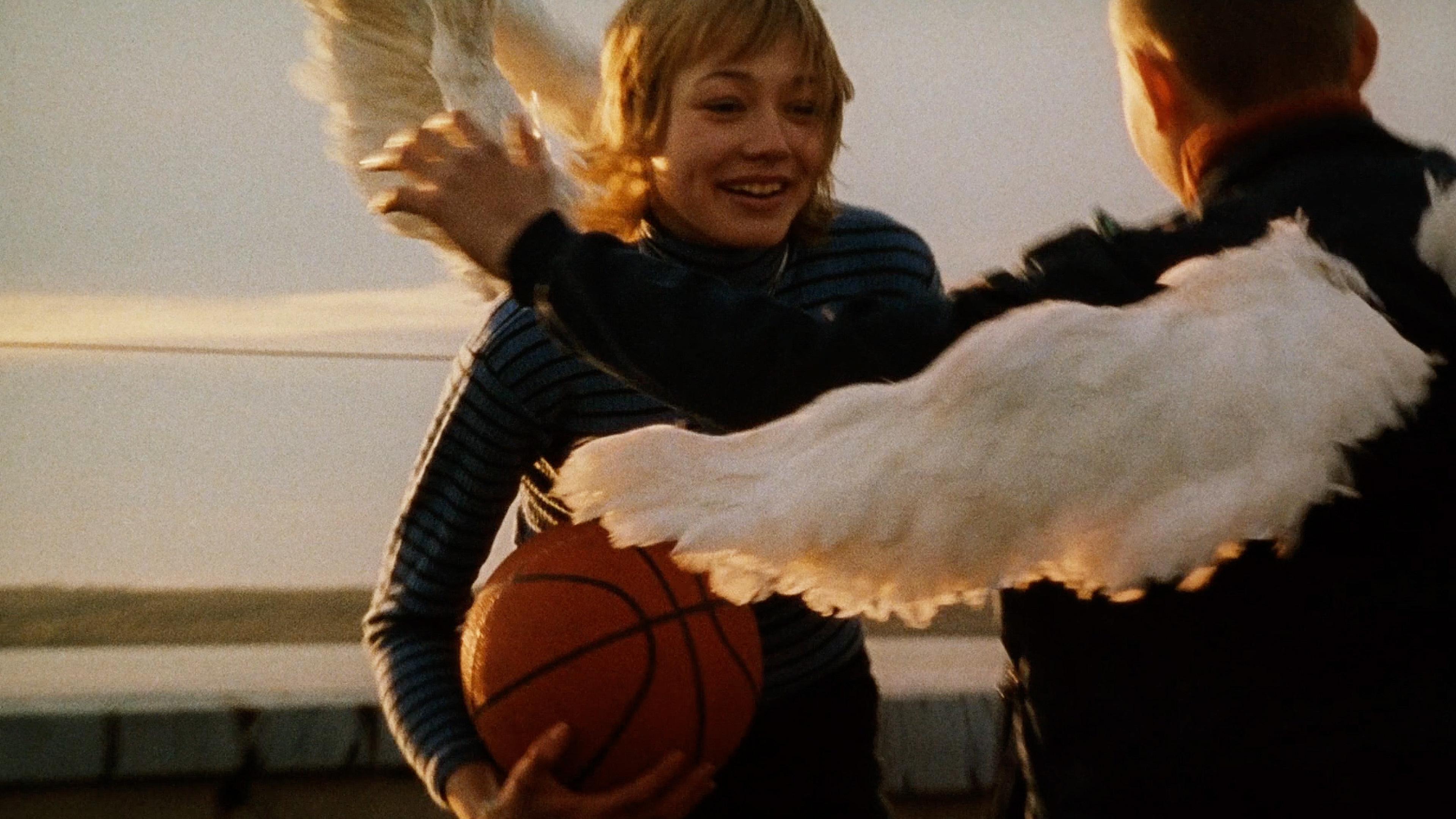
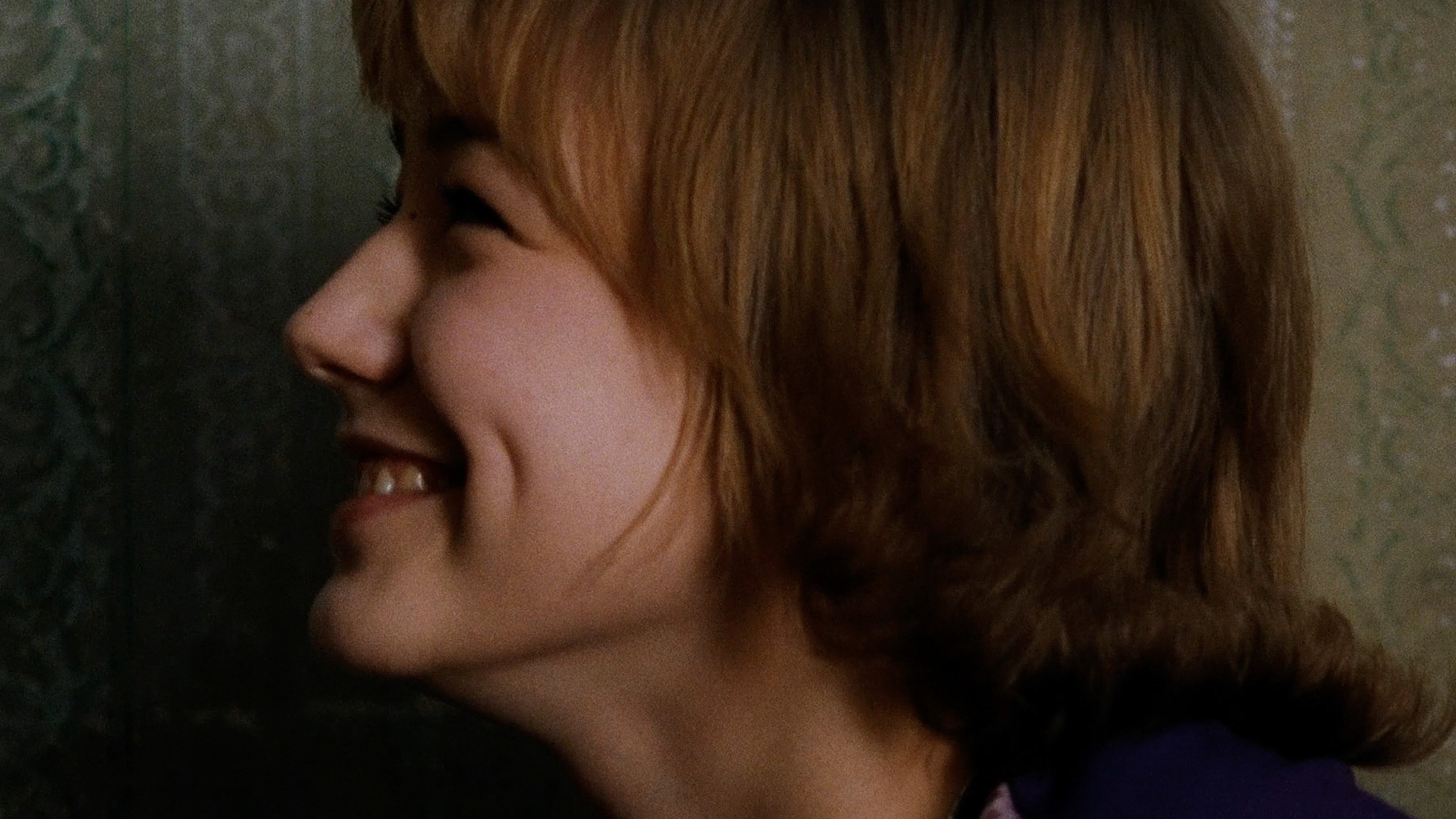
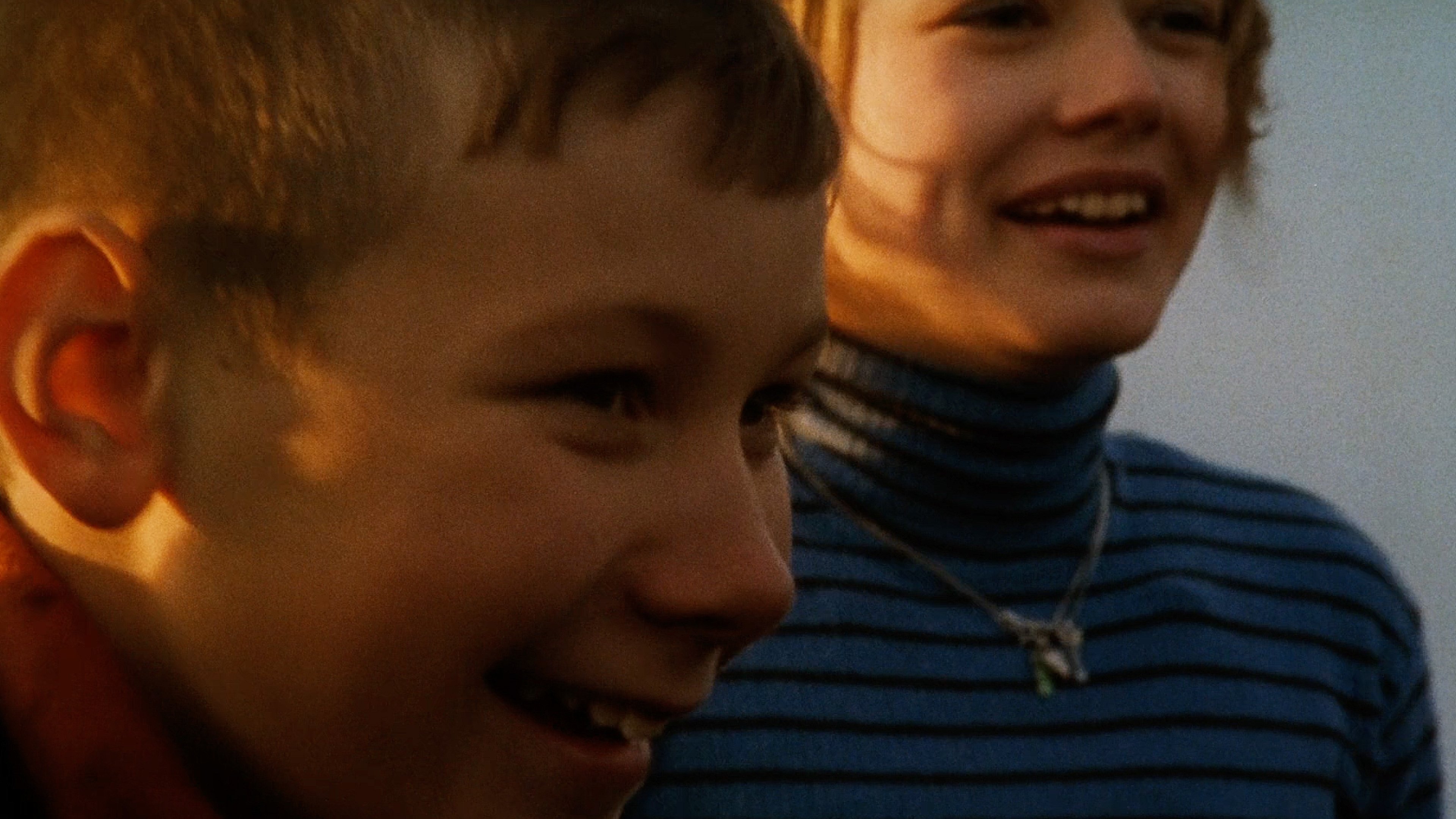
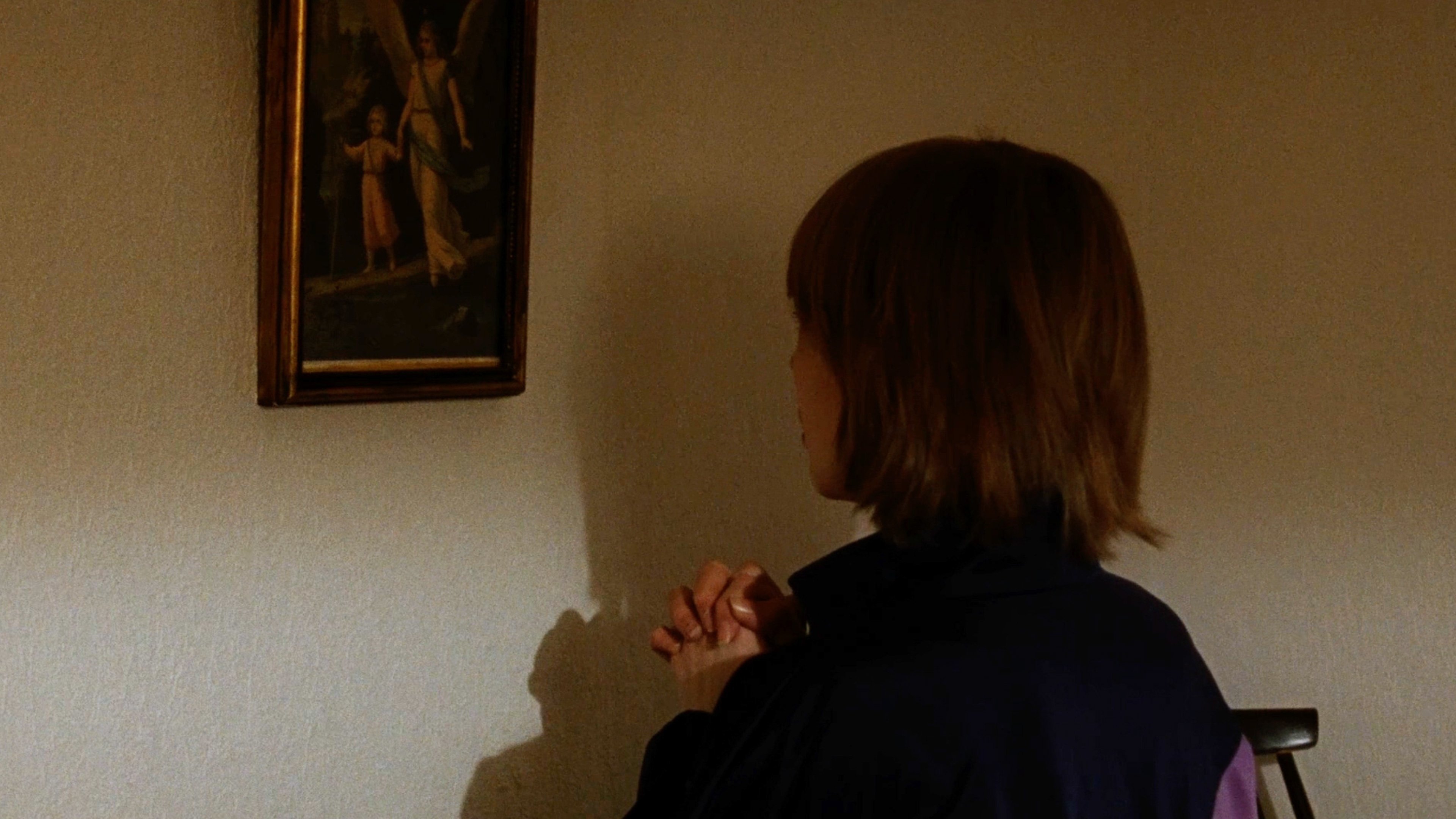
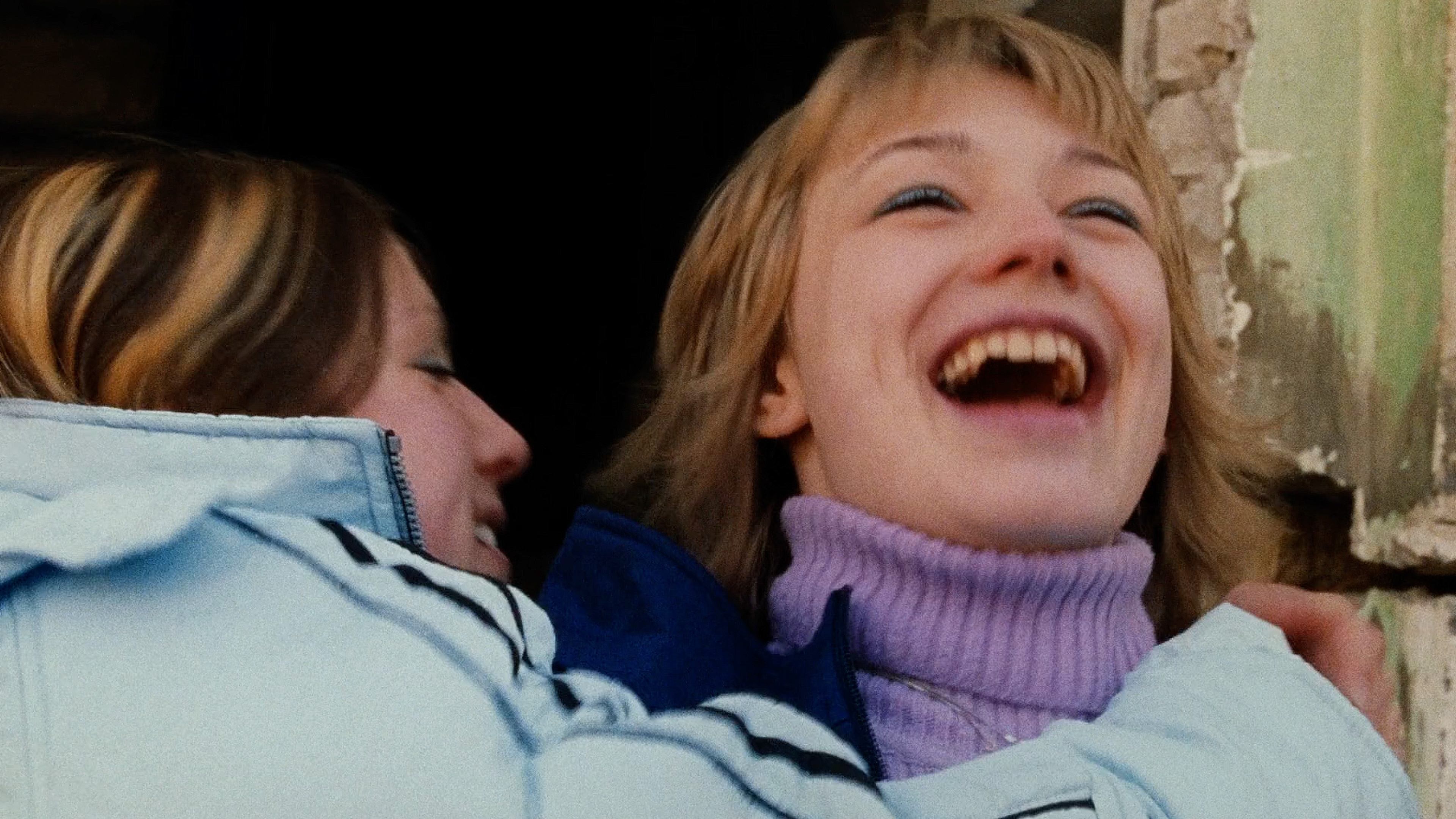
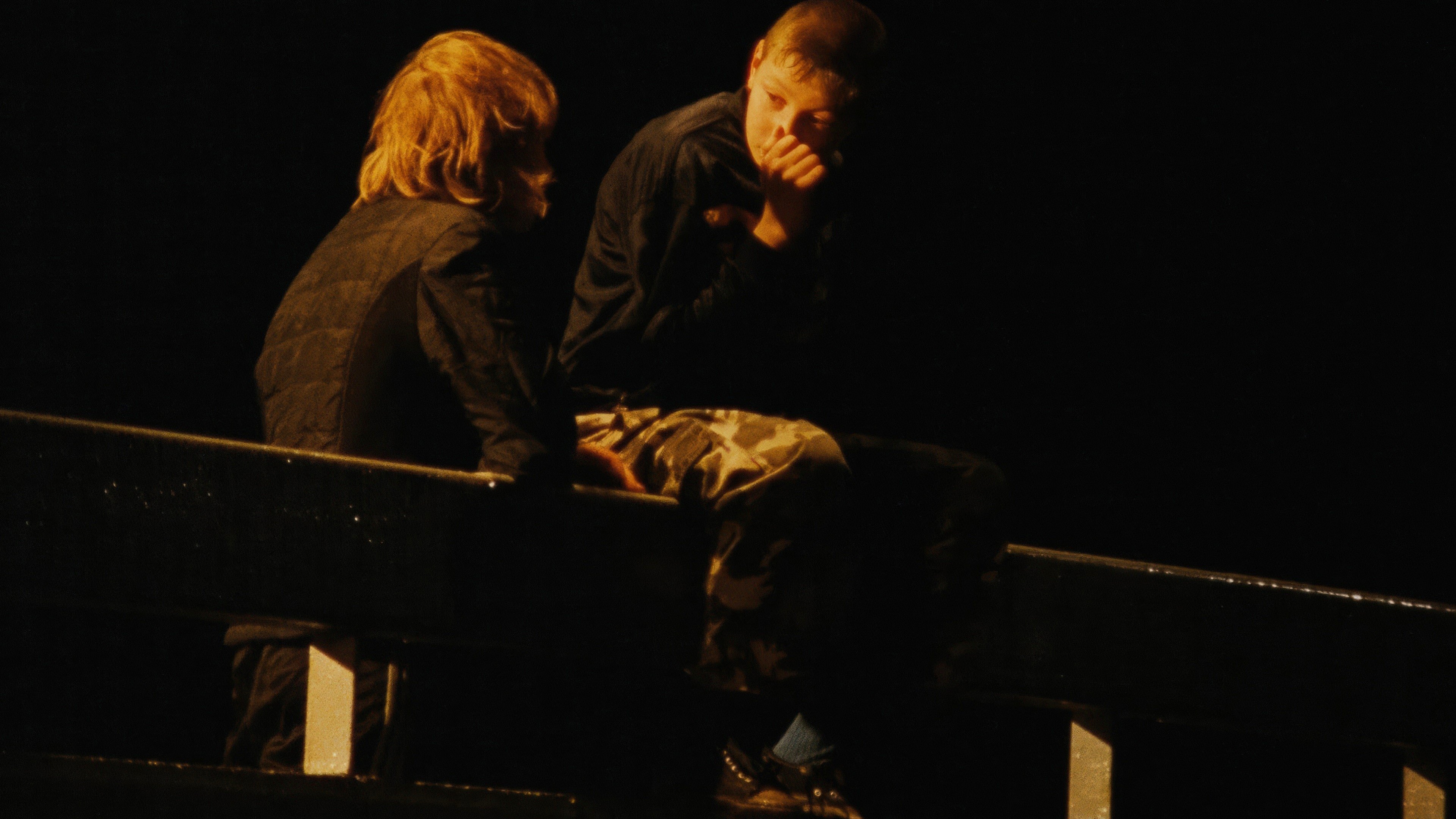
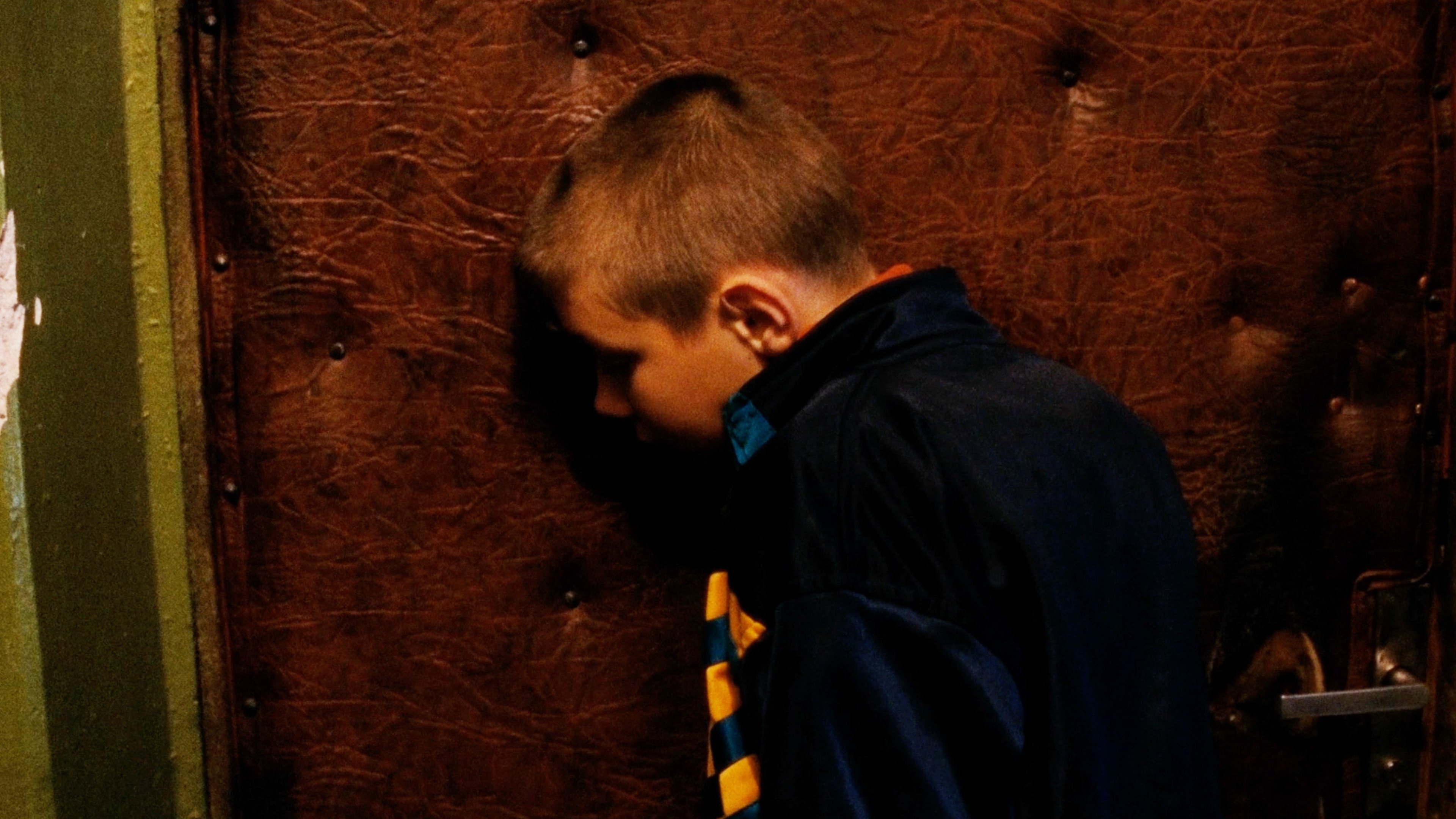
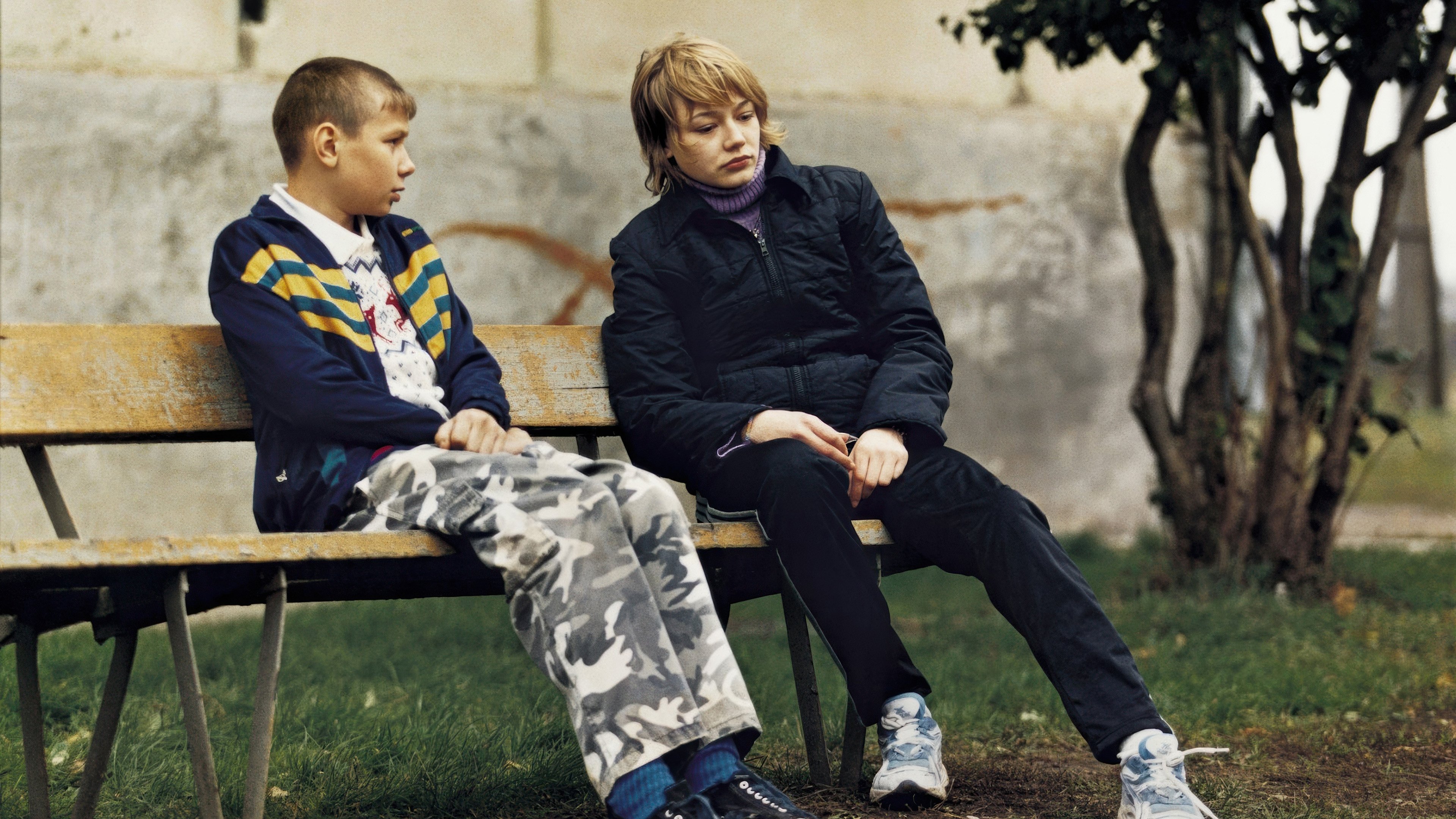
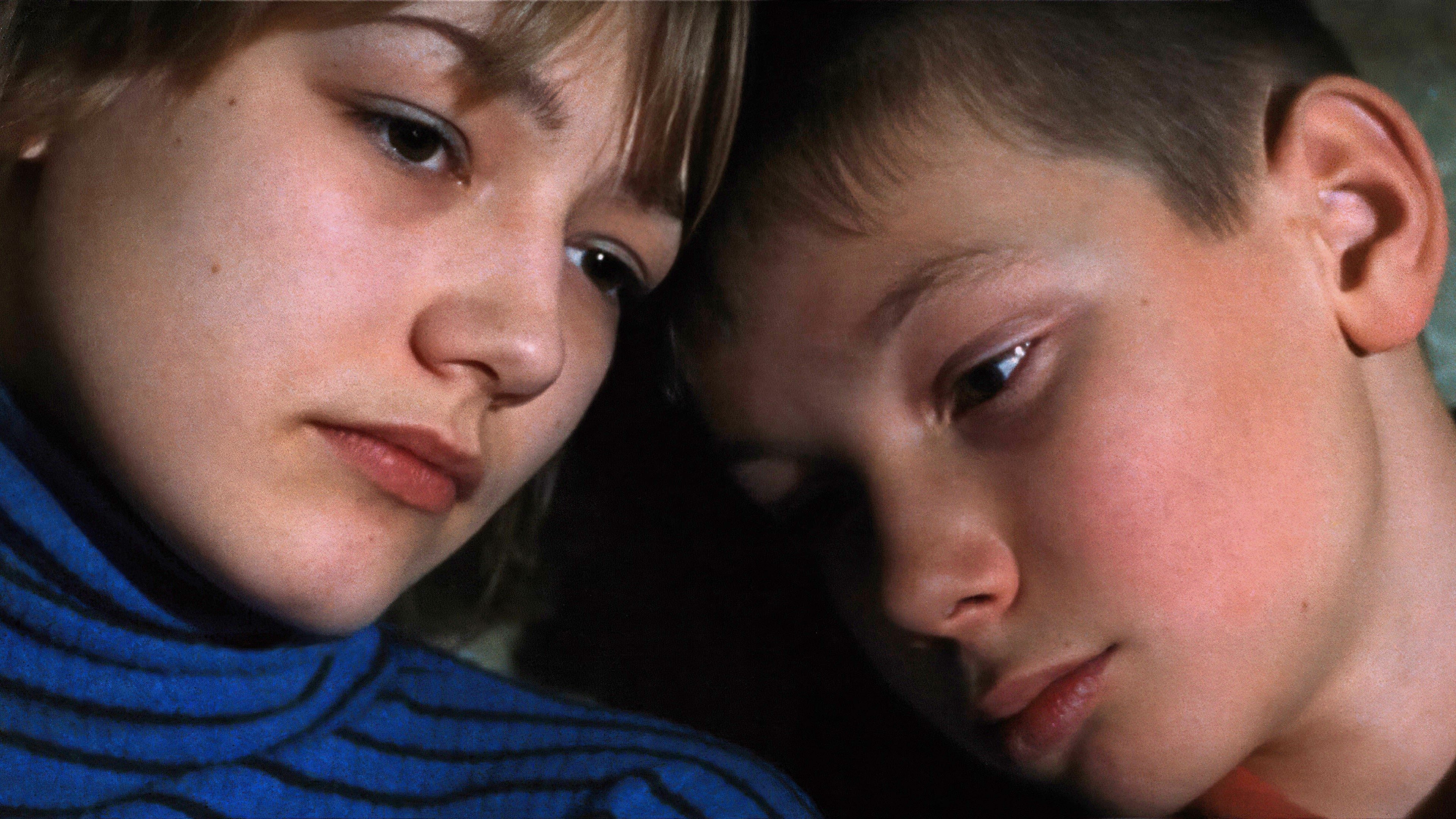
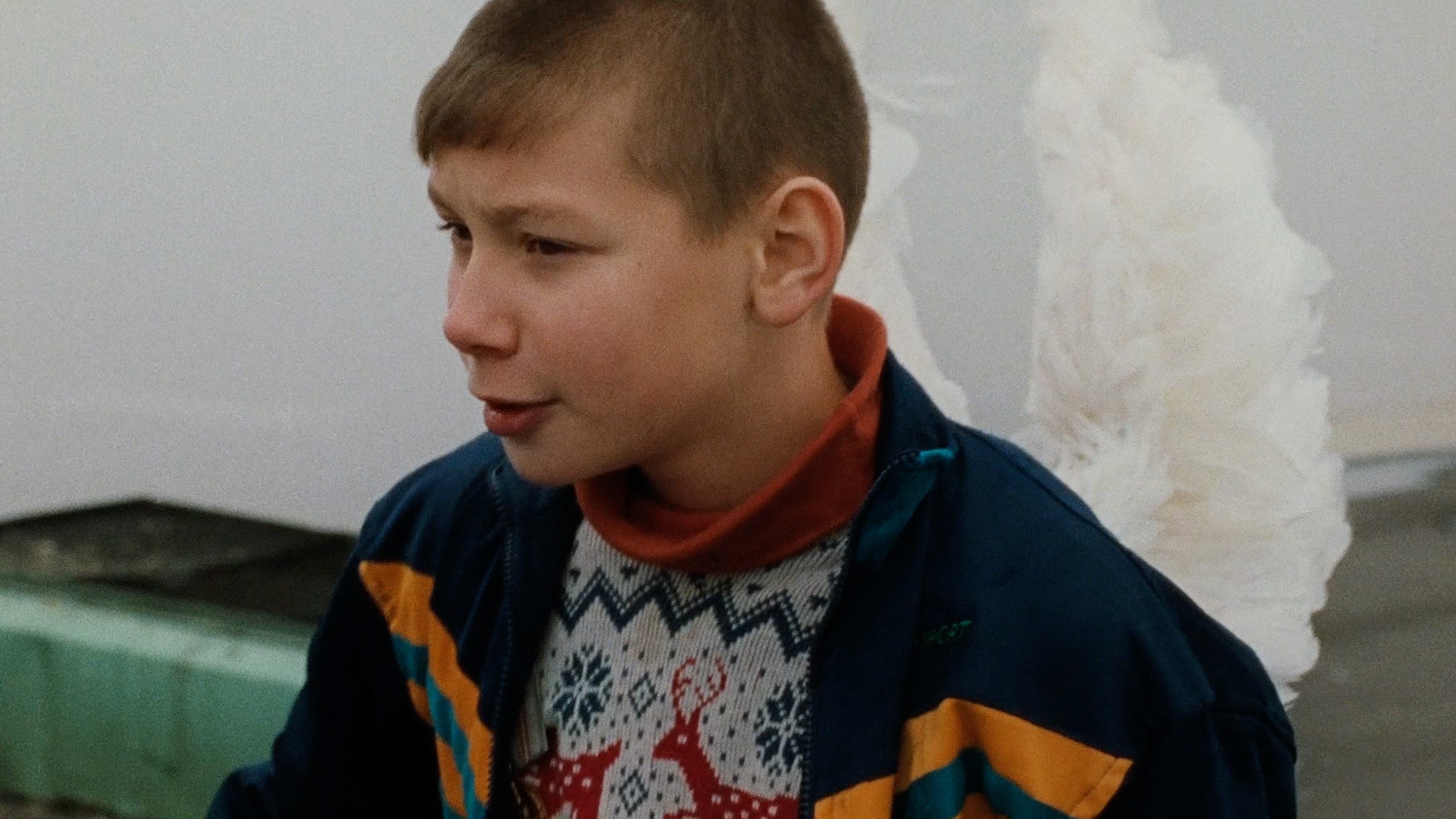
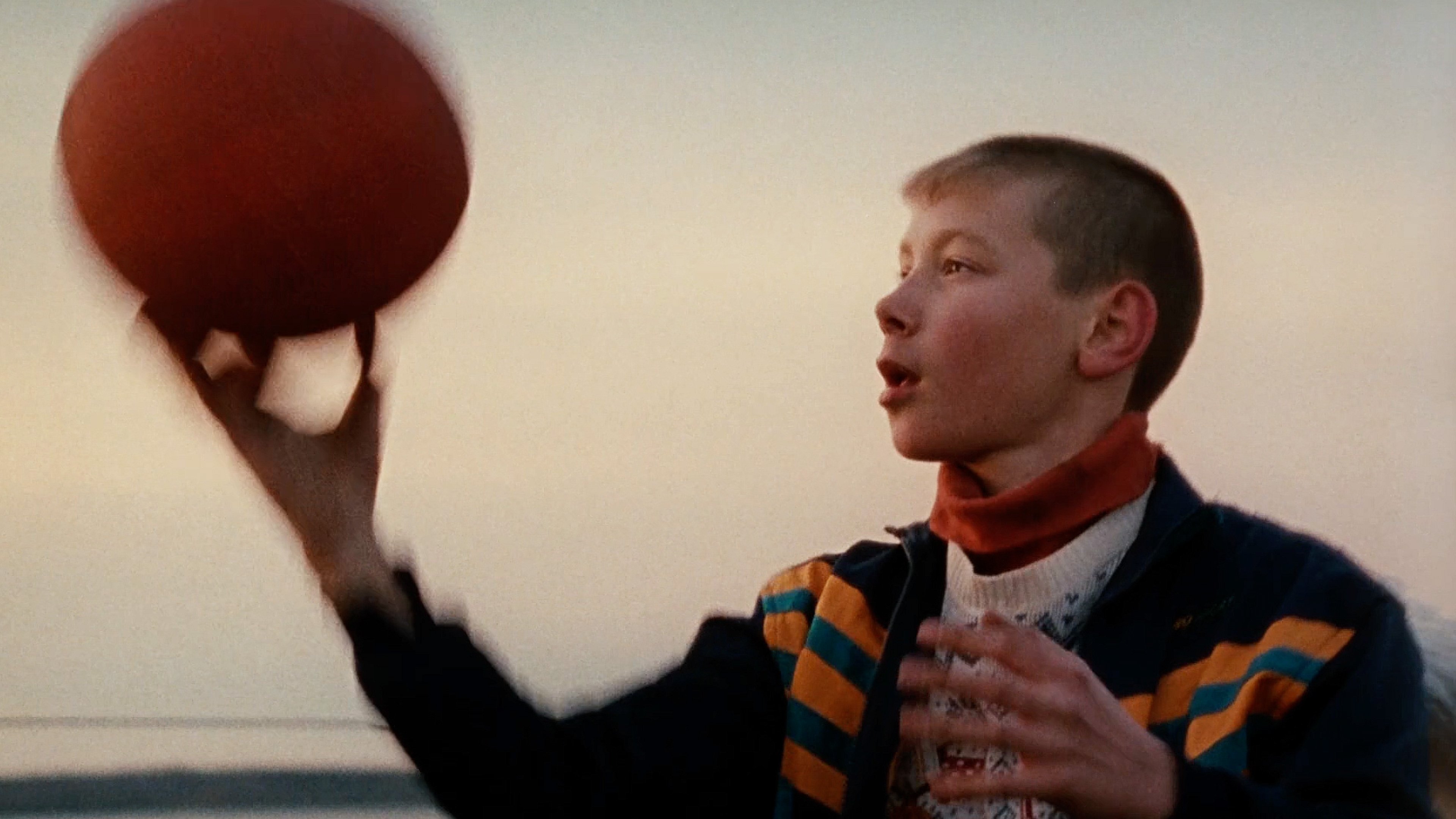
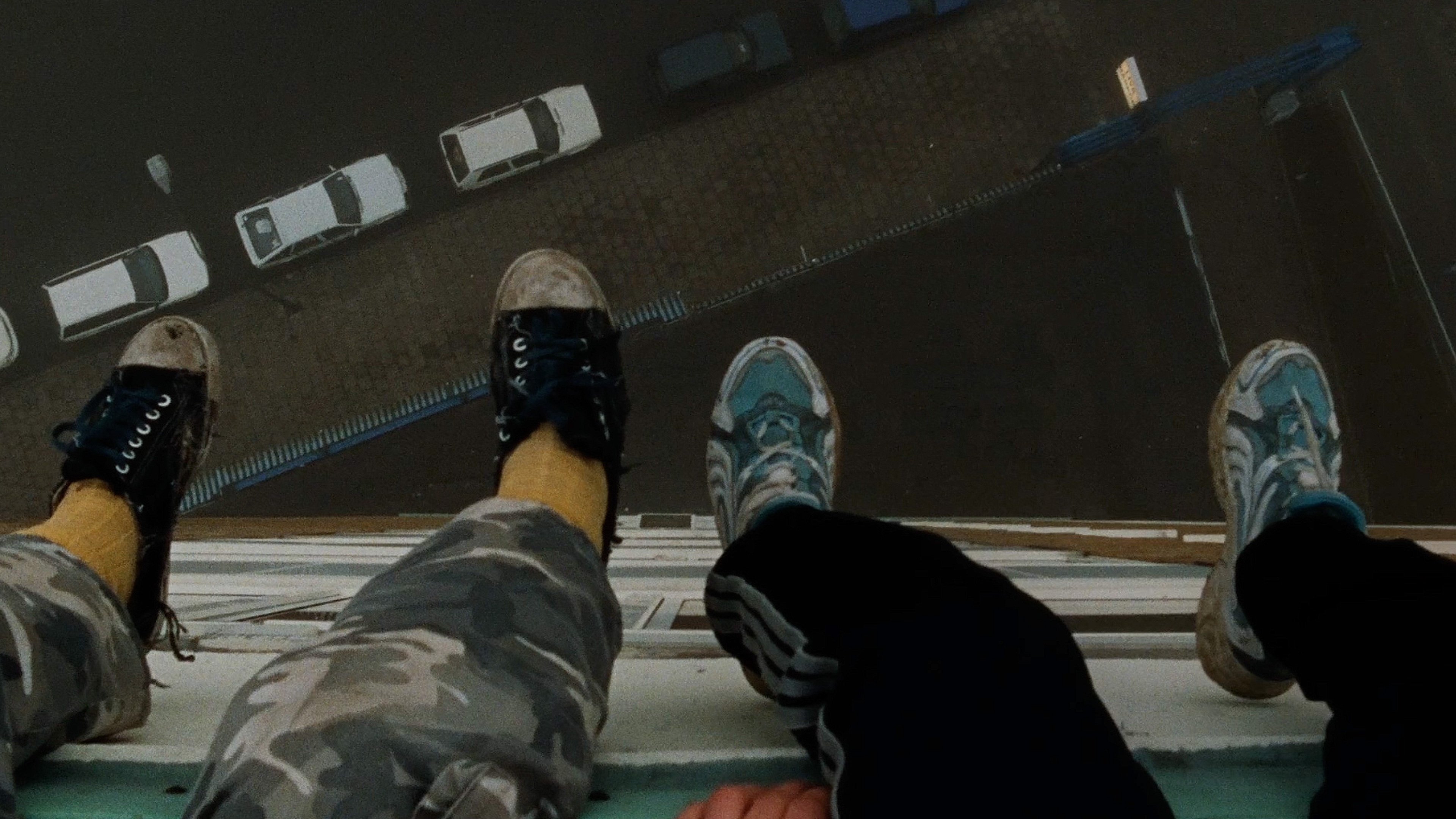
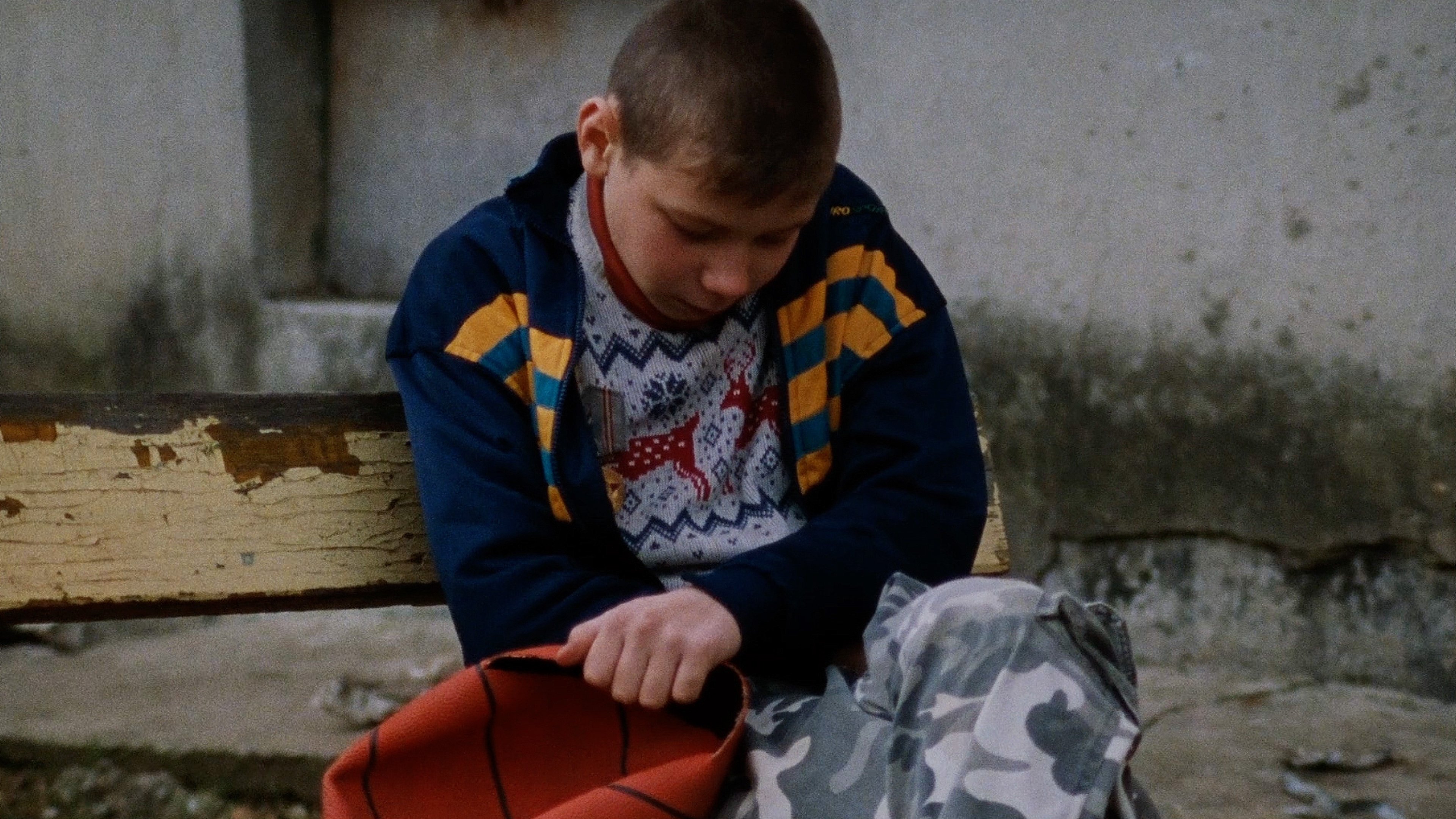
However, what makes the film special is its moments of hope and beauty. I loved the friendship between Lilya and Voldya (Artyom Bogucharskiy). Abandonment forces Lilya to grow into adult, but Voldya (2 years younger) helps her reconnect with her childhood innocence and maintain positivity. Moodyson is a stout Christian, and said he wouldn’t have been able to make the film without his faith. In the film, he incorporates elements of surrealism as a means for Lilya to escape her reality and disappear into fantasy. Voldyda becomes an angel like figure, and there are beautiful scenes where he looks down on her with angel wings. Moodyson’s ability to transition from bleak realism to art house surrealism is unique, and provides a wonderful contrast and sense of hope. Some of the scenes felt reminiscent of films like Wings of Desire (1978).
It is clear that Moodyson was inspired by fellow Swedish director Larz Von Tren, who also focuses on young naive characters who use fantasy to escape dystopian realities. Particular comparisons could be made to Dancer in the Dark (2000) or Beyond the Waves (1999). I think Lilya 4 Ever (2002) is fantastic, but is slightly less ambitious and creative, and the main character not as unique or distinct.
Overall, I thoroughly impressed by Lilya 4 Ever. It is about as challenging and bleak as cinema gets, and I would caution anyone before watching, but also contains scenes of real beauty and hope that I would to love to revisit for the first.
Lukas Moodyson’s Lilya 4 Ever (2002) is an extremely dark and controversial film about a teenager sold into prostitution and sex trafficking. It is set in an unspecified location in the former Soviet Union and is loosely based on a true story of a Lithuanian girl in the 1990’s.
Moodyson was inspired by European social realism and manages to create a bleak uncompromising world for Lilya (Oksana Akinshina) to live in. The film uses hand held camera work, and grey colour palettes with very light or warmth. It lacks a soundtrack and has long passages without music or dialogue which adds a real heaviness. Very quickly, there is a sense of ominous inevitability towards Lilya’s situation. This creates a feeling of helplessness as a viewer, forced to confront the reality and consider the social implications.
The controversy comes from how graphic the subject matter is, particularly with an underage actor. There is no nudity, but instead horrible hand held close ups of men all shown from her POV.
However, what makes the film special is its moments of hope and beauty. I loved the friendship between Lilya and Voldya (Artyom Bogucharskiy). Abandonment forces Lilya to grow into adult, but Voldya (2 years younger) helps her reconnect with her childhood innocence and maintain positivity. Moodyson is a stout Christian, and said he wouldn’t have been able to make the film without his faith. In the film, he incorporates elements of surrealism as a means for Lilya to escape her reality and disappear into fantasy. Voldyda becomes an angel like figure, and there are beautiful scenes where he looks down on her with angel wings. Moodyson’s ability to transition from bleak realism to art house surrealism is unique, and provides a wonderful contrast and sense of hope. Some of the scenes felt reminiscent of films like Wings of Desire (1978).
It is clear that Moodyson was inspired by fellow Swedish director Larz Von Tren, who also focuses on young naive characters who use fantasy to escape dystopian realities. Particular comparisons could be made to Dancer in the Dark (2000) or Beyond the Waves (1999). I think Lilya 4 Ever (2002) is fantastic, but is slightly less ambitious and creative, and the main character not as unique or distinct.
Overall, I thoroughly impressed by Lilya 4 Ever. It is about as challenging and bleak as cinema gets, and I would caution anyone before watching, but also contains scenes of real beauty and hope that I would to love to revisit for the first.