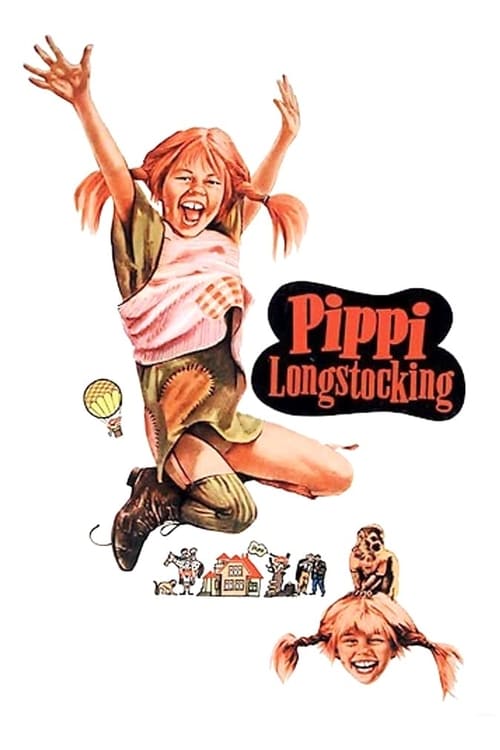
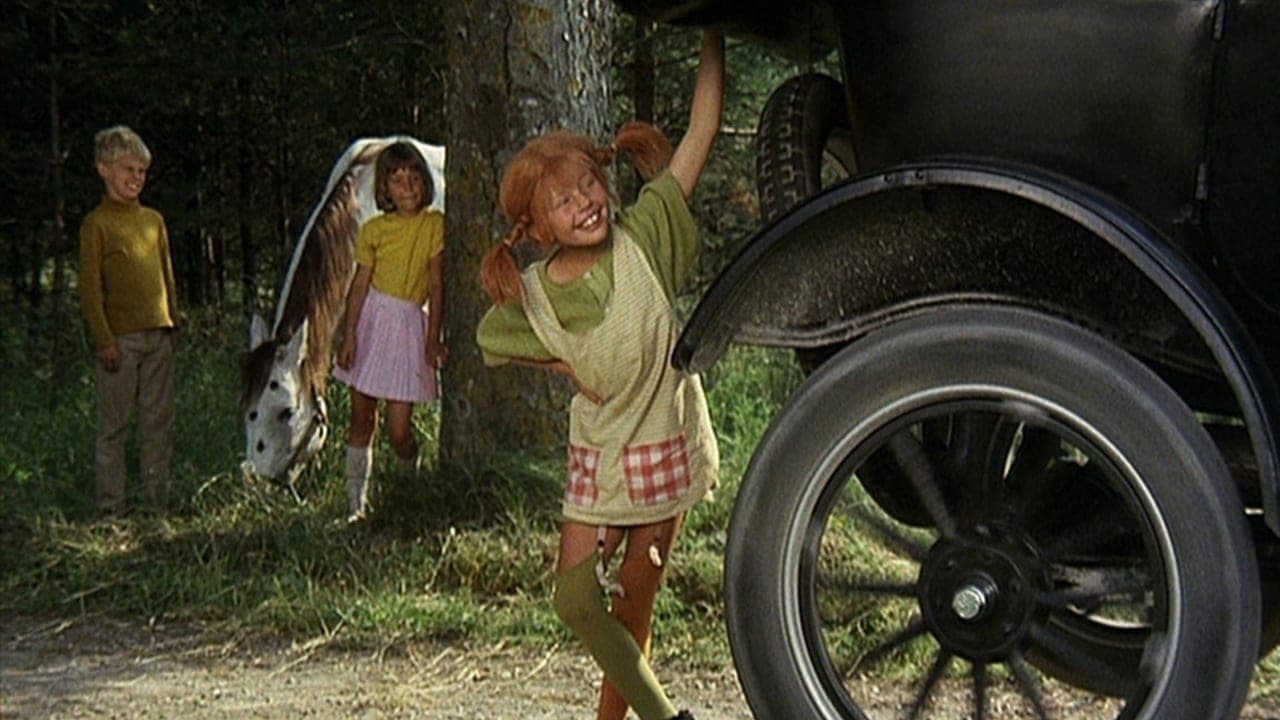
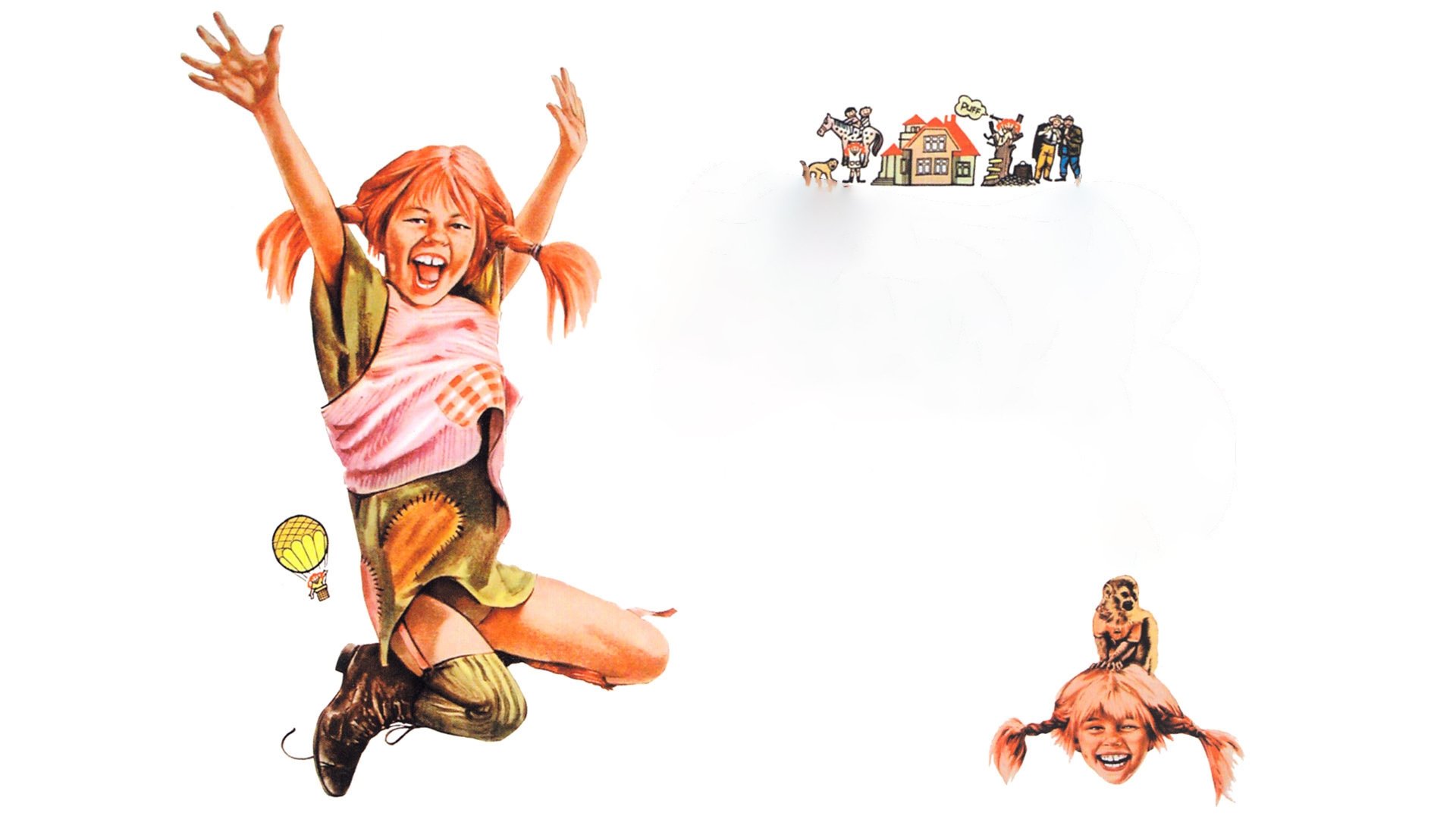
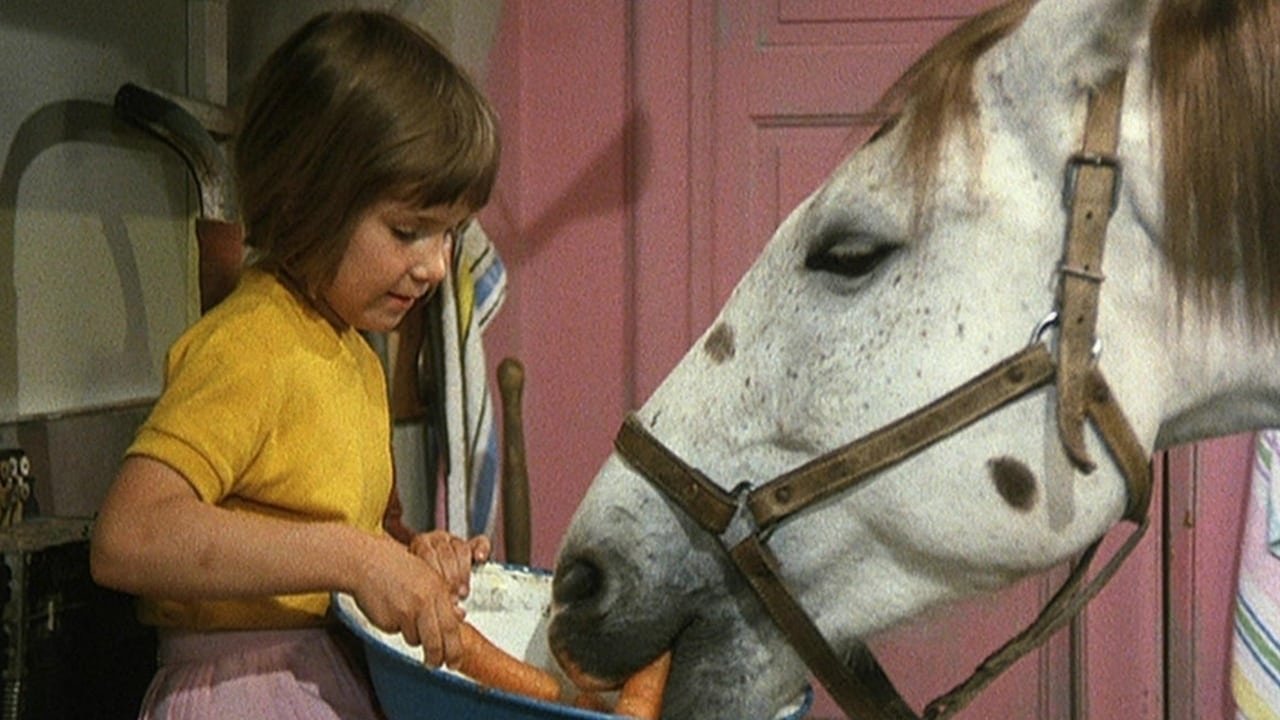
Sure, it’s a kids’ film — wild hair, a horse on the porch, and anarchy in a candy-colored package. But beneath all the sugar and slapstick is a surprisingly sharp take on economic independence, anti-authoritarianism, and social structures.
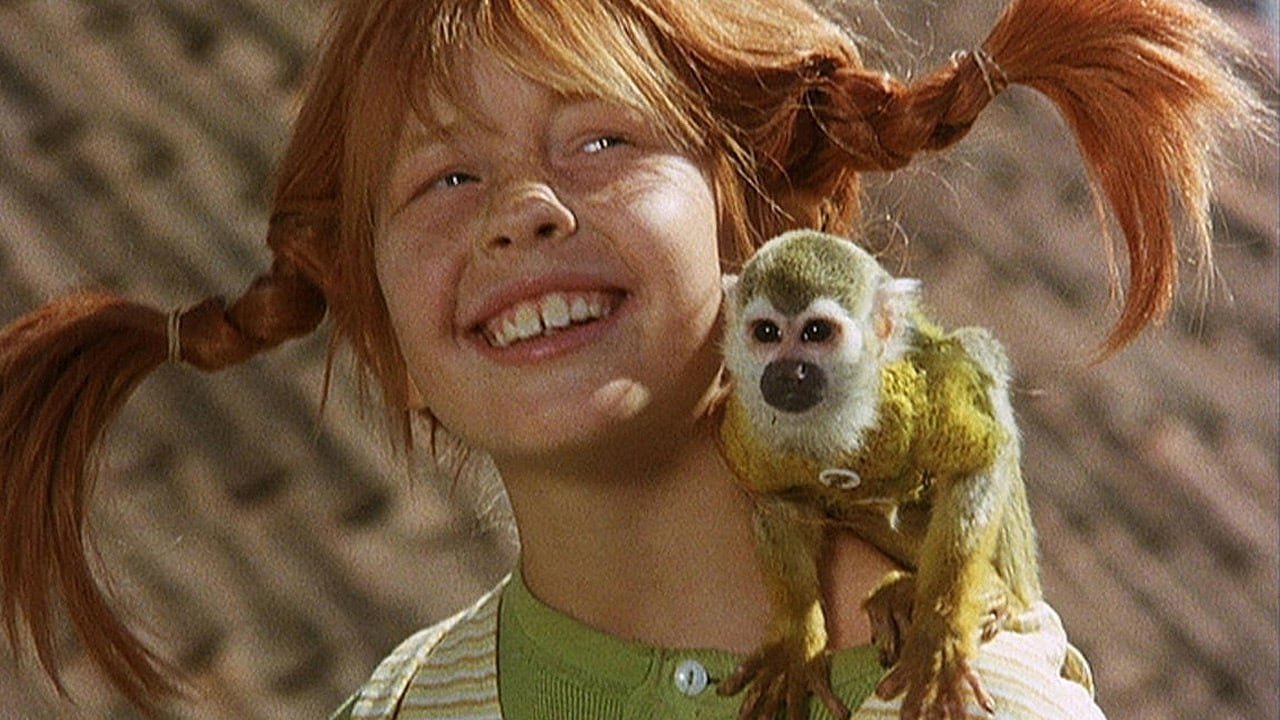
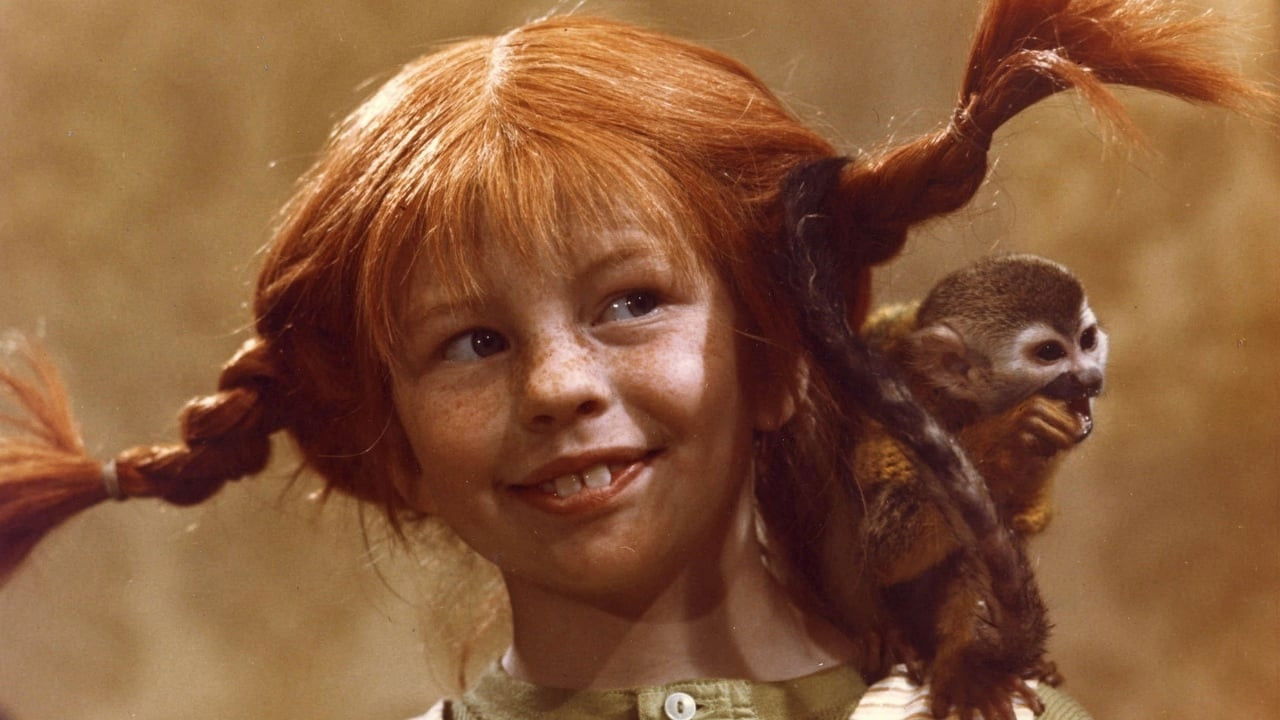
Pippi isn’t just a quirky girl with a monkey — she’s a walking rejection of capitalist norms. She owns gold coins, lives without adult supervision, refuses to go to school (state indoctrination?), and outwits every figure of authority: police, teachers, even social workers. She’s the embodiment of radical self-reliance — cheerful, chaotic, and quietly revolutionary.
It’s easy to miss how politically loaded the film is under its whimsical surface. But the message is clear: wealth doesn’t equal conformity, and freedom means more than just following rules.
Also, shoutout to the Swedish countryside aesthetic — it somehow makes lawless living look incredibly cozy.
Sure, it’s a kids’ film — wild hair, a horse on the porch, and anarchy in a candy-colored package. But beneath all the sugar and slapstick is a surprisingly sharp take on economic independence, anti-authoritarianism, and social structures.
Pippi isn’t just a quirky girl with a monkey — she’s a walking rejection of capitalist norms. She owns gold coins, lives without adult supervision, refuses to go to school (state indoctrination?), and outwits every figure of authority: police, teachers, even social workers. She’s the embodiment of radical self-reliance — cheerful, chaotic, and quietly revolutionary.
It’s easy to miss how politically loaded the film is under its whimsical surface. But the message is clear: wealth doesn’t equal conformity, and freedom means more than just following rules.
Also, shoutout to the Swedish countryside aesthetic — it somehow makes lawless living look incredibly cozy.