
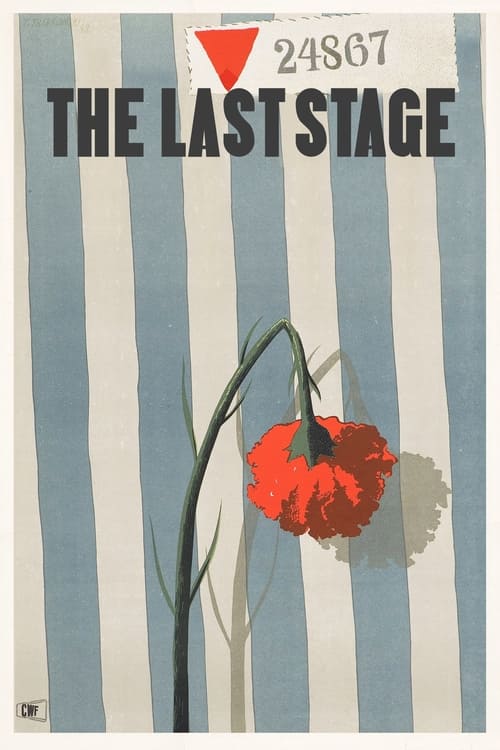
The Last Stage
1948·Drama·1h 47m
7.1
★
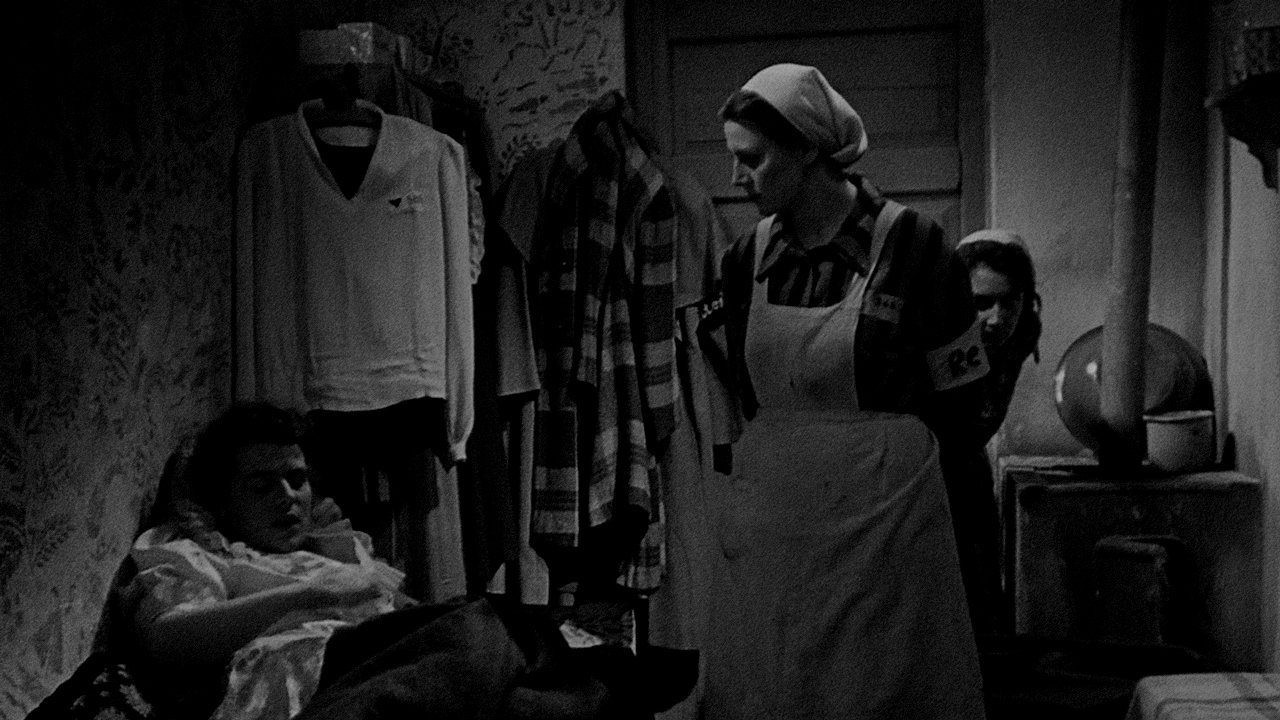
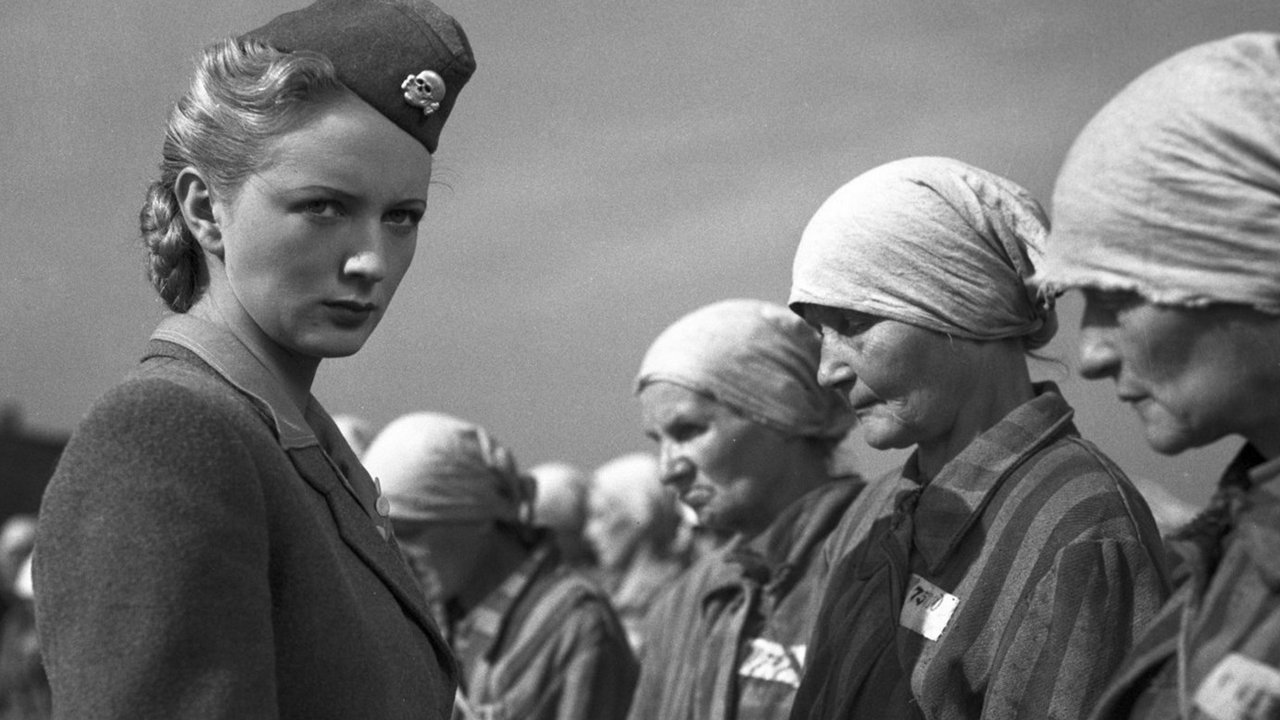
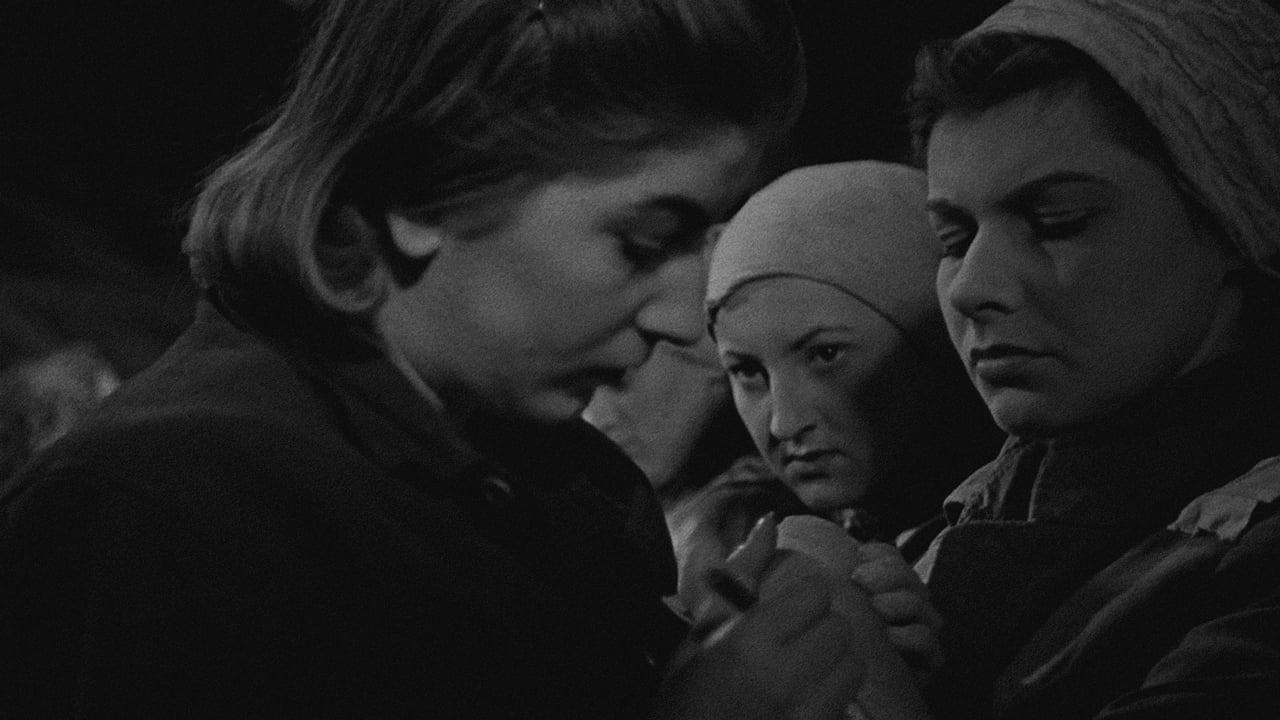
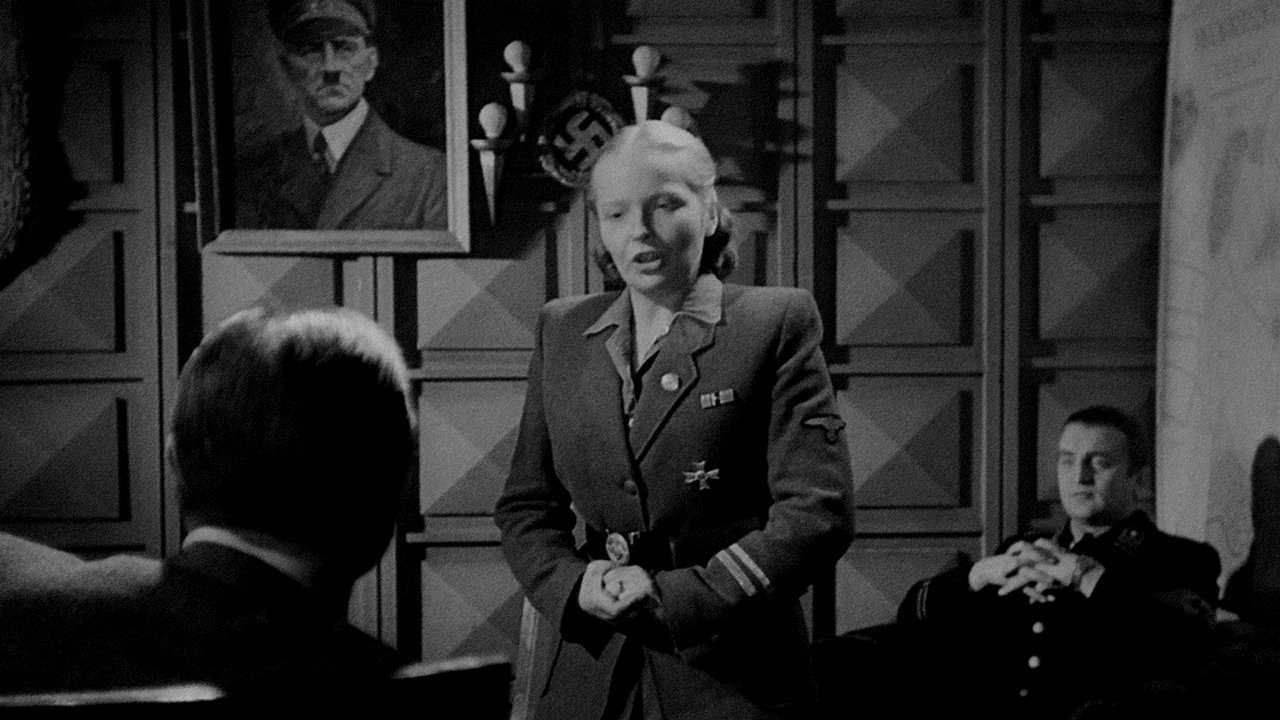
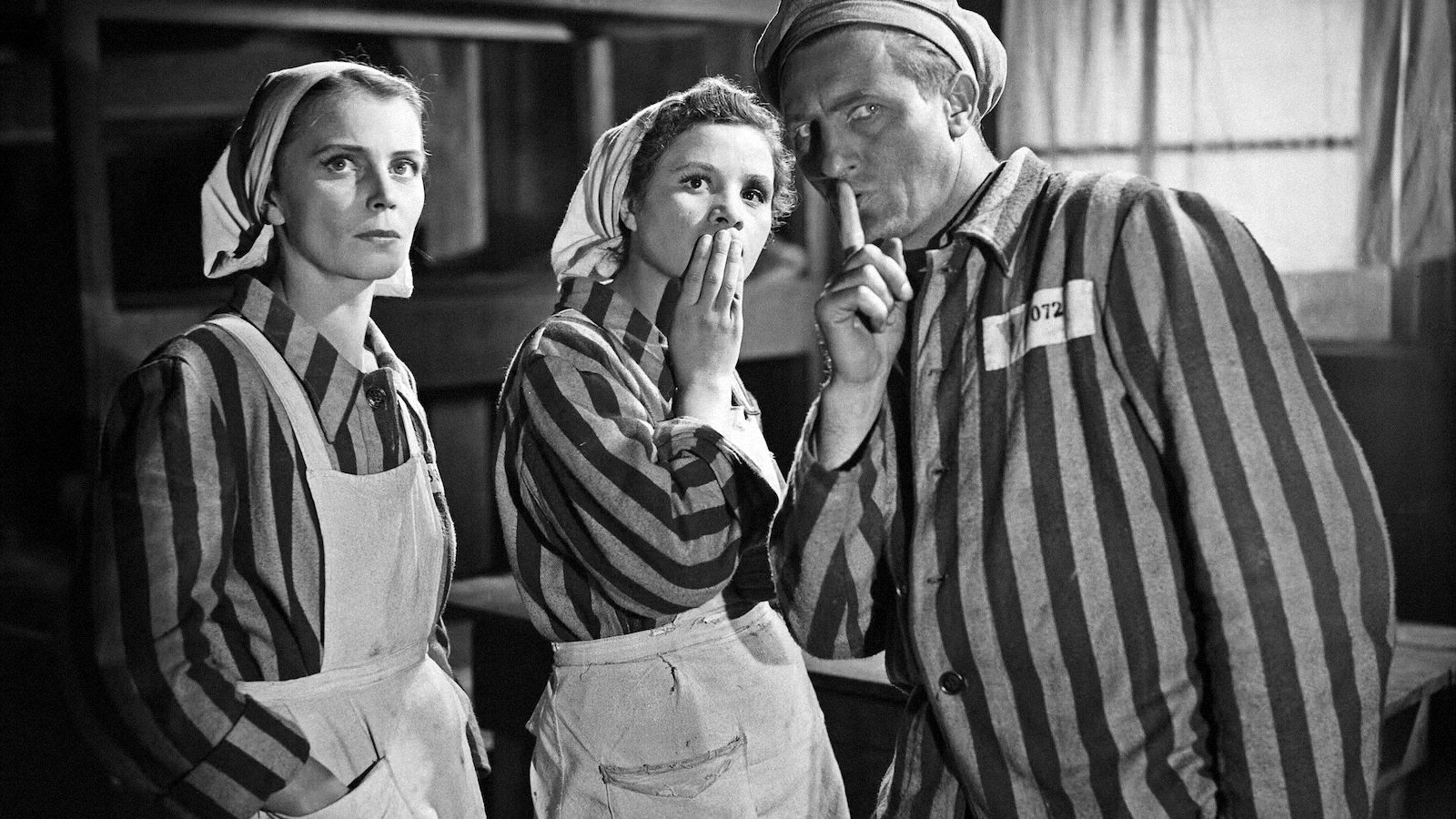
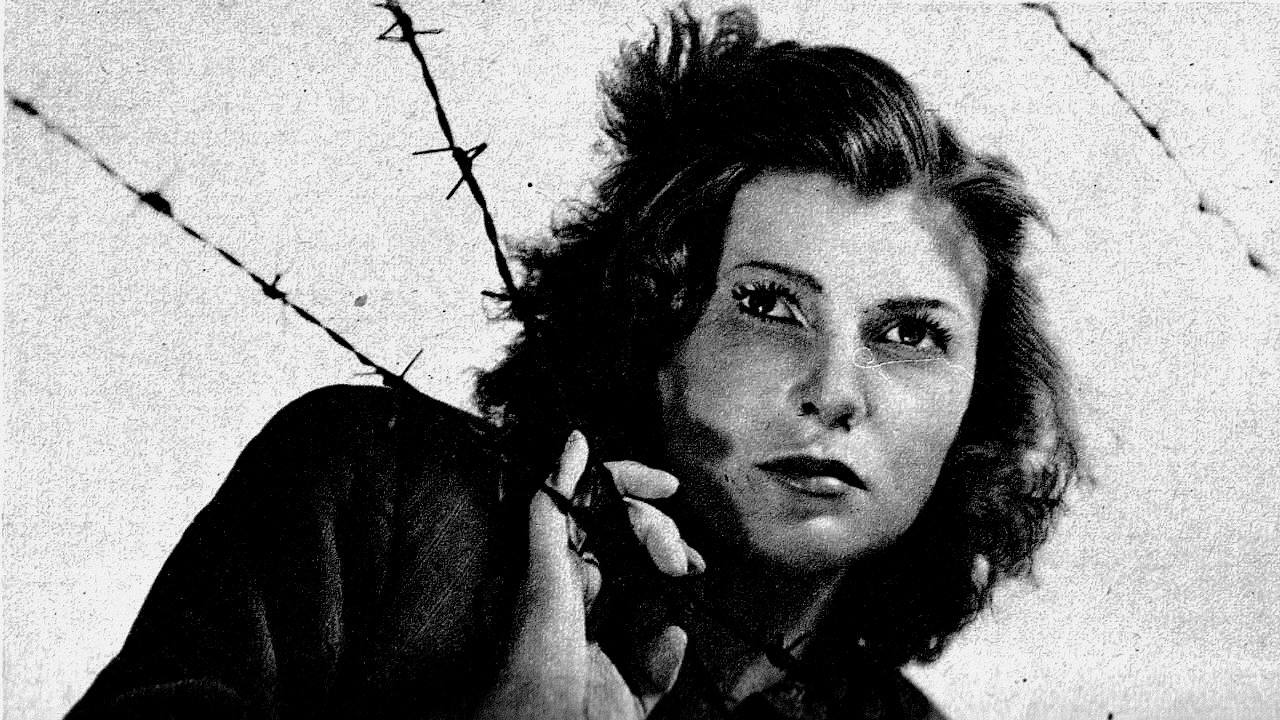
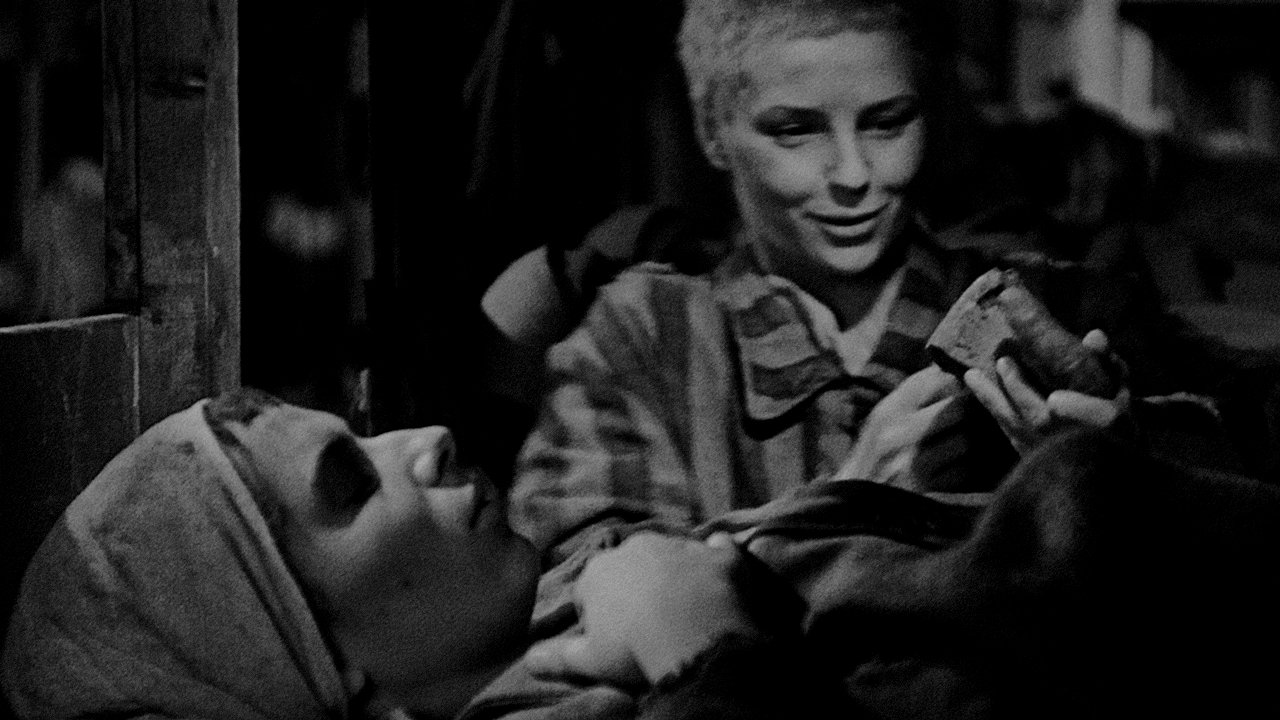
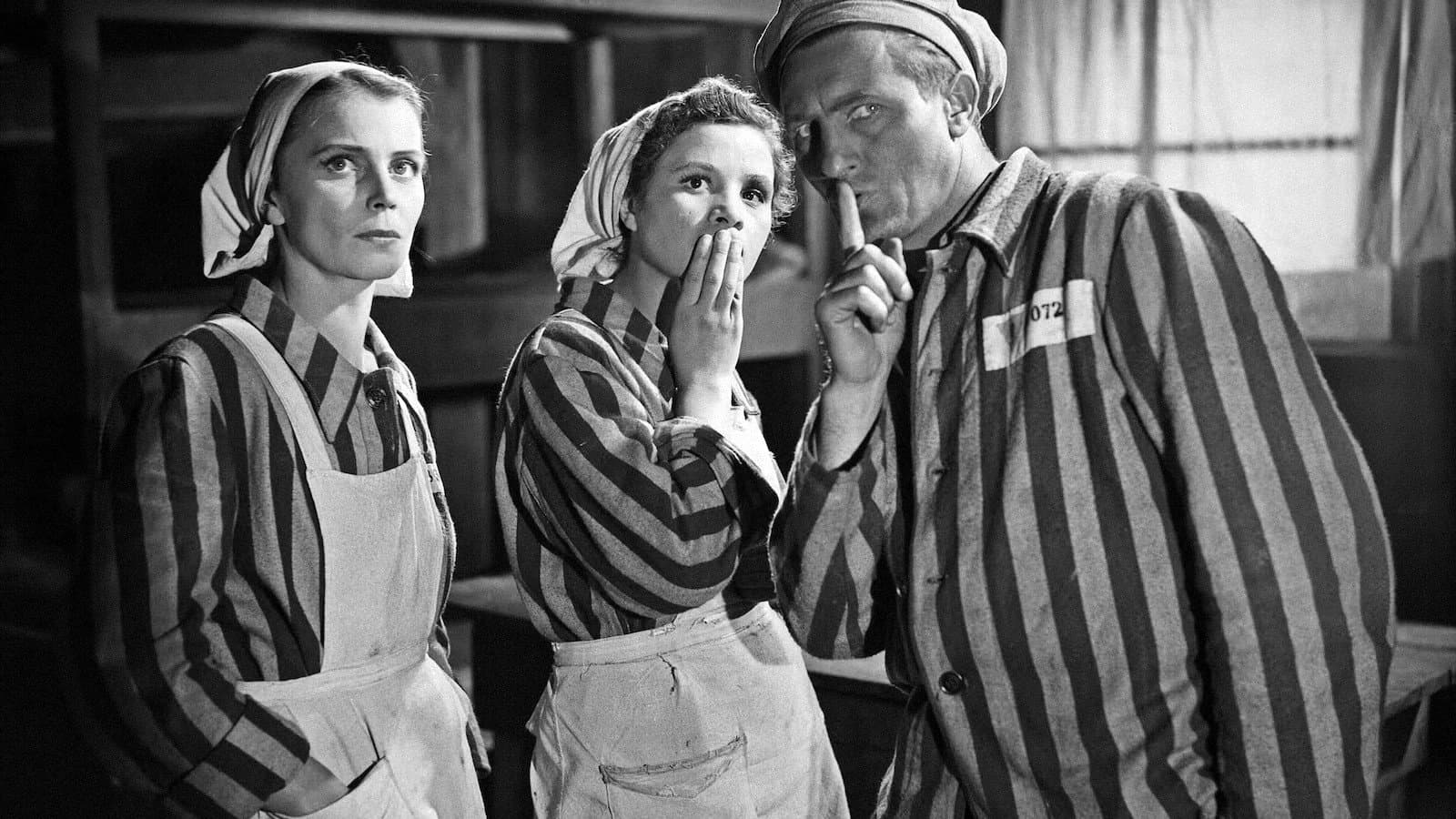
Poland, during World War II. Martha Weiss, a Jewish woman, arrives at the Auschwitz extermination camp with her family. She is assigned the role of interpreter, but her loved ones are much less fortunate.
Directed by Wanda Jakubowska
holocaust (shoah)
world war ii
auschwitz-birkenau concentration camp
concentration camp prisoner
based on true story
semi-documentary
woman director
communists
polish history

IMDB
N/A
Cast

Wanda Bartówna
Helena

Huguette Faget
Michele
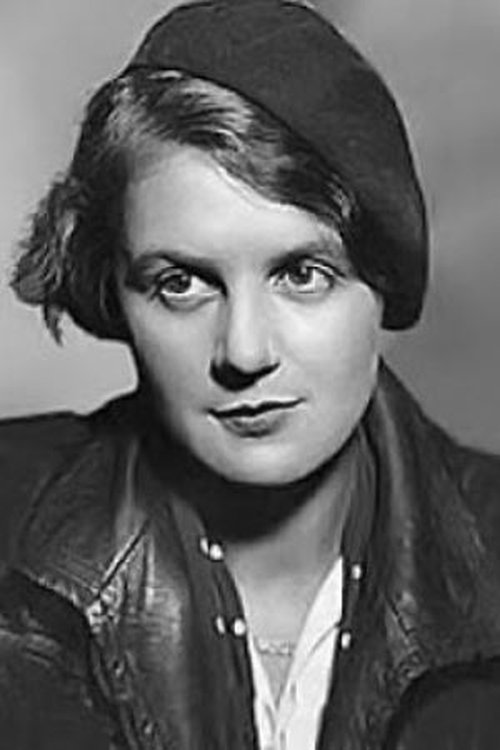
Tatyana Guretskaya
Eugenia

Antonina Gordon-Górecka
Anna
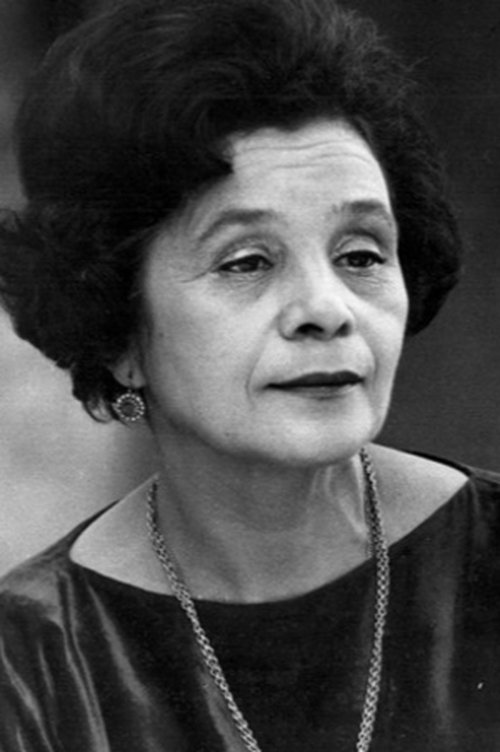
Mariya Vinogradova
Nadia

Barbara Drapińska
Marta
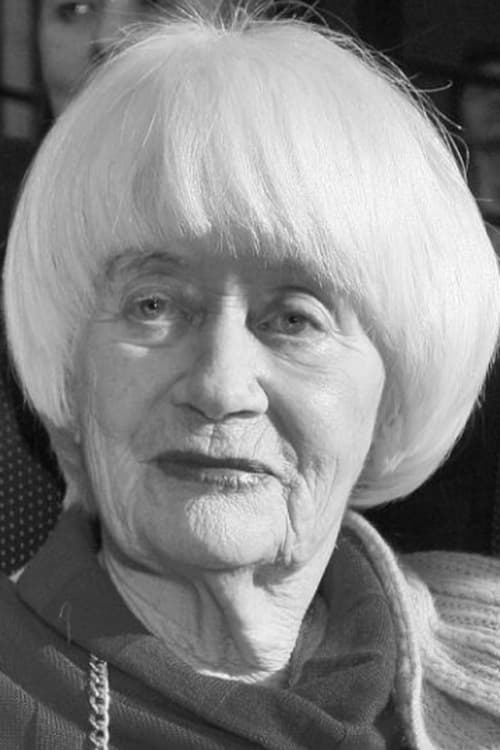
Alina Janowska
Dessa

Zofia Mrozowska
Gypsy Woman
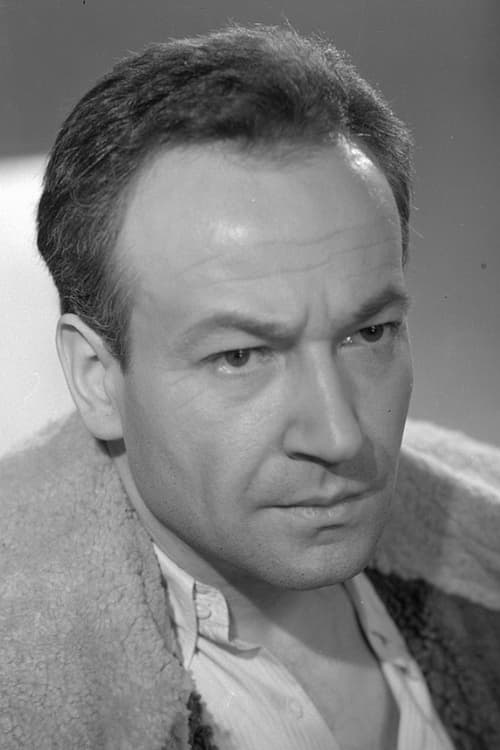
Stanisław Zaczyk
Tadek
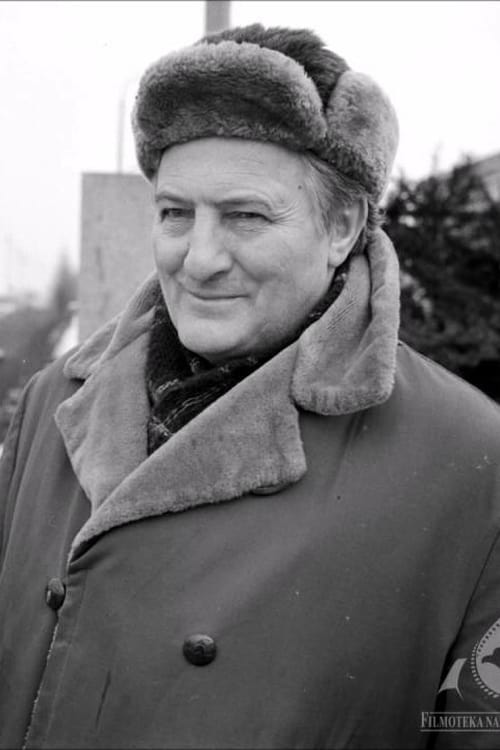
Stefan Śródka
Bronek

Jadwiga Chojnacka
Prisoner #2

Barbara Rachwalska
Block Leader Elza
Crew

Wanda Jakubowska
Director
Wanda Jakubowska
Screenplay
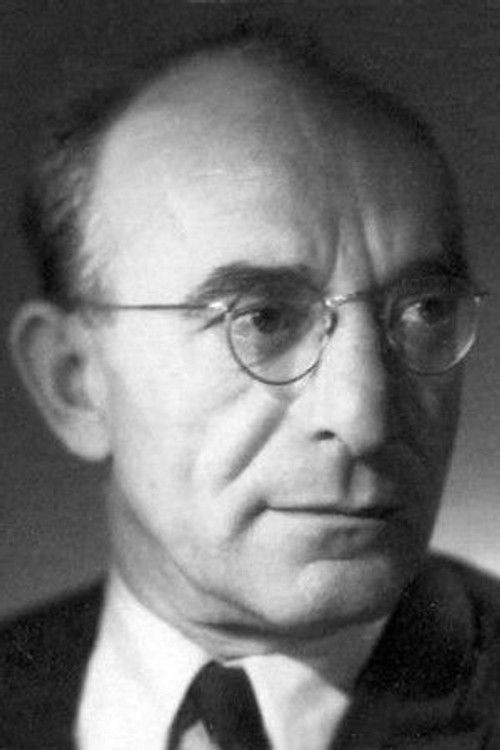
Boris Monastyrsky
Director of Photography
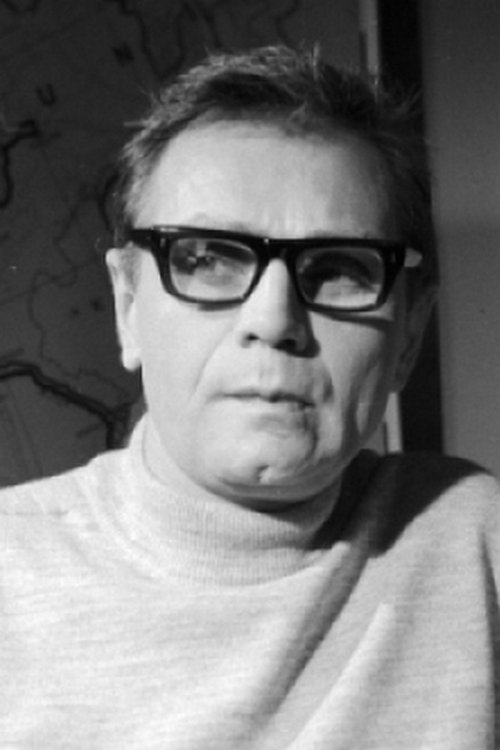
Karol Chodura
Camera Operator
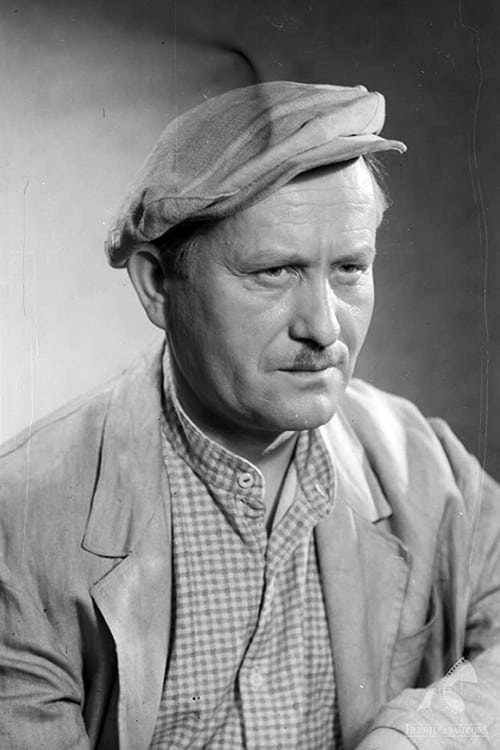
Czesław Piaskowski
Production Design

Leonard Księżak
Sound Assistant
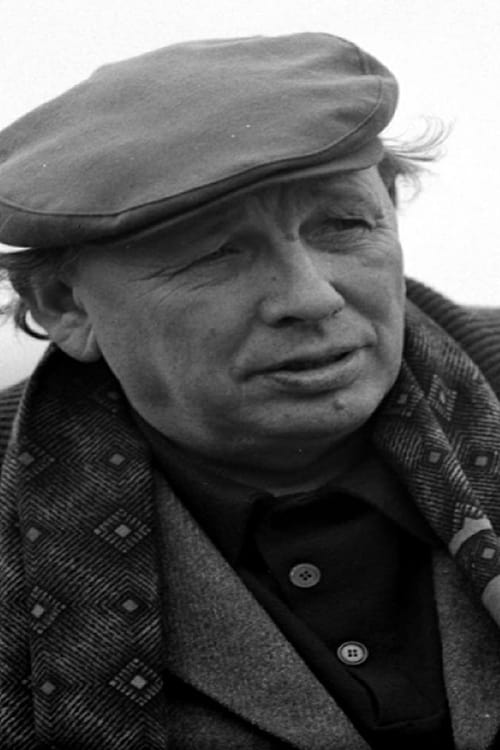
Jan Rybkowski
Art Direction
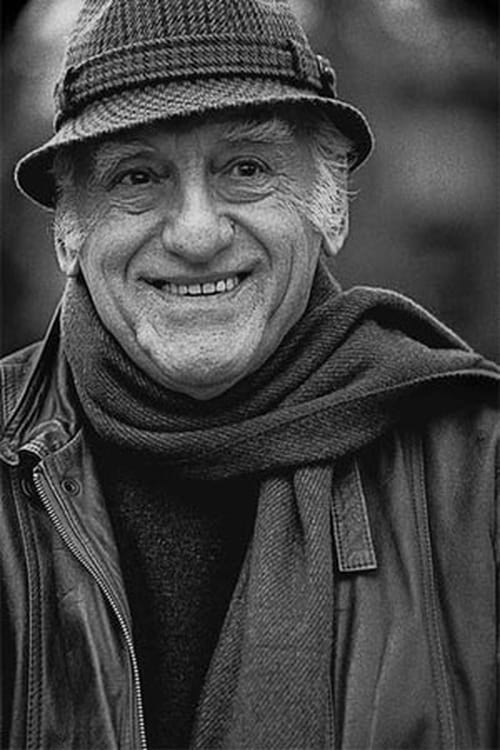
Jerzy Kawalerowicz
First Assistant Director
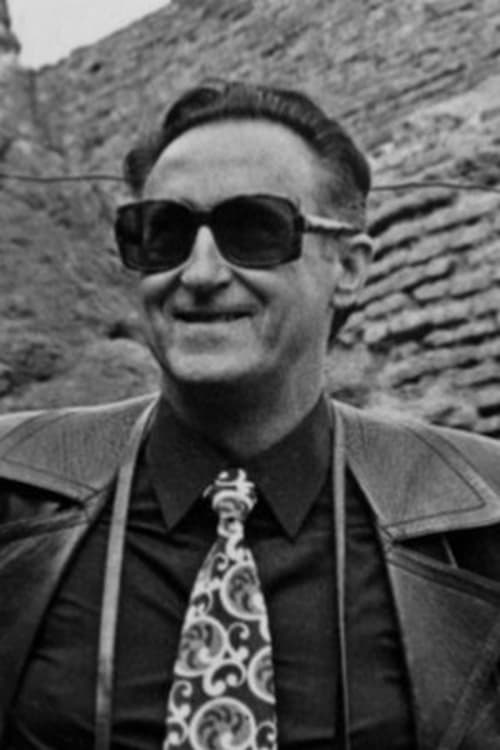
Tadeusz Karwański
Unit Manager
Popular Reviews
7 reviews
chloe
7.0★ · 10/12/25
wow.
wow.


Jacob Vargas
6.7★ · 01/26/23
Una de las mejores películas sobre el holocausto, tal vez se siente un poco pesada pero la primera parte se siente demasiado cruda, la ambientación sonora le hace un parototote a la movie
Una de las mejores películas sobre el holocausto, tal vez se siente un poco pesada pero la primera parte se siente demasiado cruda, la ambientación sonora le hace un parototote a la movie
i.m
"Habria muerto de todos modos, ella no era capaz de vivir aqui"
Ella moria de un dolor del alma, esperanza de la salvacion y sufrimiento constante
eso fueron los campos de consentracion, en esta obra se relata solo una pizca de lo horrible que debio ser vivir en un campo de concentracion. Nazis moviendo almas como si fuesen parte de una macabra orquesta y la esperanza polaca siempre viva.
"Millones de hombres, mujeres, niños muertos"
El sufrimiento vuelto costumbre.
Ella moria de un dolor del alma, esperanza de la salvacion y sufrimiento constante
eso fueron los campos de consentracion, en esta obra se relata solo una pizca de lo horrible que debio ser vivir en un campo de concentracion. Nazis moviendo almas como si fuesen parte de una macabra orquesta y la esperanza polaca siempre viva.
"Millones de hombres, mujeres, niños muertos"
El sufrimiento vuelto costumbre.
"Habria muerto de todos modos, ella no era capaz de vivir aqui"
Ella moria de un dolor del alma, esperanza de la salvacion y sufrimiento constante
eso fueron los campos de consentracion, en esta obra se relata solo una pizca de lo horrible que debio ser vivir en un campo de concentracion. Nazis moviendo almas como si fuesen parte de una macabra orquesta y la esperanza polaca siempre viva.
"Millones de hombres, mujeres, niños muertos"
El sufrimiento vuelto costumbre.
Ella moria de un dolor del alma, esperanza de la salvacion y sufrimiento constante
eso fueron los campos de consentracion, en esta obra se relata solo una pizca de lo horrible que debio ser vivir en un campo de concentracion. Nazis moviendo almas como si fuesen parte de una macabra orquesta y la esperanza polaca siempre viva.
"Millones de hombres, mujeres, niños muertos"
El sufrimiento vuelto costumbre.
Gojira
8.0★ · 04/11/20
Zunächst die Frage, warum ist dieser Film nicht bekannter? Ich habe vor kurzem das erste mal darüber gehört.
Gedreht im Lager Auschwitz selbst, nur vier Jahre nach dessen Befreiung, unter Mitwirkung von Menschen, die dort inhaftiert gewesen sind, ist es die erste Aufarbeitung über die Geschehnisse in diesem KZ.
Und dieser Umstand, noch so nah am eigentlichen Geschehen zu sein, sorgt dafür, dass die im Laufe der Jahre immer etwas 'geleckter' wirkende Aufarbeitung hier noch gänzlich ausbleibt. Wenn man hohe fimkünstlerische Mätzchen will, da ist man hier falsch. Dafür allerdings bekommt man einen allumfassenen Einblick in den Lageralltag. In die konstante Angst beim nächsten Massentransport dabei zu sein, am Typhus zu sterben oder einfach der Willkür der Aufseher ausgesetzt zu sein.
Dabei zeigt der Film auch Dinge, die später seltener aufgegriffen wurden und zu diesem Zeitpunkt gänzlich unerhört gewesen sein muss. Der Anteil der Kapos, Inhaftierte die mit den Deutschen paktieren und nicht weniger grausam sind z.B., wird hier nicht runtergespielt. Auch werden die Nazis in einigen Momenten als normale Durchschnittsbüger gezeigt (eine Aufseherin schäkert mit einem Welpen, während sie den Befehl zum Abtransport hunderter Frauen gibt), was Arendts Aussage über die "Banalität des Bösen" schon Jahre vorher sichtbar werden lässt.
Der Film hätte es verdient aus der Fastvergessenheit entlassen zu werden und zur Stndardsichtung in Sachen Holocaust zu werden. Als Abstieg in die vom Menschen gemachte Hölle ist er allemal effektiver als der geleckt gefällige Spielberg-Film.
Gedreht im Lager Auschwitz selbst, nur vier Jahre nach dessen Befreiung, unter Mitwirkung von Menschen, die dort inhaftiert gewesen sind, ist es die erste Aufarbeitung über die Geschehnisse in diesem KZ.
Und dieser Umstand, noch so nah am eigentlichen Geschehen zu sein, sorgt dafür, dass die im Laufe der Jahre immer etwas 'geleckter' wirkende Aufarbeitung hier noch gänzlich ausbleibt. Wenn man hohe fimkünstlerische Mätzchen will, da ist man hier falsch. Dafür allerdings bekommt man einen allumfassenen Einblick in den Lageralltag. In die konstante Angst beim nächsten Massentransport dabei zu sein, am Typhus zu sterben oder einfach der Willkür der Aufseher ausgesetzt zu sein.
Dabei zeigt der Film auch Dinge, die später seltener aufgegriffen wurden und zu diesem Zeitpunkt gänzlich unerhört gewesen sein muss. Der Anteil der Kapos, Inhaftierte die mit den Deutschen paktieren und nicht weniger grausam sind z.B., wird hier nicht runtergespielt. Auch werden die Nazis in einigen Momenten als normale Durchschnittsbüger gezeigt (eine Aufseherin schäkert mit einem Welpen, während sie den Befehl zum Abtransport hunderter Frauen gibt), was Arendts Aussage über die "Banalität des Bösen" schon Jahre vorher sichtbar werden lässt.
Der Film hätte es verdient aus der Fastvergessenheit entlassen zu werden und zur Stndardsichtung in Sachen Holocaust zu werden. Als Abstieg in die vom Menschen gemachte Hölle ist er allemal effektiver als der geleckt gefällige Spielberg-Film.
Zunächst die Frage, warum ist dieser Film nicht bekannter? Ich habe vor kurzem das erste mal darüber gehört.
Gedreht im Lager Auschwitz selbst, nur vier Jahre nach dessen Befreiung, unter Mitwirkung von Menschen, die dort inhaftiert gewesen sind, ist es die erste Aufarbeitung über die Geschehnisse in diesem KZ.
Und dieser Umstand, noch so nah am eigentlichen Geschehen zu sein, sorgt dafür, dass die im Laufe der Jahre immer etwas 'geleckter' wirkende Aufarbeitung hier noch gänzlich ausbleibt. Wenn man hohe fimkünstlerische Mätzchen will, da ist man hier falsch. Dafür allerdings bekommt man einen allumfassenen Einblick in den Lageralltag. In die konstante Angst beim nächsten Massentransport dabei zu sein, am Typhus zu sterben oder einfach der Willkür der Aufseher ausgesetzt zu sein.
Dabei zeigt der Film auch Dinge, die später seltener aufgegriffen wurden und zu diesem Zeitpunkt gänzlich unerhört gewesen sein muss. Der Anteil der Kapos, Inhaftierte die mit den Deutschen paktieren und nicht weniger grausam sind z.B., wird hier nicht runtergespielt. Auch werden die Nazis in einigen Momenten als normale Durchschnittsbüger gezeigt (eine Aufseherin schäkert mit einem Welpen, während sie den Befehl zum Abtransport hunderter Frauen gibt), was Arendts Aussage über die "Banalität des Bösen" schon Jahre vorher sichtbar werden lässt.
Der Film hätte es verdient aus der Fastvergessenheit entlassen zu werden und zur Stndardsichtung in Sachen Holocaust zu werden. Als Abstieg in die vom Menschen gemachte Hölle ist er allemal effektiver als der geleckt gefällige Spielberg-Film.
Gedreht im Lager Auschwitz selbst, nur vier Jahre nach dessen Befreiung, unter Mitwirkung von Menschen, die dort inhaftiert gewesen sind, ist es die erste Aufarbeitung über die Geschehnisse in diesem KZ.
Und dieser Umstand, noch so nah am eigentlichen Geschehen zu sein, sorgt dafür, dass die im Laufe der Jahre immer etwas 'geleckter' wirkende Aufarbeitung hier noch gänzlich ausbleibt. Wenn man hohe fimkünstlerische Mätzchen will, da ist man hier falsch. Dafür allerdings bekommt man einen allumfassenen Einblick in den Lageralltag. In die konstante Angst beim nächsten Massentransport dabei zu sein, am Typhus zu sterben oder einfach der Willkür der Aufseher ausgesetzt zu sein.
Dabei zeigt der Film auch Dinge, die später seltener aufgegriffen wurden und zu diesem Zeitpunkt gänzlich unerhört gewesen sein muss. Der Anteil der Kapos, Inhaftierte die mit den Deutschen paktieren und nicht weniger grausam sind z.B., wird hier nicht runtergespielt. Auch werden die Nazis in einigen Momenten als normale Durchschnittsbüger gezeigt (eine Aufseherin schäkert mit einem Welpen, während sie den Befehl zum Abtransport hunderter Frauen gibt), was Arendts Aussage über die "Banalität des Bösen" schon Jahre vorher sichtbar werden lässt.
Der Film hätte es verdient aus der Fastvergessenheit entlassen zu werden und zur Stndardsichtung in Sachen Holocaust zu werden. Als Abstieg in die vom Menschen gemachte Hölle ist er allemal effektiver als der geleckt gefällige Spielberg-Film.
Elliot Taylor
6.0★ · 01/27/20
At the very least, seeing this film was a unique experience.
In terms of the literal technical aspects of the film, it seems like fairly standard stuff for a film made in the late 40's. It's shot decently, with some shots sticking out in my mind. It's edited kinda poorly, but it felt like a lot of that was because of how poorly the film was preserved so that each stretch of more than five minutes was its own reel and most of them weren't connected perfectly. The score was pretty basic and formulated, but that's to be expected. As far as criticism on the technical end though, that's as far as I can go.
This is a film that is basically exempt from criticism in a lot of areas, primarily because it's a holocaust film made by people who survived the holocaust, starring people who survived the Holocaust, and being filmed in the places and conditions that the actual Holocaust took place in, and just a few years after as well. This movie serves as a document to preserve the memory of the atrocities of the Nazi Regime and to warn the world not to repeat its mistakes.
Even more damning for those looking to criticize this film is that it was made by the first female Polish director under the USSR occupied Poland, meaning that there's a lot of issues from that. For one, it didn't get the funding that would have been required to capture the scale and brutality of the events of the Holocaust. But another, perhaps more important point, is that due to the nature of the occupation, the movie had to have a pro-Soviet message that painted the Red Army as good guys, and not opportunistic oppressors. On top of that, to make the film more inclusive, none of the characters in the film are Jewish, instead opting to tell a story about people who are from different countries fighting against the Nazis or Communists or something. It's incredibly strange and disingenuous looking back and knowing how a story like this should play out, but it isn't the film's fault that it was warped into a propoganda piece.
The only real criticism that I have of this film is on a storytelling level. The characters, for several reasons, such as the size of the cast, are never individually developed and fleshed out, which leaves us uninvested in many of the events of the film. We are more akin to omnipotent viewers than passengers on a terrifying and horribly journey into one of the most terrible things that humanity has ever done.
At the end of the day, like I said, it's still a film made just after the Holocaust, about the Holocaust, by people who survived the Holocaust, and starring people who survived the Holocaust, just that it's warped into Soviet propaganda.
I don't think I'd really recommend it unless you're really interested in this part of history, but if you are it's pretty good.
TL;DR - Seeing them filming in Aschuwitz after having been there myself and knowing the grounds and seeing them used for this film was a trip
In terms of the literal technical aspects of the film, it seems like fairly standard stuff for a film made in the late 40's. It's shot decently, with some shots sticking out in my mind. It's edited kinda poorly, but it felt like a lot of that was because of how poorly the film was preserved so that each stretch of more than five minutes was its own reel and most of them weren't connected perfectly. The score was pretty basic and formulated, but that's to be expected. As far as criticism on the technical end though, that's as far as I can go.
This is a film that is basically exempt from criticism in a lot of areas, primarily because it's a holocaust film made by people who survived the holocaust, starring people who survived the Holocaust, and being filmed in the places and conditions that the actual Holocaust took place in, and just a few years after as well. This movie serves as a document to preserve the memory of the atrocities of the Nazi Regime and to warn the world not to repeat its mistakes.
Even more damning for those looking to criticize this film is that it was made by the first female Polish director under the USSR occupied Poland, meaning that there's a lot of issues from that. For one, it didn't get the funding that would have been required to capture the scale and brutality of the events of the Holocaust. But another, perhaps more important point, is that due to the nature of the occupation, the movie had to have a pro-Soviet message that painted the Red Army as good guys, and not opportunistic oppressors. On top of that, to make the film more inclusive, none of the characters in the film are Jewish, instead opting to tell a story about people who are from different countries fighting against the Nazis or Communists or something. It's incredibly strange and disingenuous looking back and knowing how a story like this should play out, but it isn't the film's fault that it was warped into a propoganda piece.
The only real criticism that I have of this film is on a storytelling level. The characters, for several reasons, such as the size of the cast, are never individually developed and fleshed out, which leaves us uninvested in many of the events of the film. We are more akin to omnipotent viewers than passengers on a terrifying and horribly journey into one of the most terrible things that humanity has ever done.
At the end of the day, like I said, it's still a film made just after the Holocaust, about the Holocaust, by people who survived the Holocaust, and starring people who survived the Holocaust, just that it's warped into Soviet propaganda.
I don't think I'd really recommend it unless you're really interested in this part of history, but if you are it's pretty good.
TL;DR - Seeing them filming in Aschuwitz after having been there myself and knowing the grounds and seeing them used for this film was a trip
At the very least, seeing this film was a unique experience.
In terms of the literal technical aspects of the film, it seems like fairly standard stuff for a film made in the late 40's. It's shot decently, with some shots sticking out in my mind. It's edited kinda poorly, but it felt like a lot of that was because of how poorly the film was preserved so that each stretch of more than five minutes was its own reel and most of them weren't connected perfectly. The score was pretty basic and formulated, but that's to be expected. As far as criticism on the technical end though, that's as far as I can go.
This is a film that is basically exempt from criticism in a lot of areas, primarily because it's a holocaust film made by people who survived the holocaust, starring people who survived the Holocaust, and being filmed in the places and conditions that the actual Holocaust took place in, and just a few years after as well. This movie serves as a document to preserve the memory of the atrocities of the Nazi Regime and to warn the world not to repeat its mistakes.
Even more damning for those looking to criticize this film is that it was made by the first female Polish director under the USSR occupied Poland, meaning that there's a lot of issues from that. For one, it didn't get the funding that would have been required to capture the scale and brutality of the events of the Holocaust. But another, perhaps more important point, is that due to the nature of the occupation, the movie had to have a pro-Soviet message that painted the Red Army as good guys, and not opportunistic oppressors. On top of that, to make the film more inclusive, none of the characters in the film are Jewish, instead opting to tell a story about people who are from different countries fighting against the Nazis or Communists or something. It's incredibly strange and disingenuous looking back and knowing how a story like this should play out, but it isn't the film's fault that it was warped into a propoganda piece.
The only real criticism that I have of this film is on a storytelling level. The characters, for several reasons, such as the size of the cast, are never individually developed and fleshed out, which leaves us uninvested in many of the events of the film. We are more akin to omnipotent viewers than passengers on a terrifying and horribly journey into one of the most terrible things that humanity has ever done.
At the end of the day, like I said, it's still a film made just after the Holocaust, about the Holocaust, by people who survived the Holocaust, and starring people who survived the Holocaust, just that it's warped into Soviet propaganda.
I don't think I'd really recommend it unless you're really interested in this part of history, but if you are it's pretty good.
TL;DR - Seeing them filming in Aschuwitz after having been there myself and knowing the grounds and seeing them used for this film was a trip
In terms of the literal technical aspects of the film, it seems like fairly standard stuff for a film made in the late 40's. It's shot decently, with some shots sticking out in my mind. It's edited kinda poorly, but it felt like a lot of that was because of how poorly the film was preserved so that each stretch of more than five minutes was its own reel and most of them weren't connected perfectly. The score was pretty basic and formulated, but that's to be expected. As far as criticism on the technical end though, that's as far as I can go.
This is a film that is basically exempt from criticism in a lot of areas, primarily because it's a holocaust film made by people who survived the holocaust, starring people who survived the Holocaust, and being filmed in the places and conditions that the actual Holocaust took place in, and just a few years after as well. This movie serves as a document to preserve the memory of the atrocities of the Nazi Regime and to warn the world not to repeat its mistakes.
Even more damning for those looking to criticize this film is that it was made by the first female Polish director under the USSR occupied Poland, meaning that there's a lot of issues from that. For one, it didn't get the funding that would have been required to capture the scale and brutality of the events of the Holocaust. But another, perhaps more important point, is that due to the nature of the occupation, the movie had to have a pro-Soviet message that painted the Red Army as good guys, and not opportunistic oppressors. On top of that, to make the film more inclusive, none of the characters in the film are Jewish, instead opting to tell a story about people who are from different countries fighting against the Nazis or Communists or something. It's incredibly strange and disingenuous looking back and knowing how a story like this should play out, but it isn't the film's fault that it was warped into a propoganda piece.
The only real criticism that I have of this film is on a storytelling level. The characters, for several reasons, such as the size of the cast, are never individually developed and fleshed out, which leaves us uninvested in many of the events of the film. We are more akin to omnipotent viewers than passengers on a terrifying and horribly journey into one of the most terrible things that humanity has ever done.
At the end of the day, like I said, it's still a film made just after the Holocaust, about the Holocaust, by people who survived the Holocaust, and starring people who survived the Holocaust, just that it's warped into Soviet propaganda.
I don't think I'd really recommend it unless you're really interested in this part of history, but if you are it's pretty good.
TL;DR - Seeing them filming in Aschuwitz after having been there myself and knowing the grounds and seeing them used for this film was a trip