my first entry into Rohmer's Six Moral Tales cycle, which I came to out of order, I had intended to start with My Night at Maud's but subtitle issues sent me here instead. I noticed at the opening that this was part of a series but Rohmer being Rohmer, I assumed you could watch them independently and still make full sense of it. you can. though reading about the cycle afterwards I understand there is a deeper connectedness I missed. the introduction where Rohmer catalogs the types of women who attract and torment his men, drawing on actresses from previous films, landed differently for me than it would for someone who had done the full journey. he gives them names: indifferent, hurried, hesitant, busy, accompanied, alone. I got the idea. I just didn't feel the full accumulated weight of it.
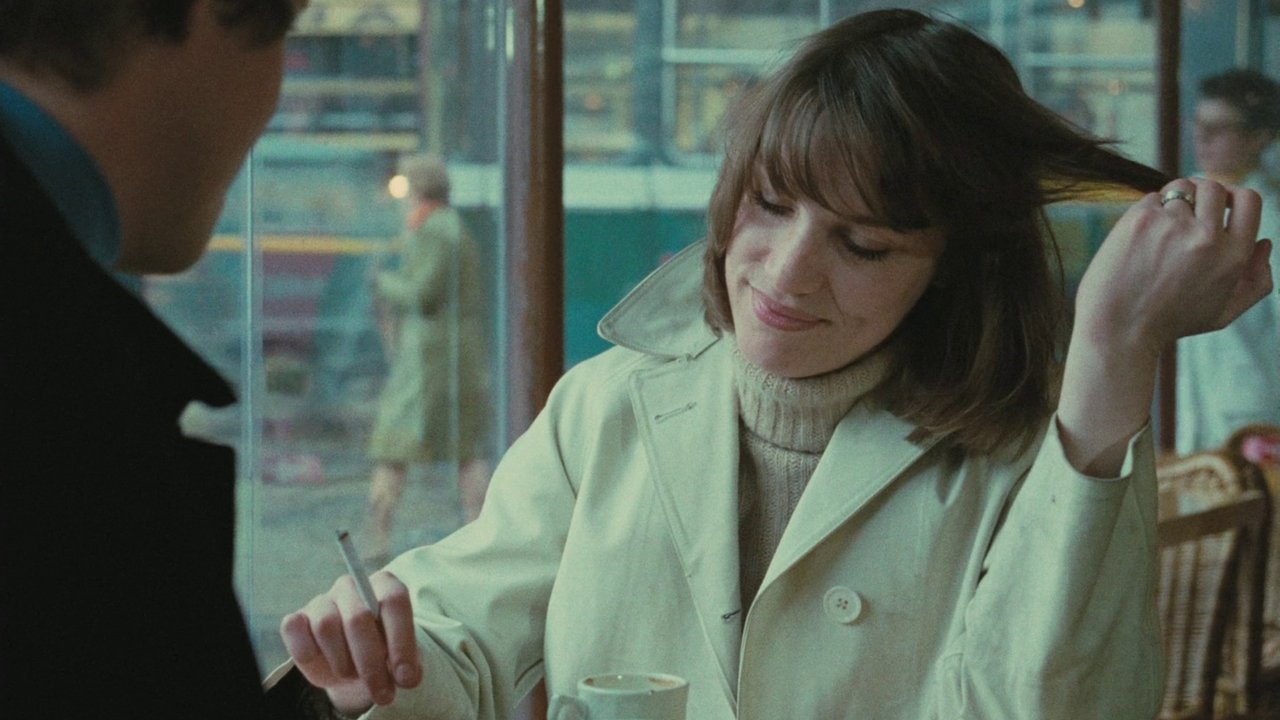
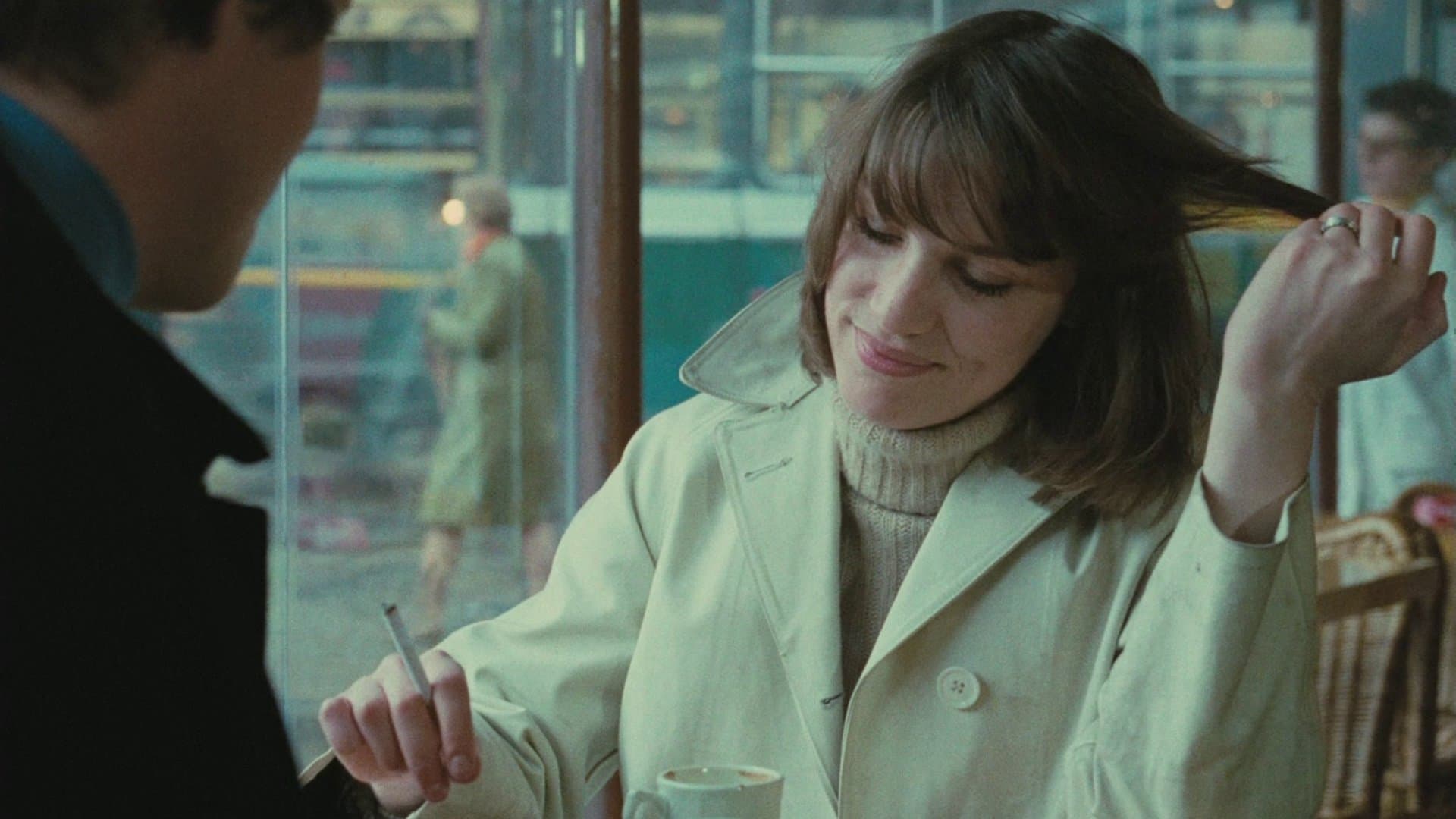
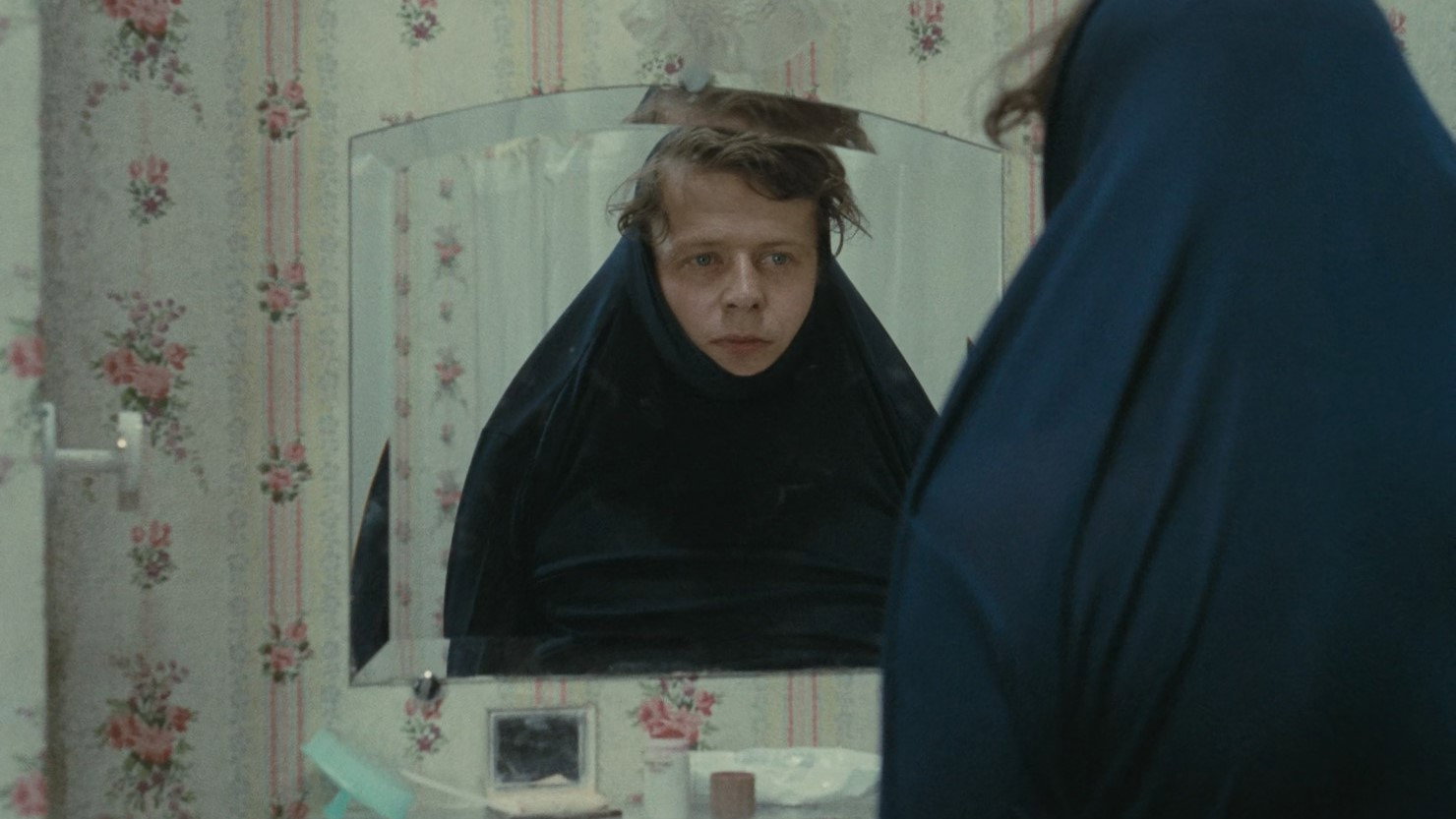
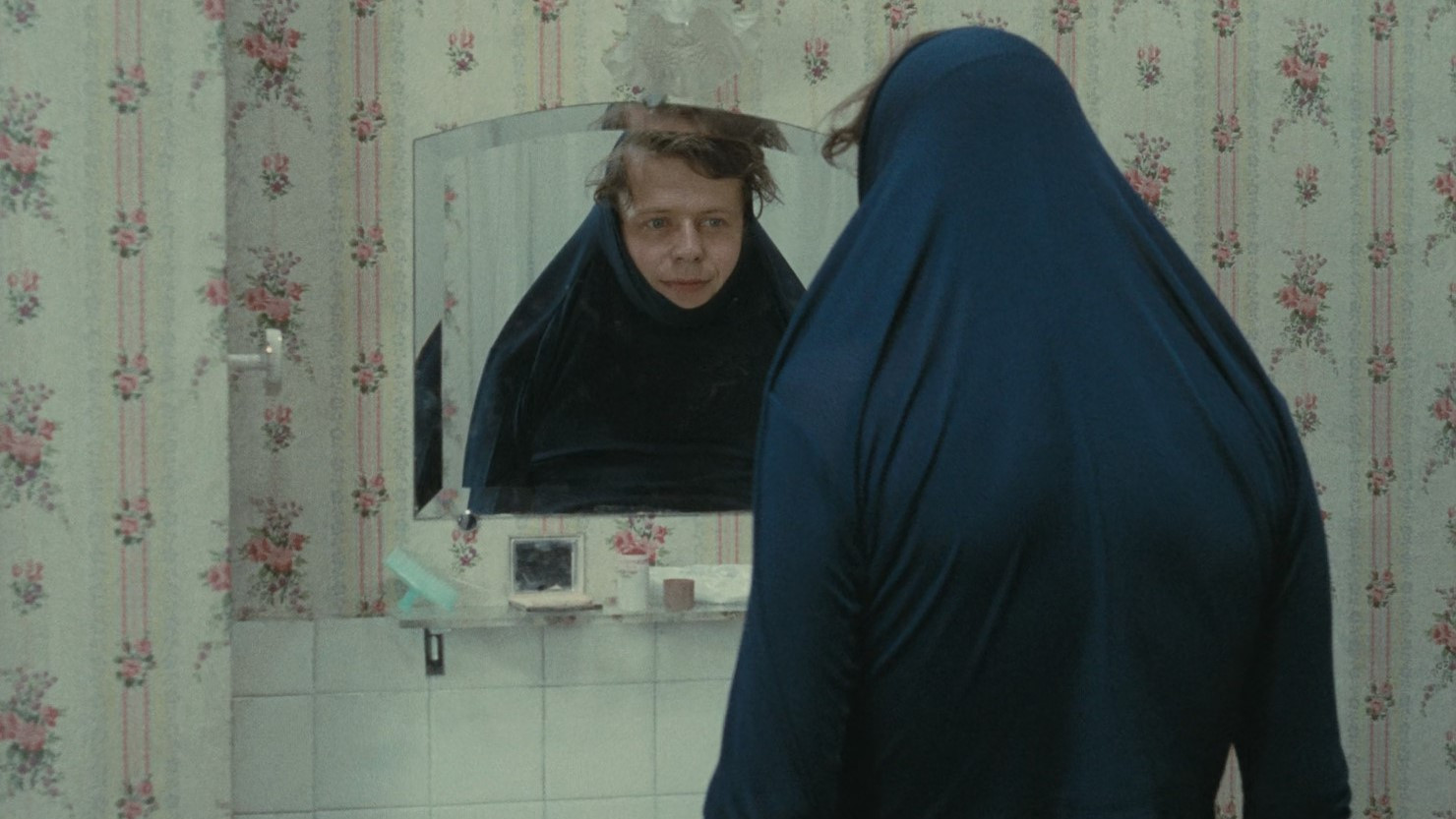
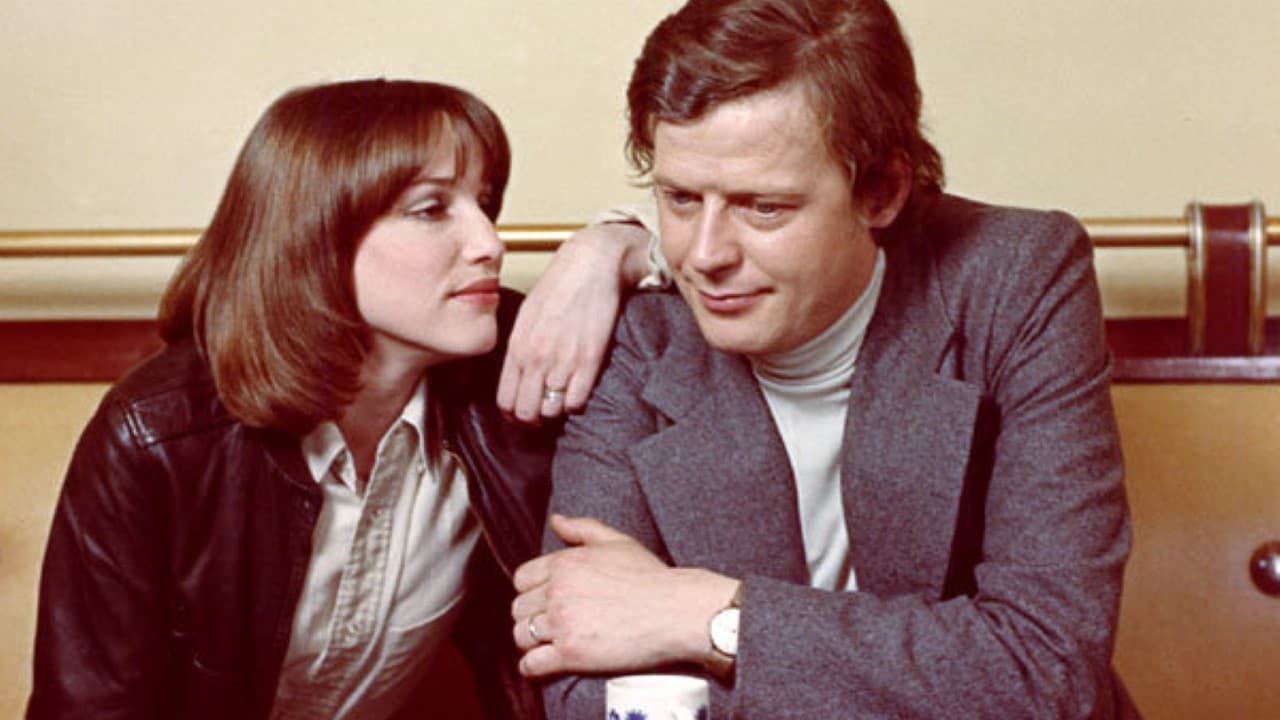
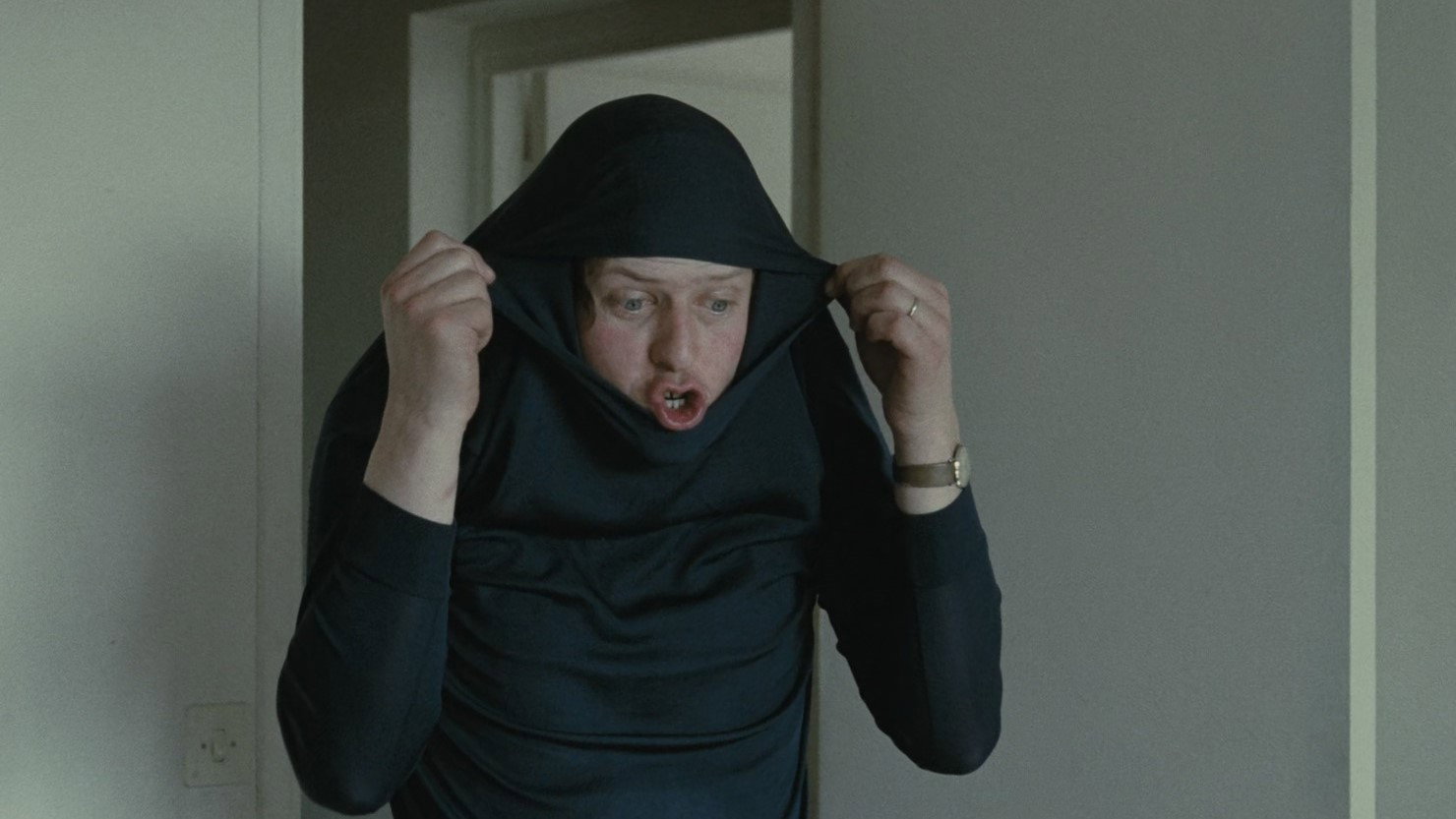
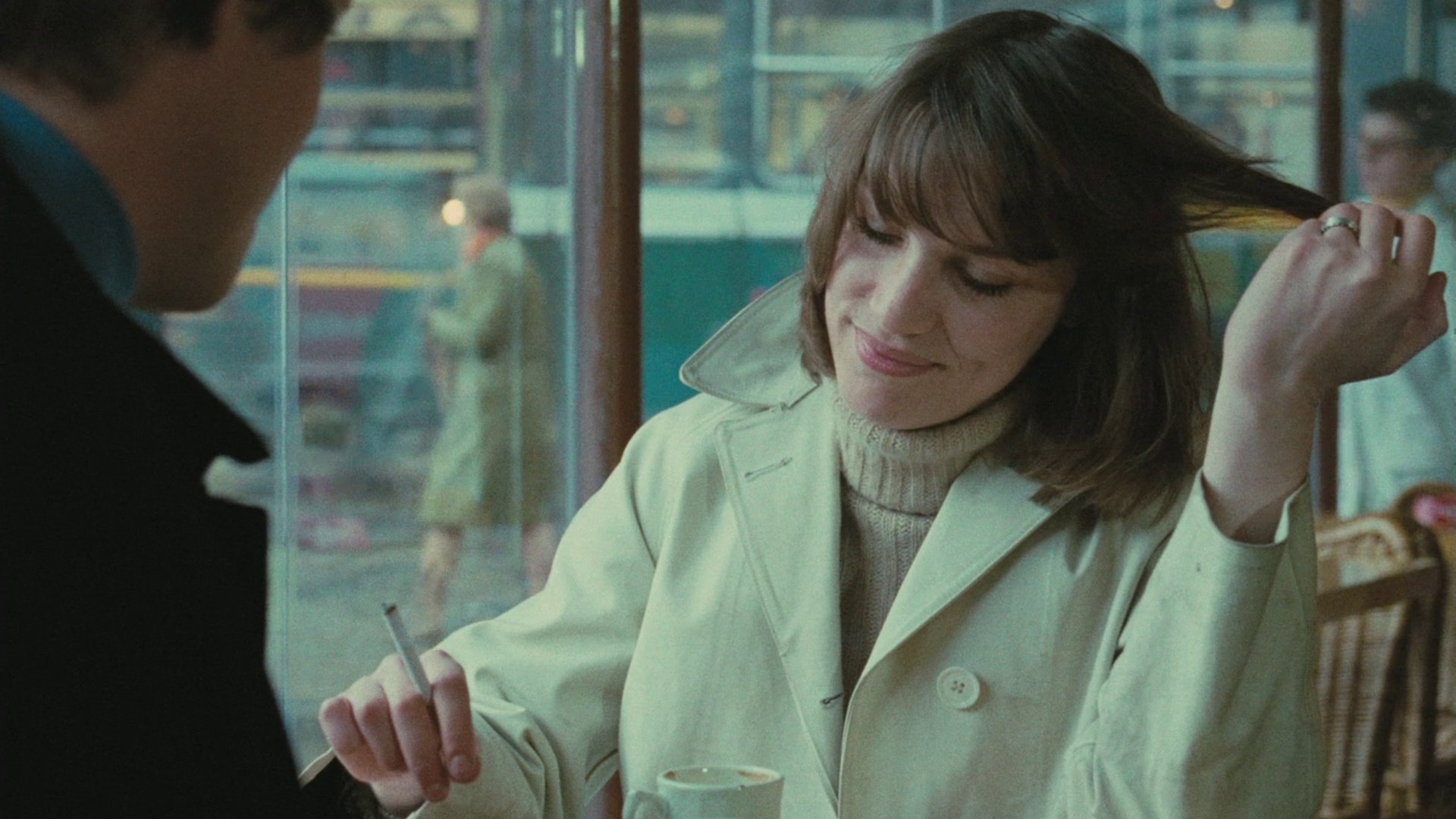
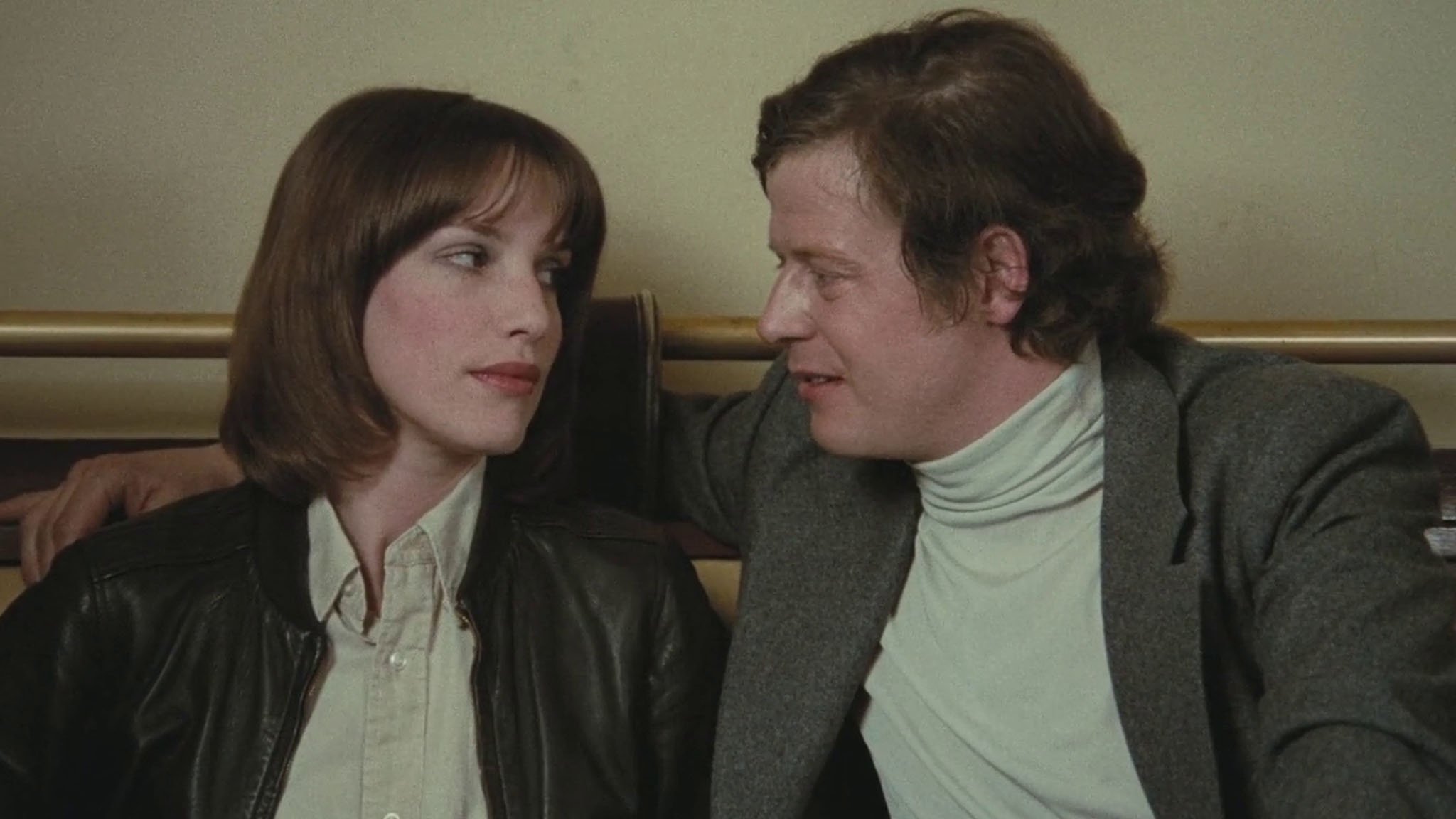
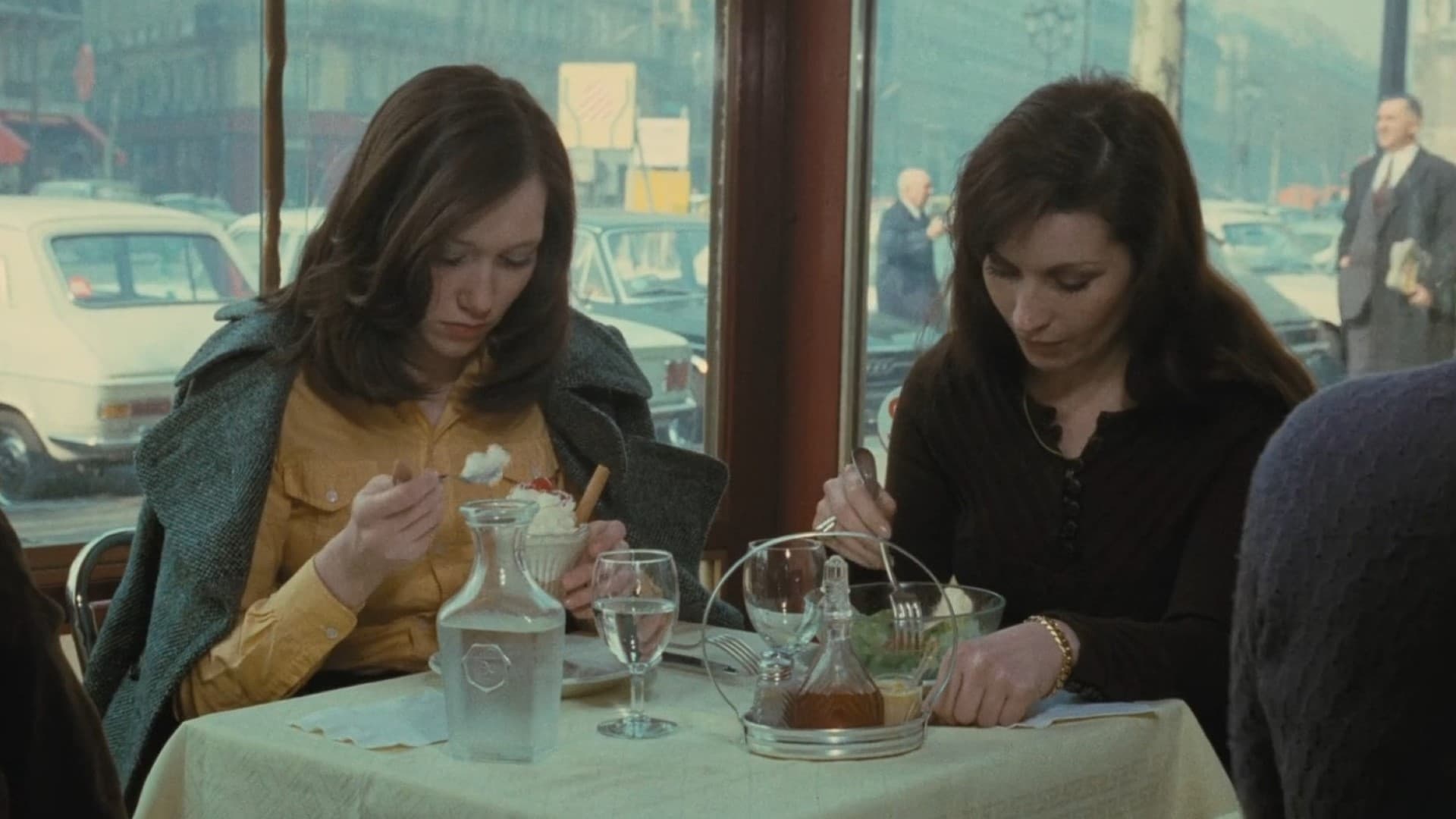
what I did feel fully was everything else. the film is gorgeous, the color, the textures, the way Paris looks in it. Rohmer creates atmosphere the way other directors create plot and here it is at its most intoxicating. but what struck me most, on the most immediate and physical level, was the dynamic between Frédéric and Chloé. I felt intensely drawn to both of them, to the tension between them, in a way that made me want to be inside the world of the film, to feel what they were feeling. Rohmer does something remarkable in making that pull so alive without ever being explicit about it. It operates almost below the level of language.
the moral architecture of the film is more serious than I expected, and more adult. Frédéric is a married man who fantasize, he walks around the city cataloguing beautiful women, surrounds himself with beautiful secretaries but is fundamentally confident in his marriage, in his life, in the settled order of things. until Chloé appears. and Chloé is the most interesting thing in the film. she is ambiguous, confident and aggressive on the surface but underneath something is clearly fracturing, as if something critical is happening in her life and Frédéric is her last saving straw. but Rohmer withholds the convincing explanation. the fragments she offers explain little. she remains incomprehensible even after she speaks, and the question of what is really happening to her lingers well past the final credits.
what makes Rohmer's moral framework so compelling, and what this film crystallizes better than I imagine the others do, is that it never moralizes in any simple sense. the ethical dilemma is real. the temptress is not a villain, she is more complex, more tragic, more interesting than that, and you cannot help but feel for her. and yet the suppression of that impulse, the return to the wife and the marriage and the ordinary life, is shown as something like ascension, a meeting in a profound sense that resists easy rationalization. Rohmer is testing the strength of his protagonist's beliefs by making it genuinely difficult, by making you understand exactly what is being given up. that is what separates this from a lesser film about fidelity. you feel the weight of both sides.
a masterpiece.
my first entry into Rohmer's Six Moral Tales cycle, which I came to out of order, I had intended to start with My Night at Maud's but subtitle issues sent me here instead. I noticed at the opening that this was part of a series but Rohmer being Rohmer, I assumed you could watch them independently and still make full sense of it. you can. though reading about the cycle afterwards I understand there is a deeper connectedness I missed. the introduction where Rohmer catalogs the types of women who attract and torment his men, drawing on actresses from previous films, landed differently for me than it would for someone who had done the full journey. he gives them names: indifferent, hurried, hesitant, busy, accompanied, alone. I got the idea. I just didn't feel the full accumulated weight of it.
what I did feel fully was everything else. the film is gorgeous, the color, the textures, the way Paris looks in it. Rohmer creates atmosphere the way other directors create plot and here it is at its most intoxicating. but what struck me most, on the most immediate and physical level, was the dynamic between Frédéric and Chloé. I felt intensely drawn to both of them, to the tension between them, in a way that made me want to be inside the world of the film, to feel what they were feeling. Rohmer does something remarkable in making that pull so alive without ever being explicit about it. It operates almost below the level of language.
the moral architecture of the film is more serious than I expected, and more adult. Frédéric is a married man who fantasize, he walks around the city cataloguing beautiful women, surrounds himself with beautiful secretaries but is fundamentally confident in his marriage, in his life, in the settled order of things. until Chloé appears. and Chloé is the most interesting thing in the film. she is ambiguous, confident and aggressive on the surface but underneath something is clearly fracturing, as if something critical is happening in her life and Frédéric is her last saving straw. but Rohmer withholds the convincing explanation. the fragments she offers explain little. she remains incomprehensible even after she speaks, and the question of what is really happening to her lingers well past the final credits.

what makes Rohmer's moral framework so compelling, and what this film crystallizes better than I imagine the others do, is that it never moralizes in any simple sense. the ethical dilemma is real. the temptress is not a villain, she is more complex, more tragic, more interesting than that, and you cannot help but feel for her. and yet the suppression of that impulse, the return to the wife and the marriage and the ordinary life, is shown as something like ascension, a meeting in a profound sense that resists easy rationalization. Rohmer is testing the strength of his protagonist's beliefs by making it genuinely difficult, by making you understand exactly what is being given up. that is what separates this from a lesser film about fidelity. you feel the weight of both sides.
a masterpiece.