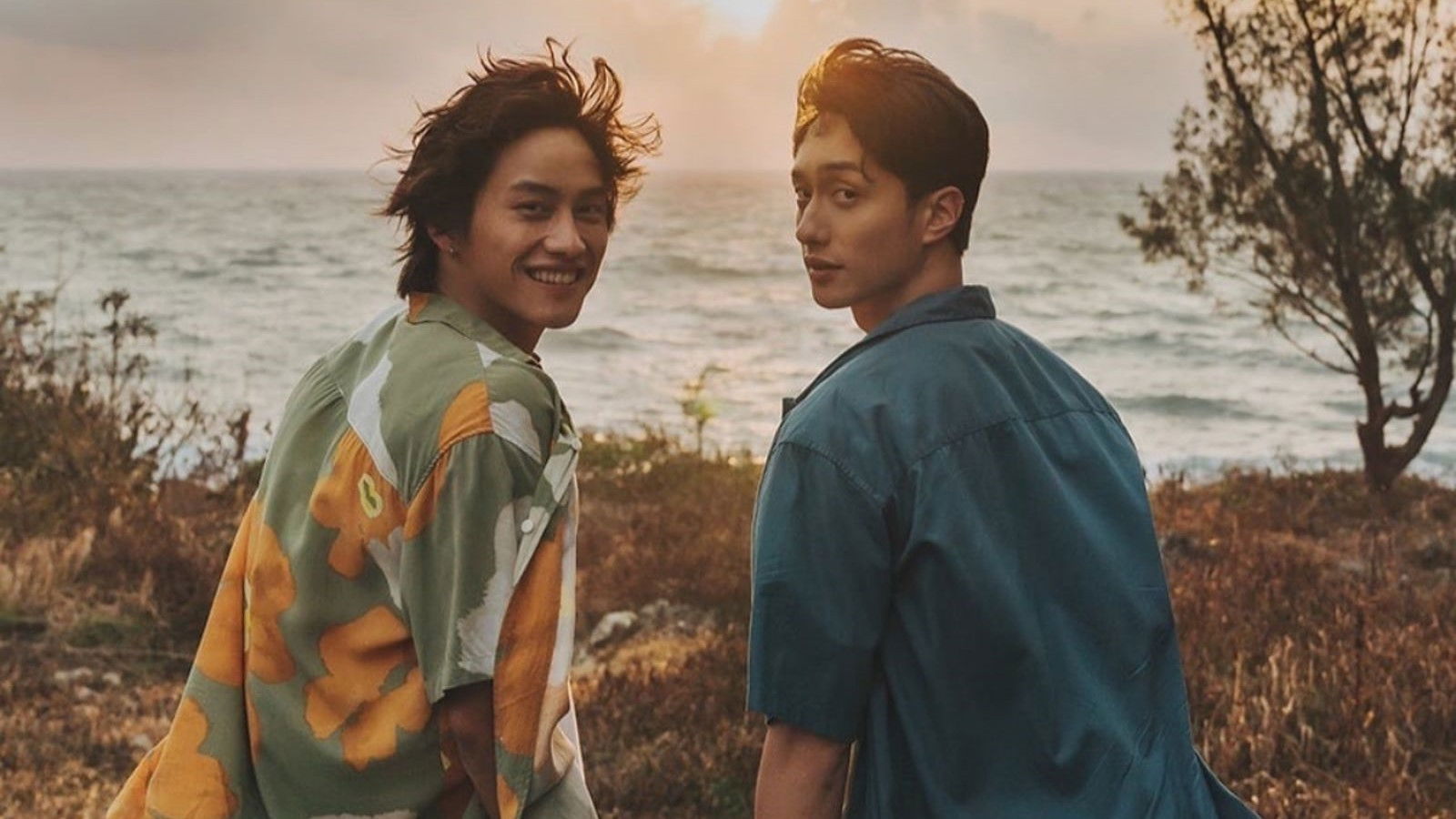
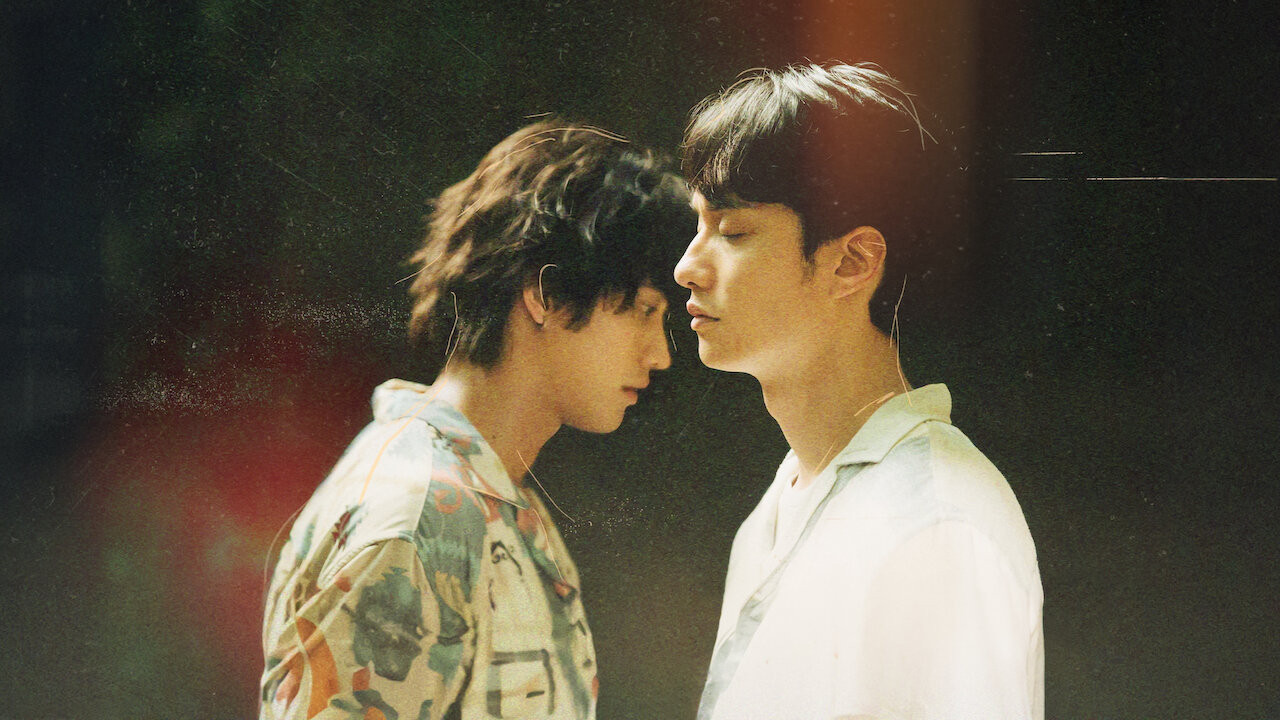
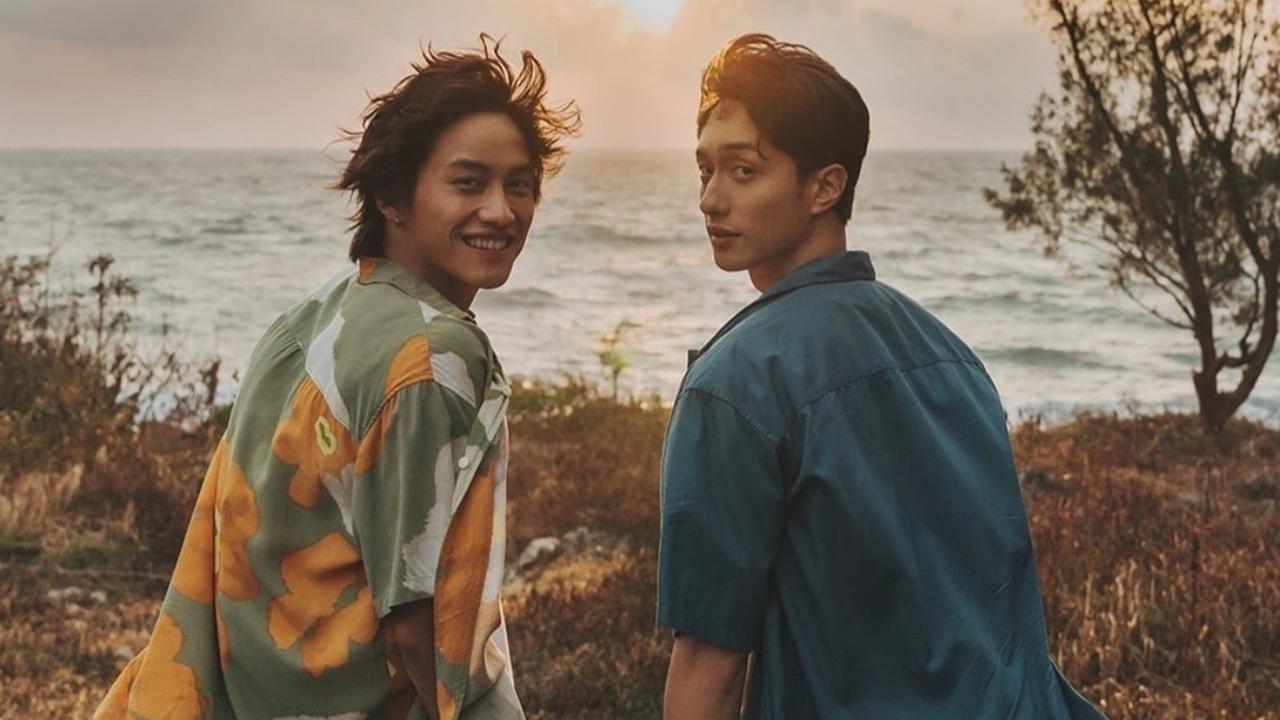
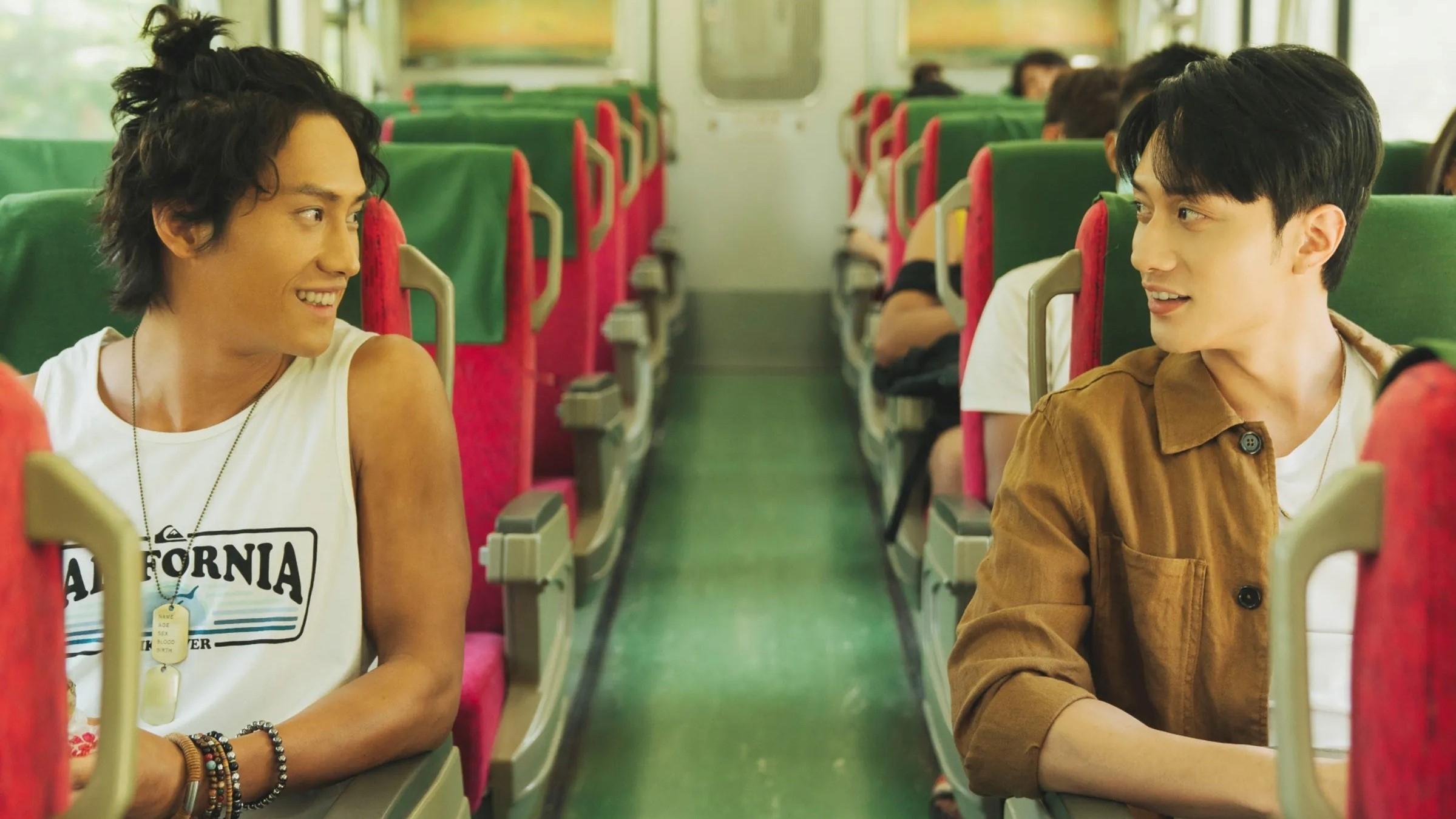
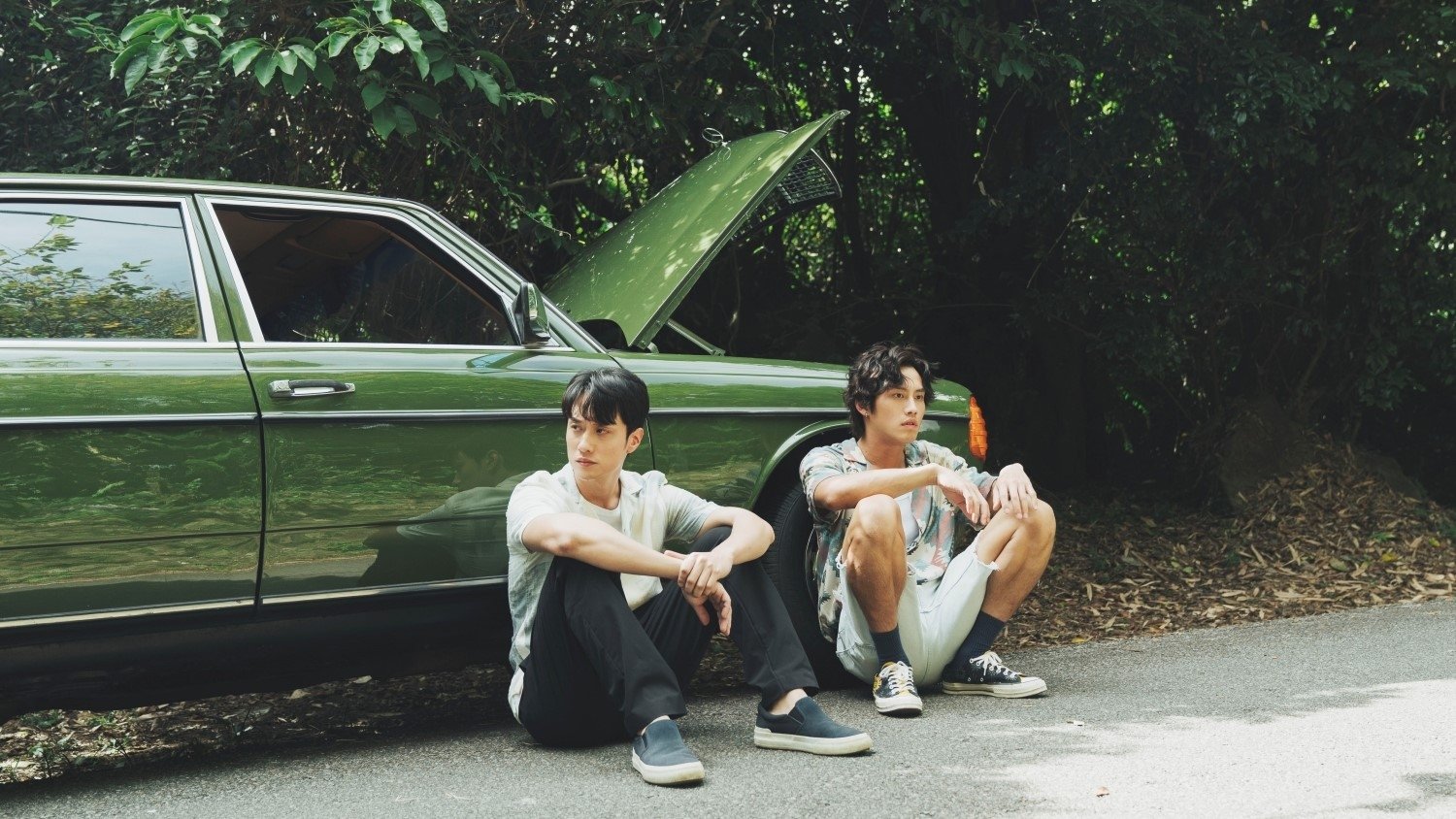
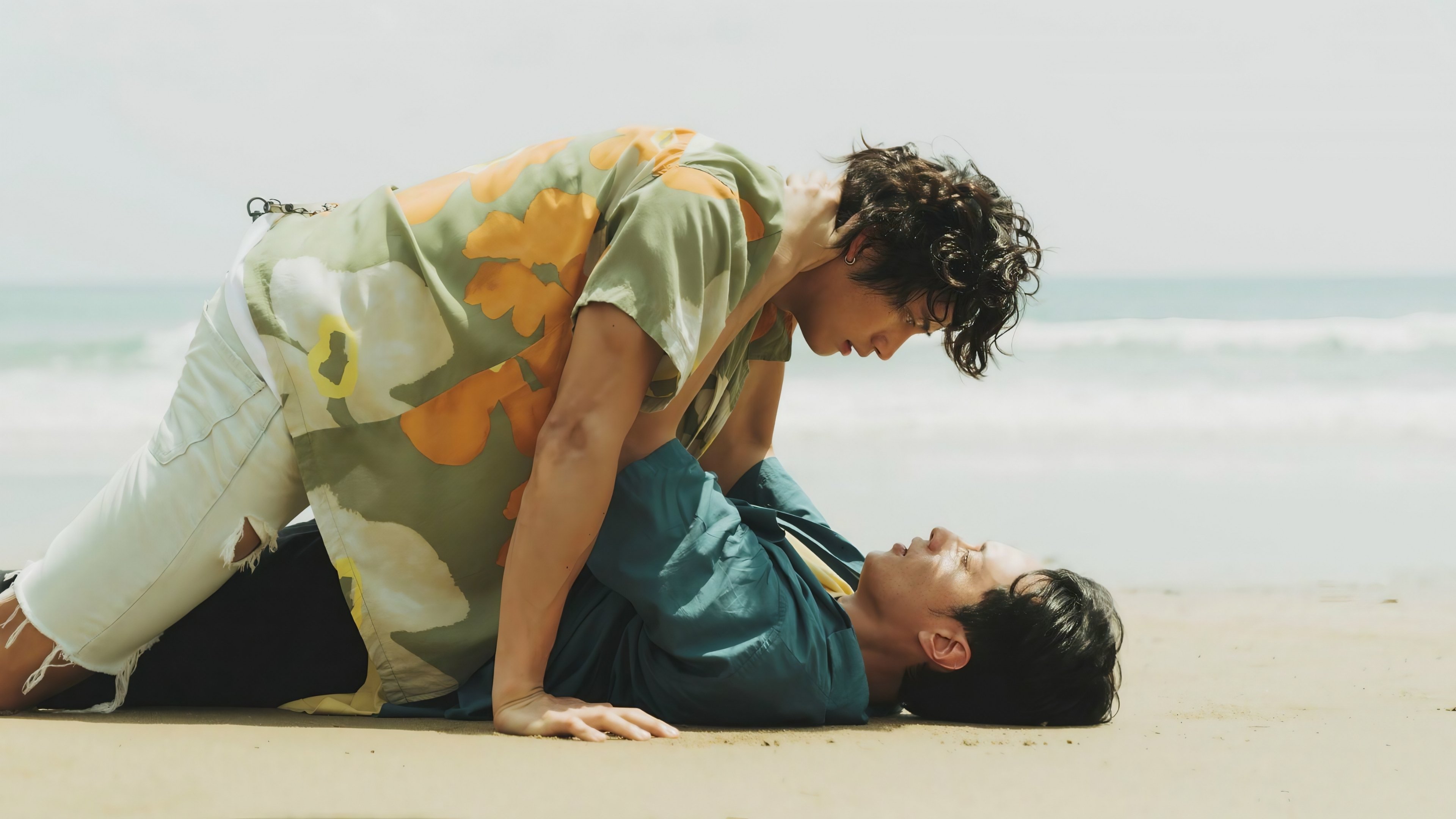
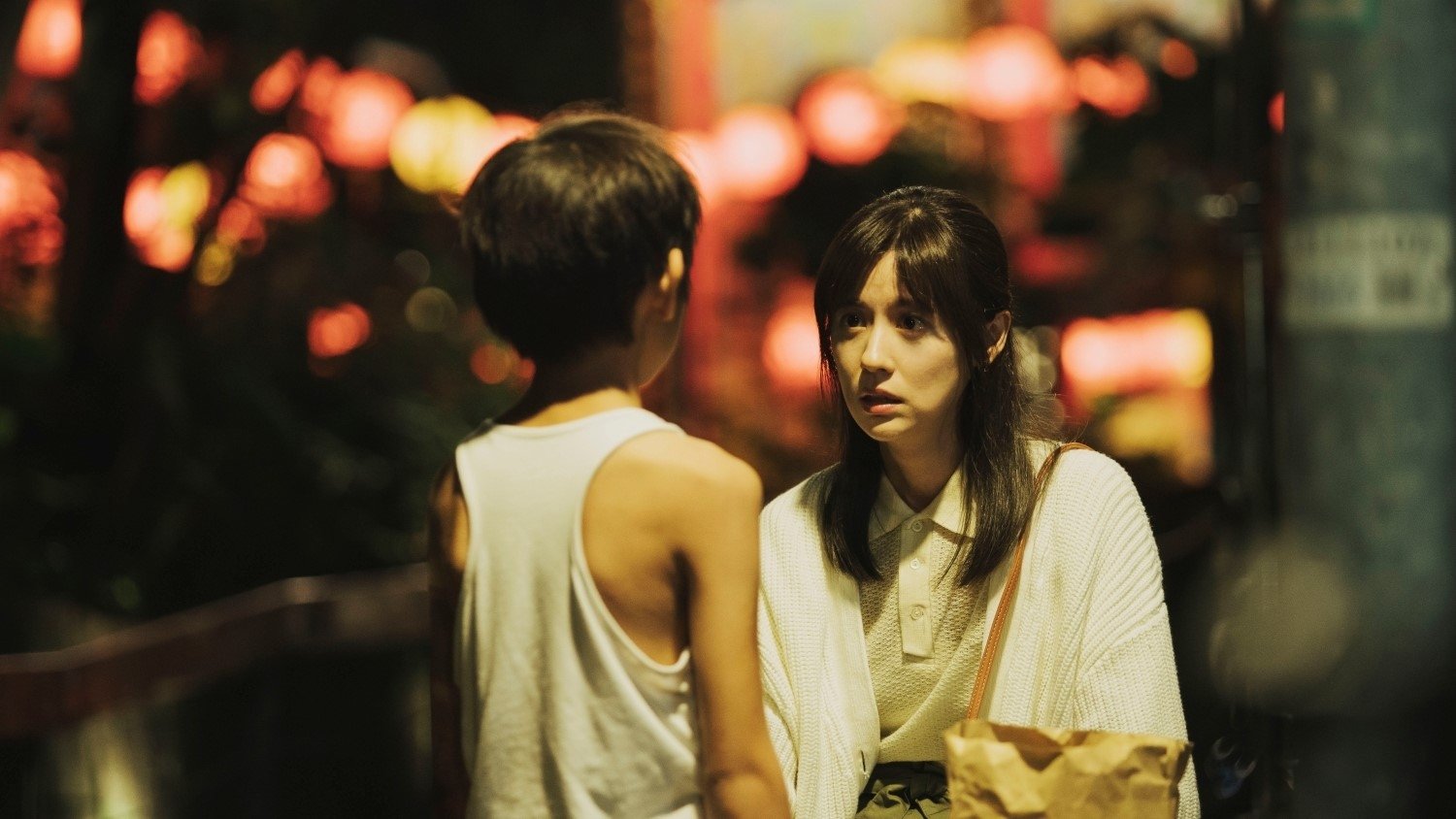
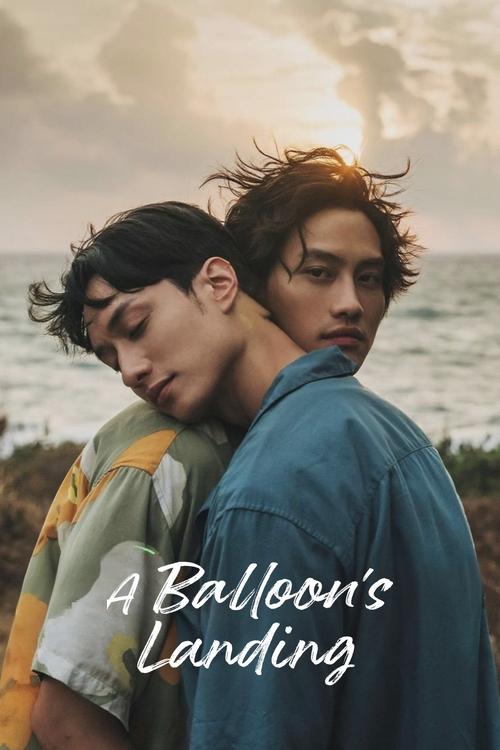
There’s a certain weight to the cinematography of this film that takes your breath away. I’ve always been drawn to color grading that captures the raw beauty of life and nature, and here, the colors do more than just look beautiful. They shape the film’s entire emotional atmosphere.
This isn’t your typical friendship build-up story. There’s a deeper complexity that slowly unfolded as the film progressed. The use of handwritten letters adds a nostalgic intimacy, making their connection feel personal and real. I wouldn’t strictly call it a romance, but it offers a compelling take on a slow burn connection that lingers in ways that feel almost too real.
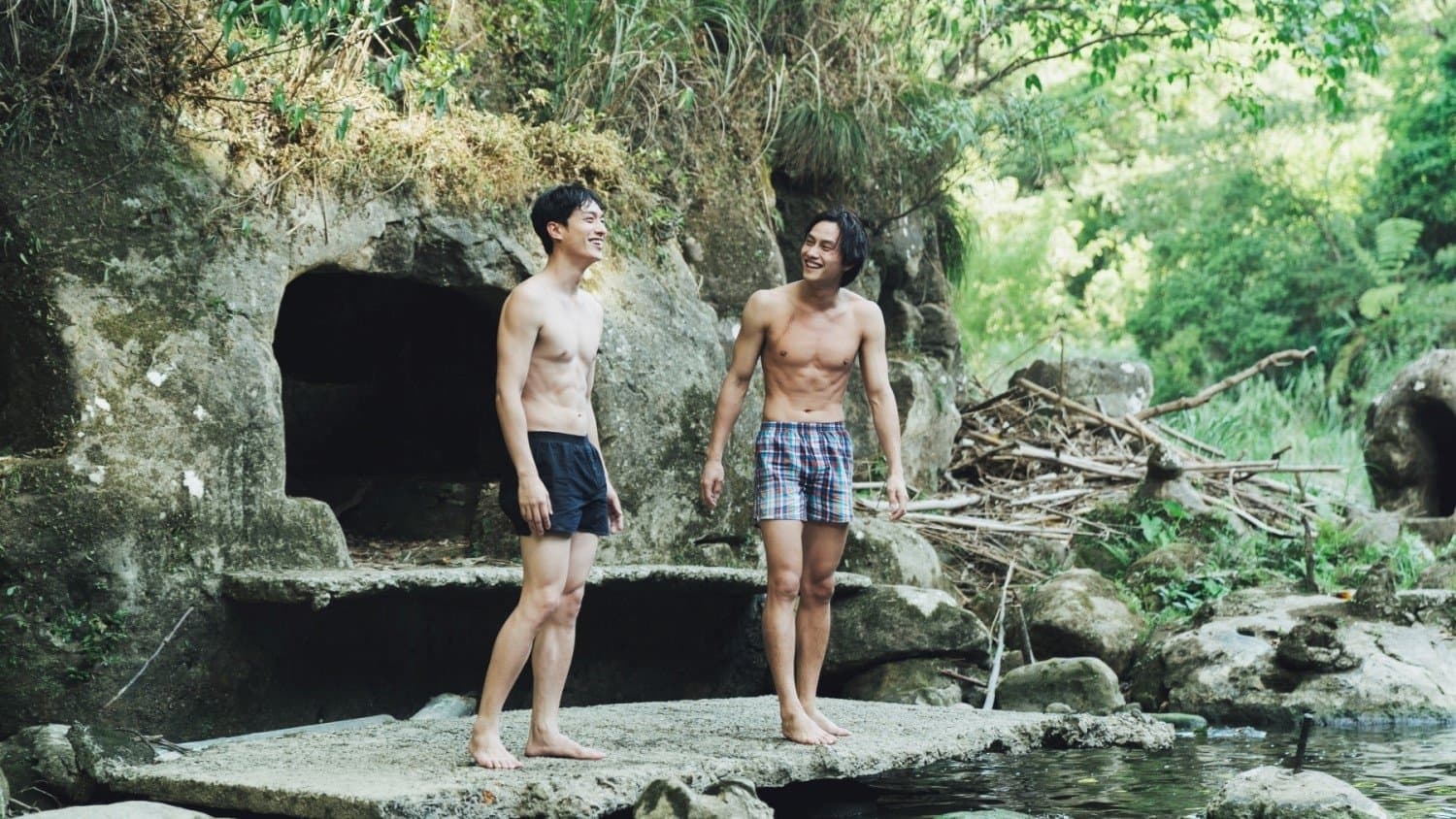
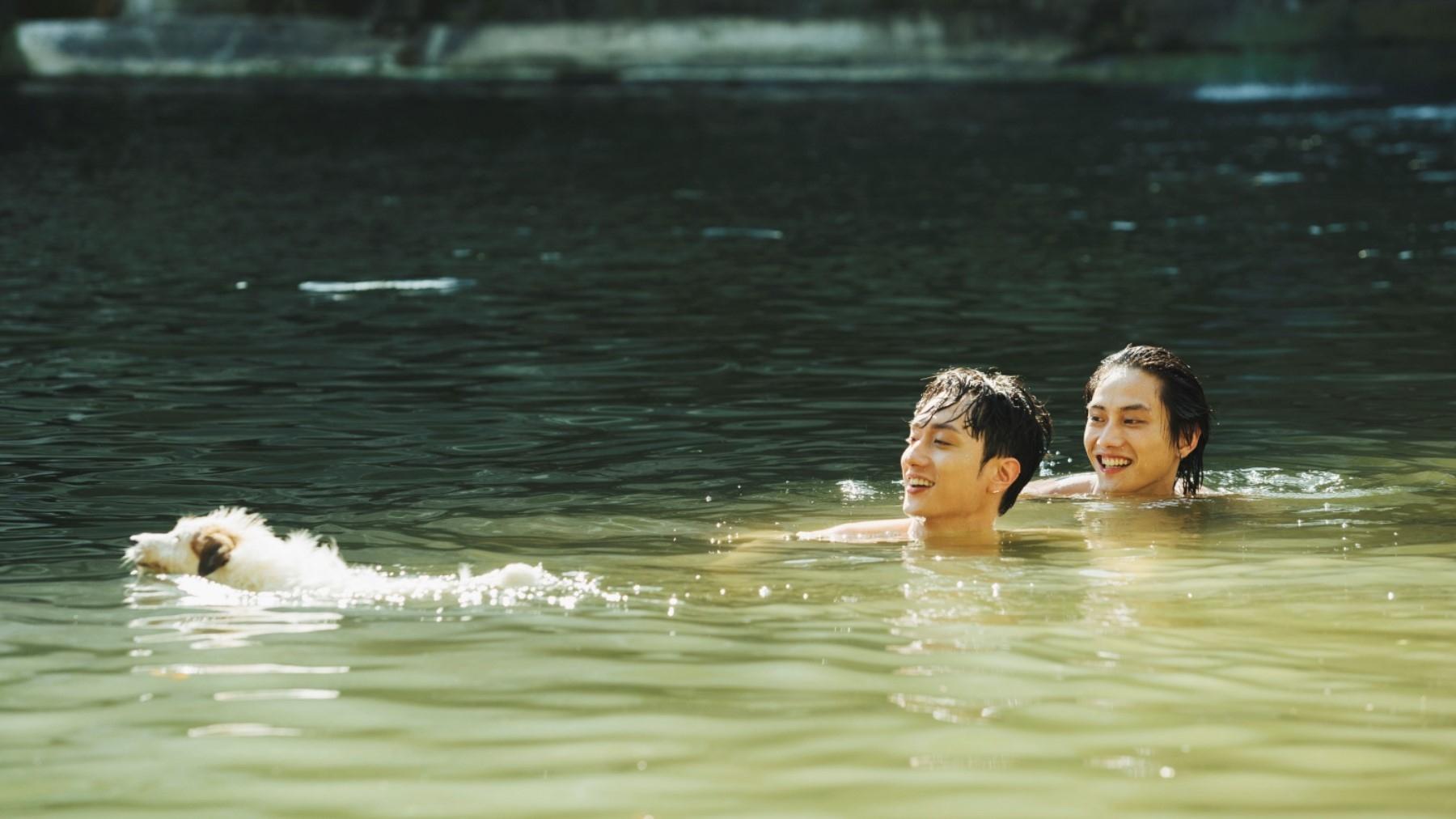
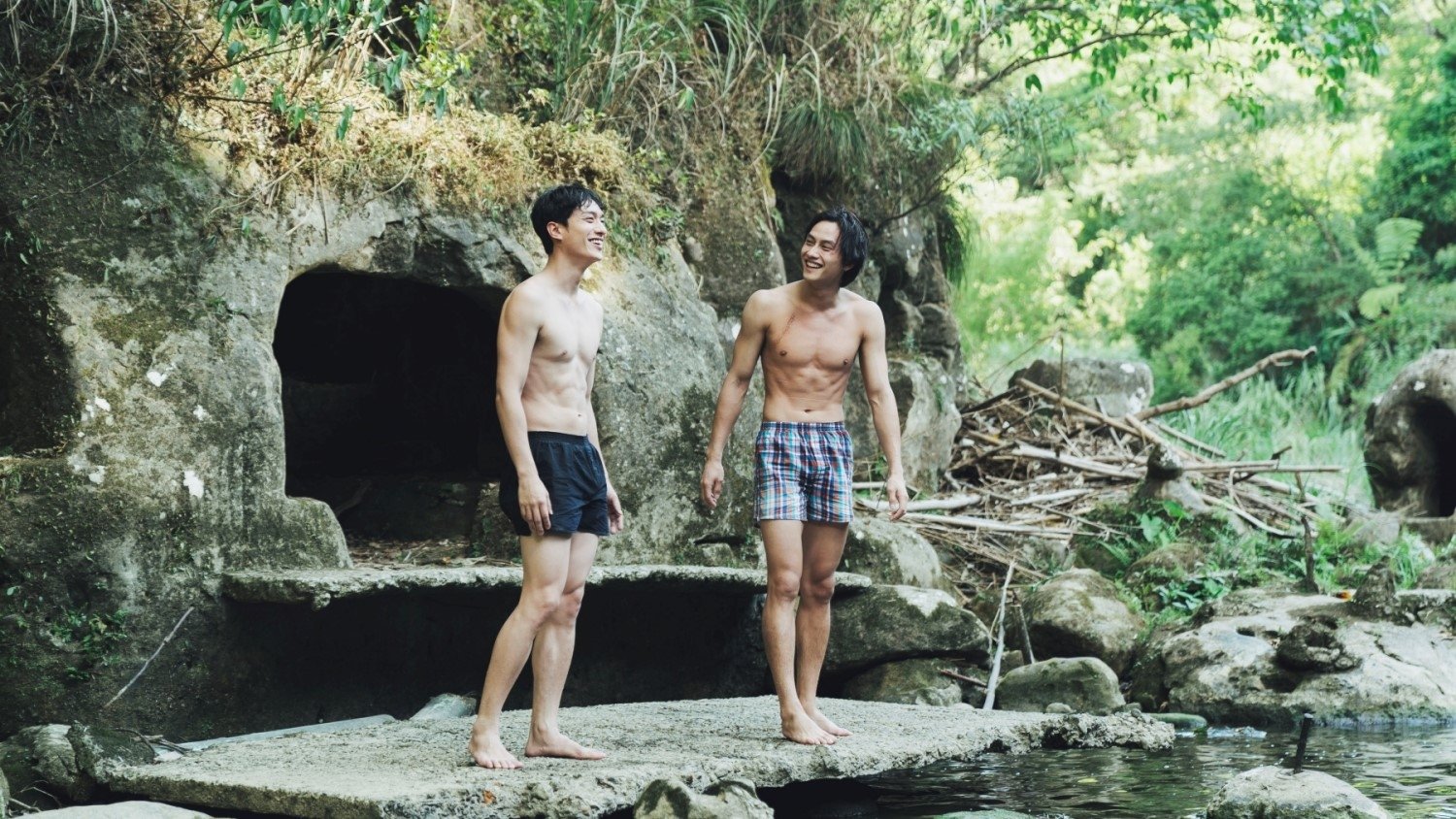
The first half is filled with heart fluttering warmth, especially in the tenderness of their pinky promise and the quiet freedom of that waterfall scene. It feels light and almost hopeful, like something you want to hold onto before it slips away.
Then the second half hits and everything shifts.
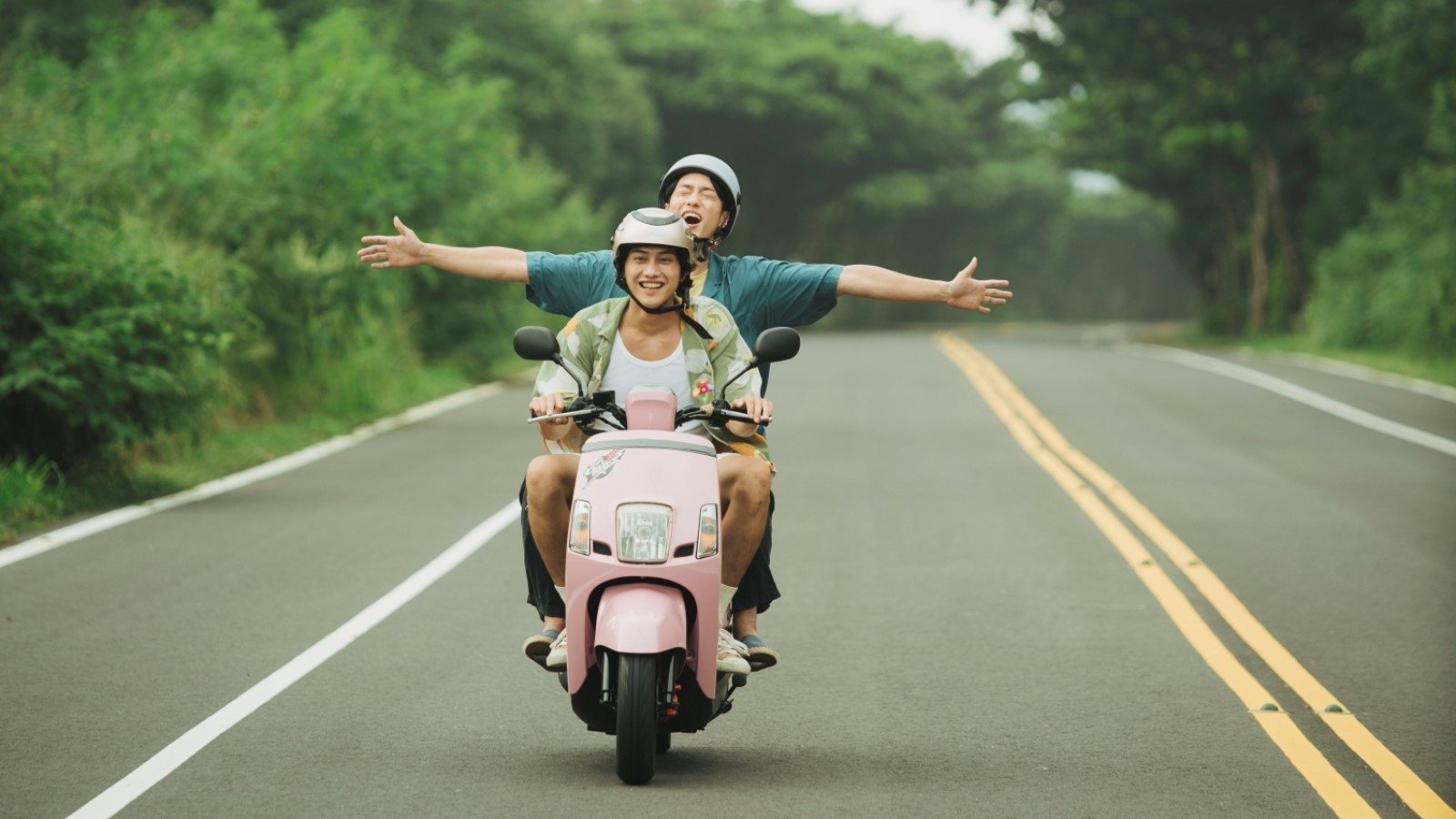
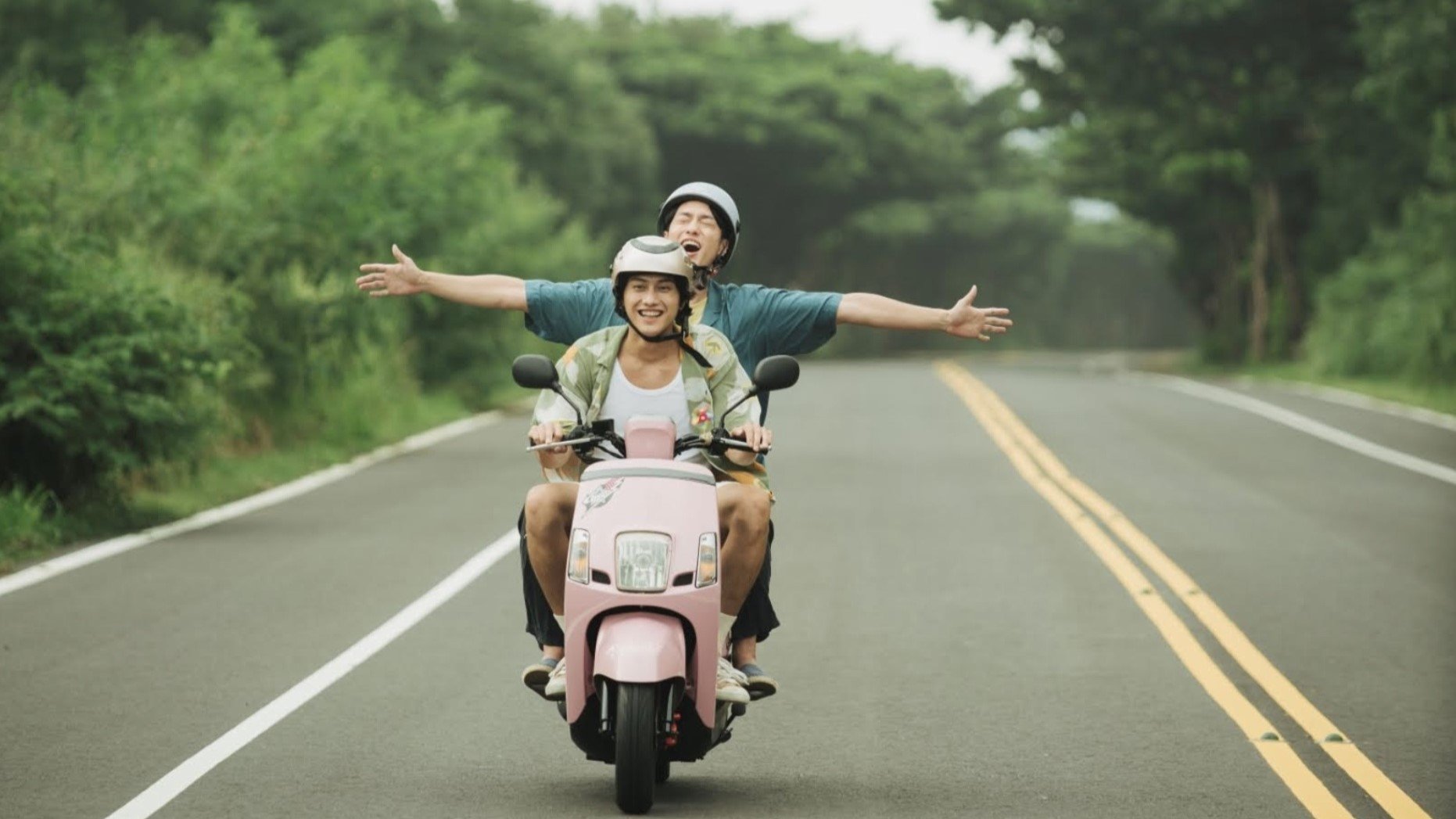
The transition from warmth to heartbreak is jarring. Tian-Yu’s realization hits quietly but powerfully. Memories of A-Xiang come to the surface—the laughter on the motorcycle rides, their moments at the beach, the letters they exchanged, and the absence of him at the fireworks festival. Each flashback overlaps with the present, revealing how A-Xiang’s life may have taken a different path in another timeline, yet their connection endures. Time and space may bend, but somehow they are destined to meet again. This shift turns what once felt soft and hopeful into something fragile and almost unbearably bittersweet.
The ending remains vague and far from explicit, but it lingers like a quiet echo. It is one of the rare movies that did not make me cry, yet it left a hollow ache. It reminds us that even across different lives and timelines, some connections are inevitable. It is a reminder of the lives that might have been and the versions of us that never got to stay.
"Tian-Yu, don't die. I'm here waiting for you."