
2012·Action·1h 52m
7.1
★
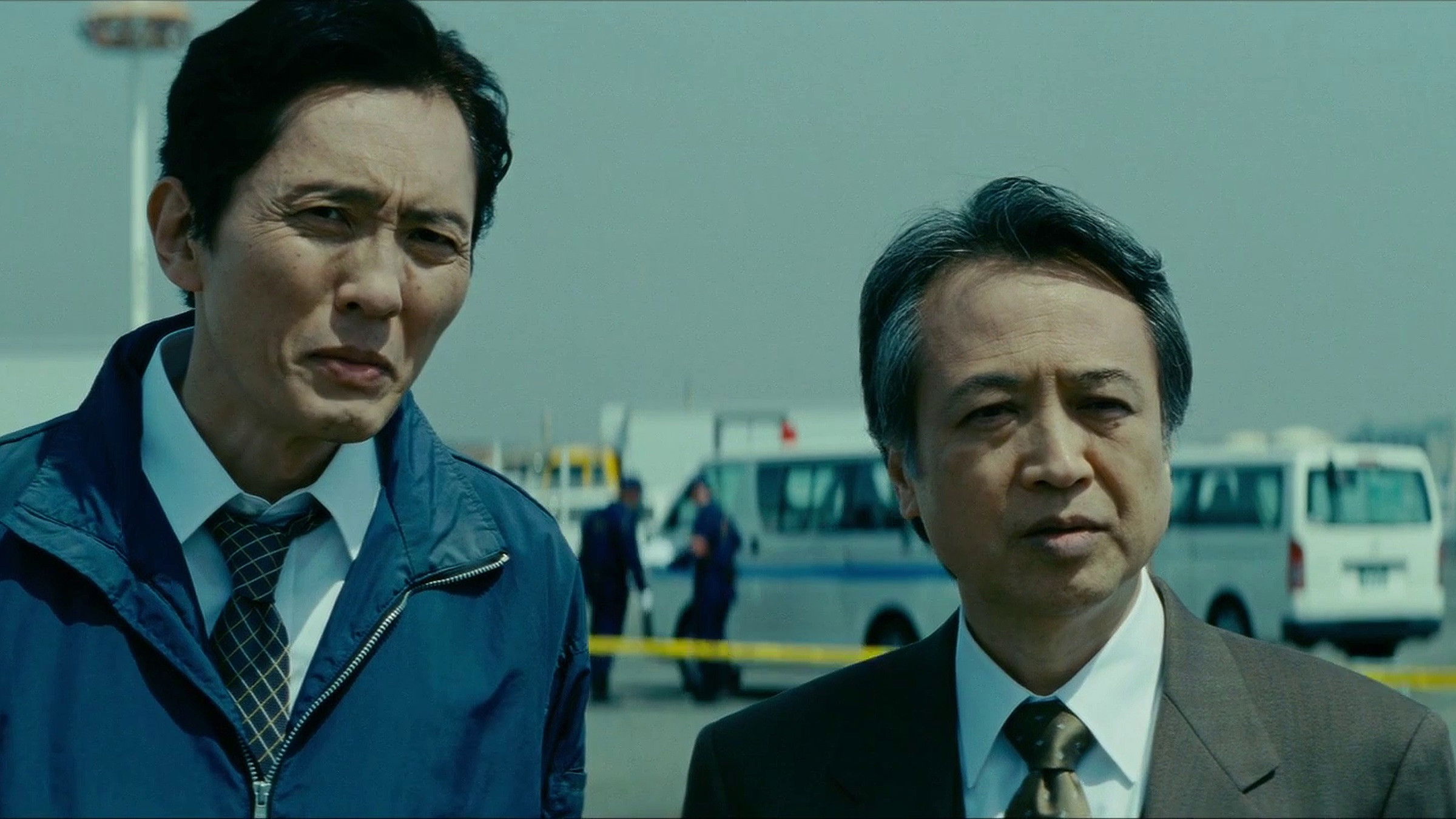
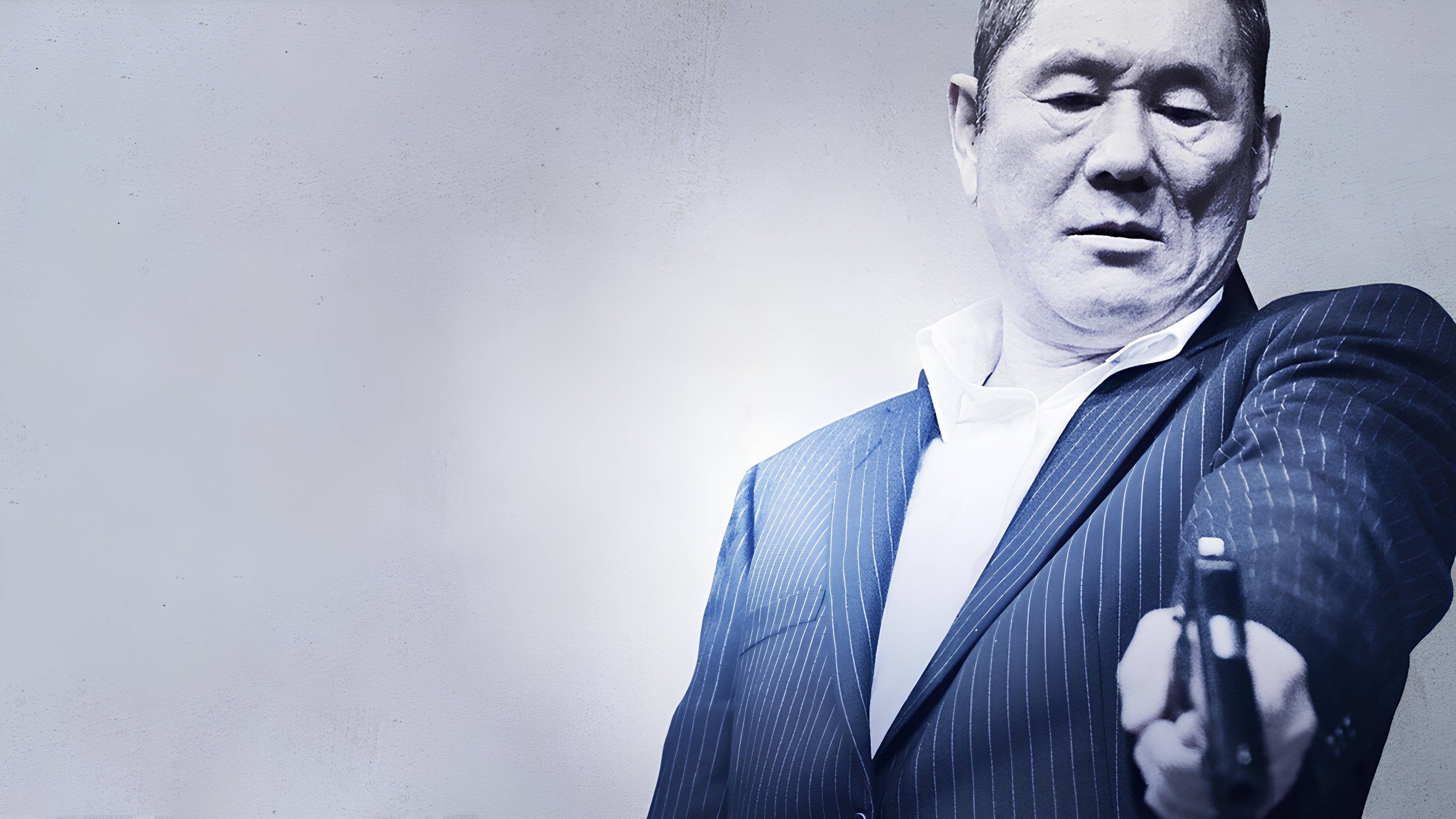
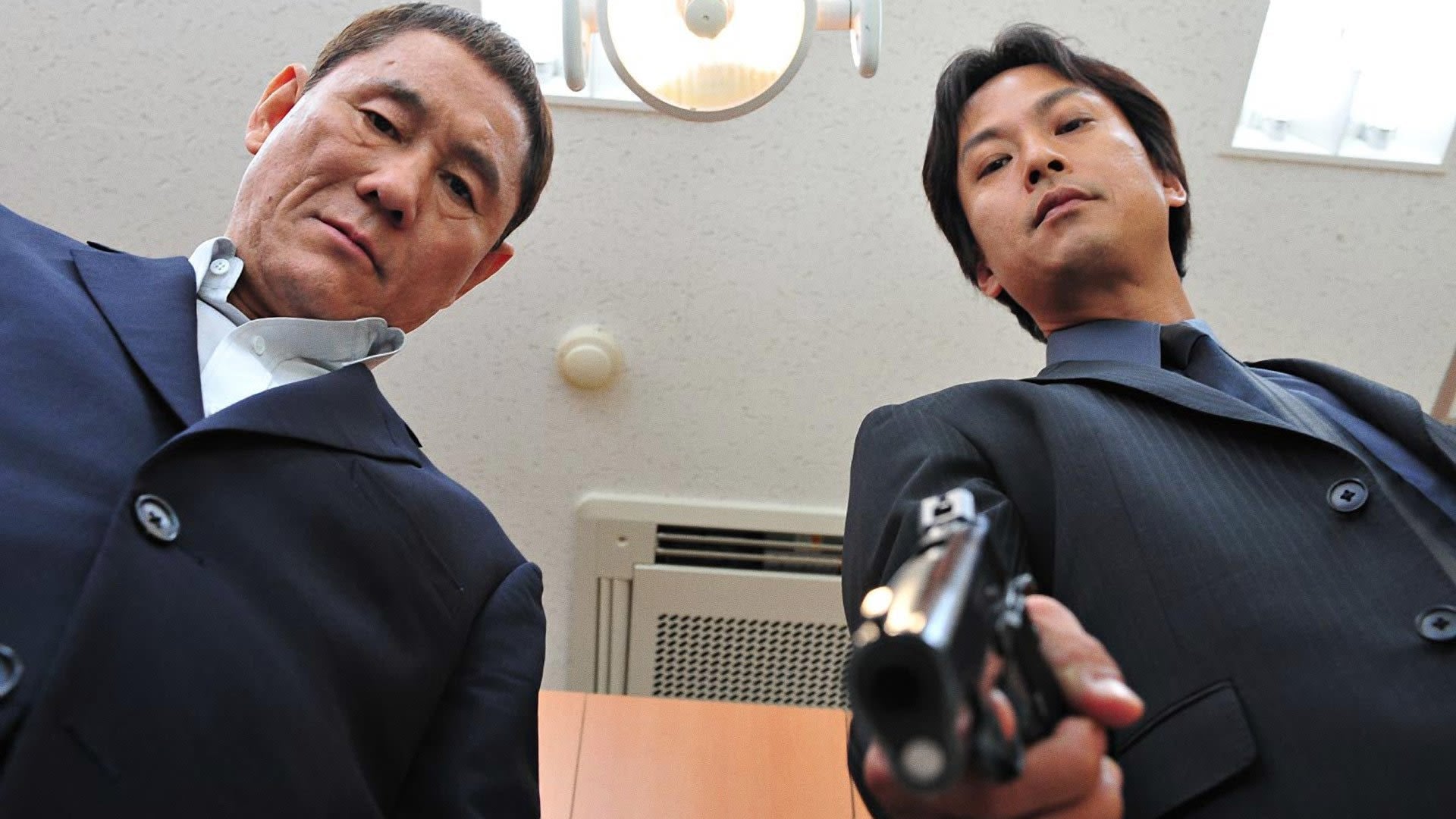
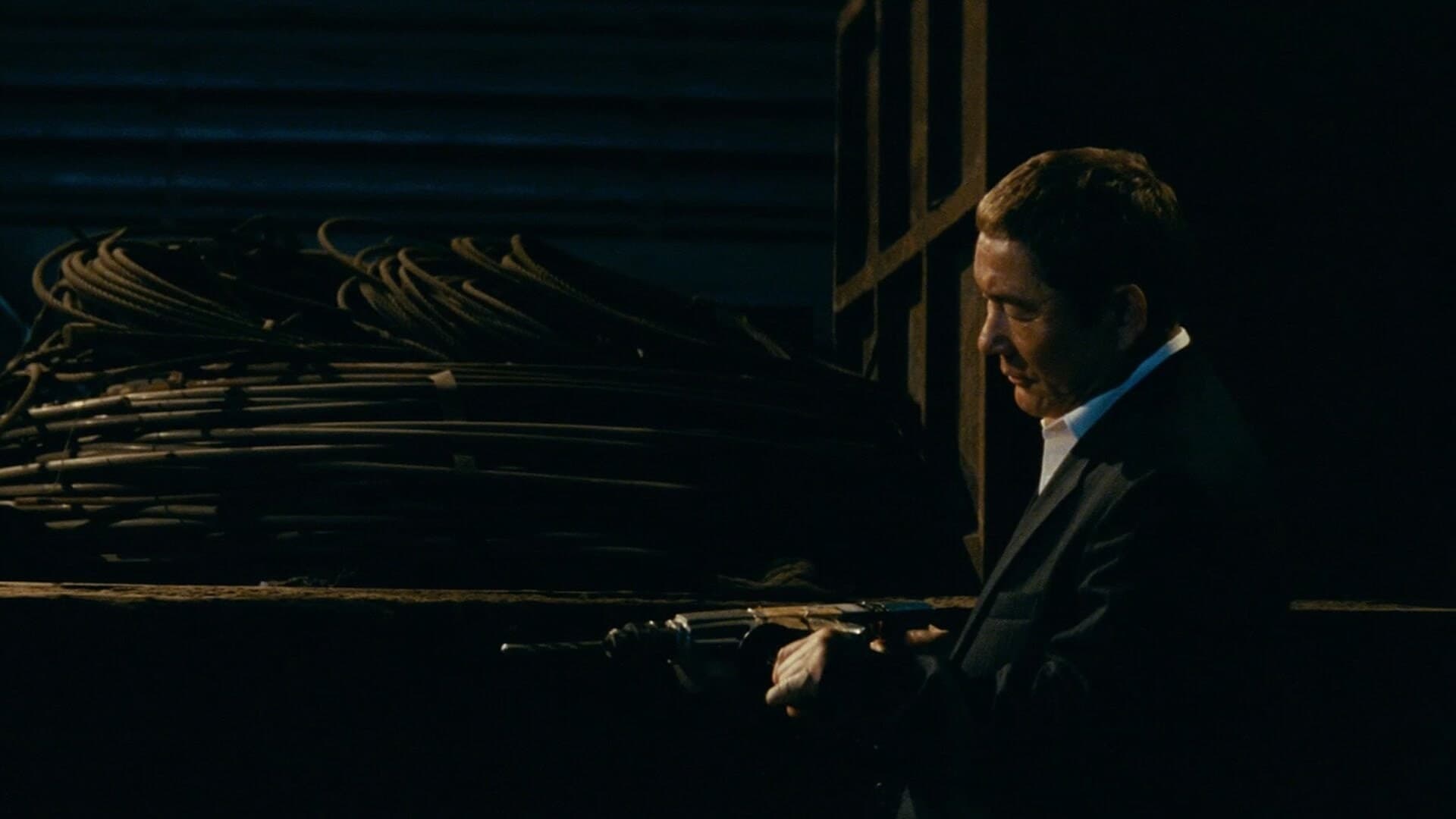
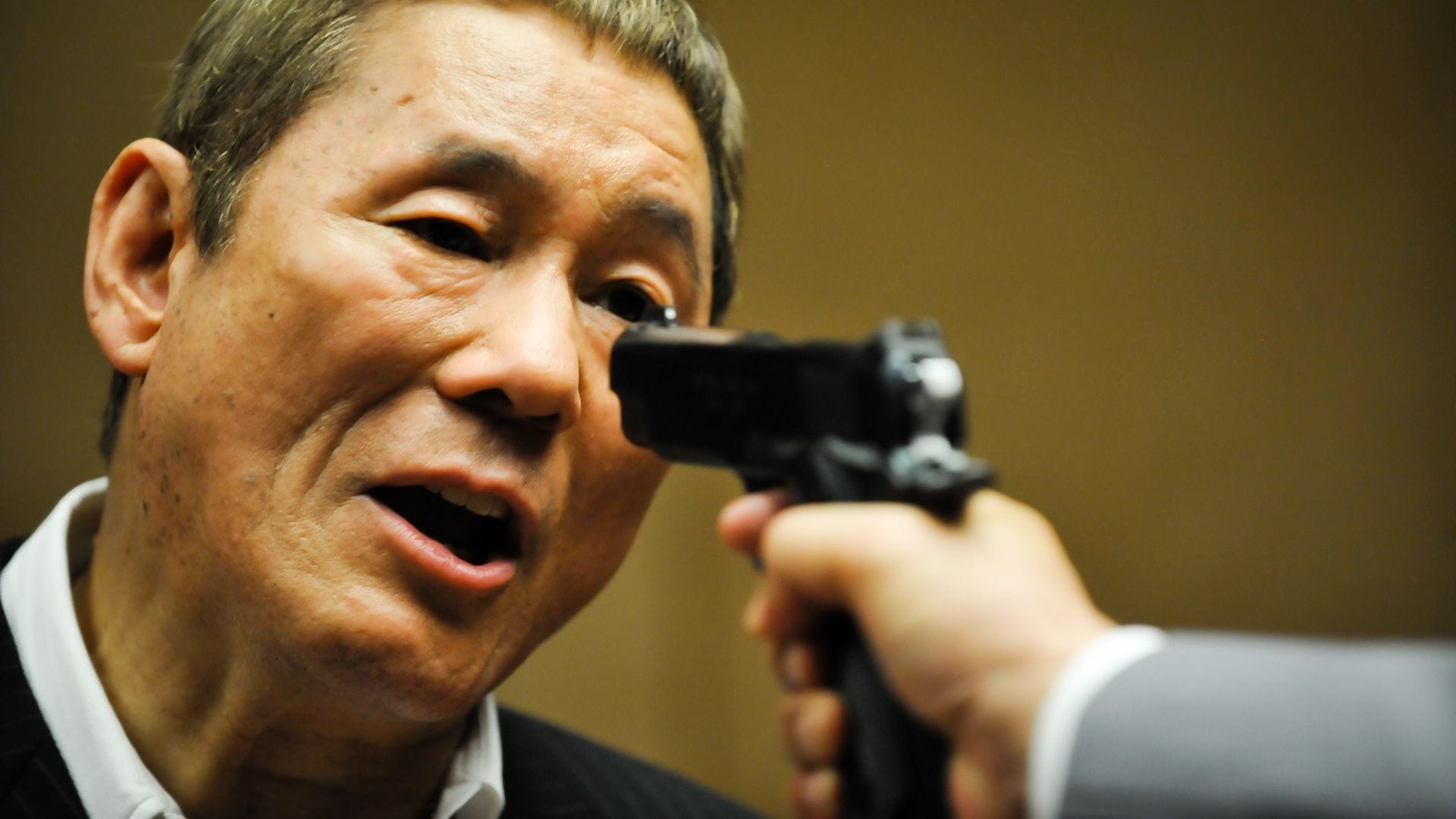
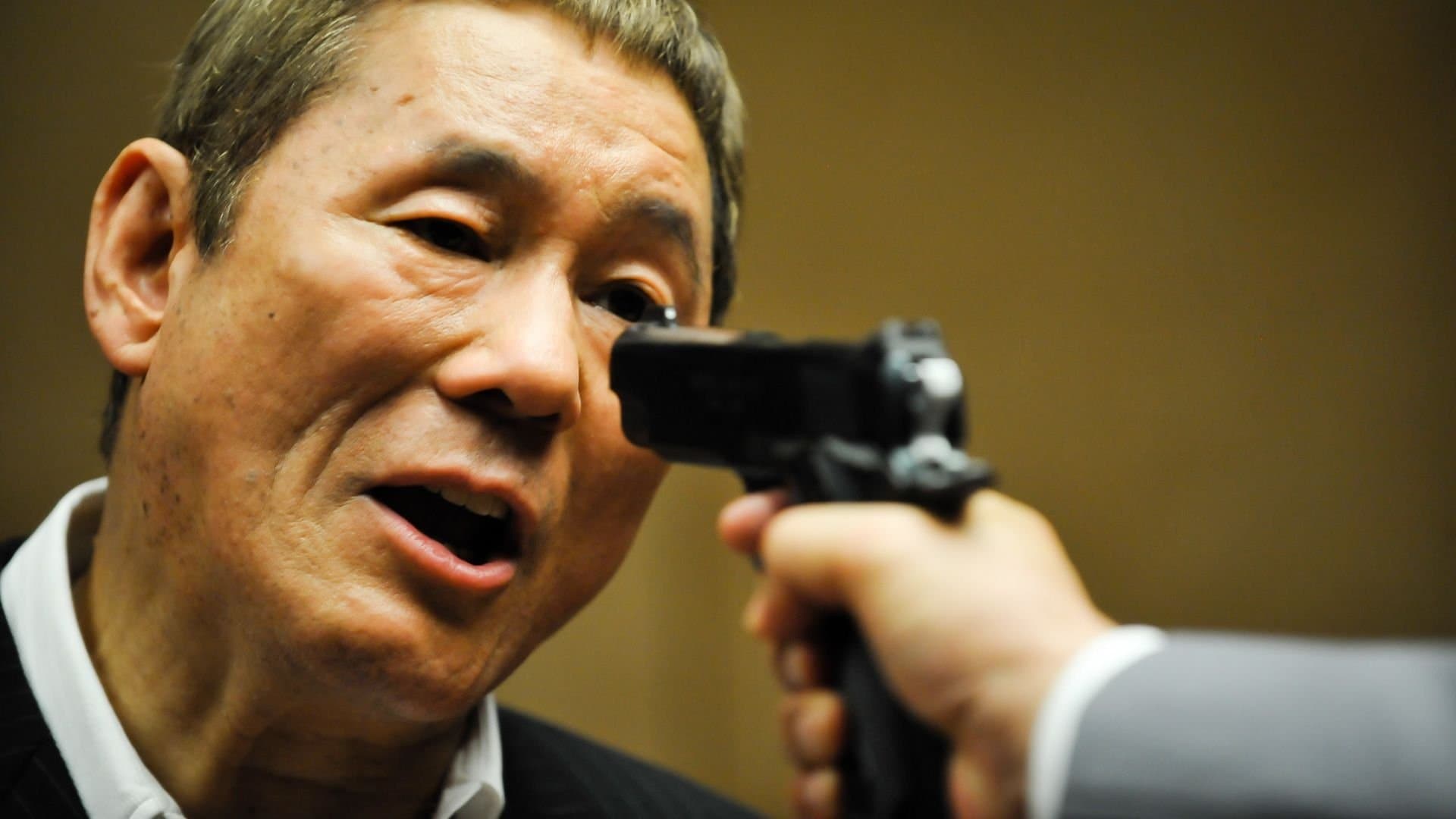
As the police launch a full-scale crackdown on organized crime, it ignites a national yakuza struggle between the Sanno of the East and Hanabishi of the West. What started as an internal strife in Outrage has now become a nationwide war in Outrage Beyond.
Directed by Takeshi Kitano
japan
yakuza
gang war
revenge
police corruption
criminal underworld
crime family
cynical
gang member
power struggle

Trailer

IMDB
N/A
Where to Watch


Cast
Takeshi Kitano
Otomo
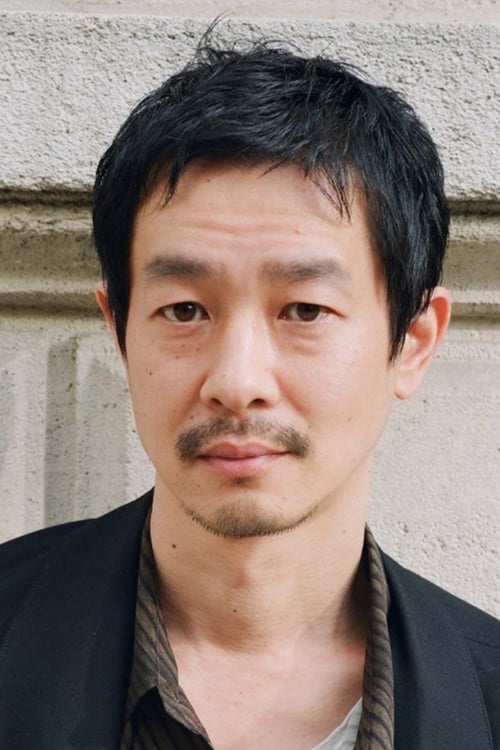
Ryo Kase
Ishihara
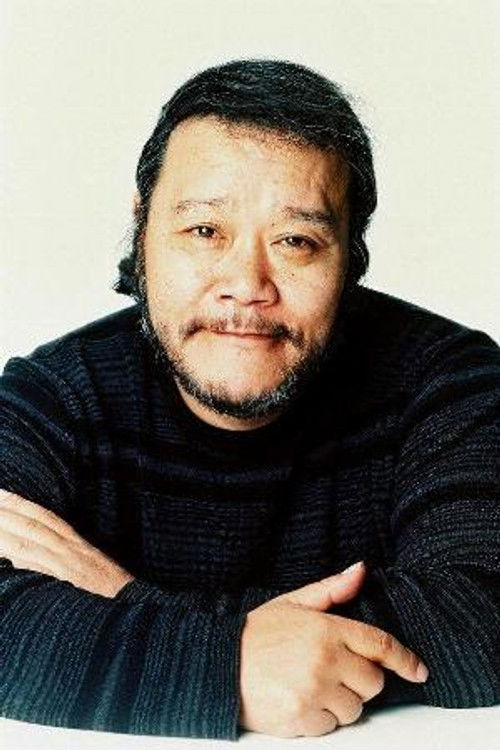
Toshiyuki Nishida
Nishino
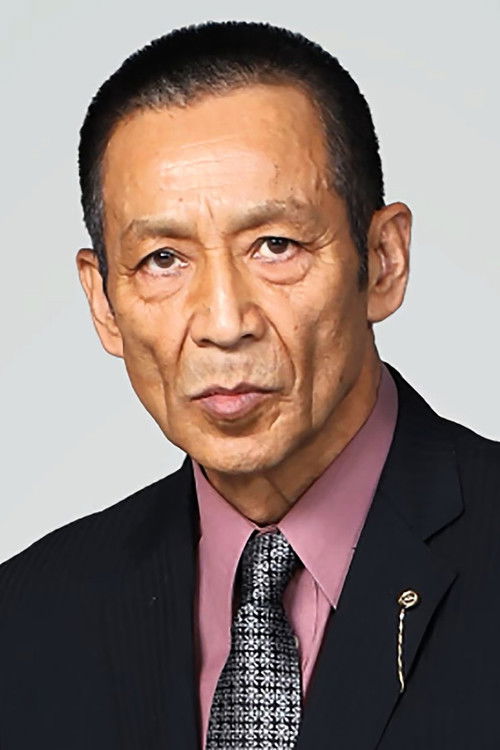
Shun Sugata
Okamoto

Ken Mitsuishi
Eijiro Gomi
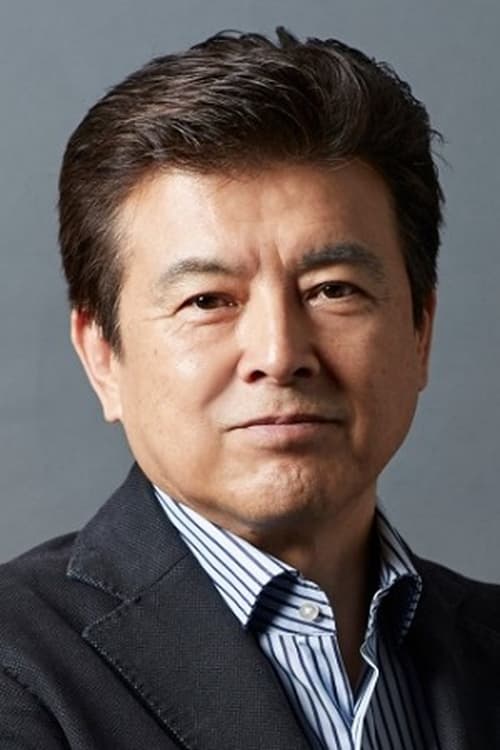
Tomokazu Miura
Minoru Kato
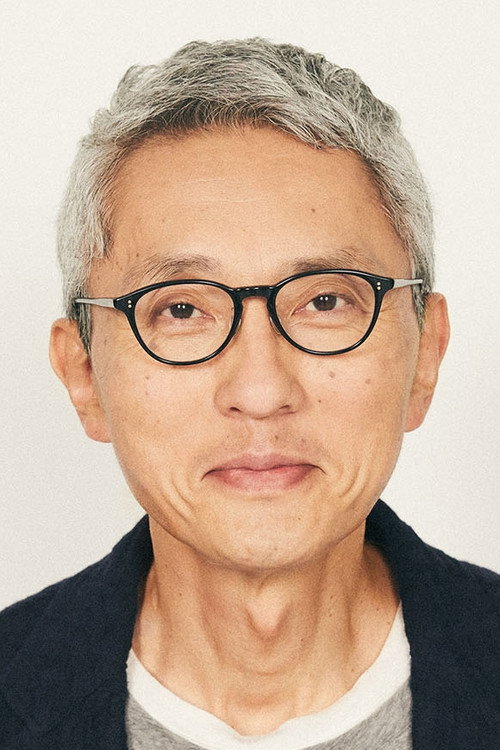
Yutaka Matsushige
Detective Shigeta
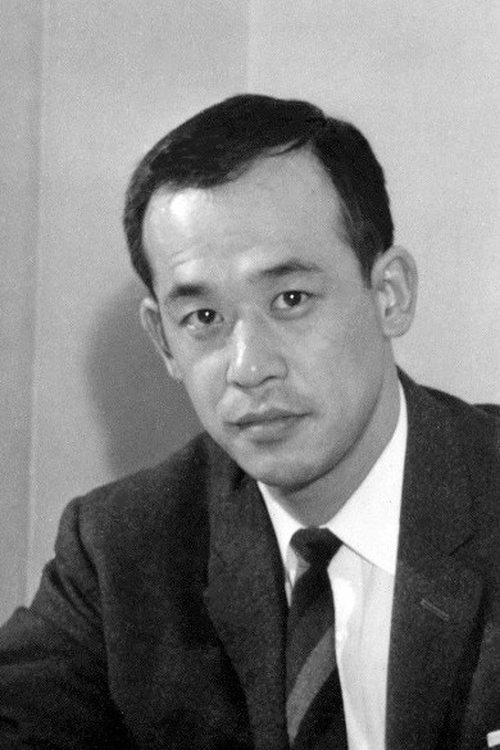
Shigeru Kōyama
Fuse

Hirofumi Arai
Shima
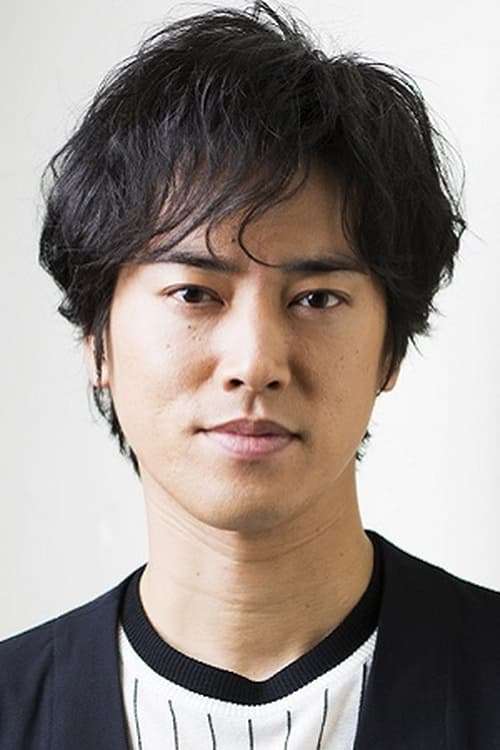
Kenta Kiritani
Ono
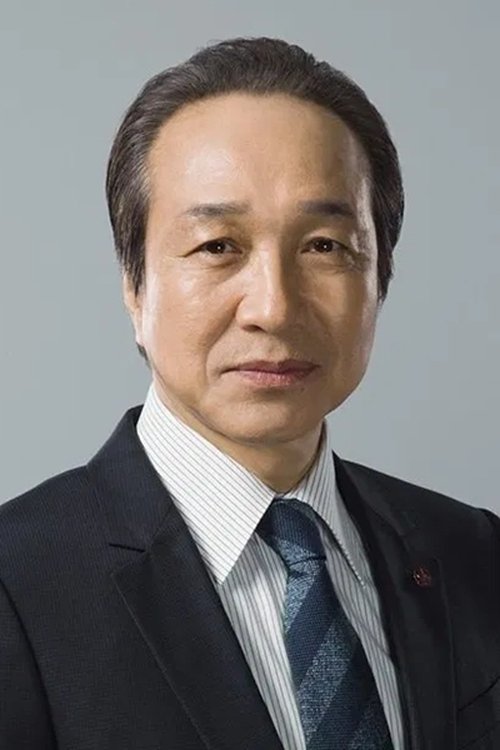
Fumiyo Kohinata
Kataoka

Machiko Ono
Tatto Girl
Crew
Takeshi Kitano
Director
Takeshi Kitano
Writer
Takeshi Kitano
Editor
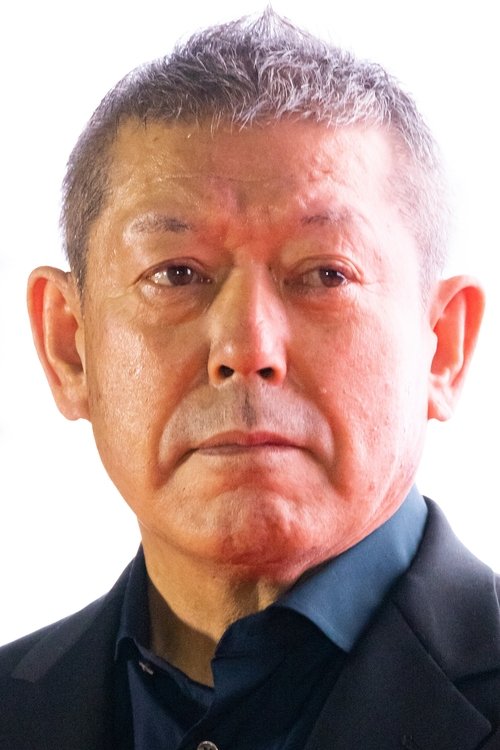
Katsumi Yanagijima
Director of Photography
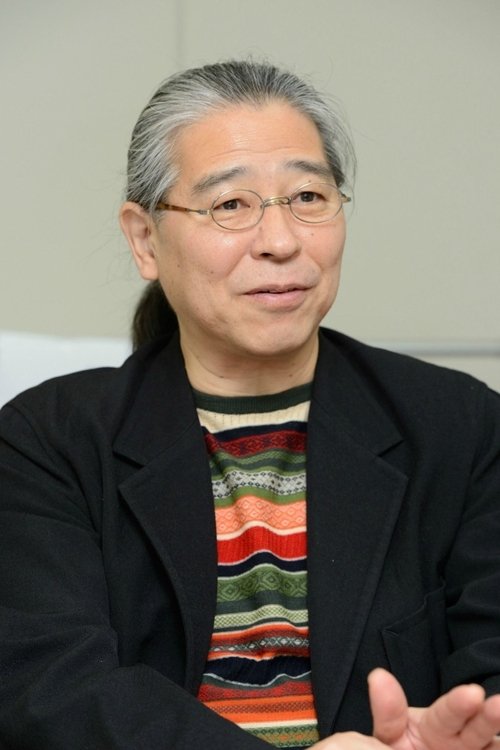
Masayuki Mori
Producer
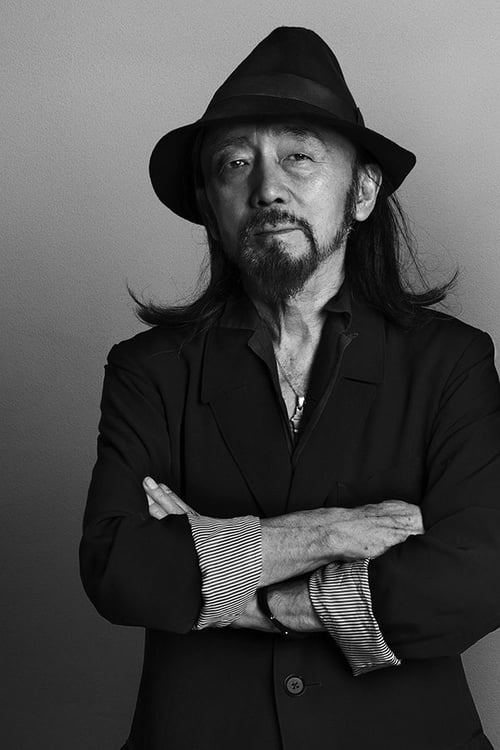
Yohji Yamamoto
Costume Design

Keiichi Suzuki
Music

Masaya Suzuki
Assistant Camera

Kazumi Kawashiro
Associate Producer
Popular Reviews
38 reviews
Olivier Charles
6.0★ · 08/16/25

“May I consider this the cup of brotherhood?”
Come out of prison and you getting thrown back in the field, whole time you just trying to vibe.
Come out of prison and you getting thrown back in the field, whole time you just trying to vibe.
“May I consider this the cup of brotherhood?”
Come out of prison and you getting thrown back in the field, whole time you just trying to vibe.
Come out of prison and you getting thrown back in the field, whole time you just trying to vibe.


RodiaPRO
8.0★ · 07/30/25
Bien sympa pour une suite! Elle m’a plus plu que le premier
Bien sympa pour une suite! Elle m’a plus plu que le premier
Jack
6.0★ · 07/09/25
nowhere near as good as the 1st film imo
nowhere near as good as the 1st film imo
dparasol
9.0★ · 04/26/25
Part of the joke is how many of these tough-looking yakuza break down into whimpering idiots as soon as they realize their ticket's up. The early example is Tomita, who never speaks up during the meeting, speaks too openly during the conversation at a restaurant, and then begs for his life pathetically when Chairman Kato finds him out. They act like they live by principles, but these principles are paper-thin for pretty much everybody.
Otomo, by the way, has somehow survived his stabbing, and doesn't really seem to want anything to do with the war his old friend Detective Kataoka is trying to stoke up. By god, though, I think Kataoka believes in him. Or, at least, believes in his ability to cause sustained damage. To Kataoka, his old school friend Otomo is basically a tool.
The scene where Kimura bites off his finger is honestly an all-timer. It shows an immense level of growth on the part of Kimura, who has previously failed to cut his finger off with a dull straight razor. The astonished look on Otomo's face is amazing. This is a man who wasn't even remotely astonished when he was stabbed, shot, threatened, punched, etc. But Kimura bit his fucking finger off. I think this is the moment where Otomo sees that there's someone else who really believes in the same principles he does. (These principles, of course, motivate Otomo to gun down Detective Kataoka in the final moments of the film.)
I've seen a lot of people praise the first film's soundtrack, but this soundtrack is also well worth mention. The scene where they kidnap and torture the former chairman's bodyguard really stood out to me.
Once again, everything comes off with a dark, even nihilistic sense of humor. There are all these political machinations, but instead of plans coming off with flair, they sort of come together haphazardly, with a great deal of danger, as they do in real life. The mastermind of the schemes is, in the case of this film, Detective Kataoka, who thinks his manipulations of the yakuza will earn him a promotion. Like last film's mastermind, things don't turn out well for him, but unlike last film, Otomo wraps things up satisfyingly.
I actually think this was better than the first film in some ways.
"I forgot you were stabbed by that guy Kimura, underboss of that family you crushed."
Otomo, by the way, has somehow survived his stabbing, and doesn't really seem to want anything to do with the war his old friend Detective Kataoka is trying to stoke up. By god, though, I think Kataoka believes in him. Or, at least, believes in his ability to cause sustained damage. To Kataoka, his old school friend Otomo is basically a tool.
The scene where Kimura bites off his finger is honestly an all-timer. It shows an immense level of growth on the part of Kimura, who has previously failed to cut his finger off with a dull straight razor. The astonished look on Otomo's face is amazing. This is a man who wasn't even remotely astonished when he was stabbed, shot, threatened, punched, etc. But Kimura bit his fucking finger off. I think this is the moment where Otomo sees that there's someone else who really believes in the same principles he does. (These principles, of course, motivate Otomo to gun down Detective Kataoka in the final moments of the film.)
I've seen a lot of people praise the first film's soundtrack, but this soundtrack is also well worth mention. The scene where they kidnap and torture the former chairman's bodyguard really stood out to me.
Once again, everything comes off with a dark, even nihilistic sense of humor. There are all these political machinations, but instead of plans coming off with flair, they sort of come together haphazardly, with a great deal of danger, as they do in real life. The mastermind of the schemes is, in the case of this film, Detective Kataoka, who thinks his manipulations of the yakuza will earn him a promotion. Like last film's mastermind, things don't turn out well for him, but unlike last film, Otomo wraps things up satisfyingly.
I actually think this was better than the first film in some ways.
"I forgot you were stabbed by that guy Kimura, underboss of that family you crushed."
Part of the joke is how many of these tough-looking yakuza break down into whimpering idiots as soon as they realize their ticket's up. The early example is Tomita, who never speaks up during the meeting, speaks too openly during the conversation at a restaurant, and then begs for his life pathetically when Chairman Kato finds him out. They act like they live by principles, but these principles are paper-thin for pretty much everybody.
Otomo, by the way, has somehow survived his stabbing, and doesn't really seem to want anything to do with the war his old friend Detective Kataoka is trying to stoke up. By god, though, I think Kataoka believes in him. Or, at least, believes in his ability to cause sustained damage. To Kataoka, his old school friend Otomo is basically a tool.
The scene where Kimura bites off his finger is honestly an all-timer. It shows an immense level of growth on the part of Kimura, who has previously failed to cut his finger off with a dull straight razor. The astonished look on Otomo's face is amazing. This is a man who wasn't even remotely astonished when he was stabbed, shot, threatened, punched, etc. But Kimura bit his fucking finger off. I think this is the moment where Otomo sees that there's someone else who really believes in the same principles he does. (These principles, of course, motivate Otomo to gun down Detective Kataoka in the final moments of the film.)
I've seen a lot of people praise the first film's soundtrack, but this soundtrack is also well worth mention. The scene where they kidnap and torture the former chairman's bodyguard really stood out to me.
Once again, everything comes off with a dark, even nihilistic sense of humor. There are all these political machinations, but instead of plans coming off with flair, they sort of come together haphazardly, with a great deal of danger, as they do in real life. The mastermind of the schemes is, in the case of this film, Detective Kataoka, who thinks his manipulations of the yakuza will earn him a promotion. Like last film's mastermind, things don't turn out well for him, but unlike last film, Otomo wraps things up satisfyingly.
I actually think this was better than the first film in some ways.
"I forgot you were stabbed by that guy Kimura, underboss of that family you crushed."
Otomo, by the way, has somehow survived his stabbing, and doesn't really seem to want anything to do with the war his old friend Detective Kataoka is trying to stoke up. By god, though, I think Kataoka believes in him. Or, at least, believes in his ability to cause sustained damage. To Kataoka, his old school friend Otomo is basically a tool.
The scene where Kimura bites off his finger is honestly an all-timer. It shows an immense level of growth on the part of Kimura, who has previously failed to cut his finger off with a dull straight razor. The astonished look on Otomo's face is amazing. This is a man who wasn't even remotely astonished when he was stabbed, shot, threatened, punched, etc. But Kimura bit his fucking finger off. I think this is the moment where Otomo sees that there's someone else who really believes in the same principles he does. (These principles, of course, motivate Otomo to gun down Detective Kataoka in the final moments of the film.)
I've seen a lot of people praise the first film's soundtrack, but this soundtrack is also well worth mention. The scene where they kidnap and torture the former chairman's bodyguard really stood out to me.
Once again, everything comes off with a dark, even nihilistic sense of humor. There are all these political machinations, but instead of plans coming off with flair, they sort of come together haphazardly, with a great deal of danger, as they do in real life. The mastermind of the schemes is, in the case of this film, Detective Kataoka, who thinks his manipulations of the yakuza will earn him a promotion. Like last film's mastermind, things don't turn out well for him, but unlike last film, Otomo wraps things up satisfyingly.
I actually think this was better than the first film in some ways.
"I forgot you were stabbed by that guy Kimura, underboss of that family you crushed."
Medhansh
9.3★ · 11/02/24
Director-Kitano Takeshi.This is the seventh film I have seen of Kitano. It's the sequel to Outrage of Kitano and features the titular protagonist, Beat Takeshi in a similar yet new situation this time around.The film features the same technical staff as part one that maintains the quality.This time the main antagonist is the policeman who captured Beat Takeshi and the hero's accomplice is the person whose face got slashed by the protagonist in the first part. The fight with the accomplice in the first half is what led to all the events transpiring.Thus it was nonsensical at the start but at the same time shows how time changes people and how nothing is absolute.This film smoothens some rough patches of the first part such as the violence is more justified this time around and the ruthlessness is founded.The way the traitors are dealt with by the protagonist is also interesting but it's too easy an end for them. It felt like tying loose ends with the basic strings one can easily get and didn't show the depth previous works of Kitano had shown us. Such as Violent Cop and Sonatine.The antagonist is much more rounded this time around and is shown to have enough cunning to manage to double and even triple-cross everyone to get the most benefits.The ending with the first person perspective while the protagonist shoots the policeman down was quite the choice.The film again features some great violent scenes that are equally memorable but this time it's more on the cold-blooded side rather than the visually appealing side. It is still shot voyeuristically which is great. The film is more enjoyable than part one due to better writing just as Gnangs of Wasseypur was. Though both films are only similar in the broader strokes.The film also features the swaying of the underlings' hearts due to the person above being swayed in the favour of the adversary which was quite interesting as well as realistic.
Director-Kitano Takeshi.This is the seventh film I have seen of Kitano. It's the sequel to Outrage of Kitano and features the titular protagonist, Beat Takeshi in a similar yet new situation this time around.The film features the same technical staff as part one that maintains the quality.This time the main antagonist is the policeman who captured Beat Takeshi and the hero's accomplice is the person whose face got slashed by the protagonist in the first part. The fight with the accomplice in the first half is what led to all the events transpiring.Thus it was nonsensical at the start but at the same time shows how time changes people and how nothing is absolute.This film smoothens some rough patches of the first part such as the violence is more justified this time around and the ruthlessness is founded.The way the traitors are dealt with by the protagonist is also interesting but it's too easy an end for them. It felt like tying loose ends with the basic strings one can easily get and didn't show the depth previous works of Kitano had shown us. Such as Violent Cop and Sonatine.The antagonist is much more rounded this time around and is shown to have enough cunning to manage to double and even triple-cross everyone to get the most benefits.The ending with the first person perspective while the protagonist shoots the policeman down was quite the choice.The film again features some great violent scenes that are equally memorable but this time it's more on the cold-blooded side rather than the visually appealing side. It is still shot voyeuristically which is great. The film is more enjoyable than part one due to better writing just as Gnangs of Wasseypur was. Though both films are only similar in the broader strokes.The film also features the swaying of the underlings' hearts due to the person above being swayed in the favour of the adversary which was quite interesting as well as realistic.