

2024·Thriller·2h 8m
7.1
★


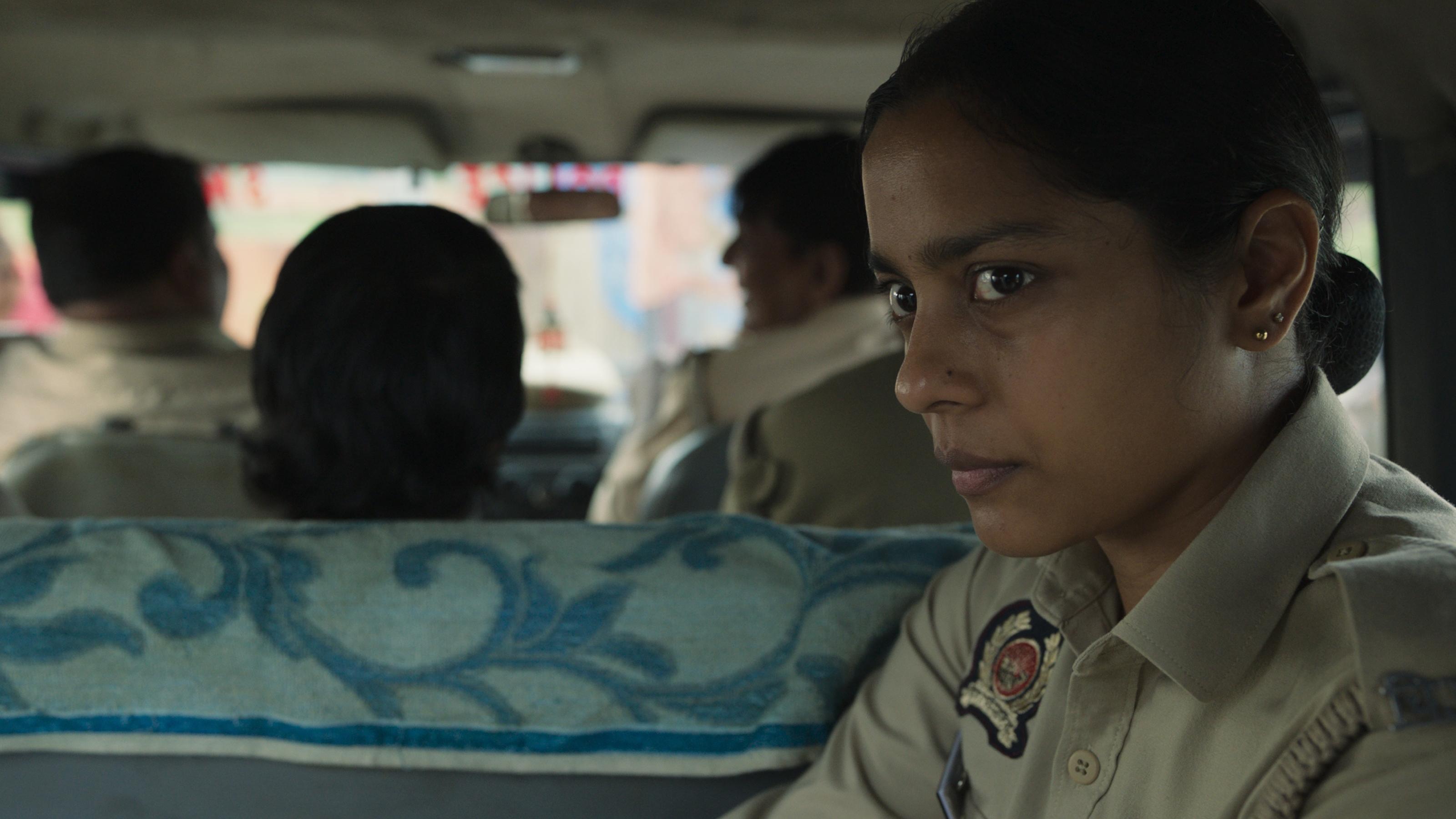
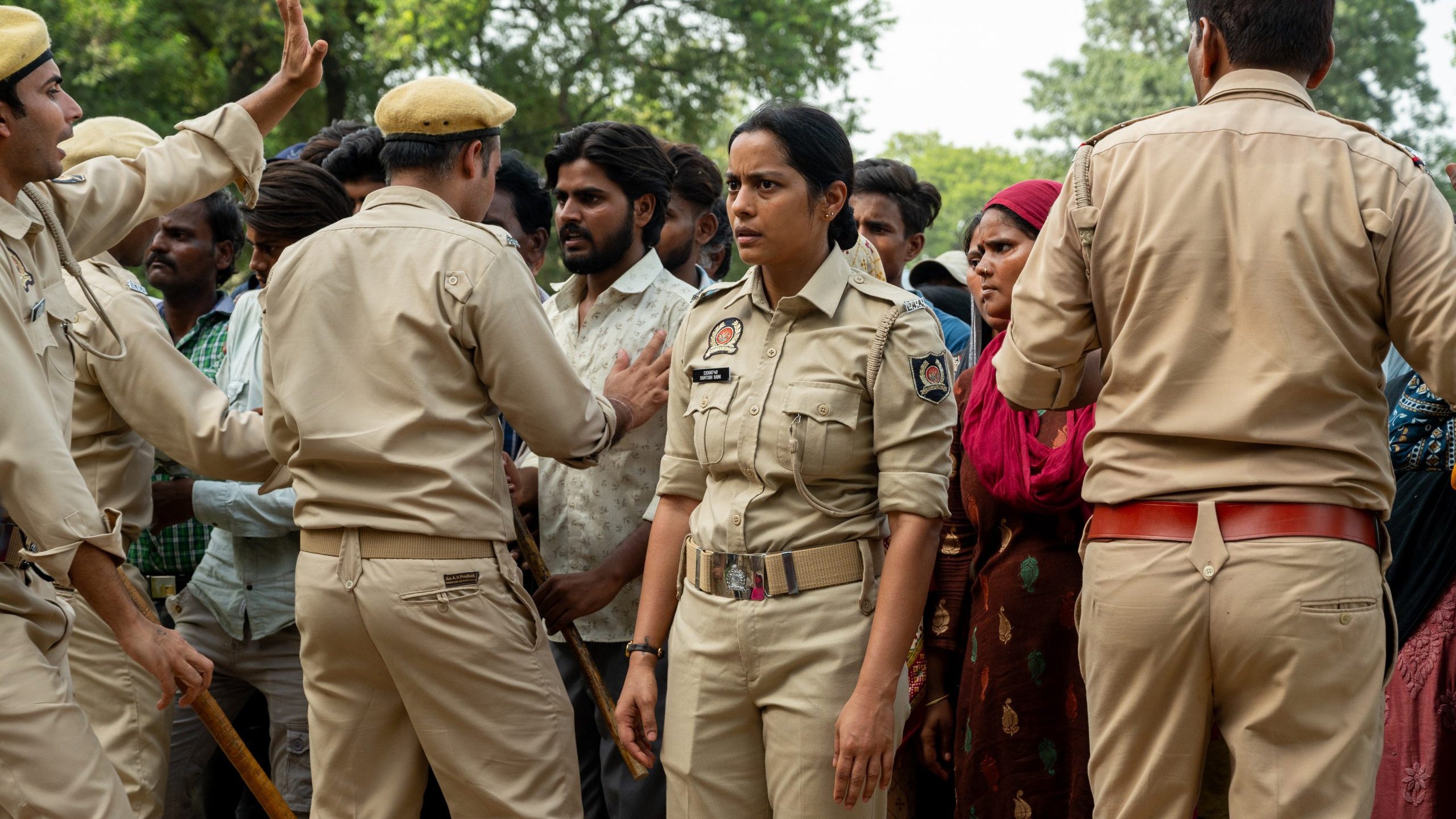
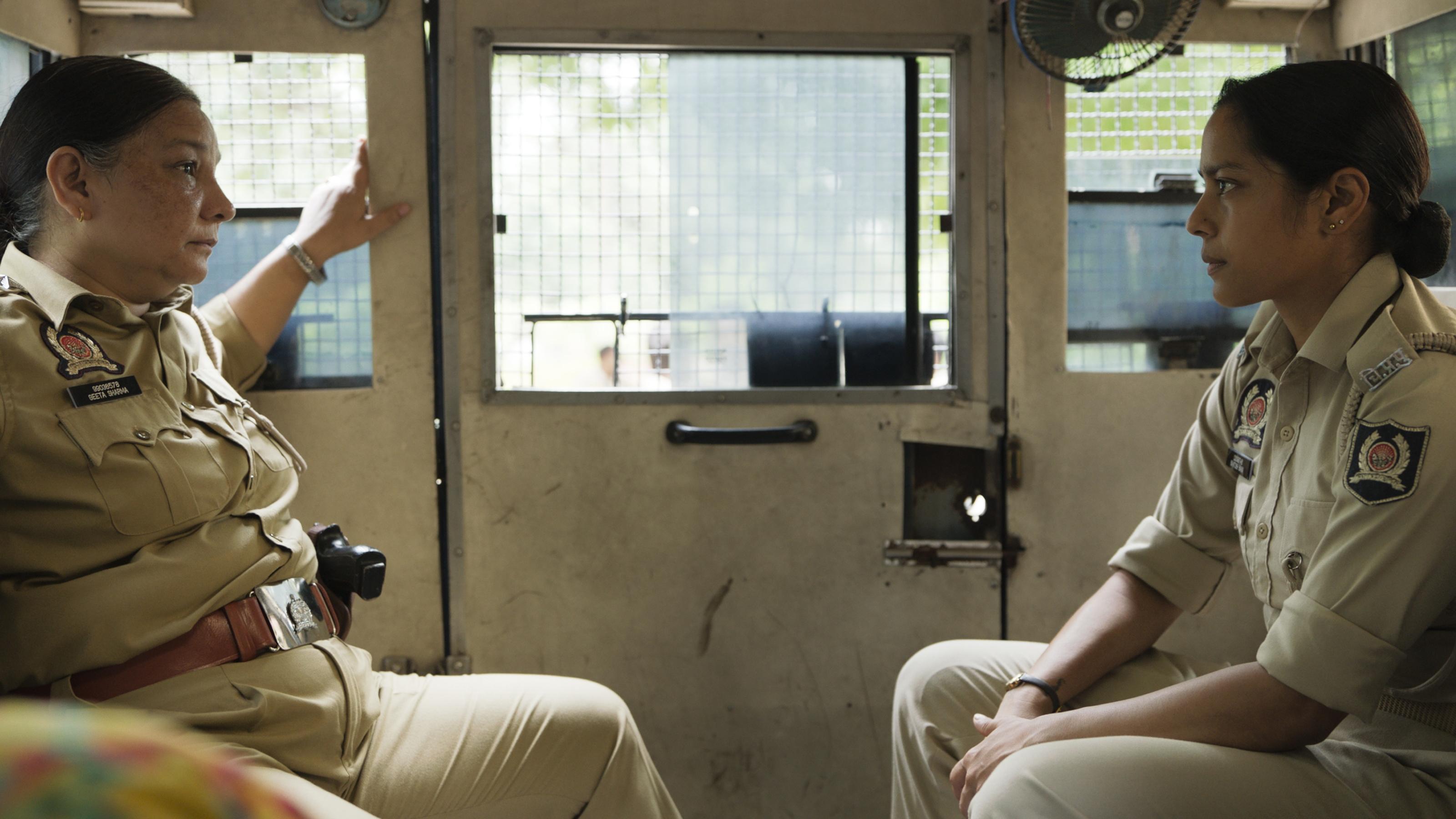
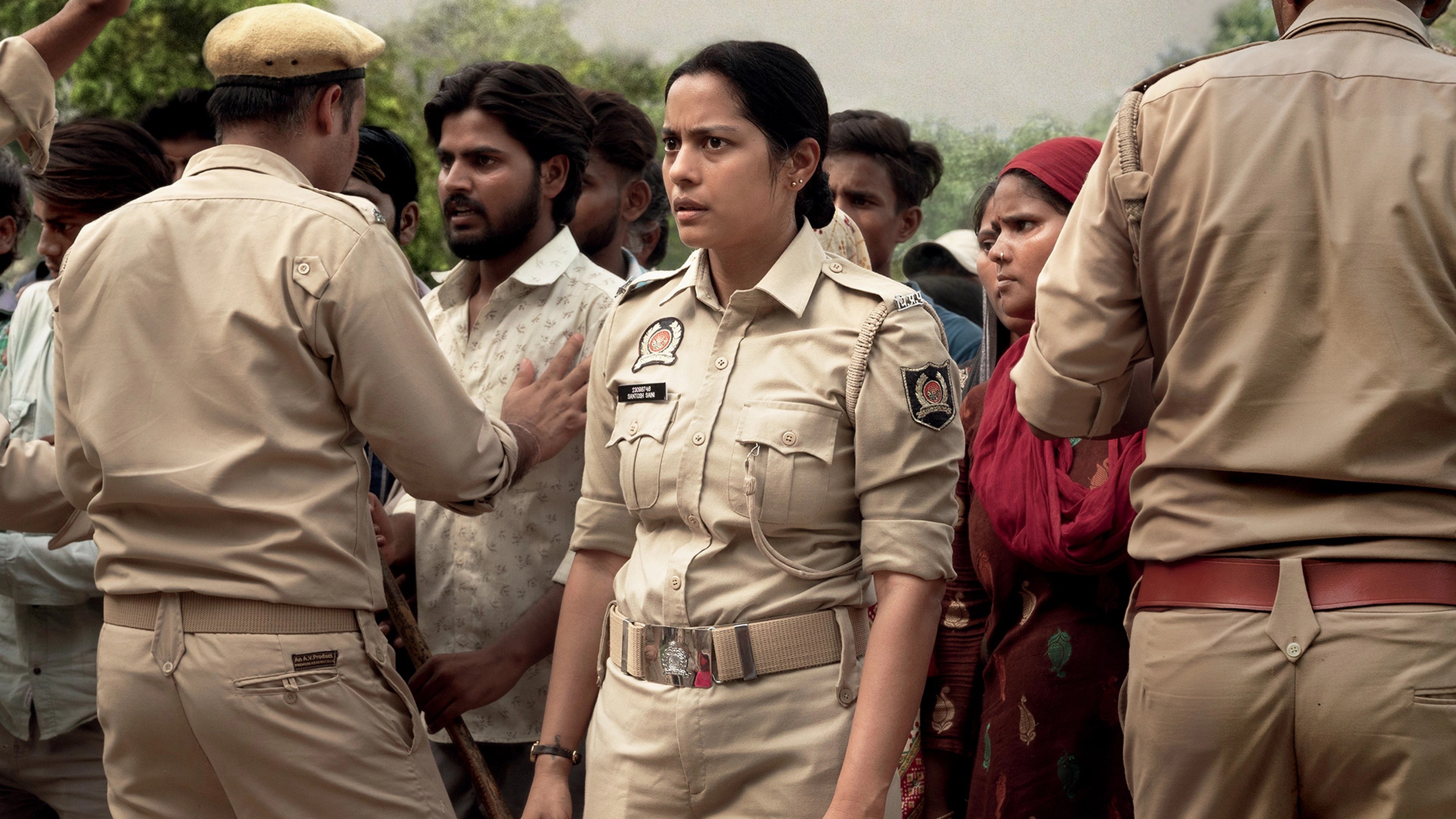

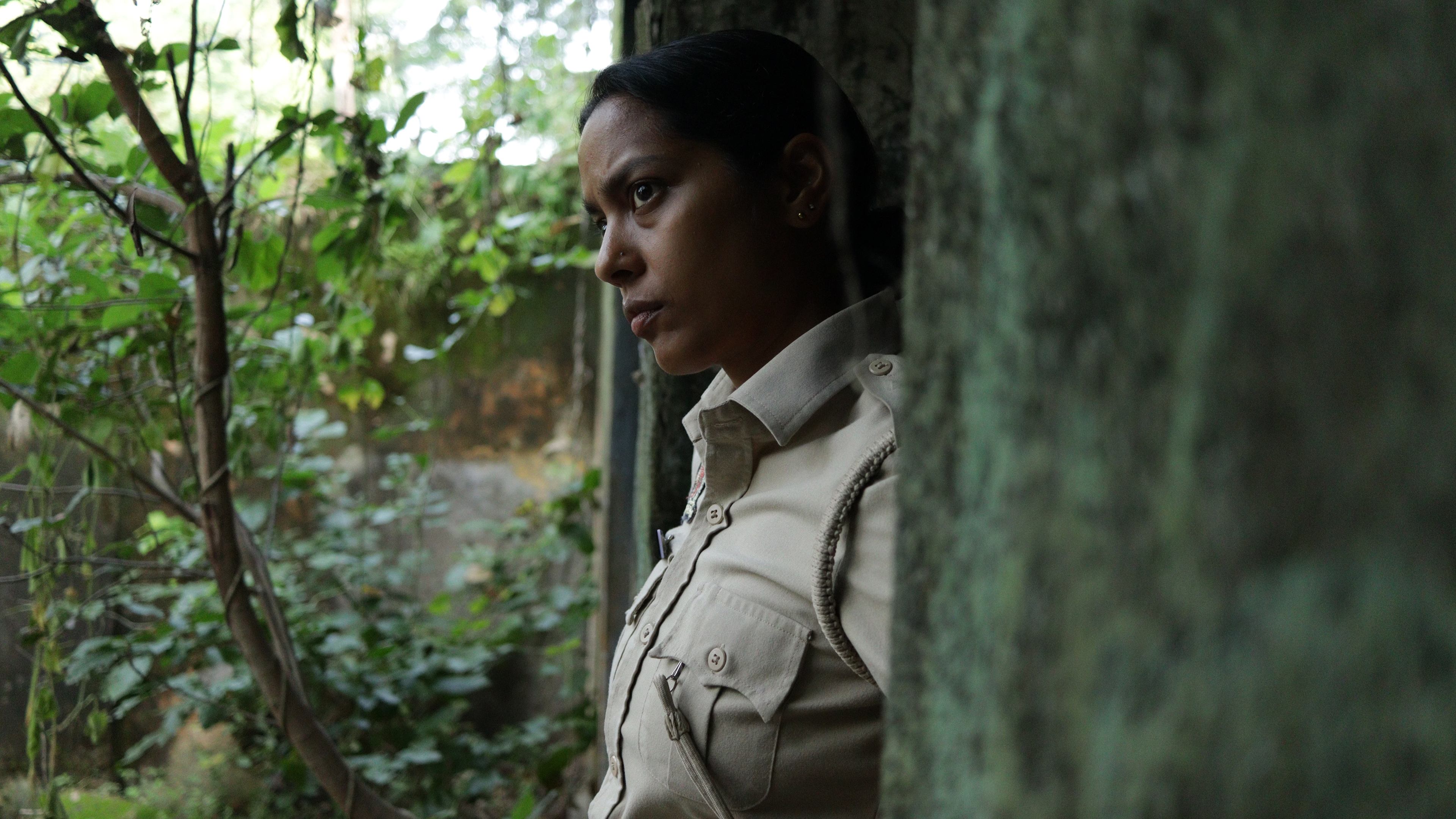
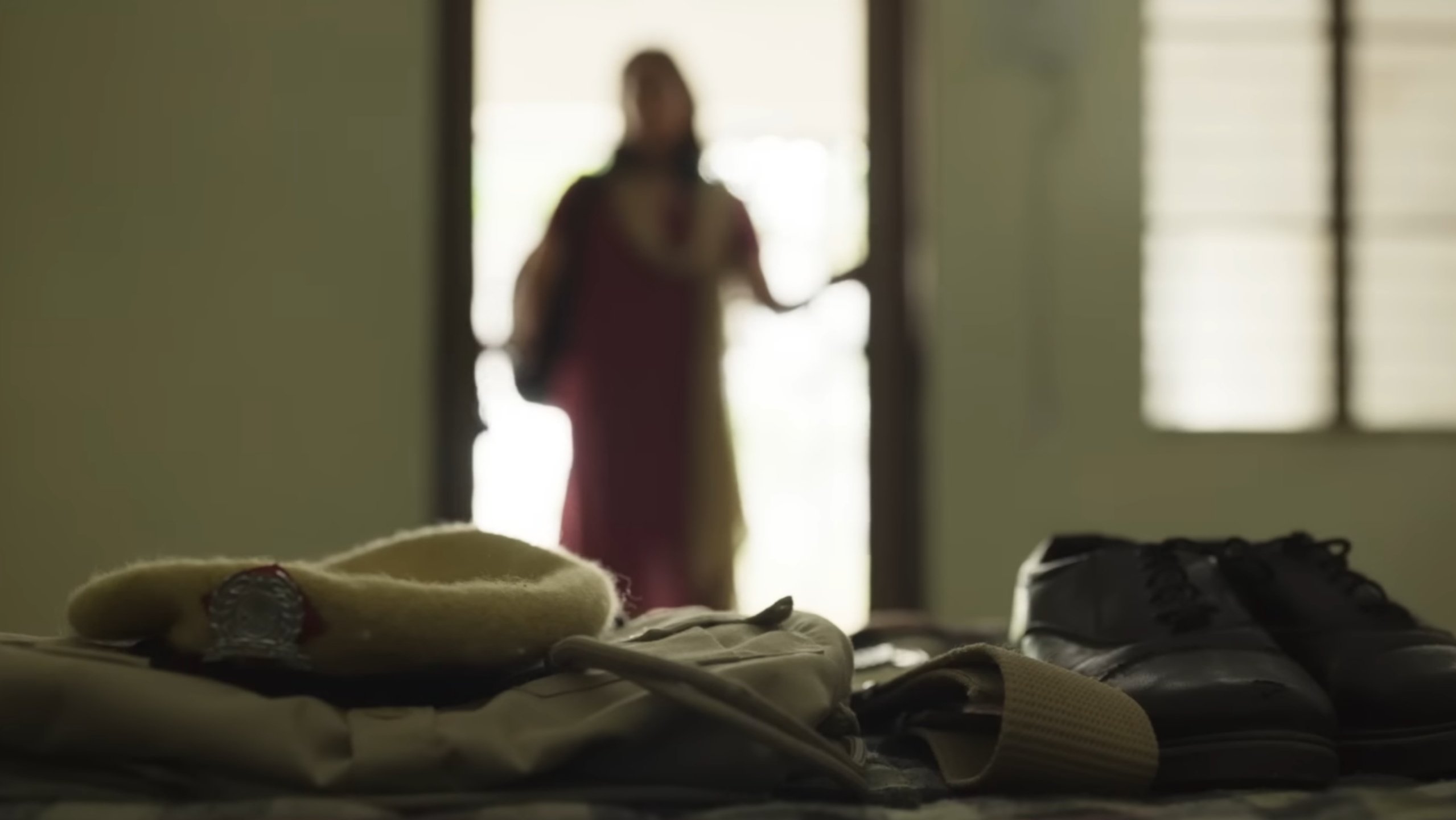


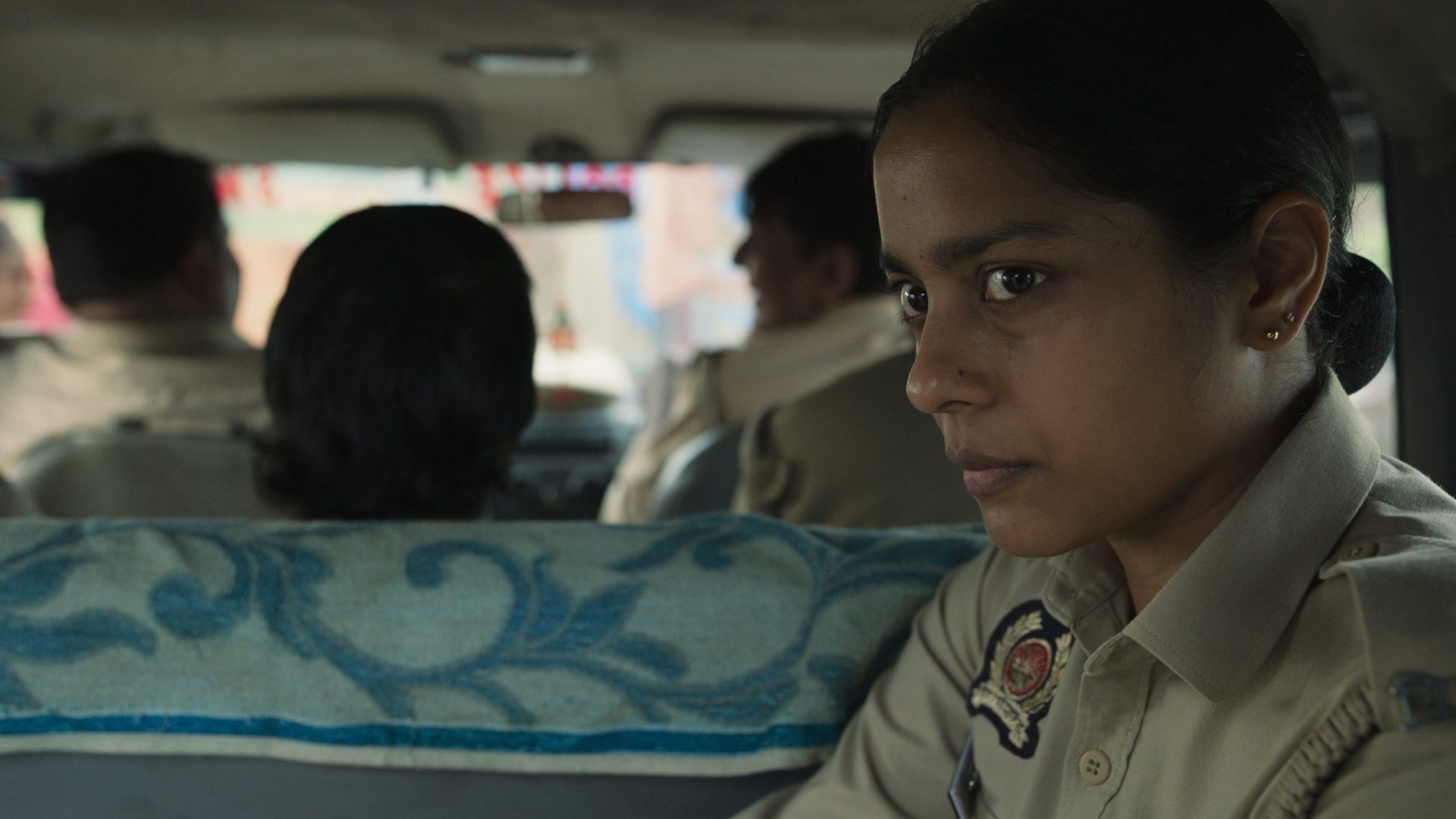
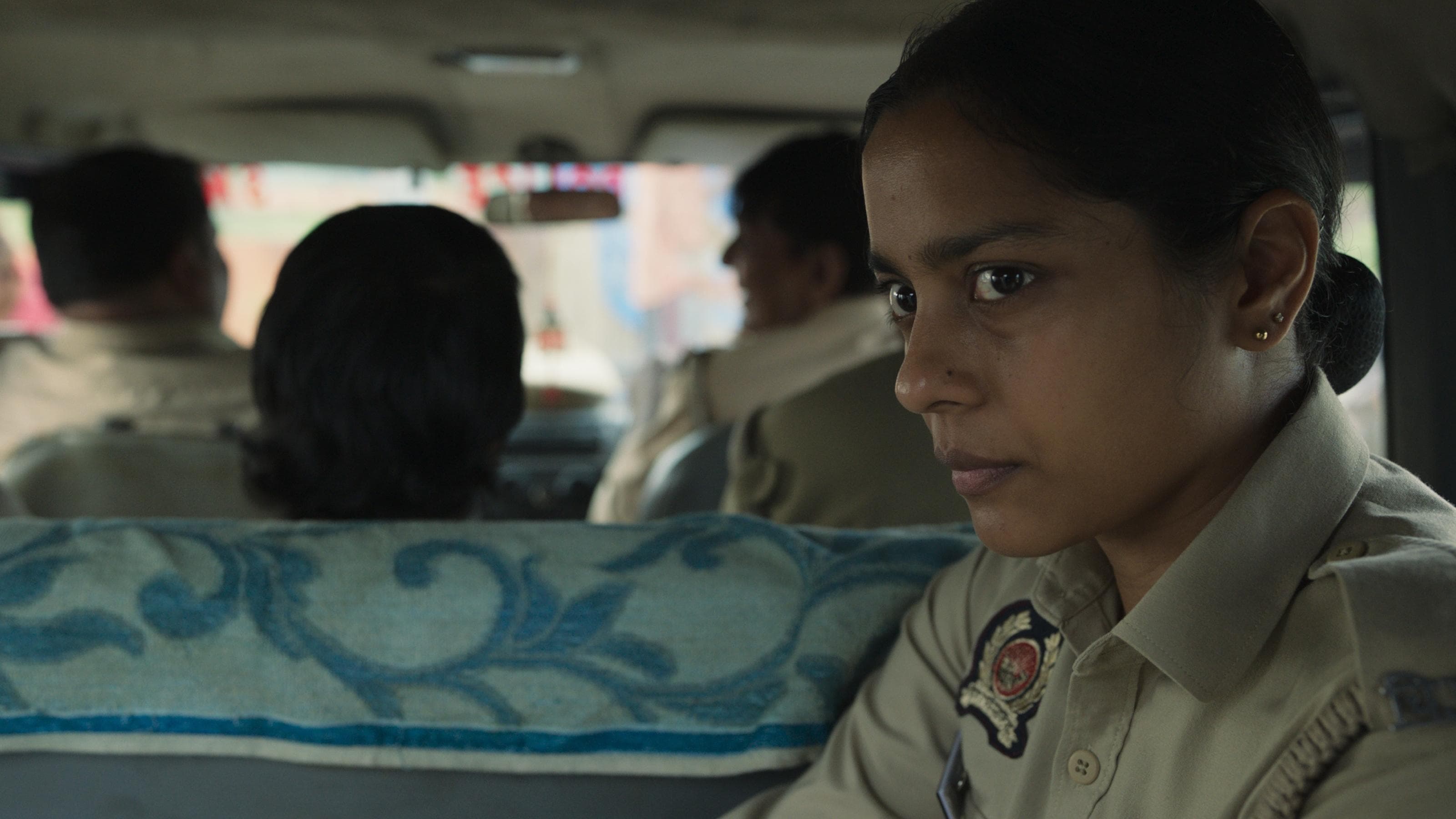
A government scheme sees newly widowed Santosh inherit her husband’s job as a police constable in the rural badlands of Northern India. When a low-caste girl is found raped and murdered, she is pulled into the investigation under the wing of charismatic feminist inspector Sharma.
Directed by Sandhya Suri
widow
female protagonist
police officer
biting
female police officer
innocent murder

Trailer

IMDB
N/A
Where to Watch


Cast

Shahana Goswami
Constable Santosh Saini

Sunita Rajwar
Inspector Sharma
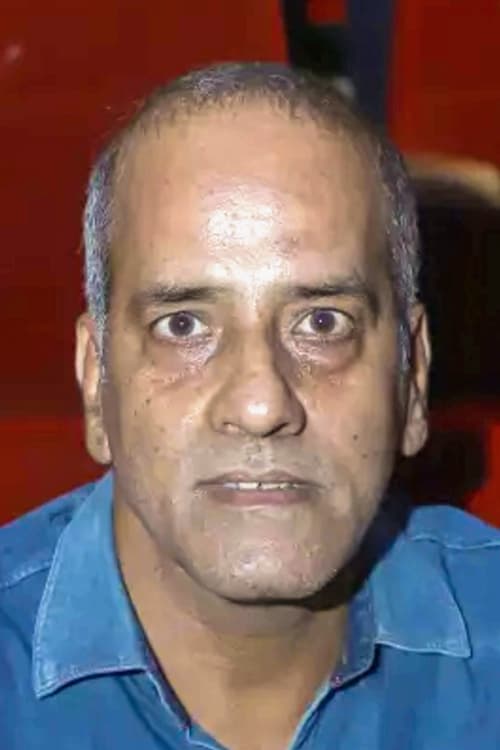
Naval Shukla
Inspector Thakur

Sanjay Bishnoi
Beniwal

Soumya Singh
Mess Constable

Kushal Dubey
Vikram

Brij Bhushan Shukla
Men at Pradhan House #2

Vishal Singh
Lover at Train Station #1
Crew

Sandhya Suri
Director
Sandhya Suri
Screenplay

Carole Scotta
Co-Producer

Gerhard Meixner
Co-Producer

Roman Paul
Co-Producer

Ama Ampadu
Executive Producer

Mukesh Chhabra
Casting
Sanjay Bishnoi
Casting Associate
Sandhya Suri
Dialogue
Popular Reviews
56 reviews
Meet Mewada
7.0★ · 04/11/26

CBFC India is a joke.
No wonder this movie wasn't allowed to release in India without censors. The CBFC folks are dumb, that's why. A fantastic film that honestly portrays how cruel, casteist and lenient the Indian police system is towards the needy. The misogyny depicted is also very real. Shahana Goswami delivers an excellent performance as Santosh Saini, and Sunita Rajwar shines as always. The cinematography and shot composition stand out too. It's slow paced, which suits the heavy themes, but could have benefitted from slightly better pacing.
No wonder this movie wasn't allowed to release in India without censors. The CBFC folks are dumb, that's why. A fantastic film that honestly portrays how cruel, casteist and lenient the Indian police system is towards the needy. The misogyny depicted is also very real. Shahana Goswami delivers an excellent performance as Santosh Saini, and Sunita Rajwar shines as always. The cinematography and shot composition stand out too. It's slow paced, which suits the heavy themes, but could have benefitted from slightly better pacing.
CBFC India is a joke.
No wonder this movie wasn't allowed to release in India without censors. The CBFC folks are dumb, that's why. A fantastic film that honestly portrays how cruel, casteist and lenient the Indian police system is towards the needy. The misogyny depicted is also very real. Shahana Goswami delivers an excellent performance as Santosh Saini, and Sunita Rajwar shines as always. The cinematography and shot composition stand out too. It's slow paced, which suits the heavy themes, but could have benefitted from slightly better pacing.
No wonder this movie wasn't allowed to release in India without censors. The CBFC folks are dumb, that's why. A fantastic film that honestly portrays how cruel, casteist and lenient the Indian police system is towards the needy. The misogyny depicted is also very real. Shahana Goswami delivers an excellent performance as Santosh Saini, and Sunita Rajwar shines as always. The cinematography and shot composition stand out too. It's slow paced, which suits the heavy themes, but could have benefitted from slightly better pacing.


Garshua
9.0★ · 08/28/25
I saw this movie on the plane, and despite its tag on Singapore Air as a ‘thriller’, this is a drama through and through. Santosh is a grueling depiction of the failures of policing in rural India where gender, caste, and religion are each excruciatingly salient in every scene. This movie offers no respite, from the opening scene where the main character (who the movie is named after) is sobbing on the phone trying to reach her mother with the news that her husband has been killed, to the ensuing argument between her parents and in-laws about who is responsible for her now that he is dead. A new government initiative allows her to take her late husband’s job as a police officer, where she is thrown straight into the deep end with the rape and murder of a Dalit girl. The film is unrelenting all the way through, including what felt like an 8-10 minute extended torture sequence filled with the same quotidian anxiety as going for a run. As a female officer she has control of her own money for the first time in her life, but every person she speaks to seems to want something from her or have nothing to do with her. The film questions whether she has any more autonomy now than she did before, with motifs around gifts and eating while being watched. Eating is necessary for survival, just as Santosh seems to think that her new job is. The act of being watched by men and her superiors especially demonstrates her lack of agency as she makes the decision to live another day. Meanwhile, the gifts hint at a transactional attitude towards relationships and women especially that are reflected in the bribes that Santosh learns to take. This movie is slow, measured, and clear in its message: the police exist to maintain the status quo through threats and use of violence. The ending at the train station left me with both goosebumps and an incredible weight in my stomach.
I saw this movie on the plane, and despite its tag on Singapore Air as a ‘thriller’, this is a drama through and through. Santosh is a grueling depiction of the failures of policing in rural India where gender, caste, and religion are each excruciatingly salient in every scene. This movie offers no respite, from the opening scene where the main character (who the movie is named after) is sobbing on the phone trying to reach her mother with the news that her husband has been killed, to the ensuing argument between her parents and in-laws about who is responsible for her now that he is dead. A new government initiative allows her to take her late husband’s job as a police officer, where she is thrown straight into the deep end with the rape and murder of a Dalit girl. The film is unrelenting all the way through, including what felt like an 8-10 minute extended torture sequence filled with the same quotidian anxiety as going for a run. As a female officer she has control of her own money for the first time in her life, but every person she speaks to seems to want something from her or have nothing to do with her. The film questions whether she has any more autonomy now than she did before, with motifs around gifts and eating while being watched. Eating is necessary for survival, just as Santosh seems to think that her new job is. The act of being watched by men and her superiors especially demonstrates her lack of agency as she makes the decision to live another day. Meanwhile, the gifts hint at a transactional attitude towards relationships and women especially that are reflected in the bribes that Santosh learns to take. This movie is slow, measured, and clear in its message: the police exist to maintain the status quo through threats and use of violence. The ending at the train station left me with both goosebumps and an incredible weight in my stomach.
Eclectic Sorcerer
6.0★ · 08/07/25
It was kind of tough getting a read on it. It's fine for what it is.
It was kind of tough getting a read on it. It's fine for what it is.
Eclectic Sorcerer
6.0★ · 08/07/25
It was kind of tough getting a read on it. It's fine for what it is.
It was kind of tough getting a read on it. It's fine for what it is.
Daniyal Akmal
The only thing I'll remember from this movie is her spitting out a mouthful of food
The only thing I'll remember from this movie is her spitting out a mouthful of food