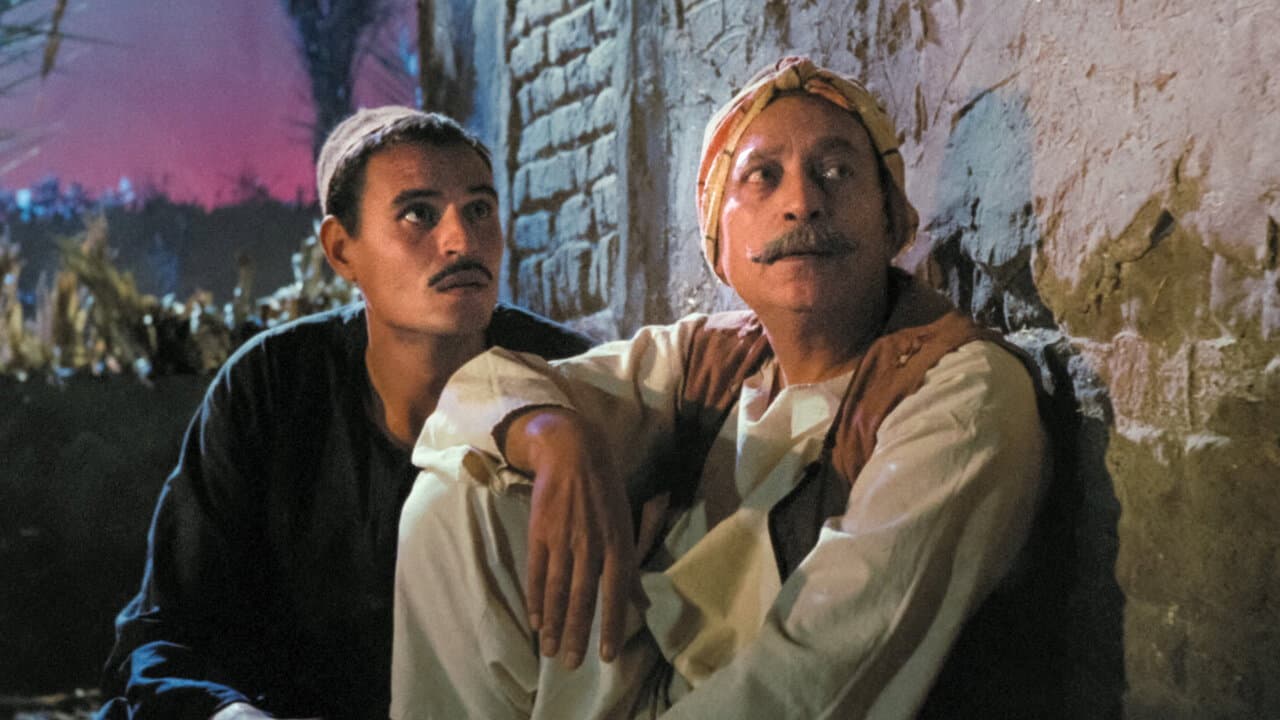
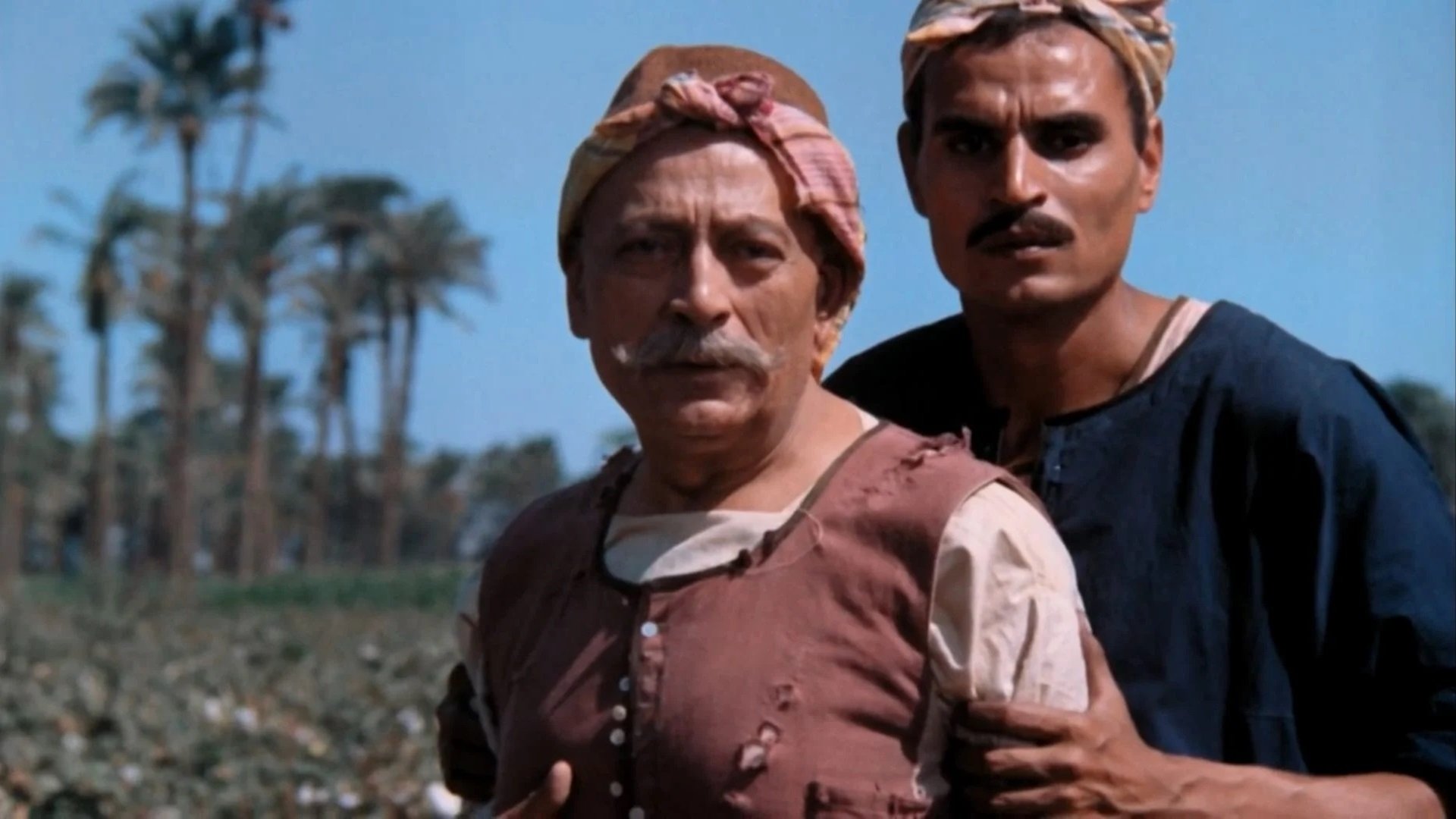
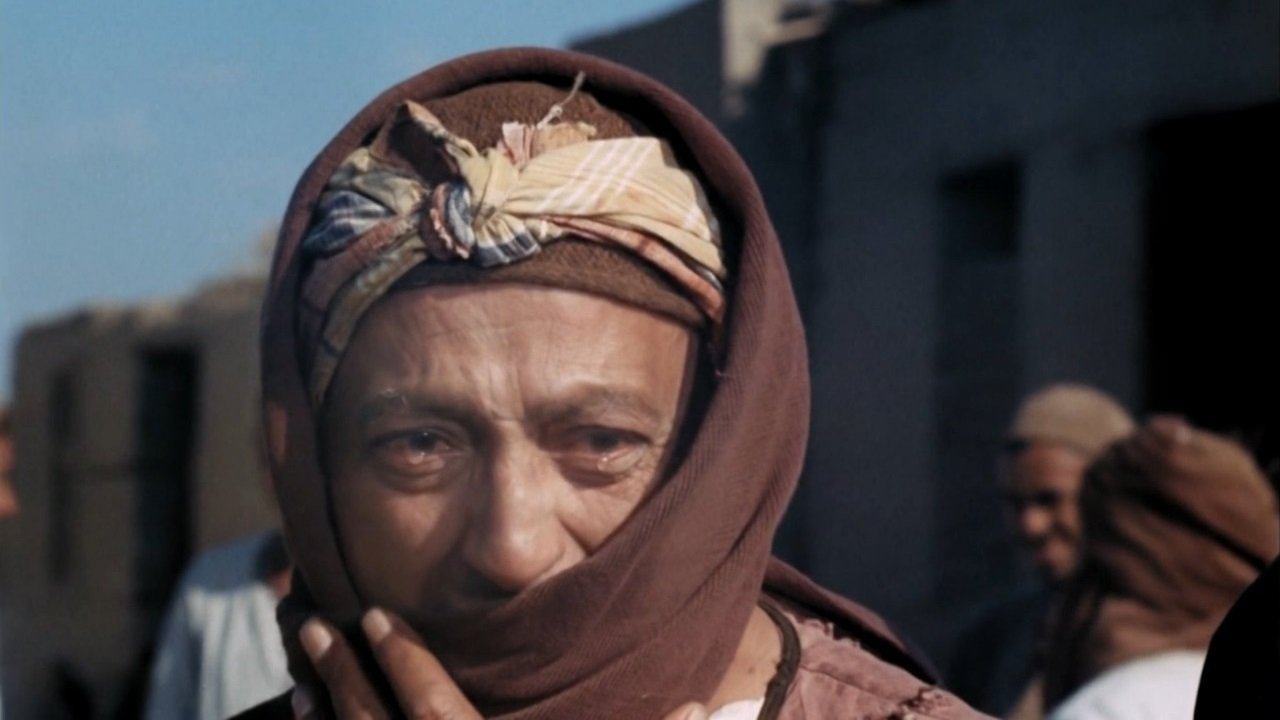
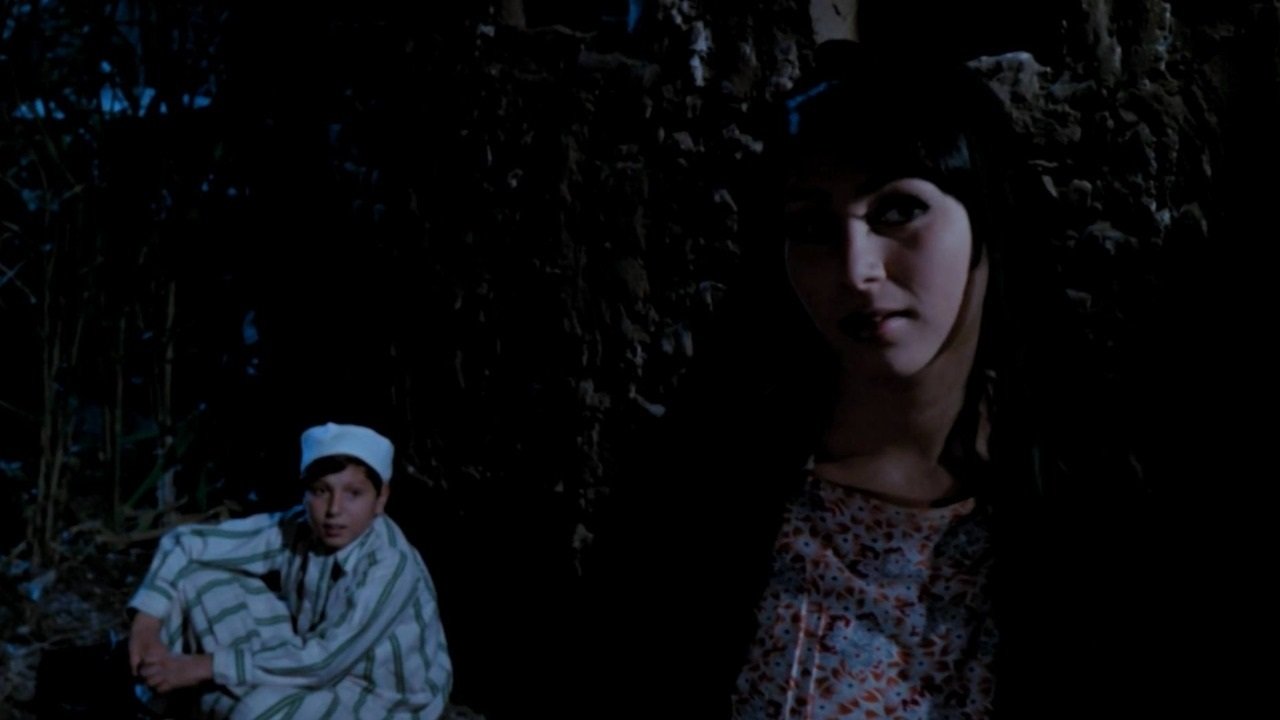
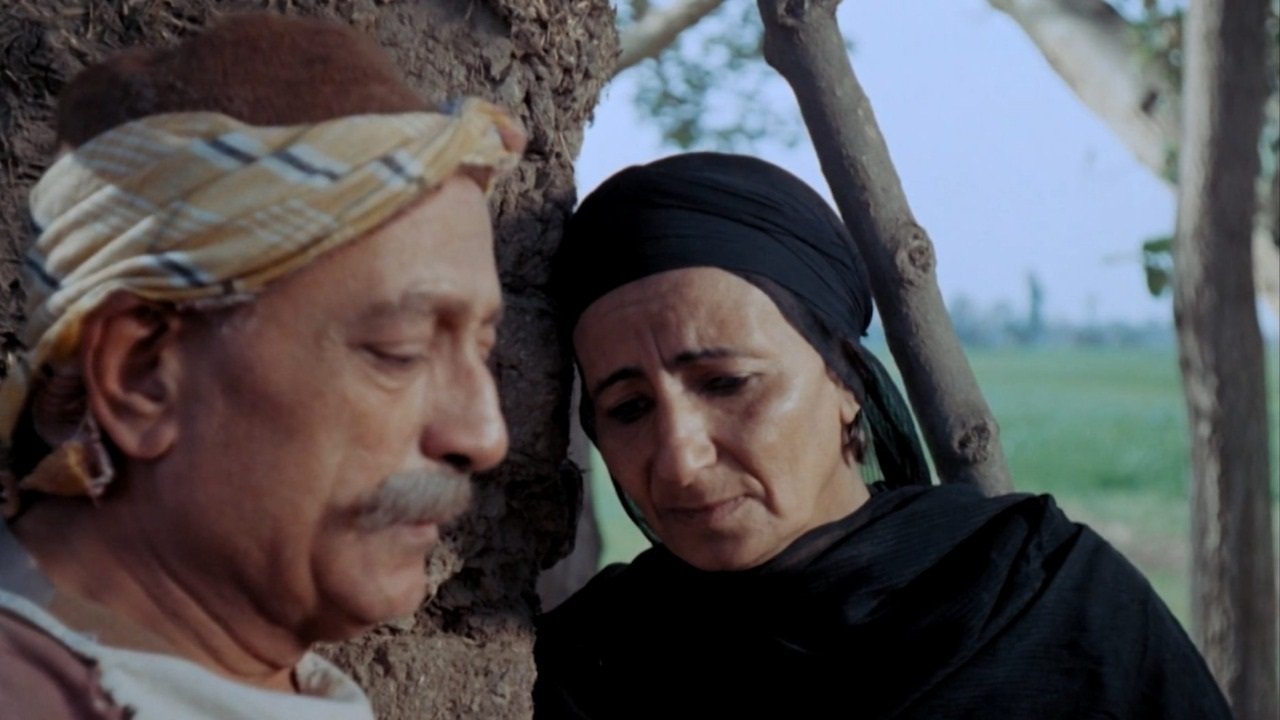
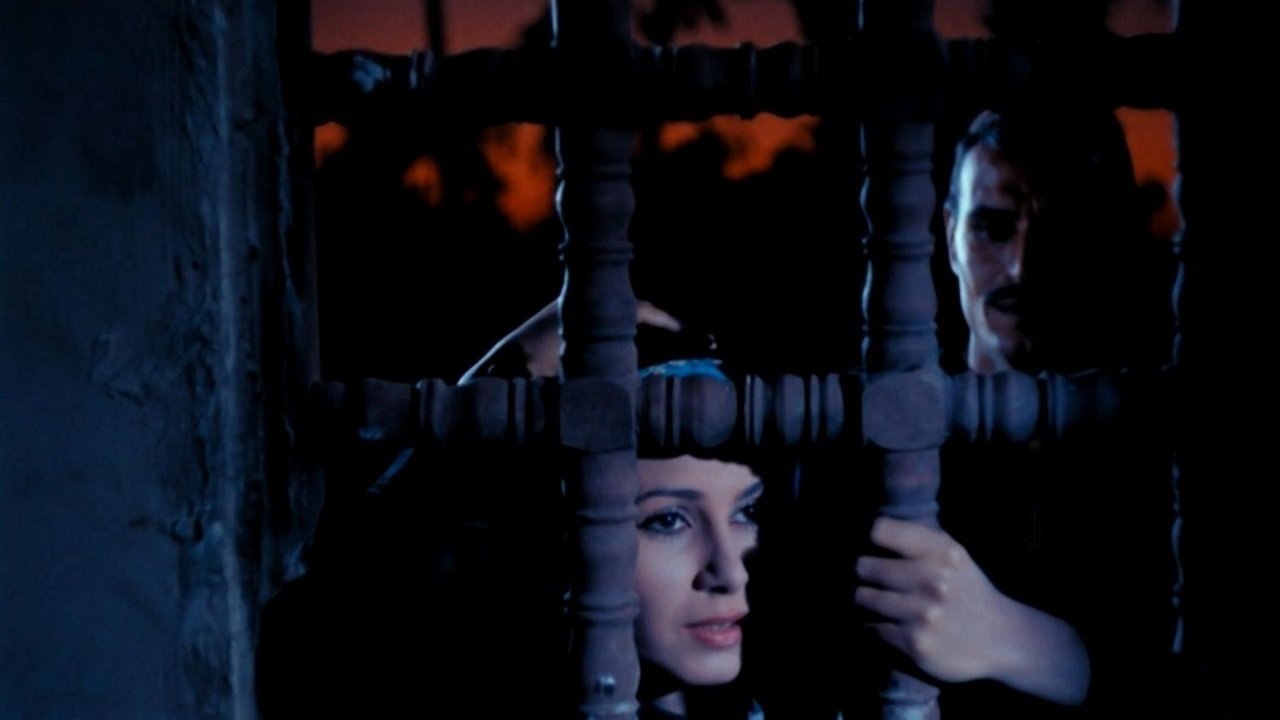
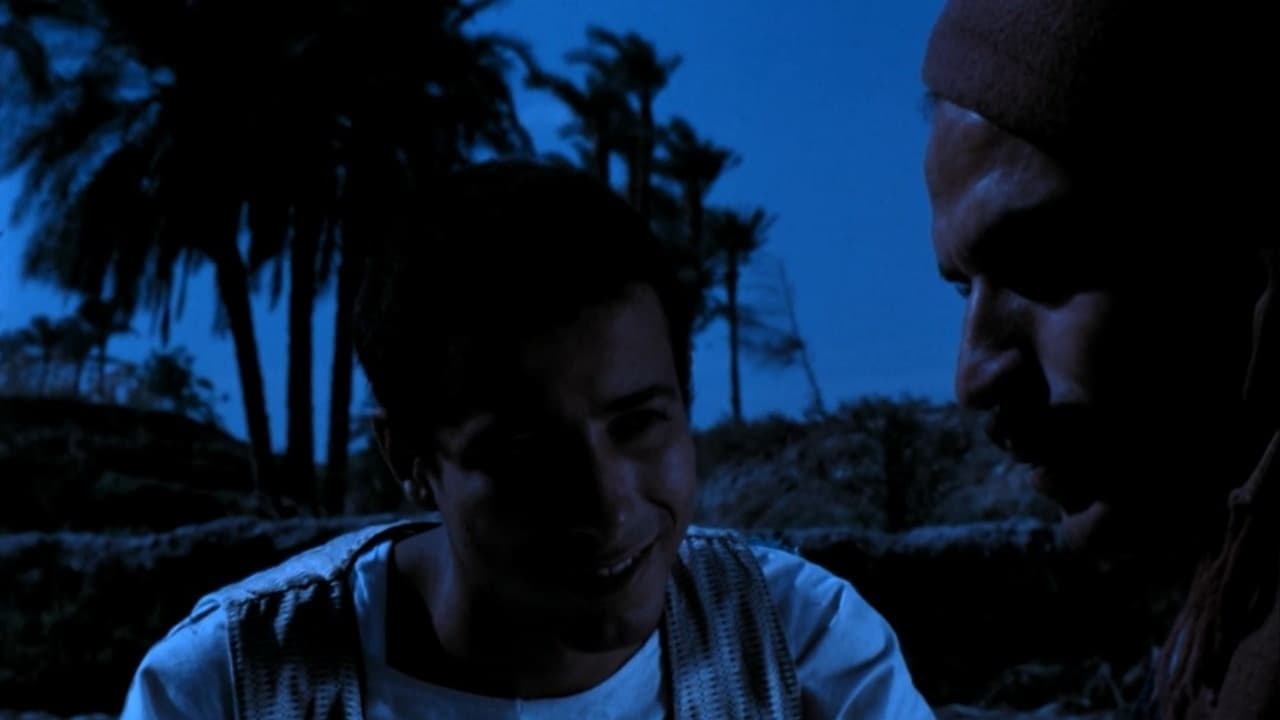
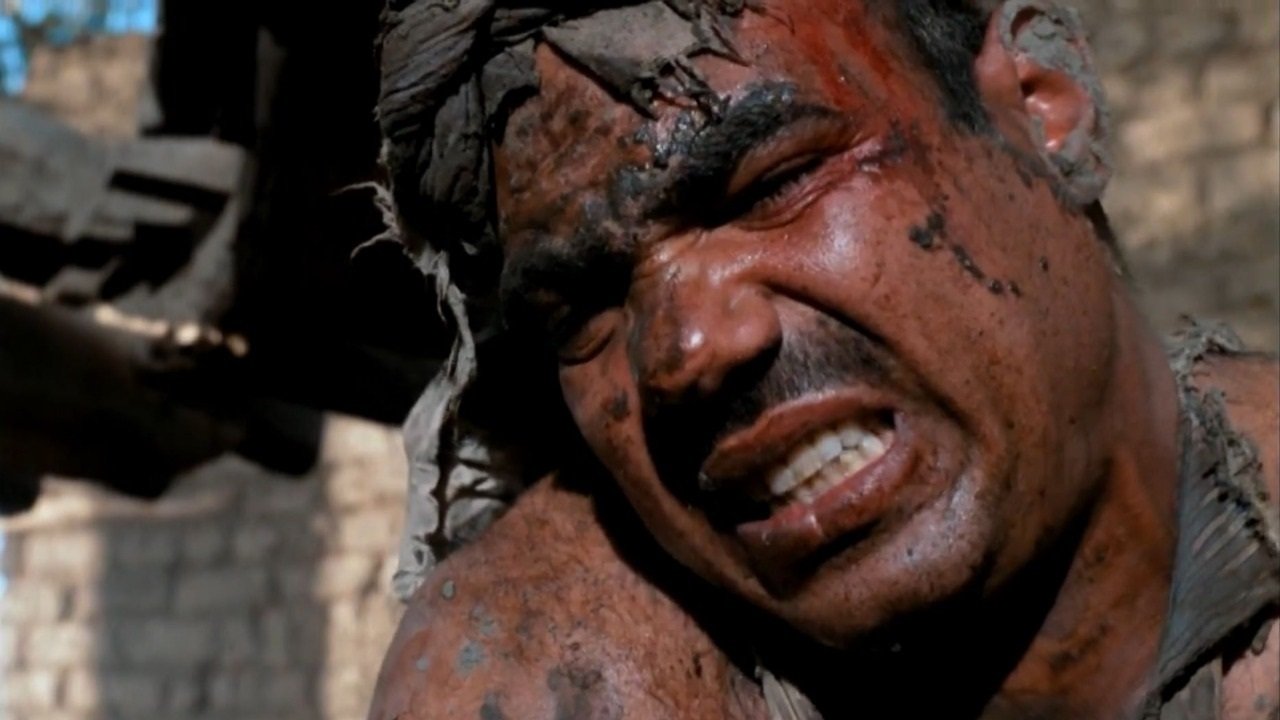
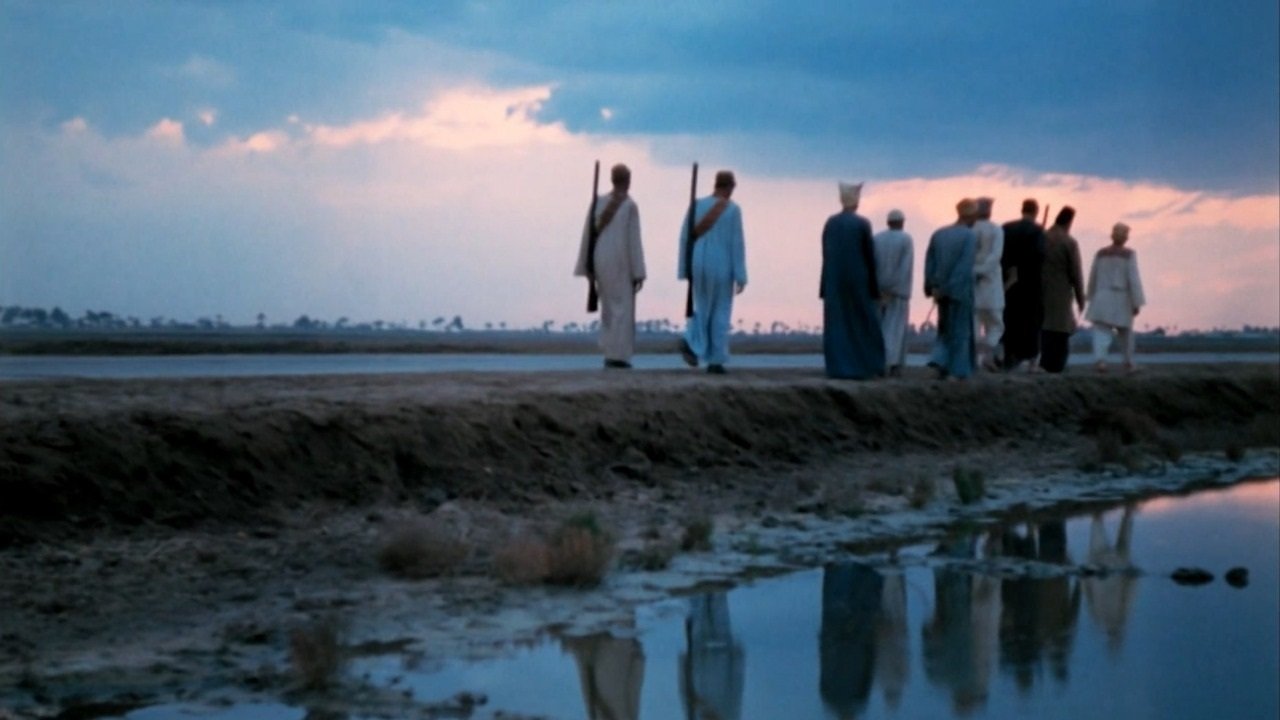
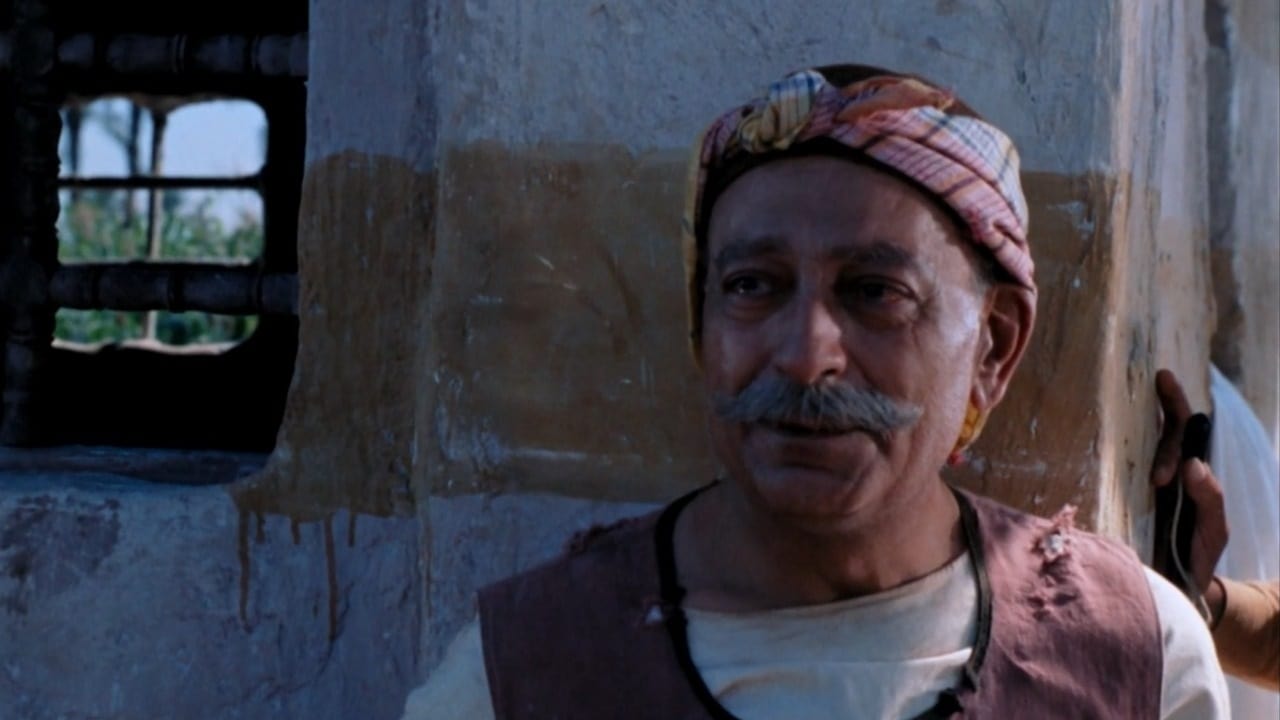
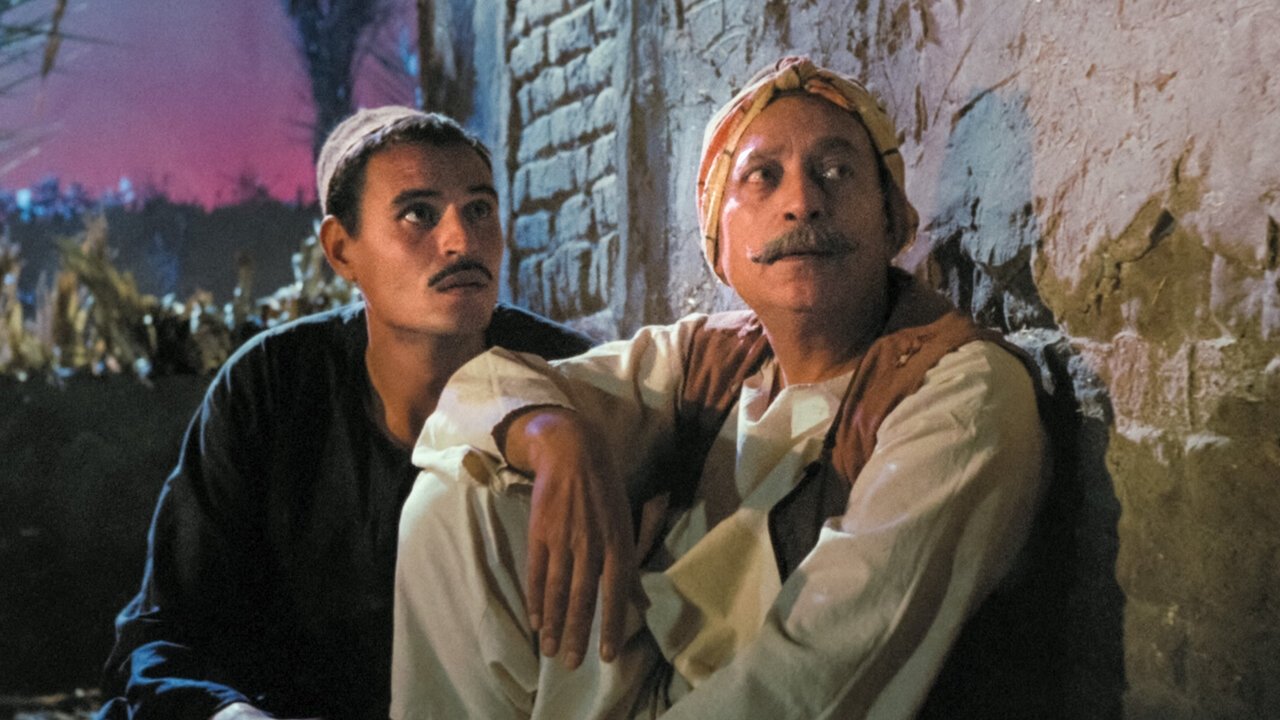
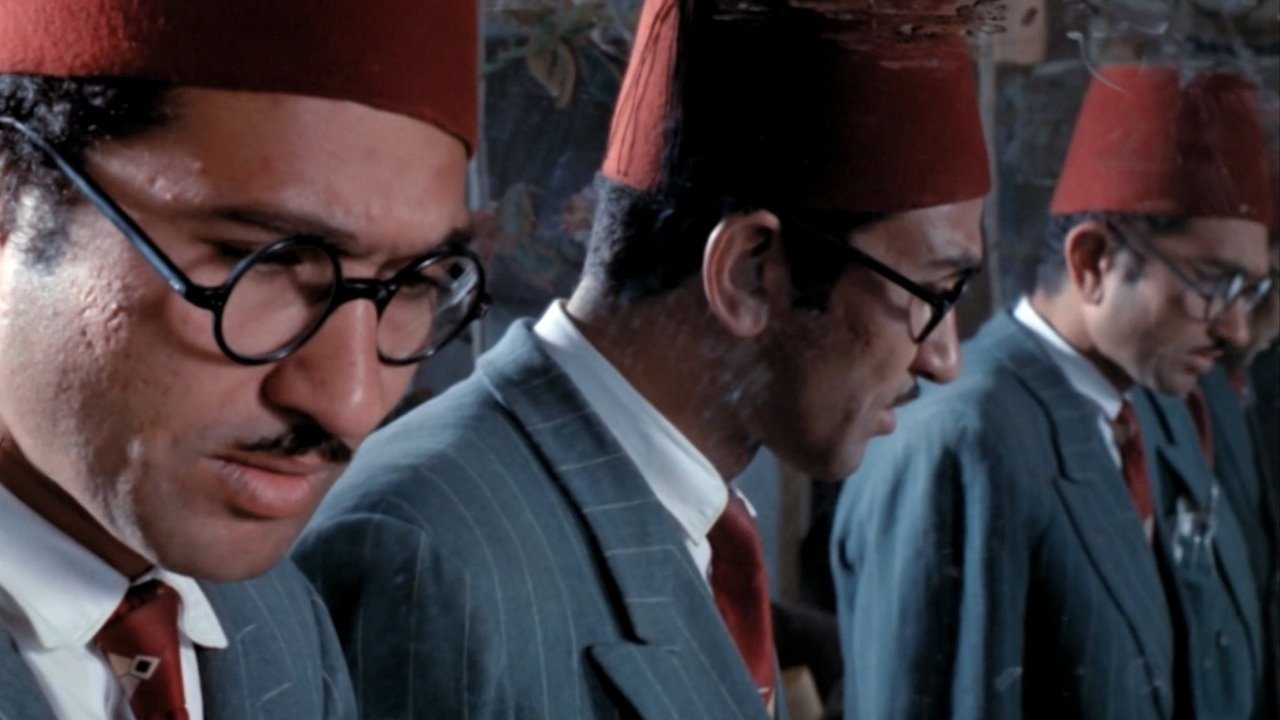
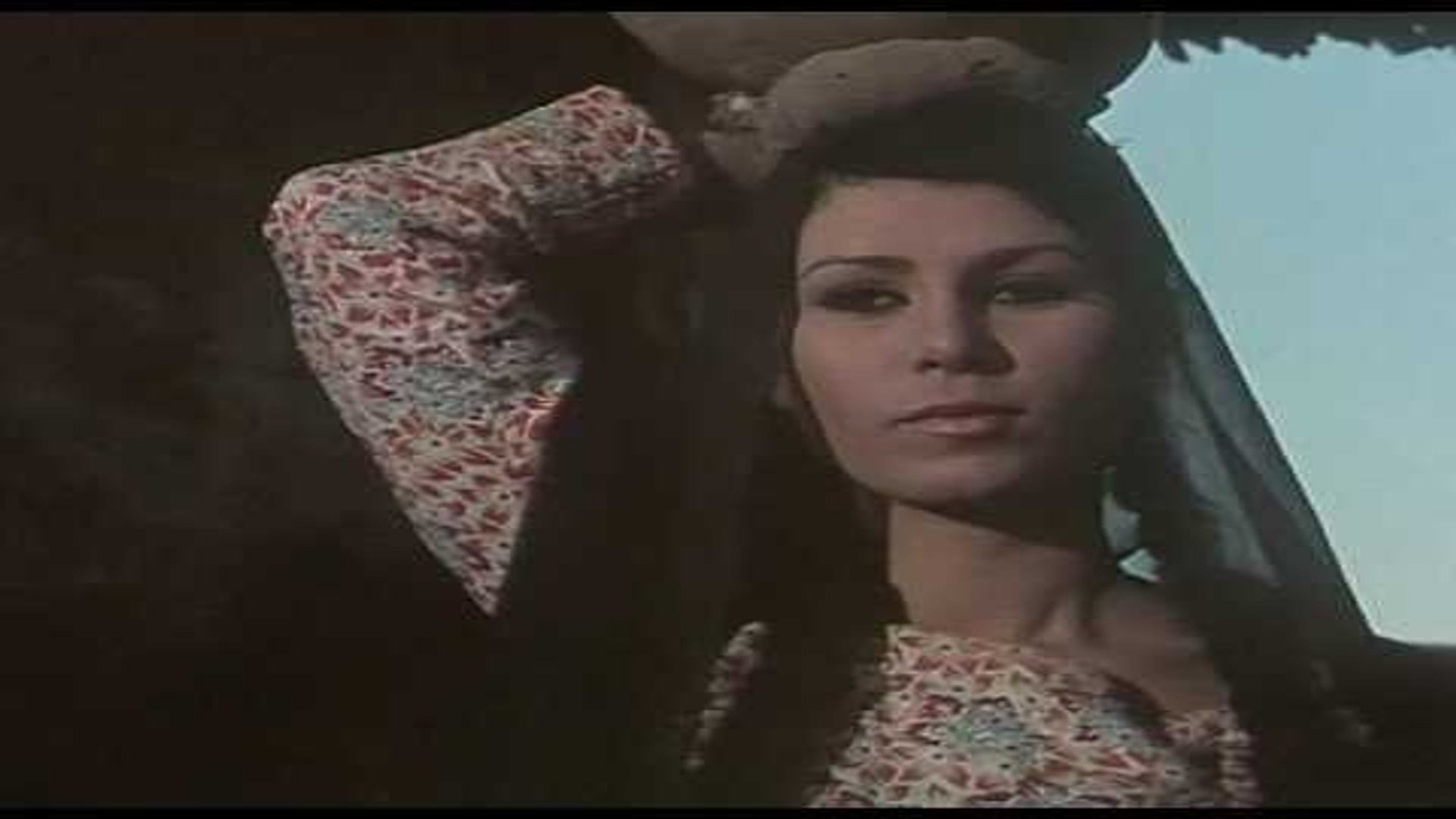
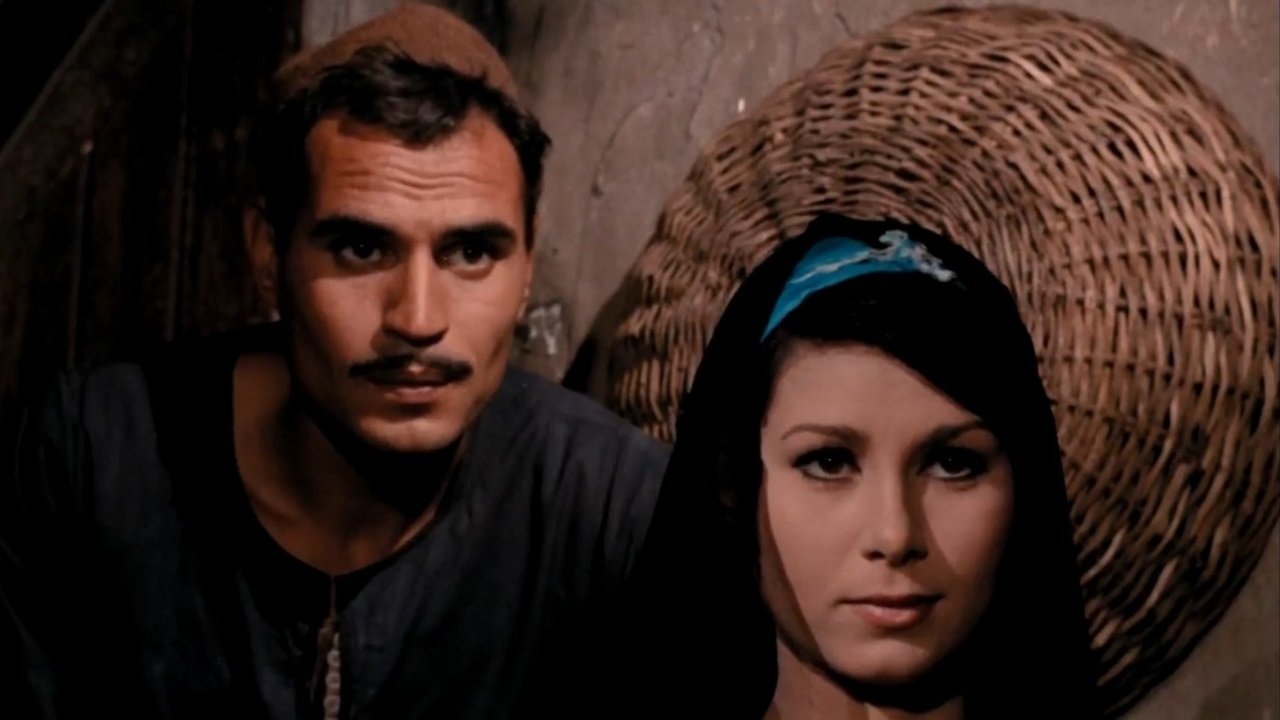
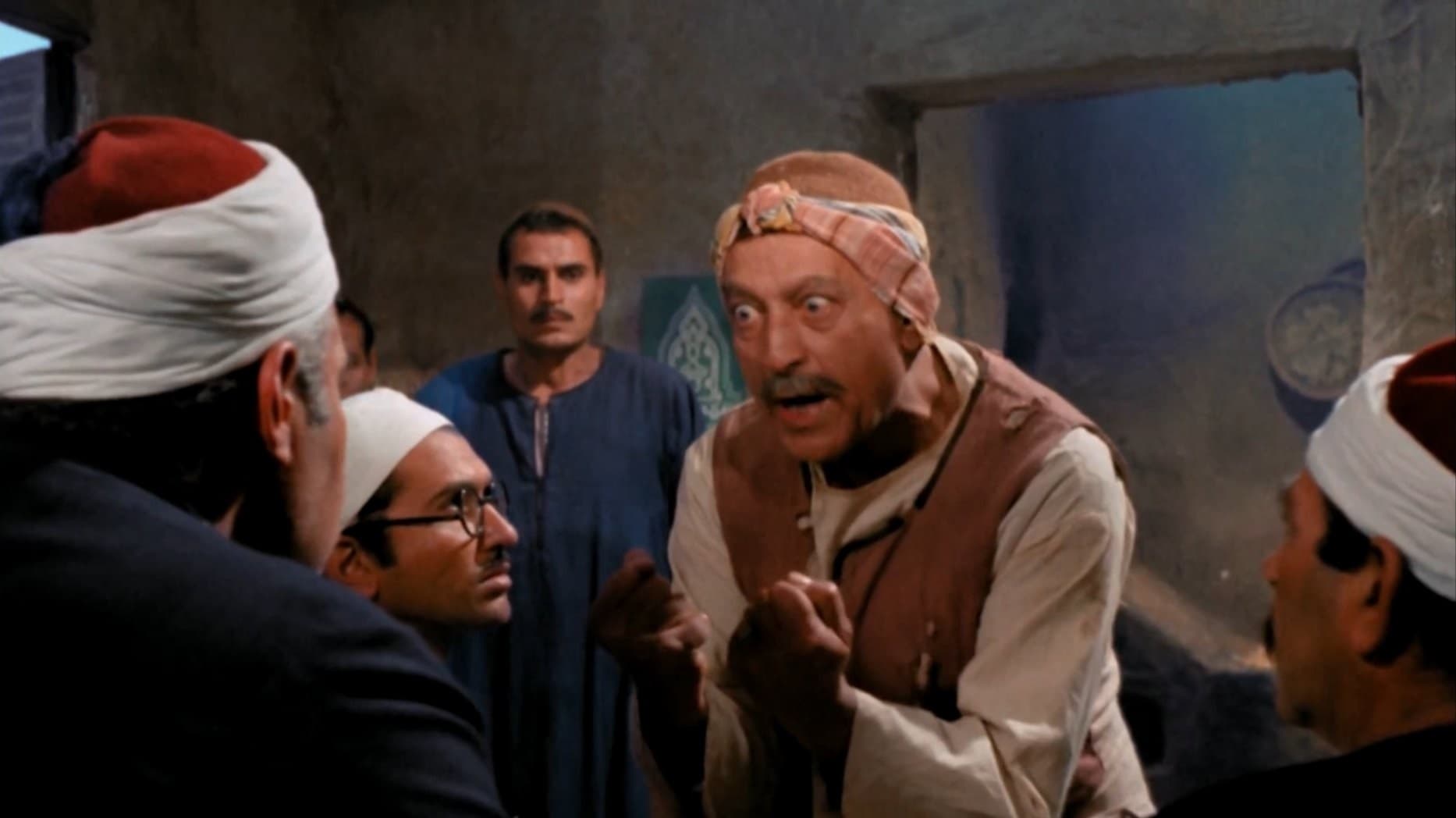
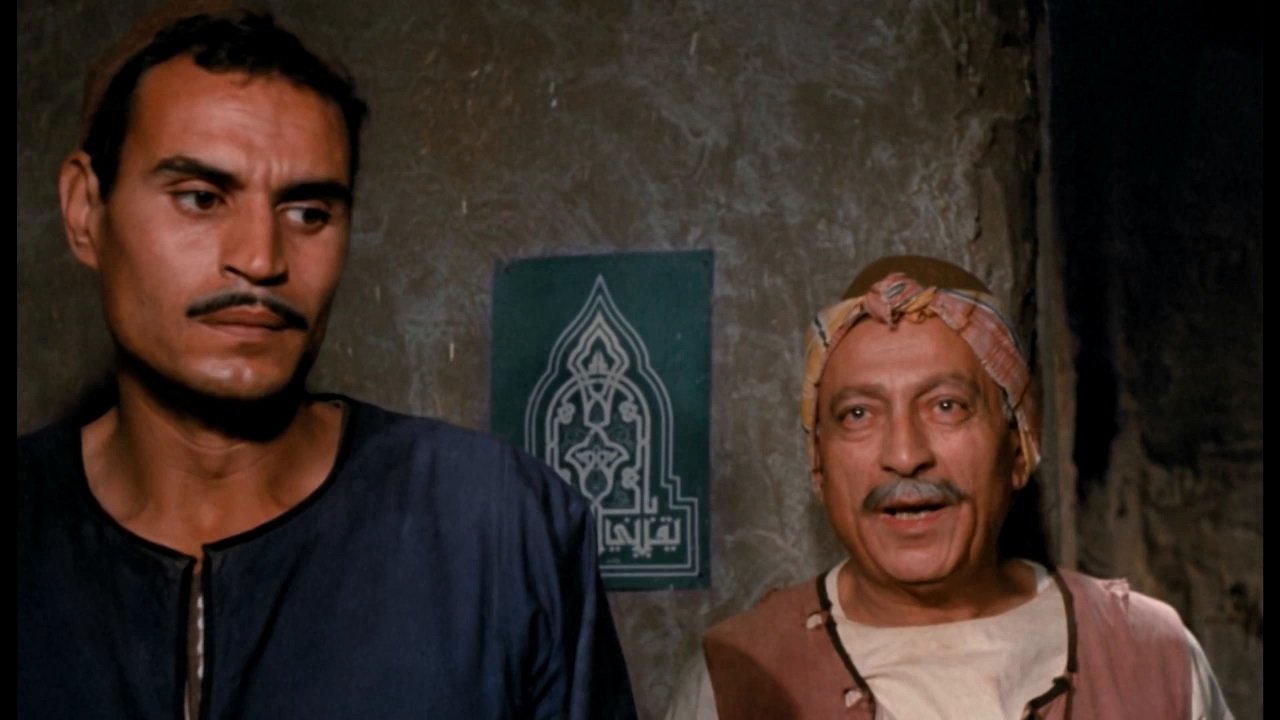
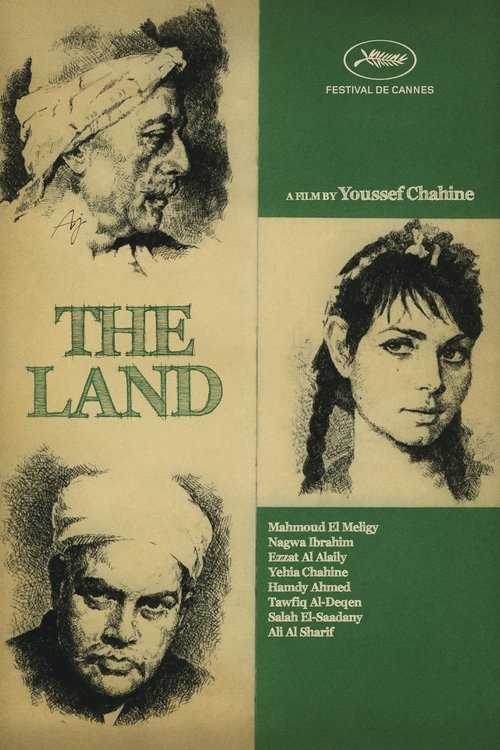
A fascinating film exposing the conflict and nuance that seems to eternally rage between land, labourer, colonialism, imperialism, capitalism, and private ownership. I was reminded often of I am Cuba and its investigation into mankind’s relationship to the land. A question of modernity, its price, its consequences, and its impact is asked of the viewer. The short story is that the mayor is appropriating an unequitable share of irrigation capacity to modernize his new mansion while the rest of the outskirt village suffers with its paltry water allocation, already strained before the new reduction.
The sentiment of the film is surely on the side of the labourer and their relationship to the land, but in a greater economic conversation it clearly illuminates the problem at the heart of modernization. Even though I have a more positive view of modernization, the images of steel desecrating the land are striking and effective. Furthermore, while my sentiments of modernization differ from the film’s ethos, I also concede the degradation of idealism is necessary for an elevated destination of humanity. Even when lines of oppression are clear, there is still nuance and underlying humanity that remains and implicates the ground floor violence. This is visualized most clearly when the leader of the camel regiment turns on his commander and reconciles with the villagers he has oppressed.
Any proponent of the film will likely hate to hear this, but when landownership is not defined, the ones at the top will surely exploit (see the tragedy of the commons). Here, should the villagers, who ancestrally should own the land, had adequate ownership rights, they could contest the mayor’s theft. We see, then, without those rights and in conjunction with the monopoly of force (military/police), usurpers will always leap to get more.
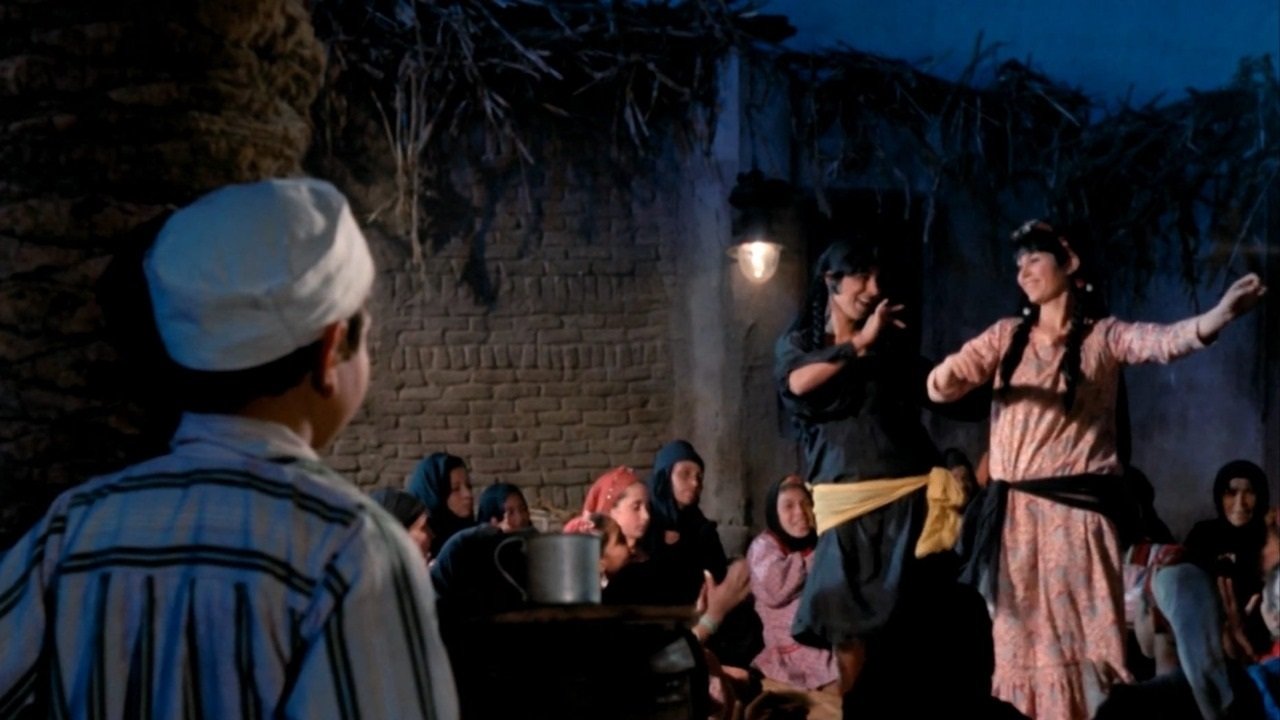
The question isn’t should modernization be stopped, but can we be conscious and elevated in that pursuit. The paradox of wanting to be “pure” in nature’s sense (a labourer of the land) but also wanting to escape poverty is crystalized by the females’ plights in the village. They have only one pathway to freedom: marriage to a city dweller. Ironically, is that real freedom though? But we nonetheless see how the women yearn to escape. For an agnostic eye like mine, this reveals the shrewd hypocrisy within the assertion that we should remain poor even though in our heart of hearts, we wish for more, another econ principle: monotonicity.
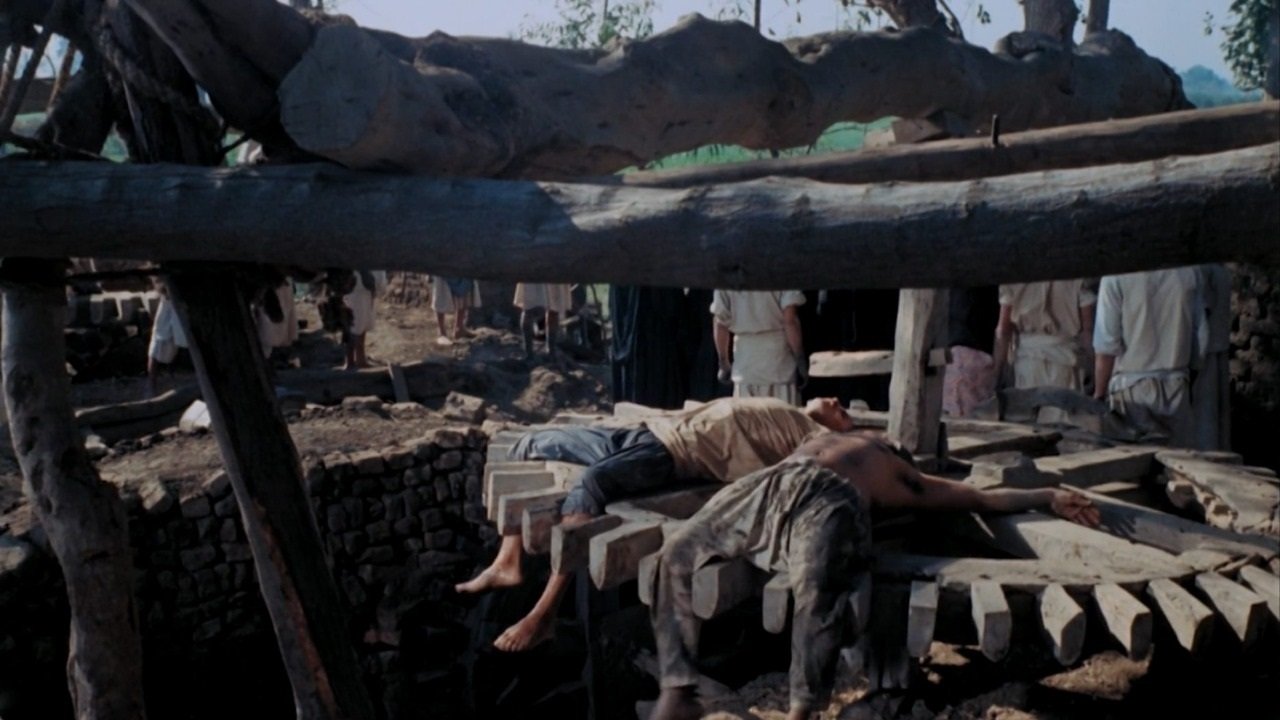
Furthermore, the entrenched evils of the village, in its form of archaic patriarchy are also on full display commencing in the tragic and senseless murder of one of the poor women of the village. Again, even within this village which has relatively nothing, they still cling to hierarchies of socio-economic status. Because this woman was among the poorest, she doesn’t own land, her corpse is debased to being the subject of careless disposal. At every step of our society we face some oppressive force waiting to murder us simply because we are small.
While every villager possesses the fire of rebellion and admirable courage, the camel patrol’s leader represents the deepest level of nuance to me. He also presents the most problematic role because he is the proverbial middleman. He is the man taken from the oppressed, by the oppressor, and retrofitted to become a vehicle of exploitation of his former comrades. Like this redemptive officer, do other officers have the deep humanity to elevate and correct? Simultaneously, do the oppressed have the grace and humility to forgive and reconcile?
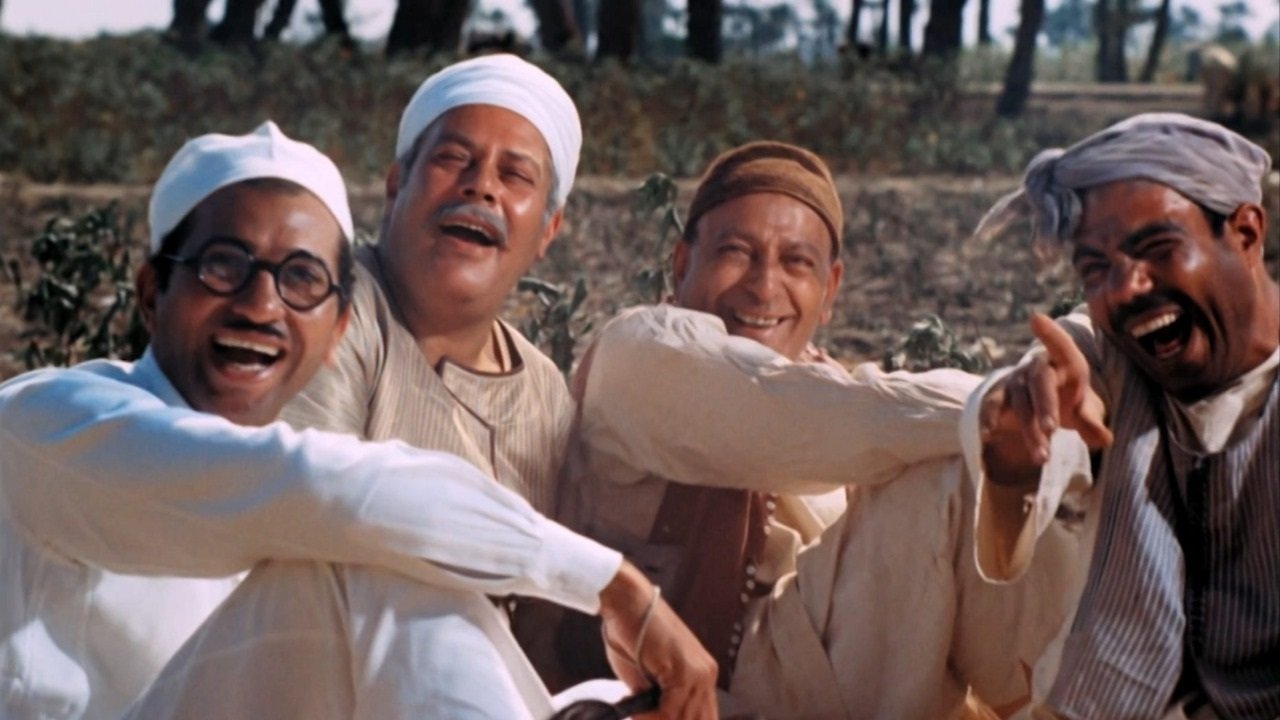
The film has a definite strain of wackiness to it that, if you know me, didn’t gel. But the nuanced conversation prompted by this kind of film cements its value and meaning to me. Further and further away do I see society drift from philosophy, critical thinking, and nuanced contemplation in favour of instantaneous memes and performative rage bait. If only we could take a step back and think. This is a movie that made me think. Therefore, I think it’s quite good.
A fascinating film exposing the conflict and nuance that seems to eternally rage between land, labourer, colonialism, imperialism, capitalism, and private ownership. I was reminded often of I am Cuba and its investigation into mankind’s relationship to the land. A question of modernity, its price, its consequences, and its impact is asked of the viewer. The short story is that the mayor is appropriating an unequitable share of irrigation capacity to modernize his new mansion while the rest of the outskirt village suffers with its paltry water allocation, already strained before the new reduction.
The sentiment of the film is surely on the side of the labourer and their relationship to the land, but in a greater economic conversation it clearly illuminates the problem at the heart of modernization. Even though I have a more positive view of modernization, the images of steel desecrating the land are striking and effective. Furthermore, while my sentiments of modernization differ from the film’s ethos, I also concede the degradation of idealism is necessary for an elevated destination of humanity. Even when lines of oppression are clear, there is still nuance and underlying humanity that remains and implicates the ground floor violence. This is visualized most clearly when the leader of the camel regiment turns on his commander and reconciles with the villagers he has oppressed.
Any proponent of the film will likely hate to hear this, but when landownership is not defined, the ones at the top will surely exploit (see the tragedy of the commons). Here, should the villagers, who ancestrally should own the land, had adequate ownership rights, they could contest the mayor’s theft. We see, then, without those rights and in conjunction with the monopoly of force (military/police), usurpers will always leap to get more.
The question isn’t should modernization be stopped, but can we be conscious and elevated in that pursuit. The paradox of wanting to be “pure” in nature’s sense (a labourer of the land) but also wanting to escape poverty is crystalized by the females’ plights in the village. They have only one pathway to freedom: marriage to a city dweller. Ironically, is that real freedom though? But we nonetheless see how the women yearn to escape. For an agnostic eye like mine, this reveals the shrewd hypocrisy within the assertion that we should remain poor even though in our heart of hearts, we wish for more, another econ principle: monotonicity.
Furthermore, the entrenched evils of the village, in its form of archaic patriarchy are also on full display commencing in the tragic and senseless murder of one of the poor women of the village. Again, even within this village which has relatively nothing, they still cling to hierarchies of socio-economic status. Because this woman was among the poorest, she doesn’t own land, her corpse is debased to being the subject of careless disposal. At every step of our society we face some oppressive force waiting to murder us simply because we are small.
While every villager possesses the fire of rebellion and admirable courage, the camel patrol’s leader represents the deepest level of nuance to me. He also presents the most problematic role because he is the proverbial middleman. He is the man taken from the oppressed, by the oppressor, and retrofitted to become a vehicle of exploitation of his former comrades. Like this redemptive officer, do other officers have the deep humanity to elevate and correct? Simultaneously, do the oppressed have the grace and humility to forgive and reconcile?
The film has a definite strain of wackiness to it that, if you know me, didn’t gel. But the nuanced conversation prompted by this kind of film cements its value and meaning to me. Further and further away do I see society drift from philosophy, critical thinking, and nuanced contemplation in favour of instantaneous memes and performative rage bait. If only we could take a step back and think. This is a movie that made me think. Therefore, I think it’s quite good.