

2024·Drama·1h 42m
7.0
★

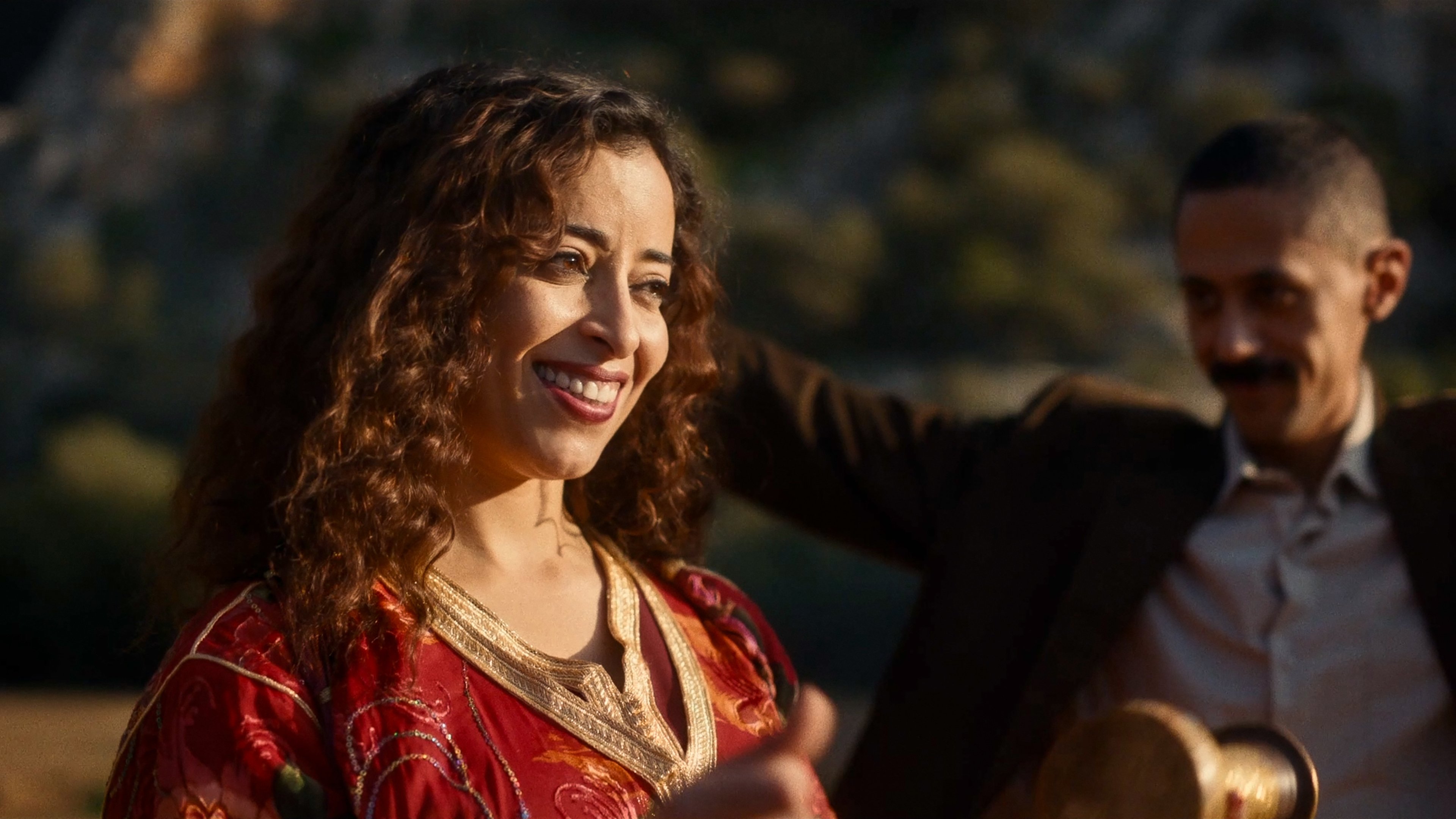

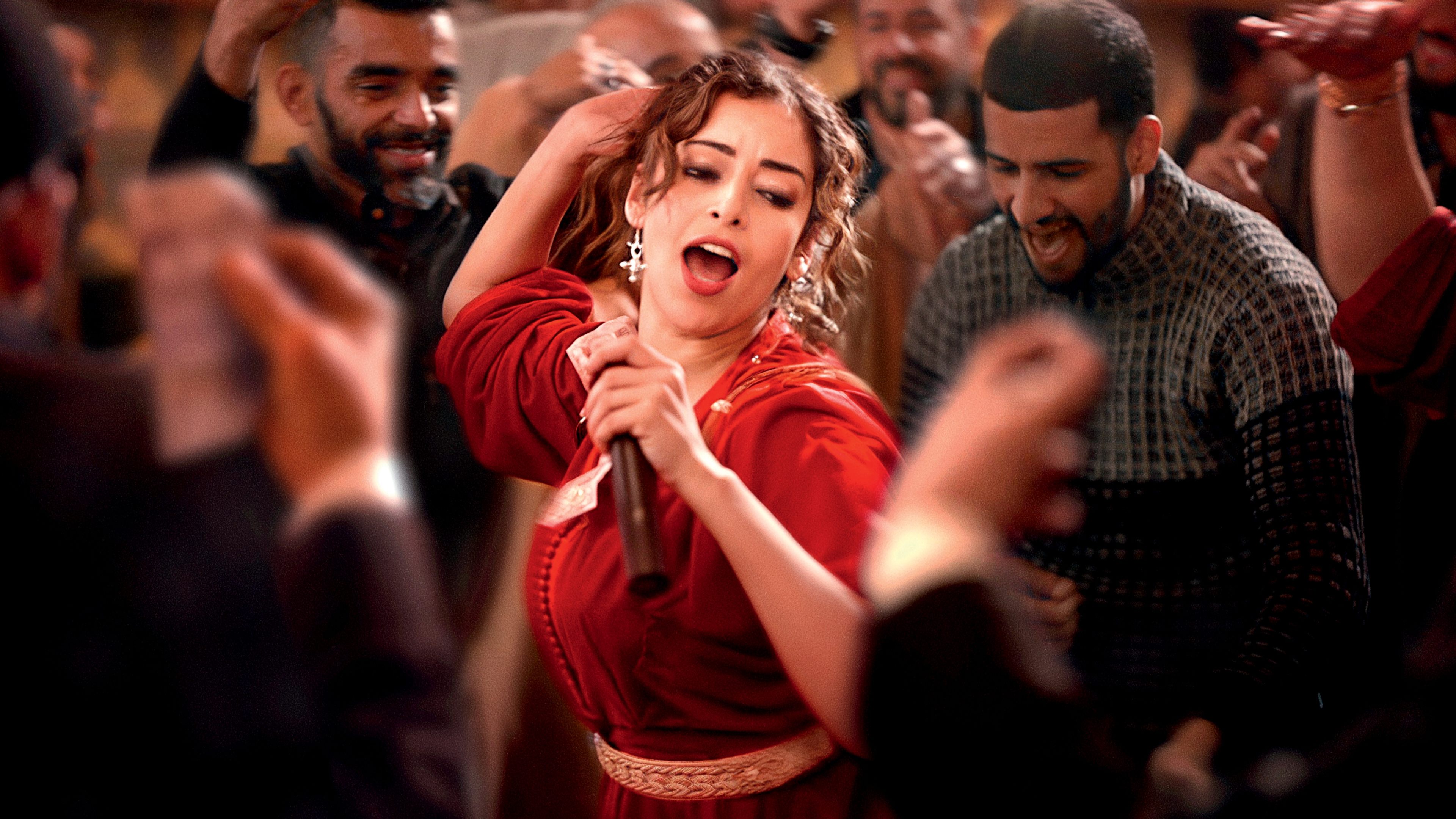
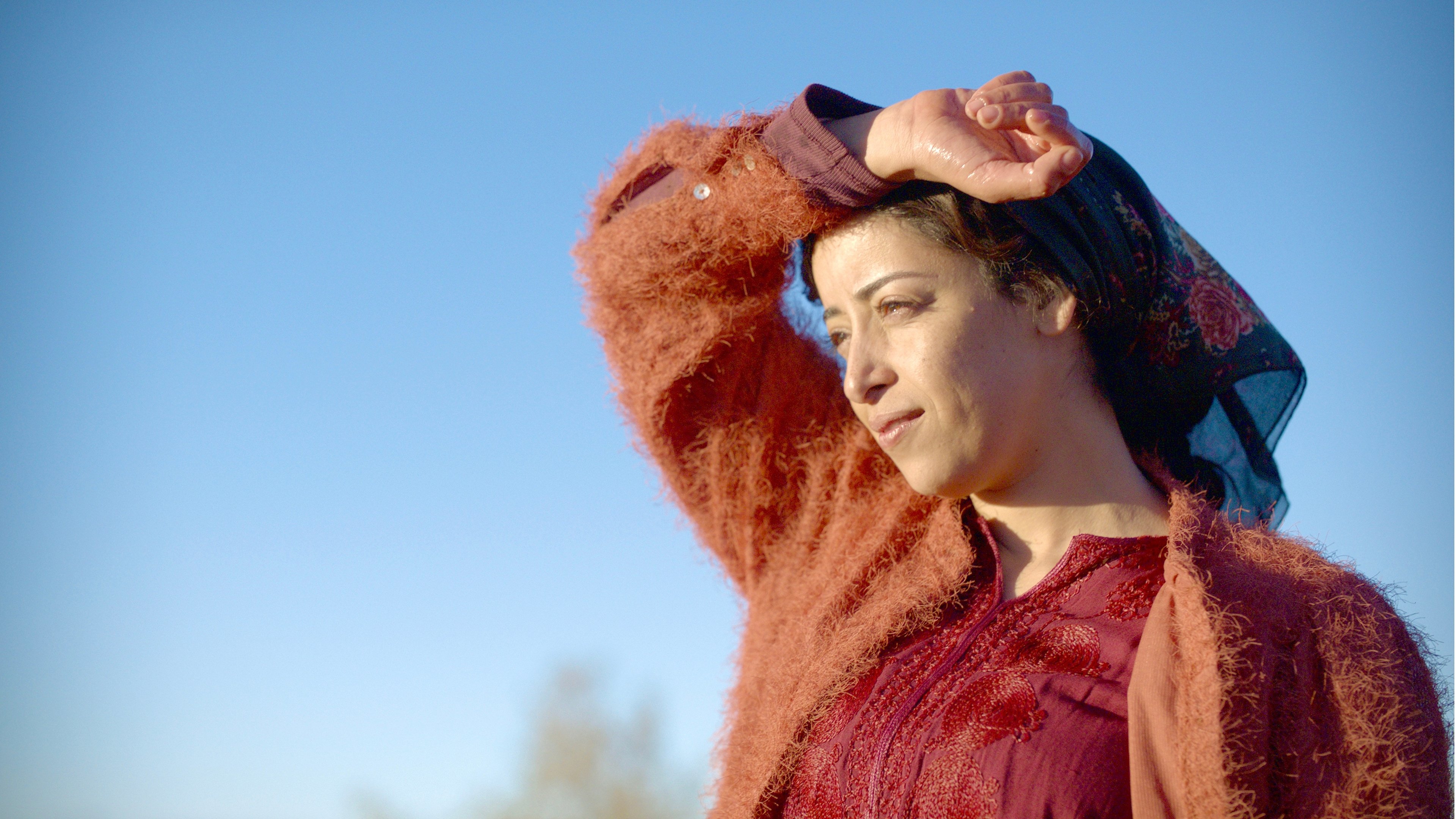
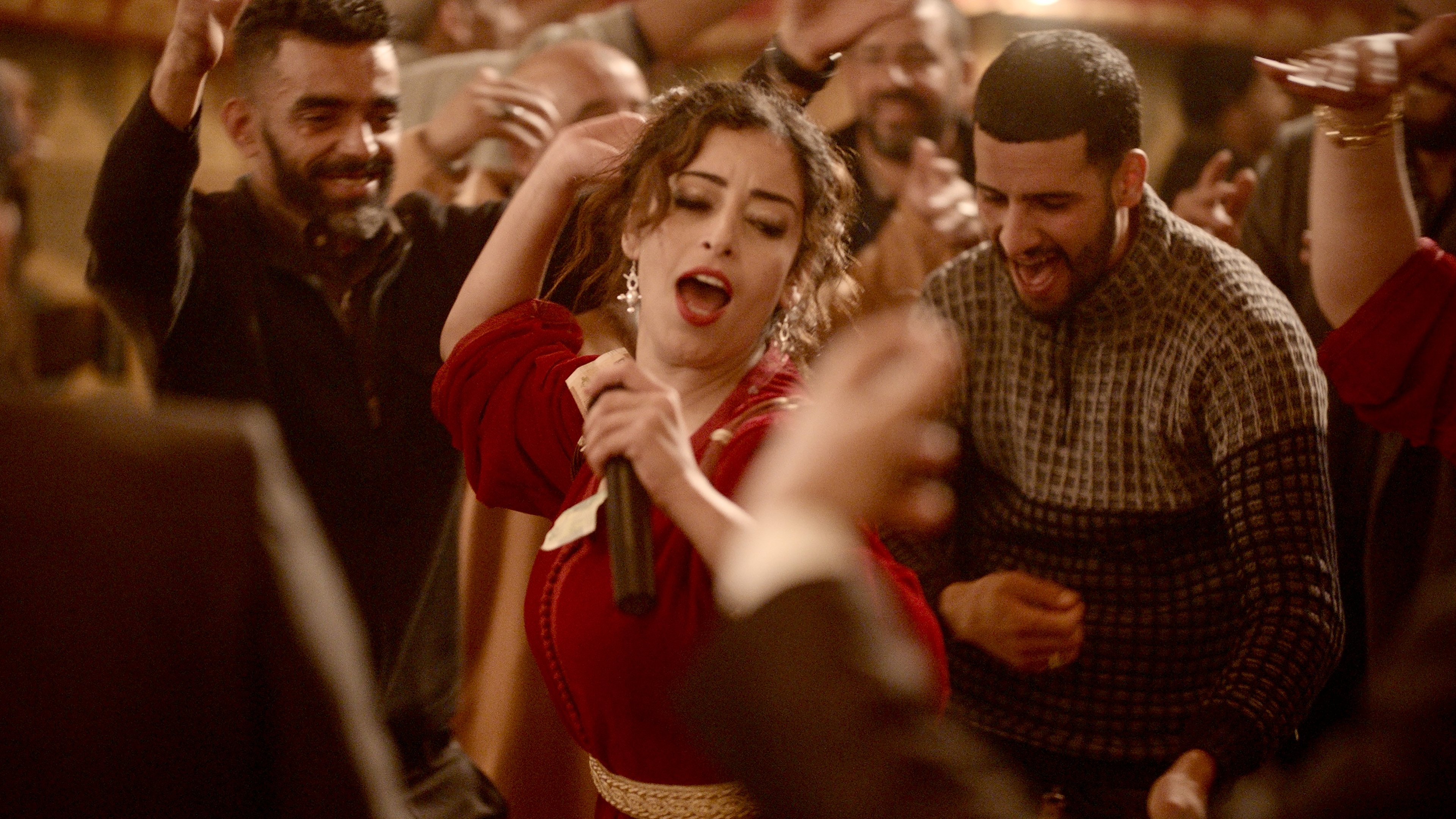
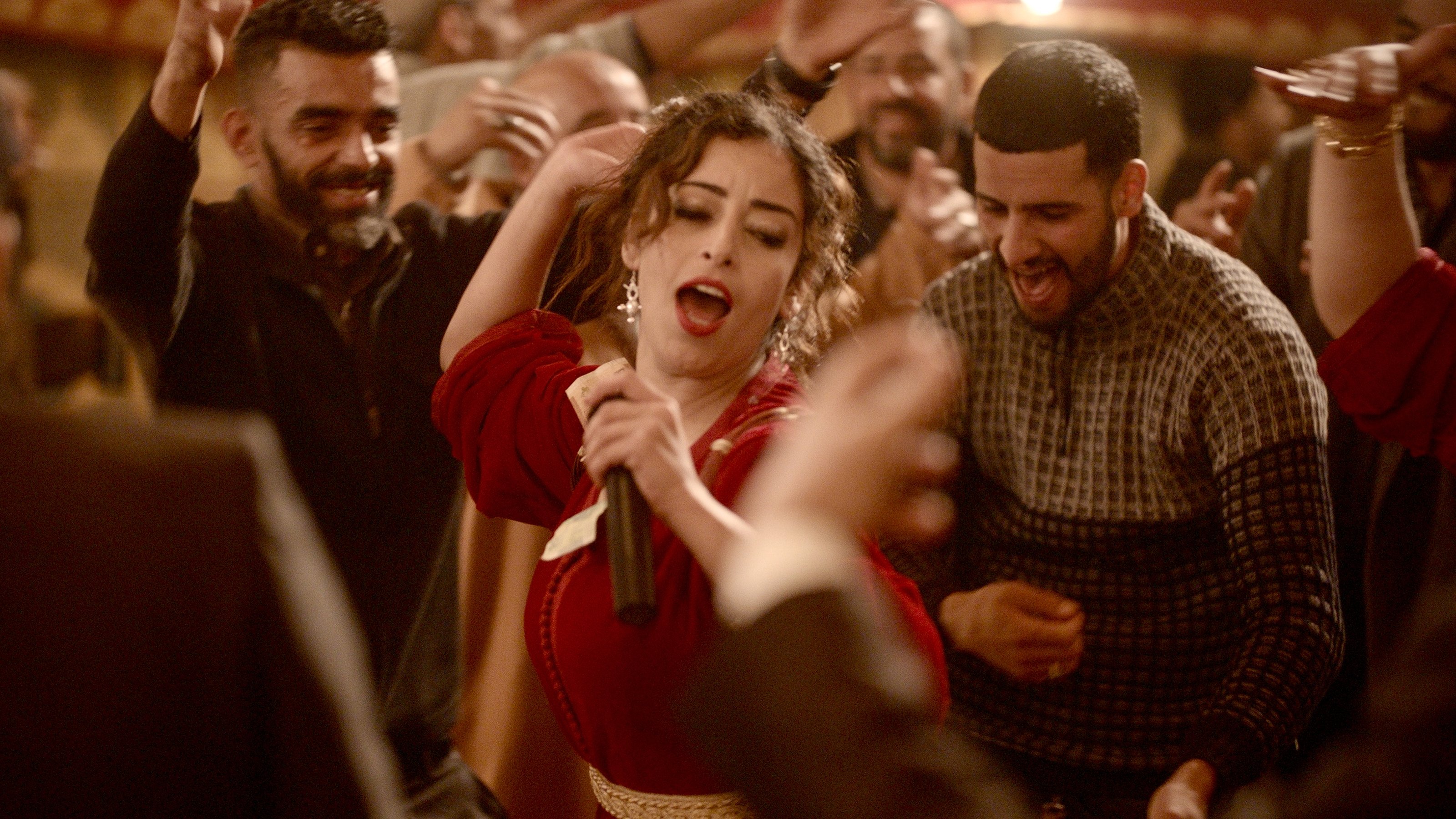

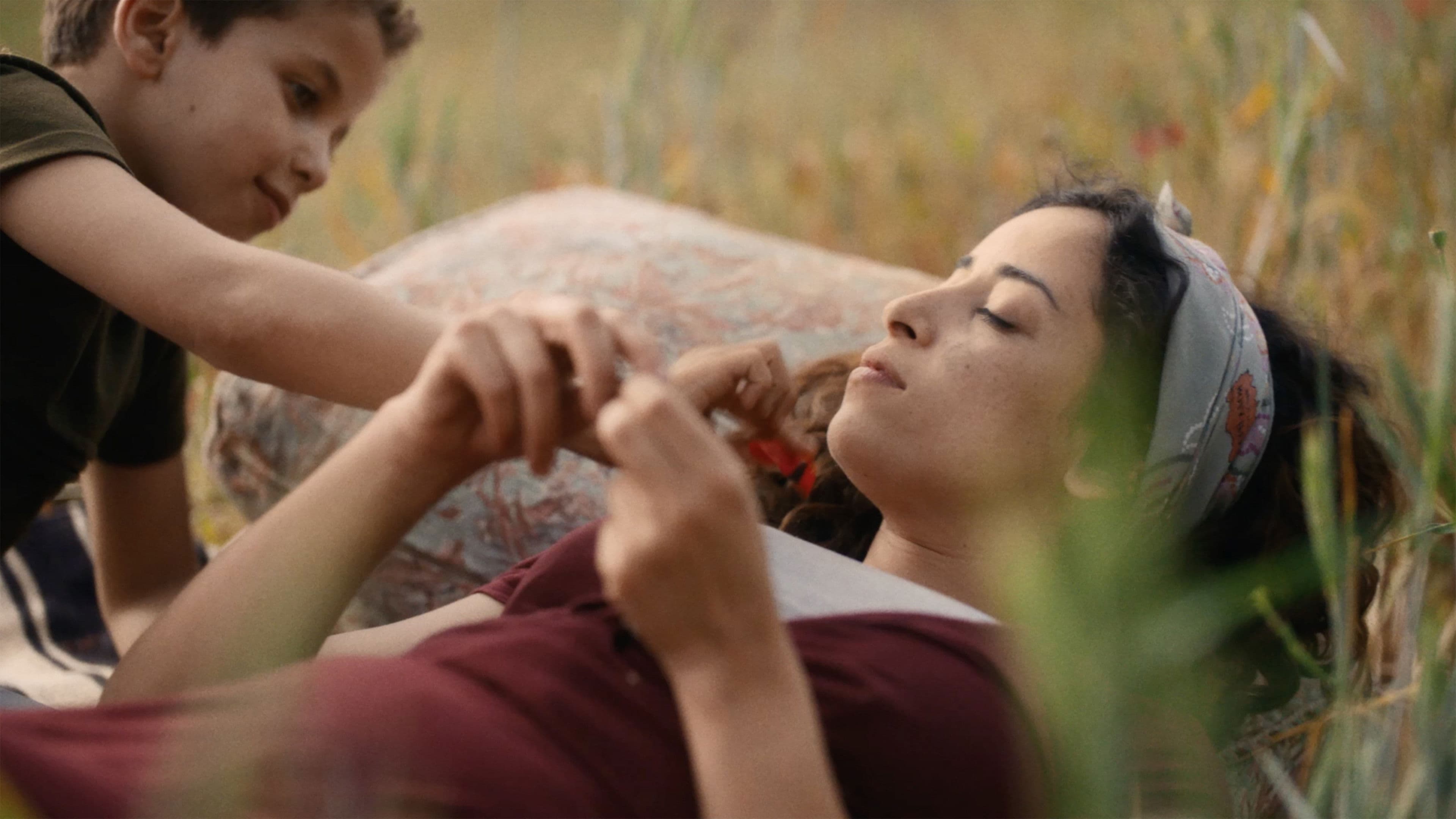
Touda is a Sheikha, a traditional Moroccan singer. Performing in the bars of her provincial town under the gaze of men, she plans to leave for the lights of Casablanca in search of recognition and to ensure a better future for her deaf-mute son.
Directed by Nabil Ayouch
antagonistic
baffled
celebratory
disapproving

Trailer

IMDB
N/A
Where to Watch

Cast

Nisrin Erradi
Touda
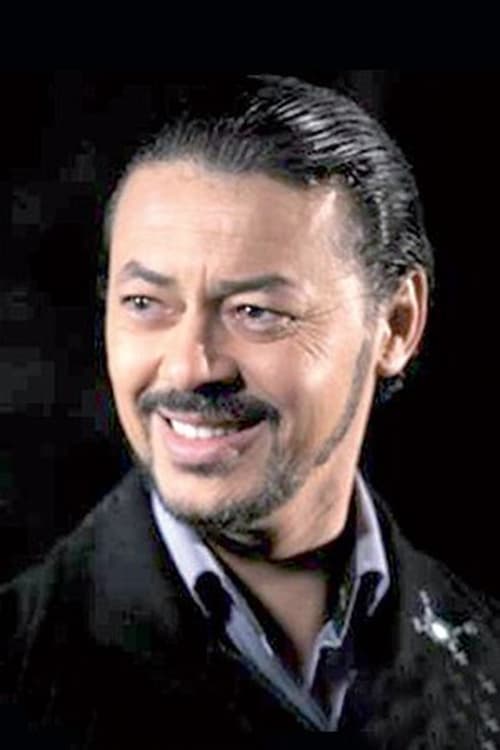
Amine Ennaji
Marhaba Bar Customer
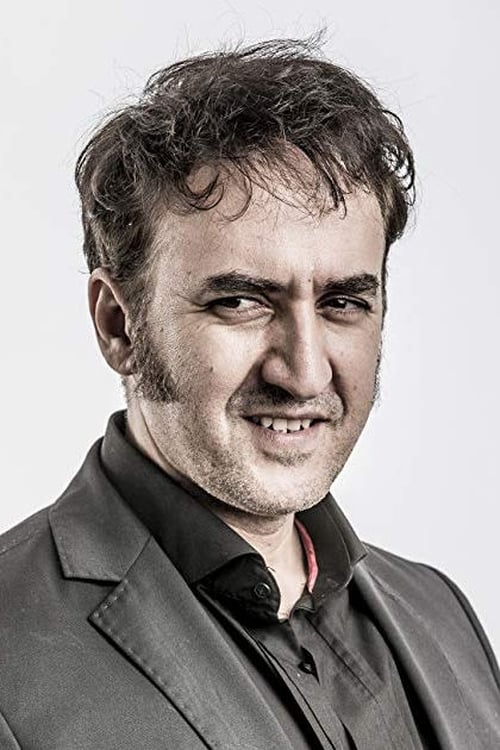
Abdellatif Chaouqi
Arizona Bar Manager
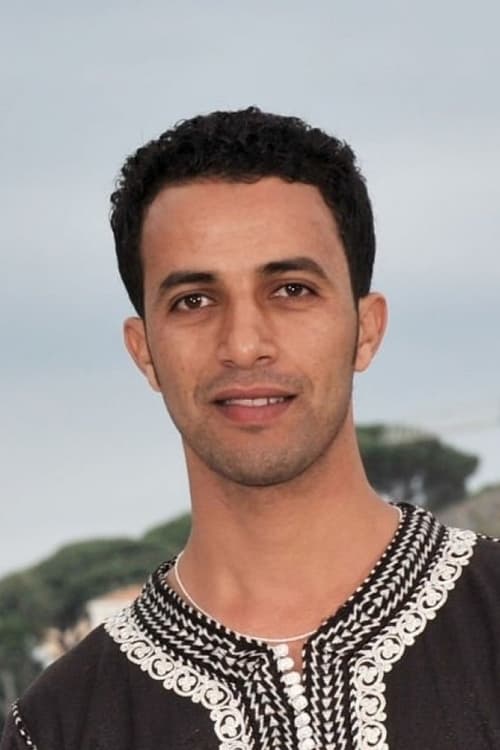
Abdelilah Rachid
Touda's brother
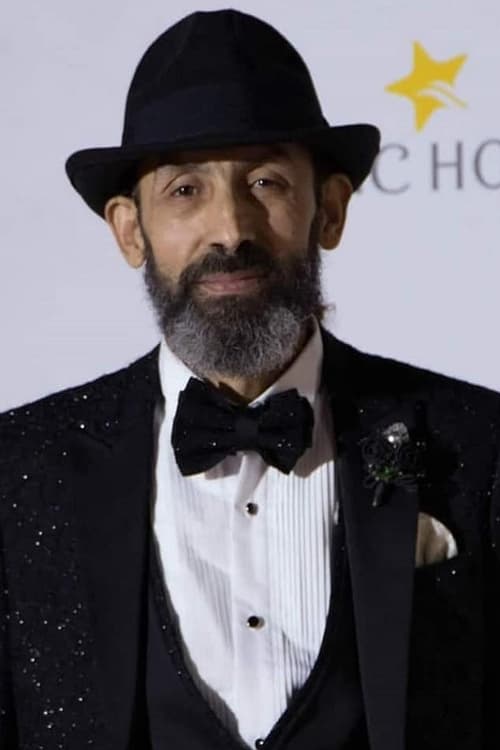
Mohamed Naimane
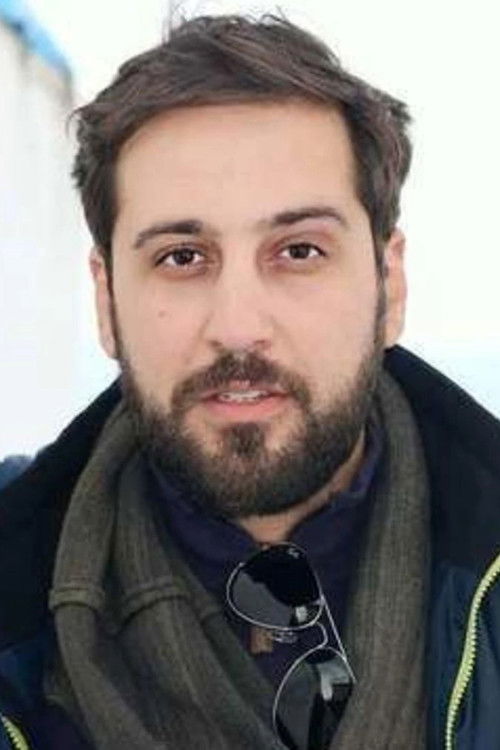
Amine Benjelloun

Ahmed El Idrissi Amrani
Crew
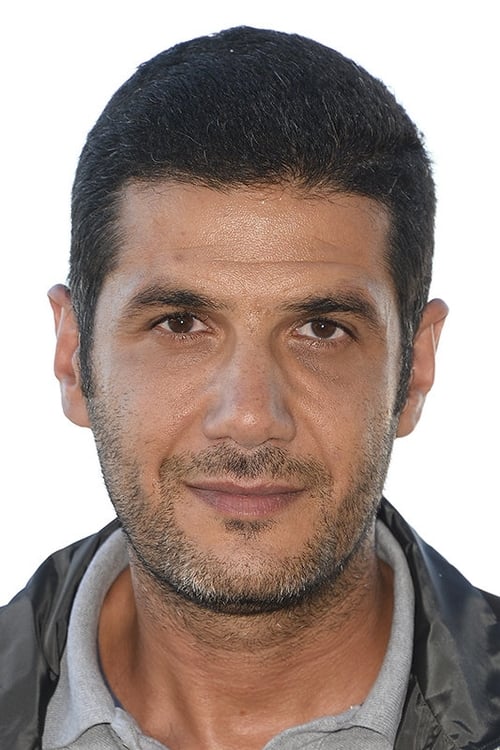
Nabil Ayouch
Director

Maryam Touzani
Writer
Nabil Ayouch
Writer

Flemming Nordkrog
Original Music Composer

Virginie Surdej
Director of Photography

Elisa Fernanda Pirir
Producer
Nabil Ayouch
Producer
Amine Benjelloun
Executive Producer
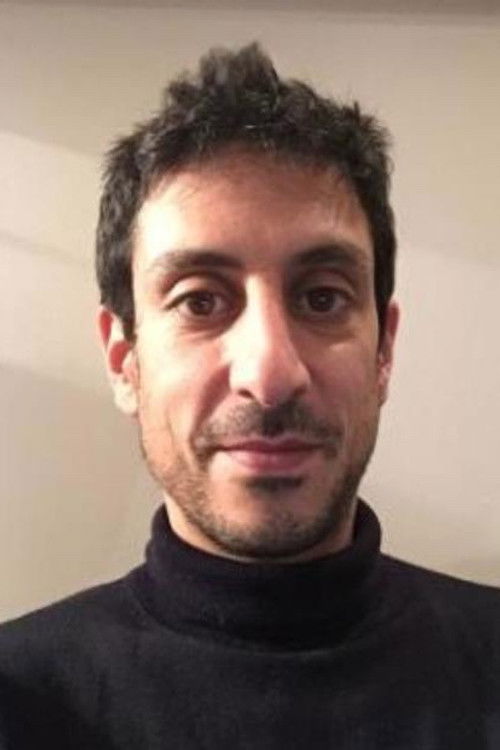
Samuel Aïchoun
Sound Re-Recording Mixer

Eve Martin
Production Design
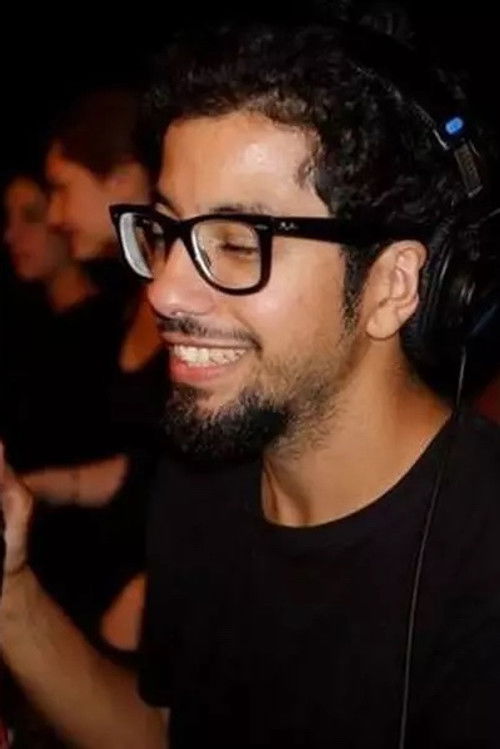
Nassim El Mounabbih
Sound Mixer

Kristian Eidnes Andersen
Music
Popular Reviews
13 reviews
Samed
6.0★ · 04/27/26

A bold movie
A bold movie


Slma
8.0★ · 09/23/25
if Touda has no fans, im dead.
if Touda has no fans, im dead.
Israa
8.4★ · 07/07/25
GOD BLESS SHEIKHATES
GOD BLESS SHEIKHATES
Vasheus
2.0★ · 04/23/25
Let’s make this review about why I genuinely hate Nabil Ayouch’s work:
First of all, I find it hard to take seriously the perspective of someone who spent their entire childhood in France, immersed in a completely different culture, when they attempt to depict the core of Moroccan society especially something as nuanced and complex as our nightlife. There’s a fundamental disconnect, and it shows.
There’s something deeply frustrating about the way Moroccan cinema, particularly in Ayouch’s circle of directors work, seems to carry a strong sense of inferiority complex as if it’s constantly begging for validation and petty from international film festivals. Instead of exploring meaningful, grounded stories that reflect the genuine diversity and struggles of Moroccan society, these films often seem more concerned with checking off as many stereotypes as possible and It is a tired formula.
Take "Everybody Loves Touda" for example. It was marketed as a deep dive into Aïta and Tachiyacht, two rich forms of Moroccan oral and musical tradition. But the film barely scratches the surface of those themes. What we actually get is a hollow, generic narrative about nightlife.....yes, the film starts off with promise the first 20 minutes do show some potential but then it completely loses its direction. At best, it’s a humane story, but one with no real backbone.
And perhaps the most troubling part of Ayouch’s career is the way he treats his actors especially minor and child actors. Since Ali Zaoua, there have been ongoing concerns about the ethical treatment of young performers in his productions, too many stories have surfaced from behind the scenes whixh the general public rarely hears about Nabil built his career based on exploitation and carelessness. Roles are handed out and discarded just as easily, with little regard for the lasting impact on the individuals involved.
First of all, I find it hard to take seriously the perspective of someone who spent their entire childhood in France, immersed in a completely different culture, when they attempt to depict the core of Moroccan society especially something as nuanced and complex as our nightlife. There’s a fundamental disconnect, and it shows.
There’s something deeply frustrating about the way Moroccan cinema, particularly in Ayouch’s circle of directors work, seems to carry a strong sense of inferiority complex as if it’s constantly begging for validation and petty from international film festivals. Instead of exploring meaningful, grounded stories that reflect the genuine diversity and struggles of Moroccan society, these films often seem more concerned with checking off as many stereotypes as possible and It is a tired formula.
Take "Everybody Loves Touda" for example. It was marketed as a deep dive into Aïta and Tachiyacht, two rich forms of Moroccan oral and musical tradition. But the film barely scratches the surface of those themes. What we actually get is a hollow, generic narrative about nightlife.....yes, the film starts off with promise the first 20 minutes do show some potential but then it completely loses its direction. At best, it’s a humane story, but one with no real backbone.
And perhaps the most troubling part of Ayouch’s career is the way he treats his actors especially minor and child actors. Since Ali Zaoua, there have been ongoing concerns about the ethical treatment of young performers in his productions, too many stories have surfaced from behind the scenes whixh the general public rarely hears about Nabil built his career based on exploitation and carelessness. Roles are handed out and discarded just as easily, with little regard for the lasting impact on the individuals involved.
Let’s make this review about why I genuinely hate Nabil Ayouch’s work:
First of all, I find it hard to take seriously the perspective of someone who spent their entire childhood in France, immersed in a completely different culture, when they attempt to depict the core of Moroccan society especially something as nuanced and complex as our nightlife. There’s a fundamental disconnect, and it shows.
There’s something deeply frustrating about the way Moroccan cinema, particularly in Ayouch’s circle of directors work, seems to carry a strong sense of inferiority complex as if it’s constantly begging for validation and petty from international film festivals. Instead of exploring meaningful, grounded stories that reflect the genuine diversity and struggles of Moroccan society, these films often seem more concerned with checking off as many stereotypes as possible and It is a tired formula.
Take "Everybody Loves Touda" for example. It was marketed as a deep dive into Aïta and Tachiyacht, two rich forms of Moroccan oral and musical tradition. But the film barely scratches the surface of those themes. What we actually get is a hollow, generic narrative about nightlife.....yes, the film starts off with promise the first 20 minutes do show some potential but then it completely loses its direction. At best, it’s a humane story, but one with no real backbone.
And perhaps the most troubling part of Ayouch’s career is the way he treats his actors especially minor and child actors. Since Ali Zaoua, there have been ongoing concerns about the ethical treatment of young performers in his productions, too many stories have surfaced from behind the scenes whixh the general public rarely hears about Nabil built his career based on exploitation and carelessness. Roles are handed out and discarded just as easily, with little regard for the lasting impact on the individuals involved.
First of all, I find it hard to take seriously the perspective of someone who spent their entire childhood in France, immersed in a completely different culture, when they attempt to depict the core of Moroccan society especially something as nuanced and complex as our nightlife. There’s a fundamental disconnect, and it shows.
There’s something deeply frustrating about the way Moroccan cinema, particularly in Ayouch’s circle of directors work, seems to carry a strong sense of inferiority complex as if it’s constantly begging for validation and petty from international film festivals. Instead of exploring meaningful, grounded stories that reflect the genuine diversity and struggles of Moroccan society, these films often seem more concerned with checking off as many stereotypes as possible and It is a tired formula.
Take "Everybody Loves Touda" for example. It was marketed as a deep dive into Aïta and Tachiyacht, two rich forms of Moroccan oral and musical tradition. But the film barely scratches the surface of those themes. What we actually get is a hollow, generic narrative about nightlife.....yes, the film starts off with promise the first 20 minutes do show some potential but then it completely loses its direction. At best, it’s a humane story, but one with no real backbone.
And perhaps the most troubling part of Ayouch’s career is the way he treats his actors especially minor and child actors. Since Ali Zaoua, there have been ongoing concerns about the ethical treatment of young performers in his productions, too many stories have surfaced from behind the scenes whixh the general public rarely hears about Nabil built his career based on exploitation and carelessness. Roles are handed out and discarded just as easily, with little regard for the lasting impact on the individuals involved.
Vasheus
2.0★ · 04/23/25
Let’s make this review about why I genuinely hate Nabil Ayouch’s work:
First of all, I find it hard to take seriously the perspective of someone who spent their entire childhood in France, immersed in a completely different culture, when they attempt to depict the core of Moroccan society especially something as nuanced and complex as our nightlife. There’s a fundamental disconnect, and it shows.
There’s something deeply frustrating about the way Moroccan cinema, particularly in Ayouch’s circle of directors work, seems to carry a strong sense of inferiority complex as if it’s constantly begging for validation and petty from international film festivals. Instead of exploring meaningful, grounded stories that reflect the genuine diversity and struggles of Moroccan society, these films often seem more concerned with checking off as many stereotypes as possible and It is a tired formula.
Take "Everybody Loves Touda" for example. It was marketed as a deep dive into Aïta and Tachiyacht, two rich forms of Moroccan oral and musical tradition. But the film barely scratches the surface of those themes. What we actually get is a hollow, generic narrative about nightlife.....yes, the film starts off with promise the first 20 minutes do show some potential but then it completely loses its direction. At best, it’s a humane story, but one with no real backbone.
And perhaps the most troubling part of Ayouch’s career is the way he treats his actors especially minor and child actors. Since Ali Zaoua, there have been ongoing concerns about the ethical treatment of young performers in his productions, too many stories have surfaced from behind the scenes whixh the general public rarely hears about Nabil built his career based on exploitation and carelessness. Roles are handed out and discarded just as easily, with little regard for the lasting impact on the individuals involved.
First of all, I find it hard to take seriously the perspective of someone who spent their entire childhood in France, immersed in a completely different culture, when they attempt to depict the core of Moroccan society especially something as nuanced and complex as our nightlife. There’s a fundamental disconnect, and it shows.
There’s something deeply frustrating about the way Moroccan cinema, particularly in Ayouch’s circle of directors work, seems to carry a strong sense of inferiority complex as if it’s constantly begging for validation and petty from international film festivals. Instead of exploring meaningful, grounded stories that reflect the genuine diversity and struggles of Moroccan society, these films often seem more concerned with checking off as many stereotypes as possible and It is a tired formula.
Take "Everybody Loves Touda" for example. It was marketed as a deep dive into Aïta and Tachiyacht, two rich forms of Moroccan oral and musical tradition. But the film barely scratches the surface of those themes. What we actually get is a hollow, generic narrative about nightlife.....yes, the film starts off with promise the first 20 minutes do show some potential but then it completely loses its direction. At best, it’s a humane story, but one with no real backbone.
And perhaps the most troubling part of Ayouch’s career is the way he treats his actors especially minor and child actors. Since Ali Zaoua, there have been ongoing concerns about the ethical treatment of young performers in his productions, too many stories have surfaced from behind the scenes whixh the general public rarely hears about Nabil built his career based on exploitation and carelessness. Roles are handed out and discarded just as easily, with little regard for the lasting impact on the individuals involved.
Let’s make this review about why I genuinely hate Nabil Ayouch’s work:
First of all, I find it hard to take seriously the perspective of someone who spent their entire childhood in France, immersed in a completely different culture, when they attempt to depict the core of Moroccan society especially something as nuanced and complex as our nightlife. There’s a fundamental disconnect, and it shows.
There’s something deeply frustrating about the way Moroccan cinema, particularly in Ayouch’s circle of directors work, seems to carry a strong sense of inferiority complex as if it’s constantly begging for validation and petty from international film festivals. Instead of exploring meaningful, grounded stories that reflect the genuine diversity and struggles of Moroccan society, these films often seem more concerned with checking off as many stereotypes as possible and It is a tired formula.
Take "Everybody Loves Touda" for example. It was marketed as a deep dive into Aïta and Tachiyacht, two rich forms of Moroccan oral and musical tradition. But the film barely scratches the surface of those themes. What we actually get is a hollow, generic narrative about nightlife.....yes, the film starts off with promise the first 20 minutes do show some potential but then it completely loses its direction. At best, it’s a humane story, but one with no real backbone.
And perhaps the most troubling part of Ayouch’s career is the way he treats his actors especially minor and child actors. Since Ali Zaoua, there have been ongoing concerns about the ethical treatment of young performers in his productions, too many stories have surfaced from behind the scenes whixh the general public rarely hears about Nabil built his career based on exploitation and carelessness. Roles are handed out and discarded just as easily, with little regard for the lasting impact on the individuals involved.
First of all, I find it hard to take seriously the perspective of someone who spent their entire childhood in France, immersed in a completely different culture, when they attempt to depict the core of Moroccan society especially something as nuanced and complex as our nightlife. There’s a fundamental disconnect, and it shows.
There’s something deeply frustrating about the way Moroccan cinema, particularly in Ayouch’s circle of directors work, seems to carry a strong sense of inferiority complex as if it’s constantly begging for validation and petty from international film festivals. Instead of exploring meaningful, grounded stories that reflect the genuine diversity and struggles of Moroccan society, these films often seem more concerned with checking off as many stereotypes as possible and It is a tired formula.
Take "Everybody Loves Touda" for example. It was marketed as a deep dive into Aïta and Tachiyacht, two rich forms of Moroccan oral and musical tradition. But the film barely scratches the surface of those themes. What we actually get is a hollow, generic narrative about nightlife.....yes, the film starts off with promise the first 20 minutes do show some potential but then it completely loses its direction. At best, it’s a humane story, but one with no real backbone.
And perhaps the most troubling part of Ayouch’s career is the way he treats his actors especially minor and child actors. Since Ali Zaoua, there have been ongoing concerns about the ethical treatment of young performers in his productions, too many stories have surfaced from behind the scenes whixh the general public rarely hears about Nabil built his career based on exploitation and carelessness. Roles are handed out and discarded just as easily, with little regard for the lasting impact on the individuals involved.