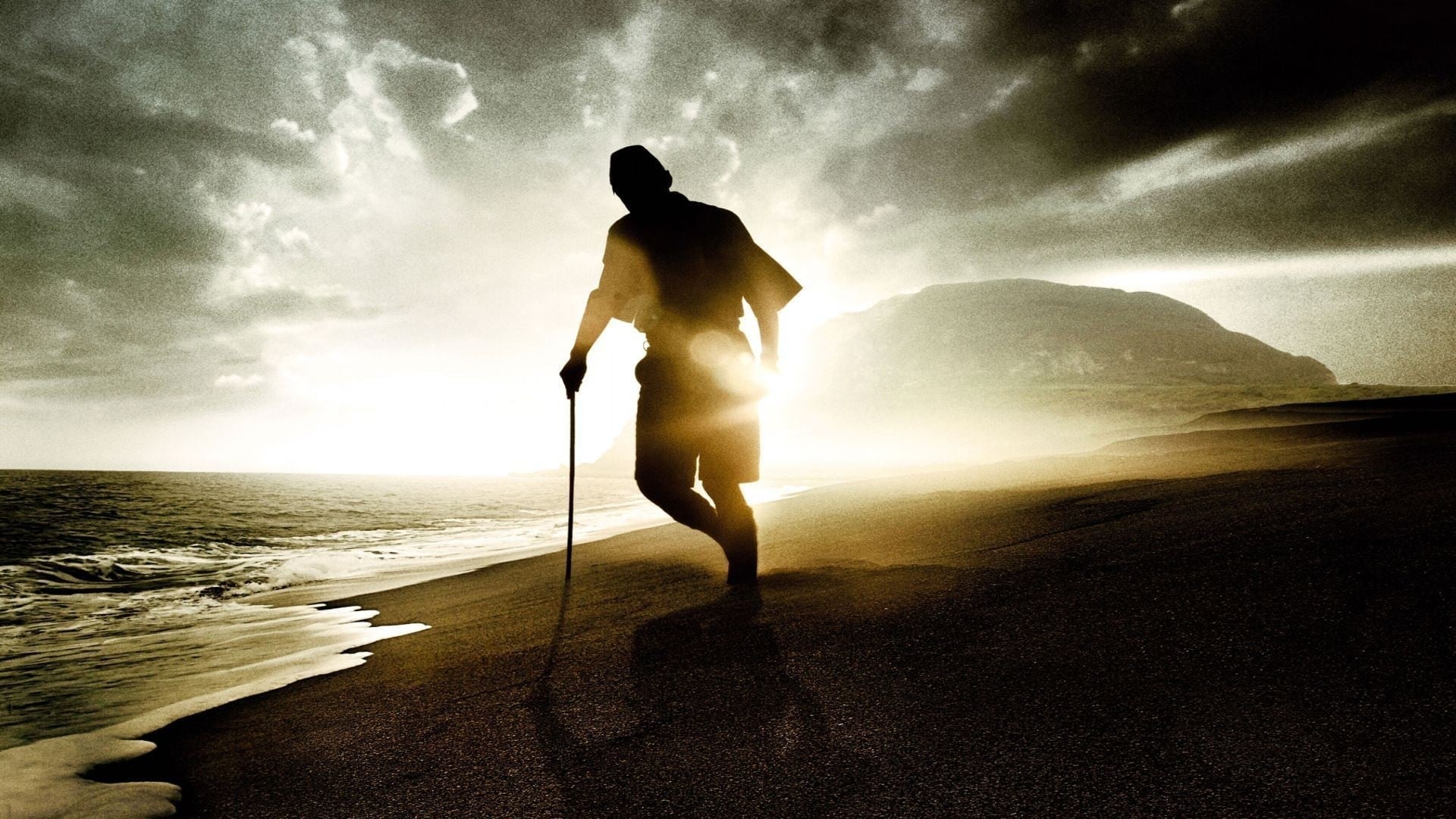
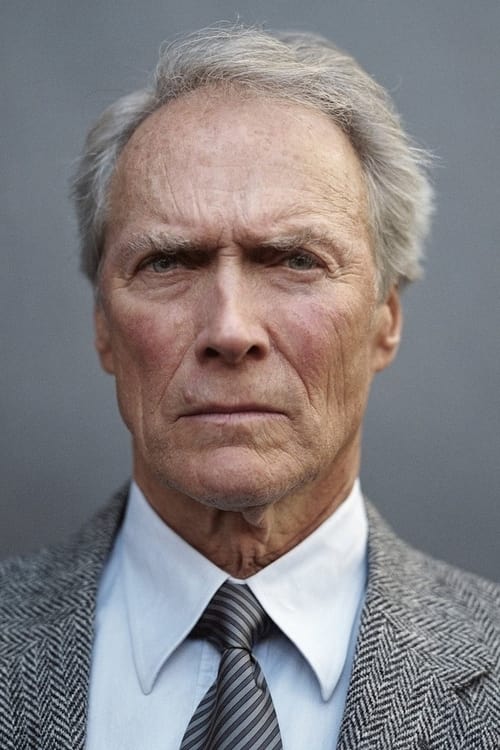
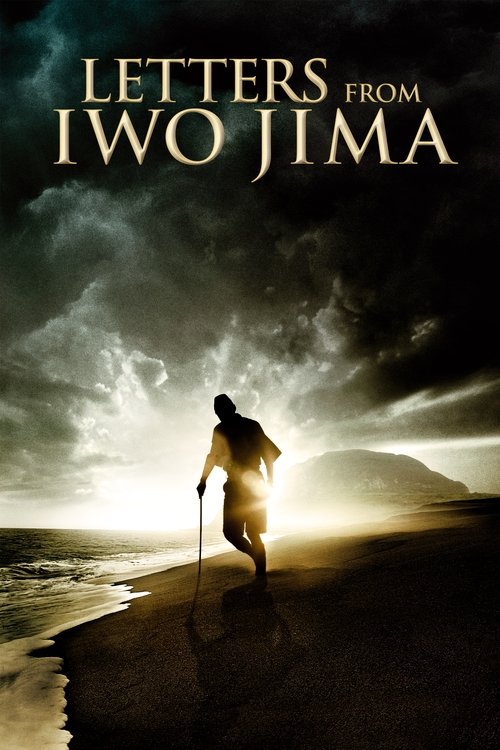
imagine an american director, clint eastwood, making a japanese language war film entirely from the perspective of the japanese soldiers fighting against america. and pulling it off so completely that japanese audiences said it felt like a film japan should have made themselves. that's letters from iwo jima. and it's one of the most quietly devastating war films ever made.
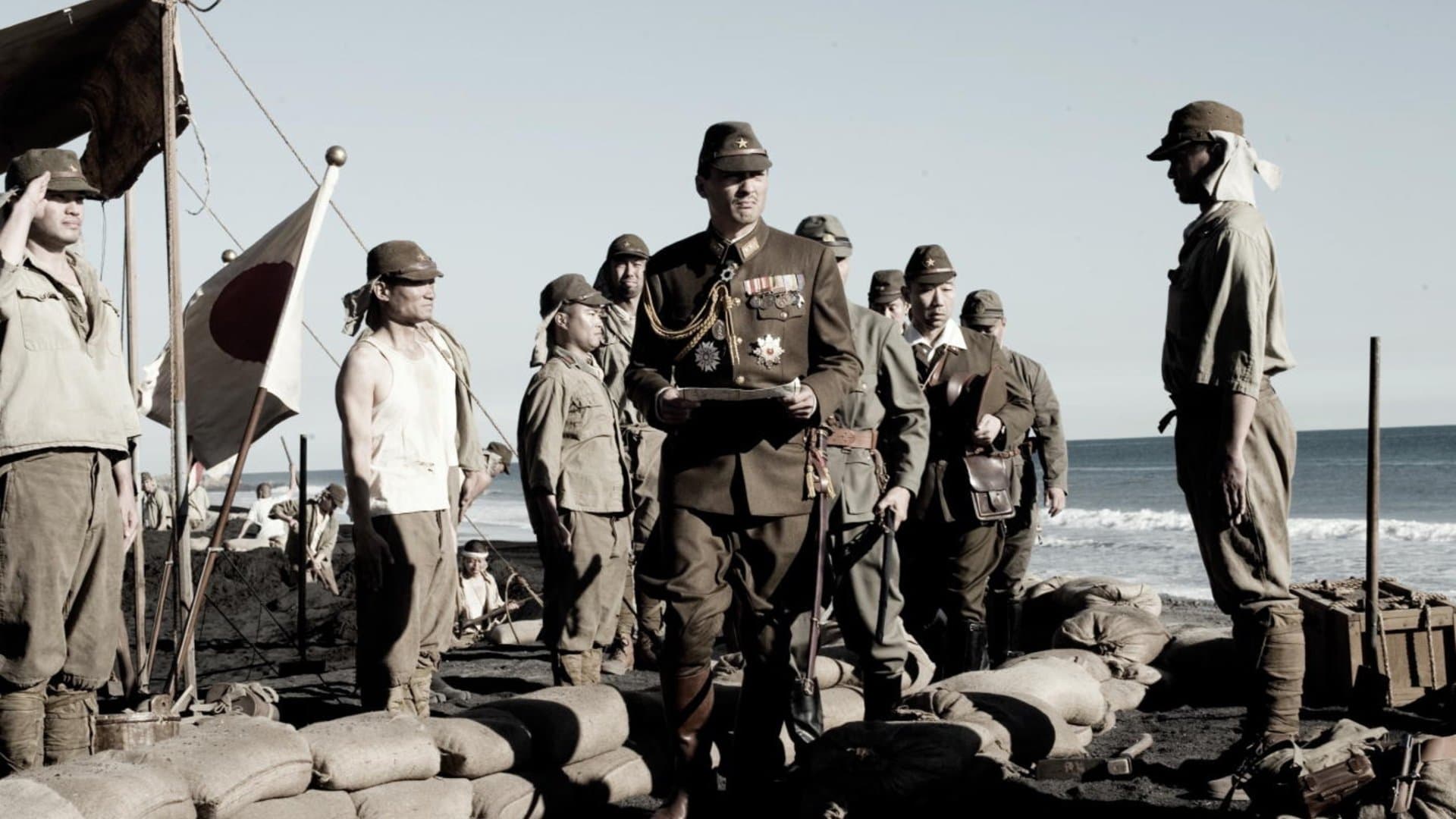
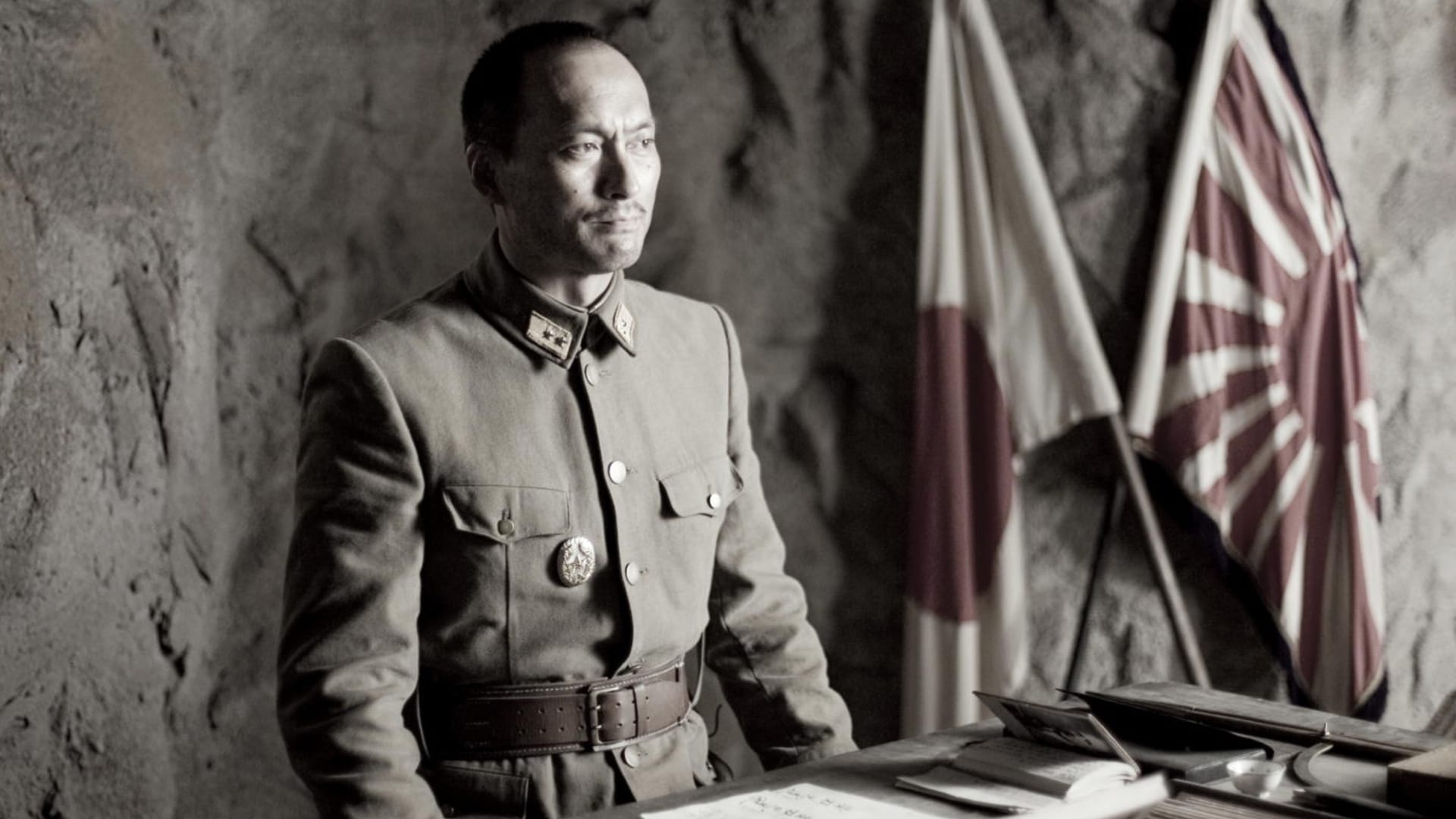
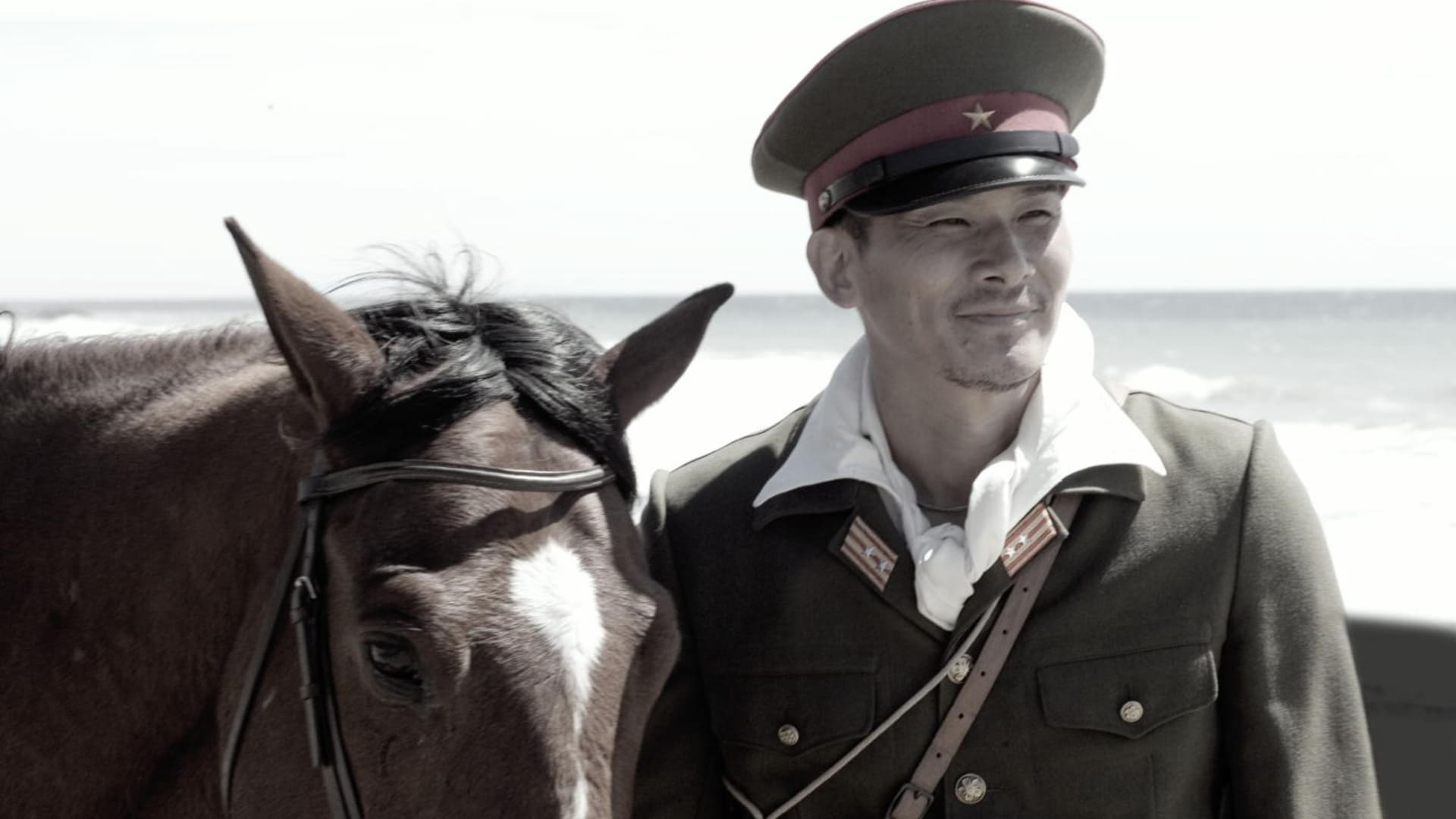
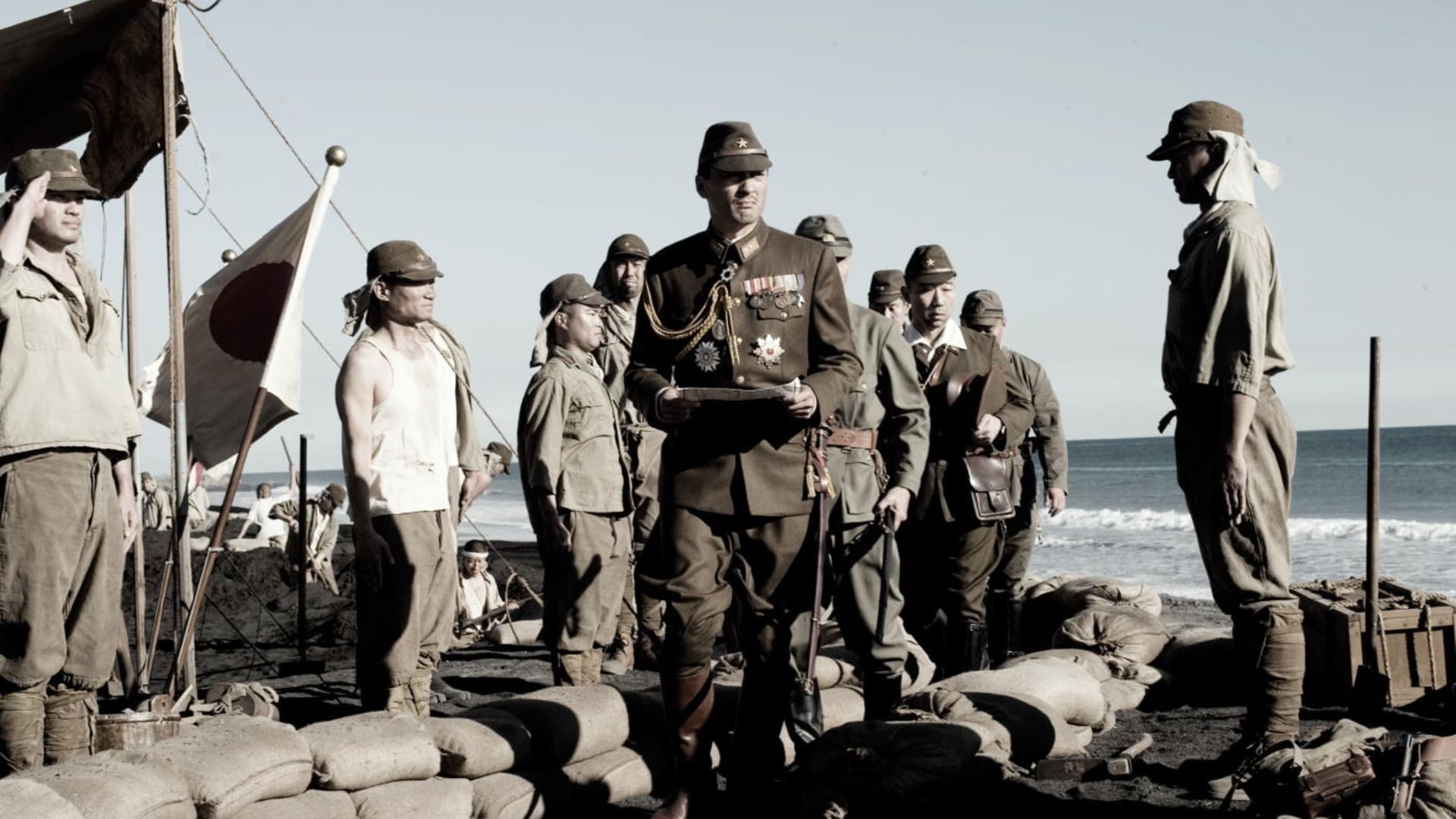
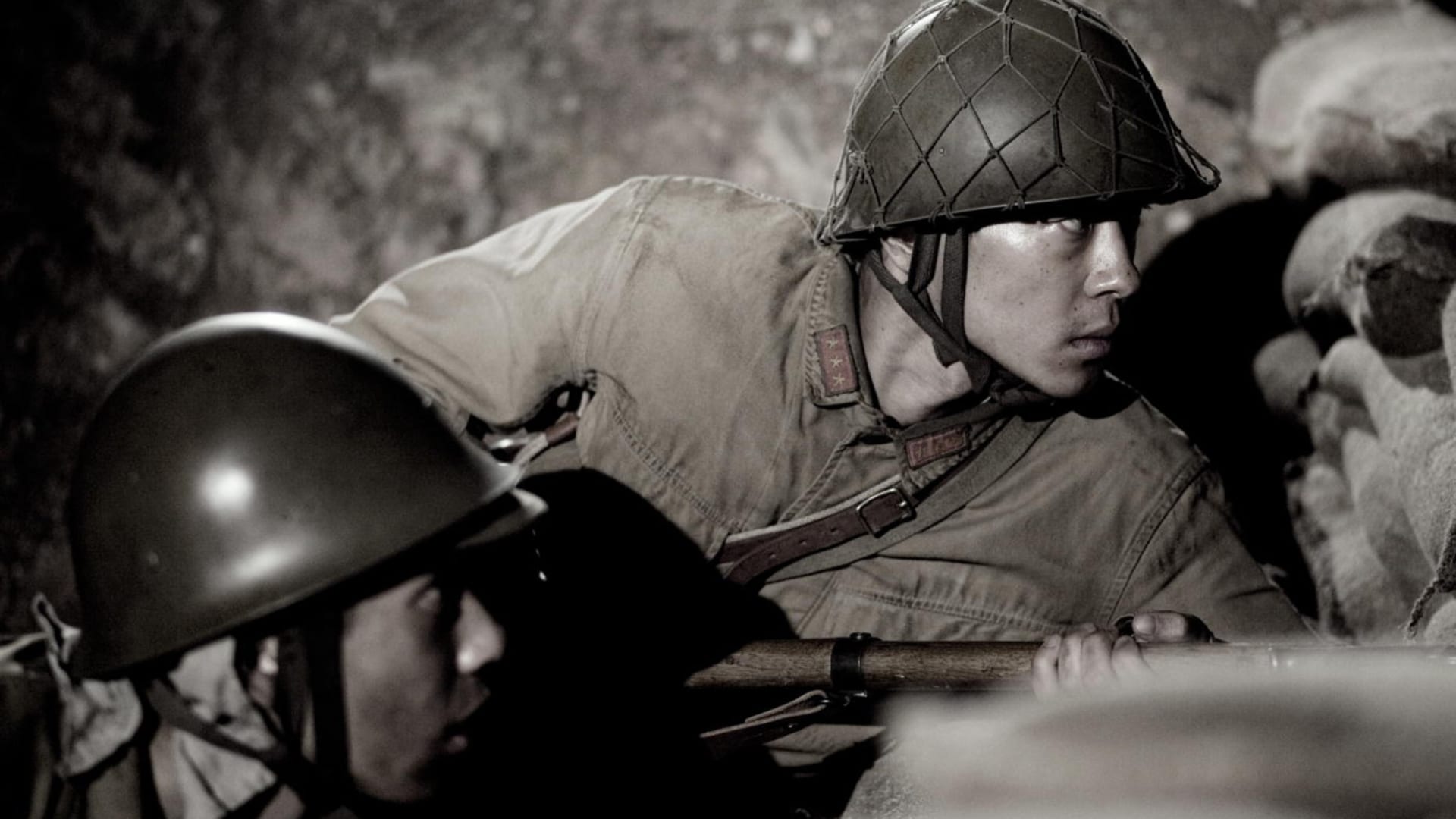
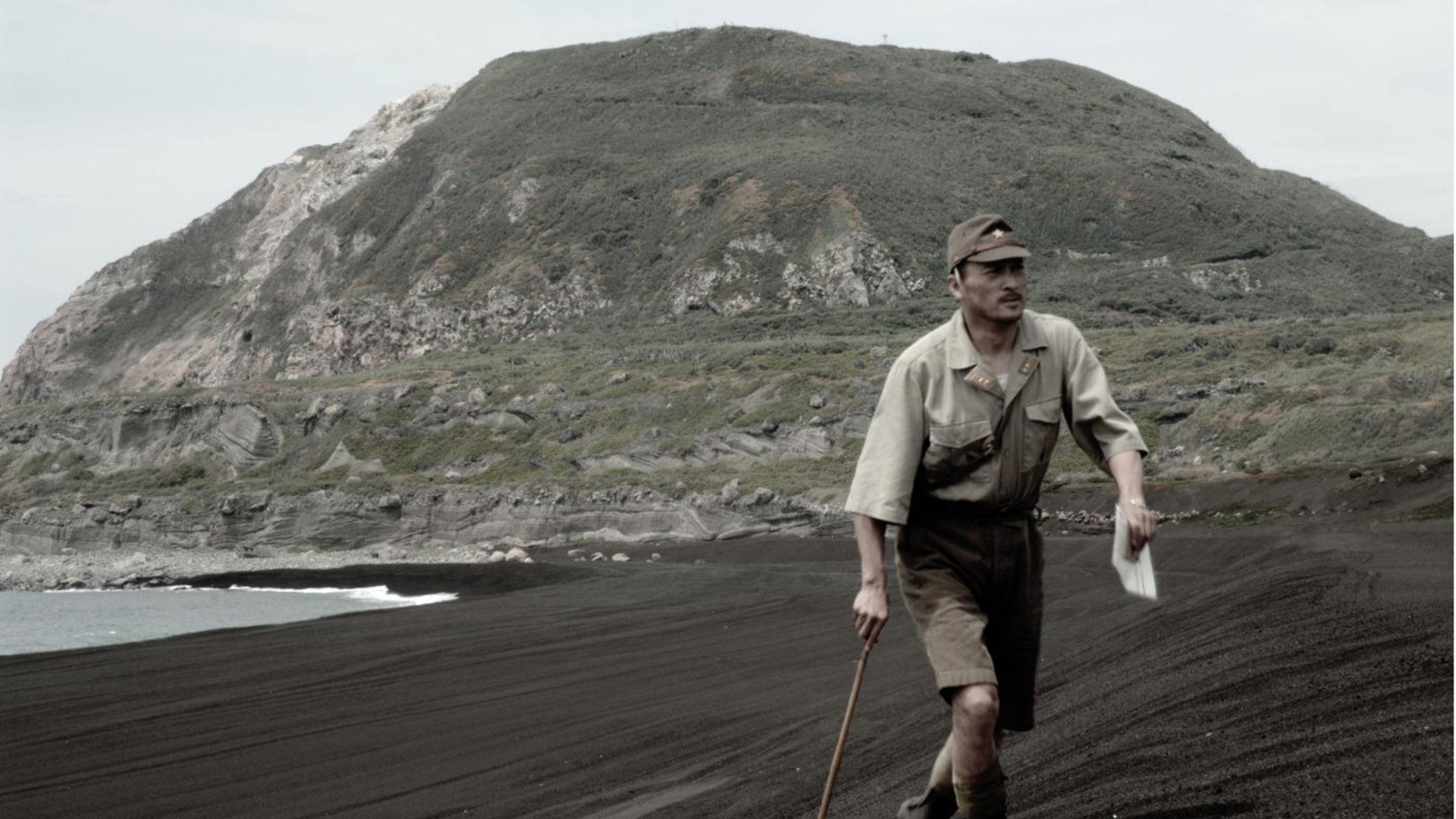
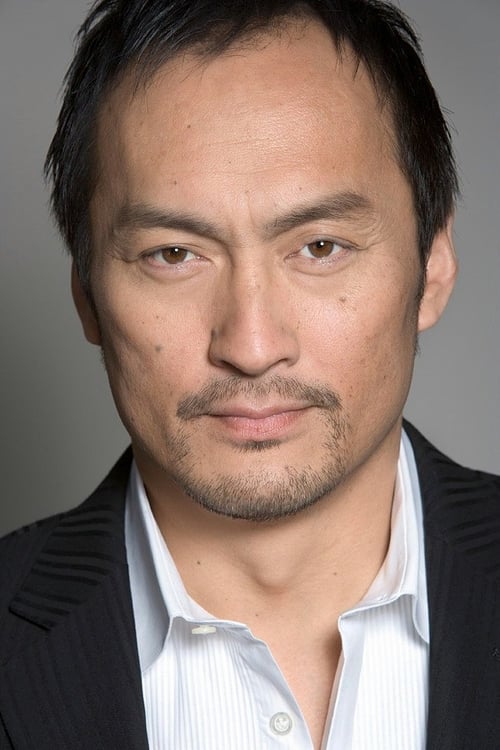
it's a companion piece to eastwood's flags of our fathers, both covering the same battle of iwo jima but from opposite sides. flags shows the americans. this one shows the japanese soldiers trapped on a small volcanic island, outnumbered, outgunned, and fully aware that most of them are not going home. the film never lets you forget that. ken watanabe plays general kuribayashi, a man who lived in america, admired its people, and still has to lead his soldiers in a battle he knows they cannot win. he had no illusions about japan's ability to win the war, largely seeing iwo jima as a suicide mission from which he wouldn't return. watanabe carries that weight in every single scene without ever overplaying it.
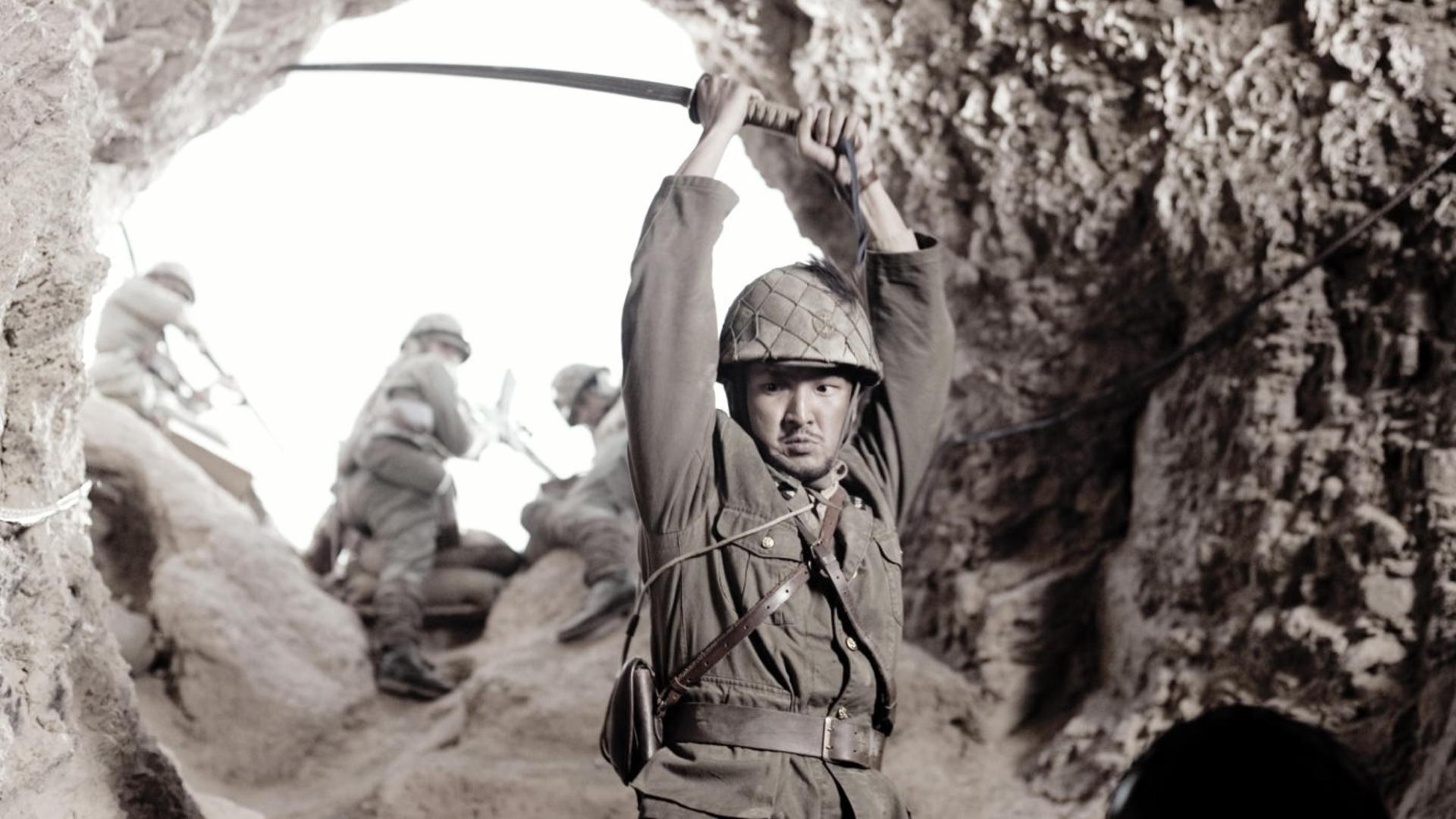
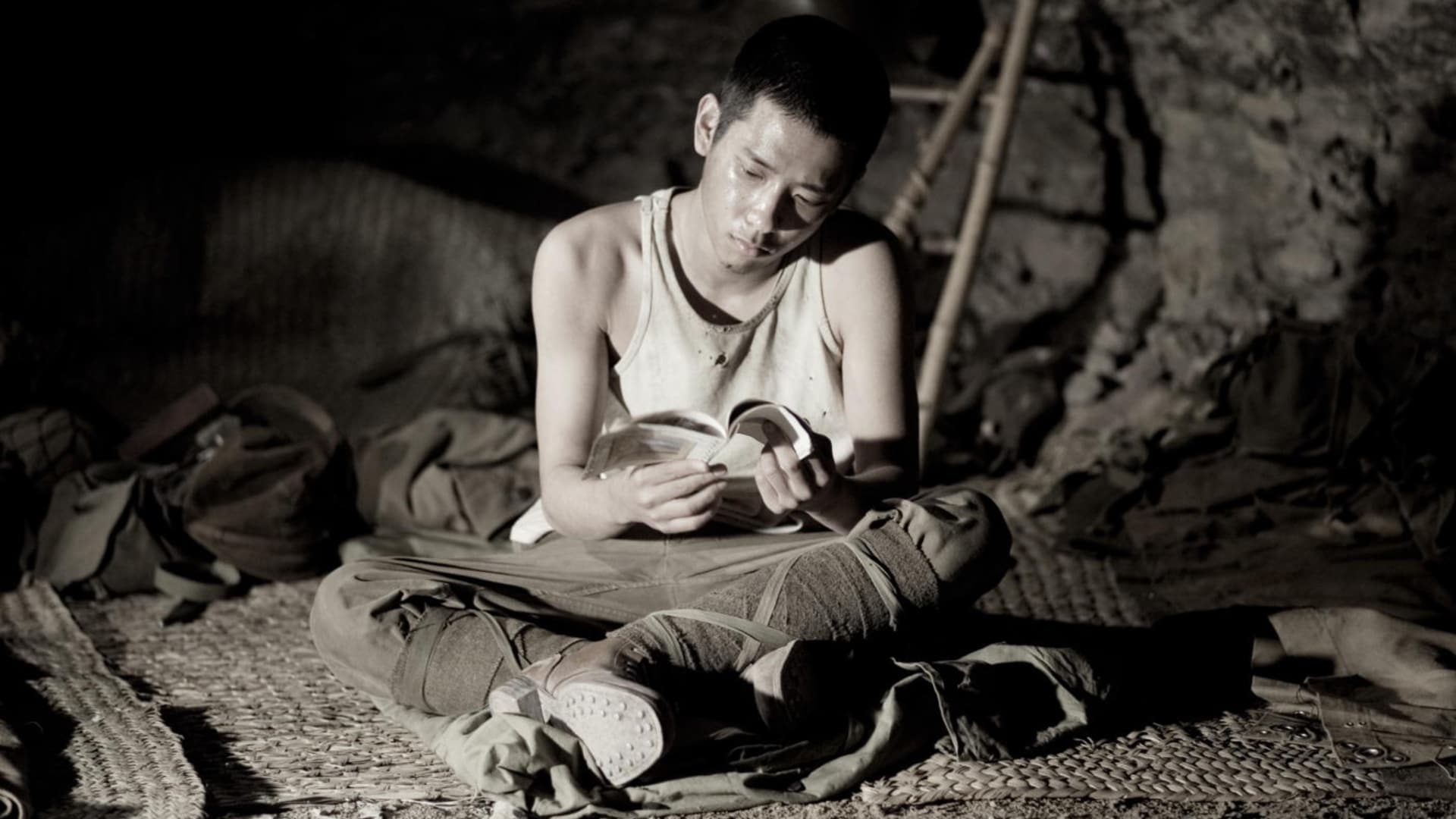
what makes it so different from other war films is what eastwood chooses not to show. the soldiers write letters home in full knowledge that their messages will never leave iwo jima, but the point is to hold on to that calming hope, the reminder of home that keeps them human. it is genuinely heartbreaking. this is not a film about heroism or strategy or triumph. it's a film about men who had lives, families, and dreams, and were sent to die in the dark inside a cave on an island in the middle of the pacific. eastwood never lets you look away from that.
imagine an american director, clint eastwood, making a japanese language war film entirely from the perspective of the japanese soldiers fighting against america. and pulling it off so completely that japanese audiences said it felt like a film japan should have made themselves. that's letters from iwo jima. and it's one of the most quietly devastating war films ever made.
it's a companion piece to eastwood's flags of our fathers, both covering the same battle of iwo jima but from opposite sides. flags shows the americans. this one shows the japanese soldiers trapped on a small volcanic island, outnumbered, outgunned, and fully aware that most of them are not going home. the film never lets you forget that. ken watanabe plays general kuribayashi, a man who lived in america, admired its people, and still has to lead his soldiers in a battle he knows they cannot win. he had no illusions about japan's ability to win the war, largely seeing iwo jima as a suicide mission from which he wouldn't return. watanabe carries that weight in every single scene without ever overplaying it.
what makes it so different from other war films is what eastwood chooses not to show. the soldiers write letters home in full knowledge that their messages will never leave iwo jima, but the point is to hold on to that calming hope, the reminder of home that keeps them human. it is genuinely heartbreaking. this is not a film about heroism or strategy or triumph. it's a film about men who had lives, families, and dreams, and were sent to die in the dark inside a cave on an island in the middle of the pacific. eastwood never lets you look away from that.