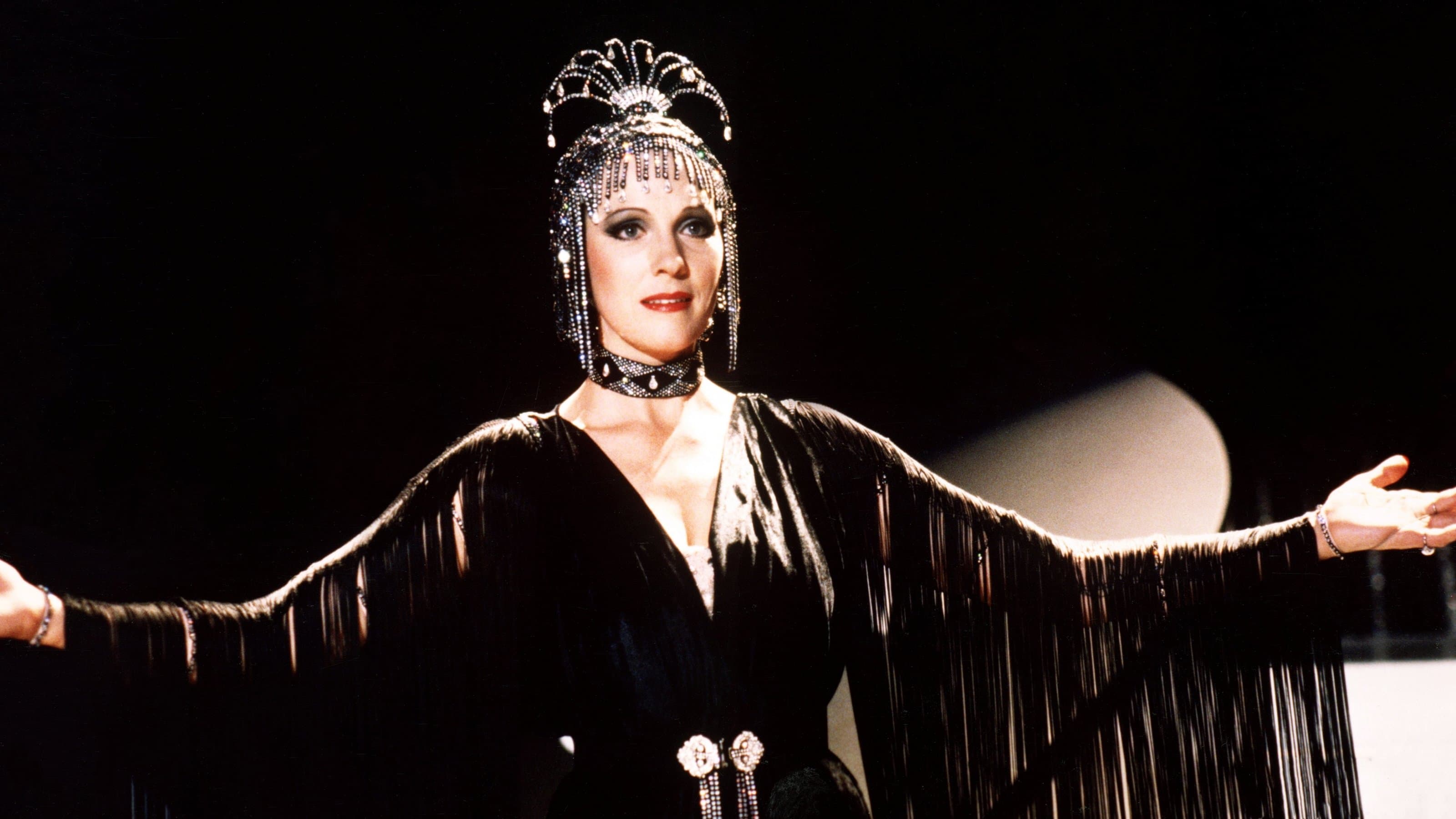
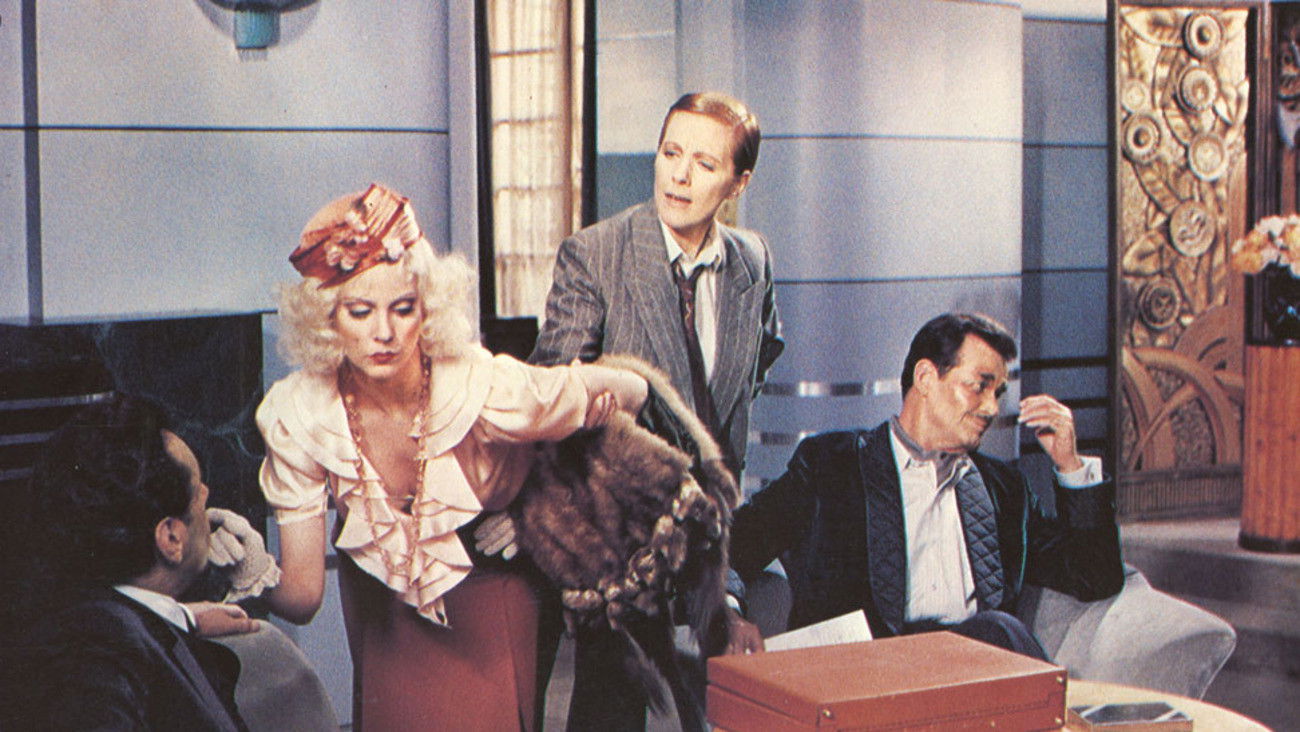
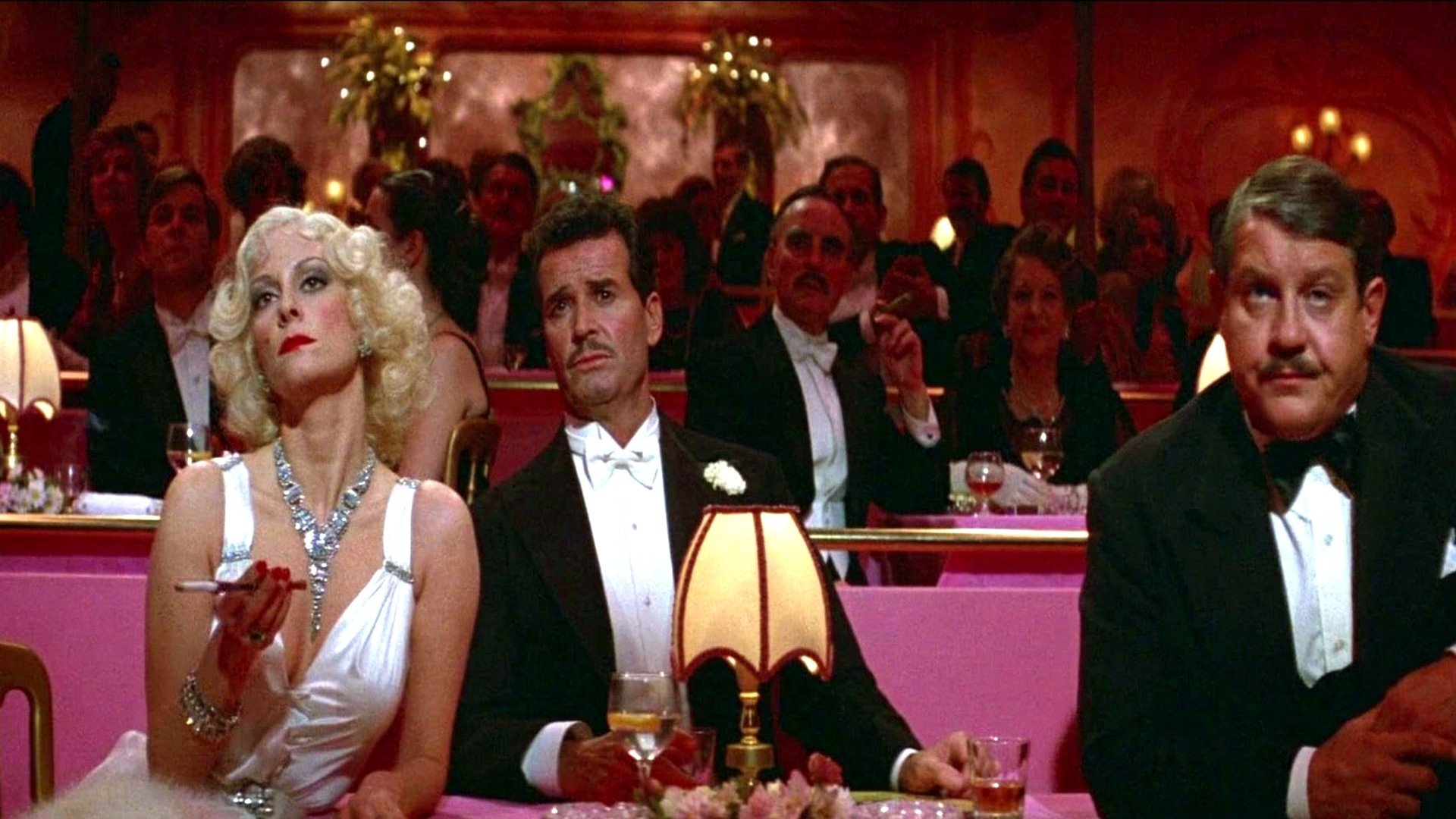
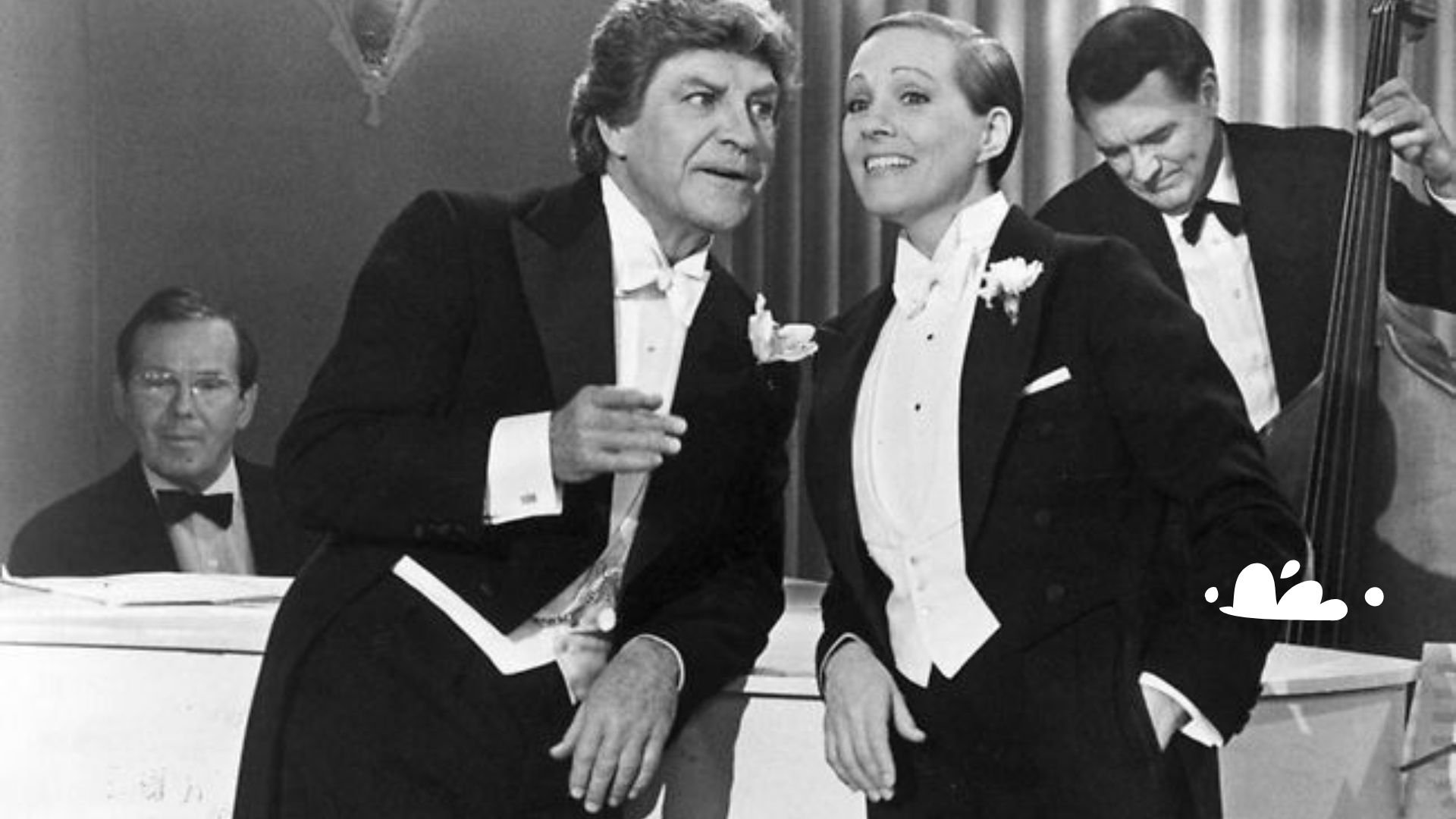
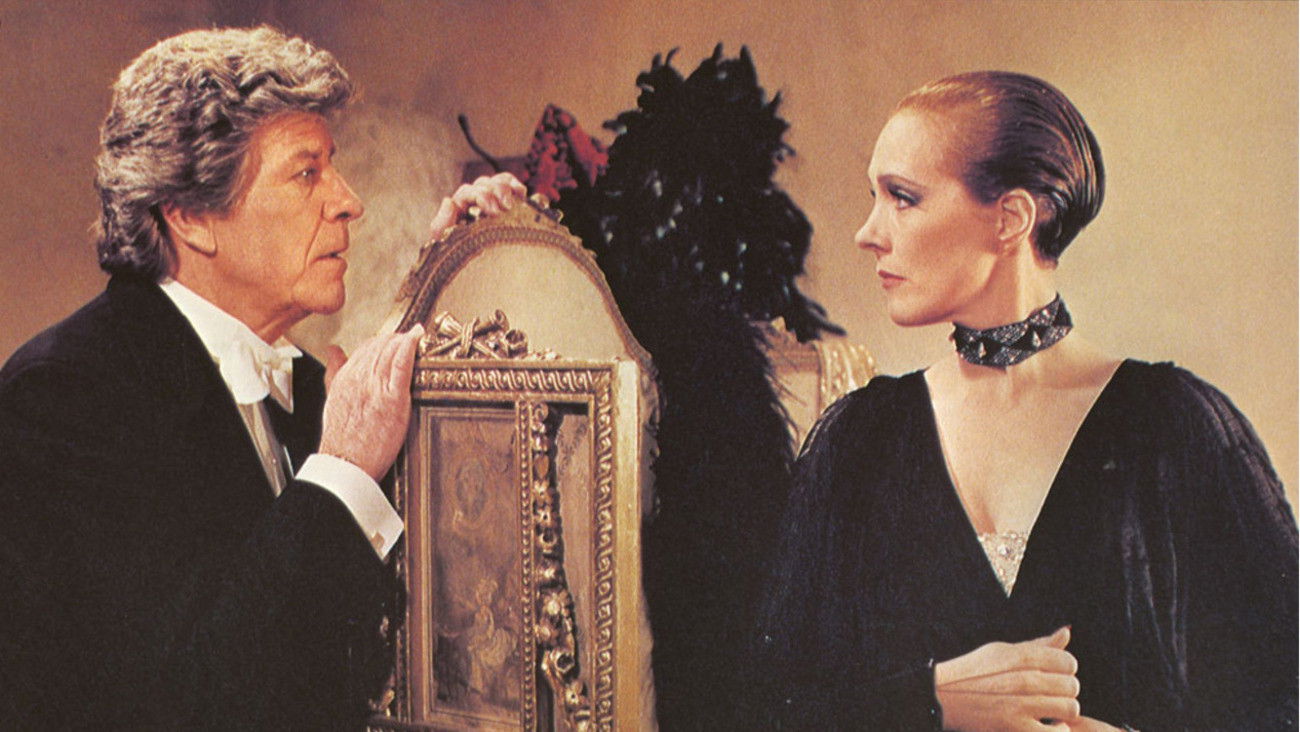
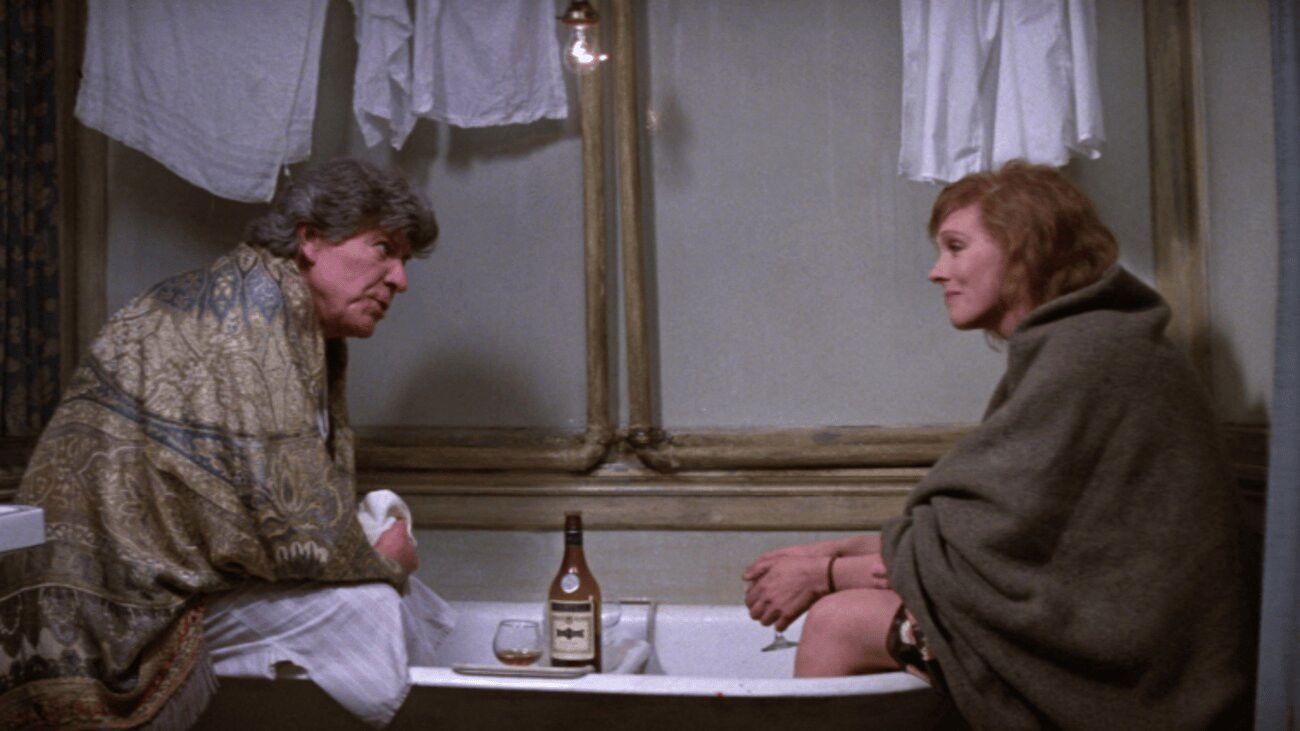
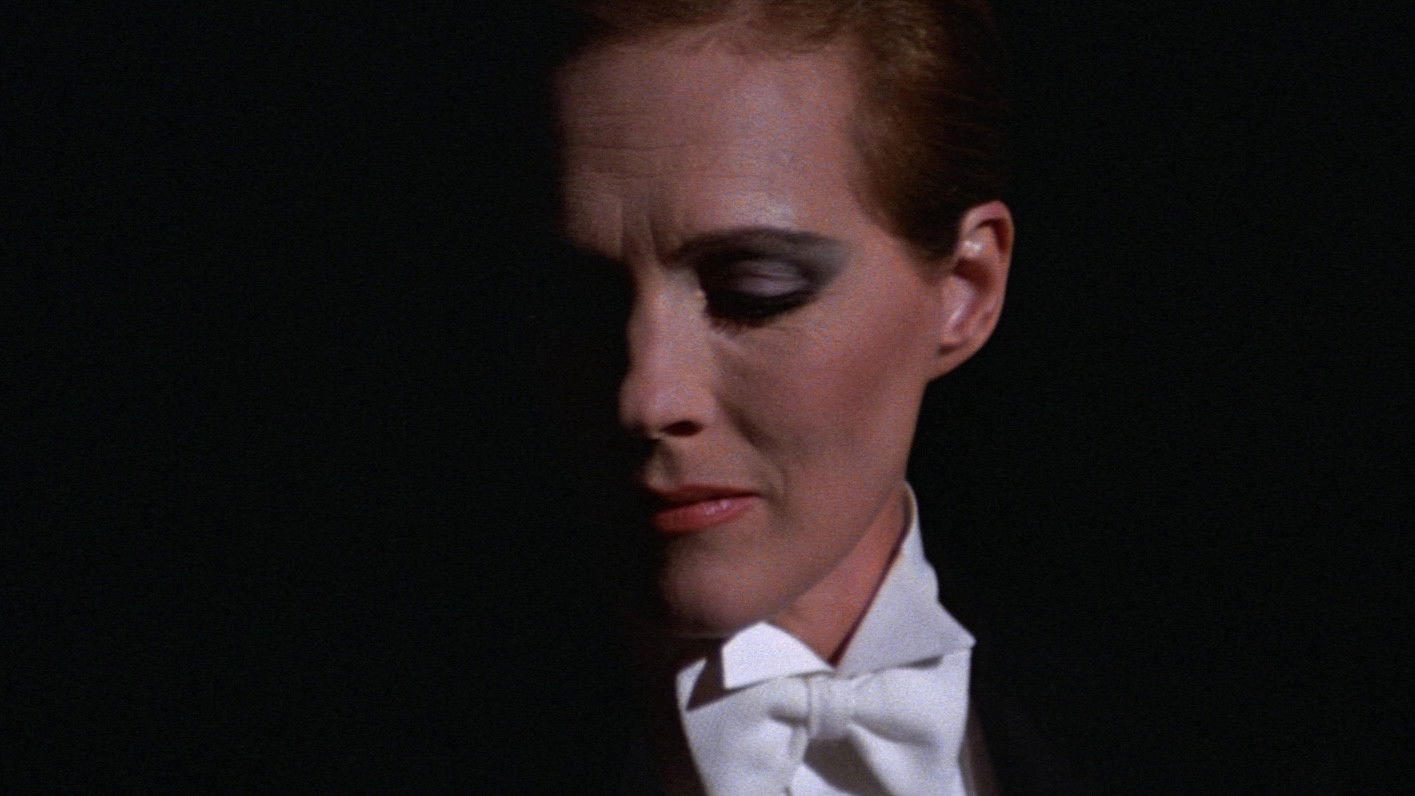
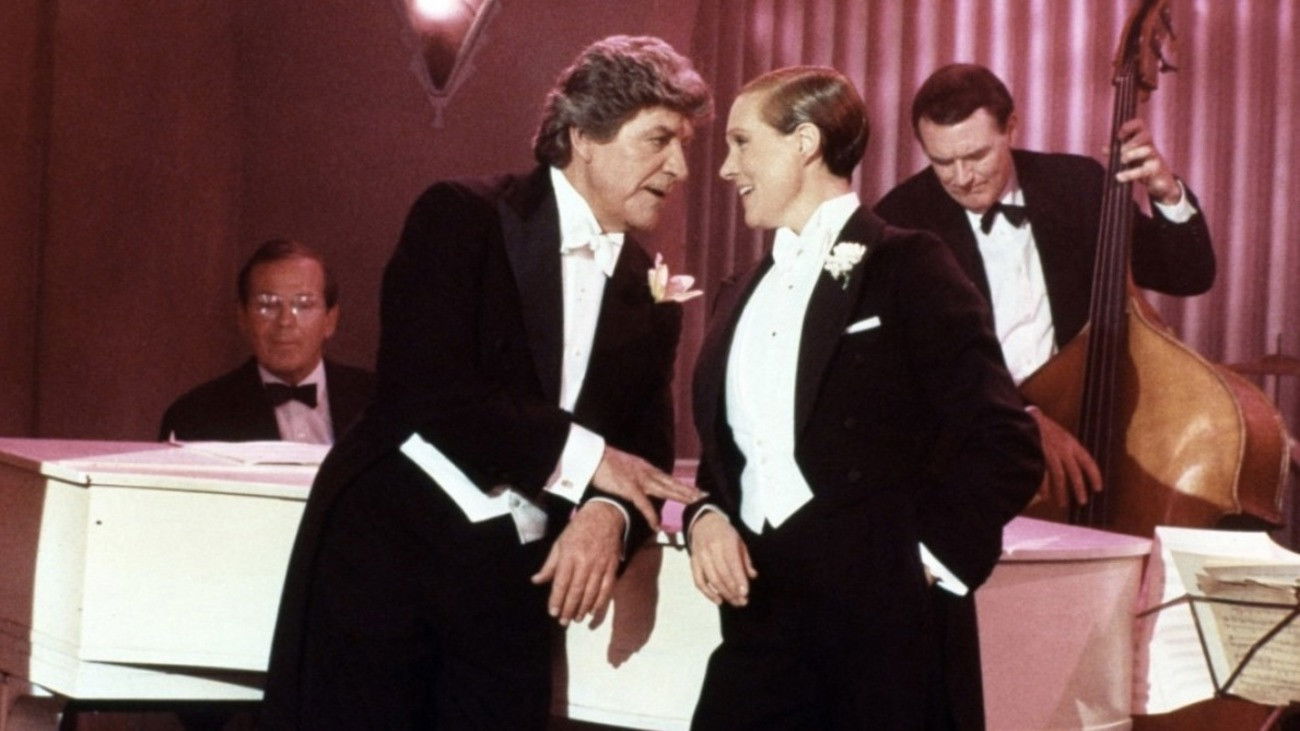
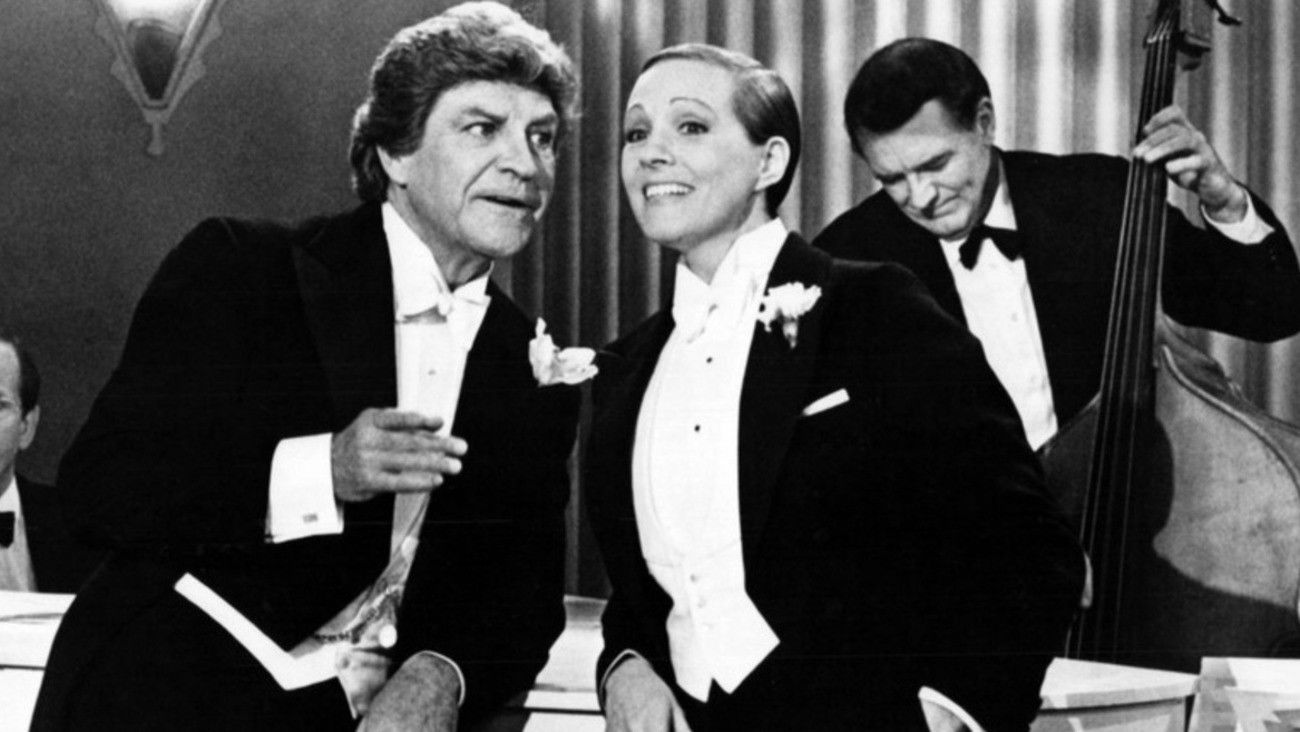
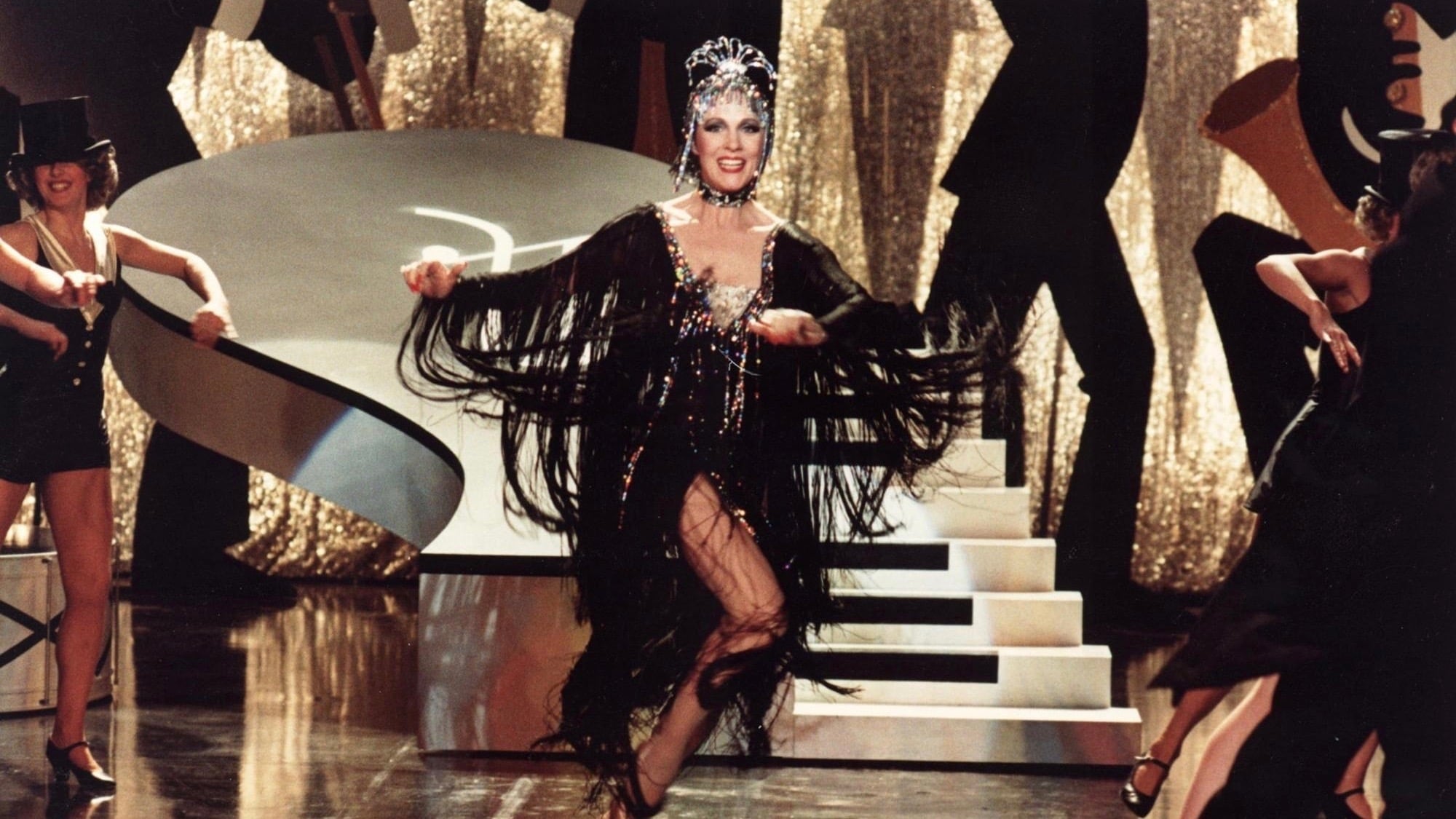
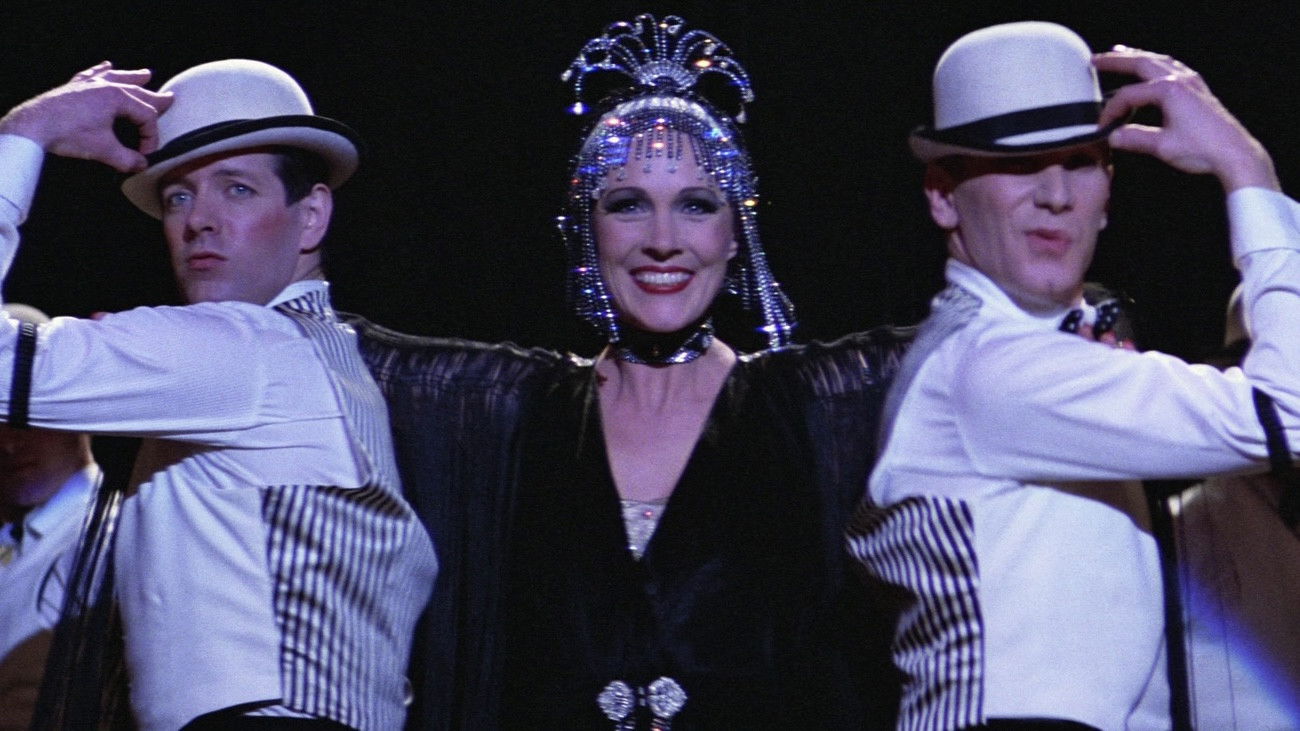
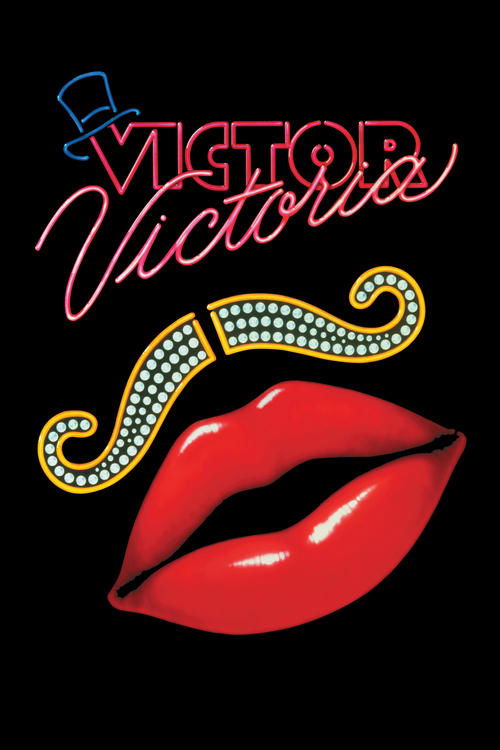
Watching Victor/Victoria felt strangely personal to me. Julie Andrews pretending to be a man pretending to be a woman somehow became the exact embodiment of the fashion identity I’ve always admired and secretly wanted to express. Growing up in an all-girls school, I was always assigned the male roles in school plays, and I remember how naturally I slipped into them and how much joy I found in performing masculinity without feeling like it erased my femininity. Watching this film brought all of those memories rushing back.
For someone endlessly inspired by the androgynous glamour of Marlene Dietrich and Greta Garbo in classic cinema, women who could wear a perfectly tailored suit and still radiate elegance and femininity, Victor/Victoria felt almost liberating to watch. The film captures that delicate balance between masculine presentation and feminine essence in a way that still feels daring and modern.
What struck me most was how deeply I related to the idea of constantly being told, directly or indirectly, to “embrace only your femininity” while suppressing every masculine trait that feels equally authentic to who you are. There’s a sadness in feeling unseen, in knowing people only accept one half of your identity while the other remains hidden beneath expectations. The film unexpectedly touched that part of me.
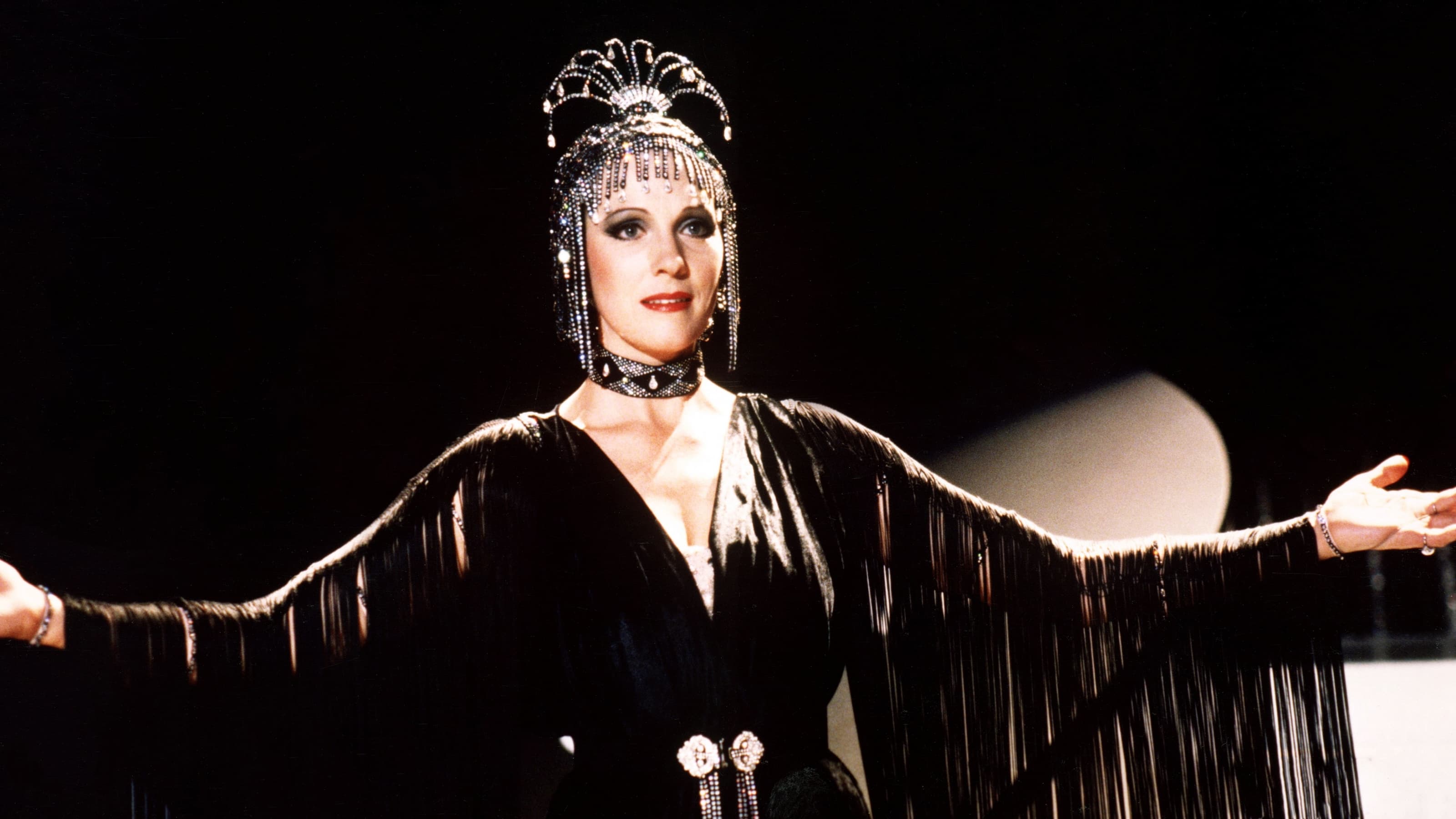
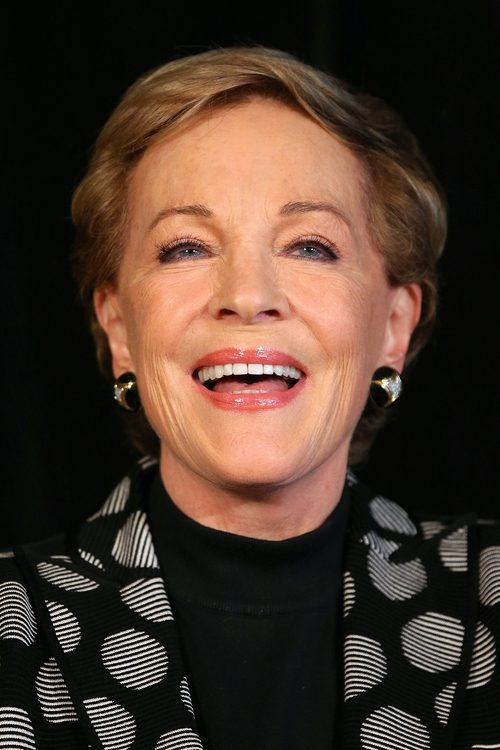
And Julie Andrews, what can even be said? She is magnetic, sharp, elegant, and effortlessly commanding. Every performance feels layered with confidence and vulnerability at once. Even though I personally disliked the ending, the journey itself was unforgettable. Victor/Victoria is witty, stylish, emotionally honest, and surprisingly comforting for anyone who has ever felt caught between the versions of themselves the world wants to see and the person they truly are.
Watching Victor/Victoria felt strangely personal to me. Julie Andrews pretending to be a man pretending to be a woman somehow became the exact embodiment of the fashion identity I’ve always admired and secretly wanted to express. Growing up in an all-girls school, I was always assigned the male roles in school plays, and I remember how naturally I slipped into them and how much joy I found in performing masculinity without feeling like it erased my femininity. Watching this film brought all of those memories rushing back.
For someone endlessly inspired by the androgynous glamour of Marlene Dietrich and Greta Garbo in classic cinema, women who could wear a perfectly tailored suit and still radiate elegance and femininity, Victor/Victoria felt almost liberating to watch. The film captures that delicate balance between masculine presentation and feminine essence in a way that still feels daring and modern.
What struck me most was how deeply I related to the idea of constantly being told, directly or indirectly, to “embrace only your femininity” while suppressing every masculine trait that feels equally authentic to who you are. There’s a sadness in feeling unseen, in knowing people only accept one half of your identity while the other remains hidden beneath expectations. The film unexpectedly touched that part of me.
And Julie Andrews, what can even be said? She is magnetic, sharp, elegant, and effortlessly commanding. Every performance feels layered with confidence and vulnerability at once. Even though I personally disliked the ending, the journey itself was unforgettable. Victor/Victoria is witty, stylish, emotionally honest, and surprisingly comforting for anyone who has ever felt caught between the versions of themselves the world wants to see and the person they truly are.