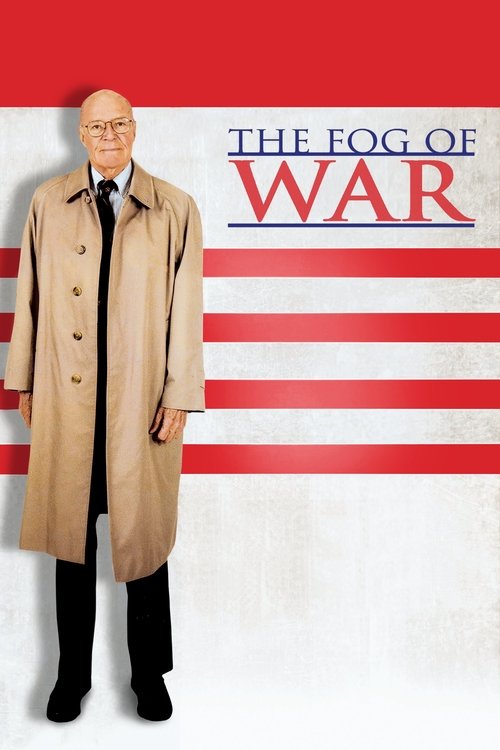
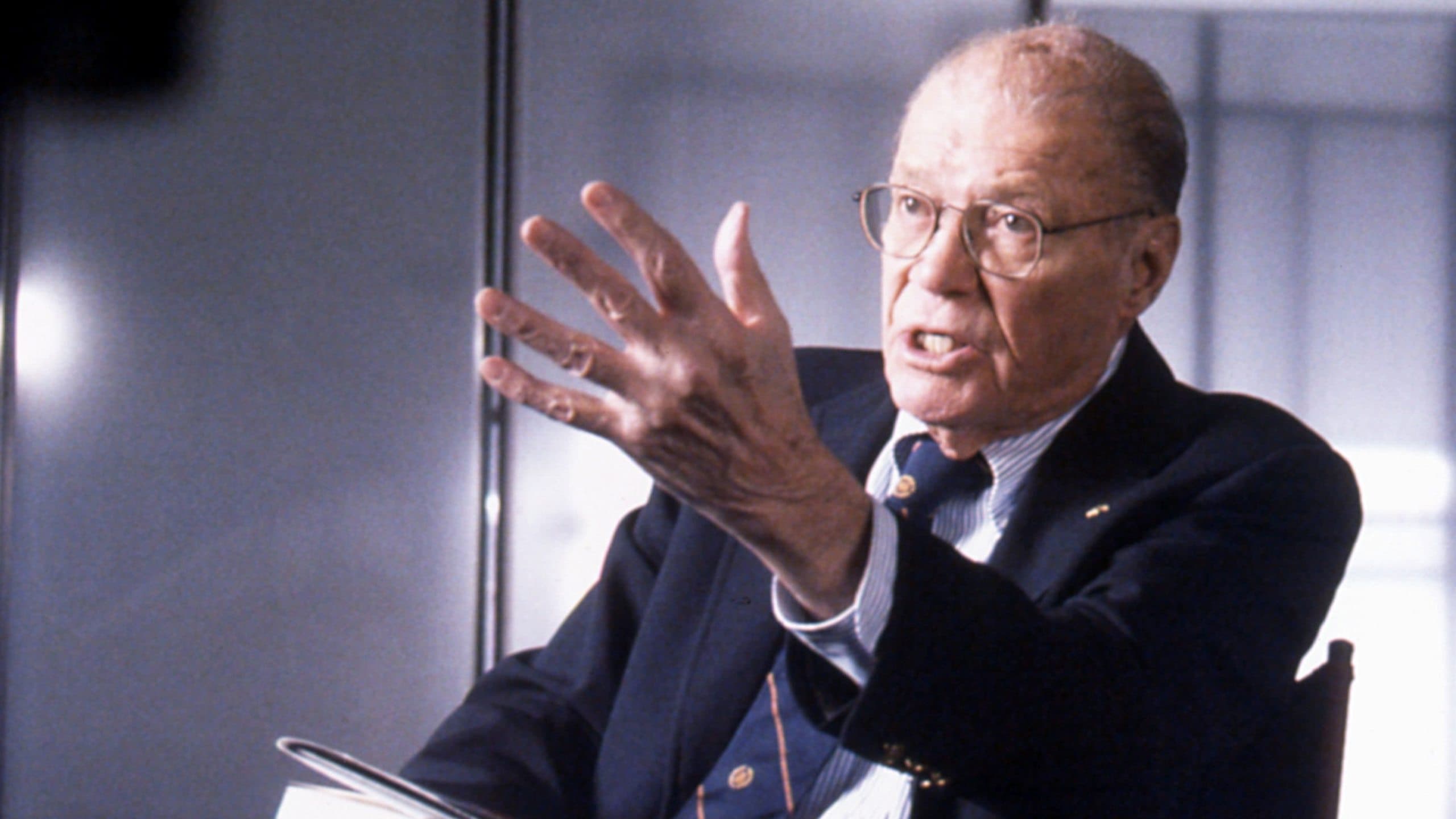
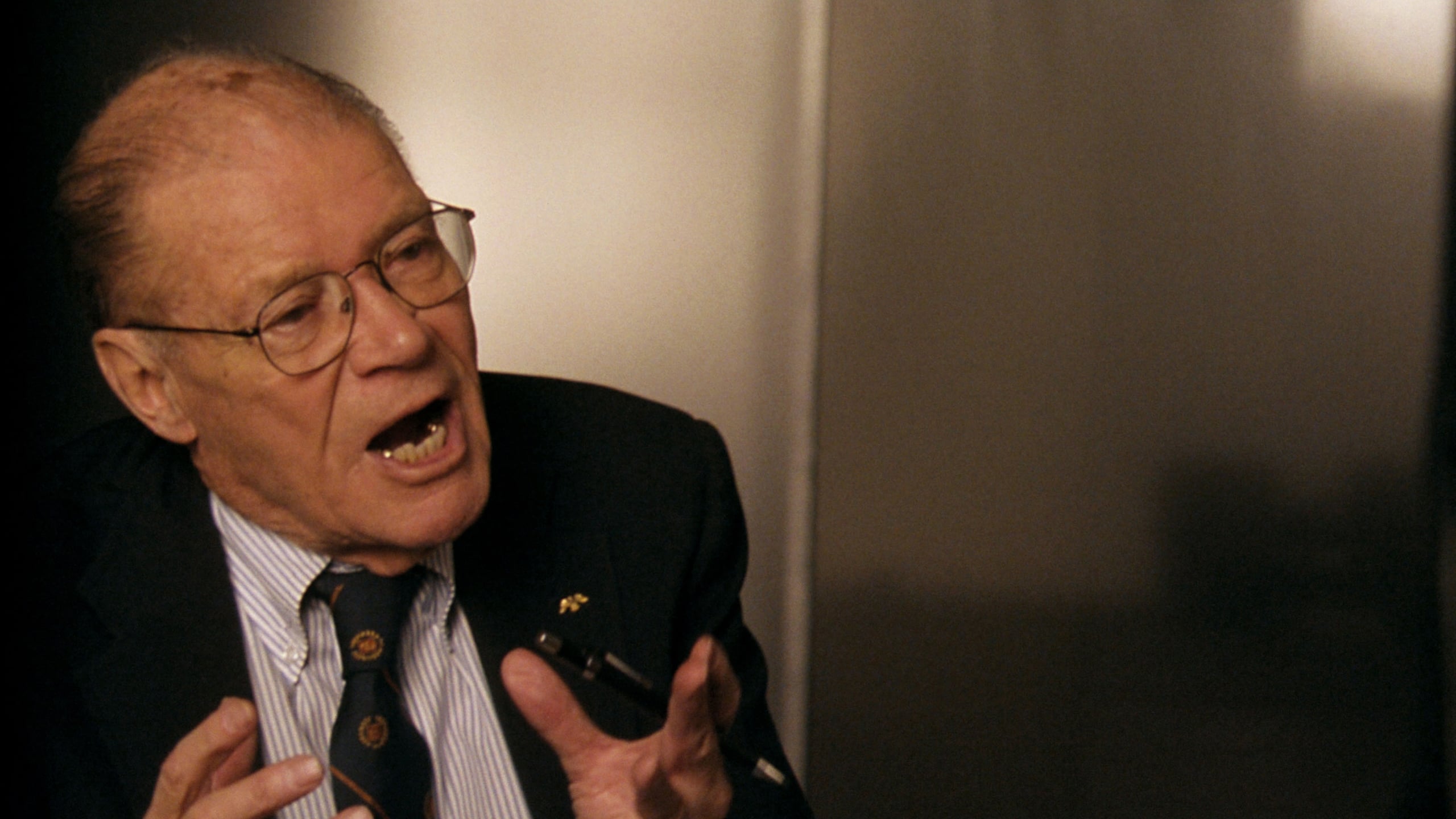
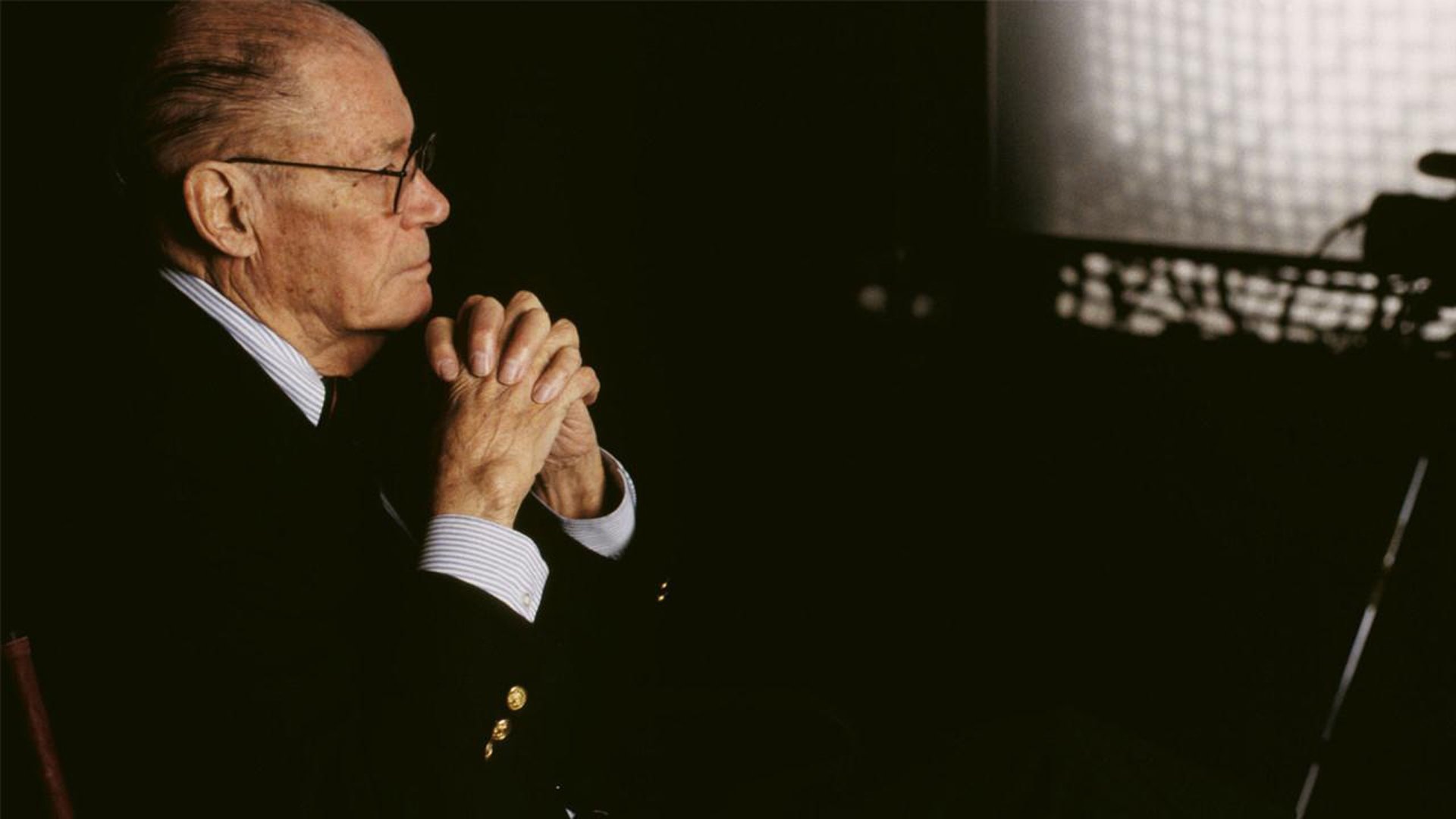
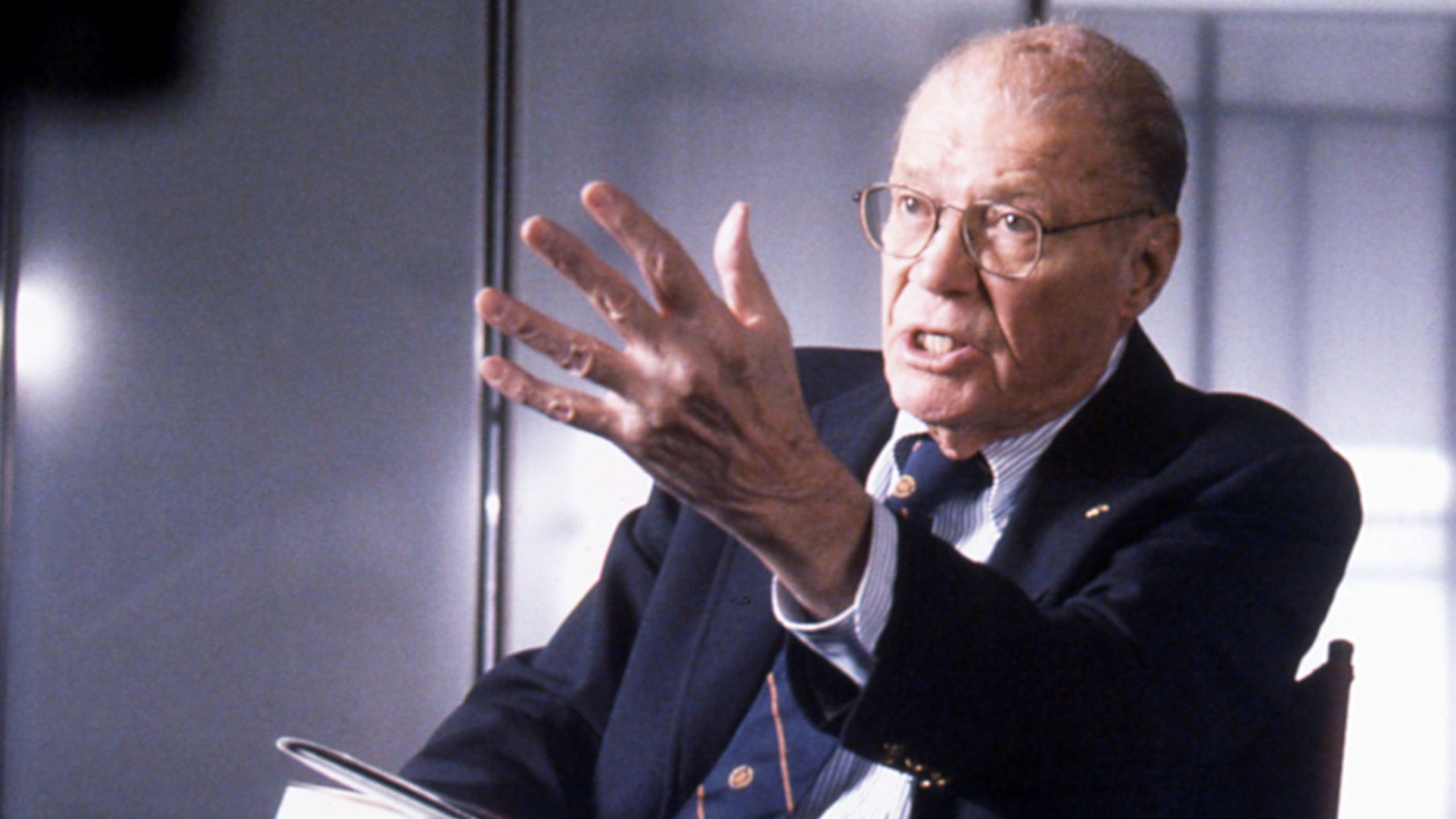
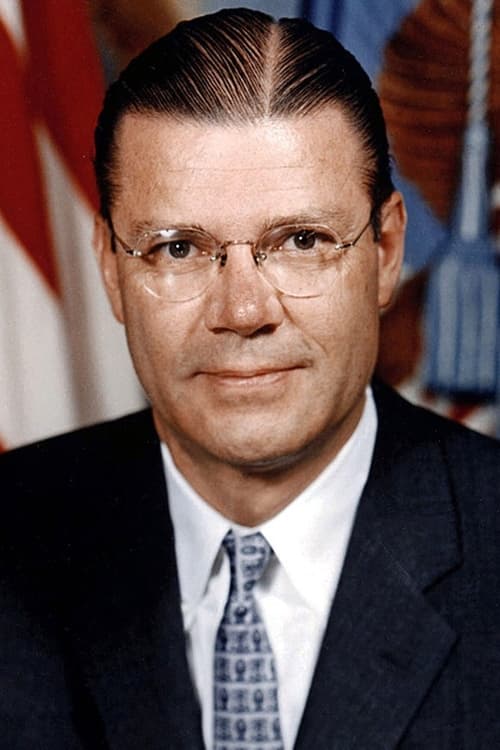
Using archival footage, cabinet conversation recordings, and an interview of the 85-year-old Robert McNamara, The Fog of War depicts his life, from working as a WWII whiz-kid military officer, to being the Ford Motor Company's president, to managing the Vietnam War as defense secretary for presidents Kennedy and Johnson.
Directed by Errol Morris
vietnam
politics
biography
historical figure
historical society
secretary of defense
anti war protest
cuban missile crisis
cabinet position
armed forces
spin doctor
self immolation
auto industry
historical drama
semi-biographical
historical reinterpretation
historical revisionism
historical documentary
historical events
Trailer
IMDB
N/A
Where to Watch
Cast
Robert McNamara
Self
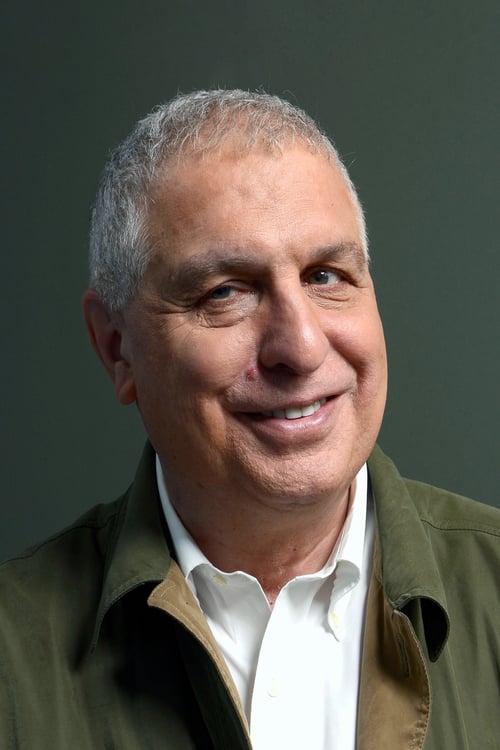
Errol Morris
Self (uncredited)
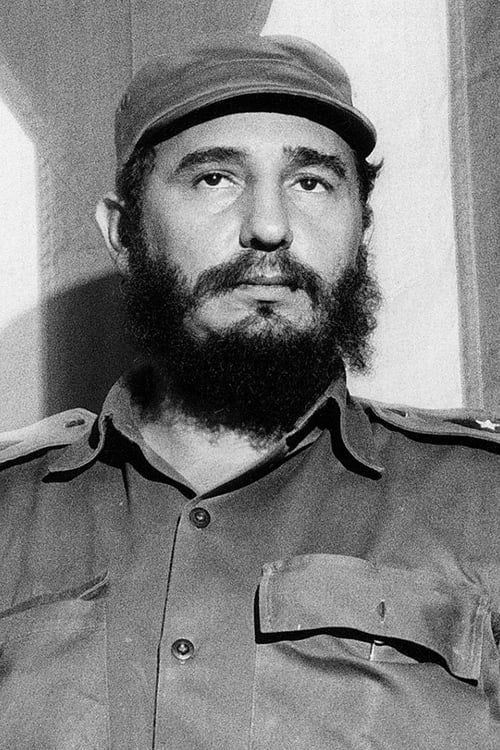
Fidel Castro
Self (archive footage) (uncredited)
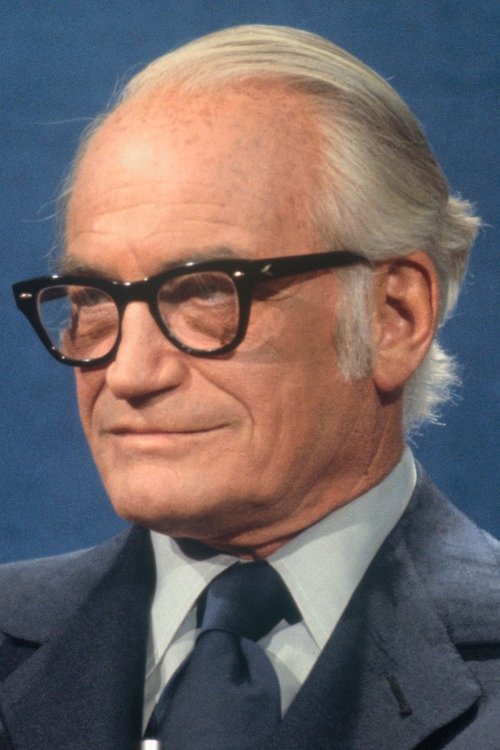
Barry Goldwater
Self (archive footage) (uncredited)
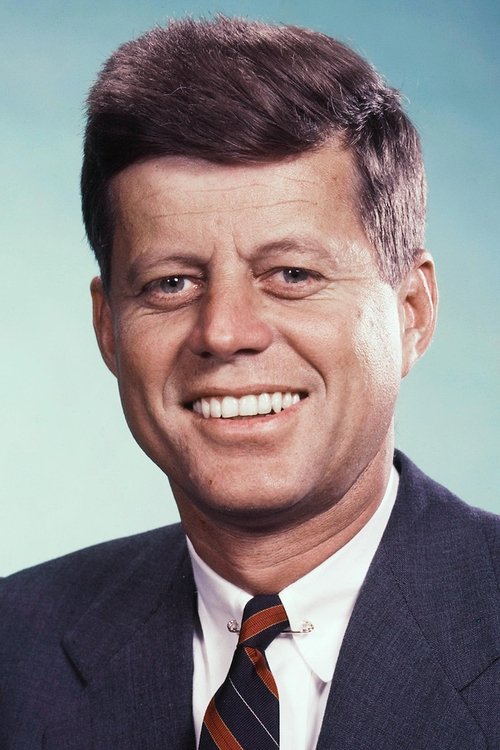
John F. Kennedy
Self (archive footage) (uncredited)
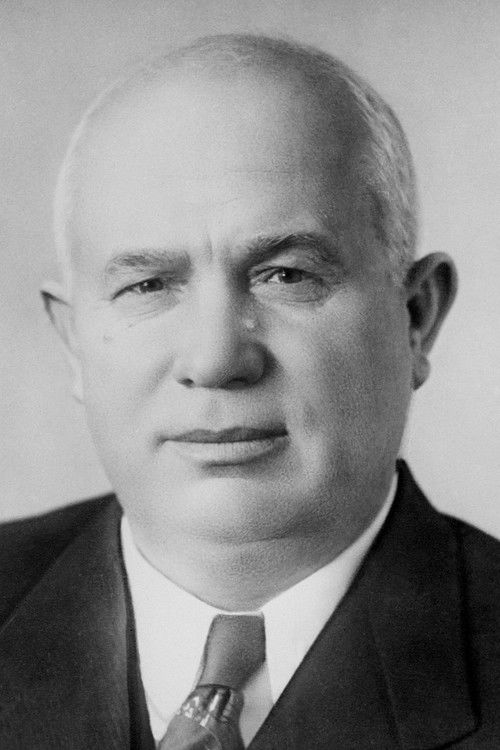
Nikita Khrushchev
Self (archive footage) (uncredited)
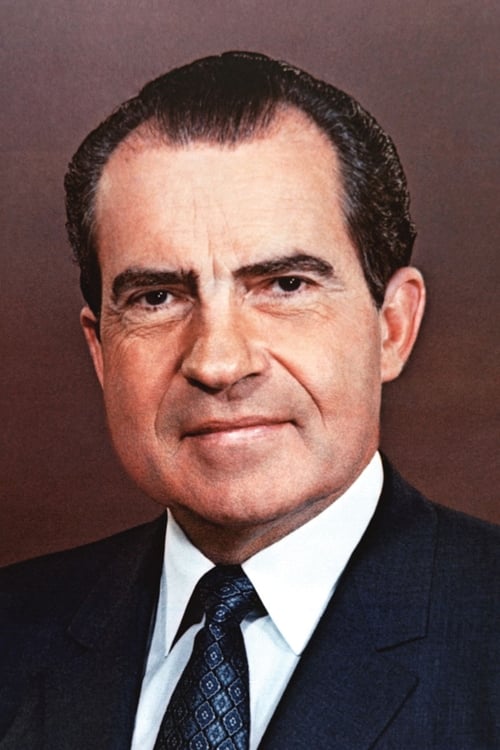
Richard Nixon
Self (archive footage) (uncredited)
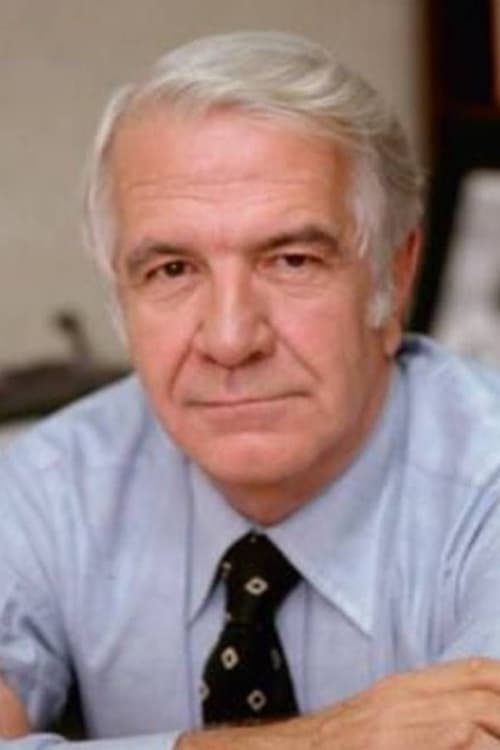
Harry Reasoner
Self (archive footage) (uncredited)
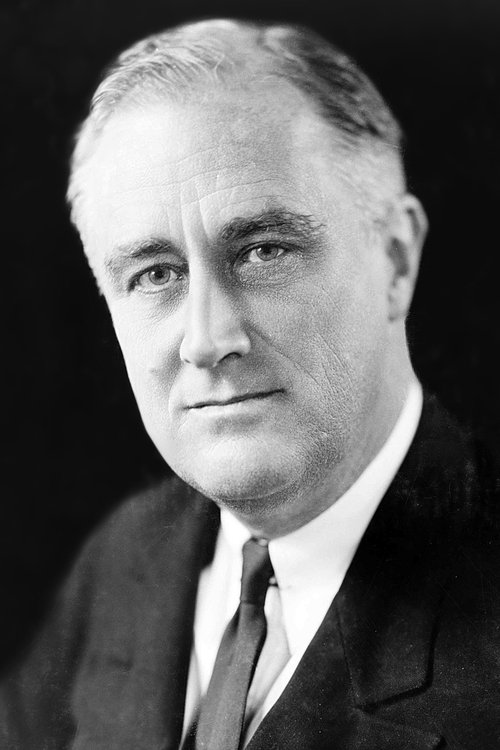
Franklin D. Roosevelt
Self (voice) (archive footage) (uncredited)
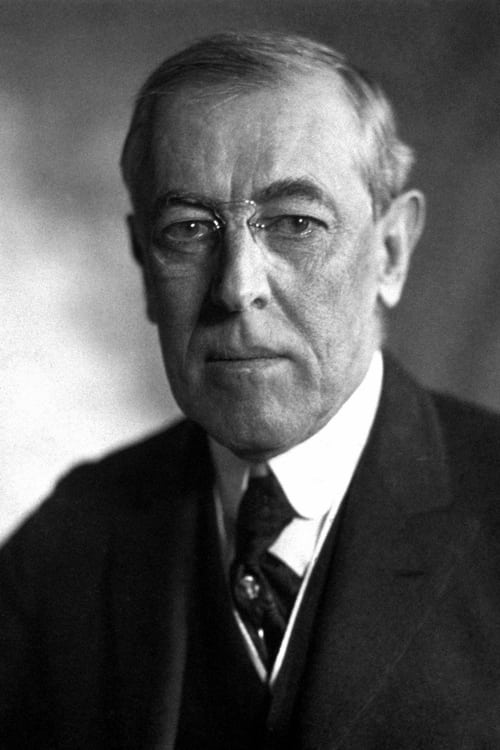
Woodrow Wilson
Self (archive footage) (uncredited)
Crew
Errol Morris
Director
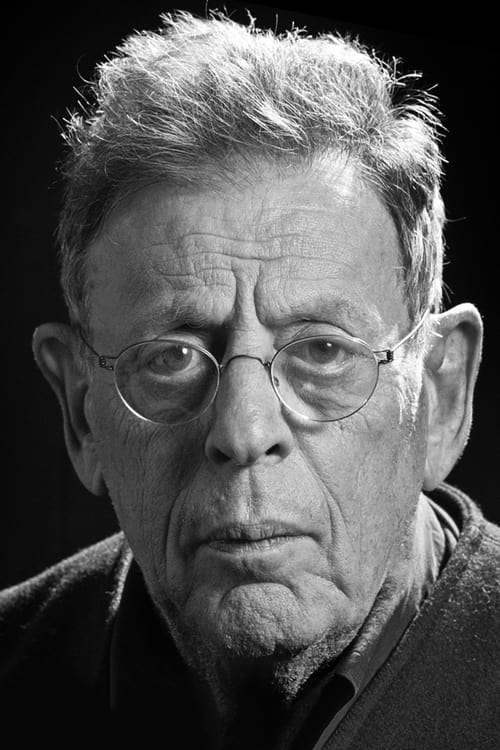
Philip Glass
Original Music Composer
Doug Abel
Editor
Michael Williams
Producer
Errol Morris
Producer
John Sloss
Executive Producer
Jon Kamen
Executive Producer
Lee Dichter
Sound Re-Recording Mixer
Michael Riesman
Music Director
Popular Reviews
52 reviews
Whitman
4.0★ · 05/01/26
I watched this for history and will probably never watch it again. It’s not that it’s like bad but I don’t think anyone REALLY needs to see it it more than once to get the idea.
Unless they’re a Vietnam war nerd. (?)
I watched this for history and will probably never watch it again. It’s not that it’s like bad but I don’t think anyone REALLY needs to see it it more than once to get the idea.
Unless they’re a Vietnam war nerd. (?)
brooke
IB History movie 🙈
IB History movie 🙈
Jake Melone
8.0★ · 02/11/26
I truly do believe that McNamara thought he was doing right by America, wich is why its important we continue to stamp out fascism, nationalism and imperialism in this country.
I truly do believe that McNamara thought he was doing right by America, wich is why its important we continue to stamp out fascism, nationalism and imperialism in this country.
Bonnie NG
8.0★ · 01/19/26
what a strange little man
what a strange little man
s
8.0★ · 09/07/25
what’s he’s saying is just as interesting as what he’s not saying. the Vietnam section is where his cognitive dissonance is most obvious.
what’s he’s saying is just as interesting as what he’s not saying. the Vietnam section is where his cognitive dissonance is most obvious.