
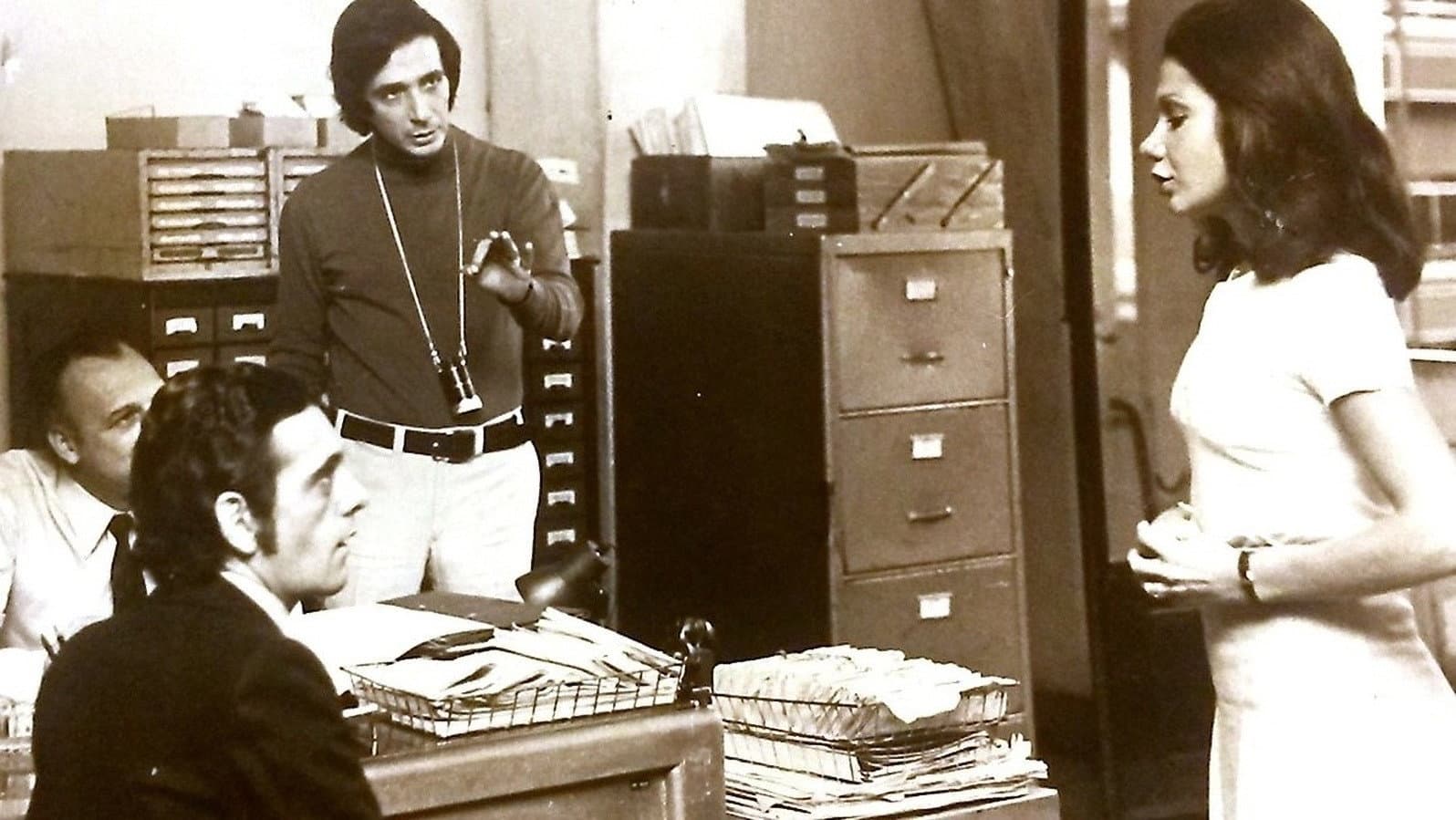
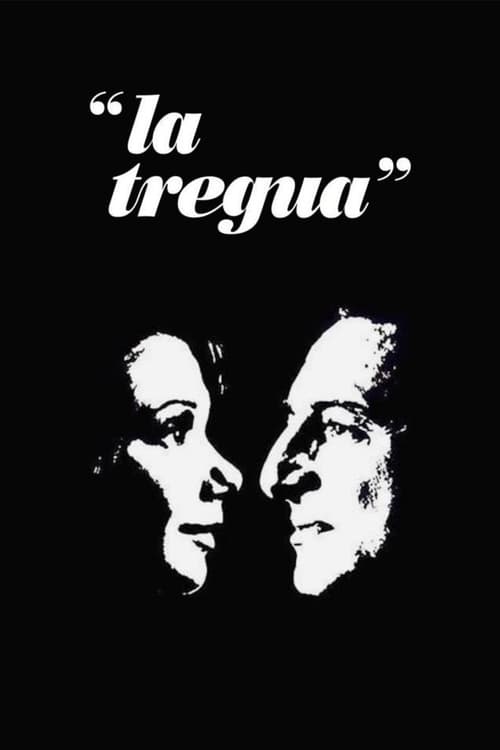
The Truce
1974·Romance·1h 48m
7.1
★
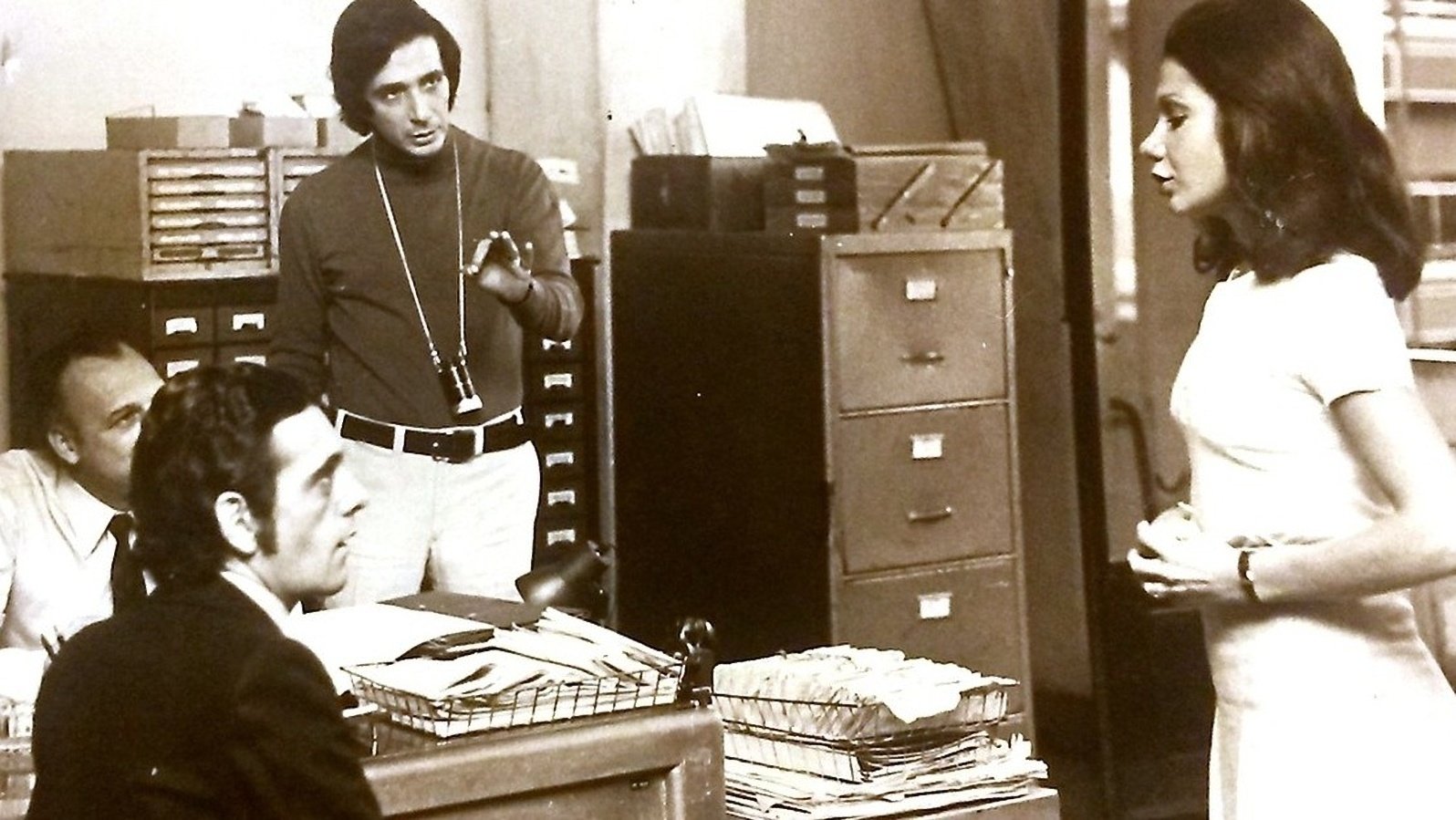
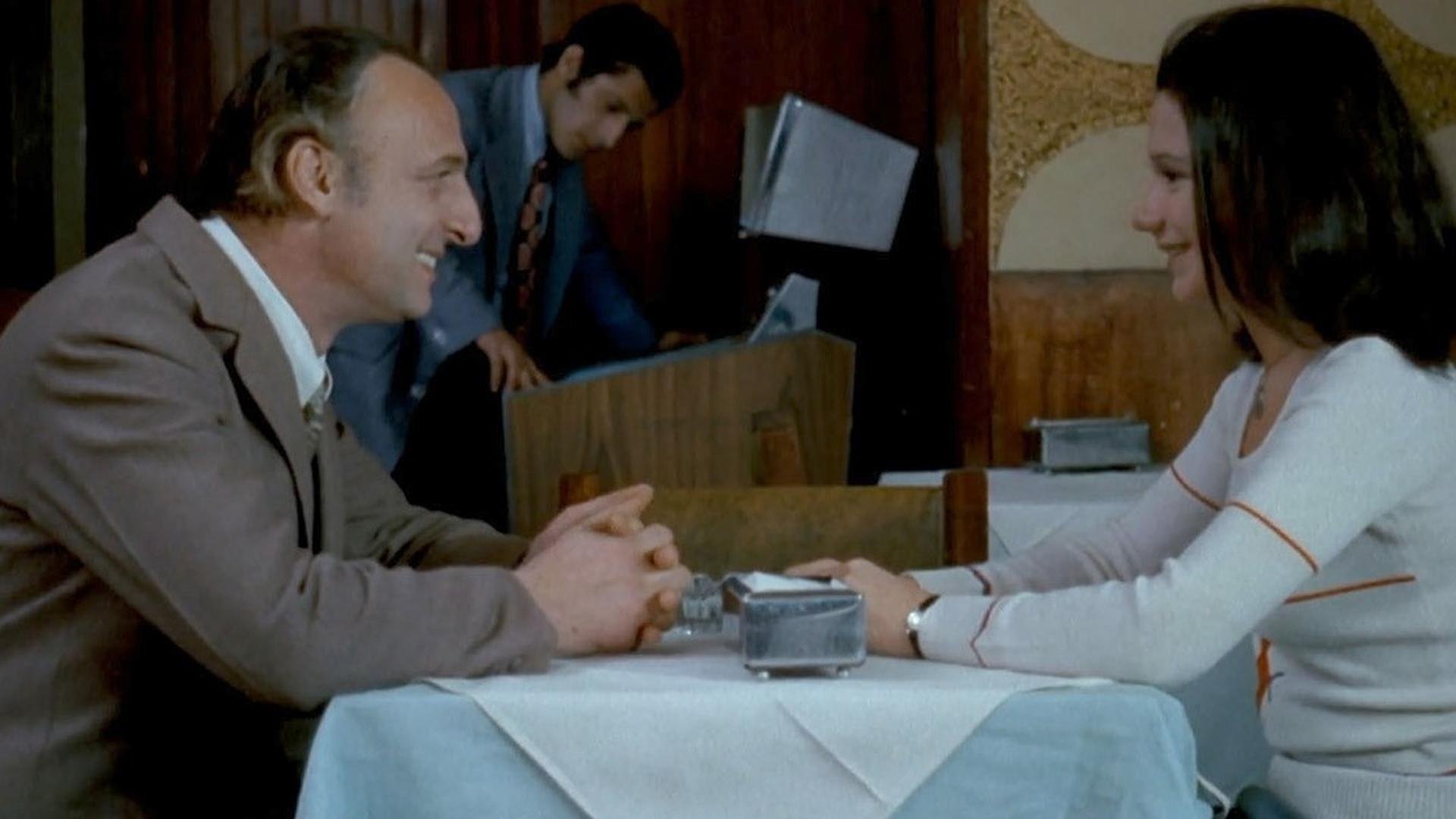
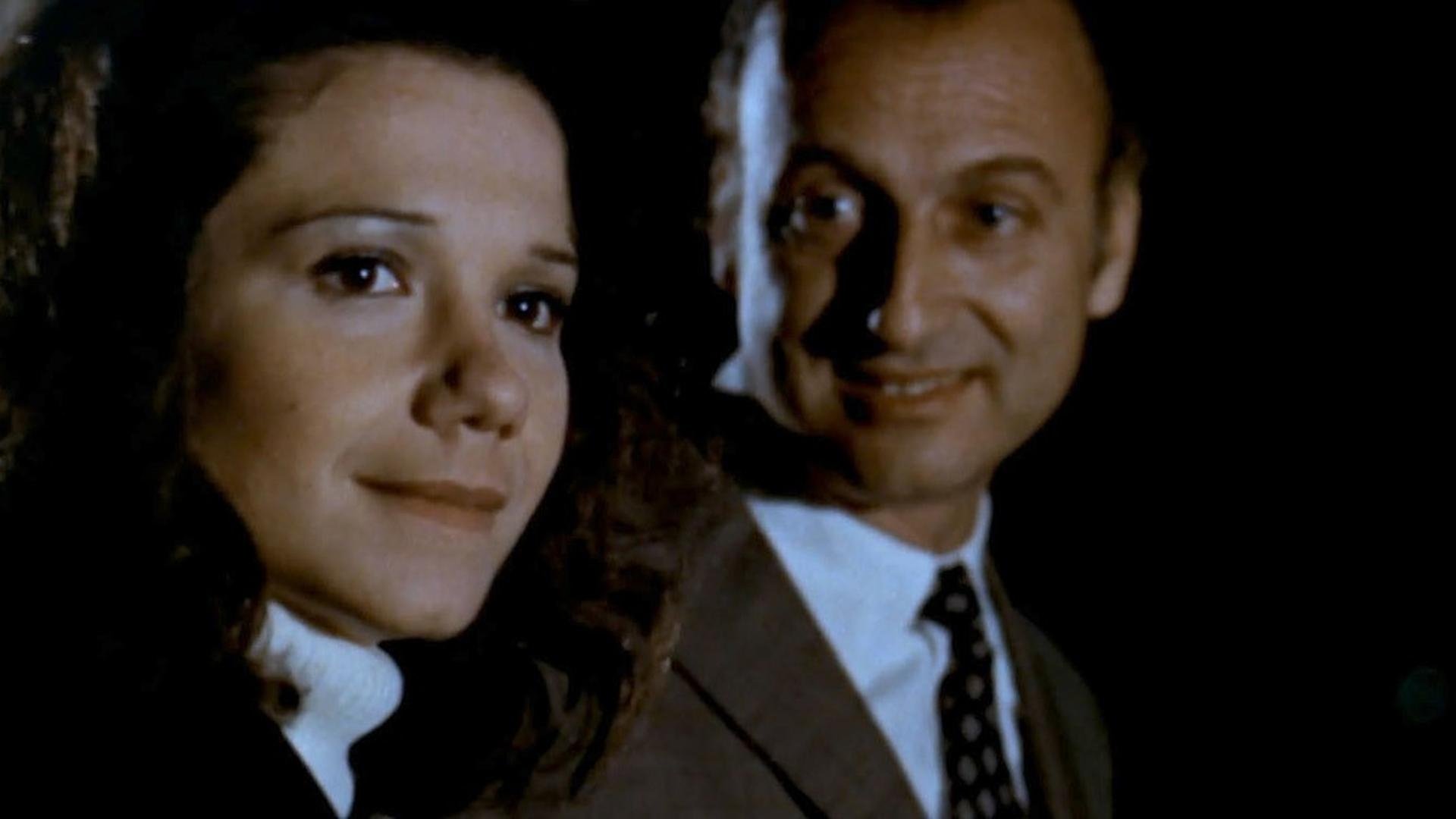
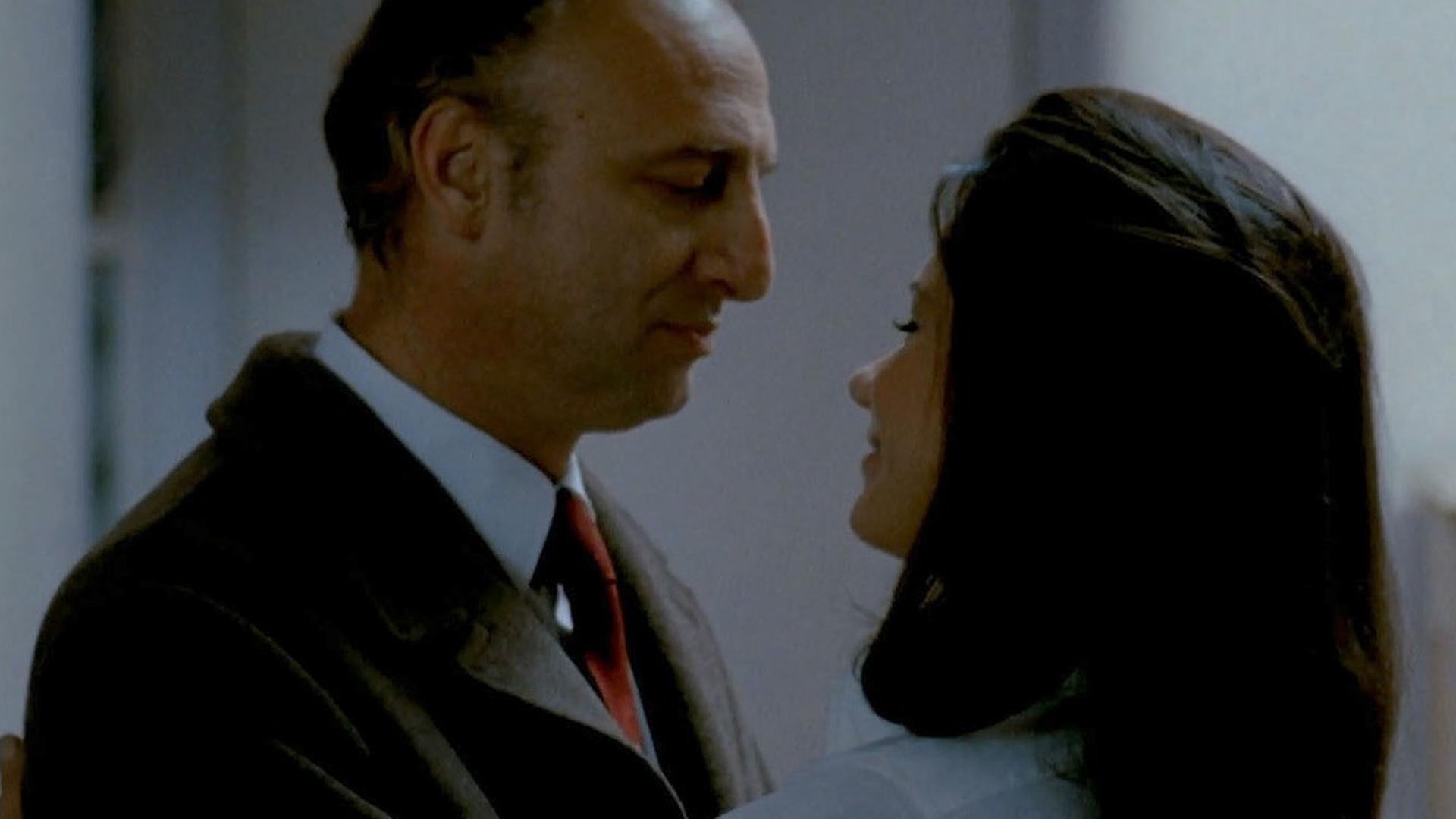
A man has to come to terms with his wasted youth, estranged family and grim prospects for the future.
Directed by Sergio Renán

IMDB
N/A
Cast
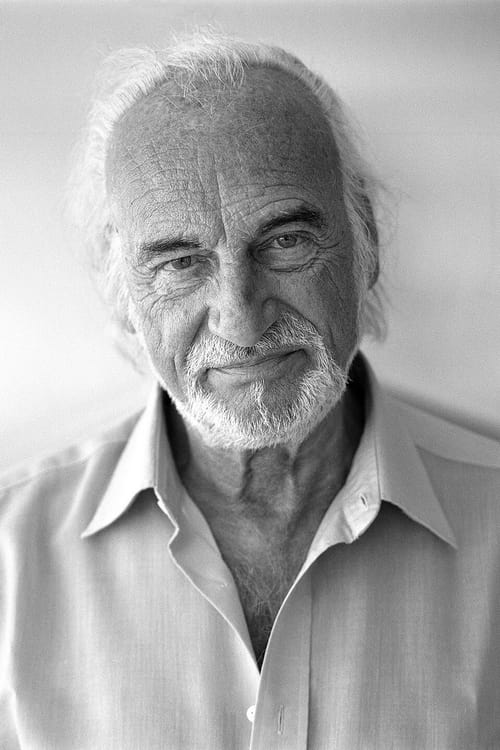
Héctor Alterio
Martín Santomé
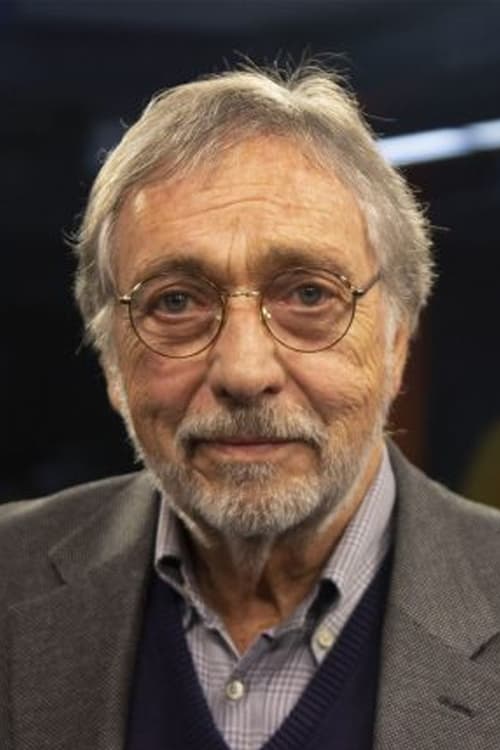
Luis Brandoni
Esteban Santomé

Ana María Picchio
Laura Avellaneda
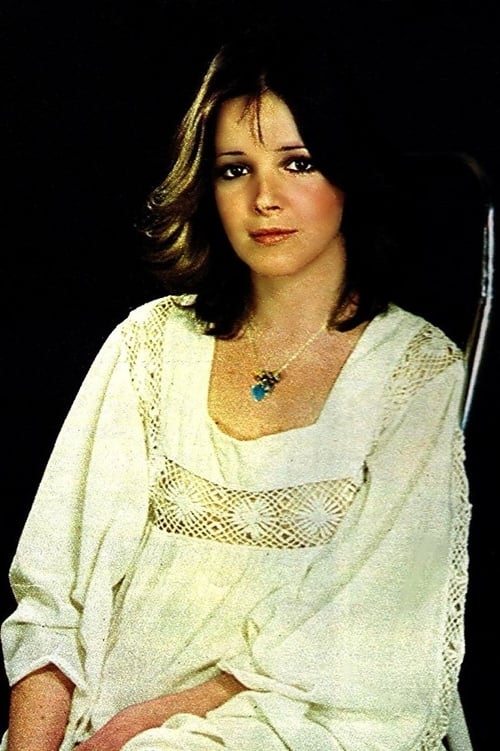
Marilina Ross
Blanca Santomé
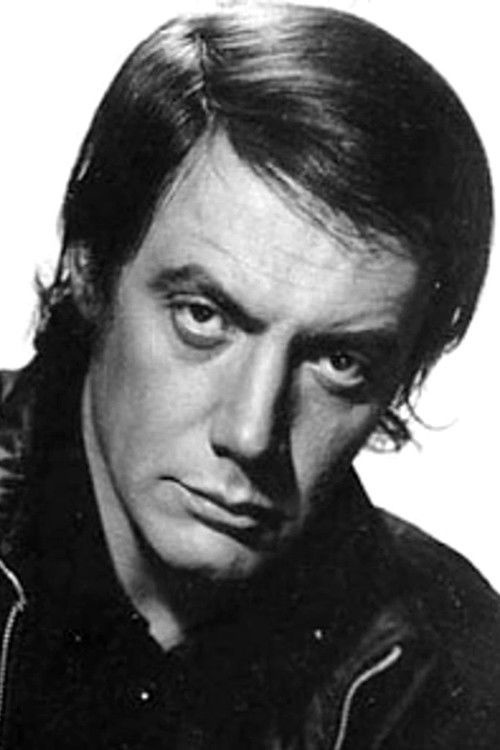
Aldo Barbero
Méndez
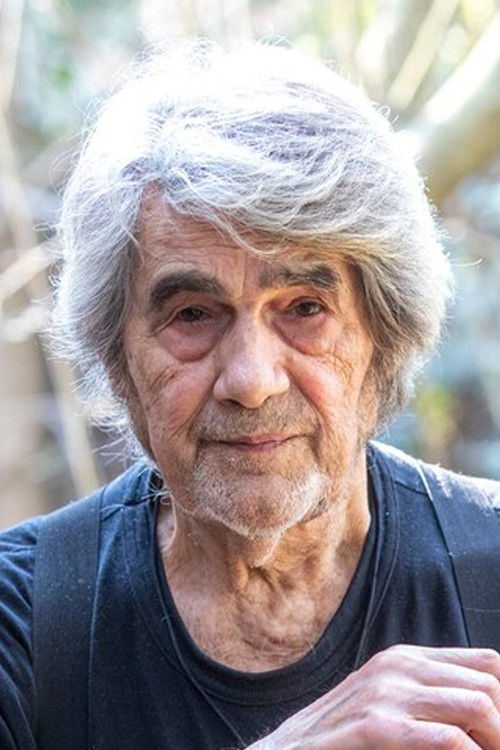
Juan José Camero
Novio de Blanca
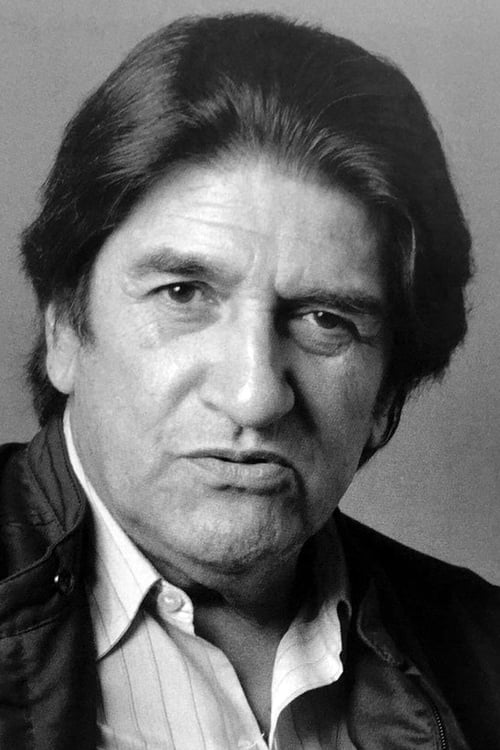
Carlos Carella
Robledo
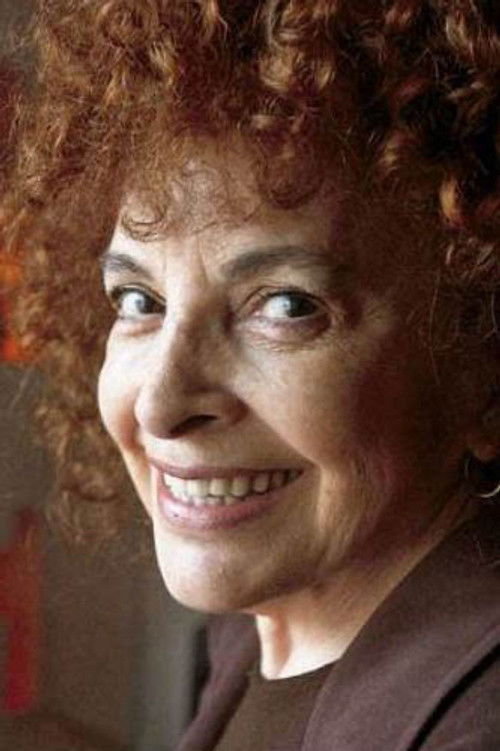
Cipe Lincovsky
Madre de Laura
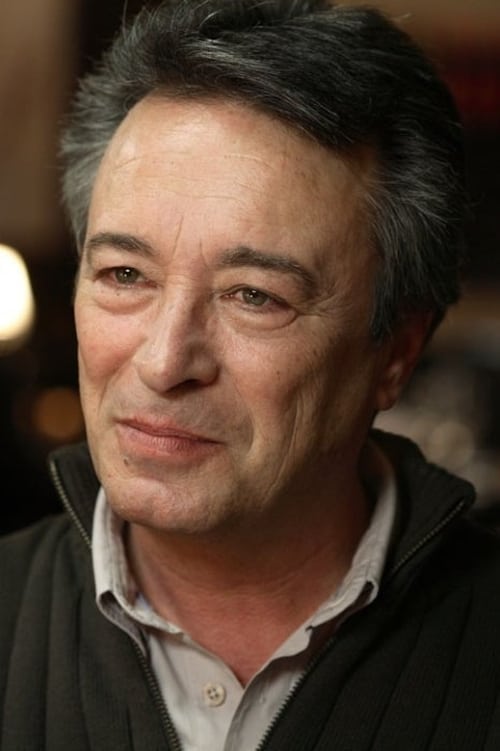
Oscar Martínez
Jaime Santomé
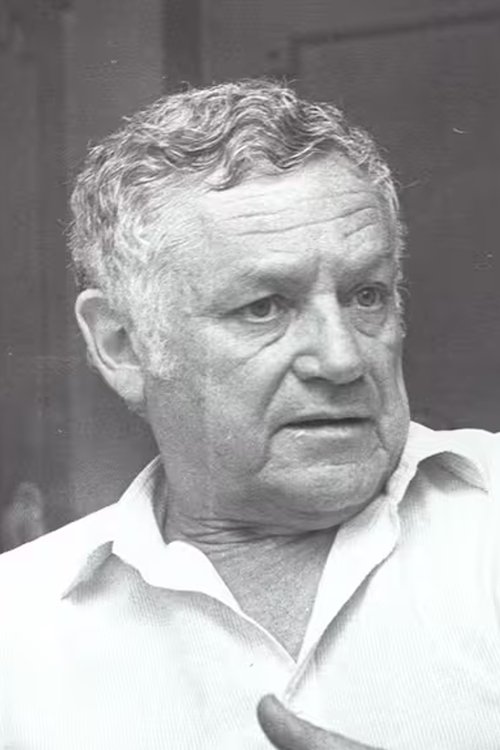
Lautaro Murúa
Gerente
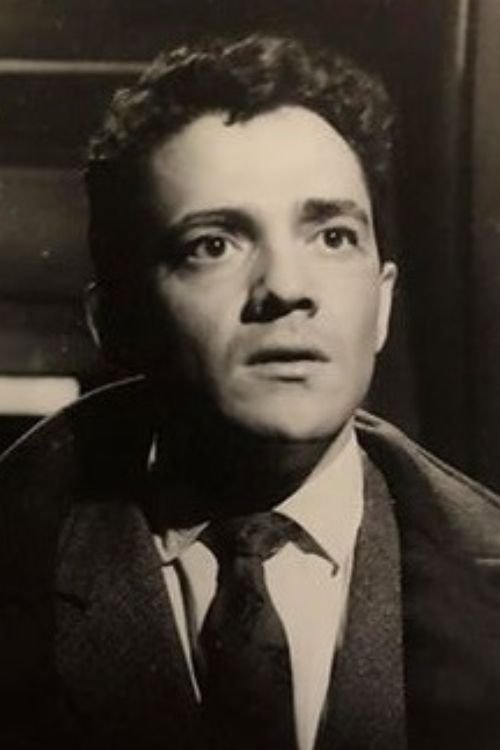
Walter Vidarte
Sierra
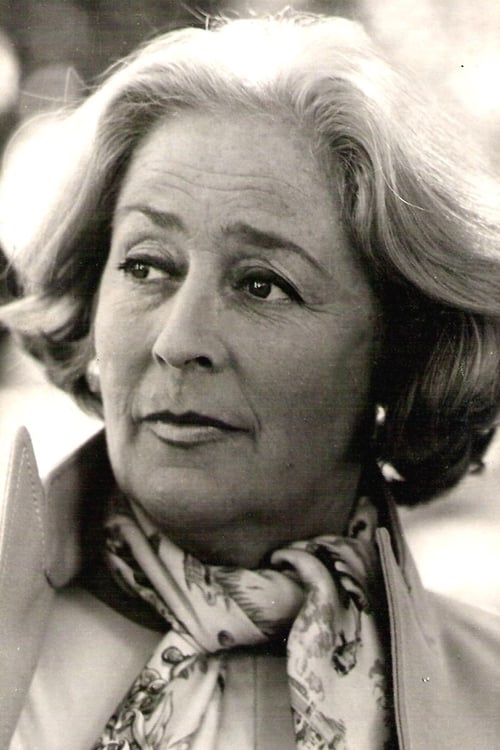
China Zorrilla
Rosa, esposa de Vignale
Crew
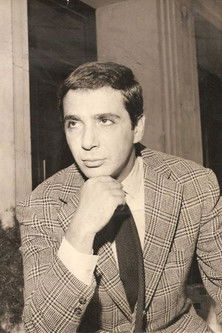
Sergio Renán
Director
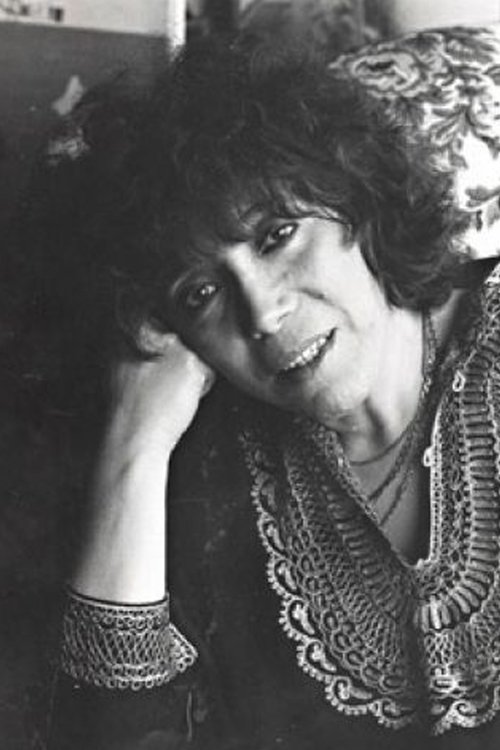
Aída Bortnik
Writer
Sergio Renán
Writer
Juan Carlos Desanzo
Cinematography
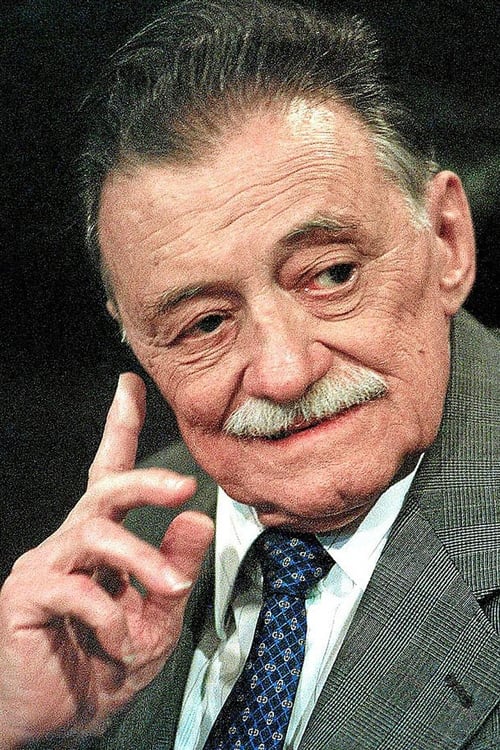
Mario Benedetti
Novel
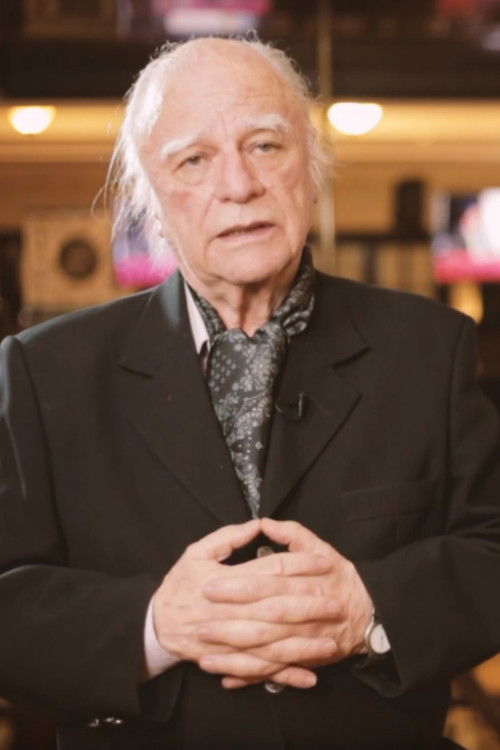
Carlos Galettini
Assistant Director
Popular Reviews
9 reviews
nonito
6.0★ · 02/14/26
ahora tengo la necesidad de leerme el libro para poder opinar al 100% de esta película
ahora tengo la necesidad de leerme el libro para poder opinar al 100% de esta película


Luisa
5.0★ · 08/22/25
la semana pasada vi el documental de Benedetti y Luz, y me conmovió tanto que releí La tregua para poder ver la película con la narración fresca. creo que la película puede ser un poco decepcionante vista como adaptación, y fue lo que me pasó. la novela es profundamente entrañable porque tienes acceso a las paredes que se rompen para Martín al enamorarse de Avellaneda. la cotidianidad no logró asesinarlo
el personaje (de Martín) es tan tierno y humano. uno se encariña con Avellaneda a través de sus ojos. creo que la película es una buena adaptación de los hechos de la novela, pero este aspecto entrañable se pierde por completo en la adaptación
la actuación de Héctor Alterio hace lo que puede por preservar esto, y claro que Ana María Picchio es la Avellaneda perfecta!
el personaje (de Martín) es tan tierno y humano. uno se encariña con Avellaneda a través de sus ojos. creo que la película es una buena adaptación de los hechos de la novela, pero este aspecto entrañable se pierde por completo en la adaptación
la actuación de Héctor Alterio hace lo que puede por preservar esto, y claro que Ana María Picchio es la Avellaneda perfecta!
la semana pasada vi el documental de Benedetti y Luz, y me conmovió tanto que releí La tregua para poder ver la película con la narración fresca. creo que la película puede ser un poco decepcionante vista como adaptación, y fue lo que me pasó. la novela es profundamente entrañable porque tienes acceso a las paredes que se rompen para Martín al enamorarse de Avellaneda. la cotidianidad no logró asesinarlo
el personaje (de Martín) es tan tierno y humano. uno se encariña con Avellaneda a través de sus ojos. creo que la película es una buena adaptación de los hechos de la novela, pero este aspecto entrañable se pierde por completo en la adaptación
la actuación de Héctor Alterio hace lo que puede por preservar esto, y claro que Ana María Picchio es la Avellaneda perfecta!
el personaje (de Martín) es tan tierno y humano. uno se encariña con Avellaneda a través de sus ojos. creo que la película es una buena adaptación de los hechos de la novela, pero este aspecto entrañable se pierde por completo en la adaptación
la actuación de Héctor Alterio hace lo que puede por preservar esto, y claro que Ana María Picchio es la Avellaneda perfecta!
tomi
7.0★ · 03/18/25
Primero que todo; que reparto, la puta madre.
No me convencieron las tramas que quedan inconclusas, entiendo que ya mostrar a personajes homosexuales en una película de 1974 estaba re contra adelantado a su tiempo, sin embargo me hubiera gustado que estas historias se terminaran de definir. El hijo se va de la casa y no sabemos nada más de él, en ningún momento el protagonista hace algo al respecto. Lo mismo con Gasalla que deja de aparecer a mitad de película.
El romance tampoco me convenció al principio, sentí que faltaba algo más para decir "ok, se enamoraron". La aparición de Norma Aleandro también es muy esporádica y no se termina de comprender.
No he leido el libro por lo que no puedo compararlos, pero supongo que son problemas propios de la película.
No me convencieron las tramas que quedan inconclusas, entiendo que ya mostrar a personajes homosexuales en una película de 1974 estaba re contra adelantado a su tiempo, sin embargo me hubiera gustado que estas historias se terminaran de definir. El hijo se va de la casa y no sabemos nada más de él, en ningún momento el protagonista hace algo al respecto. Lo mismo con Gasalla que deja de aparecer a mitad de película.
El romance tampoco me convenció al principio, sentí que faltaba algo más para decir "ok, se enamoraron". La aparición de Norma Aleandro también es muy esporádica y no se termina de comprender.
No he leido el libro por lo que no puedo compararlos, pero supongo que son problemas propios de la película.
Primero que todo; que reparto, la puta madre.
No me convencieron las tramas que quedan inconclusas, entiendo que ya mostrar a personajes homosexuales en una película de 1974 estaba re contra adelantado a su tiempo, sin embargo me hubiera gustado que estas historias se terminaran de definir. El hijo se va de la casa y no sabemos nada más de él, en ningún momento el protagonista hace algo al respecto. Lo mismo con Gasalla que deja de aparecer a mitad de película.
El romance tampoco me convenció al principio, sentí que faltaba algo más para decir "ok, se enamoraron". La aparición de Norma Aleandro también es muy esporádica y no se termina de comprender.
No he leido el libro por lo que no puedo compararlos, pero supongo que son problemas propios de la película.
No me convencieron las tramas que quedan inconclusas, entiendo que ya mostrar a personajes homosexuales en una película de 1974 estaba re contra adelantado a su tiempo, sin embargo me hubiera gustado que estas historias se terminaran de definir. El hijo se va de la casa y no sabemos nada más de él, en ningún momento el protagonista hace algo al respecto. Lo mismo con Gasalla que deja de aparecer a mitad de película.
El romance tampoco me convenció al principio, sentí que faltaba algo más para decir "ok, se enamoraron". La aparición de Norma Aleandro también es muy esporádica y no se termina de comprender.
No he leido el libro por lo que no puedo compararlos, pero supongo que son problemas propios de la película.
jota florez
✮ Lights, Camera, Action! ✮*
*
NO IT'S NOT LIKE THAT AHHHH 😭
I genuinely think this is one of Hector Alterio's best performances, any other actor could play this character and come off as a dirty old man, but Hector makes him exude so much tenderness, passion and above all, love
I think the film captures the time when thought, ideologies and tasks were totally limited by closed ideologies, predominant forms and routine spaces and lives.
Thanks to life, today we cannot imagine such a hypocritical way of living, nor such reserved thoughts, but we also sometimes do not give ourselves the space to feel in such a deep way, to be able to love. Especially when our energy is consumed by time, space, stress, what people will say and all these free worries that we find today and that we do nothing but put in the way.
The protagonist of the story is the representative of a generation of the Argentine lower middle class who knew how to fulfill his duty, watch life and desires pass by, comply with the social model and grow old without answering the question of "what is life" and "who am I and what do I want for myself"
The children, those children of the pain of not being, inherit on one hand the pain of not being and, on the other, the identity that must be hidden, at the risk of suffering the judgment and exclusion of what is different.
In the midst of all that, love and hope are reborn, condemned to a tragedy that is apparently unavoidable.
I doubt I will see anything more Argentine than this today, that is, along with Waiting for the Hearse, it is one of the most Argentine films I have ever seen, I don't know how to put that into words and I hope you understand me.
*
This is what happiness looks like
NO IT'S NOT LIKE THAT AHHHH 😭
I genuinely think this is one of Hector Alterio's best performances, any other actor could play this character and come off as a dirty old man, but Hector makes him exude so much tenderness, passion and above all, love
I think the film captures the time when thought, ideologies and tasks were totally limited by closed ideologies, predominant forms and routine spaces and lives.
Thanks to life, today we cannot imagine such a hypocritical way of living, nor such reserved thoughts, but we also sometimes do not give ourselves the space to feel in such a deep way, to be able to love. Especially when our energy is consumed by time, space, stress, what people will say and all these free worries that we find today and that we do nothing but put in the way.
The protagonist of the story is the representative of a generation of the Argentine lower middle class who knew how to fulfill his duty, watch life and desires pass by, comply with the social model and grow old without answering the question of "what is life" and "who am I and what do I want for myself"
The children, those children of the pain of not being, inherit on one hand the pain of not being and, on the other, the identity that must be hidden, at the risk of suffering the judgment and exclusion of what is different.
In the midst of all that, love and hope are reborn, condemned to a tragedy that is apparently unavoidable.
I doubt I will see anything more Argentine than this today, that is, along with Waiting for the Hearse, it is one of the most Argentine films I have ever seen, I don't know how to put that into words and I hope you understand me.
✮ Lights, Camera, Action! ✮*
*
NO IT'S NOT LIKE THAT AHHHH 😭
I genuinely think this is one of Hector Alterio's best performances, any other actor could play this character and come off as a dirty old man, but Hector makes him exude so much tenderness, passion and above all, love
I think the film captures the time when thought, ideologies and tasks were totally limited by closed ideologies, predominant forms and routine spaces and lives.
Thanks to life, today we cannot imagine such a hypocritical way of living, nor such reserved thoughts, but we also sometimes do not give ourselves the space to feel in such a deep way, to be able to love. Especially when our energy is consumed by time, space, stress, what people will say and all these free worries that we find today and that we do nothing but put in the way.
The protagonist of the story is the representative of a generation of the Argentine lower middle class who knew how to fulfill his duty, watch life and desires pass by, comply with the social model and grow old without answering the question of "what is life" and "who am I and what do I want for myself"
The children, those children of the pain of not being, inherit on one hand the pain of not being and, on the other, the identity that must be hidden, at the risk of suffering the judgment and exclusion of what is different.
In the midst of all that, love and hope are reborn, condemned to a tragedy that is apparently unavoidable.
I doubt I will see anything more Argentine than this today, that is, along with Waiting for the Hearse, it is one of the most Argentine films I have ever seen, I don't know how to put that into words and I hope you understand me.
*
This is what happiness looks like
NO IT'S NOT LIKE THAT AHHHH 😭
I genuinely think this is one of Hector Alterio's best performances, any other actor could play this character and come off as a dirty old man, but Hector makes him exude so much tenderness, passion and above all, love
I think the film captures the time when thought, ideologies and tasks were totally limited by closed ideologies, predominant forms and routine spaces and lives.
Thanks to life, today we cannot imagine such a hypocritical way of living, nor such reserved thoughts, but we also sometimes do not give ourselves the space to feel in such a deep way, to be able to love. Especially when our energy is consumed by time, space, stress, what people will say and all these free worries that we find today and that we do nothing but put in the way.
The protagonist of the story is the representative of a generation of the Argentine lower middle class who knew how to fulfill his duty, watch life and desires pass by, comply with the social model and grow old without answering the question of "what is life" and "who am I and what do I want for myself"
The children, those children of the pain of not being, inherit on one hand the pain of not being and, on the other, the identity that must be hidden, at the risk of suffering the judgment and exclusion of what is different.
In the midst of all that, love and hope are reborn, condemned to a tragedy that is apparently unavoidable.
I doubt I will see anything more Argentine than this today, that is, along with Waiting for the Hearse, it is one of the most Argentine films I have ever seen, I don't know how to put that into words and I hope you understand me.
julieta
10.0★ · 09/03/24
Hermosa película igual que el libro, lo mucho que me hizo llorar 😭. Nunca es tarde para amar. Pobre martín denle un descanso
Hermosa película igual que el libro, lo mucho que me hizo llorar 😭. Nunca es tarde para amar. Pobre martín denle un descanso