Flicker
*“Is it so? Is the daughter’s misfortune the mother’s triumph? Is my grief your secret pleasure?”
*
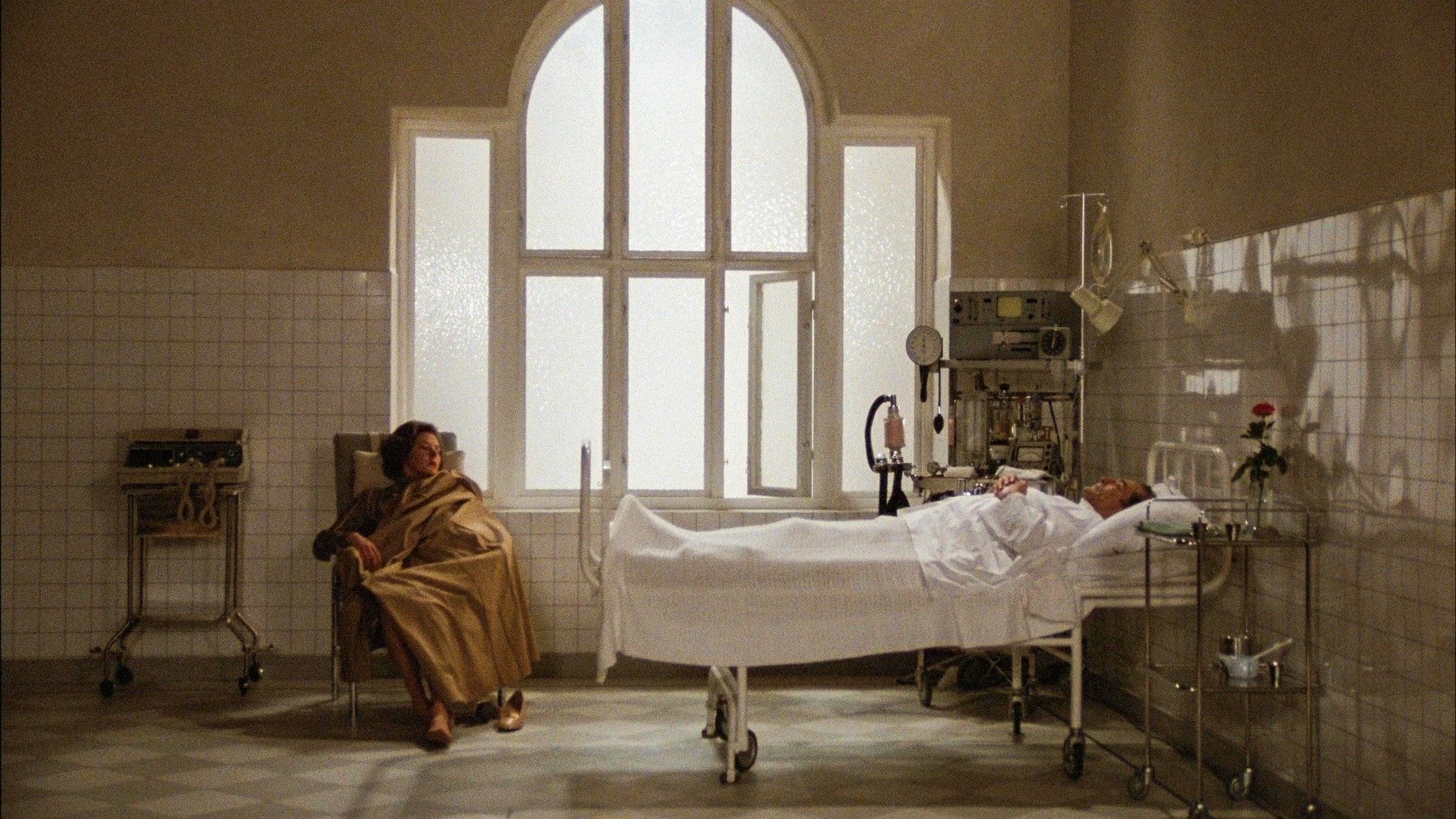
To everyone reading this review, I just ask you: go read the film’s synopsis. Once you’ve done that, read it again and put yourself in the shoes of a 17-year-old girl reading that synopsis for the first time and about to watch the movie, and who has lived through an extremely toxic relationship with her mother. Then you’ll understand why
Autumn Sonata hit me harder than anything else.
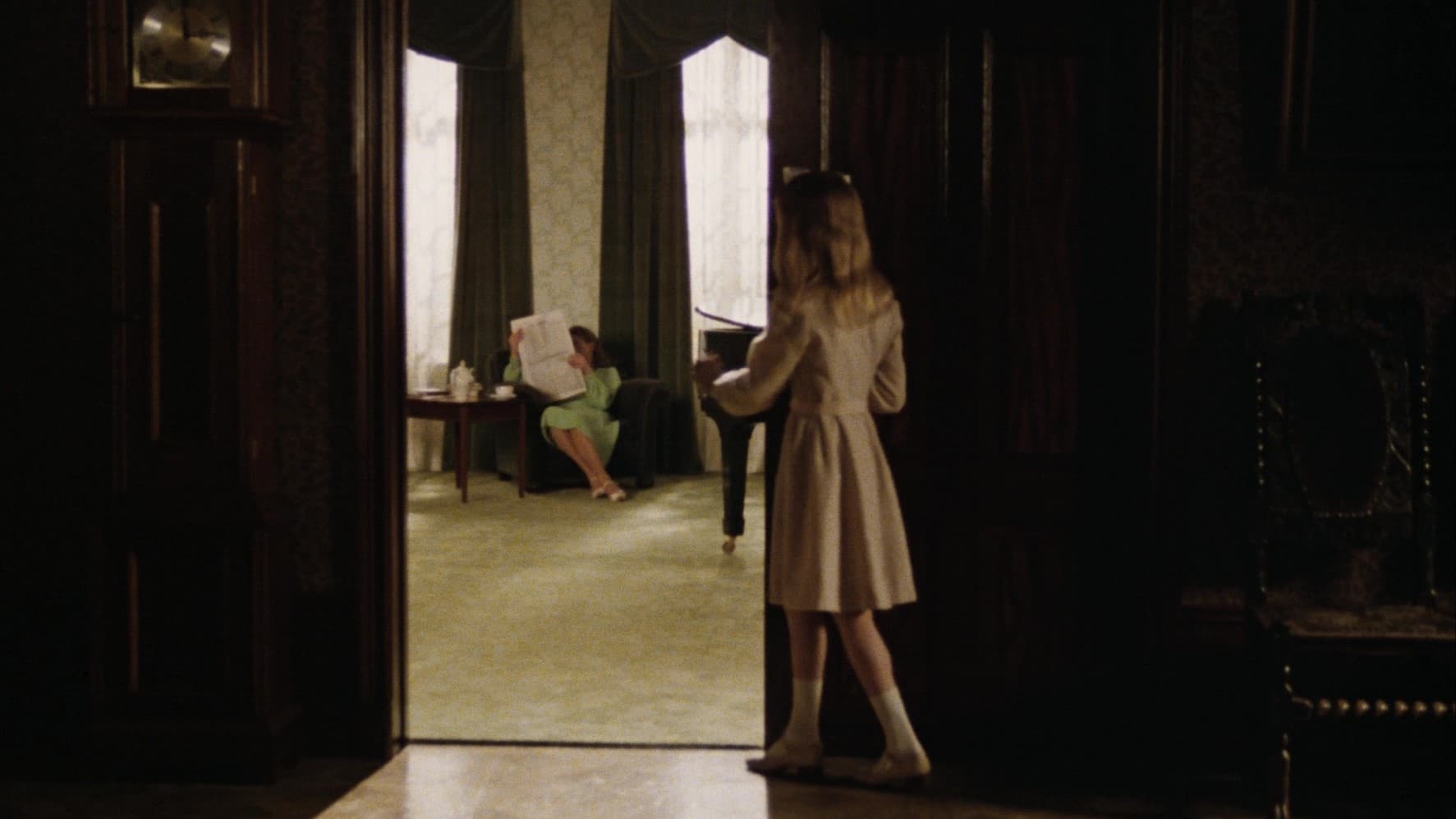
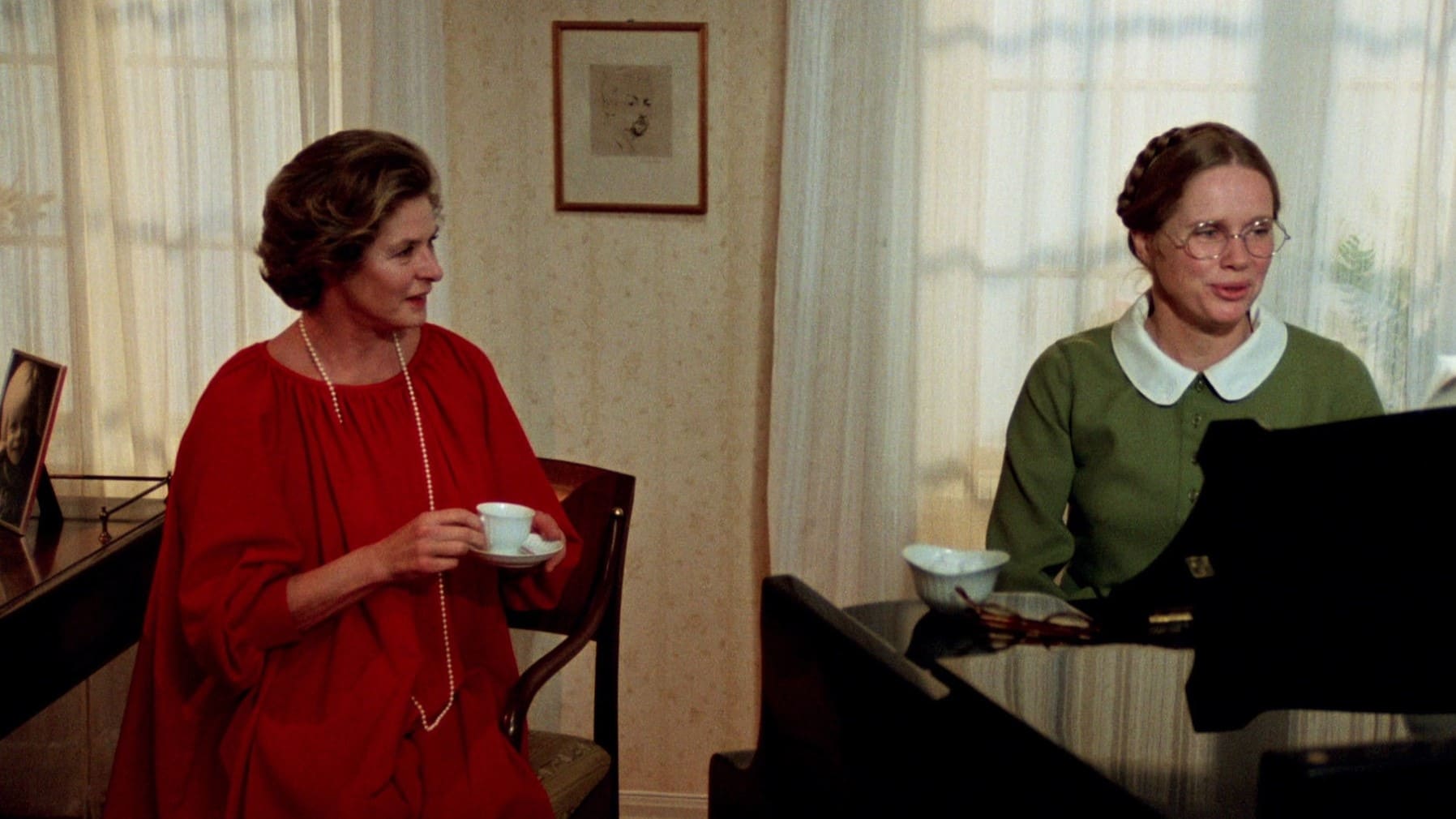
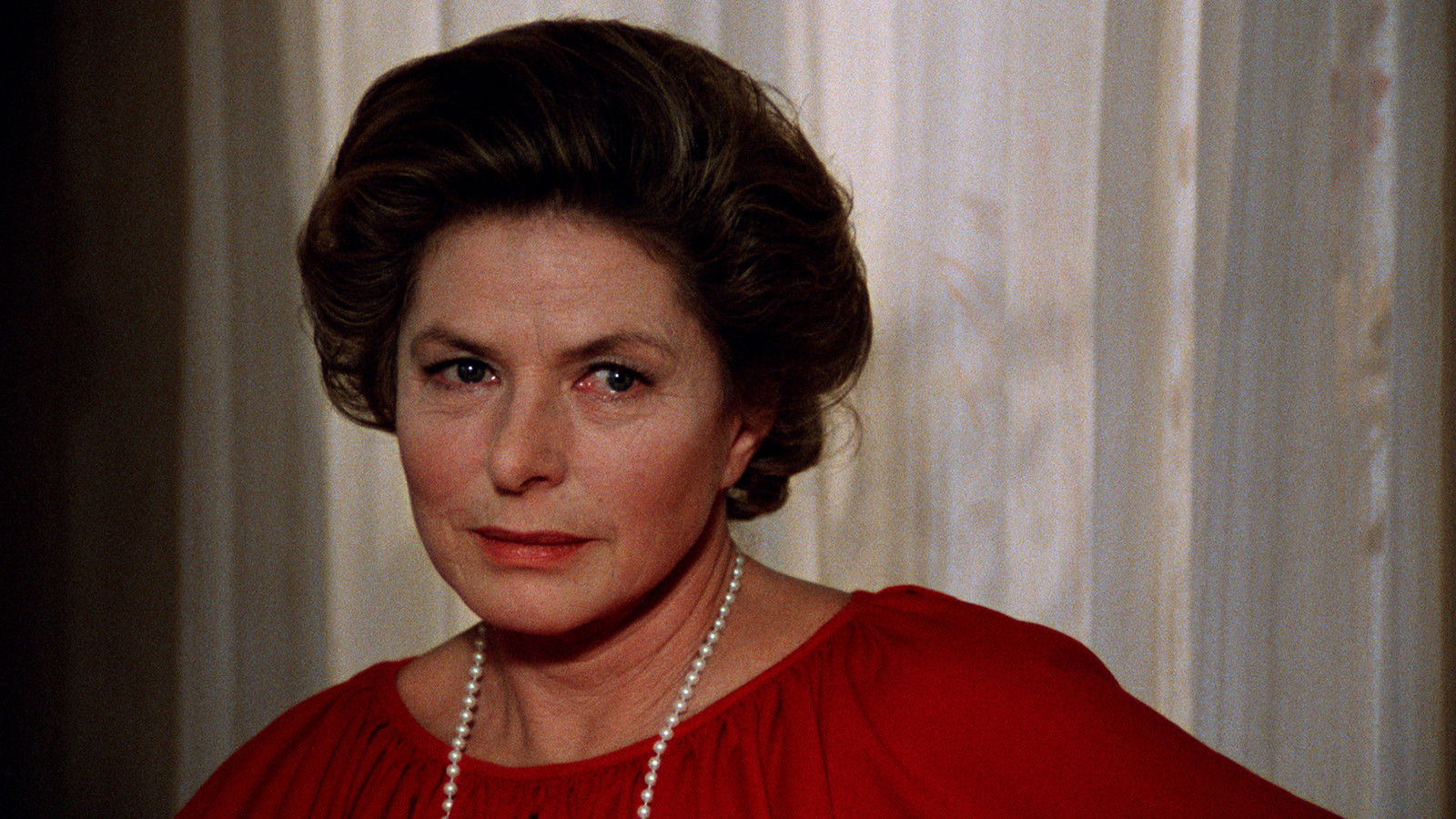
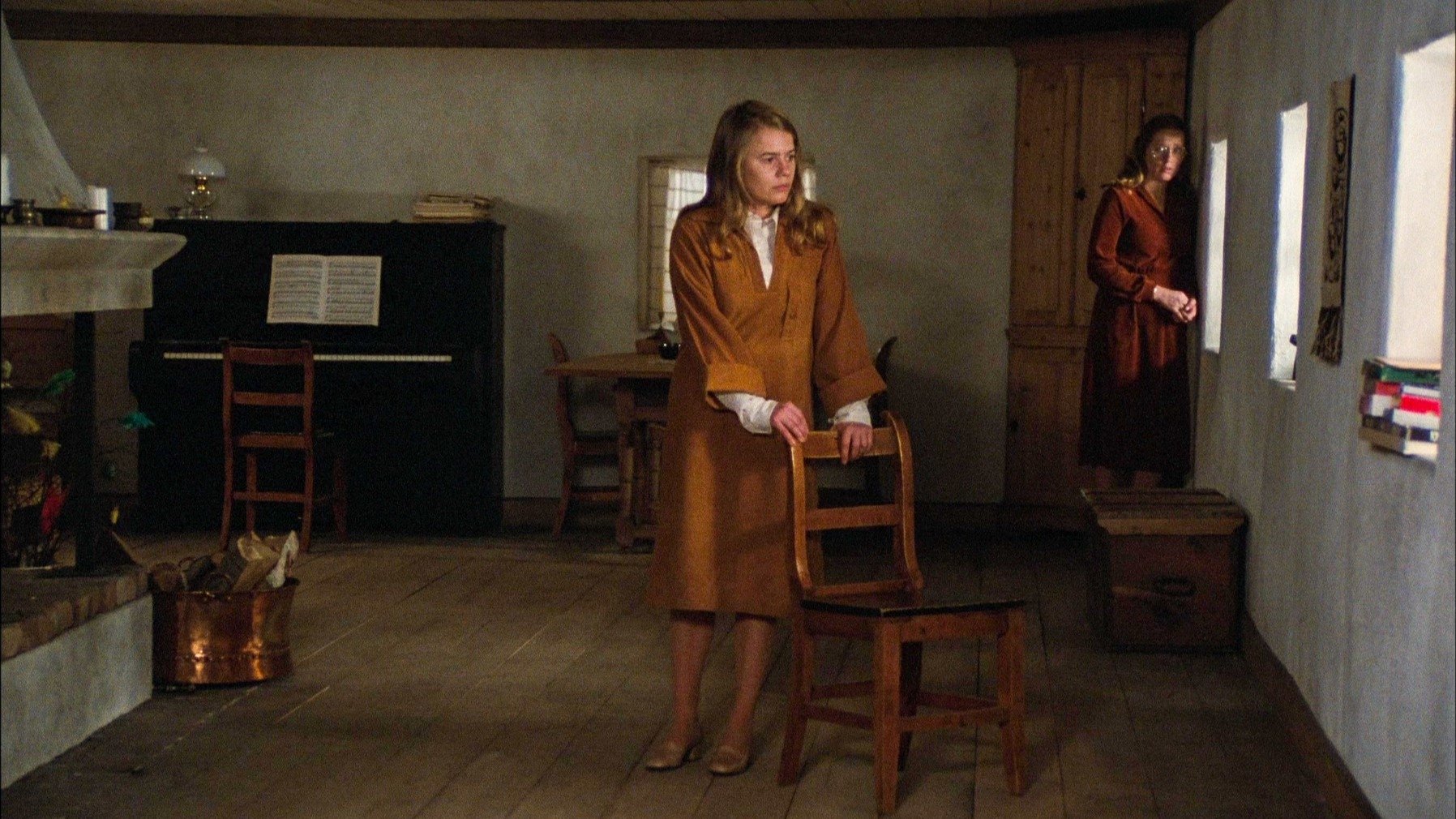
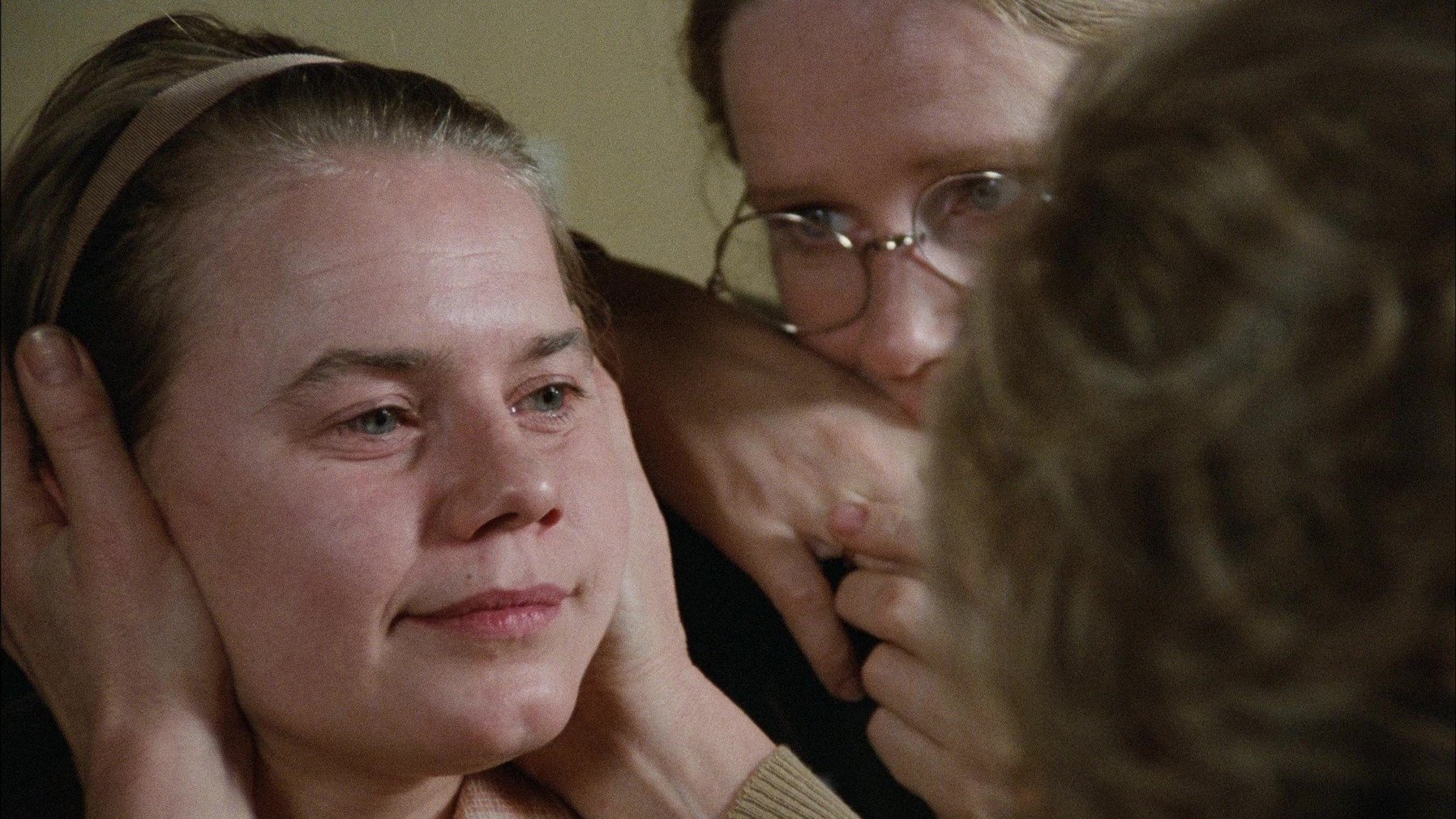
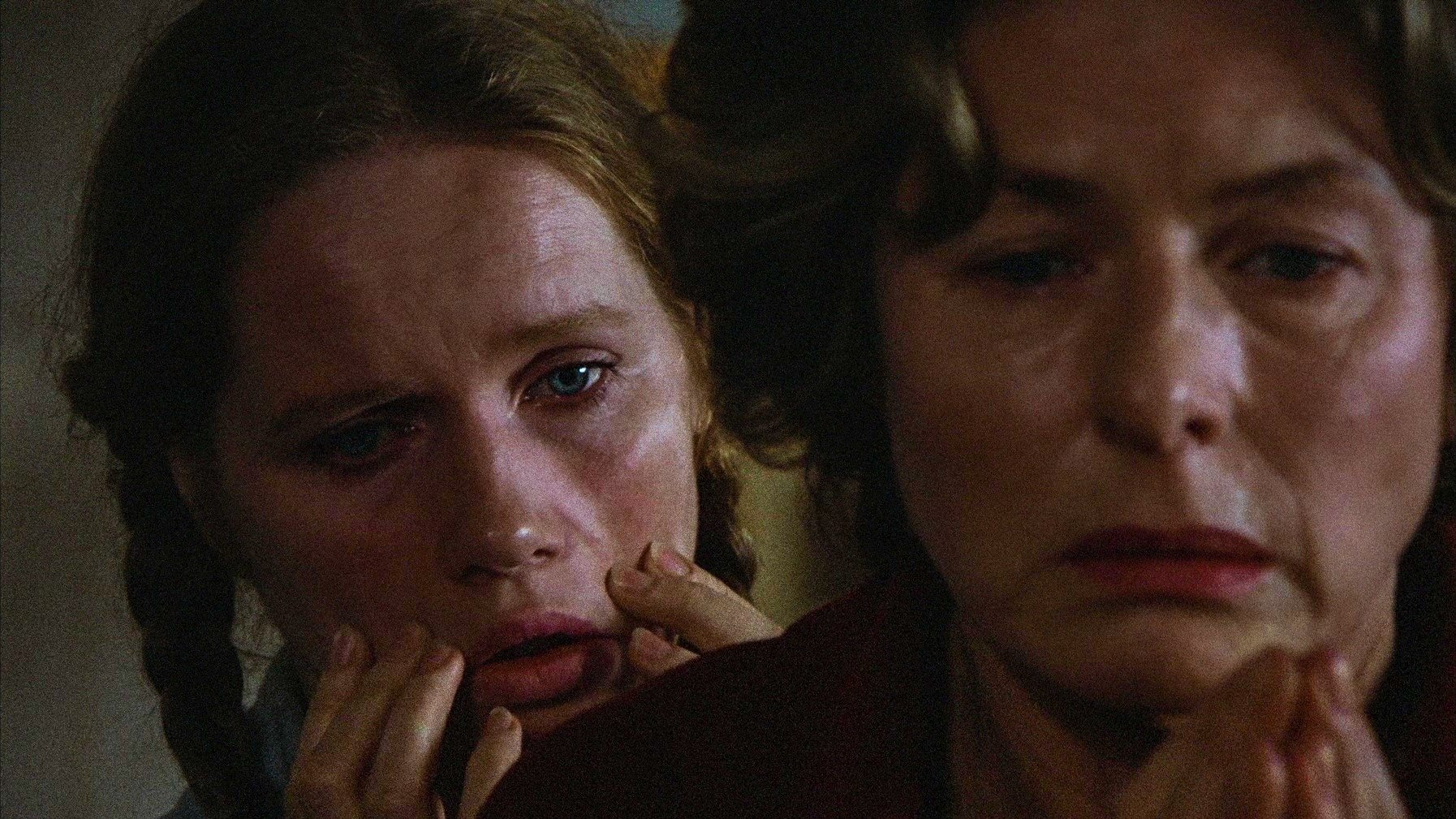
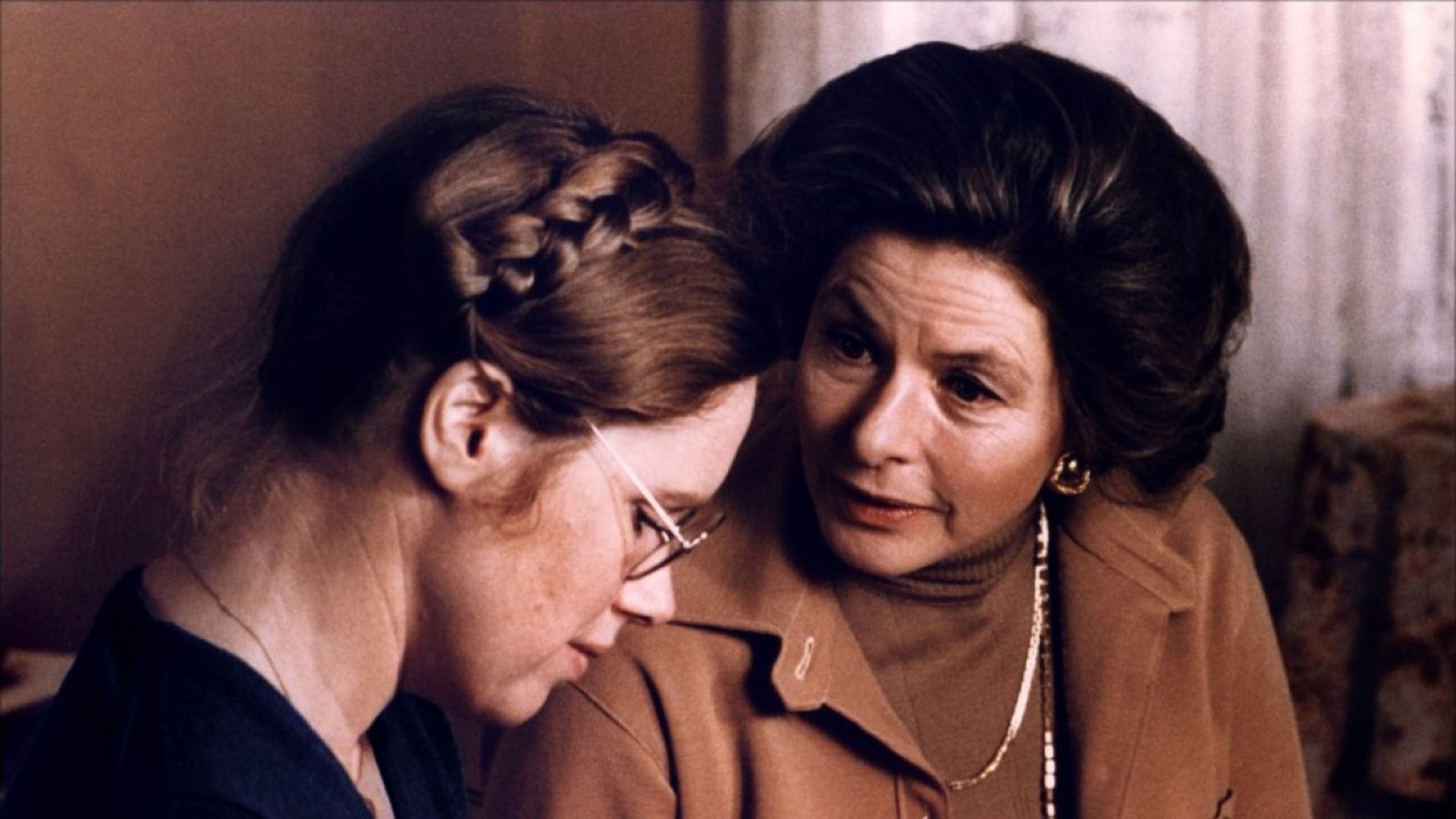
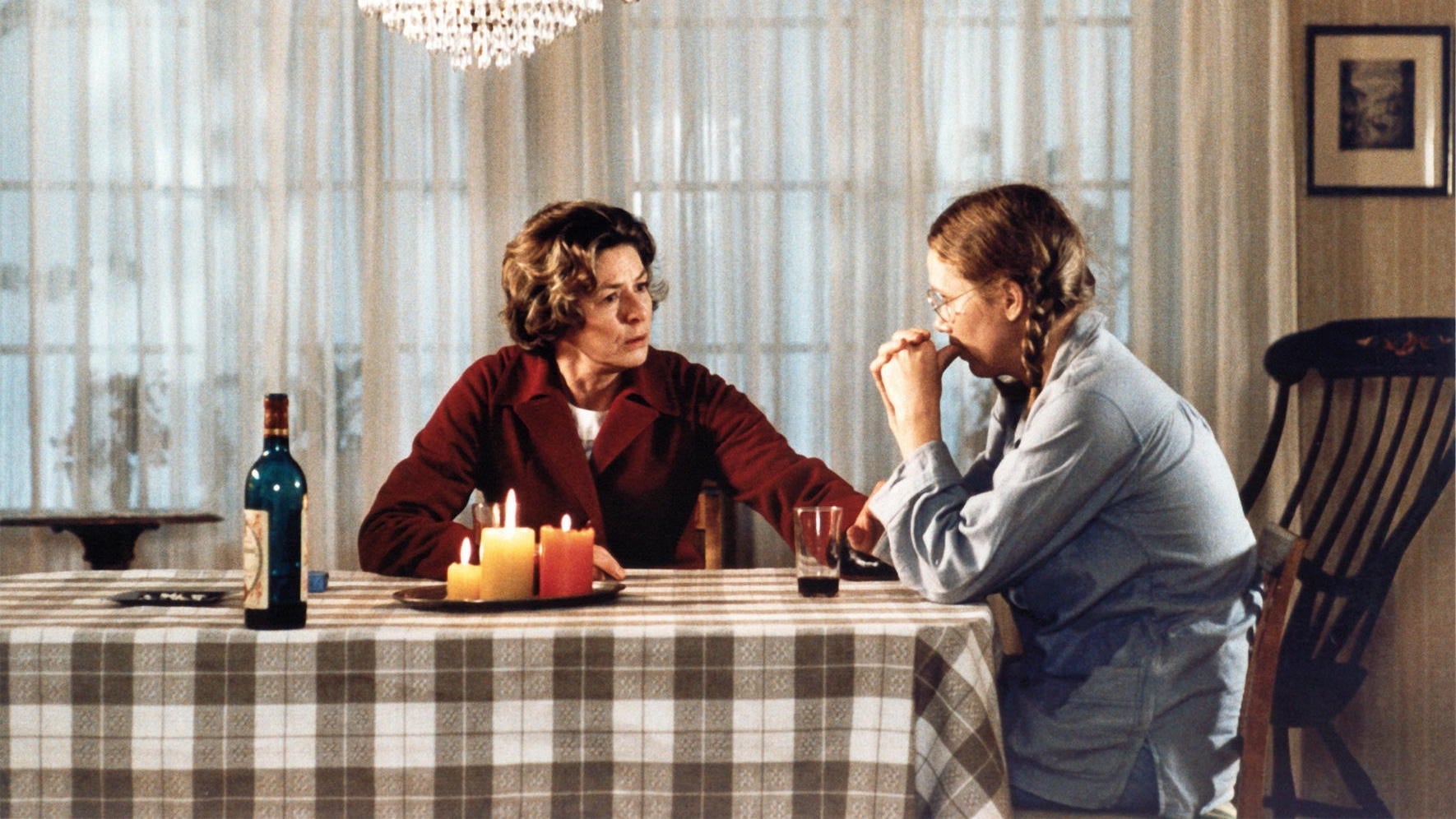
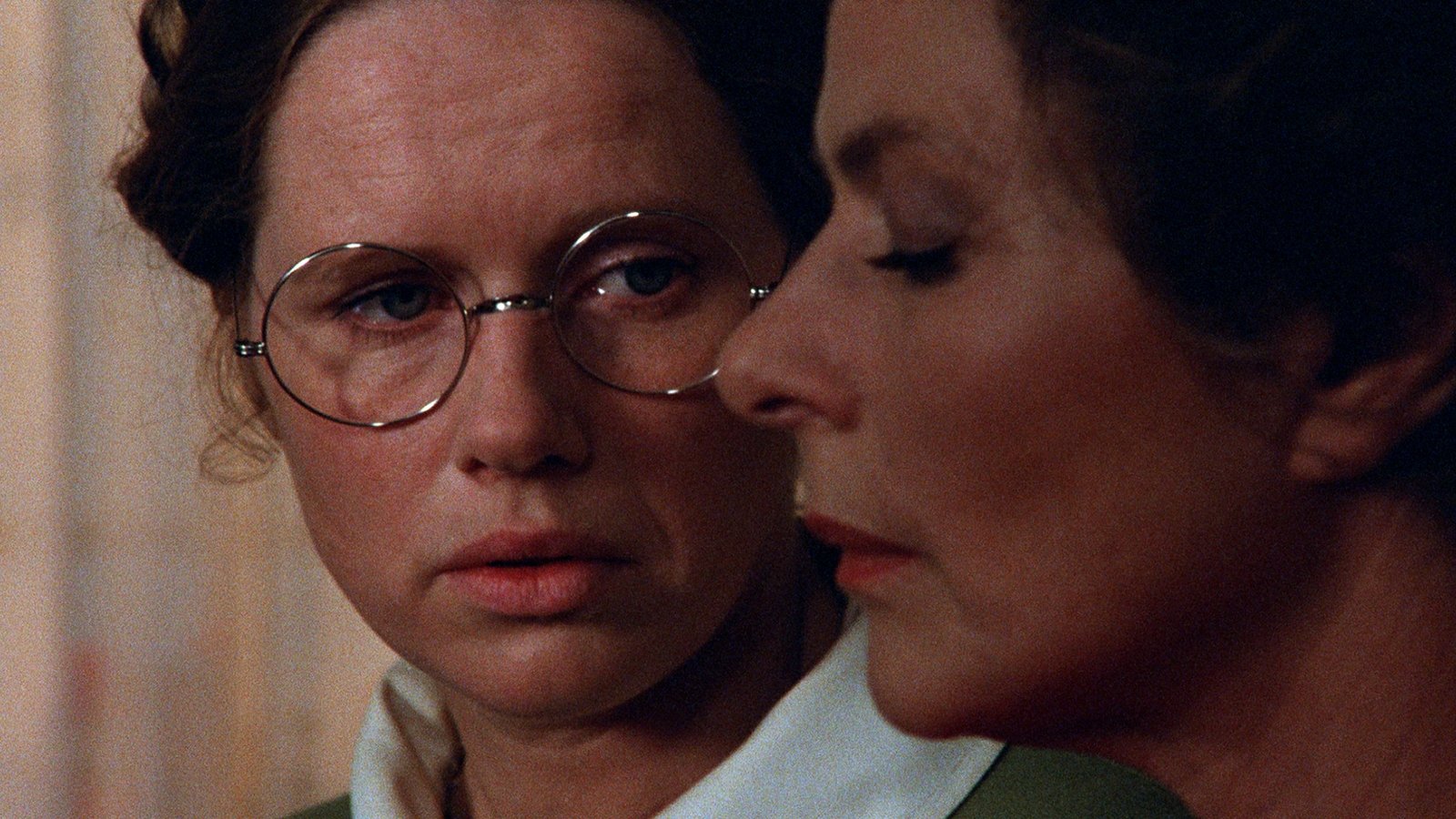
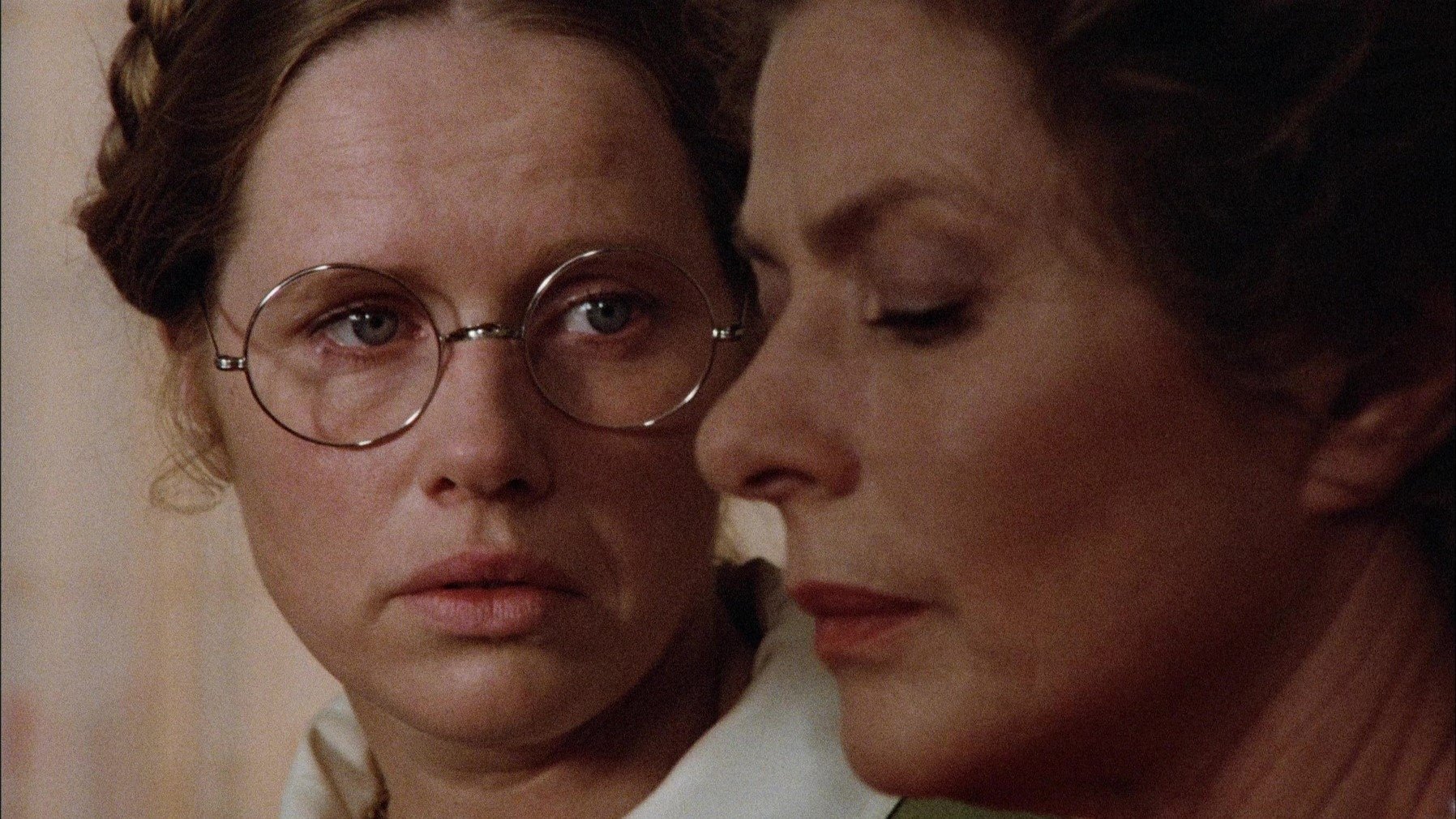
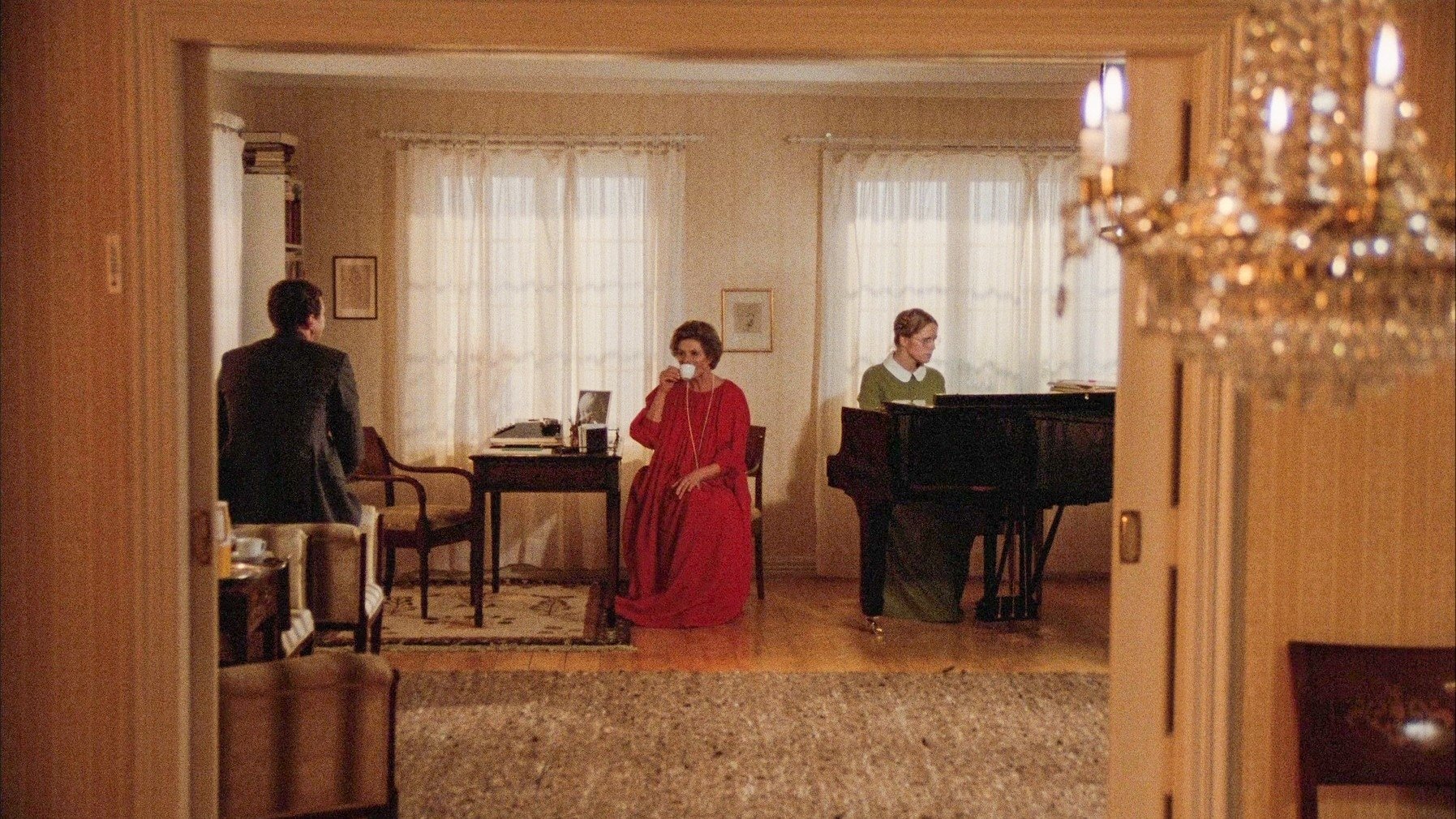
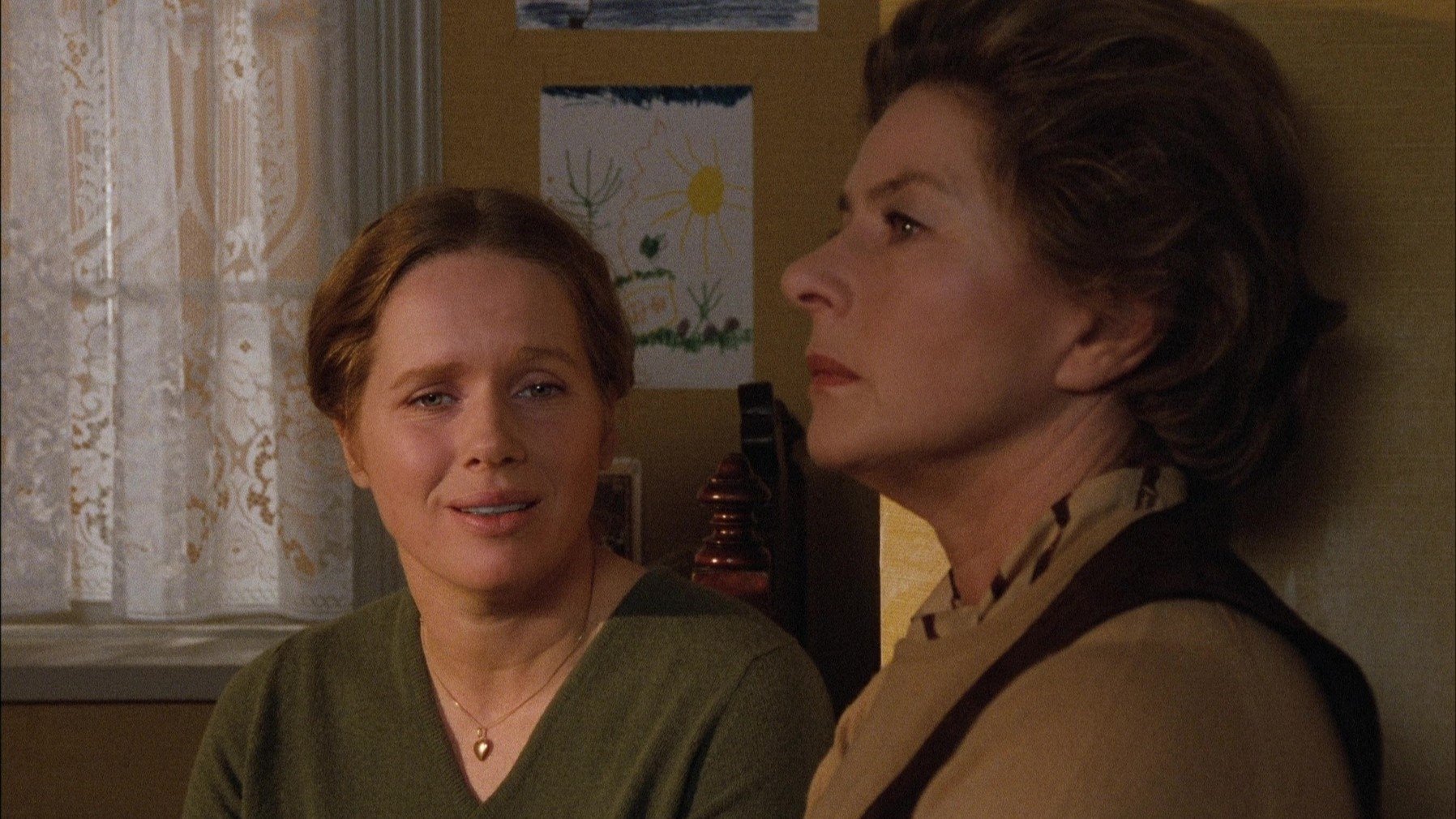
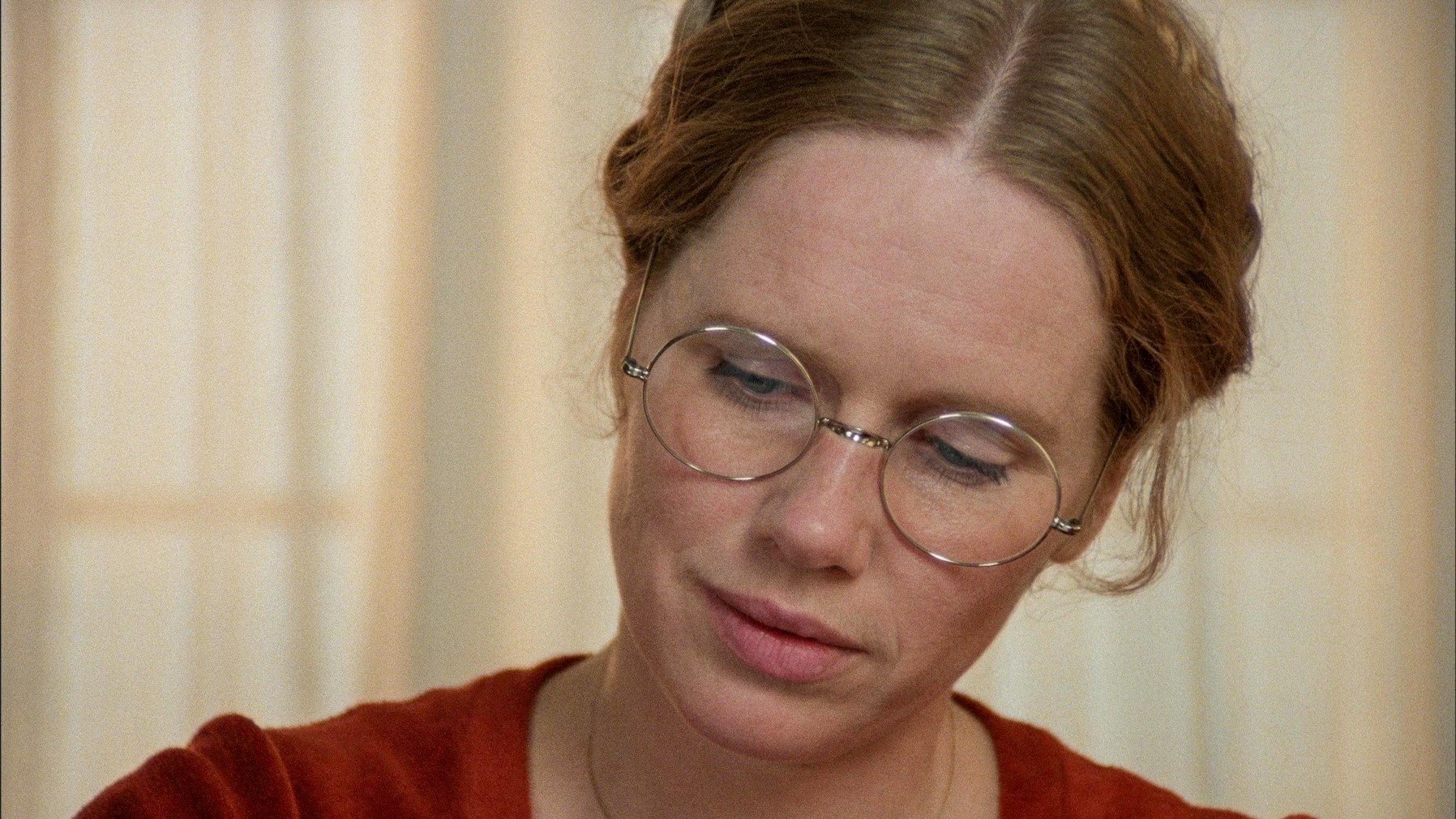
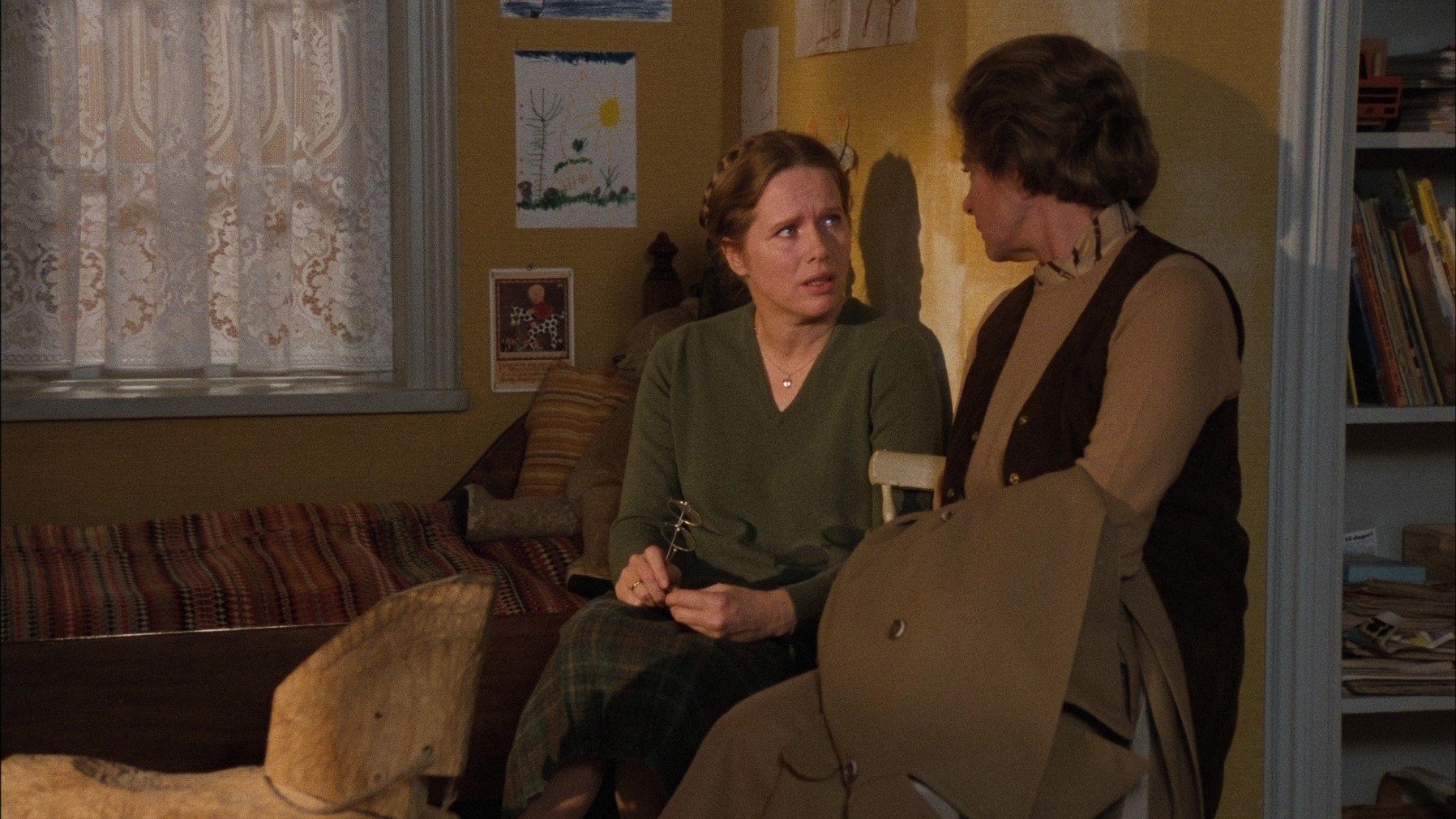
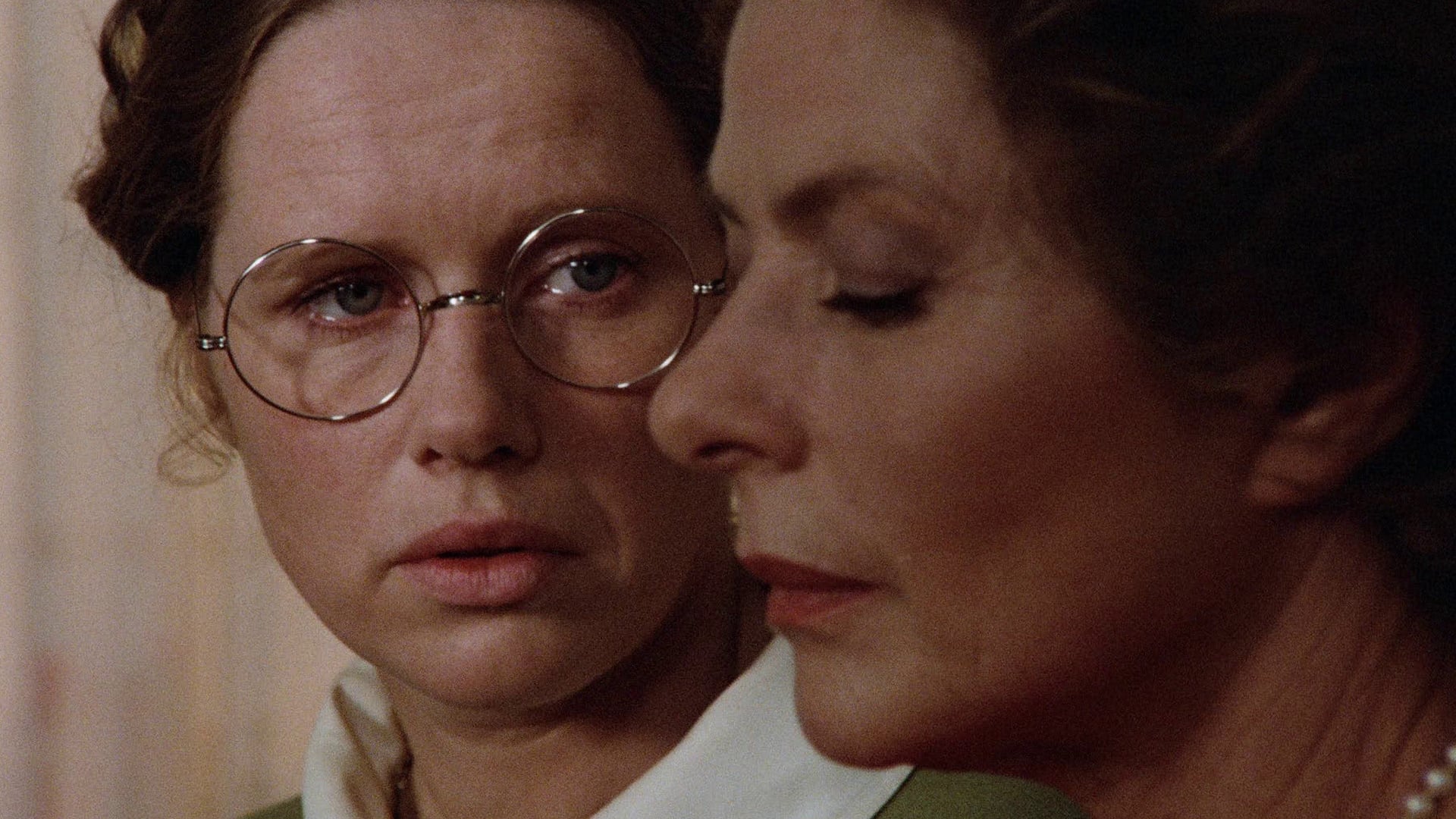
Everything in this film is perfect. The acting: the eyes, what they communicate without a word, the way
Eva watches
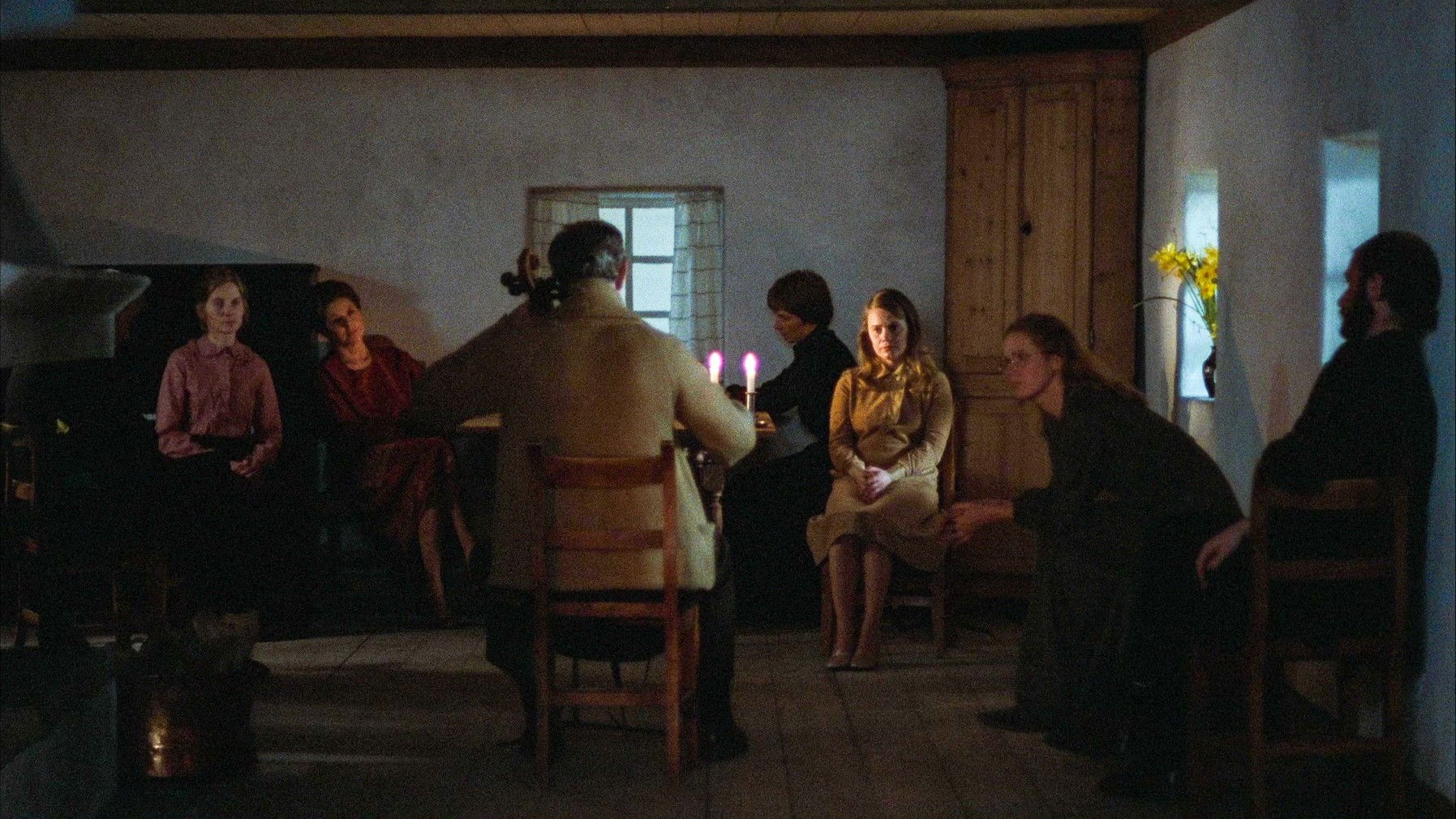
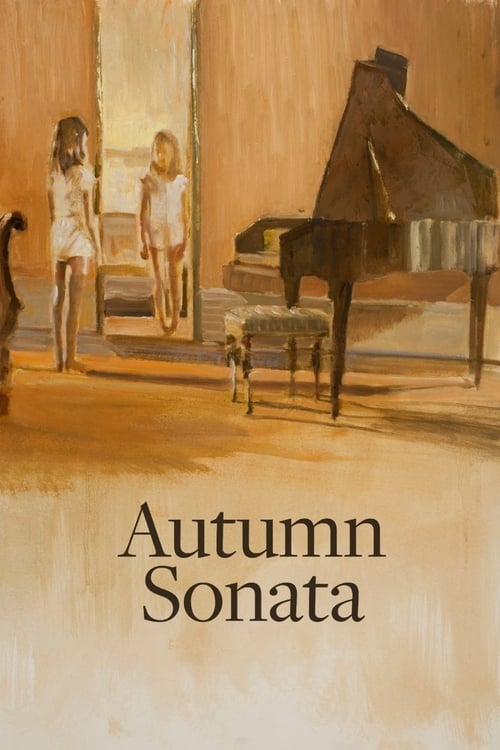
Charlotte, her mother, when she plays the piano;
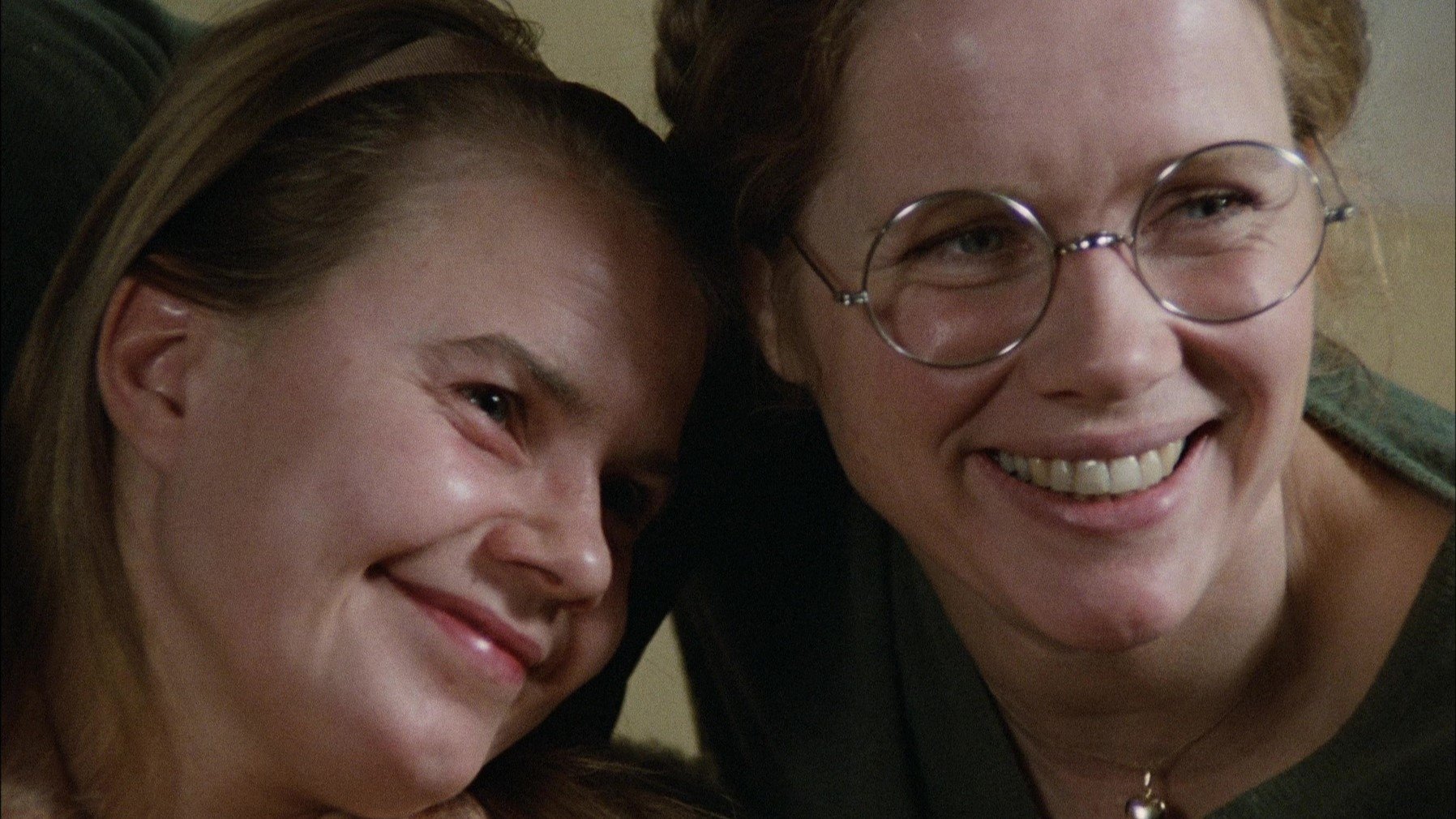
this mixture of admiration, hatred, and love. The dialogues: every word matters, every silence resonates. All the emotions conveyed through glances—the push and pull of adoration and resentment—it’s intense, almost unbearable.
**
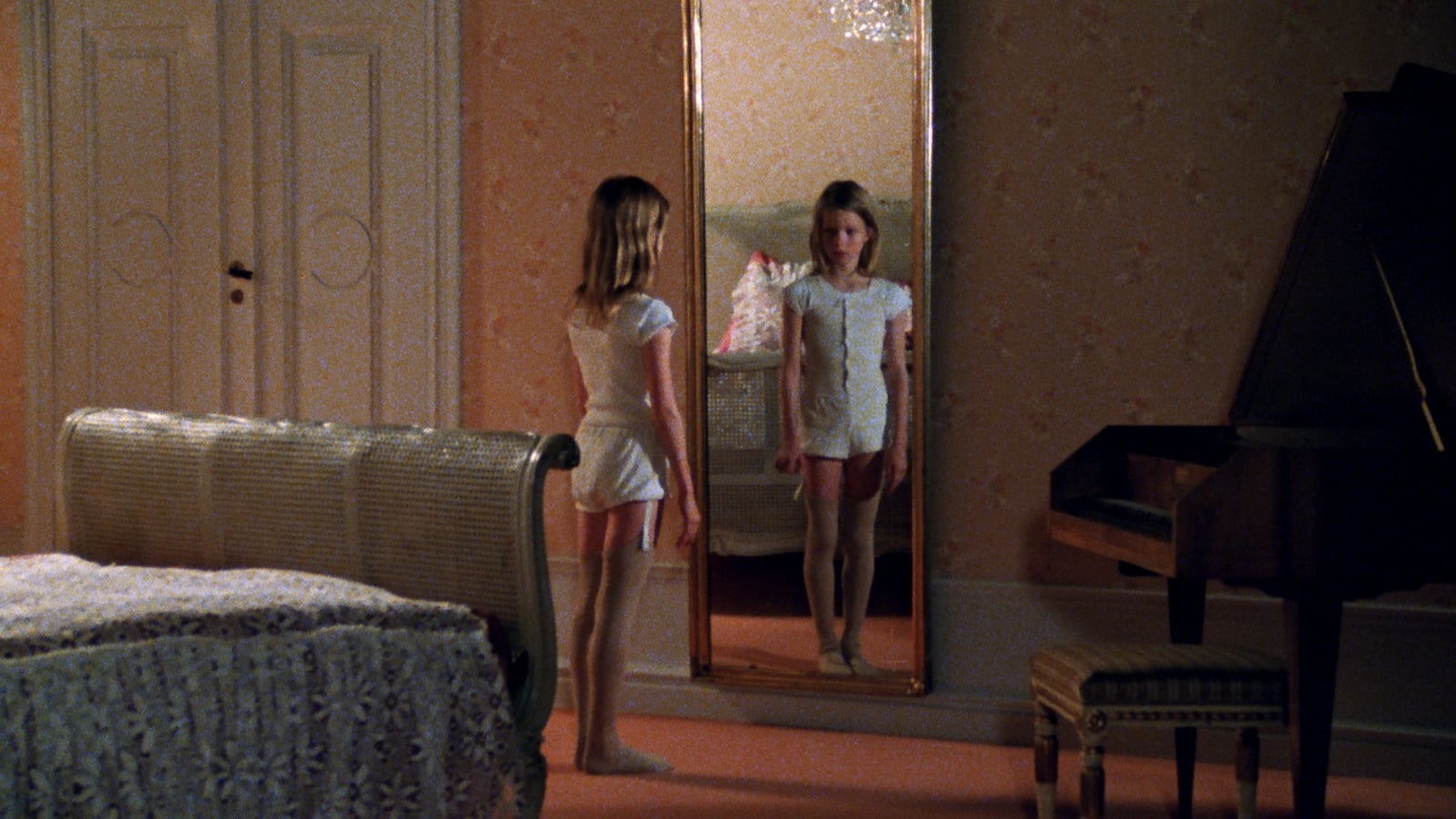
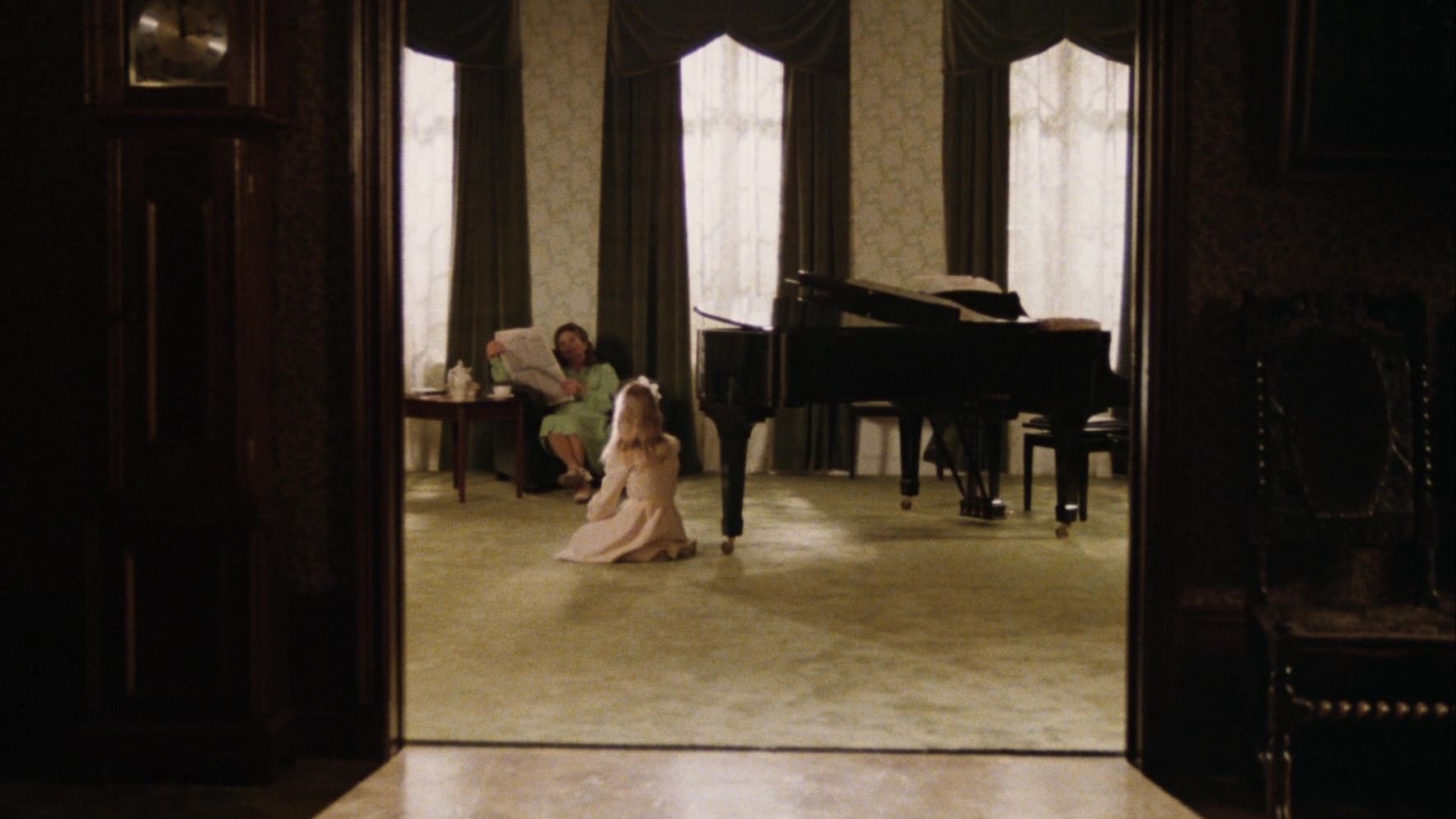
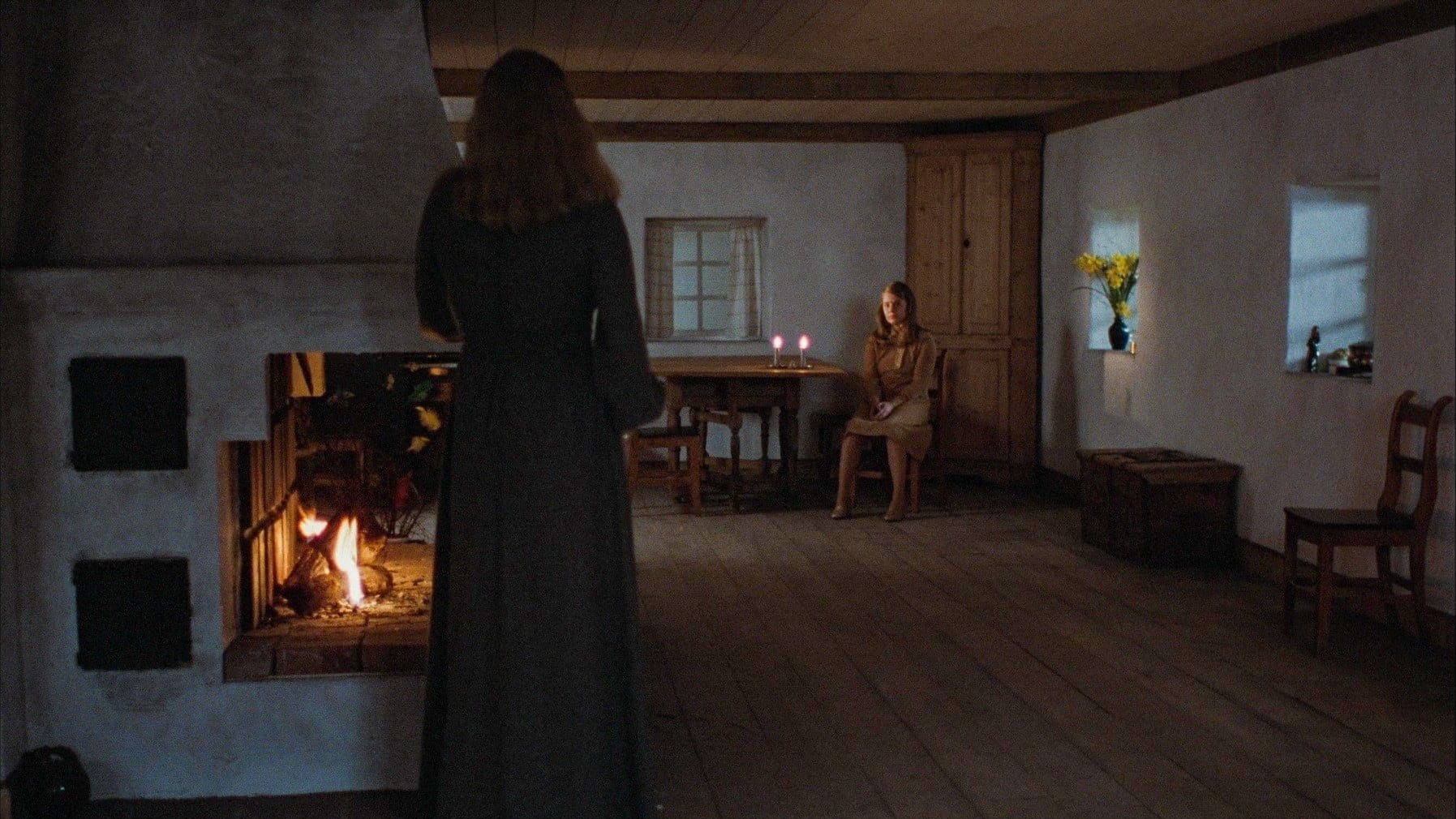
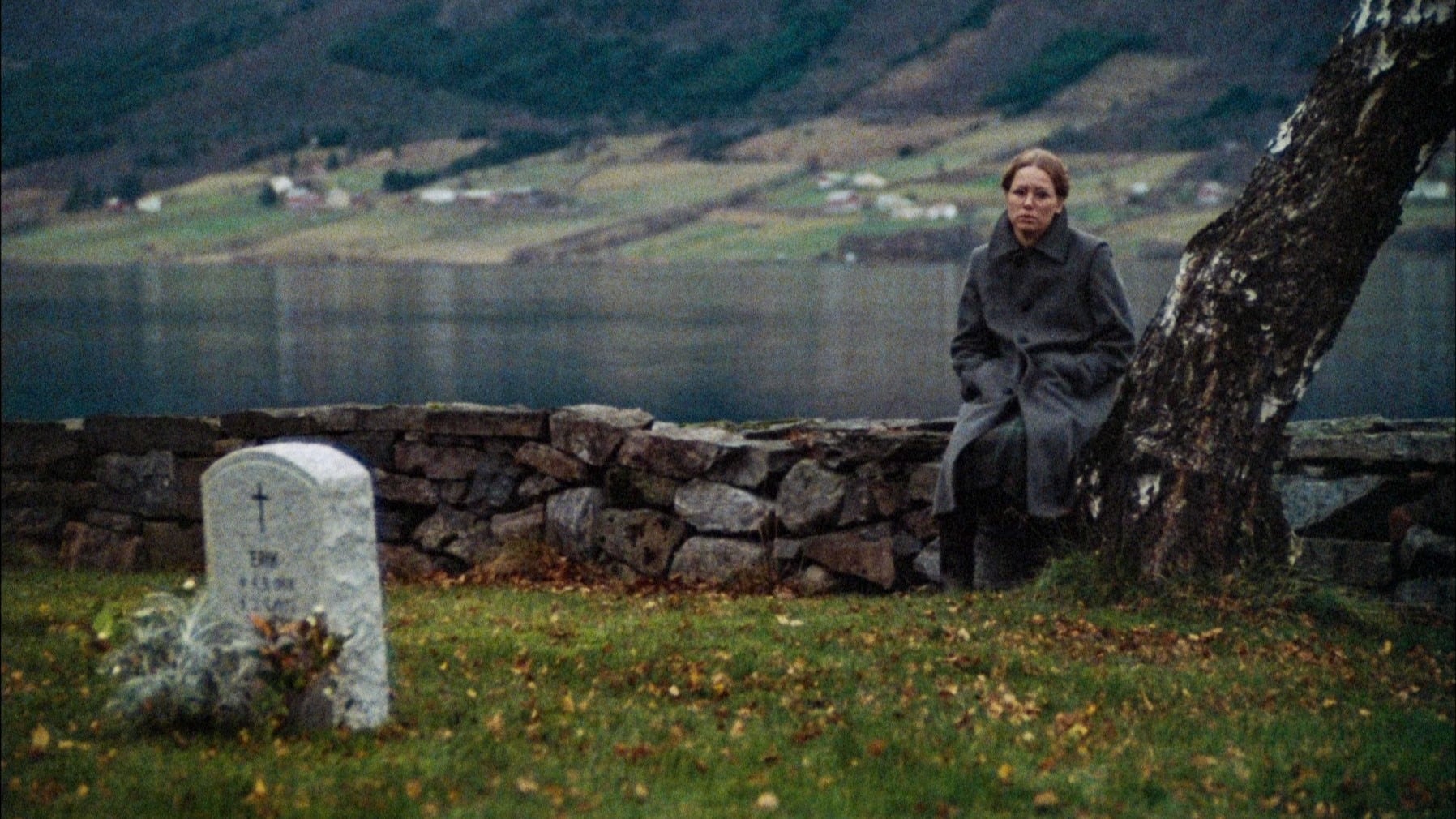
Eva lives in a permanent mourning of a relationship that will never be what it should have been.*
It echoes my life, what I’ve experienced. And it’s powerful… truly overwhelming. Charlotte*, the mother, resembles my maternal grandmother, and believe me, that’s not a compliment, but it added a level of discomfort and realism that hit me straight in the heart.
This film also brutally shows that
some people are simply not meant to be parents. And sometimes, accepting that is the
hardest thing you’ll ever go through. It’s cruel, beautiful, poetic—it’s
Bergman. Every piano note, every breath, every silence… everything is designed to make you feel the fracture, the loss, the pain.
Autumn Sonata isn’t just a movie. It’s an experience. A lesson on love, hate, and the complexity of family relationships. I could watch it a hundred times, and every viewing would be both a dagger and a balm at once. It’s a
masterpiece, plain and simple.