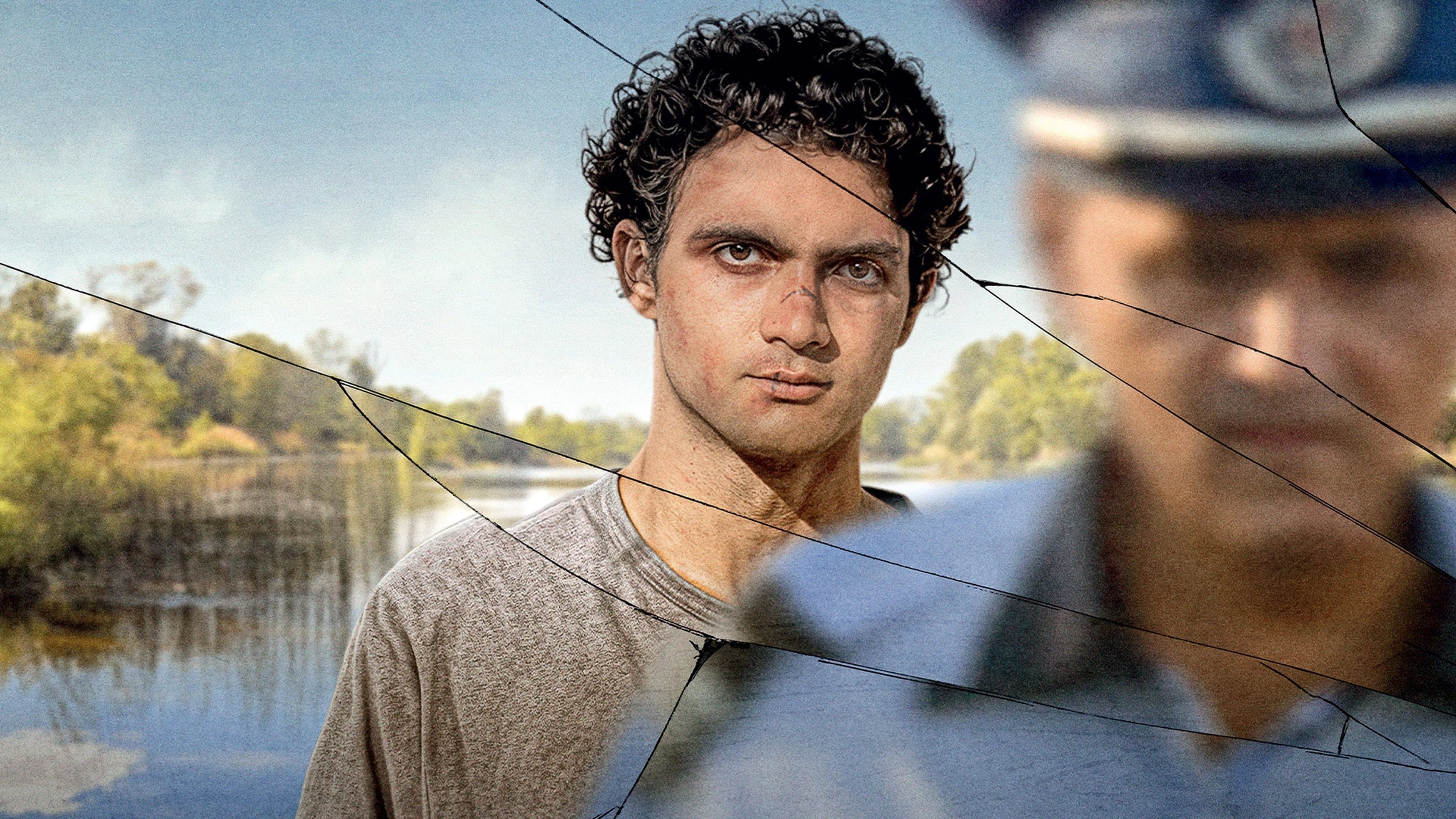

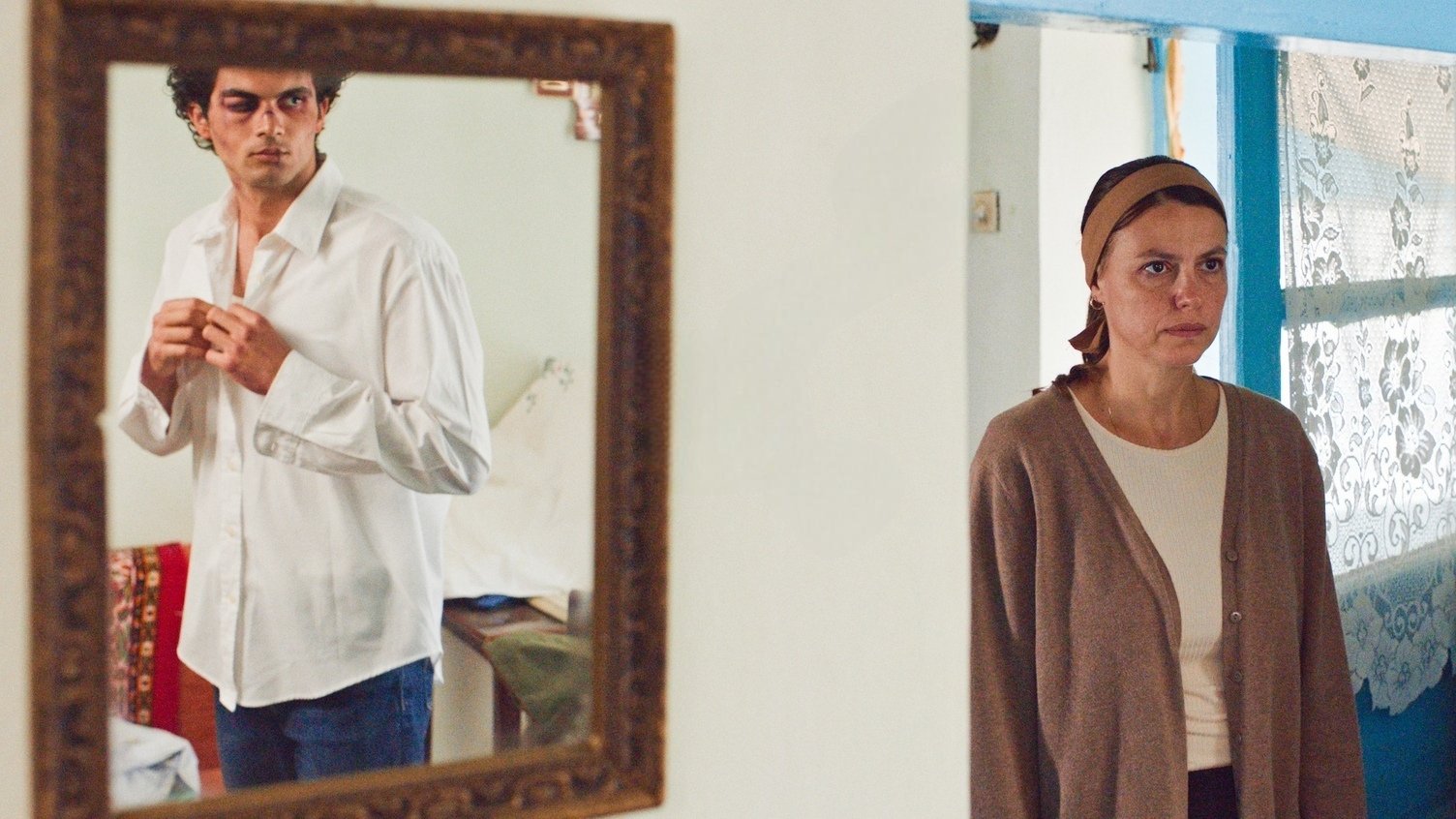
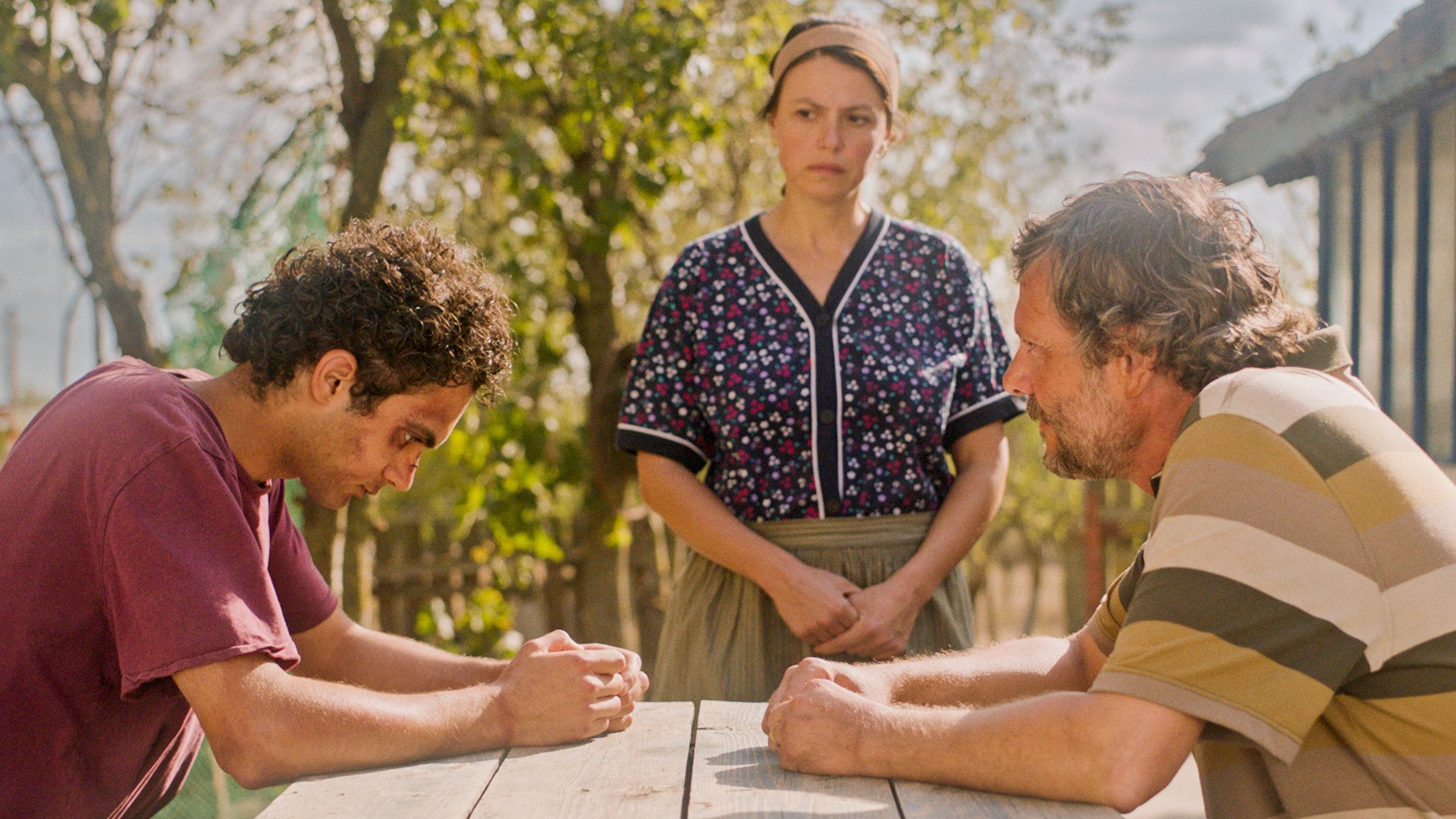
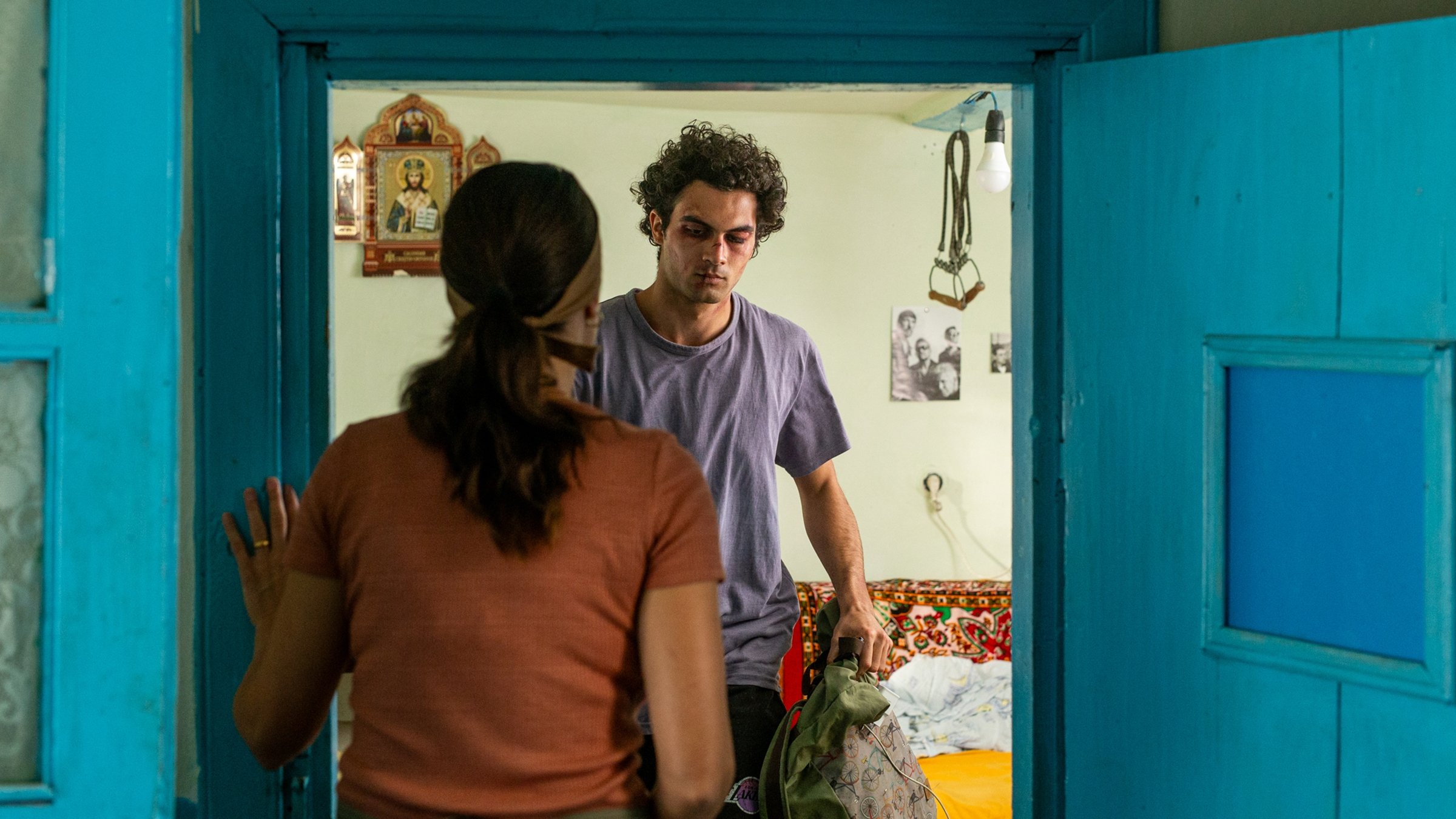
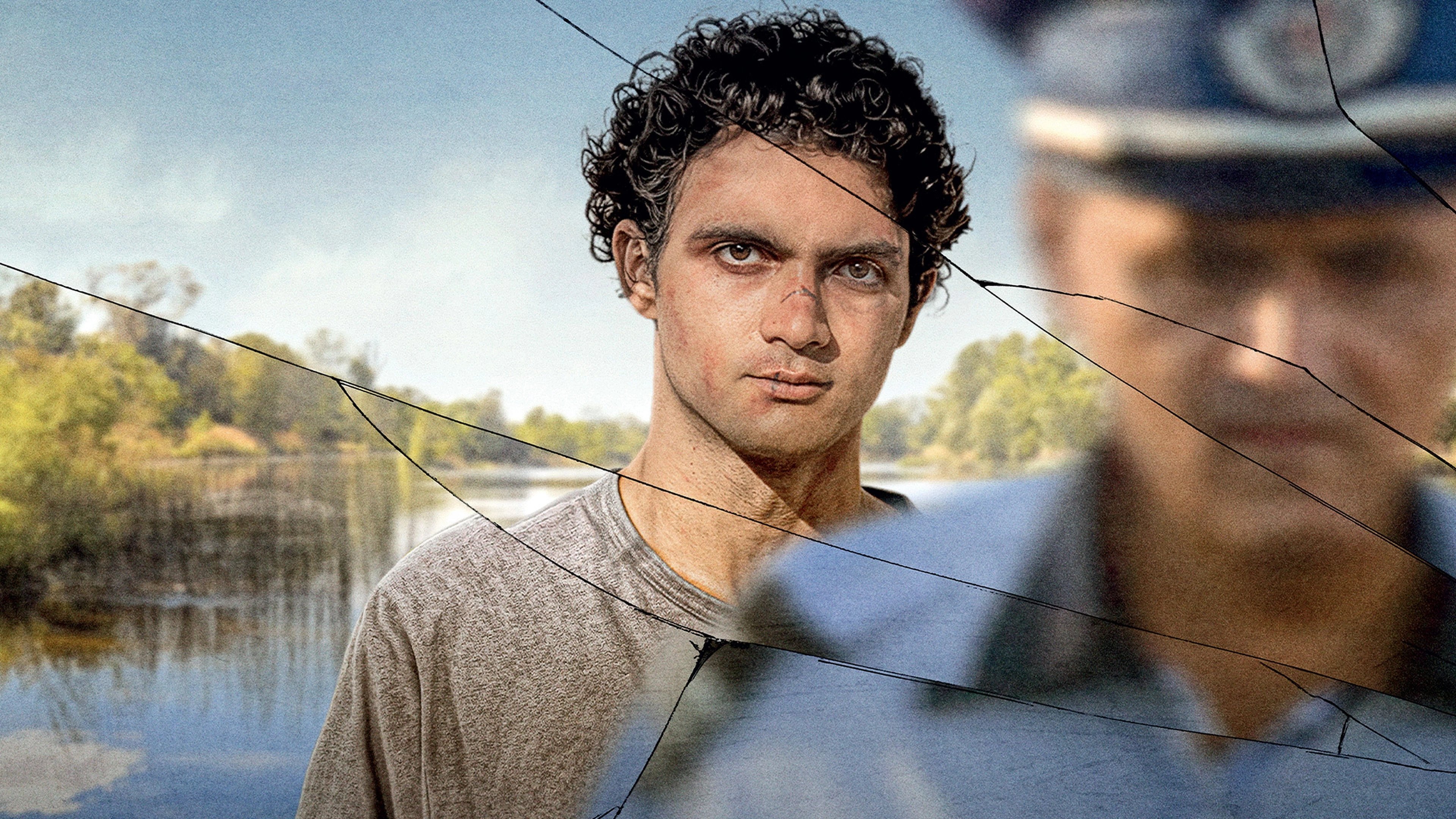
romanian cinema is so deeply important to me. there’s always something so familiar (duh) with these movies that make me feel so connected with the story told. the houses, the sets, the props, the clothing, the way people talk. everything feels so homely, everything feels so us. romanian queer cinema is even more important to me, because its so few but its also, once again, so us. this kind of story in romanian space is so rarely told, but it’s here. it’s stories that happen. it can happen to you too (in the director’s words). not once in this movie is adi called what he is, he’s not called gay, he’s not called a homosexual. he is called ‘on the other side’, hes called derogatory terms, but no one ever calls it by its name. it perfectly reflects how scared people in romanian society to even acknowledge the existence of queer people, the possibility of your child being gay too. adi is physically assaulted, he’s sequestered at home, he’s literally tied up and ‘exorcised’ by his own parents, the people who are meant to keep you safe and protected. they talk with the priest about sending him away to a monastery, to be between people with god. the only way adi ends up escaping and leaving is because of one call to child services. everyone involved is too scared of their own actions, of their own inequalities so they bend backwards to not get further investigated. the only way they could allow adi freedom is through lies, through deceit, not through love and acceptance. in the end adi isn’t accepted but he is set free, he’s ‘allowed’ a new word and new doors (again in the words of the director).
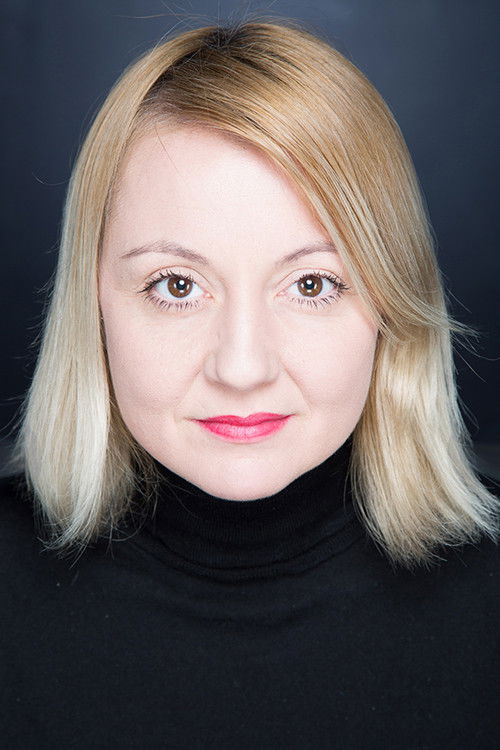
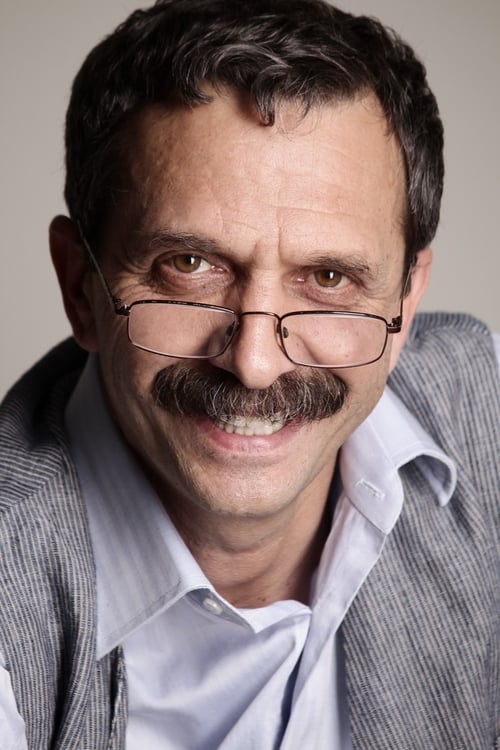
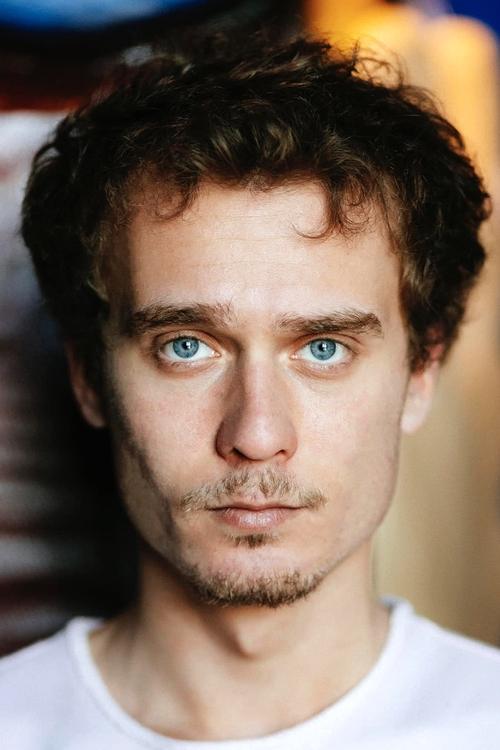
apart from this, i think the movie was beautifully shot. the people of the town this was filmed in received this movie warmly and were glad their home was portrayed so nicely. i managed to see this with almost a full audience and two of the actors and also the director and producer of the movie :)
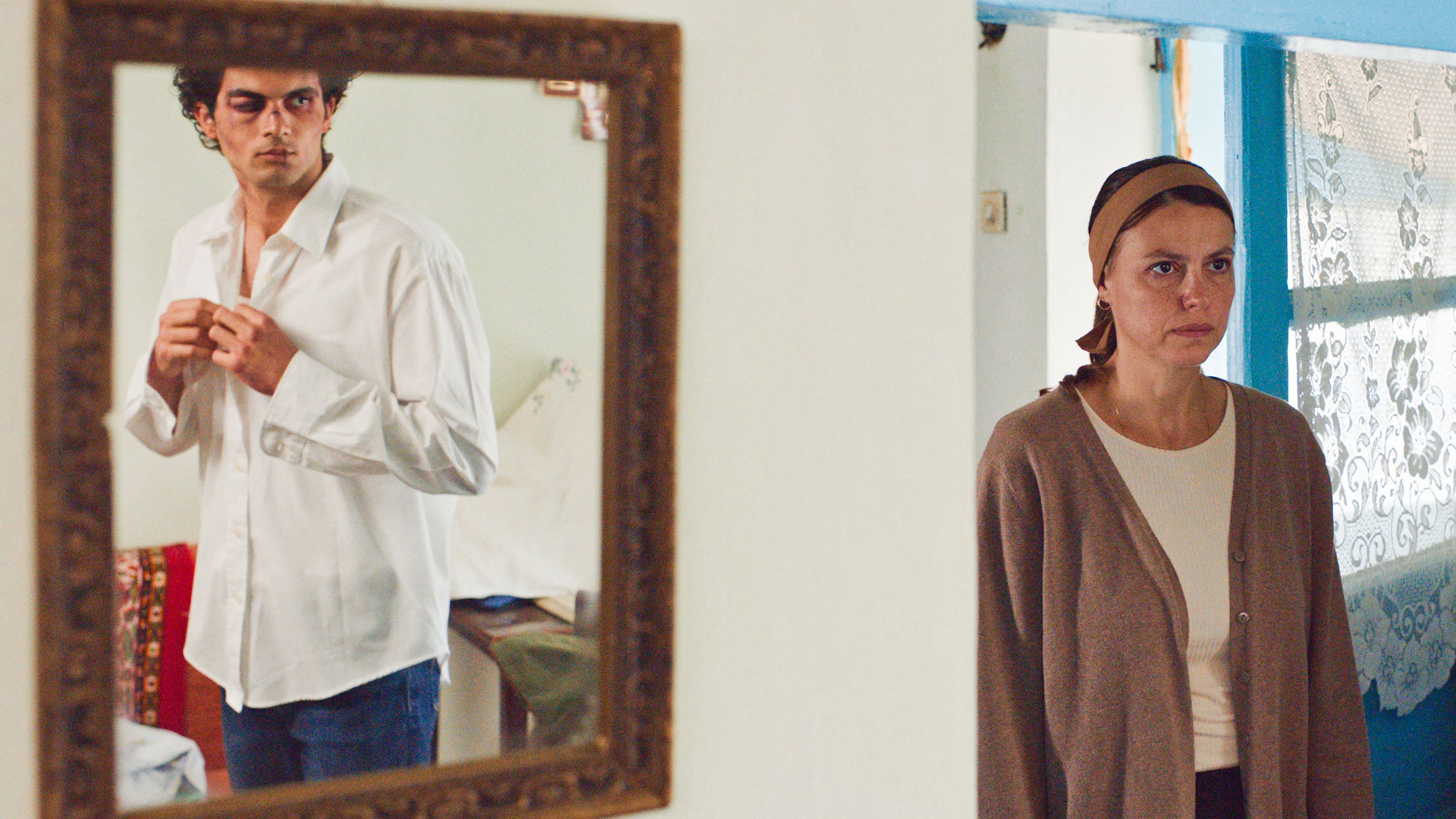
romanian cinema is so deeply important to me. there’s always something so familiar (duh) with these movies that make me feel so connected with the story told. the houses, the sets, the props, the clothing, the way people talk. everything feels so homely, everything feels so us. romanian queer cinema is even more important to me, because its so few but its also, once again, so us. this kind of story in romanian space is so rarely told, but it’s here. it’s stories that happen. it can happen to you too (in the director’s words). not once in this movie is adi called what he is, he’s not called gay, he’s not called a homosexual. he is called ‘on the other side’, hes called derogatory terms, but no one ever calls it by its name. it perfectly reflects how scared people in romanian society to even acknowledge the existence of queer people, the possibility of your child being gay too. adi is physically assaulted, he’s sequestered at home, he’s literally tied up and ‘exorcised’ by his own parents, the people who are meant to keep you safe and protected. they talk with the priest about sending him away to a monastery, to be between people with god. the only way adi ends up escaping and leaving is because of one call to child services. everyone involved is too scared of their own actions, of their own inequalities so they bend backwards to not get further investigated. the only way they could allow adi freedom is through lies, through deceit, not through love and acceptance. in the end adi isn’t accepted but he is set free, he’s ‘allowed’ a new word and new doors (again in the words of the director).
apart from this, i think the movie was beautifully shot. the people of the town this was filmed in received this movie warmly and were glad their home was portrayed so nicely. i managed to see this with almost a full audience and two of the actors and also the director and producer of the movie :)