

2008·Family·1h 54m
7.1
★
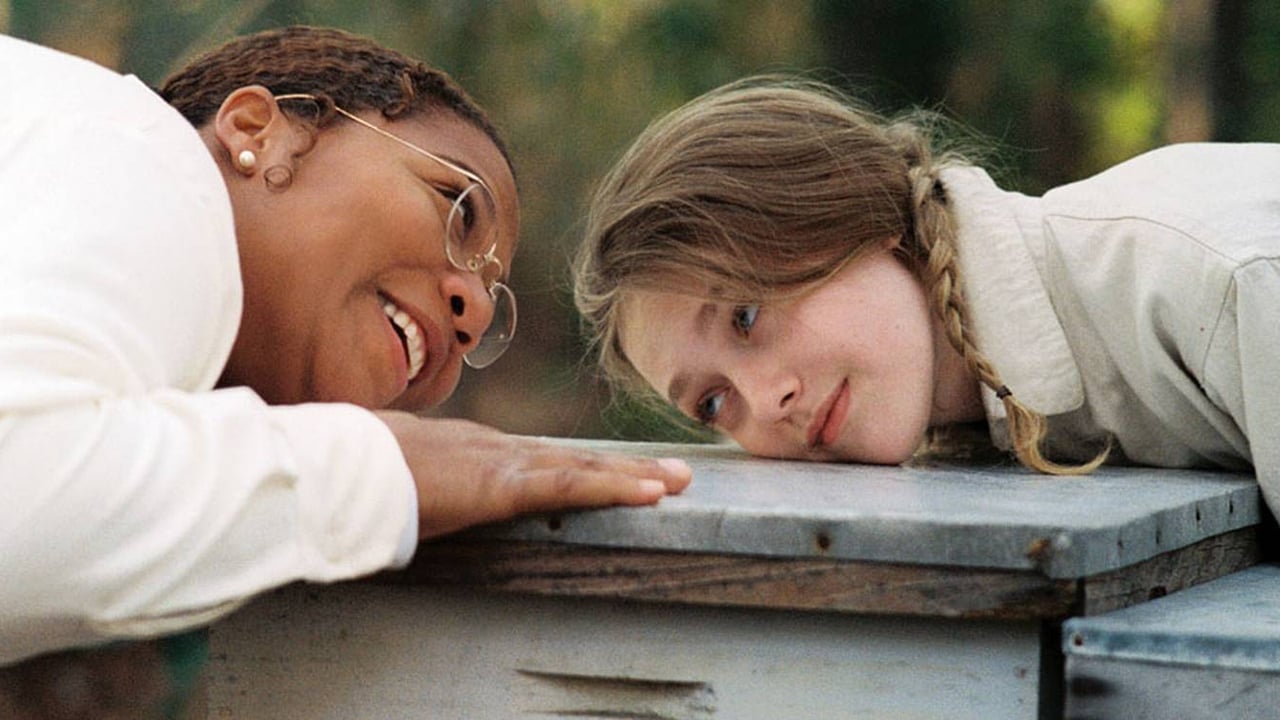
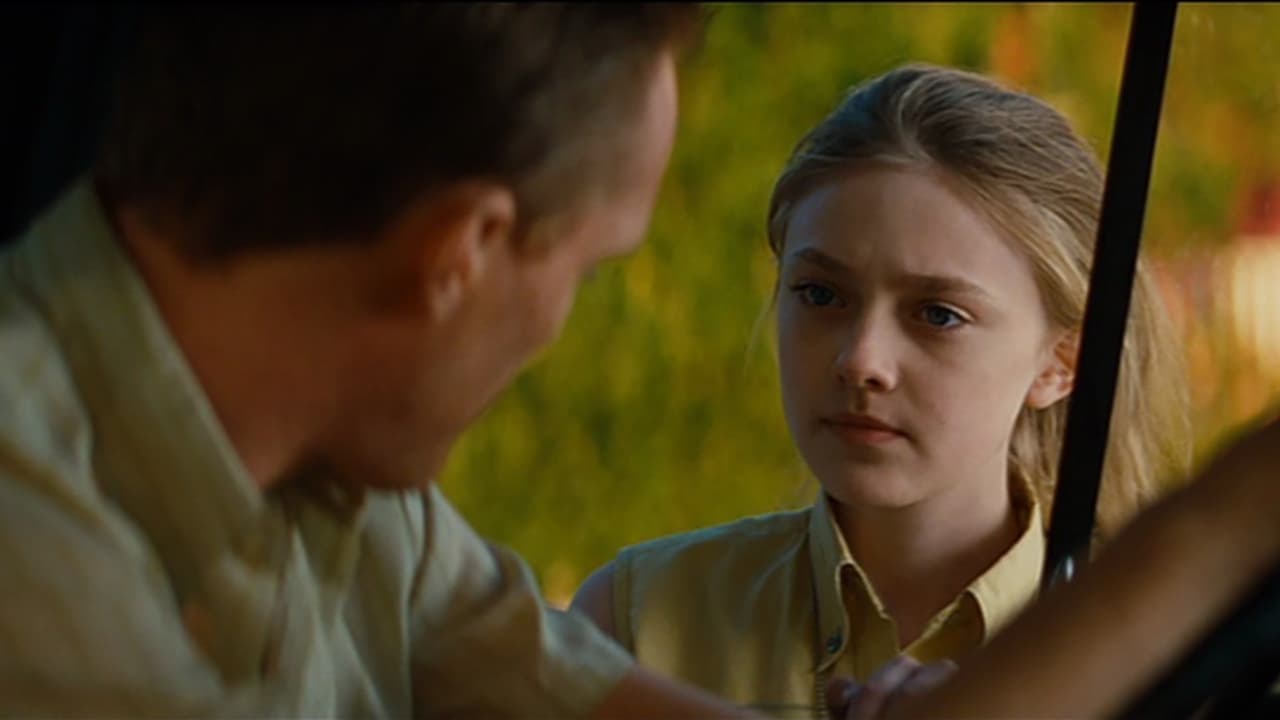
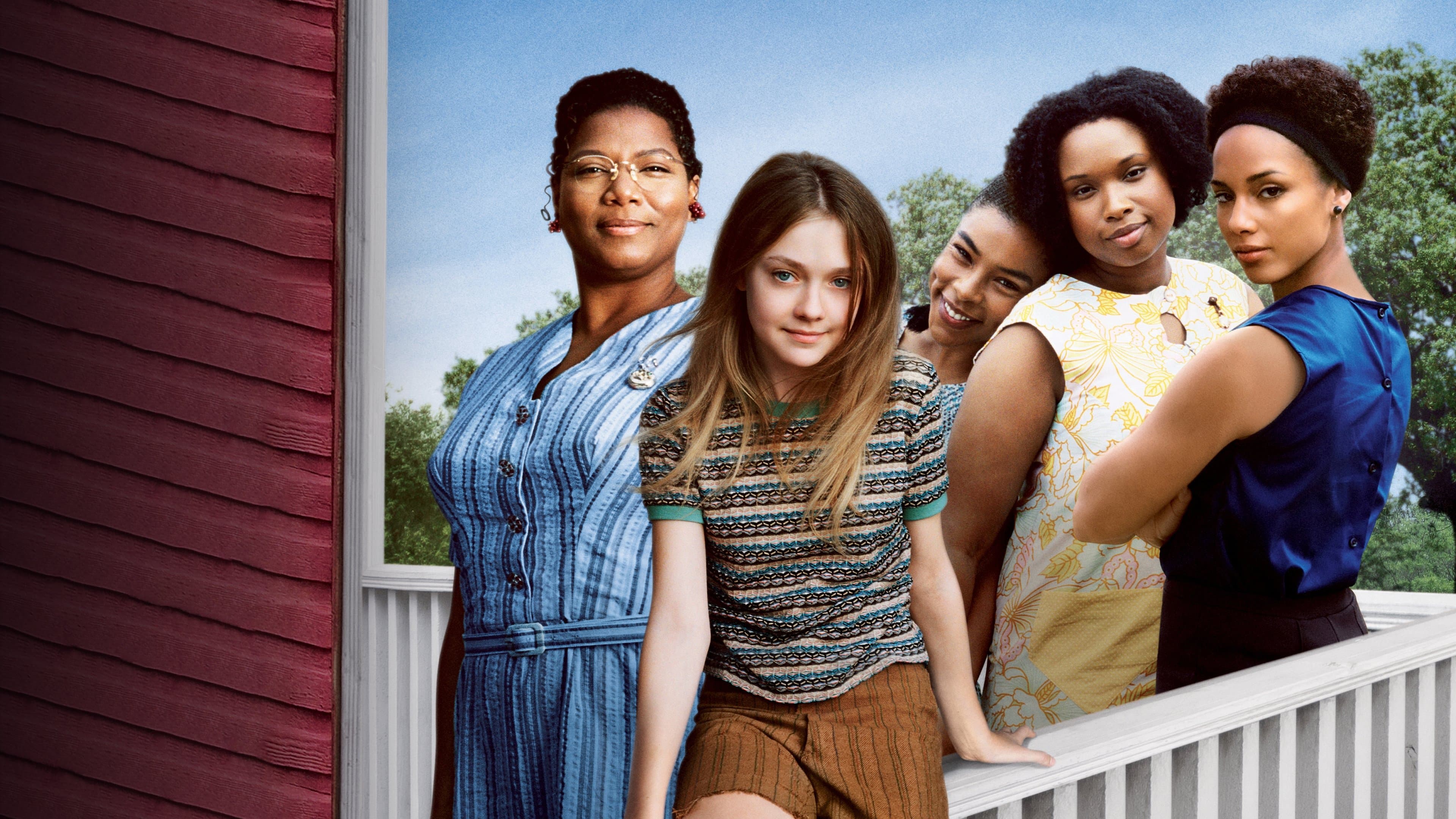
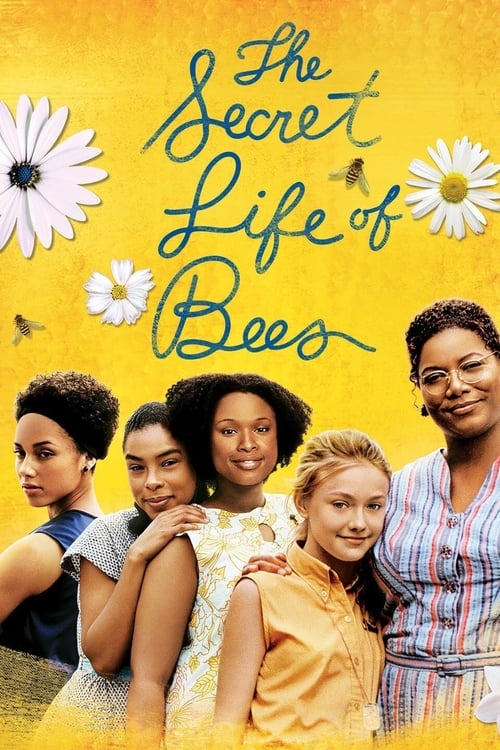
Set in South Carolina in 1964, this is the tale of Lily Owens a 14 year-old girl who is haunted by the memory of her late mother. To escape her lonely life and troubled relationship with her father, Lily flees with Rosaleen, her caregiver and only friend, to a South Carolina town that holds the secret to her mother's past.
Directed by Gina Prince-Bythewood
melancholy
woman director
shocking
hopeful

Trailer

IMDB
N/A
Where to Watch



Cast

Dakota Fanning
Lily Owens
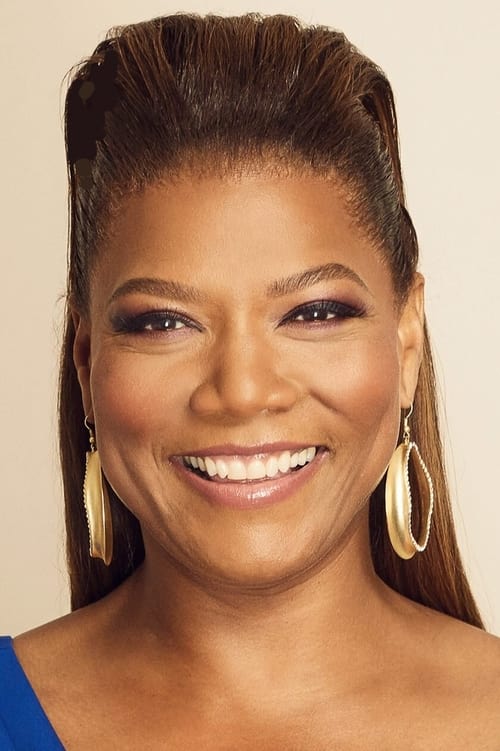
Queen Latifah
August Boatwright
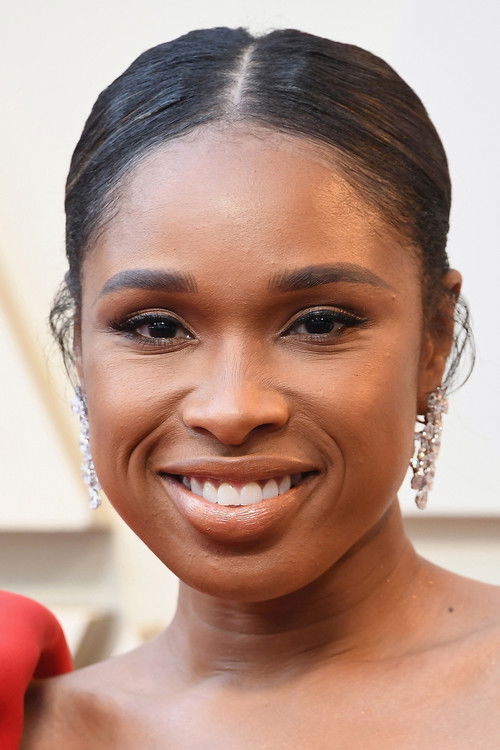
Jennifer Hudson
Rosaleen Daise
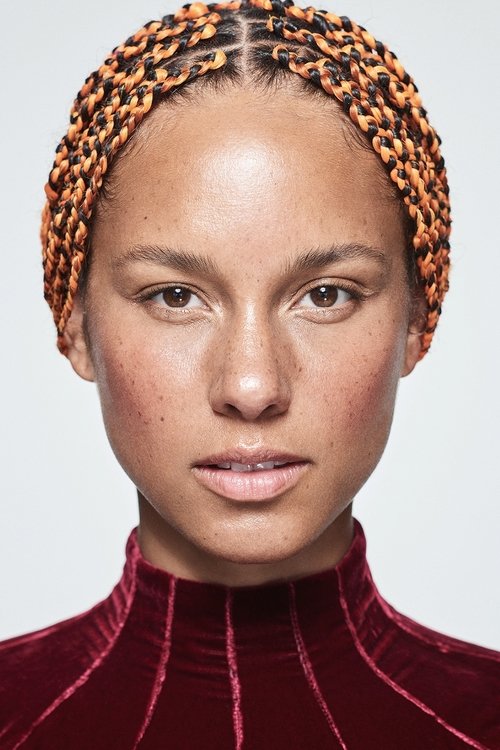
Alicia Keys
June Boatwright
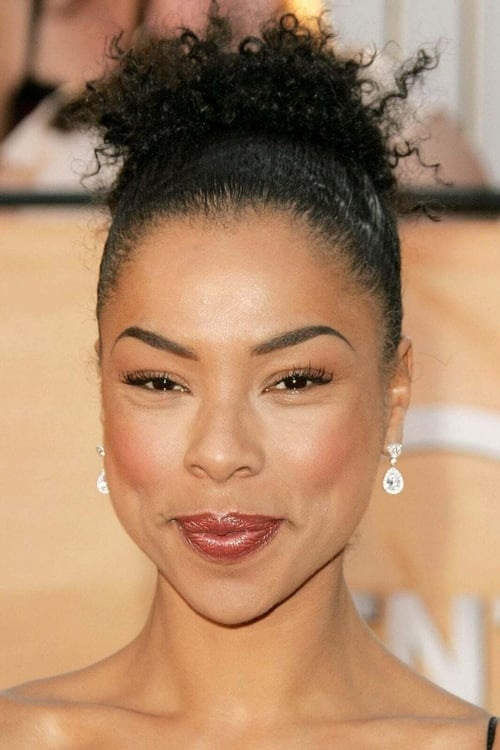
Sophie Okonedo
May Boatwright

Paul Bettany
T. Ray Owens

Hilarie Burton Morgan
Deborah Owens
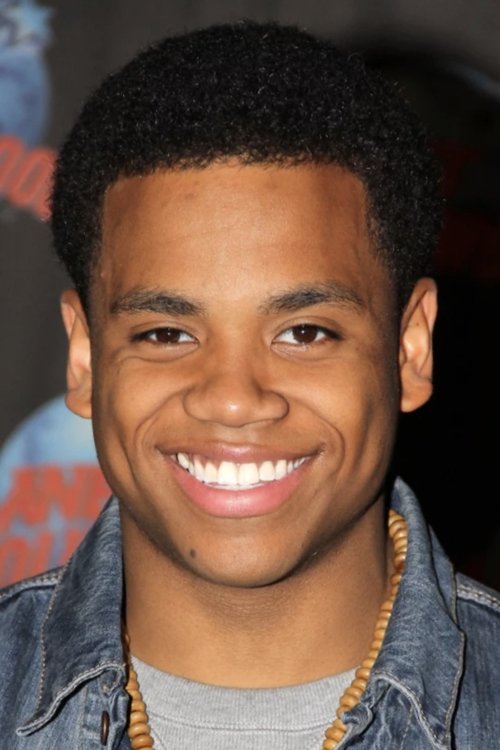
Tristan Mack Wilds
Zach Taylor

Nate Parker
Neil
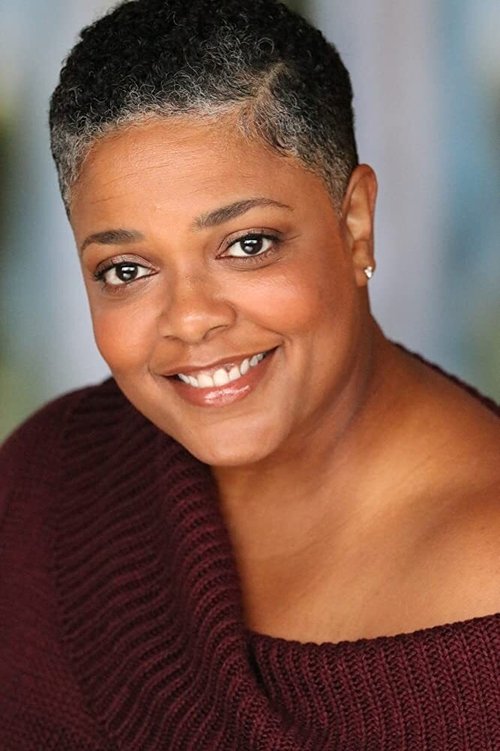
Sharon Conley
Violet
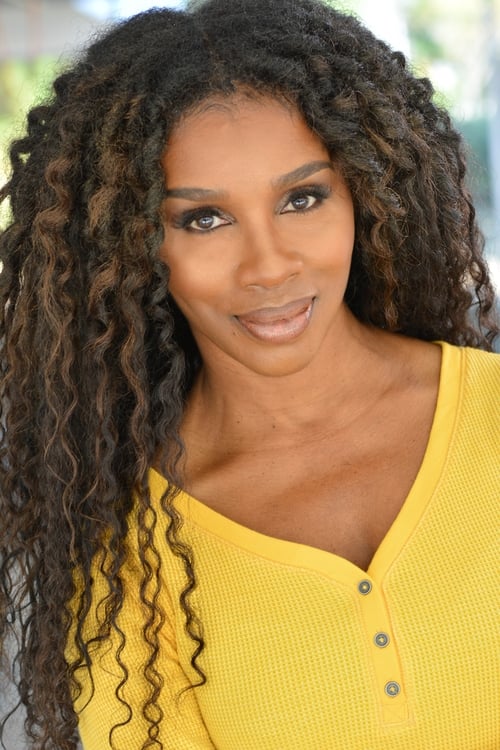
Nicky Buggs
Cressie

Jasmine Burke
Sugar Girl
Crew

Gina Prince-Bythewood
Director
Gina Prince-Bythewood
Screenplay

Mark Isham
Original Music Composer
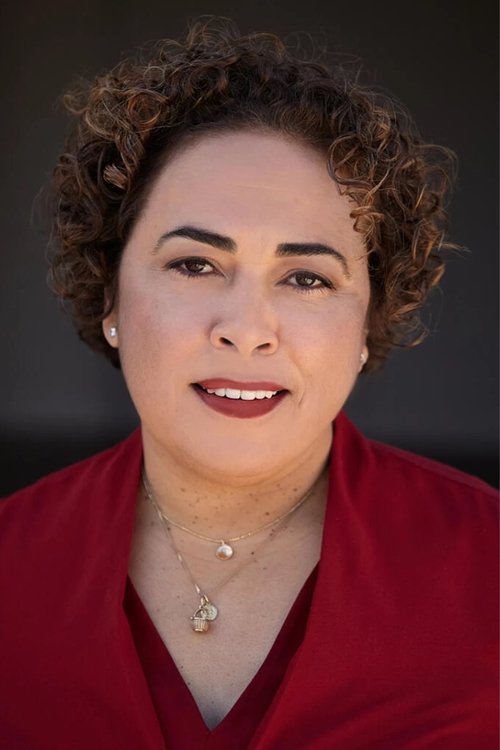
Terilyn A. Shropshire
Editor

Rogier Stoffers
Director of Photography
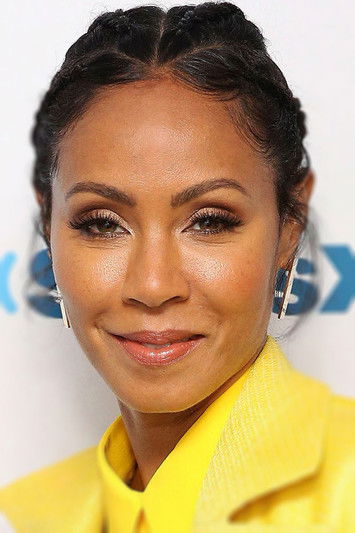
Jada Pinkett Smith
Executive Producer

Lauren Shuler Donner
Producer

Will Smith
Producer
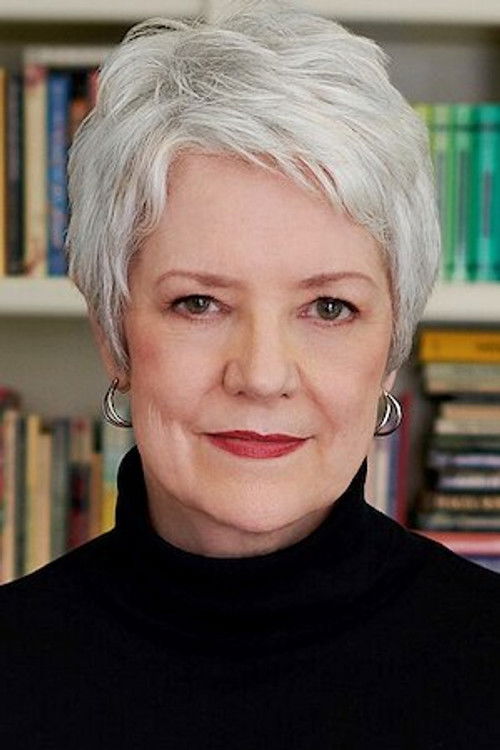
Sue Monk Kidd
Novel

Camille Friend
Hair Department Head
Popular Reviews
179 reviews
Riley
3.0★ · 07/12/26
Lily was SO ANNOYING I’m getting mad just thinking about it
Lily was SO ANNOYING I’m getting mad just thinking about it


dan
5.0★ · 04/11/26
Overall !!
Honestly, I found the film fascinating. I loved the way the atmosphere and the initial tension were portrayed. However, it is quite apparent that the movie was made by a white person—or perhaps by someone who simply wanted to make a film without delving deeper. While it mentions the historical murder of a Black person in Mississippi who attempted to vote, the narrative doesn't go any further. Given that the film is set against a historical backdrop, a deeper exploration of these events would have been ideal.
The "White Utopia" Problem
I feel the film fails to represent everything that era meant from a historical standpoint. It could have been much more than just "a white girl's utopia to rediscover her family traumas." While it was beautiful to see independent Black women on screen, it would have been far better to see them fighting for their rights and being an active part of history, rather than just serving as a background for the protagonist's journey.
The Character of June
(i loved her btw)
The character of June was the closest the film got to showing that kind of resistance, but she ultimately falls short. Her portrayal is lacking because, beyond showing a general sense of resistance, she often just comes across as a "nuisance" to the viewer. Even though we understand why she is guarded, the film doesn't provide enough depth to her motivations, making her stance feel insignificant in the grand scheme of the plot.
“I don't care who she is, August. We can't have a white girl living in our house. This is South Carolina.”
— June Boatwright.
Honestly, I found the film fascinating. I loved the way the atmosphere and the initial tension were portrayed. However, it is quite apparent that the movie was made by a white person—or perhaps by someone who simply wanted to make a film without delving deeper. While it mentions the historical murder of a Black person in Mississippi who attempted to vote, the narrative doesn't go any further. Given that the film is set against a historical backdrop, a deeper exploration of these events would have been ideal.
The "White Utopia" Problem
I feel the film fails to represent everything that era meant from a historical standpoint. It could have been much more than just "a white girl's utopia to rediscover her family traumas." While it was beautiful to see independent Black women on screen, it would have been far better to see them fighting for their rights and being an active part of history, rather than just serving as a background for the protagonist's journey.
The Character of June
(i loved her btw)
The character of June was the closest the film got to showing that kind of resistance, but she ultimately falls short. Her portrayal is lacking because, beyond showing a general sense of resistance, she often just comes across as a "nuisance" to the viewer. Even though we understand why she is guarded, the film doesn't provide enough depth to her motivations, making her stance feel insignificant in the grand scheme of the plot.
“I don't care who she is, August. We can't have a white girl living in our house. This is South Carolina.”
— June Boatwright.
Overall !!
Honestly, I found the film fascinating. I loved the way the atmosphere and the initial tension were portrayed. However, it is quite apparent that the movie was made by a white person—or perhaps by someone who simply wanted to make a film without delving deeper. While it mentions the historical murder of a Black person in Mississippi who attempted to vote, the narrative doesn't go any further. Given that the film is set against a historical backdrop, a deeper exploration of these events would have been ideal.
The "White Utopia" Problem
I feel the film fails to represent everything that era meant from a historical standpoint. It could have been much more than just "a white girl's utopia to rediscover her family traumas." While it was beautiful to see independent Black women on screen, it would have been far better to see them fighting for their rights and being an active part of history, rather than just serving as a background for the protagonist's journey.
The Character of June
(i loved her btw)
The character of June was the closest the film got to showing that kind of resistance, but she ultimately falls short. Her portrayal is lacking because, beyond showing a general sense of resistance, she often just comes across as a "nuisance" to the viewer. Even though we understand why she is guarded, the film doesn't provide enough depth to her motivations, making her stance feel insignificant in the grand scheme of the plot.
“I don't care who she is, August. We can't have a white girl living in our house. This is South Carolina.”
— June Boatwright.
Honestly, I found the film fascinating. I loved the way the atmosphere and the initial tension were portrayed. However, it is quite apparent that the movie was made by a white person—or perhaps by someone who simply wanted to make a film without delving deeper. While it mentions the historical murder of a Black person in Mississippi who attempted to vote, the narrative doesn't go any further. Given that the film is set against a historical backdrop, a deeper exploration of these events would have been ideal.
The "White Utopia" Problem
I feel the film fails to represent everything that era meant from a historical standpoint. It could have been much more than just "a white girl's utopia to rediscover her family traumas." While it was beautiful to see independent Black women on screen, it would have been far better to see them fighting for their rights and being an active part of history, rather than just serving as a background for the protagonist's journey.
The Character of June
(i loved her btw)
The character of June was the closest the film got to showing that kind of resistance, but she ultimately falls short. Her portrayal is lacking because, beyond showing a general sense of resistance, she often just comes across as a "nuisance" to the viewer. Even though we understand why she is guarded, the film doesn't provide enough depth to her motivations, making her stance feel insignificant in the grand scheme of the plot.
“I don't care who she is, August. We can't have a white girl living in our house. This is South Carolina.”
— June Boatwright.
Mandy
8.0★ · 02/23/26
Mini Dakota Fanning 🤏🏻💕
Mini Dakota Fanning 🤏🏻💕
kenzzz
9.0★ · 02/22/26
nahh, this movie made me cry three times, go figure
nahh, this movie made me cry three times, go figure
Eila Jaymes
7.0★ · 02/04/26
A movie to its core about motherly love in all forms
A movie to its core about motherly love in all forms