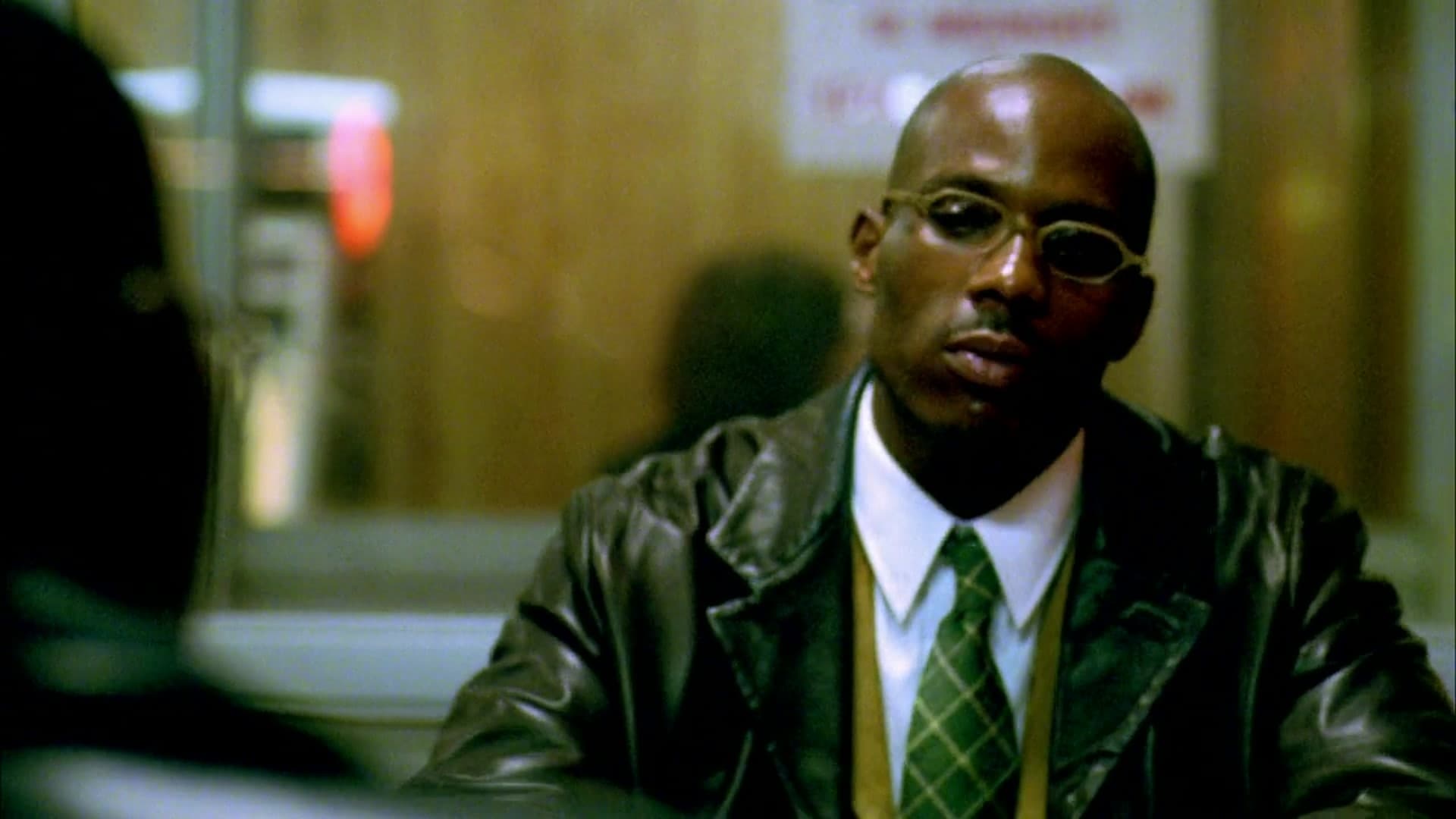
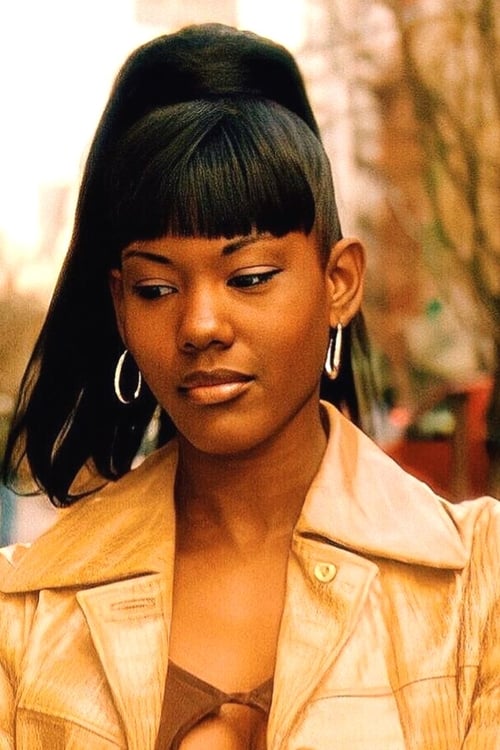
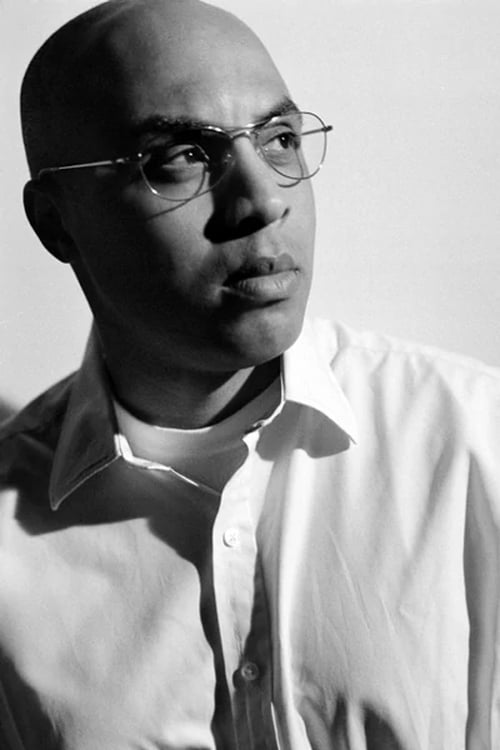
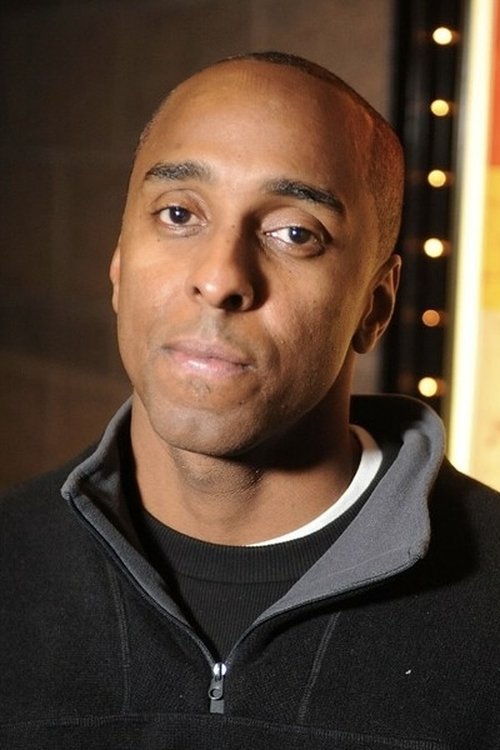
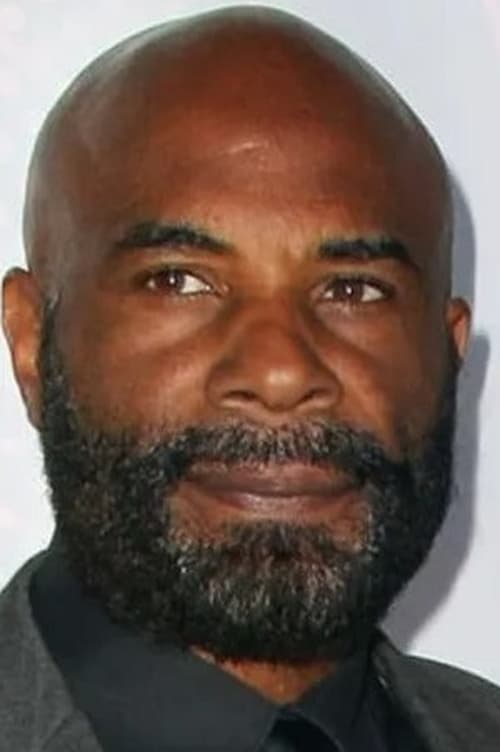
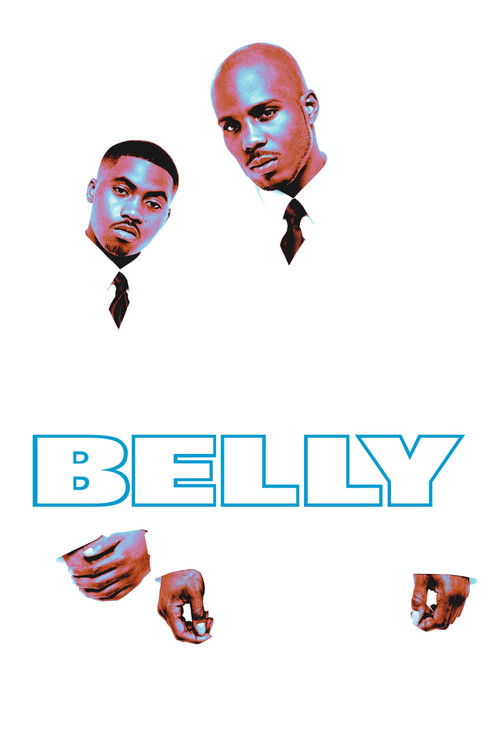
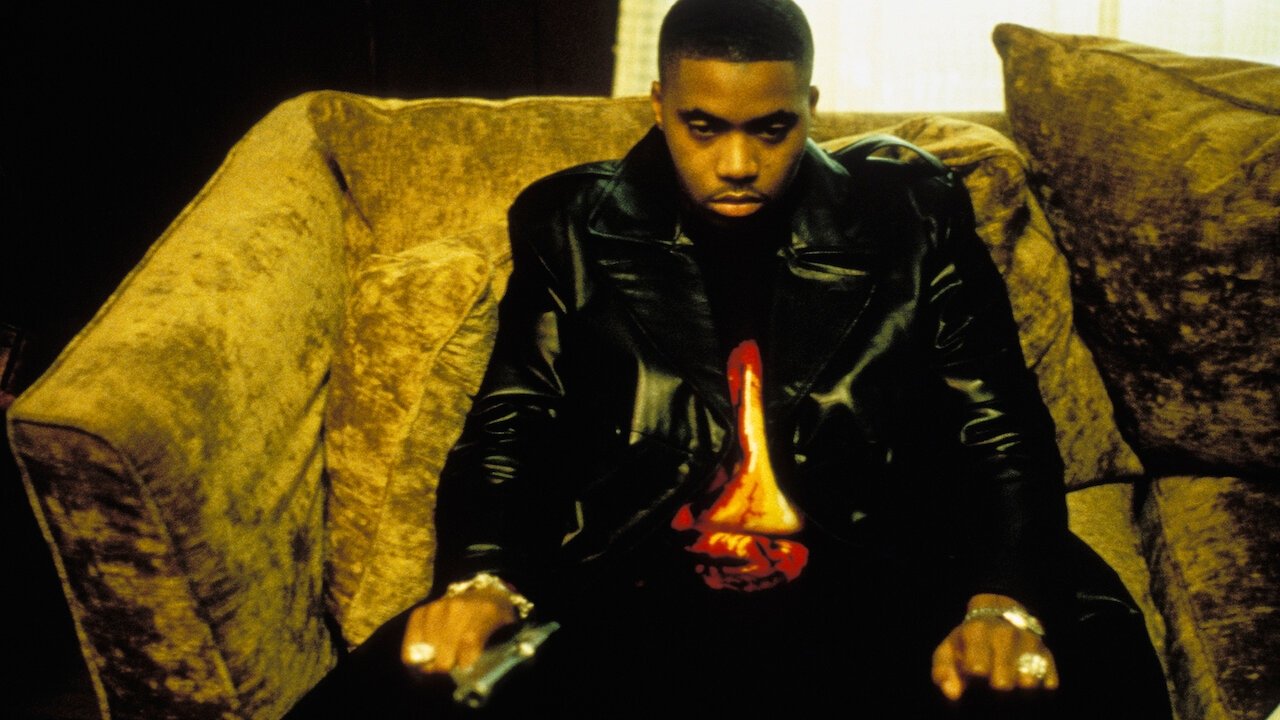
Williams has such a fully formed voice and clear conception of cinema in his first feature film it’s really incredible… even though he wasn’t a PЯOPAGAИDA FILMS guy this is a cornerstone of that milieu of 90s-00s directors incubated by the marketing apparatus (ie music vids + commercials) where messaging is forward and brief moments of restraint hit like a semi-truck
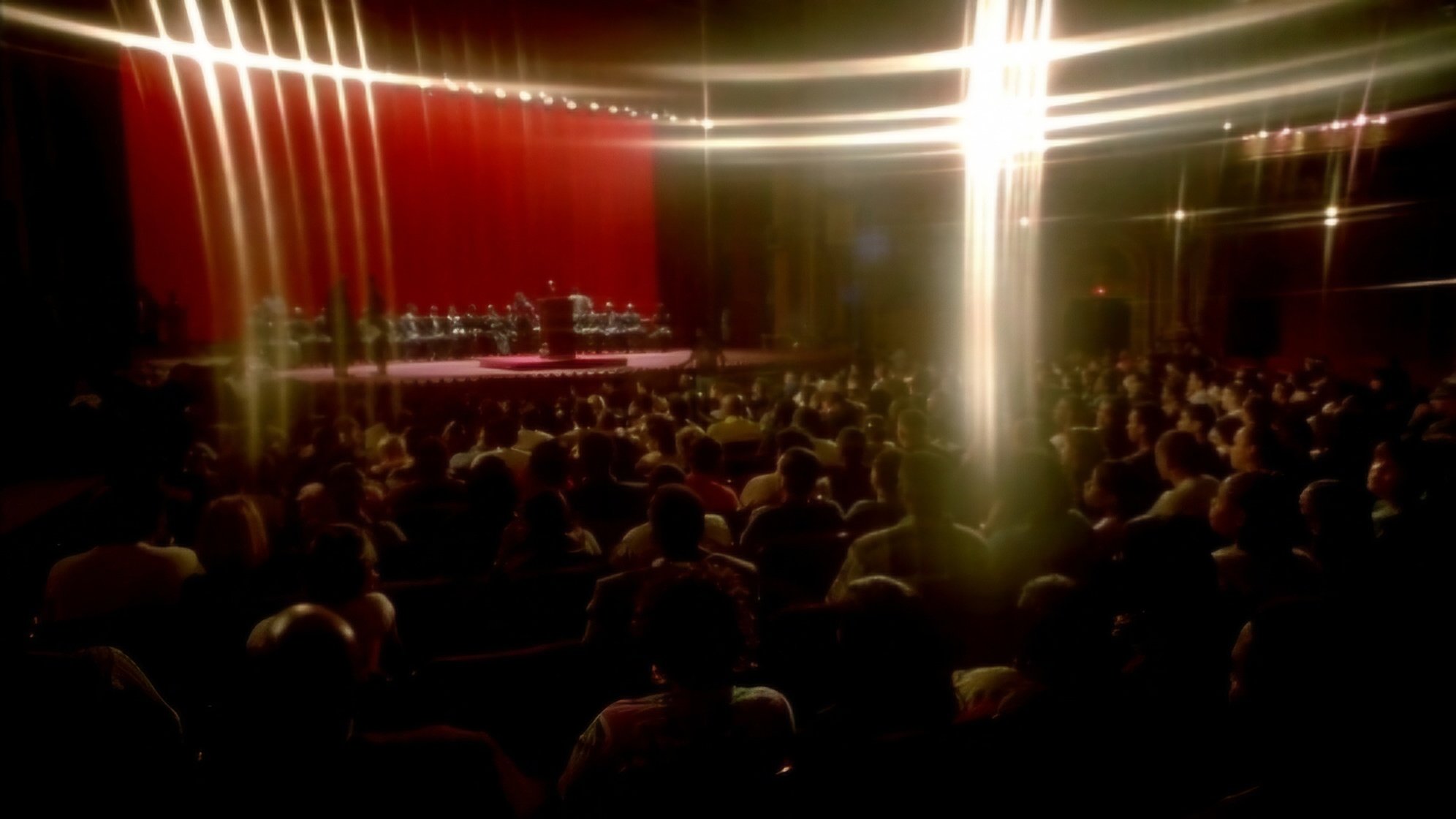
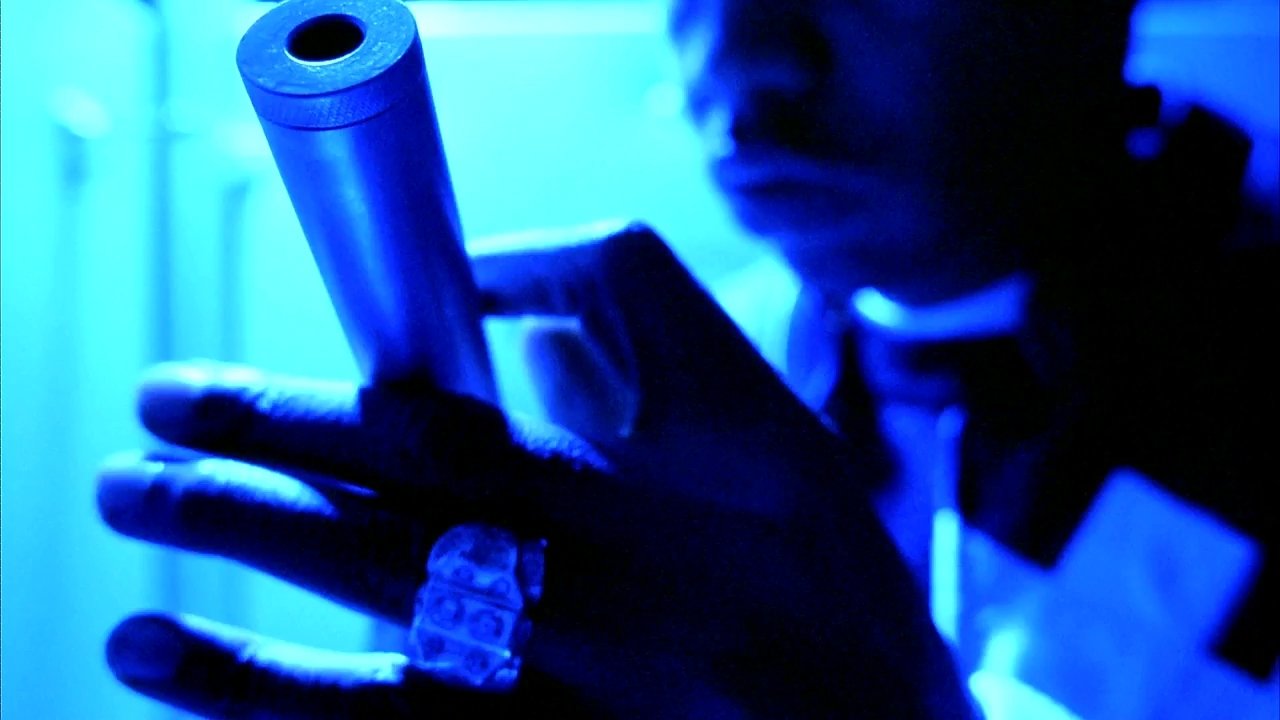
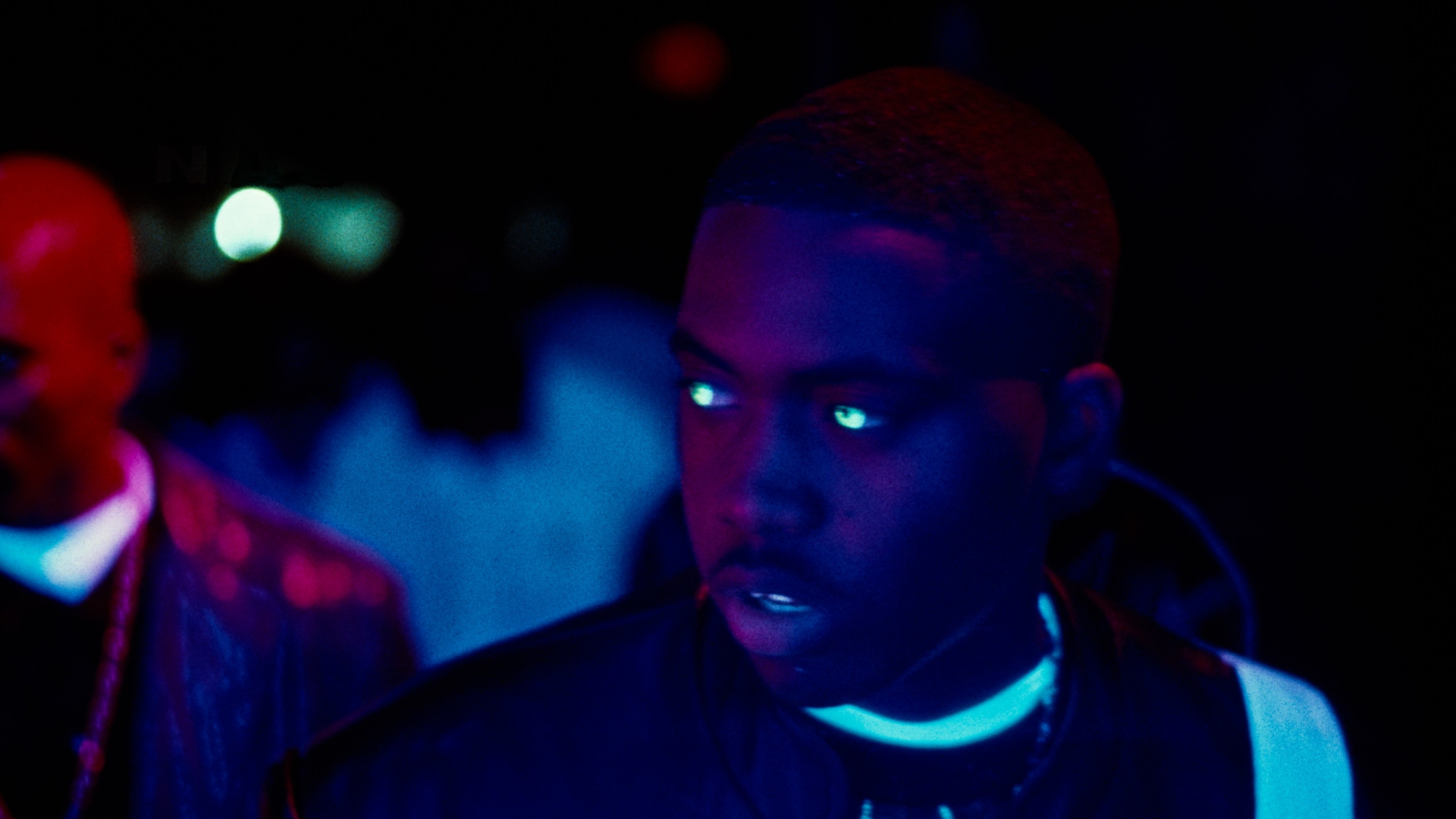
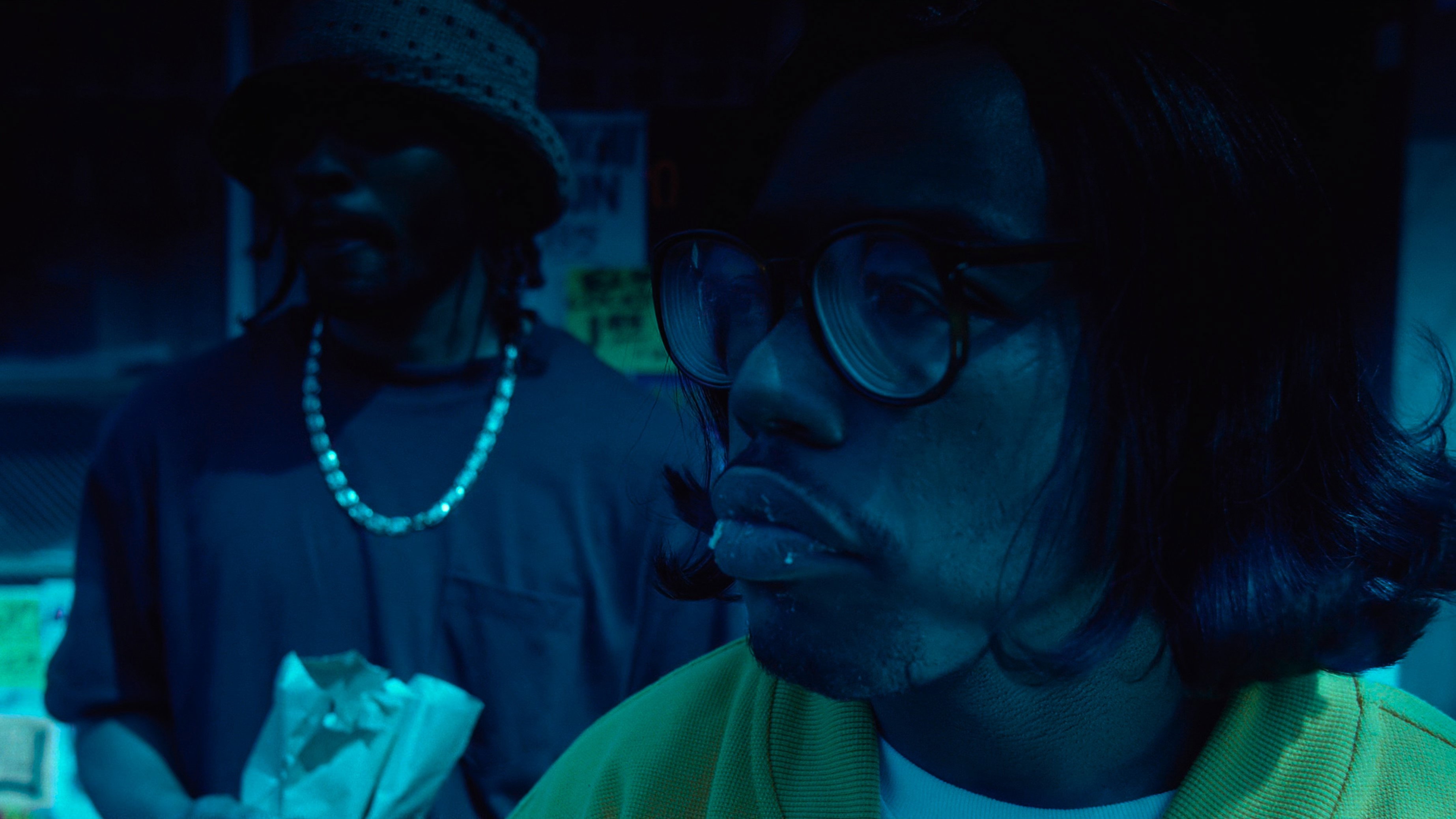
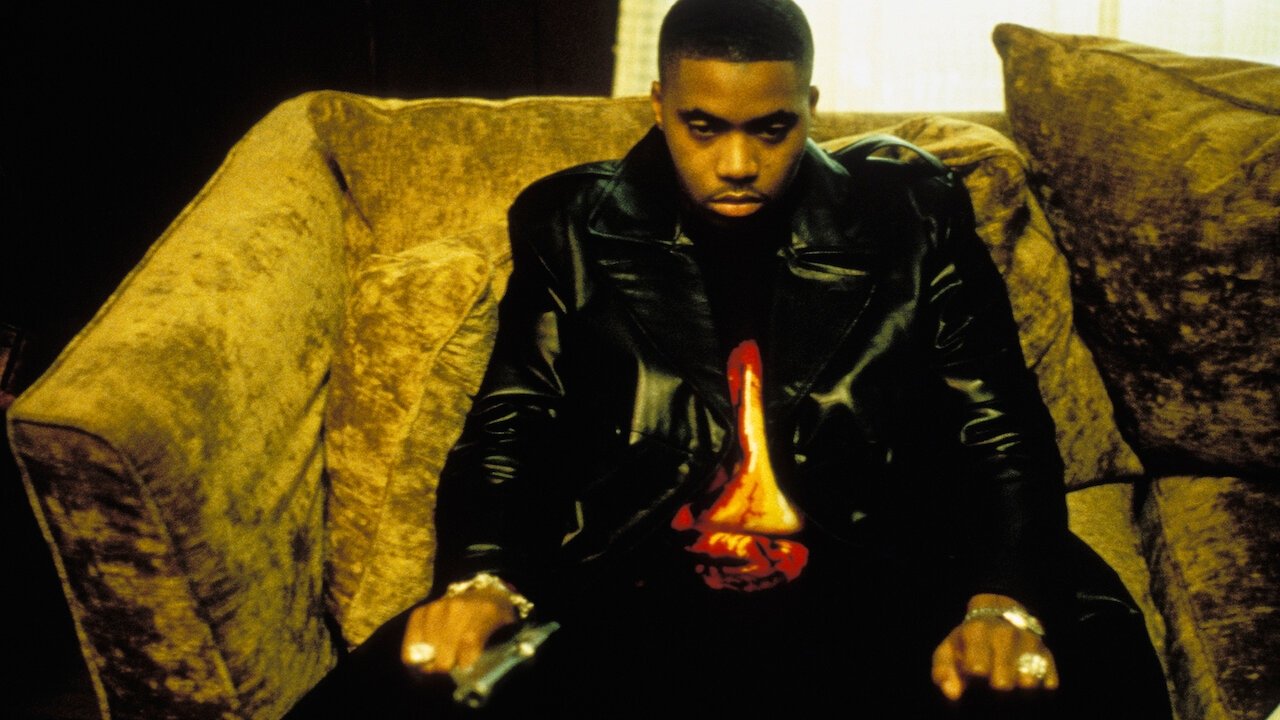
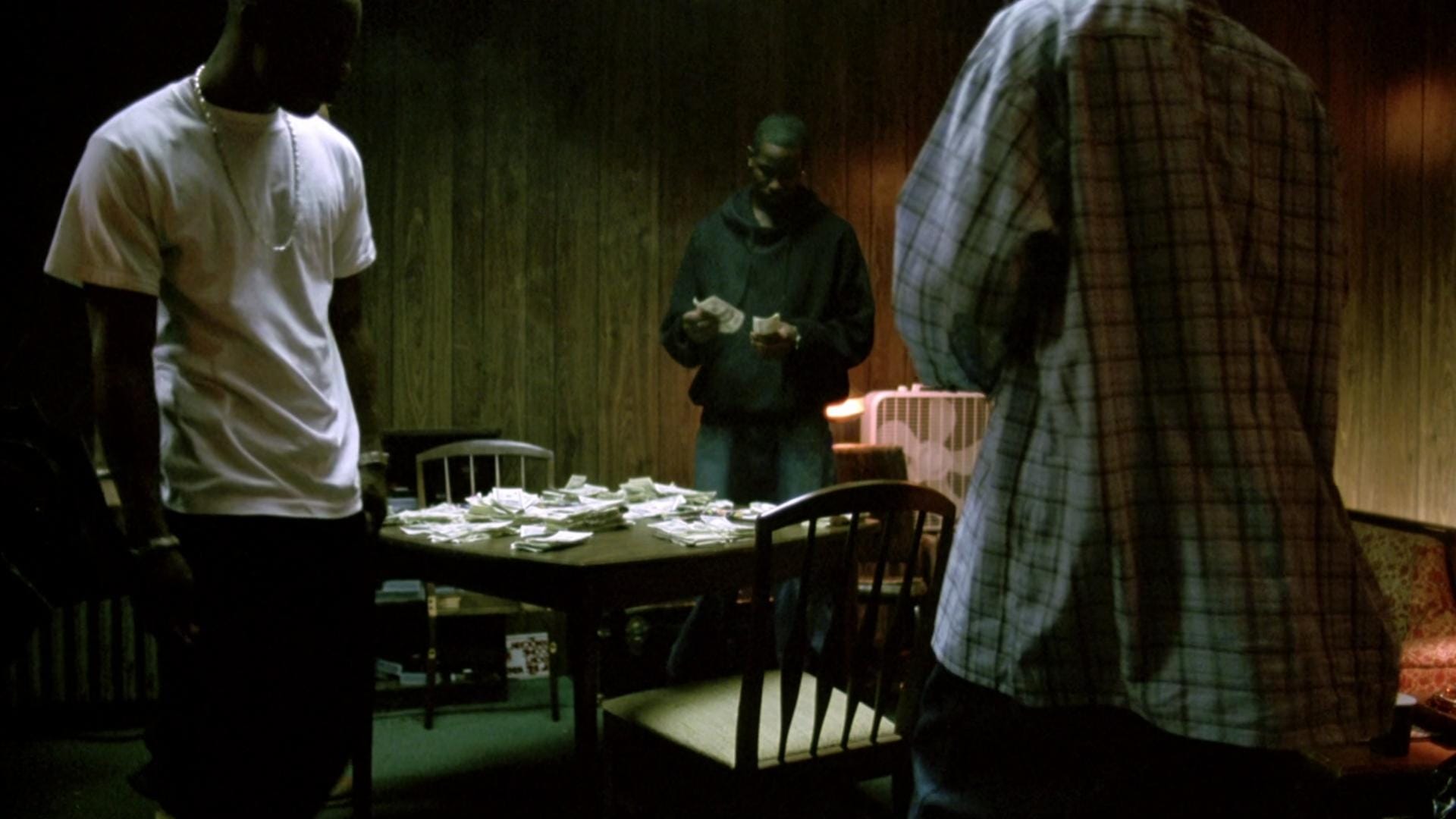
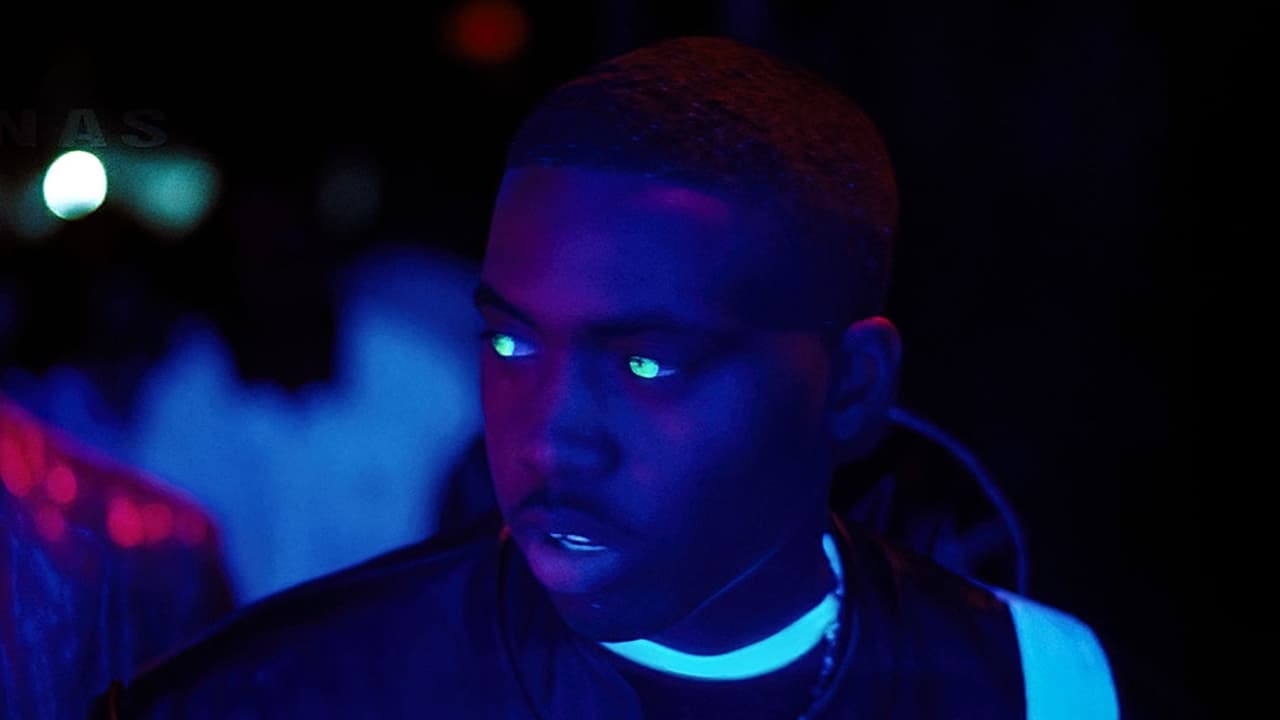
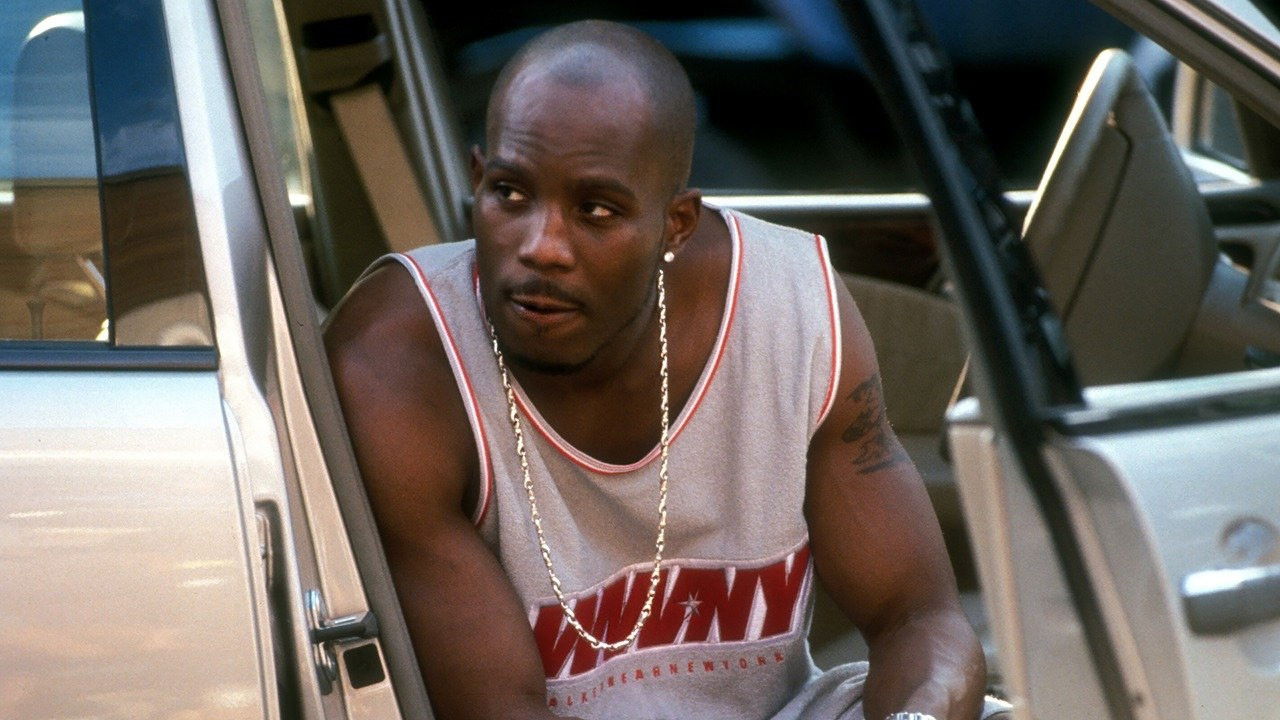
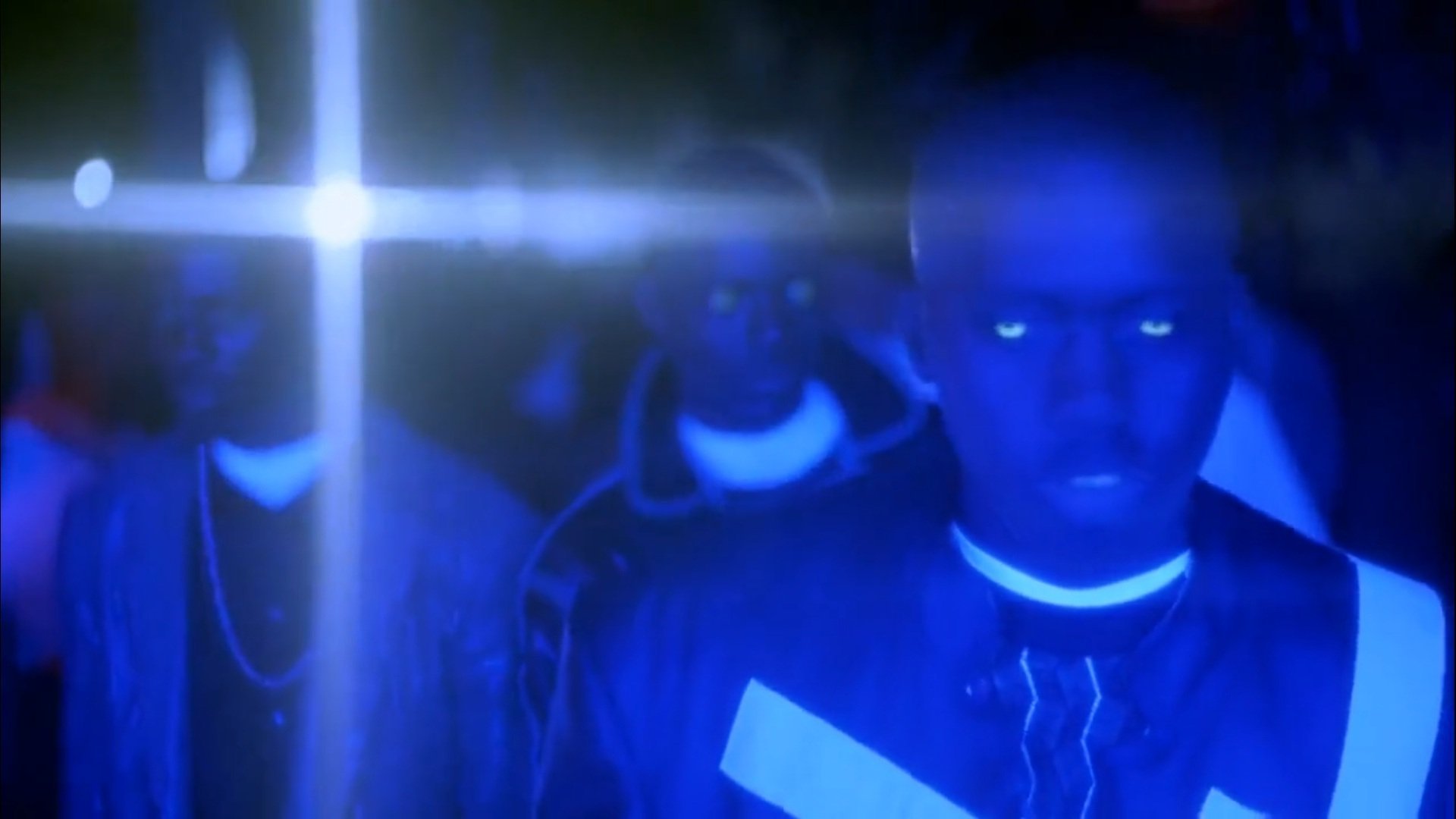
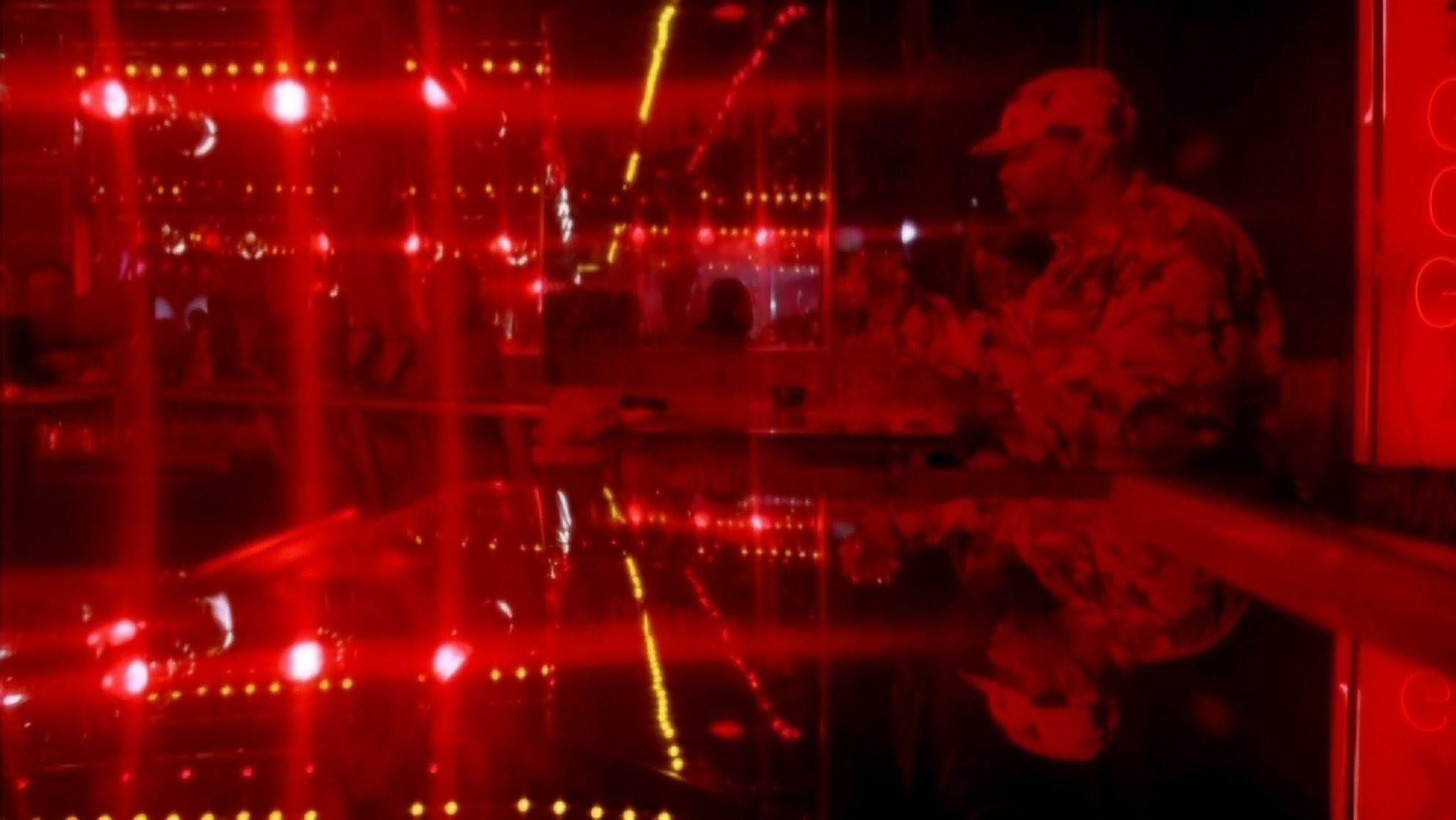
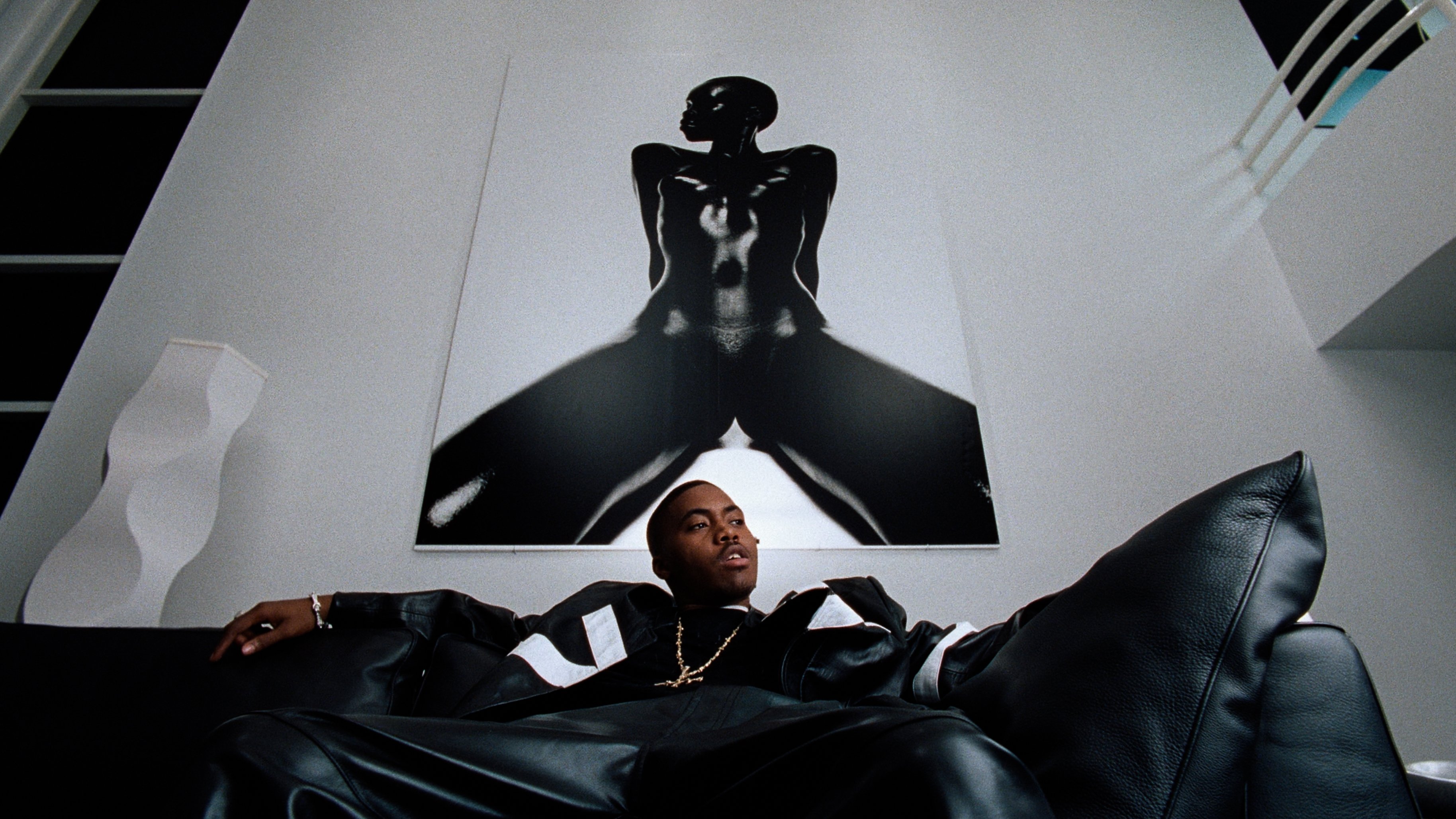
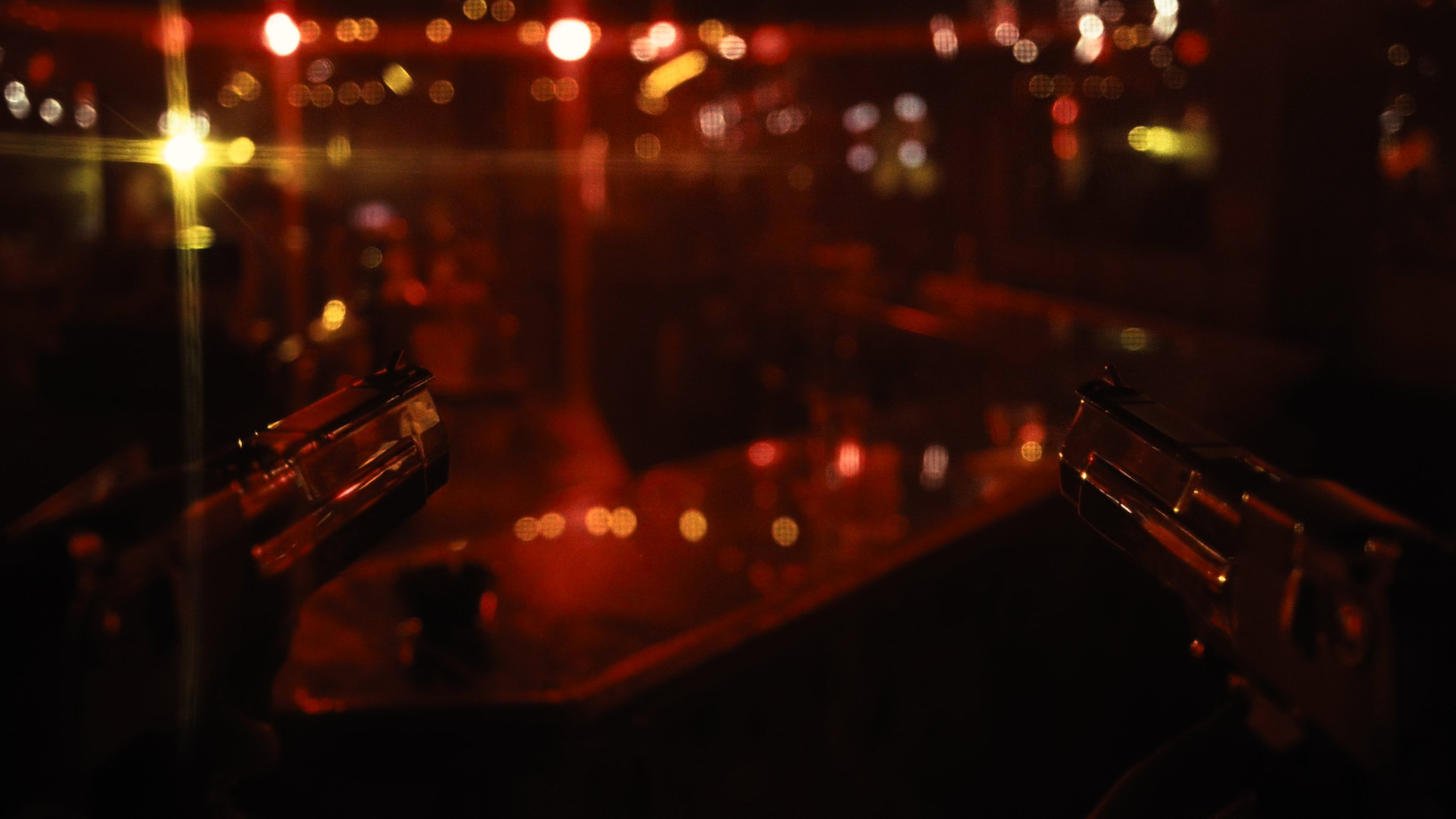
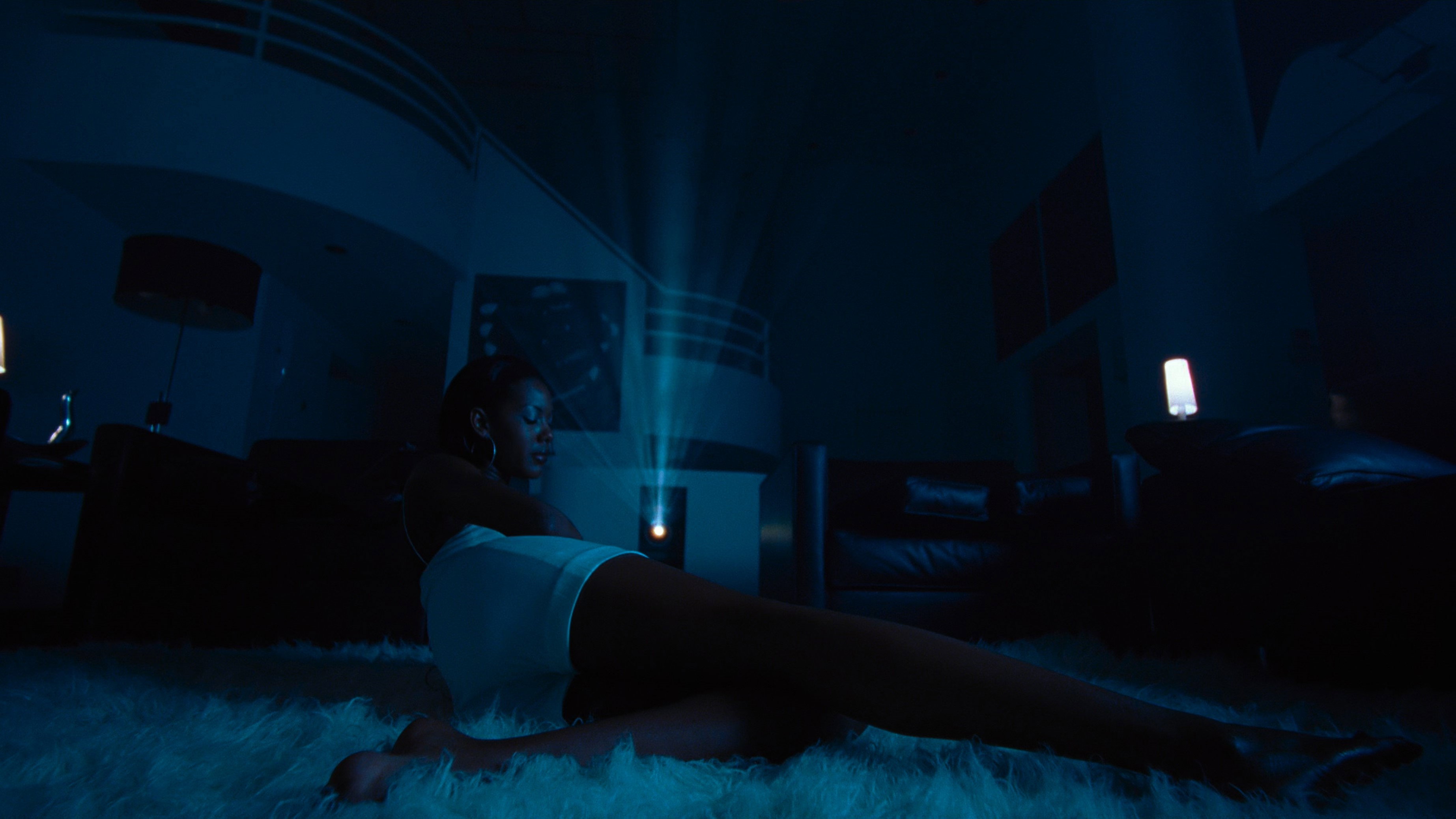
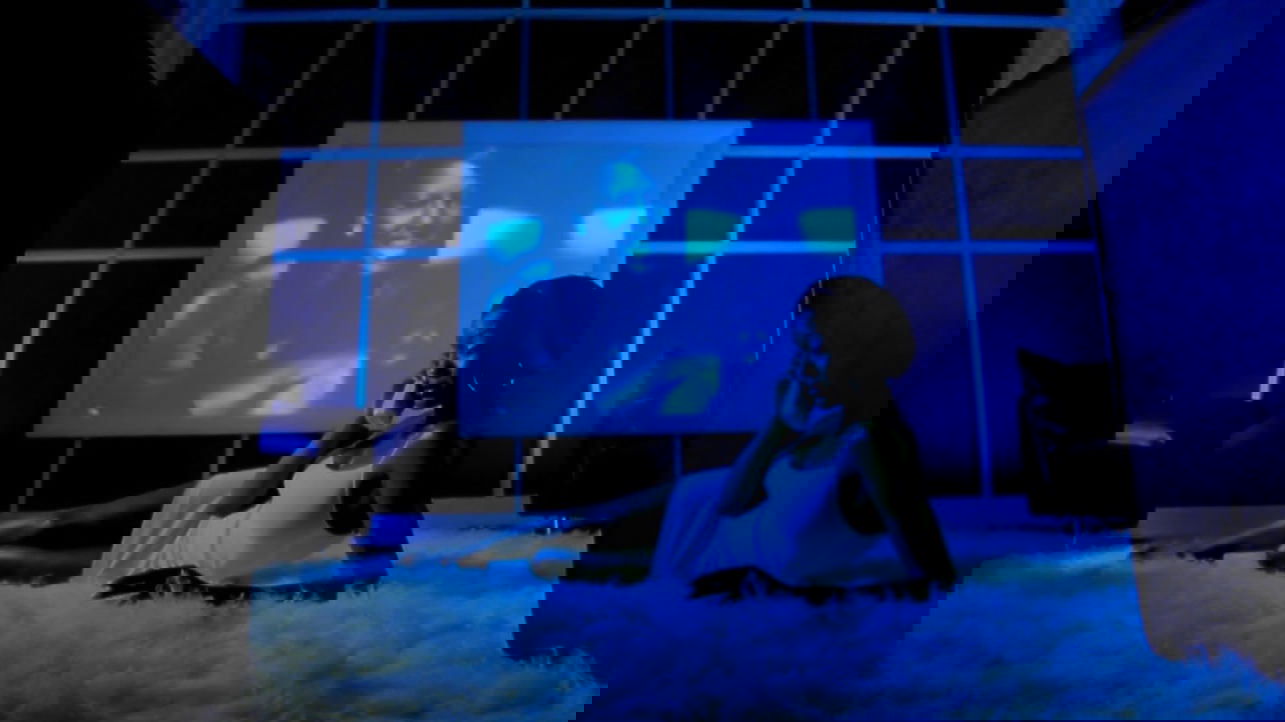
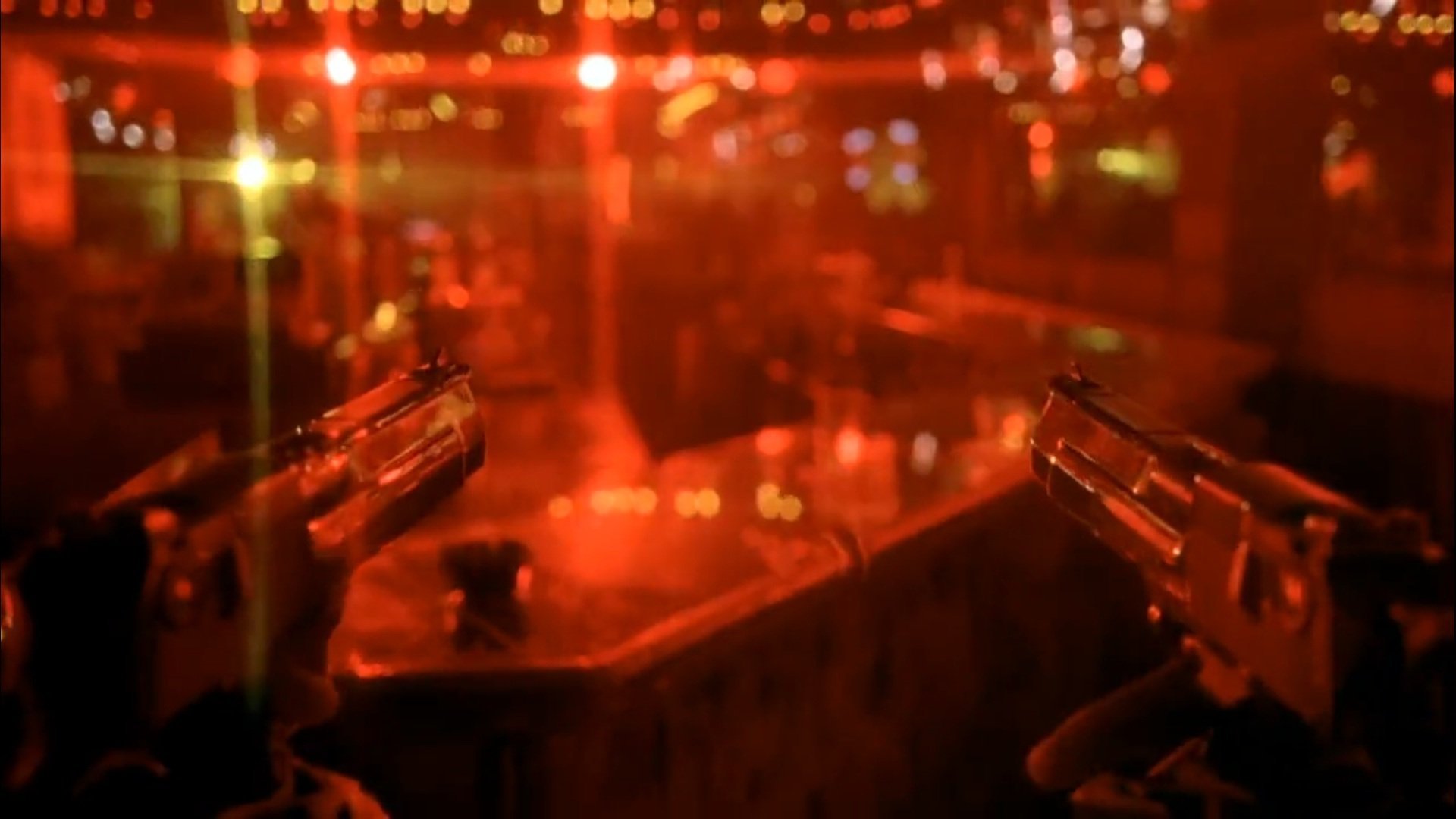
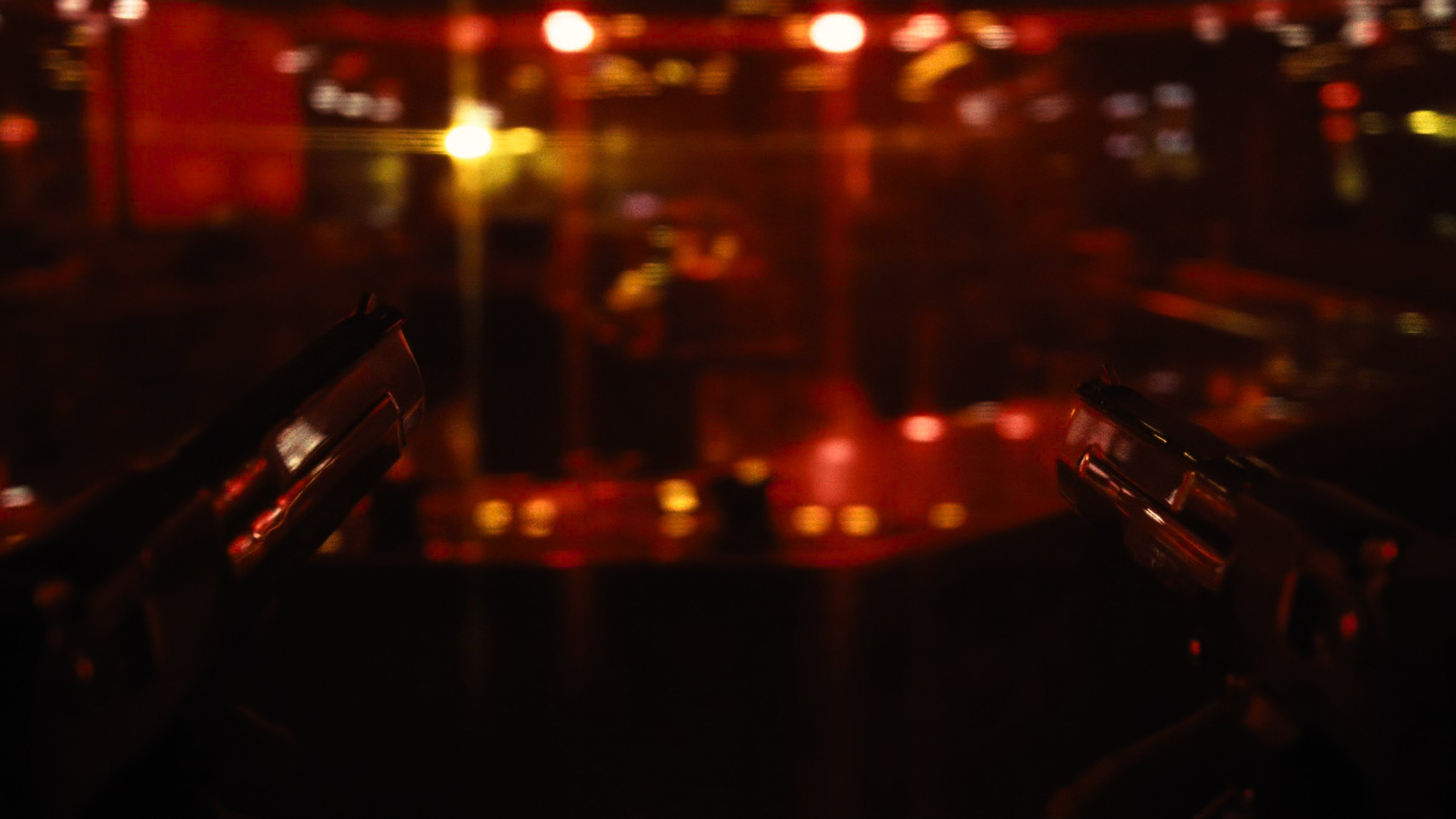
His fascination with bottom-up shots and low angles, often accompanied by filmic trickery like a transparent floor or slowing or raising the frame rate, is revelatory… the translucence, transparency, and opacity—associated in the film with material wealth—often contradict the solid and shadowy spaces from which Nas and DMX derive their wealth and identities… even just in the opening scene: shadowy and epileptic club, the bright fluorescent room with the goods, the character introductions and almost humorously useless freeze frames draped in nighttime darkness, DMX’s pristine whiteout home, the crew’s blackout clothing, DMX has cold violent sex draped in harsh artificial blues while Nas is sensually making love surrounded by worn crimson velvet… this is a tone poem of the highest order
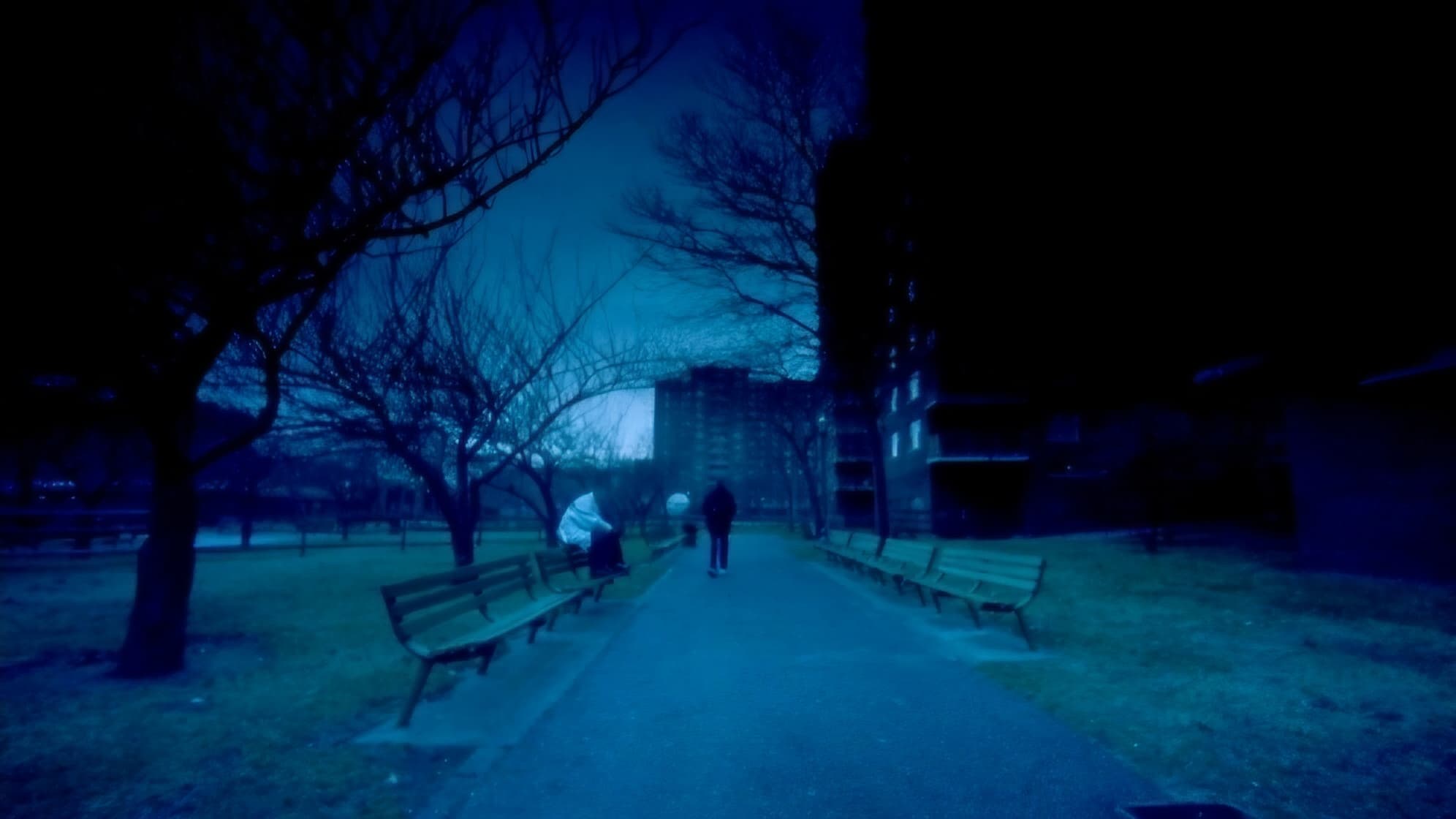
I’m surprised there isn’t much talk about the geographical and geopolitical merits of the film… this film structurally reminds me of early major metropolitan landscapes in cinema like Les Vampires where an outside anti-moralizing force (Tommy, the Jamaican heroin, implicitly the Yakuza(?)) is othered and perceived to exist only as a means of infiltrating and revealing socioeconomic contradictions within a given hub (NYC, Nebraska)… there is a narrative material dimension to this invasion, of course (comfort, petty bourgeois luxuries (very critically and carefully explored if I may add)), but Williams’ aims/goals with the camera are much broader and even more destabilizing
There’s something to say about how the revelations at the end of the film are divergent… Garveyism and the NOI are nowhere near the same wavelength (certainly are not revolutionary either, very individualistic movements), but there is a mutual respect between Nas and DMX because the gestures are identical… it definitely isn’t a perfect outcome, and maybe is a little avoidant, but I think this narrative thread’s conditionality and realism gives it strength and maintains its particularly black internality rather than pandering to mass liberal sensitivities/sensibilities
It’s crazy how the film industry works like if the profit margins were slightly more favorable with Belly then he’d have a whole oeuvre of feature films bc studios would be slightly more tolerant toward his eccentricities, cold world
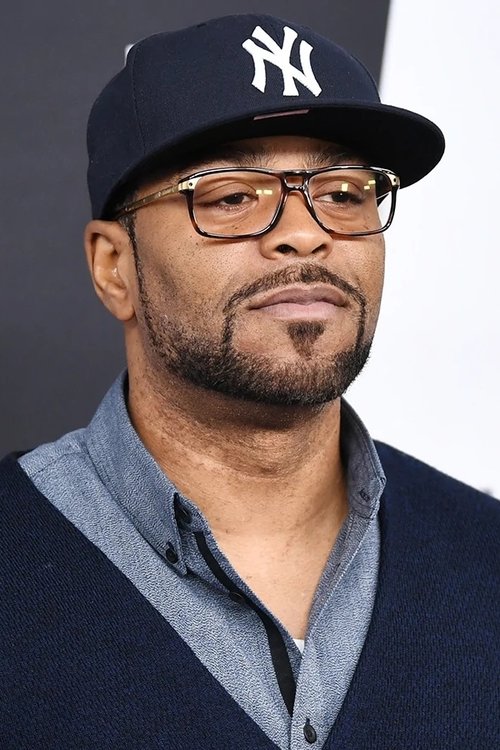
Cinemasins moment: they seemingly make a concerted effort to avoid diegetically using Nas or DMX’s music but when Nas is in the barbershop they’re playing Method Man’s music, but Method Man is in the movie!
Williams has such a fully formed voice and clear conception of cinema in his first feature film it’s really incredible… even though he wasn’t a PЯOPAGAИDA FILMS guy this is a cornerstone of that milieu of 90s-00s directors incubated by the marketing apparatus (ie music vids + commercials) where messaging is forward and brief moments of restraint hit like a semi-truck
His fascination with bottom-up shots and low angles, often accompanied by filmic trickery like a transparent floor or slowing or raising the frame rate, is revelatory… the translucence, transparency, and opacity—associated in the film with material wealth—often contradict the solid and shadowy spaces from which Nas and DMX derive their wealth and identities… even just in the opening scene: shadowy and epileptic club, the bright fluorescent room with the goods, the character introductions and almost humorously useless freeze frames draped in nighttime darkness, DMX’s pristine whiteout home, the crew’s blackout clothing, DMX has cold violent sex draped in harsh artificial blues while Nas is sensually making love surrounded by worn crimson velvet… this is a tone poem of the highest order
I’m surprised there isn’t much talk about the geographical and geopolitical merits of the film… this film structurally reminds me of early major metropolitan landscapes in cinema like Les Vampires where an outside anti-moralizing force (Tommy, the Jamaican heroin, implicitly the Yakuza(?)) is othered and perceived to exist only as a means of infiltrating and revealing socioeconomic contradictions within a given hub (NYC, Nebraska)… there is a narrative material dimension to this invasion, of course (comfort, petty bourgeois luxuries (very critically and carefully explored if I may add)), but Williams’ aims/goals with the camera are much broader and even more destabilizing
There’s something to say about how the revelations at the end of the film are divergent… Garveyism and the NOI are nowhere near the same wavelength (certainly are not revolutionary either, very individualistic movements), but there is a mutual respect between Nas and DMX because the gestures are identical… it definitely isn’t a perfect outcome, and maybe is a little avoidant, but I think this narrative thread’s conditionality and realism gives it strength and maintains its particularly black internality rather than pandering to mass liberal sensitivities/sensibilities
It’s crazy how the film industry works like if the profit margins were slightly more favorable with Belly then he’d have a whole oeuvre of feature films bc studios would be slightly more tolerant toward his eccentricities, cold world
Cinemasins moment: they seemingly make a concerted effort to avoid diegetically using Nas or DMX’s music but when Nas is in the barbershop they’re playing Method Man’s music, but Method Man is in the movie!