
The Vampires of Poverty
1978·Comedy·29m
7.1
★
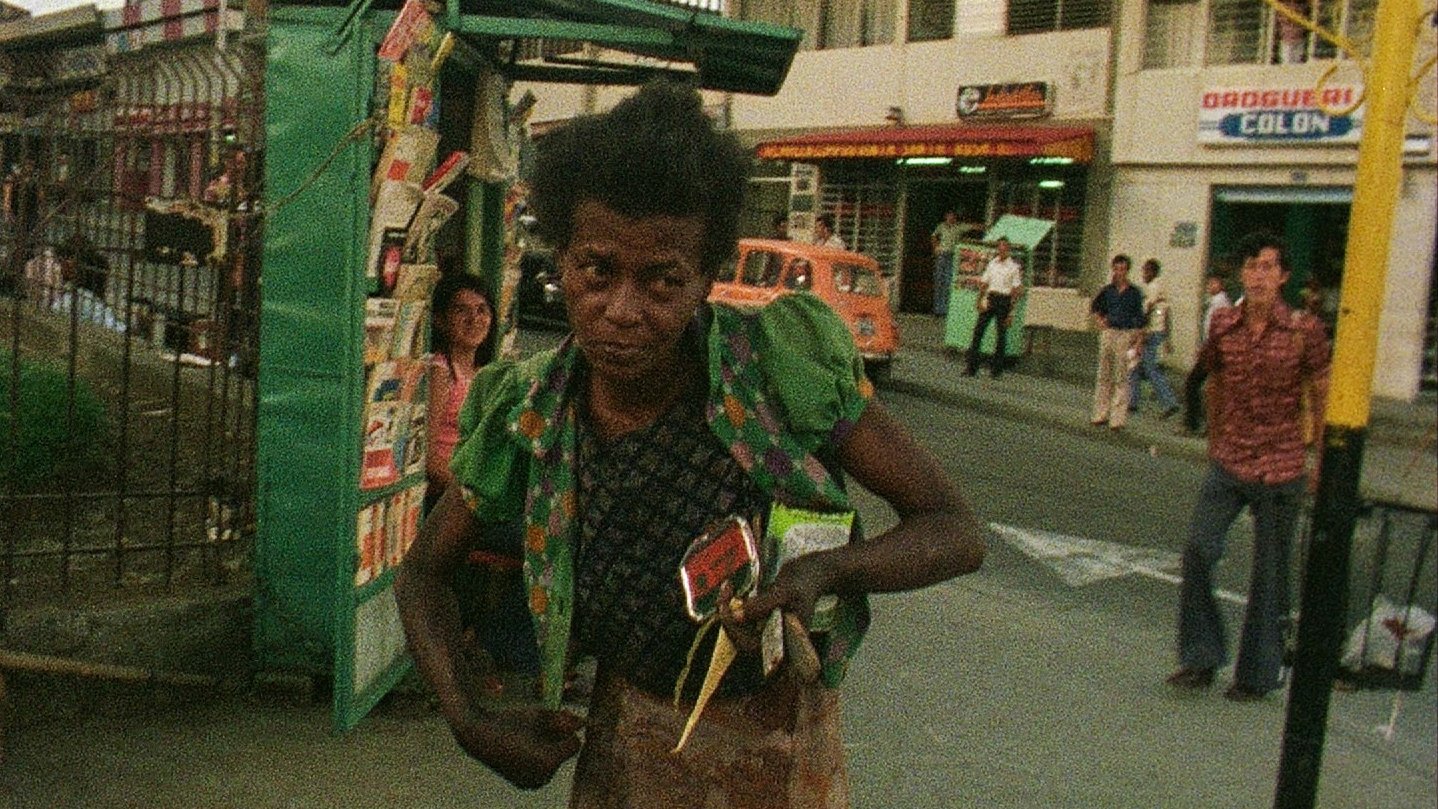
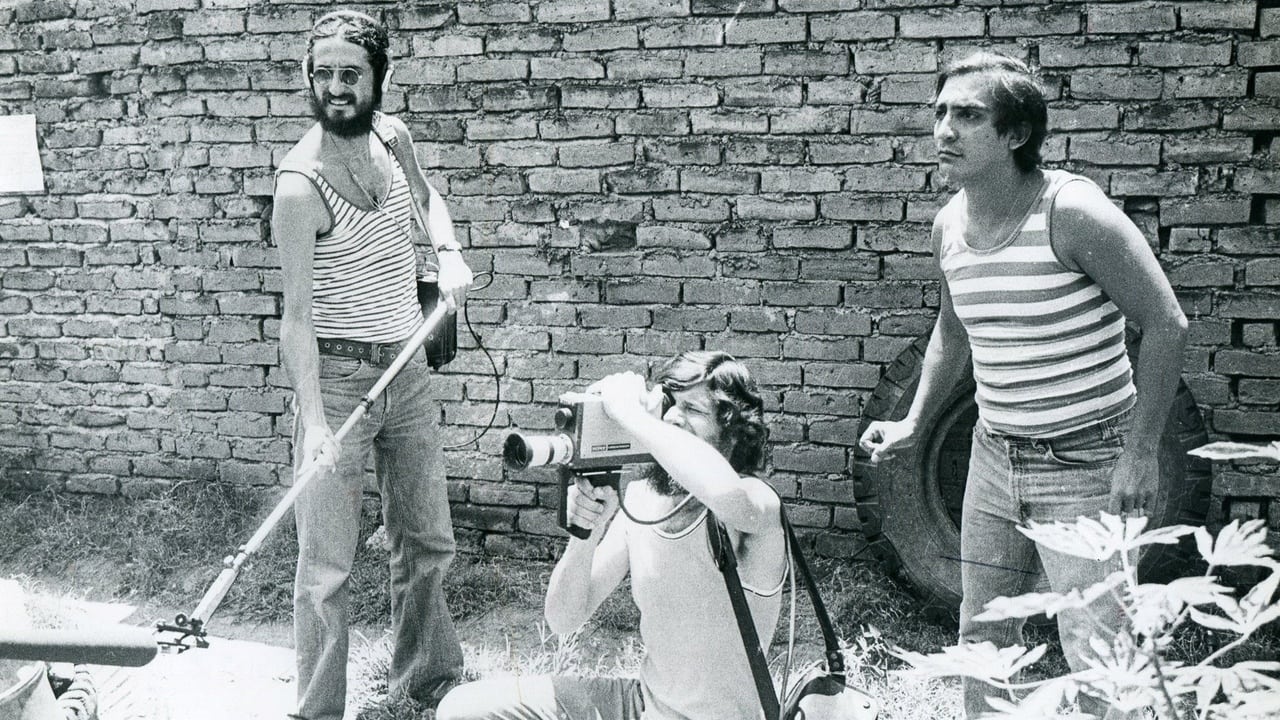
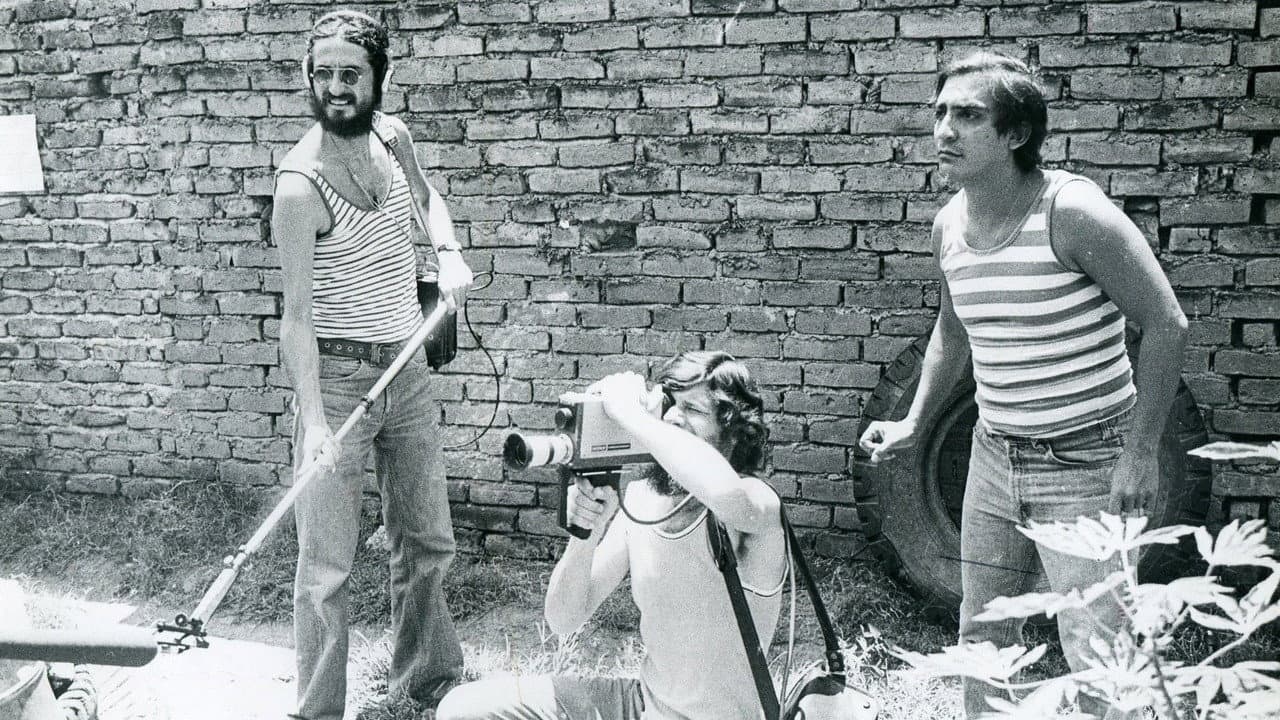
Two filmmakers travel around impoverished sectors of the cities of Bogotá and Cali in search of the images of abjection needed to complete a documentary commissioned by German TV. Meanwhile, another camera captures these “vampire” filmmakers feeding off the misery of their marginal subjects.
Directed by Luis Ospina and Carlos Mayolo

IMDB
N/A
Cast

Carlos Mayolo
Director
Crew

Luis Ospina
Director
Carlos Mayolo
Director
Carlos Mayolo
Writer
Luis Ospina
Writer
Luis Ospina
Editor
Luis Ospina
Producer
Luis Ospina
Sound Recordist
Popular Reviews
34 reviews
Alejandro B
pff o q m gusta unha peli sobre a clase obrera
pff o q m gusta unha peli sobre a clase obrera


Andrea c
9.0★ · 01/30/26
Agarrando pueblo tiene una sátira muy bien lograda, real y graciosa. Lo que la hace tan así es que las situaciones, (las palabras del director y productor) pueden parecer exageradas o irreverentes, pero la verdad no está tan alejada de la realidad. Obviamente también tiene situaciones exageradas, tanto para cumplir su función de parodiar a la vida real como para entretener al espectador, lo irreverente de algunos momentos me sacaron varias risas. Todo el estilo, y que todo fuera en blanco y negro excepto las partes “grabadas” del documental que hacían se me hizo bastante interesante. Además de que plantea un debate moral muy interesante y que sigue vigente en la vida real...
(La reseña extendida se encuentra en el correo del profe de lenguaje cinematografico 🤪 JAJAJAJ)
(La reseña extendida se encuentra en el correo del profe de lenguaje cinematografico 🤪 JAJAJAJ)
Agarrando pueblo tiene una sátira muy bien lograda, real y graciosa. Lo que la hace tan así es que las situaciones, (las palabras del director y productor) pueden parecer exageradas o irreverentes, pero la verdad no está tan alejada de la realidad. Obviamente también tiene situaciones exageradas, tanto para cumplir su función de parodiar a la vida real como para entretener al espectador, lo irreverente de algunos momentos me sacaron varias risas. Todo el estilo, y que todo fuera en blanco y negro excepto las partes “grabadas” del documental que hacían se me hizo bastante interesante. Además de que plantea un debate moral muy interesante y que sigue vigente en la vida real...
(La reseña extendida se encuentra en el correo del profe de lenguaje cinematografico 🤪 JAJAJAJ)
(La reseña extendida se encuentra en el correo del profe de lenguaje cinematografico 🤪 JAJAJAJ)
sam
"todo eso que es la cultura de la miseria"
no se como resumir lo que siento, invítenme a un pan con chocolate y si está rico les cuento
no se como resumir lo que siento, invítenme a un pan con chocolate y si está rico les cuento
"todo eso que es la cultura de la miseria"
no se como resumir lo que siento, invítenme a un pan con chocolate y si está rico les cuento
no se como resumir lo que siento, invítenme a un pan con chocolate y si está rico les cuento
tom harf
10.0★ · 08/24/25
el concepto de “porno miseria” es lo más interesante que escuché en mis 3 años de facultad
el concepto de “porno miseria” es lo más interesante que escuché en mis 3 años de facultad
lia
9.6★ · 07/04/25
there’s a certain kind of horror that comes from being seen through the wrong eyes. it feels like exposure.like someone opening a wound and pointing to the camera and saying 'this is what you did'
it’s about poverty, but also about who gets to profit from it. about the hunger behind the lens, the kind that can’t be fed
i watched it and felt ashamed, and then angry, and then hollow. because i’ve seen those images before, everywhere. in charity ads. in film school reels. in gritty photo essays that win awards. sometimes i think about what it means to tell someone else’s story. how easy it is to turn pain into metaphor. how tempting it is to believe you’re helping when all you’re doing is watching
but this film turns the lens around, and for once, it’s not the poor who look monstrous. it’s us
it’s about poverty, but also about who gets to profit from it. about the hunger behind the lens, the kind that can’t be fed
i watched it and felt ashamed, and then angry, and then hollow. because i’ve seen those images before, everywhere. in charity ads. in film school reels. in gritty photo essays that win awards. sometimes i think about what it means to tell someone else’s story. how easy it is to turn pain into metaphor. how tempting it is to believe you’re helping when all you’re doing is watching
but this film turns the lens around, and for once, it’s not the poor who look monstrous. it’s us
there’s a certain kind of horror that comes from being seen through the wrong eyes. it feels like exposure.like someone opening a wound and pointing to the camera and saying 'this is what you did'
it’s about poverty, but also about who gets to profit from it. about the hunger behind the lens, the kind that can’t be fed
i watched it and felt ashamed, and then angry, and then hollow. because i’ve seen those images before, everywhere. in charity ads. in film school reels. in gritty photo essays that win awards. sometimes i think about what it means to tell someone else’s story. how easy it is to turn pain into metaphor. how tempting it is to believe you’re helping when all you’re doing is watching
but this film turns the lens around, and for once, it’s not the poor who look monstrous. it’s us
it’s about poverty, but also about who gets to profit from it. about the hunger behind the lens, the kind that can’t be fed
i watched it and felt ashamed, and then angry, and then hollow. because i’ve seen those images before, everywhere. in charity ads. in film school reels. in gritty photo essays that win awards. sometimes i think about what it means to tell someone else’s story. how easy it is to turn pain into metaphor. how tempting it is to believe you’re helping when all you’re doing is watching
but this film turns the lens around, and for once, it’s not the poor who look monstrous. it’s us