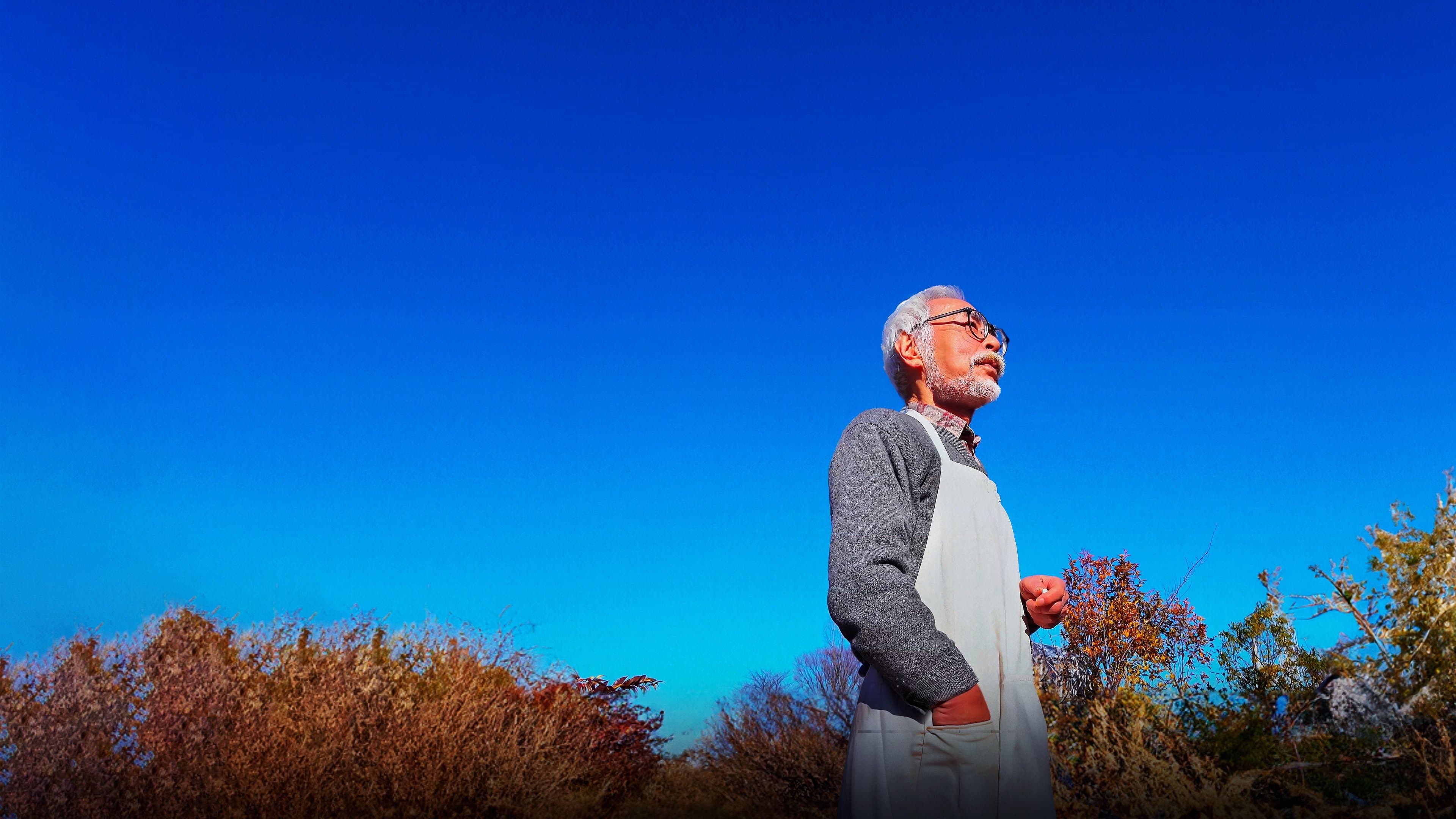
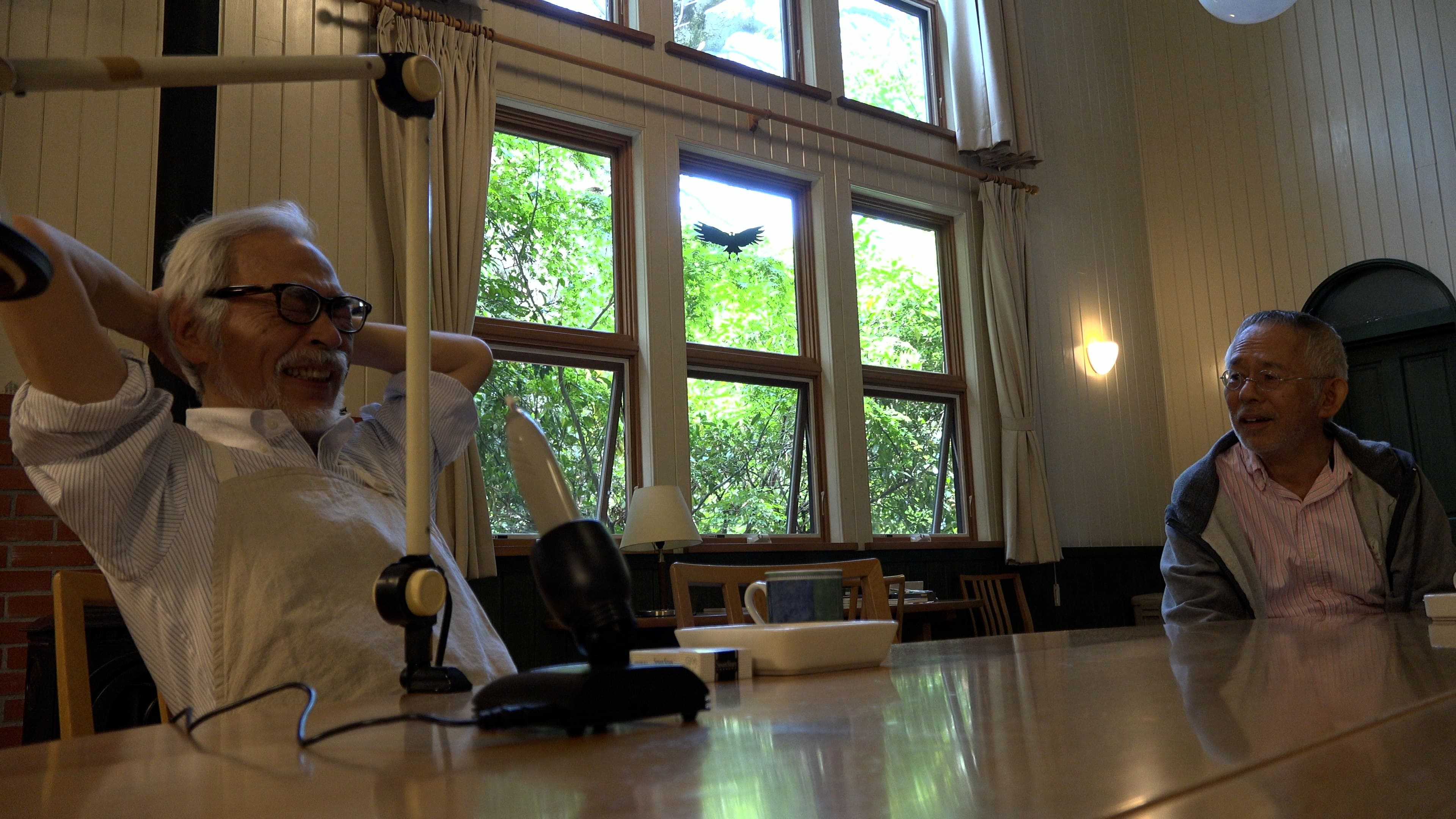
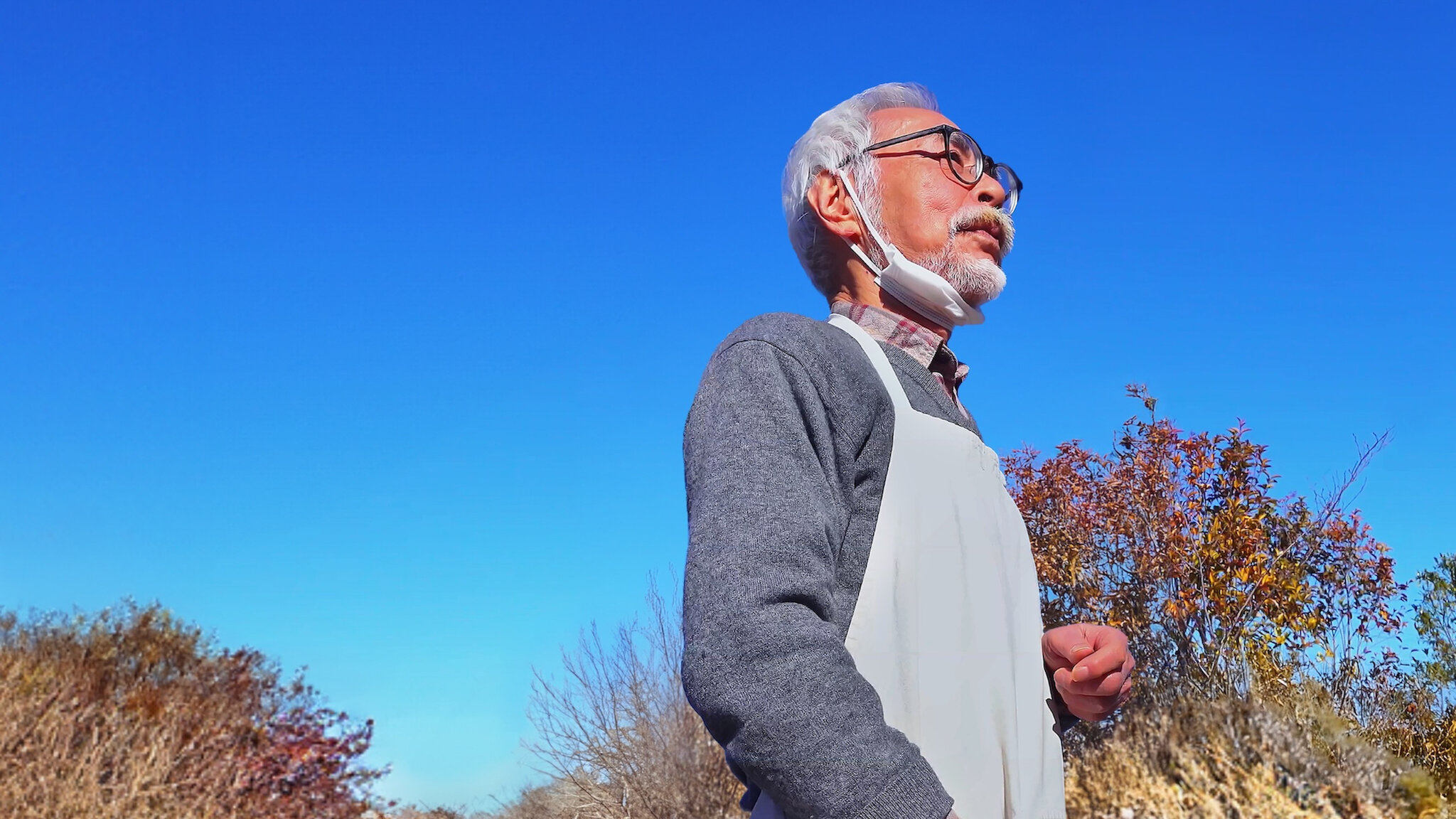
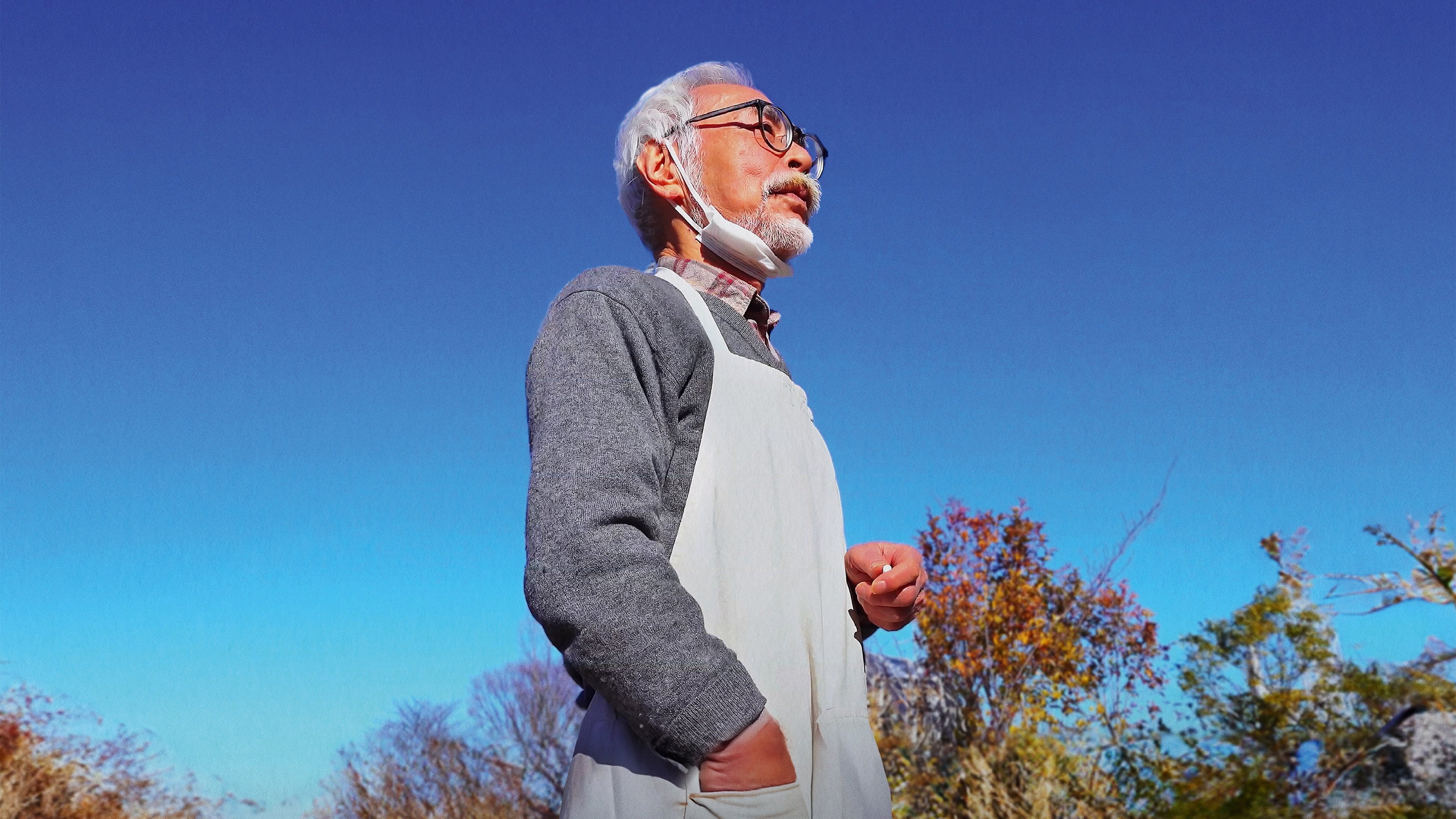
what a fever dream.
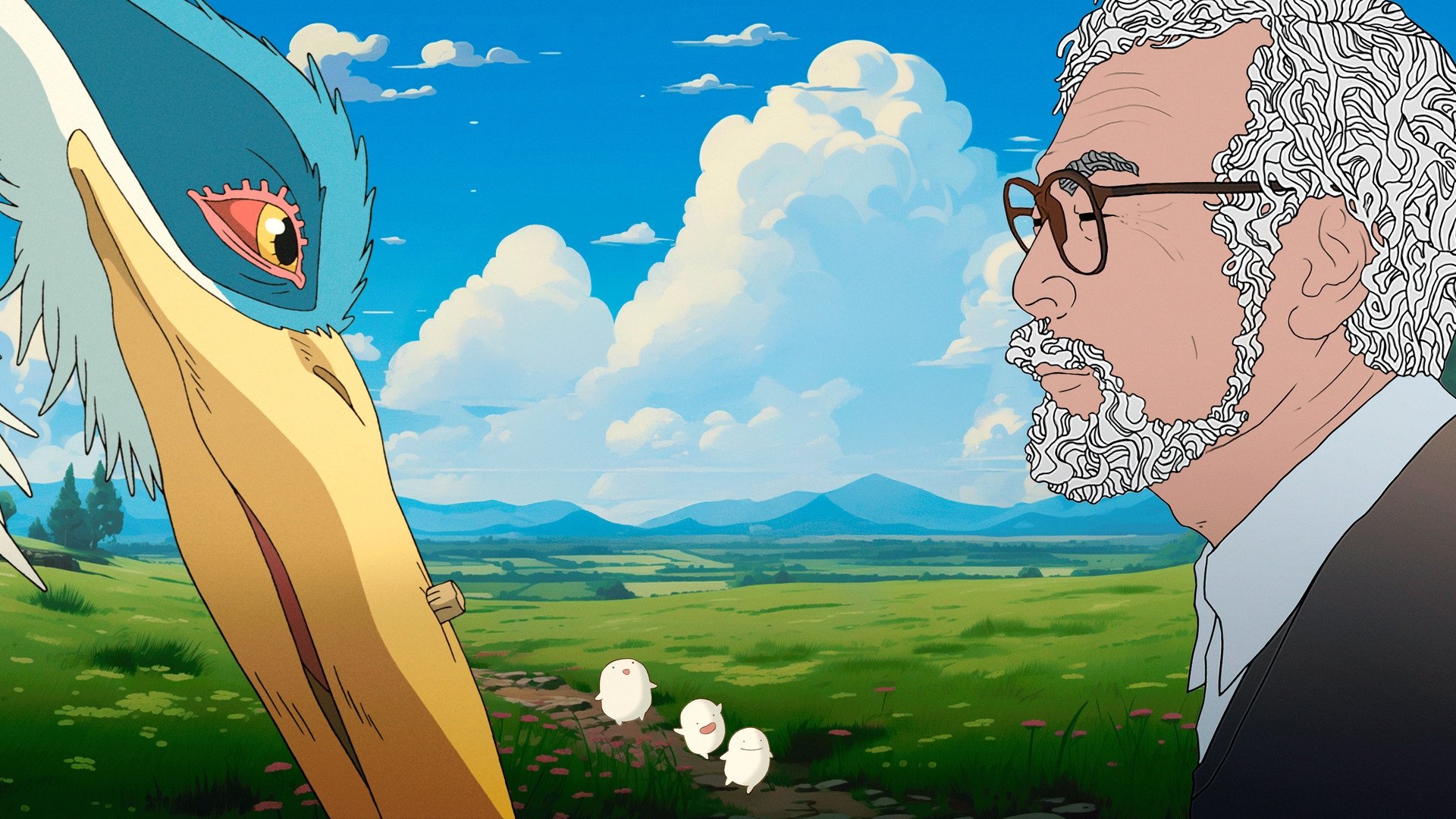
i think all studio ghibli movies, not just miyazaki’s, walk a thin line between cynicism and optimism. but i think what made the boy and the heron not really work for me is just how obvious and intentional that balance felt. the pain of an old man filled with grief, along with an overt sentimentality just felt too on the nose. it went too far on both sides for me.
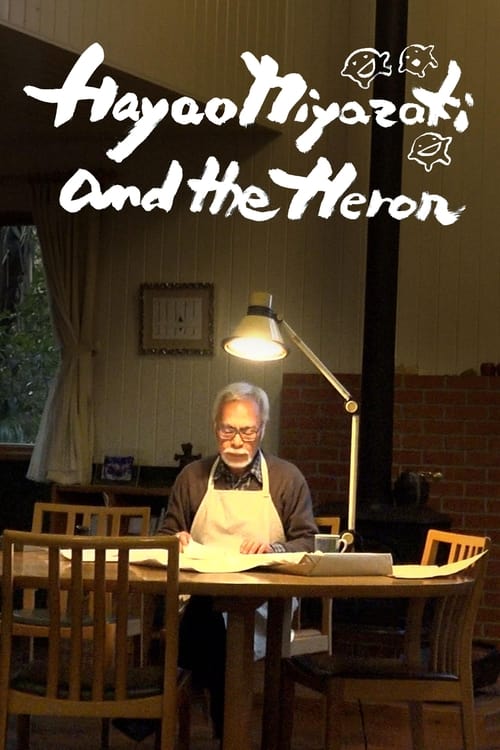
when i was younger i had a harder time reading into the symbols and themes of ghibli movies, but now it’s a lot easier for me to see how fantasy and real life feed into each other. i really enjoyed the way this documentary highlights the real life people/places/events that inspired the movies. and how the movies then almost inspire real life events/memories. i really loved the part where a clip from porco rosso plays to mirror miyazaki feeling guilt about being the last one alive. it devastatingly shows how art can mean one thing at one time, and can develop a whole new meaning later in life.
but again, with the boy and the heron this symbology is just a little too obvious. i think this is a beautiful documentary. im just trying to pin down why the movie it’s about didn’t really
reach me. the characters in ghibli movies have always had real-life counterparts. but i feel like it was always subtle enough to still be universal. we could all see ourselves in at least one of them. but the boy and the heron is full of nearly straight from life characters. which is touching, but honestly it detracts from how much we can self-insert as viewers. which is maybe a selfish complaint but it’s something that’s important to me.
i enjoyed the different energy all around that this documentary had vs. the kingdom of dreams and madness. that doc basically felt like a sometimes frantic, but overall peaceful, modest celebratory reel of miyazaki highlights. it felt like the end of an era, but it wasn’t over just yet. takahata wasn’t featured or even mentioned very much. he was still thought of as a rival in that moment. and then this movie is just completely chaotic and filled with grief and spent a lot more time looking back. there is an omnipresent race against the clock. not against a production deadline, but against death. this really feels like the end. i just think it’s so interesting how much can change in 5-10 years.
i think a lot about something emily said about how it’s important for old people and kids to spend time together. they both have wisdom to share. and this really shows that beautifully.
life goes on.
makes me want to draw again. and smoke cigarettes
what a fever dream.
i think all studio ghibli movies, not just miyazaki’s, walk a thin line between cynicism and optimism. but i think what made the boy and the heron not really work for me is just how obvious and intentional that balance felt. the pain of an old man filled with grief, along with an overt sentimentality just felt too on the nose. it went too far on both sides for me.
when i was younger i had a harder time reading into the symbols and themes of ghibli movies, but now it’s a lot easier for me to see how fantasy and real life feed into each other. i really enjoyed the way this documentary highlights the real life people/places/events that inspired the movies. and how the movies then almost inspire real life events/memories. i really loved the part where a clip from porco rosso plays to mirror miyazaki feeling guilt about being the last one alive. it devastatingly shows how art can mean one thing at one time, and can develop a whole new meaning later in life.
but again, with the boy and the heron this symbology is just a little too obvious. i think this is a beautiful documentary. im just trying to pin down why the movie it’s about didn’t really
reach me. the characters in ghibli movies have always had real-life counterparts. but i feel like it was always subtle enough to still be universal. we could all see ourselves in at least one of them. but the boy and the heron is full of nearly straight from life characters. which is touching, but honestly it detracts from how much we can self-insert as viewers. which is maybe a selfish complaint but it’s something that’s important to me.
i enjoyed the different energy all around that this documentary had vs. the kingdom of dreams and madness. that doc basically felt like a sometimes frantic, but overall peaceful, modest celebratory reel of miyazaki highlights. it felt like the end of an era, but it wasn’t over just yet. takahata wasn’t featured or even mentioned very much. he was still thought of as a rival in that moment. and then this movie is just completely chaotic and filled with grief and spent a lot more time looking back. there is an omnipresent race against the clock. not against a production deadline, but against death. this really feels like the end. i just think it’s so interesting how much can change in 5-10 years.
i think a lot about something emily said about how it’s important for old people and kids to spend time together. they both have wisdom to share. and this really shows that beautifully.
life goes on.
makes me want to draw again. and smoke cigarettes