

1973·Comedy·2h 1m
7.1
★
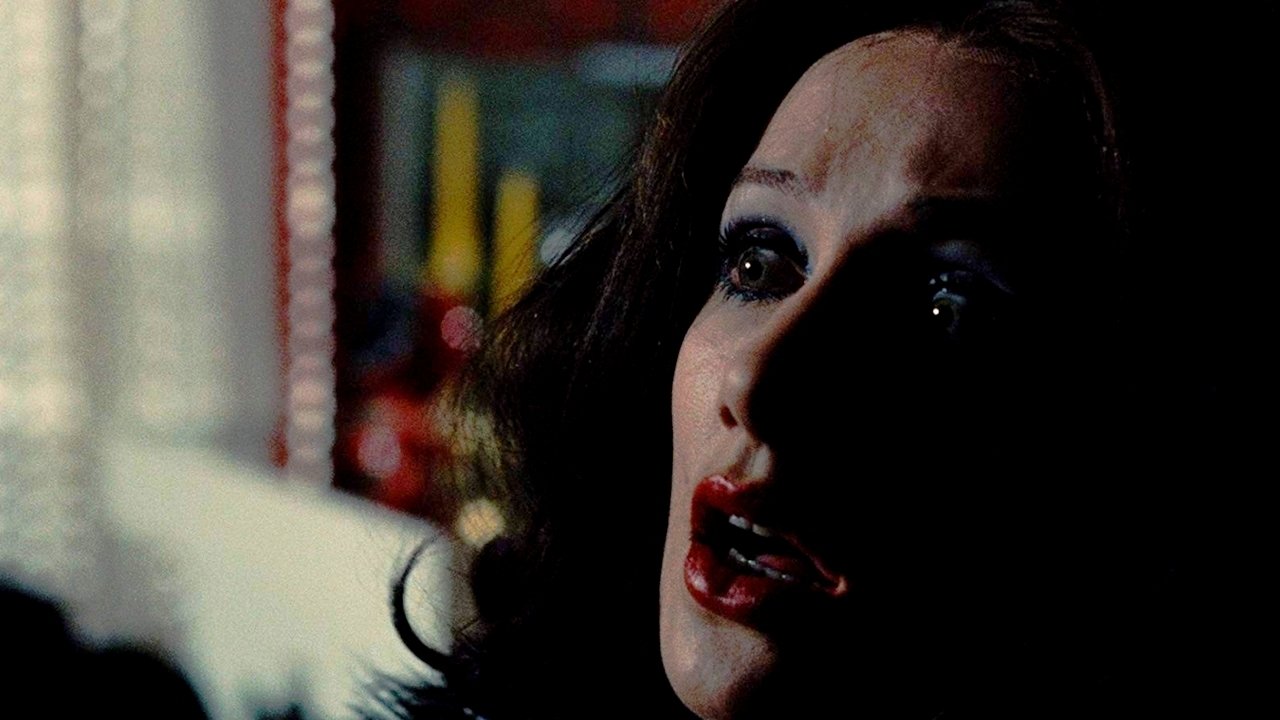
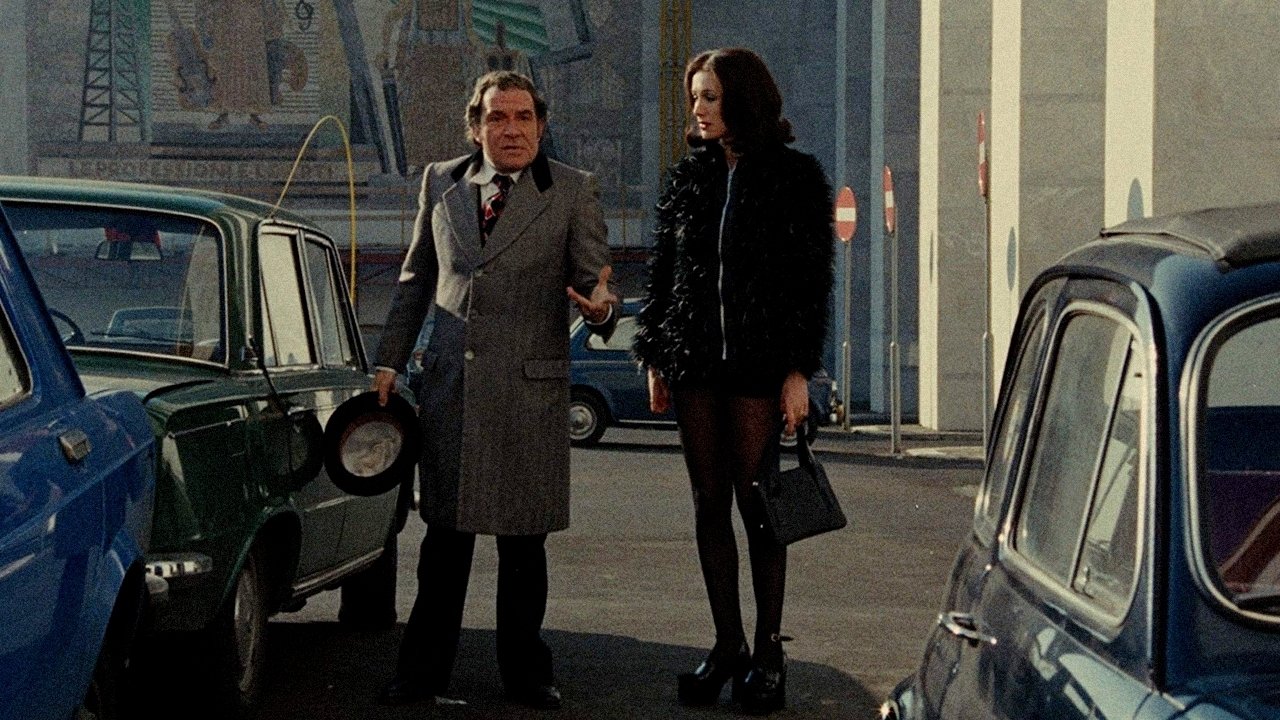
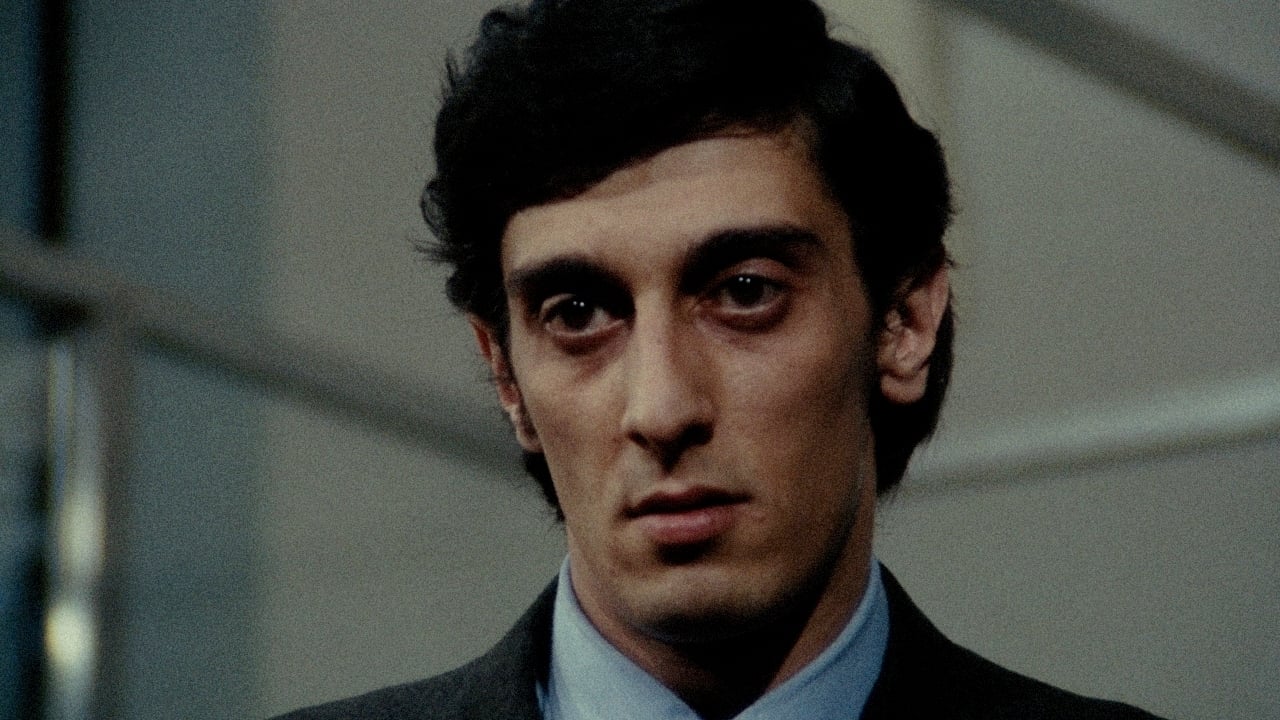
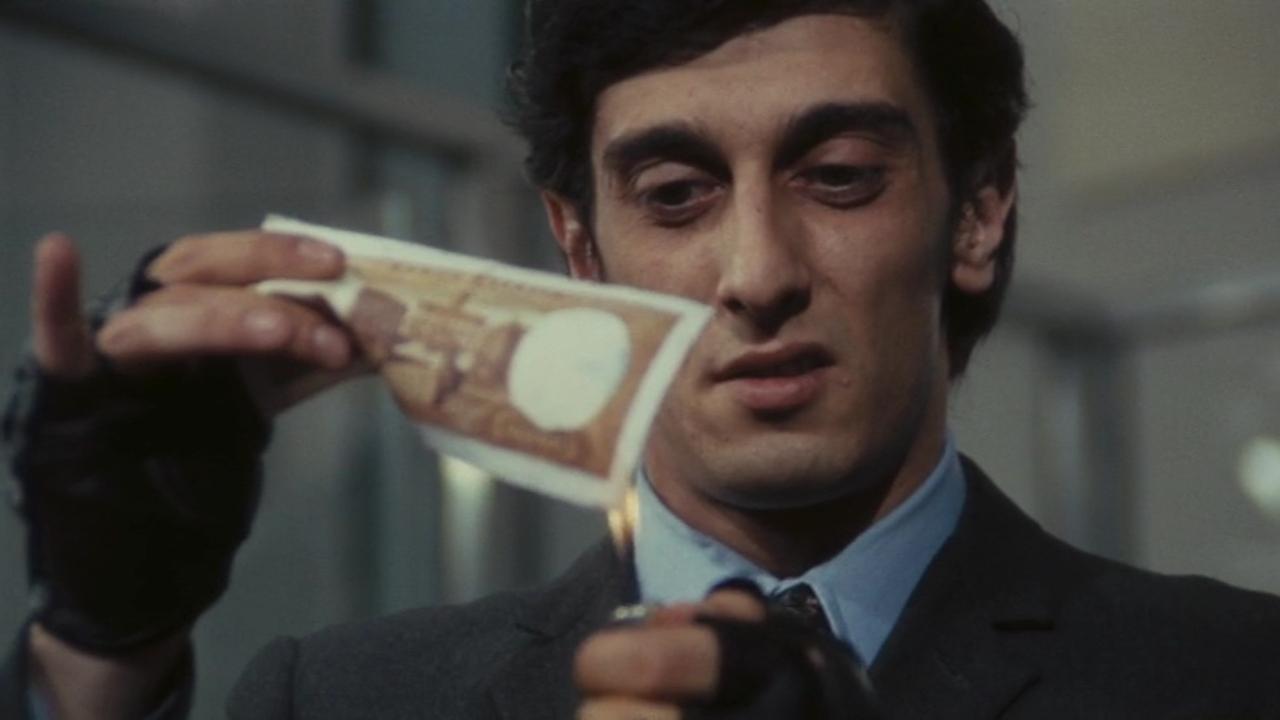
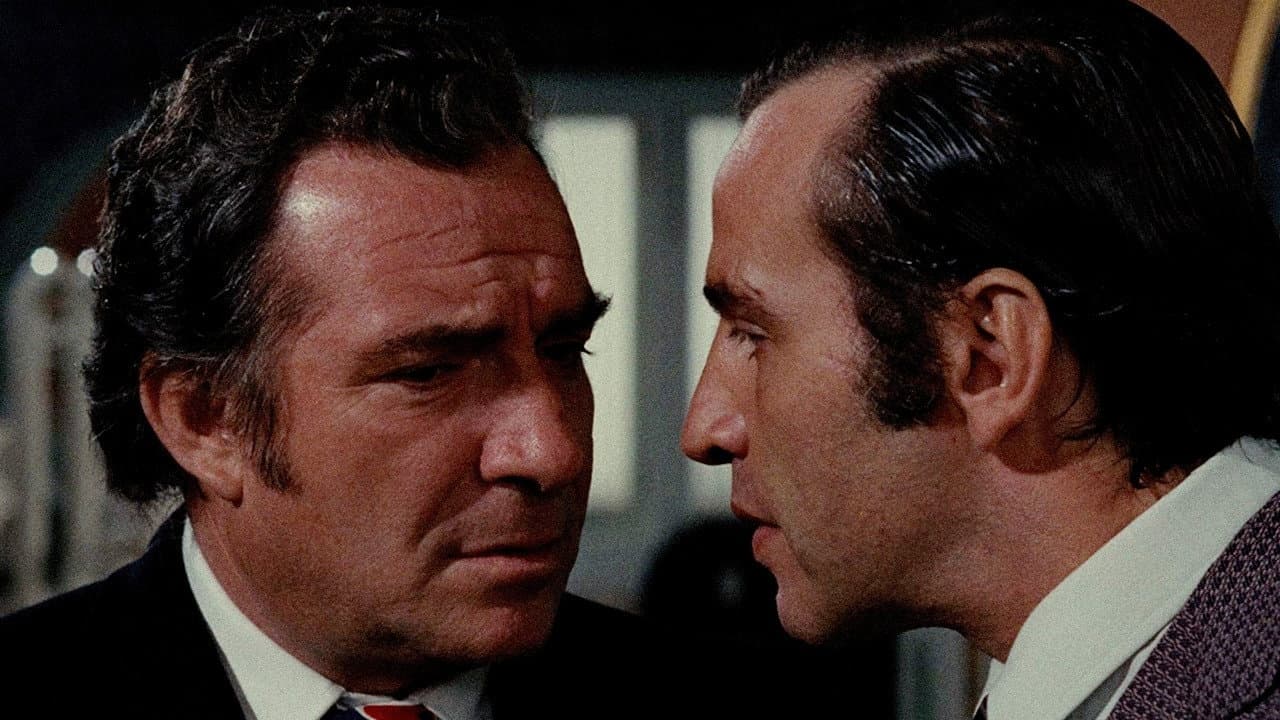
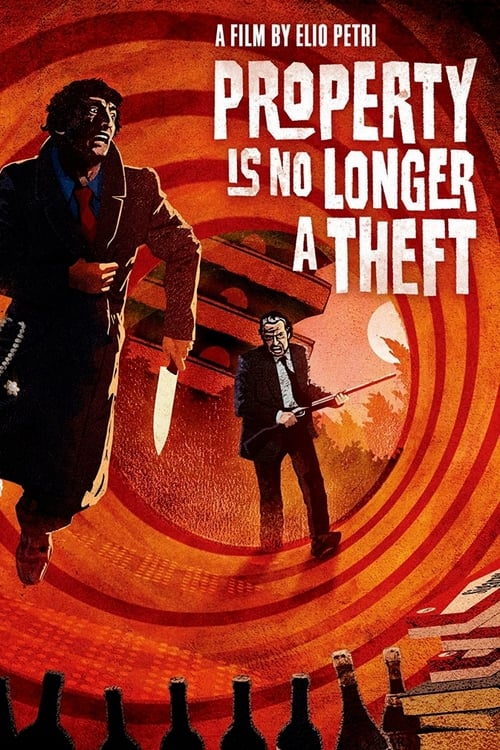
A young bank teller, literally allergic to paper money, becomes the worst nightmare of his best customer, a wealthy butcher who manages his business unscrupulously.
Directed by Elio Petri

IMDB
N/A
Cast
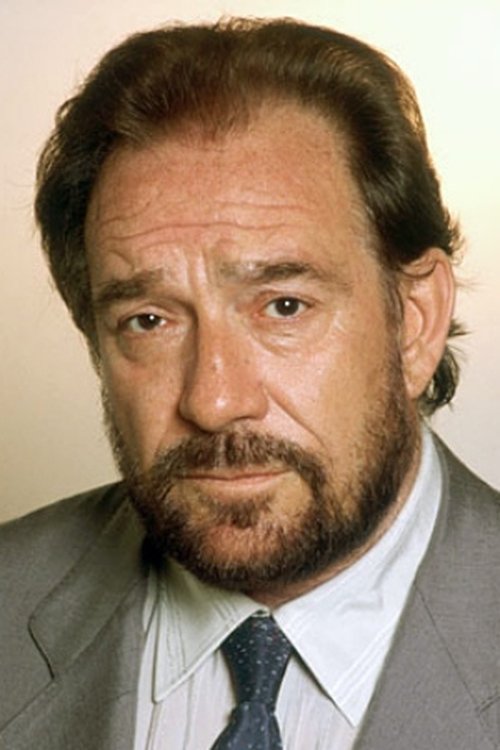
Ugo Tognazzi
The Butcher
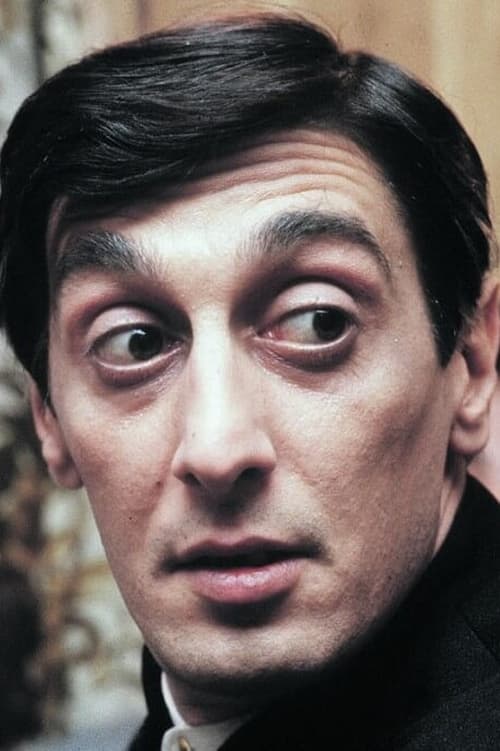
Flavio Bucci
Total

Daria Nicolodi
Anita
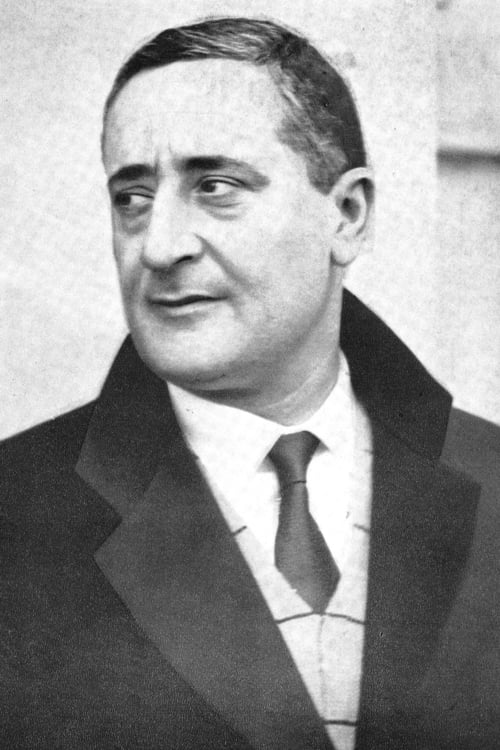
Mario Scaccia
Albertone

Orazio Orlando
Brigadier Pirelli
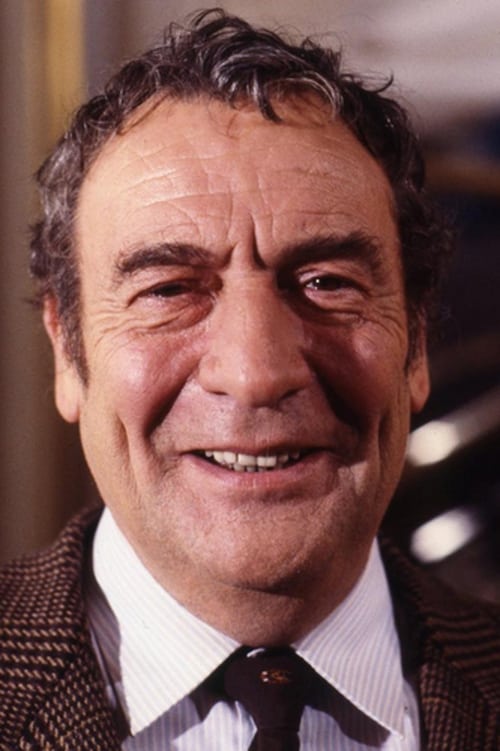
Julien Guiomar
Bank Manager

Cecilia Polizzi
Mafalda
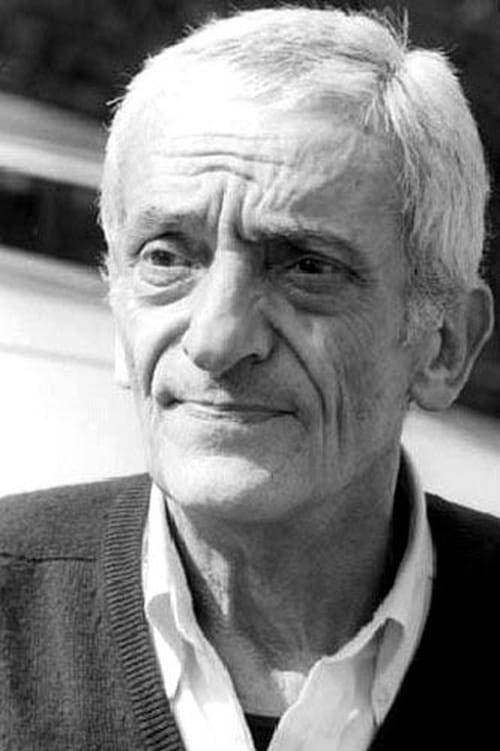
Jacques Herlin
Bank Employee

Ada Pometti
Handmaid
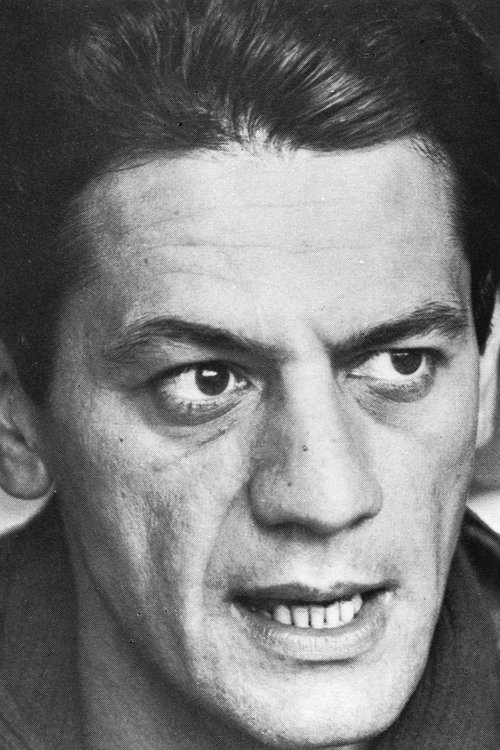
Pierluigi D'Orazio
Albertone's Accomplice
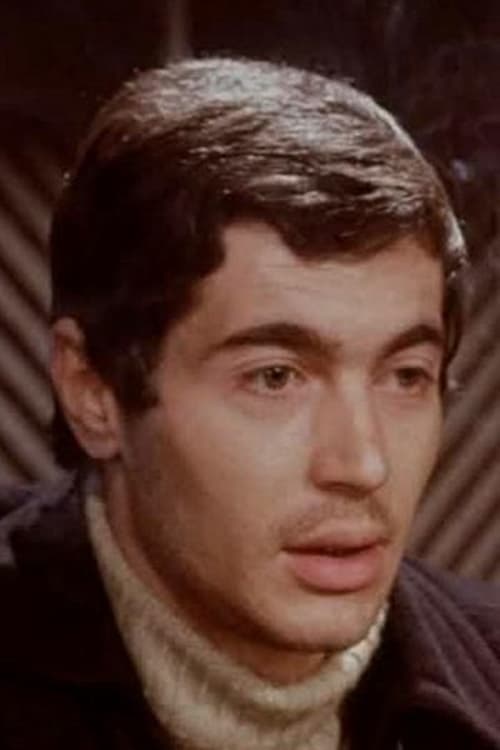
Luigi Antonio Guerra
Protester
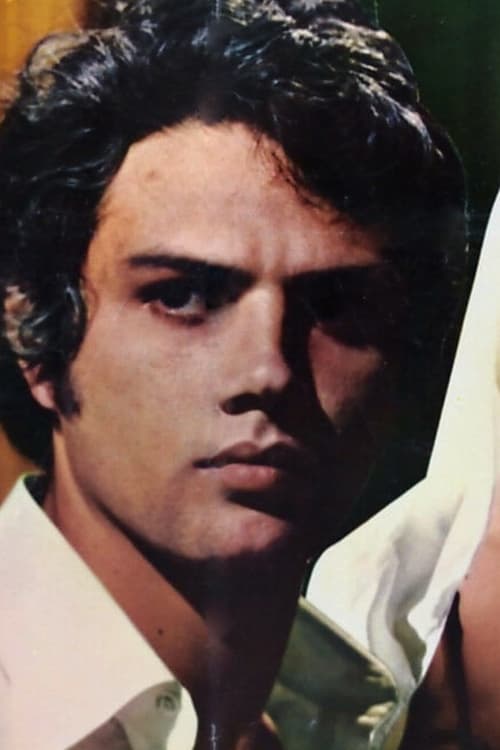
Gino Milli
Zagané
Crew
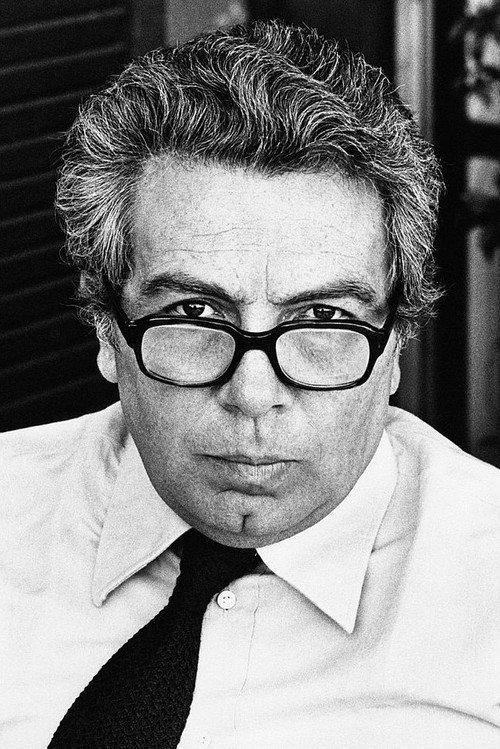
Elio Petri
Director
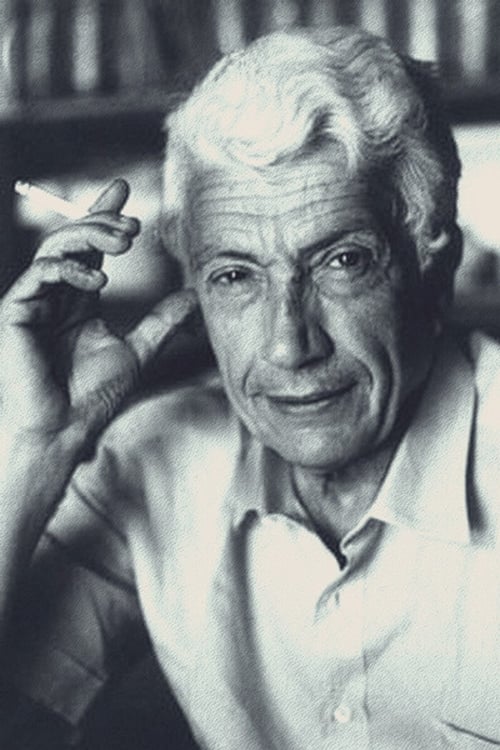
Ugo Pirro
Screenplay
Elio Petri
Screenplay
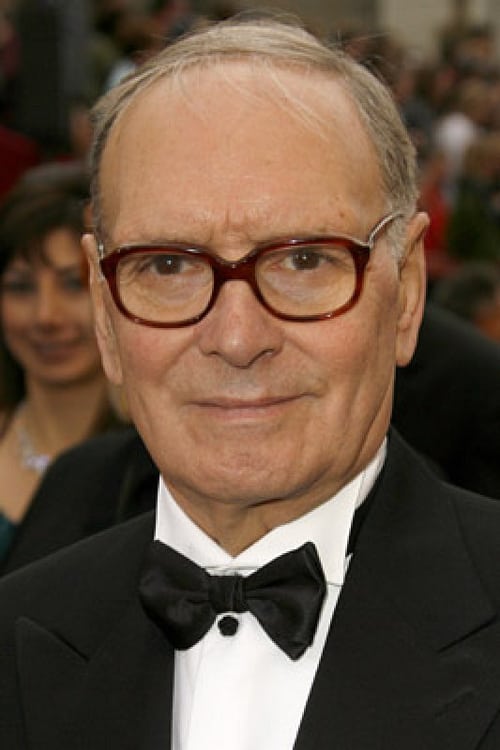
Ennio Morricone
Original Music Composer
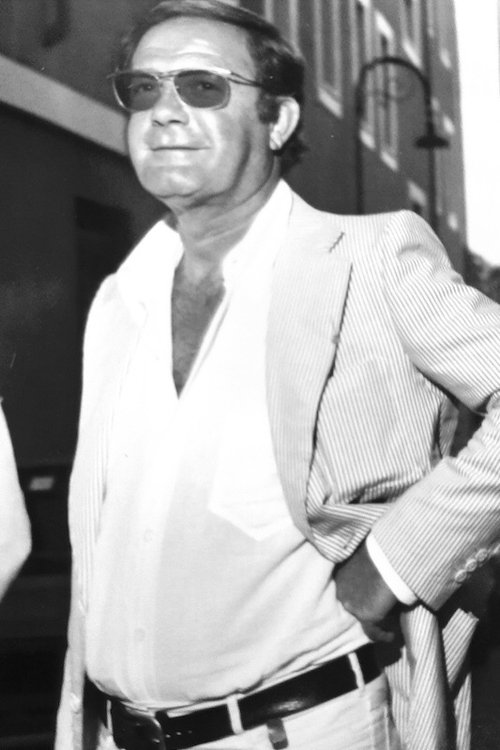
Ruggero Mastroianni
Editor
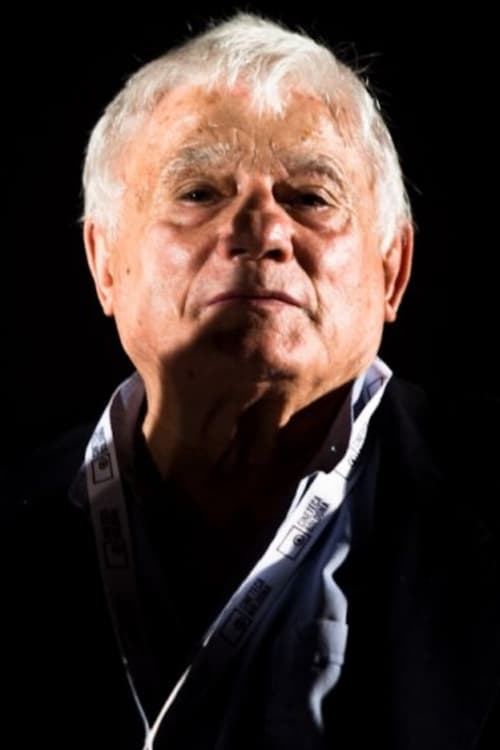
Claudio Mancini
Producer
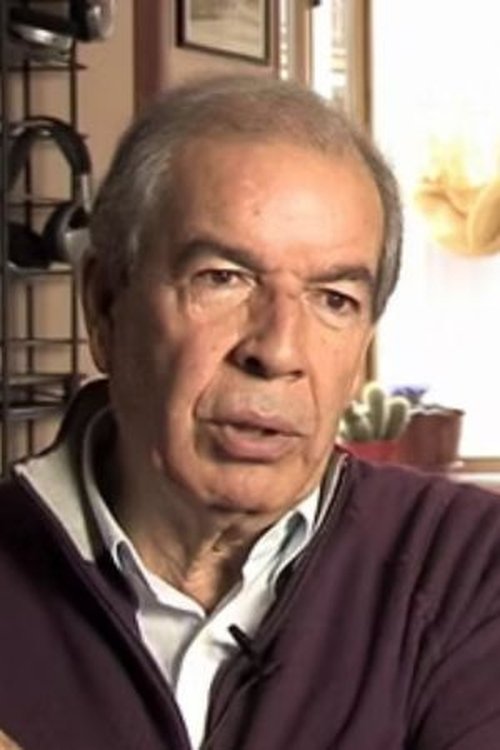
Pierantonio Mecacci
Makeup Artist
Pierantonio Mecacci
Makeup Designer
Elio Petri
Story
Ugo Pirro
Story

Bruno Nicolai
Conductor
Popular Reviews
22 reviews
gg
8.0★ · 12/13/24
"𝑒' 𝑎 𝑛𝑜𝑖 𝑐ℎ𝑒 𝑙𝑎 𝑠𝑜𝑐𝑖𝑒𝑡𝑎' 𝑑𝑒𝑣𝑒 𝑙'𝑜𝑟𝑑𝑖𝑛𝑒 𝑐𝑜𝑠𝑡𝑖𝑡𝑢𝑖𝑡𝑜 𝑒 𝑙'𝑒𝑞𝑢𝑖𝑙𝑖𝑏𝑟𝑖𝑜 𝑠𝑜𝑐𝑖𝑎𝑙𝑒, 𝑝𝑒𝑟𝑐ℎ𝑒' 𝑛𝑜𝑖 𝑟𝑢𝑏𝑎𝑛𝑑𝑜 𝑎𝑙𝑙𝑜 𝑠𝑐𝑜𝑝𝑒𝑟𝑡𝑜 𝑐𝑜𝑝𝑟𝑖𝑎𝑚𝑜 𝑒 𝑔𝑖𝑢𝑠𝑡𝑖𝑓𝑖𝑐ℎ𝑖𝑎𝑚𝑜 𝑖 𝑙𝑎𝑑𝑟𝑖 𝑐ℎ𝑒 𝑜𝑝𝑒𝑟𝑎𝑛𝑜 𝑐𝑜𝑝𝑒𝑟𝑡𝑖 𝑑𝑎𝑙𝑙𝑎 𝑙𝑒𝑔𝑎𝑙𝑖𝑡𝑎'."
"𝑒' 𝑎 𝑛𝑜𝑖 𝑐ℎ𝑒 𝑙𝑎 𝑠𝑜𝑐𝑖𝑒𝑡𝑎' 𝑑𝑒𝑣𝑒 𝑙'𝑜𝑟𝑑𝑖𝑛𝑒 𝑐𝑜𝑠𝑡𝑖𝑡𝑢𝑖𝑡𝑜 𝑒 𝑙'𝑒𝑞𝑢𝑖𝑙𝑖𝑏𝑟𝑖𝑜 𝑠𝑜𝑐𝑖𝑎𝑙𝑒, 𝑝𝑒𝑟𝑐ℎ𝑒' 𝑛𝑜𝑖 𝑟𝑢𝑏𝑎𝑛𝑑𝑜 𝑎𝑙𝑙𝑜 𝑠𝑐𝑜𝑝𝑒𝑟𝑡𝑜 𝑐𝑜𝑝𝑟𝑖𝑎𝑚𝑜 𝑒 𝑔𝑖𝑢𝑠𝑡𝑖𝑓𝑖𝑐ℎ𝑖𝑎𝑚𝑜 𝑖 𝑙𝑎𝑑𝑟𝑖 𝑐ℎ𝑒 𝑜𝑝𝑒𝑟𝑎𝑛𝑜 𝑐𝑜𝑝𝑒𝑟𝑡𝑖 𝑑𝑎𝑙𝑙𝑎 𝑙𝑒𝑔𝑎𝑙𝑖𝑡𝑎'."


Federico
7.0★ · 07/26/24
ITA REVIEW 🇮🇹L’esasperazione portata avanti da Petri nella rappresentazione dei suoi personaggi (soprattutto quelli borghesi) ricalca quel conflitto tra ricchi e meno abbienti nato da un fallimento politico pre-recessione di inizio anni ‘70. Ci tiene a precisare però come le azioni del protagonista, impiegato di banca appartenente a una classe decisamente non agiata, sono mosse non da un tentativo di combattere quella smania di accumulo di ricchezza che il macellaio incarna; bensì da semplice invidia, nata dall’appartenenza di entrambi i soggetti alla stessa classe; ma con la differenza che quest’ultimo non è altro che un’arricchito che ha perso il contatto con la realtà cui, un altro membro di questa classe, deve far fronte ogni giorno. Quest’invidia si trasforma man mano in ossessione: un’ossessione nel cercare di sottrarre ogni proprietà a chi, quelle proprietà, ormai non le considera più quasi tali. Il coltello, il cappello, i gioielli e la stessa concubina non sono altro che tentativi (come lui stesso si rende poi conto) vani di impoverire un uomo per il semplice gusto di farlo, senza l’obiettivo di trarne guadagno, anzi inserendo la sfera erotica come strumento ulteriore di disprezzo. È così che da furto per sottrarre, il furto dell’impiegato diventa dedito ad offendere il macellaio: sottrarre la proprietà per il semplice gusto di rendere il macellaio inerme di fronte a qualcuno in grado togliergli ciò che accumula in maniera compulsiva. Tutto ciò viene rappresentato da Petri con una regia opprimente, tagliente e claustrofobica, chiudendo lo spettatore in un’asfissiante macchinazione di un impiegato impazzito.
ENG REVIEW 🇬🇧The exasperation carried out by Petri in the representation of his characters (especially those bourgeois) echoes that conflict between rich and less wealthy born from a political failure prerecession of the early 70s. However, he wants to specify how the actions of the protagonist, a bank employee belonging to a class definitely not wealthy, are not moved by an attempt to fight the craving for accumulation of wealth that the butcher embodies; but by simple envy, born from the belonging of both subjects to the same class; but with the difference that this last one is nothing but an enriched one who has lost contact with the reality whose, another member of this class, must face every day. This envy gradually turns into obsession: an obsession in trying to take away all property from those who, those properties, he no longer considers them almost as such. The knife, the hat, the jewels and the concubine herself are nothing but attempts (as he himself later realizes) To impoverish a man for the simple sake of doing so, without the aim of gaining profit, In fact, by inserting the erotic sphere as an additional instrument of contempt. It is so that from theft to steal, the theft of the employee becomes devoted to offending the butcher: To subtract the property for the simple sake of making the butcher helpless in front of someone able to remove what accumulates compulsively. All this is represented by Petri with a oppressive direction, sharp and claustrophobic, locking the viewer in a suffocating machination of a maddened employee.
ITA REVIEW 🇮🇹L’esasperazione portata avanti da Petri nella rappresentazione dei suoi personaggi (soprattutto quelli borghesi) ricalca quel conflitto tra ricchi e meno abbienti nato da un fallimento politico pre-recessione di inizio anni ‘70. Ci tiene a precisare però come le azioni del protagonista, impiegato di banca appartenente a una classe decisamente non agiata, sono mosse non da un tentativo di combattere quella smania di accumulo di ricchezza che il macellaio incarna; bensì da semplice invidia, nata dall’appartenenza di entrambi i soggetti alla stessa classe; ma con la differenza che quest’ultimo non è altro che un’arricchito che ha perso il contatto con la realtà cui, un altro membro di questa classe, deve far fronte ogni giorno. Quest’invidia si trasforma man mano in ossessione: un’ossessione nel cercare di sottrarre ogni proprietà a chi, quelle proprietà, ormai non le considera più quasi tali. Il coltello, il cappello, i gioielli e la stessa concubina non sono altro che tentativi (come lui stesso si rende poi conto) vani di impoverire un uomo per il semplice gusto di farlo, senza l’obiettivo di trarne guadagno, anzi inserendo la sfera erotica come strumento ulteriore di disprezzo. È così che da furto per sottrarre, il furto dell’impiegato diventa dedito ad offendere il macellaio: sottrarre la proprietà per il semplice gusto di rendere il macellaio inerme di fronte a qualcuno in grado togliergli ciò che accumula in maniera compulsiva. Tutto ciò viene rappresentato da Petri con una regia opprimente, tagliente e claustrofobica, chiudendo lo spettatore in un’asfissiante macchinazione di un impiegato impazzito.
ENG REVIEW 🇬🇧The exasperation carried out by Petri in the representation of his characters (especially those bourgeois) echoes that conflict between rich and less wealthy born from a political failure prerecession of the early 70s. However, he wants to specify how the actions of the protagonist, a bank employee belonging to a class definitely not wealthy, are not moved by an attempt to fight the craving for accumulation of wealth that the butcher embodies; but by simple envy, born from the belonging of both subjects to the same class; but with the difference that this last one is nothing but an enriched one who has lost contact with the reality whose, another member of this class, must face every day. This envy gradually turns into obsession: an obsession in trying to take away all property from those who, those properties, he no longer considers them almost as such. The knife, the hat, the jewels and the concubine herself are nothing but attempts (as he himself later realizes) To impoverish a man for the simple sake of doing so, without the aim of gaining profit, In fact, by inserting the erotic sphere as an additional instrument of contempt. It is so that from theft to steal, the theft of the employee becomes devoted to offending the butcher: To subtract the property for the simple sake of making the butcher helpless in front of someone able to remove what accumulates compulsively. All this is represented by Petri with a oppressive direction, sharp and claustrophobic, locking the viewer in a suffocating machination of a maddened employee.
Matteo Scapin
9.8★ · 04/27/24
anche io voglio essere marxista mandrakista
anche io voglio essere marxista mandrakista
tommasoogallo
7.0★ · 05/25/26
vincenzo444
9.0★ · 05/22/26