
I Are You, You Am Me
1982·Comedy·1h 53m
7.1
★
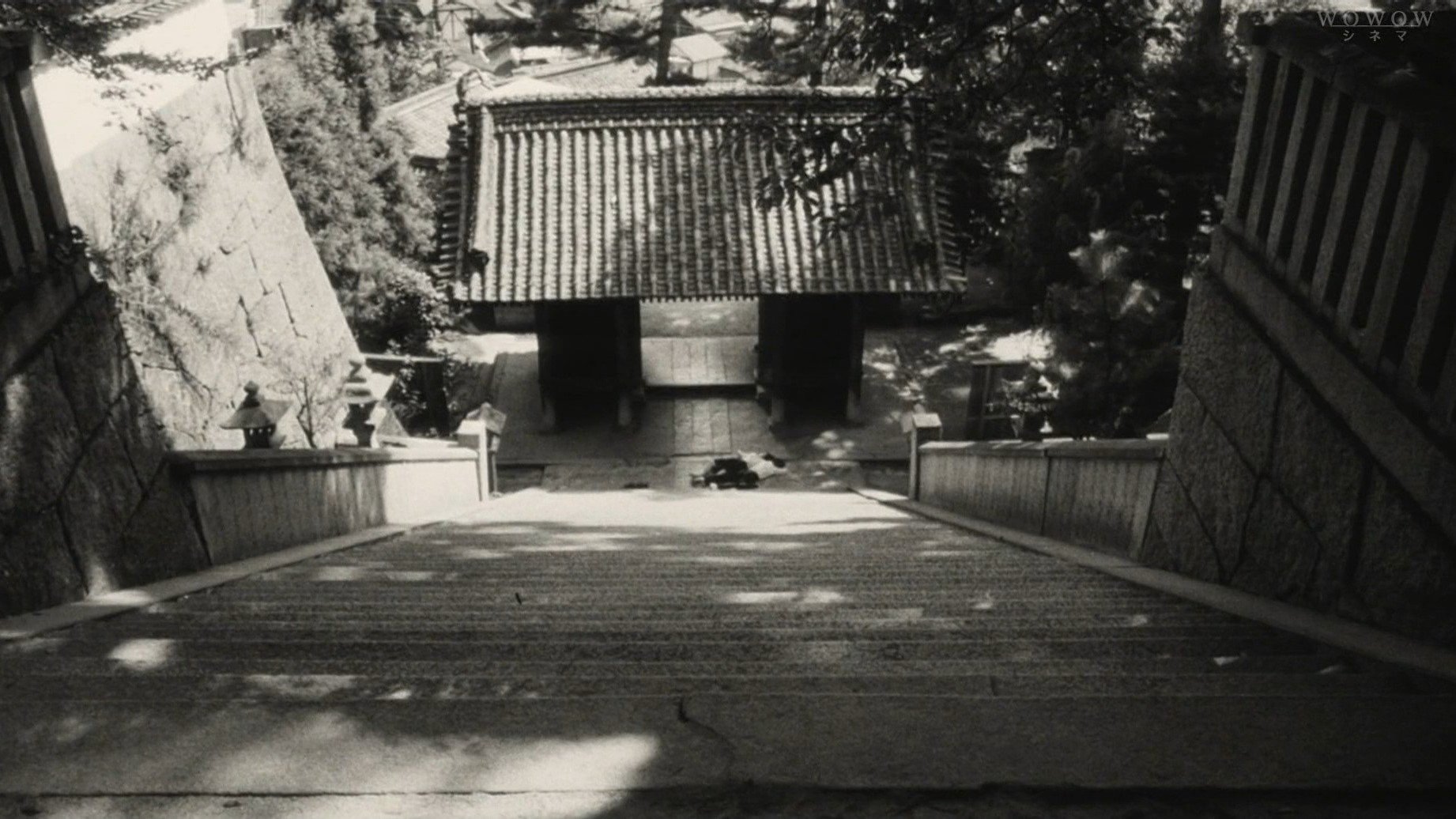
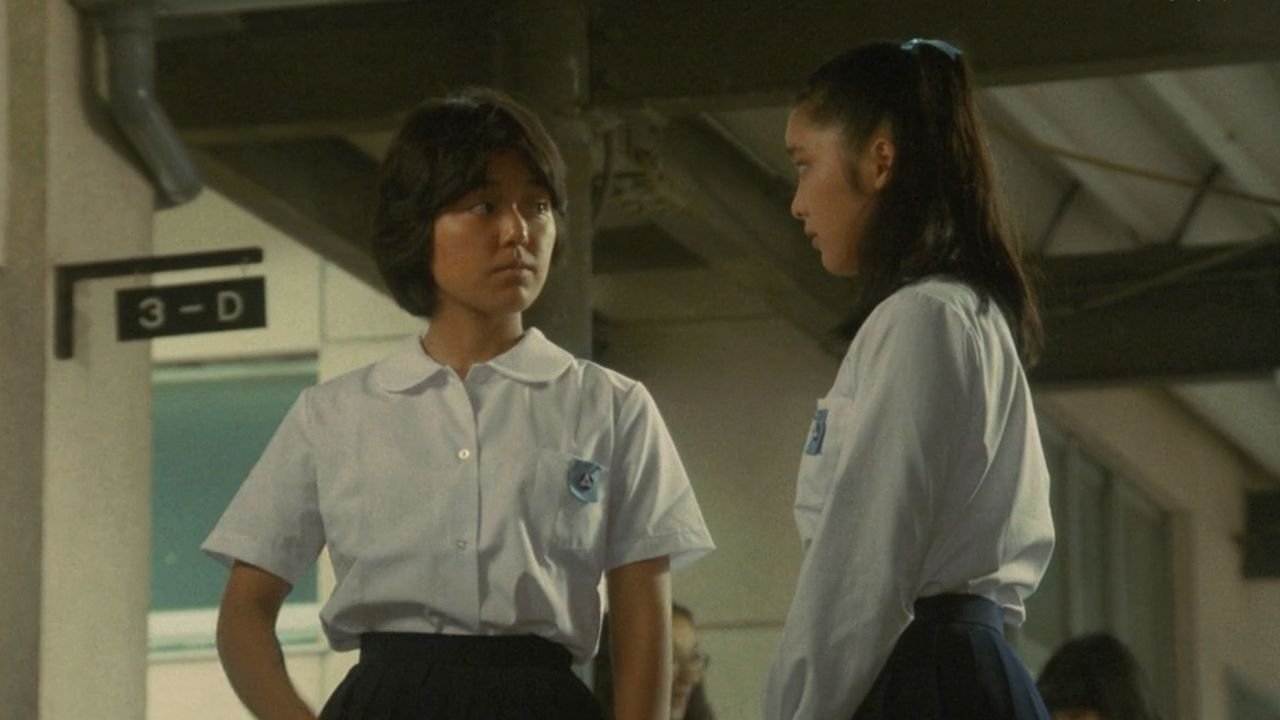
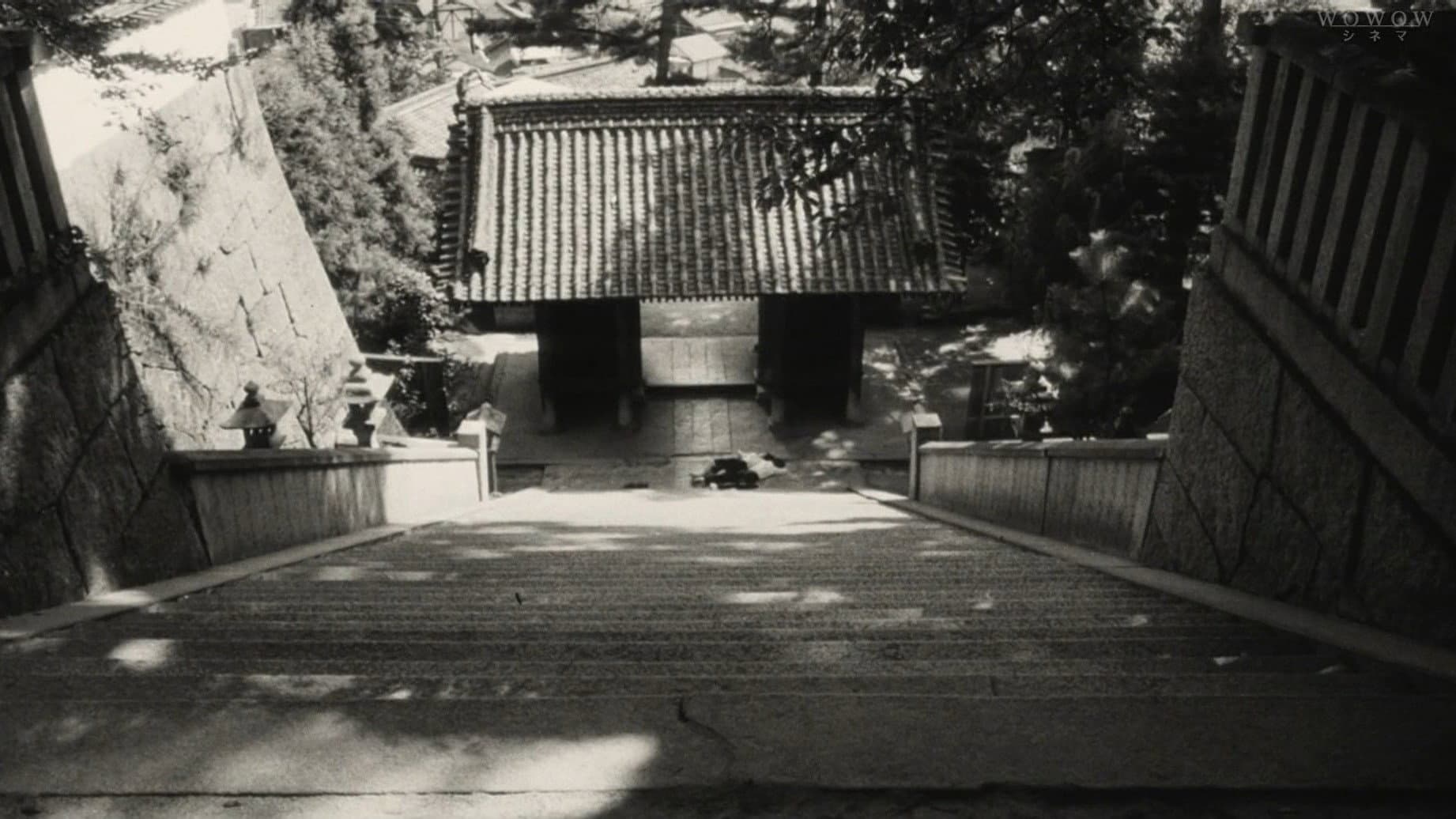
9th-graders Kazuo and Kazumi take a tumble at a temple in a small seacoast town in Japan. Through supernatural intervention, their minds and bodies are switched, and the result is a touching and hilarious coming-of-age comedy as they attempt to survive the pressures of junior high school life.
Directed by Nobuhiko Obayashi
coming of age
body-swap

Trailer

IMDB
N/A
Cast

Satomi Kobayashi
Kazumi Saitoh
Toshinori Omi
Kazuo Saitoh
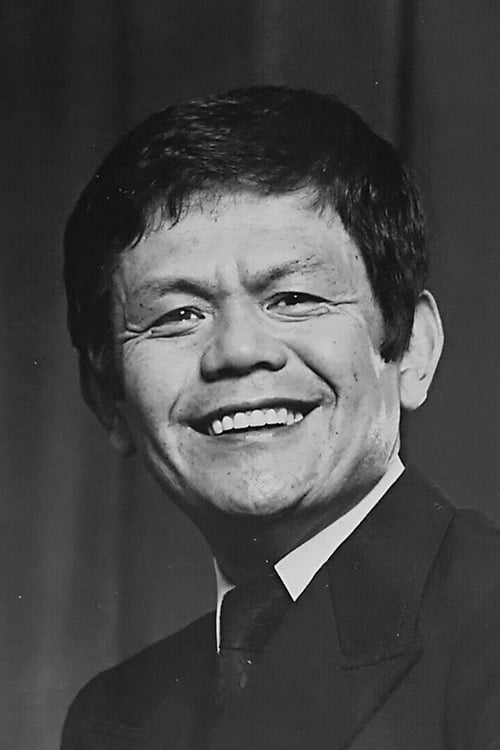
Makoto Satō
Akio Saitoh

Kirin Kiki
Naoko Saitoh
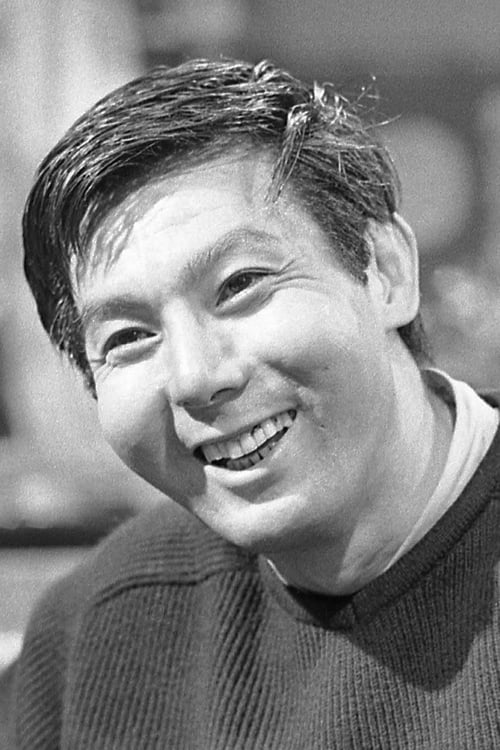
Joe Shishido
Kouzou Saitoh
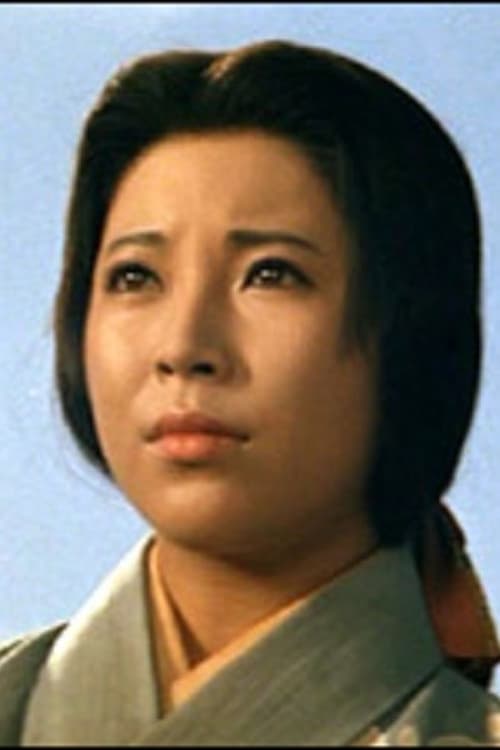
Wakaba Irie
Chie Saitoh

Etsuko Shihomi
Mitsuko Ono
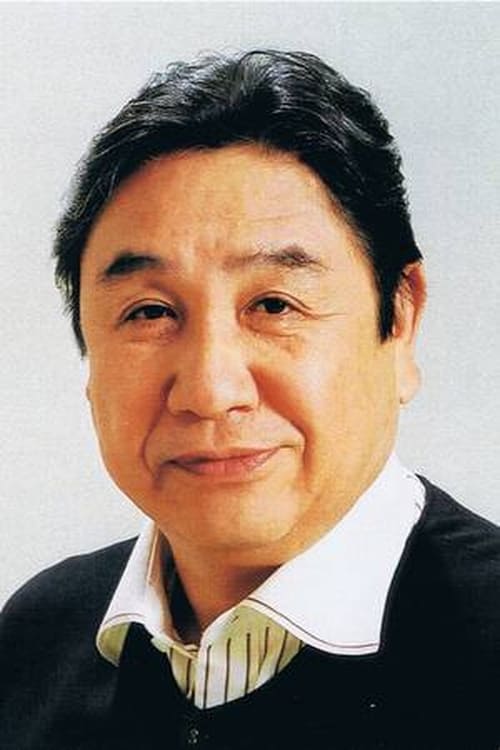
Shinobu Tsuruta
Group Leader

Koji Yamanaka
Hiroshi Yamamoto
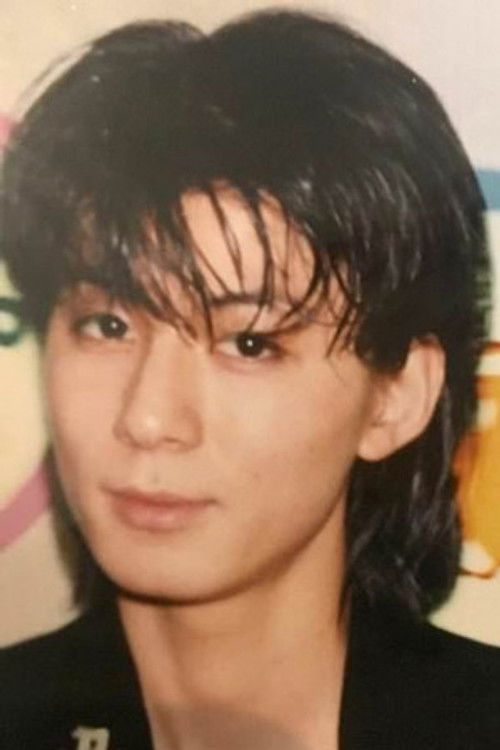
Katsuhiko Nakagawa
Yoshiyuki Saitoh
Crew
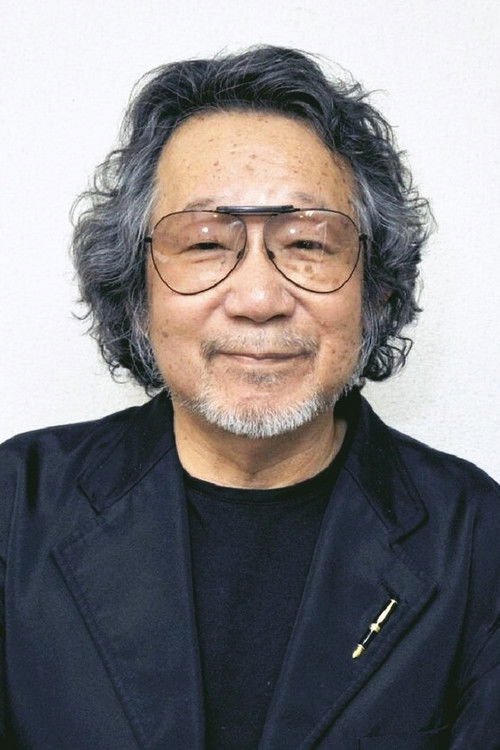
Nobuhiko Obayashi
Director
Popular Reviews
8 reviews
dparasol
10.0★ · 06/03/26

Well, this is obviously a transgender film, but, at the same time, it's also just a queer film in general. After all, Kazumi talks like a fag, and acts like a fag. Also, Kazuo's friends kind of tease him about being a fag in the scene right after they wore women's underwear, and later on they strip him to check if he still has a dick (traumatizing Kazumi in the process). And Kazuo asks Kazumi if he should kiss the guy she likes while he's in her body. Kazumi, meanwhile, openly longs for him while in Kazuo's body. And Akemi, for her part, gropes Kazumi's body (in order to prove that it's Kazumi's body, of course).
It's all kind of funny, but I figure it's also treated with all the gravity it requires, in the standard highly-sentimental mode of Obayashi. The two of them are tortured by being in the wrong body, with Kazumi even contemplating suicide (Kazuo tells her that if she's gonna go, it's got to be both of them), and their joy at finally getting to be themselves again is so complete.
I think it's very telling that Kazuo was completely comfortable with the idea of kissing Hiroshi, and was generally significantly less troubled by the predicament. He's definitely a little bit queer. On the whole, though, one of the more commendable aspects of this film is how it does interrogate girlhood and boyhood, sexuality, expectations, etc. I don't think the gender politics are particularly backwards. Something that interested me is how their desires for others how others should view them comes into play. They're both constantly trying to balance acting in whatever way is comfortable for them with how their other half wants to be perceived, fighting with each other and, in time, trying to understand and help each other.
As often, there's a stellar use of monochrome bracketing the main part of the film where they're swapped, gorgeous landscapes, (diegetic) windowboxing, but outside of the scenes where they tumble down the steps (which feature that technique Obayashi uses with the stuttering photography), it's all pretty conventional, which is not a drawback in my view.
"Well, you talk like a fag."
alt. quote: "Move aside, idiots!"
alt. alt. quote: "You are me, and I'm you. If you have to die, we'll die together."
alt. alt. alt. quote, lines that made me actually cry: "I'm gonna piss standing up!" "Go for it! I'll watch!"
It's all kind of funny, but I figure it's also treated with all the gravity it requires, in the standard highly-sentimental mode of Obayashi. The two of them are tortured by being in the wrong body, with Kazumi even contemplating suicide (Kazuo tells her that if she's gonna go, it's got to be both of them), and their joy at finally getting to be themselves again is so complete.
I think it's very telling that Kazuo was completely comfortable with the idea of kissing Hiroshi, and was generally significantly less troubled by the predicament. He's definitely a little bit queer. On the whole, though, one of the more commendable aspects of this film is how it does interrogate girlhood and boyhood, sexuality, expectations, etc. I don't think the gender politics are particularly backwards. Something that interested me is how their desires for others how others should view them comes into play. They're both constantly trying to balance acting in whatever way is comfortable for them with how their other half wants to be perceived, fighting with each other and, in time, trying to understand and help each other.
As often, there's a stellar use of monochrome bracketing the main part of the film where they're swapped, gorgeous landscapes, (diegetic) windowboxing, but outside of the scenes where they tumble down the steps (which feature that technique Obayashi uses with the stuttering photography), it's all pretty conventional, which is not a drawback in my view.
"Well, you talk like a fag."
alt. quote: "Move aside, idiots!"
alt. alt. quote: "You are me, and I'm you. If you have to die, we'll die together."
alt. alt. alt. quote, lines that made me actually cry: "I'm gonna piss standing up!" "Go for it! I'll watch!"
Well, this is obviously a transgender film, but, at the same time, it's also just a queer film in general. After all, Kazumi talks like a fag, and acts like a fag. Also, Kazuo's friends kind of tease him about being a fag in the scene right after they wore women's underwear, and later on they strip him to check if he still has a dick (traumatizing Kazumi in the process). And Kazuo asks Kazumi if he should kiss the guy she likes while he's in her body. Kazumi, meanwhile, openly longs for him while in Kazuo's body. And Akemi, for her part, gropes Kazumi's body (in order to prove that it's Kazumi's body, of course).
It's all kind of funny, but I figure it's also treated with all the gravity it requires, in the standard highly-sentimental mode of Obayashi. The two of them are tortured by being in the wrong body, with Kazumi even contemplating suicide (Kazuo tells her that if she's gonna go, it's got to be both of them), and their joy at finally getting to be themselves again is so complete.
I think it's very telling that Kazuo was completely comfortable with the idea of kissing Hiroshi, and was generally significantly less troubled by the predicament. He's definitely a little bit queer. On the whole, though, one of the more commendable aspects of this film is how it does interrogate girlhood and boyhood, sexuality, expectations, etc. I don't think the gender politics are particularly backwards. Something that interested me is how their desires for others how others should view them comes into play. They're both constantly trying to balance acting in whatever way is comfortable for them with how their other half wants to be perceived, fighting with each other and, in time, trying to understand and help each other.
As often, there's a stellar use of monochrome bracketing the main part of the film where they're swapped, gorgeous landscapes, (diegetic) windowboxing, but outside of the scenes where they tumble down the steps (which feature that technique Obayashi uses with the stuttering photography), it's all pretty conventional, which is not a drawback in my view.
"Well, you talk like a fag."
alt. quote: "Move aside, idiots!"
alt. alt. quote: "You are me, and I'm you. If you have to die, we'll die together."
alt. alt. alt. quote, lines that made me actually cry: "I'm gonna piss standing up!" "Go for it! I'll watch!"
It's all kind of funny, but I figure it's also treated with all the gravity it requires, in the standard highly-sentimental mode of Obayashi. The two of them are tortured by being in the wrong body, with Kazumi even contemplating suicide (Kazuo tells her that if she's gonna go, it's got to be both of them), and their joy at finally getting to be themselves again is so complete.
I think it's very telling that Kazuo was completely comfortable with the idea of kissing Hiroshi, and was generally significantly less troubled by the predicament. He's definitely a little bit queer. On the whole, though, one of the more commendable aspects of this film is how it does interrogate girlhood and boyhood, sexuality, expectations, etc. I don't think the gender politics are particularly backwards. Something that interested me is how their desires for others how others should view them comes into play. They're both constantly trying to balance acting in whatever way is comfortable for them with how their other half wants to be perceived, fighting with each other and, in time, trying to understand and help each other.
As often, there's a stellar use of monochrome bracketing the main part of the film where they're swapped, gorgeous landscapes, (diegetic) windowboxing, but outside of the scenes where they tumble down the steps (which feature that technique Obayashi uses with the stuttering photography), it's all pretty conventional, which is not a drawback in my view.
"Well, you talk like a fag."
alt. quote: "Move aside, idiots!"
alt. alt. quote: "You are me, and I'm you. If you have to die, we'll die together."
alt. alt. alt. quote, lines that made me actually cry: "I'm gonna piss standing up!" "Go for it! I'll watch!"


RAAS
7.0★ · 05/02/26
What a poetic title with a very poetic and iconic ending line a.k.a
'Goodbye, Me!'
What a poetic title with a very poetic and iconic ending line a.k.a
'Goodbye, Me!'
re
8.0★ · 04/23/26
the only body switching movie i like
the only body switching movie i like
Lily
7.4★ · 04/26/25
Hanne
6.0★ · 03/05/25