
Abraham Lincoln
1930·History·1h 23m
7.1
★
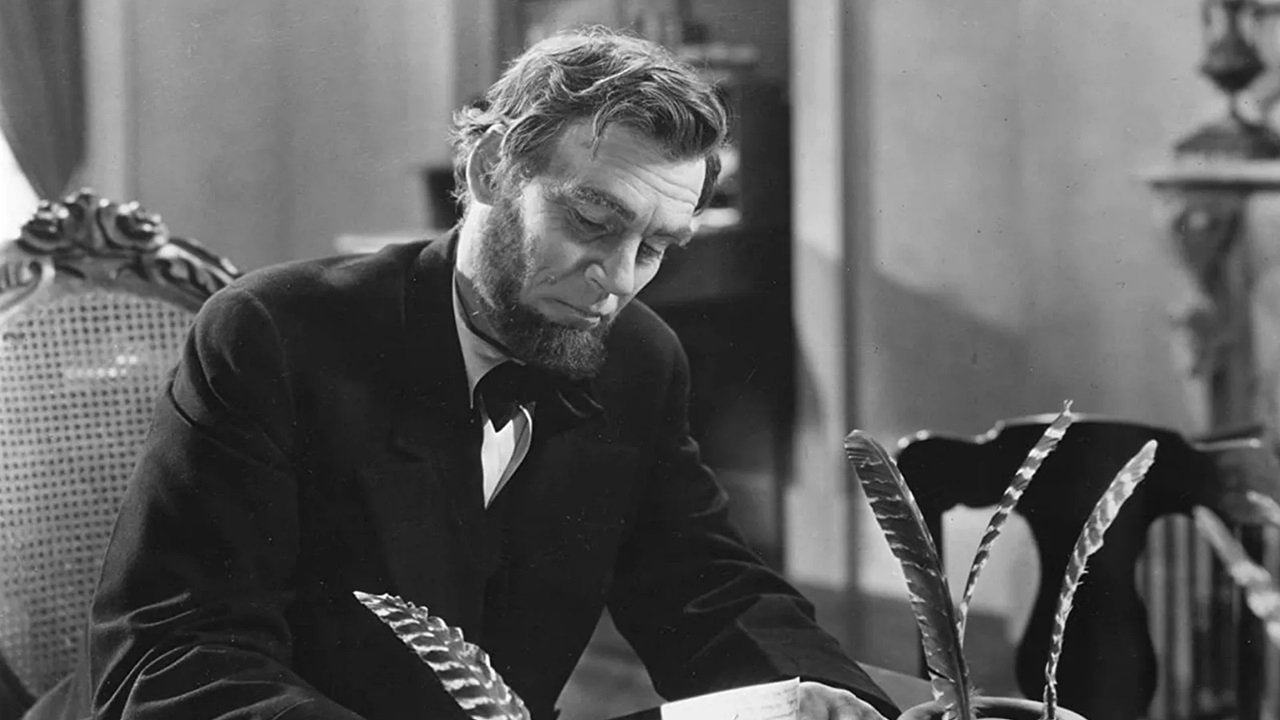
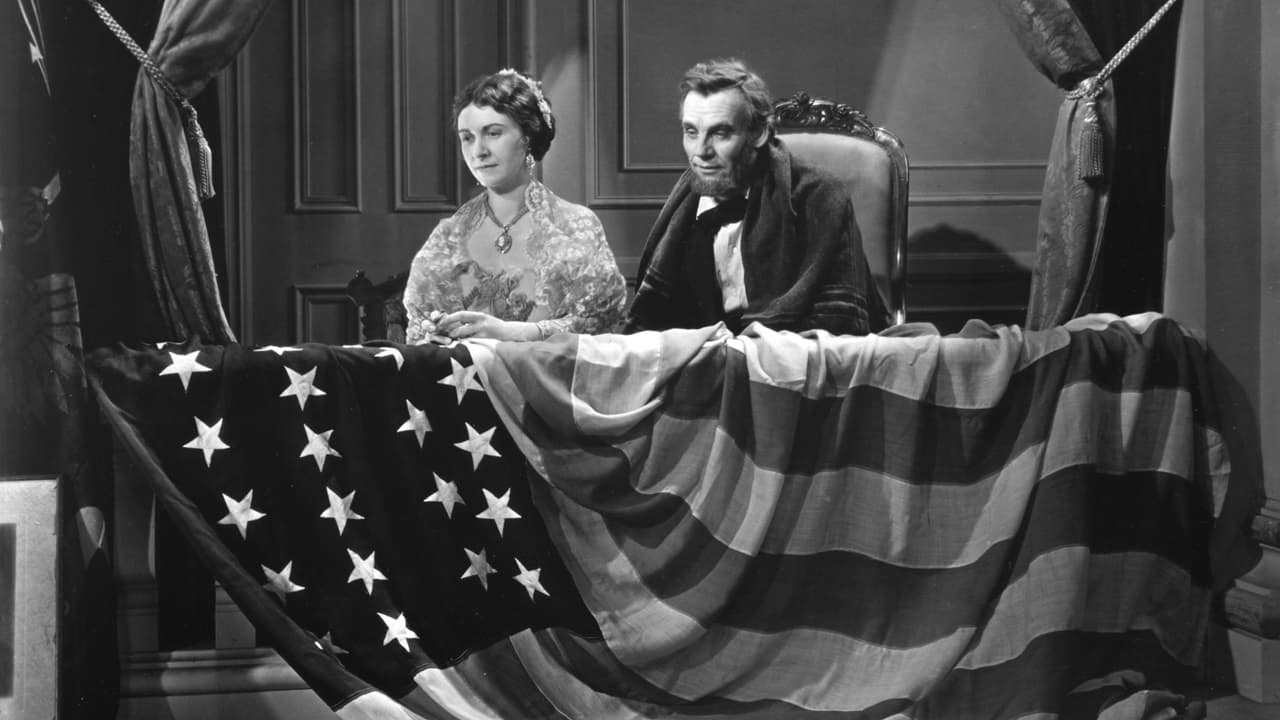
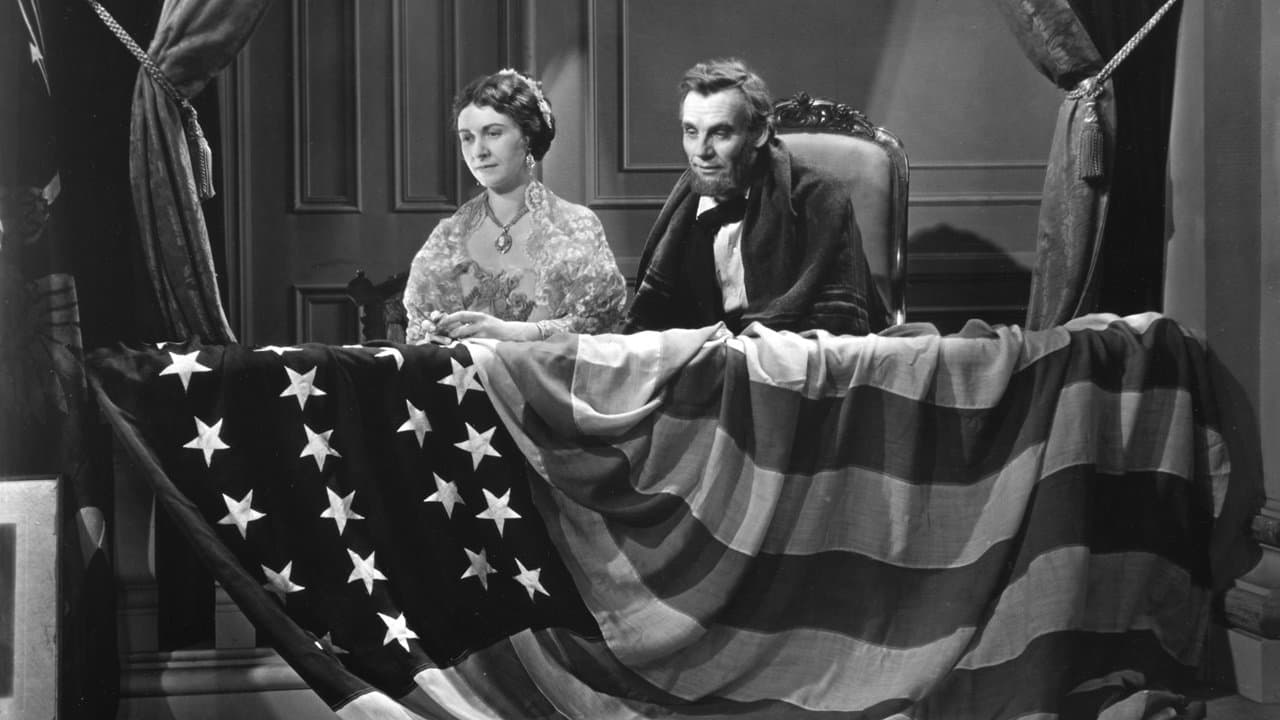
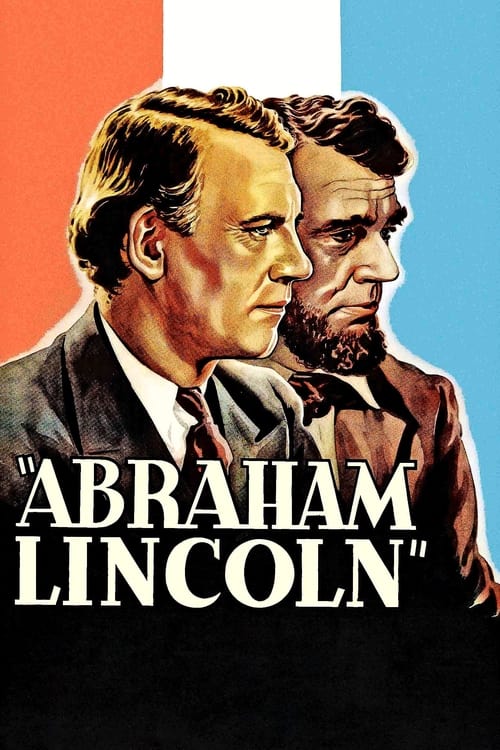
A biopic dramatizing Abraham Lincoln's life through a series of vignettes depicting its defining chapters: his romance with Ann Rutledge; his early years as a country lawyer; his marriage to Mary Todd; his debates with Stephen A. Douglas; the election of 1860; his presidency during the Civil War; and his assassination in Ford’s Theater in 1865.
Directed by D.W. Griffith
assassination
illinois
biography
debate
courtship
american civil war
emancipation
abolitionist
abraham lincoln
proclamation
ford's theatre

Trailer

IMDB
N/A
Where to Watch


Cast
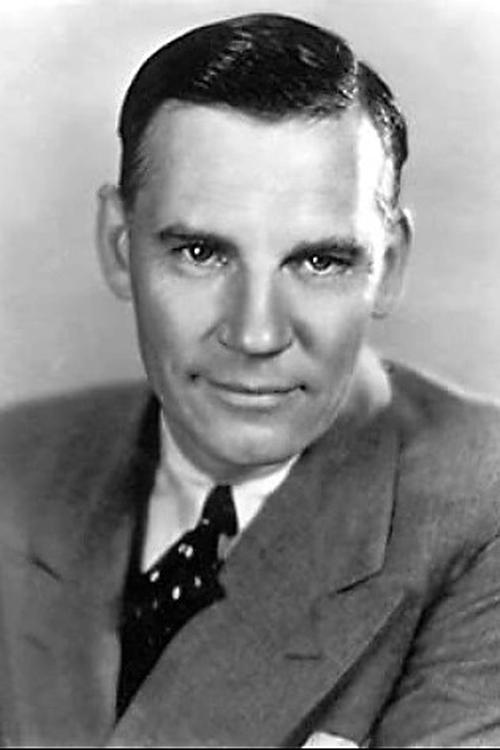
Walter Huston
Abraham Lincoln
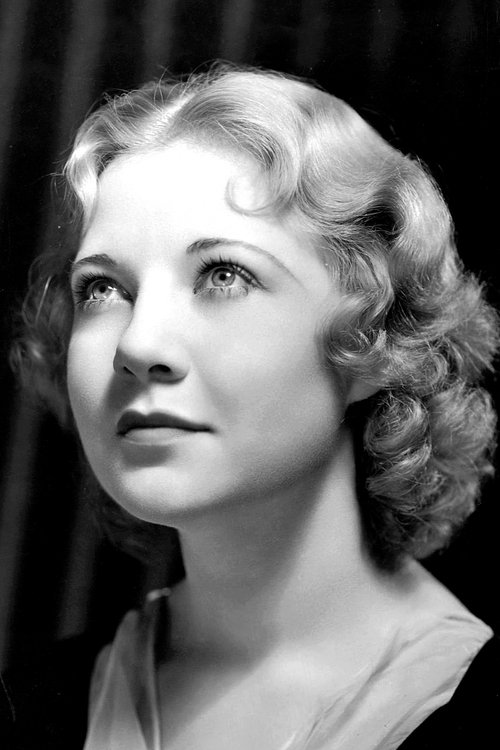
Una Merkel
Ann Rutledge
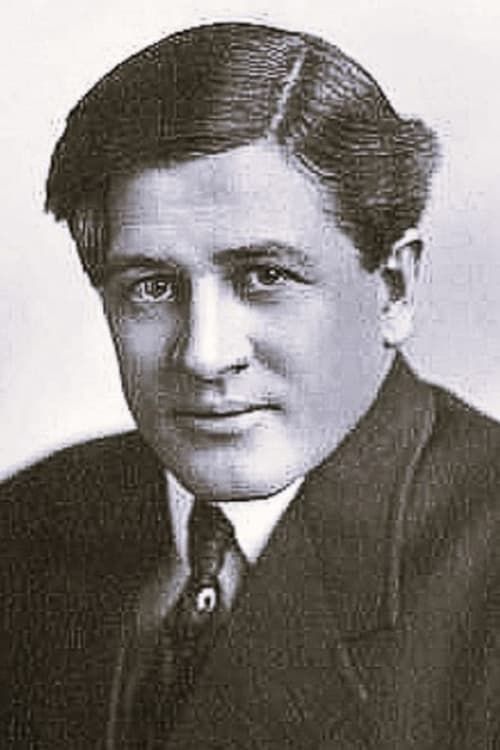
William L. Thorne
Tom Lincoln
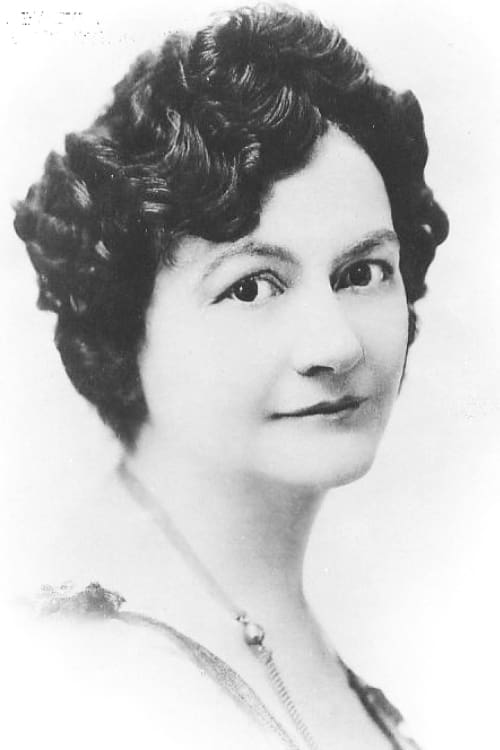
Lucille La Verne
Mid-Wife
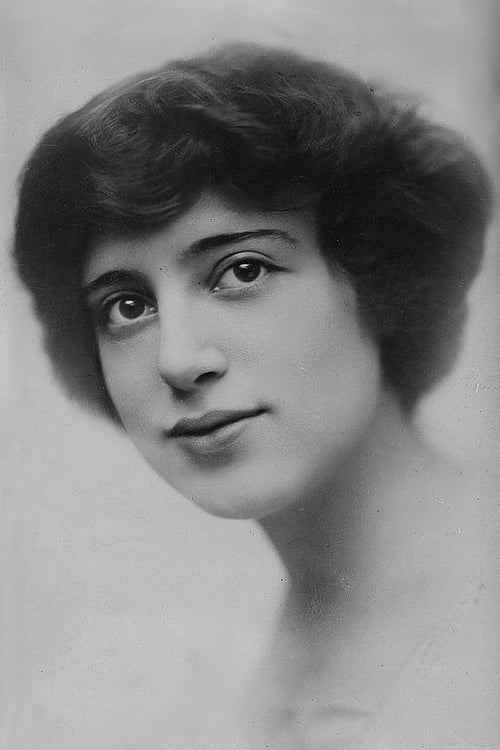
Helen Freeman
Nancy Hanks Lincoln
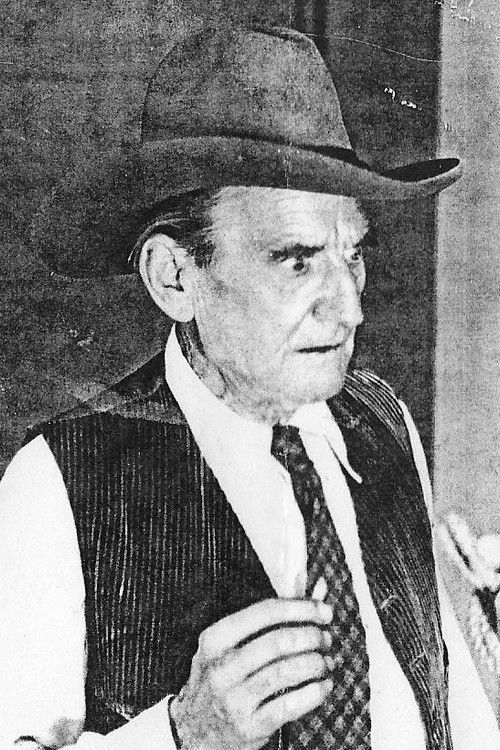
Otto Hoffman
Offut
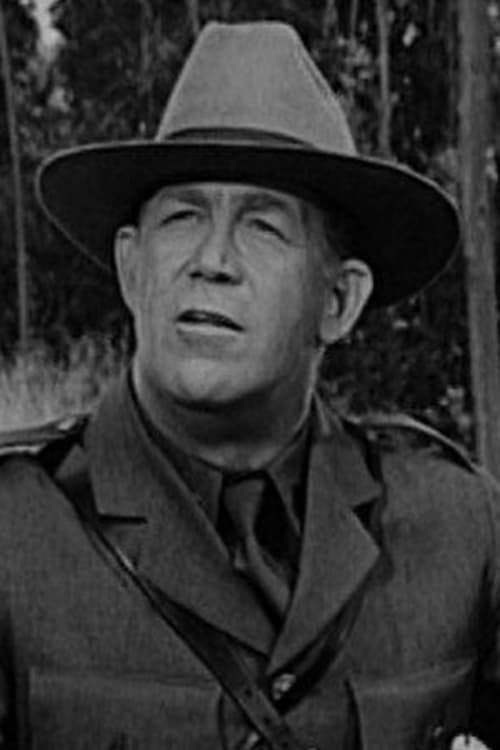
Edgar Dearing
Armstrong
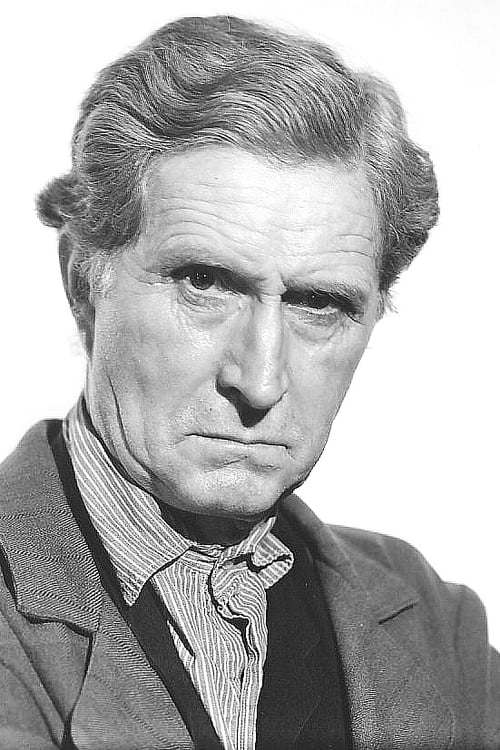
Russell Simpson
Lincoln's Employer
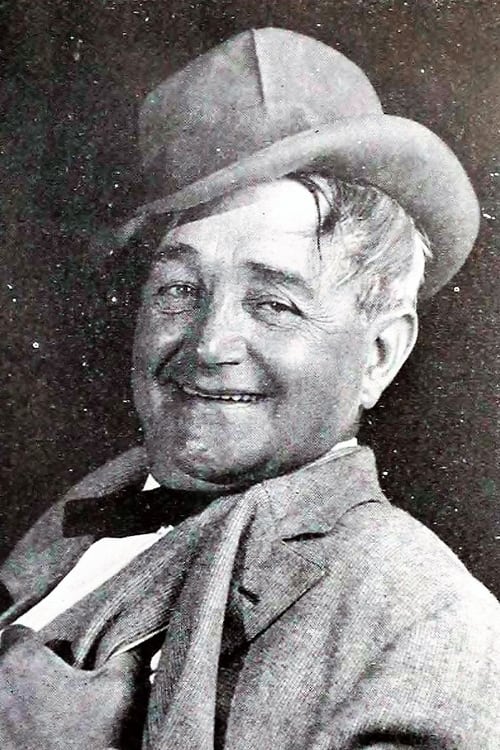
Charles Crockett
Sheriff
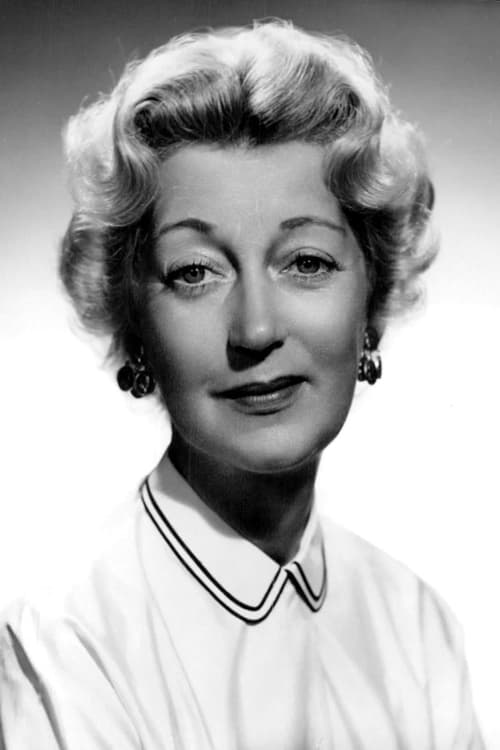
Kay Hammond
Mary Todd Lincoln
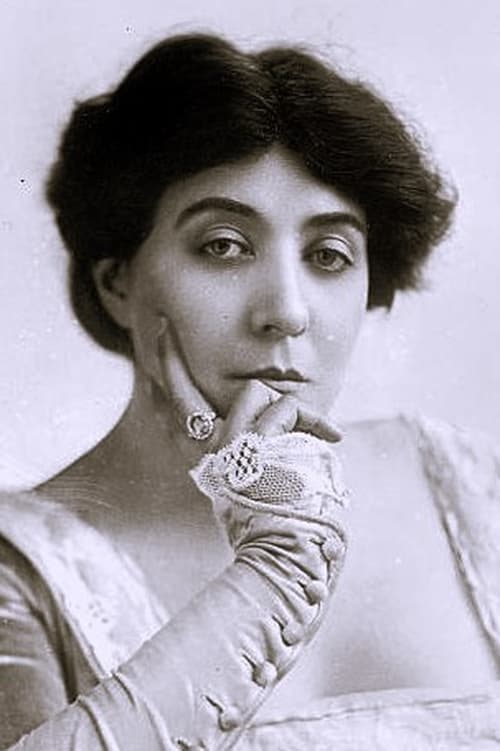
Helen Ware
Mrs. Edwards
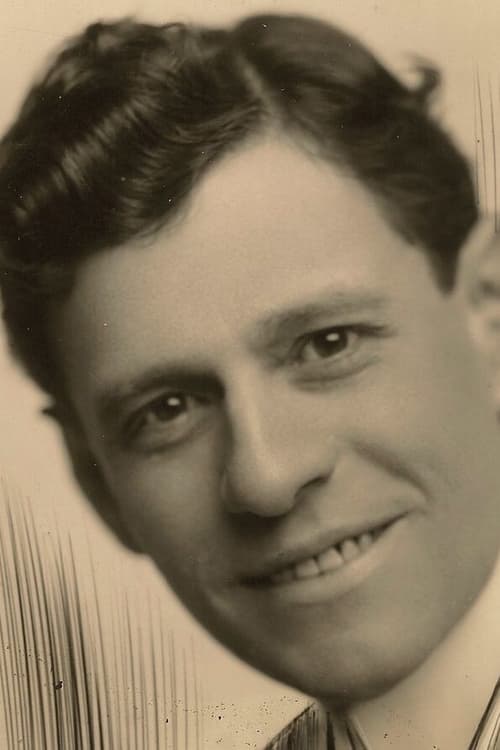
E. Alyn Warren
Stephen A. Douglas / General Grant
Crew
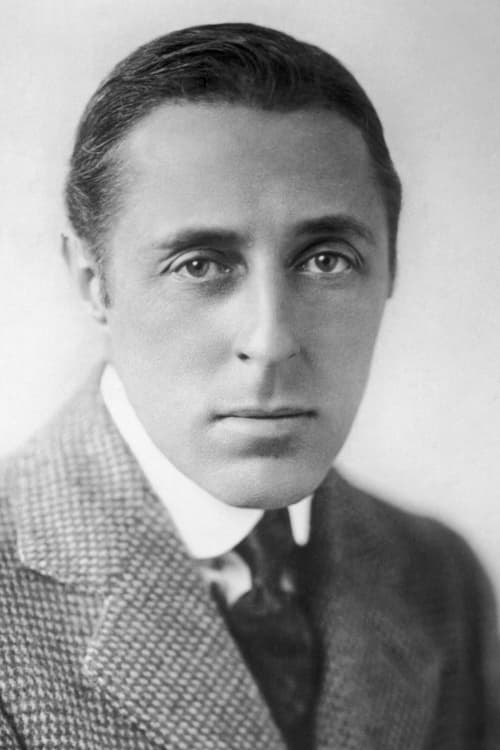
D.W. Griffith
Director
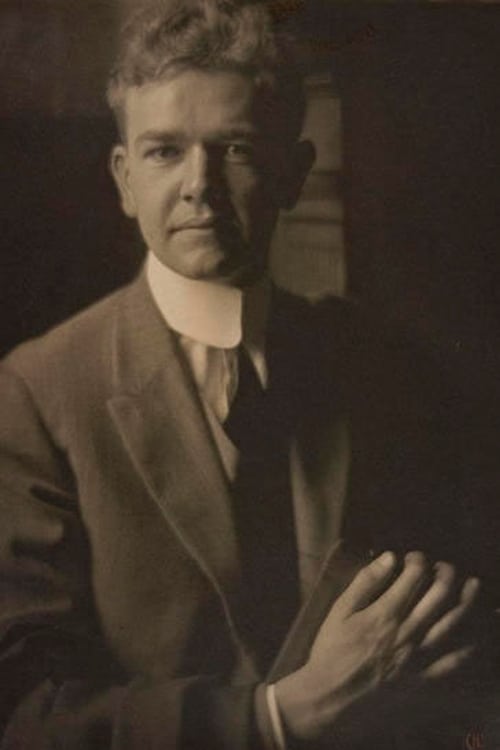
Karl Struss
Director of Photography
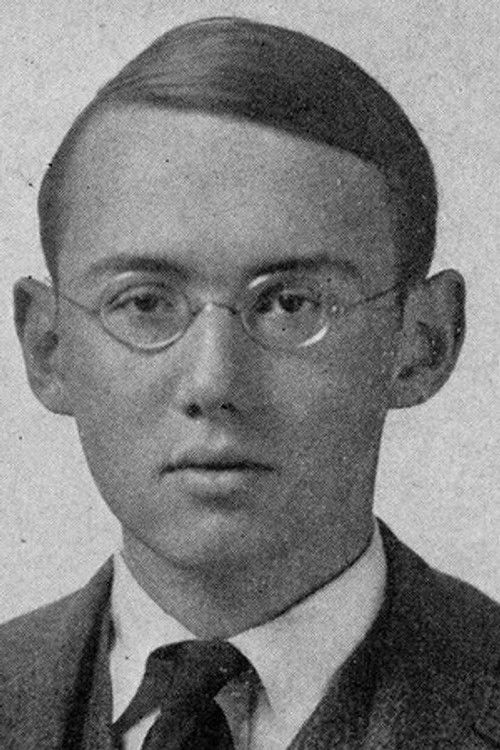
Stephen Vincent Benet
Adaptation
Stephen Vincent Benet
Dialogue
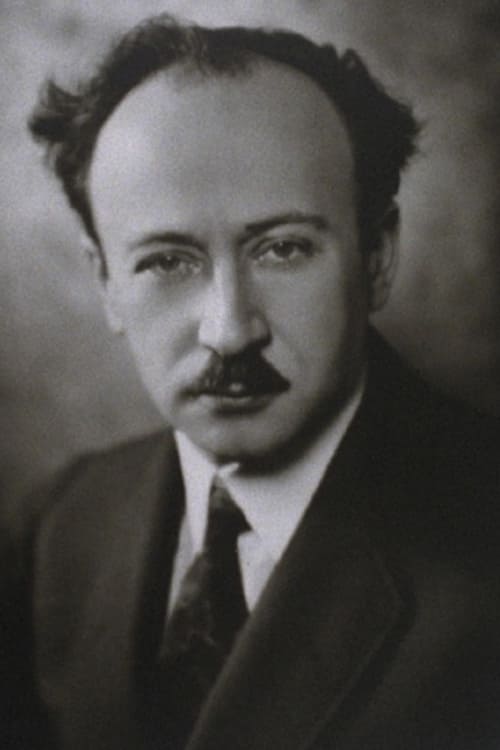
Hugo Riesenfeld
Music
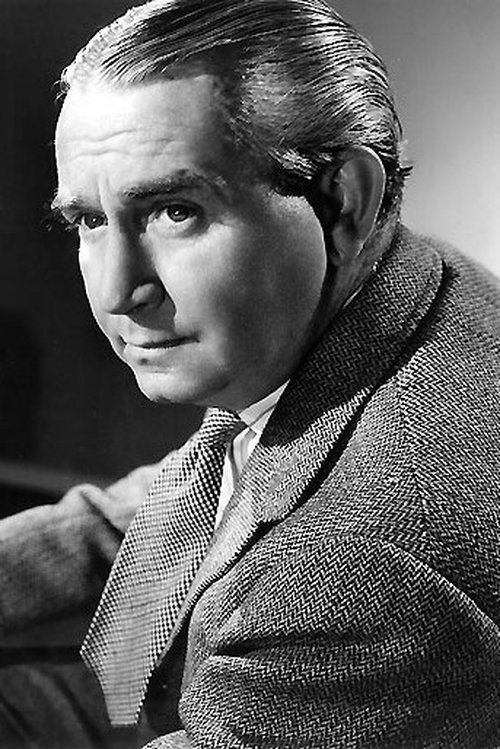
William Cameron Menzies
Settings
Popular Reviews
4 reviews
Jacob Dickens
3.6★ · 05/19/22
A strange yet dull piece of American mythmaking. This is among the earliest surviving depictions of Lincoln in film and the first in the talkie era, so it's interesting to see how writers and audiences of almost a century ago frame the key moments of Lincoln's life and presidency. Aspects like Lincoln's potential romance with Ann Rutledge are given space here along with the typical beats of his leadership during the Civil War. I cannot say I was expecting the number of scenes that felt almost parodic in their telegraphing of Lincoln's achievements with a wink and nudge to the audience, almost reminding me of Walk Hard in some portions (scenes with Lincoln talking to a friend and saying "Can you believe my wife thinks I could be President someday??" or a genuine moment where a group of slaveholders angrily discuss abolition until one man declares that he would shoot any abolitionist he meets and we're told that that man is THE John Wilkes Booth omg). The whole affair can be a bit melodramatic when it isn't rushing us through Lincoln's entire life in less than 90 minutes, truncating any moments that aren't essential in the Sparknotes of his presidency. I won't say there's nothing worth investigating about this films: Walter Huston's performance as Lincoln ages with a quasi-psychological angle as you begin to see the weight of his responsibilities slowly crush him, there's some interesting early studio set pieces, and it functions as a historical curio of Depression-era patriotism and earnestness. Still, Abraham Lincoln feels constrained by its time period and seems more content providing a scant history lesson than it does portraying characters and events with real gravity.
A strange yet dull piece of American mythmaking. This is among the earliest surviving depictions of Lincoln in film and the first in the talkie era, so it's interesting to see how writers and audiences of almost a century ago frame the key moments of Lincoln's life and presidency. Aspects like Lincoln's potential romance with Ann Rutledge are given space here along with the typical beats of his leadership during the Civil War. I cannot say I was expecting the number of scenes that felt almost parodic in their telegraphing of Lincoln's achievements with a wink and nudge to the audience, almost reminding me of Walk Hard in some portions (scenes with Lincoln talking to a friend and saying "Can you believe my wife thinks I could be President someday??" or a genuine moment where a group of slaveholders angrily discuss abolition until one man declares that he would shoot any abolitionist he meets and we're told that that man is THE John Wilkes Booth omg). The whole affair can be a bit melodramatic when it isn't rushing us through Lincoln's entire life in less than 90 minutes, truncating any moments that aren't essential in the Sparknotes of his presidency. I won't say there's nothing worth investigating about this films: Walter Huston's performance as Lincoln ages with a quasi-psychological angle as you begin to see the weight of his responsibilities slowly crush him, there's some interesting early studio set pieces, and it functions as a historical curio of Depression-era patriotism and earnestness. Still, Abraham Lincoln feels constrained by its time period and seems more content providing a scant history lesson than it does portraying characters and events with real gravity.


Joel Kuyvenhoven
8.0★ · 01/21/26
JoeGeo
6.0★ · 03/02/25
JoeGeo
6.0★ · 03/02/25
JoeGeo
6.0★ · 03/02/25