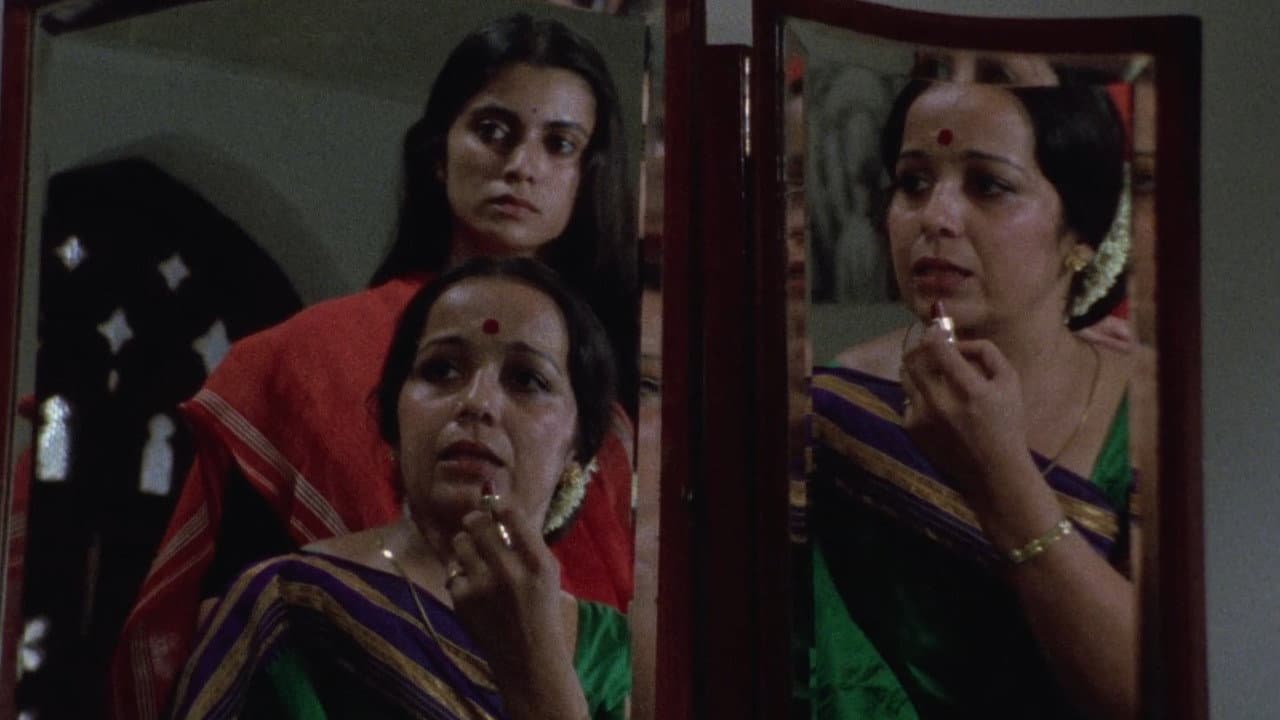
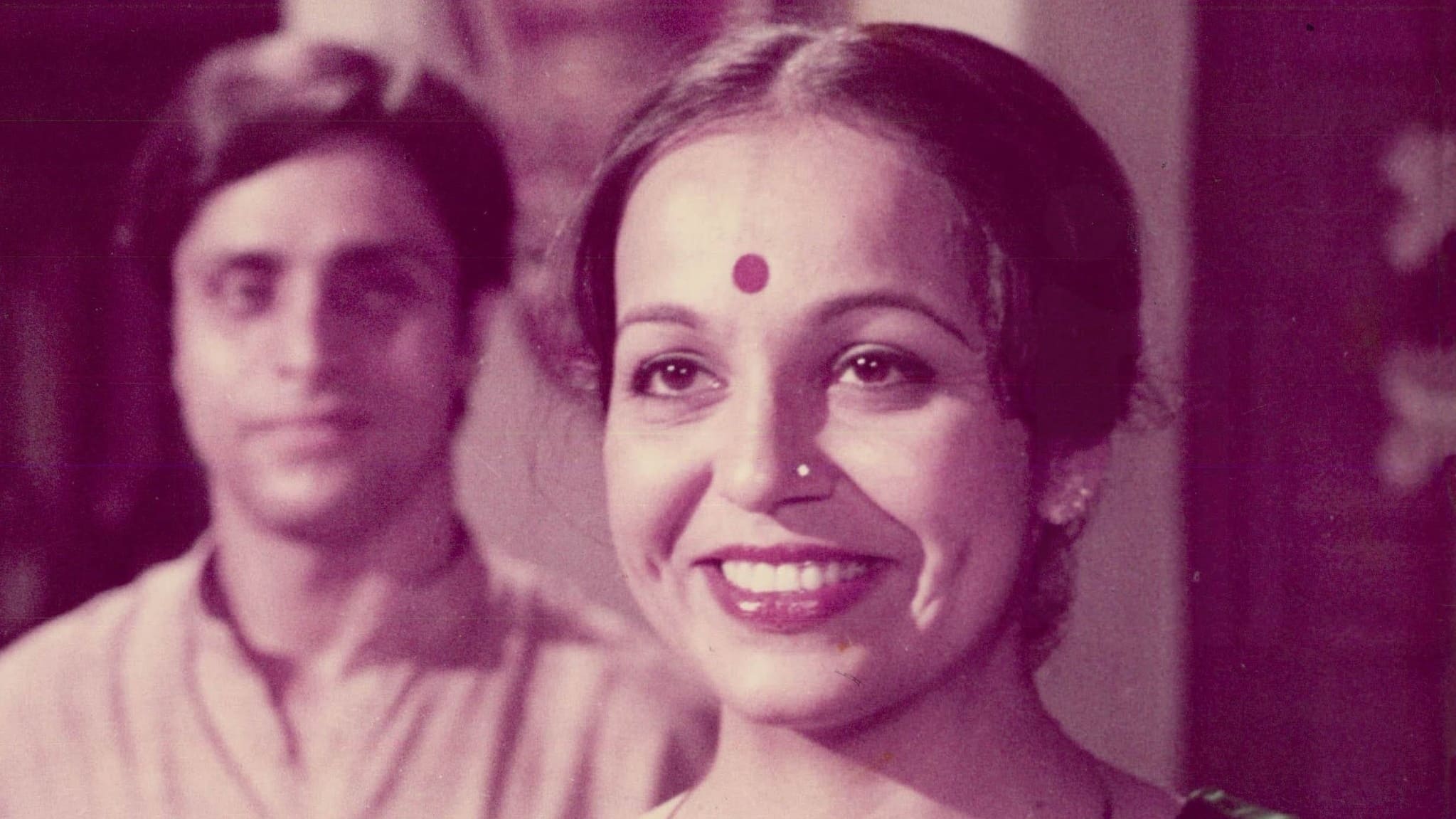
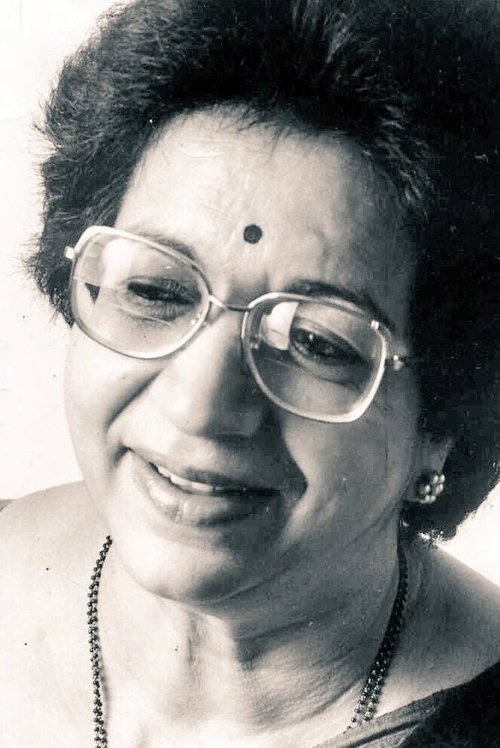
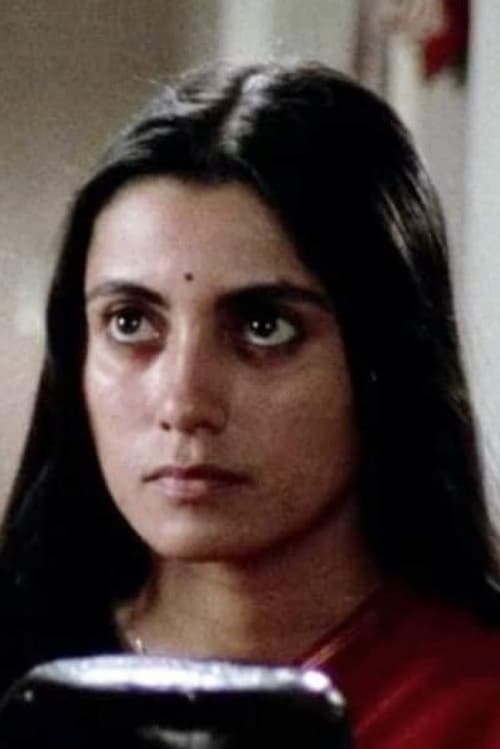
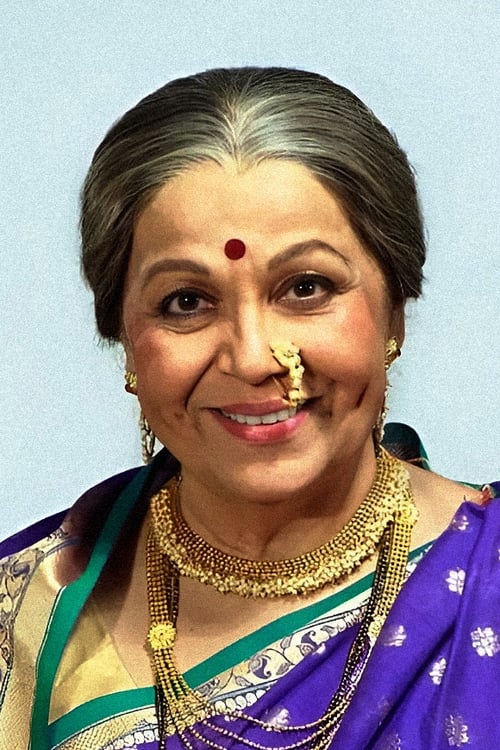
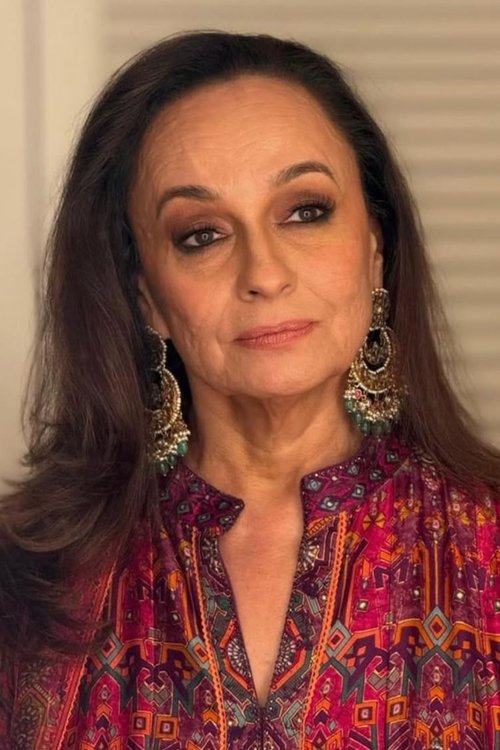
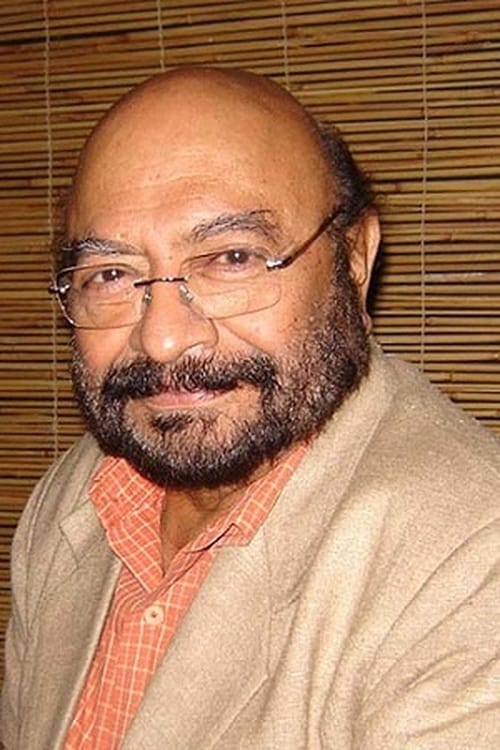
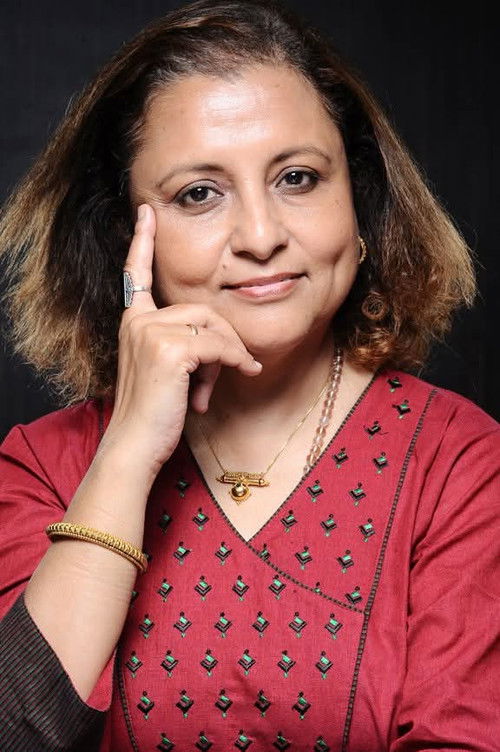
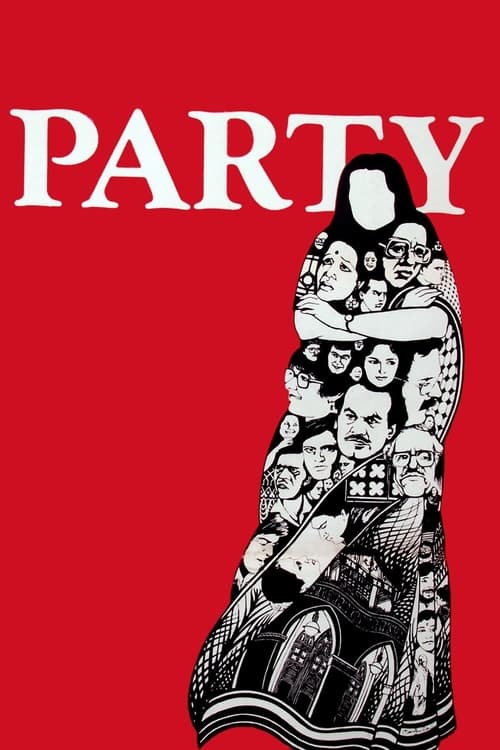
My journey into Indian cinema begins in earnest. Govind Nihalani's Party would look through an American lens like a lot of Broadway plays of urbane bourgeois artist-types gathered in a room waxing philosophical about the power of art and politics, discussing each other's work and the culture around them. It's hard to say what the plot of the film is outside that: it's a party thrown for Bavre, the author who has just won an award for his writing, in the house of a wealthy socialite surrounded by other successful artists. They're catty with each other, discussing language barriers, Salman Rushdie, Marxism, sex. There's character conflicts, like a crumbling marriage, questions of a foreign trip, rumors about the award, the turmoil of mother and daughter. But someone is missing from the party. Someone is missing. This Waiting for Godot style absence leads to more and more conversations and interactions with characters that slowly reveals the films core thesis: what is the role of the artist in society? How should art interact with politics? We are witness to a crowd of intellectuals all removed from the issues of their country, so much so that when we learn about our missing guest it becomes a shocking revelation that turns everyone's conceptions around. For a chamber piece, there were parts that felt a little uninteresting and if you aren't prepared for a film that is 90% idea-based you won't have a good time (and even then the film can lay it on pretty thick at times), but Party is remarkably incisive thirty-five years later and promises to only become more so with further watches and more time passing.
My journey into Indian cinema begins in earnest. Govind Nihalani's Party would look through an American lens like a lot of Broadway plays of urbane bourgeois artist-types gathered in a room waxing philosophical about the power of art and politics, discussing each other's work and the culture around them. It's hard to say what the plot of the film is outside that: it's a party thrown for Bavre, the author who has just won an award for his writing, in the house of a wealthy socialite surrounded by other successful artists. They're catty with each other, discussing language barriers, Salman Rushdie, Marxism, sex. There's character conflicts, like a crumbling marriage, questions of a foreign trip, rumors about the award, the turmoil of mother and daughter. But someone is missing from the party. Someone is missing. This Waiting for Godot style absence leads to more and more conversations and interactions with characters that slowly reveals the films core thesis: what is the role of the artist in society? How should art interact with politics? We are witness to a crowd of intellectuals all removed from the issues of their country, so much so that when we learn about our missing guest it becomes a shocking revelation that turns everyone's conceptions around. For a chamber piece, there were parts that felt a little uninteresting and if you aren't prepared for a film that is 90% idea-based you won't have a good time (and even then the film can lay it on pretty thick at times), but Party is remarkably incisive thirty-five years later and promises to only become more so with further watches and more time passing.