
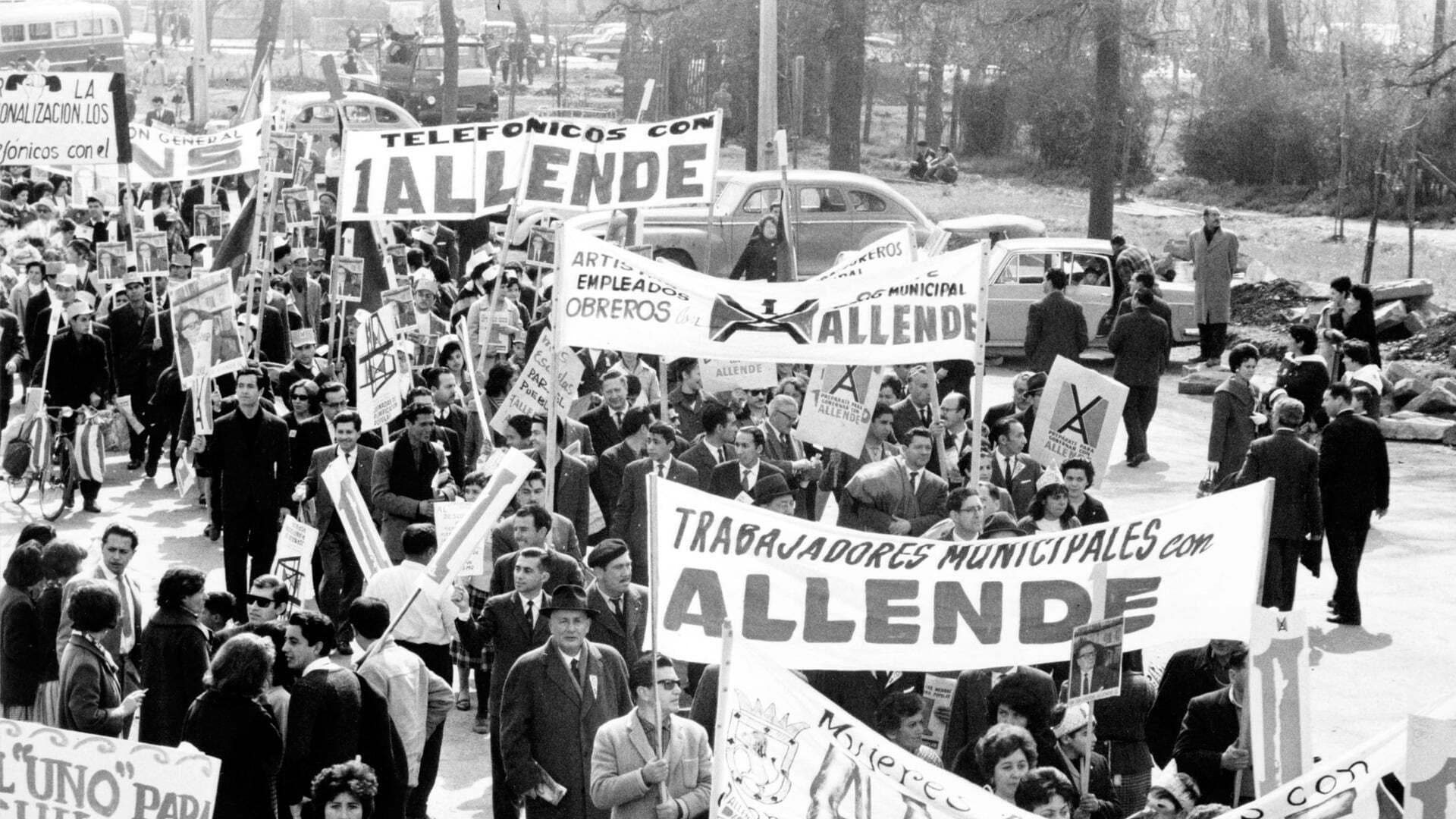
The Battle of Chile: Part II
1976·Documentary·1h 28m
7.1
★
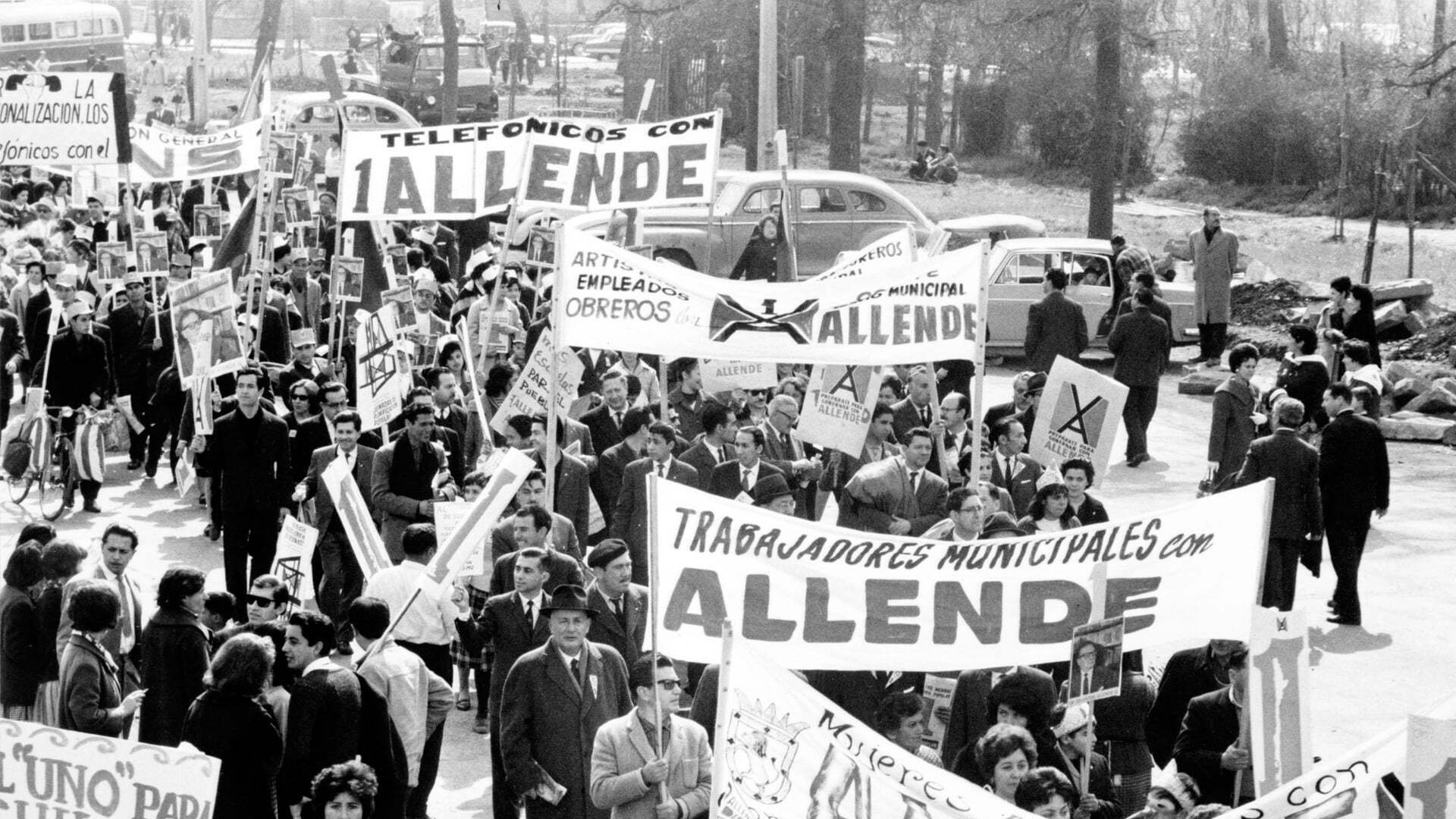
Chronicles the events immediately surrounding the CIA- supported coup itself.
Directed by Patricio Guzmán

IMDB
N/A
Where to Watch

Cast
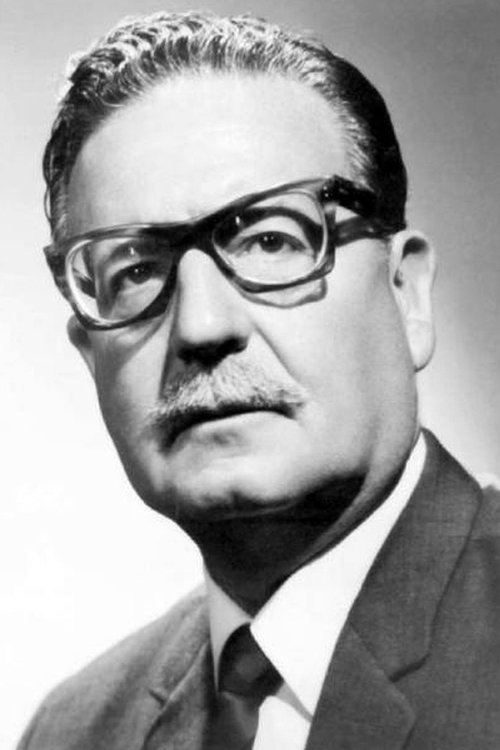
Salvador Allende
Self (archive footage)
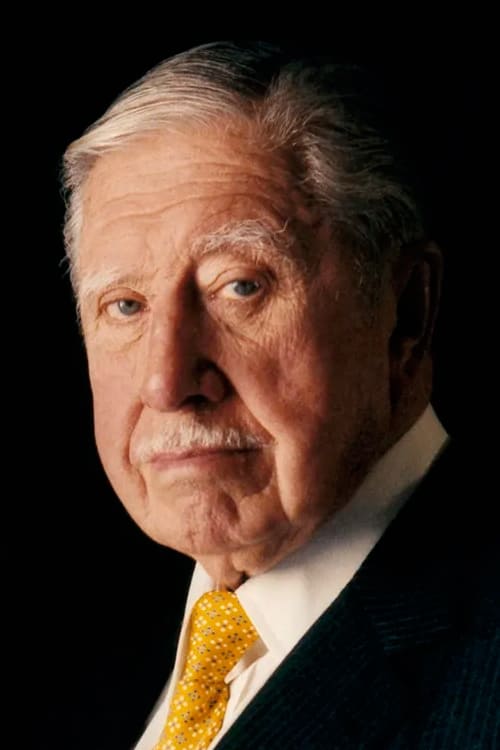
Augusto Pinochet
Self (archive footage)
Crew

Patricio Guzmán
Director
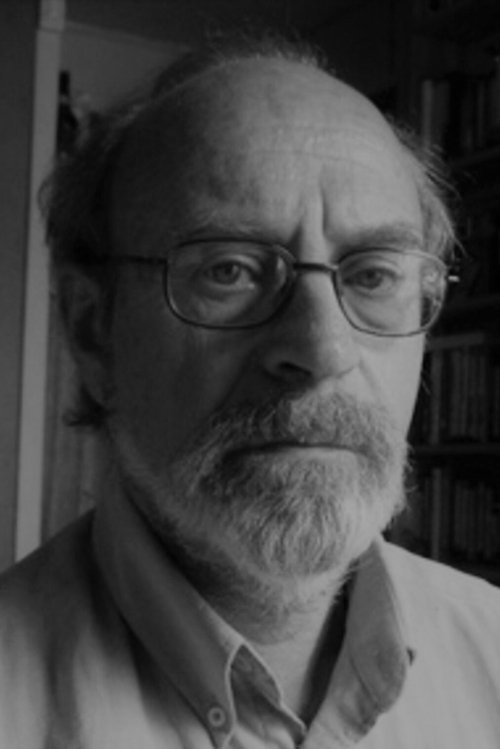
Pedro Chaskel
Screenplay
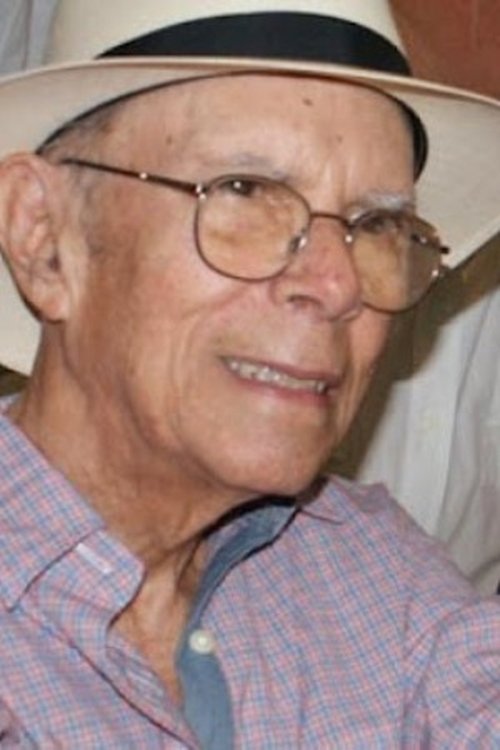
Julio García Espinosa
Screenplay
Patricio Guzmán
Screenplay
Pedro Chaskel
Editor
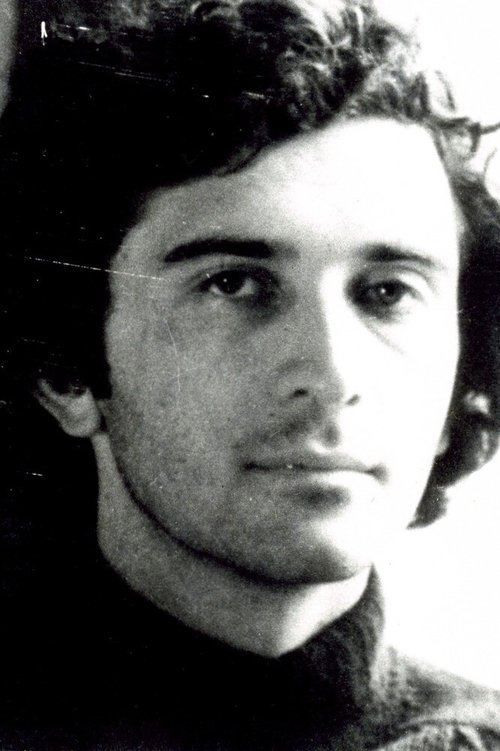
Jorge Müller Silva
Director of Photography
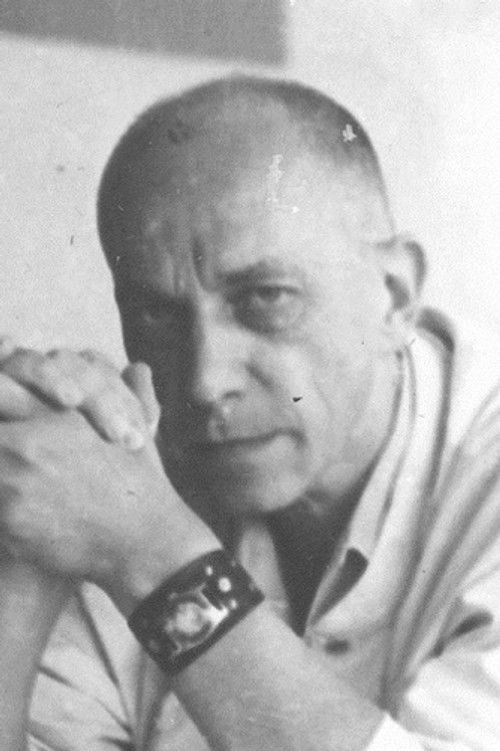
Chris Marker
Producer
Pablo de la Barra
Producer
Popular Reviews
23 reviews
Harold
9.0★ · 02/11/26

Viva la Puebla
Viva Allende
Viva Chile
Viva Allende
Viva Chile
Viva la Puebla
Viva Allende
Viva Chile
Viva Allende
Viva Chile


Antonio Figueres
7.0★ · 01/09/26
"Todo lo que tenemos nosotros lo tenemos por el gobierno de ahora, porque nosotros nunca habíamos tenido nada"
"Todo lo que tenemos nosotros lo tenemos por el gobierno de ahora, porque nosotros nunca habíamos tenido nada"
SassyPRO
10.0★ · 01/06/26
The second part of The Battle of Chile abandons any remaining illusions about the neutrality of the state and chronicles the open transition from bourgeois democracy to counterrevolutionary terror. Picking up after the failed coup attempt, the film documents the deliberate escalation of class war waged by Chile’s ruling class against Salvador Allende’s Popular Unity government, culminating on September 11, 1973, when the Armed Forces, fully subordinated to domestic capital and U.S. imperialism, overthrew the government and murdered Allende.
What unfolds is not a “breakdown of democracy,” but its logical conclusion under capitalism. The documentary exposes, in real time, how the bourgeoisie mobilizes every weapon at its disposal once electoral mechanisms cease to guarantee its dominance: economic strangulation, media warfare, parliamentary sabotage, street violence, and finally the unmasked dictatorship of the gun. The Battle of Chile leaves no room for misunderstanding, democracy under capitalism is a contingent arrangement, a disposable façade that is ruthlessly dismantled the moment the working class threatens to exercise power beyond symbolic representation.
The film stands as a devastating historical refutation of the naive reformist fantasies. It demonstrates that capitalism does not tolerate peaceful transitions to socialism, that legality offers no protection when property relations are challenged, and that the ruling class will always choose fascism over forfeiting its control of capital. Chile was a warning.
“𝐖𝐨𝐫𝐤𝐞𝐫𝐬 𝐨𝐟 𝐦𝐲 𝐜𝐨𝐮𝐧𝐭𝐫𝐲, 𝐈 𝐡𝐚𝐯𝐞 𝐟𝐚𝐢𝐭𝐡 𝐢𝐧 𝐂𝐡𝐢𝐥𝐞 𝐚𝐧𝐝 𝐢𝐭𝐬 𝐝𝐞𝐬𝐭𝐢𝐧𝐲. 𝐎𝐭𝐡𝐞𝐫 𝐦𝐞𝐧 𝐰𝐢𝐥𝐥 𝐨𝐯𝐞𝐫𝐜𝐨𝐦𝐞 𝐭𝐡𝐢𝐬 𝐝𝐚𝐫𝐤 𝐚𝐧𝐝 𝐛𝐢𝐭𝐭𝐞𝐫 𝐦𝐨𝐦𝐞𝐧𝐭 𝐰𝐡𝐞𝐧 𝐭𝐫𝐞𝐚𝐬𝐨𝐧 𝐬𝐞𝐞𝐤𝐬 𝐭𝐨 𝐩𝐫𝐞𝐯𝐚𝐢𝐥. 𝐆𝐨 𝐟𝐨𝐫𝐰𝐚𝐫𝐝 𝐤𝐧𝐨𝐰𝐢𝐧𝐠 𝐭𝐡𝐚𝐭, 𝐬𝐨𝐨𝐧𝐞𝐫 𝐫𝐚𝐭𝐡𝐞𝐫 𝐭𝐡𝐚𝐧 𝐥𝐚𝐭𝐞𝐫, 𝐭𝐡𝐞 𝐠𝐫𝐞𝐚𝐭 𝐚𝐯𝐞𝐧𝐮𝐞𝐬 𝐰𝐢𝐥𝐥 𝐨𝐩𝐞𝐧 𝐚𝐠𝐚𝐢𝐧, 𝐰𝐡𝐞𝐫𝐞 𝐟𝐫𝐞𝐞 𝐦𝐞𝐧 𝐰𝐢𝐥𝐥 𝐰𝐚𝐥𝐤 𝐭𝐨 𝐛𝐮𝐢𝐥𝐝 𝐚 𝐛𝐞𝐭𝐭𝐞𝐫 𝐬𝐨𝐜𝐢𝐞𝐭𝐲.
𝐋𝐨𝐧𝐠 𝐥𝐢𝐯𝐞 𝐂𝐡𝐢𝐥𝐞! 𝐋𝐨𝐧𝐠 𝐥𝐢𝐯𝐞 𝐭𝐡𝐞 𝐩𝐞𝐨𝐩𝐥𝐞! 𝐋𝐨𝐧𝐠 𝐥𝐢𝐯𝐞 𝐭𝐡𝐞 𝐰𝐨𝐫𝐤𝐞𝐫𝐬!”
—Salvador Allende: fallen in battle, immortal in history.
What unfolds is not a “breakdown of democracy,” but its logical conclusion under capitalism. The documentary exposes, in real time, how the bourgeoisie mobilizes every weapon at its disposal once electoral mechanisms cease to guarantee its dominance: economic strangulation, media warfare, parliamentary sabotage, street violence, and finally the unmasked dictatorship of the gun. The Battle of Chile leaves no room for misunderstanding, democracy under capitalism is a contingent arrangement, a disposable façade that is ruthlessly dismantled the moment the working class threatens to exercise power beyond symbolic representation.
The film stands as a devastating historical refutation of the naive reformist fantasies. It demonstrates that capitalism does not tolerate peaceful transitions to socialism, that legality offers no protection when property relations are challenged, and that the ruling class will always choose fascism over forfeiting its control of capital. Chile was a warning.
“𝐖𝐨𝐫𝐤𝐞𝐫𝐬 𝐨𝐟 𝐦𝐲 𝐜𝐨𝐮𝐧𝐭𝐫𝐲, 𝐈 𝐡𝐚𝐯𝐞 𝐟𝐚𝐢𝐭𝐡 𝐢𝐧 𝐂𝐡𝐢𝐥𝐞 𝐚𝐧𝐝 𝐢𝐭𝐬 𝐝𝐞𝐬𝐭𝐢𝐧𝐲. 𝐎𝐭𝐡𝐞𝐫 𝐦𝐞𝐧 𝐰𝐢𝐥𝐥 𝐨𝐯𝐞𝐫𝐜𝐨𝐦𝐞 𝐭𝐡𝐢𝐬 𝐝𝐚𝐫𝐤 𝐚𝐧𝐝 𝐛𝐢𝐭𝐭𝐞𝐫 𝐦𝐨𝐦𝐞𝐧𝐭 𝐰𝐡𝐞𝐧 𝐭𝐫𝐞𝐚𝐬𝐨𝐧 𝐬𝐞𝐞𝐤𝐬 𝐭𝐨 𝐩𝐫𝐞𝐯𝐚𝐢𝐥. 𝐆𝐨 𝐟𝐨𝐫𝐰𝐚𝐫𝐝 𝐤𝐧𝐨𝐰𝐢𝐧𝐠 𝐭𝐡𝐚𝐭, 𝐬𝐨𝐨𝐧𝐞𝐫 𝐫𝐚𝐭𝐡𝐞𝐫 𝐭𝐡𝐚𝐧 𝐥𝐚𝐭𝐞𝐫, 𝐭𝐡𝐞 𝐠𝐫𝐞𝐚𝐭 𝐚𝐯𝐞𝐧𝐮𝐞𝐬 𝐰𝐢𝐥𝐥 𝐨𝐩𝐞𝐧 𝐚𝐠𝐚𝐢𝐧, 𝐰𝐡𝐞𝐫𝐞 𝐟𝐫𝐞𝐞 𝐦𝐞𝐧 𝐰𝐢𝐥𝐥 𝐰𝐚𝐥𝐤 𝐭𝐨 𝐛𝐮𝐢𝐥𝐝 𝐚 𝐛𝐞𝐭𝐭𝐞𝐫 𝐬𝐨𝐜𝐢𝐞𝐭𝐲.
𝐋𝐨𝐧𝐠 𝐥𝐢𝐯𝐞 𝐂𝐡𝐢𝐥𝐞! 𝐋𝐨𝐧𝐠 𝐥𝐢𝐯𝐞 𝐭𝐡𝐞 𝐩𝐞𝐨𝐩𝐥𝐞! 𝐋𝐨𝐧𝐠 𝐥𝐢𝐯𝐞 𝐭𝐡𝐞 𝐰𝐨𝐫𝐤𝐞𝐫𝐬!”
—Salvador Allende: fallen in battle, immortal in history.
The second part of The Battle of Chile abandons any remaining illusions about the neutrality of the state and chronicles the open transition from bourgeois democracy to counterrevolutionary terror. Picking up after the failed coup attempt, the film documents the deliberate escalation of class war waged by Chile’s ruling class against Salvador Allende’s Popular Unity government, culminating on September 11, 1973, when the Armed Forces, fully subordinated to domestic capital and U.S. imperialism, overthrew the government and murdered Allende.
What unfolds is not a “breakdown of democracy,” but its logical conclusion under capitalism. The documentary exposes, in real time, how the bourgeoisie mobilizes every weapon at its disposal once electoral mechanisms cease to guarantee its dominance: economic strangulation, media warfare, parliamentary sabotage, street violence, and finally the unmasked dictatorship of the gun. The Battle of Chile leaves no room for misunderstanding, democracy under capitalism is a contingent arrangement, a disposable façade that is ruthlessly dismantled the moment the working class threatens to exercise power beyond symbolic representation.
The film stands as a devastating historical refutation of the naive reformist fantasies. It demonstrates that capitalism does not tolerate peaceful transitions to socialism, that legality offers no protection when property relations are challenged, and that the ruling class will always choose fascism over forfeiting its control of capital. Chile was a warning.
“𝐖𝐨𝐫𝐤𝐞𝐫𝐬 𝐨𝐟 𝐦𝐲 𝐜𝐨𝐮𝐧𝐭𝐫𝐲, 𝐈 𝐡𝐚𝐯𝐞 𝐟𝐚𝐢𝐭𝐡 𝐢𝐧 𝐂𝐡𝐢𝐥𝐞 𝐚𝐧𝐝 𝐢𝐭𝐬 𝐝𝐞𝐬𝐭𝐢𝐧𝐲. 𝐎𝐭𝐡𝐞𝐫 𝐦𝐞𝐧 𝐰𝐢𝐥𝐥 𝐨𝐯𝐞𝐫𝐜𝐨𝐦𝐞 𝐭𝐡𝐢𝐬 𝐝𝐚𝐫𝐤 𝐚𝐧𝐝 𝐛𝐢𝐭𝐭𝐞𝐫 𝐦𝐨𝐦𝐞𝐧𝐭 𝐰𝐡𝐞𝐧 𝐭𝐫𝐞𝐚𝐬𝐨𝐧 𝐬𝐞𝐞𝐤𝐬 𝐭𝐨 𝐩𝐫𝐞𝐯𝐚𝐢𝐥. 𝐆𝐨 𝐟𝐨𝐫𝐰𝐚𝐫𝐝 𝐤𝐧𝐨𝐰𝐢𝐧𝐠 𝐭𝐡𝐚𝐭, 𝐬𝐨𝐨𝐧𝐞𝐫 𝐫𝐚𝐭𝐡𝐞𝐫 𝐭𝐡𝐚𝐧 𝐥𝐚𝐭𝐞𝐫, 𝐭𝐡𝐞 𝐠𝐫𝐞𝐚𝐭 𝐚𝐯𝐞𝐧𝐮𝐞𝐬 𝐰𝐢𝐥𝐥 𝐨𝐩𝐞𝐧 𝐚𝐠𝐚𝐢𝐧, 𝐰𝐡𝐞𝐫𝐞 𝐟𝐫𝐞𝐞 𝐦𝐞𝐧 𝐰𝐢𝐥𝐥 𝐰𝐚𝐥𝐤 𝐭𝐨 𝐛𝐮𝐢𝐥𝐝 𝐚 𝐛𝐞𝐭𝐭𝐞𝐫 𝐬𝐨𝐜𝐢𝐞𝐭𝐲.
𝐋𝐨𝐧𝐠 𝐥𝐢𝐯𝐞 𝐂𝐡𝐢𝐥𝐞! 𝐋𝐨𝐧𝐠 𝐥𝐢𝐯𝐞 𝐭𝐡𝐞 𝐩𝐞𝐨𝐩𝐥𝐞! 𝐋𝐨𝐧𝐠 𝐥𝐢𝐯𝐞 𝐭𝐡𝐞 𝐰𝐨𝐫𝐤𝐞𝐫𝐬!”
—Salvador Allende: fallen in battle, immortal in history.
What unfolds is not a “breakdown of democracy,” but its logical conclusion under capitalism. The documentary exposes, in real time, how the bourgeoisie mobilizes every weapon at its disposal once electoral mechanisms cease to guarantee its dominance: economic strangulation, media warfare, parliamentary sabotage, street violence, and finally the unmasked dictatorship of the gun. The Battle of Chile leaves no room for misunderstanding, democracy under capitalism is a contingent arrangement, a disposable façade that is ruthlessly dismantled the moment the working class threatens to exercise power beyond symbolic representation.
The film stands as a devastating historical refutation of the naive reformist fantasies. It demonstrates that capitalism does not tolerate peaceful transitions to socialism, that legality offers no protection when property relations are challenged, and that the ruling class will always choose fascism over forfeiting its control of capital. Chile was a warning.
“𝐖𝐨𝐫𝐤𝐞𝐫𝐬 𝐨𝐟 𝐦𝐲 𝐜𝐨𝐮𝐧𝐭𝐫𝐲, 𝐈 𝐡𝐚𝐯𝐞 𝐟𝐚𝐢𝐭𝐡 𝐢𝐧 𝐂𝐡𝐢𝐥𝐞 𝐚𝐧𝐝 𝐢𝐭𝐬 𝐝𝐞𝐬𝐭𝐢𝐧𝐲. 𝐎𝐭𝐡𝐞𝐫 𝐦𝐞𝐧 𝐰𝐢𝐥𝐥 𝐨𝐯𝐞𝐫𝐜𝐨𝐦𝐞 𝐭𝐡𝐢𝐬 𝐝𝐚𝐫𝐤 𝐚𝐧𝐝 𝐛𝐢𝐭𝐭𝐞𝐫 𝐦𝐨𝐦𝐞𝐧𝐭 𝐰𝐡𝐞𝐧 𝐭𝐫𝐞𝐚𝐬𝐨𝐧 𝐬𝐞𝐞𝐤𝐬 𝐭𝐨 𝐩𝐫𝐞𝐯𝐚𝐢𝐥. 𝐆𝐨 𝐟𝐨𝐫𝐰𝐚𝐫𝐝 𝐤𝐧𝐨𝐰𝐢𝐧𝐠 𝐭𝐡𝐚𝐭, 𝐬𝐨𝐨𝐧𝐞𝐫 𝐫𝐚𝐭𝐡𝐞𝐫 𝐭𝐡𝐚𝐧 𝐥𝐚𝐭𝐞𝐫, 𝐭𝐡𝐞 𝐠𝐫𝐞𝐚𝐭 𝐚𝐯𝐞𝐧𝐮𝐞𝐬 𝐰𝐢𝐥𝐥 𝐨𝐩𝐞𝐧 𝐚𝐠𝐚𝐢𝐧, 𝐰𝐡𝐞𝐫𝐞 𝐟𝐫𝐞𝐞 𝐦𝐞𝐧 𝐰𝐢𝐥𝐥 𝐰𝐚𝐥𝐤 𝐭𝐨 𝐛𝐮𝐢𝐥𝐝 𝐚 𝐛𝐞𝐭𝐭𝐞𝐫 𝐬𝐨𝐜𝐢𝐞𝐭𝐲.
𝐋𝐨𝐧𝐠 𝐥𝐢𝐯𝐞 𝐂𝐡𝐢𝐥𝐞! 𝐋𝐨𝐧𝐠 𝐥𝐢𝐯𝐞 𝐭𝐡𝐞 𝐩𝐞𝐨𝐩𝐥𝐞! 𝐋𝐨𝐧𝐠 𝐥𝐢𝐯𝐞 𝐭𝐡𝐞 𝐰𝐨𝐫𝐤𝐞𝐫𝐬!”
—Salvador Allende: fallen in battle, immortal in history.
lngldm
9.0★ · 11/24/25
***"Tienen la fuerza, podrán avasallarnos pero no se detienen los procesos sociales, ni con el crimen ni con la fuerza. La historia es nuestra y la hacen los pueblos..."
***
Es tan impresionante ver cuanto la derecha se ha contradecido a lo largo de la historia, siempre en contra del pueblo, de su gente.
Me duele ver lo traicionado y saboteado que fue el gobierno de la Unidad Popular, me duele escuchar las voces de la Junta Militar hablar y explicar con argumentos baratos sus acciones y, mas aún, me duele saber que hay gente que defiende el golpe hasta el día de hoy, con todo lo que este implicó.
Las Imágenes y los archivos que se muestran en la segunda parte de este documental son realmente increíbles.
***
Es tan impresionante ver cuanto la derecha se ha contradecido a lo largo de la historia, siempre en contra del pueblo, de su gente.
Me duele ver lo traicionado y saboteado que fue el gobierno de la Unidad Popular, me duele escuchar las voces de la Junta Militar hablar y explicar con argumentos baratos sus acciones y, mas aún, me duele saber que hay gente que defiende el golpe hasta el día de hoy, con todo lo que este implicó.
Las Imágenes y los archivos que se muestran en la segunda parte de este documental son realmente increíbles.
***"Tienen la fuerza, podrán avasallarnos pero no se detienen los procesos sociales, ni con el crimen ni con la fuerza. La historia es nuestra y la hacen los pueblos..."
***
Es tan impresionante ver cuanto la derecha se ha contradecido a lo largo de la historia, siempre en contra del pueblo, de su gente.
Me duele ver lo traicionado y saboteado que fue el gobierno de la Unidad Popular, me duele escuchar las voces de la Junta Militar hablar y explicar con argumentos baratos sus acciones y, mas aún, me duele saber que hay gente que defiende el golpe hasta el día de hoy, con todo lo que este implicó.
Las Imágenes y los archivos que se muestran en la segunda parte de este documental son realmente increíbles.
***
Es tan impresionante ver cuanto la derecha se ha contradecido a lo largo de la historia, siempre en contra del pueblo, de su gente.
Me duele ver lo traicionado y saboteado que fue el gobierno de la Unidad Popular, me duele escuchar las voces de la Junta Militar hablar y explicar con argumentos baratos sus acciones y, mas aún, me duele saber que hay gente que defiende el golpe hasta el día de hoy, con todo lo que este implicó.
Las Imágenes y los archivos que se muestran en la segunda parte de este documental son realmente increíbles.
cyrian
9.1★ · 05/18/25
c’est encore + intéressant que la 1ere partie, encore une fois anéantissons les états-unis, nixon est tellement top 5 des pires présidents US de l’histoire j’vous jure on en parle pas assez de ce mec
c’est peut-être un peu con de parler autant des US dans des focus qui parlent du chili mais je vous jure ça me choque tellement ce que les US ont fait par peur que le socialisme plaise???? genre ptn la folie vrmt
(jsp si je regarde la 3eme partie ce soir ou demain mais ça arrive)
c’est peut-être un peu con de parler autant des US dans des focus qui parlent du chili mais je vous jure ça me choque tellement ce que les US ont fait par peur que le socialisme plaise???? genre ptn la folie vrmt
(jsp si je regarde la 3eme partie ce soir ou demain mais ça arrive)
c’est encore + intéressant que la 1ere partie, encore une fois anéantissons les états-unis, nixon est tellement top 5 des pires présidents US de l’histoire j’vous jure on en parle pas assez de ce mec
c’est peut-être un peu con de parler autant des US dans des focus qui parlent du chili mais je vous jure ça me choque tellement ce que les US ont fait par peur que le socialisme plaise???? genre ptn la folie vrmt
(jsp si je regarde la 3eme partie ce soir ou demain mais ça arrive)
c’est peut-être un peu con de parler autant des US dans des focus qui parlent du chili mais je vous jure ça me choque tellement ce que les US ont fait par peur que le socialisme plaise???? genre ptn la folie vrmt
(jsp si je regarde la 3eme partie ce soir ou demain mais ça arrive)