
Hapax Legomena I: (nostalgia)
1971·Drama·36m
7.1
★

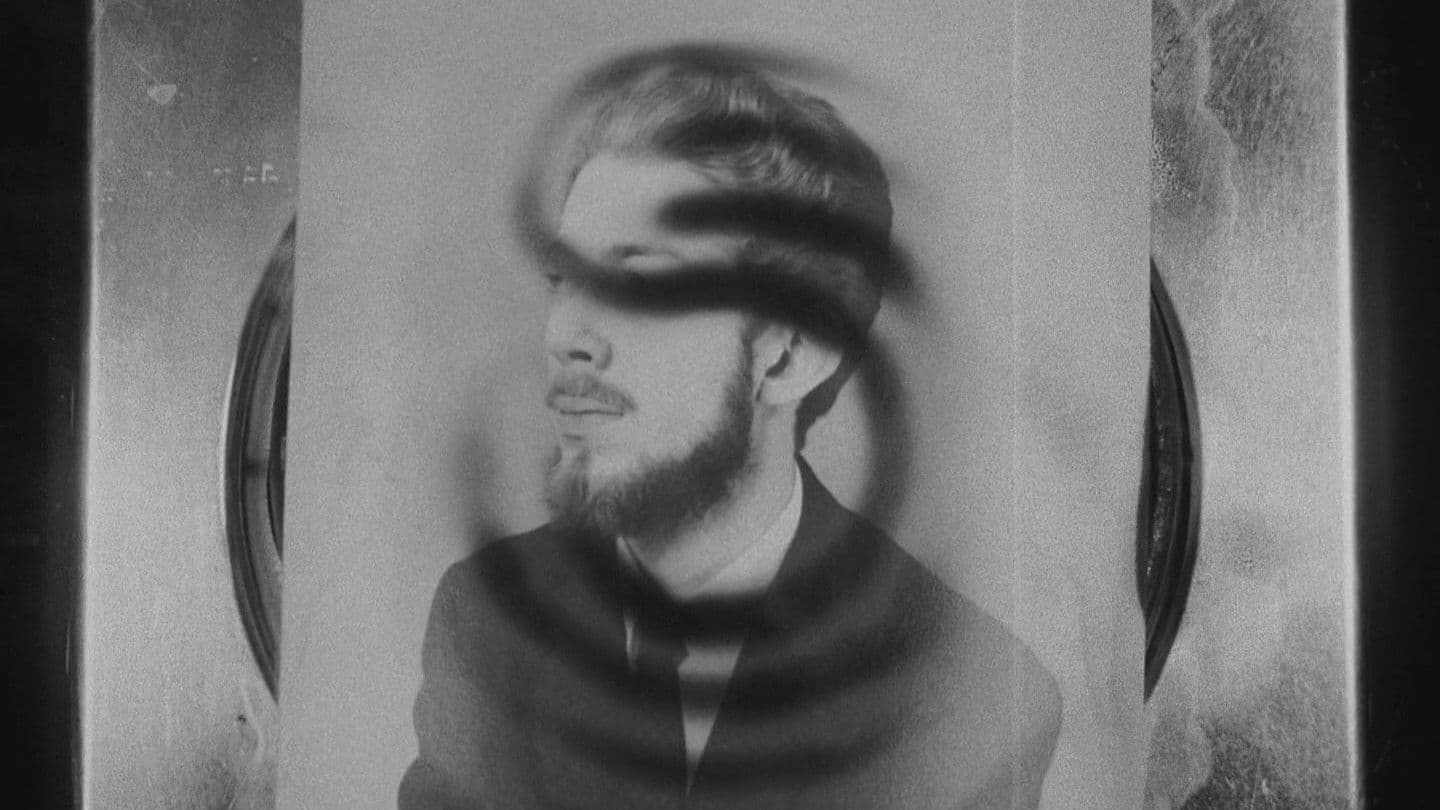
Michael Snow narrates a series of Hollis Frampton's photographs (speaking as Frampton, in the first person)—as each picture catches fire on a hot plate.
Directed by Hollis Frampton

IMDB
N/A
Cast

Michael Snow
Narrator
Crew
Hollis Frampton
Director
Popular Reviews
16 reviews
leona
6.0★ · 03/27/26
:3
:3


peraviae
8.0★ · 02/19/26
Hollis Frampton burns a photograph over a hot plate and asks you to look at what you cannot yet see.
That's the essential gesture of this film, and it's one of the most quietly devastating tricks in the history of cinema. You're told, in voice-over, what the next image will mean, its history, its emotional weight, but only while the current image is still curling and blackening into ash. The description always arrives too early, or too late, depending on how you want to hold it.
It sounds like a formal exercise, and it is, but it doesn't feel cold. There's something genuinely mournful here, something about memory's fundamental bad timing, how we only understand a moment once it's already gone, how language and image never quite sync up. The photographs themselves are banal, intimate, embarrassing in the way that all young artists' pasts are embarrassing. Their burning feels both violent and merciful.
Frampton's narration has this dry, confessional quality that sneaks up on you. By the time the film reaches its final irresolution, and it does reach one, structurally, logically, inexorably, you realize you've been sitting with something genuinely philosophical masquerading as a structural demonstration.
At thirty-six minutes it asks almost nothing of your time. It asks quite a lot of everything else.
That's the essential gesture of this film, and it's one of the most quietly devastating tricks in the history of cinema. You're told, in voice-over, what the next image will mean, its history, its emotional weight, but only while the current image is still curling and blackening into ash. The description always arrives too early, or too late, depending on how you want to hold it.
It sounds like a formal exercise, and it is, but it doesn't feel cold. There's something genuinely mournful here, something about memory's fundamental bad timing, how we only understand a moment once it's already gone, how language and image never quite sync up. The photographs themselves are banal, intimate, embarrassing in the way that all young artists' pasts are embarrassing. Their burning feels both violent and merciful.
Frampton's narration has this dry, confessional quality that sneaks up on you. By the time the film reaches its final irresolution, and it does reach one, structurally, logically, inexorably, you realize you've been sitting with something genuinely philosophical masquerading as a structural demonstration.
At thirty-six minutes it asks almost nothing of your time. It asks quite a lot of everything else.
Hollis Frampton burns a photograph over a hot plate and asks you to look at what you cannot yet see.
That's the essential gesture of this film, and it's one of the most quietly devastating tricks in the history of cinema. You're told, in voice-over, what the next image will mean, its history, its emotional weight, but only while the current image is still curling and blackening into ash. The description always arrives too early, or too late, depending on how you want to hold it.
It sounds like a formal exercise, and it is, but it doesn't feel cold. There's something genuinely mournful here, something about memory's fundamental bad timing, how we only understand a moment once it's already gone, how language and image never quite sync up. The photographs themselves are banal, intimate, embarrassing in the way that all young artists' pasts are embarrassing. Their burning feels both violent and merciful.
Frampton's narration has this dry, confessional quality that sneaks up on you. By the time the film reaches its final irresolution, and it does reach one, structurally, logically, inexorably, you realize you've been sitting with something genuinely philosophical masquerading as a structural demonstration.
At thirty-six minutes it asks almost nothing of your time. It asks quite a lot of everything else.
That's the essential gesture of this film, and it's one of the most quietly devastating tricks in the history of cinema. You're told, in voice-over, what the next image will mean, its history, its emotional weight, but only while the current image is still curling and blackening into ash. The description always arrives too early, or too late, depending on how you want to hold it.
It sounds like a formal exercise, and it is, but it doesn't feel cold. There's something genuinely mournful here, something about memory's fundamental bad timing, how we only understand a moment once it's already gone, how language and image never quite sync up. The photographs themselves are banal, intimate, embarrassing in the way that all young artists' pasts are embarrassing. Their burning feels both violent and merciful.
Frampton's narration has this dry, confessional quality that sneaks up on you. By the time the film reaches its final irresolution, and it does reach one, structurally, logically, inexorably, you realize you've been sitting with something genuinely philosophical masquerading as a structural demonstration.
At thirty-six minutes it asks almost nothing of your time. It asks quite a lot of everything else.
Max
Structure worked surprisingly well for me. Nothing ever burns exactly the same
Structure worked surprisingly well for me. Nothing ever burns exactly the same
Gabriel Silva
9.3★ · 10/20/24
When I think about the impermanence of media, I will usually think of how quickly-dispersed digital media blossoms and then quickly wilts, like the spores of a mushroom rapidly spreading and then dying out when there is nothing left to feed upon. With this rapid proliferation of media, the image becomes disposable and only the memory of it remains. In his video essay “How Can We Bear To Throw Anything Away?”, Jacob Geller explores this sad truth of physicality and ephemera, taking a look at how both the disposability of the internet and the everpresence of it are contradictory dual-realities that everyone comes across when it comes to how we picture the internet versus how we view physical media.
So when Frampton takes his photographic work and places it on a burner, how can he do this? Michael Snow narrates over them, expressing Frampton’s notes ahead of time before we see the image. The image we see shrink and decay is one we have to hold in our memory as we hear a remembered account of contents of a different photograph, monologued to us by a man representing the author. The intangibility of memory comes up against the physicality of media, preserved here upon a different piece of media. It’s powerful.
Recently, my iCloud storage hit its maximum, slowly filling with photographs I’ve had since 2017 till today. I went to back up what was on the cloud onto a physical hard drive and despite that I found it hard to want to delete any of these photographs off of my cloud. After all, the cloud is meant to be copied and accessible across my other devices - namely my phone and my tablet. I look at these images and I am reminded of those very moments of my life. Pictures of my dog, of selfies I took, progress pictures I took at the beginning of my so-called “fitness journey”, pictures of friends at events, artwork I’ve drawn, screenshots I’ve taken, photographs of recipes, etc. each one of them carries a memory, a memory that I could not confidently say that I could recall without them. Does my memory exist sans the representation of the memory? Will there be a time when I see these photographs and remember nothing? Are the photographs holding the memories themselves?
So when Frampton takes his photographic work and places it on a burner, how can he do this? Michael Snow narrates over them, expressing Frampton’s notes ahead of time before we see the image. The image we see shrink and decay is one we have to hold in our memory as we hear a remembered account of contents of a different photograph, monologued to us by a man representing the author. The intangibility of memory comes up against the physicality of media, preserved here upon a different piece of media. It’s powerful.
Recently, my iCloud storage hit its maximum, slowly filling with photographs I’ve had since 2017 till today. I went to back up what was on the cloud onto a physical hard drive and despite that I found it hard to want to delete any of these photographs off of my cloud. After all, the cloud is meant to be copied and accessible across my other devices - namely my phone and my tablet. I look at these images and I am reminded of those very moments of my life. Pictures of my dog, of selfies I took, progress pictures I took at the beginning of my so-called “fitness journey”, pictures of friends at events, artwork I’ve drawn, screenshots I’ve taken, photographs of recipes, etc. each one of them carries a memory, a memory that I could not confidently say that I could recall without them. Does my memory exist sans the representation of the memory? Will there be a time when I see these photographs and remember nothing? Are the photographs holding the memories themselves?
When I think about the impermanence of media, I will usually think of how quickly-dispersed digital media blossoms and then quickly wilts, like the spores of a mushroom rapidly spreading and then dying out when there is nothing left to feed upon. With this rapid proliferation of media, the image becomes disposable and only the memory of it remains. In his video essay “How Can We Bear To Throw Anything Away?”, Jacob Geller explores this sad truth of physicality and ephemera, taking a look at how both the disposability of the internet and the everpresence of it are contradictory dual-realities that everyone comes across when it comes to how we picture the internet versus how we view physical media.
So when Frampton takes his photographic work and places it on a burner, how can he do this? Michael Snow narrates over them, expressing Frampton’s notes ahead of time before we see the image. The image we see shrink and decay is one we have to hold in our memory as we hear a remembered account of contents of a different photograph, monologued to us by a man representing the author. The intangibility of memory comes up against the physicality of media, preserved here upon a different piece of media. It’s powerful.
Recently, my iCloud storage hit its maximum, slowly filling with photographs I’ve had since 2017 till today. I went to back up what was on the cloud onto a physical hard drive and despite that I found it hard to want to delete any of these photographs off of my cloud. After all, the cloud is meant to be copied and accessible across my other devices - namely my phone and my tablet. I look at these images and I am reminded of those very moments of my life. Pictures of my dog, of selfies I took, progress pictures I took at the beginning of my so-called “fitness journey”, pictures of friends at events, artwork I’ve drawn, screenshots I’ve taken, photographs of recipes, etc. each one of them carries a memory, a memory that I could not confidently say that I could recall without them. Does my memory exist sans the representation of the memory? Will there be a time when I see these photographs and remember nothing? Are the photographs holding the memories themselves?
So when Frampton takes his photographic work and places it on a burner, how can he do this? Michael Snow narrates over them, expressing Frampton’s notes ahead of time before we see the image. The image we see shrink and decay is one we have to hold in our memory as we hear a remembered account of contents of a different photograph, monologued to us by a man representing the author. The intangibility of memory comes up against the physicality of media, preserved here upon a different piece of media. It’s powerful.
Recently, my iCloud storage hit its maximum, slowly filling with photographs I’ve had since 2017 till today. I went to back up what was on the cloud onto a physical hard drive and despite that I found it hard to want to delete any of these photographs off of my cloud. After all, the cloud is meant to be copied and accessible across my other devices - namely my phone and my tablet. I look at these images and I am reminded of those very moments of my life. Pictures of my dog, of selfies I took, progress pictures I took at the beginning of my so-called “fitness journey”, pictures of friends at events, artwork I’ve drawn, screenshots I’ve taken, photographs of recipes, etc. each one of them carries a memory, a memory that I could not confidently say that I could recall without them. Does my memory exist sans the representation of the memory? Will there be a time when I see these photographs and remember nothing? Are the photographs holding the memories themselves?