
Primary
1960·Documentary·53m
7.1
★
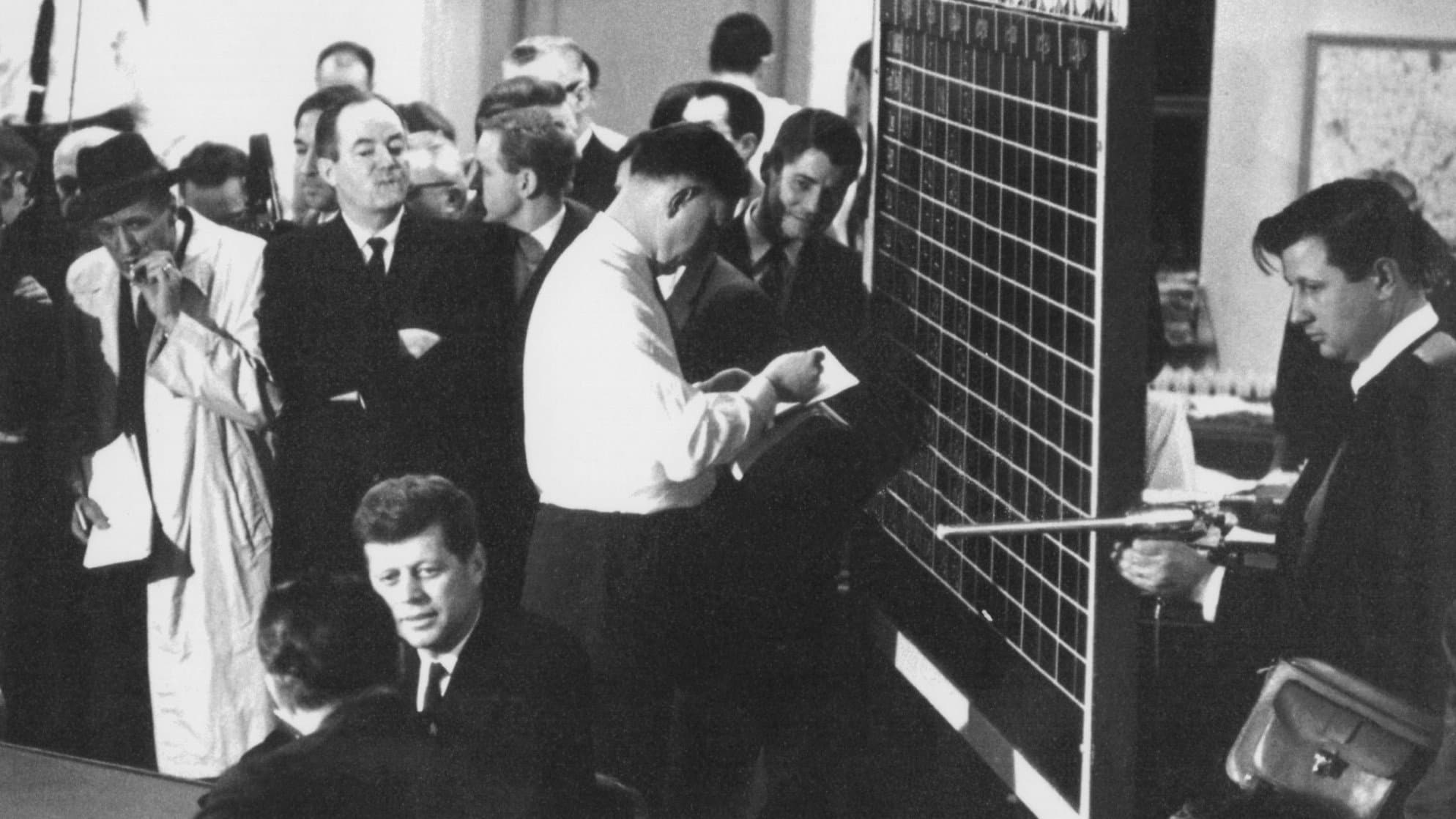
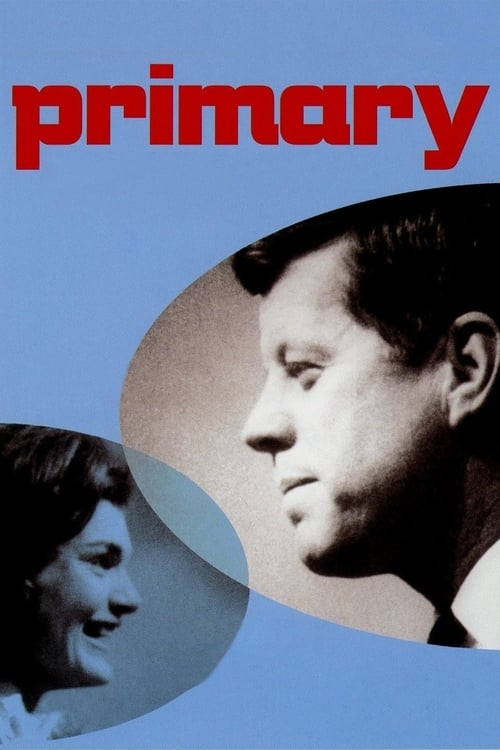
Primary is a documentary film about the primary elections between John F. Kennedy and Hubert Humphrey in 1960. Primary is the first documentary to use light equipment in order to follow their subjects in a more intimate filmmaking style. This unconventional way of filming created a new look for documentary films where the camera’s lens was right in the middle of what ever drama was occurring. Preserved by the Academy Film Archive in partnership with The Film Foundation in 1998.
Directed by Robert Drew
usa president
election campaign
presidential election
staging
media
democracy
direct cinema

IMDB
N/A
Where to Watch


Cast
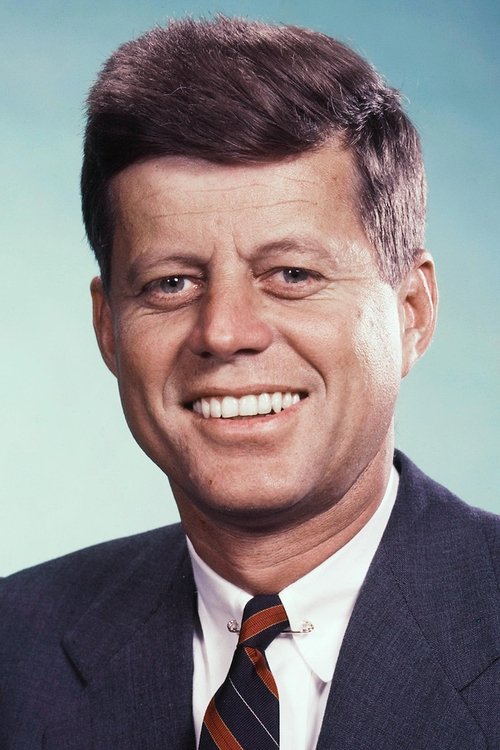
John F. Kennedy
Self
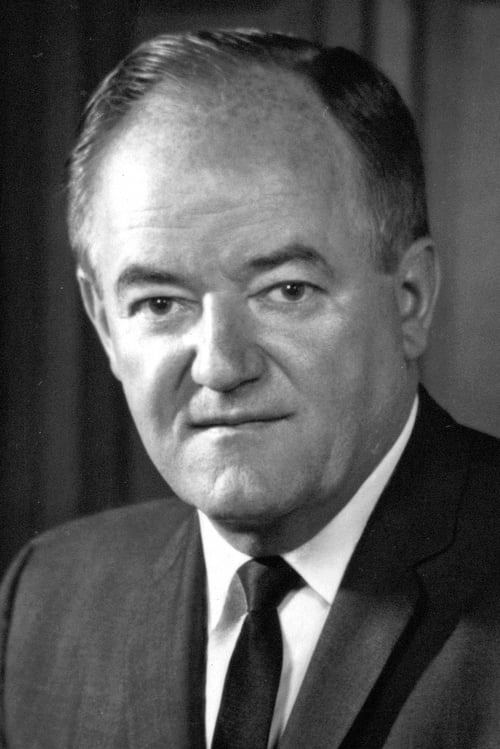
Hubert H. Humphrey
Self
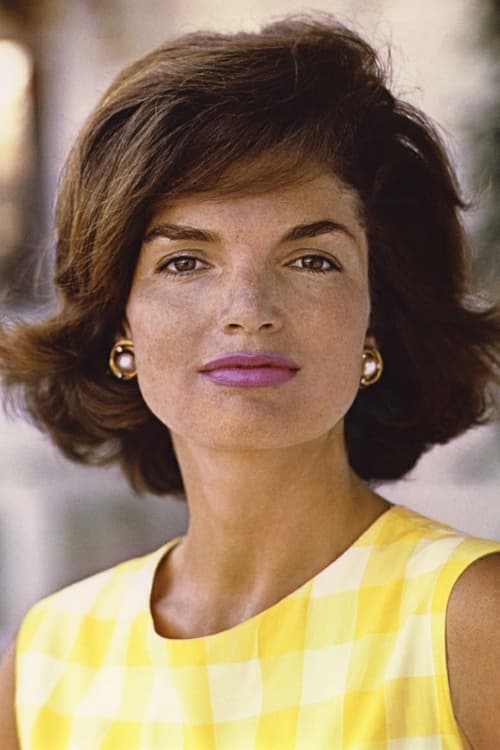
Jacqueline Kennedy
Self

Robert F. Kennedy
Self

Muriel Humphrey
Self
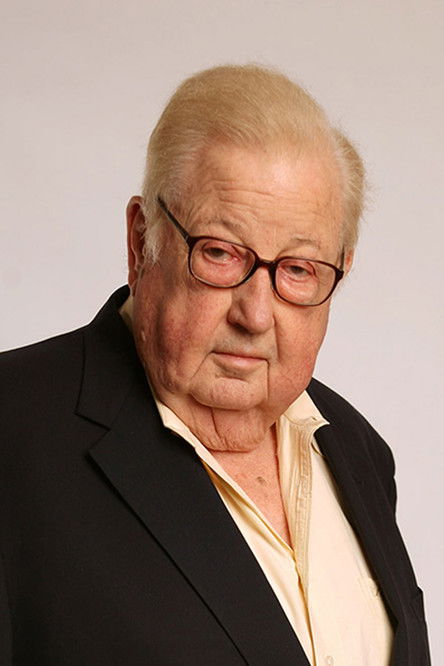
Robert Drew
Self
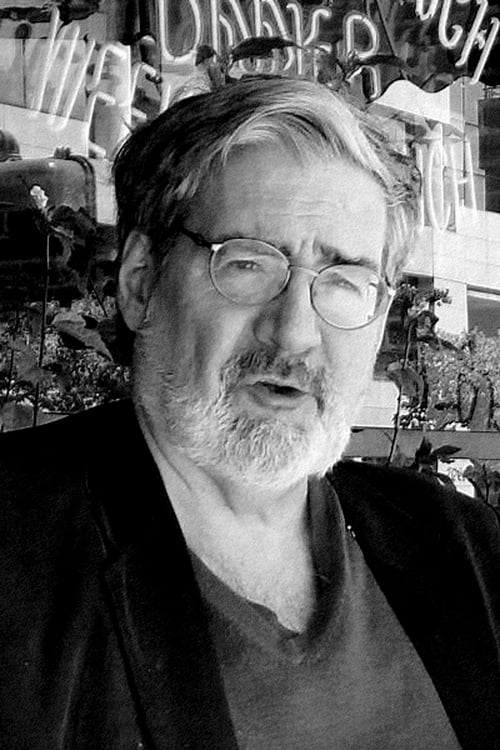
Joseph McBride
Self - Kennedy Volunteer
Pierre Salinger
Self (uncredited)
Crew
Robert Drew
Director
Robert Drew
Writer
D. A. Pennebaker
Editor
Terence Macartney-Filgate
Editor
Richard Leacock
Editor
Richard Leacock
Director of Photography
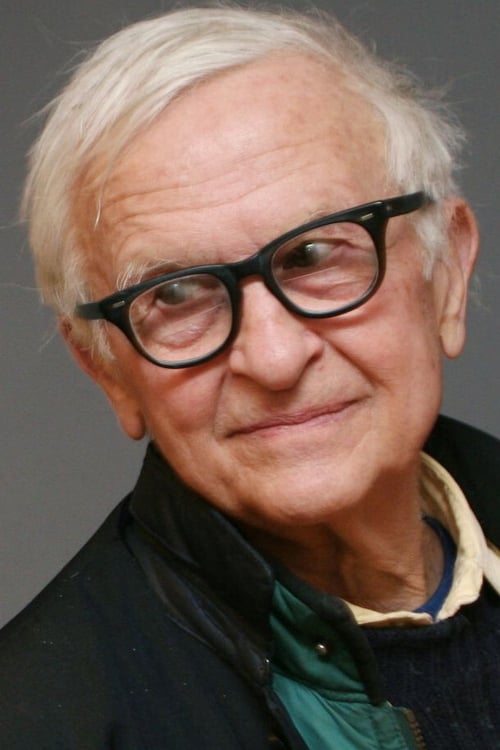
Albert Maysles
Director of Photography
Robert Drew
Producer
D. A. Pennebaker
Camera Operator
Richard Leacock
Camera Operator
D. A. Pennebaker
Sound Recordist
Robert Drew
Sound Recordist
Popular Reviews
36 reviews
Spencer Hamilton
I remember my dad talking about documentary filmmaking and cinéma vérité using this film as an example, so I've been wanting to check it out for a while.
From what I've seen, it reminded me of some of the stuff the French were doing around the same time. Also very cool to see this side of American politics 65 years ago. There's some similarities but man, a lot has changed.
From what I've seen, it reminded me of some of the stuff the French were doing around the same time. Also very cool to see this side of American politics 65 years ago. There's some similarities but man, a lot has changed.
I remember my dad talking about documentary filmmaking and cinéma vérité using this film as an example, so I've been wanting to check it out for a while.
From what I've seen, it reminded me of some of the stuff the French were doing around the same time. Also very cool to see this side of American politics 65 years ago. There's some similarities but man, a lot has changed.
From what I've seen, it reminded me of some of the stuff the French were doing around the same time. Also very cool to see this side of American politics 65 years ago. There's some similarities but man, a lot has changed.


Gideon
6.0★ · 10/07/25
JFK really did have aura.
JFK really did have aura.
rbPRO
7.0★ · 08/16/25
watched this then watched again with commentary. v stimulating conversation… epiphany.. is commentary cut today’s equivalent of a companion pod?..
primary: 3.5
commentary: 5
need this decorum amongst today’s politicians
primary: 3.5
commentary: 5
need this decorum amongst today’s politicians
watched this then watched again with commentary. v stimulating conversation… epiphany.. is commentary cut today’s equivalent of a companion pod?..
primary: 3.5
commentary: 5
need this decorum amongst today’s politicians
primary: 3.5
commentary: 5
need this decorum amongst today’s politicians
RB
7.0★ · 08/16/25
watched this then watched again with commentary. v stimulating conversation… epiphany.. is commentary cut today’s equivalent of a companion pod?..
primary: 3.5
commentary: 5
need this decorum amongst today’s politicians
primary: 3.5
commentary: 5
need this decorum amongst today’s politicians
watched this then watched again with commentary. v stimulating conversation… epiphany.. is commentary cut today’s equivalent of a companion pod?..
primary: 3.5
commentary: 5
need this decorum amongst today’s politicians
primary: 3.5
commentary: 5
need this decorum amongst today’s politicians
Dalton
8.6★ · 07/25/25
The way this film is just doesn't feel real. It is the first version of 'direct cinema' and one of the first films to use video and sound simultaneously (I think at least); Robert Drew really knows how to navigate it. I think the reason I never watched the JFK film is that I thought it would be a film from that time, but it's just a rendition of what could have happened. Here, it's just so uncanny because it's as real as real can get, but because of this, it looks set up. The shots are so dreamy, and the camera becomes almost like a character with how it moves, dictating your emotion. This whole period feels like the tipping point of American politics and the control of the CIA, so you constantly feel this anticipation that something is going to happen, or something they don't know (I wonder what that is). and when JFK enters into one of his rallys half way though, Pennybaker (im guessing) just puts the camera over his head, and somehow can get everything perfectly. It's just simply amazing. Its so weird how one day you're watching Taxi Driver thinking your smart, then out of nowhere you find an hour long film about JFK fascinating.
The way this film is just doesn't feel real. It is the first version of 'direct cinema' and one of the first films to use video and sound simultaneously (I think at least); Robert Drew really knows how to navigate it. I think the reason I never watched the JFK film is that I thought it would be a film from that time, but it's just a rendition of what could have happened. Here, it's just so uncanny because it's as real as real can get, but because of this, it looks set up. The shots are so dreamy, and the camera becomes almost like a character with how it moves, dictating your emotion. This whole period feels like the tipping point of American politics and the control of the CIA, so you constantly feel this anticipation that something is going to happen, or something they don't know (I wonder what that is). and when JFK enters into one of his rallys half way though, Pennybaker (im guessing) just puts the camera over his head, and somehow can get everything perfectly. It's just simply amazing. Its so weird how one day you're watching Taxi Driver thinking your smart, then out of nowhere you find an hour long film about JFK fascinating.