
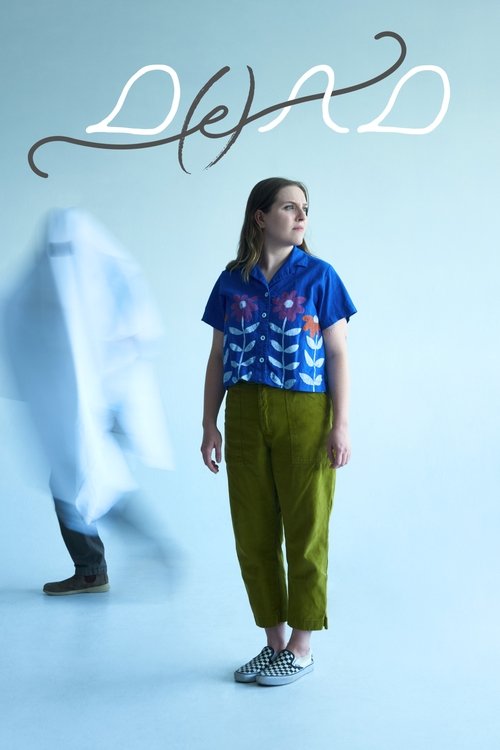
D(e)ad
2025·Comedy·1h 22m
7.1
★



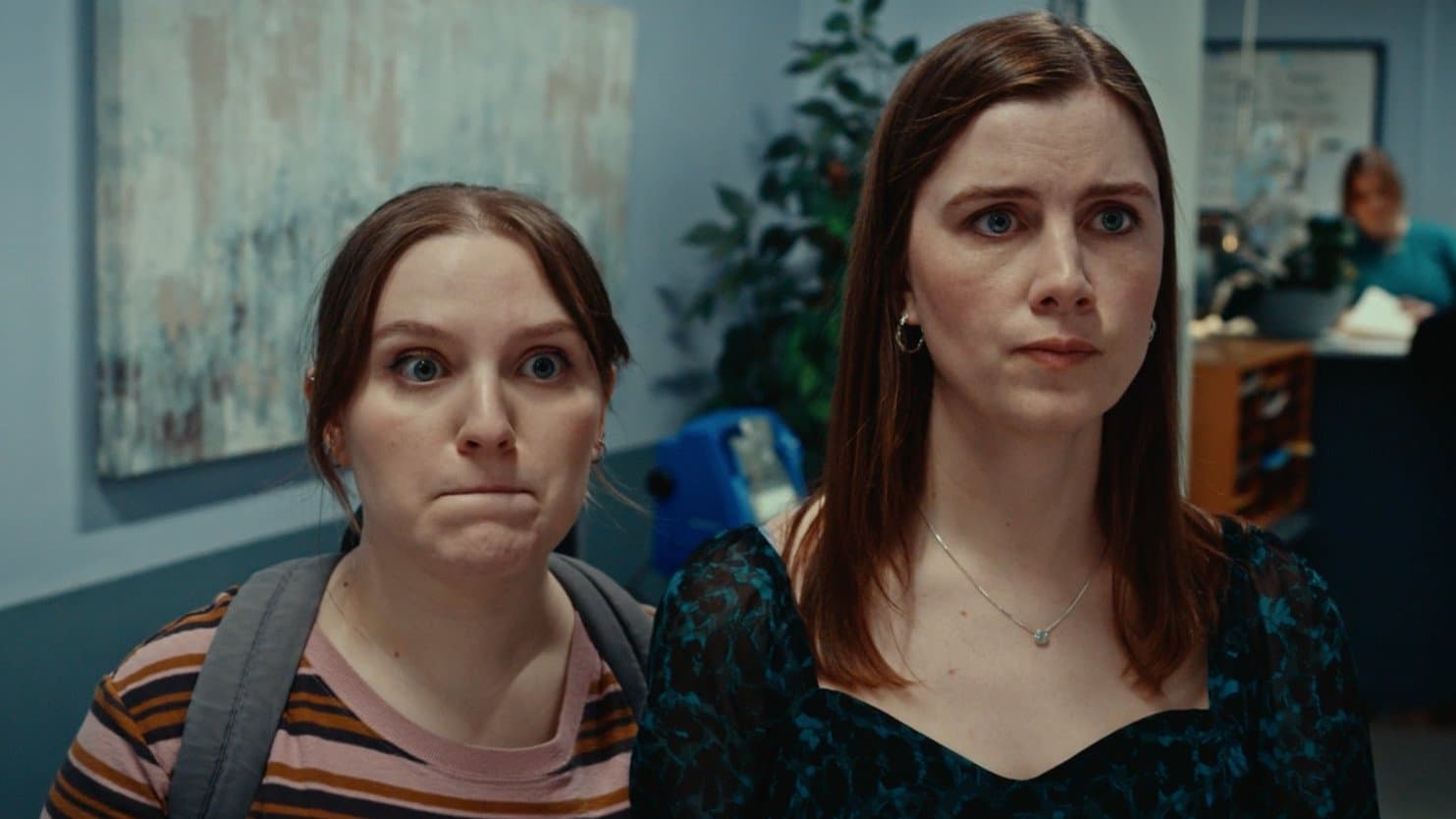
Tillie, a floundering young woman and her charismatic, alcoholic father, struggle to resolve their fractured relationship in the weirdest possible way: after he dies, his ghost appears in mirrors to haunt everyone in the family but Tillie. The family must do everything they can to make Tillie see her father or else they will be plagued by this ghost forever.
Directed by Claudia Lonow
dark comedy
rabbi
dead father
family dynamics
father daughter estrangement
ghost comedy

Trailer

IMDB
N/A
Where to Watch



Cast
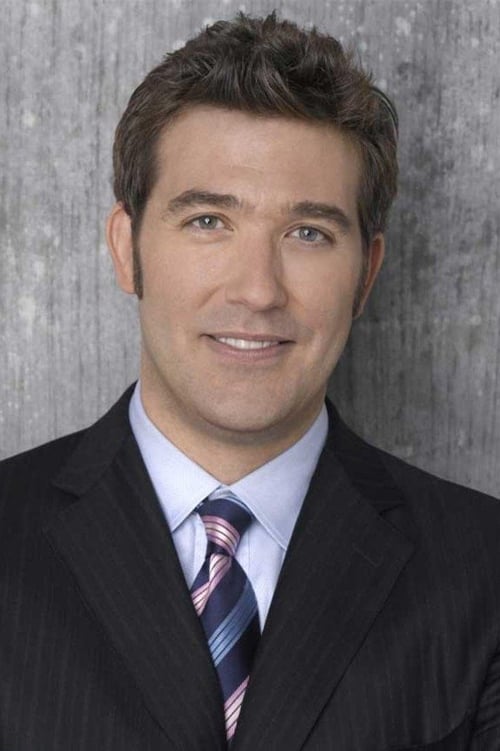
Craig Bierko
Daniel

Isabella Roland
Tillie
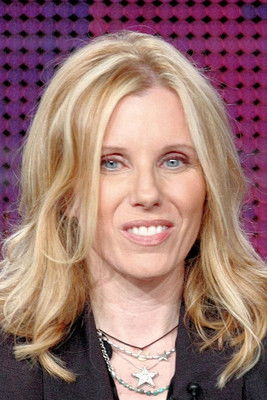
Claudia Lonow
Frankie
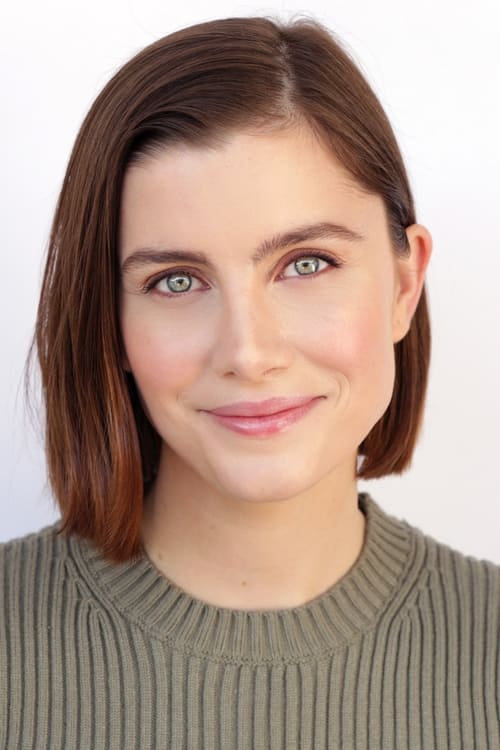
Vic Michaelis
Violet

Jonathan Schmock
Carl
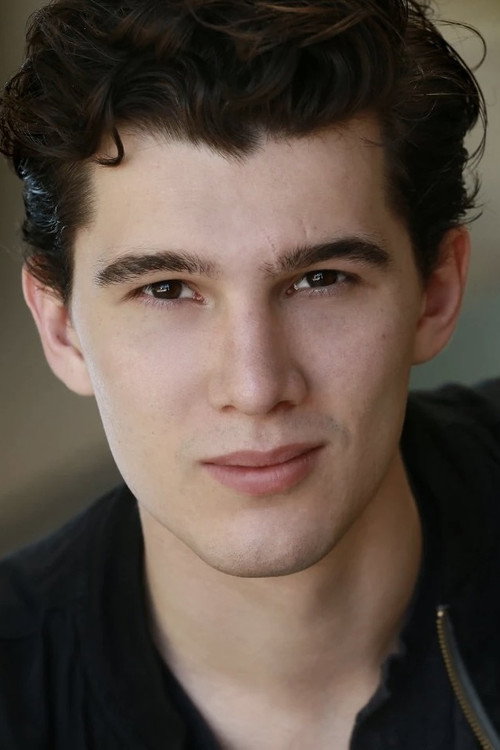
Nick Marini
Eric

Zac Oyama
Doctor
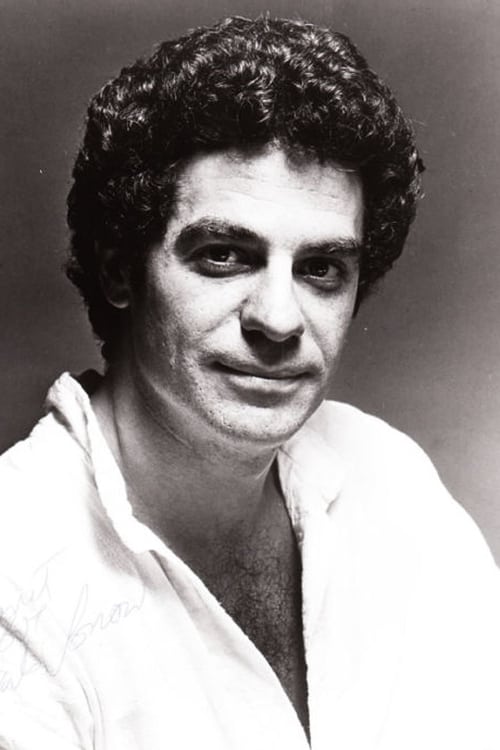
Mark Lonow
Harris

Brennan Lee Mulligan
Owen from Science Care
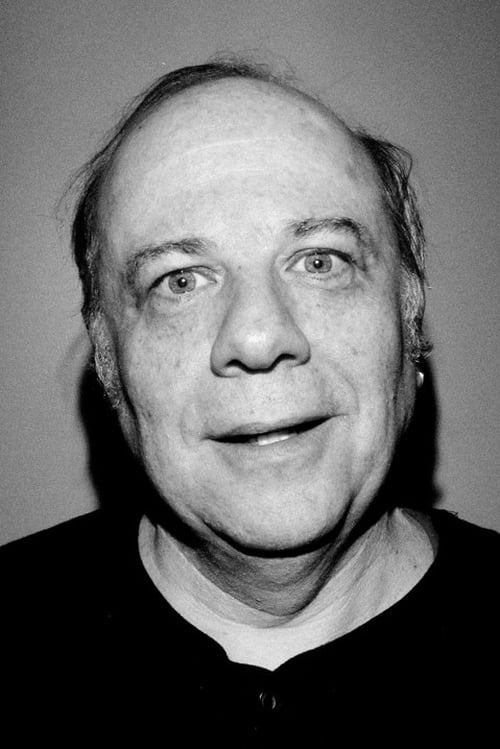
Eddie Pepitone
Rabbi Barry
Crew
Claudia Lonow
Director
Isabella Roland
Writer
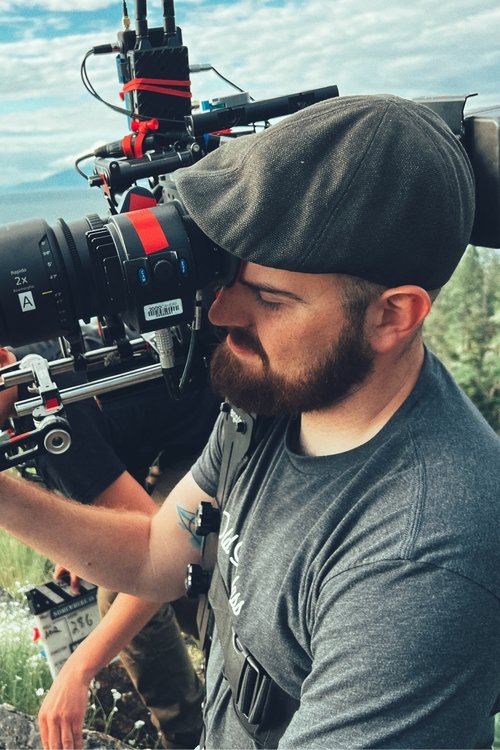
AJ Young
Director of Photography
Isabella Roland
Executive Producer
Claudia Lonow
Executive Producer
Brennan Lee Mulligan
Executive Producer
Mark Lonow
Executive Producer
Jonathan Schmock
Executive Producer

Erin Dellorso
Producer
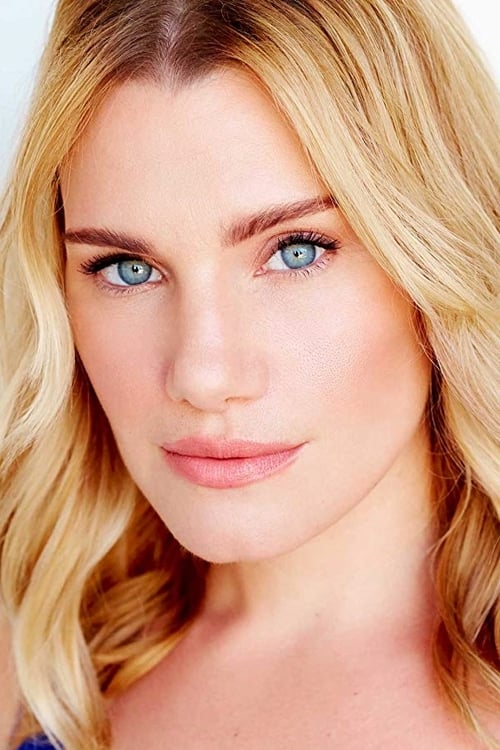
Julianne Dowler
Producer

Luisa Novo
First Assistant Director

Garrett Palm
Key Production Assistant
Popular Reviews
26 reviews
Bob Johnson
5.0★ · 05/07/26
I want Vic Michaelis to be in everything, they deserve it
I want Vic Michaelis to be in everything, they deserve it


Mari
8.0★ · 05/02/26
Really funny. I loved the venomous quips between the sisters. Brennan and Vic killed it. The story is doing some real good work too.
There's something incredibly poignant in the mere setup the movie provides. The grief mind virus is everywhere! Even if you try to ignore it, other people didn't internalize abandonment the particular way you did! It's gonna be a miserable few months for you!
My only issue is that I feel like some of Isabella Roland's improv quirks bleed into the script, and that's something that isn't resolved seamlessly. Her general personality begets tons of verbal agility, wit, spontaneity, vivaciousness. So much so that the script struggles to contain it. In her serious and emotionally heavy moments Tillie doesn't plausibly break down enough. This also has the effect of making the wit feel imposed by the author, rather than coming from Tillie the character. Its an impossibly fine line, I'll admit: Writing a witty character, and having them just lose enough wit to signal emotional turmoil, while also keeping them sufficiently witty.
There's something incredibly poignant in the mere setup the movie provides. The grief mind virus is everywhere! Even if you try to ignore it, other people didn't internalize abandonment the particular way you did! It's gonna be a miserable few months for you!
My only issue is that I feel like some of Isabella Roland's improv quirks bleed into the script, and that's something that isn't resolved seamlessly. Her general personality begets tons of verbal agility, wit, spontaneity, vivaciousness. So much so that the script struggles to contain it. In her serious and emotionally heavy moments Tillie doesn't plausibly break down enough. This also has the effect of making the wit feel imposed by the author, rather than coming from Tillie the character. Its an impossibly fine line, I'll admit: Writing a witty character, and having them just lose enough wit to signal emotional turmoil, while also keeping them sufficiently witty.
Really funny. I loved the venomous quips between the sisters. Brennan and Vic killed it. The story is doing some real good work too.
There's something incredibly poignant in the mere setup the movie provides. The grief mind virus is everywhere! Even if you try to ignore it, other people didn't internalize abandonment the particular way you did! It's gonna be a miserable few months for you!
My only issue is that I feel like some of Isabella Roland's improv quirks bleed into the script, and that's something that isn't resolved seamlessly. Her general personality begets tons of verbal agility, wit, spontaneity, vivaciousness. So much so that the script struggles to contain it. In her serious and emotionally heavy moments Tillie doesn't plausibly break down enough. This also has the effect of making the wit feel imposed by the author, rather than coming from Tillie the character. Its an impossibly fine line, I'll admit: Writing a witty character, and having them just lose enough wit to signal emotional turmoil, while also keeping them sufficiently witty.
There's something incredibly poignant in the mere setup the movie provides. The grief mind virus is everywhere! Even if you try to ignore it, other people didn't internalize abandonment the particular way you did! It's gonna be a miserable few months for you!
My only issue is that I feel like some of Isabella Roland's improv quirks bleed into the script, and that's something that isn't resolved seamlessly. Her general personality begets tons of verbal agility, wit, spontaneity, vivaciousness. So much so that the script struggles to contain it. In her serious and emotionally heavy moments Tillie doesn't plausibly break down enough. This also has the effect of making the wit feel imposed by the author, rather than coming from Tillie the character. Its an impossibly fine line, I'll admit: Writing a witty character, and having them just lose enough wit to signal emotional turmoil, while also keeping them sufficiently witty.
kebby
7.0★ · 03/17/26
I hope Owen enjoyed his oyster dinner as much as it seems people have enjoyed this movie.
Eric for president.
Eric for president.
I hope Owen enjoyed his oyster dinner as much as it seems people have enjoyed this movie.
Eric for president.
Eric for president.
Callmedandelion
8.0★ · 02/15/26
I was not expecting the performances I got from most of the cast in this movie but man did they deliver!!!
I was not expecting the performances I got from most of the cast in this movie but man did they deliver!!!
Harrison BatemanPRO
8.0★ · 01/21/26
A fun tale of grief from my close personal friend Izzy Roland starring my other close personal friends Brennan Lee Mulligan, Vic Michaelis, and Zac Oyama.
Close personal friend in the “parasocial, I see them on the internet multiple times a week” type of way
Close personal friend in the “parasocial, I see them on the internet multiple times a week” type of way
A fun tale of grief from my close personal friend Izzy Roland starring my other close personal friends Brennan Lee Mulligan, Vic Michaelis, and Zac Oyama.
Close personal friend in the “parasocial, I see them on the internet multiple times a week” type of way
Close personal friend in the “parasocial, I see them on the internet multiple times a week” type of way