

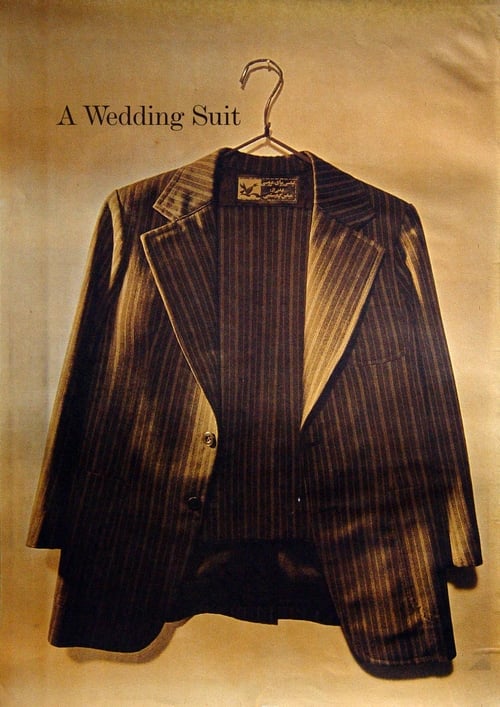
A Wedding Suit
1976·Drama·59m
7.1
★
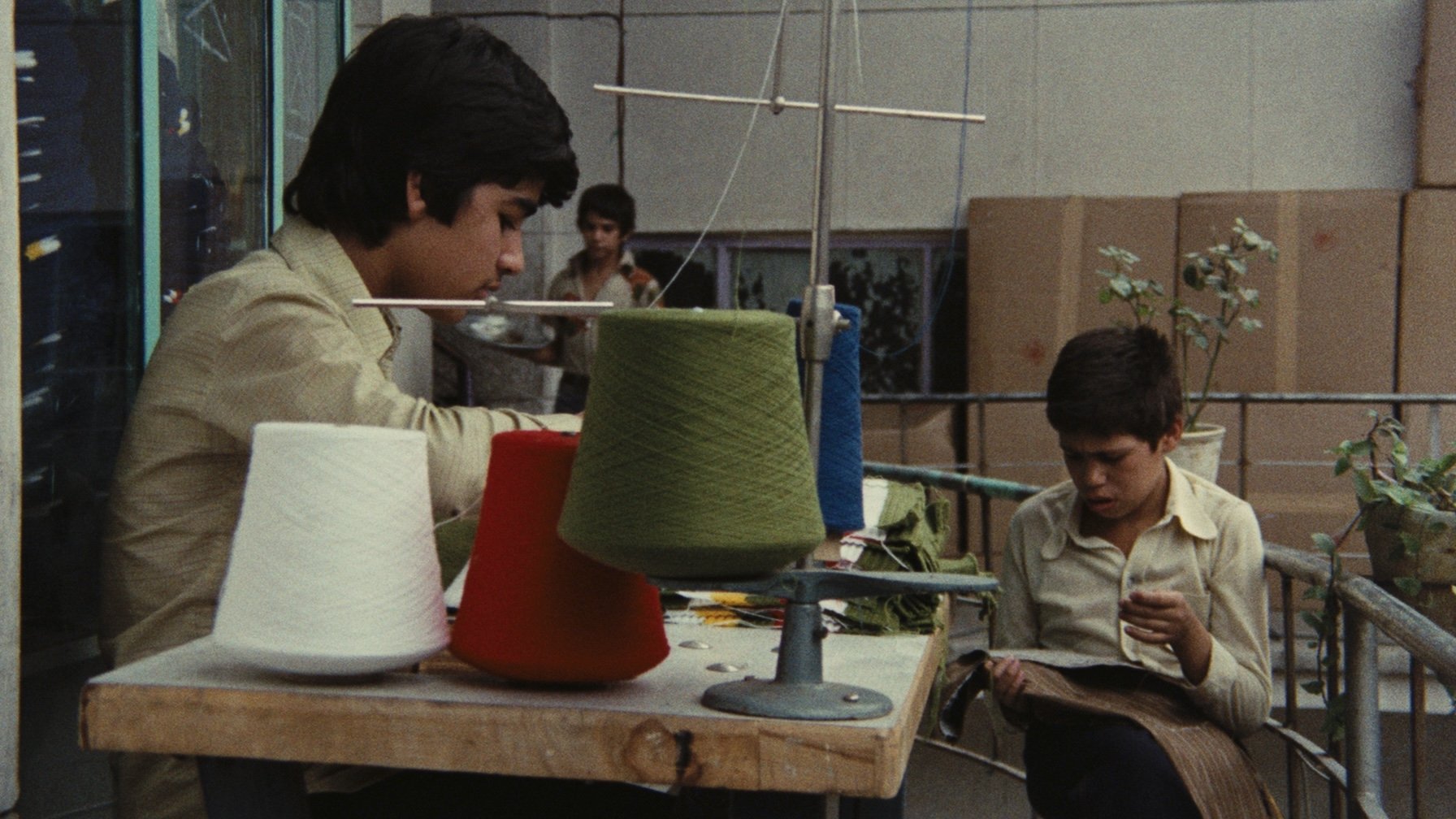
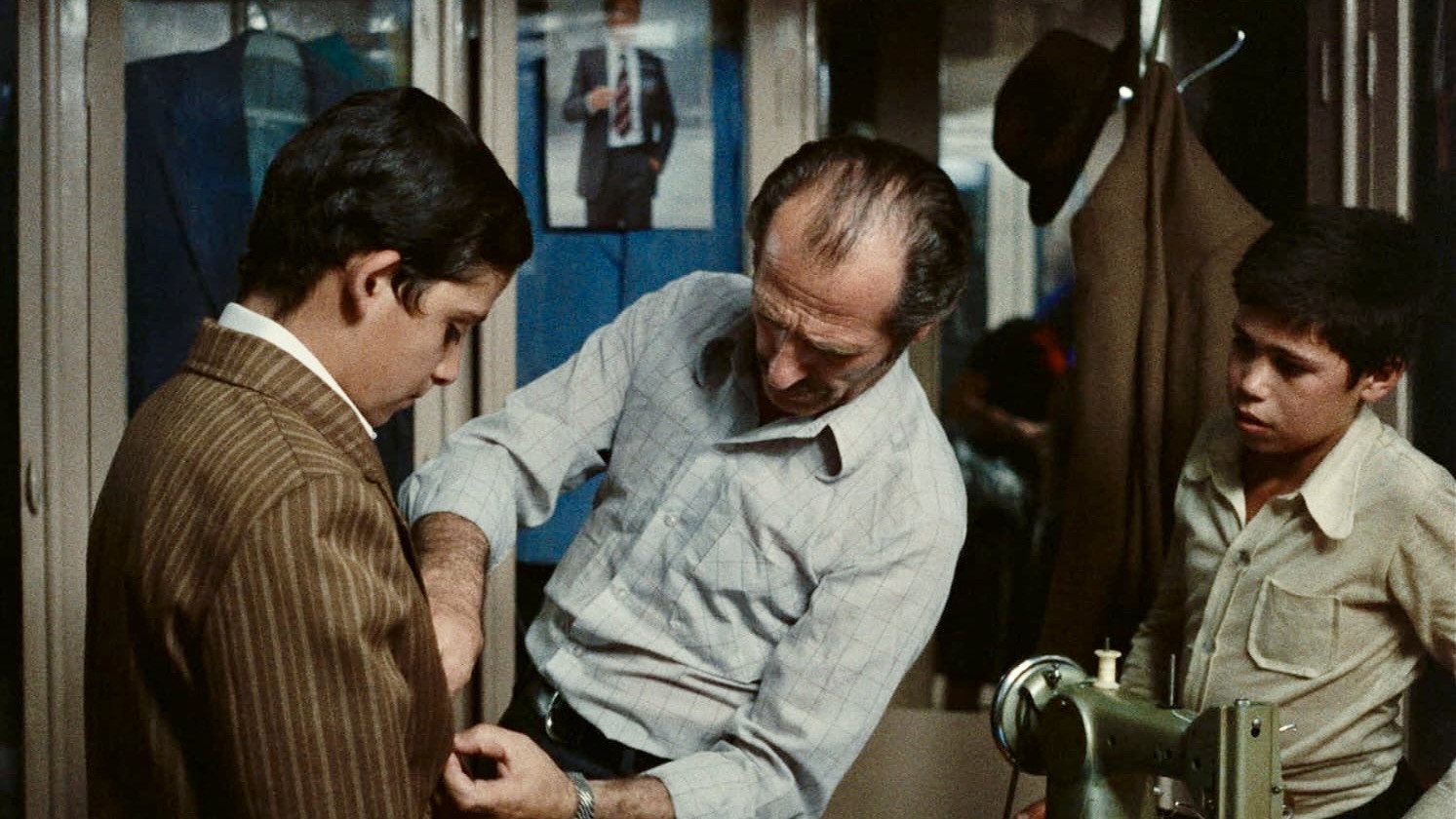
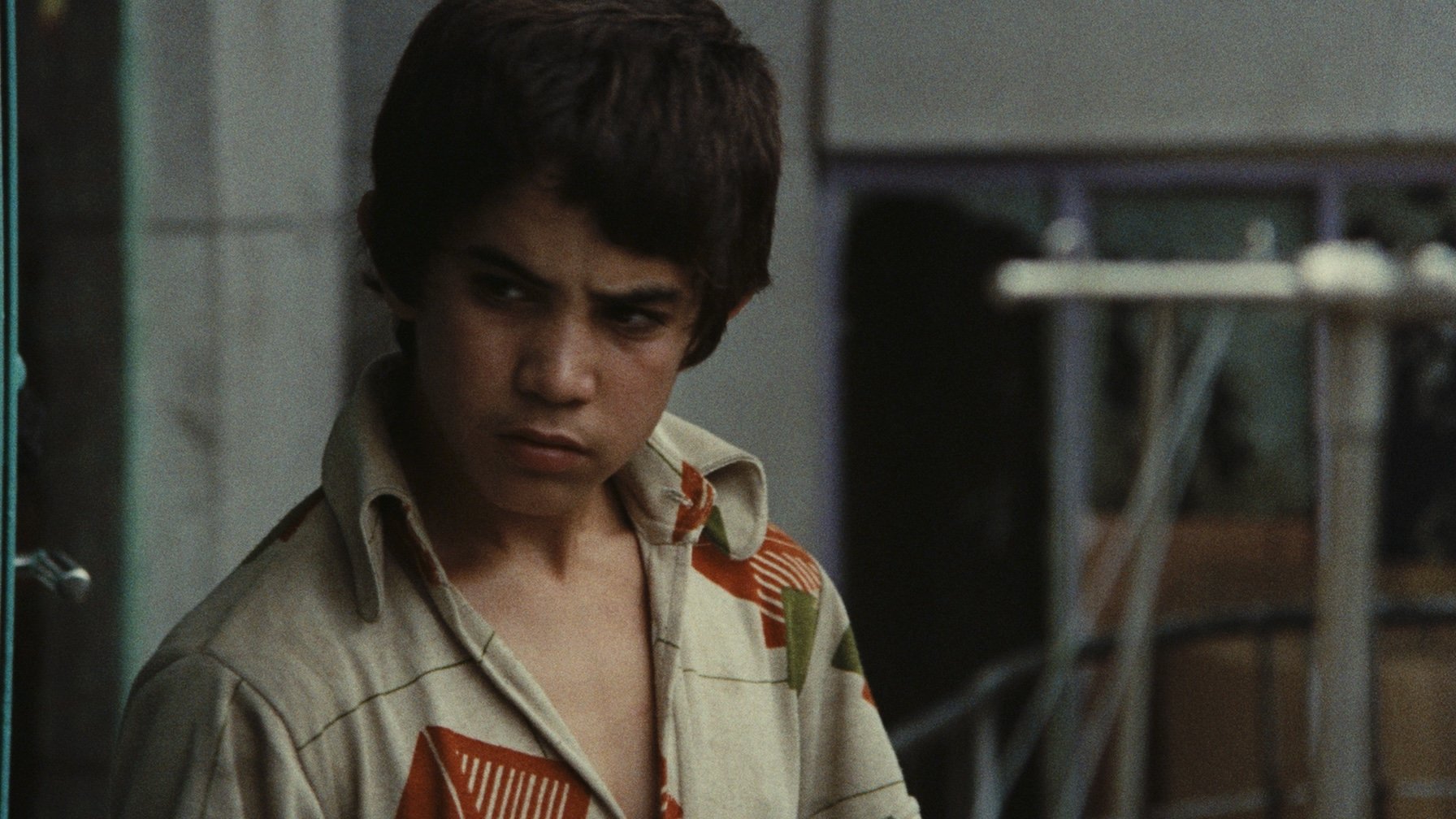
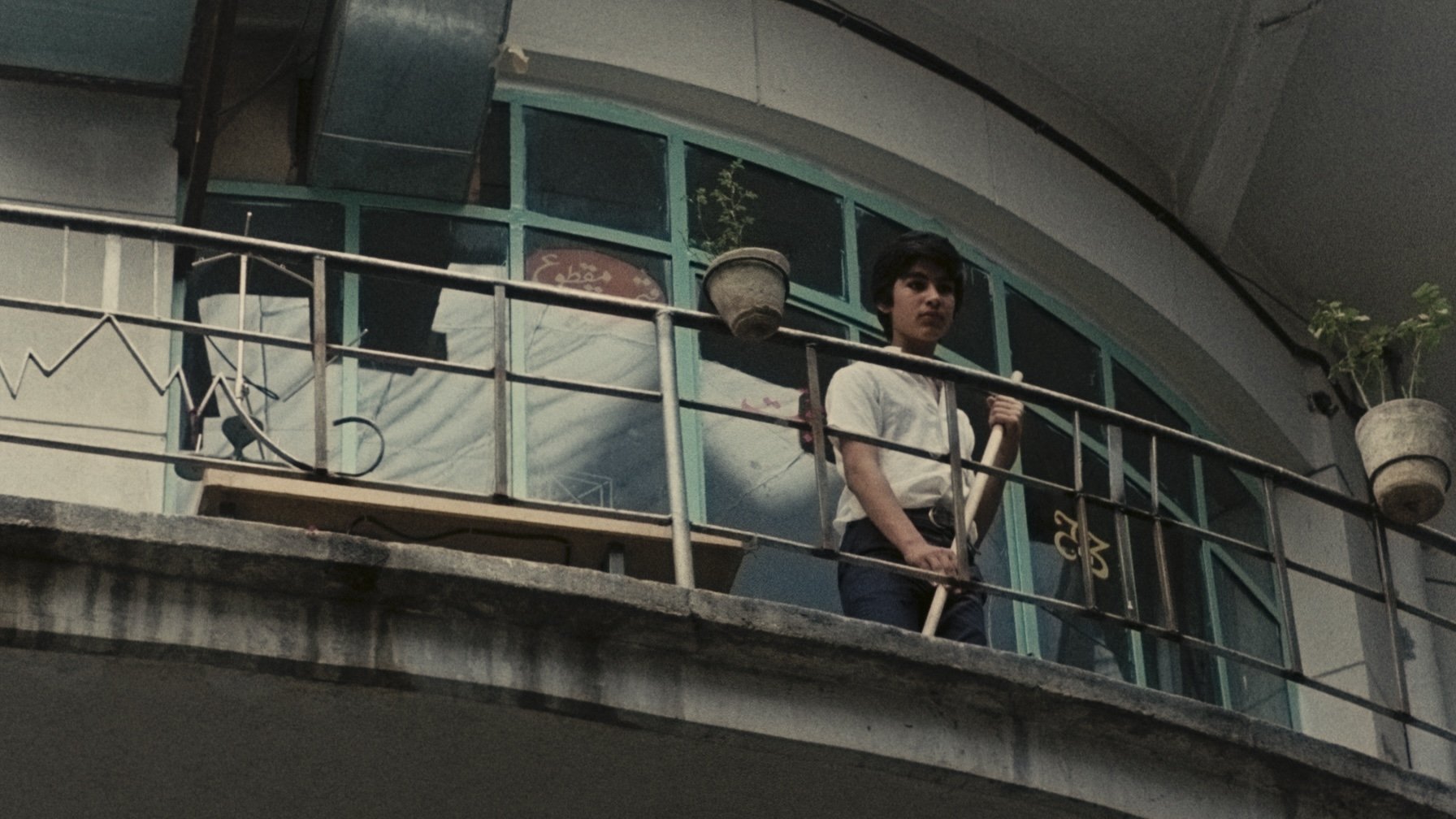
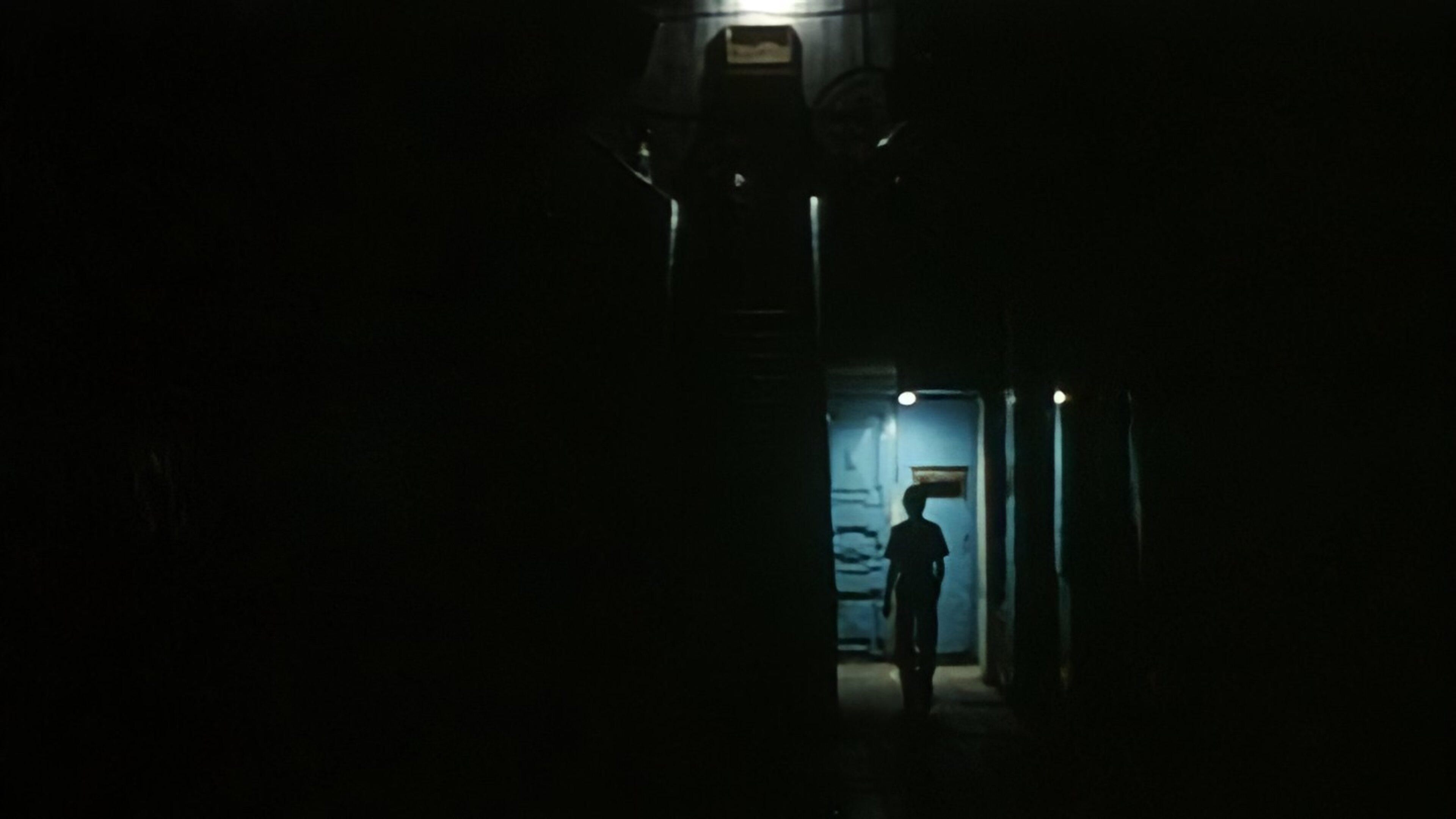
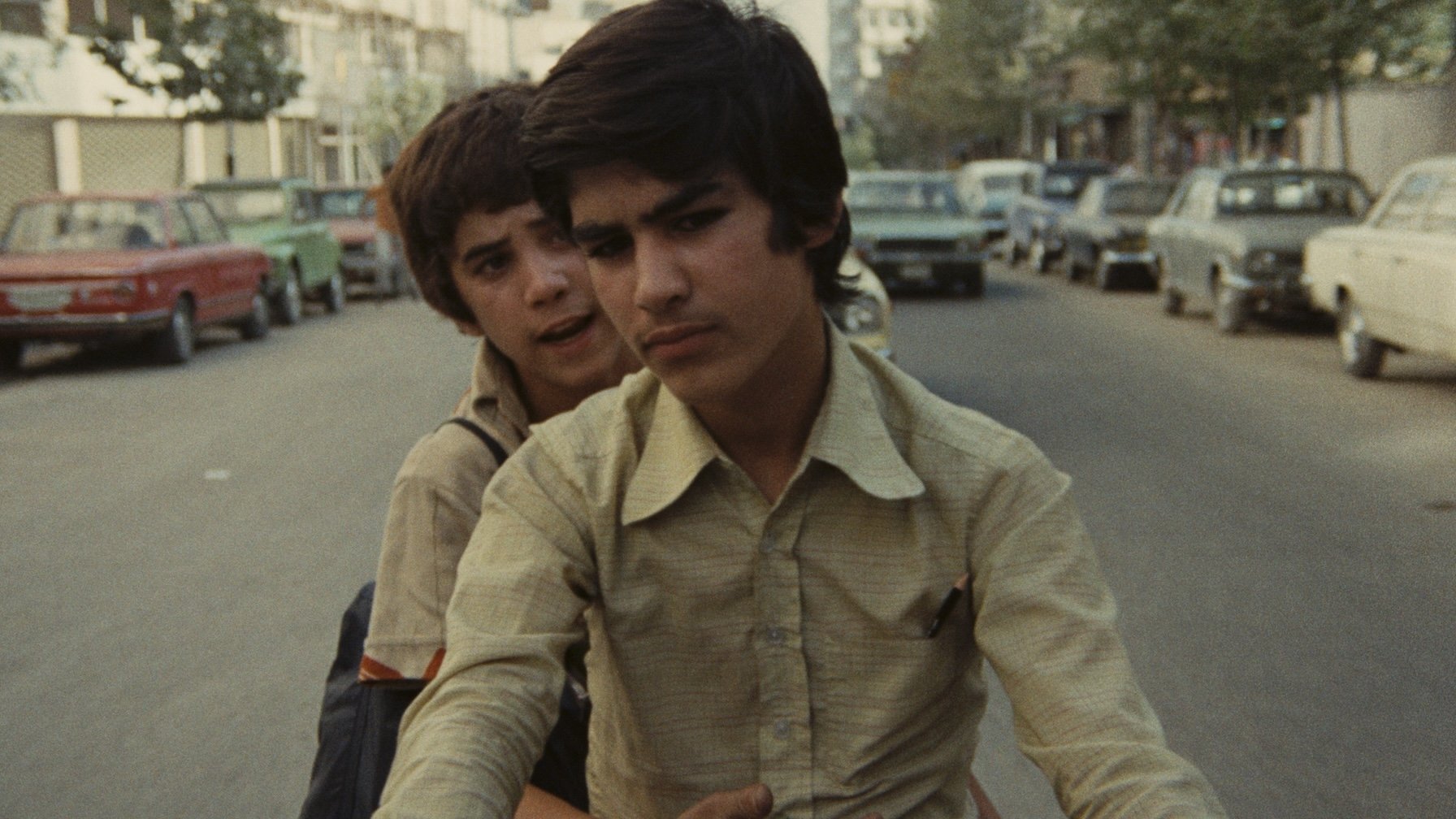
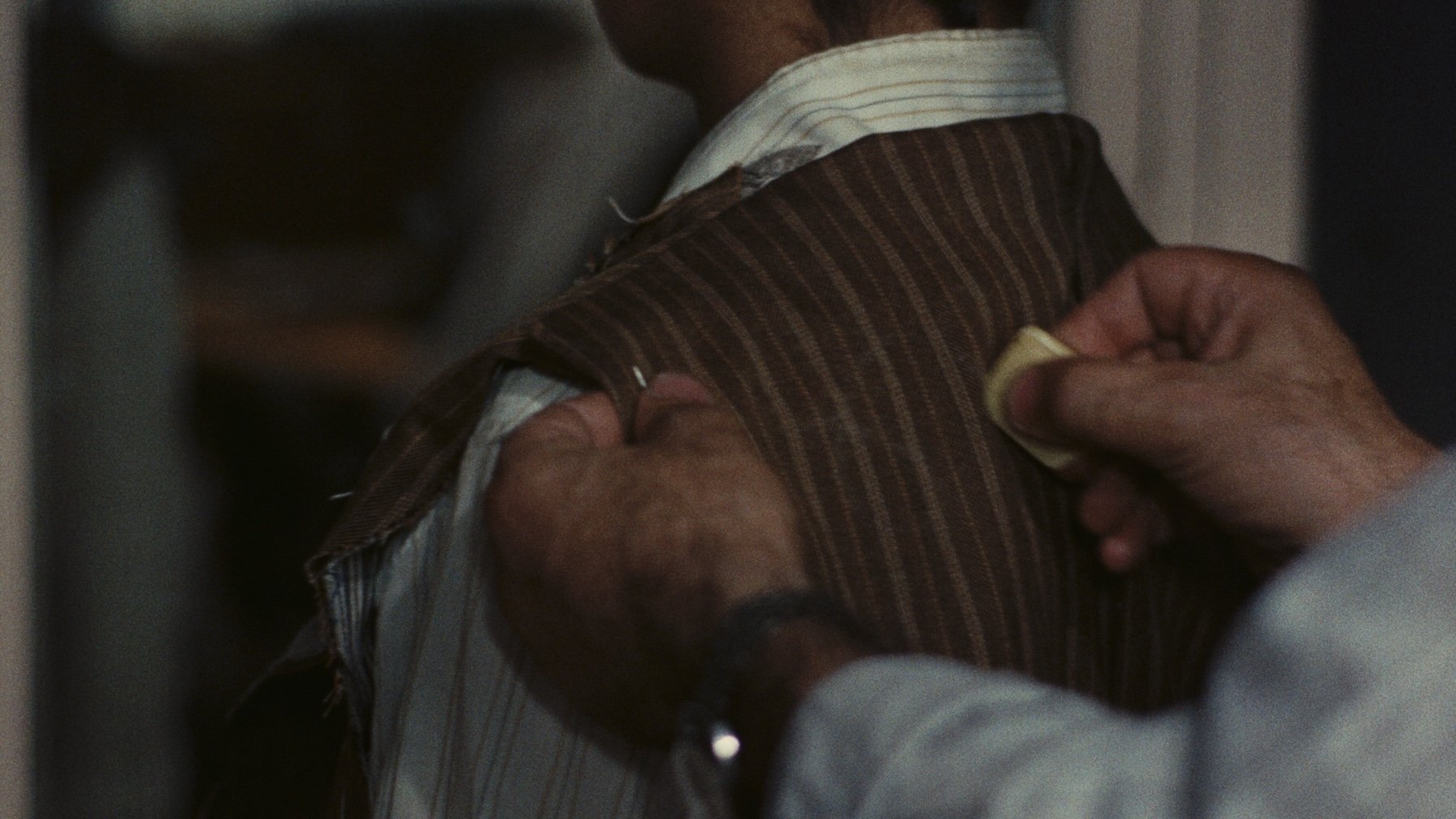
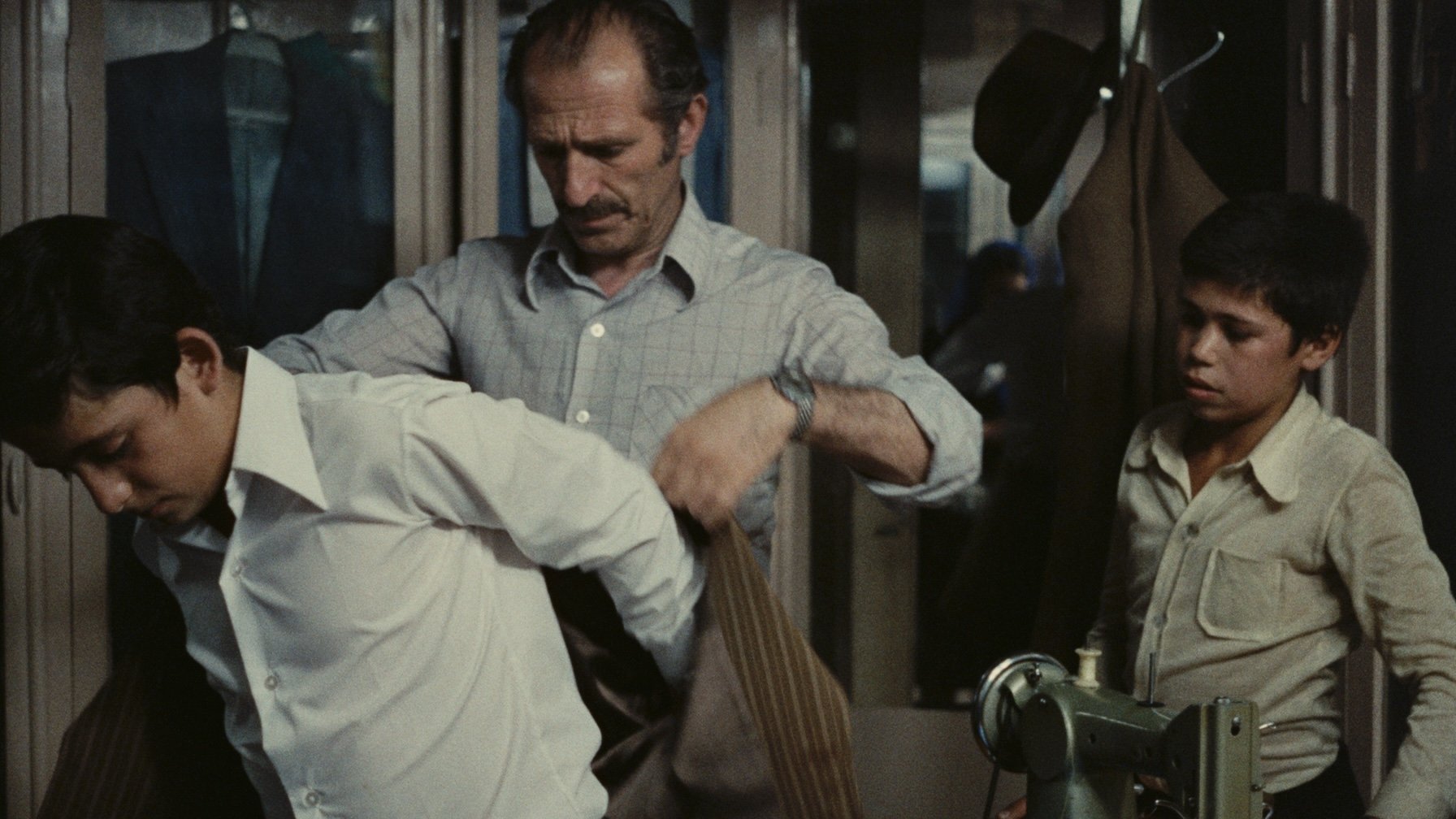
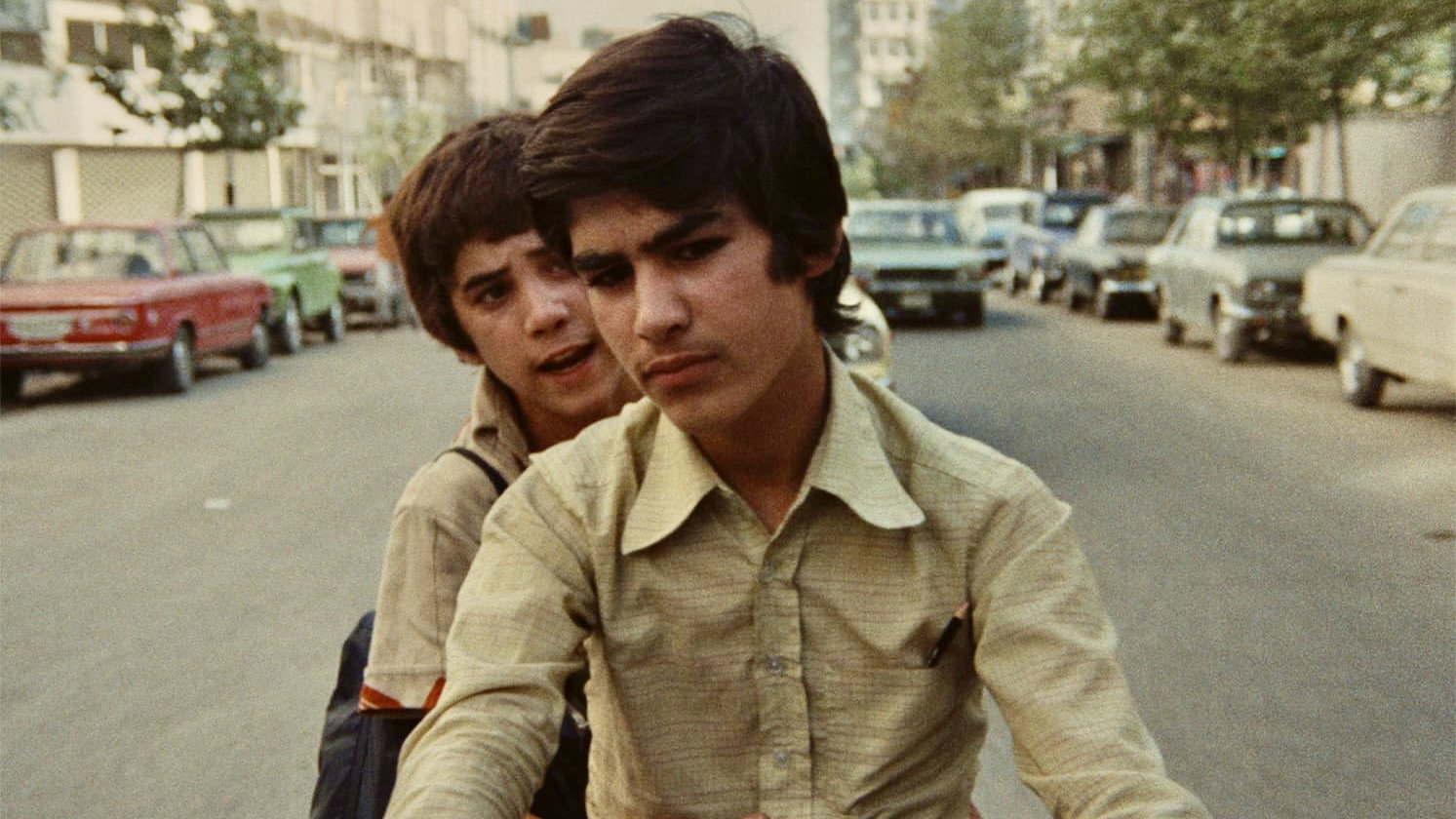
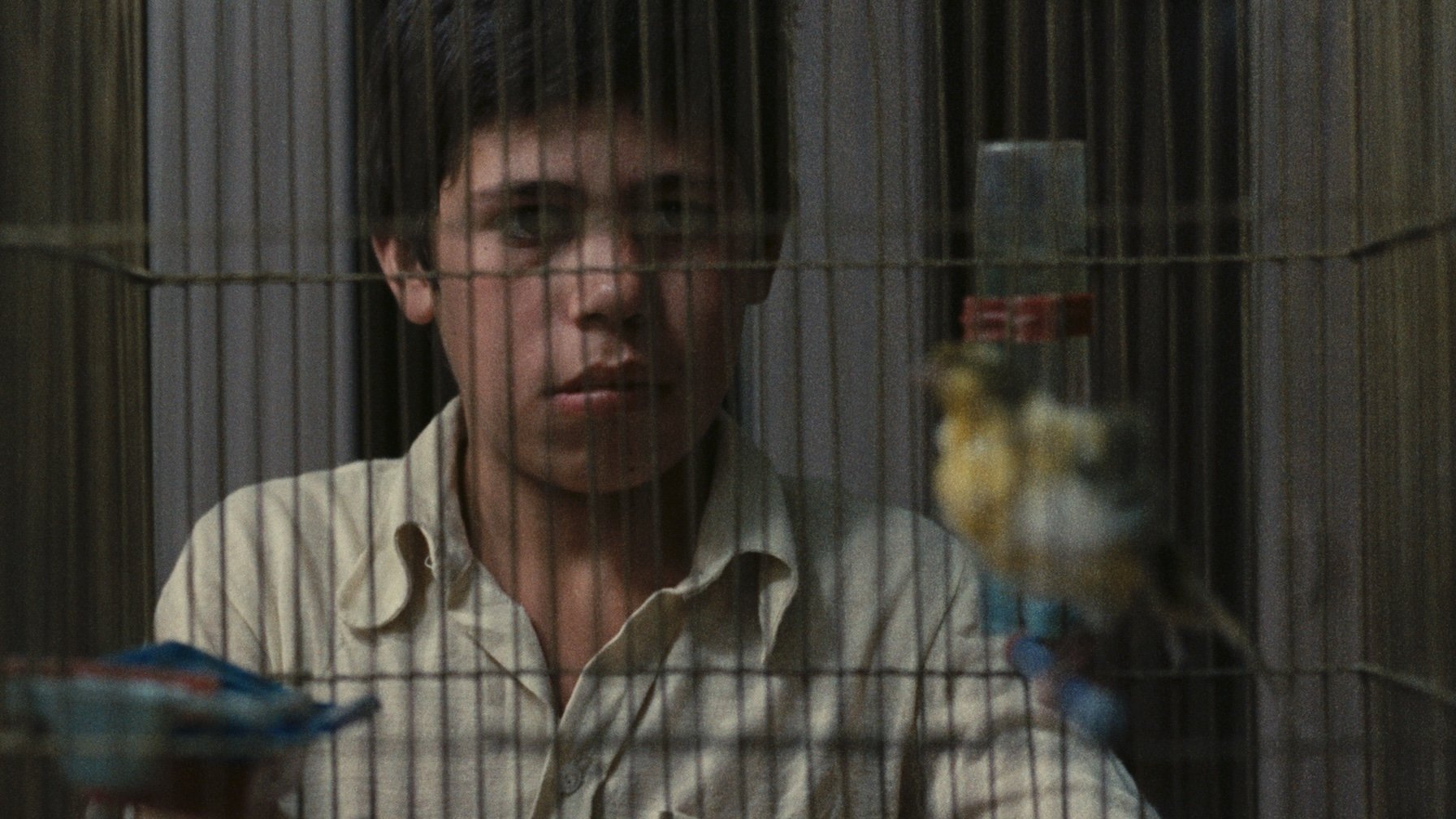
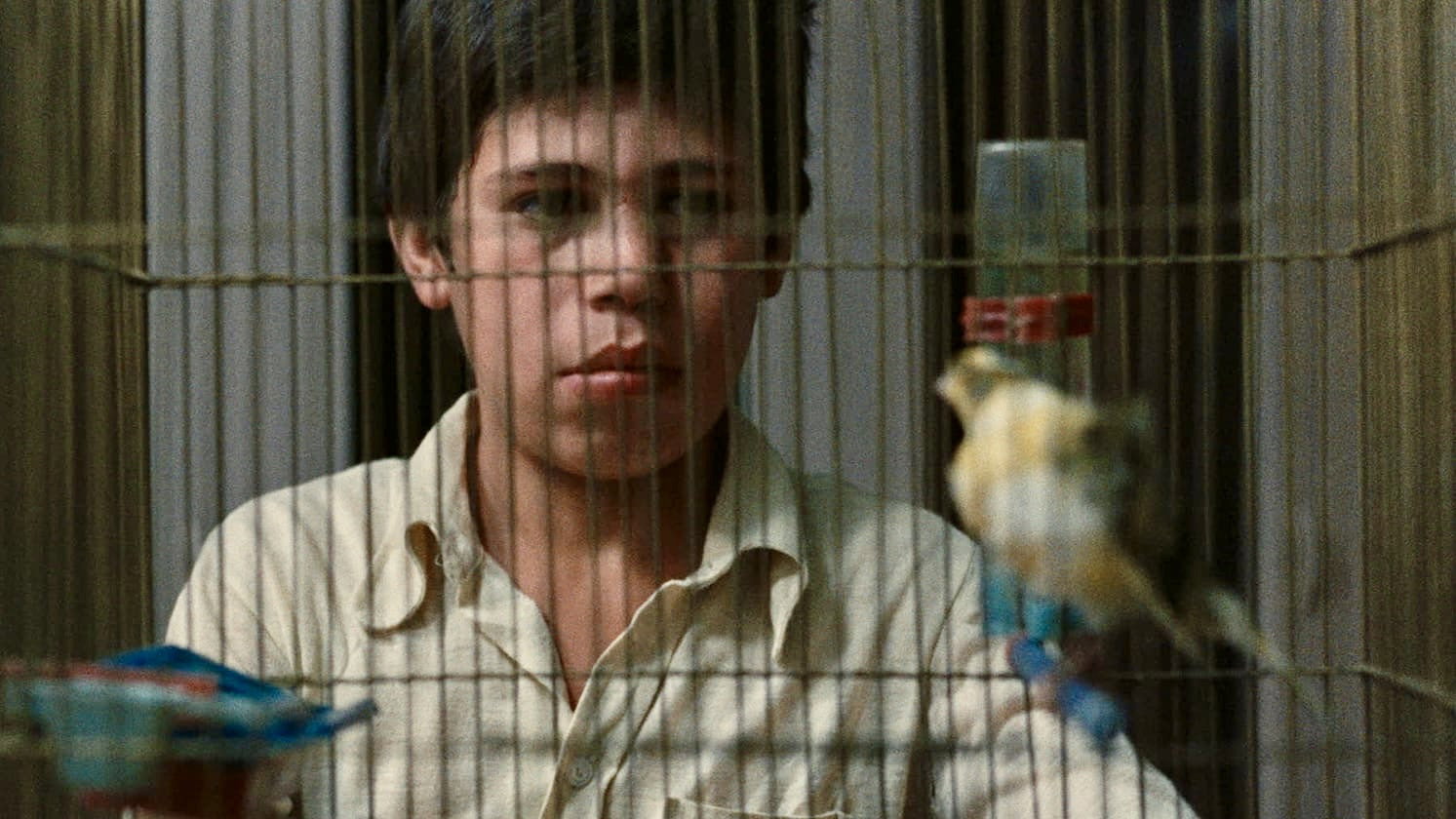
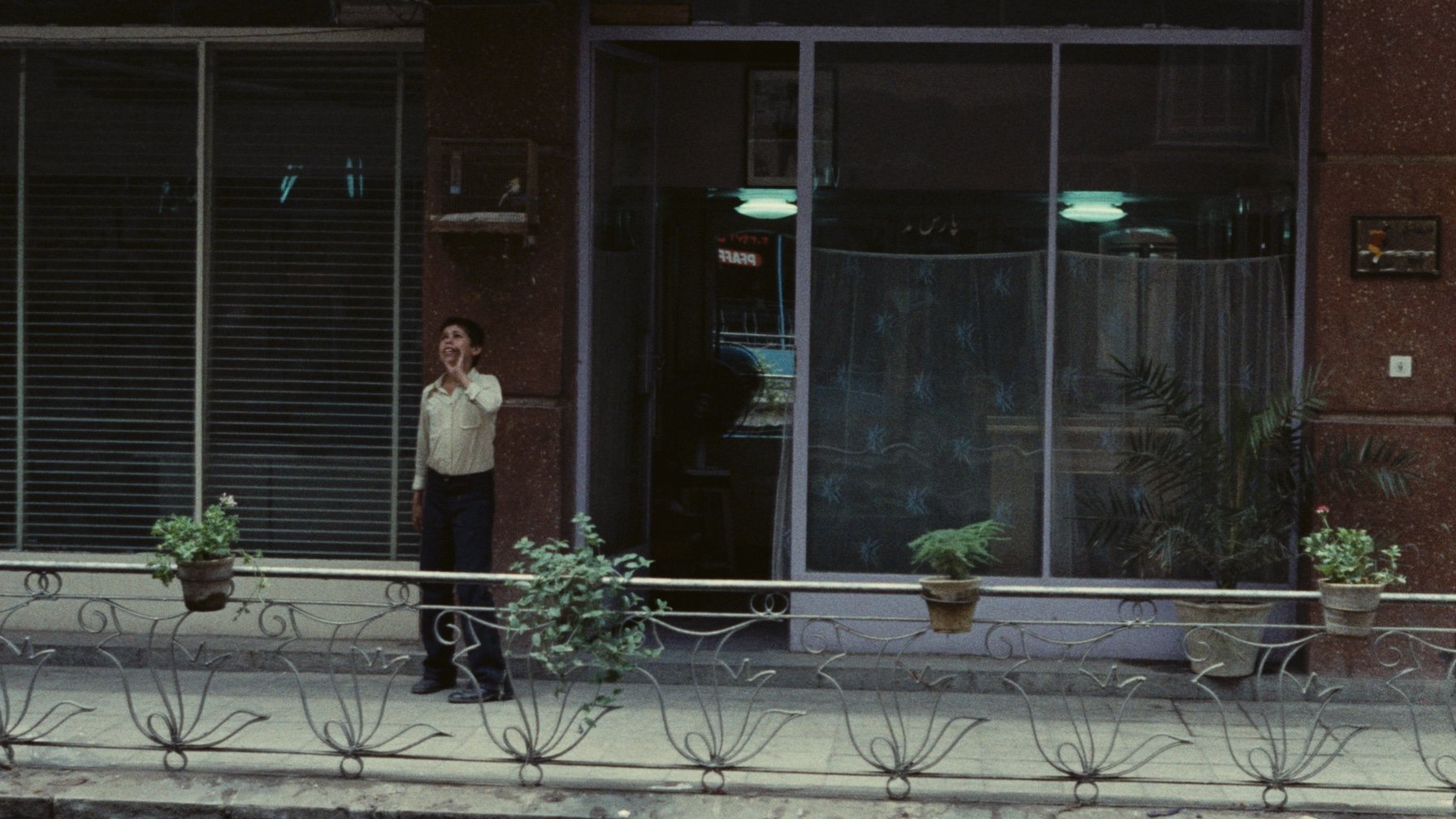
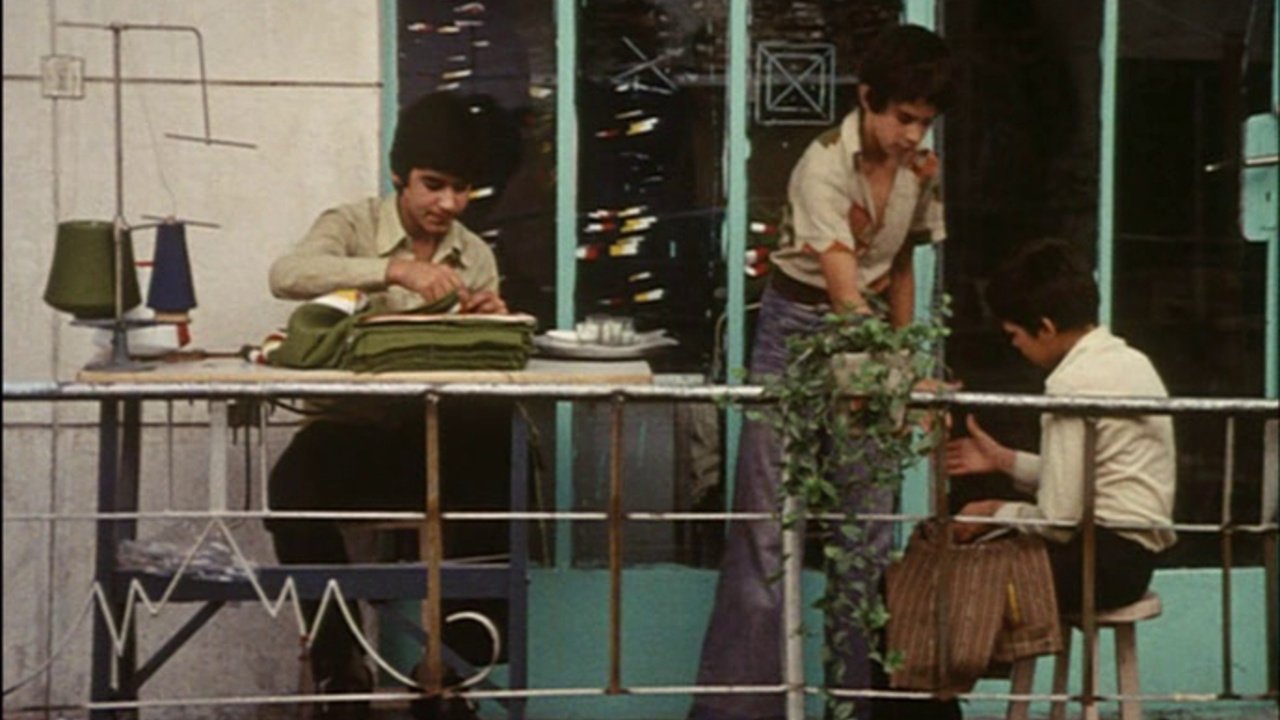
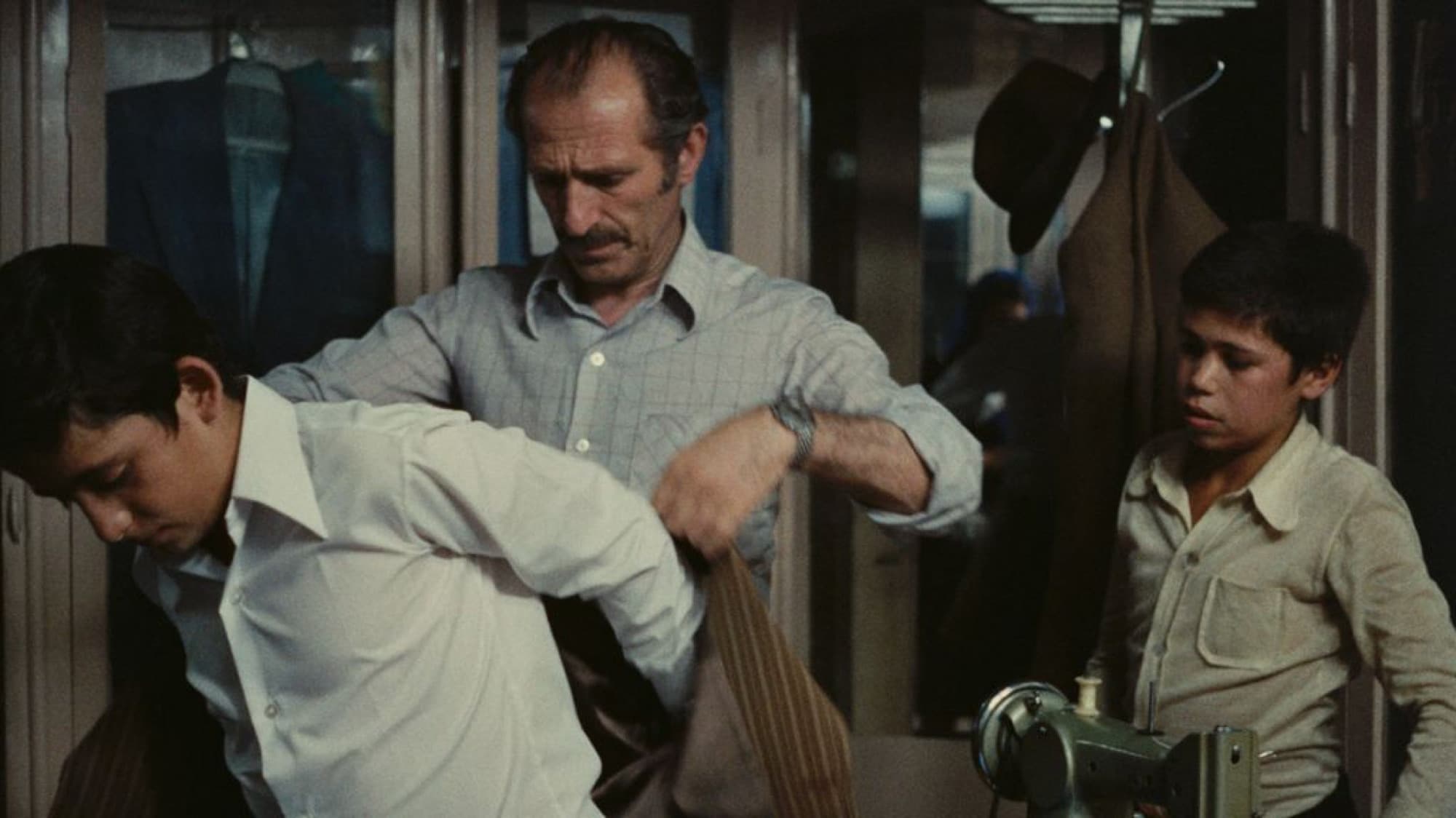
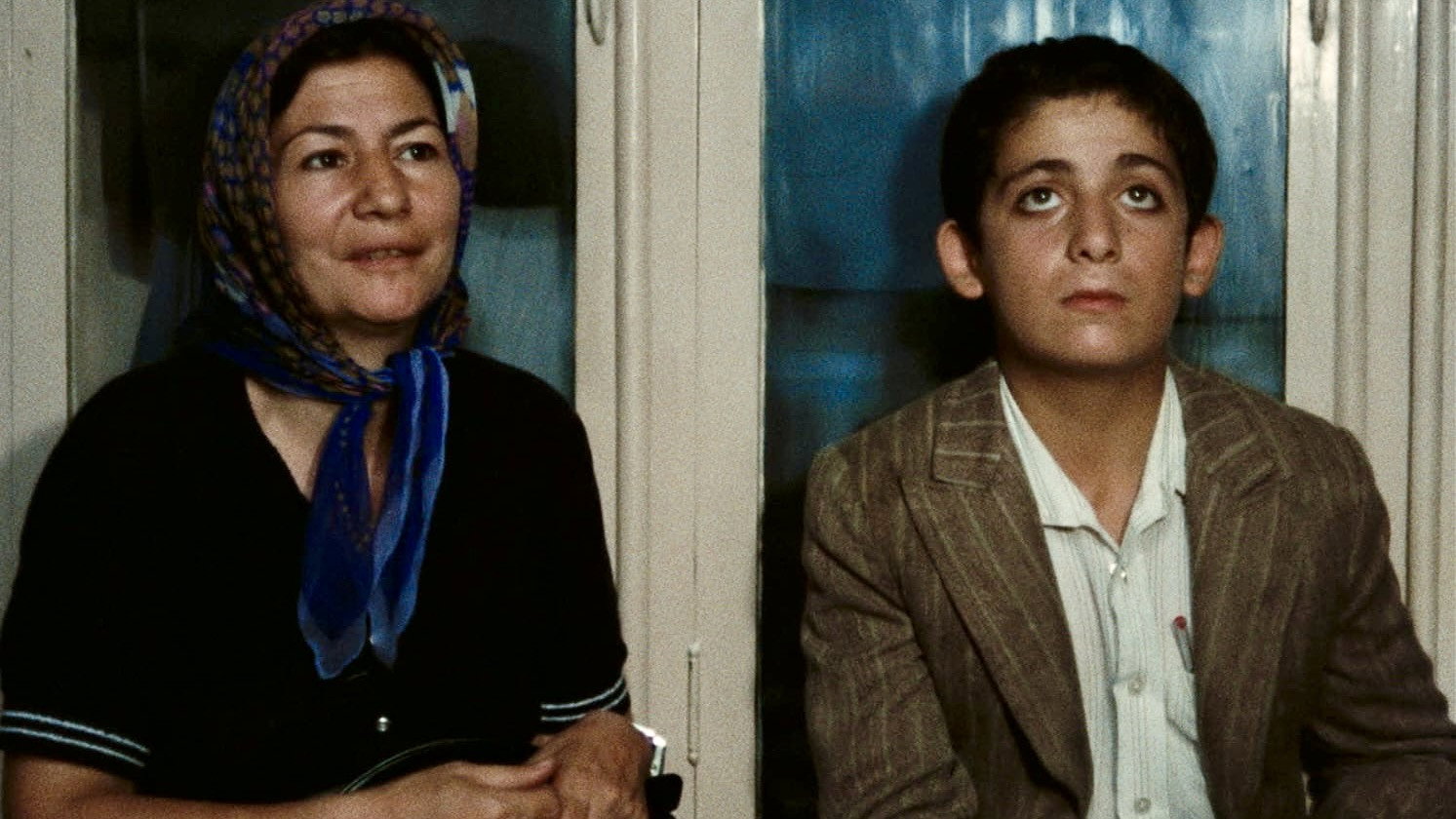
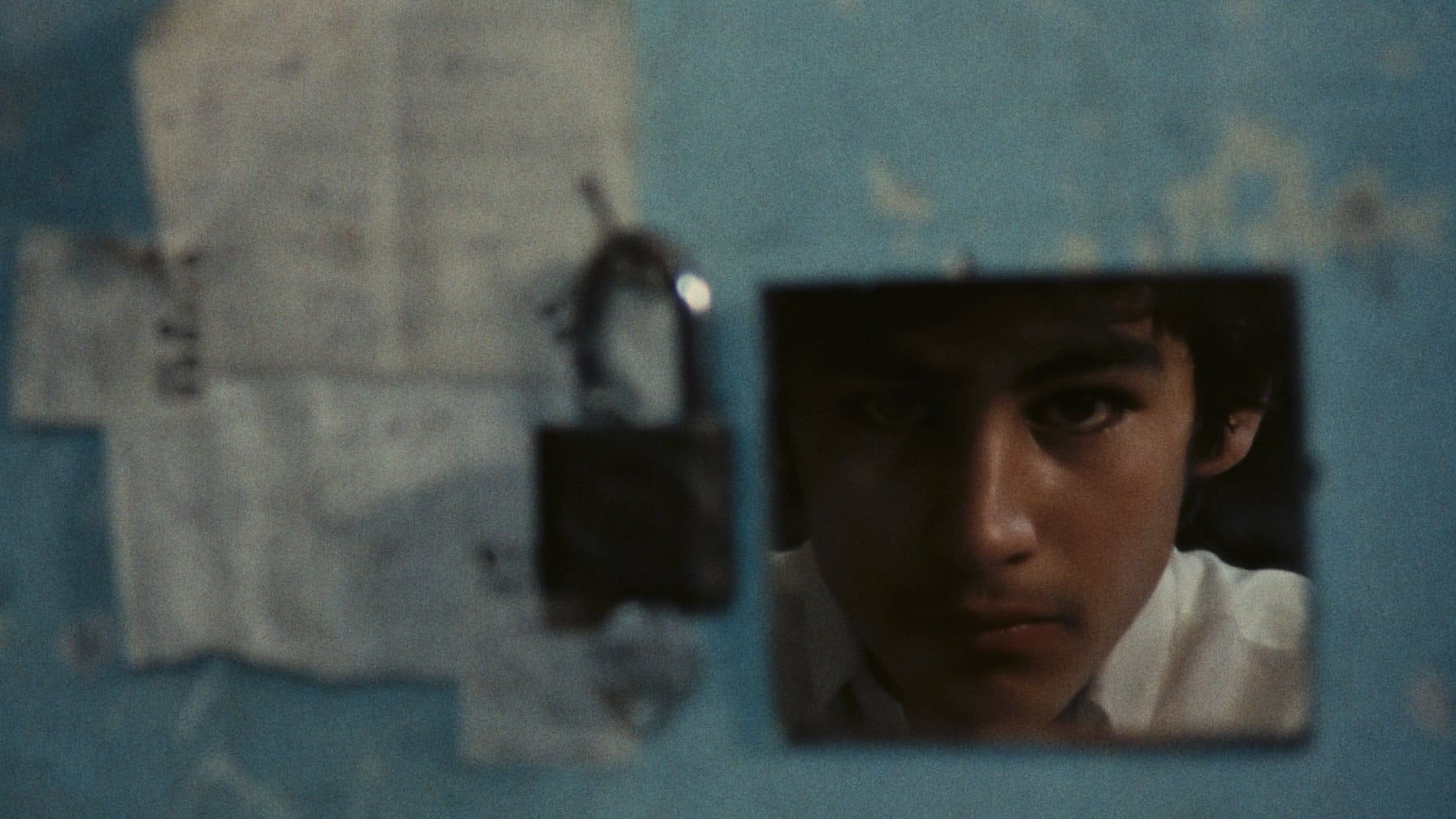
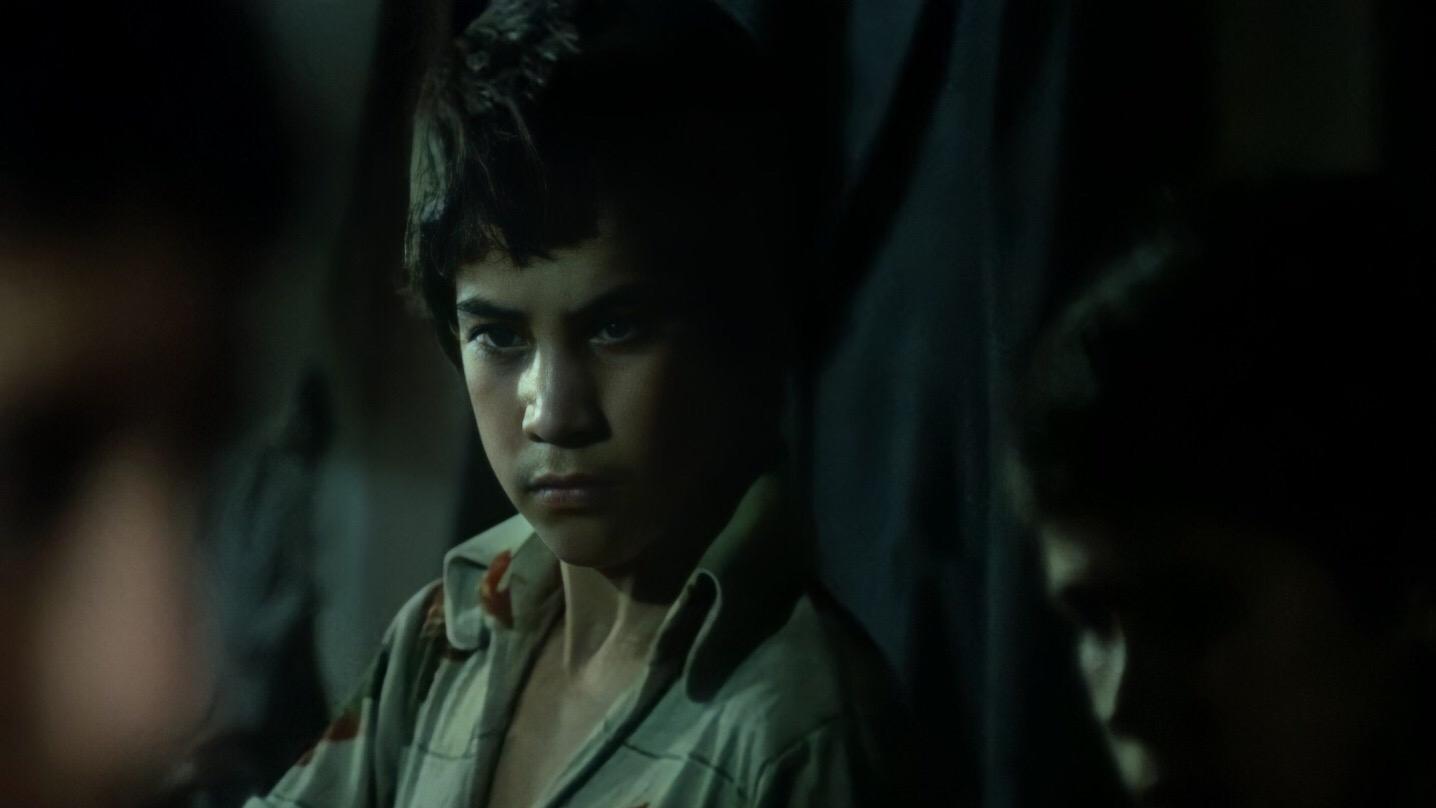
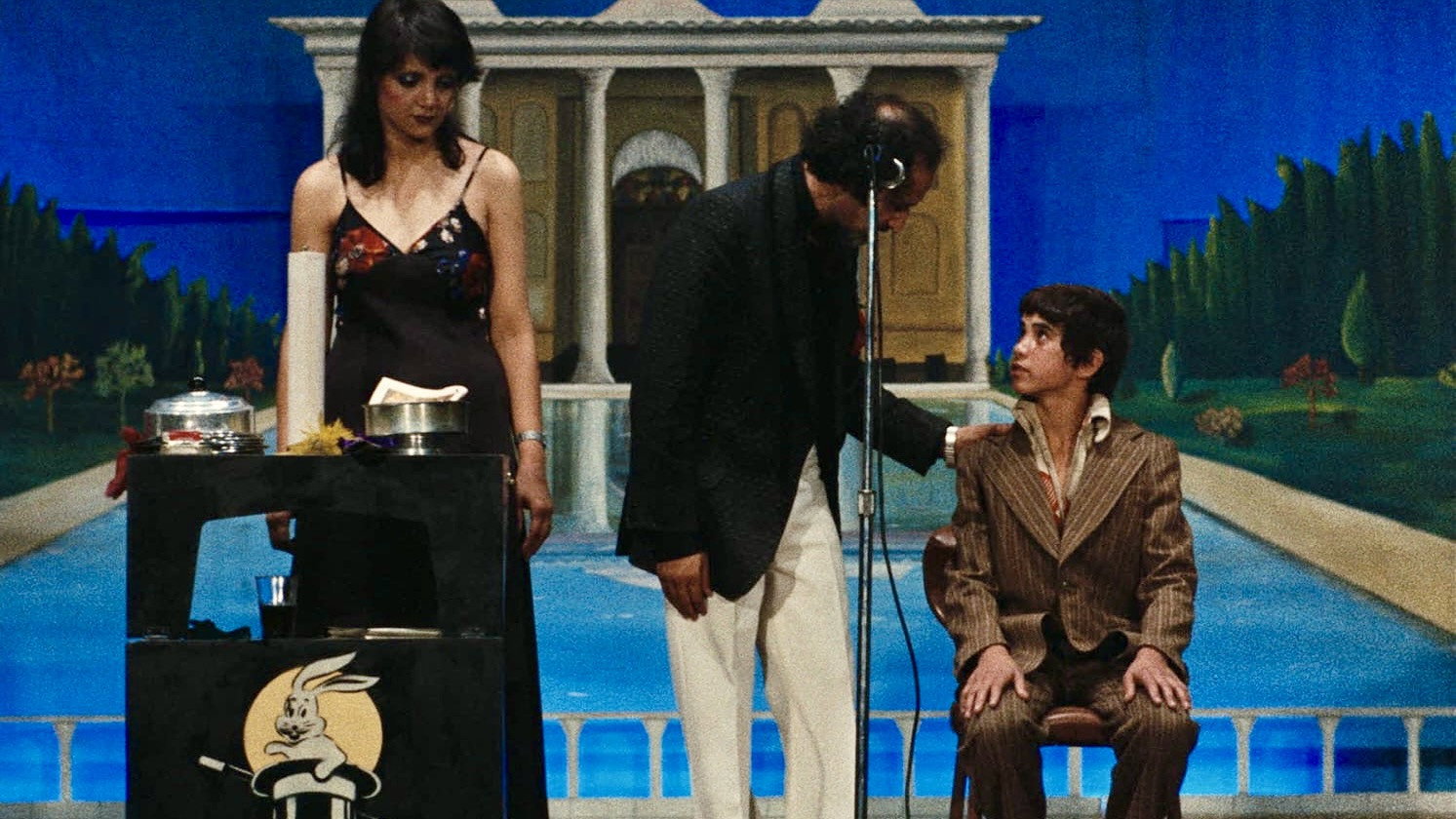
A woman orders a suit from a tailor for her young son to wear to her sister's wedding. The tailor's apprentice, together with two other teenage boys who work in the same building, devise a plan to try on the suit at night to see what it feels like.
Directed by Abbas Kiarostami
karate
tailor
suit

IMDB
N/A
Crew
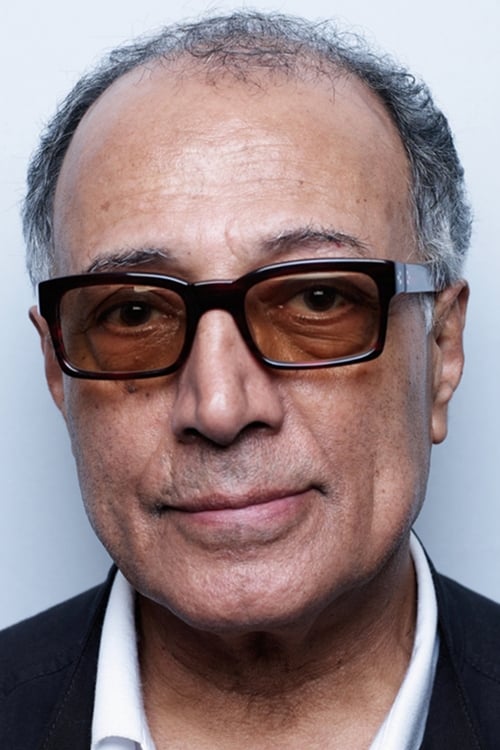
Abbas Kiarostami
Director
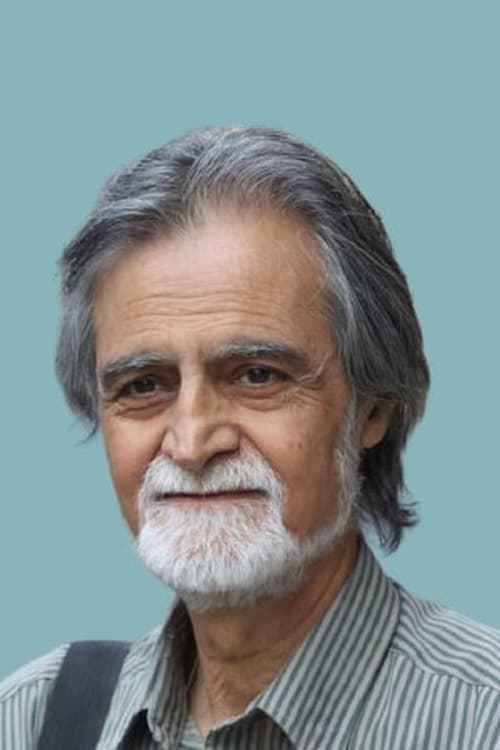
Parviz Davayi
Screenplay
Abbas Kiarostami
Screenplay
Abbas Kiarostami
Editor
Ebrahim Forouzesh
Producer
Abbas Kiarostami
Producer
Popular Reviews
7 reviews
Nick Gates
8.2★ · 06/15/25
I gotta get into the bulk of Kiarostami’s work cause everything I’ve seen so far has been sweet. And another gorgeous film from cinematographer Firooz Malekzadeh.
I gotta get into the bulk of Kiarostami’s work cause everything I’ve seen so far has been sweet. And another gorgeous film from cinematographer Firooz Malekzadeh.


Davis Carroll
8.0★ · 05/04/25
I have been reading “Conversations with Kiarostami” by Godfrey Cheshire and I have decided to watch the films along with their interviews. A Wedding Suit shows Kiarostami starting to come into his own voice, though still a bit off from the laid-back, meta stylings he would later come to prefer. A Wedding Suit finds Kiarostami at his most scripted up to this point, telling the story of a boy working in a tailor shop having to deal with two other boys vying to borrow a suit. On the topic of the film being about child abuse Kiarostami had to say “it seems that they themselves are unaware they’re abused…this is why we have to respect children. I mean, children are better than us because they cope with difficulties better. They’ve more energy for living than we do and tolerate life with a great amount of realism.” Kiarostami also draws multiple parallels between the bully/abused character Mamad and the focus of Close-Up, Hossein Sabzian, saying (regarding the moment when Mamad wears the suit out) “he can embrace the object of his desires without any interference. It’s like something that happened in Close-Up with Hossein Sabzian, when he rode the motorcycle in close physical proximity to Makhmalbaf, his favorite director. Reality and dream occur simultaneously, reality and dream become one.” He also points out that like Sabzian, Mamad is a fake, using the suit as a masquerade to show off. A Wedding Suit is a solid addition to Kiarostami’s filmography because of connections like this, it’s worth a watch not only as a fan of Kiarostami but as a fan of the larger world of Iranian New Wave or Neo-realism.
I have been reading “Conversations with Kiarostami” by Godfrey Cheshire and I have decided to watch the films along with their interviews. A Wedding Suit shows Kiarostami starting to come into his own voice, though still a bit off from the laid-back, meta stylings he would later come to prefer. A Wedding Suit finds Kiarostami at his most scripted up to this point, telling the story of a boy working in a tailor shop having to deal with two other boys vying to borrow a suit. On the topic of the film being about child abuse Kiarostami had to say “it seems that they themselves are unaware they’re abused…this is why we have to respect children. I mean, children are better than us because they cope with difficulties better. They’ve more energy for living than we do and tolerate life with a great amount of realism.” Kiarostami also draws multiple parallels between the bully/abused character Mamad and the focus of Close-Up, Hossein Sabzian, saying (regarding the moment when Mamad wears the suit out) “he can embrace the object of his desires without any interference. It’s like something that happened in Close-Up with Hossein Sabzian, when he rode the motorcycle in close physical proximity to Makhmalbaf, his favorite director. Reality and dream occur simultaneously, reality and dream become one.” He also points out that like Sabzian, Mamad is a fake, using the suit as a masquerade to show off. A Wedding Suit is a solid addition to Kiarostami’s filmography because of connections like this, it’s worth a watch not only as a fan of Kiarostami but as a fan of the larger world of Iranian New Wave or Neo-realism.
Mert
10.0★ · 05/07/26
MGTYPRO
7.0★ · 05/03/26
Hasib
6.0★ · 08/07/24