
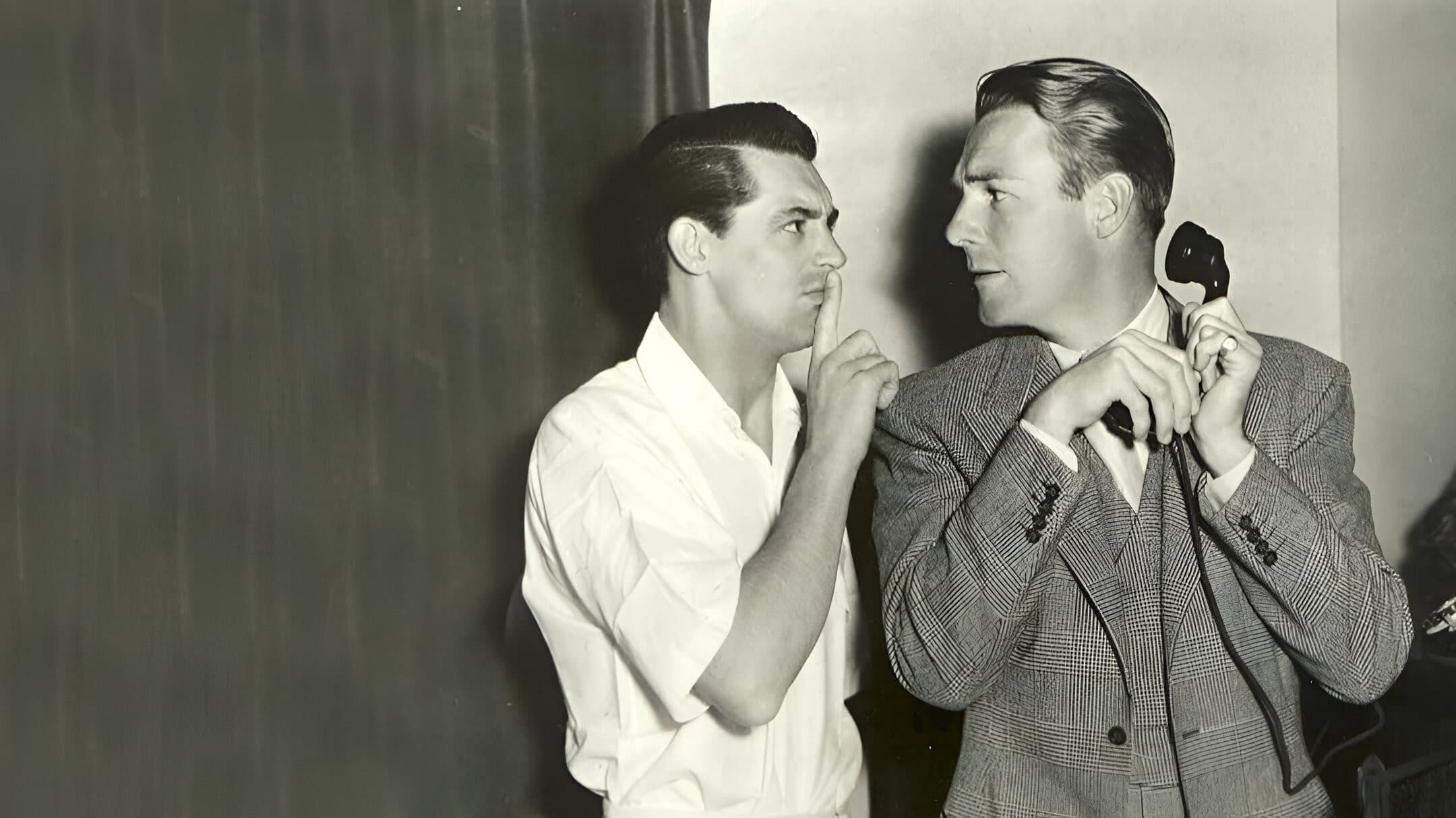
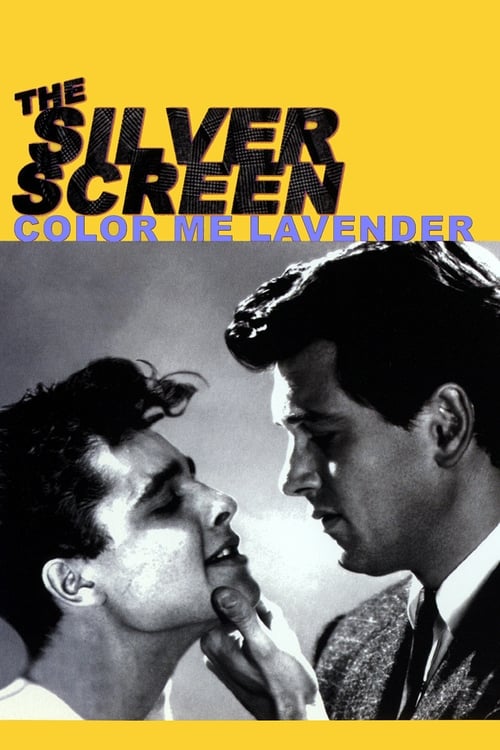
The Silver Screen: Color Me Lavender
1997·History·1h 40m
7.0
★
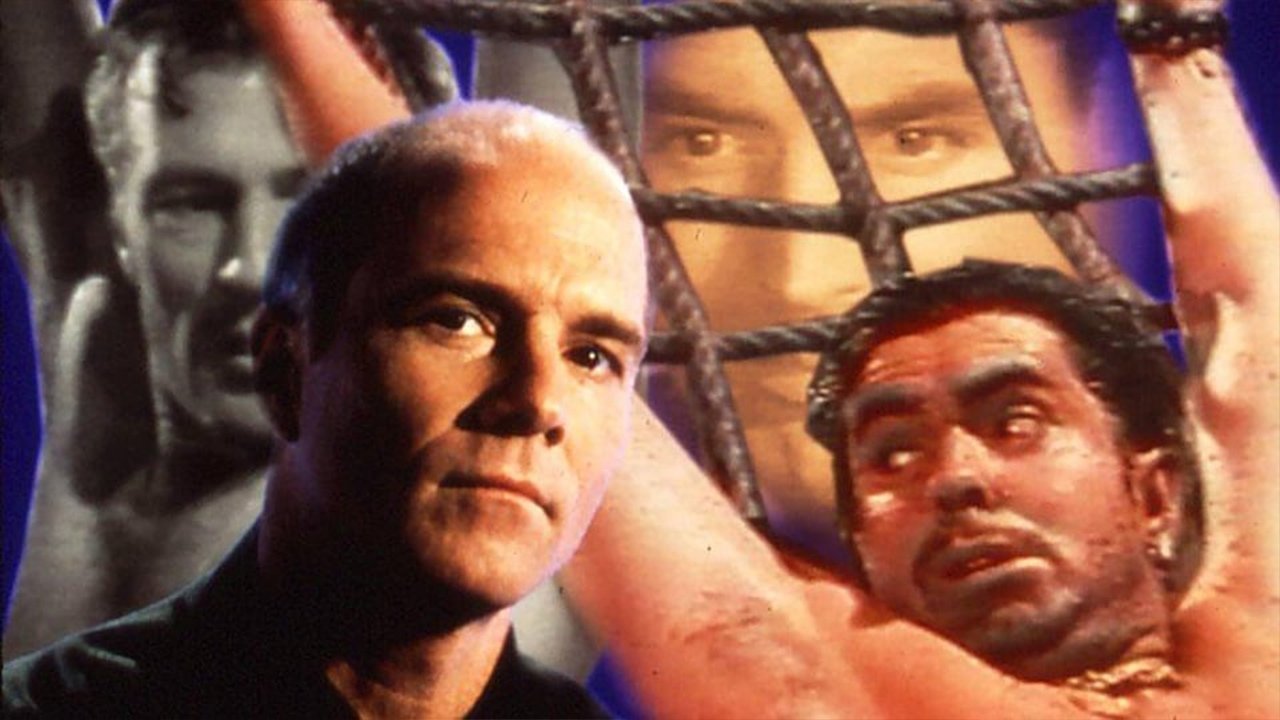


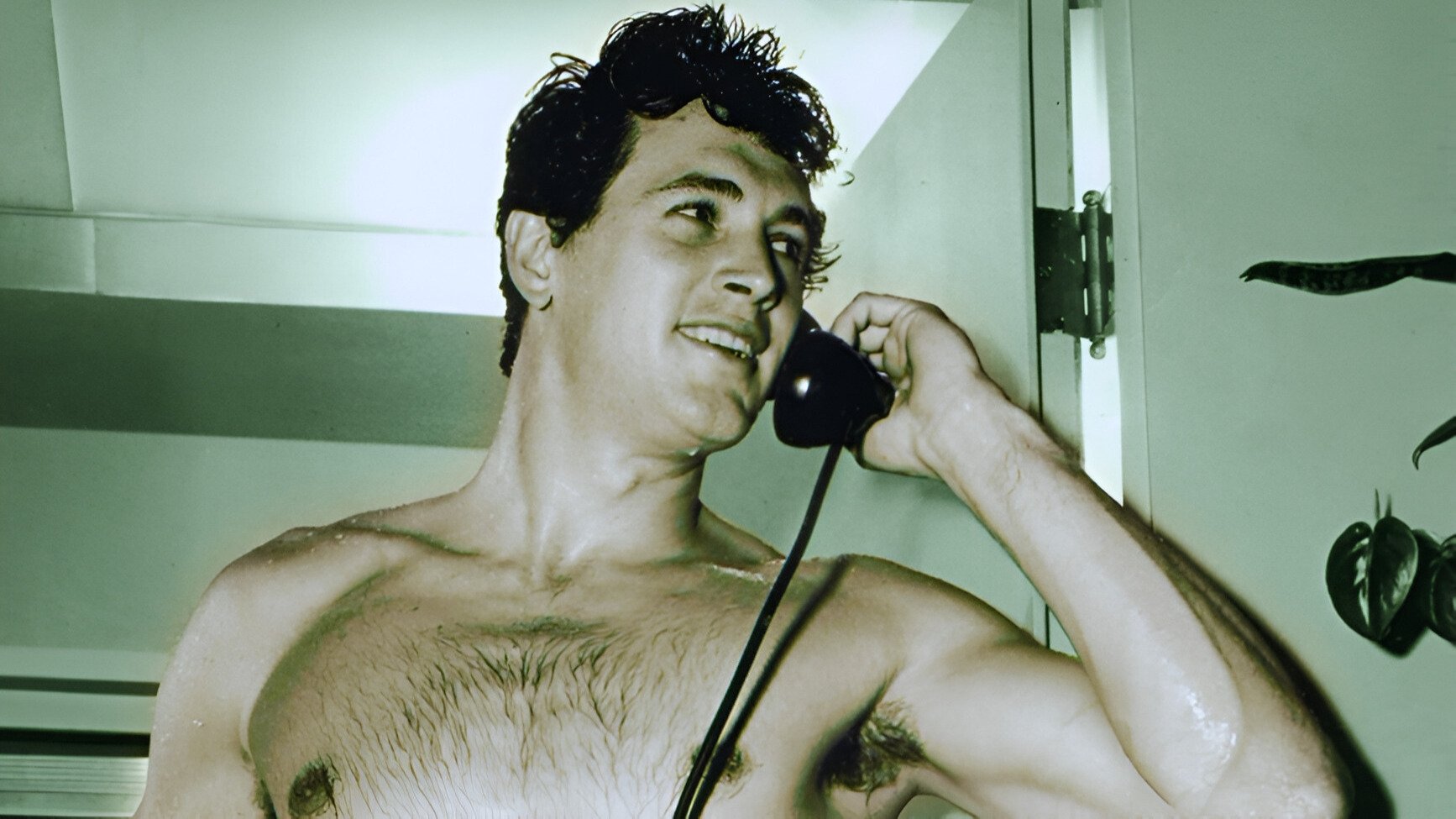
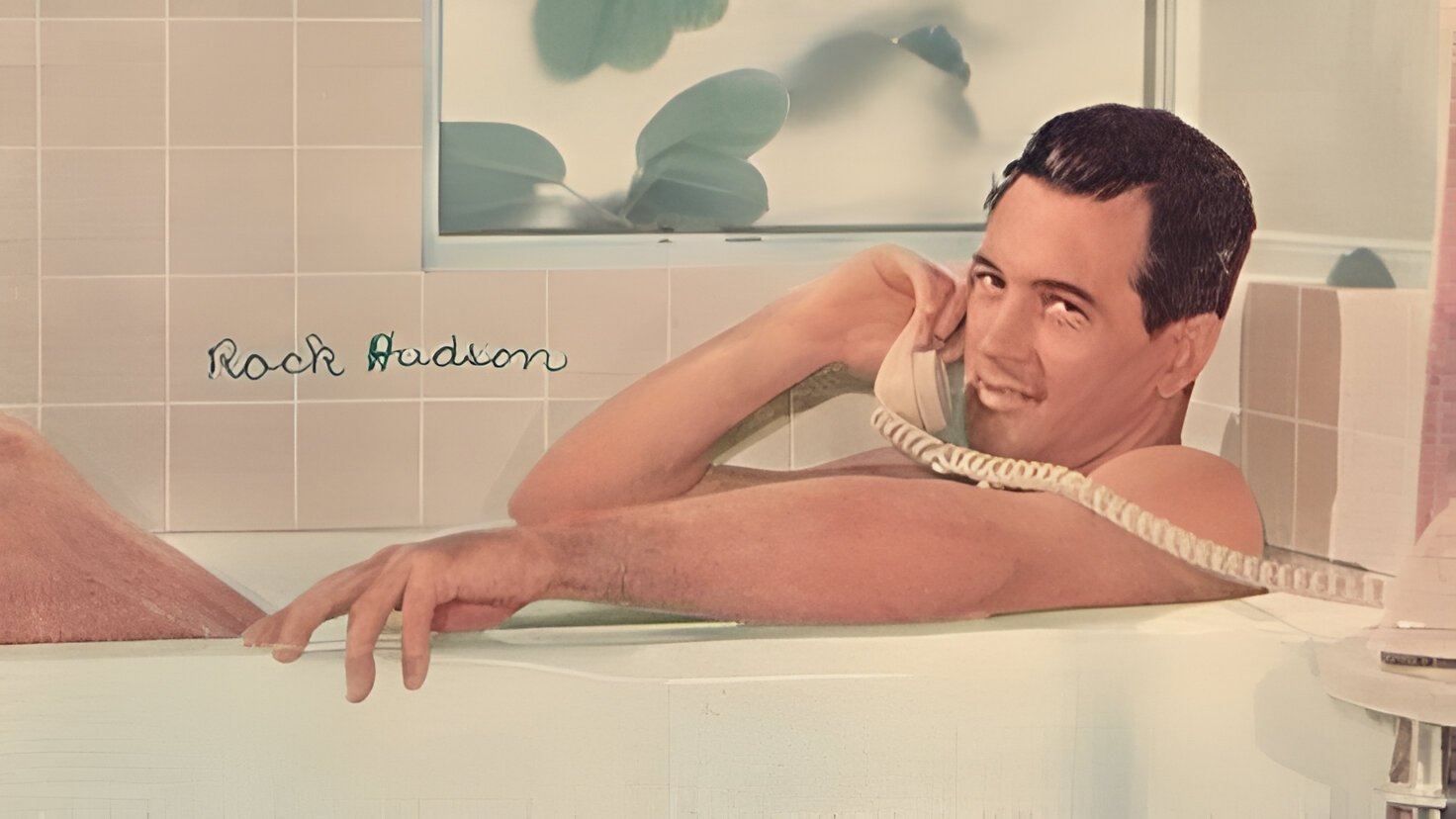
A film scrapbook, images, phrases from our past, hiding their meanings behind veils. Let's lift those veils, one by one, to find how images, at one time seeming innocent, have revealed, after decades, to have homosexual overtones.
Directed by Mark Rappaport

IMDB
N/A
Where to Watch


Cast

Dan Butler
Host / Narrator
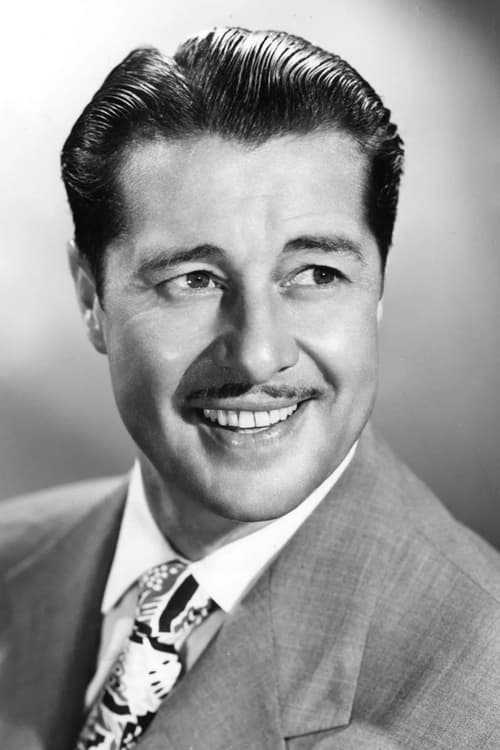
Don Ameche
Self (archive footage)
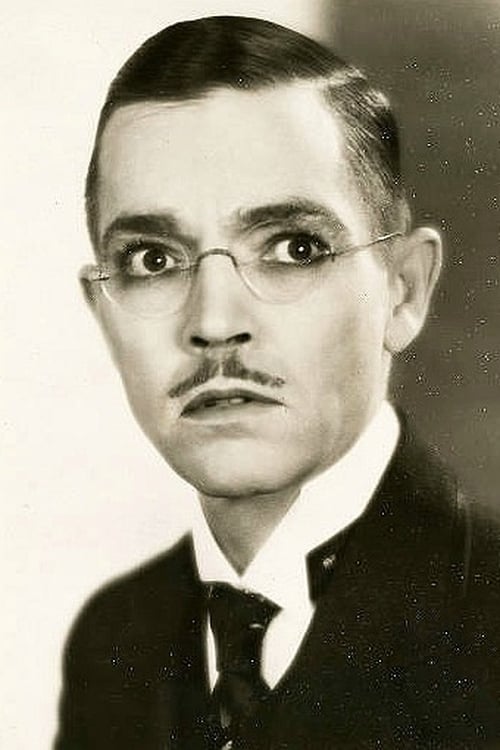
Johnny Arthur
Self (archive footage)

Lucille Ball
Self (archive footage)

Noah Beery Jr.
Self (archive footage)
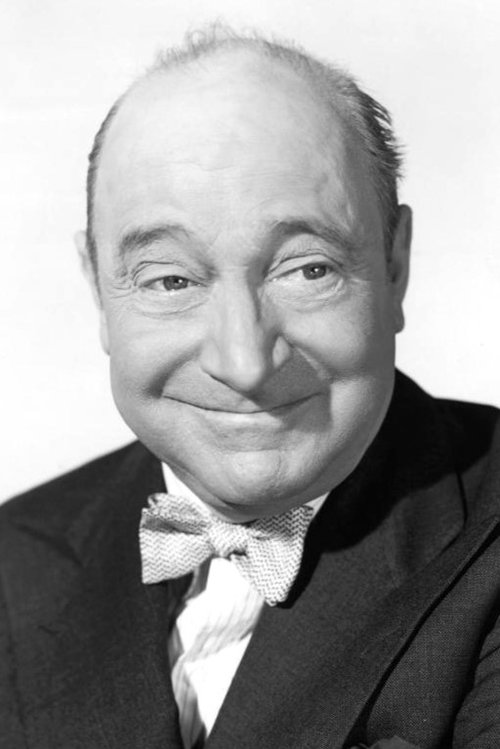
Eric Blore
Self (archive footage)

Humphrey Bogart
Self (archive footage)
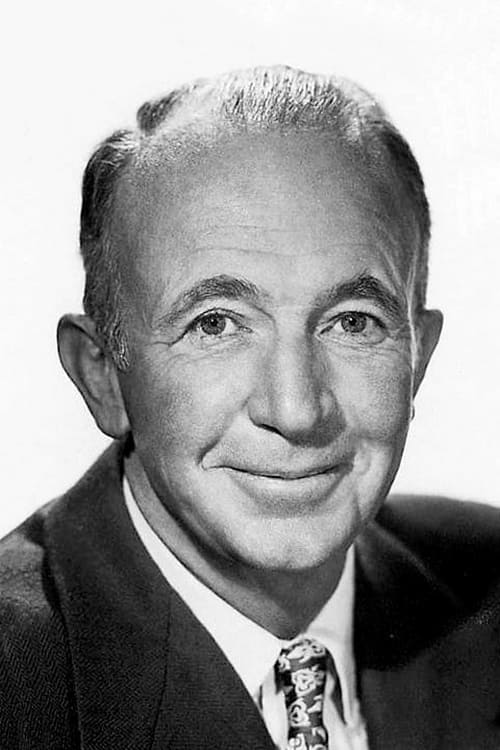
Walter Brennan
Self (archive footage)

Montgomery Clift
Self (archive footage)

Claudette Colbert
Self (archive footage)

Gary Cooper
Self (archive footage)

John Dall
Self (archive footage)
Crew

Bill Sherwood
In Memory Of

Lina Todd
Casting

Prabda Yoon
Production Assistant
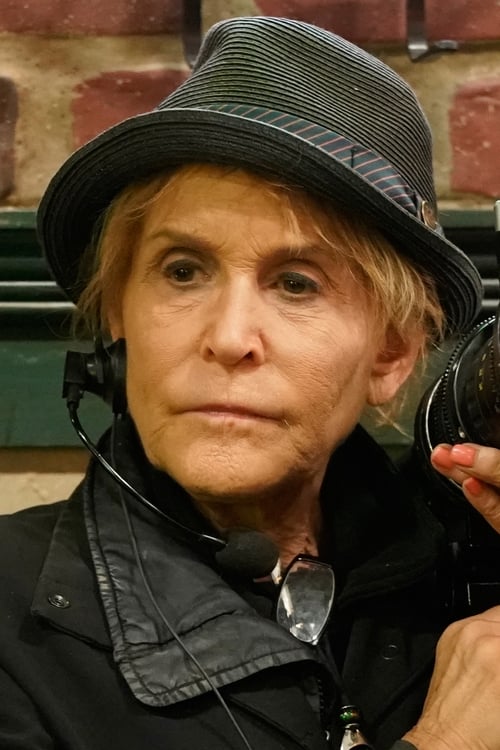
Nancy Schreiber
Camera Operator
Popular Reviews
12 reviews
mimi
6.0★ · 12/20/25
RIP alain delon, you would hate that you're in this
RIP alain delon, you would hate that you're in this


Spence
4.0★ · 01/30/25
Such a disappointment that this documentary fails to list the films it extracts all of these clips from. This was honestly a glorified clip show of gay subtext and gay jokes in films from Hollywood’s Golden Age, so, it’s kind of ridiculous that they don’t cite their sources.
The narration around these clips is, in my opinion, shallow and lackluster. Everything said here has been said better by now and further expanded upon, making this obscure documentary relatively obsolete. I did enjoy the clips as a little queer history lesson, but it’s not particularly compelling. And if I do want to dive deeper into these films, I don’t even know where to start. I have no clue what most of these titles are. A glaring flaw.
The narration around these clips is, in my opinion, shallow and lackluster. Everything said here has been said better by now and further expanded upon, making this obscure documentary relatively obsolete. I did enjoy the clips as a little queer history lesson, but it’s not particularly compelling. And if I do want to dive deeper into these films, I don’t even know where to start. I have no clue what most of these titles are. A glaring flaw.
Such a disappointment that this documentary fails to list the films it extracts all of these clips from. This was honestly a glorified clip show of gay subtext and gay jokes in films from Hollywood’s Golden Age, so, it’s kind of ridiculous that they don’t cite their sources.
The narration around these clips is, in my opinion, shallow and lackluster. Everything said here has been said better by now and further expanded upon, making this obscure documentary relatively obsolete. I did enjoy the clips as a little queer history lesson, but it’s not particularly compelling. And if I do want to dive deeper into these films, I don’t even know where to start. I have no clue what most of these titles are. A glaring flaw.
The narration around these clips is, in my opinion, shallow and lackluster. Everything said here has been said better by now and further expanded upon, making this obscure documentary relatively obsolete. I did enjoy the clips as a little queer history lesson, but it’s not particularly compelling. And if I do want to dive deeper into these films, I don’t even know where to start. I have no clue what most of these titles are. A glaring flaw.
tilda
6.2★ · 06/01/24
happy gay month i guess
happy gay month i guess
Ned
7.9★ · 09/27/23
Um where was Sal Mineo......
Um where was Sal Mineo......
morisakist_
5.5★ · 08/08/23
a deep dive into the cultural pedigree: paralanguage of homosexuality; candidly comical but intentional in the latter… or maybe perhaps the exact opposite? the traditionalistic approach is quite a predicament of man with another man, articulating their intricate representations in the media—of what they are.
a deep dive into the cultural pedigree: paralanguage of homosexuality; candidly comical but intentional in the latter… or maybe perhaps the exact opposite? the traditionalistic approach is quite a predicament of man with another man, articulating their intricate representations in the media—of what they are.