❝You hate kabuki with a passion, don't you? But you will still go on stage. Why? Because, I suppose, that's what makes us actors.❞
❝Every time I saw you perform onstage, it was like a New Year celebration. It's transformative. "Drop everything and enter my world." Like you're inviting me in. Like you're taking me somewhere I've never been.❞
· · ───── ·⋆⋅𖤓⋅⋆· ───── · ·
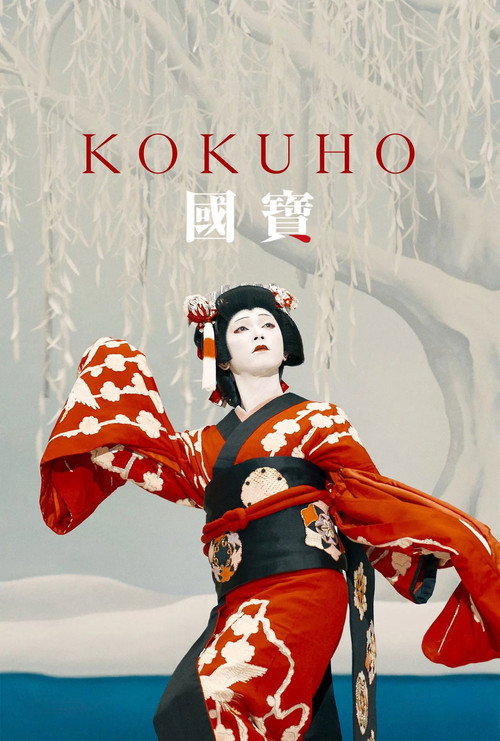
Oh boy. Kokuho has been getting a lot of praise since it was first showed, so I was pretty excited to finally get to watch it. And while it has some genuinely alluring scenes, it's unfortunately just as empty.
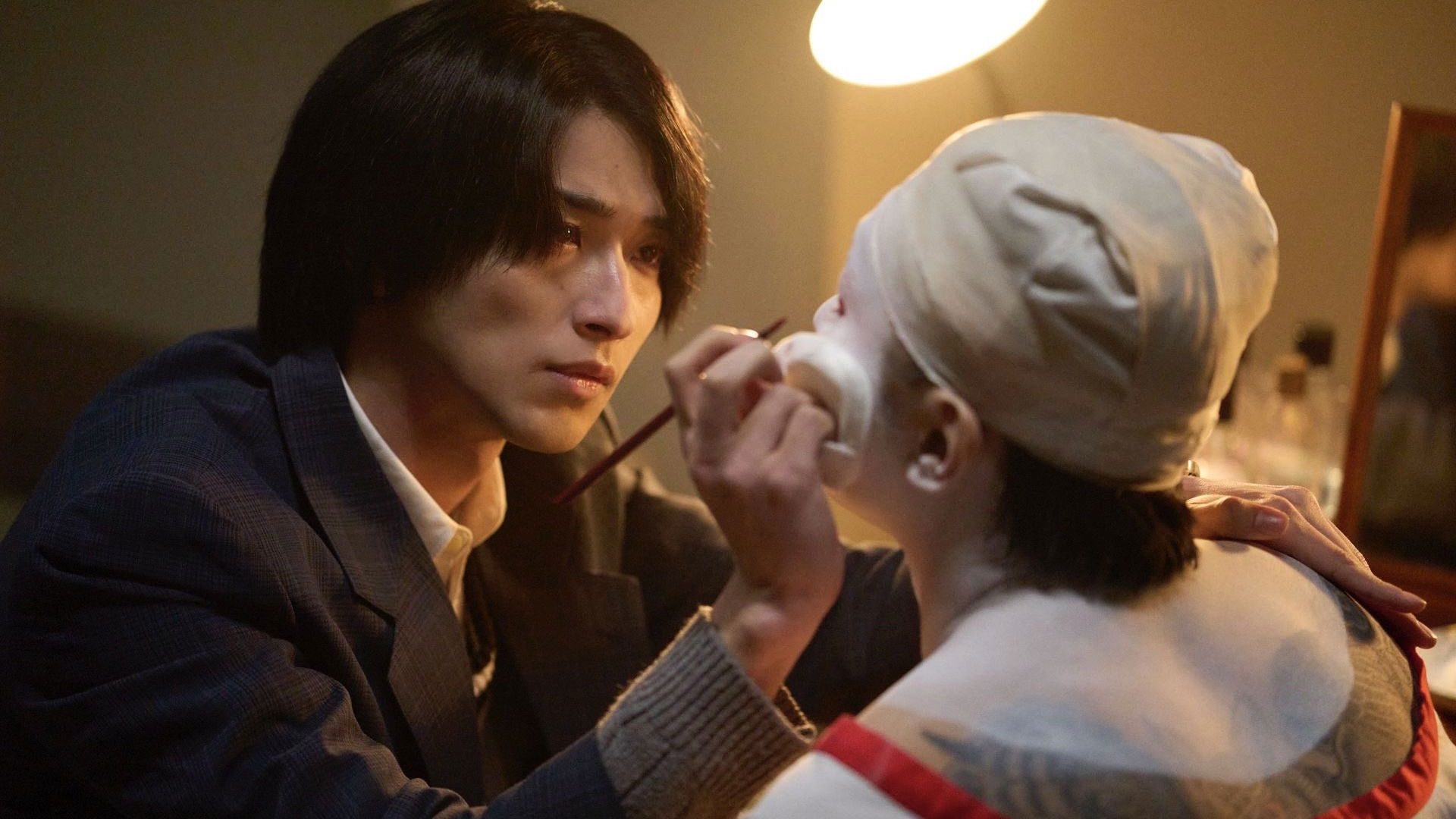
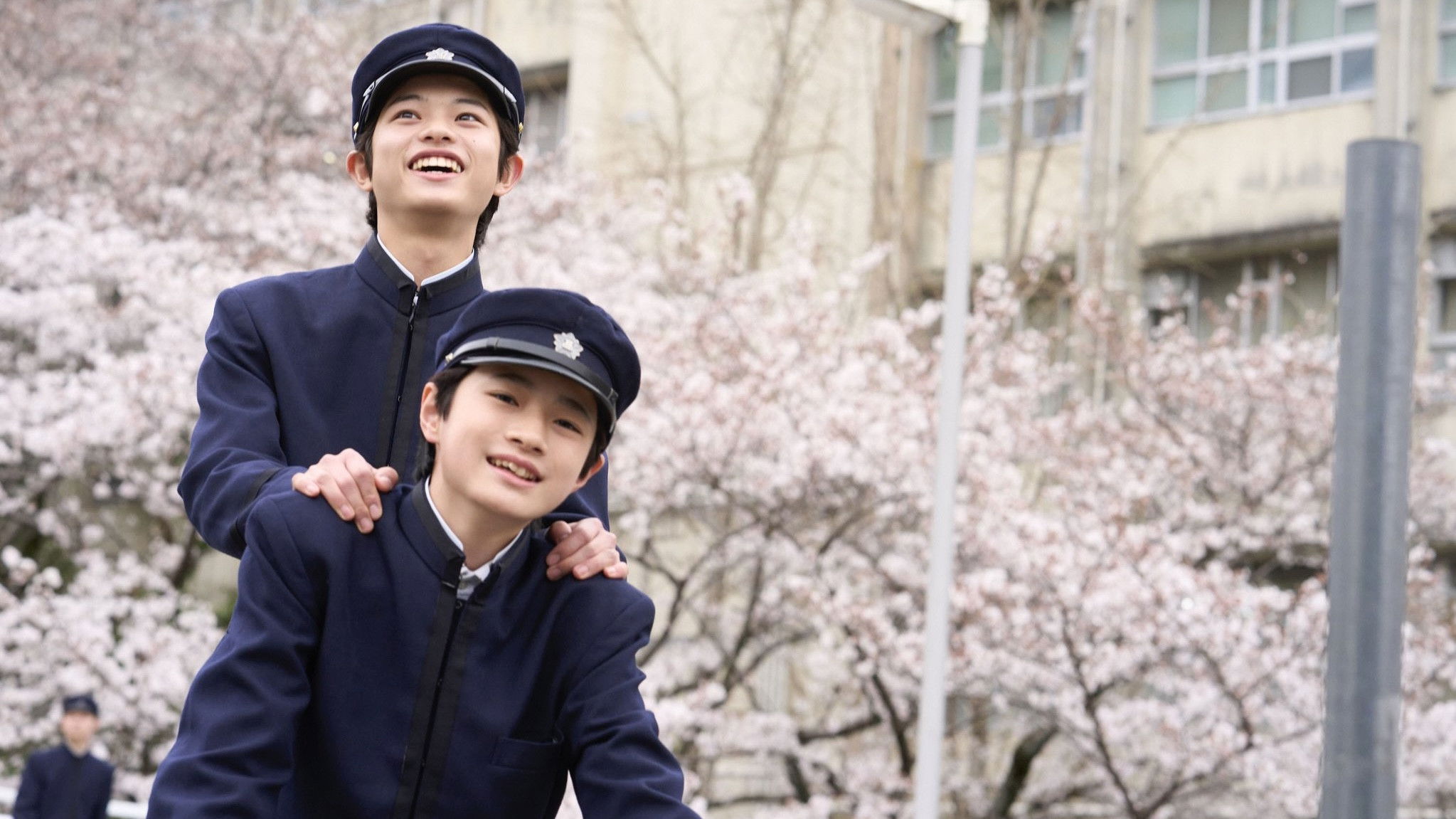
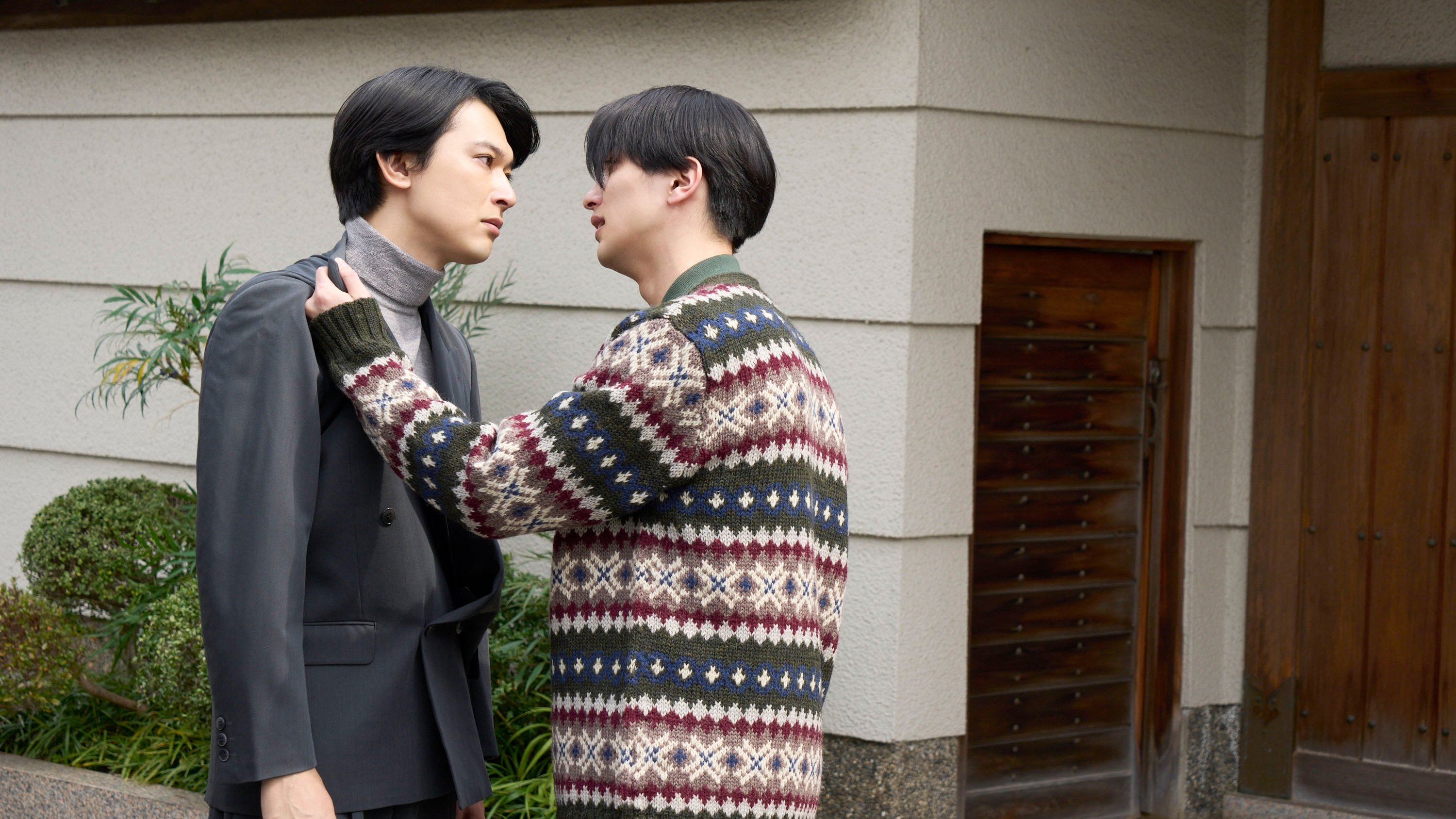
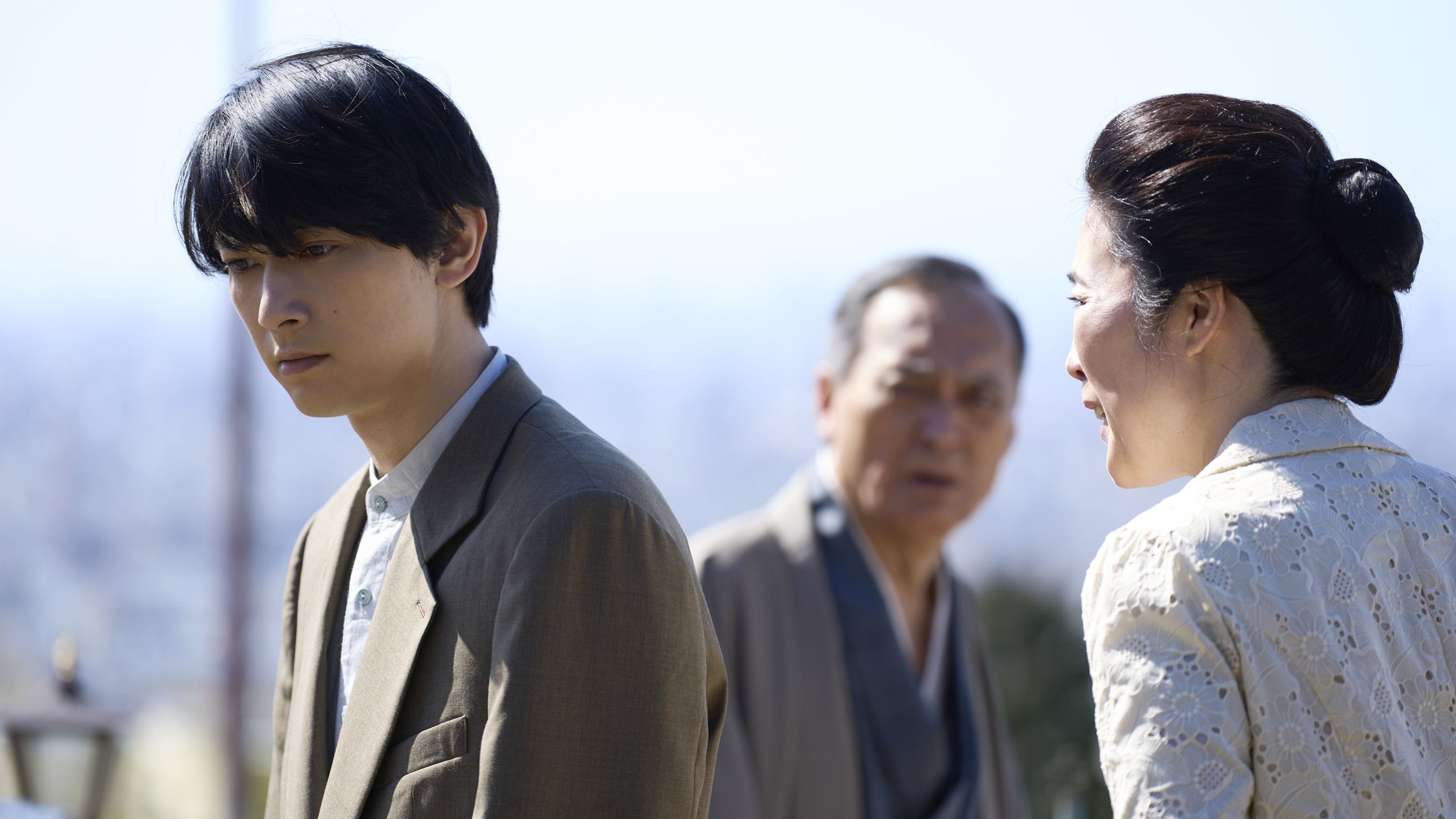
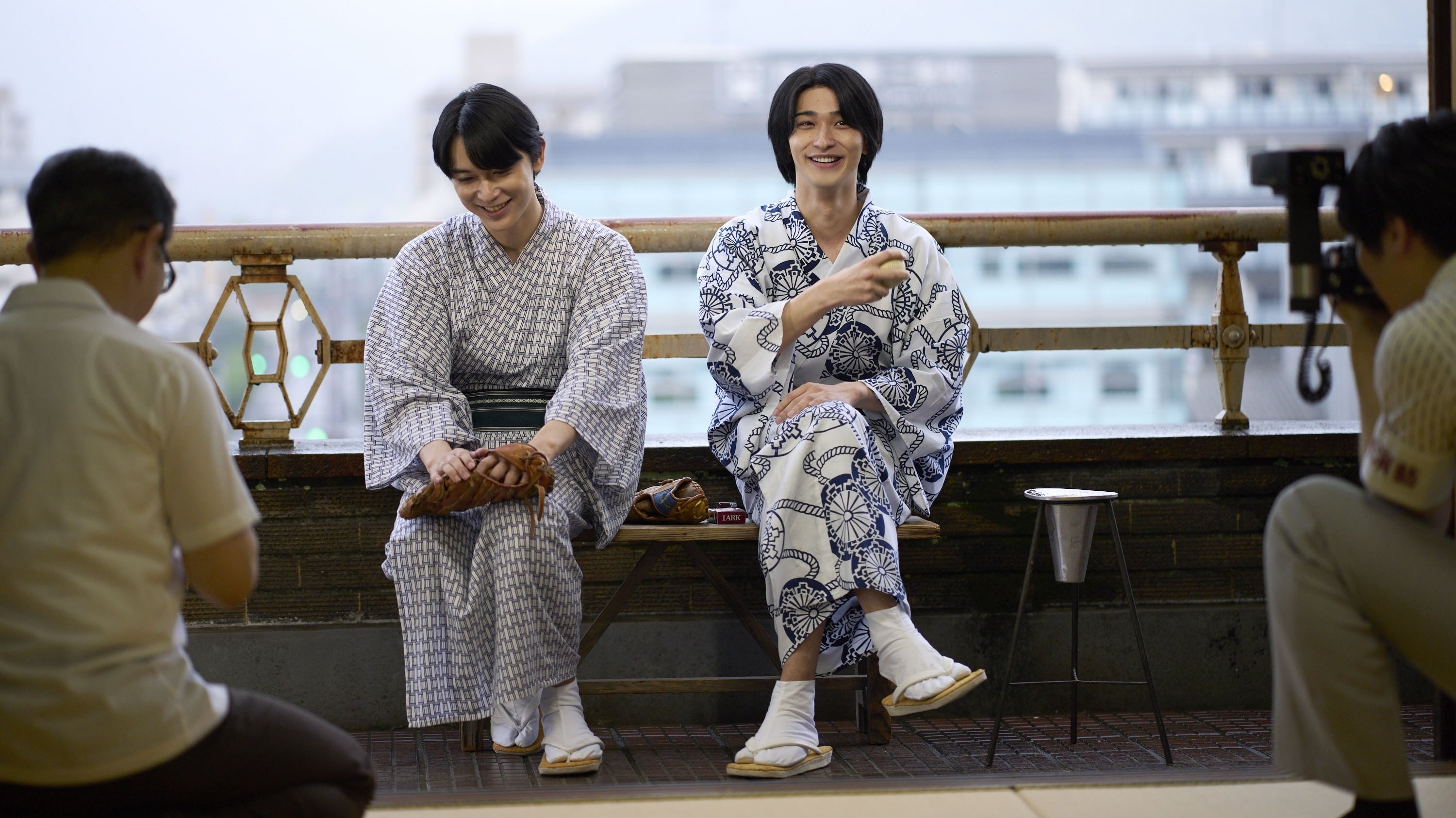
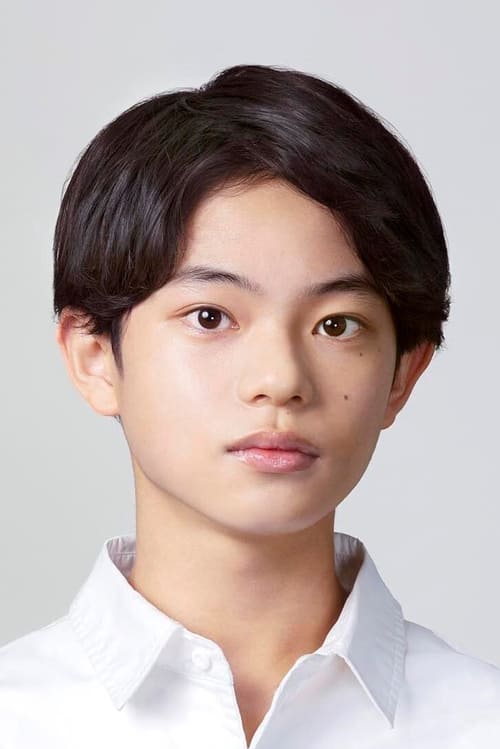
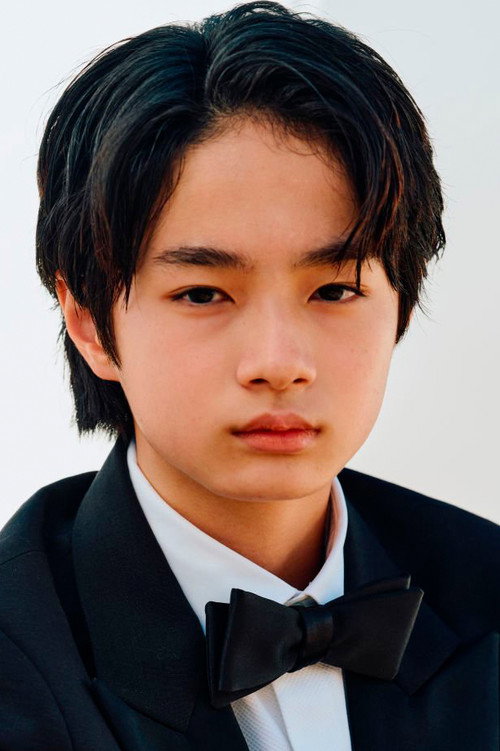
One of the main problems I had was with Kikuo and Shunsuke's relationship; there was so little time spent showing their developing bond, how their familial situations impacted that bond, and their aspirations beside just being good actors, especially when they were young adults. Because of this, the entire film was severely lacking in emotion, and their reunion felt very undeserved and rushed despite the three hour run-time. The other major issue I had was with how the women in the film were just instruments the main duo could use to hurt the other or further their own selfish intentions, and easily discard or push to the background. For instance, Kikuo's daughter was shown in a couple of scenes to demonstrate his lifestyle and popularity then forgotten about until the very end. Then there were unnecessary sex scenes which went on way too long and had no purpose whatsoever other than to objectify the women. What makes this even worse is that there could've been a genuine look into the patriarchal and sexist traditions of kabuki and the onnagata actors specifically, and how gender was used in performances versus social constructs; instead, it feels like Kikuo and Shunsuke are onnagata purely because it's harder for male actors to pull off femininity convincingly, which makes for a bugger spectacle since they have to transform physically in various ways.
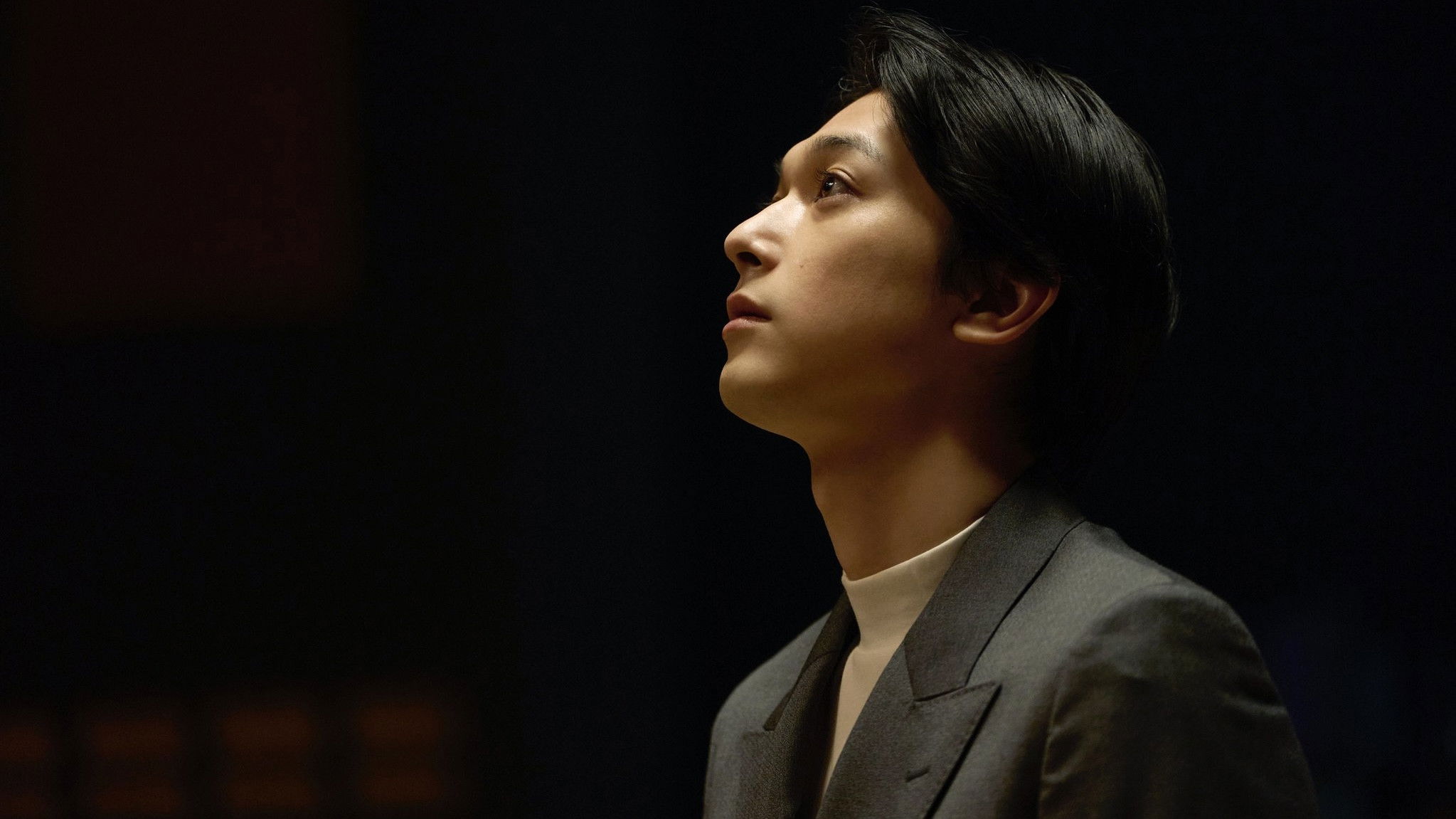
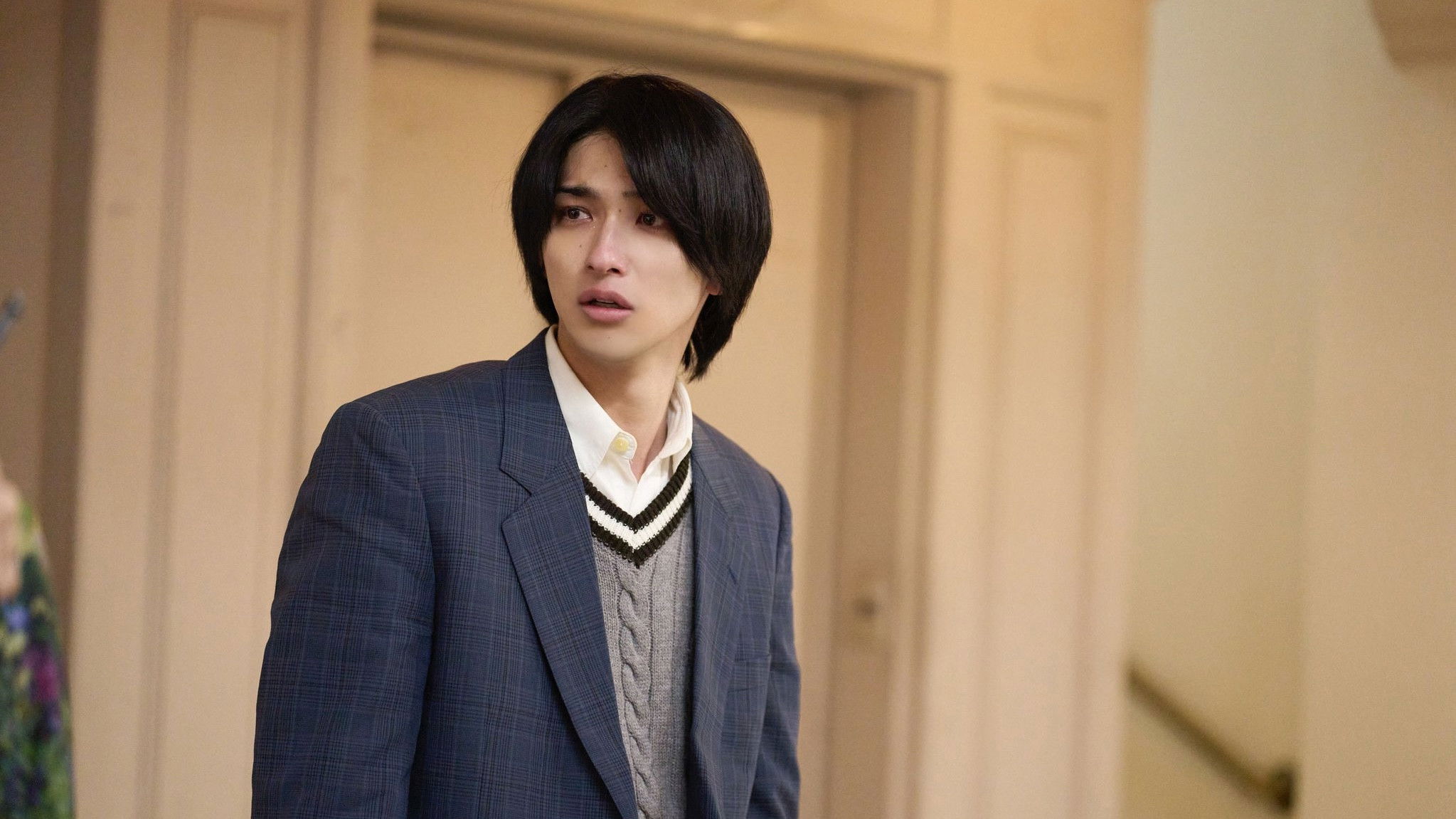
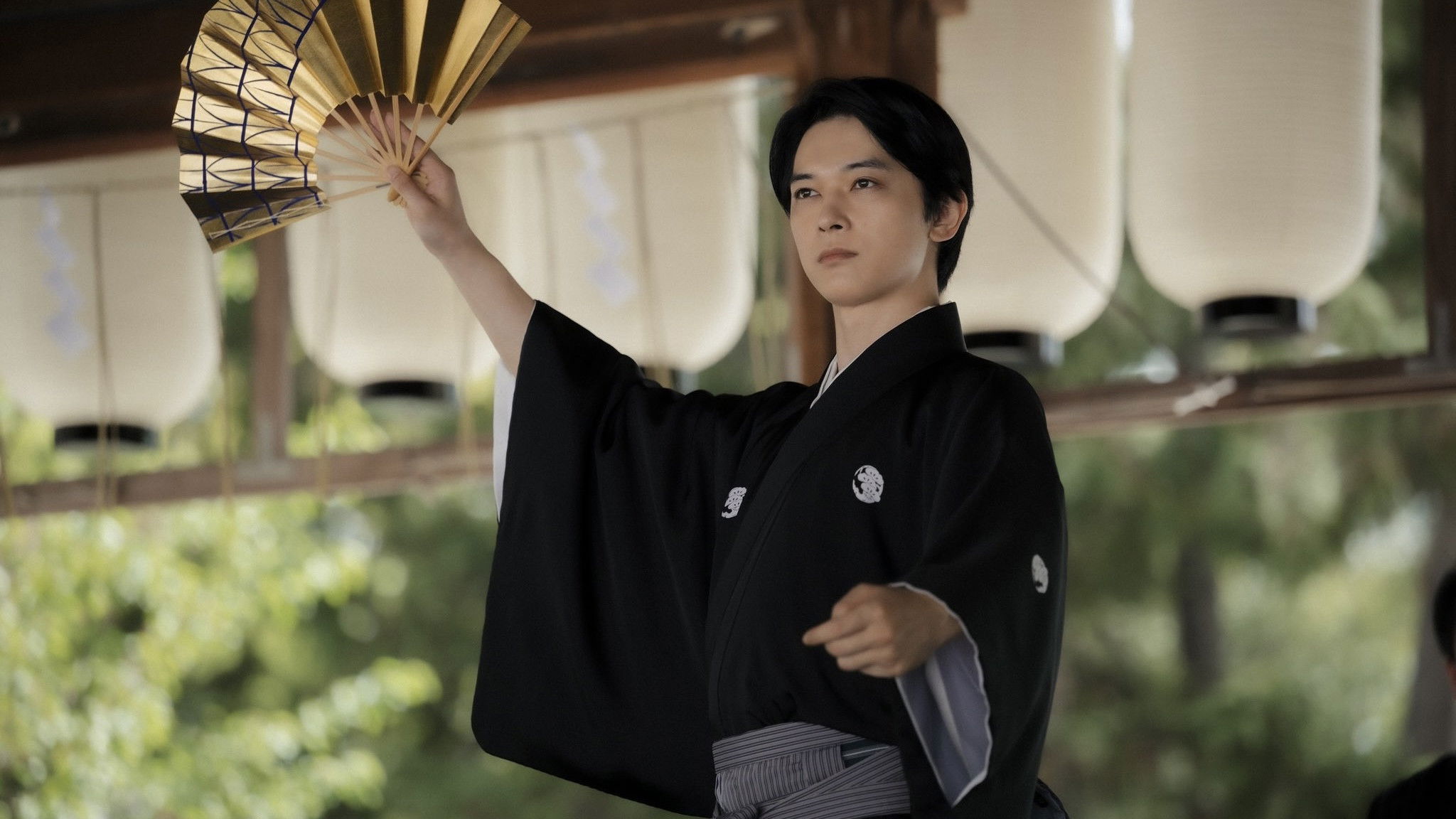
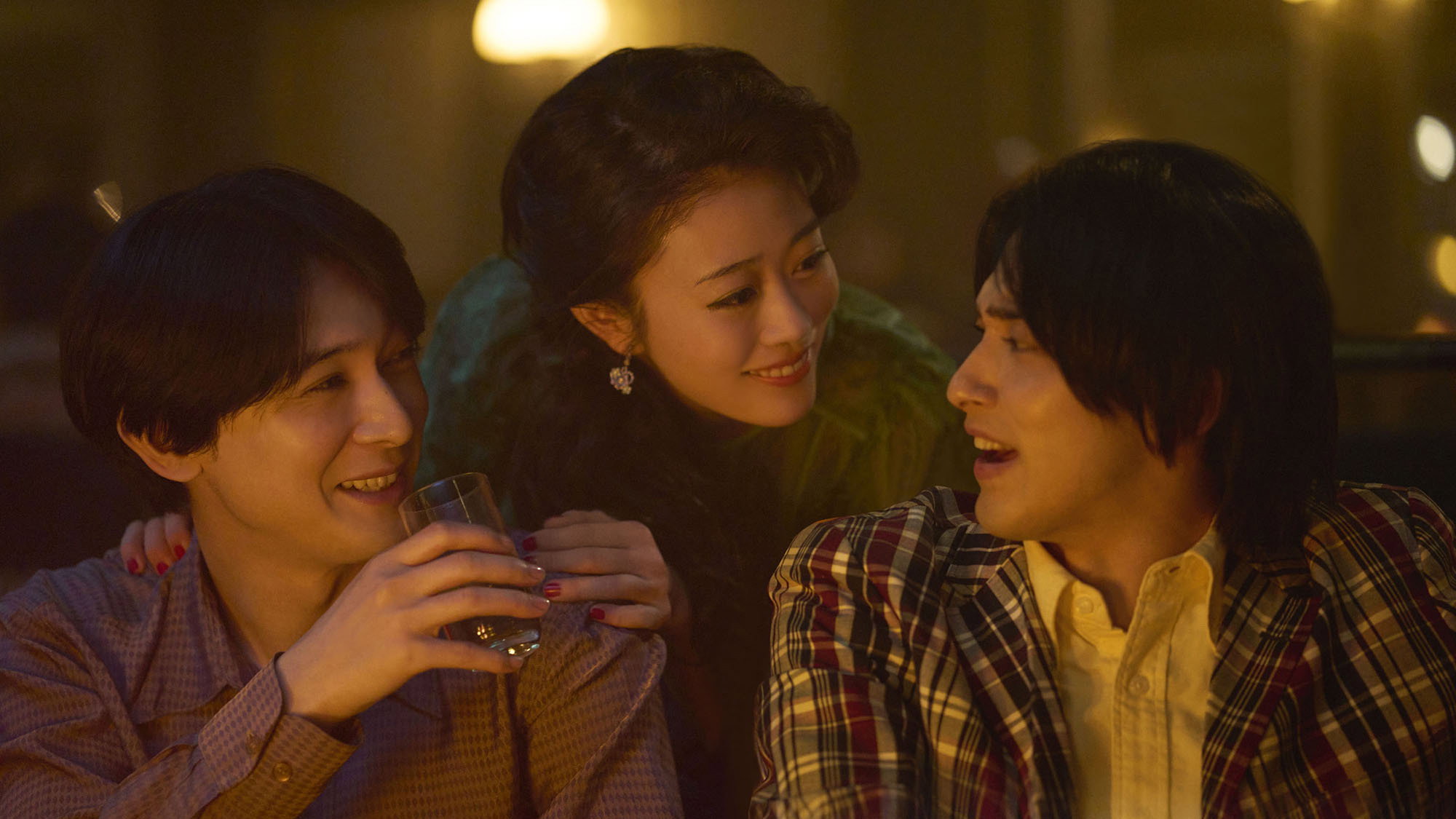
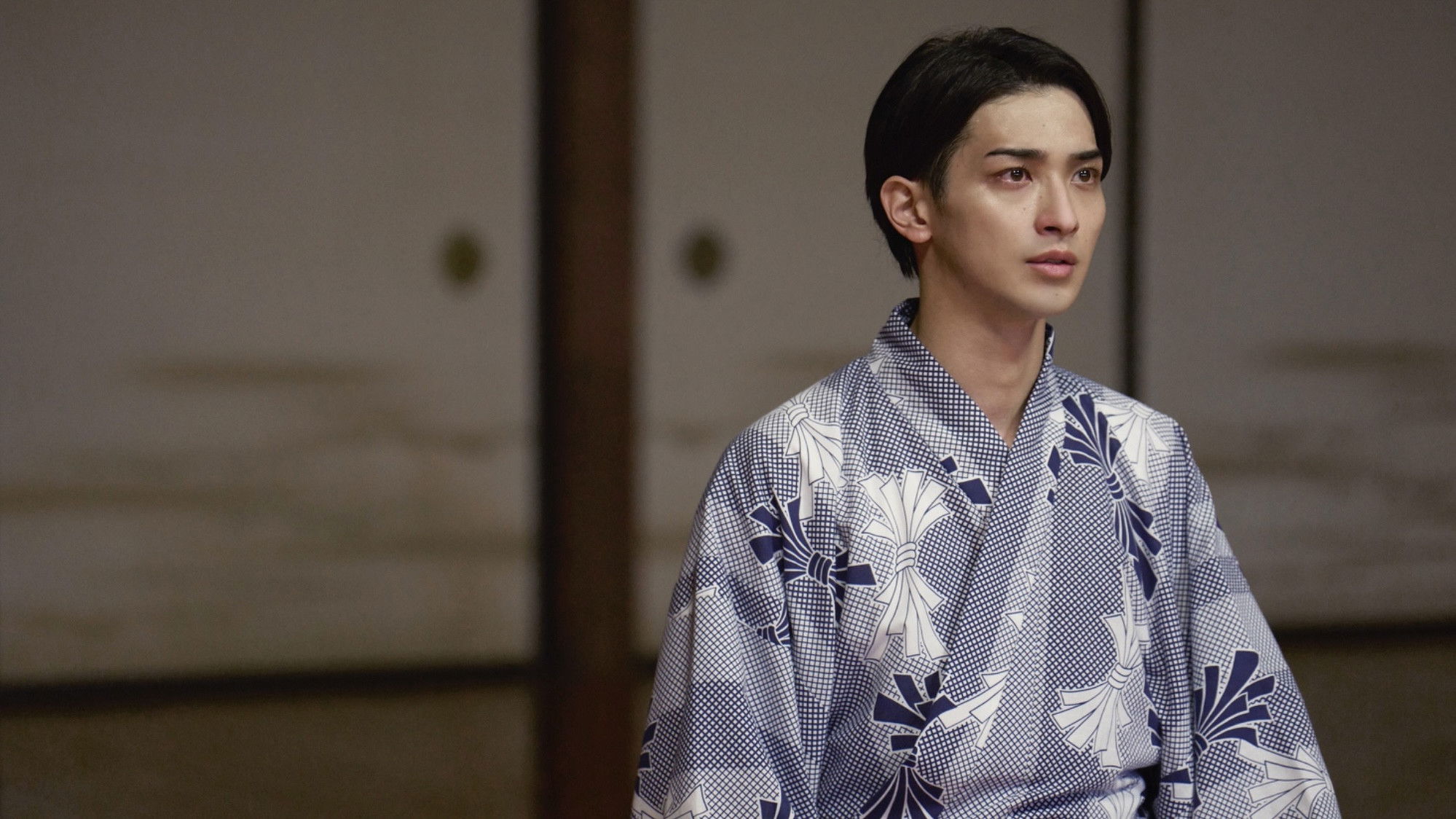
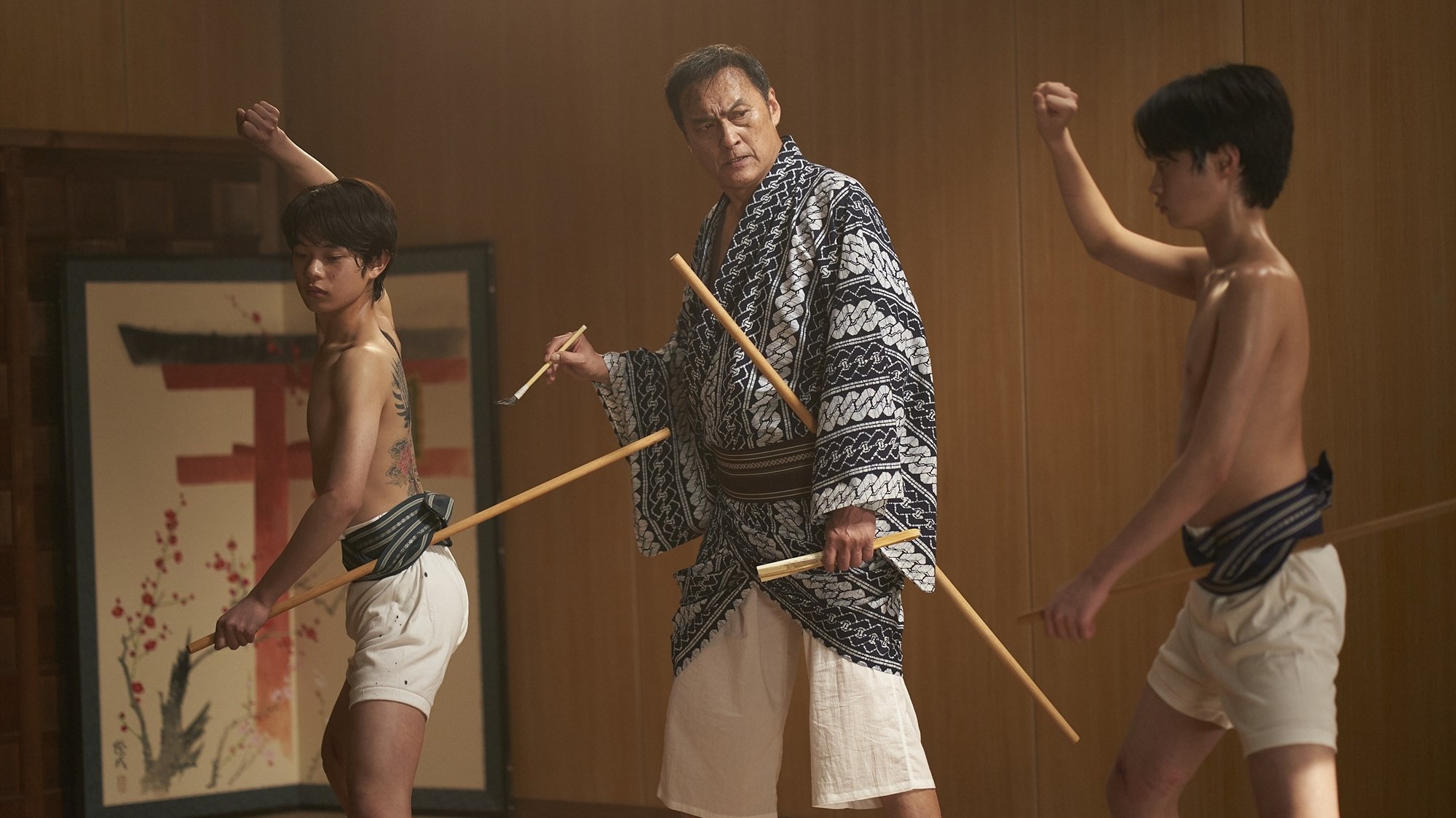
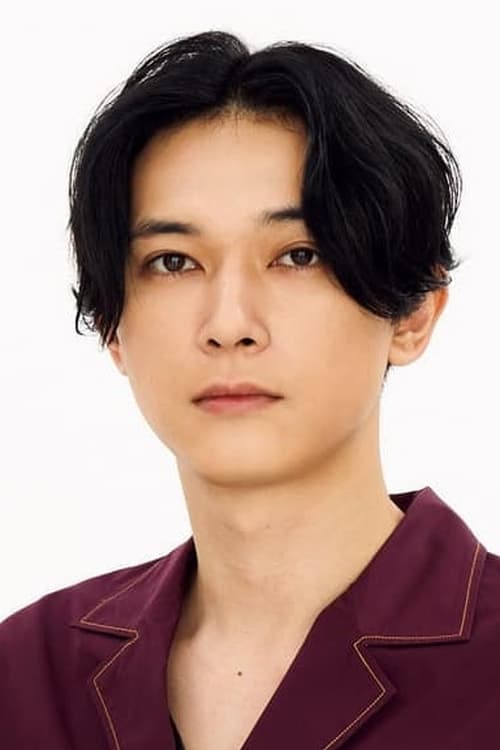
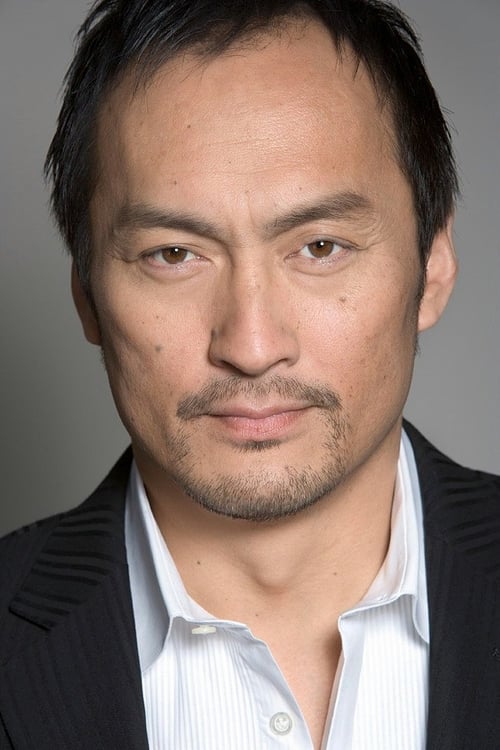
The performances from the cast were a bit of a let-down, too; both Ryo Yoshizawa and Ryusei Yokohoma are pretty bland, even in moments that require them to be explosive. I can't comment on their kabuki skills, as I unfortunately don't know enough about it, but I was left feeling very underwhelmed. Some of the casting also didn't really make sense to me – it's hard to imagine Ken Watanabe being able to pull off the elegance and grace required to be an excellent onnagata.
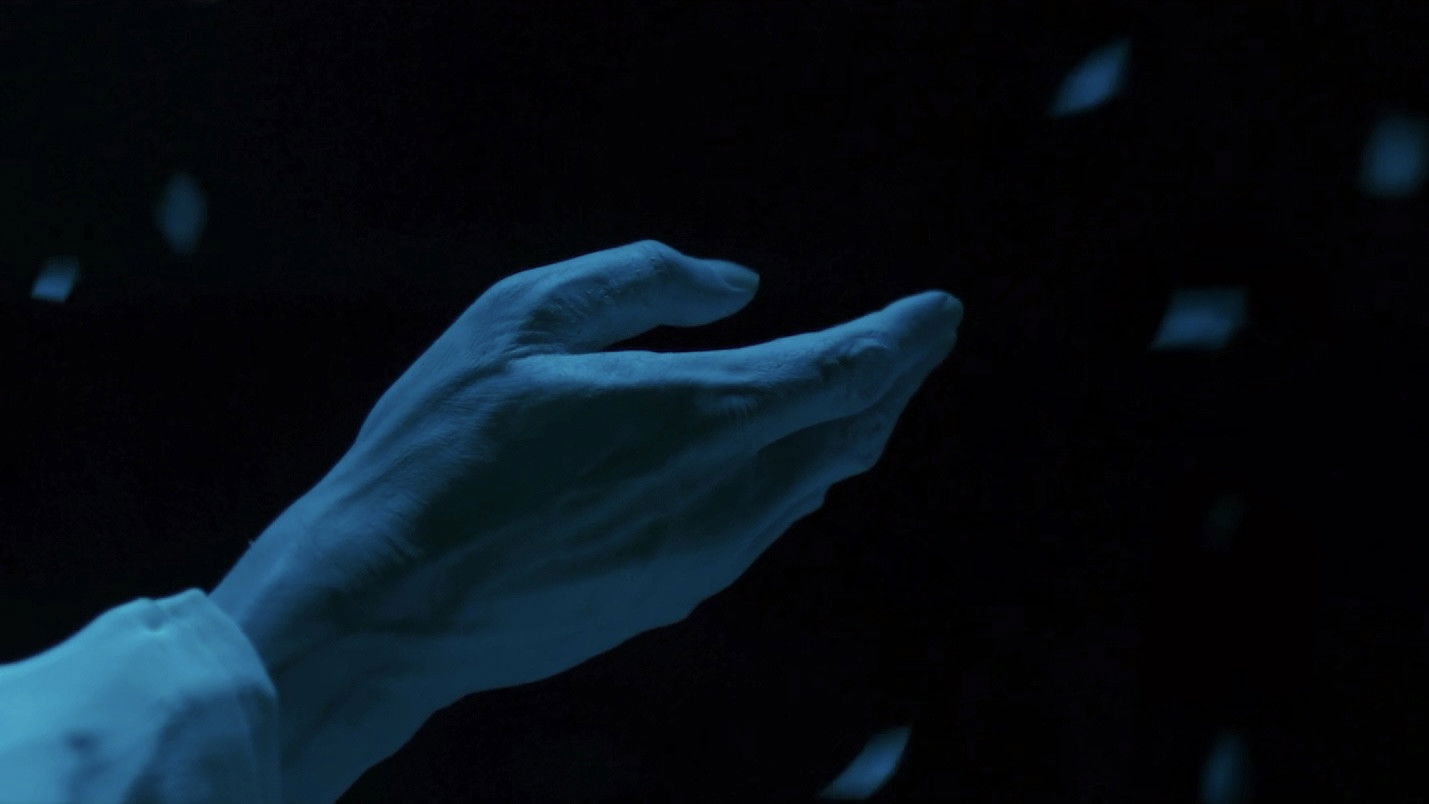
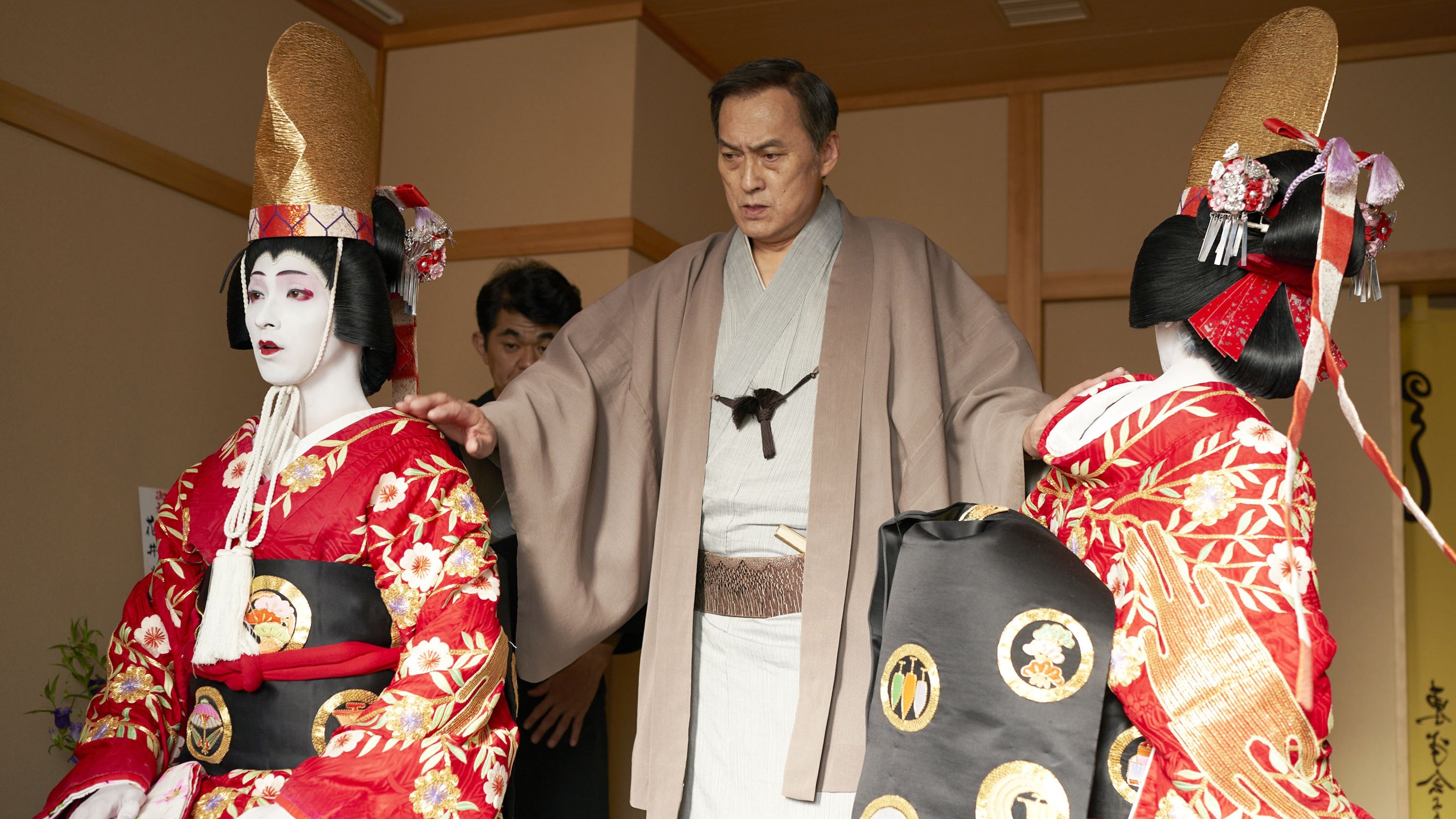
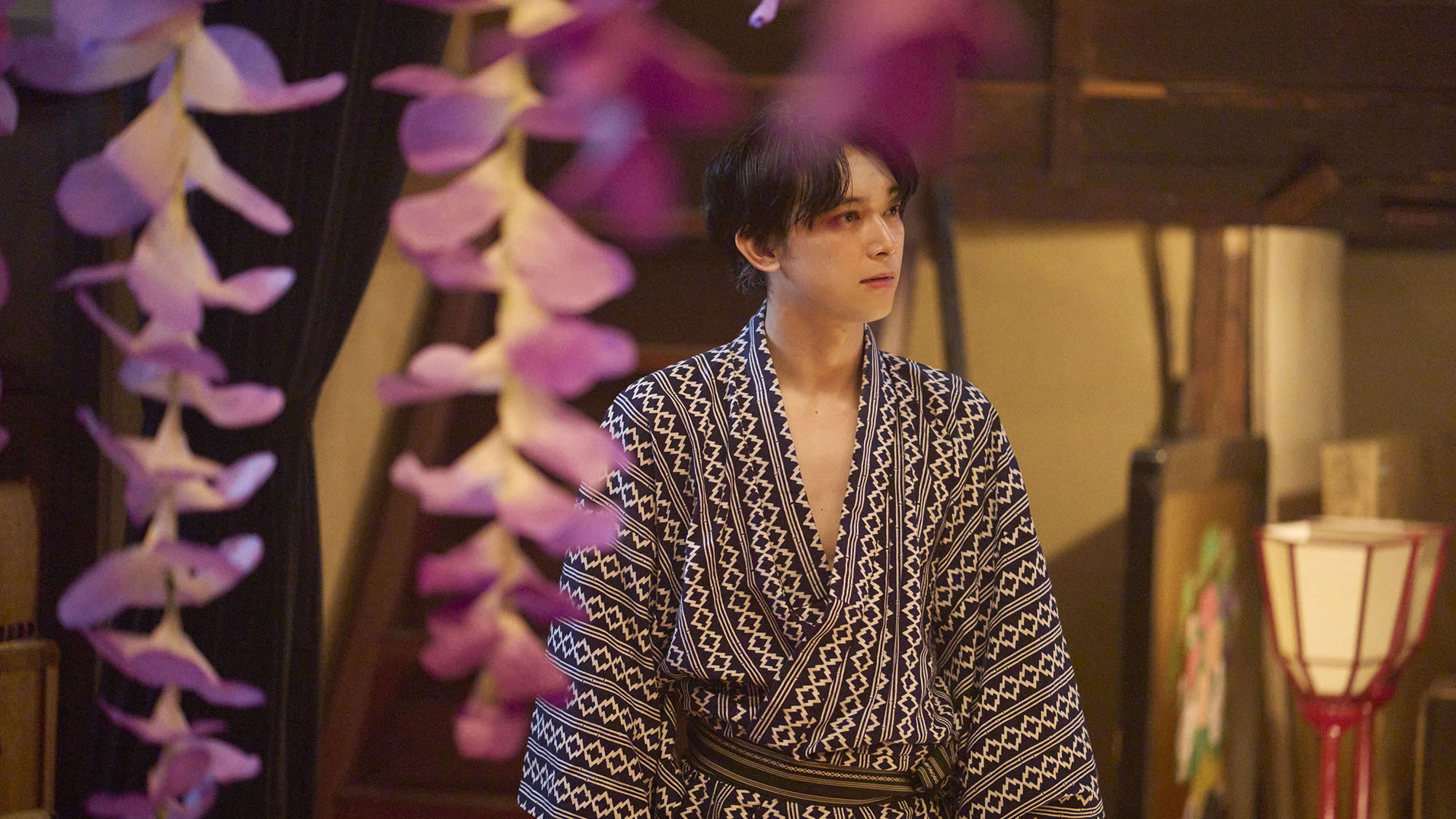
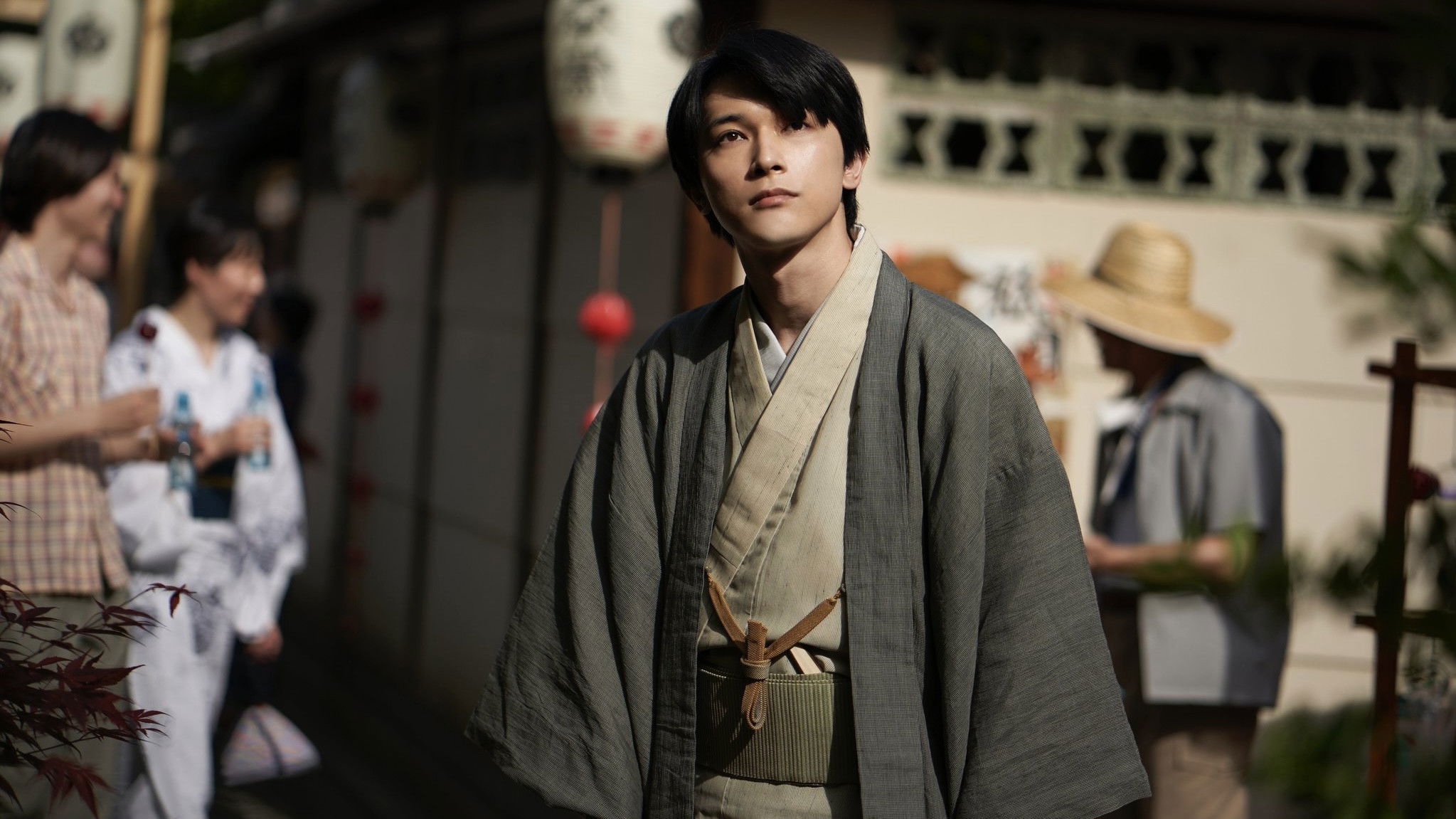
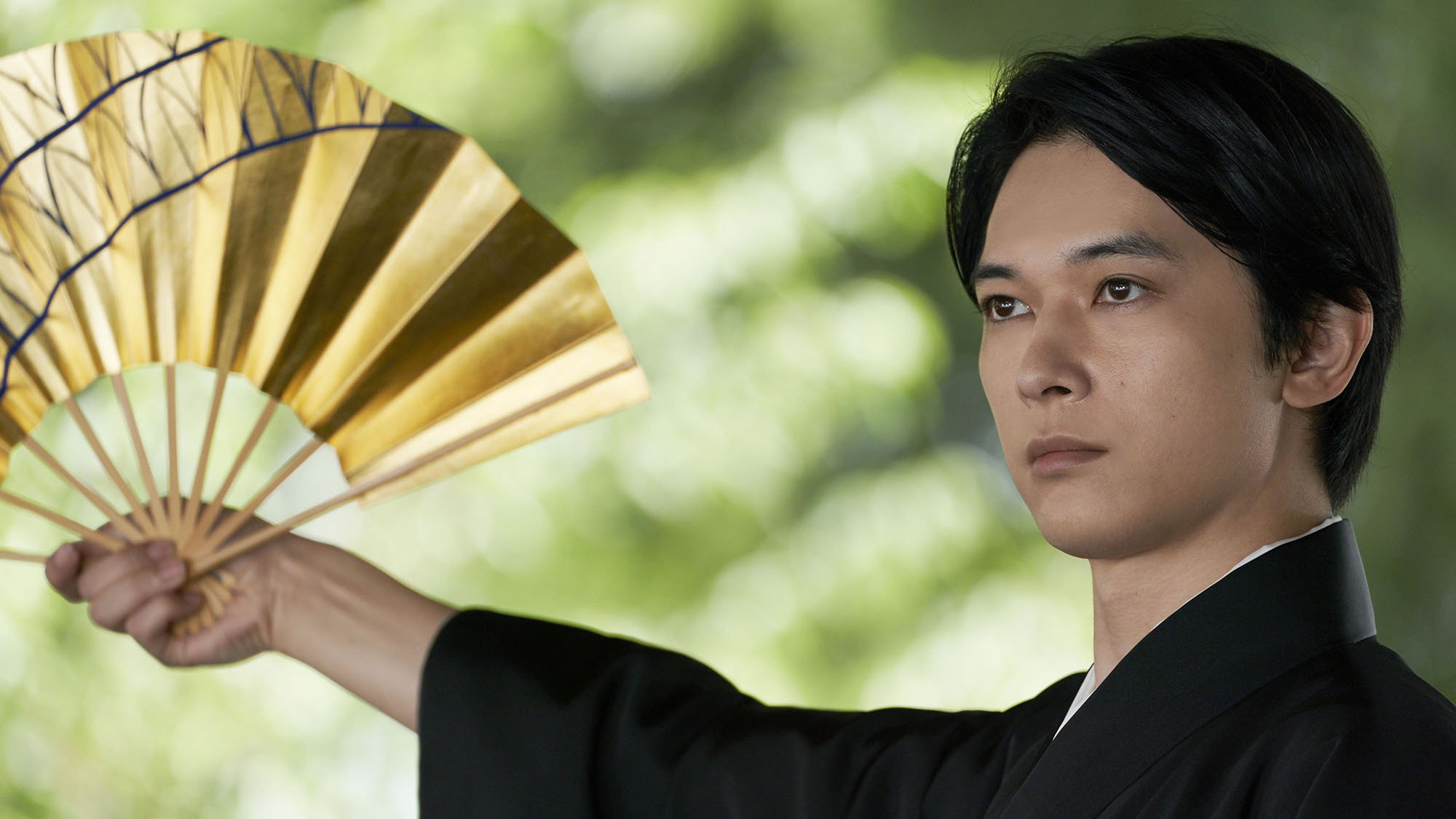
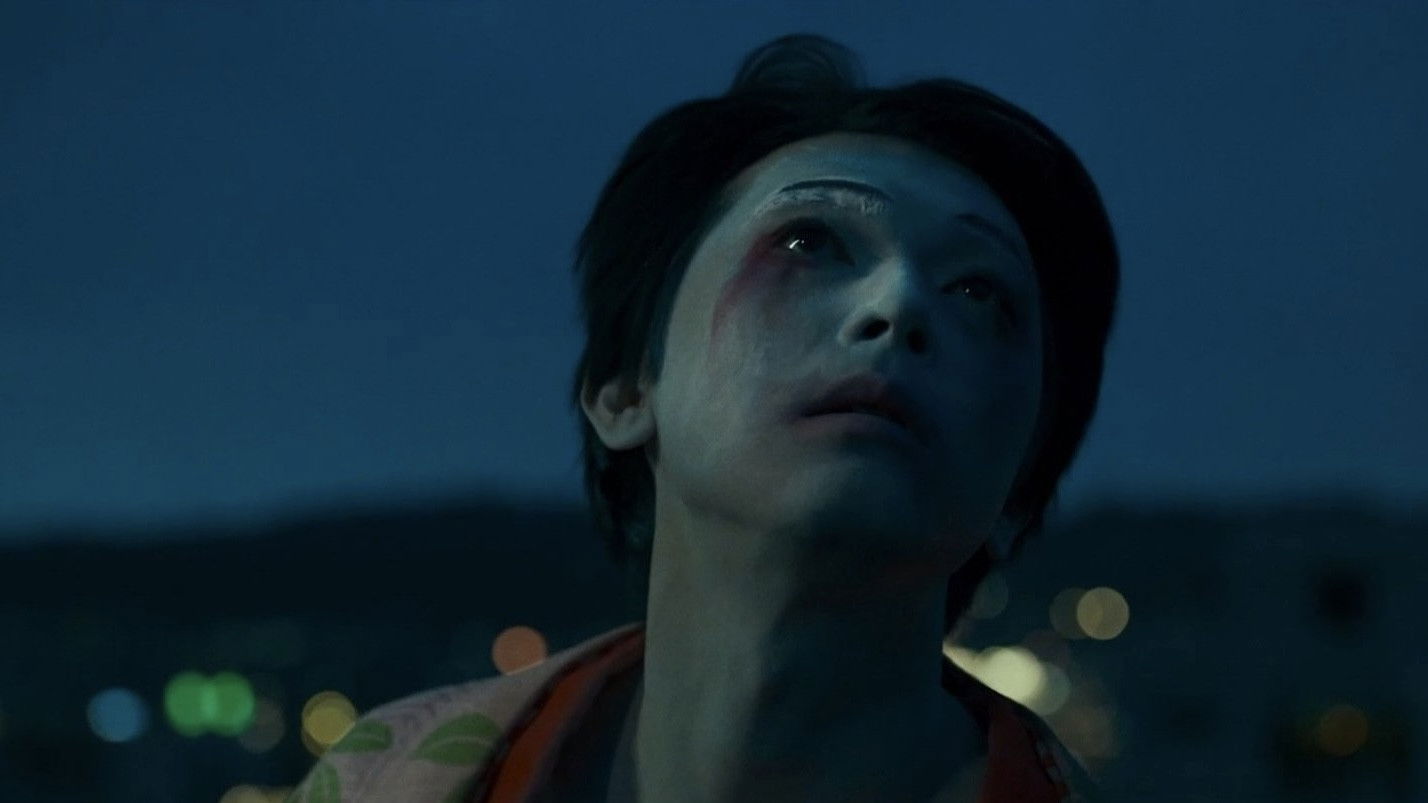
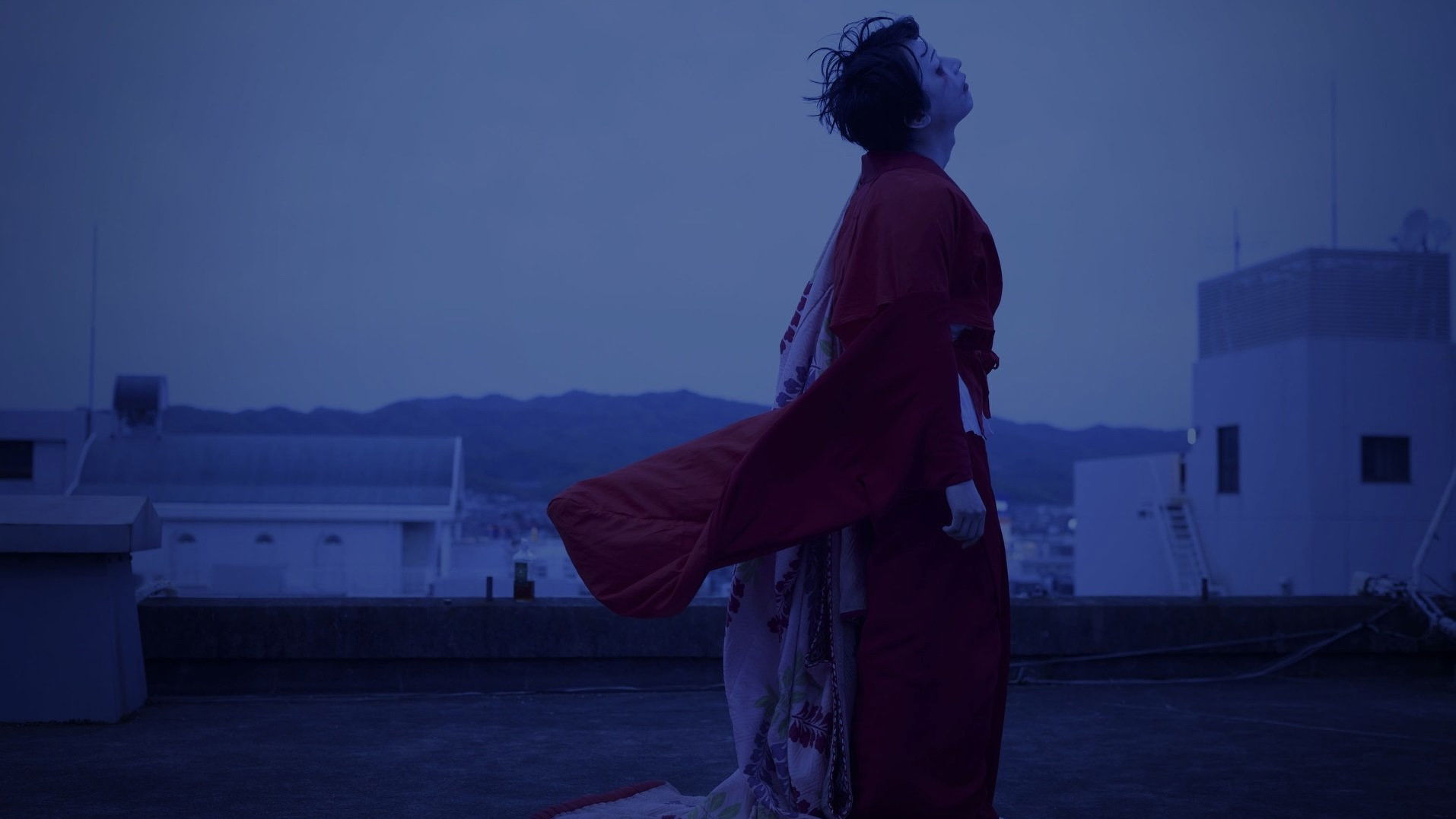
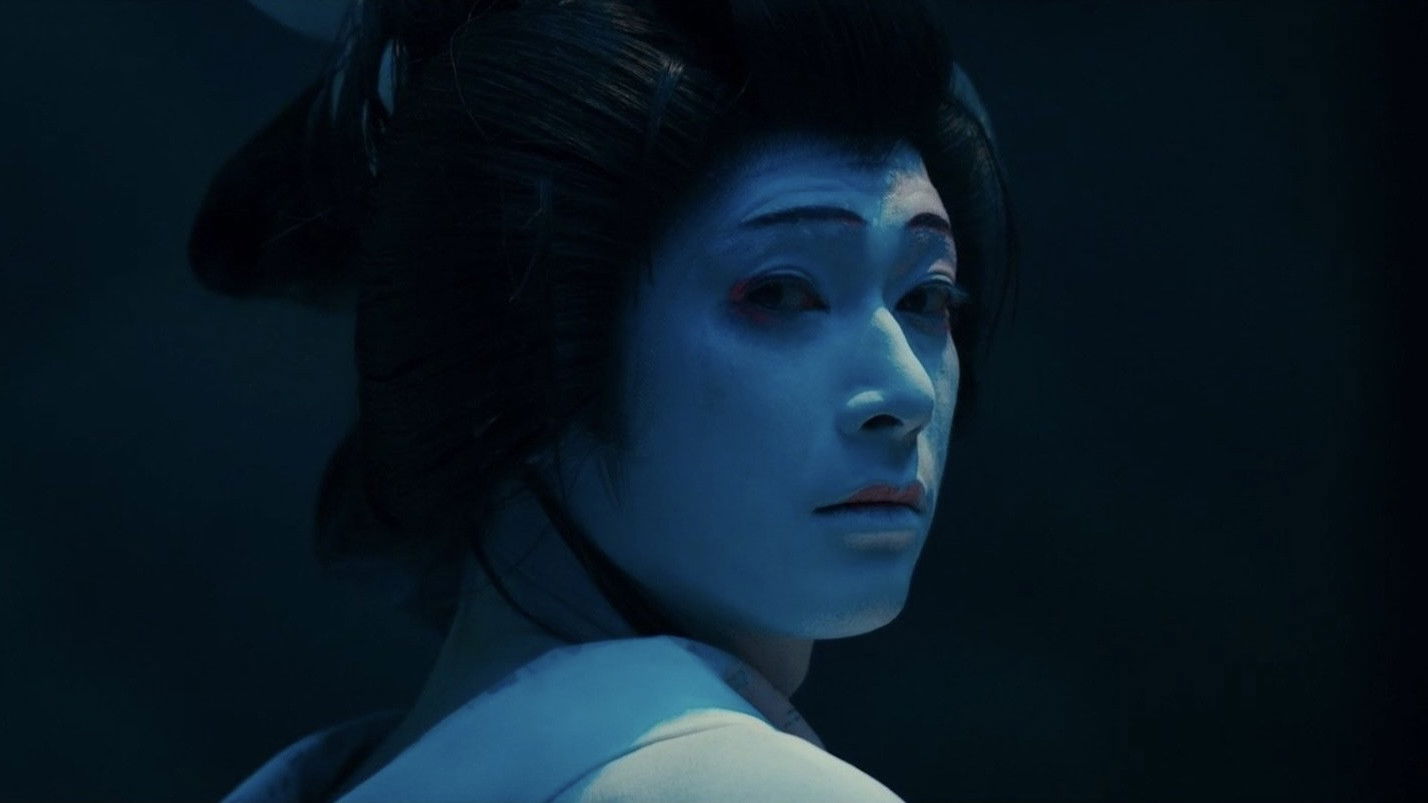
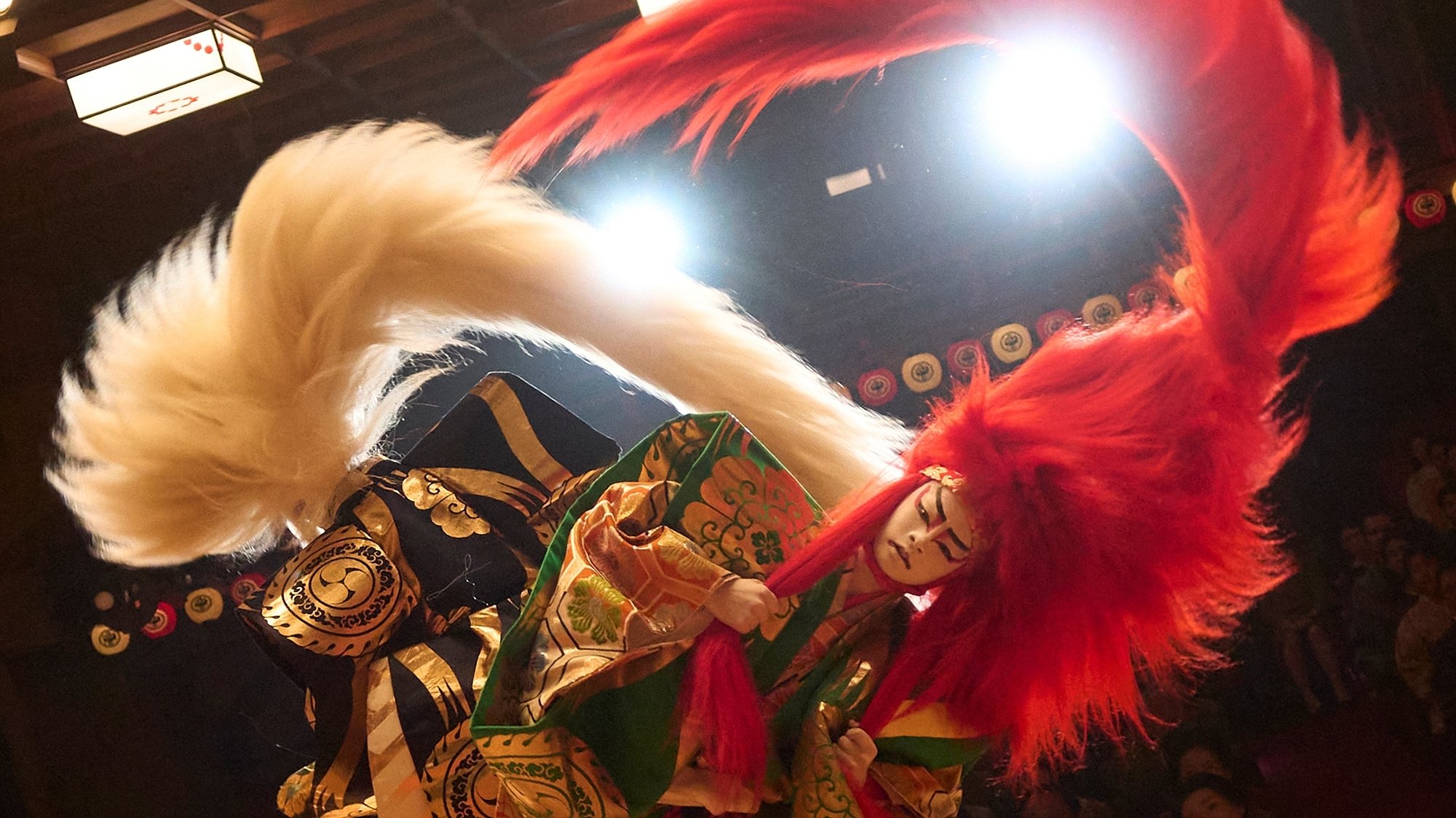
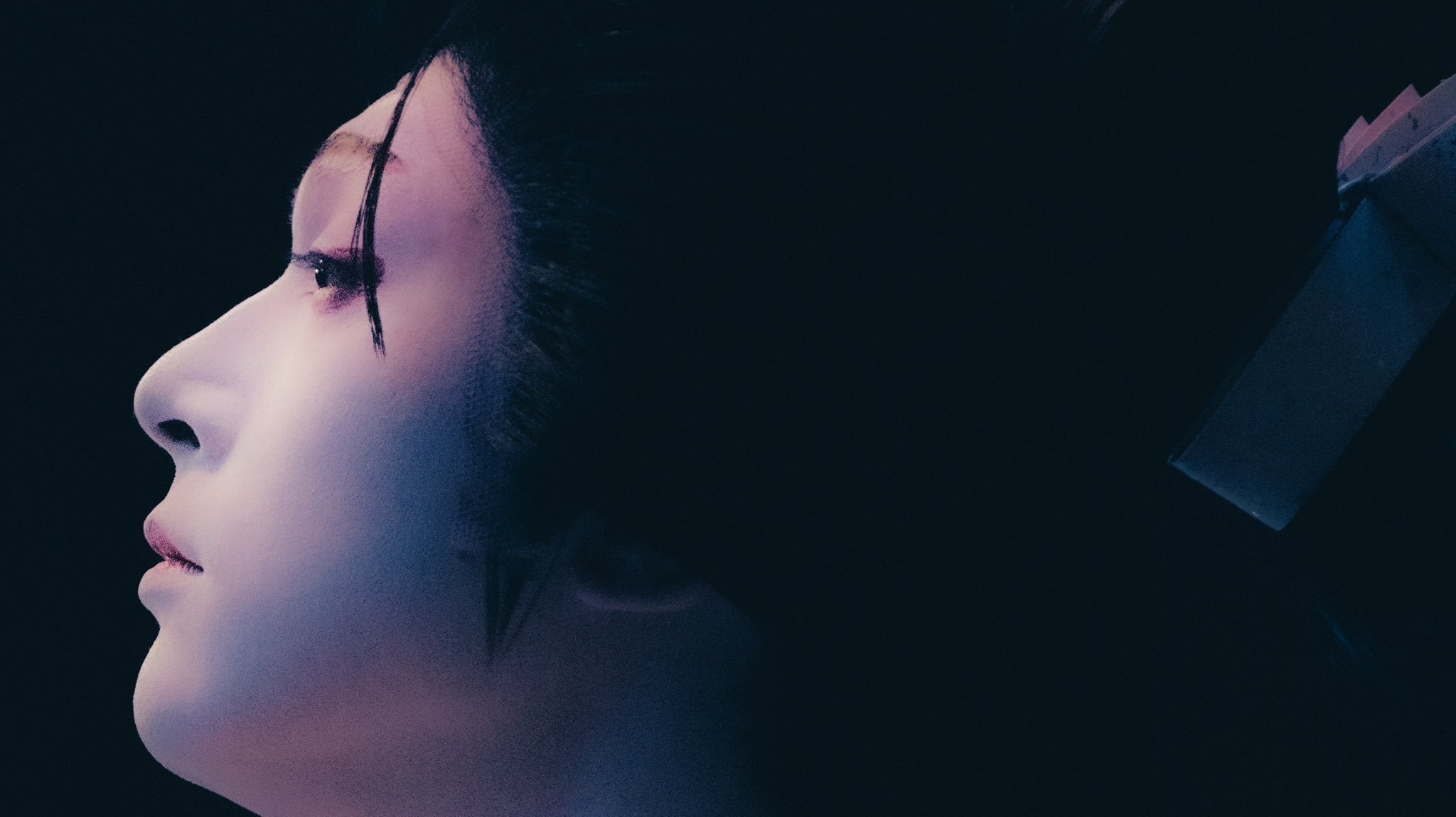
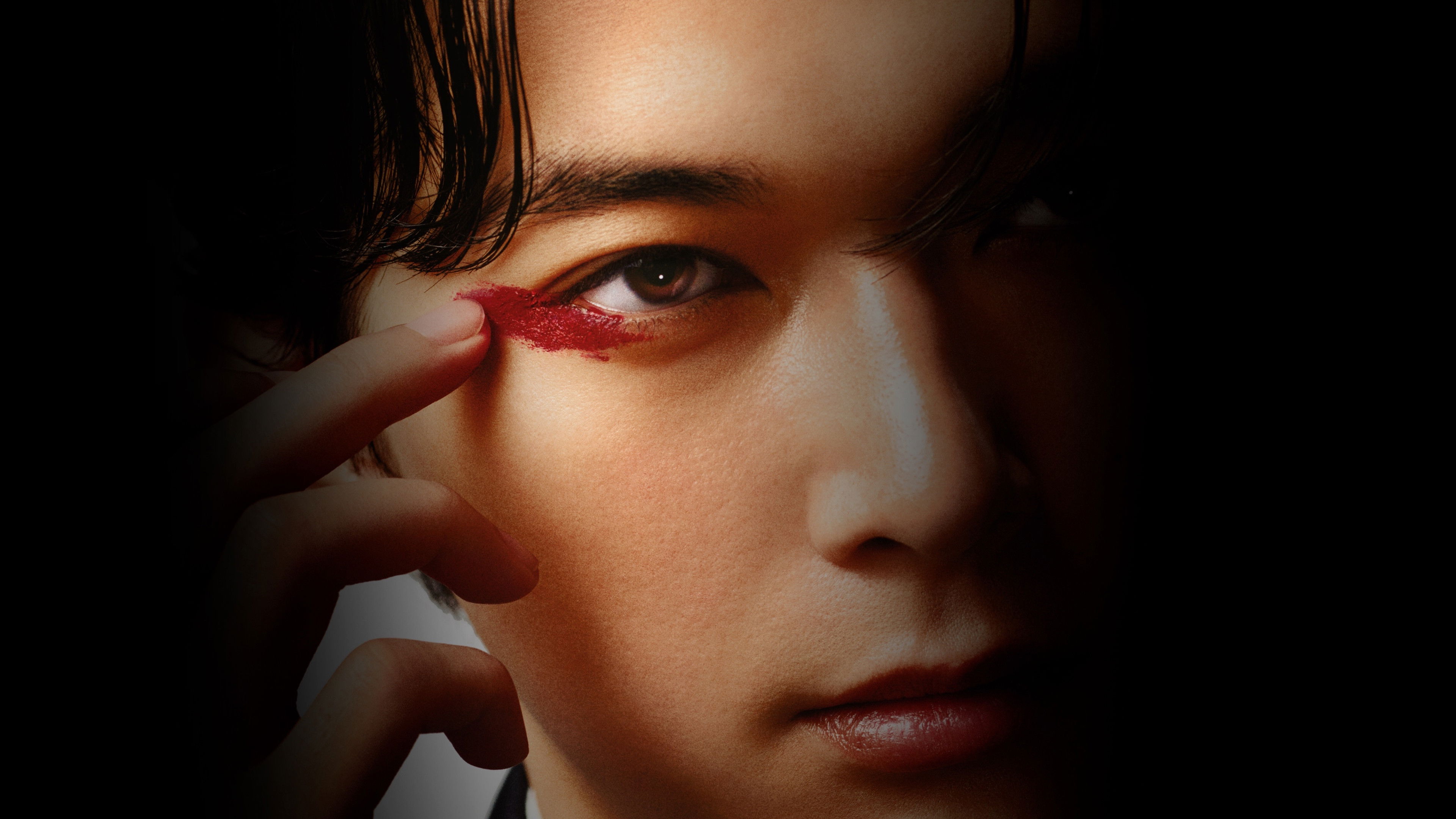
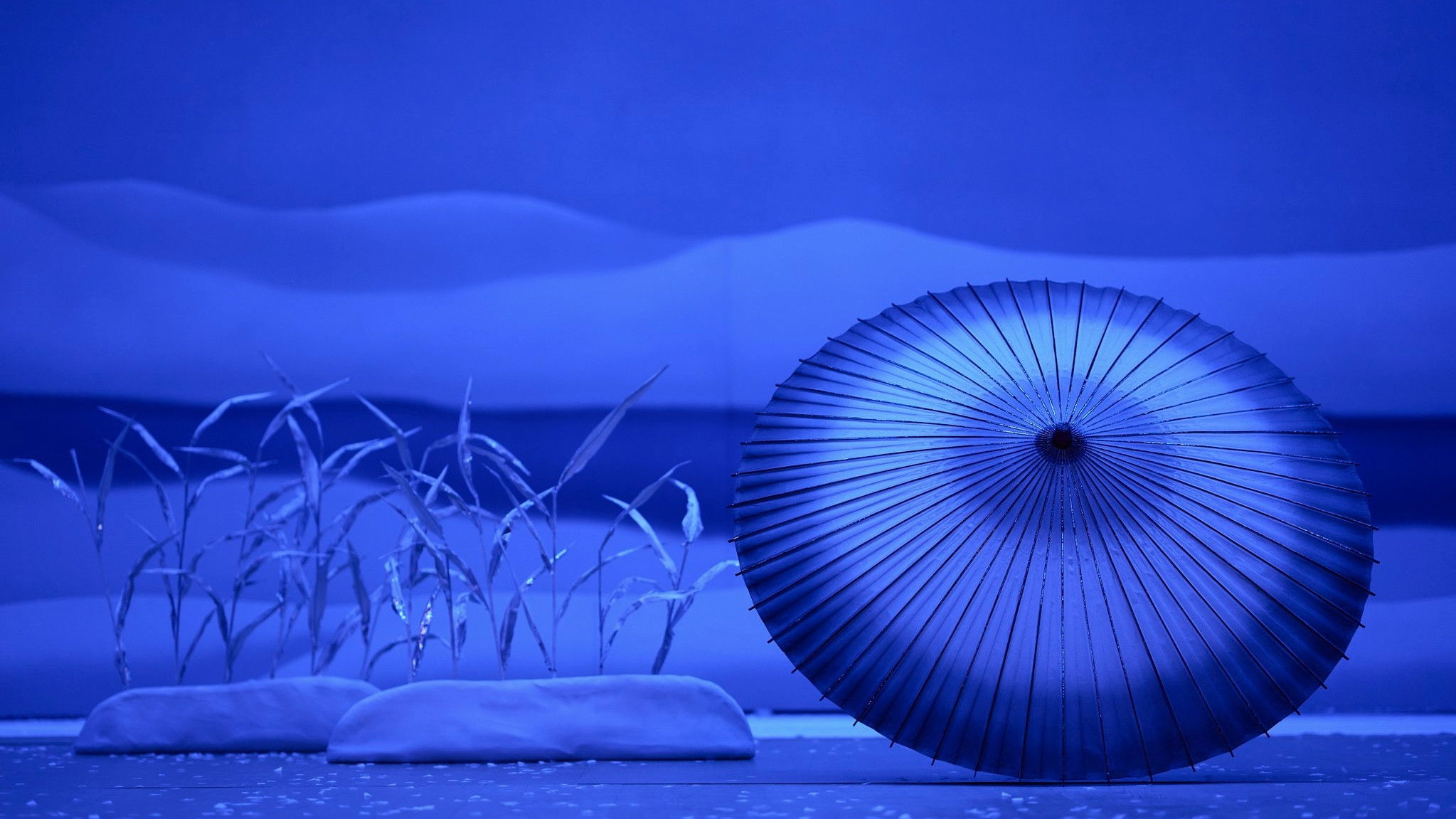
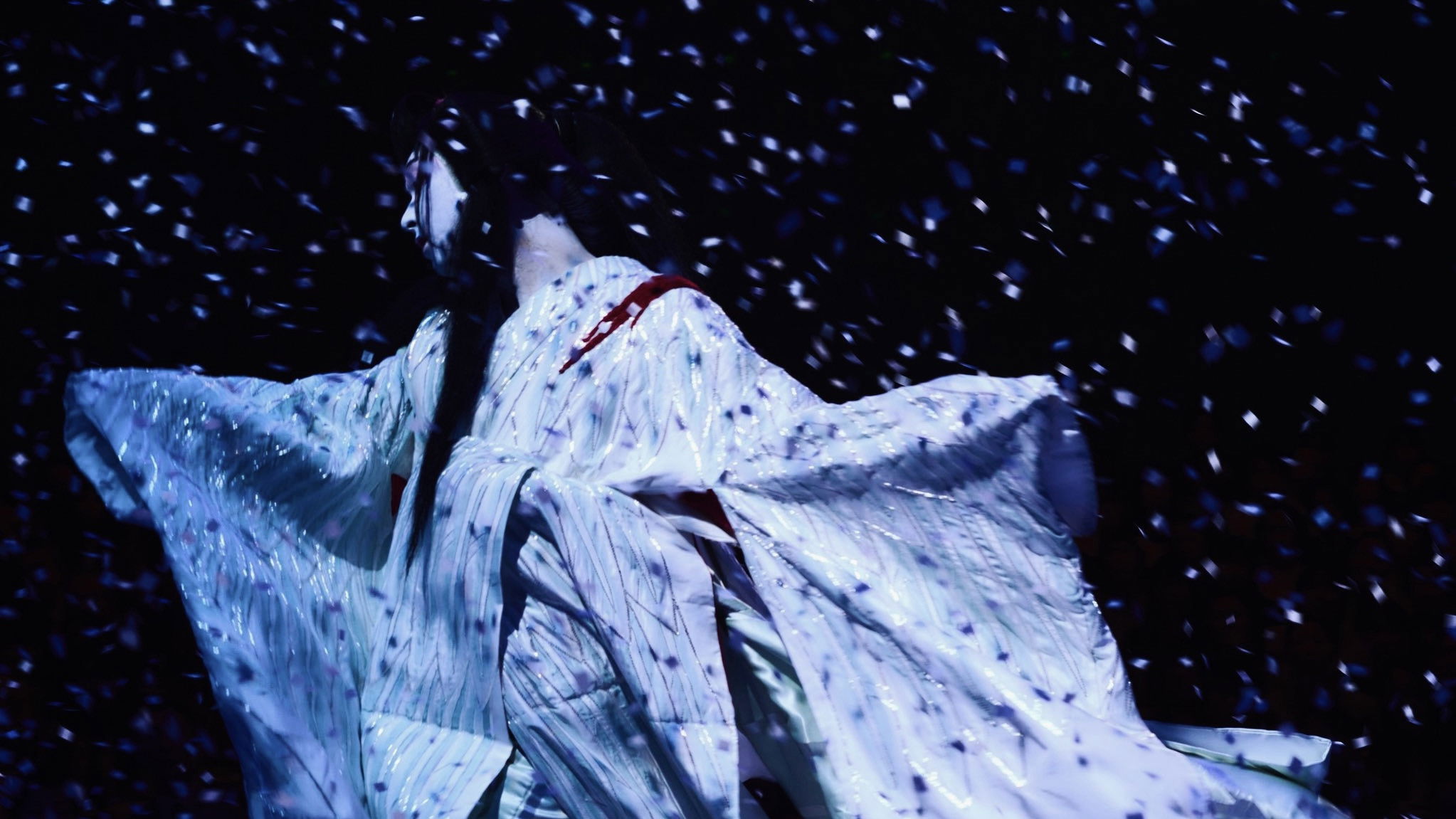
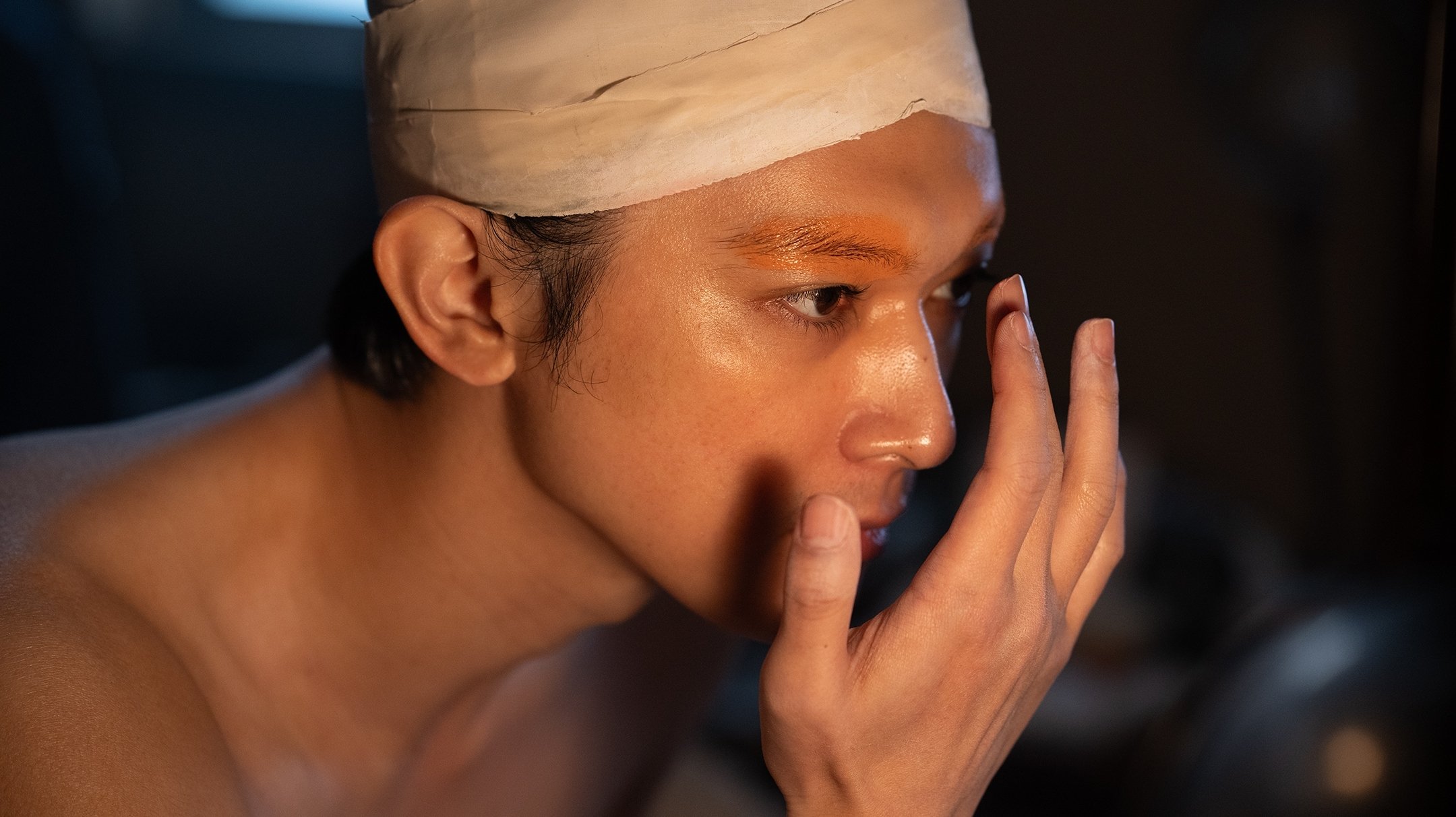
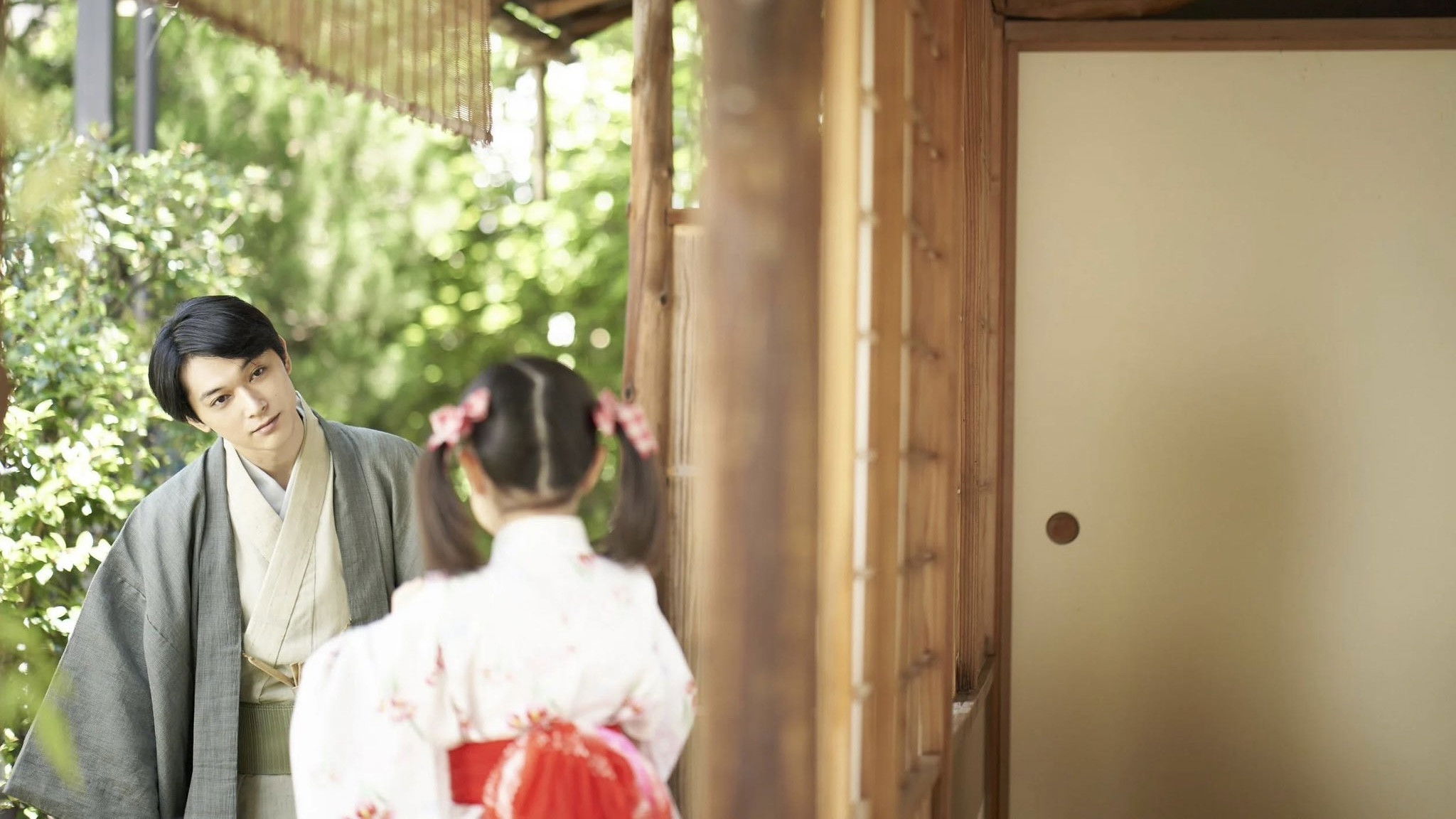
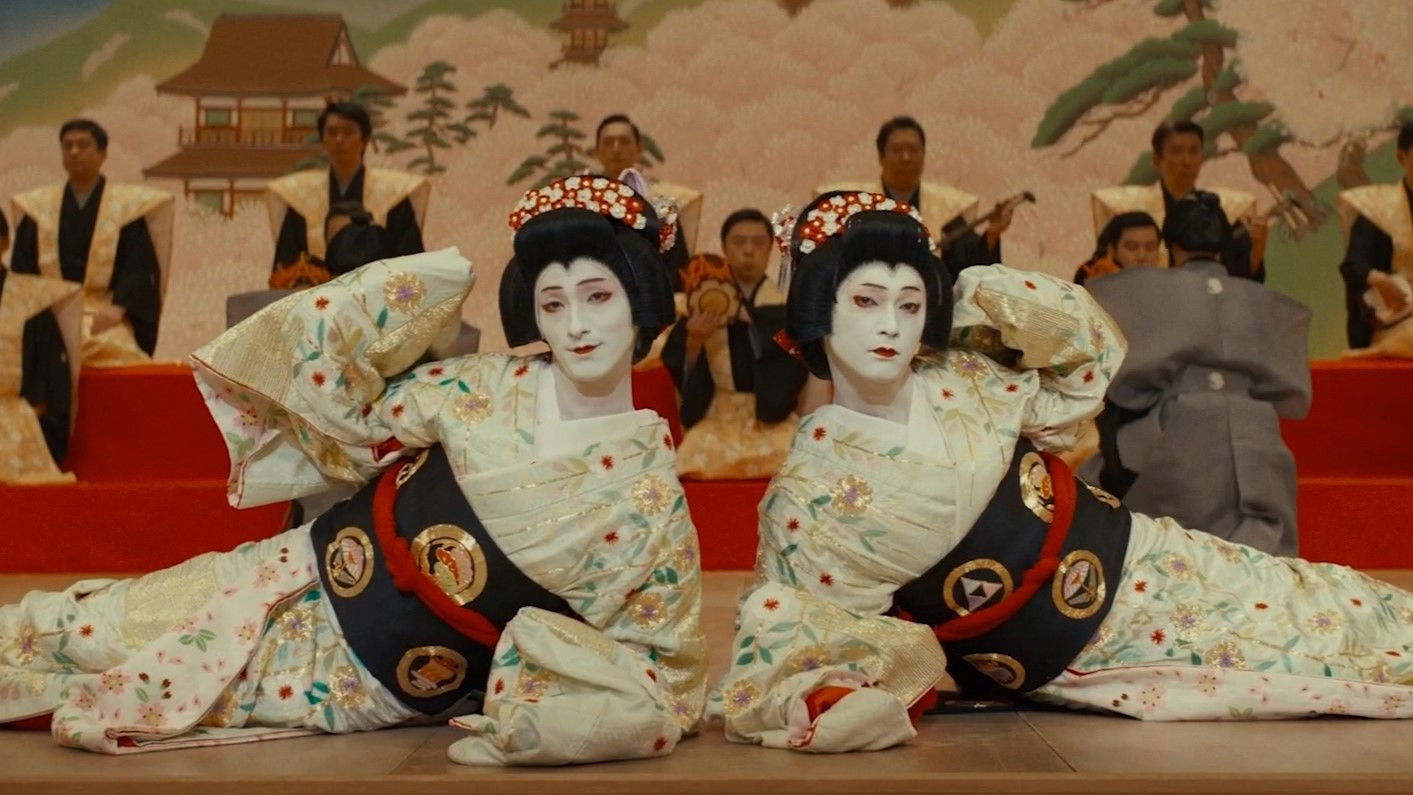
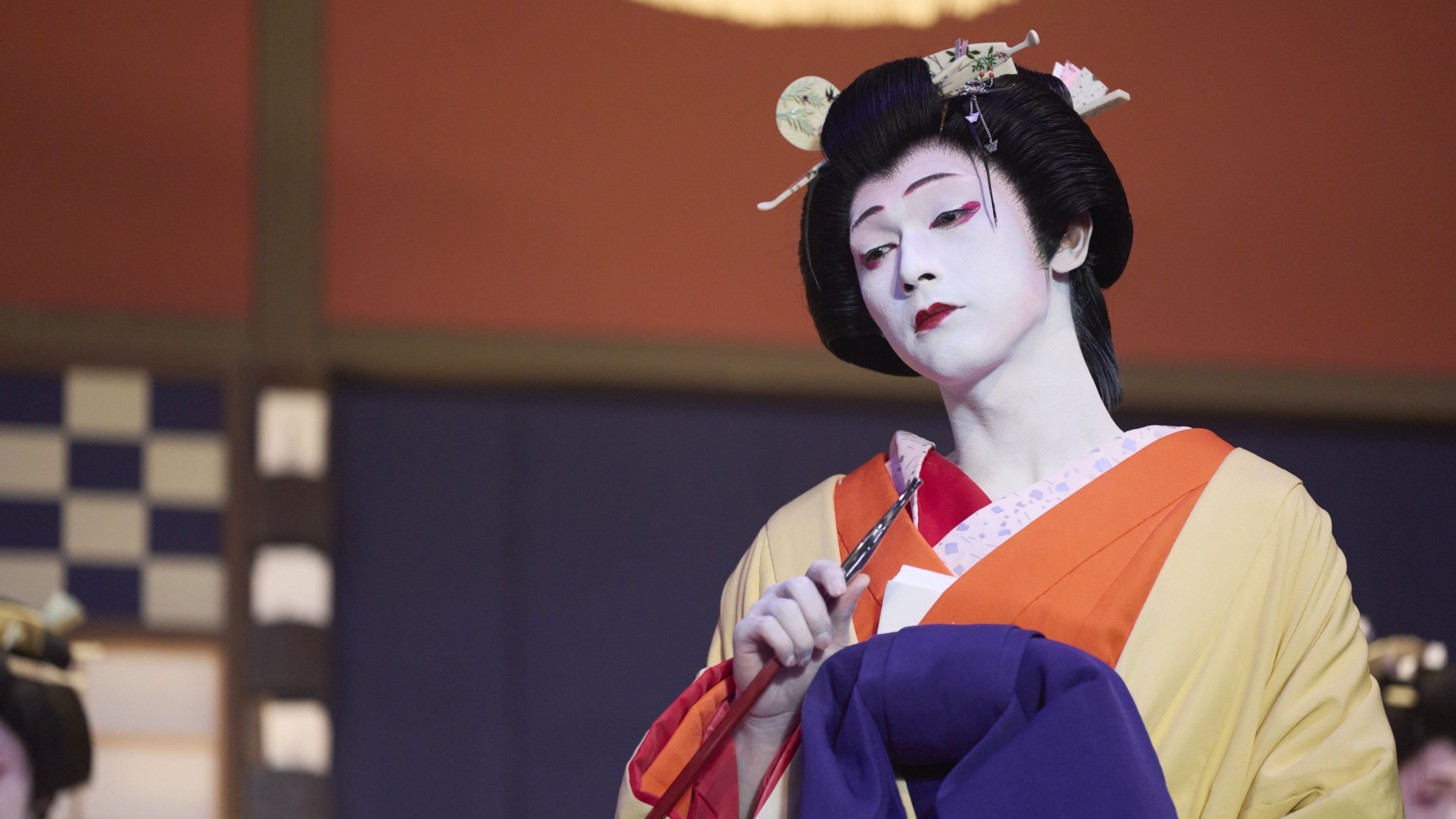
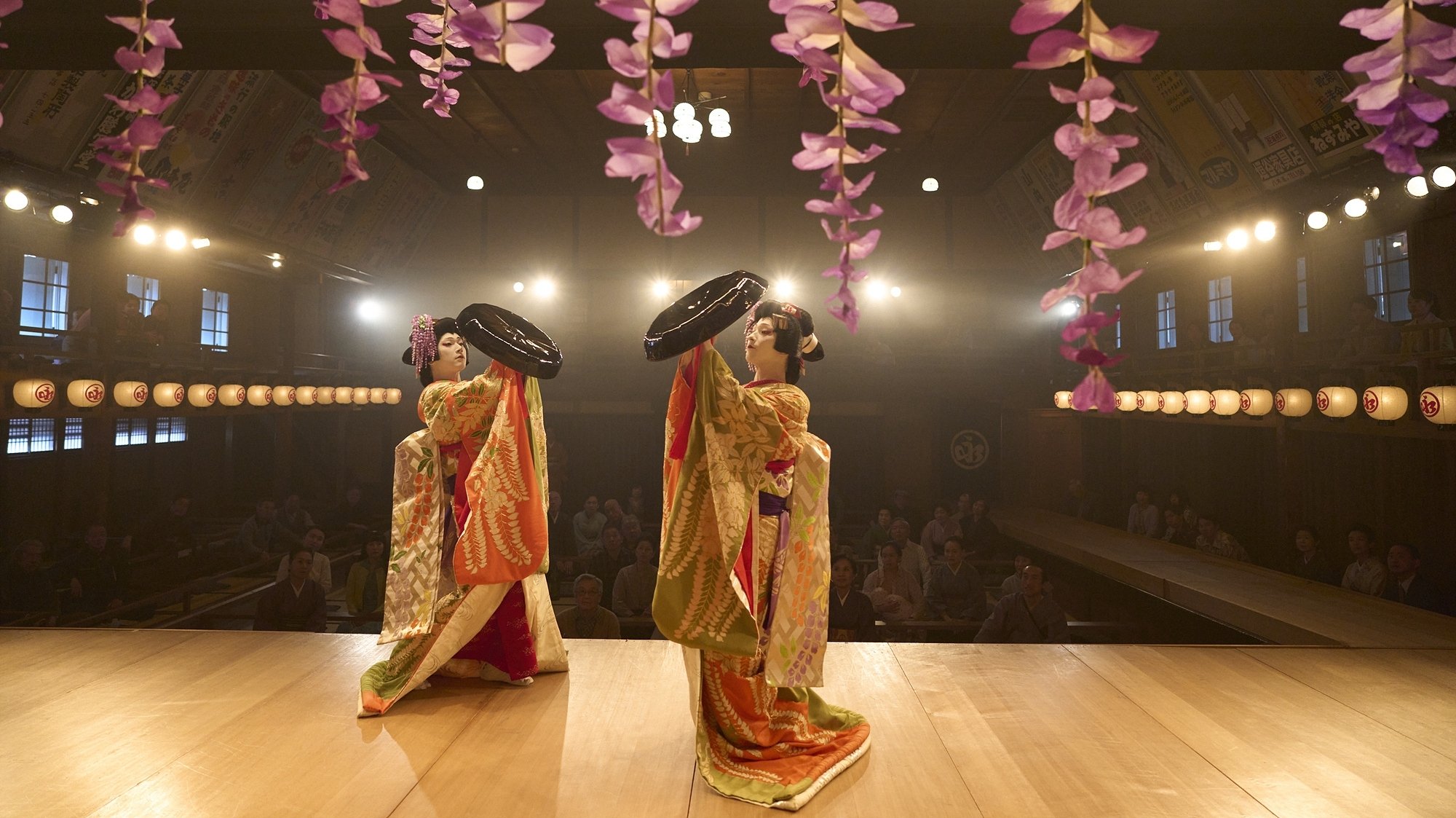
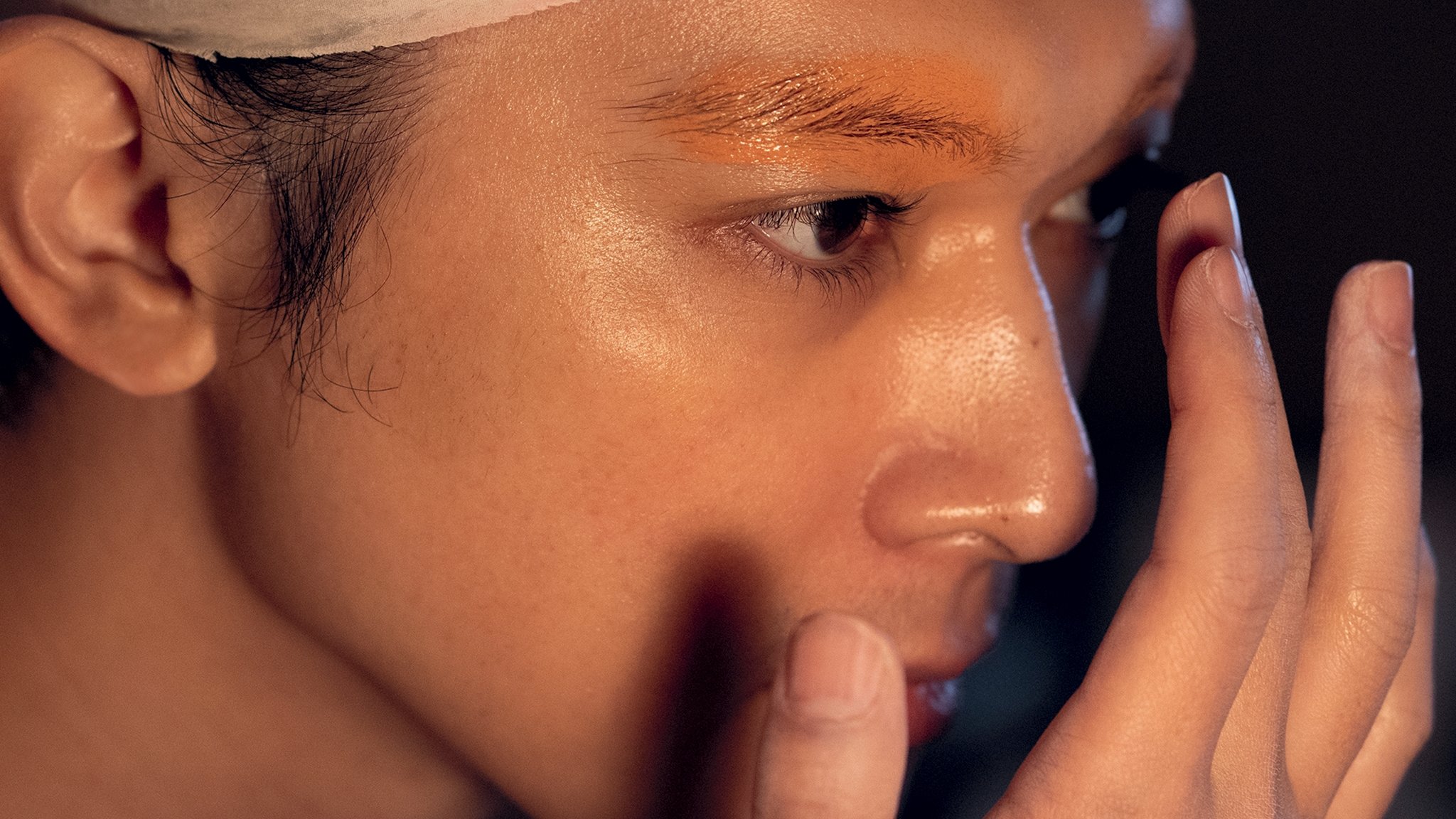
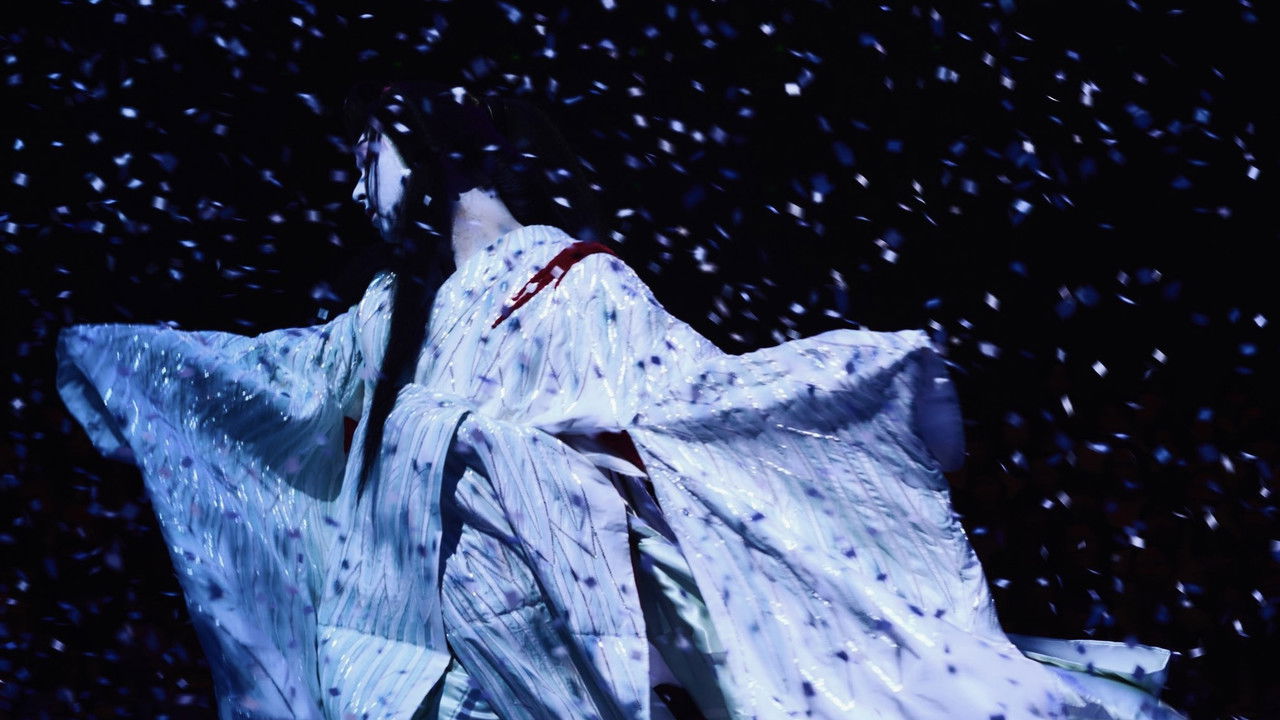
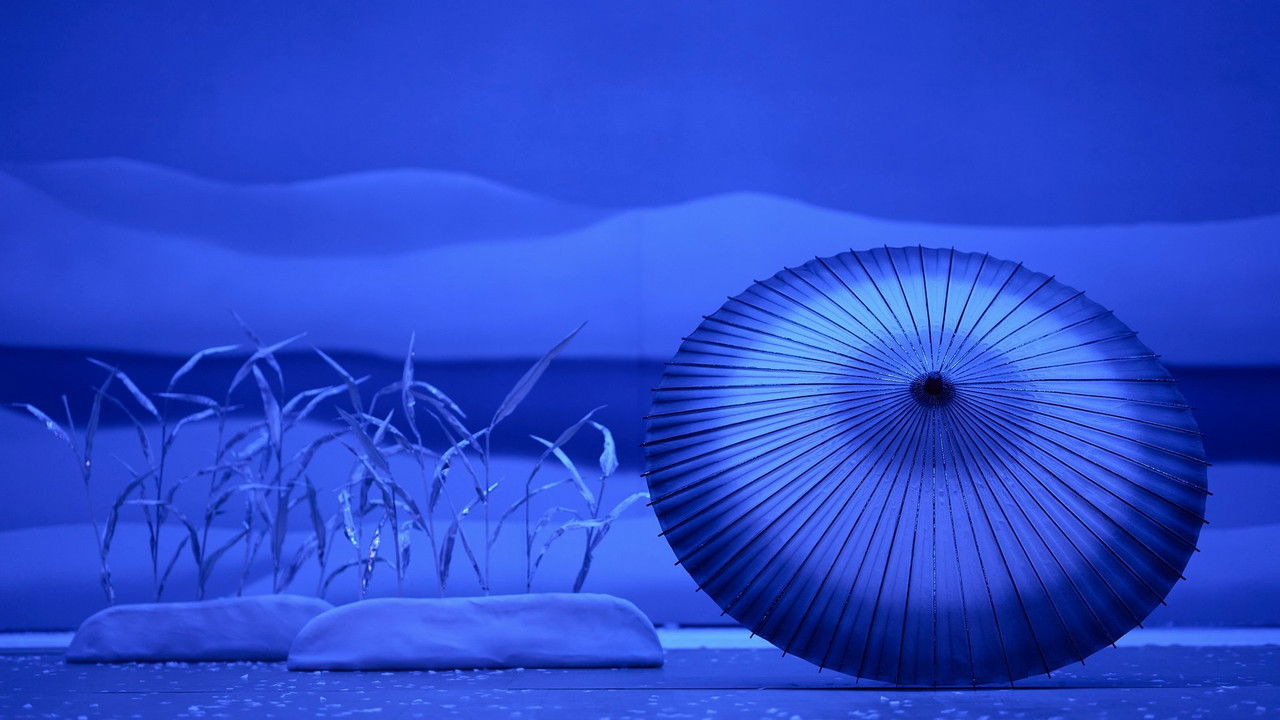
As I said earlier, there are some truly gorgeous shots; the architecture, natural locations and stage decorations are all stunning, as are the costumes, and the colours all-round are so captivating. However, the cinematography doesn't always complement the beauty of the film. I don't understand why there were so many close-ups of the actors' faces and why the camera showed so much of the audience during the kabuki shows when there's so much physicality to be captured in the performances. The score also made no sense to me; why would you use an overpowering orchestral piece when there's already beautiful, traditional music being played in the kabuki scenes?
I hate to compare films, but all I could think about was Farewell My Concubine, and how much potential Kokuho had. I'm sure lots of people will love it, as they've already been doing, but sadly this film isn't for me.
❝You hate kabuki with a passion, don't you? But you will still go on stage. Why? Because, I suppose, that's what makes us actors.❞
❝Every time I saw you perform onstage, it was like a New Year celebration. It's transformative. "Drop everything and enter my world." Like you're inviting me in. Like you're taking me somewhere I've never been.❞
· · ───── ·⋆⋅𖤓⋅⋆· ───── · ·
Oh boy. Kokuho has been getting a lot of praise since it was first showed, so I was pretty excited to finally get to watch it. And while it has some genuinely alluring scenes, it's unfortunately just as empty.
One of the main problems I had was with Kikuo and Shunsuke's relationship; there was so little time spent showing their developing bond, how their familial situations impacted that bond, and their aspirations beside just being good actors, especially when they were young adults. Because of this, the entire film was severely lacking in emotion, and their reunion felt very undeserved and rushed despite the three hour run-time. The other major issue I had was with how the women in the film were just instruments the main duo could use to hurt the other or further their own selfish intentions, and easily discard or push to the background. For instance, Kikuo's daughter was shown in a couple of scenes to demonstrate his lifestyle and popularity then forgotten about until the very end. Then there were unnecessary sex scenes which went on way too long and had no purpose whatsoever other than to objectify the women. What makes this even worse is that there could've been a genuine look into the patriarchal and sexist traditions of kabuki and the onnagata actors specifically, and how gender was used in performances versus social constructs; instead, it feels like Kikuo and Shunsuke are onnagata purely because it's harder for male actors to pull off femininity convincingly, which makes for a bugger spectacle since they have to transform physically in various ways.
The performances from the cast were a bit of a let-down, too; both Ryo Yoshizawa and Ryusei Yokohoma are pretty bland, even in moments that require them to be explosive. I can't comment on their kabuki skills, as I unfortunately don't know enough about it, but I was left feeling very underwhelmed. Some of the casting also didn't really make sense to me – it's hard to imagine Ken Watanabe being able to pull off the elegance and grace required to be an excellent onnagata.
As I said earlier, there are some truly gorgeous shots; the architecture, natural locations and stage decorations are all stunning, as are the costumes, and the colours all-round are so captivating. However, the cinematography doesn't always complement the beauty of the film. I don't understand why there were so many close-ups of the actors' faces and why the camera showed so much of the audience during the kabuki shows when there's so much physicality to be captured in the performances. The score also made no sense to me; why would you use an overpowering orchestral piece when there's already beautiful, traditional music being played in the kabuki scenes?
I hate to compare films, but all I could think about was Farewell My Concubine, and how much potential Kokuho had. I'm sure lots of people will love it, as they've already been doing, but sadly this film isn't for me.