***“If I hadn’t taken the photo, it would have been lost forever.”
“It’s ok, because we already saw it.”***
Need to get all my thoughts out of my system. Been thinking about this film ever since I saw it last night. 2 hours after the rewatch and I’m still thinking about what I want to say. The greatest movies imo are those that deal with their subject matter so masterfully to the point that it crosses over to the real world and force you to sit with yourself and think; so good they have you self-reviewing before reviewing it itself. First paragraph is my self-review to the message, 2nd paragraph is why I think this film has 0 flaws.
I carry my camera everywhere so this hit hard. 36 explores the question of how we create and retain memories, particularly in the digital age by contrasting the traditional method of remembering through personal recollection vs the modern tendency to rely on digital storage. I’ve recently gotten into street photography. This has led me to take pictures of random people walking by, conversing, laughing, working, performing; ultimately, people being present. I’m currently reflecting back on these pictures I took of a Pro-Palestine protest the other day (free palestine for real btw, this needs to end), and I am now realizing just how cooked I am and how I need to do better. I was focused on framing the crowd properly while having the photos demonstrate their emotions and getting their signs in the shot along with the sun shining on their flags but I’m now realizing that I don’t even remember what they were chanting, or how the public around me reacted to their heart felt message, or how the weather even felt, etc. I definitely believe photography serves as a powerful tool for preserving memories and documenting life's fleeting moments but I’m just now realizing how intentional we must be with it. Bringing your camera everywhere and forcing yourself to shoot (even though you might not feel like it) is something many photographers encourage to improve skill but this film serves as a reminder of how detrimental this harmless practice can actually be. There’s a lot I could still say but I’m still reflecting on my own personal thoughts to the subject matter, and will be for a while so I’ll end it there.
But man.. this is PERFECT.
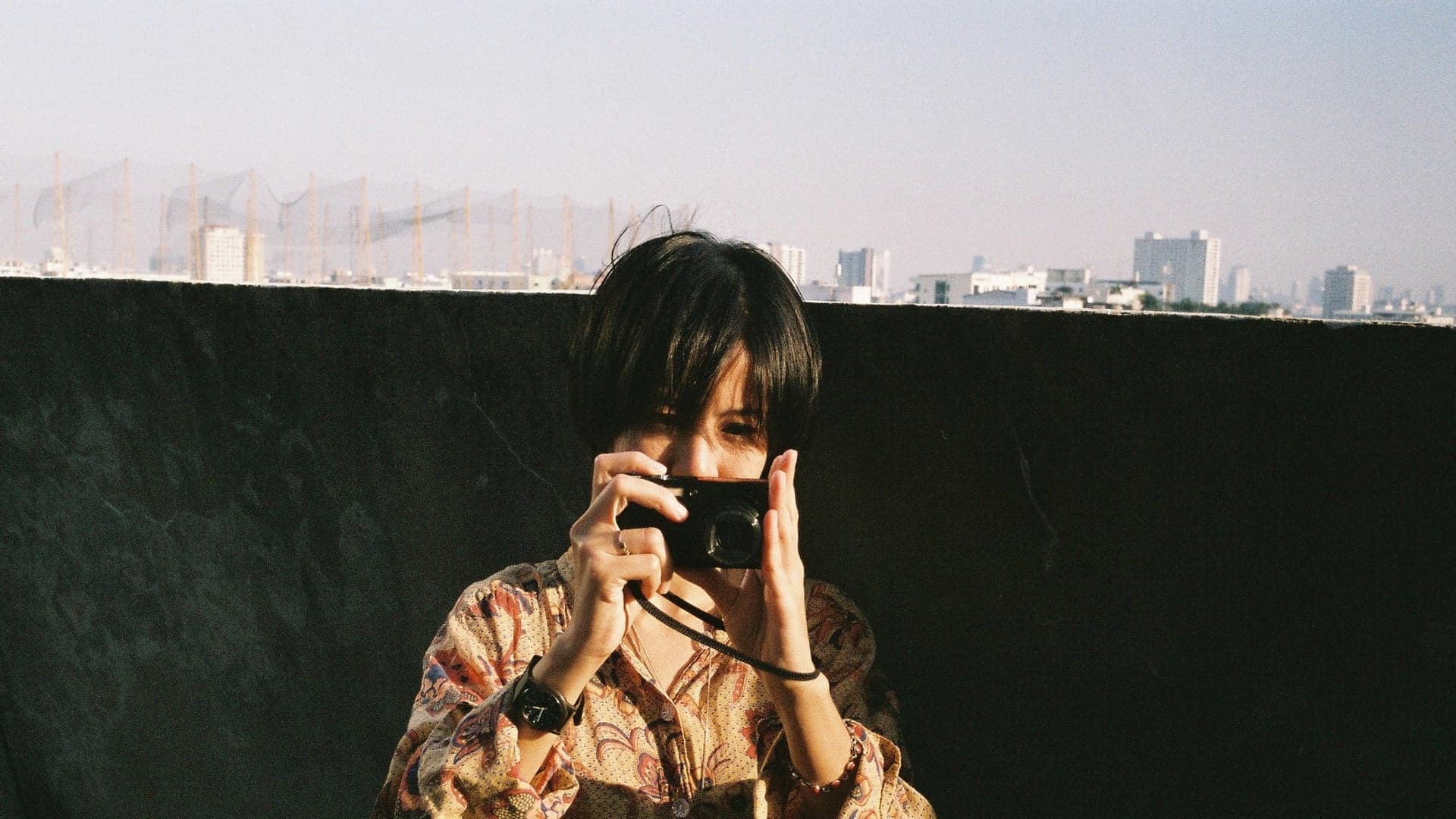
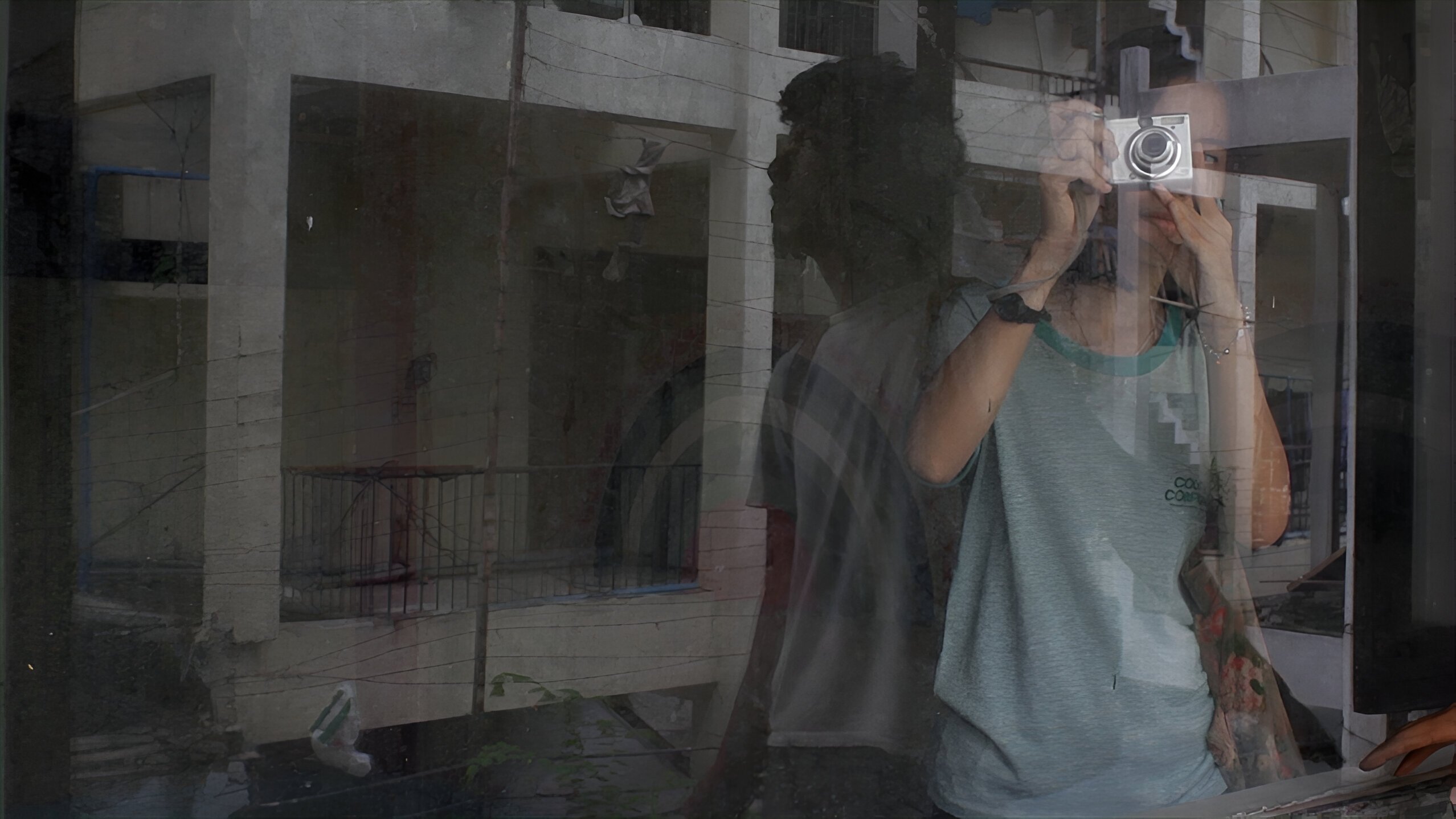
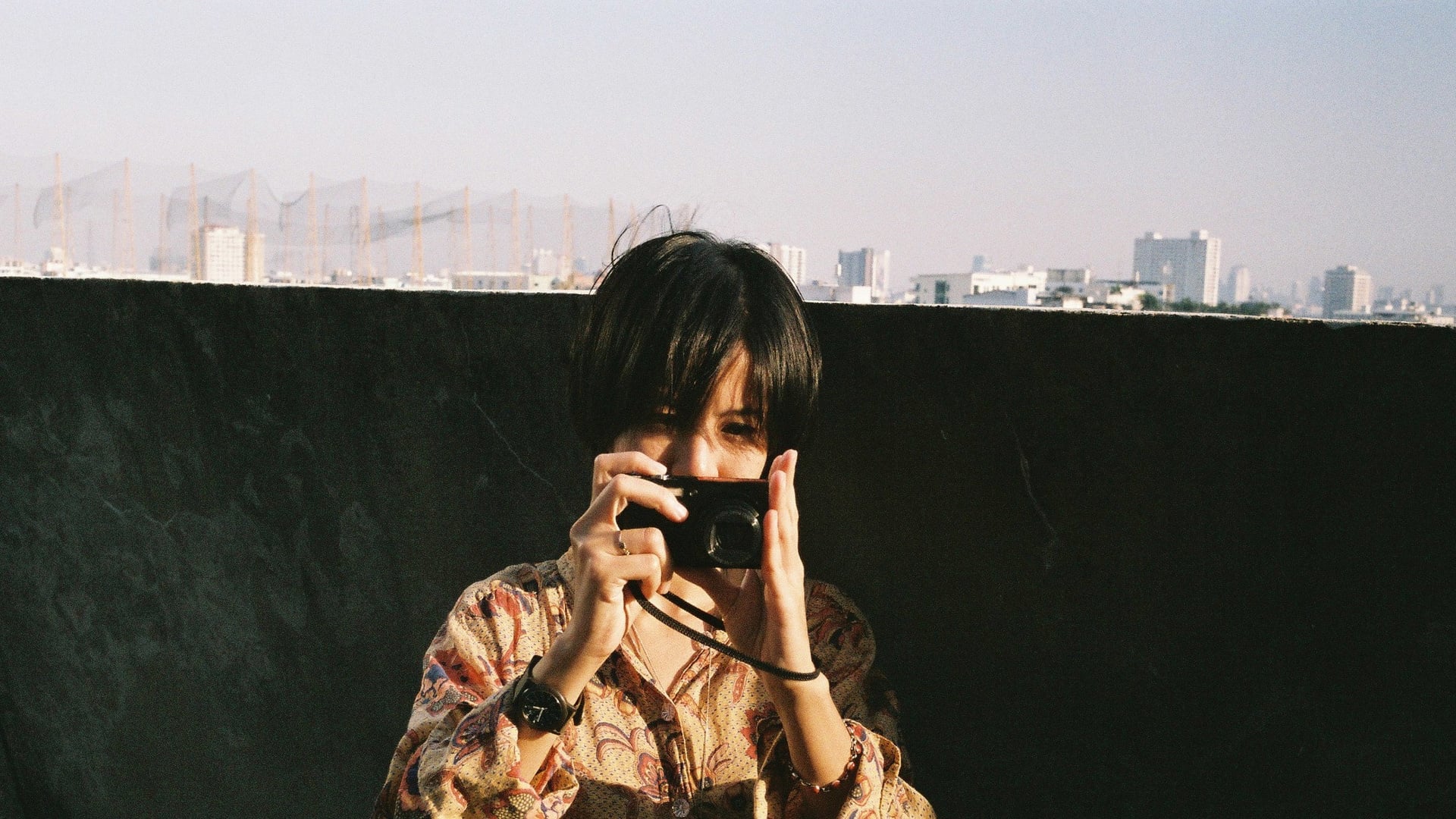
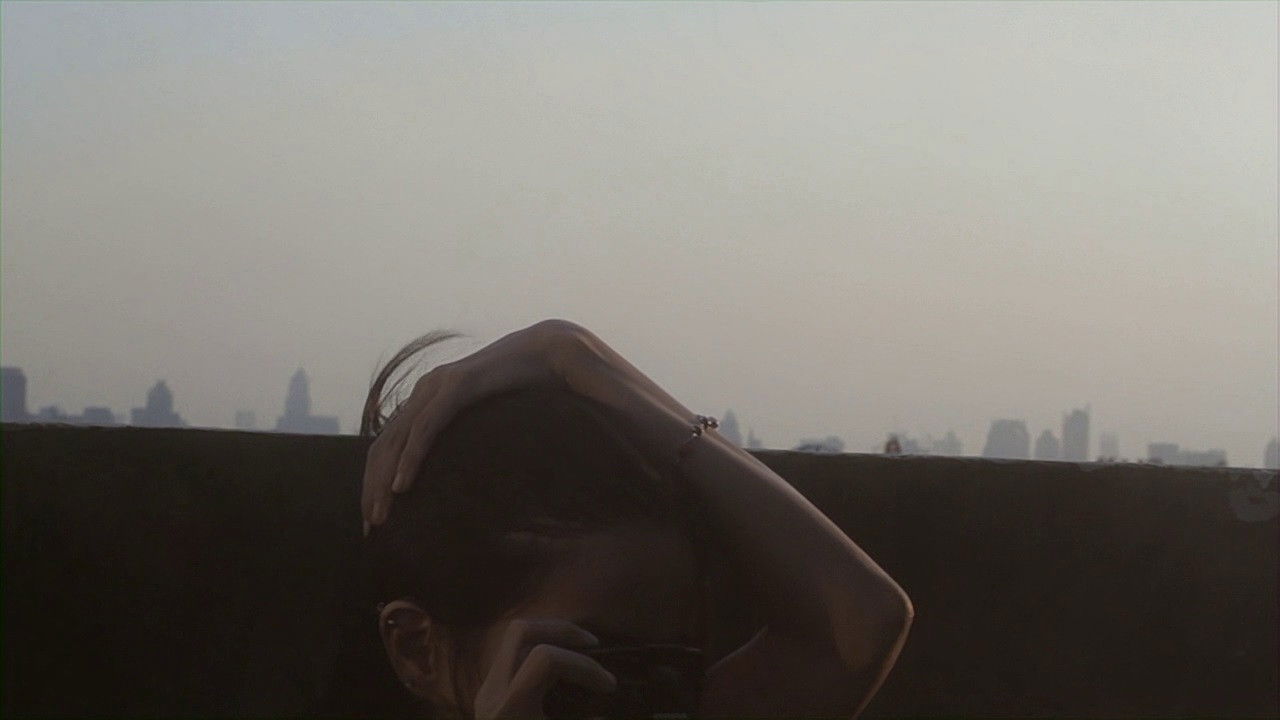
First thing I want to talk about is the incredibly genius cinematography. This is something I always notice immediately as I’ve been behind a camera for almost 10 years now. It’s by far my #1 favorite thing to geek out over when watching something and lemme tell you.. this is the most original thing I have seen ever. The title 36 refers to the number of exposures on a single roll of analog film. Reflecting this, the film is composed of 36 still shots—each one uniquely titled, resembling individual photographs. The shot blocking is terrible as the characters walk in and out of frame as they please but this is genius as each shot also reflects an individual memory in our protagonists’ lives. This allows our characters to be free and what follows isn’t the camera but memories. Even though the film’s comprised of individual shots, they are all directly linked to both protagonists, including those that don’t even include them in the scene. Furthermore, the last two scenes (35 & 36) tie in every single shot together beautifully. Both characters are essential opposites of one another. Sai, our main protagonist, carries a digital cam around (mostly for work). Although this camera selection helps in allowing her take multiple pictures a day, she’s often never present when doing so as her mind is fixed on her next shot. Her memory seems to be intact as she’s able to recall what she shot on any given day but not much outside of the photo itself (such as what her own emotions even were in that moment). Oom, our 2nd protagonist carries around an analog cam, which are extremely limited in storage, making his experiences more emotion based. The dichotomy and overall subject matter are perfectly demonstrated in the last 2 scenes as Sai in scene 36 is chasing the photo she once lost, while Oom in 35 is chasing the feeling he no longer possesses - both ultimately chasing the same memory. The minimal acting performances also compliment the story as it leaves enough room for personal contemplation/interpretation. There is soo much more I want to say about the other stylistic techniques used in this and highlight scenes that just hit like a truck but I don’t wanna spoil anything + it’s currently 4:30am and I really want to watch 1 more movie (sleep schedule so cooked rn).
This one of them ones for real.
***“If I hadn’t taken the photo, it would have been lost forever.”
“It’s ok, because we already saw it.”***
Need to get all my thoughts out of my system. Been thinking about this film ever since I saw it last night. 2 hours after the rewatch and I’m still thinking about what I want to say. The greatest movies imo are those that deal with their subject matter so masterfully to the point that it crosses over to the real world and force you to sit with yourself and think; so good they have you self-reviewing before reviewing it itself. First paragraph is my self-review to the message, 2nd paragraph is why I think this film has 0 flaws.
I carry my camera everywhere so this hit hard. 36 explores the question of how we create and retain memories, particularly in the digital age by contrasting the traditional method of remembering through personal recollection vs the modern tendency to rely on digital storage. I’ve recently gotten into street photography. This has led me to take pictures of random people walking by, conversing, laughing, working, performing; ultimately, people being present. I’m currently reflecting back on these pictures I took of a Pro-Palestine protest the other day (free palestine for real btw, this needs to end), and I am now realizing just how cooked I am and how I need to do better. I was focused on framing the crowd properly while having the photos demonstrate their emotions and getting their signs in the shot along with the sun shining on their flags but I’m now realizing that I don’t even remember what they were chanting, or how the public around me reacted to their heart felt message, or how the weather even felt, etc. I definitely believe photography serves as a powerful tool for preserving memories and documenting life's fleeting moments but I’m just now realizing how intentional we must be with it. Bringing your camera everywhere and forcing yourself to shoot (even though you might not feel like it) is something many photographers encourage to improve skill but this film serves as a reminder of how detrimental this harmless practice can actually be. There’s a lot I could still say but I’m still reflecting on my own personal thoughts to the subject matter, and will be for a while so I’ll end it there.
But man.. this is PERFECT.
First thing I want to talk about is the incredibly genius cinematography. This is something I always notice immediately as I’ve been behind a camera for almost 10 years now. It’s by far my #1 favorite thing to geek out over when watching something and lemme tell you.. this is the most original thing I have seen ever. The title 36 refers to the number of exposures on a single roll of analog film. Reflecting this, the film is composed of 36 still shots—each one uniquely titled, resembling individual photographs. The shot blocking is terrible as the characters walk in and out of frame as they please but this is genius as each shot also reflects an individual memory in our protagonists’ lives. This allows our characters to be free and what follows isn’t the camera but memories. Even though the film’s comprised of individual shots, they are all directly linked to both protagonists, including those that don’t even include them in the scene. Furthermore, the last two scenes (35 & 36) tie in every single shot together beautifully. Both characters are essential opposites of one another. Sai, our main protagonist, carries a digital cam around (mostly for work). Although this camera selection helps in allowing her take multiple pictures a day, she’s often never present when doing so as her mind is fixed on her next shot. Her memory seems to be intact as she’s able to recall what she shot on any given day but not much outside of the photo itself (such as what her own emotions even were in that moment). Oom, our 2nd protagonist carries around an analog cam, which are extremely limited in storage, making his experiences more emotion based. The dichotomy and overall subject matter are perfectly demonstrated in the last 2 scenes as Sai in scene 36 is chasing the photo she once lost, while Oom in 35 is chasing the feeling he no longer possesses - both ultimately chasing the same memory. The minimal acting performances also compliment the story as it leaves enough room for personal contemplation/interpretation. There is soo much more I want to say about the other stylistic techniques used in this and highlight scenes that just hit like a truck but I don’t wanna spoil anything + it’s currently 4:30am and I really want to watch 1 more movie (sleep schedule so cooked rn).
This one of them ones for real.