I’m reading Ty Seidule’s Robert E. Lee and Me for a history course, and he talks pretty disparagingly of this film, so I thought I’d finally check it out before making any judgments. Hoo boy…. this is gonna open up a can of worms.
Like any little kid who grew up in the late 2000s, and was an obsessive follower of anything Disney, I was inundated with iconography from Song of the South. I knew “Zip-a-Dee-Doo-Dah” by heart and had been on Splash Mountain, yet for the life of me, my parents and I couldn’t find the movie that inspired it all. I knew for so long that it was a controversial part of Disney history, that it had extremely dated racial politics, and that Disney was comfortable using only some iconography from it in their attractions. My parents grew up when the film was still in circulation thanks to theatrical re-releases, and even liked it as children.
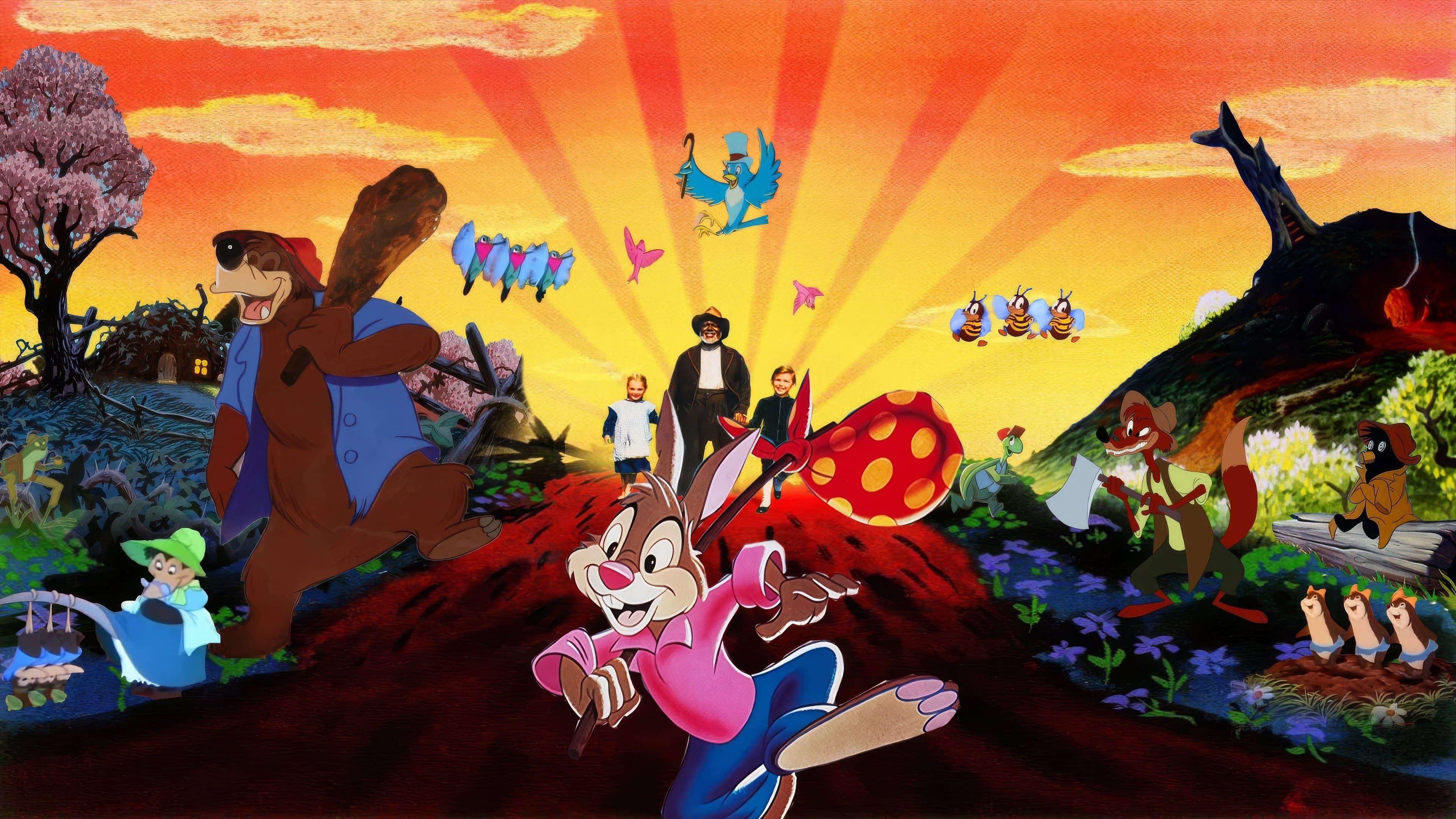
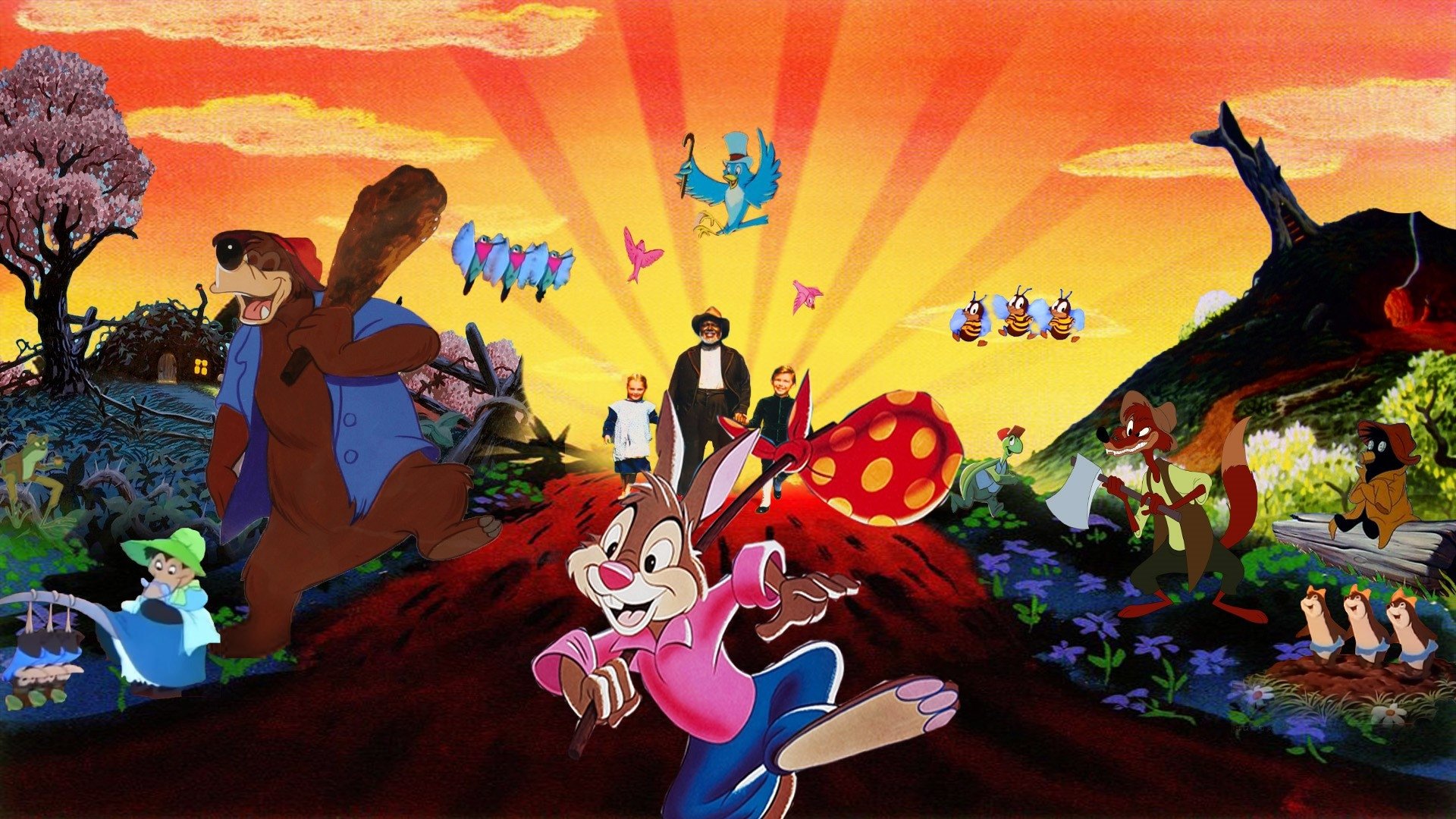
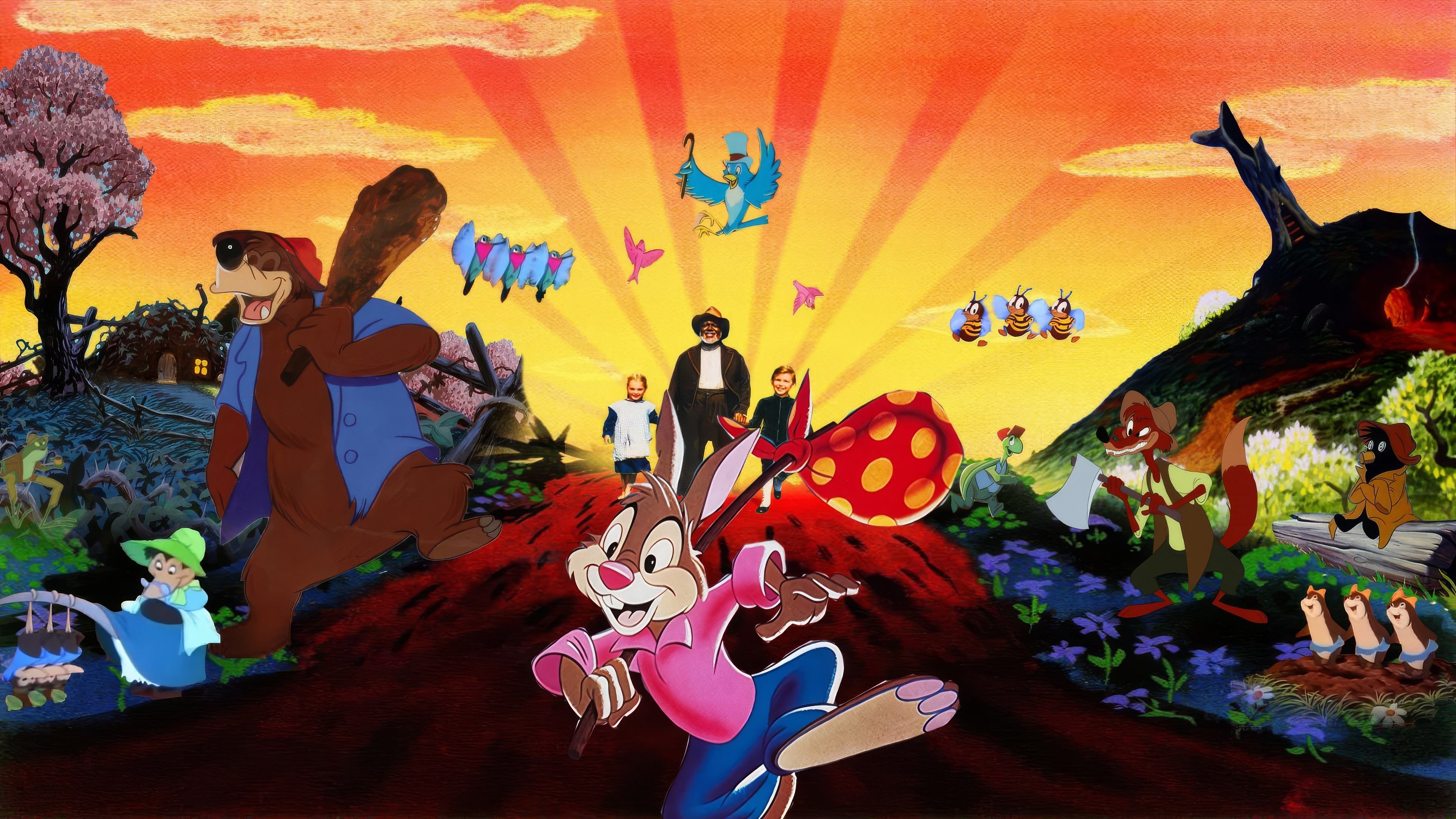
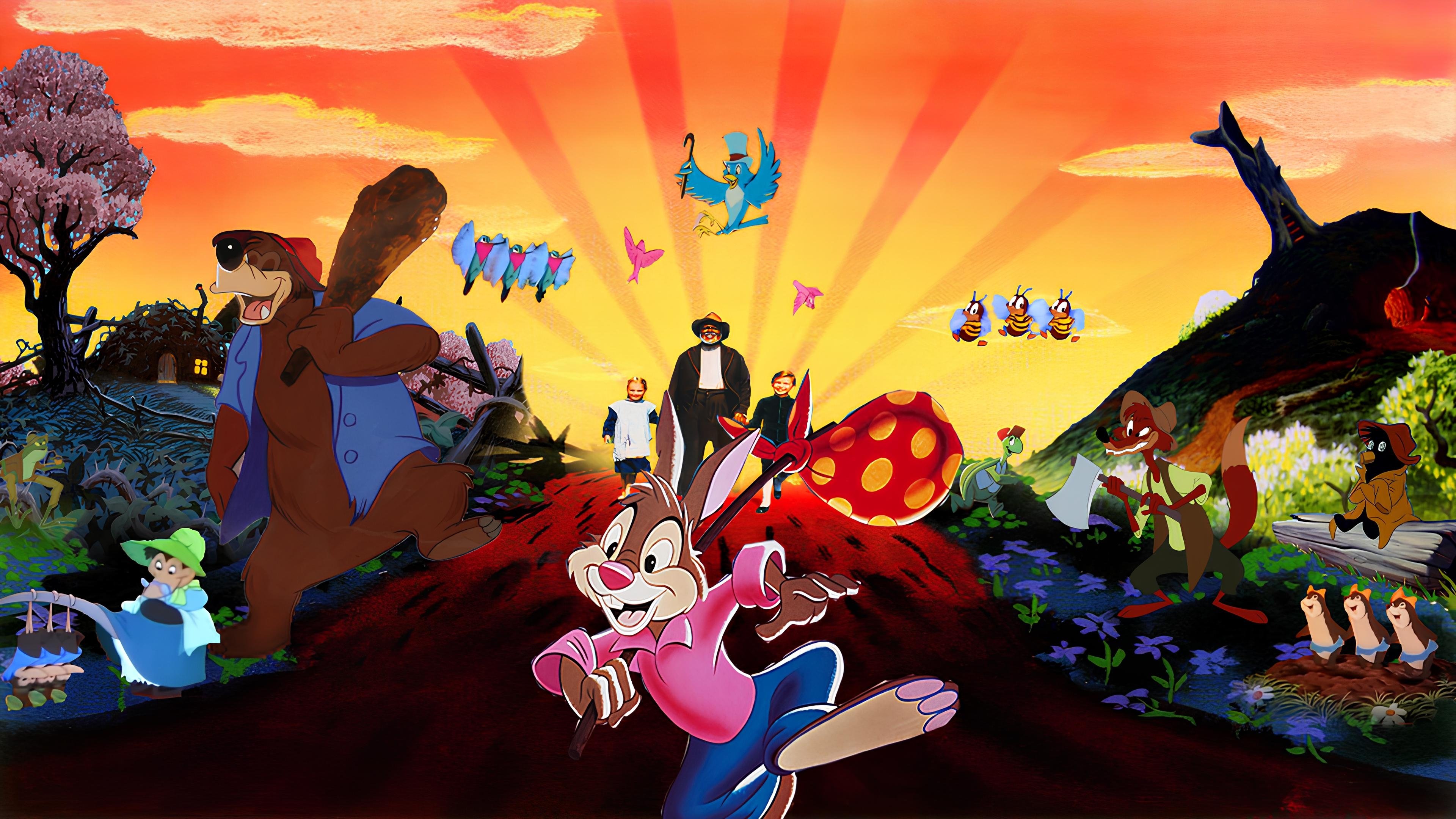
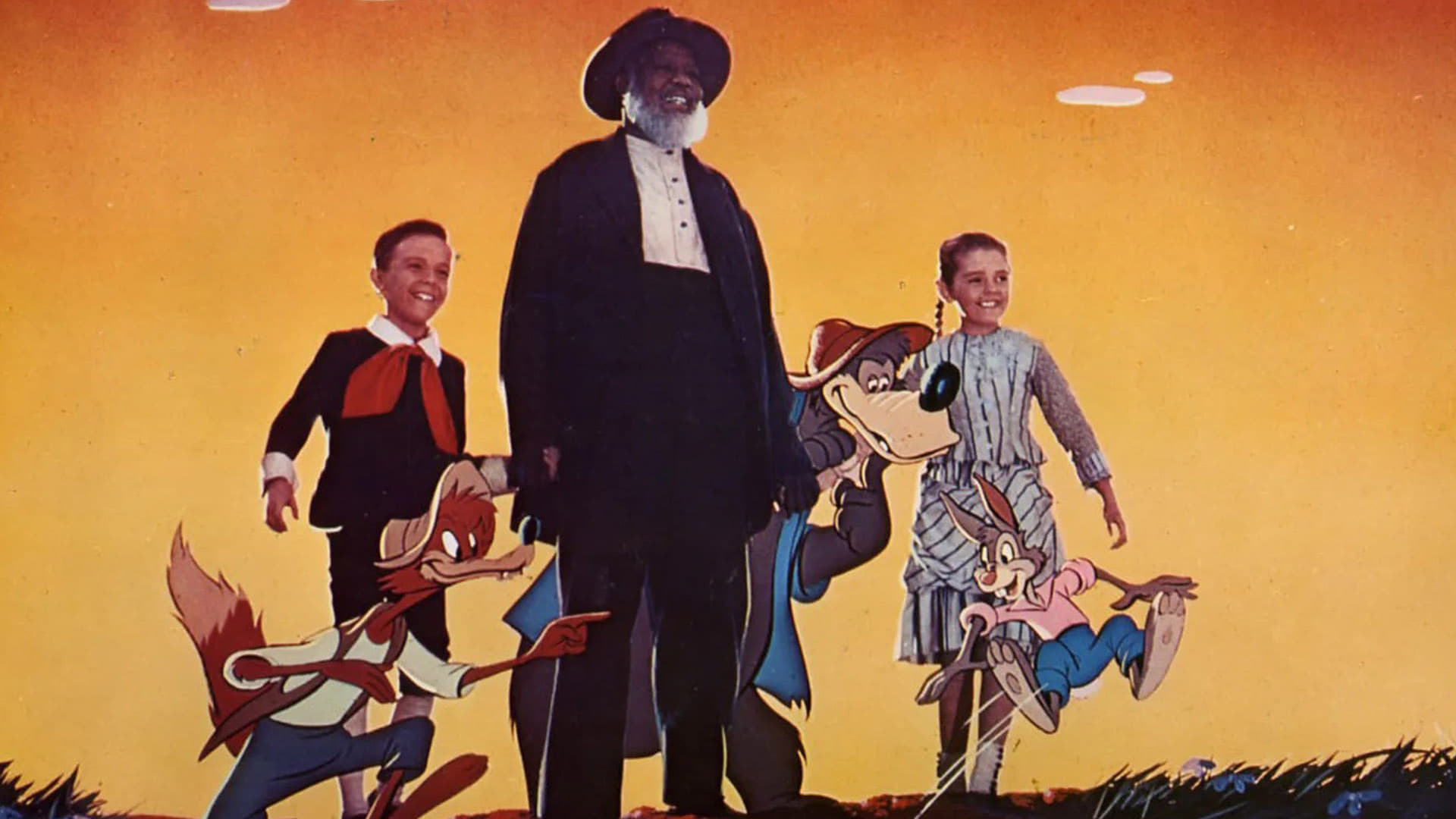
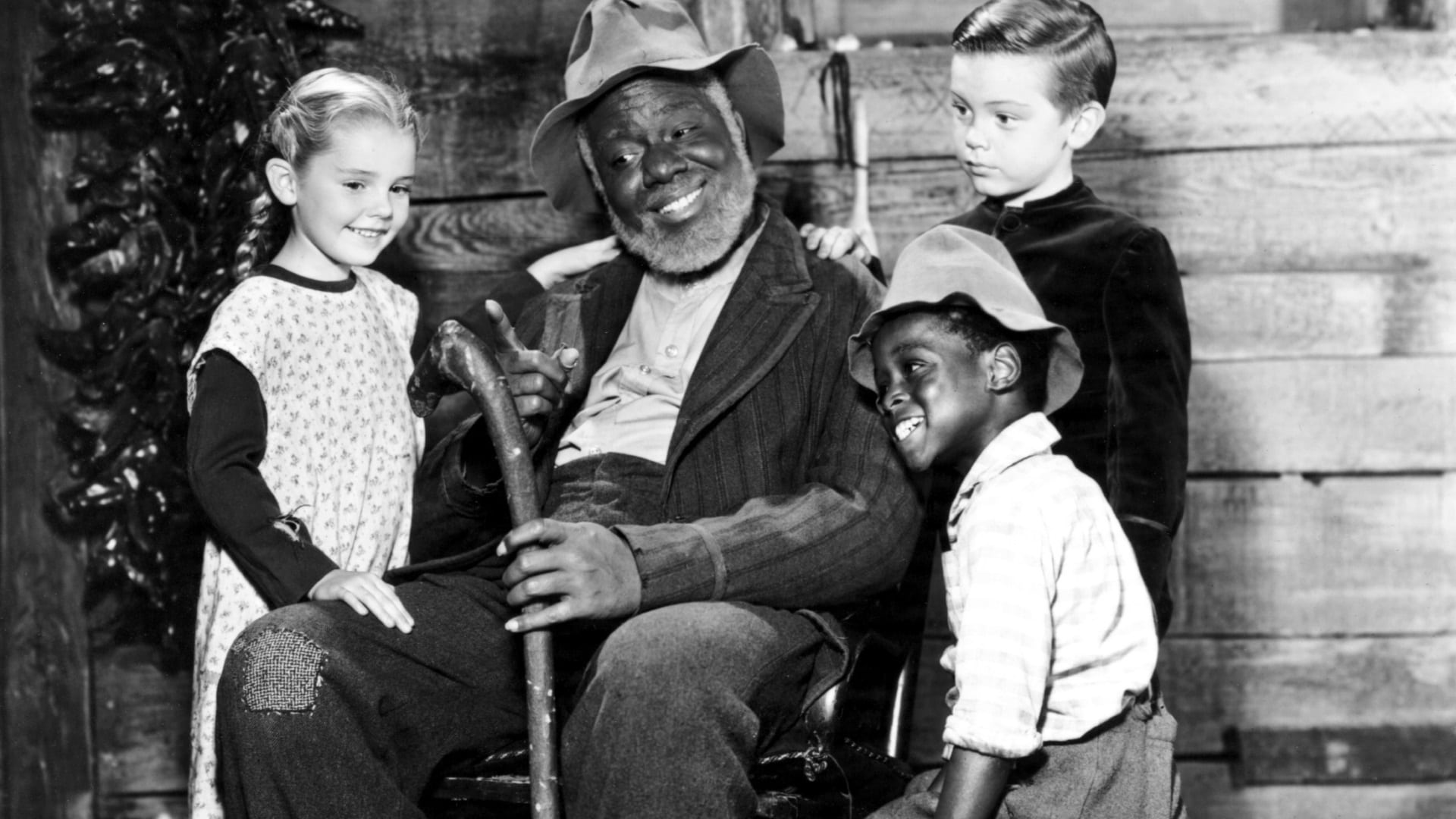
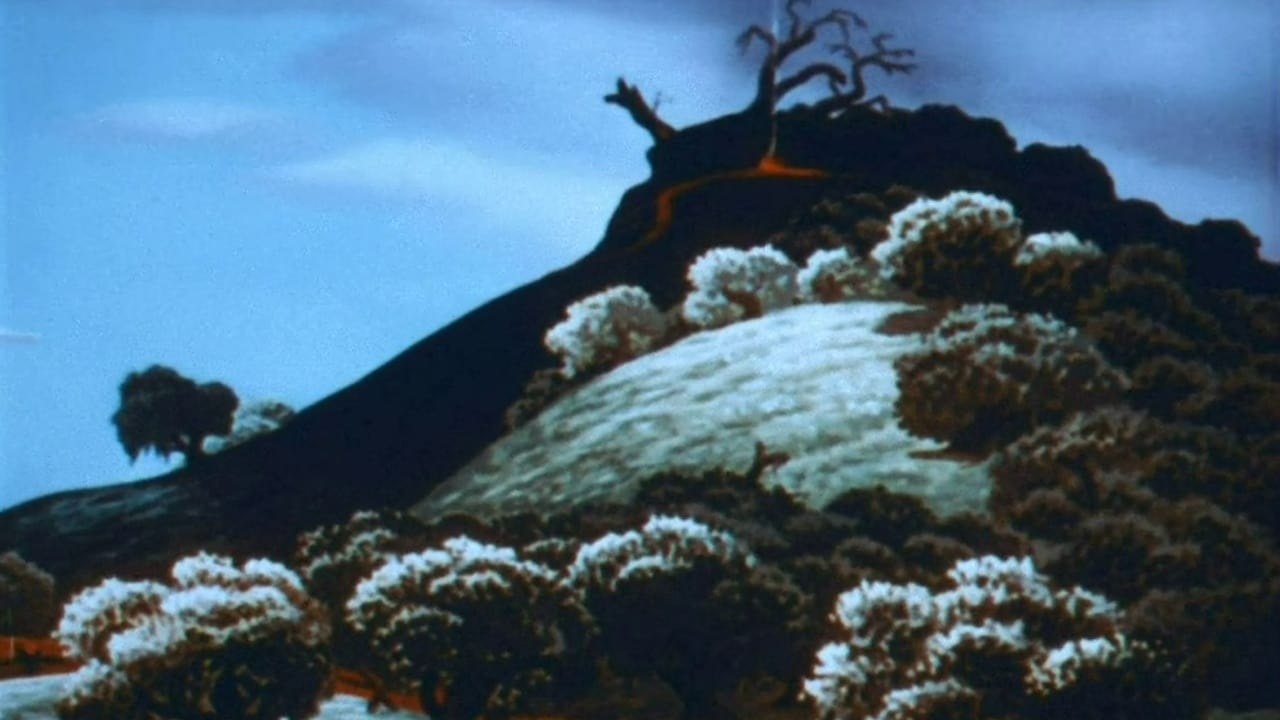
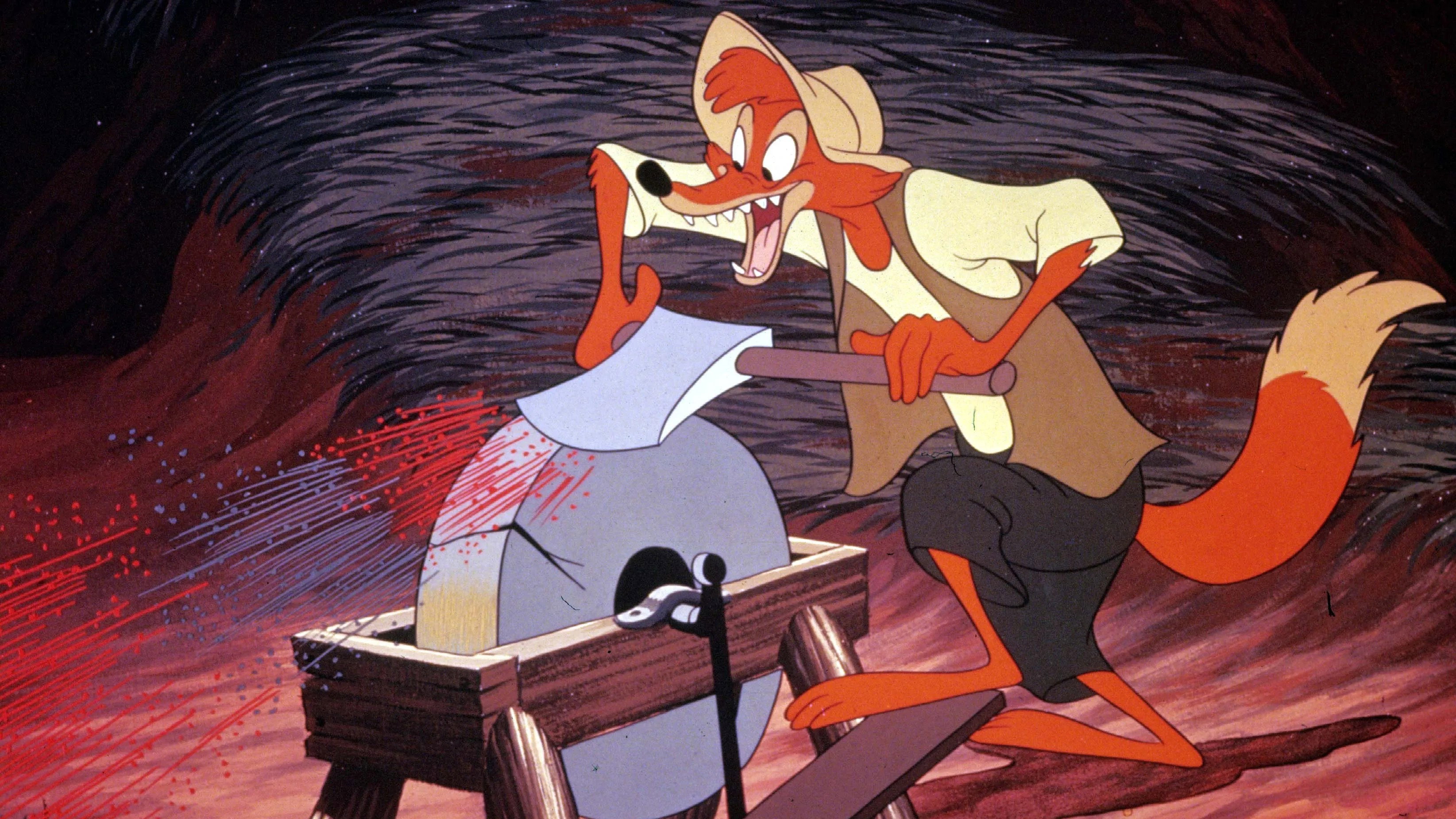
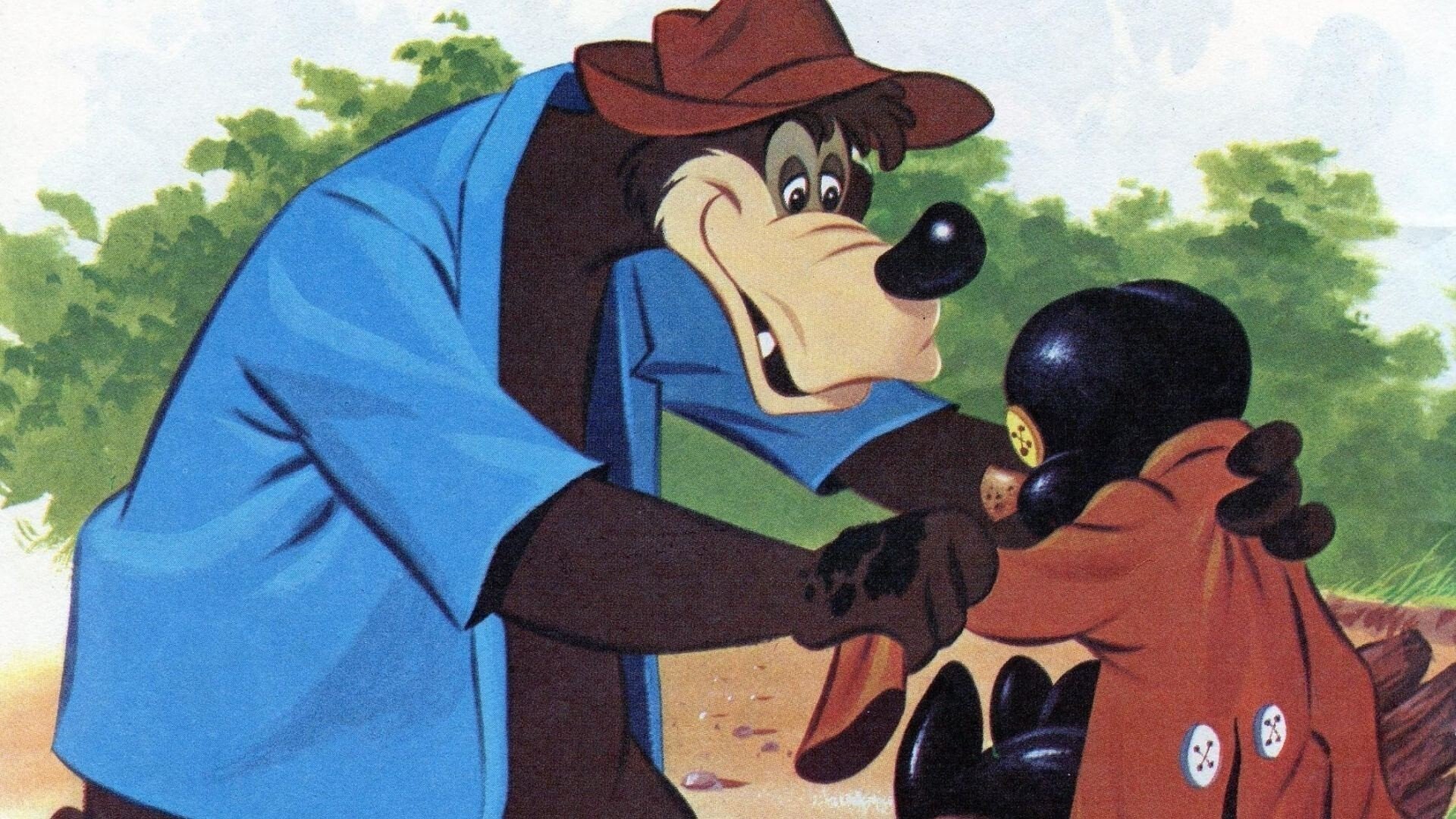
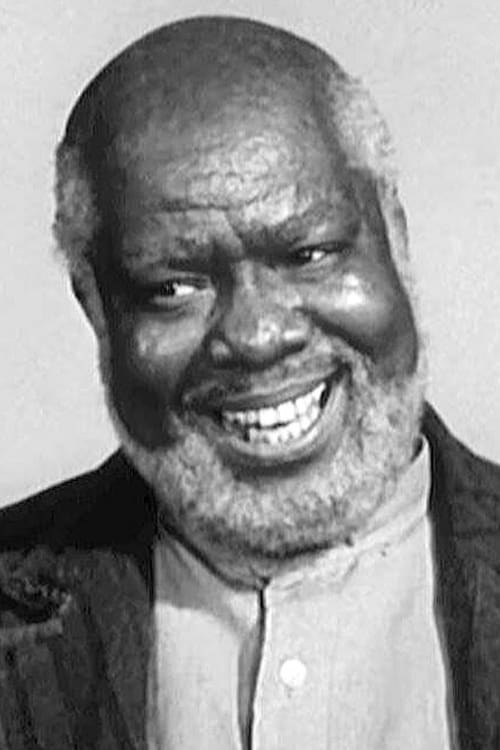
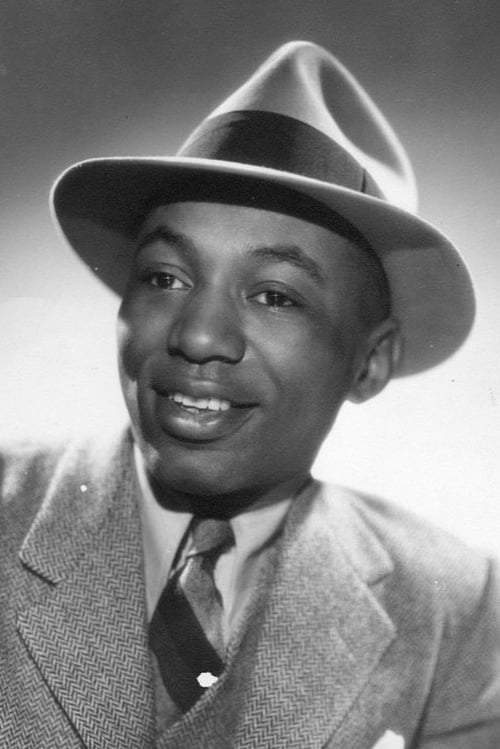
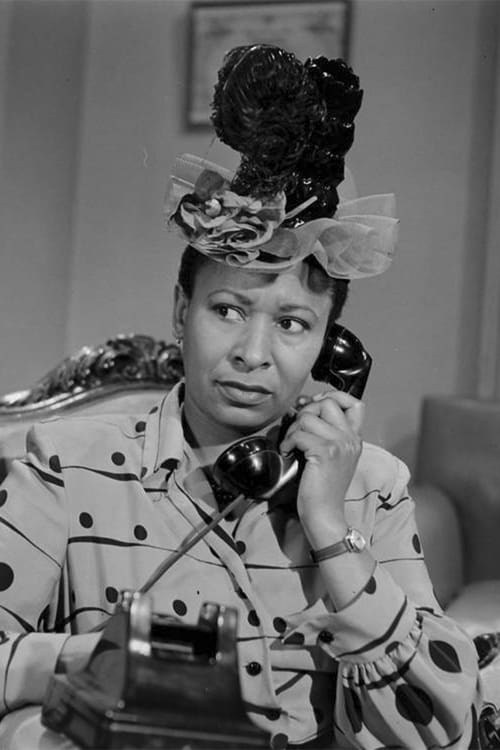
Actually sitting down and watching the thing… ugh…. I’m not sure if this makes the film harder to swallow or not, but the animation is stunning, easily some of the most impressive work from the Disney team at the time. The animated segments are entertaining, and I can see why the Disney company is a lot more comfortable incorporating the characters into their attractions than the live-action segments. All I saw of the film until now was the animated segments, and for good reason; they are genuinely worth watching.(except for the “tar baby” segment…. Yikes!!). Plus, the live-action segments were shot by Gregg “Citizen Kane” Toland, who knew? The live-action scenes… are a different story to say the least. Not only do the more dated aspects of the film shine through in the live-action segments, but for the most part they’re just plain dull. I just wanted to get back to the animated segments half the time, and they only take up about a half hour of screen time in a 90-minute movie. Things get so schmaltzy that even for Disney, it’s unbearable, especially in the corny finale. The one saving grace of the live-action segments is the one moment that Hattie McDaniel and James Baskett as Uncle Remus share onscreen, which is quite sweet; and the only time that two black characters actually have dialogue, which is telling. When James Baskett is onscreen, the film gets so much better, as the film earned him an Honorary Oscar. To see a seemingly positive portrayal of a black character in a pre-1960s film was a major accomplishment for that time, making the film even more of a double-edged sword.
Even though the film itself doesn’t try to be openly racist, and attempts to be “inclusive“ for the time (the characters in the animated segments are all voiced by black actors), it still has so many issues that make it an uncomfortable watch today. First and foremost, like Gone With the Wind, the film romanticizes the Civil War and Reconstruction era, possibly even more so than Gone With the Wind. The Disney company claims that the film takes place during Reconstruction, like the original stories, but this is never actually brought up. The story still takes place around a plantation (better save it for Deadpool’s wedding), focusing primarily on a rich white family that benefited from slavery, portraying Uncle Remus as the epitome of the “magical negro” trope, depicting white characters speaking in a very “proper” manner and black characters speaking in southern drawl, giving the main white child Johnny a black friend (ugh…), and showing implied sharecroppers as perfectly content with their job. So many aspects are left ambiguous to sanitize the Antebellum South for a Disney film. To begin with, it’s already based on a story about a black character written by a white man, Disney himself split with Clarence Muse because Muse wanted the story to lean less into these stereotypes, the original script had slurs written in it to describe Uncle Remus, and to make matters worse—just like Gone With the Wind—its premiere was held in segregated Atlanta, and James Baskett and Hattie McDaniel weren’t allowed to attend. Uncle Remus isn’t even on the original poster! The film itself isn’t the most horrible, racist piece of animation from its time—if I were a Disney higher-up, I’d be less comfortable with those horrific WWII propaganda cartoons—but the way it romanticizes the south and slavery a la Gone With the Wind makes it pretty insidious nonetheless. I guess the one aspect that is a little less regressive is that Uncle Remus is portrayed as a kindly friend to the children (I remember my not-as-enlightened uncle saying “I don’t care about the slavery stuff, it’s just a guy telling kids stories”… uh…) yet he’s not much more than a storyteller to white children. Even back in the 40s, it was a lighting rod for controversy among civil rights activists.
However, I don’t think Disney should be burying this film. Maybe don’t release it to a wide audience, maybe not on Disney+, but at least put it out in a collector’s edition with a full restoration and some essays and discussion on the film. There’s no real point in pretending the film doesn’t exist when it already exists, especially when there are copies still floating around online and on overseas physical releases.(case in point, the version I watched was a 4K scan of a gorgeous 35mm print). It needs to be treated as a product of its time, an unflattering part of Disney’s history that is worth discussing. Doesn’t mean the film is any good though, outside the animated segments.
I’m reading Ty Seidule’s Robert E. Lee and Me for a history course, and he talks pretty disparagingly of this film, so I thought I’d finally check it out before making any judgments. Hoo boy…. this is gonna open up a can of worms.
Like any little kid who grew up in the late 2000s, and was an obsessive follower of anything Disney, I was inundated with iconography from Song of the South. I knew “Zip-a-Dee-Doo-Dah” by heart and had been on Splash Mountain, yet for the life of me, my parents and I couldn’t find the movie that inspired it all. I knew for so long that it was a controversial part of Disney history, that it had extremely dated racial politics, and that Disney was comfortable using only some iconography from it in their attractions. My parents grew up when the film was still in circulation thanks to theatrical re-releases, and even liked it as children.
Actually sitting down and watching the thing… ugh…. I’m not sure if this makes the film harder to swallow or not, but the animation is stunning, easily some of the most impressive work from the Disney team at the time. The animated segments are entertaining, and I can see why the Disney company is a lot more comfortable incorporating the characters into their attractions than the live-action segments. All I saw of the film until now was the animated segments, and for good reason; they are genuinely worth watching.(except for the “tar baby” segment…. Yikes!!). Plus, the live-action segments were shot by Gregg “Citizen Kane” Toland, who knew? The live-action scenes… are a different story to say the least. Not only do the more dated aspects of the film shine through in the live-action segments, but for the most part they’re just plain dull. I just wanted to get back to the animated segments half the time, and they only take up about a half hour of screen time in a 90-minute movie. Things get so schmaltzy that even for Disney, it’s unbearable, especially in the corny finale. The one saving grace of the live-action segments is the one moment that Hattie McDaniel and James Baskett as Uncle Remus share onscreen, which is quite sweet; and the only time that two black characters actually have dialogue, which is telling. When James Baskett is onscreen, the film gets so much better, as the film earned him an Honorary Oscar. To see a seemingly positive portrayal of a black character in a pre-1960s film was a major accomplishment for that time, making the film even more of a double-edged sword.
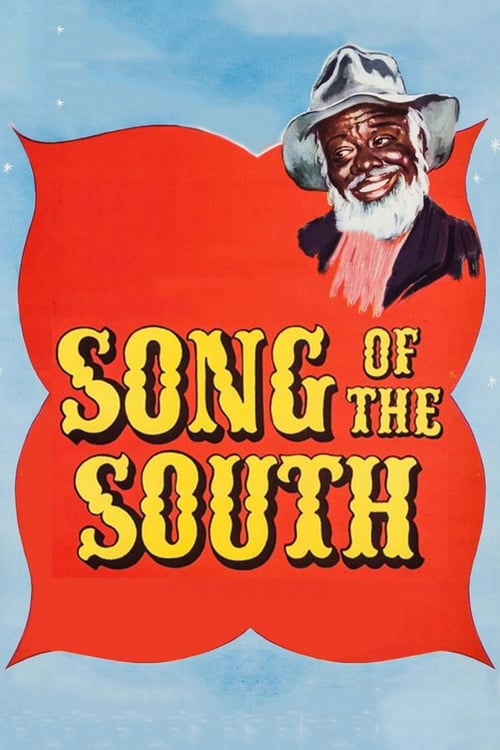
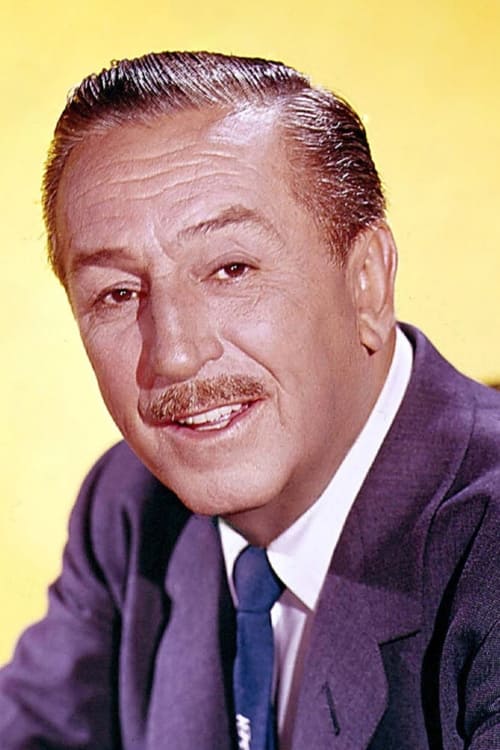
Even though the film itself doesn’t try to be openly racist, and attempts to be “inclusive“ for the time (the characters in the animated segments are all voiced by black actors), it still has so many issues that make it an uncomfortable watch today. First and foremost, like Gone With the Wind, the film romanticizes the Civil War and Reconstruction era, possibly even more so than Gone With the Wind. The Disney company claims that the film takes place during Reconstruction, like the original stories, but this is never actually brought up. The story still takes place around a plantation (better save it for Deadpool’s wedding), focusing primarily on a rich white family that benefited from slavery, portraying Uncle Remus as the epitome of the “magical negro” trope, depicting white characters speaking in a very “proper” manner and black characters speaking in southern drawl, giving the main white child Johnny a black friend (ugh…), and showing implied sharecroppers as perfectly content with their job. So many aspects are left ambiguous to sanitize the Antebellum South for a Disney film. To begin with, it’s already based on a story about a black character written by a white man, Disney himself split with Clarence Muse because Muse wanted the story to lean less into these stereotypes, the original script had slurs written in it to describe Uncle Remus, and to make matters worse—just like Gone With the Wind—its premiere was held in segregated Atlanta, and James Baskett and Hattie McDaniel weren’t allowed to attend. Uncle Remus isn’t even on the original poster! The film itself isn’t the most horrible, racist piece of animation from its time—if I were a Disney higher-up, I’d be less comfortable with those horrific WWII propaganda cartoons—but the way it romanticizes the south and slavery a la Gone With the Wind makes it pretty insidious nonetheless. I guess the one aspect that is a little less regressive is that Uncle Remus is portrayed as a kindly friend to the children (I remember my not-as-enlightened uncle saying “I don’t care about the slavery stuff, it’s just a guy telling kids stories”… uh…) yet he’s not much more than a storyteller to white children. Even back in the 40s, it was a lighting rod for controversy among civil rights activists.
However, I don’t think Disney should be burying this film. Maybe don’t release it to a wide audience, maybe not on Disney+, but at least put it out in a collector’s edition with a full restoration and some essays and discussion on the film. There’s no real point in pretending the film doesn’t exist when it already exists, especially when there are copies still floating around online and on overseas physical releases.(case in point, the version I watched was a 4K scan of a gorgeous 35mm print). It needs to be treated as a product of its time, an unflattering part of Disney’s history that is worth discussing. Doesn’t mean the film is any good though, outside the animated segments.