

1949·Drama·1h 44m
7.0
★
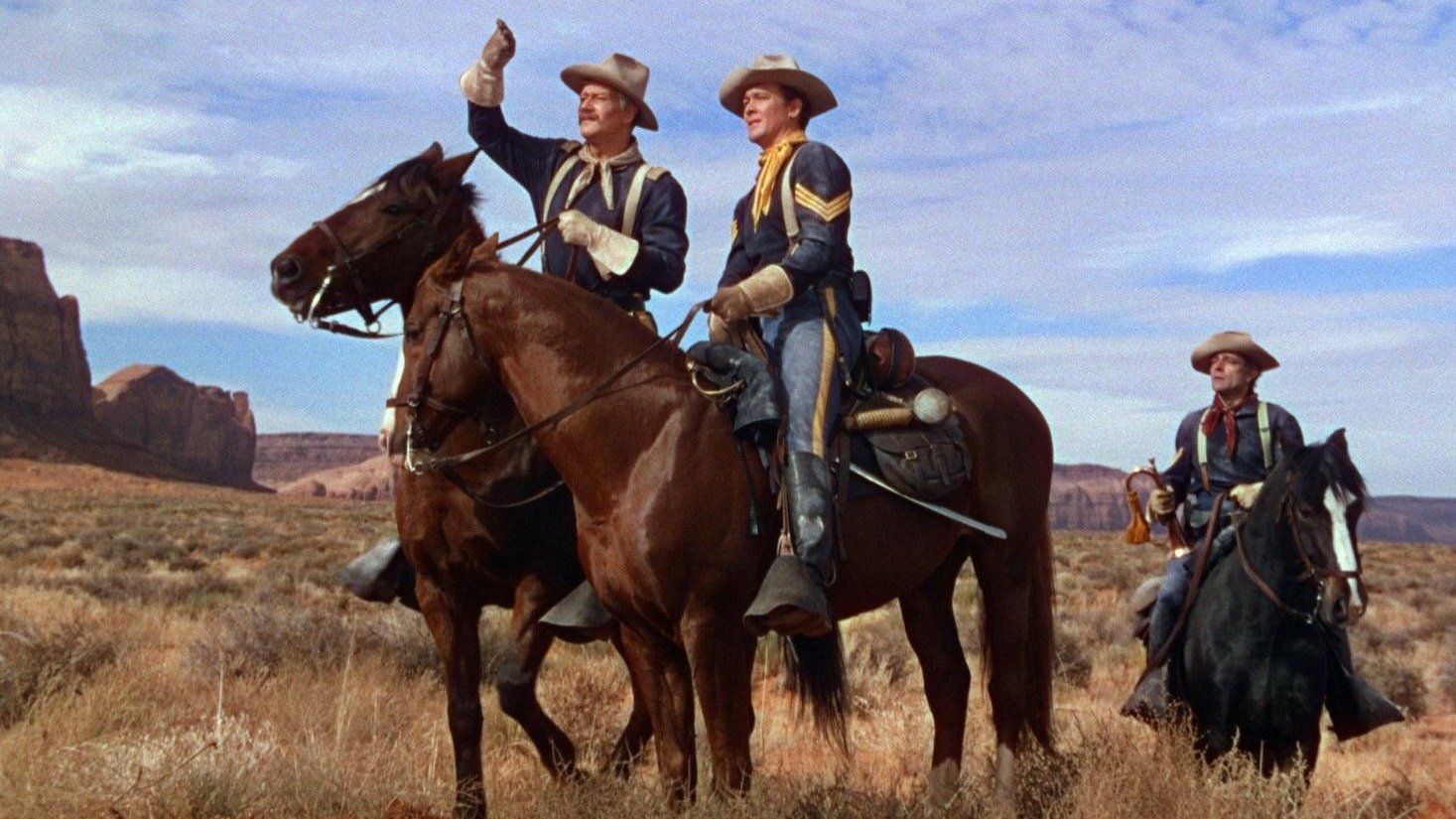
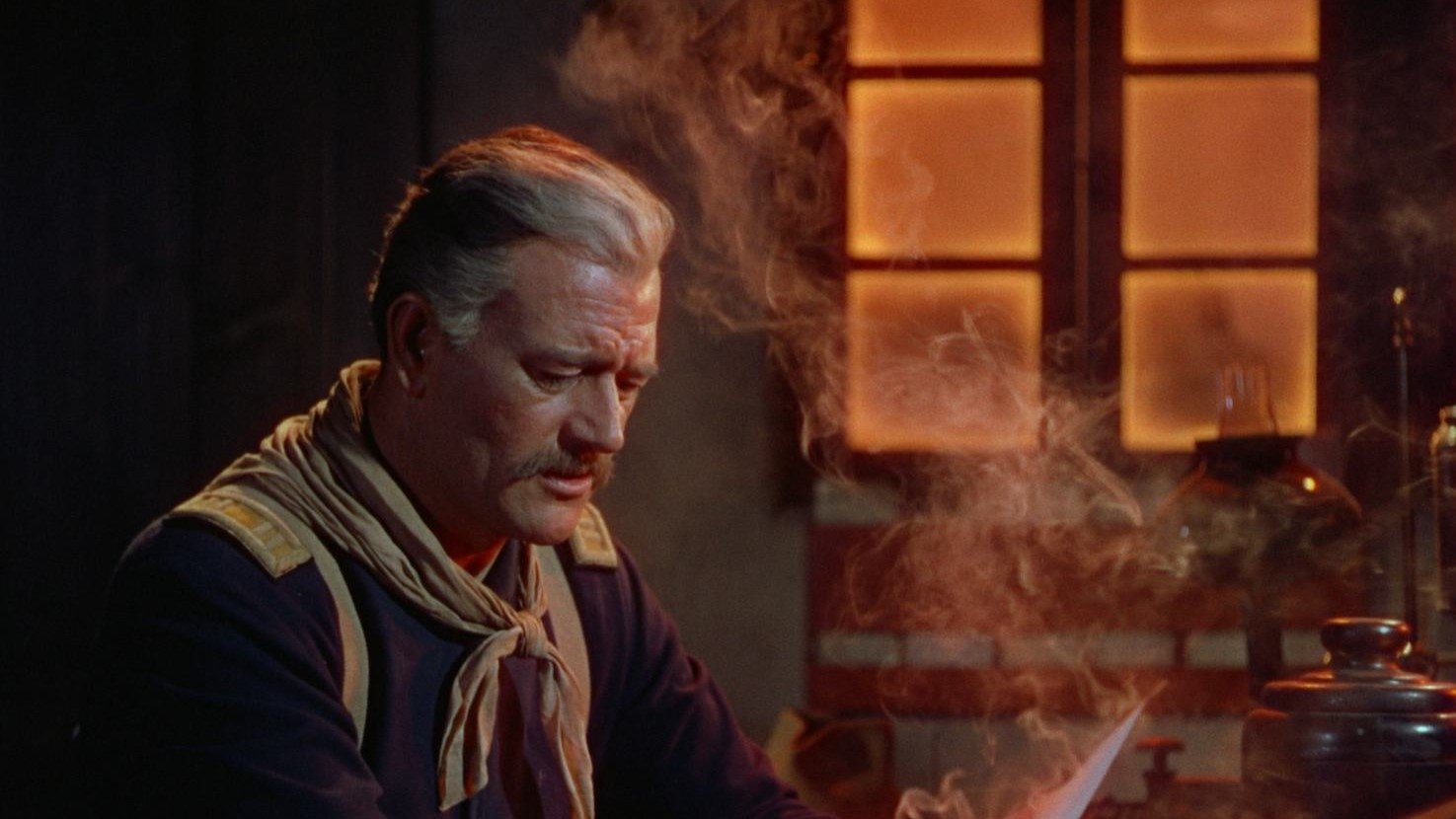
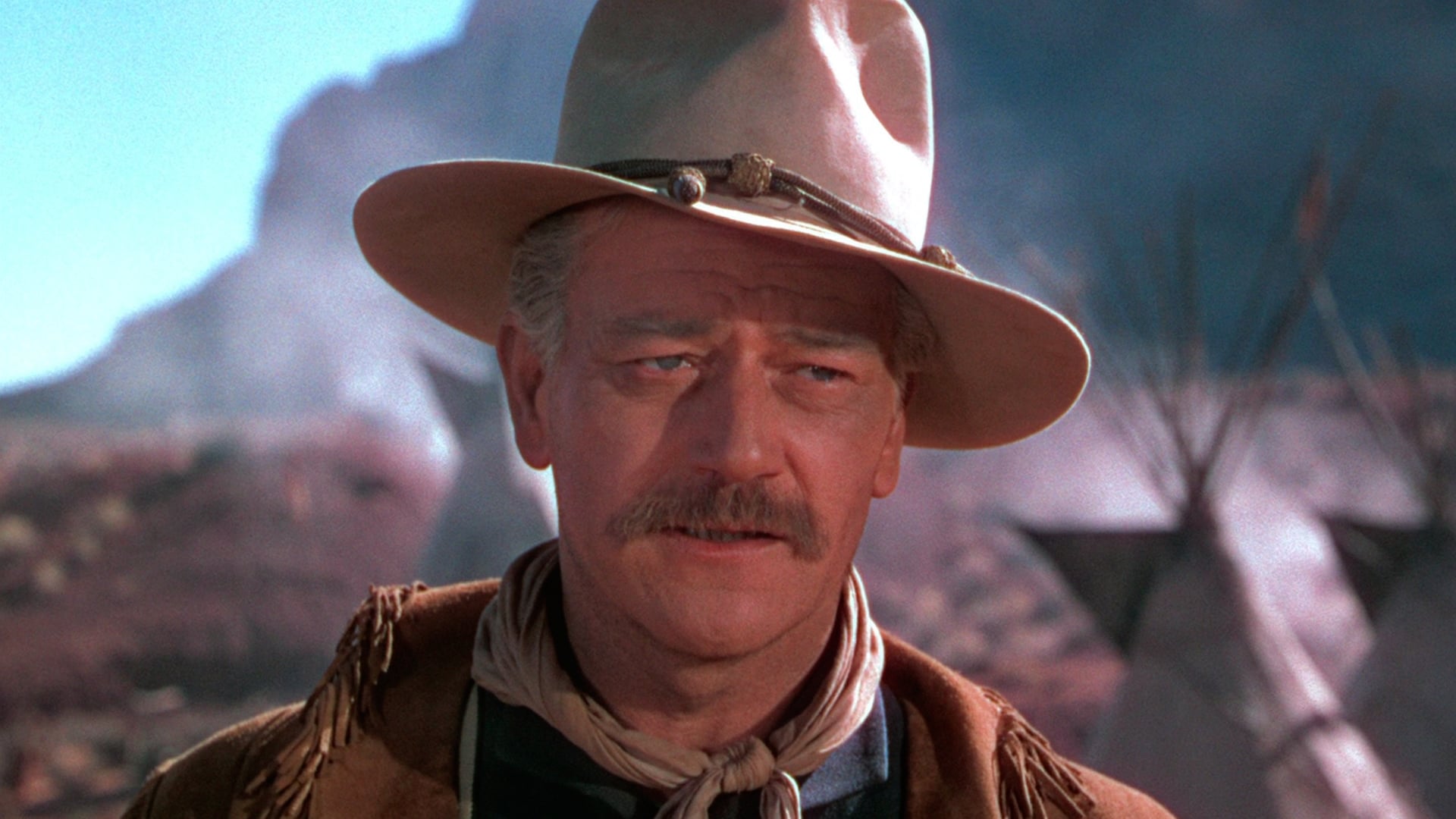

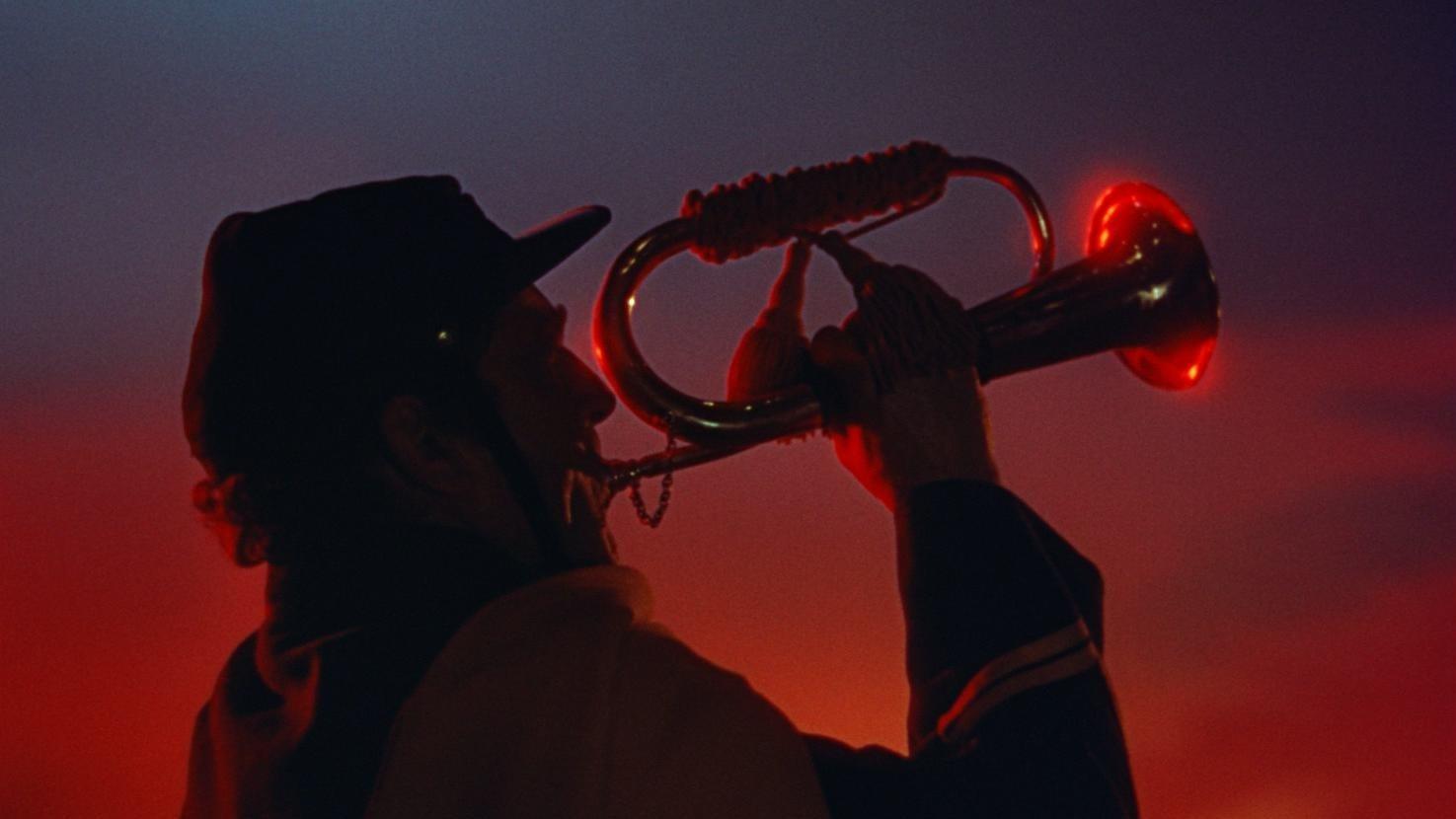
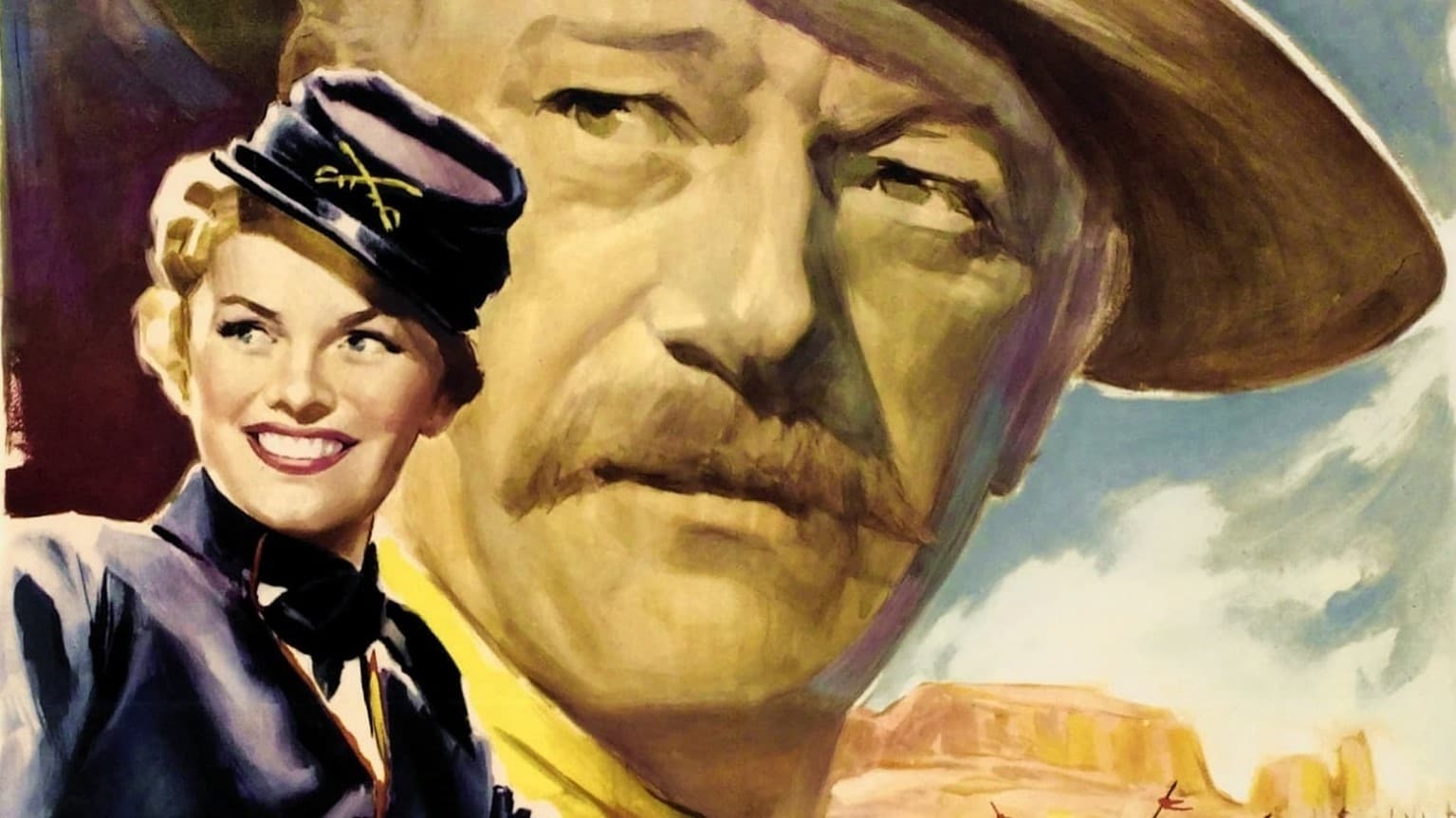
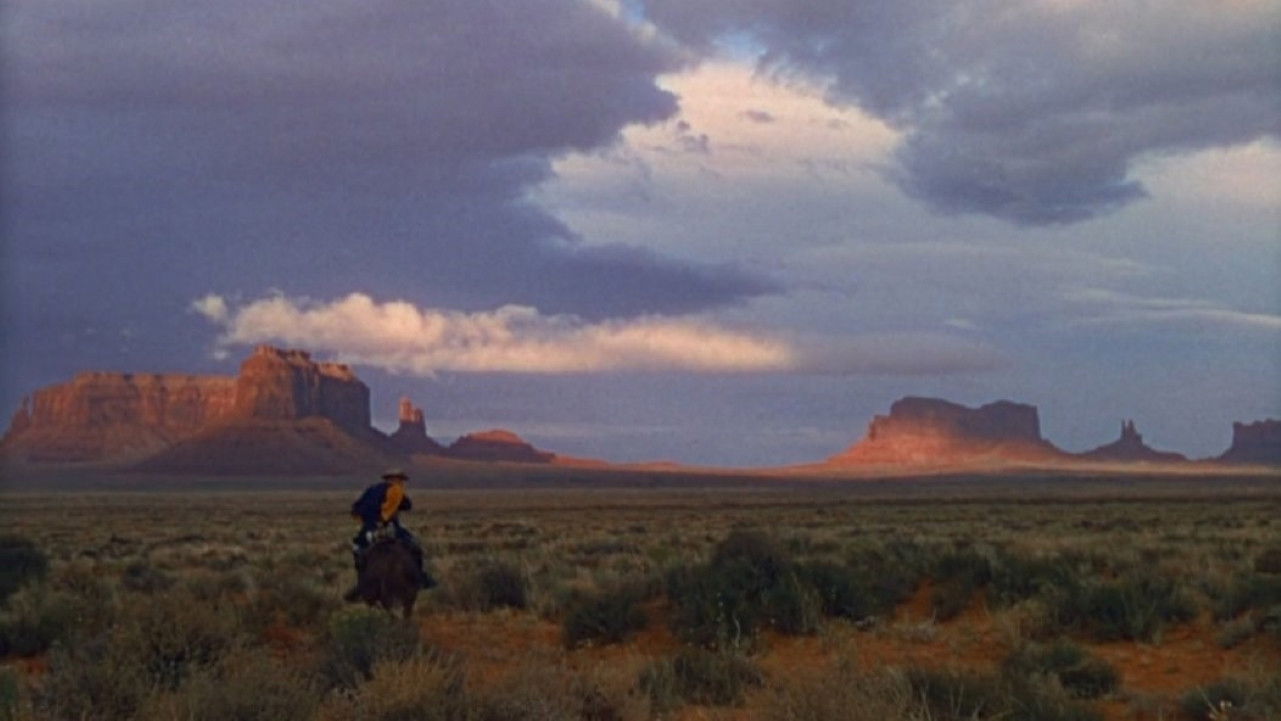
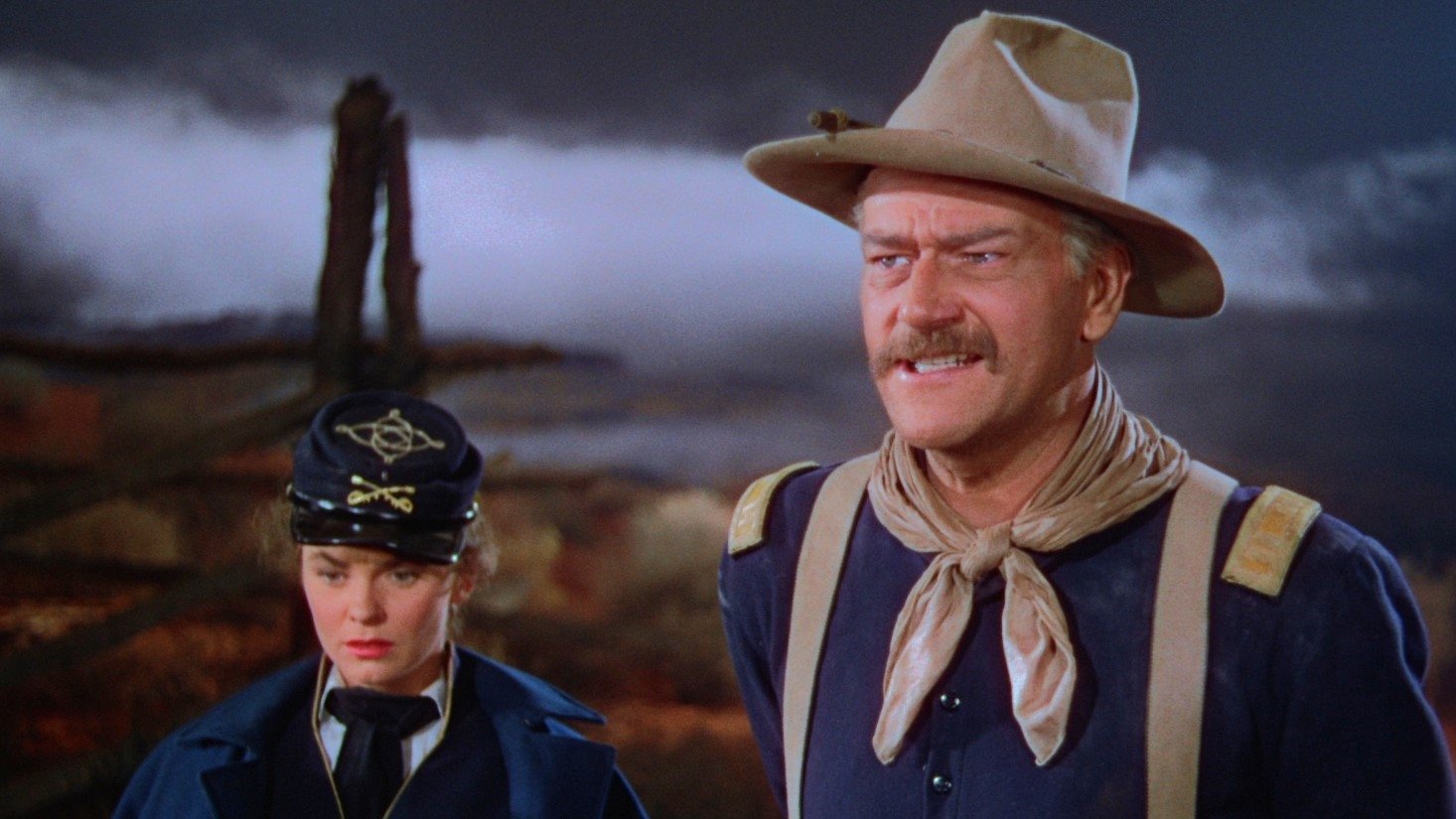
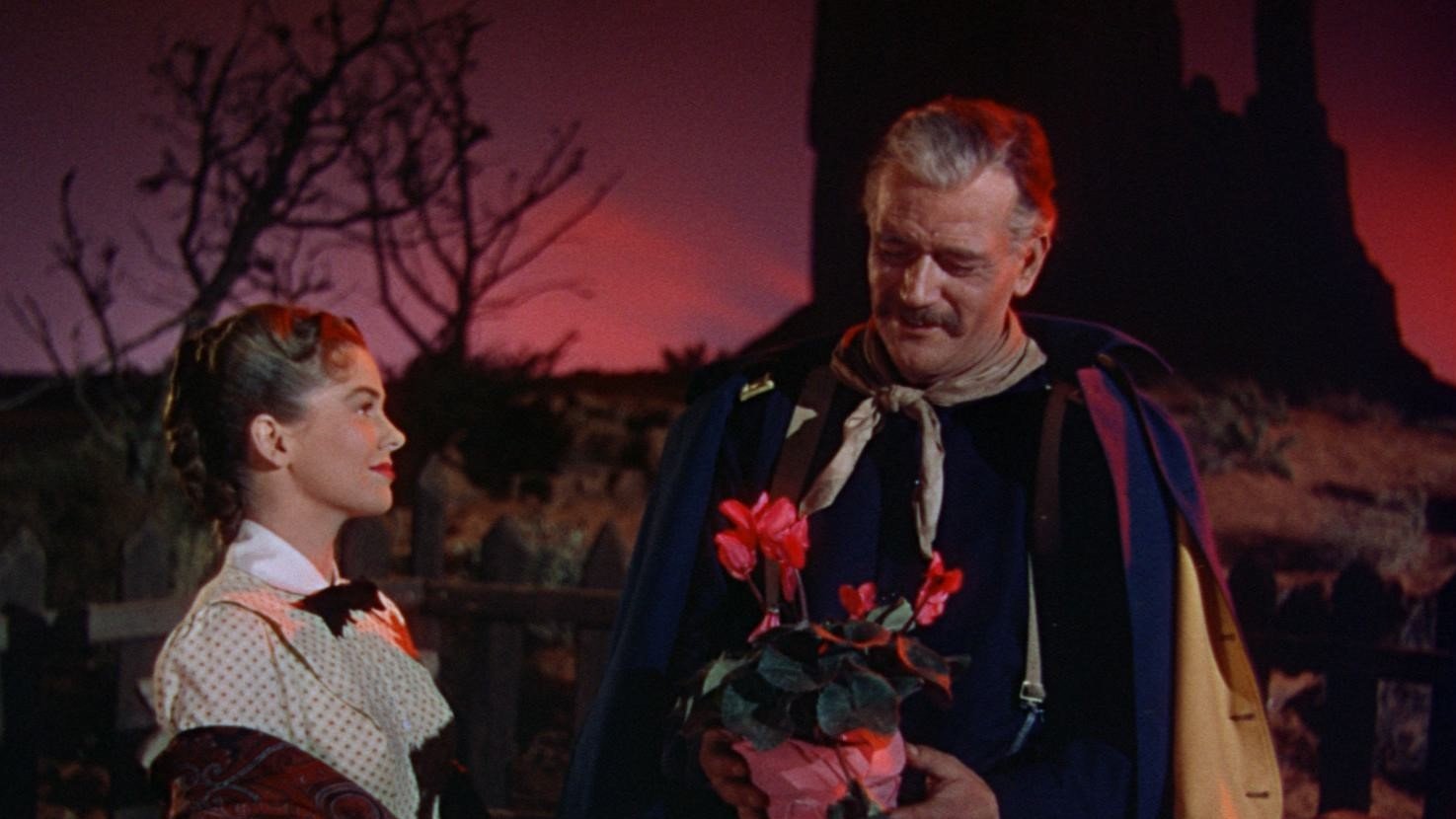
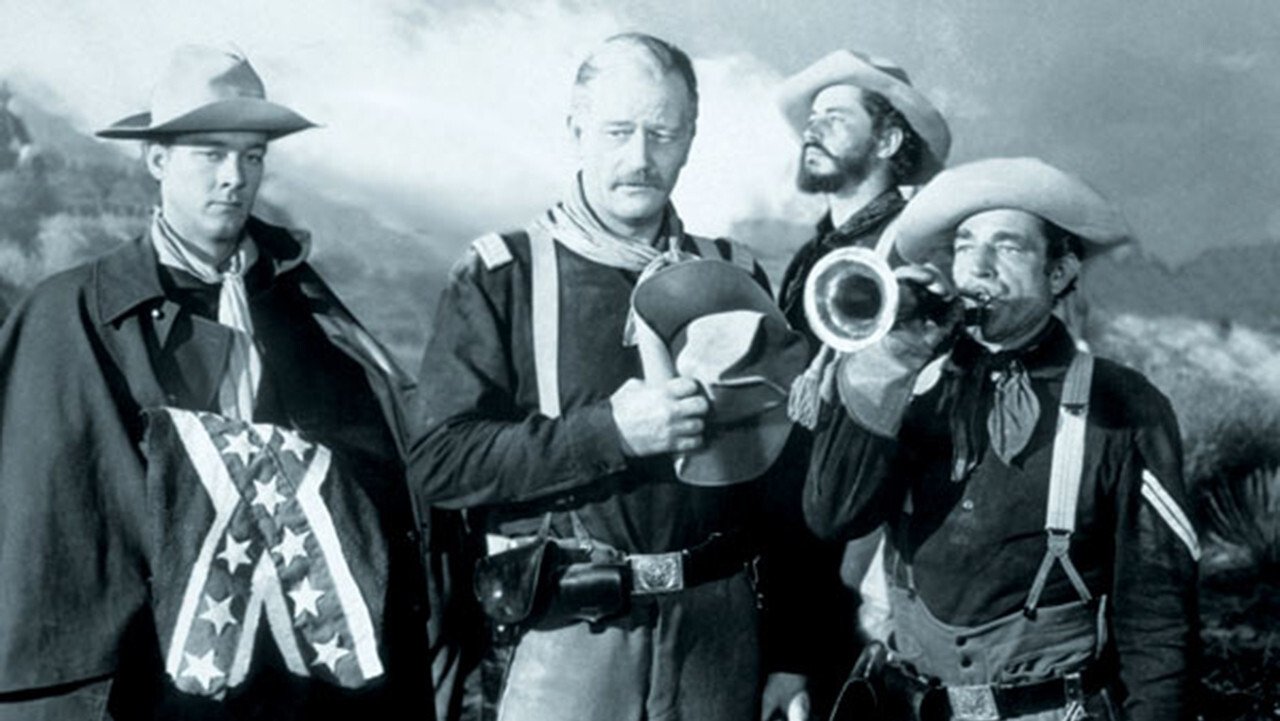
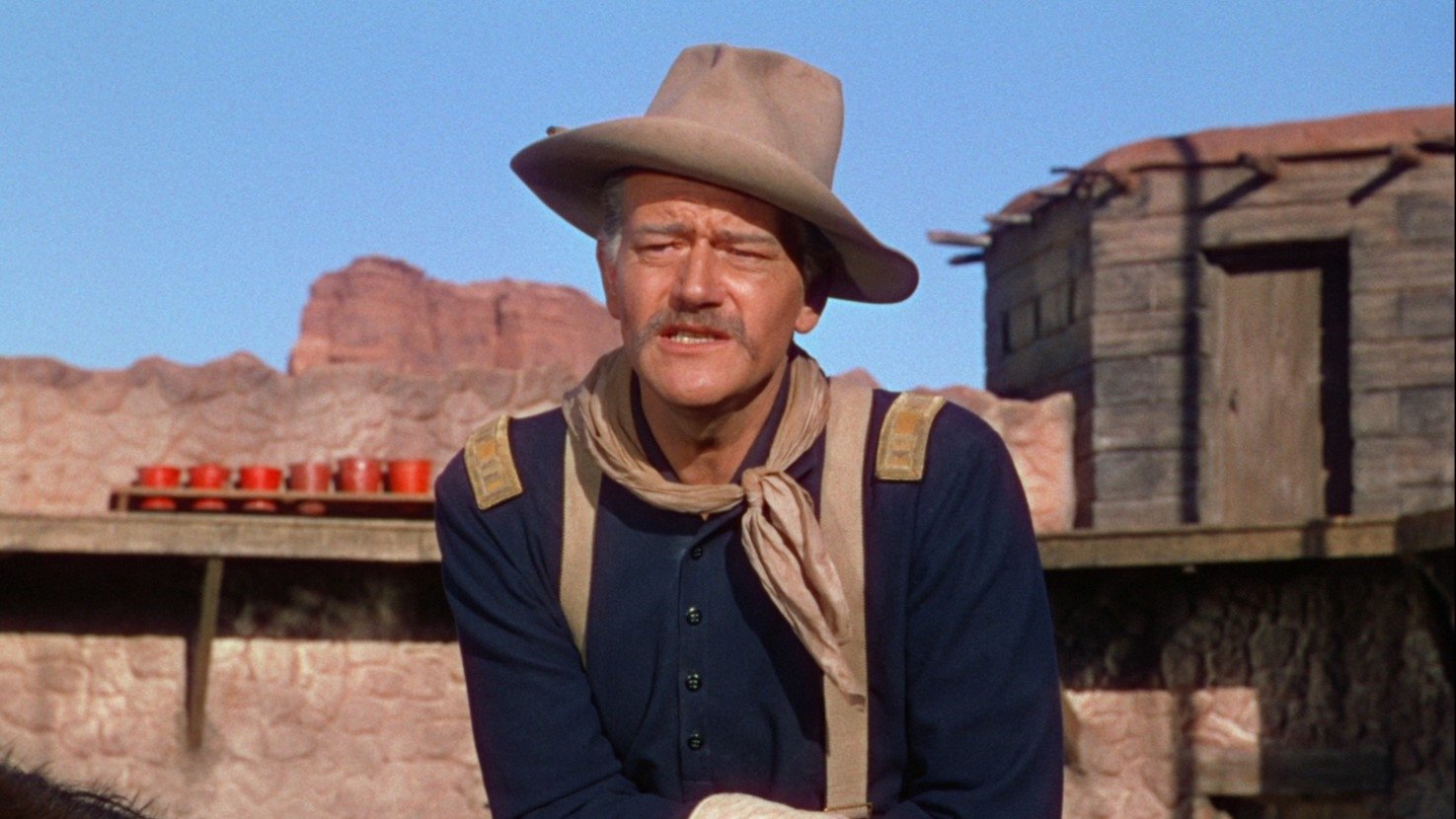
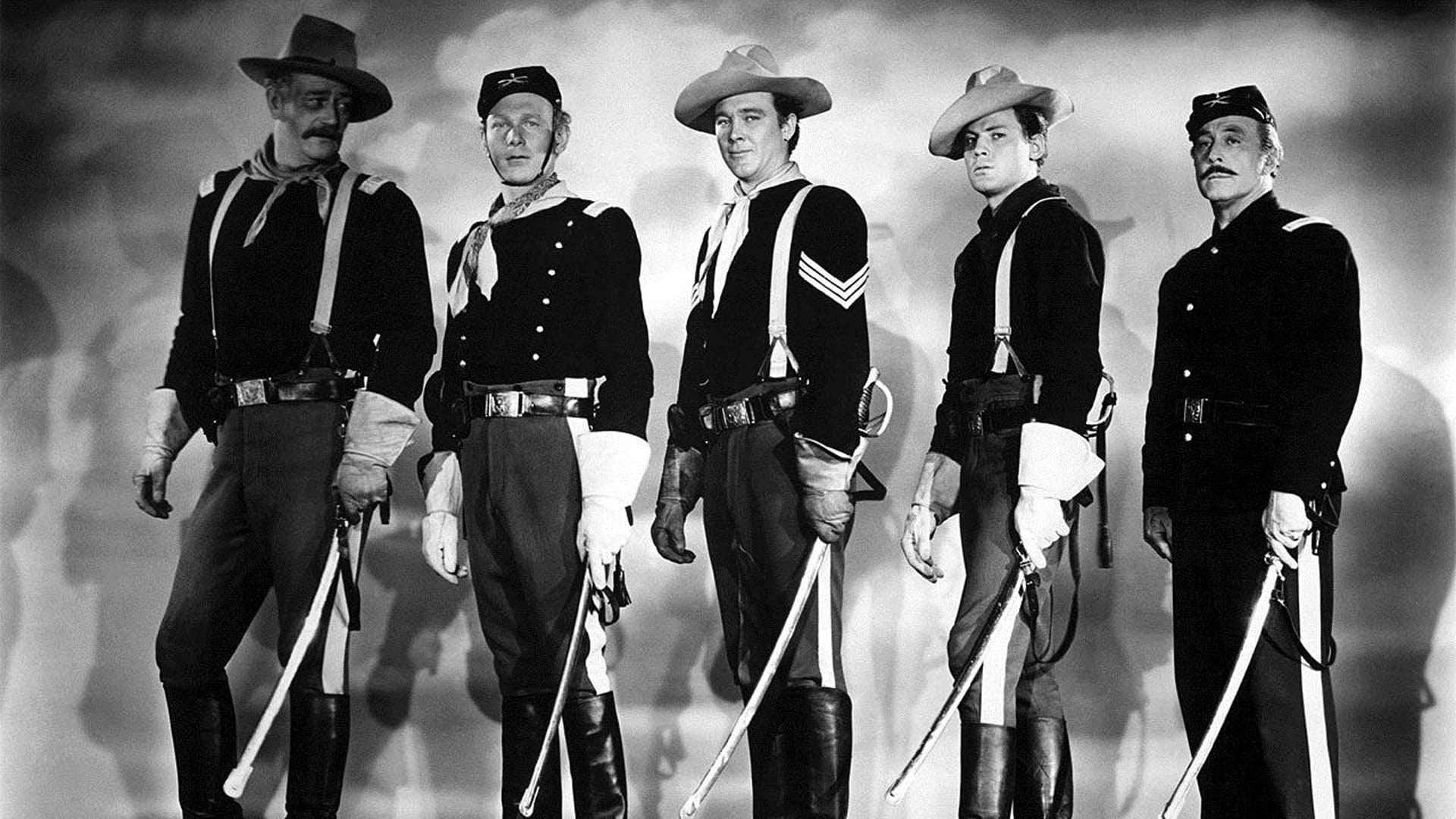
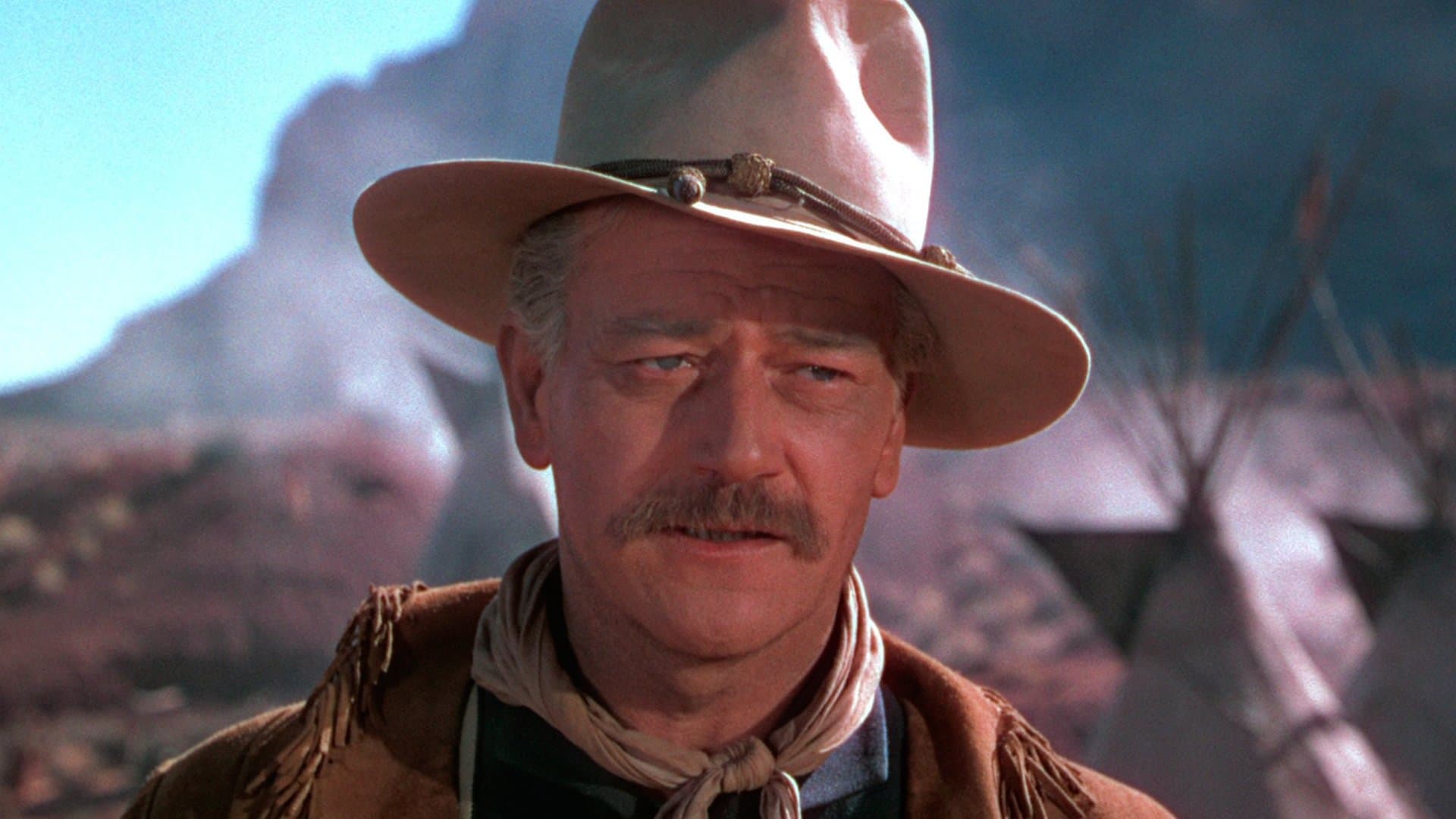
On the eve of retirement, Captain Nathan Brittles takes out a last patrol to stop an impending massive Indian attack. Encumbered by women who must be evacuated, Brittles finds his mission imperiled.
Directed by John Ford
fort
utah
retirement
woman between two men
attack
cavalry
arizona territory
sunset
u.s. cavalry
bar fight
horse stampede
retired army man
native chief
southwest desert
american indian
monument valley
punched in the face

Trailer

IMDB
N/A
Where to Watch



Cast
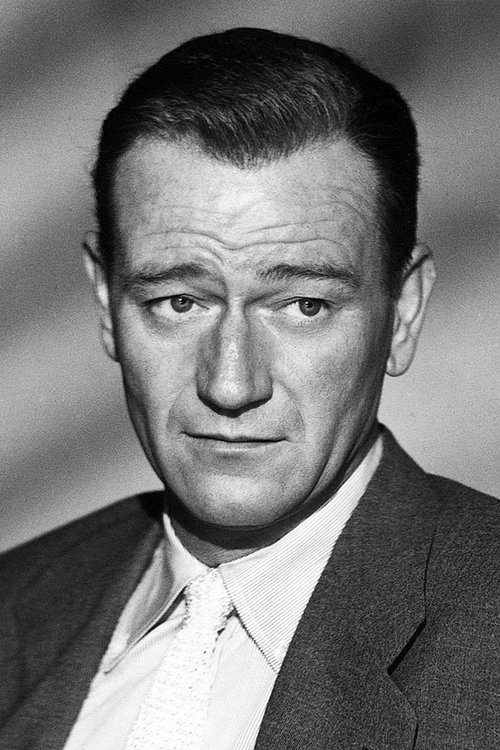
John Wayne
Capt. Nathan Cutting Brittles
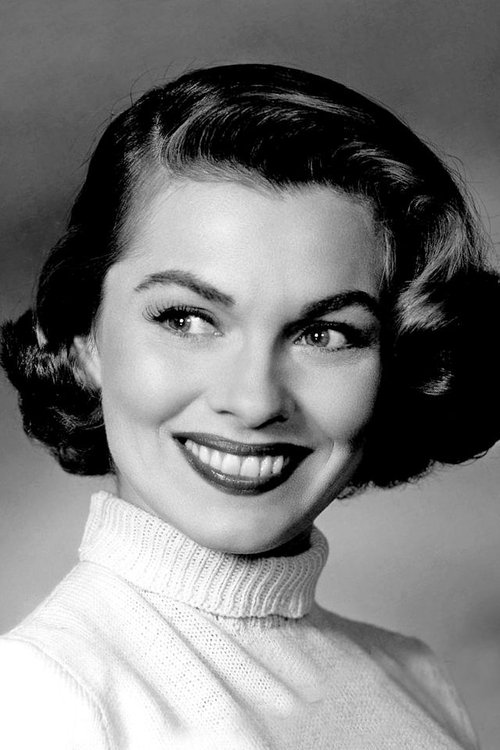
Joanne Dru
Olivia Dandridge
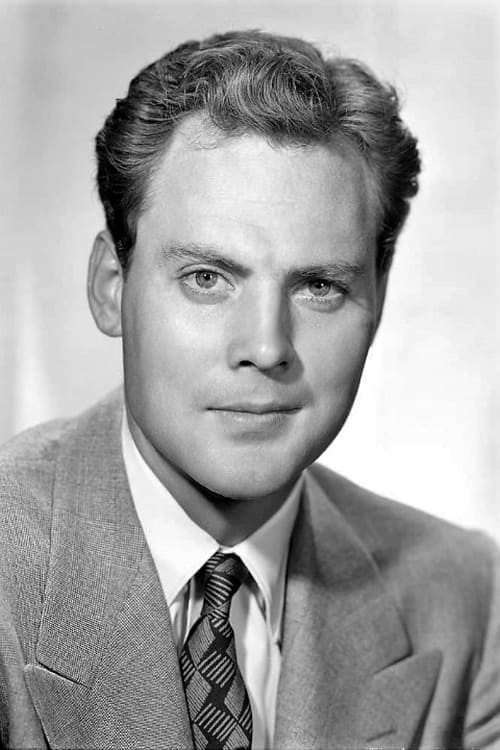
John Agar
Lt. Flint Cohill
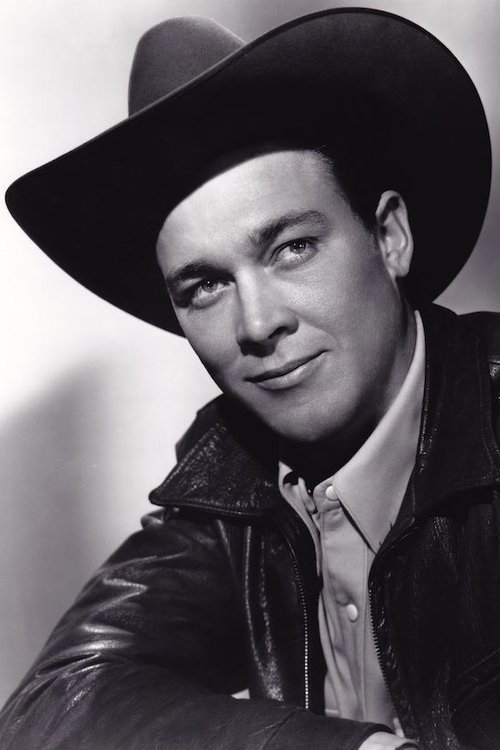
Ben Johnson
Sgt. Tyree
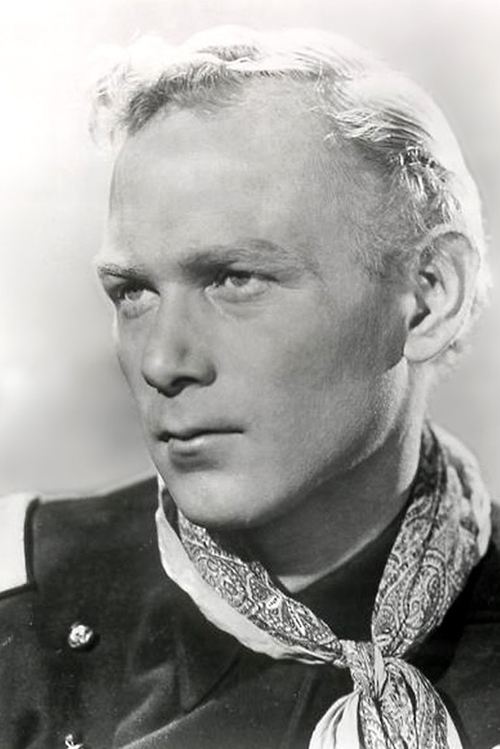
Harry Carey, Jr.
2nd Lt. Ross Pennell

Victor McLaglen
First Sergeant Quincannon

Mildred Natwick
Abby Allshard
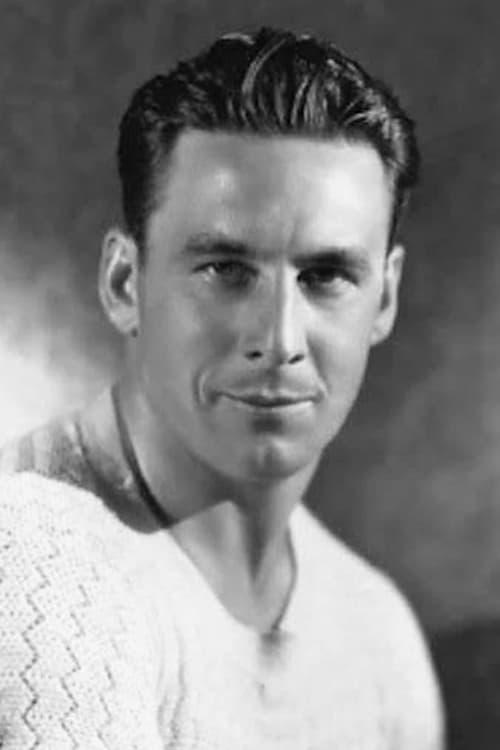
George O'Brien
Maj. Mac Allshard
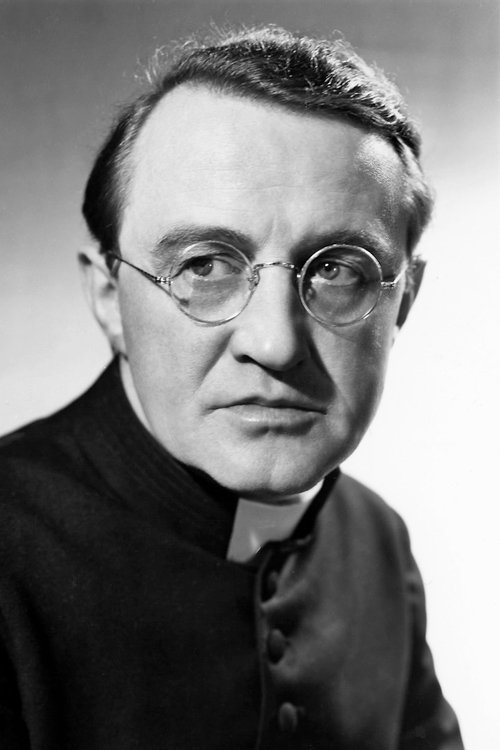
Arthur Shields
Dr. O'Laughlin
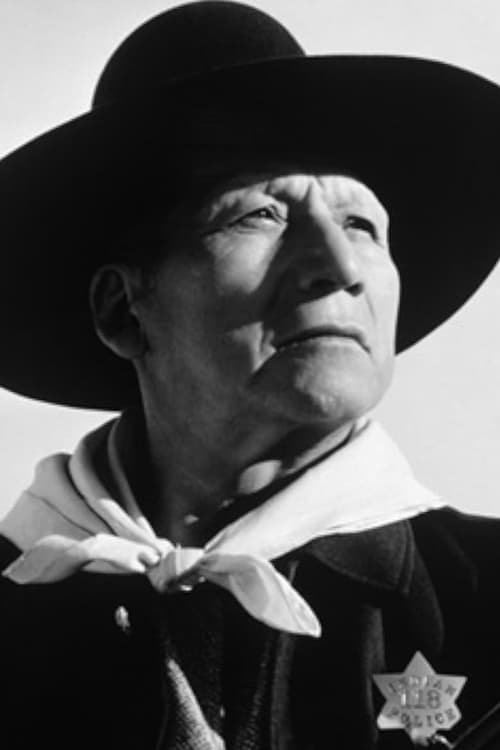
Chief John Big Tree
Chief Pony That Walks
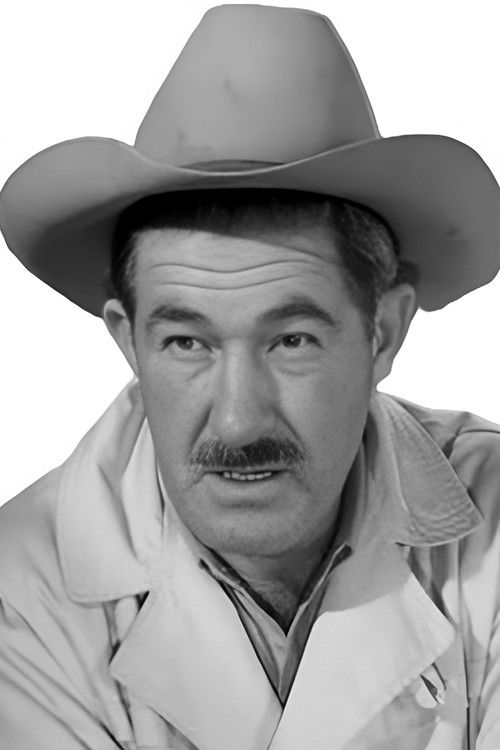
Fred Graham
Sgt. Hench
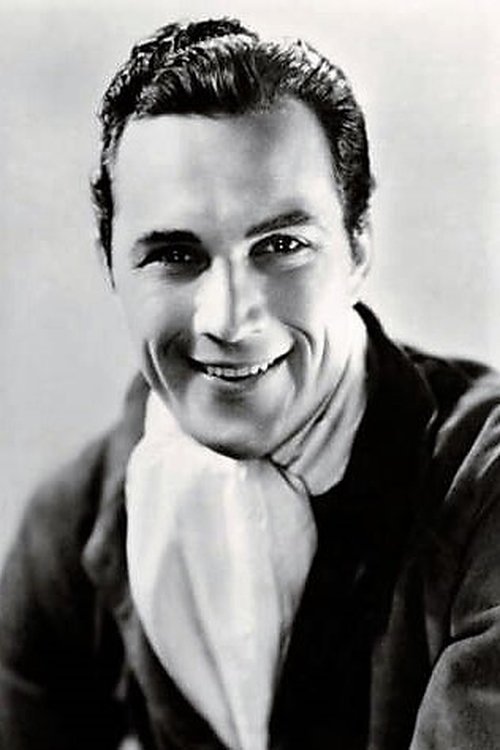
Tom Tyler
Cpl. Mike Quayne
Crew
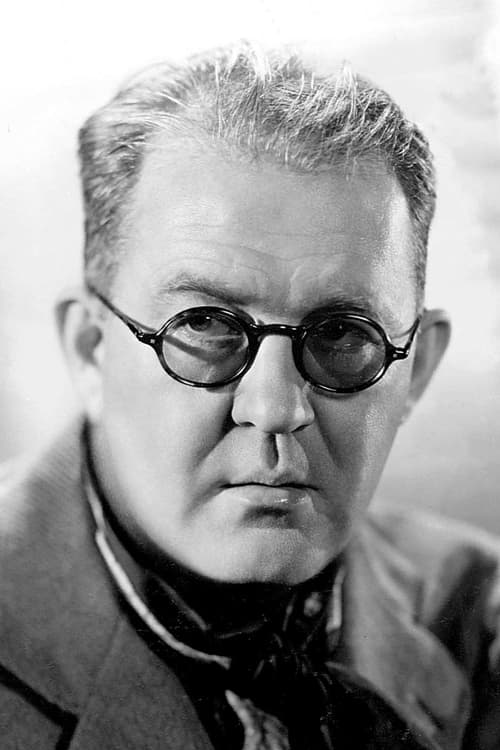
John Ford
Director
Frank S. Nugent
Screenplay
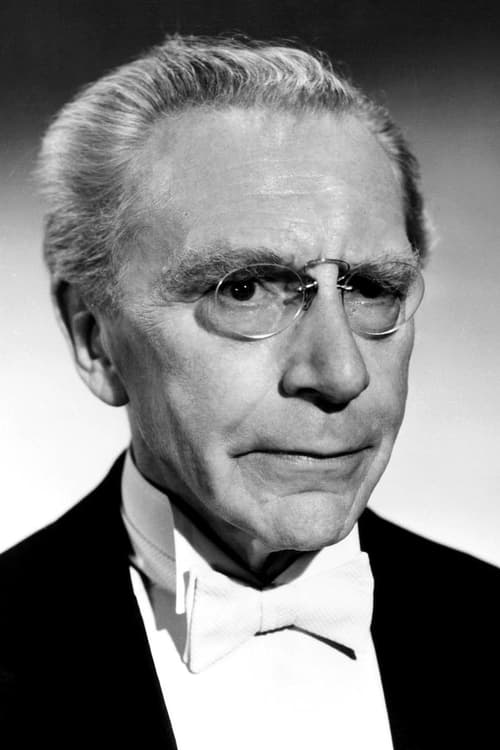
Richard Hageman
Original Music Composer
John Ford
Executive Producer
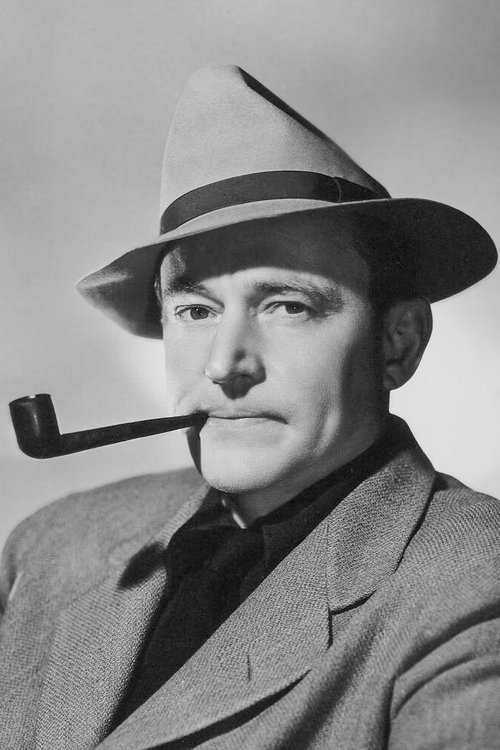
Merian C. Cooper
Executive Producer
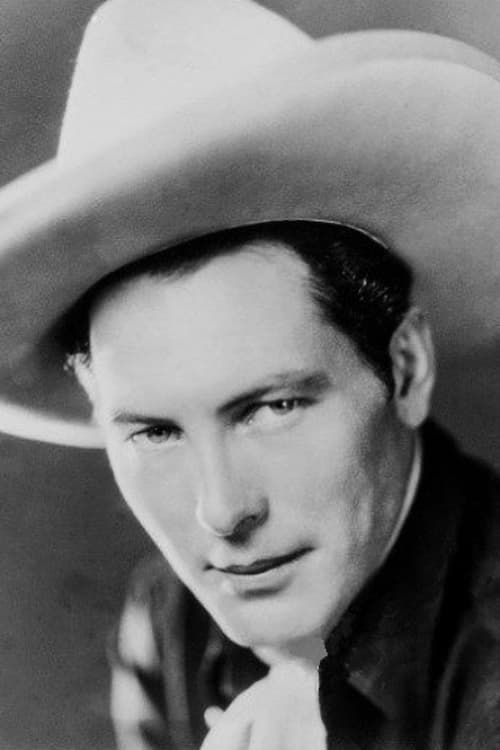
Cliff Lyons
Second Unit Director
Fred Graham
Stunts

Chuck Hayward
Stunts
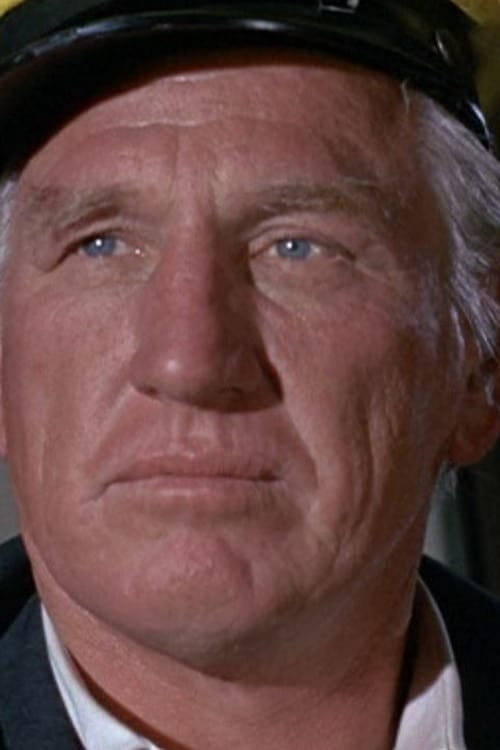
John Hudkins
Stunts
Cliff Lyons
Stunts
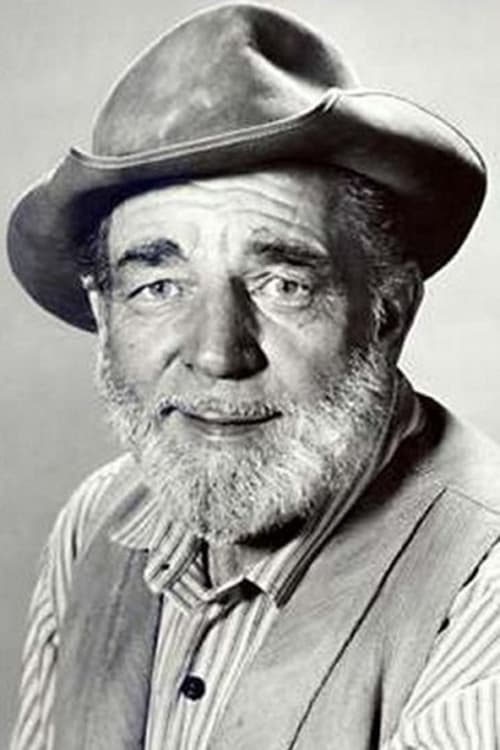
Frank McGrath
Stunts
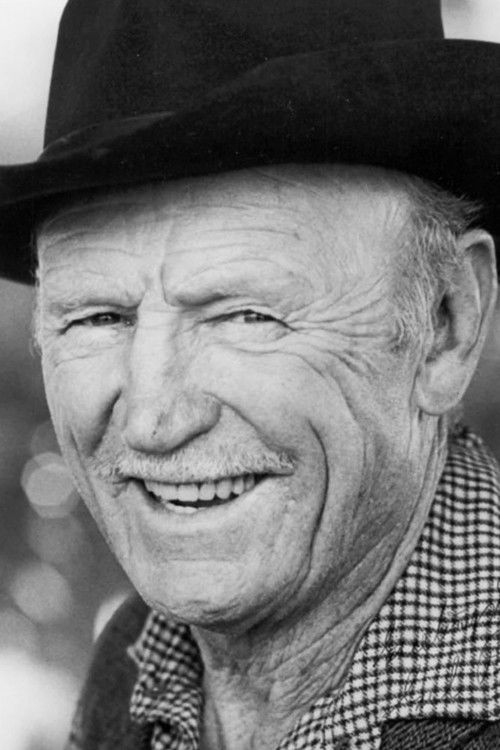
Gil Perkins
Stunts
Popular Reviews
51 reviews
ace
7.0★ · 02/03/26

Of the three in this ‘trilogy,’ this feel the most propagandistic. But it’s got some serious shots in it, like the graveyard scene and thunderstorm, that make it feel like something more than that. Especially with the whole memo of stopping war, rather than waging it. Maybe one day I can look past my issues with the plot of this movie itself, but that day is not today. I fear I hate General Custer and everything he and people like him stood for far too much.
Of the three in this ‘trilogy,’ this feel the most propagandistic. But it’s got some serious shots in it, like the graveyard scene and thunderstorm, that make it feel like something more than that. Especially with the whole memo of stopping war, rather than waging it. Maybe one day I can look past my issues with the plot of this movie itself, but that day is not today. I fear I hate General Custer and everything he and people like him stood for far too much.


Will
10.0★ · 11/16/25
You’d think I’d be relatively adjusted to the simple truth that Johns Wayne and Ford as a collaborative team will more than likely completely knock me over by now, and yet it keeps happening and I’m routinely swept up in it. Can pretty concretely tell you that I have seen She Wore a Yellow Ribbon at least once in my life prior to this because I have flashing images of sitting on the couch with my father while it played on TCM— every bit of twenty years ago. Practically seeing it anew for the first time tonight. Frame after frame, my eyes couldn’t quite capture what they were looking upon. If I’d have fired up the Google machine and found out that Winston C. Hoch’s photography hadn’t snatched up that Beat Cinematography, I’d have been stunned while I desperately searched for whatever film could’ve possibly looked better in 1949. Feels almost otherworldly with its deep, seeping colors and its massive backdrops and its painstakingly evocative images. Embraces the legend and the unobtainable grandeur of the Old West in a way that feels like you’d always imagined it. The film, almost more than anything else in Ford’s portfolio that I’ve hitherto experience, feels most like the visual embodiment of his philosophy on the unequivocal importance of any alleged great director’s ability to capture the horizon. So many deep, bleeding red sunsets and sunrises that leave you staggering. Even mundane shots like Joanne Dru (a face for the ages) with her figure ever so slightly turned so that her back is to the camera but her hair positively shines while curled into that golden yellow ribbon, and you understand exactly why John Agar and Harry Carey Jr. are so in love with her. Feels so massive and riveting and propulsive even though it came about during what was still such a prehistoric time for the medium. It certainly doesn’t hurt that Ford imbues his gargantuan, masterfully painted canvas with rather stirring sentimentality and soupy, cloudy emotions. He still had so many more Westerns to make yet (including his masterpiece) and yet this one feels like the last lingering embers of a campfire. It does capture this sense of finality and of lingering, tired life. One generation facing their removal from the decisions that define life and death for so many others while the other gears up to go storming into the fray. I hesitate to say it’s his “best” performance (Ethan Edwards, John Chance and Tom Dunson all come to mind) but I do think Nathan Brittles is perhaps the “finest” performance Duke ever got to sink his teeth into. Considering he was only a little over forty at the time of shooting, he is utterly remarkable as an old man on the brink of retirement. It’s a unique work from him because Brittles doesn’t really ask him to break type or to tap into something darker and angrier than his usual screen image, but he is still a more openly vulnerable and warm character than much of what he became celebrated for. The usual John Wayne tough guy aura is there, of course, but it’s rendered into something a touch more tender and gentle. He has this weary grandfatherly quality about him that draws you in to care deeply about him and his troop. One of the standout moments of the entire film for me is when he receives his silver watch from his men and he’s visibly biting back tears. The same goes for that scene where he goes and talks to his wife’s gravestone at sundown, handling the material with such a profound sense of loneliness and quiet mourning. An uncommonly intimate piece of acting from a man who, setting aside my admiration for his legacy as a performer, very infamously took himself and his image as a Republican heirloom far too seriously. I just find so much to admire here. A lot of the usual, regrettable blemishes and tact in regards to the Natives that you’d see in these films in this era is thankfully dialed back or otherwise absent. I found the scene where Wayne and Chief John Big Tree discuss the severity of an oncoming war and the death and destruction that it would wreak on their young is powerful stuff. Two old soldiers with scars to show for their fears, who come to each other as friends in a territory being ravaged in half. And, if I can just put all the cards on the table, that shot of Duke standing in the smoldering smoke cloud of the tribal ground and defiantly snapping that arrow in half is the sort of hype moments and aura nonsense that I can’t help but feel my pulse rise in response to. Just a consummate piece of Western filmmaking. Doesn’t really have much in the way of complicated plotting but its simplicity is part of its charm, if you ask me. Has one goal, one driving narrative motion and rides that steady line of laid back, softly, equally funny and sad emotions all the way through to its conclusion. Resplendent. Positively mythical.
“Yes, we are too old for war. But old men should stop wars.”
You’d think I’d be relatively adjusted to the simple truth that Johns Wayne and Ford as a collaborative team will more than likely completely knock me over by now, and yet it keeps happening and I’m routinely swept up in it. Can pretty concretely tell you that I have seen She Wore a Yellow Ribbon at least once in my life prior to this because I have flashing images of sitting on the couch with my father while it played on TCM— every bit of twenty years ago. Practically seeing it anew for the first time tonight. Frame after frame, my eyes couldn’t quite capture what they were looking upon. If I’d have fired up the Google machine and found out that Winston C. Hoch’s photography hadn’t snatched up that Beat Cinematography, I’d have been stunned while I desperately searched for whatever film could’ve possibly looked better in 1949. Feels almost otherworldly with its deep, seeping colors and its massive backdrops and its painstakingly evocative images. Embraces the legend and the unobtainable grandeur of the Old West in a way that feels like you’d always imagined it. The film, almost more than anything else in Ford’s portfolio that I’ve hitherto experience, feels most like the visual embodiment of his philosophy on the unequivocal importance of any alleged great director’s ability to capture the horizon. So many deep, bleeding red sunsets and sunrises that leave you staggering. Even mundane shots like Joanne Dru (a face for the ages) with her figure ever so slightly turned so that her back is to the camera but her hair positively shines while curled into that golden yellow ribbon, and you understand exactly why John Agar and Harry Carey Jr. are so in love with her. Feels so massive and riveting and propulsive even though it came about during what was still such a prehistoric time for the medium. It certainly doesn’t hurt that Ford imbues his gargantuan, masterfully painted canvas with rather stirring sentimentality and soupy, cloudy emotions. He still had so many more Westerns to make yet (including his masterpiece) and yet this one feels like the last lingering embers of a campfire. It does capture this sense of finality and of lingering, tired life. One generation facing their removal from the decisions that define life and death for so many others while the other gears up to go storming into the fray. I hesitate to say it’s his “best” performance (Ethan Edwards, John Chance and Tom Dunson all come to mind) but I do think Nathan Brittles is perhaps the “finest” performance Duke ever got to sink his teeth into. Considering he was only a little over forty at the time of shooting, he is utterly remarkable as an old man on the brink of retirement. It’s a unique work from him because Brittles doesn’t really ask him to break type or to tap into something darker and angrier than his usual screen image, but he is still a more openly vulnerable and warm character than much of what he became celebrated for. The usual John Wayne tough guy aura is there, of course, but it’s rendered into something a touch more tender and gentle. He has this weary grandfatherly quality about him that draws you in to care deeply about him and his troop. One of the standout moments of the entire film for me is when he receives his silver watch from his men and he’s visibly biting back tears. The same goes for that scene where he goes and talks to his wife’s gravestone at sundown, handling the material with such a profound sense of loneliness and quiet mourning. An uncommonly intimate piece of acting from a man who, setting aside my admiration for his legacy as a performer, very infamously took himself and his image as a Republican heirloom far too seriously. I just find so much to admire here. A lot of the usual, regrettable blemishes and tact in regards to the Natives that you’d see in these films in this era is thankfully dialed back or otherwise absent. I found the scene where Wayne and Chief John Big Tree discuss the severity of an oncoming war and the death and destruction that it would wreak on their young is powerful stuff. Two old soldiers with scars to show for their fears, who come to each other as friends in a territory being ravaged in half. And, if I can just put all the cards on the table, that shot of Duke standing in the smoldering smoke cloud of the tribal ground and defiantly snapping that arrow in half is the sort of hype moments and aura nonsense that I can’t help but feel my pulse rise in response to. Just a consummate piece of Western filmmaking. Doesn’t really have much in the way of complicated plotting but its simplicity is part of its charm, if you ask me. Has one goal, one driving narrative motion and rides that steady line of laid back, softly, equally funny and sad emotions all the way through to its conclusion. Resplendent. Positively mythical.
“Yes, we are too old for war. But old men should stop wars.”
Junior Shanks
6.4★ · 03/28/25
A good old western film. Has a really interesting story with intriguing John Wayne is great as Capt. Nathing Cutting Brittles and Victor McLaglen is equally as great with his performance as first Sergeant Quinncannon.
A good old western film. Has a really interesting story with intriguing John Wayne is great as Capt. Nathing Cutting Brittles and Victor McLaglen is equally as great with his performance as first Sergeant Quinncannon.
rivercitykiiid
5.6★ · 02/13/25
pretty standard fare as far as story goes but boy if this isn’t one of the most beautifully shot westerns i’ve ever seen. the scene in the thunderstorm is wild and worth the oscar cinematographer winton c. hoch won for it
other notes: victor mclaglen is always a joy to watchben johnson probably the greatest horseman to ever be recorded on film
other notes: victor mclaglen is always a joy to watchben johnson probably the greatest horseman to ever be recorded on film
pretty standard fare as far as story goes but boy if this isn’t one of the most beautifully shot westerns i’ve ever seen. the scene in the thunderstorm is wild and worth the oscar cinematographer winton c. hoch won for it
other notes: victor mclaglen is always a joy to watchben johnson probably the greatest horseman to ever be recorded on film
other notes: victor mclaglen is always a joy to watchben johnson probably the greatest horseman to ever be recorded on film
Max
6.8★ · 01/21/25
Some beautiful sunsets and some drunken Irish goofin around what’s not to like
Some beautiful sunsets and some drunken Irish goofin around what’s not to like