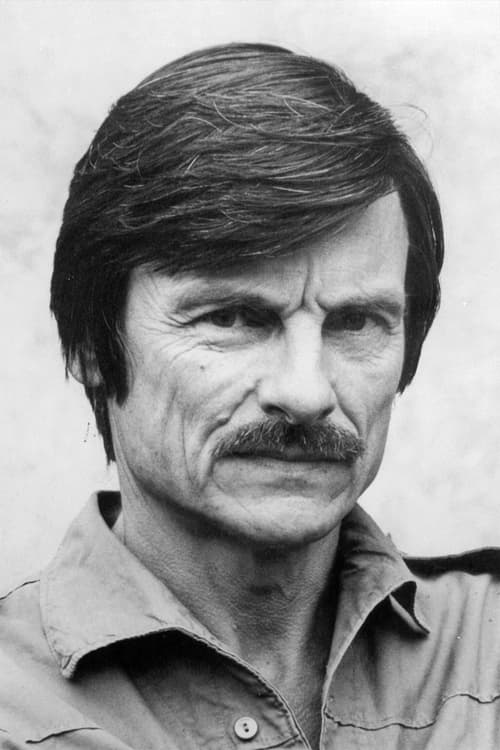
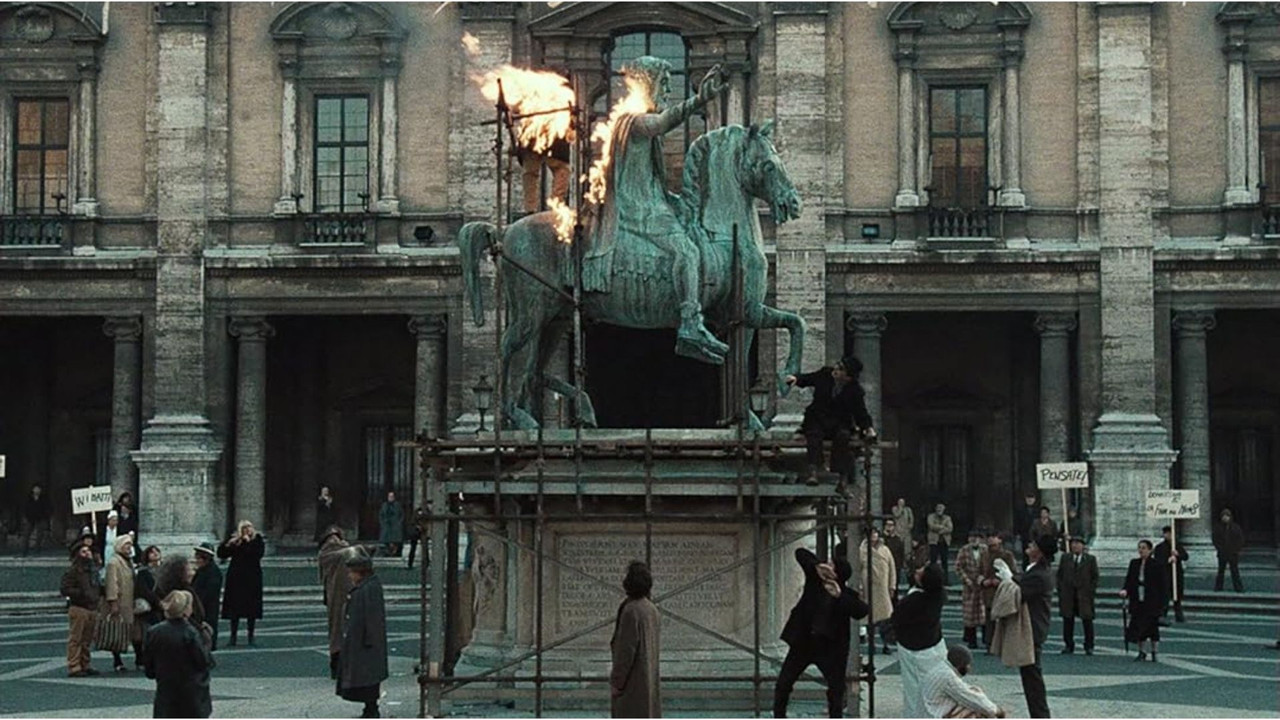
One of the best 75 films I’ve ever seen.There are films that are not watched—they are remembered, as if they had been lived. Nostalgia, the penultimate work of the cinematic giant Andrei Tarkovsky, is not a story to follow: it is a wound to be breathed. It is, as its title suggests, a state of the soul, a suspended loss. Shot outside of Russia for the first time, in an Italy of ruins, mist, and thermal springs, this masterpiece feels like a letter from exile, a visual poem by a displaced man searching for his own ghost through the shadows of others.
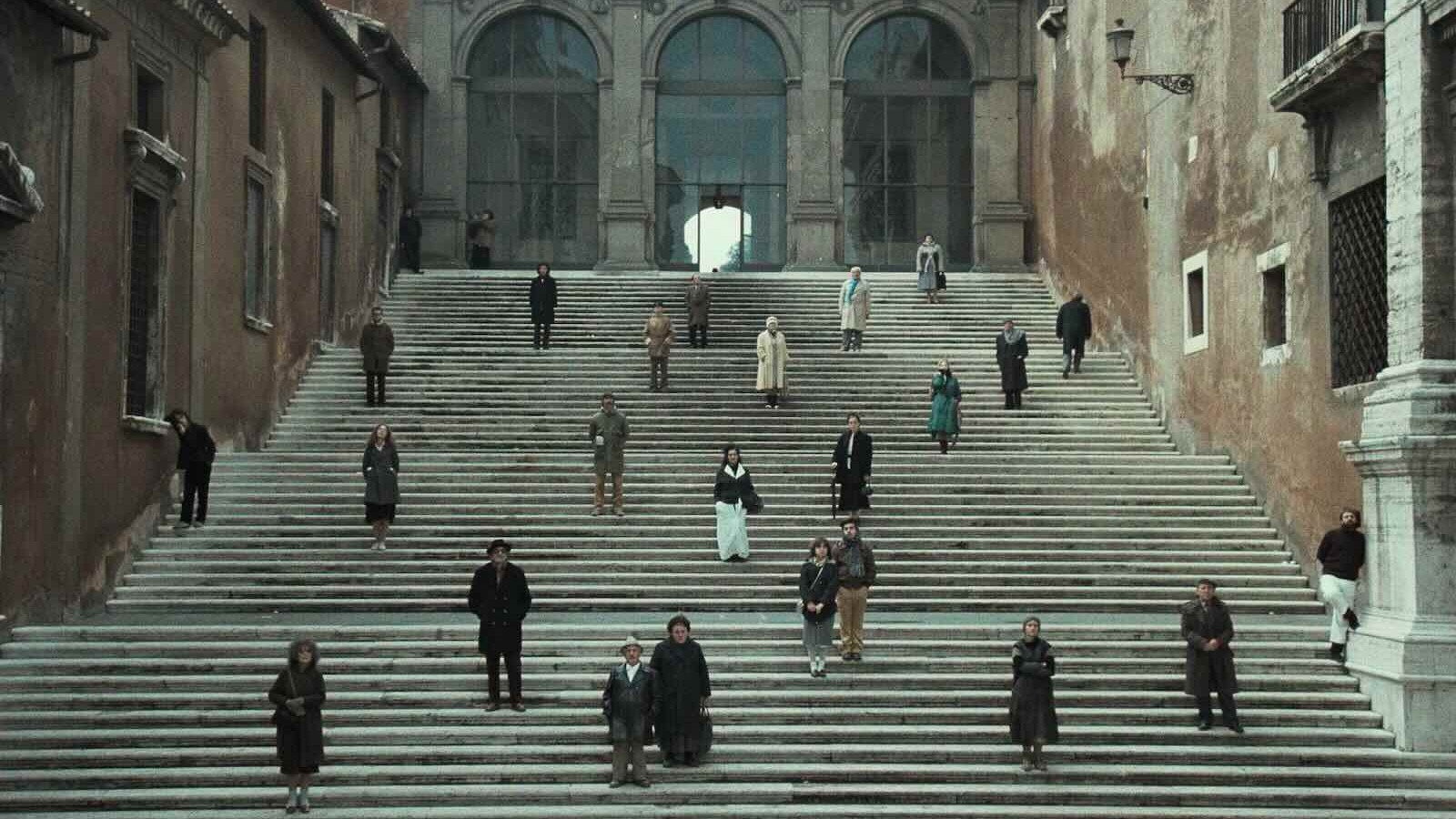
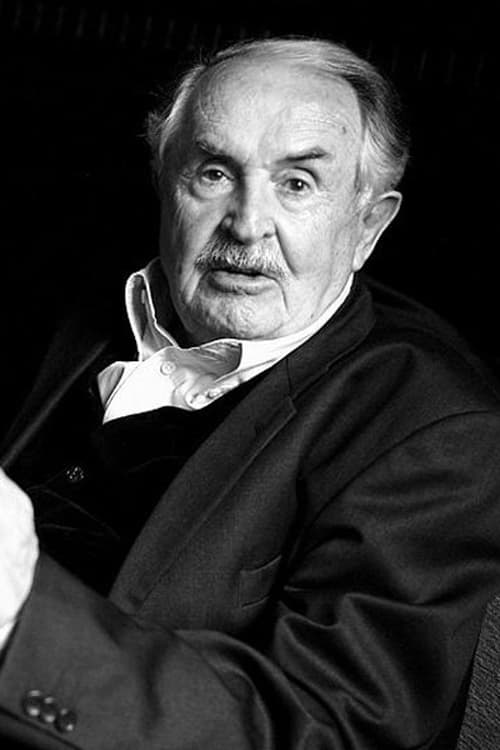
This was Tarkovsky’s first film made outside his homeland. Not by choice, but out of necessity. The Soviet authorities had become increasingly hostile toward his art, denying him the freedom and means to continue creating. And so, like many artists before him, Tarkovsky crossed a physical border that also symbolized a spiritual one. In this foreign land, with a language that was not his own (though beautifully shaped by Tonino Guerra, the legendary screenwriter of Antonioni and Fellini), Tarkovsky did not make a film about Italy. He made a film about Russia—from afar. The nostalgia that gives the film its title is none other than his own: the yearning of a man who misses not just a homeland, but a time, a soul-state, a childhood, a faith.
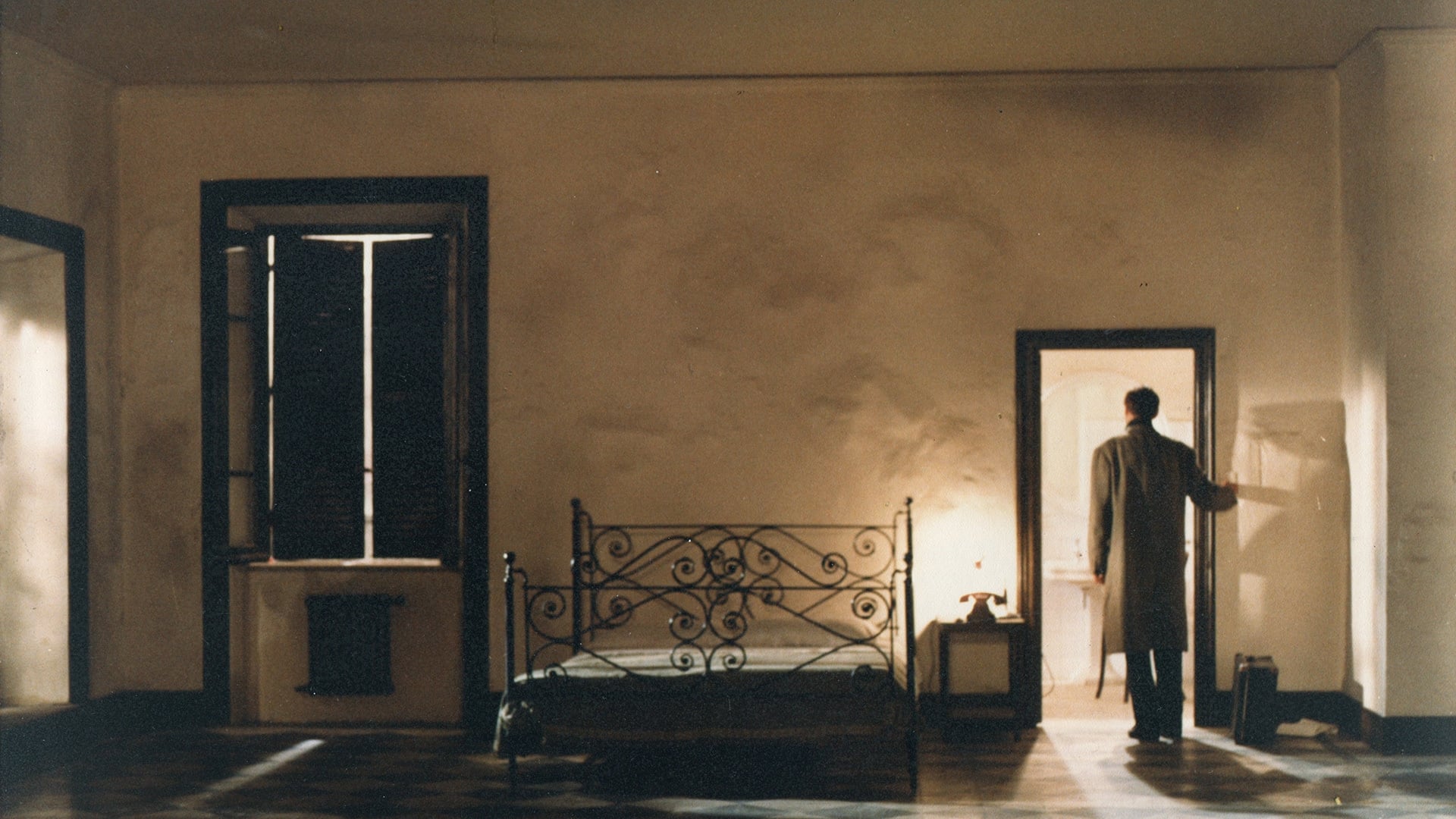
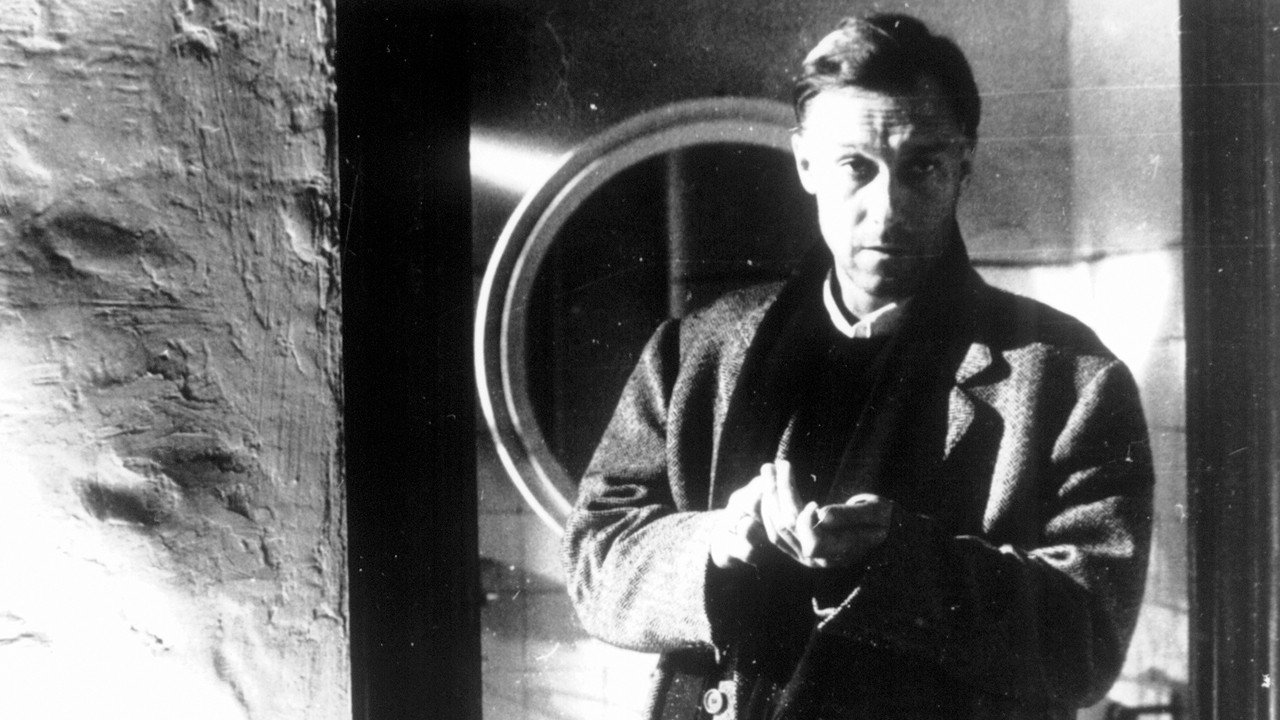
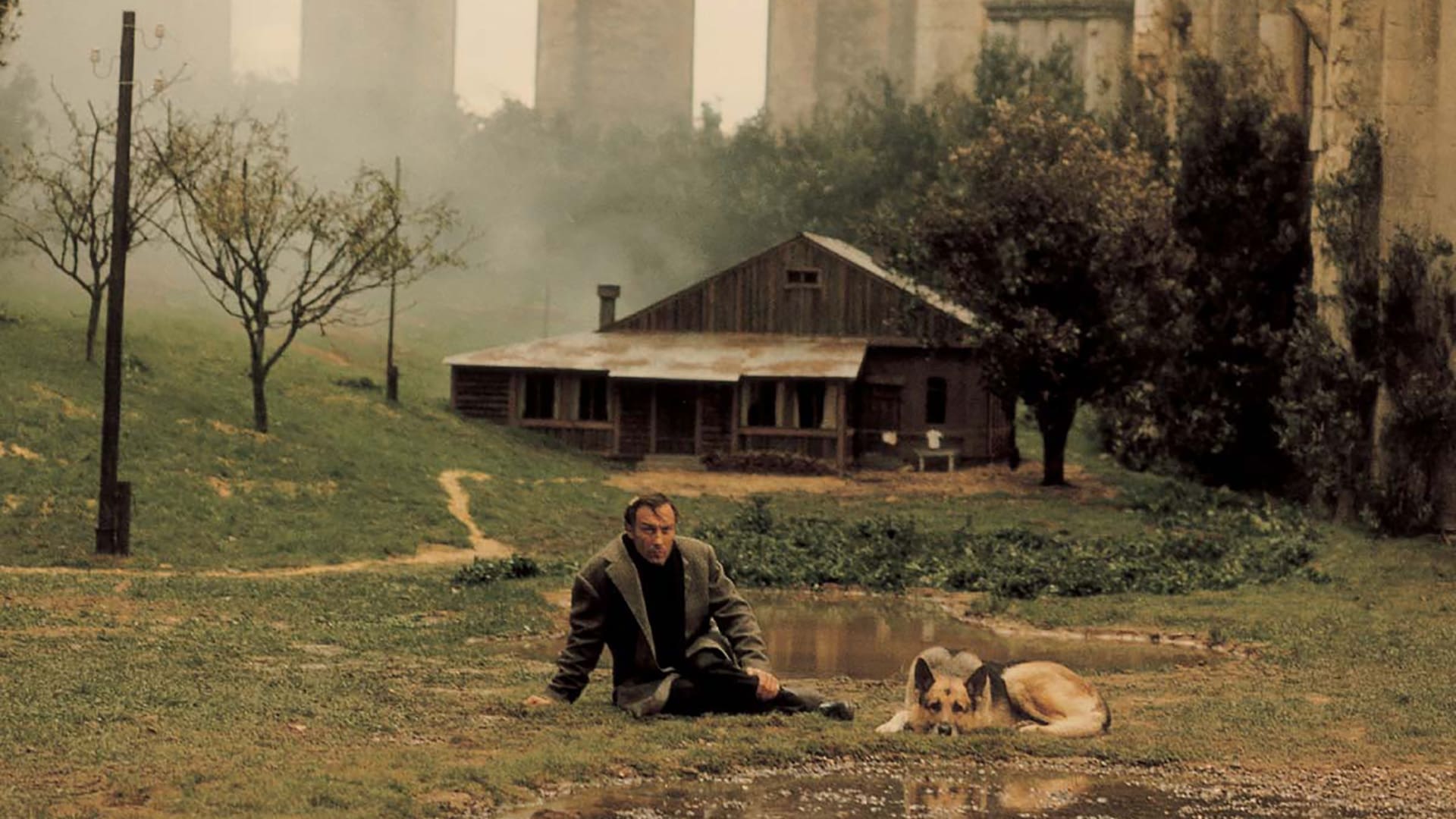
Nostalgia follows Gorchakov, a Russian writer who travels to Italy to research the life of a forgotten Slavic composer. But this objective soon becomes a pretext. What Gorchakov truly seeks is not facts, but something far more elusive: he seeks meaning, a vision of home among the ruins of a foreign country. He dreams of his mother, of his childhood, of his homeland, as if in those memories were encrypted the cure to his spiritual malaise. Along the way, he encounters Domenico, a prophetic madman who embodies the spark of faith, the discomfort of belief in a world that has forgotten how to believe.
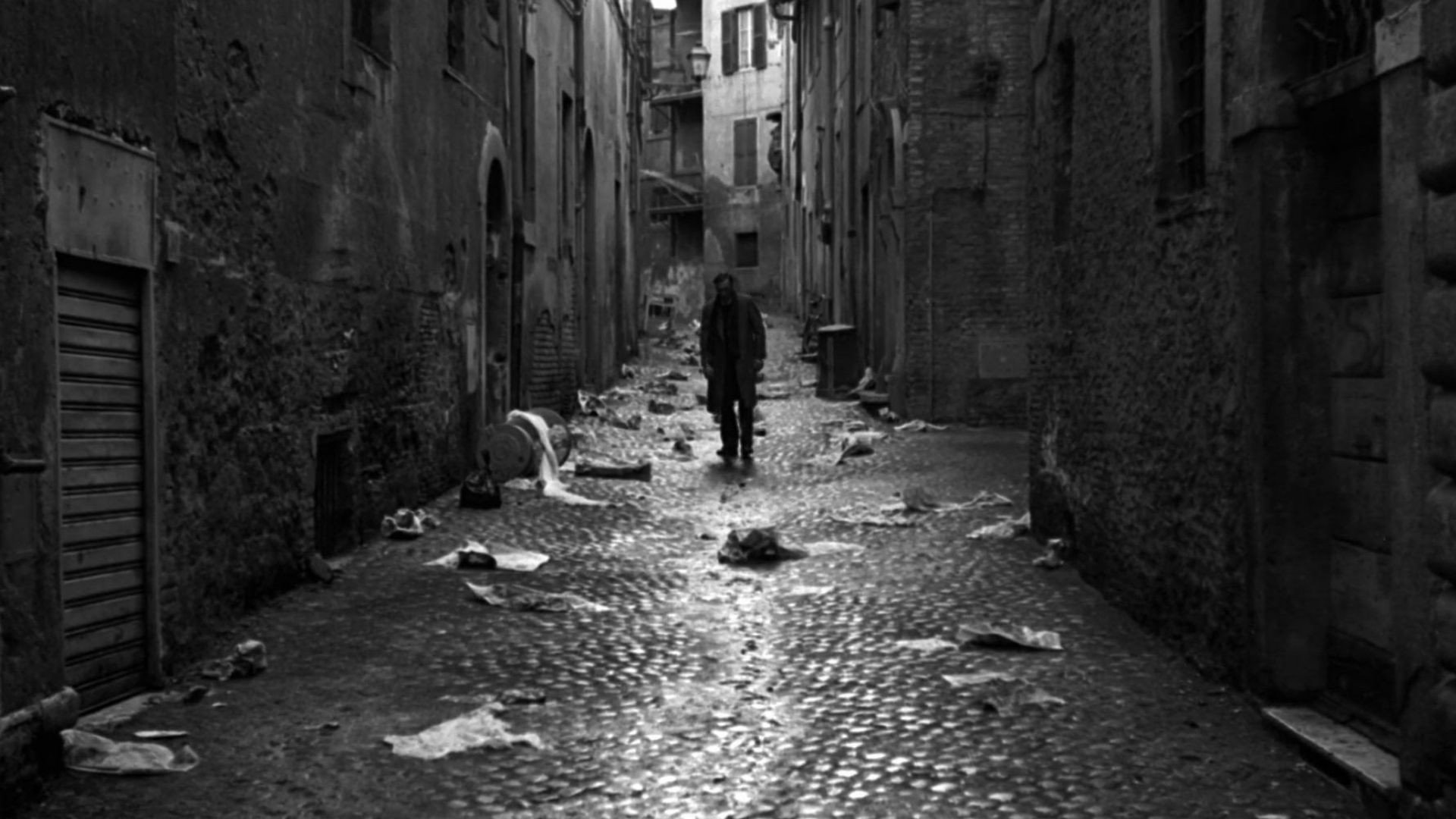
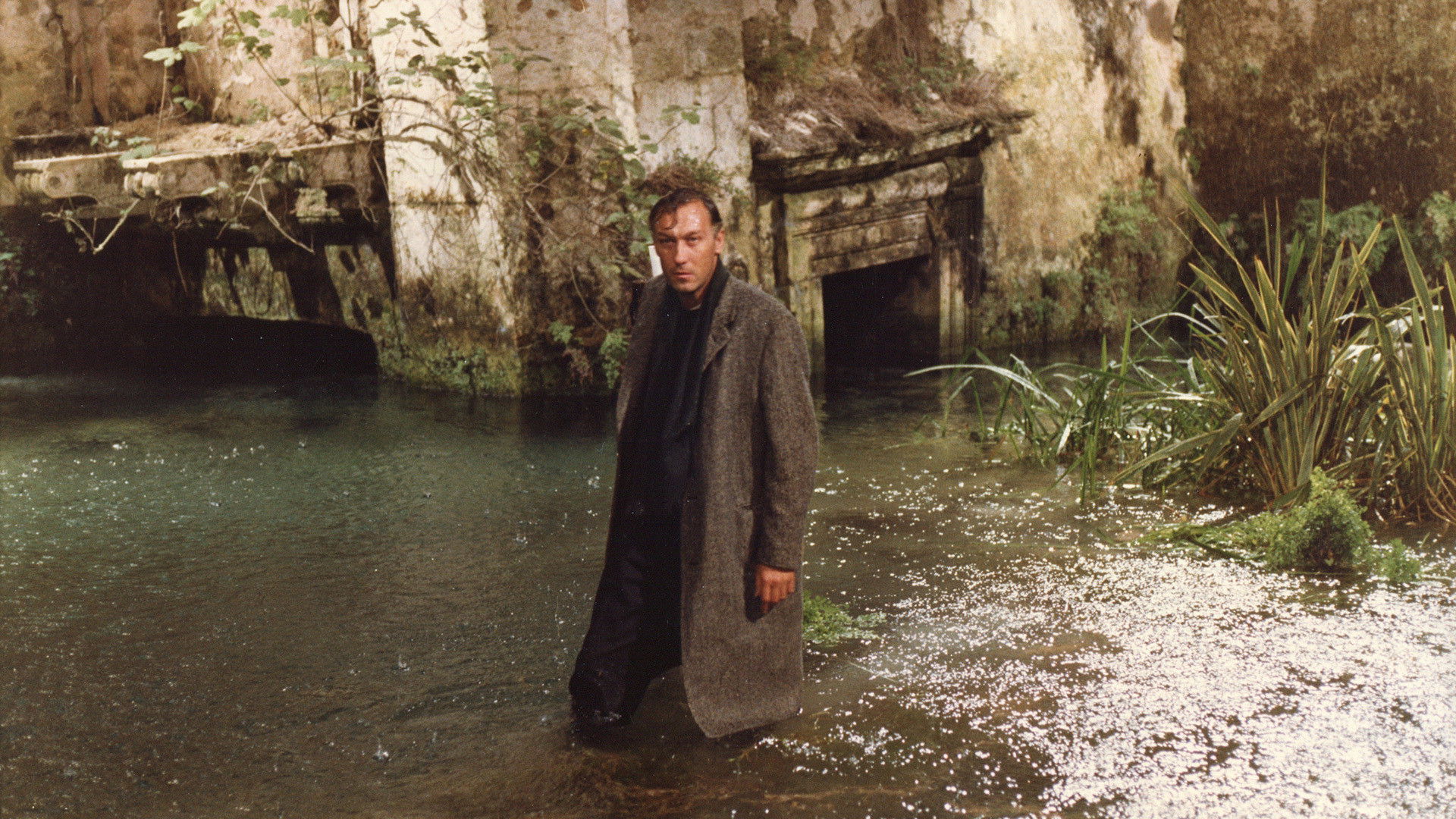
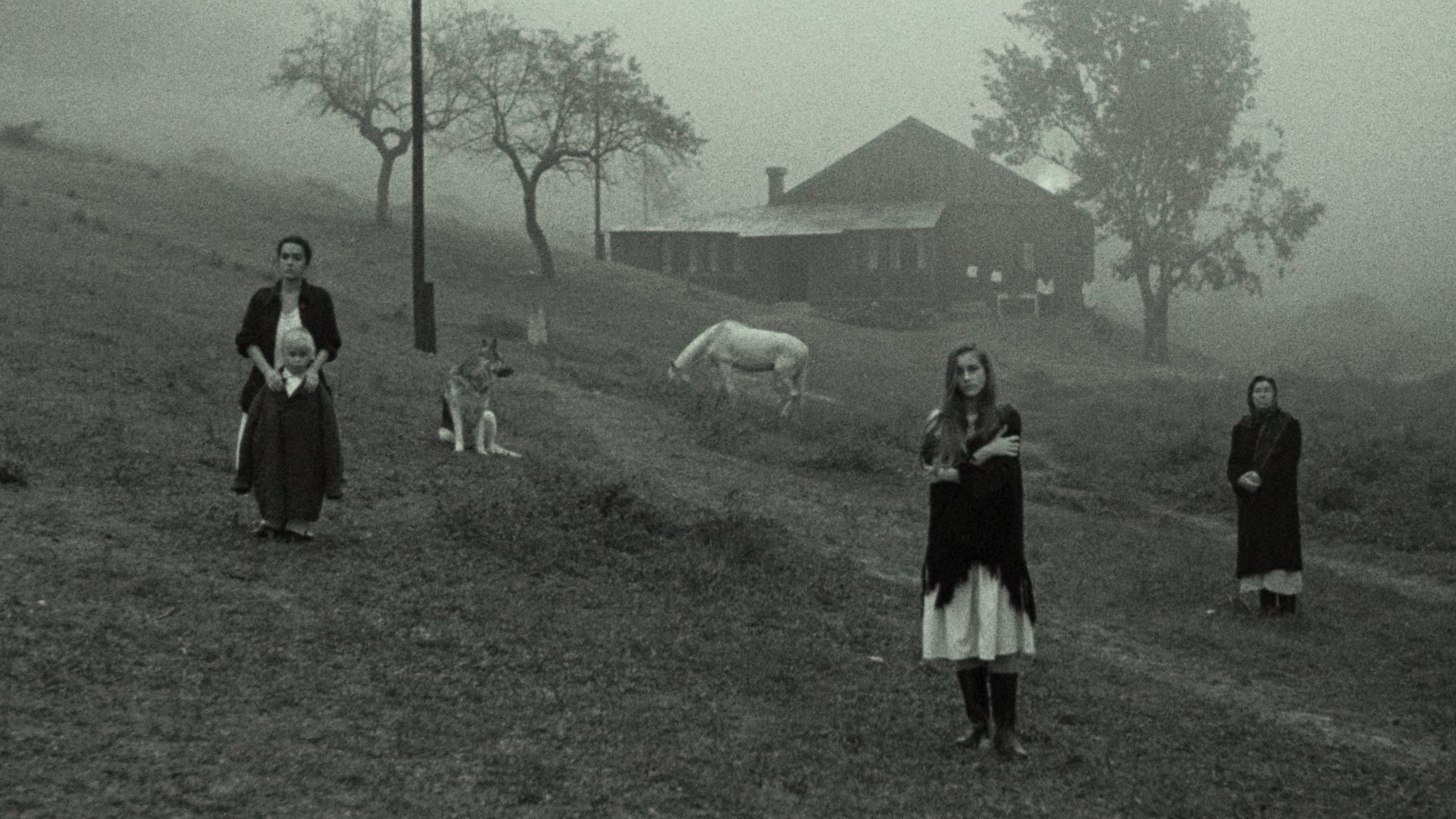
Tarkovsky never separated art from life, nor life from the spiritual. His films are always journeys of the soul. Nostalgia, however, feels like the most personal of them all. For here, he is not filming someone else’s story—he is filming his own heart. The mist that covers the Italian landscapes is not Italian: it is Russian, an extension of memory, the shape that recollections take when one no longer has a place to return to. The film unfolds like an unending prayer, a slow meditation on time, faith, loss, and the fractured soul.
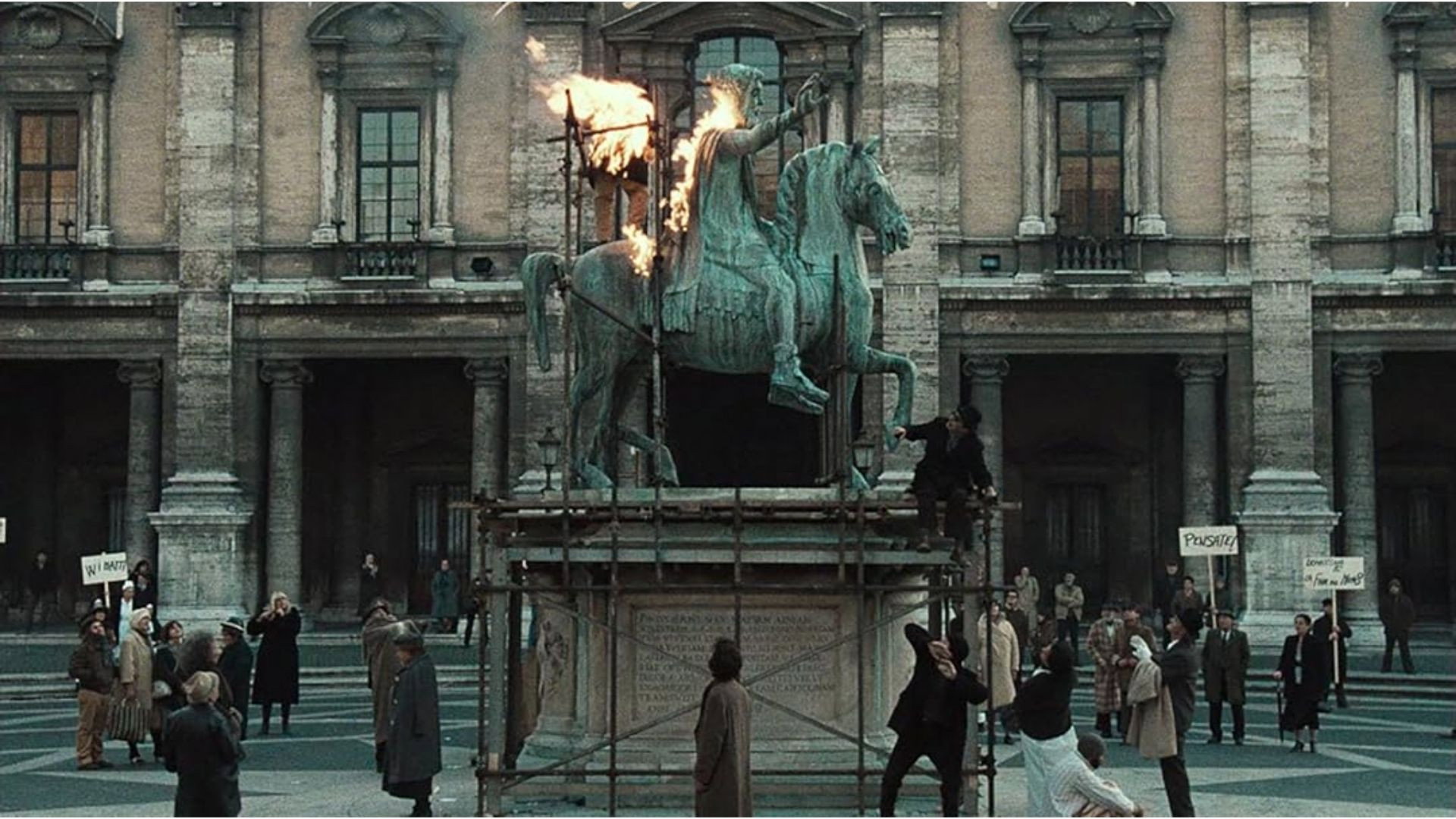
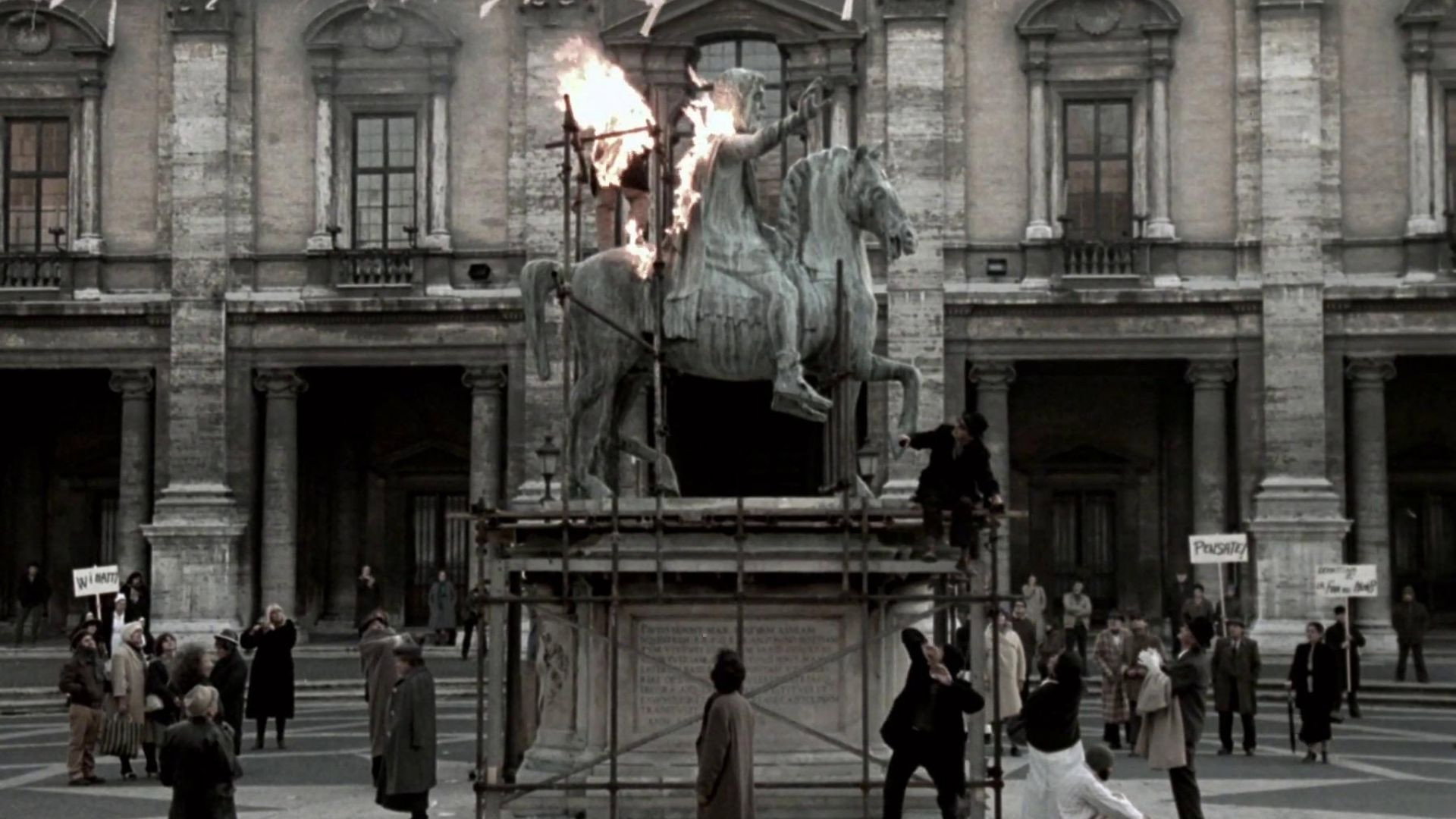
There is a central scene in the film that encapsulates its essence—and perhaps the essence of life itself. Domenico declares that “1+1=1.” A statement that, on the surface, is absurd. But poetically, mystically, divinely, it becomes a revelation. “One plus one equals one”: like the union of two souls in love. Like the fusion of body and spirit. Like true art, where the creator and the creation become indistinguishable. Like the Divine Trinity. For Tarkovsky, who always walked the edge of Orthodox Christian mysticism, this illogical equation revealed a deeper truth. The sum of two solitudes should not give company—but unity. Not a number, but a mystery.
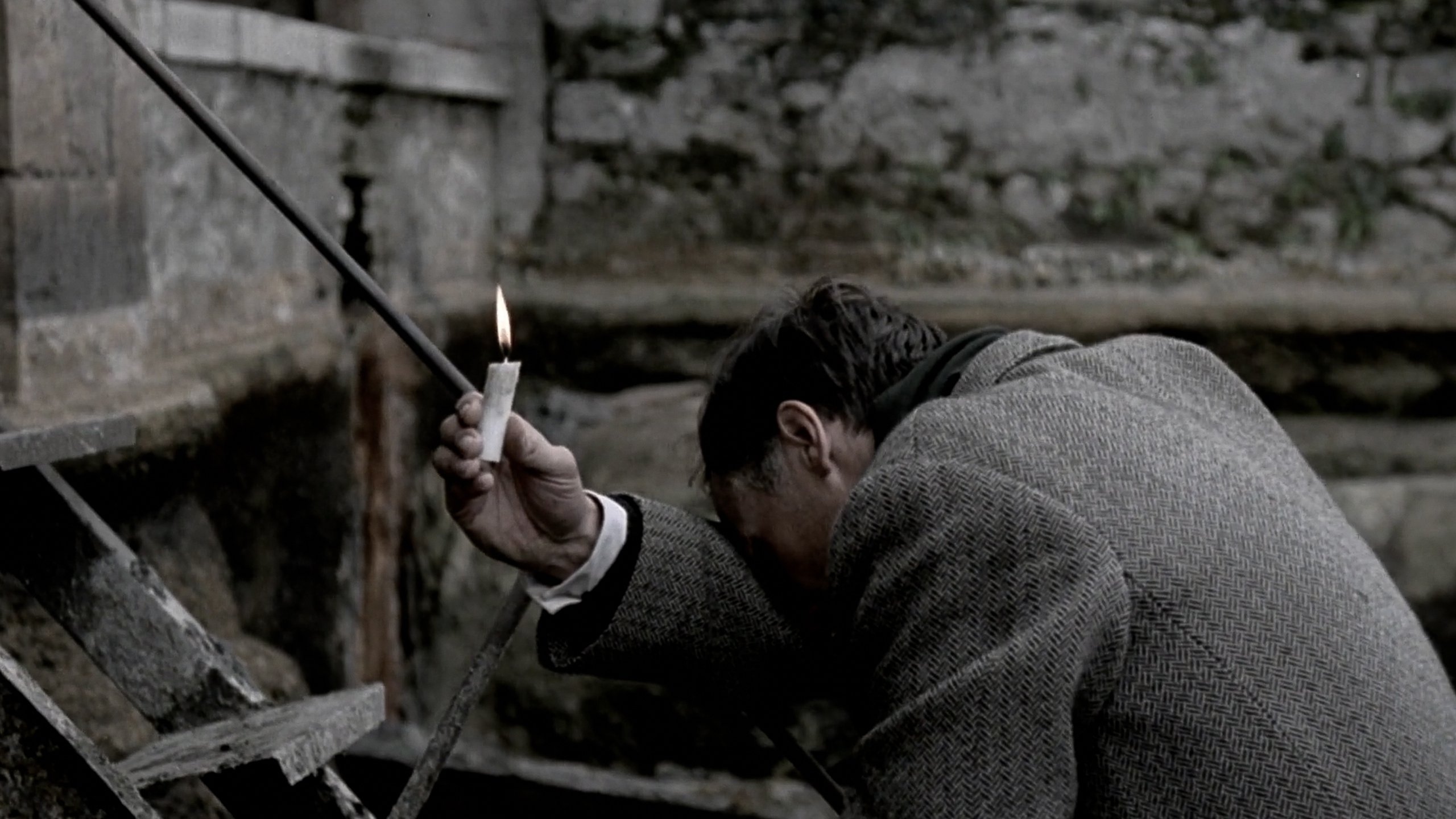
And here, Tarkovsky speaks directly to God—not to an institutional God, nor to imposed dogma, but to the God who lives in the invisible, in the flame that refuses to die, in silent sacrifice. The final act of the film—Gorchakov’s long sequence walking with a lit candle across an empty pool, under the rain—says it all. Every step is a prayer. Every stumble is a plea. Every time the flame is lit again, it is a resurrection. And in the end, the candle stays lit. That moment becomes a miracle, the redemption of absurdity, the triumph of the soul over the world.
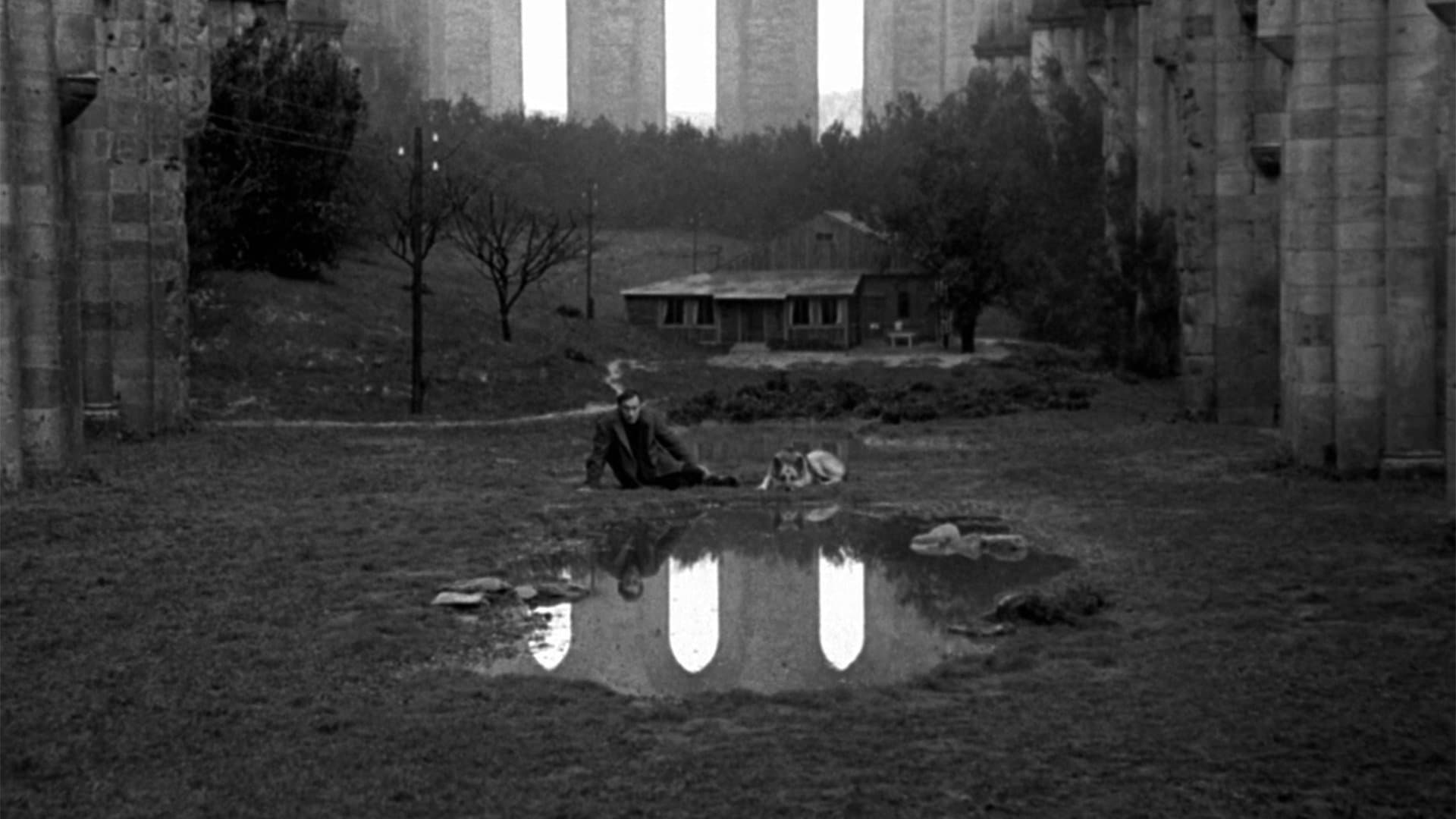
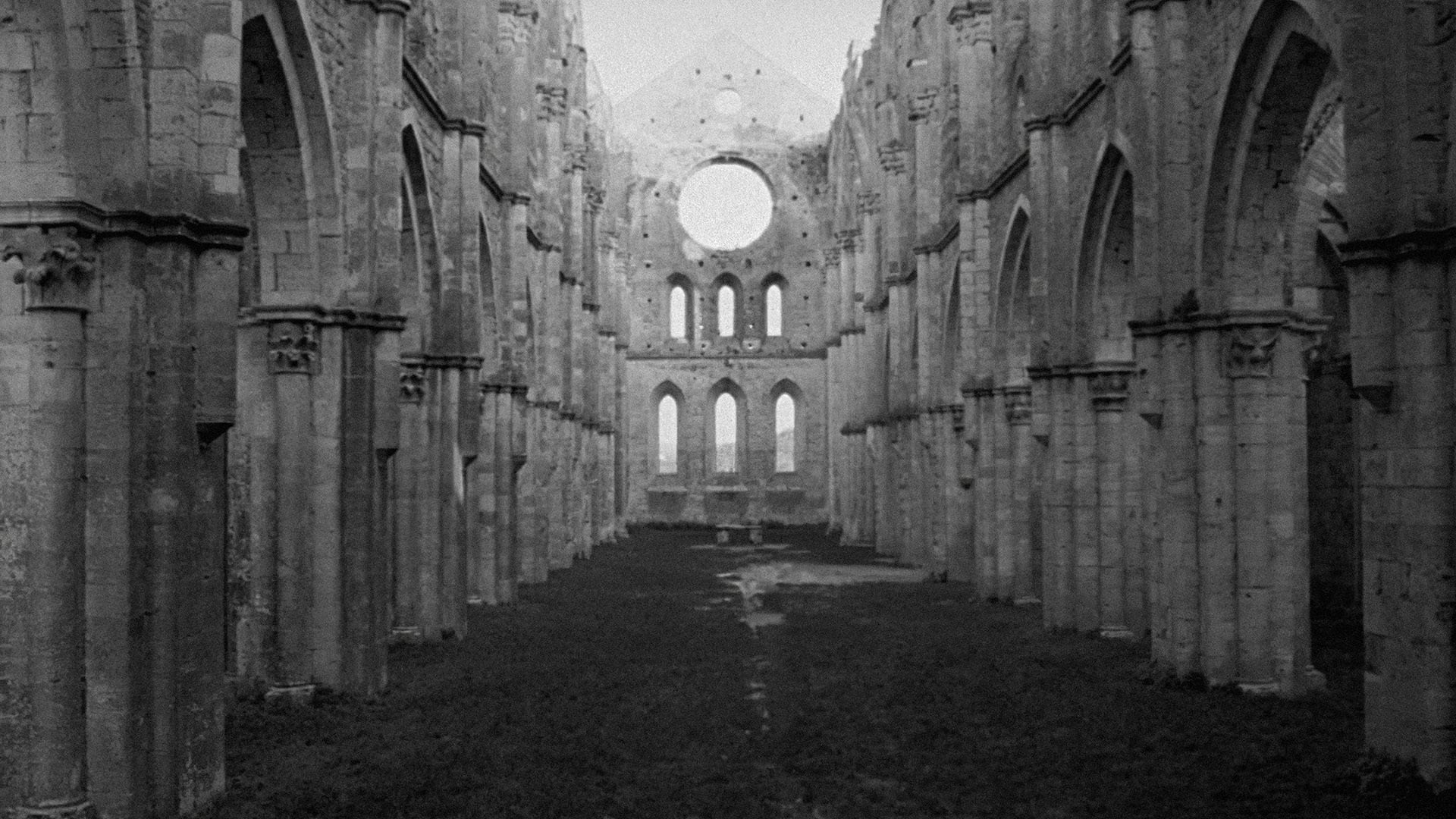
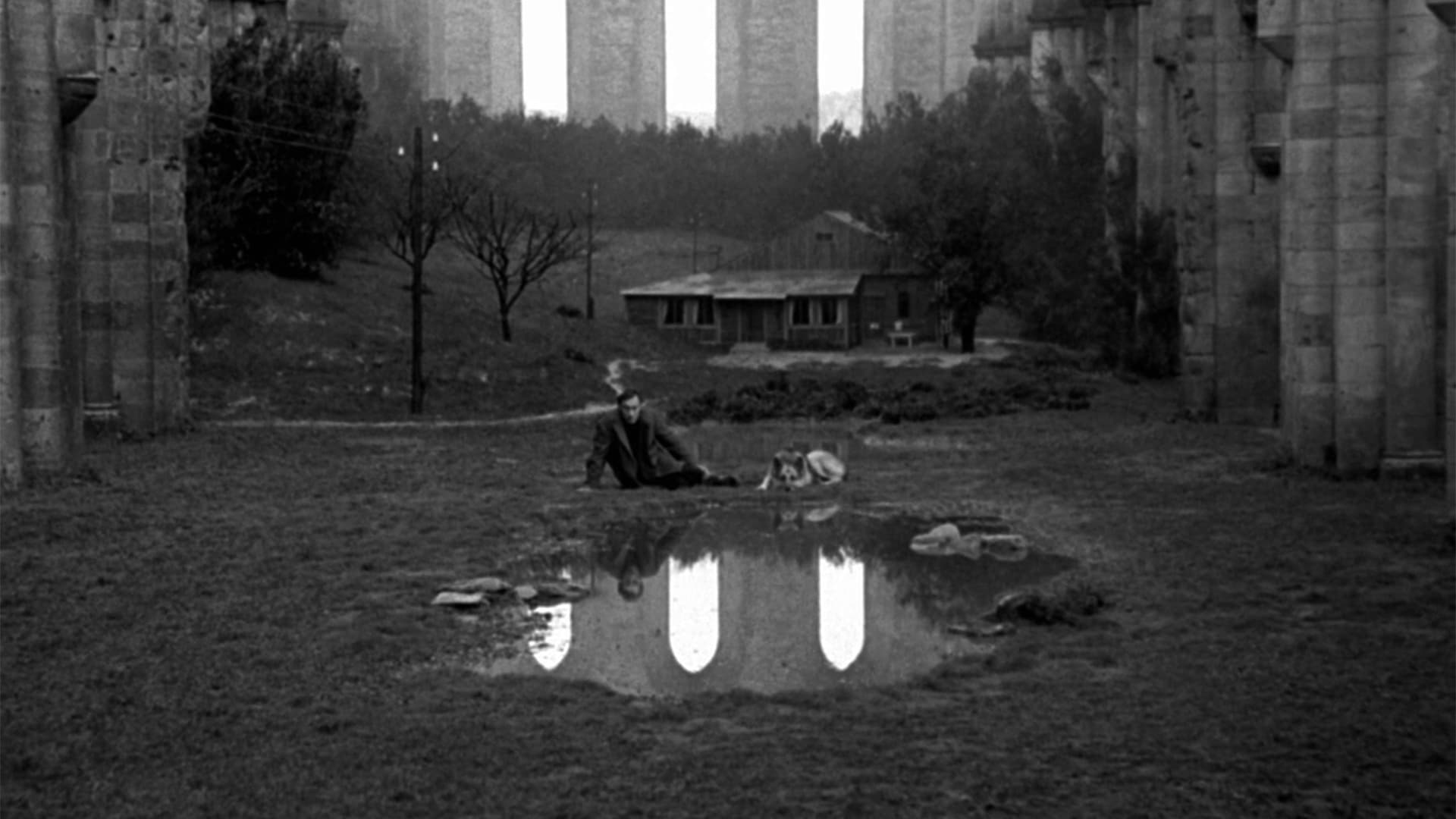
In the final image, when Gorchakov is seen sitting in a Russian field blanketed in snow—but within the ruins of an Italian cathedral—we understand that there is no longer a border between what is lived and what is dreamed. Italy and Russia, present and past, faith and doubt, memory and desire, are fused into a single image. Tarkovsky has built his own interior homeland, a sacred space where he can reunite with what he loves, even if only through the fog of cinema.
Nostalgia is, then, the spiritual diary of an exile. It is the lament of an artist who lost his place in the world—but found God in the process. It offers no answers, only glimpses. It does not aim to convince, only to make one feel. It is a symphony of absence, a cathedral built of light and silence.
And in that silence, God speaks.
100/100