There are films you admire… and there are films that wait for you.
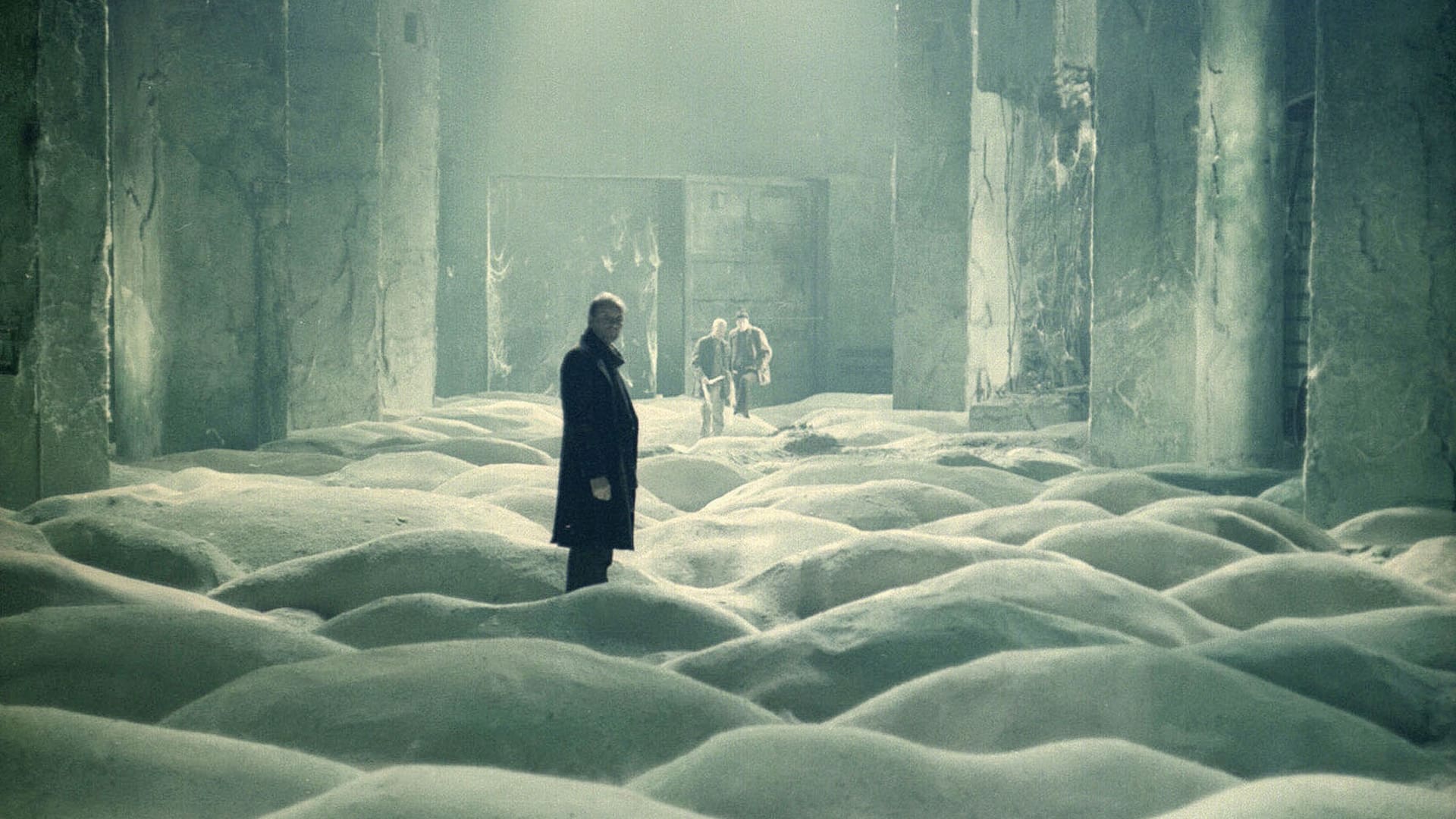
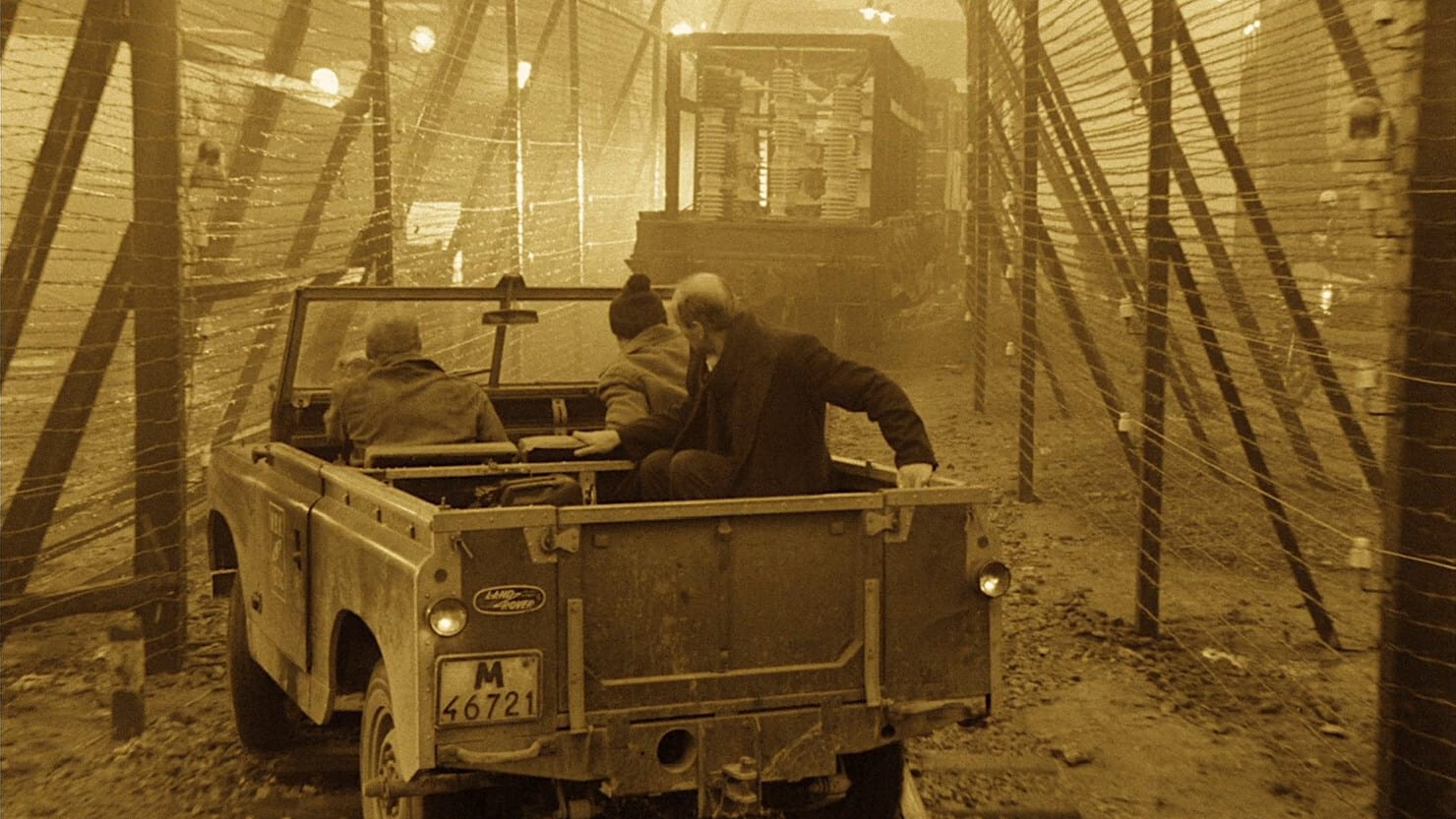
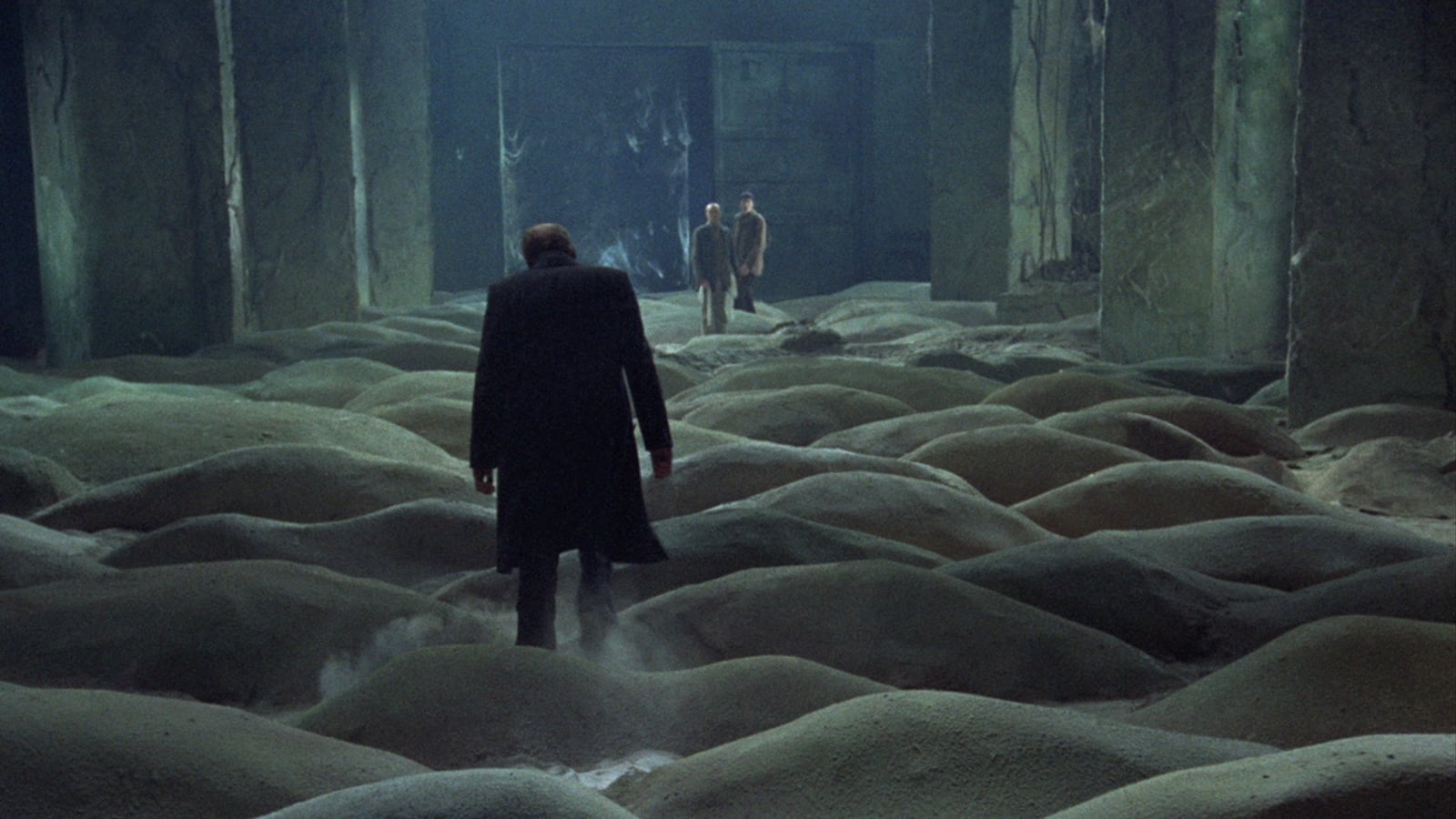
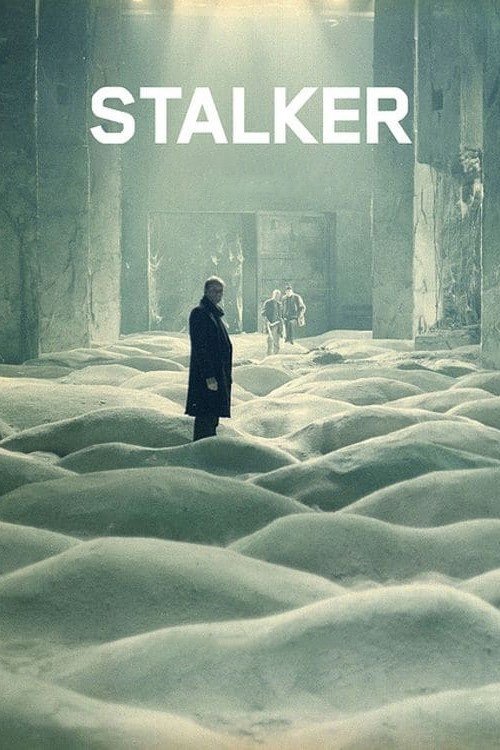
The first time I watched Stalker, I respected it. I saw the craft, the atmosphere, the philosophy but it stayed at a distance, like the Zone itself. Beautiful, but sealed. A place I couldn’t fully enter.
A year later, something changed. Or maybe I did.
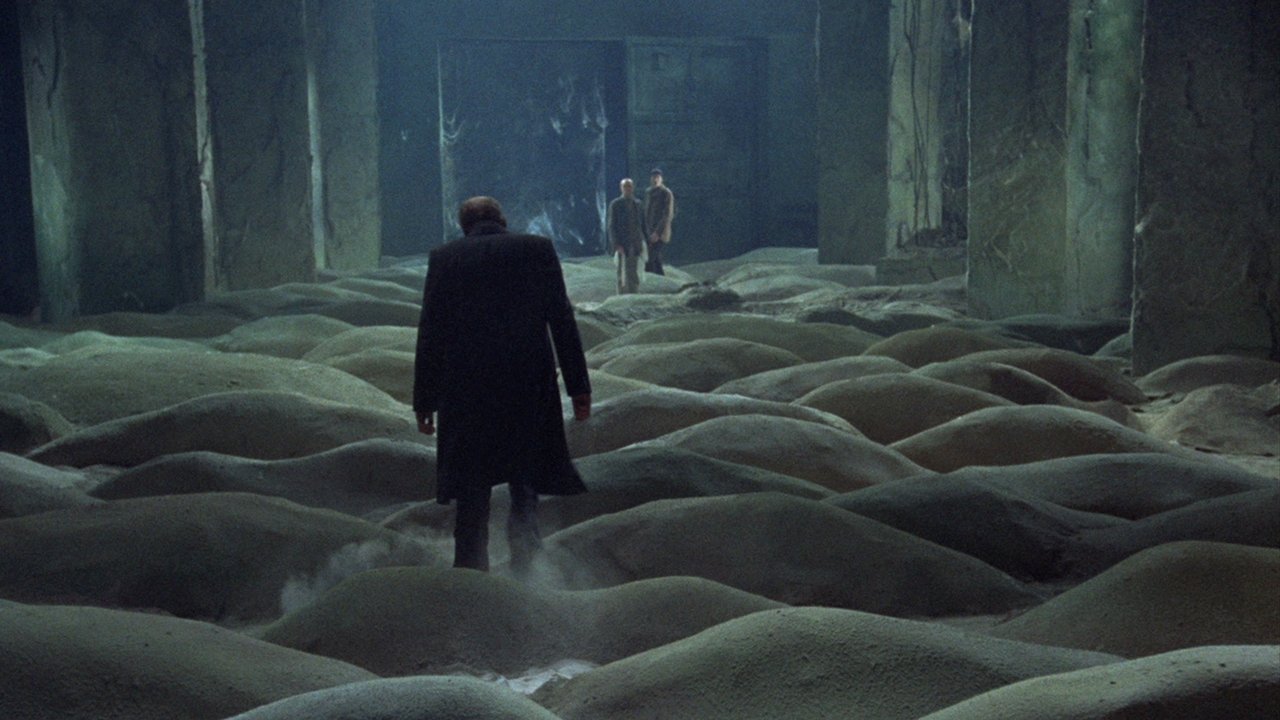
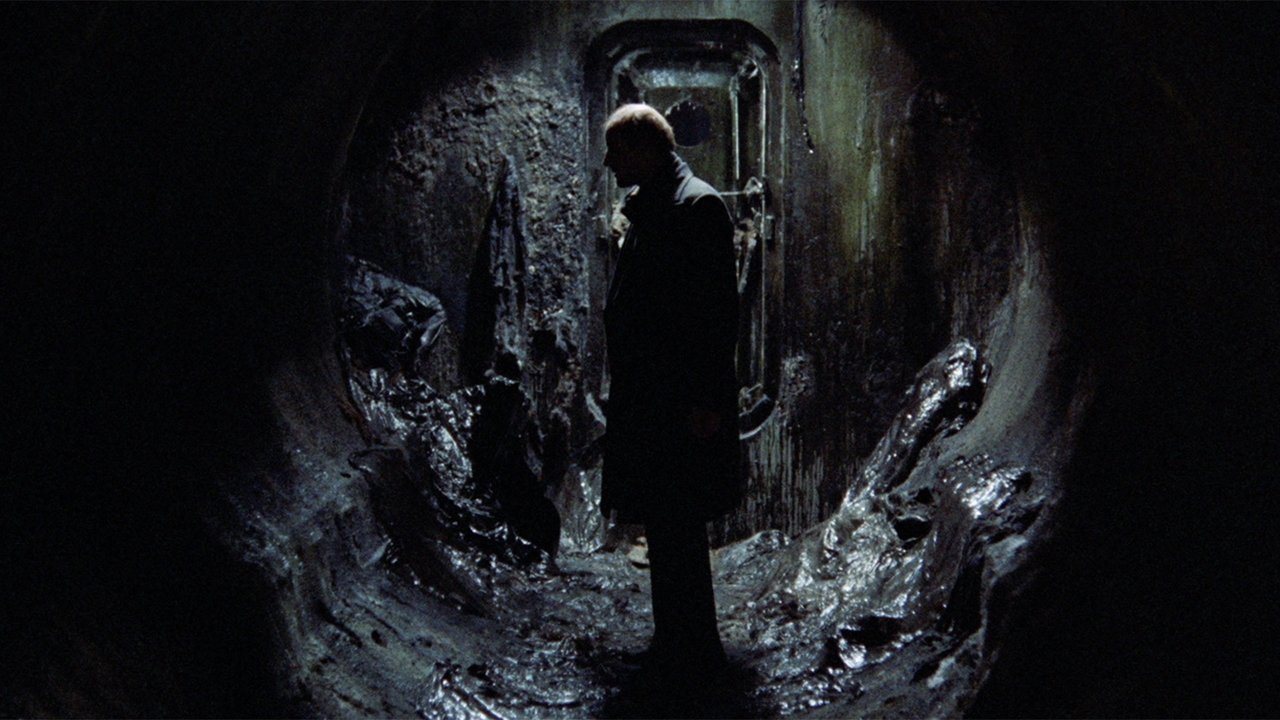
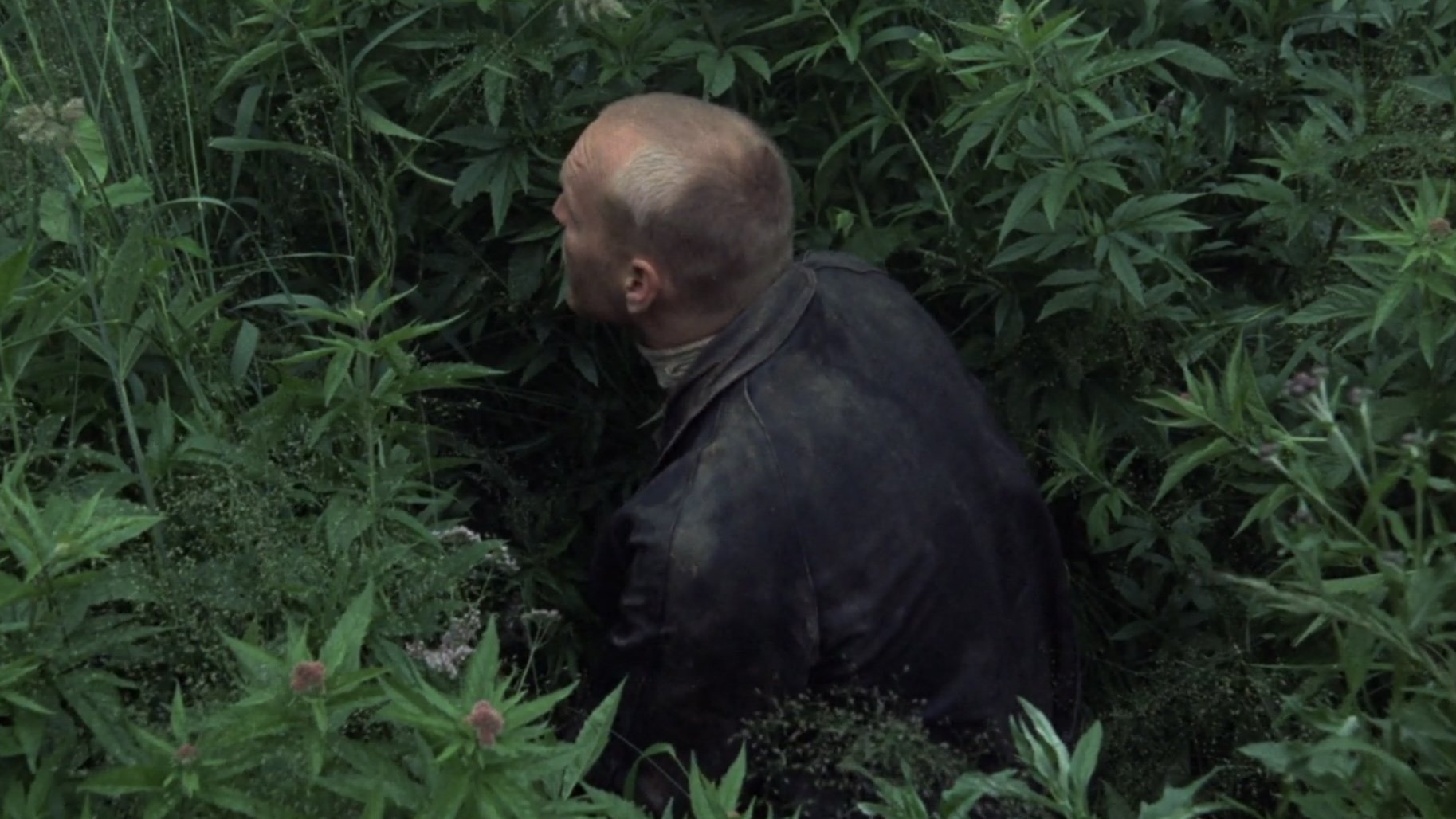
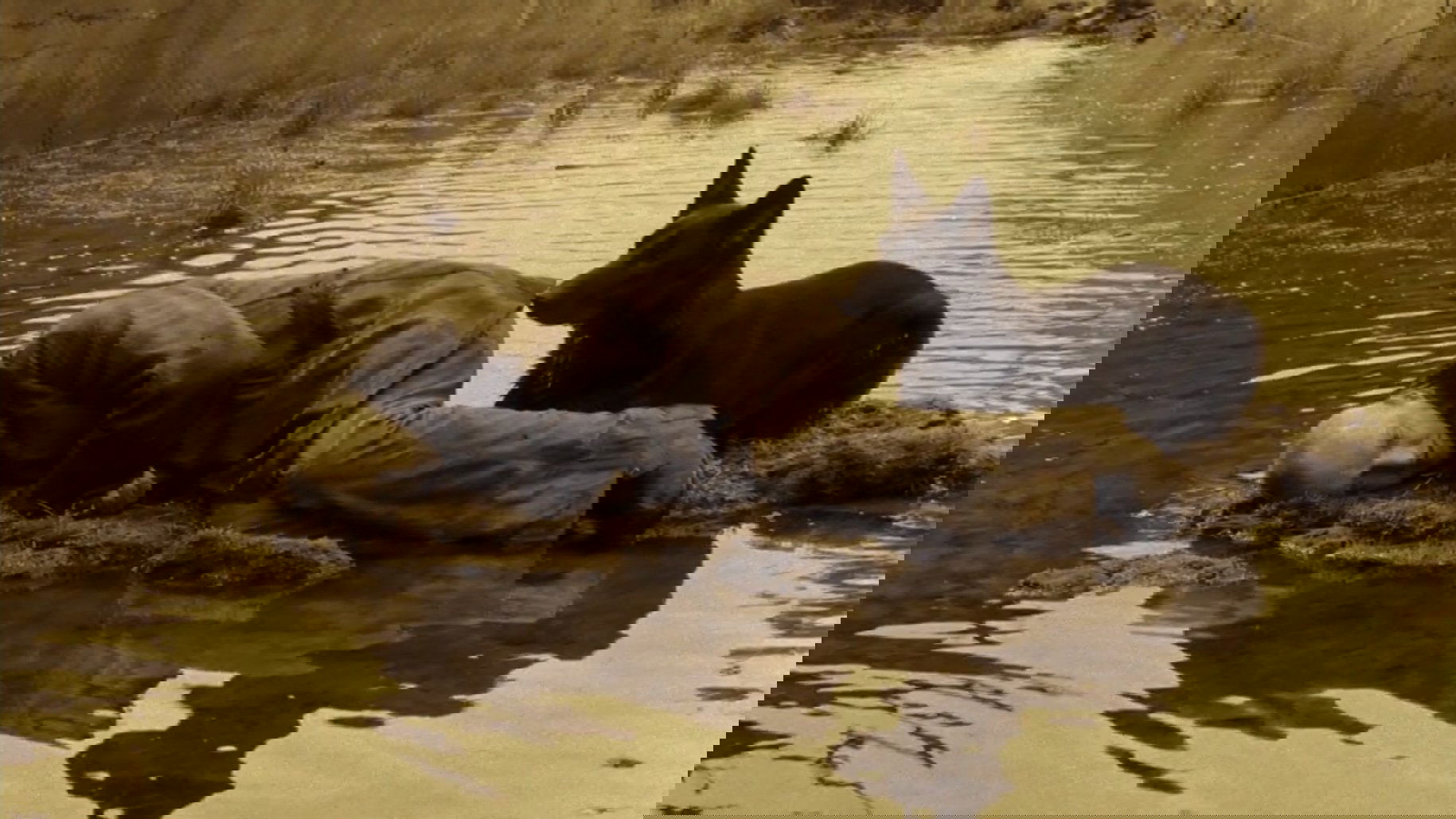
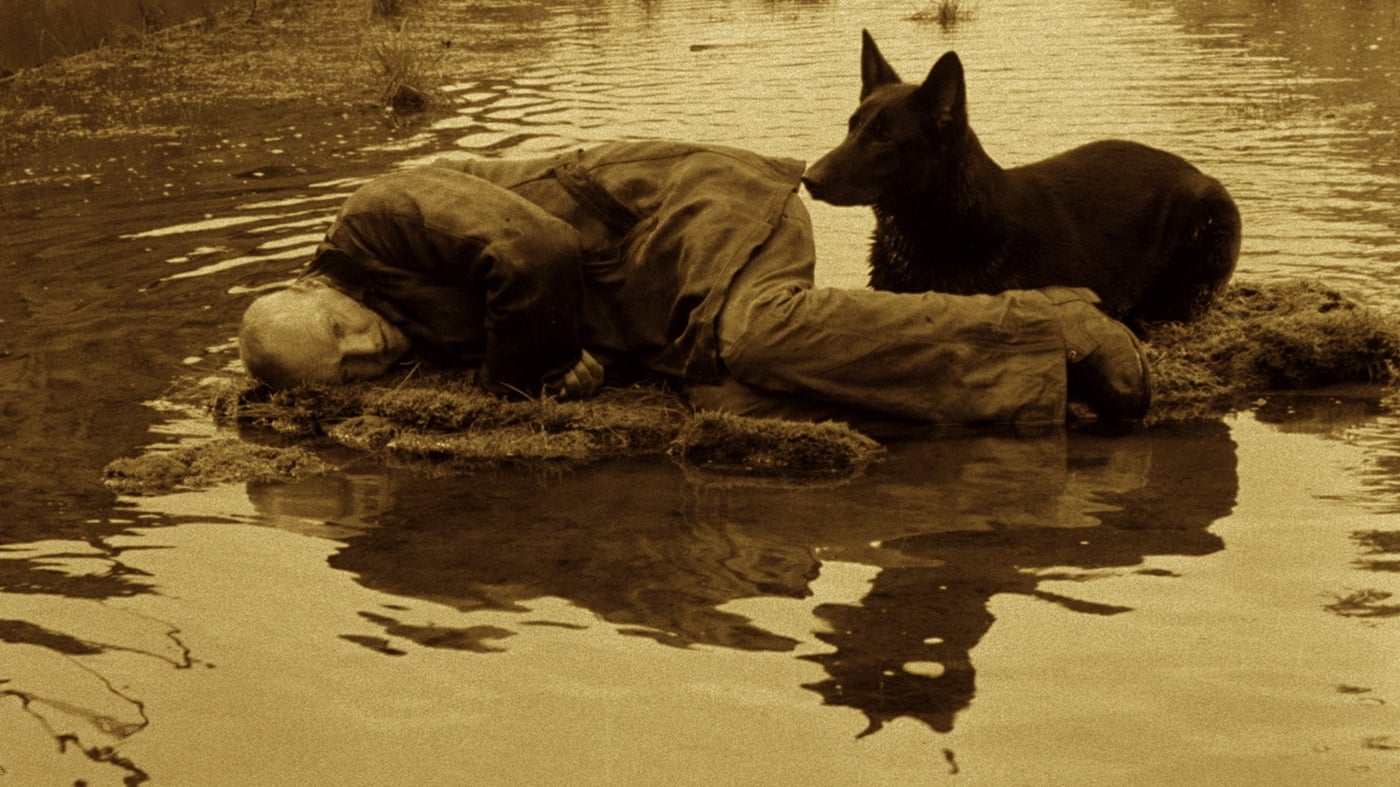
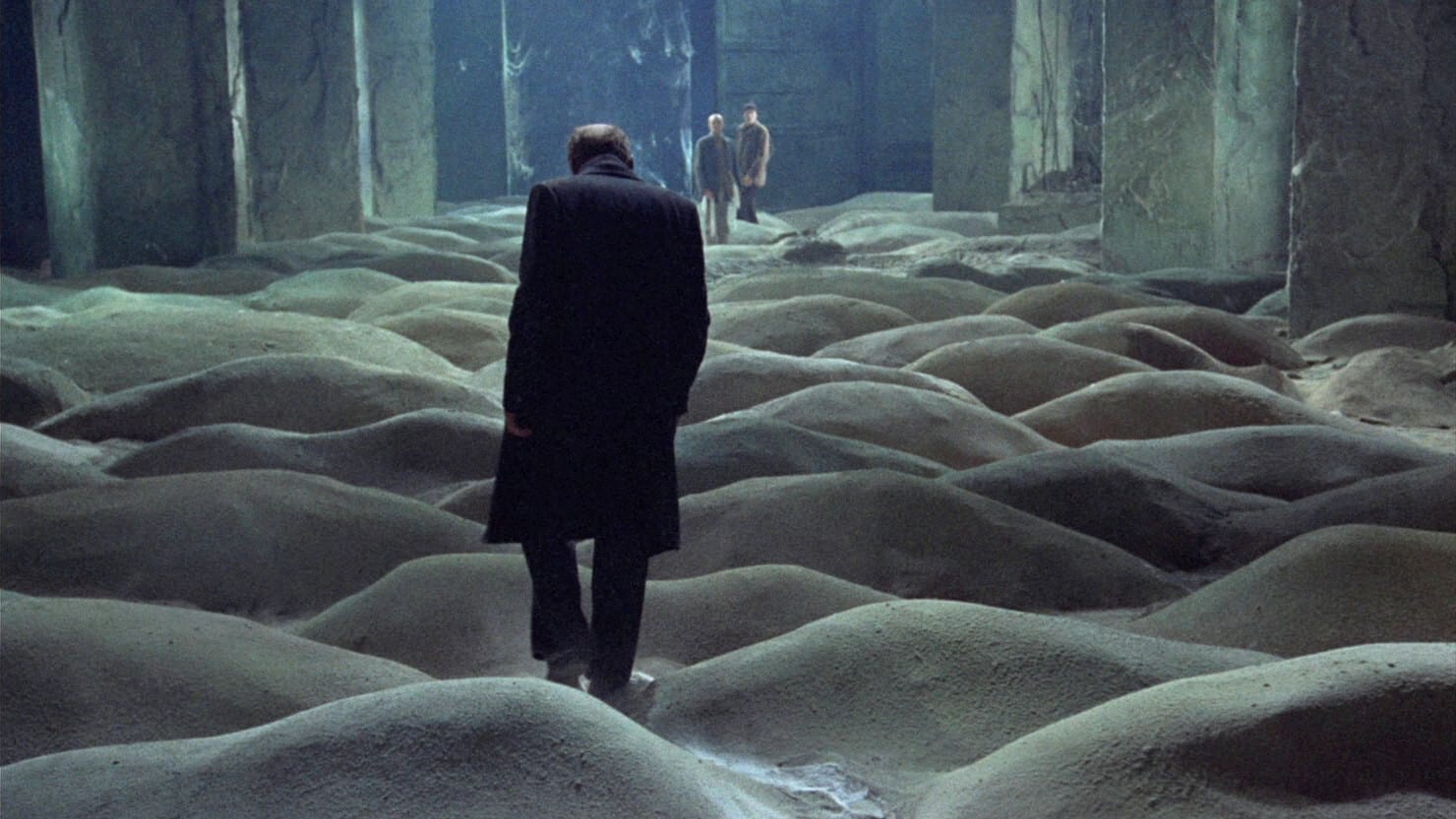
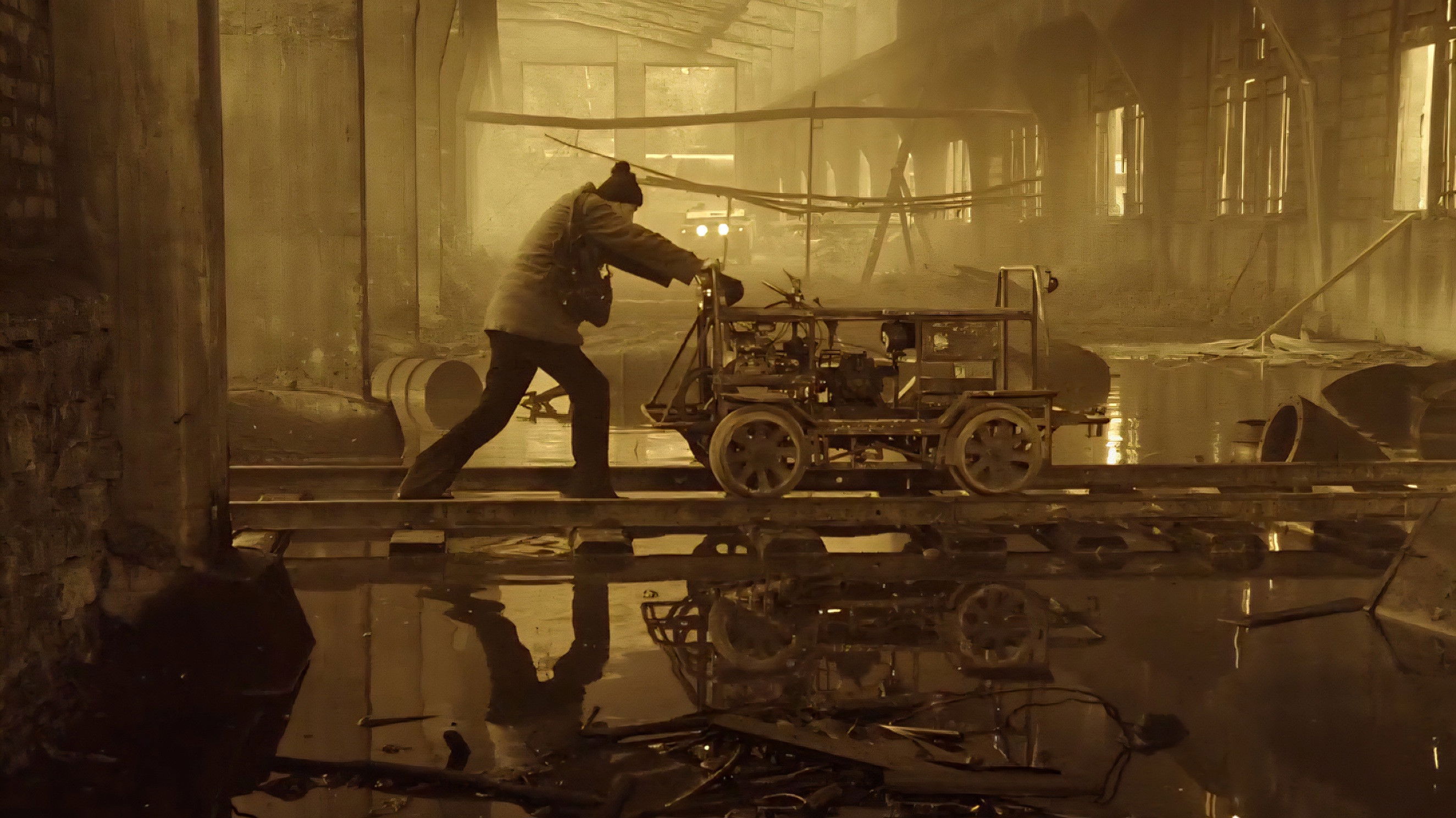
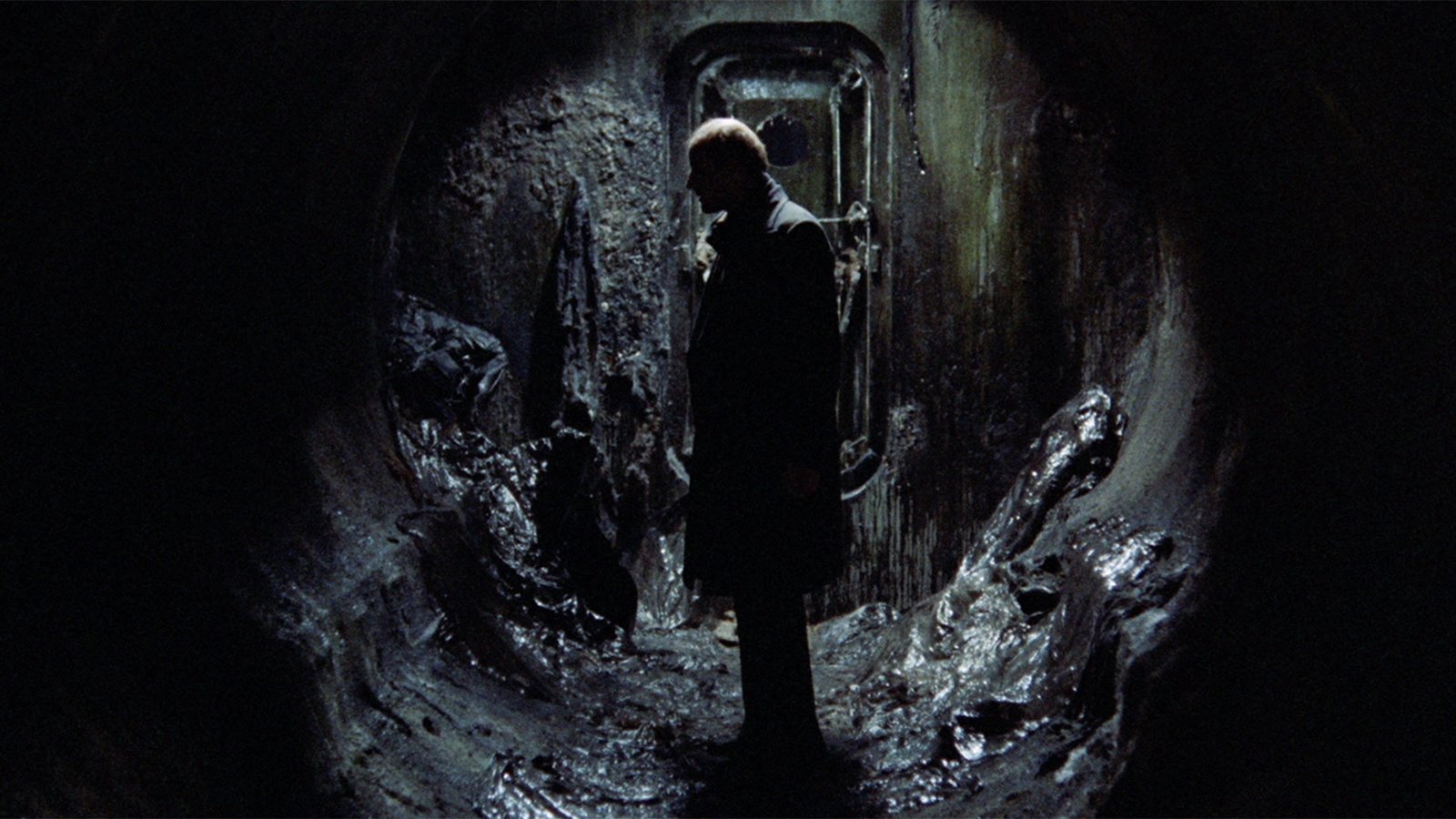
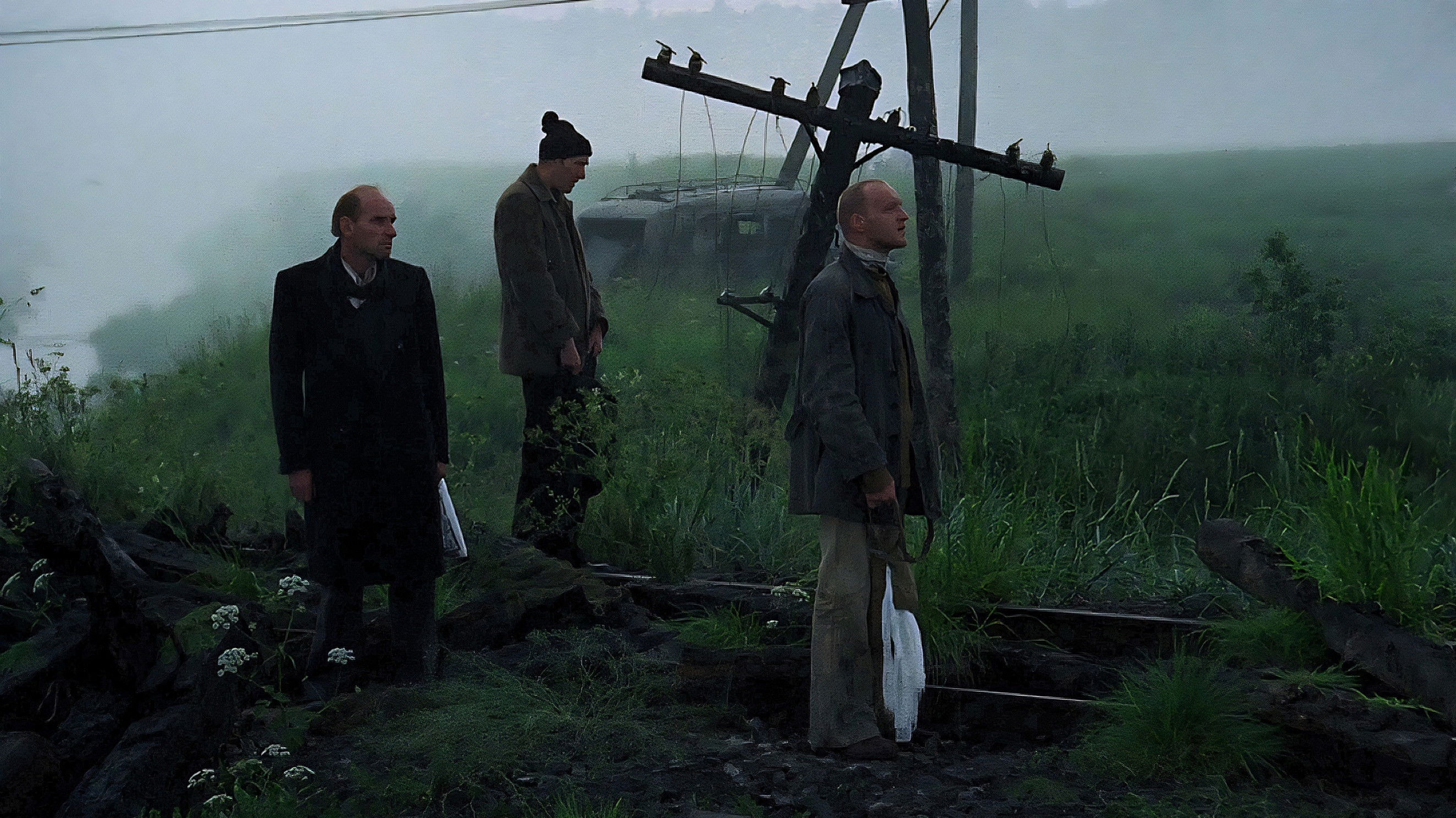
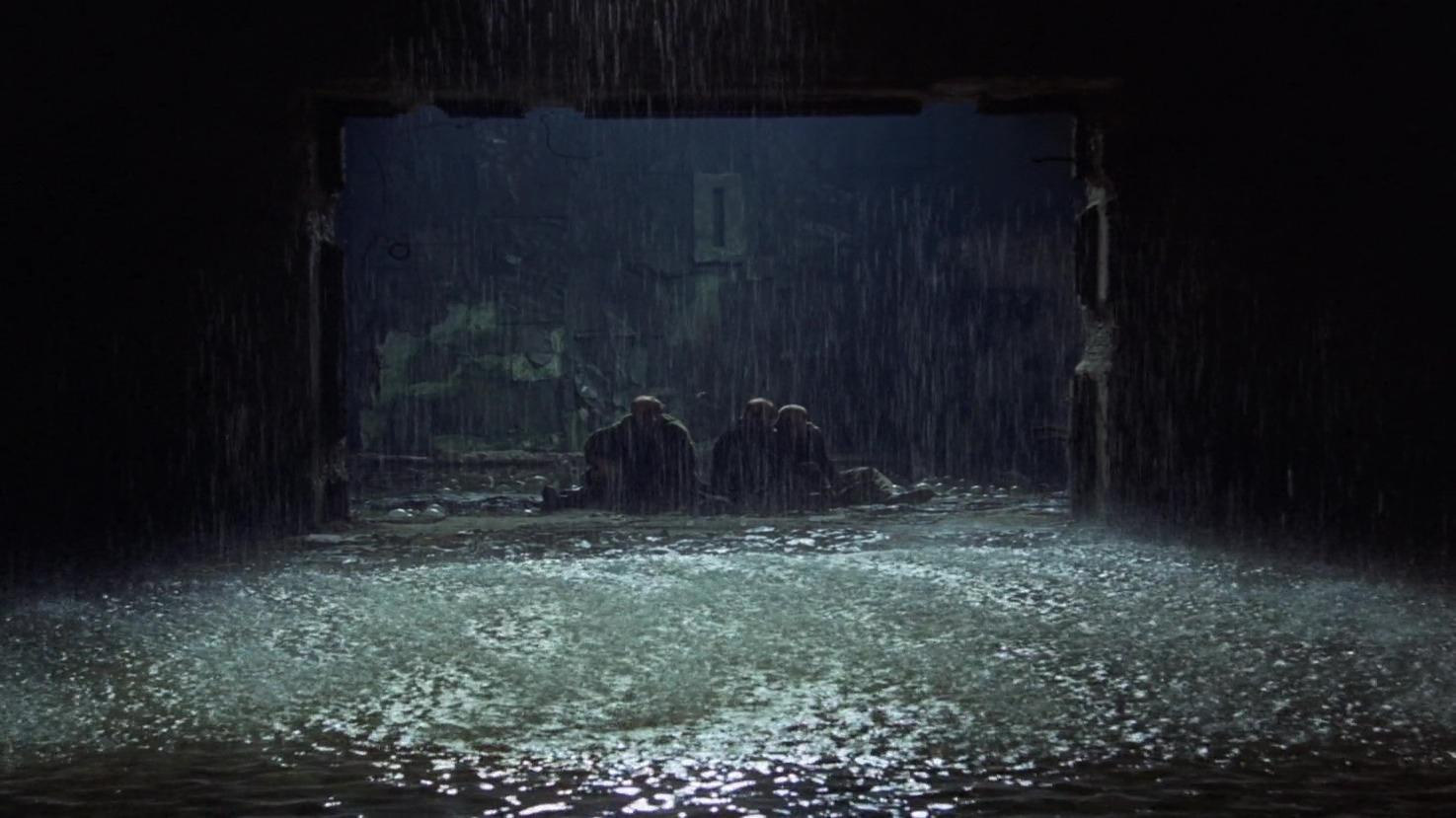
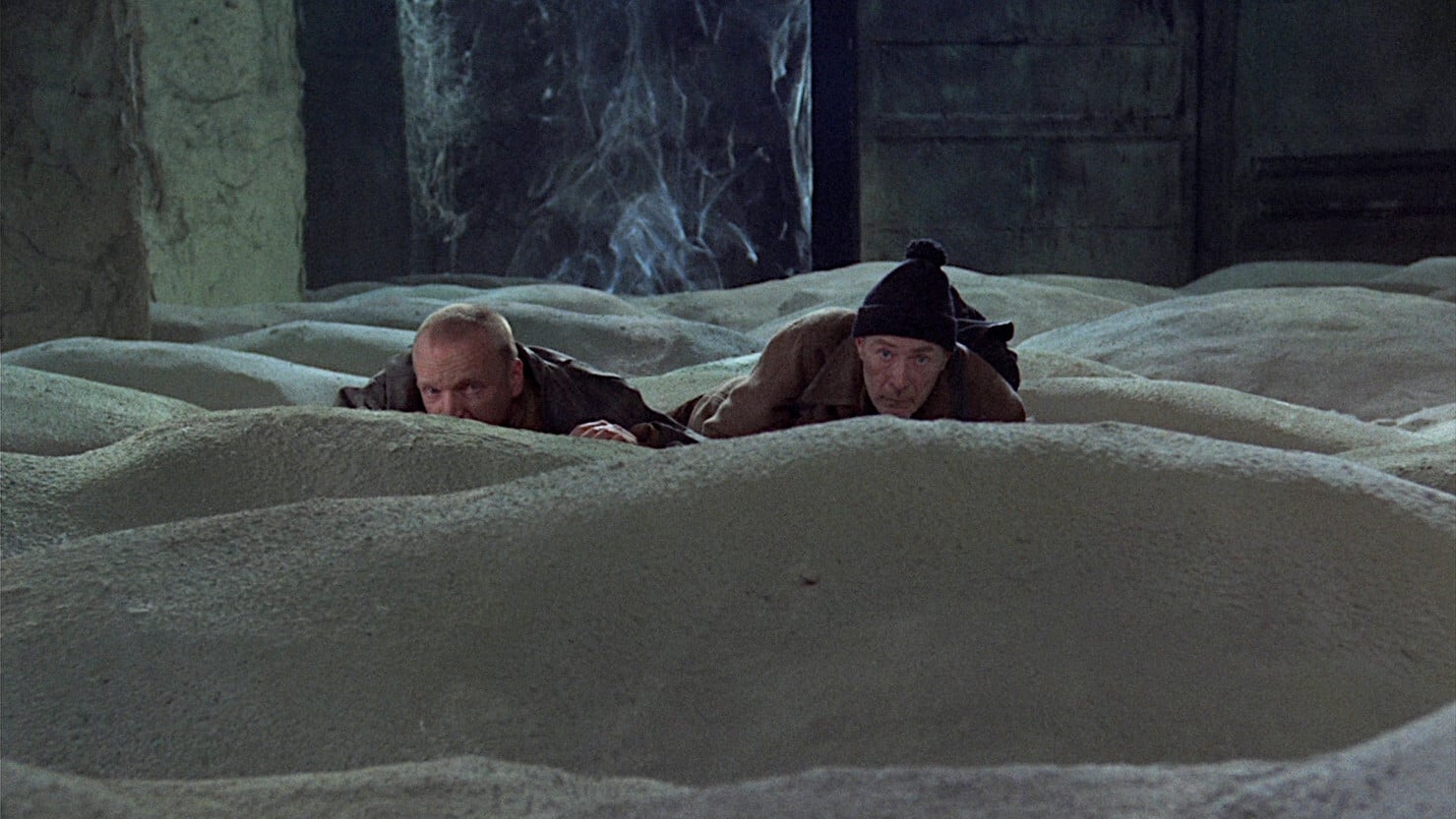
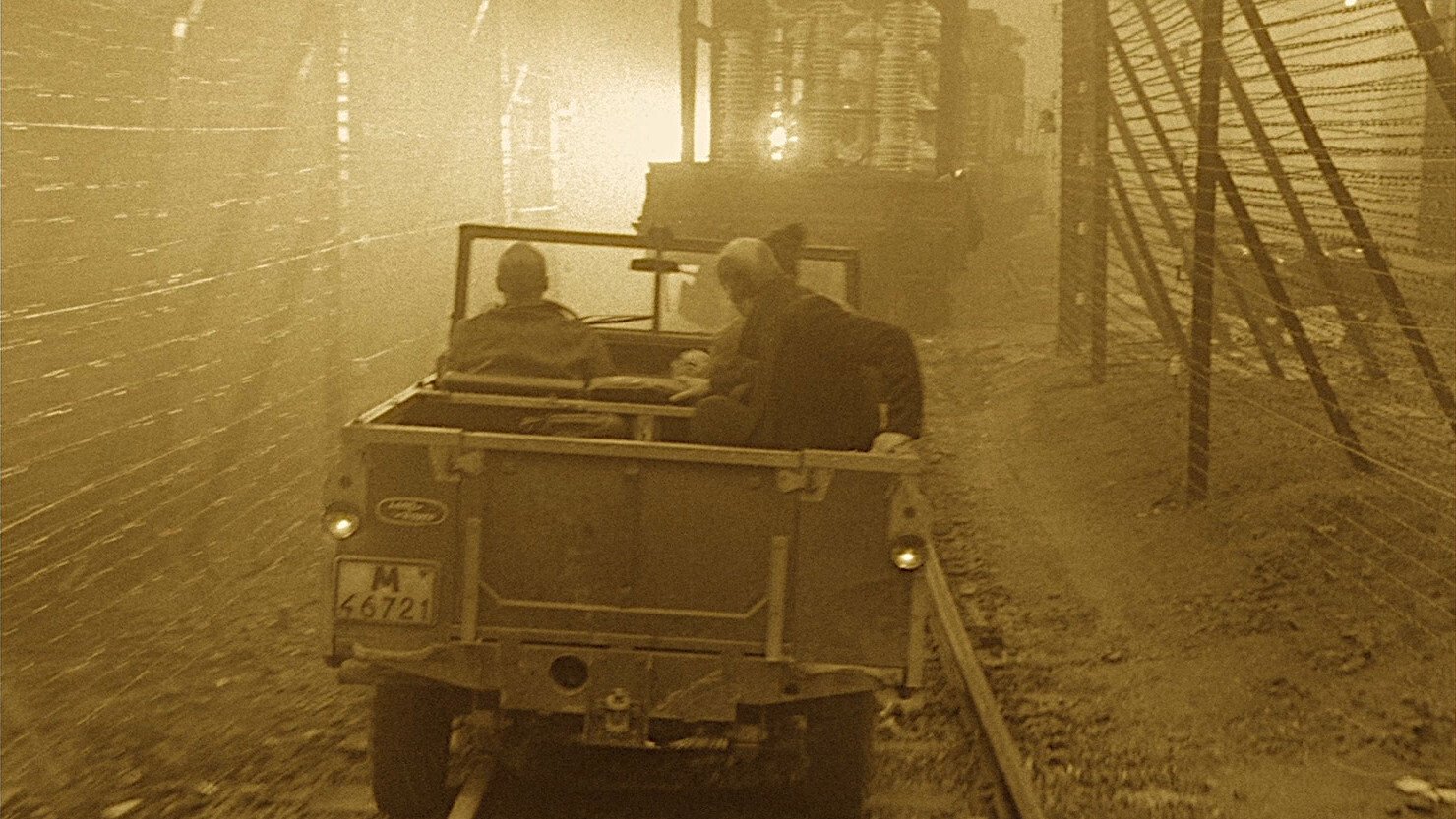
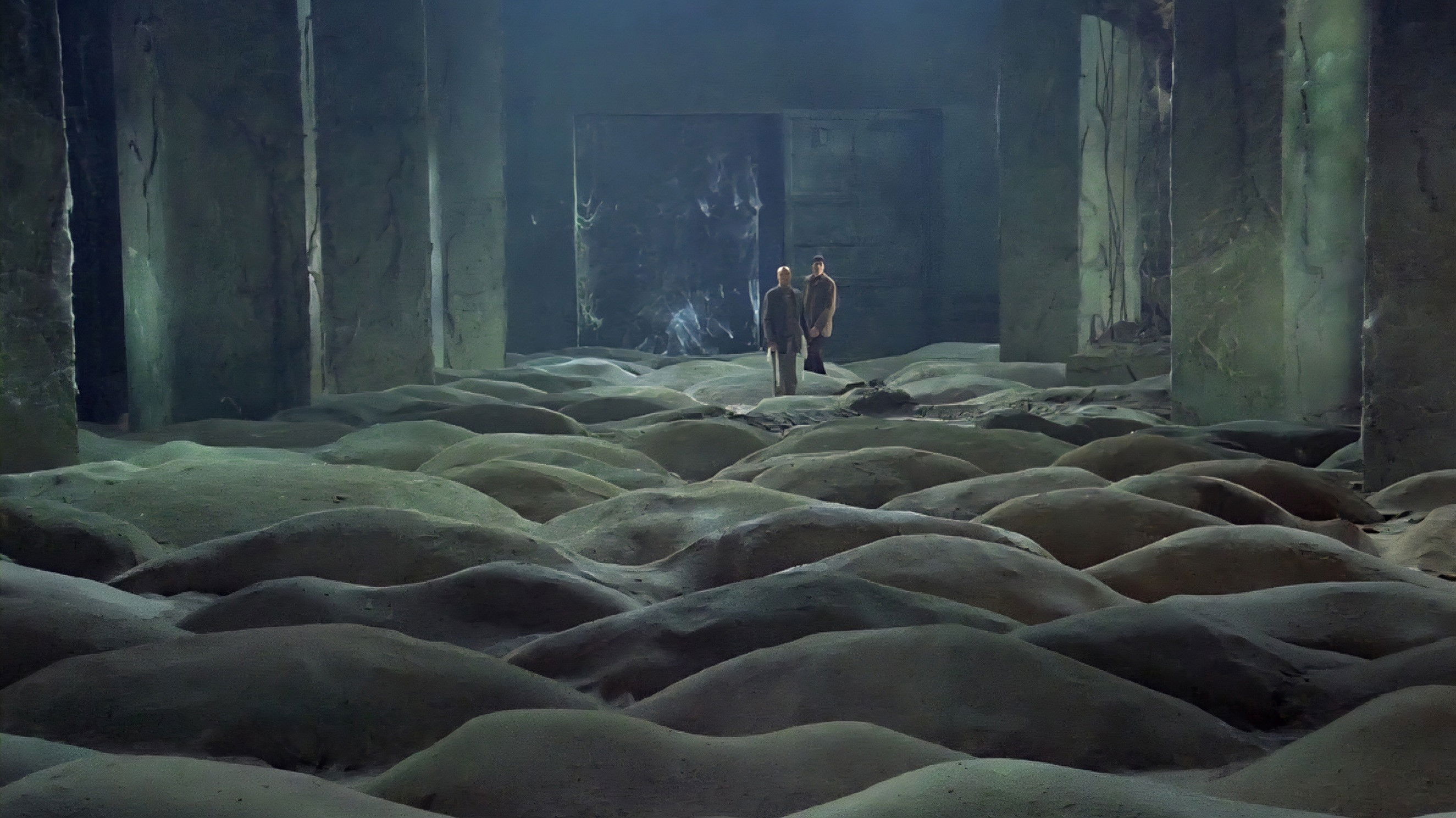
Rewatching Stalker now feels less like watching a film and more like being quietly confronted by it. The slowness isn’t slowness anymore, it’s mercy. The silence isn’t empty, it’s listening. And the journey through the Zone stops being about reaching the Room, but about exposing the fragile, contradictory nature of being human.
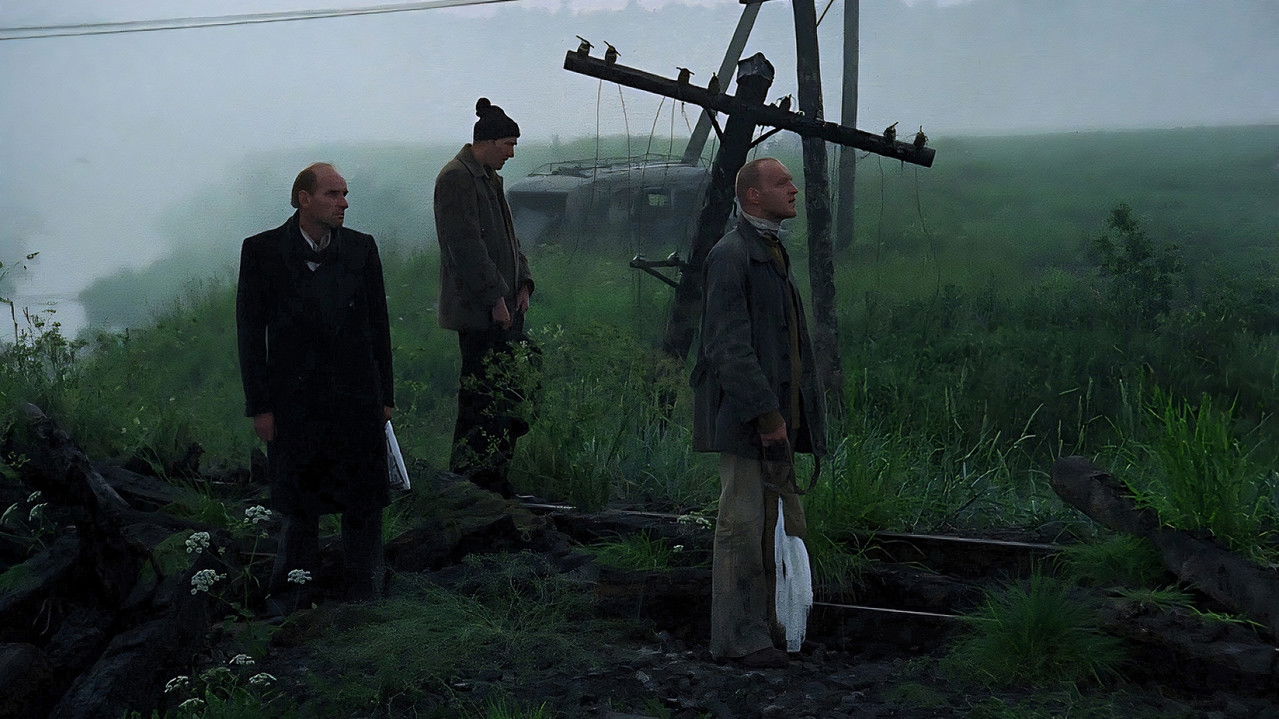
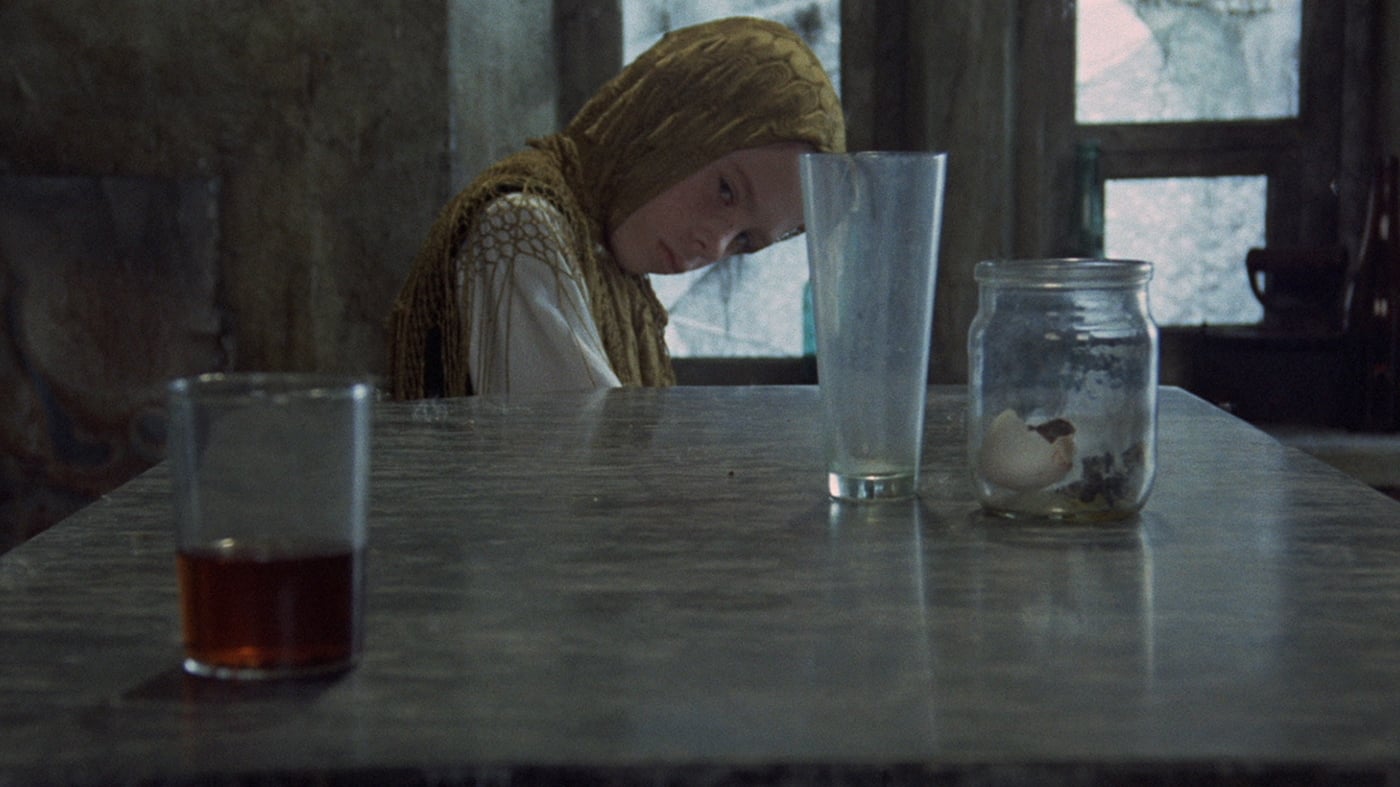
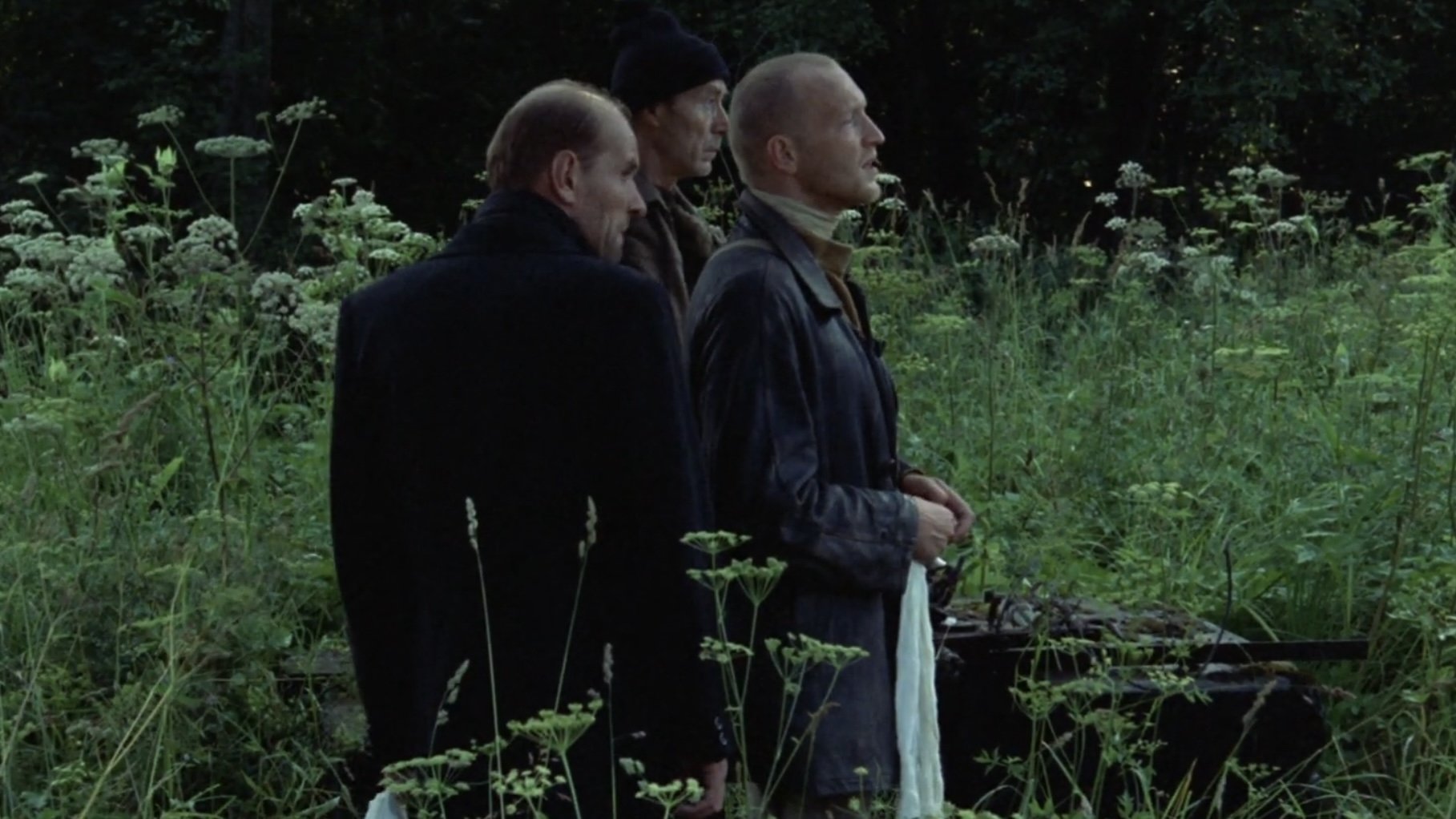
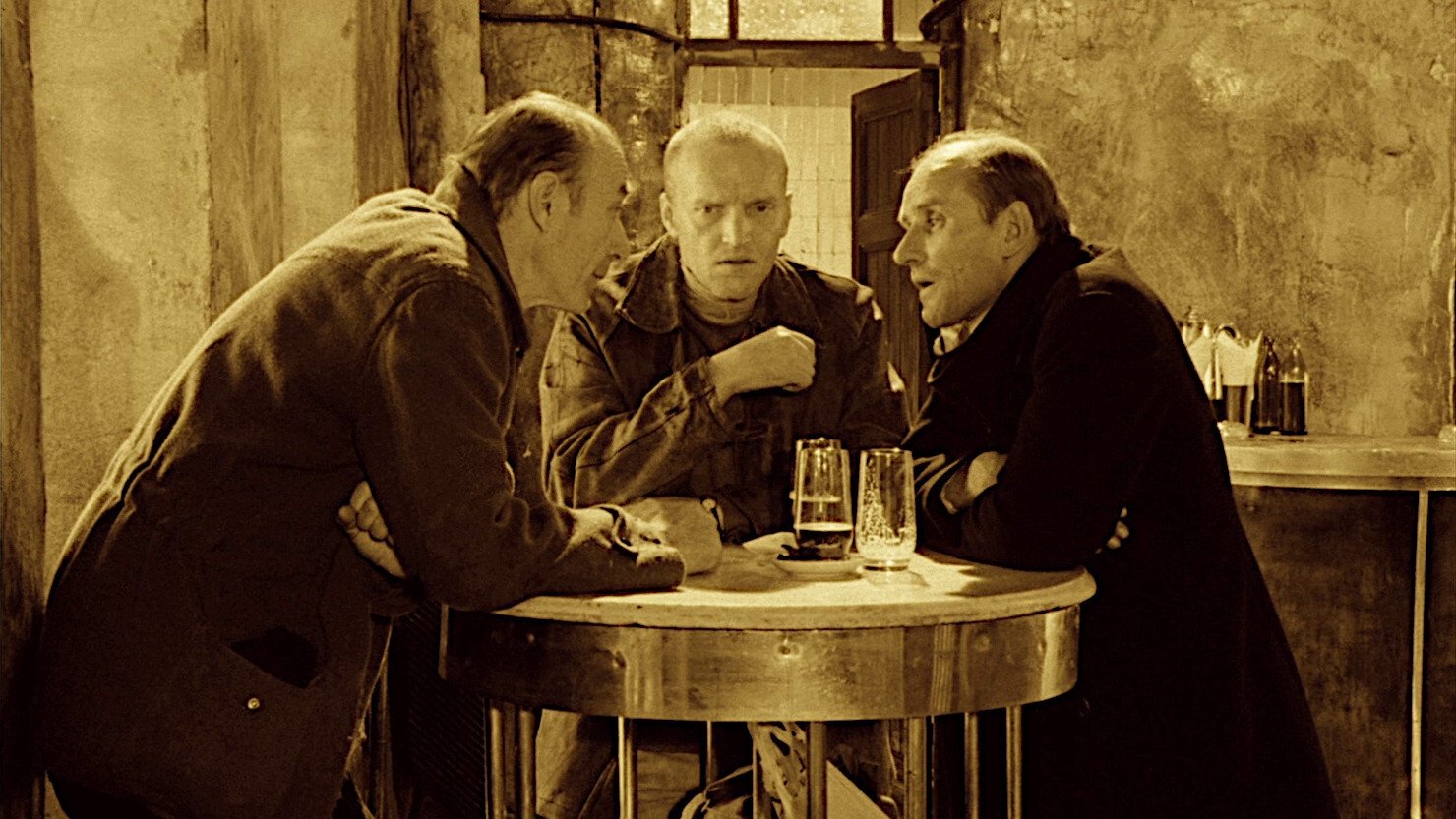
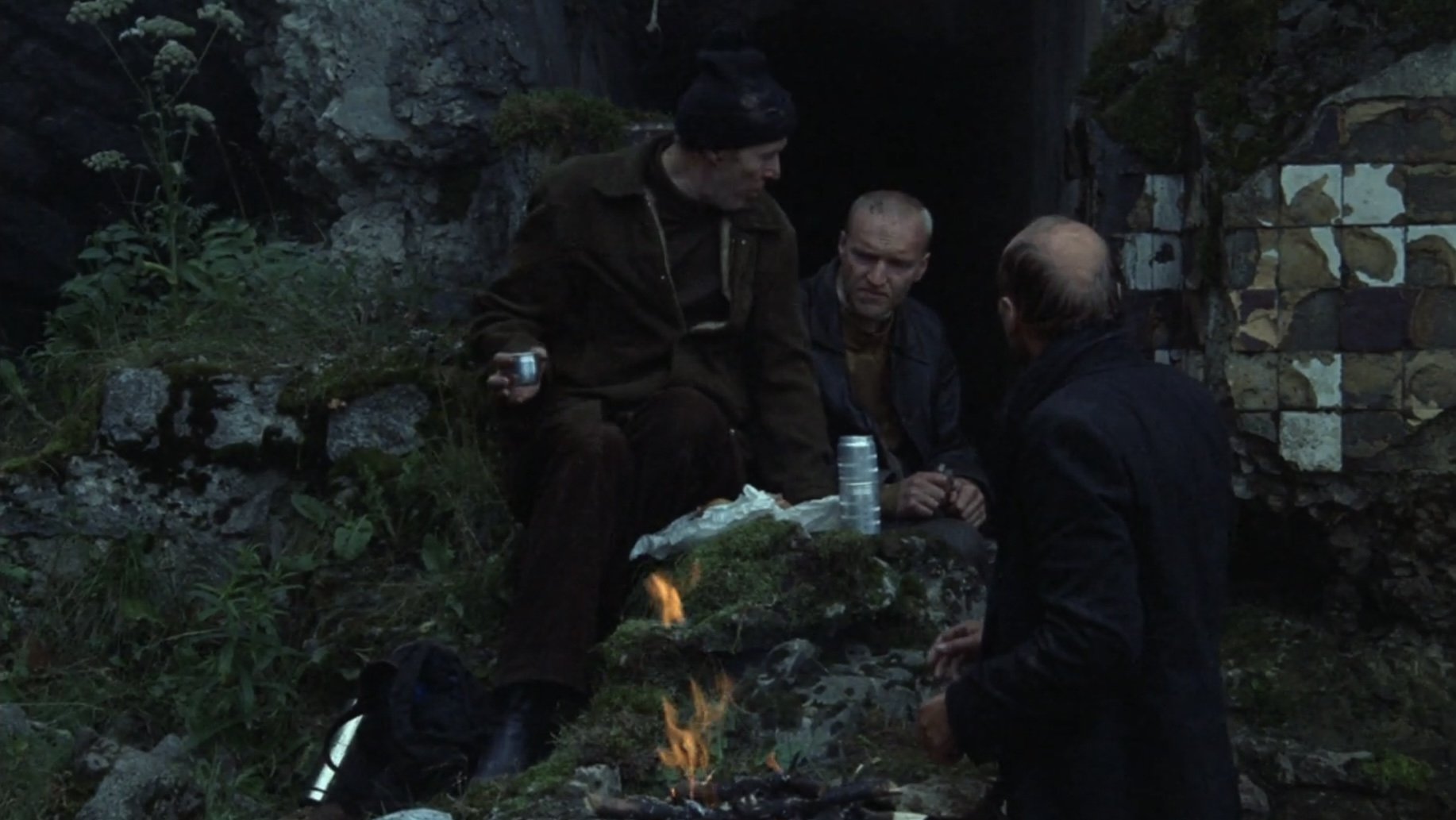
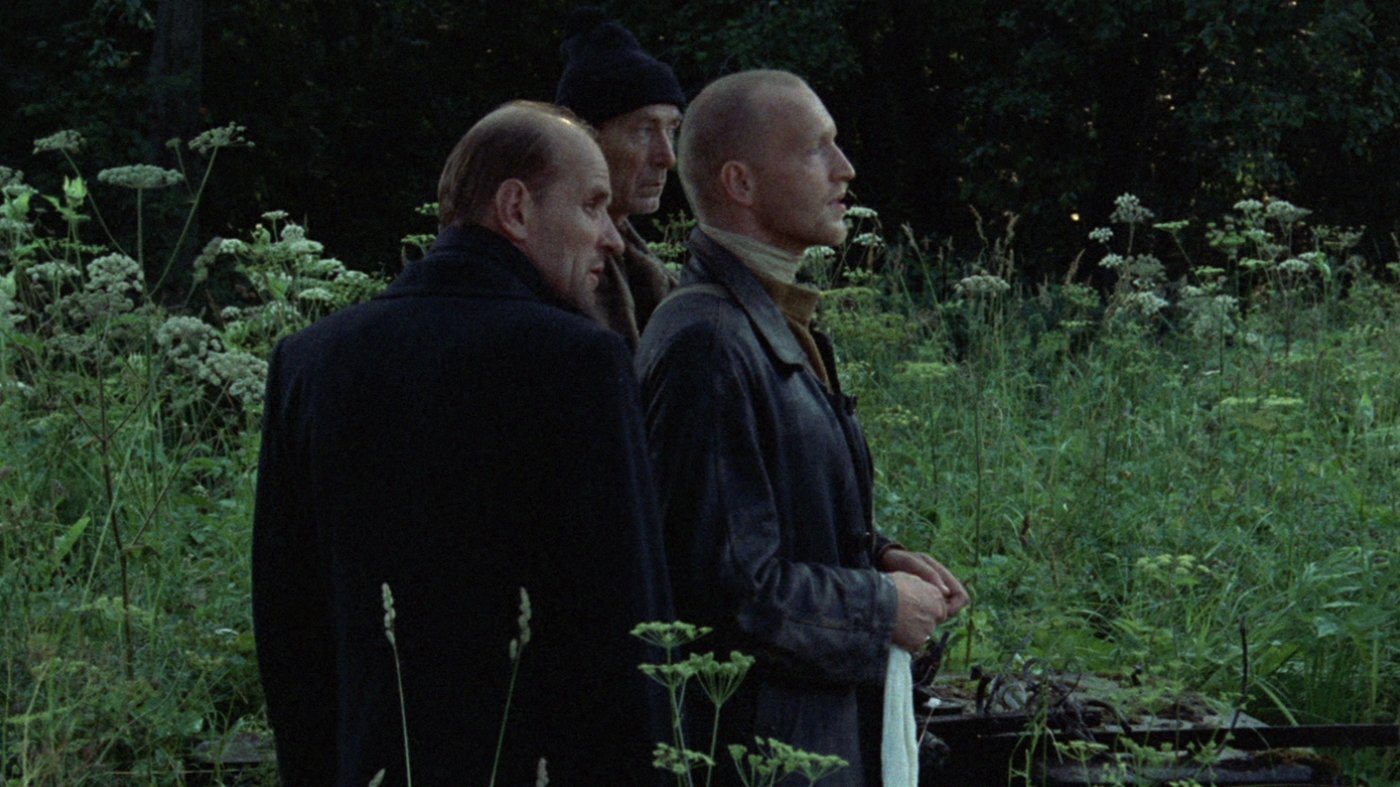
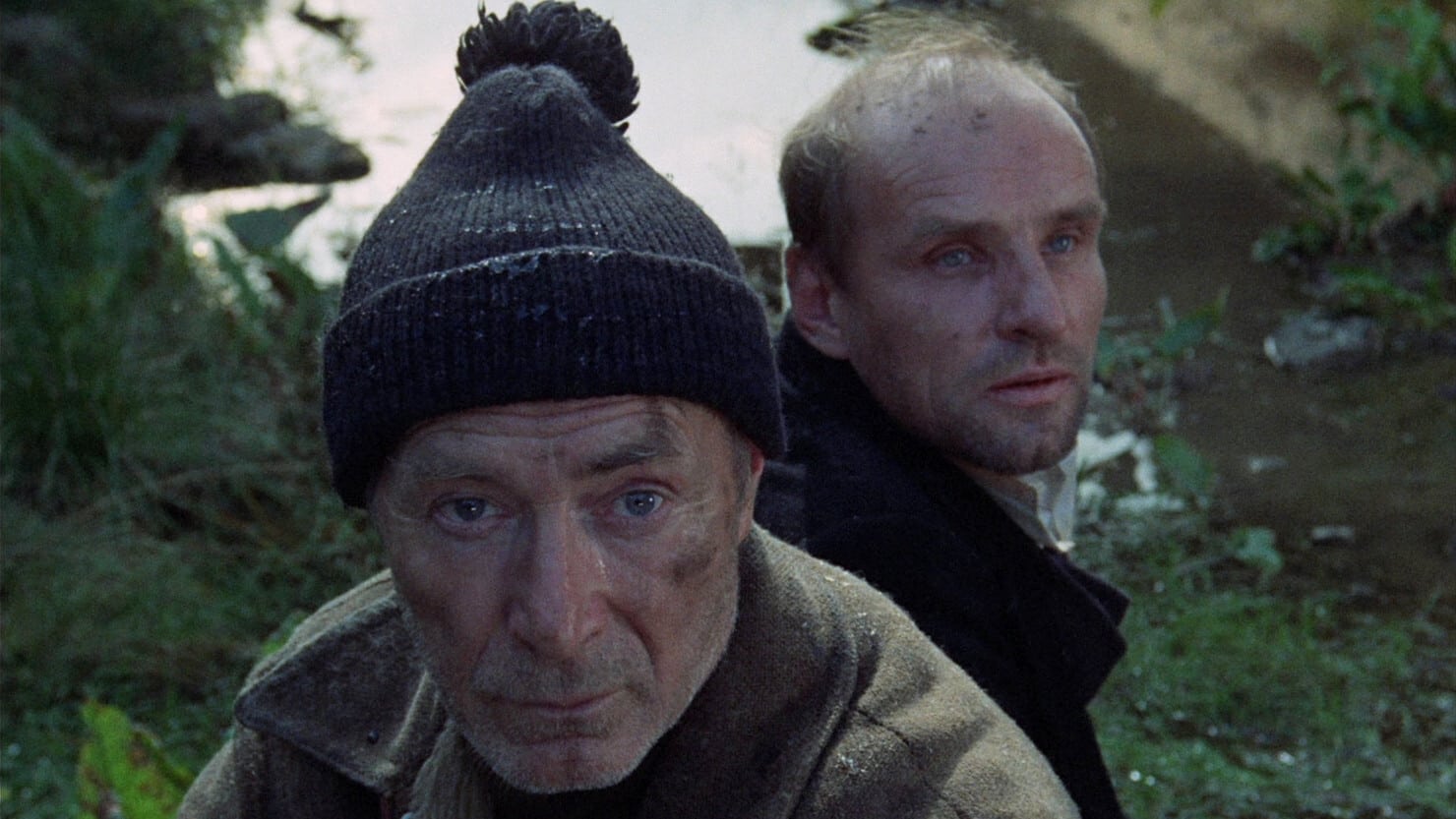
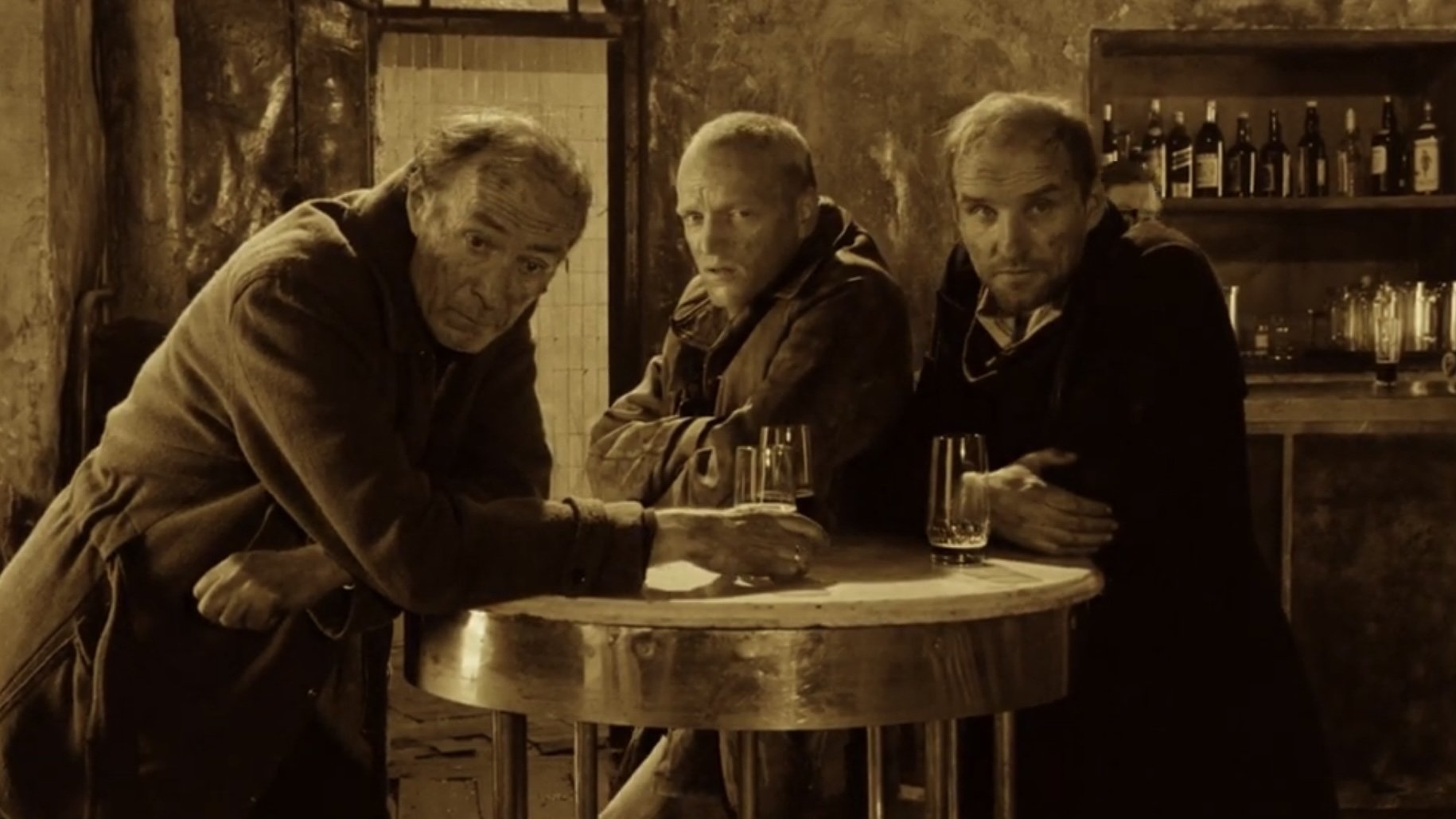
What struck me the most this time is how deeply human the film is beneath its metaphysical skin. These men aren’t explorers, they’re believers, doubters, cowards, and dreamers all at once. They carry the weight of wanting meaning while being terrified of what that meaning might reveal. The Room doesn’t grant wishes, it reflects truth. And maybe that’s why none of them dare to enter.
Because what if our deepest desire isn’t what we think it is?
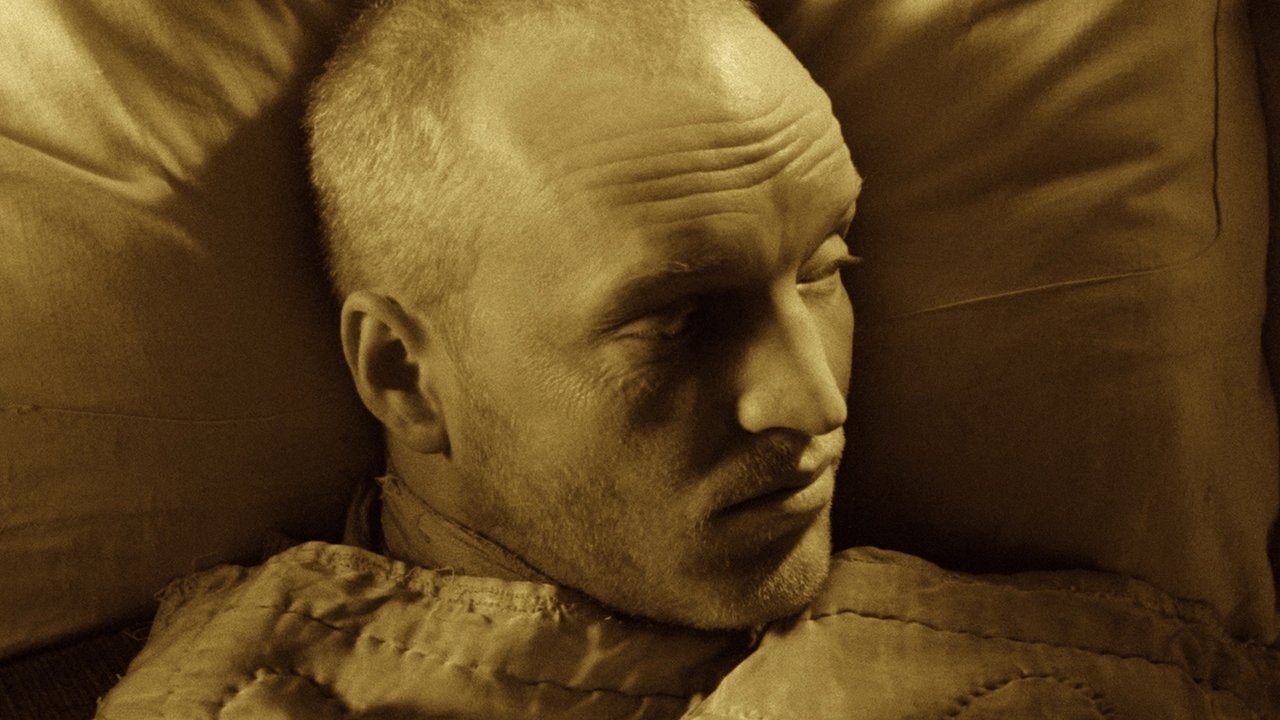
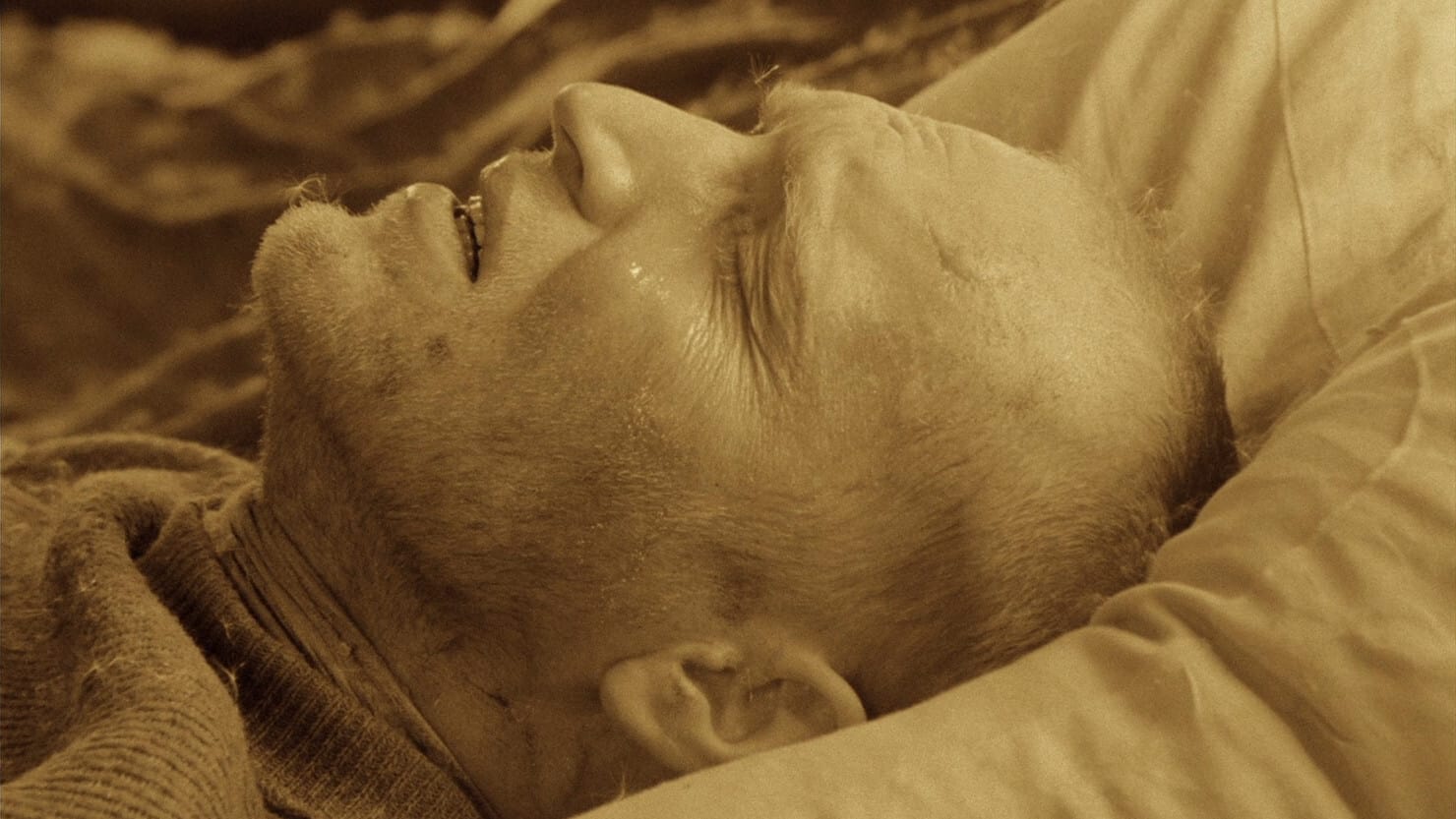
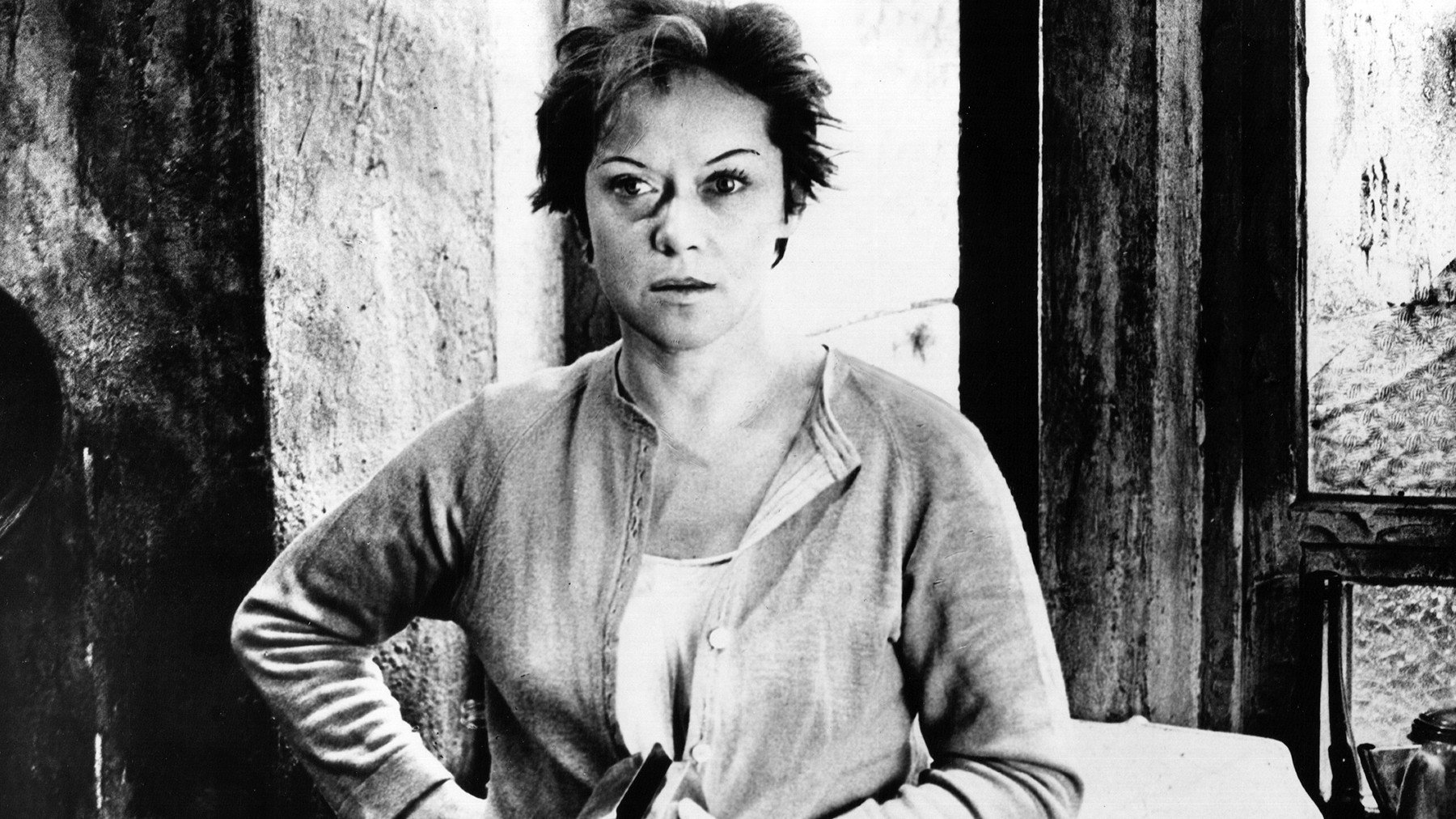
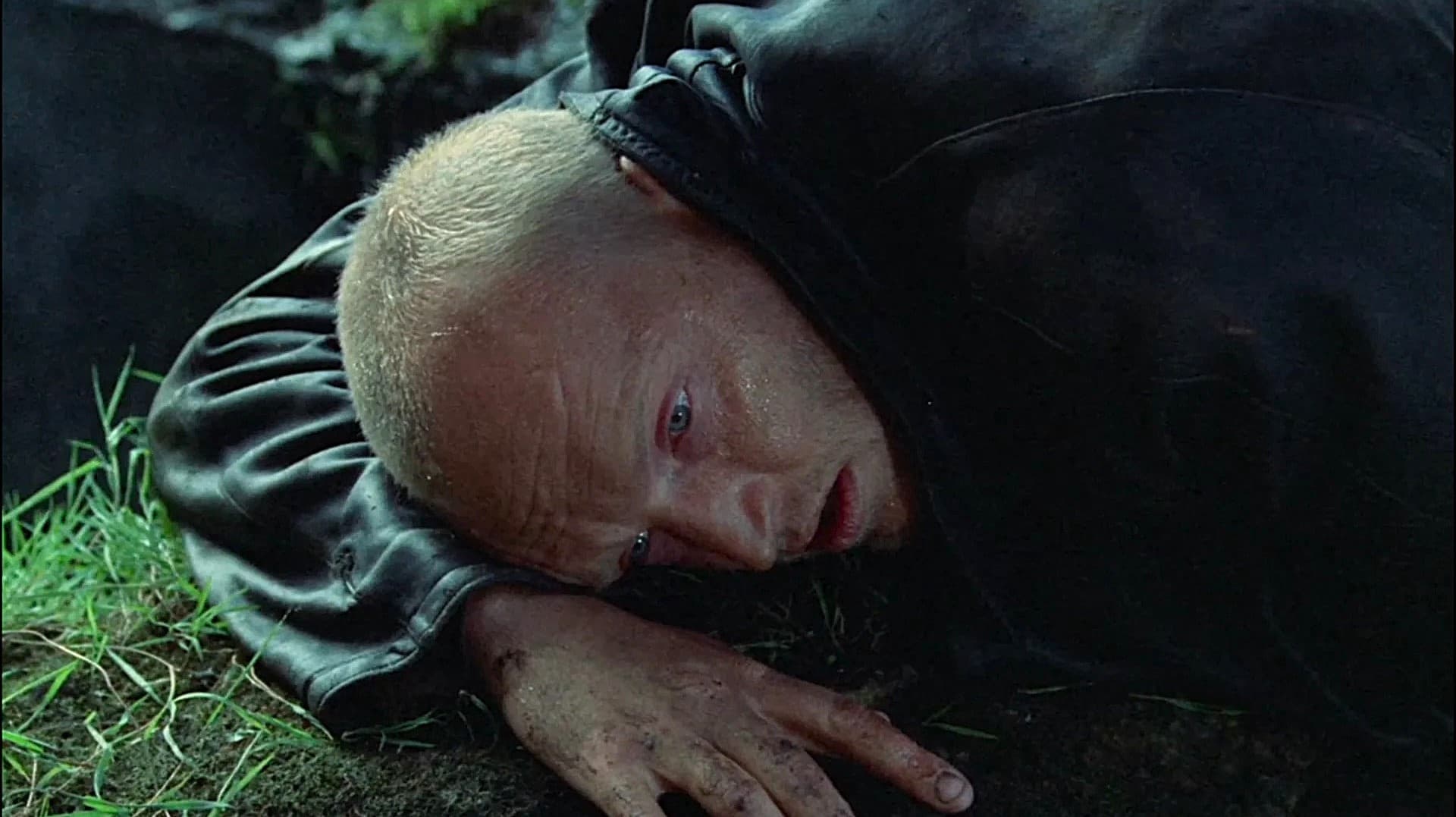
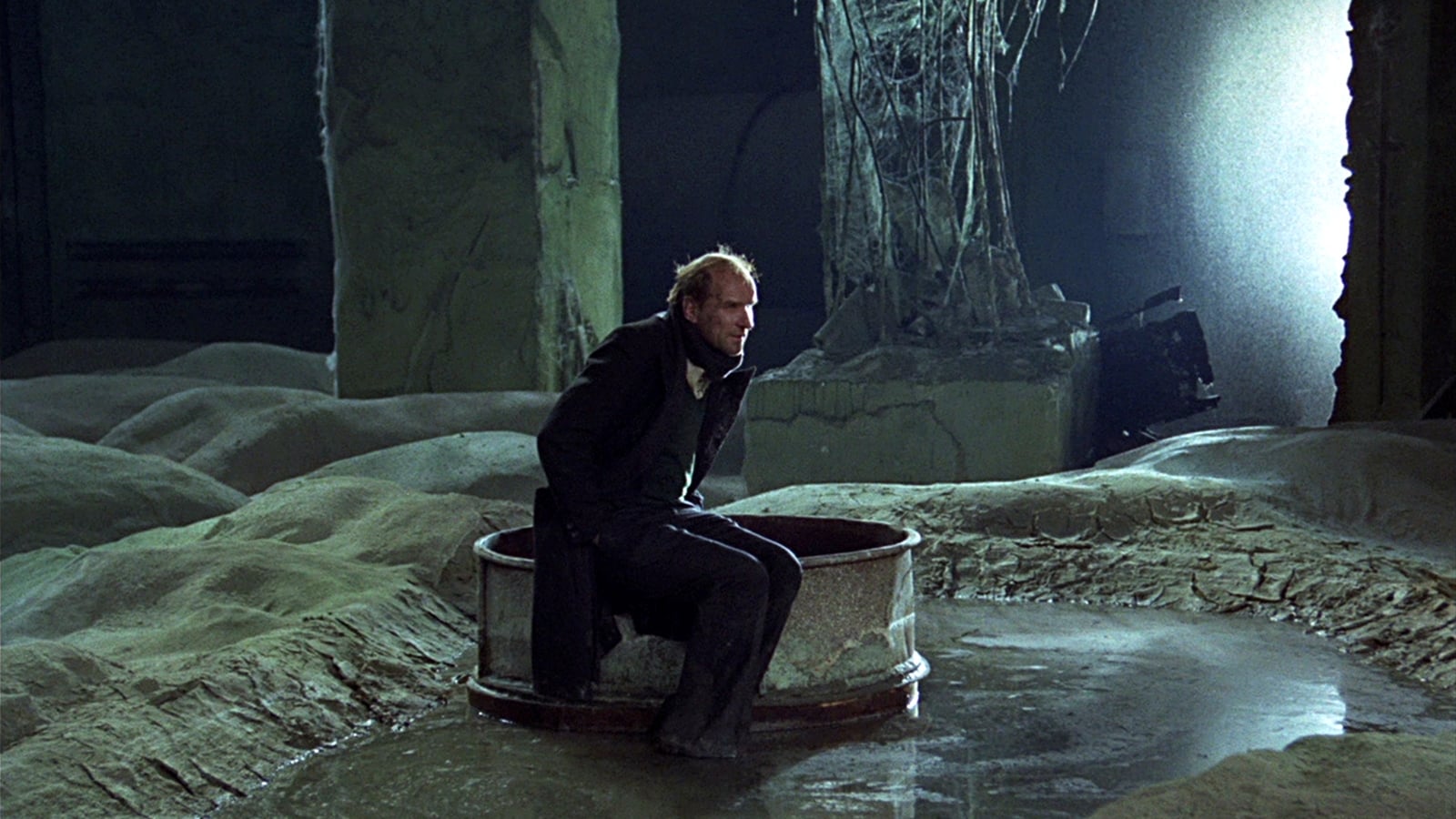
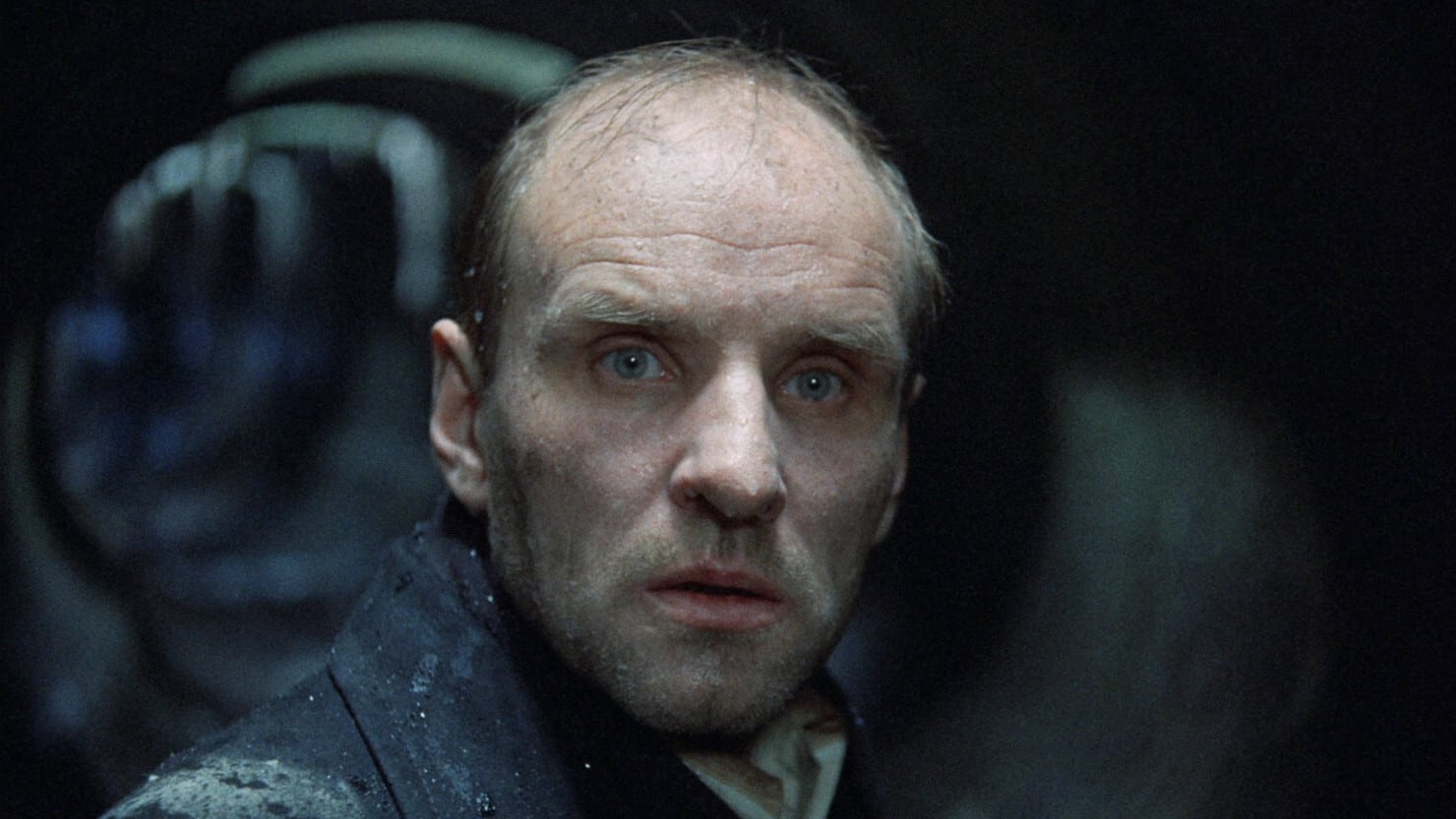
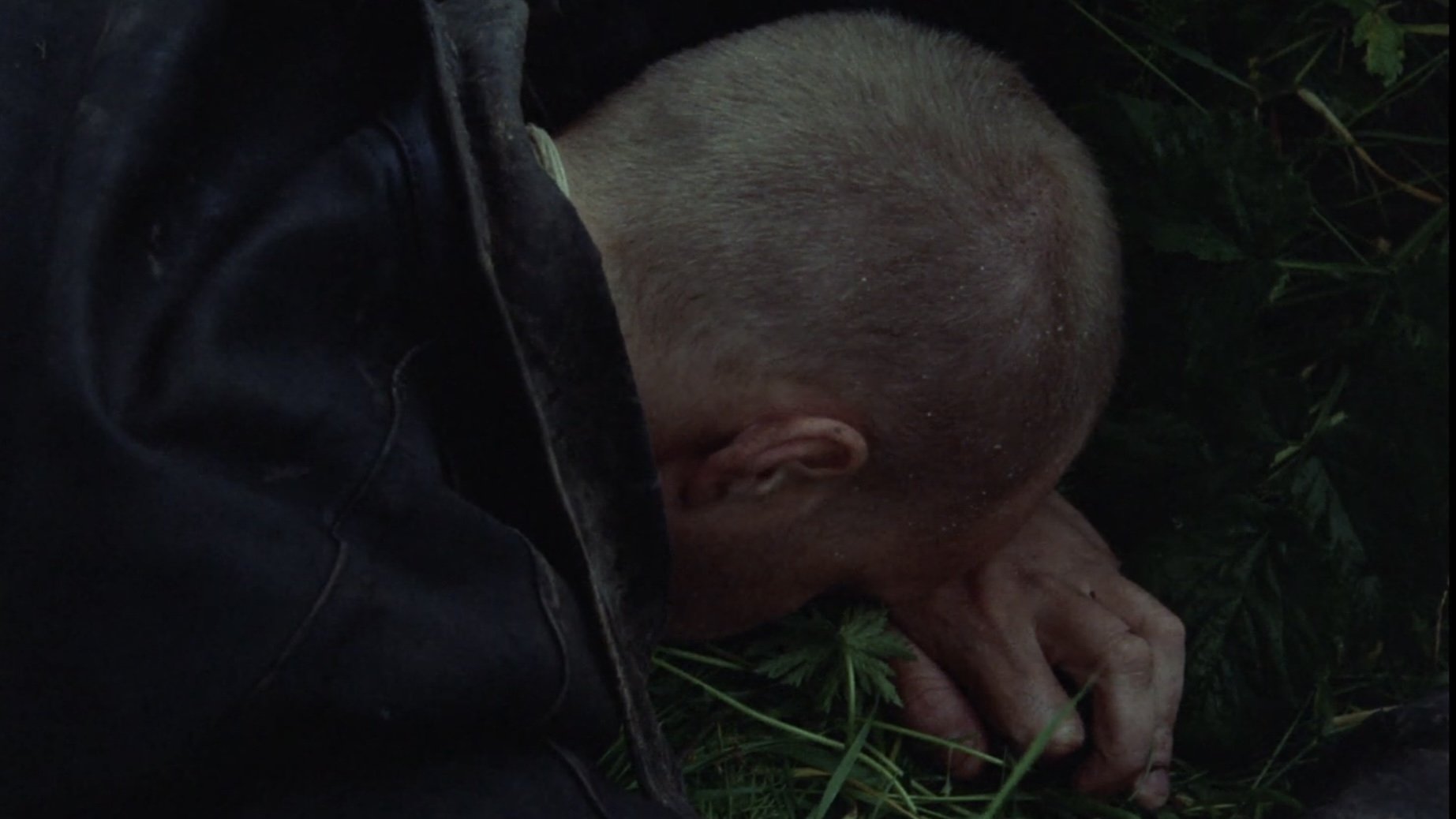
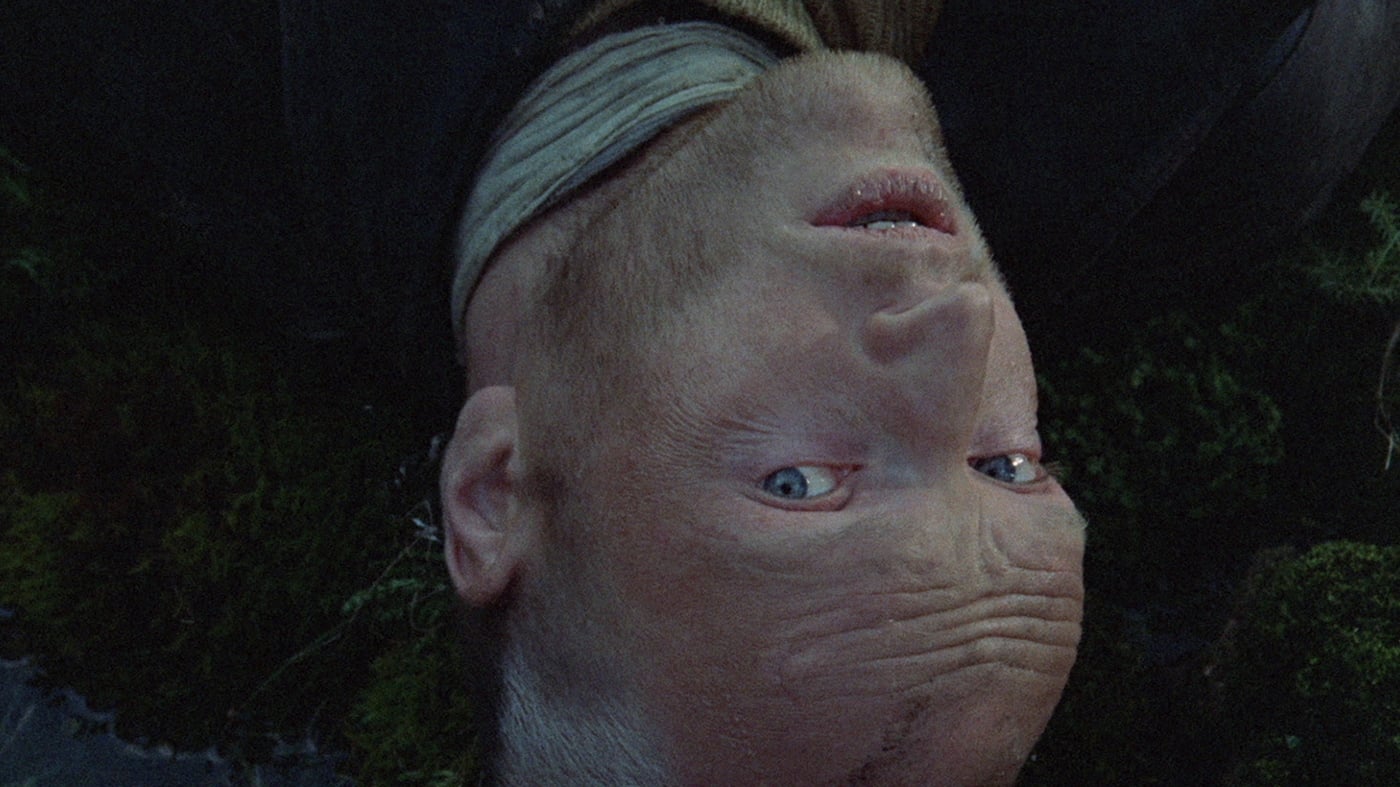
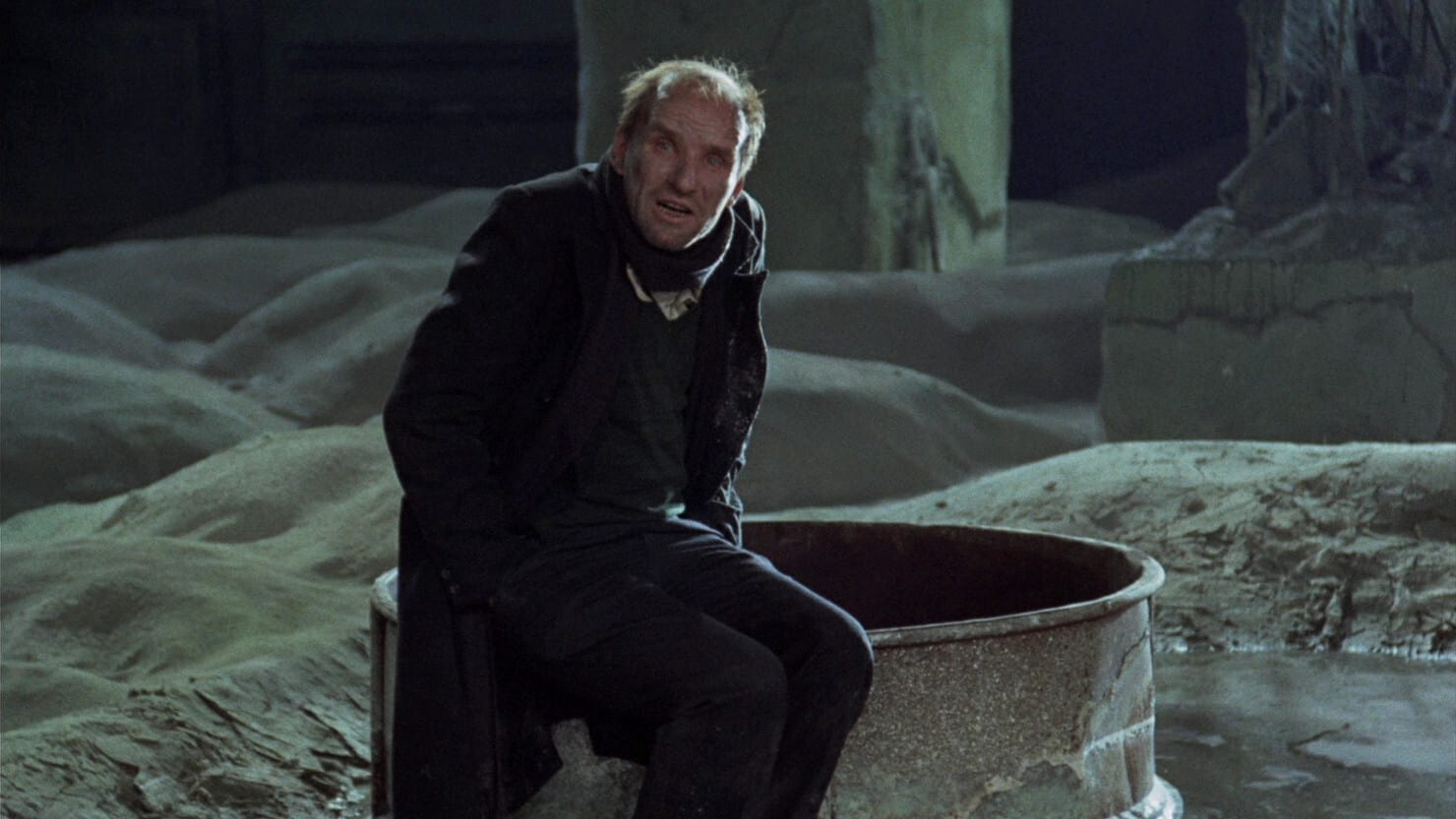
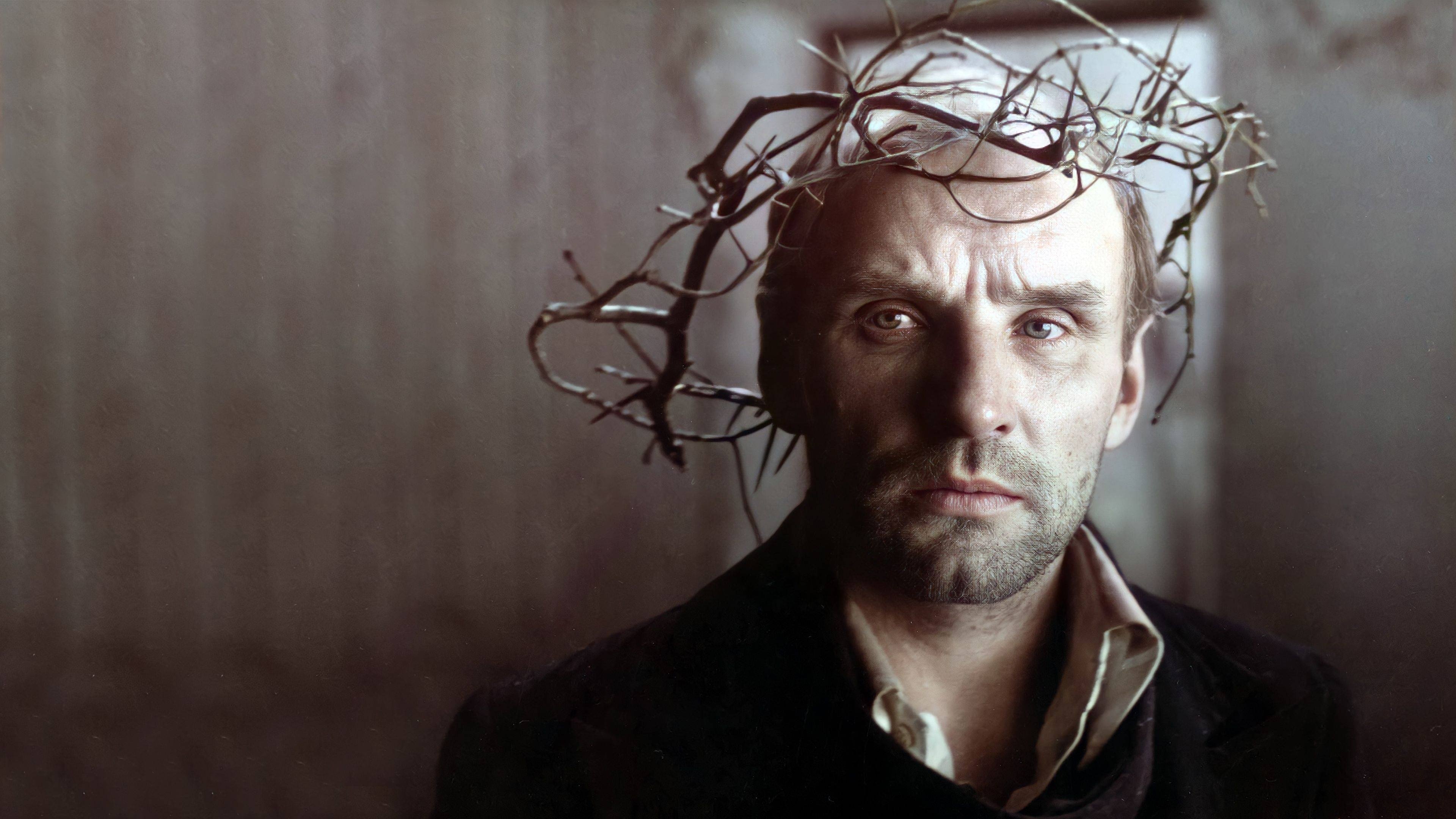
There’s something devastating in the Stalker himself: a man who has devoted his life to guiding others toward hope, yet lives in quiet despair. He believes when no one else can, and suffers because of it. In a world that’s lost faith, he becomes both necessary and tragic.
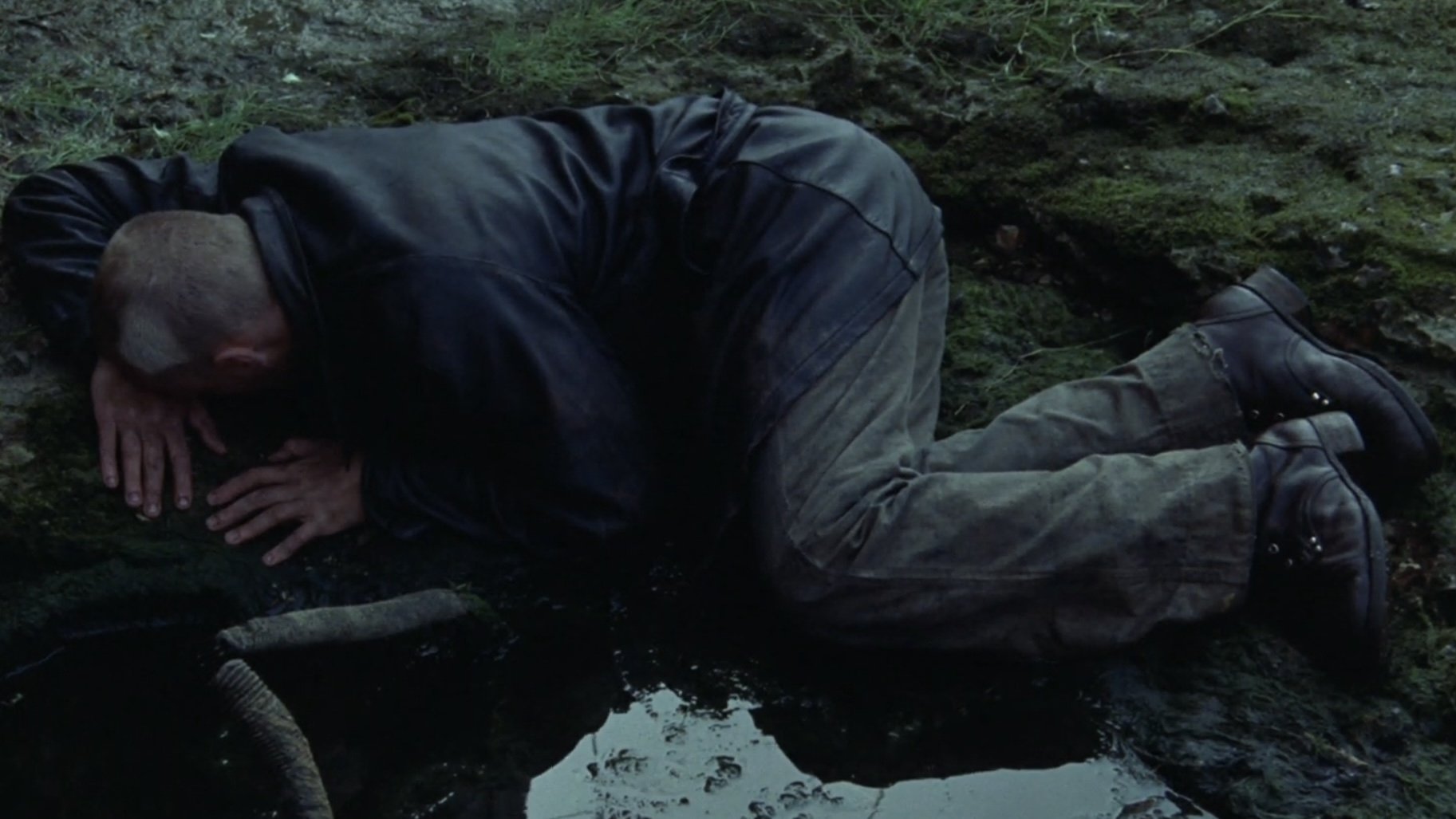
And somehow, this time, it broke me.
It made me think about how we move through life, searching for something pure, something absolute while constantly sabotaging ourselves with doubt, fear, and self-deception. It’s not a film about answers. It’s a film about the unbearable honesty of questions.
I used to think Persona was the peak of cinema for me. But Stalker… it feels different. Less like a film I rank, and more like one I return to when I need to face myself.
Some films impress you,
Others understand you.
Greatness in meaning
There are films you admire… and there are films that wait for you.
The first time I watched Stalker, I respected it. I saw the craft, the atmosphere, the philosophy but it stayed at a distance, like the Zone itself. Beautiful, but sealed. A place I couldn’t fully enter.
A year later, something changed. Or maybe I did.
Rewatching Stalker now feels less like watching a film and more like being quietly confronted by it. The slowness isn’t slowness anymore, it’s mercy. The silence isn’t empty, it’s listening. And the journey through the Zone stops being about reaching the Room, but about exposing the fragile, contradictory nature of being human.
What struck me the most this time is how deeply human the film is beneath its metaphysical skin. These men aren’t explorers, they’re believers, doubters, cowards, and dreamers all at once. They carry the weight of wanting meaning while being terrified of what that meaning might reveal. The Room doesn’t grant wishes, it reflects truth. And maybe that’s why none of them dare to enter.
Because what if our deepest desire isn’t what we think it is?
There’s something devastating in the Stalker himself: a man who has devoted his life to guiding others toward hope, yet lives in quiet despair. He believes when no one else can, and suffers because of it. In a world that’s lost faith, he becomes both necessary and tragic.
And somehow, this time, it broke me.
It made me think about how we move through life, searching for something pure, something absolute while constantly sabotaging ourselves with doubt, fear, and self-deception. It’s not a film about answers. It’s a film about the unbearable honesty of questions.
I used to think Persona was the peak of cinema for me. But Stalker… it feels different. Less like a film I rank, and more like one I return to when I need to face myself.
Some films impress you,
Others understand you.
Greatness in meaning





























 1
1