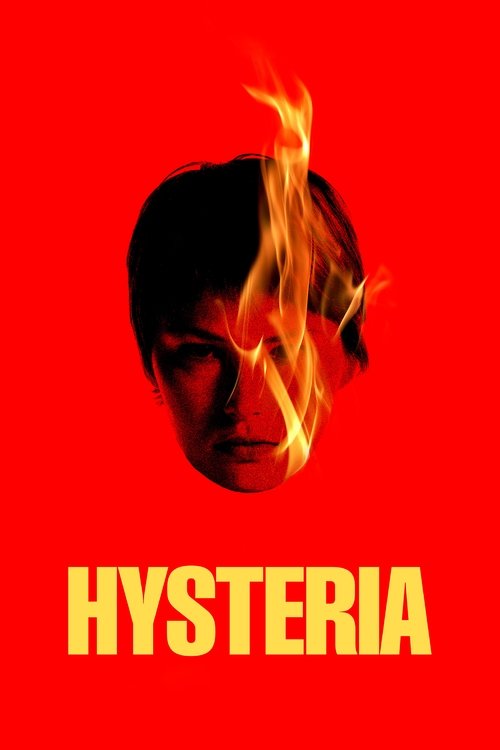
Mehmet Akif Büyükatalay announced himself as a filmmaker of genuine consequence with his debut Oray back in 2019. His sophomore feature Hysteria, which premiered in the Panorama section of the 75th Berlin International Film Festival, confirms that he is working with ideas that matter and a political intelligence that is sharp and unsparing. It also confirms that ambition and execution do not always arrive at the same destination at the same time.
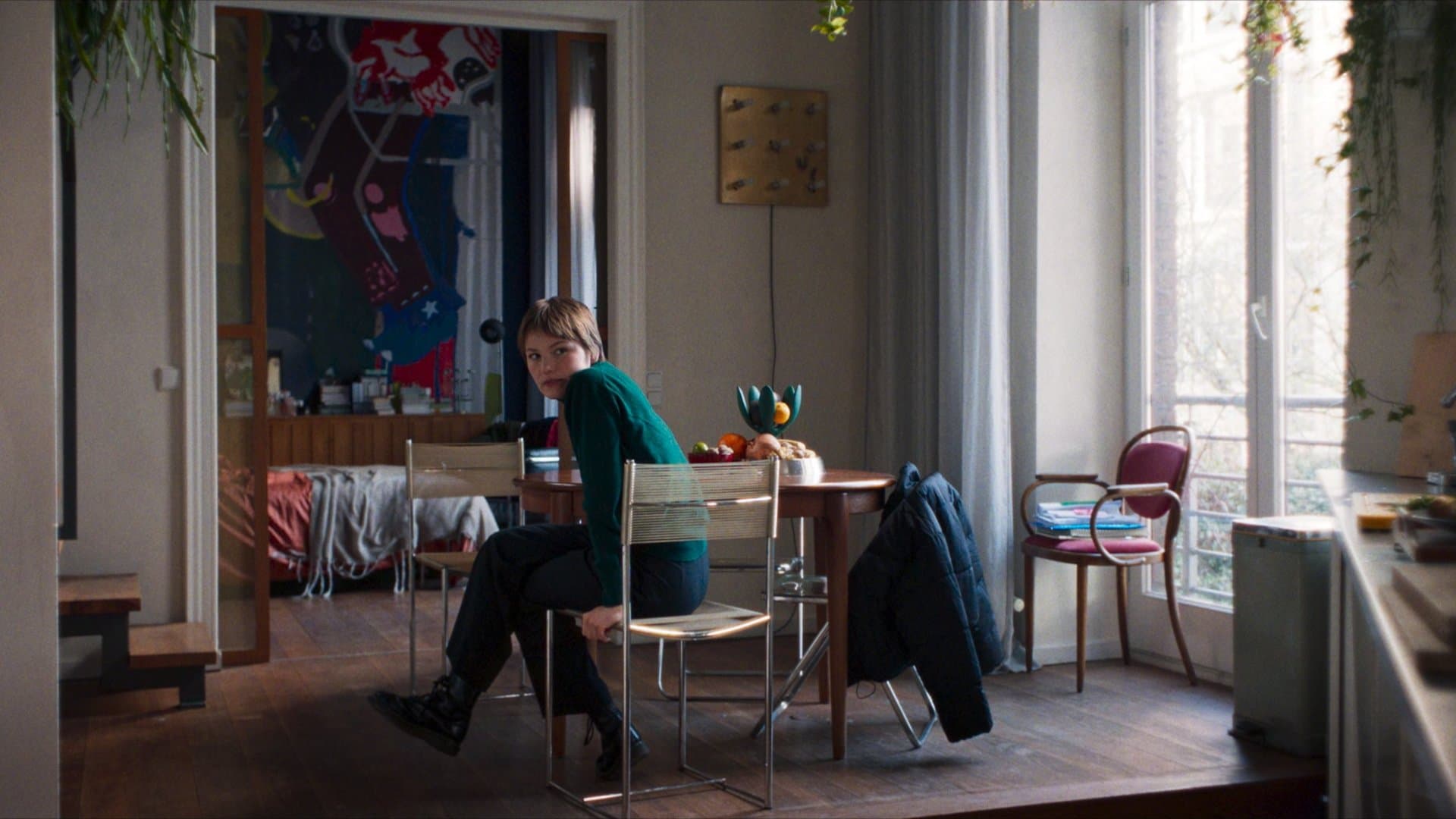
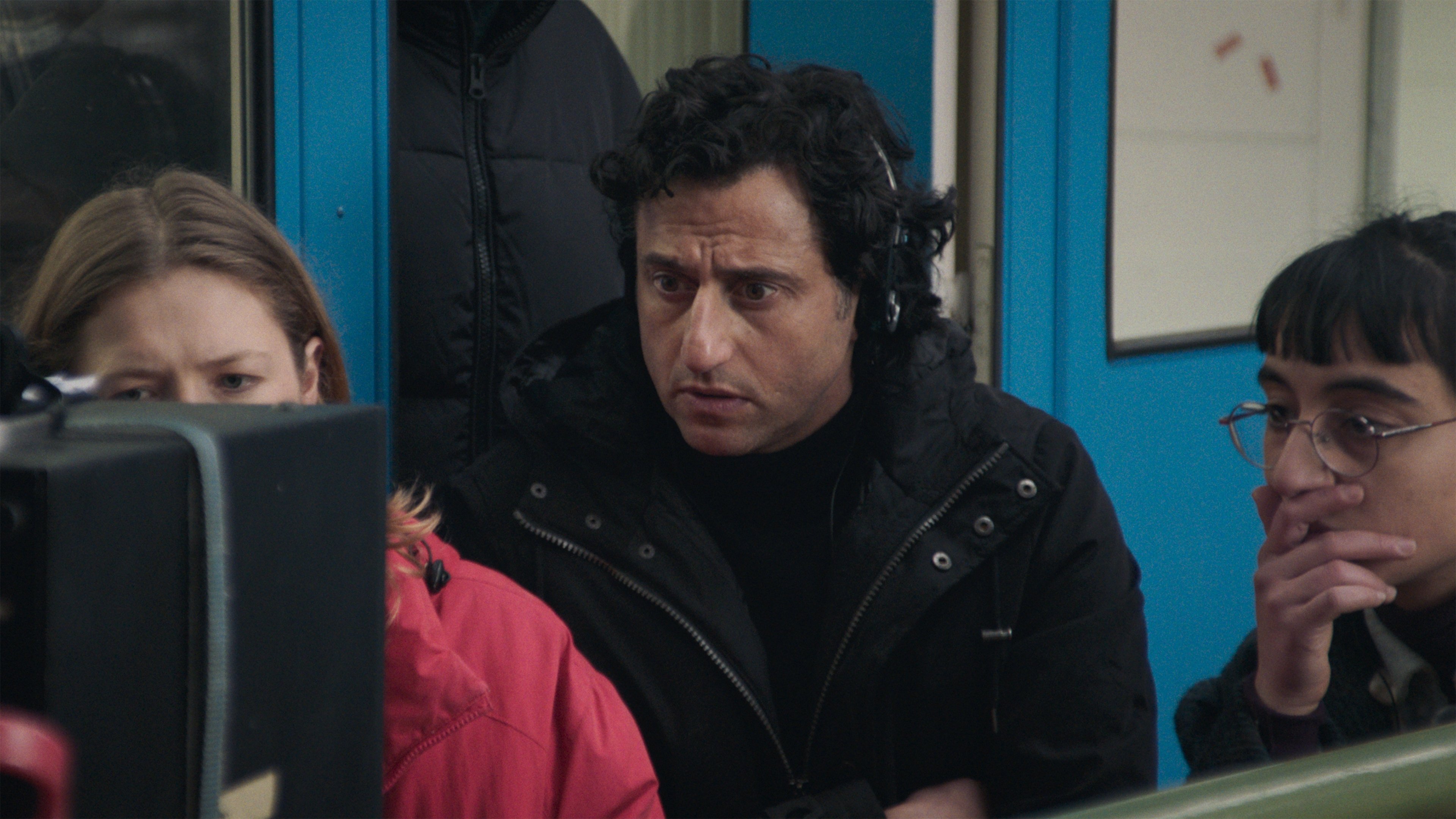
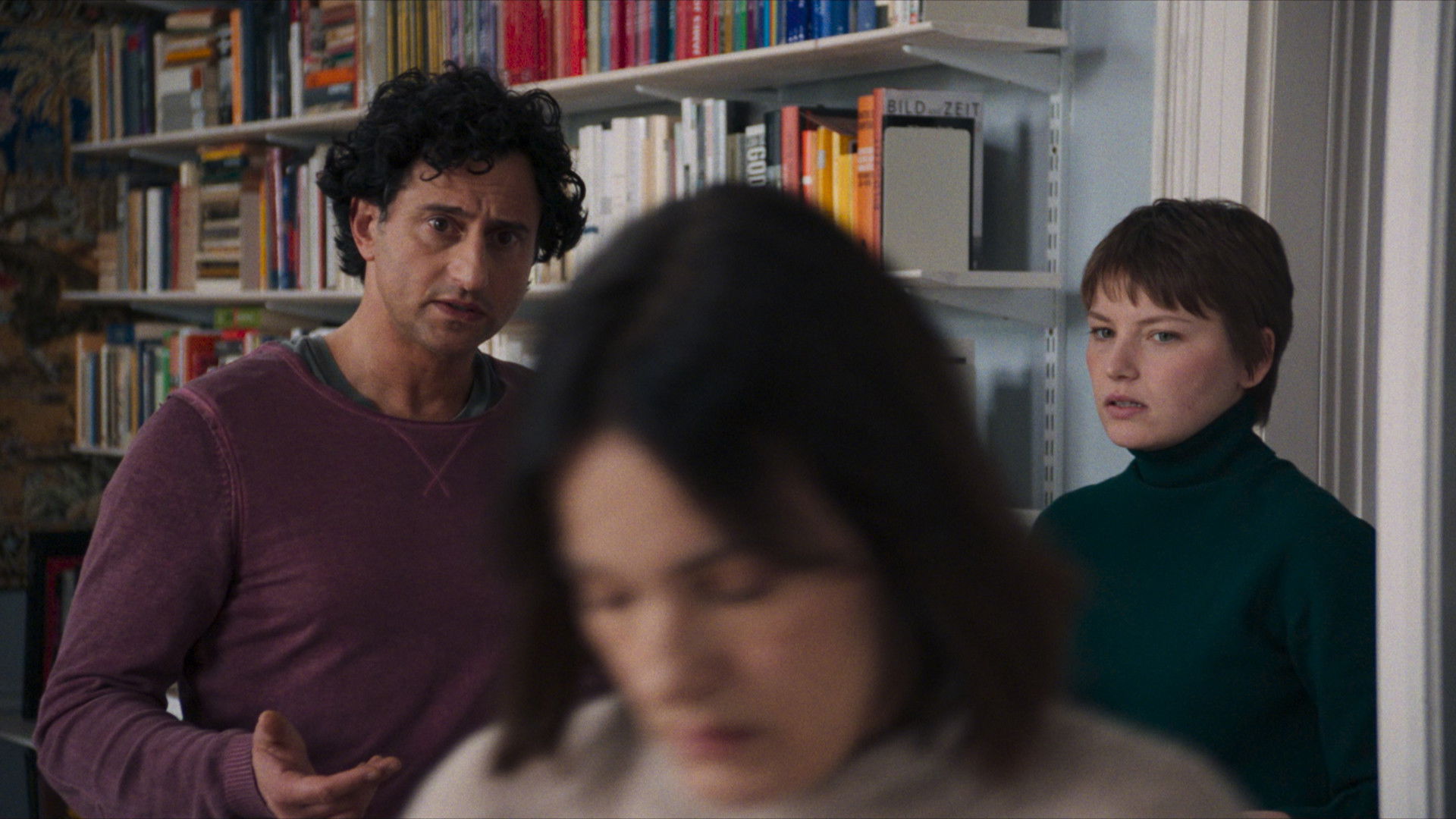
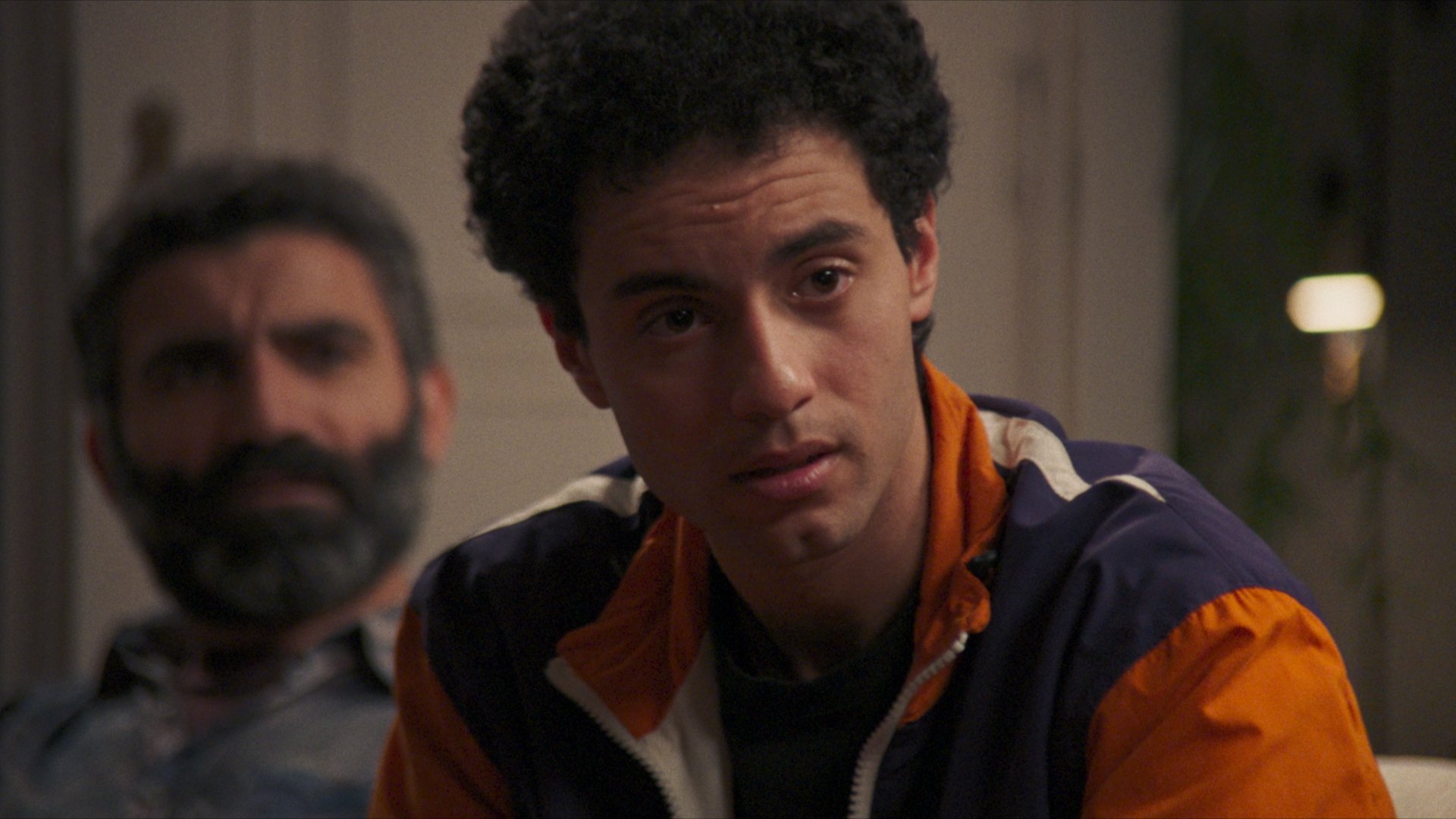
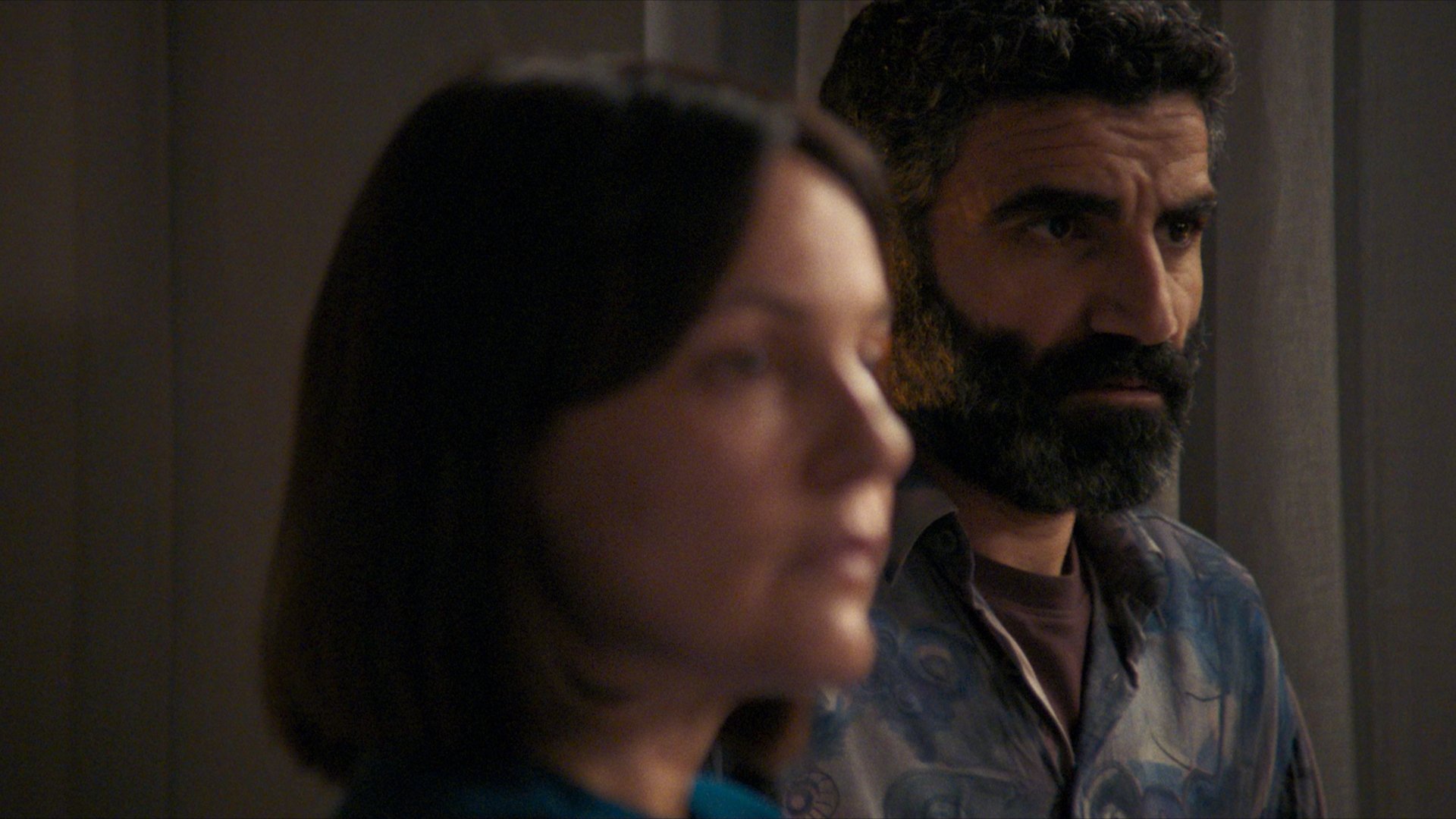
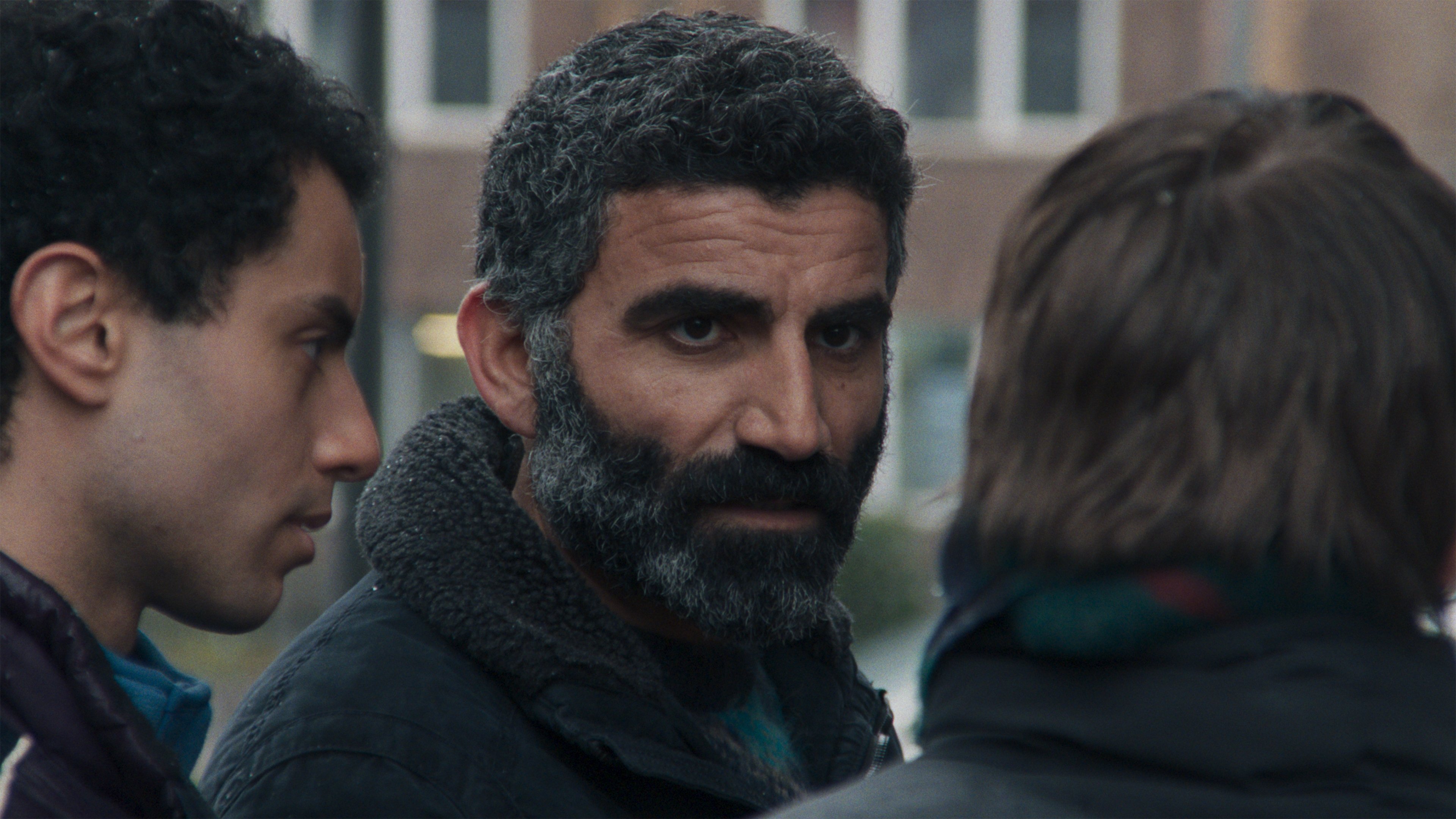
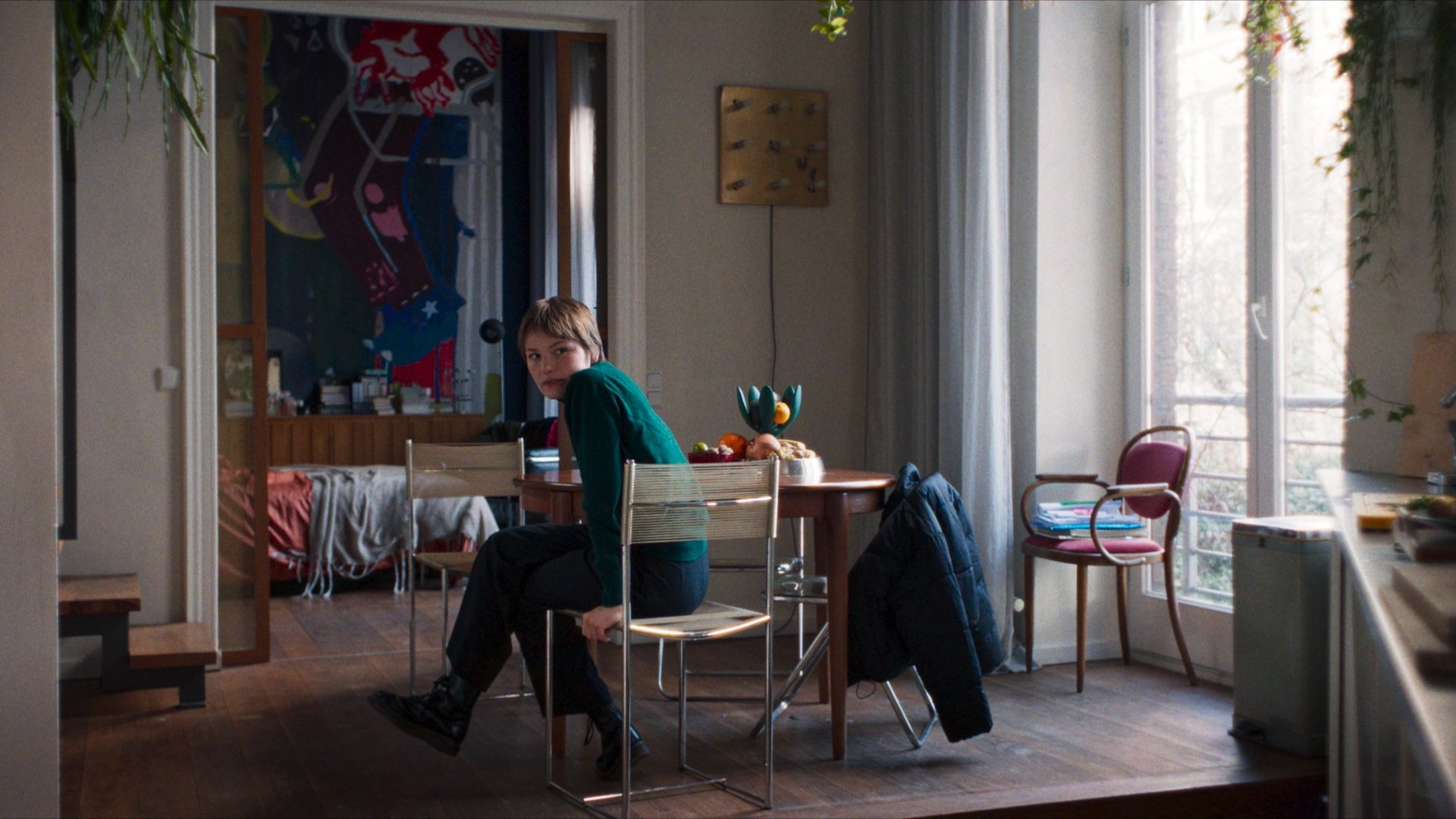
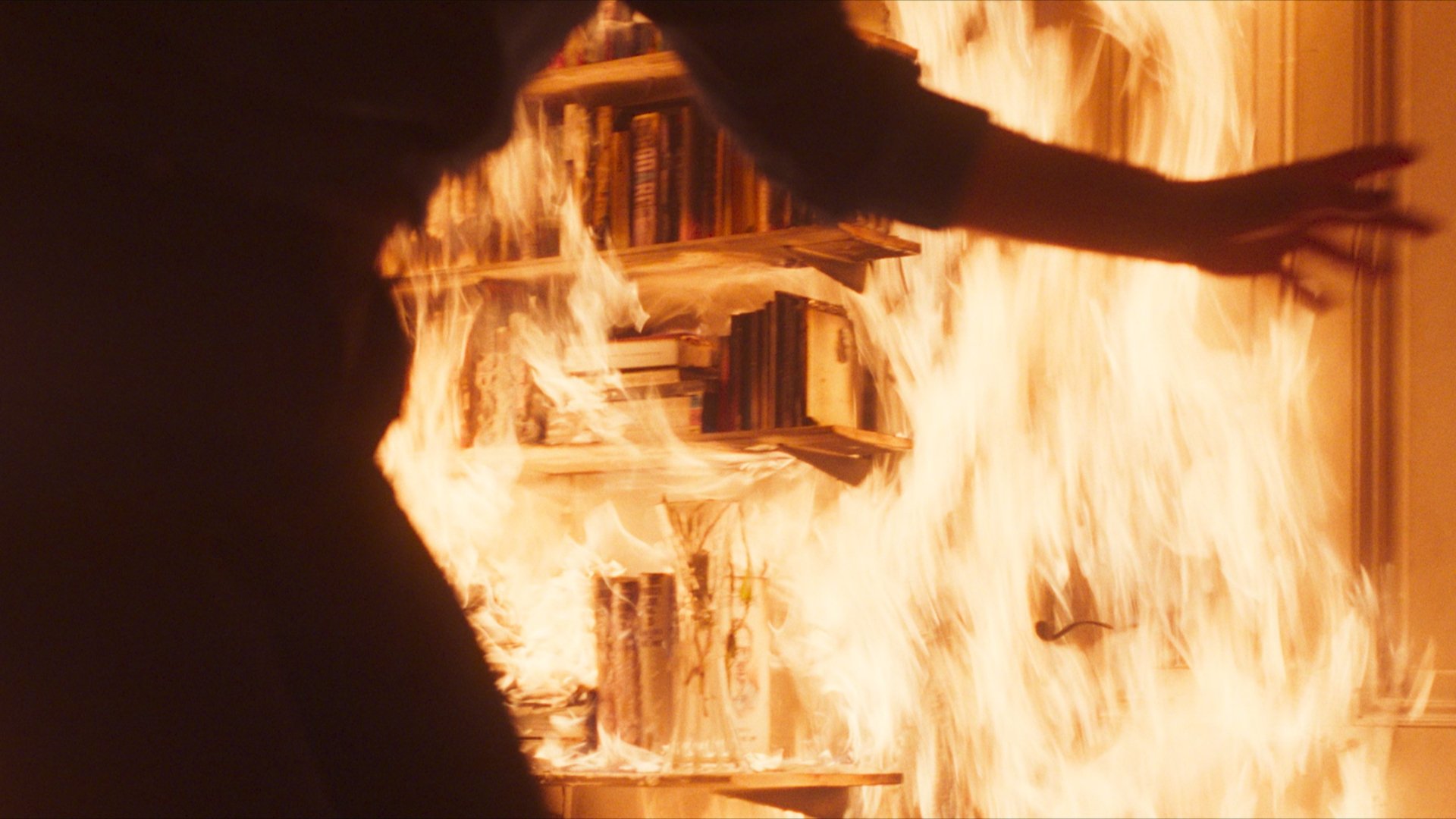
The setup is immediately gripping. A film crew is in production on a drama recreating a real historical act of violence against a Turkish family in Germany. When a copy of the Quran is burned on set and footage of the incident goes missing, the shoot descends into a vortex of suspicion, accusation, and barely suppressed panic. At the center of it all is Elif, a young intern who finds herself drawn deeper and deeper into a conspiracy she did not ask to be part of.
The film works, and works well, as a whodunit. Büyükatalay constructs a genuinely twisty mystery that keeps you guessing, playing the film-within-a-film format with real cleverness. But Hysteria is after something larger than suspense. It wants to interrogate who gets to tell immigrant stories, who profits from dramatizing the suffering of minorities, and how liberal, well-meaning institutions can replicate the very prejudices they claim to oppose. These are urgent questions, and the film earns real credit for asking them so directly in 2025 Europe.
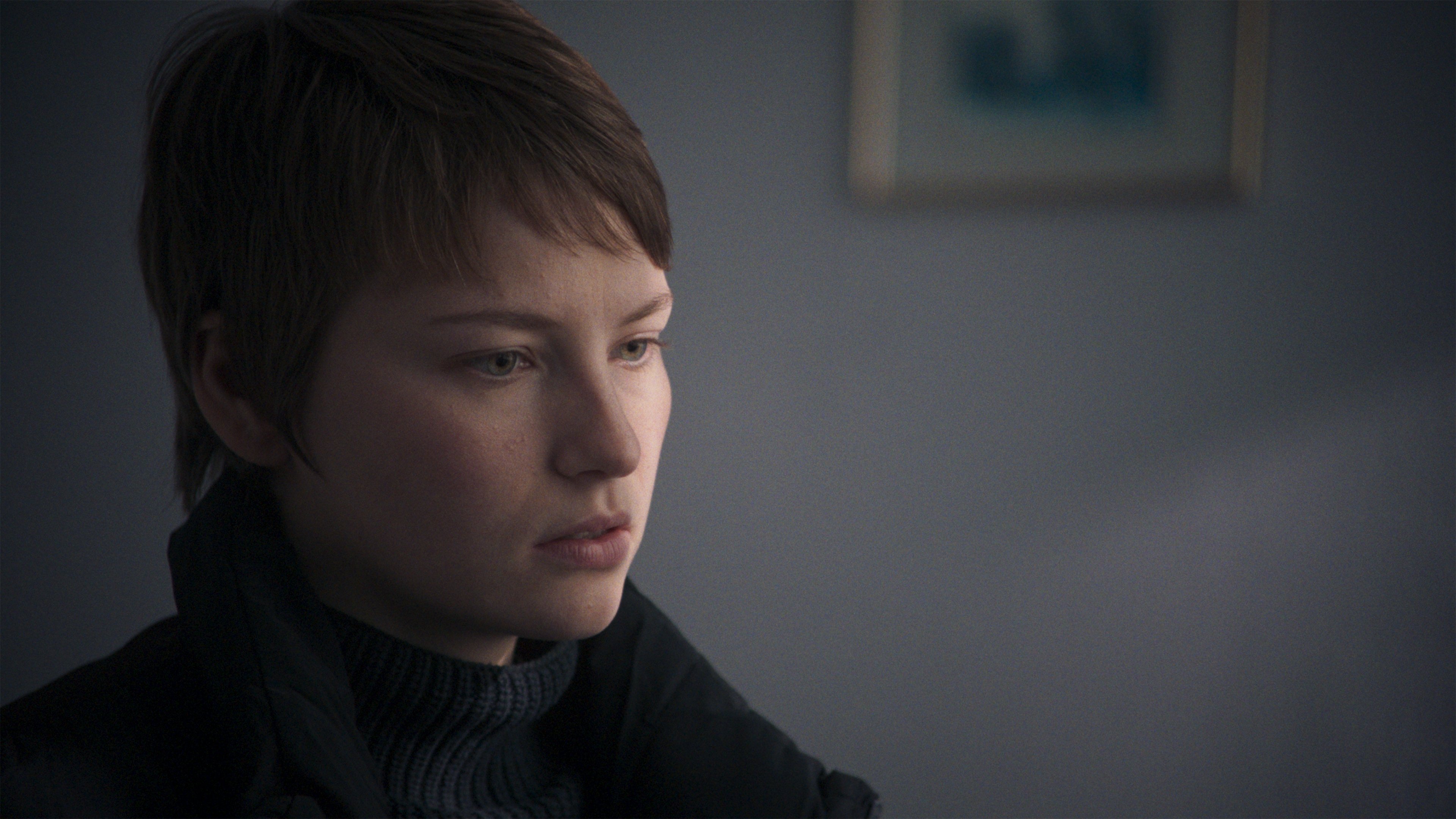
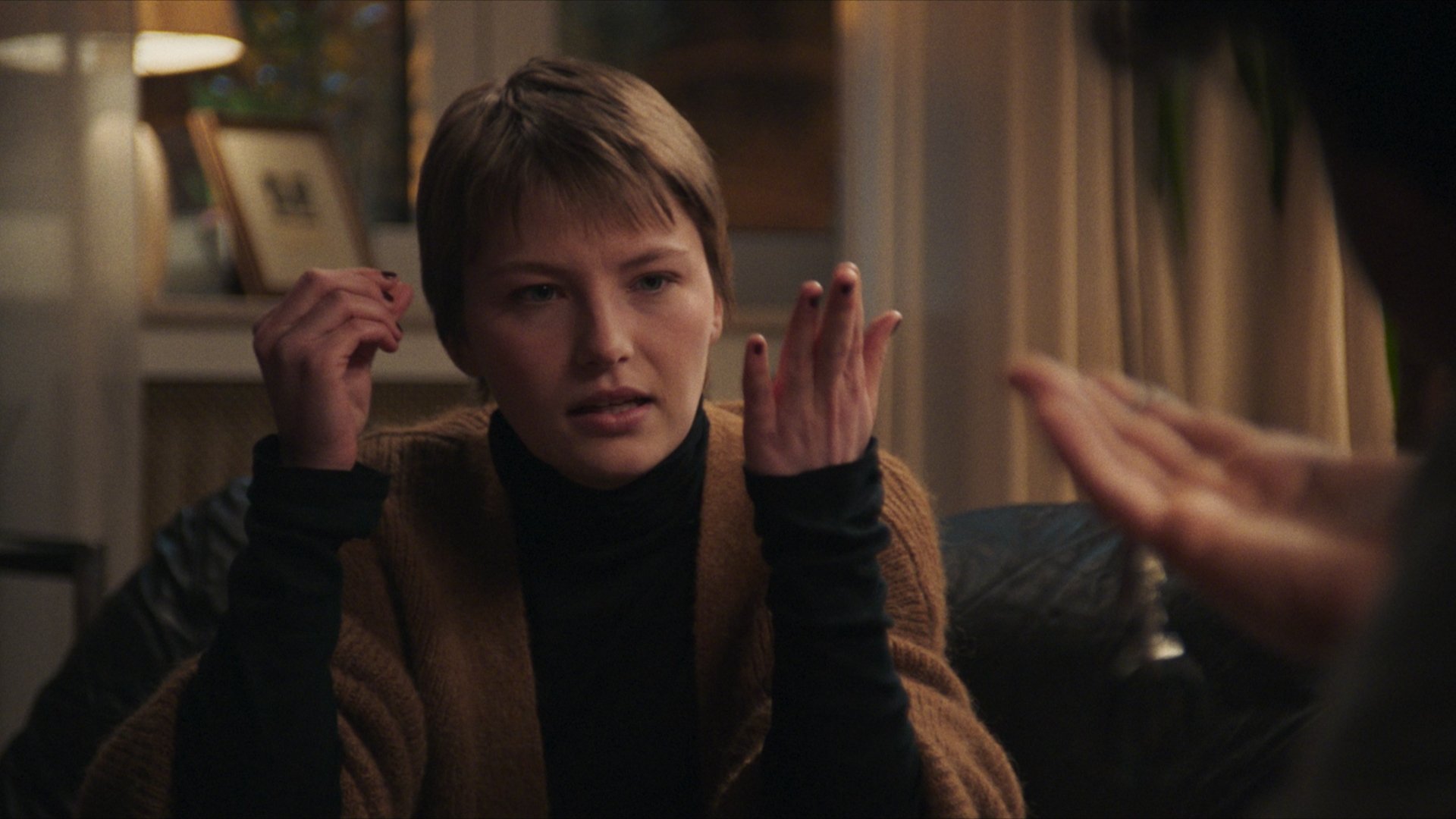
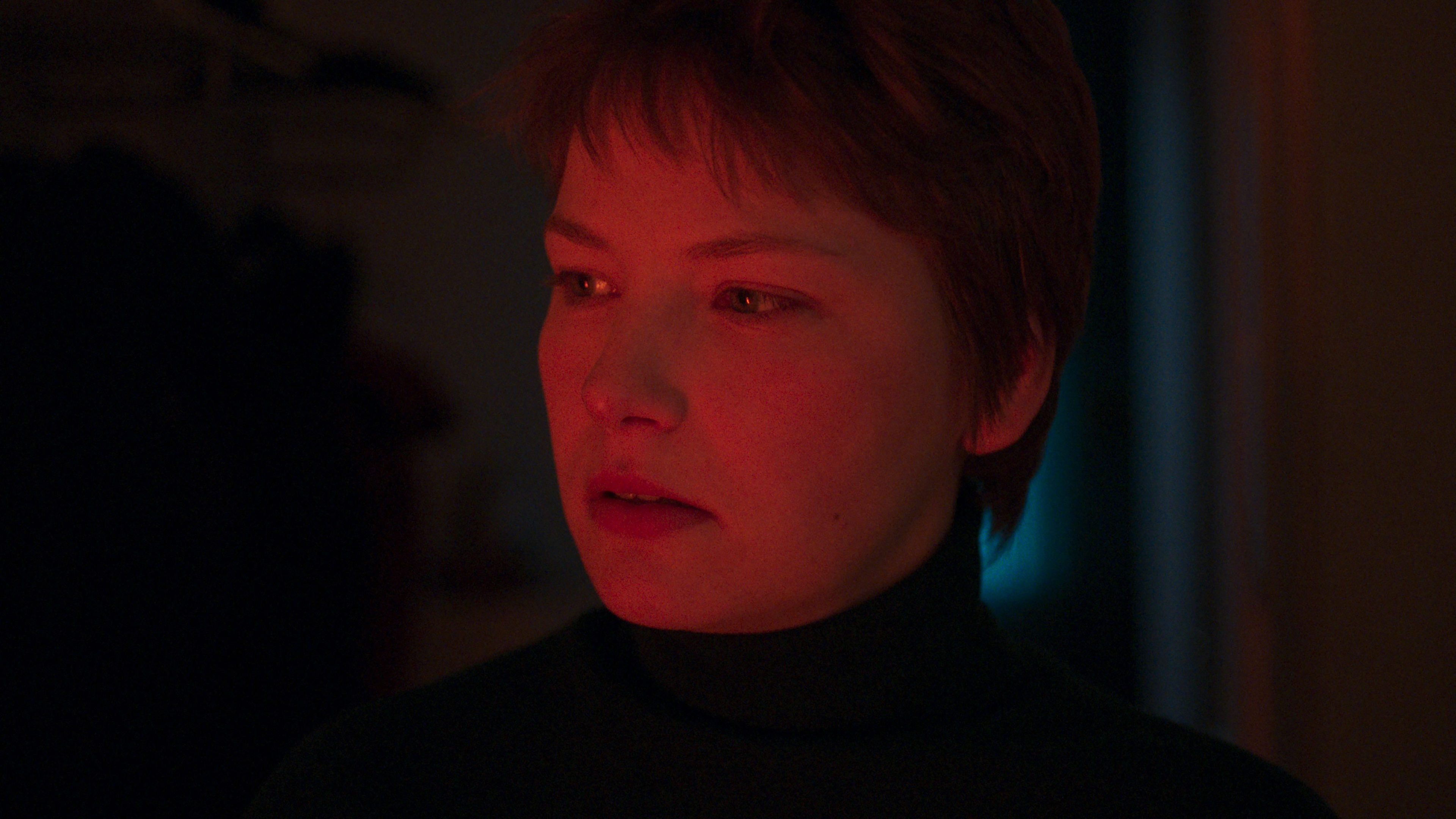
Devrim Lingnau carries the film with considerable skill. Her Elif is watchful and reactive, a young woman navigating an environment that was never designed to protect someone like her, and Lingnau finds the character's intelligence and vulnerability without tipping into either passivity or implausible heroism. The supporting cast is equally well chosen, each figure representing a different position in the film's moral landscape.
Where Hysteria stumbles is in its plotting, which grows unnecessarily tangled in its second half. The film accumulates complications and reversals to the point where the intellectual argument begins to get lost in the machinery of the thriller. Some characters make choices that strain credibility in ways that feel less like deliberate ambiguity and more like convenience. And the final act, while energetic, slightly overreaches in ways that dilute the precision of what came before.
These are real frustrations in a film that so clearly has the craft and the conviction to be something exceptional. As it stands, Hysteria is a pointed, provocative, and frequently gripping work that asks exactly the right questions about art, representation, and social conscience, even if it does not always have full command of its own answers.
Imperfect, intellectually alive, and well worth the discomfort it provokes.
Mehmet Akif Büyükatalay announced himself as a filmmaker of genuine consequence with his debut Oray back in 2019. His sophomore feature Hysteria, which premiered in the Panorama section of the 75th Berlin International Film Festival, confirms that he is working with ideas that matter and a political intelligence that is sharp and unsparing. It also confirms that ambition and execution do not always arrive at the same destination at the same time.
The setup is immediately gripping. A film crew is in production on a drama recreating a real historical act of violence against a Turkish family in Germany. When a copy of the Quran is burned on set and footage of the incident goes missing, the shoot descends into a vortex of suspicion, accusation, and barely suppressed panic. At the center of it all is Elif, a young intern who finds herself drawn deeper and deeper into a conspiracy she did not ask to be part of.
The film works, and works well, as a whodunit. Büyükatalay constructs a genuinely twisty mystery that keeps you guessing, playing the film-within-a-film format with real cleverness. But Hysteria is after something larger than suspense. It wants to interrogate who gets to tell immigrant stories, who profits from dramatizing the suffering of minorities, and how liberal, well-meaning institutions can replicate the very prejudices they claim to oppose. These are urgent questions, and the film earns real credit for asking them so directly in 2025 Europe.
Devrim Lingnau carries the film with considerable skill. Her Elif is watchful and reactive, a young woman navigating an environment that was never designed to protect someone like her, and Lingnau finds the character's intelligence and vulnerability without tipping into either passivity or implausible heroism. The supporting cast is equally well chosen, each figure representing a different position in the film's moral landscape.
Where Hysteria stumbles is in its plotting, which grows unnecessarily tangled in its second half. The film accumulates complications and reversals to the point where the intellectual argument begins to get lost in the machinery of the thriller. Some characters make choices that strain credibility in ways that feel less like deliberate ambiguity and more like convenience. And the final act, while energetic, slightly overreaches in ways that dilute the precision of what came before.
These are real frustrations in a film that so clearly has the craft and the conviction to be something exceptional. As it stands, Hysteria is a pointed, provocative, and frequently gripping work that asks exactly the right questions about art, representation, and social conscience, even if it does not always have full command of its own answers.
Imperfect, intellectually alive, and well worth the discomfort it provokes.